Retail News CRM

Tag: Korea

  • AI fashion-tech firm Odd Concepts receives $6 million

    AI fashion-tech firm Odd Concepts receives $6 million

    South Korean AI-based fashion-tech firm Odd Concepts has raised US$6 million in Series B funding, taking the company’s accumulated investments to about US$10 million.

    The funding is expected to allow the business to expand its growth into Asia-Pacific markets, applying its proprietary machine learning technologies to other industries.

    Fashion-tech firm Odd Concept’s fashion-styling service PXL is based on the firm’s own algorithms for recognizing, analyzing and searching images and recommends personalized fashion products based on an analysis of products that interest consumers. Around 100 e-commerce firms in Korea and other countries in the region use the service, with about 9 million unique users.

    Participants in the funding round included KB Securities, HB Investment, Kiwoom Investment-Shinhan Capital, Korea Development Bank and SBI Investment Korea.

    “We decided to invest in Odd Concepts because the company’s own technology clearly verifies the class of excellence in the popular field of fashion commerce,” said KB Securities assistant manager Jeong Seong-hoon.

    “I expect Odd Concept’s proprietary machine-learning technologies would be applied to other industries extensively.”

  • South Korean retail sales surge as people stay home

    South Korean retail sales surge as people stay home

    South Korean retail sales surged 9.1 percent in February, despite the advent of the coronavirus pandemic.

    The year-on-year increase reflected consumers buying more daily necessities online as the virus spread. And, with people largely staying home, substantially less was spent eating out, so consumers were buying more food to prepare or eat at home.

    According to data compiled by the Ministry of Trade, Industry and Energy, South Korean retail sales rose from US$7.92 billion in February last year to $8.68 billion last month.

    Online sales soared by 34.3 percent, the strongest increase since data was first collected in 2016. By comparison, for the whole of last year, online sales rose by 14.2 percent.

    Food sales almost doubled, driving overall growth, while sales of household products were up by 44.5 percent.

    Convenience-store turnover rose by 7.8 percent, however, overall sales across offline stores fell 7.5 percent year on year, with department stores hardest hit, down by 21.4 percent.

  • Starbucks Korea expands social-distancing plan

    Starbucks Korea expands social-distancing plan

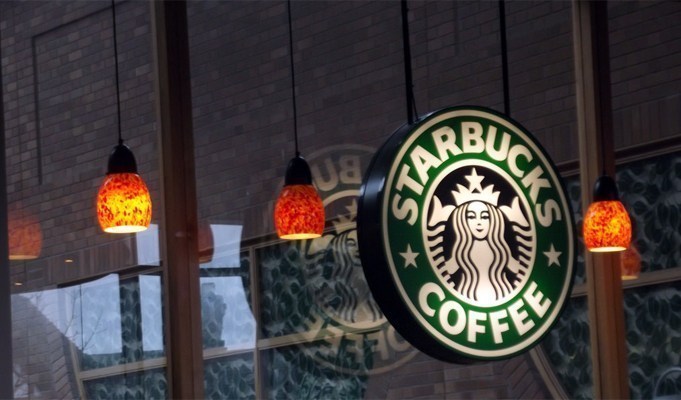
    Starbucks Korea will expand social-distancing measures across its branches nationwide from Thursday, after a successful trial at some stores in Daegu and North Gyeongsang Province.

    The company plans to ensure a safe distance between customers and employees is maintained when ordering by placing safety line stickers in front of checkout counters.

    Furthermore, for a limited time, customers will not be able to bring their own reusable mugs.

    When ordering drinks using individual multi-use cups, customers will still get benefits for being eco-friendly, such as discounts or points, by showing personal cups. However, customers will be provided the drink in a disposable cup. This strategy was introduced in the US a fortnight ago and has since been implemented in many markets across Asia.

    Meanwhile, Starbucks will also conduct campaigns such as asking people to wear masks when ordering, and to dispose of paper straws in trash cans.

  • South Korean malls remain calm despite panic buying worldwide

    South Korean malls remain calm despite panic buying worldwide

    Panic buying is spreading like wildfire among a number of countries as fear of the coronavirus deepens.

    But large shopping malls in South Korea, however, are as peaceful as in the pre-coronavirus era.

    Experts argue that prior experiences in dealing with various epidemics, such as Severe Acute Respiratory Syndrome (Sars) in 2003 and Middle East Respiratory Syndrome (Mers) in 2015, has allowed retailers to maintain a stable supply of everyday necessities at shopping malls.

    Rapid technological advancement in online delivery and distribution systems thanks to the fierce competition among retailers has also helped maintain supply despite the surge in demand, some argue.

    “Despite the coronavirus outbreak, we are maintaining a delivery speed of half a day or one day at the latest. This is top class even on global standards,” said a source familiar with the e-commerce industry.

  • South Korean malls remain calm and patient

    South Korean malls remain calm and patient

    Panic buying is spreading like wildfire among a number of countries as fear of the coronavirus deepens.

    But large shopping malls in South Korea, however, are as peaceful as in the pre-coronavirus era.

    Experts argue that prior experiences in dealing with various epidemics, such as Severe Acute Respiratory Syndrome (Sars) in 2003 and Middle East Respiratory Syndrome (Mers) in 2015, has allowed retailers to maintain a stable supply of everyday necessities at shopping malls.

    Rapid technological advancement in online delivery and distribution systems thanks to the fierce competition among retailers has also helped maintain supply despite the surge in demand, some argue.

    “Despite the coronavirus outbreak, we are maintaining a delivery speed of half a day or one day at the latest. This is top class even on global standards,” said a source familiar with the e-commerce industry.

  • South Korean carriers cut Vietnam flights as coronavirus infections spiral

    South Korean carriers cut Vietnam flights as coronavirus infections spiral

    South Korea’s largest carriers have decreased the frequency of flights to Vietnamese tourist hotspots over rising Covid-19 infections at home.

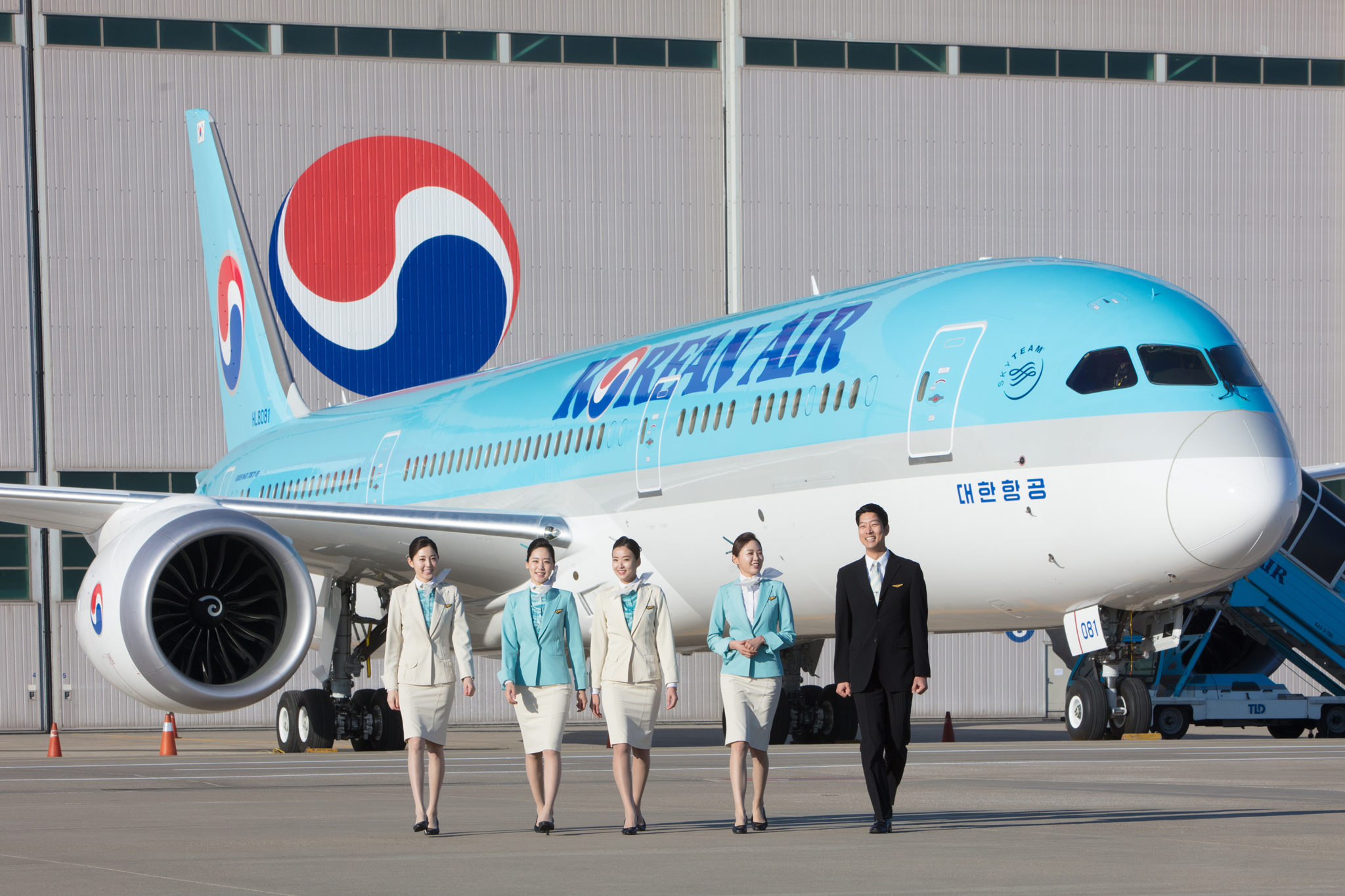
    Korean Air, the largest airline in South Korea, has announced that it will suspend many flights departing from Seoul and Busan to Ho Chi Minh City and Hanoi, Vietnam’s two largest metropolises, Da Nang and Nha Trang in central region and Phu Quoc Island in the south until the end of March.

    Asiana Airlines, the country’s second-largest carrier, has also canceled many flights from Incheon Airport in Seoul to Hanoi, Da Nang and Nha Trang at least until mid-March. This airline’s Incheon-Phu Quoc route will continue operations, but the frequency will be reduced from four flights a week to two.

    Korean Air normally operates 20 flights between the two countries a day, while Asiana Airlines has an average 4 flights a day. The two carriers did not reveal specific numbers of suspended flights.

    The flight suspensions follow the rapid spread of the novel coronavirus in South Korea, where more than 4,800 infections and 23 deaths have been recorded.

    Vietnam is a leading destination among South Koreans, ranked third after Japan and mainland China, according to Global Destination Cities Index (GDCI), released by Mastercard last year. South Korea is the second-largest feeder market of Vietnam’s tourism after China, with around 4.2 million visitors in 2019, up 23.1 percent year-on-year.

    Nha Trang and Da Nang are among top holiday destinations for South Koreans.

    The Covid-19 outbreak, with its epicenter in China, has severely cut the number of South Koreans traveling abroad, and Vietnam’s tourism sector has borne the brunt.

    Around 322,000 South Koreans came to Vietnam in February, down 16 percent from a year ago. Worse still, the number is expected to decrease dramatically in the coming months after the South Korean government declared a red alert, its highest level of epidemic alarm.

    The Vietnamese government, too, has deployed various measures to prevent the spread of the virus, including canceling many flights to South Korea and suspending visa-free entry for South Koreans starting last Saturday.

    In Vietnam, national flag carrier Vietnam Airlines has said it will suspend all flights to South Korea from Thursday while private carrier Bamboo Airways halted services to the country South Korea from February 26.

    Hanoi’s Noi Bai and Ho Chi Minh City’s Tan Son Nhat, Vietnam’s two largest airports, had stated they would stop receiving South Korea arrivals starting Sunday.

    Passengers scheduled to land in Noi Bai will have to do so at Van Don Airport in northern Quang Ninh Province, around four hours drive away, while those headed for Tan Son Nhat will have to travel a similar distance to Can Tho Airport in the Mekong Delta.

    This decision was taken after a large number of Vietnamese returning from South Korea overloaded medical quarantine facilities in both cities.

    All 16 people with Covid-19 recorded in Vietnam so far have been discharged from hospitals.

    Globally, the death toll has reached 3,069, mostly in mainland China, followed by Iran (66), Italy (52) and South Korea (34). The U.S and Japan which have reported six deaths each.

  • South Korean cafe ranks continues to grow

    South Korean cafe ranks continues to grow

    The number of South Korean cafes continues to grow at a brisk pace, according to a government recent study.

    The Korea Fair Trade Commission reported there were 15,036 coffee shops in South Korea as of 2018, an increase of 7.9 percent (1105 shops) over the previous year. The rate of increase was the highest among all types of restaurants.

    The data may be a year out of date, but anecdotal feedback from the industry suggests the trend endured into last year

    As of 2018, average annual sales for South Korean cafes amounted to 231 million won (US$190,000), which was 6.5 percent more than in 2017.

  • Coronavirus case confirmed in Samsung factory in South Korea

    Coronavirus case confirmed in Samsung factory in South Korea

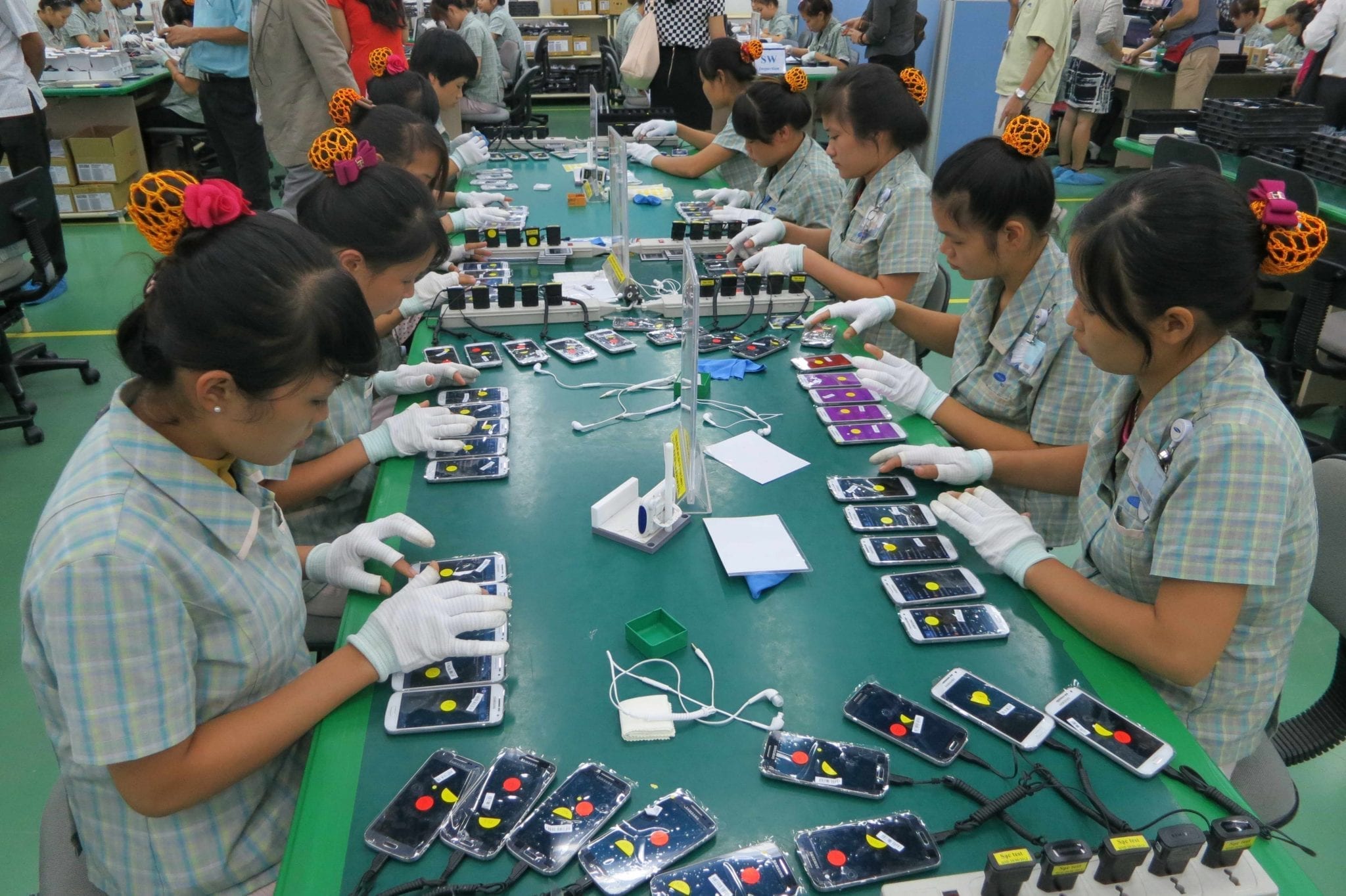
    We have been hearing news about different factories’ production struggles over the coronavirus outbreak for almost two months now. Unfortunately, on Saturday, Samsung temporarily closed one factory in South Korea over a confirmed case of the coronavirus, reports Reuters. Until now, Samsung has remained fairly unaffected by the public health crisis.

    The aforementioned factory complex is situated in the South Korean city of Gumi, close to the center of South Korea’s largest coronavirus outbreak (in the city of Daegu), where, reportedly, the cases of infected with the illness amount to around 433. However, the factory is responsible only for the production of a small portion of high-end phones, in particular the Galaxy Z Flip and the Galaxy Fold, primarily for the domestic market.

    The facility is to remain closed until Monday morning, while the floor where the infected employee worked will be shut down until February 25, Tuesday. Workers that came into contact with the employee in question are now in self-quarantine and will be tested for possible infection with the virus.

    Samsung states that production in other factories in South Korea will remain unaffected for now.

  • Bamboo Airways suspends S.Korea flights to contain coronavirus

    Bamboo Airways suspends S.Korea flights to contain coronavirus

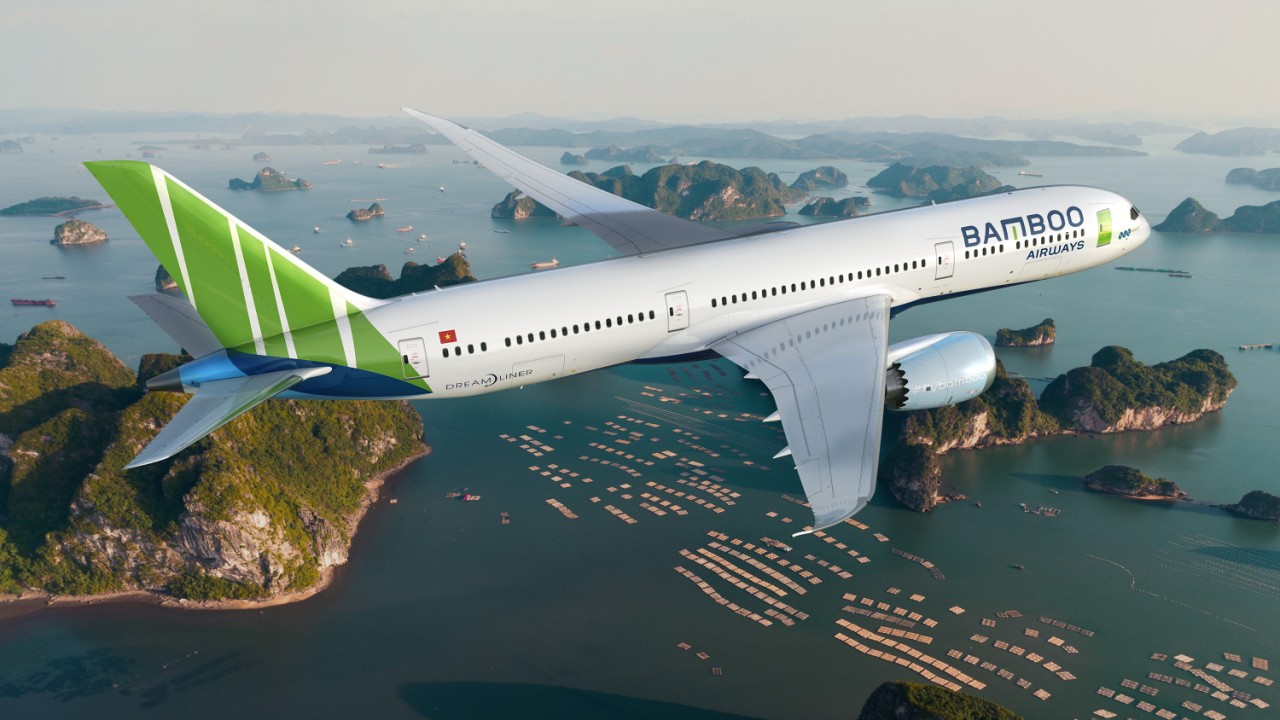
    Vietnam’s private airline Bamboo Airways will suspend all routes to and from South Korea to stem the spread of the novel coronavirus.

    Both routes from central Da Nang and Nha Trang to Seoul’s Incheon International Airport will cease operation starting February 26, it stated Monday.

    The airline is currently operating seven trips a week on each route with the narrow-body Airbus A21neo capable of carrying nearly 200 passengers.

    It stated flight suspension is vital to warding off the coronavirus from South Korea where the number of confirmed cases has reached 763, and death toll 7 as of Monday.

    Last year, South Korea was Vietnam’s second-largest tourism market behind China with 4.3 million visitors, up 23 percent year-on-year.

  • Daegu citizens use social media to support restaurants hit by coronavirus

    Daegu citizens use social media to support restaurants hit by coronavirus

    Citizens of South Korean city Daegu are working together on social media to prop up local businesses hit hard by the rapidly growing coronavirus outbreak.

    A Facebook page introducing restaurants in Daegu posted Friday that many establishments are losing money due to the coronavirus epidemic. These restaurants saw their sales fall and are struggling to use up food and ingredients.

    The Facebook page posted a message saying, “If there are restaurants who need help using up ingredients, please let us know. We will help as best as we can.”

    Citizens are taking steps to make sure that restaurant food going unsold due to a drop in customer numbers doesn’t go to waste.

    When such information was made public, inquiries were made by various local restaurants, including steak restaurants and cafes that sell desserts and beverages.

    Site managers received and posted the remaining materials, prices, contact information and photos from restaurant owners. Some posts also showed a welcoming phrase, “Used up all the ingredients.”

    There were also citizen reports to publicize the situation at traditional markets, where many elderly vendors are not familiar with the internet.

    One citizen said: “There are a lot of fruits at Seomun Market stalls and so on. Delivery is also possible,” and provided the site manager with the location and the phone number.

    Other Facebook pages that deliver various news in the region have also joined the initiative.

  • Vietnam IT recruiting firm raises million dollars from South Korean investor

    Vietnam IT recruiting firm raises million dollars from South Korean investor

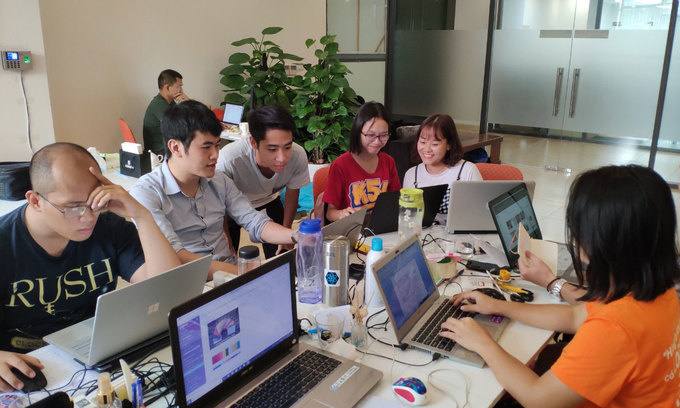
    IT recruitment firm TopDev has secured a million-dollar investment from South Korea’s leading recruitment company Saramin HR.

    The Ho Chi Minh City-based company said in a statement Monday that the deal, whose exact value it did not reveal, would be used to increase the supply of developers through training programs for graduates.

    Saramin HR, which is listed on South Korea’s KOSDAQ, said the investment is part of its global development plan and would support TopDev’s potential expansion in Southeast Asia.

    TopDev said Vietnam has 350,000-400,000 developers now but 500,000 would be needed by 2021 as the country remains a popular outsourcing software destination for multinationals.

    Vietnam is seeing increasing investment in tech startups.

    Last year the total investment in Vietnamese tech startups surged 2.5 times to $741 million, second only to Indonesia in Southeast Asia.

  • South Korea’s CU fined US$1.4 million for unfair trading

    South Korea’s CU fined US$1.4 million for unfair trading

    South Korean convenience-store operator BGF Retail has been fined for pushing exorbitant sales promotion costs onto its suppliers.

    The firm was ordered to pay KRW1.67 billion (US$1.4 million) for its breach of the Act on Fair Transactions in Large Retail Business, according to a report in The Korea Times.

    While the act forbids any retailer from forcing its supplier to shoulder more than half of any promotional cost, BGF was found to have run “two-for-one” promotional events from early 2014 to late 2016 at its CU-branded stores and passed on the majority of expenses.

    The firm pushed KRW2.39 billion ($2 million) in costs on 79 suppliers to pay for 338 promotions conducted during the period at more than 13,000 CU locations. It also failed to sign written agreements with suppliers prior to holding sales events in 76 cases.

    “This is the first time that the FTC has punished a company for forcing suppliers to shoulder more than 50 percent of the cost for two-for-one events,” said an official at Korea’s Fair Trade Commission. “The FTC will enhance monitoring and punishments for similar violations.”

    CU is currently in second place among Korea’s leading convenience store chains, with a 31.14 percent market share.

  • South Korean convenience stores in delivery-service battle

    South Korean convenience stores in delivery-service battle

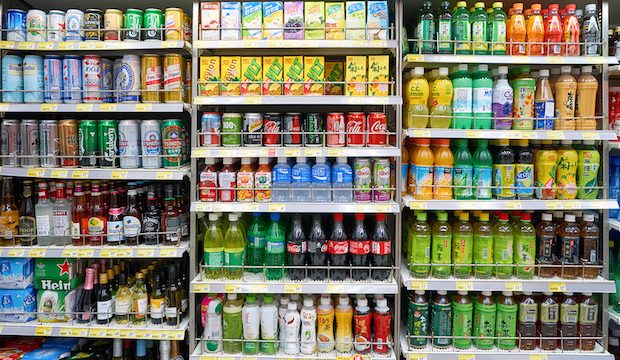
    Competition among South Korean convenience stores over delivery services is heating up.

    One chain, GS25, recently launched delivery services from seven stores in Seoul in partnership with food-delivery service Coupang Eats operated by e-commerce giant Coupang.

    First of all, the South Korean convenience store company plans to implement delivery services through Coupang Eats at seven stores in Seoul before expanding the scope of the service to franchise stores nationwide.

    Through the service, customers can receive about 200 products at home, including prepared lunches, sandwiches, and beverages that are being sold at convenience stores.

    Meanwhile, GS25 had already launched a delivery service for store products in cooperation with another delivery company, Yogiyo, in April of last year.

    It is running a pilot project at 10 direct management stores, and the service has been especially popular with workers during lunch and dinner time. In the nine months since the service was introduced, the monthly average number of orders reached 3000.

    Furthermore, CU, another convenience store chain, is also working with Yogiyo to provide delivery services at 3000 stores across the country.

    CU plans to increase the number of delivery service stores to 5000 within the first quarter and introduce around-the-clock delivery at some stores centered in the Gangnam area.

    Emart24, a convenience store chain run by large discount store chain E-Mart, on the other hand, has also joined the market by offering delivery services at 35 stores since earlier this year.

    South Korean convenience stores are scrambling to expand its delivery service area due to a growing number of customers accustomed to online orders and deliveries.

    The delivery service also serves as a growth engine in increasing sales at convenience stores. Additional sales are generated from deliveries, and the service is quite popular especially in rainy or cloudy weather.

    “We are planning to expand the number of stores that offer delivery services through various delivery platforms and partnerships to increase sales and secure customers,” a GS25 official said.

  • LG robotic waiter serves food in Seoul restaurant

    LG robotic waiter serves food in Seoul restaurant

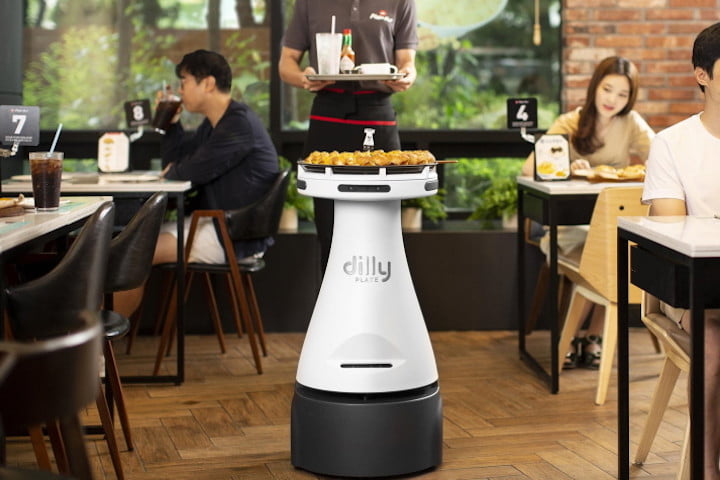
    An LG robotic waiter has made its debut at a local restaurant in Seoul.

    The LG CLOi ServeBot comes with indoor autonomous driving technology and an obstacle avoidance system so it doesn’t crash into furniture, customers or colleagues.

    The robot is capable of delivering food to the table where customers are seated as well as returning the dishes after the customers finish their meal.

    The robot has been put to work at CJ Foodville’s Cheiljemyunso restaurant in Seoul Station.

    The LG robotic waiter – called CLOi ServeBot – avoids obstacles with a voice message saying, “I’m sorry, may I please go through?”

    It also plays a song while moving to help prevent collisions with customers by making them aware of its presence.

  • South Korean convenience stores in delivery-service battle

    South Korean convenience stores in delivery-service battle

    Competition among South Korean convenience stores over delivery services is heating up.

    One chain, GS25, recently launched delivery services from seven stores in Seoul in partnership with food-delivery service Coupang Eats operated by e-commerce giant Coupang.

    First of all, the South Korean convenience store company plans to implement delivery services through Coupang Eats at seven stores in Seoul before expanding the scope of the service to franchise stores nationwide.

    Through the service, customers can receive about 200 products at home, including prepared lunches, sandwiches and beverages that are being sold at convenience stores.

    Meanwhile, GS25 had already launched a delivery service for store products in cooperation with another delivery company, Yogiyo, in April of last year.

    It is running a pilot project at 10 direct management stores, and the service has been especially popular with workers during lunch and dinner time. In the nine months since the service was introduced, the monthly average number of orders reached 3000.

    Furthermore, CU, another convenience store chain, is also working with Yogiyo to provide delivery services at 3000 stores across the country.

    CU plans to increase the number of delivery service stores to 5000 within the first quarter and introduce around-the-clock delivery at some stores centered in the Gangnam area.

    Emart24, a convenience store chain run by large discount store chain E-Mart, on the other hand, has also joined the market by offering delivery services at 35 stores since earlier this year.

    South Korean convenience stores are scrambling to expand its delivery service area due to a growing number of customers accustomed to online orders and deliveries.

    The delivery service also serves as a growth engine in increasing sales at convenience stores. Additional sales are generated from deliveries, and the service is quite popular especially in rainy or cloudy weather.

    “We are planning to expand the number of stores that offer delivery services through various delivery platforms and partnerships to increase sales and secure customers,” a GS25 official said.