Tag: lead

  • Bangkoks Ultra-Rich Population on Pace to Lead Southeast Asias Wealth Boom

    Bangkoks Ultra-Rich Population on Pace to Lead Southeast Asias Wealth Boom

    Bangkok is emerging as Southeast Asia’s most dynamic hub for ultra-high-net-worth (UHNW) individuals, illustrating Thailand’s increasing allure for global wealth despite ongoing economic and geopolitical instability. The UHNW populace in Thailand’s capital is anticipated to expand to approximately 1,840 by 2030, up from 1,210 in 2025. This growth represents a surge of over 50%, equating to an average yearly increase of 8.7%.

    In 2025, Thailand recorded 2,090 UHNW individuals, with 1,210 primarily residing in Bangkok. UHNW individuals are classified as those possessing net assets exceeding US$30 million. This predicted growth positions Bangkok as the twelfth fastest expanding major UHNW city globally among the 100 largest urban economies by nominal GDP, rendering it the quickest growing wealth center in Southeast Asia, surpassing Jakarta.

    Bangkok’s Wealth Creation: A Unique Blend

    Bangkok’s wealth generation is notable not just for its speed but also for its unique blend of robust domestic entrepreneurship and increasing international appeal. Predictions suggest that, among major global cities, Bangkok will experience one of the swiftest increases in its ultra-wealthy population over the next five years. This growth will further consolidate its position as an emerging global wealth center.

    Most UHNW individuals based in Bangkok are self-made entrepreneurs. However, many benefitted from inherited capital during their businesses’ early development stages. The global UHNW population reached an all-time high of 556,850 individuals in 2025, a 14.4% rise from the previous year. This growth marked the second successive year of double-digit expansion and the strongest growth since 2017.

    In Asia, Hong Kong has the highest number of UHNW people, with 18,290, ranking second only to New York globally, which boasts 23,785 individuals. By 2030, the global UHNW population is expected to reach 746,570, with total wealth swelling to $85 trillion.

    Questions & Answers

    What is the projected number of ultra-high-net-worth individuals in Bangkok by 2030?
    The number of ultra-high-net-worth individuals in Bangkok is predicted to rise to about 1,840 by 2030, up from 1,210 in 2025.

    What factors contribute to Bangkok’s wealth generation?
    Bangkok’s wealth generation is characterized by robust domestic entrepreneurship and an increasing international appeal, making it a global wealth center.

    How does Bangkok’s ultra-high-net-worth population growth compare globally?
    Bangkok is projected to have the twelfth fastest-growing major ultra-high-net-worth population among the 100 largest urban economies by nominal GDP. This places it as the quickest growing wealth center in Southeast Asia.

  • AS Watson Group Promotes Queennie Fung to Lead Global Corporate Communications

    AS Watson Group Promotes Queennie Fung to Lead Global Corporate Communications

    AS Watson Group, a leading global health and beauty retailer, has announced the promotion of Queennie Fung to the position of General Manager of Group Corporate Communications. In this role, Fung will be responsible for overseeing the company’s brand positioning, reputation management, and stakeholder engagement across its 31 markets worldwide.

    Professional Journey of Queennie Fung

    Queennie Fung joined AS Watson Group in 2014 and has since made notable advancements within the organization. Prior to her promotion, she served as the Head of Corporate Communications, a position she assumed in 2024. In this capacity, she successfully led integrated communications initiatives across various markets, working in close collaboration with numerous business units to ensure the delivery of consistent messaging.

    In addition to this, Fung has been at the forefront of several campaigns aimed at bolstering AS Watson Group’s brand presence and amplifying community engagement. Her strategic and impactful contributions have been instrumental in refining the group’s global communications strategy and enhancing relationships with customers, partners, and communities.

    Looking Ahead: AS Watson’s Global Vision

    Commenting on the promotion, Malina Ngai, Group CEO of AS Watson Group, emphasized Fung’s pivotal role in shaping the company’s communication strategy. Ngai expressed confidence in Fung’s leadership, envisaging her as instrumental in fostering a more integrated and purpose-driven brand across all markets.

    The decision to promote Fung is in line with AS Watson’s ongoing efforts to strengthen its global brand and stakeholder engagement across its international business divisions.

    Questions & Answers

    Who is Queennie Fung?
    Queennie Fung is the newly appointed General Manager of Group Corporate Communications for AS Watson Group. She joined the company in 2014 and has held various roles within the organization.

    What will be Fung’s responsibilities in her new role?
    As the General Manager of Group Corporate Communications, Fung will oversee AS Watson Group’s brand positioning, reputation management, and stakeholder engagement worldwide.

    What has been Fung’s contribution to AS Watson Group so far?
    Fung has played a critical role in shaping the company’s global communications strategy and strengthening its relationships with customers, partners, and communities. She has led integrated communications initiatives and driven campaigns to enhance the brand and boost community engagement.

  • Electric Cars Take the Lead: Singapore Embraces EV Revolution, Toppling Traditional Players

    Electric Cars Take the Lead: Singapore Embraces EV Revolution, Toppling Traditional Players

    In a historic shift, electric vehicles (EVs) constituted 57.6% of new vehicle registrations in the first quarter of this year in Singapore. This marks the first time EVs have outpaced both combustion engine and hybrid models in new registrations. The proportion of EVs has seen a significant increase, rising from 45% the previous year. Specifically, about 7,700 new electric vehicles were registered out of a total of 13,300 units.

    Chinese Brands Leading the Charge

    BYD, the automotive giant from China, led the pack with 3,239 registrations, accounting for 24% of the total new vehicles. The company expanded its market share from 21% at the end of 2025. Furthermore, three other Chinese brands—Chery, GAC, and MG—made their debut in the top ten best-selling car brands in Singapore. These new entrants replaced Hyundai, Kia, and Mazda, which held the seventh, eighth, and ninth spots, respectively, in 2025.

    Toyota and Tesla Maintain Strong Presence

    Despite a relatively modest EV lineup, Toyota managed to secure second place with 1,932 registrations, holding a 14.5% market share in the first quarter of 2026, a slight increase from the previous year. Tesla, the US-based EV manufacturer, secured 11.4% of the market with 1,515 registrations. This performance propelled Tesla to the third spot among best-selling brands in Singapore, up from sixth place in 2025.

    Incentives and Challenges in EV Adoption

    Current incentives in Singapore, designed to reduce the cost of owning an EV, offer buyers rebates of up to $30,000 on upfront vehicle taxes. In contrast, non-electric vehicles may face penalties of up to $35,000, depending on their emissions.

    However, Walter Theseira, a transport economist at the Singapore University of Social Sciences, pointed out that while EV adoption is gaining momentum, it is still a challenge for all new car registrations to be fully electric—particularly for high-mileage drivers, for whom hybrid models may be more suitable.

    Change in the Automotive Landscape

    Automotive consultant Say Kwee Neng observed a fundamental shift in the dynamics of the car industry, which began with the rise in EV adoption in 2024 and 2025. According to Hal Serudin, a partner at automotive consultancy Lumina 3 Sixty, the increase in sales of Chinese and EV brands is in line with trends observed in other regional markets such as Malaysia and Thailand; these brands have disrupted both mass-market and luxury segments.

    Questions & Answers

    What proportion of new car registrations in Singapore were electric vehicles in the first quarter of this year?
    Approximately 57.6% of new car registrations were electric vehicles.

    Which Chinese automotive brands are among the top ten best-selling car brands in Singapore?
    BYD, Chery, GAC, and MG are among the top ten best-selling car brands in Singapore.

    What incentives are currently offered in Singapore to promote EV adoption?
    Currently, Singapore offers rebates of up to $30,000 on upfront vehicle taxes for electric vehicle buyers.

  • Singapore Retail Sales Rise in September, Pace Moderates: Jewellery and Watches Lead Growth

    Singapore Retail Sales Rise in September, Pace Moderates: Jewellery and Watches Lead Growth

    Retail sales in Singapore continued their upward trajectory in September, albeit at a slower rate than in August.

    Retail Sales Trend

    In September, retail sales, excluding motor vehicles, rose by 2 per cent. This is a slight dip compared to the 4.7 per cent increase witnessed in August. The total value of retail sales for September was estimated at SG$3.5 billion ($2.67 billion USD), with online sales accounting for 17.6 per cent of that figure. However, on a seasonally adjusted basis, retail sales in September saw a decline of 2.3 per cent when compared to August.

    Industry Performance

    The watches and jewellery sector remained at the forefront of sales growth in September with a substantial year-on-year increase of 16.6 per cent. This growth was primarily fueled by a surge in jewellery sales. The recreational goods sector trailed behind in second place with an 11 per cent increase, followed by supermarkets and hypermarkets, which saw a 5.1 per cent rise.

    On the other hand, petrol service stations and retailers of clothing and footwear saw a drop in sales by 8 per cent and 3.6 per cent respectively. The food and beverage services also experienced a decline, with sales slipping by 1.6 per cent, a steep fall from the 0.2 per cent decrease reported in the previous month. This slump was largely attributed to the underperformance of the restaurant sector.

    The overall sales value of food and beverage services was estimated at SG$966 million, with online sales representing 26.3 per cent.

    Questions & Answers

    Q: How did the retail sector perform in Singapore in September?
    A: Retail sales, excluding motor vehicles, rose by 2 per cent in September, a slower pace compared to the 4.7 per cent increase in August.

    Q: What sectors led the growth in retail sales in September?
    A: The watches and jewellery sector led the growth with a 16.6 per cent year-on-year increase, followed by the recreational goods sector and supermarkets and hypermarkets.

    Q: Which sectors experienced a decline in sales in September?
    A: Petrol service stations and clothing and footwear retailers saw a decrease in sales, with declines of 8 per cent and 3.6 per cent respectively. The food and beverage services sector also experienced a drop in sales, declining by 1.6 per cent.

  • Veteran Banker Chelsea Chu Takes Helm At Citi’s Corporate Banking Division In Taiwan

    Veteran Banker Chelsea Chu Takes Helm At Citi’s Corporate Banking Division In Taiwan

    Chelsea Chu, a veteran banking executive, has been appointed to head the corporate banking division of the American financial institution, Citi, in Taiwan. Based out of Taipei, Chu is expected to leverage her considerable experience in banking to enhance the bank’s performance across various customer segments within the market.

    Chu brings a formidable banking background to her new position. She has amassed 28 years of experience in the industry, with her most recent role being the head of corporate coverage for Taiwan at ANZ. Chu is no stranger to Citi, having spent two decades of her career at the bank, dealing with large corporate clients from a wide range of industries in Taiwan.

    Christie Chang, the chair of Citi Taiwan Limited, expressed the bank’s delight at welcoming Chu back into the fold. Chang highlighted Chu’s comprehensive experience and proven success as invaluable assets that will contribute to the strengthening of client relationships and solidify the bank’s leadership in Taiwan’s corporate banking sector.

    Kaleem Rizvi, Citi’s head of corporate banking for Japan, Australia, and North Asia, also shared his confidence in Chu’s ability to lead. Rizvi believes that under Chu’s leadership, Citi’s preeminent corporate banking franchise in Taiwan will continue on its robust growth trajectory.

    Since 2020, Citi has been instrumental in raising over $30 billion from global capital markets to assist Taiwanese corporate clients, underscoring the bank’s significant influence and commitment to the corporate sector in Taiwan.

    Questions & Answers

    Who has been appointed as the new head of corporate banking for Citi in Taiwan?
    Chelsea Chu has been appointed to head Citi’s corporate banking unit in Taiwan.

    Can you provide some information about Chelsea Chu’s professional background?
    Chelsea Chu has an extensive background in banking with 28 years of experience. She recently served as the head of corporate coverage for Taiwan at ANZ. Before that, she spent 20 years at Citi, handling large corporate clients across various industries in Taiwan.

    What is expected from Chelsea Chu in her new role at Citi?
    In her new role, Chelsea Chu is expected to use her vast experience to improve the bank’s performance across all customer segments in Taiwan. She is also expected to strengthen client relationships and enhance Citi’s leadership in Taiwan’s corporate banking sector.

  • Meta, Volvo and Writers at Work lead the conversation on WhatsApp with Omnichat

    Meta, Volvo and Writers at Work lead the conversation on WhatsApp with Omnichat

    The Commerce Leadership Forum 2025 Series, organized by Omnichat, a frontrunner in omnichannel AI customer experience platforms, recently took place at the Meta offices in Singapore and Malaysia. The event brought together key figures from companies such as Meta, Volvo Car Malaysia, and Writers At Work to delve into the transformative influence of AI, data-driven insights, and the WhatsApp Business Platform on customer engagement.

    The Power of Messaging for Business

    The global trend of businesses using messaging platforms is growing, as evidenced by over 1 billion people interacting with business accounts weekly on Meta’s messaging services. Vicky Yiu, APAC Strategic Partnership Manager at Meta, highlighted the effectiveness of messaging as a means of customer engagement.

    Latest research suggests that 79% of global online adults engage with businesses through messaging on a weekly basis. The WhatsApp Business Platform, including its ‘WhatsApp Flows’ tool, provides interactive chat experiences, facilitating efficient and user-friendly exchanges such as data collection and appointment scheduling.

    Albert Tiong, Regional Program Manager of Meta, demonstrated how Meta Business Messaging can lead to better results across the entire customer lifecycle, compared with traditional channels. From discovery and awareness to consideration, purchase, and re-engagement, two-way conversations enhance marketing, sales, and support outcomes. Businesses that have started using paid messaging products have seen a doubling in numbers year-on-year.

    Integrating WhatsApp into Business Communications

    Patricia Yaw, Director of Marketing Operations and PR at Volvo Car Malaysia, is spearheading the brand’s digital transformation, illustrating that even traditional sectors can progress through conversational commerce. By implementing a centralized chat strategy, Volvo Car Malaysia has been able to deliver a personalized customer experience exclusively through WhatsApp. This strategic shift to a unified WhatsApp Business Platform took place during the brand’s EX30 launch, which set new records for the brand in terms of test drive bookings, media impressions, and PR share of voice.

    WhatsApp has demonstrated impressive performance metrics, including a staggering 93% read rate and a click-through rate seven times higher than that of email. Further, the chatbot effectively handles one out of every four discovery questions, underscoring its efficiency in managing user inquiries.

    AI-Driven Conversational Commerce

    Alan Chan, founder and CEO of Omnichat, highlighted the transformative effect of AI-driven conversational commerce. He discussed how businesses can use automation and personalization to boost sales and improve customer satisfaction.

    “AI-powered conversational agents are revolutionizing how businesses interact with customers,” he said. “Omni AI allows businesses to create tailored AI agents for various purposes, train them by uploading documents and resources, and enable them to deliver faster and more accurate responses. From providing round-the-clock instant support to sending hyper-personalized recommendations, AI enables companies to engage customers effectively at all touchpoints.”

    WhatsApp for Operations and Engagement

    Ang Kai Ning, HR and Finance Director at Writers at Work, revealed how their education center strategically uses the WhatsApp Business Platform, facilitated by Omnichat, to improve various aspects of their operations. WhatsApp has become more than just a messaging app, transforming into a dynamic platform for interactive engagement, promotional messaging, efficient announcement scheduling, and responsive customer service.

    They achieved a 77.71% read rate and an 11.85% click-through rate on webinar promotions, resulting in a 90% turnout. Moreover, chatbot automation handled 75,000 customer messages last year, with 99% of these on WhatsApp, demonstrating the platform’s role in optimizing communications, boosting engagement, and driving results.

    The Commerce Leadership Forum 2025 Series highlighted the value of collaboration and innovation in business growth. By uniting thought leaders and industry experts, the event inspired attendees to adopt new technologies, use data-driven insights, and rethink customer engagement strategies for the digital age.

    Questions & Answers

    What is the significance of the WhatsApp Business Platform for customer engagement?
    The WhatsApp Business Platform provides interactive chat experiences that enable efficient and user-friendly exchanges such as data collection and scheduling. This platform has demonstrated high engagement rates, with a remarkable 93% read rate and a click-through rate seven times higher than that of email.

    How can AI-driven conversational commerce benefit businesses?
    AI-driven conversational commerce allows businesses to create custom AI agents for various purposes. These agents provide faster and more accurate responses, offer round-the-clock instant support, and send hyper-personalized recommendations. This technology revolutionizes customer interactions, enhancing engagement at all touchpoints.

    What role does WhatsApp play in an organization’s operations?
    Besides being a platform for messaging, WhatsApp can also be used for promotional messaging, efficient announcement scheduling, and responsive customer service. It has been effective in streamlining communications, boosting engagement, and driving results, as evidenced by a high turnout rate for webinar promotions.

  • Francesca Bellettini confirmed to lead Gucci

    Francesca Bellettini confirmed to lead Gucci

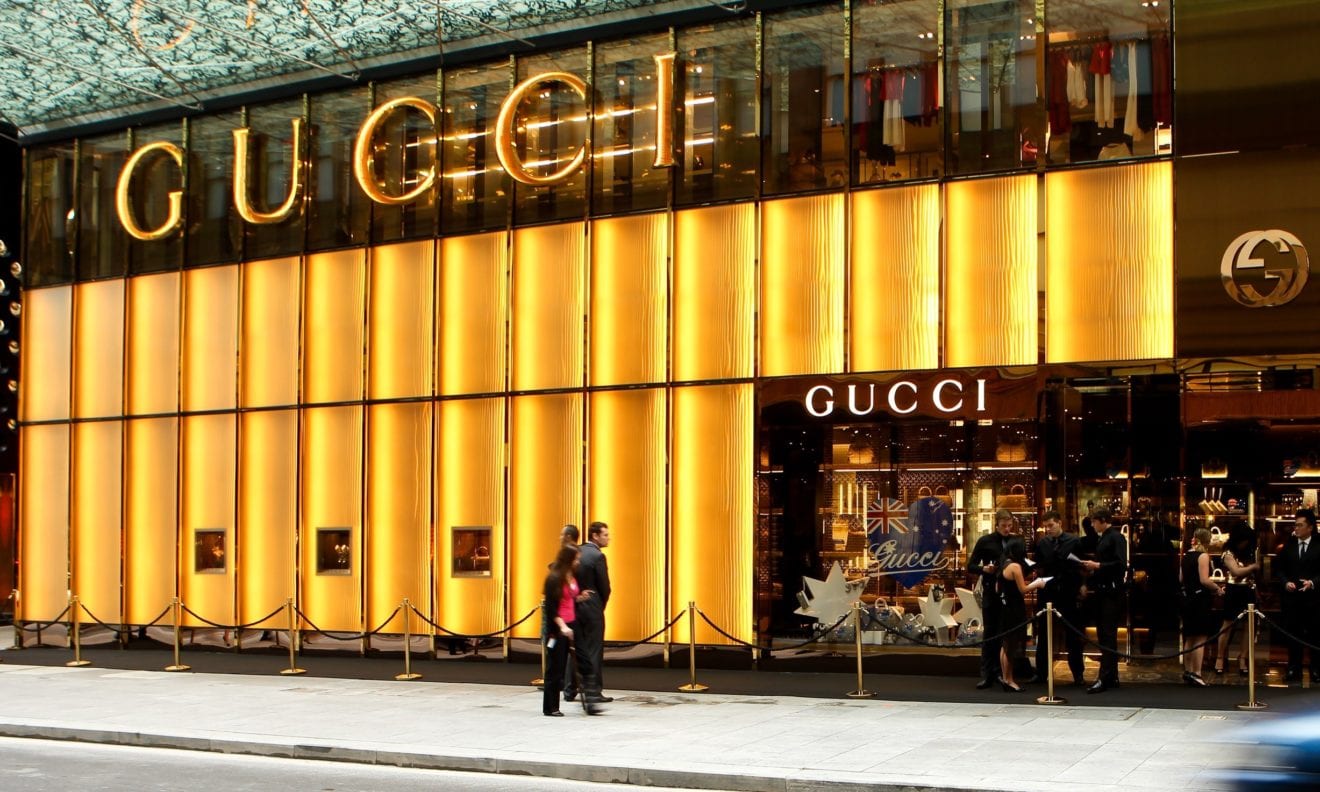
    The esteemed luxury conglomerate Kering has announced the appointment of Francesca Bellettini as the new president and CEO of one of its prime brands, Gucci. She steps into the role, succeeding Stefano Cantino who served for a brief tenure of nine months.

    Bellettini will be reporting directly to Luca de Meo, the CEO of Kering. In addition, Jean-Marc Fuplaix, the Group’s COO, will continue his role, providing additional support to de Meo in the strategic development and management of the group.

    A New Direction

    At this critical juncture, de Meo has expressed his intent to create a more streamlined and transparent organization, enabling the industry’s top talent to propel Kering’s brands forward. He emphasized that Gucci, being the group’s flagship brand, warrants the keenest focus. He is confident that Bellettini, who is among the most seasoned and revered professionals in the luxury industry, will provide the effective leadership and impeccable execution required to reinstate the brand to its prestigious position.

    Bellettini has a long-standing association with Kering, having held various leadership positions since she joined the company in 2003. Her commendable career progression includes being named the president and CEO of Saint Laurent in 2013 and later earning the designation of deputy CEO in charge of brand development at Kering in 2023.

    A New Role, A New Vision

    Bellettini expressed her gratitude for the opportunity to directly oversee Gucci, one of the world’s most recognized luxury brands. She looks forward to working under the guidance of Luca de Meo, whose innovative and fresh approach motivates the team to transcend conventional boundaries.

    Questions & Answers

    Who is the new president and CEO of Gucci?
    Francesca Bellettini has been appointed as the new president and CEO of Gucci.

    Who will Francesca Bellettini report to in her new role?
    Francesca Bellettini will report to Luca de Meo, the CEO of the Kering group.

    What is Luca de Meo’s vision for Kering with this new appointment?
    Luca de Meo intends to streamline the organisation, ensuring the best talent drives the group’s brands forward. He believes Francesca Bellettini’s leadership will be instrumental in restoring Gucci to its rightful place in the luxury industry.