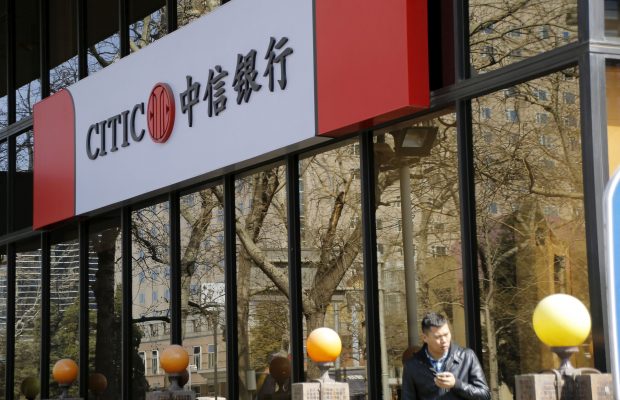
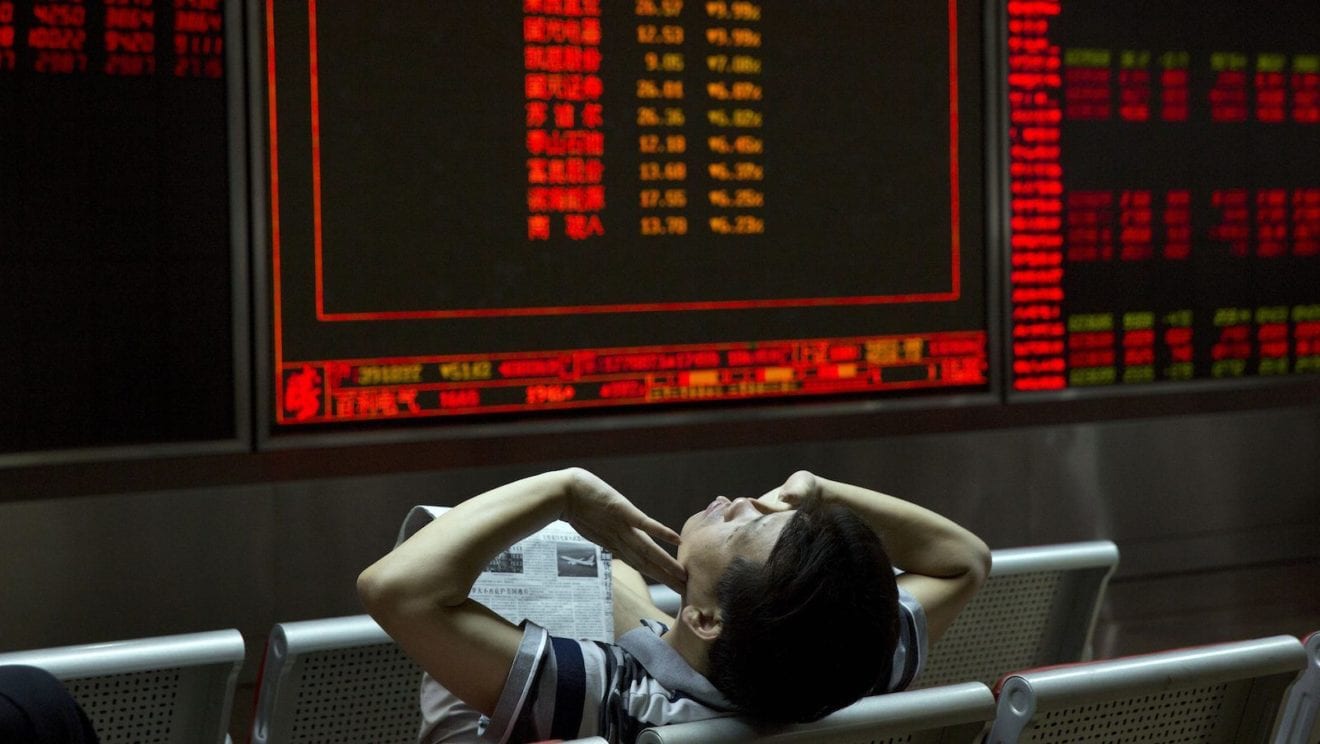
Tag: liquidity

  • US Lawmaker Asks Fed Chair Kevin Warsh to Review Hong Kong Funding Access

    US Lawmaker Asks Fed Chair Kevin Warsh to Review Hong Kong Funding Access

    A US lawmaker asked Federal Reserve Chair Kevin Warsh on 9 October 2026 to review Hong Kong’s access to an emergency short-term dollar funding facility. The request cited Beijing’s global yuan push.

    Hong Kong financial operations face limited fallout from the proposal. The city does not rely on the emergency window for regular financing.

    The Emergency Funding Review

    The facility supplies short-term US dollar liquidity during market disruptions. Washington lawmakers want access re-evaluated as China expands renminbi cross-border settlements and builds alternative payment rails.

    This push targets Hong Kong’s access to central bank swap lines and repo facilities managed in Washington. Curtailing that access would signal an attempt to weaponize core central bank liquidity mechanisms over currency competition.

    Impact on Hong Kong Financial Operators

    Immediate disruption remains negligible for lenders, treasury desks, and corporate borrowers in Hong Kong. Local banks run on deep foreign exchange reserves and private market liquidity rather than standing central bank borrowing lines.

    Market confidence carries the real risk. Restricting access to standard central bank liquidity safety nets creates friction for international institutions managing dollar-denominated assets through Hong Kong.

    Risks to Global Dollar Dominance

    Politicizing access to Federal Reserve backstops creates unintended consequences for the United States. Blocking commercial financial centers from dollar liquidity tools encourages global market participants to diversify reserves into alternative currencies.

    Narrowing access accelerates the shift toward non-dollar settlement platforms across Asia. The policy stance risks undermining the dollar’s status as the global reserve benchmark faster than foreign policy initiatives can contain competing currencies.

    Next Steps for the Fed

    Scrutiny over offshore dollar clearing has increased alongside geopolitical competition between Washington and Beijing. The proposal reflects broader legislative efforts to examine ties between American central banking infrastructure and Asian clearing hubs.

    The Federal Reserve has not issued a formal response to the lawmaker’s request, leaving the review timeline open.

  • Taiwan Banks Ration Credit After US$126 Billion Tech Borrowing Spree

    Taiwan Banks Ration Credit After US$126 Billion Tech Borrowing Spree

    Taiwanese banks extended a record NT$4 trillion, or US$126 billion, in loans during the first seven months of the year. The borrowing surge triggered credit rationing across the island.

    Demand for working capital from suppliers serving Nvidia Corp and Microsoft Corp pushed monthly bank lending to an all-time high of NT$1.04 trillion in July. That upended years of low interest rates.

    Local lenders raised corporate borrowing rates between 50 and 90 basis points. Margins for top-tier syndicated corporate facilities climbed 10 to 20 basis points. Mortgage rates reached almost 3 percent across the island, up from 2.2 percent a year earlier. Tech manufacturers need quick cash to secure semiconductor components, build inventory, and expand production lines for orders linked to Taiwan Semiconductor Manufacturing Co and global artificial intelligence infrastructure programs. Many suppliers now demand loan approvals within two months, cutting a third off the standard 90-day evaluation window.

    Surging Working Capital and Squeezed Margins

    Working capital loans to businesses and individual borrowers rose by NT$823 billion in July alone. That expanded nearly eight times faster than residential mortgage growth. The spike pushed the banking system loan-to-deposit ratio to 72.96 percent, near its historical ceiling of 73.07 percent recorded in 2020. Average liquidity coverage ratios fell to 115.52 percent in July. While still above the statutory 100 percent threshold, it was the sharpest four-month liquidity drop in four years.

    Commercial banks are shifting balance sheets toward higher-yielding corporate facilities and short-term consumer credit lines. Unsecured personal loans yield fatter spreads than residential mortgages, which face central bank cooling measures and property transaction curbs. At the same time, retail depositors accelerated withdrawals to buy listed technology shares. That pulled deposits from regional institutions and tightened wholesale funding conditions.

    Credit Shut Out for Builders and Exporters

    Capital reallocation is starving non-technology businesses of routine working credit. Commercial property developers and homebuilders have seen credit pipelines collapse. At one regional lender, weekly approvals for land acquisition and construction financing dropped from 30 deals to zero. Loan officers instructed developers to halt new submissions entirely.

    Traditional industrial exporters, already dealing with tariff headwinds and sluggish consumer goods demand abroad, face tighter credit terms as bank committees favor electronics manufacturing. Taiwan’s economy expanded 13 percent year on year in the second quarter. The expansion is lopsided. Industrial estates housing advanced packaging and chip fabrication run around the clock, while consumer-facing businesses face rising financing hurdles and slowing real estate sales.

    Offshore Syndication Pullback and Regional Spillover

    Liquidity strains are shifting credit dynamics across Southeast Asia, where Taiwanese commercial banks have long served as anchor lenders for syndicated facilities. Taiwanese institutions are scaling back commitments to offshore transactions across Singapore, Hong Kong, and Vietnam. They are pricing themselves out of lower-margin deals or declining syndication tranches to preserve balance-sheet capacity for domestic tech clients. For regional borrowers who relied on Taipei banks for tight margins, financing costs will rise as Japanese and European lenders step in with higher pricing hurdles.

    Structural risk sits directly on balance sheets overconcentrated in single-sector capital expenditure. Banks are directing most of their incremental loan books into hardware suppliers tied to volatile data-center construction schedules. Any pause in hyperscaler procurement cycles will hit banking asset quality swiftly. Traditional suppliers, service firms, and real estate operators unable to access credit today face balance-sheet stress that could outlast the tech cycle.

    Central Bank Coordination and Regulatory Scrutiny

    The credit squeeze follows months of aggressive capital deployment across the hardware supply chain. Micron Technology accelerated its memory production investments in Taiwan to NT$1.6 trillion by mid-year, concentrating high-bandwidth capacity on the island. Total outstanding residential mortgages still climbed 4.6 percent to reach NT$11.95 trillion in August. Bank appetite for long-term mortgage debt has withered in favor of revolving corporate credit.

    Central bank Governor Yang Chin-long has initiated talks with state-backed lenders, commercial institutions, and Chunghwa Post Co, the postal savings system holding the island’s largest pool of retail deposits. The meetings aim to coordinate liquidity relief for small and medium-sized enterprises. The Financial Supervisory Commission confirmed deposit growth currently tracks overall loan creation without immediate systemic failures, but said it will step up surveillance of bank capital allocations.

    Officials from the central bank will hold follow-up consultations with commercial bank treasurers to review quarterly liquidity ratios and evaluate whether non-technology corporate borrowers face structural lending barriers through the final quarter.
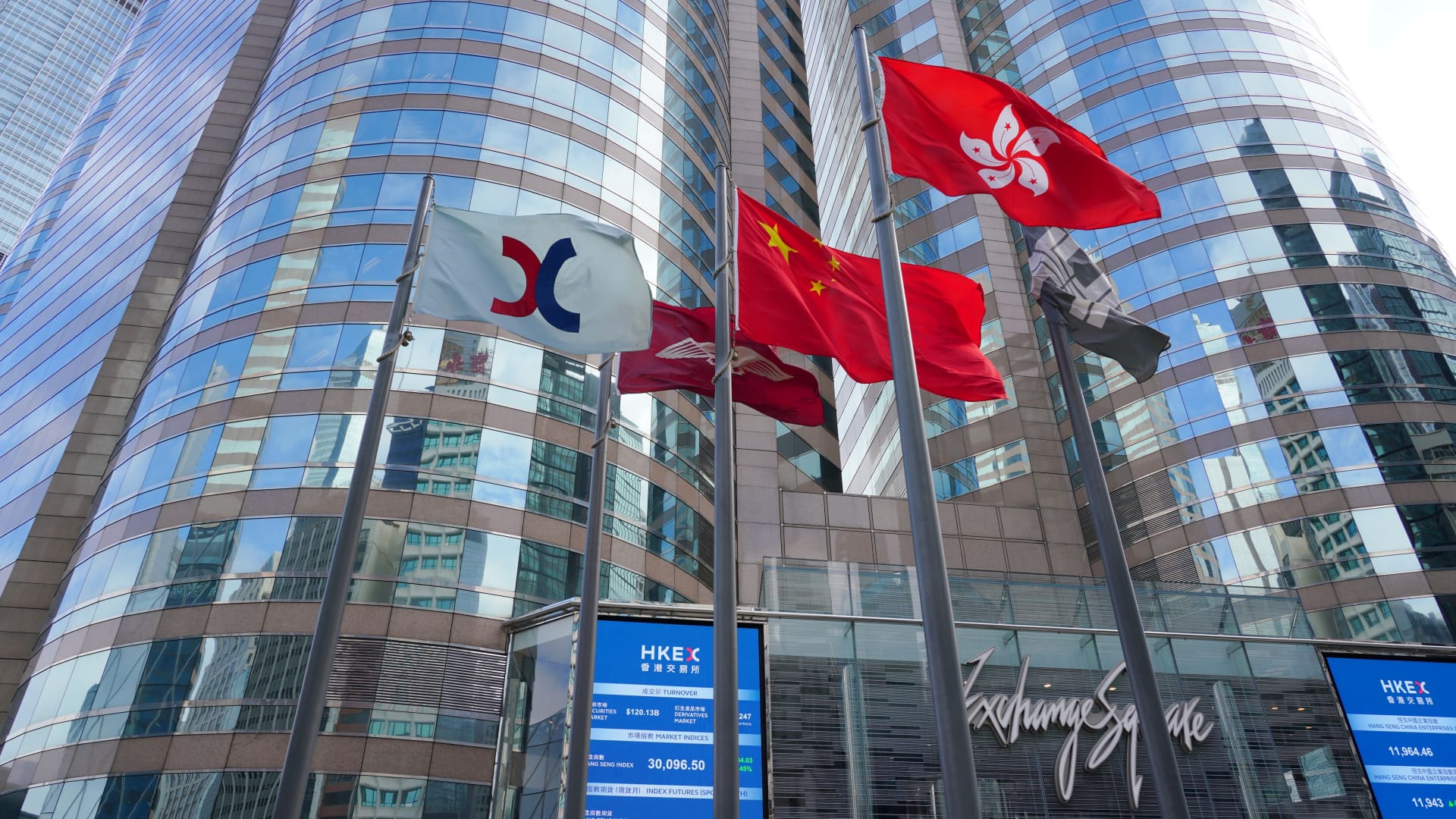

  • CITIC Bank International Demonstrates Resilience with Strong Capital and Liquidity, Analysts Confirm

    CITIC Bank International Demonstrates Resilience with Strong Capital and Liquidity, Analysts Confirm

    China CITIC Bank International is showcasing a robust ability to weather the ongoing challenges in Hong Kong’s sluggish property market, as reported by Moody’s. The bank is expected to uphold its solid asset quality, strong capital base, and excellent liquidity throughout the next 12 to 18 months.

    Property Development Exposure

    At the close of 2024, the bank’s exposure to property development and investment in Hong Kong represented 13% of its total gross loans. Fortunately, these loans are considered low-risk due to the strong profiles of the borrowers and conservative loan-to-value ratios. This strategic positioning could provide breathability in unavoidable market fluctuations.

    Improved Loan Metrics

    Moody’s highlights that the bank has actively reduced its exposure to mainland Chinese developers, which has been bolstered by enhanced provisioning. The impaired loan ratio also showed improvement, dropping from 2.3% in 2023 to 2.1% in 2024.

    Solid Capitalization and Liquidity

    Capitalization remains robust, backed by moderate internal capital generation alongside controlled growth in risk-weighted assets. With a liquidity coverage ratio of 200% in Q1 2025—well above the regulatory minimum of 100%—the bank’s liquidity position appears to be nothing short of impressive, like an Olympic gymnast.

    Deposit Growth and Profitability Outlook

    Total deposits for the bank surged by 9% in 2024, with current and savings account deposits climbing to 27% of total deposits, up from 25% the previous year. However, profitability in 2025 may face headwinds as the narrowing net interest margin (NIM)—which slipped slightly to 1.79% in 2024—will likely exert pressure on earnings. Nevertheless, the bank expects some relief from increased fee and commission income.

    Financial Resilience and Future Prospects

    While CITIC Bank International leans moderately on wholesale funding, its overall liquidity framework indicates resiliency. Steady deposit growth complemented by high-quality liquid assets has fortified the bank’s financial health. The bank continues to rely significantly on its parent company, CITIC Bank, and Moody’s foresees continued indirect support from the Chinese government, albeit not universally across all liability classes.

    An analysis of Loss Given Failure reveals a low to moderate risk across most liabilities. However, the recent redemption of US$500 million in Tier 2 subordinated debt has heightened the potential severity of losses for some instruments.

    Questions & Answers

    What percentage of gross loans does the bank have exposed to property development in Hong Kong?
    At the end of 2024, China CITIC Bank International’s exposure to property development and investment in Hong Kong accounted for 13% of its gross loans.

    How did the bank’s impaired loan ratio change in 2024?
    The impaired loan ratio improved to 2.1% in 2024, a decrease from the 2.3% reported in the previous year.

    What is the outlook for the bank’s profitability in 2025?
    Profitability is anticipated to be pressured in 2025 due to a narrowing net interest margin, although increased fee and commission income may provide some relief.

  • Vietnam launches derivatives market to boost liquidity

    Vietnam launches derivatives market to boost liquidity

    Vietnam’s derivatives market is officially launched today, with stock futures contracts the first to begin trading.

    Derivatives trading was planned several years ago to help draw more investment to Vietnam’s capital markets and broaden the country’s finance industry.

    The futures market would initially launch stock index contracts, and when fully operational, more instruments would be introduced.

    “(The launch) will help attract more foreign investors, institutional investors in particular, and boost market liquidity,” the stock exchange said in a statement.

    The VN30-Index, which is reviewed periodically, captures the performance of the 30 largest companies by market capitalization on the Ho Chi Minh city stock exchange. The futures contracts are allowed to move by a maximum of 7 percent in each session.

    The benchmark VN Index has jumped 19.1 percent so far this year and hit its highest level of 796.62 points since 2008 on Tuesday.