Tag: major

  • Singapore’s Metro Redefines Retail, Plans Closure of Two Major Stores for Smaller Multi-Concept Outlets

    Singapore’s Metro Redefines Retail, Plans Closure of Two Major Stores for Smaller Multi-Concept Outlets

    Metro, a well-known retailer based in Singapore, has announced plans to shutter its department stores located at Paragon on Orchard Road and Causeway Point. This decision comes in line with the company’s strategic pivot away from traditional large-format department store models, as their leases approach expiration.

    Embracing a New Retail Model

    Metro’s future plans revolve around introducing a flexible retail model that focuses on smaller-format and multi-concept stores. The company is currently exploring potential locations and liaising with landlords to advance the rollout of these innovative multi-concept stores.

    To ensure the financial viability and success of its new retail approach, Metro is considering several key factors. These include the location, rental terms, and implementation timelines of these proposed stores. This strategic move is aimed at meeting the fundamentally different consumer expectations of today’s market, while allowing more flexibility for the introduction of new concepts, brands, and partnerships.

    Commenting on the new direction, Yip Hoong Mun, Group CEO and Executive Director of Metro, said that the company’s refreshed retail strategy is designed to tackle the challenging operating environment and align with customers’ evolving expectations.

    Transforming the Retail Landscape

    Tan Soo Khoon, the chairman of Metro, further highlighted that this repositioning would pave the way for a more agile retail platform. This transformation is expected to support the company’s long-term growth ambitions. “As the retail landscape continues to transform, it is vital for us to evolve alongside it,” Tan noted.

    In the past year, Metro has been revamping its offerings through various partnerships and experiential concepts. However, despite its initiatives, the company reported a net loss of US$8.8 million for the fiscal year ending March 31, attributing the downturn to lower revenue, weaker margins, and impairment charges.

    Meanwhile, potential plans are being reviewed to optimise and selectively reconfigure parts of the Orchard Road mall, which presently houses Metro.

    Questions & Answers

    What is the new retail model that Metro is adopting?
    Metro is shifting towards a flexible retail model centred on smaller-format and multi-concept stores.

    Why is Metro shifting away from traditional department stores?
    Metro’s shift is prompted by changing consumer expectations and a desire for greater flexibility to introduce new concepts, brands, and partnerships.

    Will Metro continue to operate in the Orchard Road Mall?
    Metro has expressed interest in remaining at the Paragon on Orchard Road under its new retail concept, and discussions are ongoing.


  • Inferno Engulfs Coupang Warehouse: 52-hour Blaze Sparks Major Evacuation in Seoul

    Inferno Engulfs Coupang Warehouse: 52-hour Blaze Sparks Major Evacuation in Seoul

    A significant fire broke out at Coupang’s No. 32 logistics center located in Incheon, west of Seoul, prompting an evacuation of surrounding businesses and factories due to structural collapse concerns. The fire, which originated on the building’s sixth floor and spread to the seventh, burned for over 52 hours.

    The Incident at Coupang’s Fulfillment Center

    The blaze commenced at approximately 6:54 am local time on Saturday. The fulfillment center, which serves the Seoul metropolitan area, primarily stores goods purchased directly by Coupang for their fast-delivery service. Spanning eight floors and covering an area of around 299,000 square meters, the centre’s vast size is equivalent to about 42 football fields. The fire’s cause remains unclear, however, the building contains numerous flammable items such as household goods, paper boxes, and vinyl packaging. An investigation will commence as soon as the fire is entirely extinguished.

    Despite the adverse conditions, all workers present in the building at the time of the fire were safely evacuated, according to the company. Surveillance footage taken on Monday morning showed an ongoing situation, with dozens of fire trucks still present and smoke continuing to pour out of the building, even amid rainfall.

    Late on Sunday, the authorities ordered an evacuation for businesses and factories within 116 meters (around 127 yards) of the warehouse’s ramp area due to fears of a partial building collapse. Coupang Corp, a subsidiary of the U.S.-based Coupang Inc, and South Korea’s most extensive e-commerce firm, has yet to publicly quantify the expected operational disruption or financial damage.

    In a recent fact sheet, Coupang revealed that it operates over 100 logistics centers across more than 30 regions in South Korea.

    A Message from Coupang’s Leadership

    The head of Coupang Fulfilment Services, Jeong Jong-cheol, issued a public apology on Saturday. He affirmed the company’s commitment to cooperating with authorities, supporting firefighting efforts, and assisting nearby residents affected by the incident. The company has declined further comment at this time.

    Questions & Answers

    What is the current status of the fire at Coupang’s logistics center?
    The fire burned for over 52 hours and has led to the evacuation of the center and surrounding businesses and factories.

    What caused the fire at the Coupang fulfillment center?
    The cause of the fire remains unknown, with an investigation pending once the blaze is fully extinguished.

    What has been the response from Coupang’s leadership?
    The head of Coupang Fulfilment Services, Jeong Jong-cheol, has issued a public apology and affirmed the company’s commitment to cooperating with authorities, supporting firefighting efforts, and assisting local residents affected by the incident.

  • Starbucks Brews Major Expansion in India: Targets 100 New Stores Annually

    Starbucks Brews Major Expansion in India: Targets 100 New Stores Annually

    Starbucks has announced ambitious plans to open up to 100 outlets annually in India, marking an accelerated expansion in one of the company’s most rapidly growing global markets.

    Sushant Dash, CEO of Tata Starbucks, emphasized the potential for significant expansion in India, despite the country’s dominant tea culture. Coffee remains a smaller category, but the industry size and potential for growth cannot be overlooked.

    Tata Starbucks, a successful joint venture between Starbucks and the Tata Group, presently manages more than 500 outlets across India, accounting for roughly 30% of the nation’s structured coffee market. The partnership plans to amplify its presence by inaugurating between 50 to 100 stores each year.

    According to Dash, India ranks as one of Starbucks’ fastest expanding markets globally. The renowned coffee chain has more than doubled its number of stores in the country within the last four to five years.

    This aggressive expansion comes in response to the observed increase in coffee consumption amongst the youth and urban consumers in India. This uptick has sparked intensified competition from both local and international brands.

    To seize this opportunity, Tata Starbucks is considering a multi-format expansion strategy that includes drive-through outlets, highway locations, kiosks, and experiential stores. The company has also invested in its Starbucks Reserve concept, with six locations currently operating across major cities like Mumbai, Delhi, and Kolkata.

    This most recent expansion supports the company’s aspiration to reach 1,000 stores in India by 2028. In line with this goal, Tata Starbucks aims to increase its workforce to approximately 8,600 partners and further extend its network of drive-through outlets, airport cafes, and 24-hour locations.

    Notably, the company’s expansion plans extend beyond metropolitan areas. Tata Starbucks seeks to tap into India’s next wave of consumer growth by stepping up its presence in Tier 2 and Tier 3 cities.

    Questions & Answers

    What are Starbucks’ expansion plans in India?
    Starbucks plans to open between 50 to 100 outlets annually in India, aiming to reach 1,000 stores in the country by 2028.

    Is coffee popular in India?
    Despite India’s tea-dominant culture, the consumption of coffee is rising, particularly among the younger and urban demographics, leading to a surge in growth opportunities for coffee retailers.

    How does Starbucks plan to capture the growing coffee market in India?
    Starbucks, through its joint venture with the Tata Group, aims to leverage the growing coffee market in India by expanding its network of drive-through outlets, airport cafes, and 24-hour locations. The company is also broadening its reach to Tier 2 and Tier 3 cities.

  • OCBC Joins Forces with Major Business Chambers to Boost China-ASEAN Trade

    OCBC Joins Forces with Major Business Chambers to Boost China-ASEAN Trade

    OCBC, Singapore’s second-largest bank, is amplifying its efforts to harness the expanding economic ties between Greater China and Southeast Asia. This new endeavor sees the bank forming a strategic partnership with two prominent business chambers, the Singapore Chinese Chamber of Commerce & Industry (SCCCI) and the China Chamber of Commerce for Import and Export of Machinery and Electronic Products (CCCME). This partnership aligns with OCBC’s recently announced corporate strategy, The Next Frontier. A crucial element of this strategy is the ‘Asia Shift’, which aims to boost trade and investment flows between ASEAN and Greater China.

    Riding the Intra-Asia Growth Trend

    OCBC’s strategic alliance combines the bank’s regional banking prowess with the expansive network of the CCCME, which involves more than 10,000 Chinese enterprises, and the SCCCI’s robust business connections across Southeast Asia.

    This initiative is in response to the continued expansion of Chinese companies into ASEAN markets. As per OCBC’s data, there was a 50 percent increase in 2025 in the number of new Chinese businesses the bank assisted in setting up operations in Southeast Asia. This significant rise follows a 30 percent growth in the preceding year.

    The cooperation agreement stipulates the support of small to mid-sized enterprises and corporations seeking cross-border trade and investment opportunities in both regions.

    Focus on Strategic Sectors

    The collaboration will be focused on industries predicted to fuel future growth. These include green technologies, sustainable development, digitalization, and advanced manufacturing. Additionally, the partners aim to reinforce trade and financing ecosystems that stimulate cross-border business activities.

    To manage this initiative, a joint coordination group will be set up. This group will be tasked with tracking progress and ensuring the successful execution of plans.

    Roy Tan, Head of Enterprise Banking International at OCBC, shared that Chinese enterprises have quickened their globalization pace in recent years, which necessitates robust on-the-ground assistance when penetrating new markets. The partnership will enable the bank to merge financing solutions with business matching and market-entry support. Tan believes this will enhance the efficiency of Chinese companies venturing into ASEAN while generating opportunities for businesses on both fronts.

    Singapore is positioning itself as a primary gateway for Chinese companies seeking expansion into Southeast Asia. This strategic move also aims to allow local businesses to take advantage of the escalating intra-Asian trade and investment flows.

    Questions & Answers

    What is the main goal of OCBC’s new partnership with SCCCI and CCCME?
    The partnership aims to capitalize on the growing economic ties between Greater China and Southeast Asia by supporting small to mid-sized enterprises and corporations seeking cross-border trade and investment opportunities.

    Which sectors will the collaboration focus on?
    The collaboration will focus on sectors expected to drive future growth, including green technologies, sustainable development, digitalization, and advanced manufacturing.

    How does this partnership align with Singapore’s position in the global market?
    The partnership aligns with Singapore’s efforts to fortify its role as a gateway for Chinese companies looking to expand into the ASEAN region, and to benefit local businesses from growing intra-Asian trade and investment flows.

  • US Dollar Soars to Year’s Peak Against Major Currencies, Dodging Inflation Threats”

    US Dollar Soars to Year’s Peak Against Major Currencies, Dodging Inflation Threats”

    The U.S. dollar experienced a surge against the Vietnamese dong on Thursday morning, while oscillating around its apex value against significant international currencies this year.

    Vietcombank, a prominent banking institution, reported a minor increase of 0.01% in the value of the dollar, selling it at a rate of VND26,314.

    Contrarily, the U.S. dollar dipped slightly by 0.18% to VND27,910 in the unofficial currency exchange market, also known as the black market.

    Thursday witnessed the U.S. dollar, a popular refuge during periods of financial instability, hovering near its most robust position for the year. This trend was driven by the rising oil prices, which are predicted to escalate inflation and compel central banks around the world to espouse more assertive monetary policies.

    In early Asian trading, the euro experienced a slight decline of 0.1% against the dollar, going down to $1.1549. This brought the euro close to its lowest value since November of the previous year.

    Similarly, the Japanese yen saw a momentary fall, surpassing the 159-per-dollar mark. It depreciated as much as 0.2%, reaching 159.23. This puts the yen on the brink of its most diminished value since July 2024.

    The Australian dollar and the New Zealand dollar also observed declines, both slipping by 0.1%, with the former valued at $0.7148 and the latter at $0.5907.

    Questions & Answers

    What factors influenced the rise in the value of the U.S. dollar?
    The uptick in the value of the U.S. dollar can be attributed to the increasing oil prices, which are expected to instigate inflation and cause global central banks to adopt a more aggressive policy stance.

    How did the rise in the U.S dollar affect other major international currencies?
    The rise of the U.S dollar resulted in a slight depreciation of several international currencies such as the Vietnamese dong, the euro, the Japanese yen, the Australian dollar, and the New Zealand dollar.

    What was the selling rate of the U.S. dollar in the black market?
    In the black market, the U.S. dollar saw a nominal decline, with its rate recorded at VND27,910.

  • Coupang’s Q4 Revenue Takes a Hit Following Major Data Breach: Analysts’ Insight and Predictions

    Coupang’s Q4 Revenue Takes a Hit Following Major Data Breach: Analysts’ Insight and Predictions

    E-commerce behemoth, Coupang, endured a significant blow following a data breach in South Korea, leading to a loss in its fourth quarter. The company’s profits plummeted and its revenue failed to meet analyst predictions, reflecting the extensive impact of the breach.

    Financial Impact

    Coupang Korea, responsible for over 90% of the group’s total revenue, experienced severe backlash after a data breach was revealed in November. This breach impacted nearly 34 million customers. The revenue for the company for the time frame of October-December was reported at $8.8 billion, falling short of the anticipated $8.9 billion. The fourth quarter saw Coupang spiral into a $26 million loss, compared to a profit in the same period the previous year, although its New York-listed shares did see a 1.9% increase.

    CFO Gaurav Anand spoke out in an earnings call, indicating that active customers in their product commerce sector increased by 8% from the previous year to 24.6 million in the fourth quarter. However, this was a reduction from the third quarter’s 24.7 million, a change likely due to the data breach.

    Anand stated that they have observed stabilization since Q4’s end, with numerous customers reactivating their accounts and customer growth trends improving. Despite this, he expressed that growth and profitability are expected to remain subdued in the coming months due to the ongoing consequences of the data breach, but he anticipates that this impact will gradually diminish over the year.

    Details of the Data Breach

    The data breach led to the exposure of users’ names, phone numbers, and shipping addresses. However, Coupang confirmed that login credentials and payment details remained secure. The company pledged to take all necessary steps to mitigate future damage and strengthen preventative measures to avoid another breach.

    The interim head of Coupang’s South Korean division, Harold Rogers, assured customers that the company has not found any misuse of customer data linked to the incident or evidence of any further harm. Rogers explained that the breach was the result of a targeted attack by a former employee who exploited their knowledge of Coupang’s systems.

    Despite these claims, South Korea’s Science Ministry attributed the breach not to a sophisticated cyberattack, but to management failures at Coupang. In the wake of the incident, competitor platforms have capitalized on Coupang’s struggles, enticing customers away from the platform.

    Regulatory Challenges

    Additionally, Coupang is contending with proposed regulatory changes that could intensify competition in ultra-fast overnight deliveries, a sector that has been crucial to its market leadership. In a separate incident, South Korea’s antitrust regulator imposed a 2.2 billion won (US$1.53 million) fine on Coupang for pressuring vendors to reduce prices and carry extra costs to meet profit targets and delaying payments to suppliers. This penalty is not directly related to the data breach.

    Questions & Answers

    What steps is Coupang taking post-data breach?
    Coupang pledges to take all necessary measures to mitigate further harm and strengthen safety measures to avoid recurrence of such breaches.

    What caused the data breach at Coupang?
    The breach was attributed to a targeted attack from a former employee who exploited inside knowledge of Coupang’s systems.

    How has the data breach impacted Coupang’s financial standing?
    As a result of the data breach, Coupang’s revenue fell below predicted values, and the company reported a loss of $26 million for the fourth quarter.

  • Score Major Savings with YouTube TV’s Win-Back Offer: Everything You Need to Know

    Score Major Savings with YouTube TV’s Win-Back Offer: Everything You Need to Know

    YouTube TV is making efforts to regain former subscribers by offering a substantial discount. Individuals who have recently ended their subscription may be eligible for savings of up to $60.

    New Attraction for Previous Subscribers

    In a bid to reconnect with past subscribers, YouTube TV, under Google’s umbrella, is proposing a “we miss you” perk. Reportedly, the streaming behemoth is subtly unveiling a retention offer for certain users who have previously terminated or suspended their subscriptions.

    This offer isn’t a universal price reduction, so don’t anticipate it appearing spontaneously on your bill. Based on an unnamed source, a portion of users have uncovered a promotional code that discounts their one-month subscription cost by $60.

    Determining Eligibility

    Since this is a targeted strategy to regain customers, individuals must seek out the offer. Here’s how to do it:

    Access YouTube TV via a web browser (not the mobile app).
    Click on your profile icon and navigate to Settings.
    Choose Membership.
    Under the “Base Plan” section, look for a Manage button or a visible offer.

    If you find the promotion, you have the option to redeem it immediately. However, if you don’t see it, you might be momentarily out of luck.

    There’s no doubt that streaming costs are becoming exorbitant. With YouTube TV’s monthly cost nearing $83, it is considerably one of the most expensive options available, even though it is one of the highest quality services. A $60 discount, even just for one month, makes the service more competitive, particularly against chief competitor Hulu + Live TV.

    For comparison, Hulu + Live TV currently begins at approximately $89.99 per month (with ads included), although this price incorporates Disney+ and ESPN+, adding significant value if you utilize these services. On the other hand, more affordable alternatives like Sling TV range around the $40-$60 mark but come with a more complicated channel division (Orange vs. Blue) and fewer premium features like unlimited DVR.

    Obtaining YouTube TV for roughly $20 positions it in an attractive price bracket, albeit for a limited period.

    Reconsidering YouTube TV

    If I had recently terminated my YouTube TV subscription due to cost, this offer would not be sufficient to entice me back. In my view, the service provides the most seamless live TV experience available for purchase. Nevertheless, I would require more than a one-month discount to return if the initial issue was with pricing.

    Additionally, if you discontinued because the platform lacked specific channels (like the A&E networks or regional sports networks) or if you are drawn to the bundled value of Hulu, a temporary price reduction will not resolve these inherent issues. However, if you’re merely aiming to save money during football season, there’s no harm in accepting the offer, as there’s no contract to sign, and you have the freedom to transition to a more affordable option.

    Questions & Answers

    What is YouTube TV’s new offer?
    YouTube TV is offering a discount of up to $60 for one month to certain former subscribers in an attempt to win them back.

    How can I find out if I am eligible for the discount?
    To check eligibility, log in to YouTube TV from a web browser, click on your profile icon, go to Settings, select Membership, and look for a Manage button or visible offer under the “Base Plan” section.

    Is this offer enough to draw back former subscribers?
    While the discount makes the service more competitively priced for a month, it might not be enough to attract former users back long-term, especially if they left due to high costs or lack of certain channels. However, as there are no contracts, there’s no harm in taking the offer for the short term.

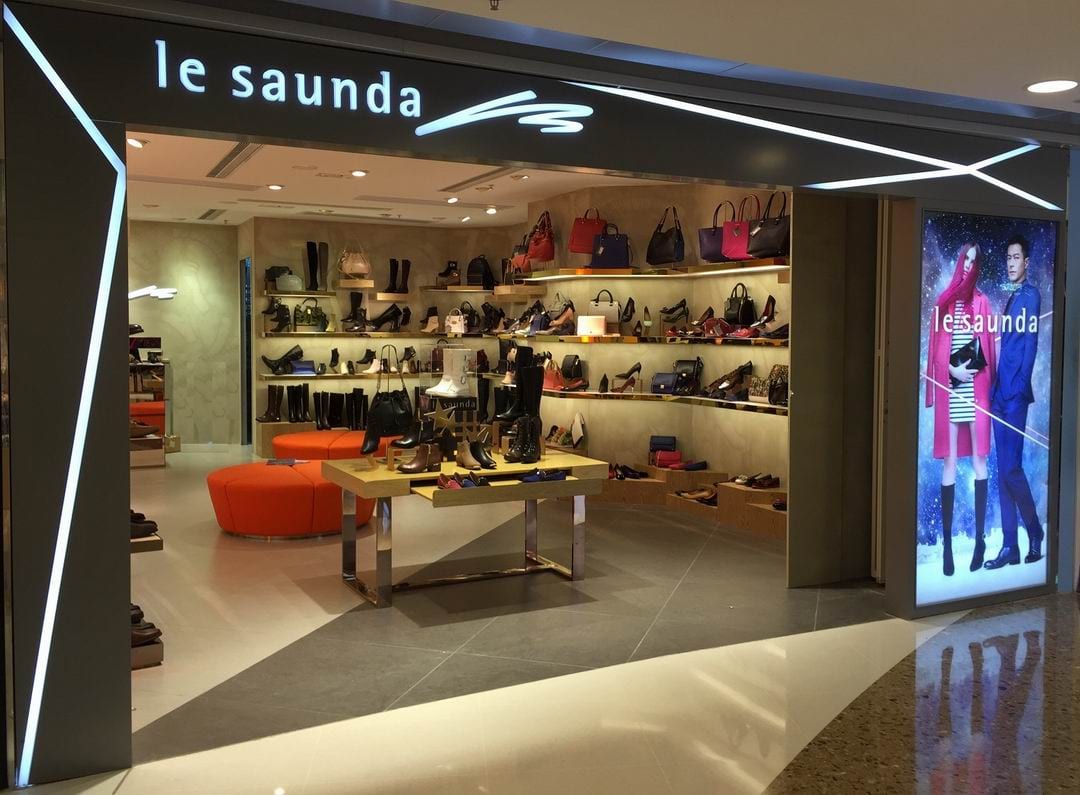
  • Le Saunda in Red: Unsteady Chinese Market Influences Major Losses for Hong Kong Footwear Retailer

    Le Saunda in Red: Unsteady Chinese Market Influences Major Losses for Hong Kong Footwear Retailer

    Le Saunda, a prominent footwear retailer in Hong Kong, recently revealed disappointing financial results for the first half of the fiscal year. The company’s performance reflects a troubling trend, marked by widespread losses across its operations.

    Significant Revenue Drop

    During the six months ending on August 31, Le Saunda’s revenue slumped by 36 per cent. The figures dwindled from RMB146.9 million ($20.66 million USD) to RMB95.8 million ($13.47 million USD).

    Gross Profit and Shareholder Returns Decrease

    The retailer’s gross profit also bore the brunt of financial instability, experiencing a 30 per cent reduction. It plunged from RMB79.4 million ($11.2 million USD) to RMB55.6 million ($7.8 million USD). Meanwhile, shareholder returns nose-dived to a significant loss of RMB31.4 million ($4.4 million USD).

    Reduction in Physical Stores

    The adversity further reflected in the company’s physical presence, with Le Saunda reporting a net reduction of 133 stores in Mainland China, its primary retail market, by the end of the period. This leaves the retailer with only 91 operational stores as against a markedly higher number in the same period from the previous year.

    Global Economic Uncertainties

    Le Saunda attributed its underperformance to a number of factors. The first half of 2025 witnessed frequent fluctuations in international trade relations. Coupled with a sluggish retail environment and low consumer confidence, these developments fostered global economic uncertainties. The company indicated that these conditions have undermined its future growth prospects.

    Questions & Answers

    What was Le Saunda’s revenue for the six months ending August 31?
    Le Saunda’s revenue for this period was RMB95.8 million ($13.47 million USD), marking a 36% drop from the previous year.

    What is the extent of Le Saunda’s gross profit reduction?
    Le Saunda experienced a significant 30% reduction in gross profit, going from RMB79.4 million ($11.2 million USD) to RMB55.6 million ($7.8 million USD).

    How has Le Saunda’s physical store presence been affected?
    Le Saunda reported a net reduction of 133 stores in its key market, Mainland China, leaving it with 91 operational outlets.

  • Starlink Devices Seized In Myanmar’s Crackdown On Booming Cyber Fraud Hubs

    Starlink Devices Seized In Myanmar’s Crackdown On Booming Cyber Fraud Hubs

    In a targeted action against one of Myanmar’s most infamous cyber fraud hubs, the country’s ruling military junta reportedly confiscated several Starlink satellite internet devices. This operation follows an investigation, which exposed the significant increase in the use of these devices in the burgeoning illicit trade.

    The Thriving Cyber Fraud Industry

    Since the onset of the Covid-19 pandemic, cyber crime centers that primarily target unsuspecting foreigners have proliferated in Myanmar’s war-torn border regions. These cyber dens run various fraudulent schemes ranging from business scams to romantic deceptions. The ongoing pandemic and the resultant closure of casinos in these regions have further fueled this burgeoning industry.

    A joint operation by Thai, Chinese, and Myanmar authorities, which commenced in February, led to the deportation of thousands of suspected scammers. While some willingly engage in these fraudulent activities, others are coerced into it by organized crime syndicates.

    A recent examination detected swift construction progression at fraud hub locations and installation of Starlink devices, a satellite internet service owned by Elon Musk, on their rooftops.

    A Fraction of the Whole

    Myanmar’s state media revealed that the military had recently executed operations near the Myanmar-Thai border at KK Park, confiscating 30 sets of Starlink receivers and associated equipment. However, this number represents just a fraction of the Starlink devices identified via satellite imagery and drone photography. One building at KK Park was found to have approximately 80 internet dishes installed on its roof.

    Despite not being authorized in Myanmar, Starlink dominated the country’s internet providers’ ranking from July 3rd to October 1st. The surge in Starlink traffic came after an extensive crackdown in February.

    Increasing Scrutiny

    The US Congress Joint Economic Committee has initiated an investigation into Starlink’s potential involvement with these fraud centers. While it has the authority to summon Musk for a hearing, it cannot compel him to testify. Starlink’s parent company SpaceX, has yet to comment on this matter.

    Vast Network of Scams

    The military junta reportedly commandeered around 200 buildings and located nearly 2,200 workers at the scam site. Furthermore, 15 individuals of Chinese descent were arrested on charges of online fraud, online gambling, and other unlawful activities.

    According to a report by the UN Office on Drugs and Crime, Southeast Asian scam operations swindled victims out of $37 billion in 2023. Myanmar has emerged as a major hub for these scam centers, prompting increased scrutiny and action from local and international authorities.

    Questions & Answers

    What is the Starlink?
    Starlink is a satellite internet service owned by Elon Musk.

    What has been the impact of the Covid-19 pandemic on the cyber fraud industry in Myanmar?
    The pandemic has led to a significant increase in cyber fraud activities in Myanmar, particularly in the country’s war-torn border regions.

    What is the extent of the scam network in Southeast Asia?
    According to a report by the UN Office on Drugs and Crime, Southeast Asian scam operations defrauded people of $37 billion in 2023, with Myanmar emerging as a major hub for these activities.

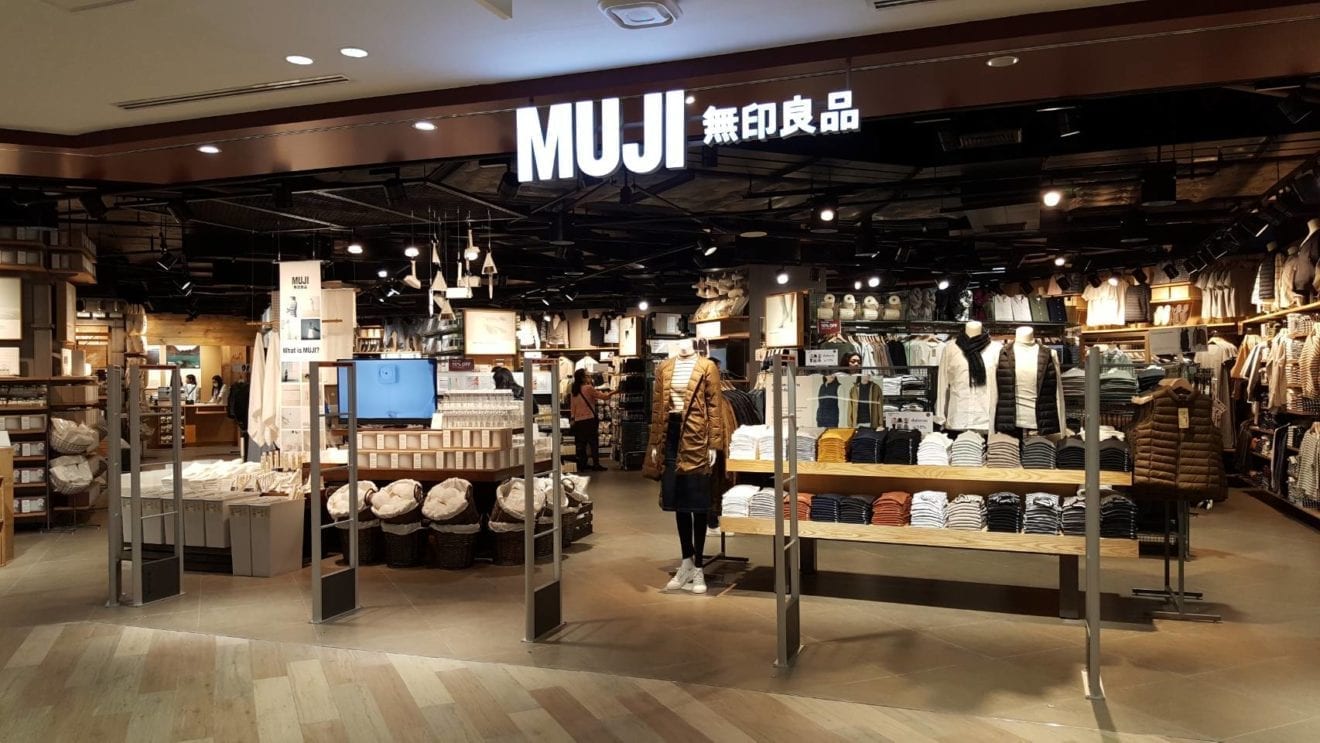
  • Muji Amplifies Global Presence With Major Flagship Store Launches In Southeast Asia And Europe

    Muji Amplifies Global Presence With Major Flagship Store Launches In Southeast Asia And Europe

    Japanese retail giant Muji is stepping up its global expansion efforts with key flagship store launches in Southeast Asia and Europe. This move is part of the company’s wider plan for international growth.

    Major Store Openings in Southeast Asia

    Muji, under the management of Ryohin Keikaku Co., is set to open its biggest Southeast Asian store at Central World in Bangkok on November 28. The spacious 3270 square meter store will provide customers with Muji’s complete range of products, from clothing and furniture to household items and food. Additionally, the store will stock locally developed products designed to reflect Thai lifestyles.

    Muji presently operates a network of 39 stores across Thailand.

    Expansion in Vietnam

    In Vietnam, Muji is refurbishing and enlarging its original store in Ho Chi Minh City to cover a sprawling area of 2990 square meters. This renovation will result in the brand’s largest store in Vietnam. The reopening of the store is scheduled for later this year, in alignment with Muji’s fifth-year anniversary in the country. Apart from its usual offering, the revamped store will also feature a wider range of locally sourced and developed products.

    Muji’s expansion in Southeast Asia is a part of its overall strategy to amplify its global presence. As of August, Muji had a total of 1474 stores worldwide, which includes 717 outlets in Japan and 757 spread across various international locations.

    European Expansion

    Looking beyond Asia, Muji is also reviving its European growth strategy. A flagship store is scheduled to open on Rue de Rivoli in Paris towards the end of next year.

    Earlier this year, Muji also launched its largest domestic store in Kashihara City, Nara Prefecture. This store is approximately 10 times larger than its previous outlets.

    Questions & Answers

    What is the global expansion strategy of Japanese retailer Muji?
    Muji is expanding its global presence by opening flagship stores in key locations in Southeast Asia and Europe.

    What is the size and product range of the new Muji store opening in Bangkok?
    The new Muji store in Bangkok spans 3270 square meters and will stock the full range of Muji products, including locally developed items tailored to Thai lifestyles.

    What are Muji’s plans for expansion in Europe?
    Muji is set to resume its expansion in Europe with the opening of a flagship store on Rue de Rivoli in Paris by the end of next year.

  • Apple’s Supply Chain At Risk As China Tightens Rare Earth Materials Regulations

    Apple’s Supply Chain At Risk As China Tightens Rare Earth Materials Regulations

    Apple’s CEO, Tim Cook, has expressed serious concerns about the potential implications of a Chinese invasion of Taiwan on the company’s supply chain, particularly for the electronic chips vital to Apple’s devices. This fear has been sparked by recent satellite images showing China’s mock-up of Taipei, including Taiwan’s Presidential Office. In response, Taiwan’s President Lai Ching-te has accelerated the development of an aerial defence shield for Taiwan.

    Apple’s Close Call

    China’s announcement last week regarding stricter regulations on the export of rare earth materials almost led to a significant predicament for Apple. The new regulations would necessitate licensing for end products made from Chinese materials. Considering China produces 90% of the world’s rare earth materials, which are essential for chip production, this could have spelled disaster. These materials are used to enhance chips’ electrical, optical, and magnetic properties and are also critical as a polishing agent in chip manufacturing. Notably, samarium, a material uniquely found in China, is used by the U.S. to build F-35 fighter jets and missiles.

    Amid Beijing’s crackdown on rare earth materials, there were concerns that China could force chip manufacturers like TSMC, Samsung, and SK hynix to obtain a license. This move could have allowed China to gain control over the advanced chips produced by these foundries. In a worst-case scenario, Apple may not have been able to rely on TSMC and Samsung Foundry for the manufacture of the essential chips for the iPhone and other products.

    The Relief

    However, the situation might not be as severe as initially feared. Taiwan has assured that China’s crackdown on rare earth materials does not affect the materials necessary for chip production. According to Taiwan’s Economy Ministry, China’s restrictions apply to metals that are not required by TSMC, Samsung, or SK hynix. Instead, the production of drones and electric vehicles could be impacted by China’s new policy. China justified its stricter stance, expressing concerns about the materials’ use in “military applications” amid an atmosphere of “frequent military conflict.” These new rules are set to come into effect on November 8th.

    Meanwhile, even though most of TSMC’s suppliers get their metals from China, the company has various sources for its rare earth materials. However, the future could see China imposing restrictions on the materials used for the production of advanced chips, affecting not only Apple but also other major TSMC customers like Nvidia, AMD, and Qualcomm.

    US Efforts and Futures Concerns

    As tensions rise, the U.S. has been stepping up efforts to find alternatives to rare earth materials. Domestic mining has been explored, and significant funding has been allocated for finding alternate sources. The Department of War has granted hundreds of millions of dollars to U.S. firms in this pursuit.

    While the current situation is under control, should China choose to escalate matters, it could expand the crackdown on rare earth materials to include metals used by foundries. This potential move underscores how crucial it is to find alternative sources of rare earth materials outside China.

    Questions & Answers

    What are the implications of China’s restrictions on the export of rare earth materials?
    The restrictions could disrupt the manufacturing processes of major tech firms, as these materials are integral to chip production.

    How could China’s crackdown affect Apple’s supply chain?
    China’s crackdown could potentially affect Apple’s ability to source the necessary materials for chip production, directly impacting their product supply.

    What measures are being taken to mitigate the impact of China’s new restrictions?
    The U.S. is actively seeking alternatives to rare earth materials, with efforts focused on domestic mining and finding other sources. The Department of War has also awarded significant funding to U.S. firms to aid in this endeavour.

  • Arla Foods Launches Protein Pudding Range In Australia, Strengthening Regional Presence

    Arla Foods Launches Protein Pudding Range In Australia, Strengthening Regional Presence

    Arla Foods, a leading global dairy company, has introduced its Protein Pudding range to the Australian market. The range, which includes two flavours – Chocolate and Salted Caramel, is being distributed by a number of local retailers such as Coles, Harris Farm Markets, Costco, and 7-Eleven.

    The Protein Pudding Range

    Available in two flavours, the Protein Pudding range is an exciting addition to Arla Foods’ line-up of products. The Chocolate and Salted Caramel variants are not only delicious but are also low in fat, free from added sugar, and packed with 20g of protein per 200g serving. The puddings have been developed in response to the increasing demand for snacks that are both functional and indulgent. With a thick, creamy texture, these puddings provide a guilt-free snacking option or a satisfying dessert alternative for consumers.

    Expansion Across the Region

    Arla Foods continues to strengthen its presence in the region. In May, the company extended its regional reach by partnering with Alchemy Agencies. This collaboration led to the distribution of five premium nutrition ingredients across Australia, New Zealand, and the Pacific Islands. This move forms part of Arla Foods’ broader strategy to grow its footprint in Southeast Asia and the ANZ/Oceania region.

    Questions & Answers

    What is unique about Arla Foods’ Protein Pudding range?
    The Protein Pudding range by Arla Foods is low in fat, free from added sugar, and provides 20g of protein per 200g serving. It also serves as a functional yet indulgent snack or dessert alternative.

    Which flavours are available in the Protein Pudding range?
    The Protein Pudding range is available in two flavours – Chocolate and Salted Caramel.

    What was the outcome of Arla Foods’ partnership with Alchemy Agencies?
    The partnership with Alchemy Agencies resulted in the distribution of five premium nutrition ingredients across Australia, New Zealand, and the Pacific Islands.

  • OMG’s Oat Milk Expansion: From 544 To 900 Woolworths Stores By November

    OMG’s Oat Milk Expansion: From 544 To 900 Woolworths Stores By November

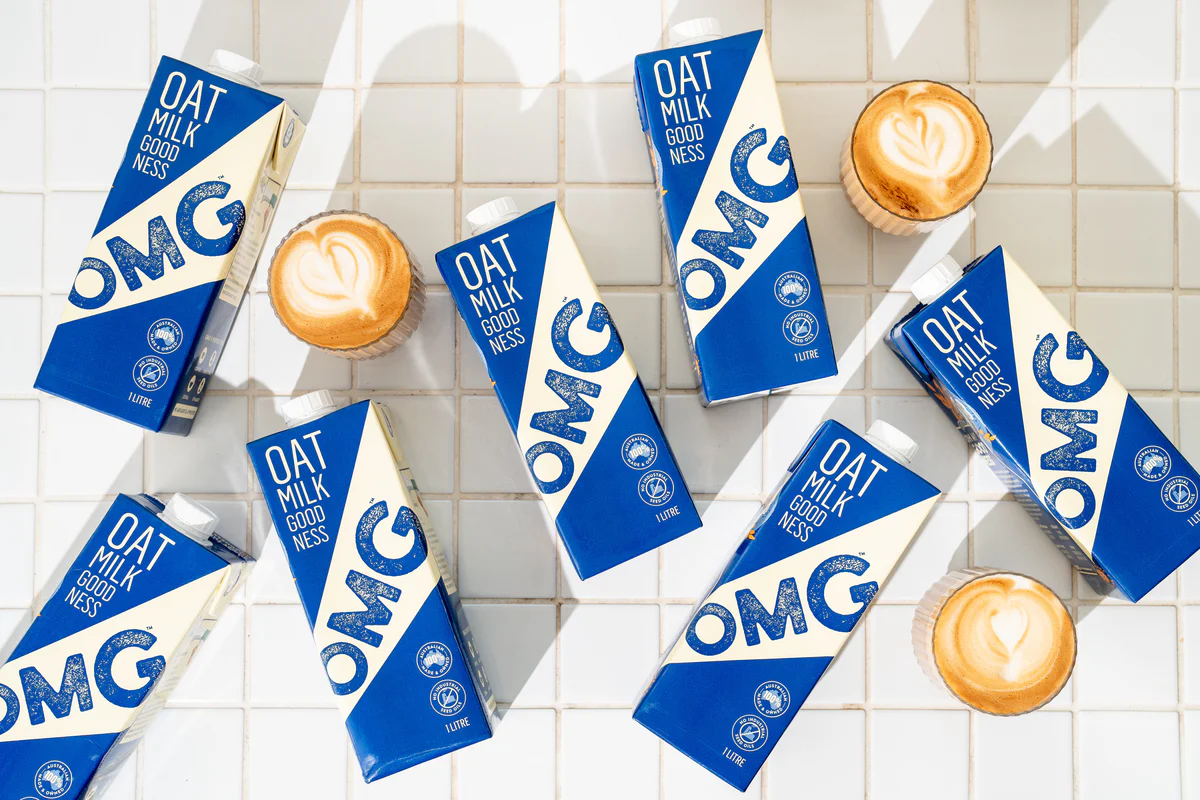
    Oat Milk Goodness (OMG), a renowned Australian plant-based beverage firm, recently announced its plan to extend the reach of its popular 1L Barista Oat Milk to 900 Woolworths outlets across the nation by November. This is a significant increase from the 544 stores currently stocking the product.

    Strengthening Partnerships

    This expansion is set to strengthen the company’s existing collaboration with Woolworths, which already offers the Proatein alt-milk range, another product from OMG, in 466 of its stores throughout Australia.

    OMG’s CEO, Alex Aleksic, expressed his satisfaction with the growth of their multi-channel sales strategy. He said, “The increase in store count marks another pleasing development across our broader multi-channel sales strategy, with momentum through a number of outlets.” Aleksic went on to reveal that the company is in advanced talks with numerous new and existing groups to further extend their reach in the coming months.

    Recent Achievements

    The announcement of expansion into Woolworths stores is the latest in a series of triumphs for OMG. Notably, the company successfully launched its Blue Dinosaur snack range into 750 7-Eleven stores on a national level. Additionally, the firm secured new distribution agreements with Quikstop and Canteen One outlets.

    Established in 2019, Oat Milk Goodness aimed to provide tasty, coffee-friendly options for individuals who cannot or choose not to consume dairy. The company’s flagship brands include Blue Dinosaur and Oat Milk Goodness.

    Questions & Answers

    What is the main product of Oat Milk Goodness?
    Oat Milk Goodness’s primary product is the 1L Barista Oat Milk, a dairy-free alternative that is especially popular among coffee enthusiasts.

    What recent achievements has Oat Milk Goodness made?
    The company has seen a series of successes including the introduction of its Blue Dinosaur snack range into 750 7-Eleven stores and new distribution deals with Quikstop and Canteen One outlets.

    What is the future expansion plan of Oat Milk Goodness?
    Oat Milk Goodness plans to extend its reach by increasing its product presence in 900 Woolworths locations across Australia. The company is also in talks with various new and existing groups for further expansion in the coming months.