Tag: make

  • New features make the Google Translate app more useful and easier to use

    New features make the Google Translate app more useful and easier to use

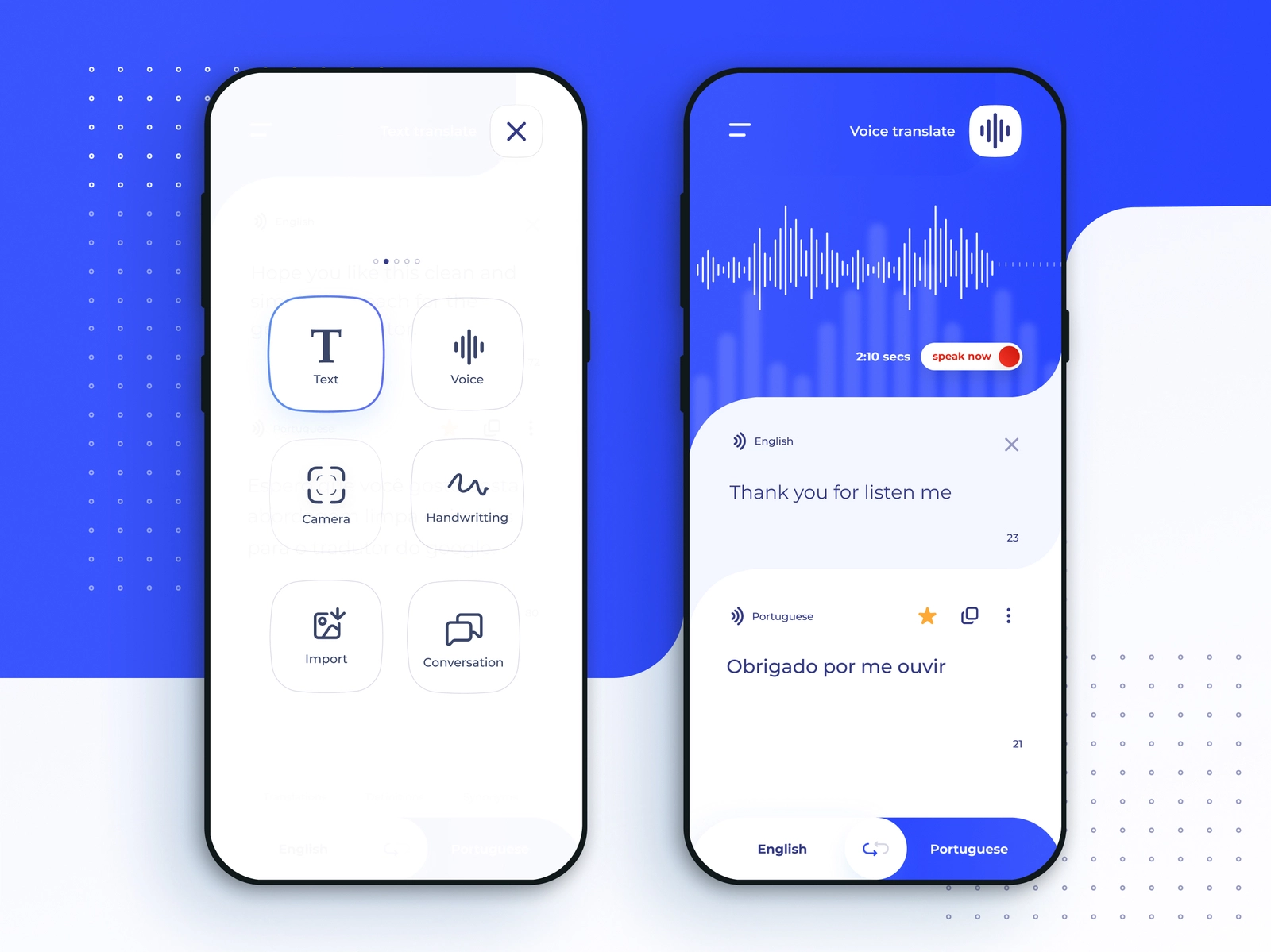
    Google Translate, as per the company’s claim, processes a staggering one trillion words every month. Due to the sheer volume and diversity of languages and words, inaccuracies in translation are inevitable. However, Google is testing a new feature for its Google Translate app that could provide more transparency and functionality in its translation process.

    New Features for Google Translate

    Google Translate is experimenting with two new buttons named “Understand” and “Ask,” replacing the existing “Ask A Follow-up” feature that currently doesn’t exist in the iOS version of the app.

    The “Understand” button aims to shed light on the rationale behind a given translation, offering context and insight about the translated text. This information includes in-depth grammar explanations that delve into sentence structure, explanations of word sense and idioms used in translation, and cultural notes highlighting how cultural nuances such as politeness levels or gender influences have factored into the translation.

    The “Ask” button, on the other hand, empowers users to request AI assistance for a customized or improved translation. Users can request a translation with a specific tone – formal, casual, or simplified, alternative translations, regional variants of the translation, or usage of a particular phrase or word in a sentence. These AI-powered buttons are still considered experimental, though.

    Enhancing Accessibility

    Google is also testing another feature in its Android app that displays translated text in a larger font size, improving accessibility for users with less than perfect vision. This larger font is also visible in the full-screen mode of the app.

    This feature is already available in the iOS version of Google Translate and is expected to arrive on the Android version soon.

    Transforming Language Learning

    Google Translate is expanding its horizons beyond basic language translation, according to product manager Matt Sheets. He added that users can now “listen and speak with confidence on the topics you care about.” These statements align with Google’s earlier announcement that Google Translate would become more educational, offering language-learning features similar to Duolingo.

    In the app, a “Practice” button at the bottom right of the display allows users to select English, Spanish, French, or Portuguese to learn either Spanish or French. Users can also pick their current proficiency level in the language they wish to learn, with options for Basic, Intermediate, or Advanced.

    Questions & Answers

    What are the new features being tested in the Google Translate app?
    Google is experimenting with two new buttons, “Understand” and “Ask,” which aim to provide the reasoning behind a translation and allow users to request a customized translation, respectively.

    What is the purpose of the larger font size being tested in Google Translate for Android?
    The larger font size is designed to improve accessibility for users with less than perfect vision, making it easier for them to see the translation.

    What language learning features does Google Translate offer?
    Google Translate offers a “Practice” feature where users can choose to learn Spanish or French in English, Spanish, French, or Portuguese. They can also select their current proficiency level in the language they’re learning.

  • Apple To Revolutionize Mixed Reality With Next-gen Vision Pro 2: New Chip, Enhanced Performance

    Apple To Revolutionize Mixed Reality With Next-gen Vision Pro 2: New Chip, Enhanced Performance

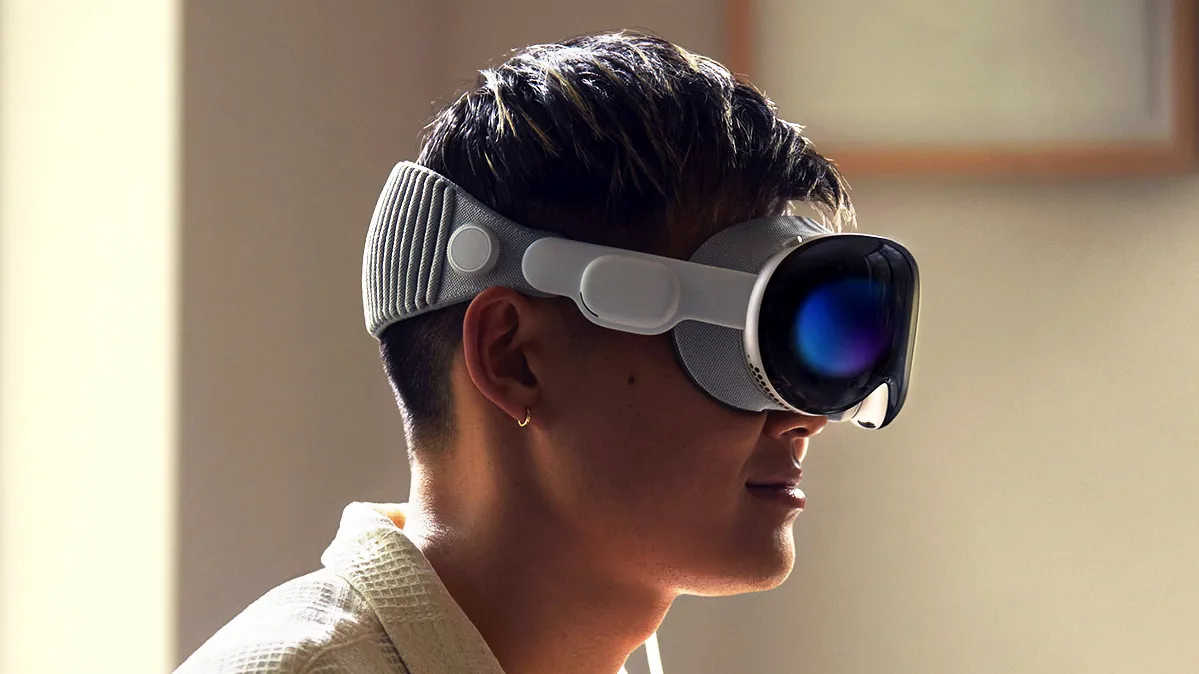
    Apple’s Vision Pro, rather than relying solely on one chip for power, utilizes both the M2 and the R1 chips. In a recent development, reports suggest that Apple plans to incorporate the R2 chip in the next iteration of its premium Mixed Reality (MR) headset, adding a new feature to the device’s already impressive specifications.

    Delayed Announcement

    The successor to the Vision Pro was initially anticipated to be unveiled this month, along with the iPhone 17 series. To the disappointment of many MR aficionados, this did not occur, as the event was exclusively dedicated to the launch of the newly redesigned phones. Many speculate that the delay in the headset’s announcement is due to the incorporation of the R2 chip, pushing the launch to next year.

    Towards A More Capable Headset

    The new R2 chip is said to be created using TSMC’s 2 nm process, a significant advancement from the R1 chip. Combined with the M4 processor — speculated to be part of the new headset — the Vision Pro 2 promises to deliver significantly enhanced performance. The R-series chips are designed to work in sync with the M-series processor, managing the input from the headset’s numerous sensors and cameras. This functionality made the Vision Pro a feature-packed device, a contributing factor to its steep price tag of $3,499.

    The 2 nm R2 chip is expected to process these inputs even quicker, thereby enabling the new Vision Pro to support more complex applications. However, this improvement might not be noticeable for an average user. The general performance will be significantly improved, but not necessarily in a discernible manner.

    Staying Relevant in the XR Industry

    The new Vision Pro headset is primarily intended to ensure Apple’s relevance in the Extended Reality (XR) industry. The key ambition for the company is the development of AR smart glasses, with the aim to outpace Meta in the market. Recently, the new Meta Ray-Ban Display smart glasses were unveiled. While these glasses don’t offer true AR, they mark the company’s entry into the AR market, reminding Apple to reiterate its commitment to XR devices.

    Questions & Answers

    What significant changes are expected in the successor to the Apple Vision Pro?
    The successor is expected to incorporate the R2 chip, which is a significant enhancement from the R1 chip used in the current model.

    What is the speculated release date for the successor to the Vision Pro?
    The release is projected to be delayed till next year, due to the proposed incorporation of the new R2 chip.

    Why is Apple developing the new Vision Pro headset?
    The new Vision Pro headset is primarily a measure to maintain Apple’s presence and relevance in the rapidly growing Extended Reality (XR) industry.

  • Forever 21’s Fourth Attempt: Reinventing Brand Presence In Chinese And North American Markets

    Forever 21’s Fourth Attempt: Reinventing Brand Presence In Chinese And North American Markets

    Renowned fast-fashion retailer, Forever 21, is poised to venture once again into the Chinese market for the fourth time. The brand’s previous three attempts, beginning in 2008, were unsuccessful in maintaining a solid foothold in the second-largest global economy.

    Reviving the Brand: Future Prospects

    Beyond its focus on China, Forever 21 also aims to revitalise its presence in the North American market. To support this endeavour, the brand is currently in search of a strategic partner, with an announcement to follow in the near future, according to Authentic Brands Group (ABG), the holder of Forever 21’s worldwide intellectual property rights.

    The primary emphasis of the brand for the foreseeable future is on strengthening its market position in both China and the United States, as disclosed by ABG in a recent press briefing.

    Bankruptcy and Recovery

    In March, Forever 21 declared bankruptcy in the U.S. for the second time in six years. The brand also revealed plans to phase out domestic operations due to the increasing pressures of online competition in the fast-fashion industry, coupled with dwindling traffic in shopping malls.

    Following its third relaunch in China in 2022 and the opening of several retail outlets beyond the country’s primary fashion hubs, Forever 21’s operations gradually diminished towards the end of 2024.

    Re-emergence and Partnerships

    However, the brand is making a comeback, creating a buzz with its famed bright yellow branding appearing in major Chinese cities. Marketing events at music festivals and Forever 21 advertisements within Shanghai’s metro system have marked the brand’s return.

    For its latest endeavor, ABG is collaborating with brand operator Chengdi, a firm partly owned by e-commerce giant Vipshop Holdings. During a press launch in Shanghai, Chengdi expressed its intention to localize operations and attract a new generation of young consumers, with plans to open more brick-and-mortar stores in 2026.

    CEO’s Remarks on the Acquisition

    Jamie Salter, CEO of ABG, had previously described the acquisition of Forever 21, which was purchased from bankruptcy in 2020, as “probably the biggest mistake I made.” However, when asked about these remarks recently, an ABG spokesperson clarified that Salter “has always believed that having Forever 21 as part of ABG is a good idea and he continues to maintain that belief.”

    Questions & Answers

    What is Forever 21’s future strategy in the global market?
    Forever 21 aims to reestablish its presence in the Chinese and North American markets, with plans to seek a strategic partner for the North American relaunch.

    What led to Forever 21’s bankruptcy and eventual recovery?
    Increasing online competition in the fast-fashion industry and declining mall footfall led to Forever 21’s bankruptcy. It’s recovery has been marked by a strategic relaunch and partnership with Chengdi in the Chinese market.

    What did ABG’s CEO Jamie Salter mean by his comments regarding the acquisition of Forever 21?
    Jamie Salter had previously expressed regrets about acquiring Forever 21. However, an ABG spokesperson clarified that Salter continues to believe in the brand’s potential as part of ABG.

  • Fonterra Settles Dispute With Bega Group, Proceeds With Nz$4.22 Billion Divestment To Lactalis

    Fonterra Settles Dispute With Bega Group, Proceeds With Nz$4.22 Billion Divestment To Lactalis

    Fonterra has successfully settled its disagreement with the Bega Group over Bega licenses in Australia. This settlement followed Fonterra’s decision to divest its consumer business to Lactalis, a French dairy conglomerate.

    Fonterra’s Divestment to Lactalis

    Just last week, Fonterra, headquartered in New Zealand, decided to offload its consumer and related businesses to Lactalis in a deal worth NZ$3.845 billion ($3.46 billion). These businesses house popular brands like Mainland, Anchor, and Perfect Italiano, and they currently hold the licenses for Bega Cheese-branded products within Australia.

    Fonterra had originally planned to include the Bega licenses in its divestment. However, this necessitated the resolution of an ongoing legal dispute with the Bega Group.

    Resolution of Bega-Fonterra Dispute

    In a recent development, both parties reached a consensus that the deal would not have any impact on the terms of their license agreements. They also agreed to put an end to the legal proceedings.

    Fonterra clarified in a statement that the “sale to Lactalis of Fonterra’s global consumer and related businesses does not constitute a change of control under the Bega licenses.”

    Bega reciprocated in its own statement, “Fonterra intends to structure the sale to Lactalis in a way which will not affect the operation of the Trade Mark License Agreements or trigger the change of control clauses within those agreements.”

    Bega Group also asserted its anticipation for collaboration with Fonterra and Lactalis during the transition period and beyond. It confirmed that the sale to Lactalis would not modify the current contractual arrangements linked with the Bega brand or the benefits the Bega Group gains from such arrangements.

    As a consequence of the resolution, the Bega licenses held by Fonterra’s Australian business will be incorporated into the divestment.

    Financial Details of the Deal

    As previously declared, Lactalis will provide Fonterra an extra NZ$375 million for the licenses on top of the NZ$3.845 billion base enterprise value. This pushes the total proceeds from the sale to NZ$4.22 billion.

    In earlier developments, Bega had presented a bid for Fonterra’s consumer business as part of a consortium with Dutch dairy cooperative FrieslandCampina. Japan’s Meiji was also a contender in the auction.

    Questions & Answers

    What was the dispute between Fonterra and Bega about?
    The dispute was regarding Bega licenses in Australia that Fonterra intended to include in its divestment to Lactalis.

    What resolution was reached between Fonterra and Bega?
    Both companies agreed that the sale of Fonterra’s businesses to Lactalis would not affect their existing license agreements.

    What is the financial value of the Fonterra-Lactalis deal?
    Lactalis will pay Fonterra a total of NZ$4.22 billion, which includes the base enterprise value of NZ$3.845 billion and an additional NZ$375 million for the Bega licenses.