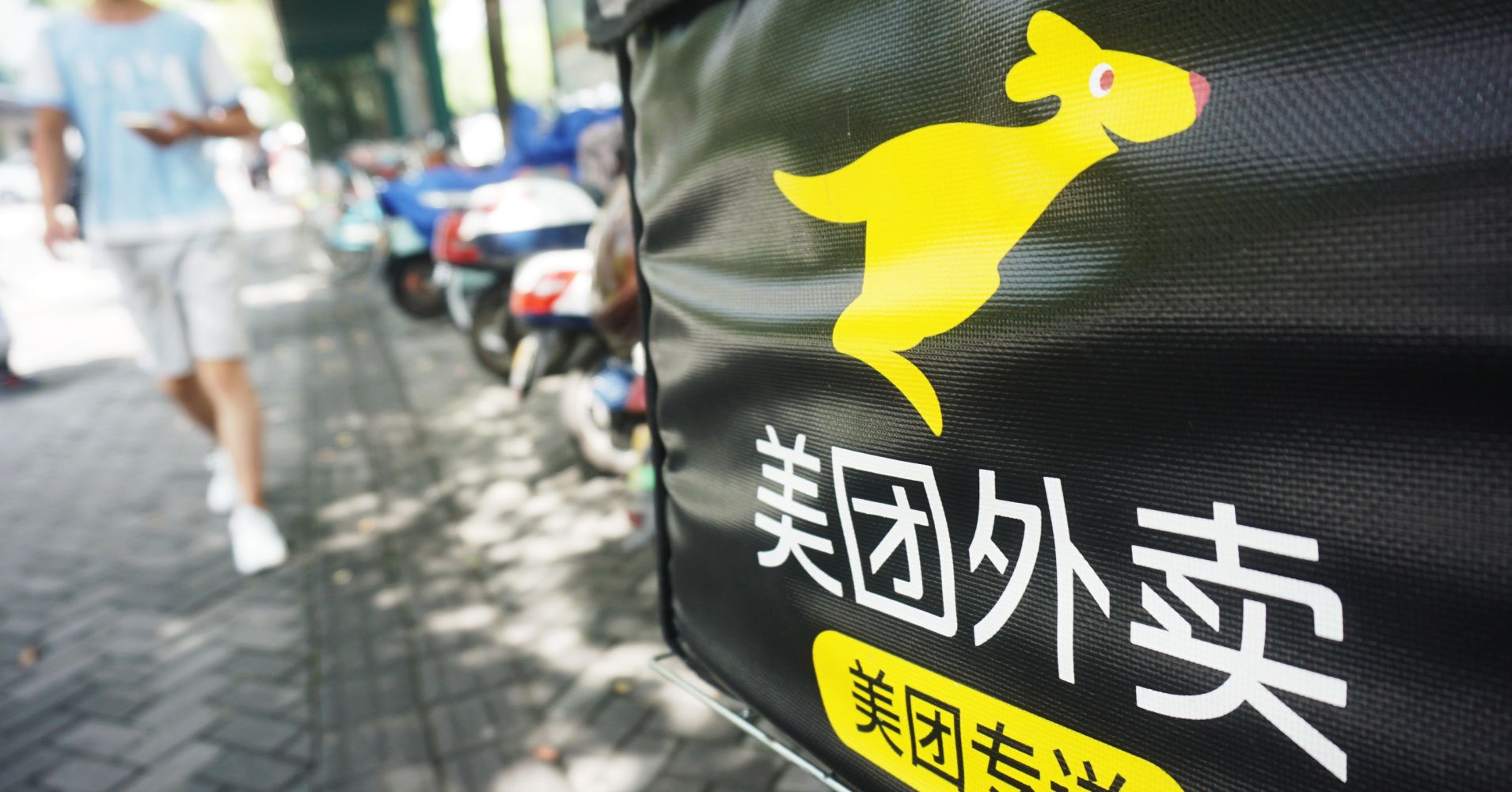
Tag: meituans

  • Meituan’s Struggles Continue Amidst Food Delivery Frenzy: Can Signs of Easing Price War Restore Profits?

    Meituan’s Struggles Continue Amidst Food Delivery Frenzy: Can Signs of Easing Price War Restore Profits?

    Meituan, the leading food delivery company in China, reported its second consecutive quarterly loss, slightly missing revenue growth forecasts. This comes after a year of aggressive, subsidy-intensive competition in China’s one-hour delivery market.

    Meituan’s revenue growth and profits have been under pressure for several consecutive quarters since the introduction of new ‘instant retail’ platforms by e-commerce heavyweights Taobao, which is owned by Alibaba, and JD.com in early 2025.

    The term ‘instant retail’ or ‘quick commerce’ refers to online orders that typically include food, bubble tea, and everyday items, delivered within an hour.

    However, the early part of 2026 has signaled a potential slowdown in the instant retail pricing battle, which has been condemned as a “race to the bottom” by Chinese regulatory bodies.

    For the quarter ending on December 31, Meituan’s revenue reached 92.1 billion yuan (approximately US$13.3 billion), marking a 4.1% increase from the previous year. This figure is slightly below the 92.2 billion yuan analysts had predicted.

    The company managed to reduce its adjusted net loss to 15.1 billion yuan, down from 16 billion yuan in the third quarter. This is a stark contrast to the same period a year earlier, when Meituan reported a profit of 9.8 billion yuan.

    During a post-earnings call with analysts, Meituan’s CEO, Wang Xing, claimed that the regulatory stance on the instant retail competition is “already quite clear”. Wang stressed that regulatory authorities are vehemently against the escalating ‘neijuan’ competition and are keen on promoting a healthy, orderly market. ‘Neijuan’, or ‘involution’, refers to a situation where individuals or companies are forced into intensifying competition that yields minimal benefits.

    Earlier in the week, Meituan’s shares experienced a surge of 14% following the re-publication of a state media editorial by Chinese regulators. The editorial called for an end to the ongoing food delivery price wars, and its re-publication was perceived by industry experts as an official endorsement.

    Questions & Answers

    What is ‘instant retail’?
    Instant retail, also known as quick commerce, refers to online orders typically comprising food, bubble tea, and daily use items, delivered within an hour.

    What does ‘neijuan’ mean?
    ‘Neijuan’, or ‘involution’, refers to a situation where companies or individuals are pushed into a state of intensifying competition that brings very little benefit.

    What was the response of the market to the call for an end to the food delivery price wars?
    Following the re-publication of a state media editorial that called for an end to the food delivery price wars, Meituan’s shares experienced a 14% increase, suggesting a positive market response.
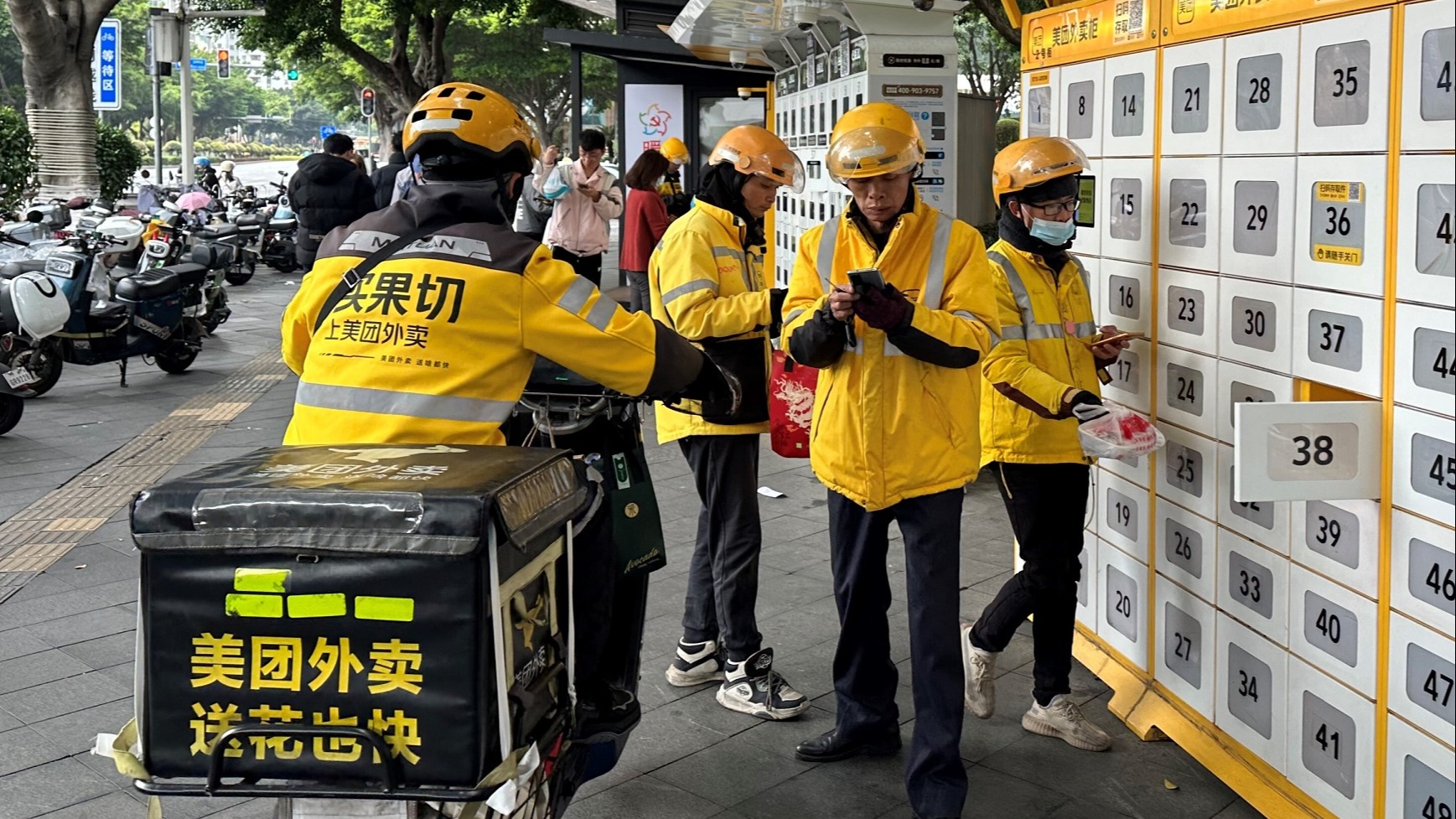
  • Meituan’s Profit Plummets Amid Intense Competition In China’s ‘instant Retail’ Sector

    Meituan’s Profit Plummets Amid Intense Competition In China’s ‘instant Retail’ Sector

    Meituan, China’s top food delivery company, has reported an 89 per cent decrease in its net profit during the second quarter. The company attributes this major drop to escalating competition in the ‘instant retail’ sector, which specializes in delivering goods within an hour.

    Meituan boasts almost 70 per cent of China’s delivery market. However, the company has expressed concerns that maintaining this dominance will prove costly. The fierce competition is putting the company’s profit margins under significant pressure, at least in the short term. This has led to a fall in the company’s shares, which have declined by over 20 per cent this year.

    The Battle for Market Dominance

    According to analysts, the food delivery sector in China is now in the middle of a full-blown delivery war in which Meituan cannot afford to be defeated. They expect the intensity of the subsidy to gradually decrease after the third quarter. The focus will then shift towards unit economic discipline in the coming year.

    In addition to delivering food, Meituan offers services ranging from bike-sharing to ticket-booking and map services. The company’s CEO, Wang Xing, acknowledges the intense competition, emphasizing that the company will continue to prioritize doing the right things such as ensuring quality selection, competitive pricing, superior service, and prompt delivery.

    New Competitors and Regulatory Challenges

    This year, online retailer JD made its move against Meituan’s attempt to expand beyond meals by aggressively entering the food delivery business, which is Meituan’s core operation. Alibaba, which operates Ele.me, the second-largest food delivery app, also increased its investment in instant retail. Both JD and Alibaba have promised billions of yuan in subsidies to increase sales.

    Future challenges may arise from regulatory adjustments. Chinese authorities are planning to implement new rules for pricing following complaints from merchants and customers about misleading or unfair pricing on major internet platforms. Meituan, alongside Alibaba and JD, released statements last month committing to end price wars. However, Wang Xing has stated that they will stand their ground and defend their market position as the competition becomes even more intense.

    Despite the heightened competition in China, Meituan is broadening its horizons with overseas expansion. The company has boosted the global presence of its Keeta app in Hong Kong, Qatar, and Saudi Arabia. They have also made a significant investment of US$1 billion in Brazil.

    Questions & Answers

    What factors contributed to Meituan’s drop in net profit during the second quarter?
    The 89 per cent drop in Meituan’s net profit was primarily due to increased competition in China’s ‘instant retail’ sector.

    How is Meituan responding to the increasing competition in the market?
    Meituan’s strategy focuses on doing the right things such as ensuring quality selection, competitive pricing, superior service, and prompt delivery. They have also committed to ending price wars.

    What plans does Meituan have for international expansion?
    Meituan has expanded its Keeta app to markets in Hong Kong, Qatar, and Saudi Arabia. The company has also invested US$1 billion in Brazil.