Tag: monopoly

  • Sony Battles $2.7 Billion UK Lawsuit over Alleged PlayStation Store Monopoly

    Sony Battles $2.7 Billion UK Lawsuit over Alleged PlayStation Store Monopoly

    Sony, the Japanese multinational conglomerate, is currently battling a lawsuit worth nearly £2 billion (approximately US$2.7 billion) in London. The lawsuit alleges that Sony has used its monopoly positioning to inflate prices for digital games. This litigation is one of the latest mass consumer cases to be tried in the United Kingdom.

    Sony is being accused of manipulating its market dominance by making digital games and console add-ons available exclusively through its PlayStation Store. As a result, prices for these digital commodities are allegedly higher compared to their physical counterparts. Sony maintains that it has invested significant resources, time, and billions of dollars into developing an integrated gaming platform that is beneficial to consumers. Sony asserts that their business model, which rivals that of fellow gaming giants Nintendo and Microsoft’s Xbox, is competitive and fair.

    Sony’s legal team has also argued that the profit margin from the sales of games and additional content is reasonable. They state that the lawsuit does not take into account the company’s operating costs and the value of its brand.

    The Ongoing Lawsuit

    This case, which was brought before London’s Competition Appeal Tribunal (CAT) on behalf of nearly 12 million UK residents, is the third of its kind against a major tech company to go to trial since the beginning of 2025.

    Alex Neill, who is spearheading the case, stated that gamers have been overpaying and should be entitled to a monetary reimbursement. Initially, the case was estimated to be worth up to £5 billion, but this has since been scaled down to £1.97 billion.

    According to Robert Palmer, the lawyer representing Neill, Sony is able to set retail prices without any retail competition for digital content, enabling it to earn monopoly profits from digital distribution. However, Sony, which sold 8 million PlayStation 5 consoles between October and December, refutes this claim. The company argues that the lawsuit is essentially advocating for third parties to be permitted to establish a store for the PlayStation and capitalize on Sony’s investments.

    Other Pending Cases

    Apart from this, there are other lawsuits related to app stores that are still pending. Last year, the Competition Appeal Tribunal ruled against Apple over its App Store, a verdict which Apple is currently attempting to appeal.

    Google is also facing a lawsuit, with the trial set to begin in October. Epic Games, the creator of Fortnite and a potential participant in this case, recently withdrew its claim. This development occurred shortly after Google announced comprehensive changes to its Play Store policies.

    Questions & Answers

    What is Sony being accused of in the lawsuit?
    Sony is accused of abusing its dominant market position by making digital games and console add-ons available exclusively through its PlayStation Store, thereby allegedly driving prices higher than their physical counterparts.

    What is Sony’s response to these allegations?
    Sony maintains that it has invested significant resources into developing an integrated gaming platform that benefits consumers in a competitive market. Its legal team also argues that the company’s profit margin on game sales and additional content is reasonable.

    Are there any similar lawsuits against other tech companies?
    Yes, there are other similar lawsuits pending against tech giants like Apple and Google. Last year, the Competition Appeal Tribunal ruled against Apple over its App Store, a decision that Apple is currently seeking to appeal. Google is also set to face a lawsuit in October.
  • Meta Triumphs in FTC Monopoly Lawsuit: Federal Judge Rules in Favor of Social Media Giant

    Meta Triumphs in FTC Monopoly Lawsuit: Federal Judge Rules in Favor of Social Media Giant

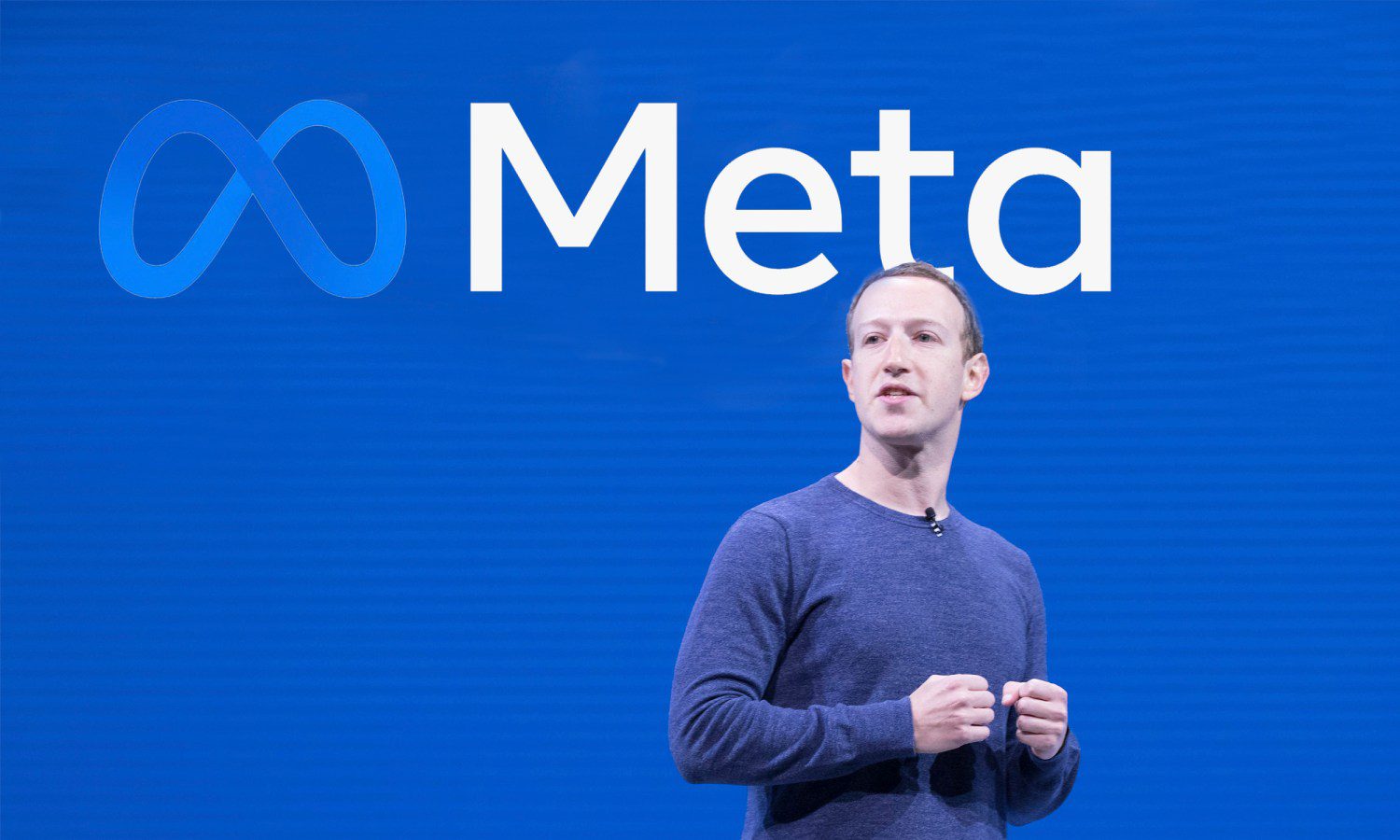
    In a significant legal triumph, technology giant Meta saw a favorable ruling from a federal judge in a lawsuit filed by the Federal Trade Commission (FTC). The lawsuit pertained to Meta’s acquisitions of Instagram in 2012 for $1 billion and WhatsApp in 2014 for $21 billion, comprising cash and Meta (formerly Facebook) stock. The final purchase price for WhatsApp had initially been $19 billion, but a surge in the Meta shares propelled it up to $21 billion.

    Monopoly or Fair Competition?

    The FTC’s contention was that Meta, which changed its brand name from Facebook in 2021, acquired these two prominent social media platforms to eliminate competition. The regulatory body viewed these acquisitions as possible infringements of anti-trust legislation. The seven-week trial witnessed the testimony from Meta’s founder, chairman, and CEO, Mark Zuckerberg, who posited that Meta faces stiff competition from other platforms such as YouTube and TikTok.

    These statements managed to draw the attention of Federal Judge James Boasberg, who in his ruling pointed out that YouTube and TikTok prevent Meta from monopolizing social media. He also highlighted that the dynamics of the social media market have transformed significantly since the FTC’s lawsuit was filed, with AI being the most notable shift. The judge argued that AI-generated content nullifies the FTC’s concerns, concluding that Meta does not hold a monopoly in the relevant market.

    Meta’s Market Share and Competition

    Judge Boasberg’s ruling stated that Meta’s apps only account for a “modest share” of the overall time spent on social media, which includes platforms like Facebook, Instagram, Snapchat, TikTok, and YouTube. The judge noted that this share is on a downward trend, and even excluding YouTube’s share, Meta would not constitute a monopoly. Boasberg’s ruling also acknowledged that TikTok, considered by Meta as its primary competitor, managed to penetrate the market a mere seven years ago and has been dominating the sector ever since.

    Reacting to the decision, Jennifer Newstead, Meta’s Chief Legal Officer, emphasized the beneficial nature of their products for people and businesses, and their embodiment of American innovation and economic growth. She expressed eagerness to continue collaborating with the Administration and to contribute to the country’s investment landscape.

    Instagram Acquisition and Market Valuation

    Meta’s acquisition of Instagram could be regarded as one of the most profitable tech deals in history. Instagram’s current estimated valuation ranges from $441 billion to $538 billion. Initially known for its ephemeral messages, Instagram gained user traction when people began using it to share photos of their meals. Instagram’s popularity soared when it incorporated the ‘Stories’ feature from Snapchat.

    Significance of Instagram and WhatsApp for Meta

    Meta argued during the trial that a forced breakup would have been catastrophic for the company. Instagram generates ad revenue for Meta, while WhatsApp provides business subscribers and enhances Meta’s international reputation. Zuckerberg also admitted that Facebook, the company’s flagship platform, is losing popularity. Meta’s argument that regulators had already approved the Instagram and WhatsApp acquisitions when initially proposed was also a crucial point in their defense.

    The Broader Tech Industry Implications

    This victory has considerable implications not only for Meta but also for the larger tech industry, as U.S. regulators have attempted to dismantle Google. The tech behemoth has been deemed a monopoly in two cases, one concerning the company’s search engine and the other its online advertising business. Other tech firms such as Apple and Amazon are also facing scrutiny from the government.

    Questions & Answers

    Why did the FTC sue Meta over its acquisition of Instagram and WhatsApp?
    The FTC claimed that Meta’s acquisitions of Instagram and WhatsApp were attempts to eliminate competition, which they viewed as a violation of anti-trust laws.

    What was Judge James Boasberg’s ruling on the case?
    Judge Boasberg ruled that Meta did not hold a monopoly in the relevant market. He noted that other platforms, such as YouTube and TikTok, prevent Meta from monopolizing social media.

    What is the significance of this ruling for the larger tech industry?
    This ruling is significant not just for Meta, but for the broader tech industry. With U.S. regulators attempting to dismantle other tech giants like Google, Apple, and Amazon, this victory could set a precedent for upcoming cases.

  • Gold Market Set for Exciting Competition as Bullion Monopoly Comes to an End!

    Gold Market Set for Exciting Competition as Bullion Monopoly Comes to an End!

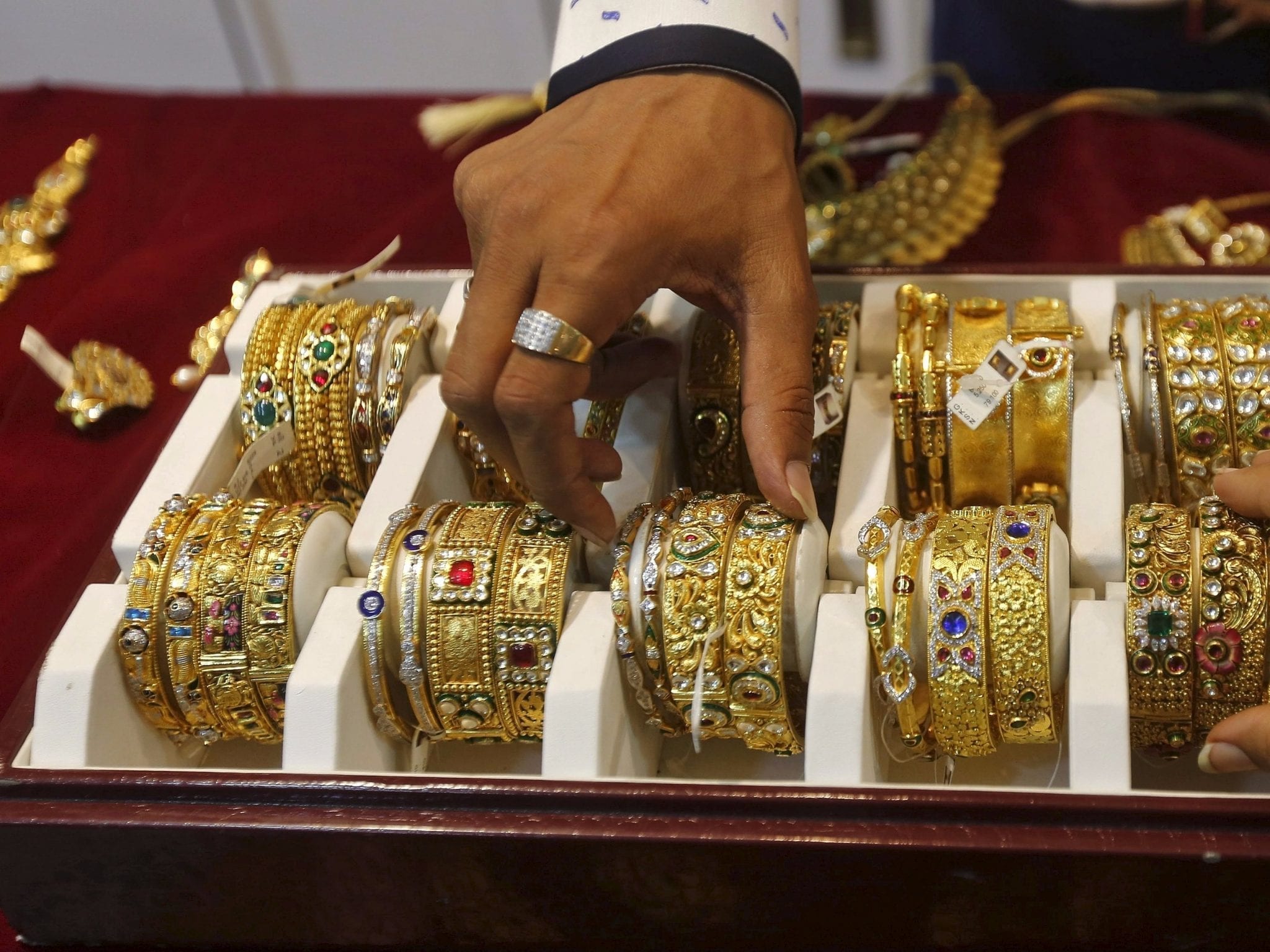
    Dao Xuan Tuan, the director of the Foreign Exchange Management Department at the State Bank of Vietnam, has announced exciting developments in the nation’s gold bullion landscape. In a recent statement to the Lao Dong (Labour) daily, Tuan revealed that the central bank is finalizing a draft government decree aimed at gradually liberalizing the gold bullion market while maintaining rigorous regulatory oversight.

    Opening the Gates to Competition

    One of the most significant proposals in the draft is the plan to permit eligible banks and enterprises to import raw gold and produce bullion, a privilege that has historically belonged to a single entity. This shift not only breaks the monopoly but is poised to inject vitality into the market. Tuan explained that licenses will be issued to credit institutions and enterprises that fulfill specific conditions, enabling them to import raw gold for both bullion production and jewelry-making.

    Material import quotas will be granted based on macroeconomic conditions, monetary policy, and market fluctuations, aiming to strike a balance between liberalization and regulatory control. Tuan emphasized that this new approach will enforce strict oversight while dismantling existing monopolistic structures.

    Accountability and Transparency in Production

    According to the proposed regulations, licensed bullion producers must publicly disclose quality standards and maintain detailed transaction logs that interface with regulatory authorities. Tuan firmly asserted that producers will be held accountable if the quality of their products fails to meet the proclaimed standards, underscoring the emphasis on transparency in bullion transactions, which will be subject to audits at any time.

    This initiative to introduce multiple bullion brands is expected to foster competition, reduce price discrepancies among brands, and ultimately benefit consumers, much like a thrilling game show where everyone walks away with a prize!

    Enhancing the Jewelry Sector

    Turning to the thriving jewelry sector, Tuan highlighted that over 6,000 enterprises are active in this field, most of which are small and struggle to secure import licenses due to financial constraints. The draft decree intends to address this by permitting only credit institutions and bullion producers authorized to produce gold bullion to import raw gold. They can then pass on raw materials to domestic jewelry manufacturers, promising to increase the availability of raw gold while keeping import activities under tight supervision.

    Licensed importers will also need to implement transparent internal processes, meticulously maintain transaction records, and ensure their information systems are connected with relevant authorities, fortifying inspection and monitoring protocols.

    The revised decree is expected to herald a new era for Vietnam’s gold market, paving the way for a more competitive and transparent marketplace that is in sync with evolving market conditions and legal frameworks.

    Questions & Answers

    What is the main goal of the proposed government decree?
    The decree aims to gradually liberalize the gold bullion market in Vietnam while ensuring thorough regulatory oversight.

    Who will be allowed to import raw gold under the new regulations?
    Eligible banks and enterprises that meet specific conditions will be granted licenses to import raw gold for bullion production or jewelry-making.

    How will the proposed changes impact the jewelry sector?
    The new regulations aim to increase the supply of raw gold and provide greater opportunities for small-scale jewelry manufacturers while ensuring that import activities remain controlled and transparent.

  • China’s Anti-Monopoly Crackdown Hits Banking Sector

    China’s Anti-Monopoly Crackdown Hits Banking Sector

    Chinese regulators extend their antitrust crackdown to the banking sector with a fine against shareholders of a virtual lender.

    The shareholders of Chinese virtual lender AliBank – China Citic Bank (70 percent) and a Baidu unit called Fujian Baidu Bo Rui Netcom (30 percent) – have been fined 500,000 yuan ($78,280) over a violation of the country’s anti-monopoly law, according to a statement from the State Administration for Market Regulation (SAMR).

    SAMR issued a fine over the failure to report the AiBank joint venture ahead of its formation in 2015.

    The penalty was part of a broader batch of more than 40 cases with fines issued to other tech firms outside of the banking sector such as JD.com, Tencent, Baidu, ByteDance, and Alibaba.

    AiBank is an artificial intelligence-focused lender that leverages related capabilities from search engine giant Baidu.

    It is one of five licensed digital banks in China and the only one with a state-backed shareholder in Citic.

    According to research by McKinsey released in January, Chinese digital banks own roughly 5 percent of the country’s 5 trillion yuan unsecured consumer loan market and over 7 percent of the SME loan market.

  • King Power Thailand Acquires More Monopolis

    King Power Thailand Acquires More Monopolis

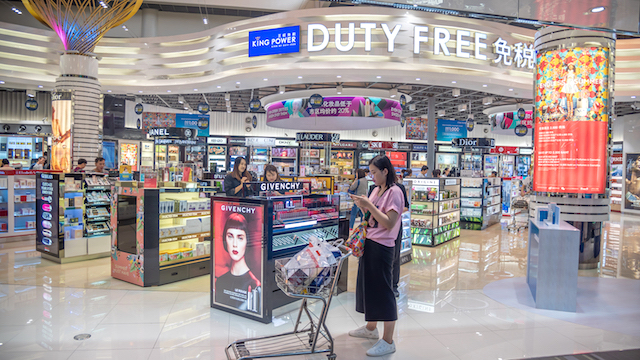
    King Power Thailand has won extended exclusive rights to operate at three additional Thai airports for a further 10 years.

    The firm won tenders for Phuket, Chiang Mai and Hat Yai airports, just a week following a win at the country’s main international airport at Suvarnabhumi near Bangkok.

    The contracts were subject to some criticism from observers such as the Thai Retailers Association, who were hoping to see Airports of Thailand bring greater competition to the US$2.1 billion duty-free retail sector. The airport operator responded to criticism in saying King Power had submitted the best proposal above close rivals Lotte Group and Dufry.

    In short, King Power bought the rights, the cost of which will inevitably be passed on to travellers. Rival companies have called for a “more opaque” tender process.

    The tenders reaffirm King Power’s status as effectively the only duty-free store provider at major airports in Thailand.