Tag: over

  • JD.com Faces EU Scrutiny Over $2.5B Ceconomy Deal Amid Suspected Unfair State Aid

    JD.com Faces EU Scrutiny Over $2.5B Ceconomy Deal Amid Suspected Unfair State Aid

    JD.com, the powerful e-commerce platform based in China, has been officially notified of regulatory apprehensions related to their proposed $2.5 billion acquisition of the German electronic retailer, Ceconomy. This development could potentially necessitate substantial compromises on JD.com’s part.

    A Deeper Investigation Underway

    The European Commission has initiated an exhaustive probe into the transaction under the Foreign Subsidies Regulation, which tackles unjust foreign state aid. The Commission’s primary focus is to determine if JD.com has been the recipient of preferential financial support, tax benefits, and subsidies from the Chinese government. Such allowances could have assisted JD.com in proposing a more substantial acquisition offer for Ceconomy.

    In response to the concerns, JD.com has been given the opportunity to propose solutions to assuage the apprehensions of the European Union. The Chinese e-commerce giant has defended its position stating that the Commission’s statement of grounds is merely a routine procedural step.

    In a statement, the company expressed their belief that the transaction aligns with Europe’s overarching goals surrounding innovation and competitiveness. “We remain optimistic about a favourable conclusion to the process in the second half of 2026,” said a company spokesperson prior to the Commission’s announcement.

    The European Commission has set an October 2 deadline for its final decision on whether to greenlight the deal.

    Expansion Plans for the Chinese Retailer

    The successful acquisition of Ceconomy would pave the way for JD.com, one of China’s largest retailers, to broaden its influence beyond its native market. This expansion would be achieved via Ceconomy-owned electronic product retailers MediaMarkt and Saturn.

    Questions & Answers

    What is the European Commission’s concern with JD.com’s acquisition of Ceconomy?
    The Commission is investigating if JD.com has received preferential financing, tax incentives, and subsidies from the Chinese government, which may have enabled it to propose a higher acquisition price for Ceconomy.

    How has JD.com responded to these concerns?
    JD.com has been given the opportunity to propose solutions to the EU’s concerns. The company remains confident that the transaction supports Europe’s broader objectives around innovation and competitiveness.

    What would the acquisition of Ceconomy mean for JD.com?
    The acquisition would provide JD.com, one of China’s largest retailers, with an opportunity to extend its reach beyond its domestic market, specifically through Ceconomy-owned electronic products retailers MediaMarkt and Saturn.

  • VinFast Shatters Records with Over 115,000 EVs Sold in H1 2026: Dominates Vietnamese Auto Market

    VinFast Shatters Records with Over 115,000 EVs Sold in H1 2026: Dominates Vietnamese Auto Market

    In the first six months of 2026, Vietnamese electric vehicle manufacturer VinFast marked significant growth in the domestic market, reporting a 72% year-on-year increase with a record preliminary domestic delivery of 115,916 electric vehicles (EVs). This impressive performance positions VinFast as the first automotive brand in Vietnam to exceed 100,000 vehicle deliveries within the first half of the year.

    VinFast’s Strong Market Presence

    The month of June alone saw the delivery of 17,955 units, maintaining VinFast’s status as the country’s top automobile brand for the 21st consecutive month. With the Limo Green leading in sales with 3,868 vehicles delivered in June, closely followed by the VF 3 model which saw 3,550 units moving into the hands of customers.

    The success of the VF 5 and its derivative model, the Herio Green, continued with combined deliveries reaching 3,364 units. This was ahead of the VF 6’s total of 2,988 units. The VF 7 and the VF MPV 7 models also had a steady sales performance with 1,437 and 1,254 units delivered respectively.

    Over the span of six months, the Limo Green and the VF 3 emerged as VinFast’s leading models in the Vietnamese market with cumulative deliveries of 27,927 and 23,781 units respectively. Furthermore, the VF 5 and the Herio Green saw a combined delivery of 20,167 vehicles. Other models such as the VF 6, VF MPV 7, and VF 7 also maintained a steady performance with 14,045, 9,177, and 6,849 units delivered respectively.

    New Arrival in the Product Line

    VinFast is not just resting on its laurels. The automaker recently unveiled the VF 2, a compact urban EV, and has opened pre-orders in Vietnam with a price tag of VND188 million (US$7,200). Deliveries to customers are scheduled to begin as early as September.

    Questions & Answers

    What milestone did VinFast achieve in the first half of 2026?
    VinFast became the first automotive brand in Vietnam to surpass 100,000 vehicle deliveries within the first half of the year.

    What are the top-selling models of VinFast in Vietnam?
    The Limo Green and the VF 3 are the top-selling models of VinFast in Vietnam, with cumulative deliveries of 27,927 and 23,781 units respectively in the first half of 2026.

    What is the latest model introduced by VinFast?
    VinFast recently introduced the VF 2, a compact urban EV, which is currently available for pre-orders in Vietnam.

  • 7-Eleven Takes Nike to Court over Air Max Design: The Battle of the Tri-Color Stripe

    7-Eleven Takes Nike to Court over Air Max Design: The Battle of the Tri-Color Stripe

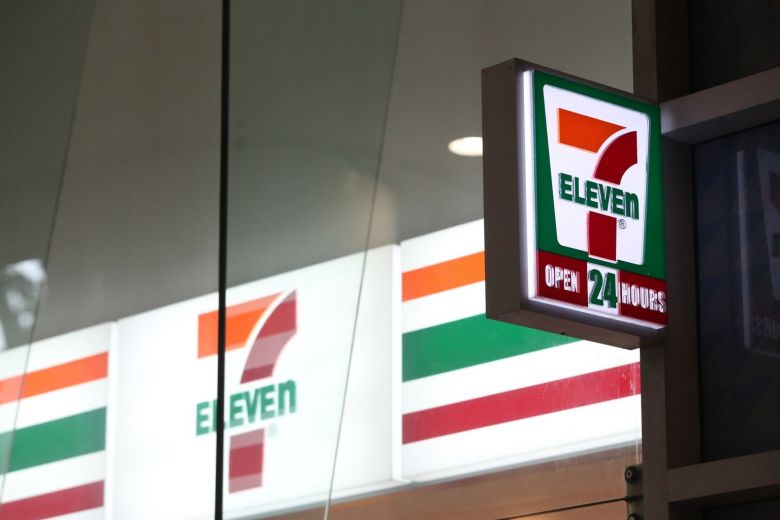
    The popular convenience store chain, 7-Eleven, has filed a lawsuit against sportswear behemoth Nike, alleging that their upcoming sneaker design infringes upon 7-Eleven’s iconic tri-color branding. This legal action comes in response to the striking resemblance between the orange, green, and red stripe pattern of Nike’s soon-to-be-launched Air Max 95 shoe and 7-Eleven’s company branding.

    Accusations of Brand Infringement

    The lawsuit, lodged in a federal court in Dallas, accuses Nike of creating a “confusingly similar imitation” of 7-Eleven’s tri-color stripe motif. 7-Eleven argues that this design is integral to its brand identity, and is universally recognized as being representative of their stores. Nike’s decision to schedule the shoe release for July 11, a date known for 7-Eleven’s annual “7-Eleven Day” celebration and Free Slurpee Day, further aggravated the dispute.

    The lawsuit alleges that Nike has shown a “callous and malicious disregard” for 7-Eleven’s brand rights. The convenience store chain has expressed concern that the unauthorized use of their brand, coupled with the shoe’s launch on their company’s “birthday”, necessitated this legal action to safeguard their brand identity.

    7-Eleven asserts that they made numerous attempts to amicably resolve the issue prior to filing the lawsuit, but were met with Nike’s resolve to proceed with the shoe’s launch and continued promotion.

    Seeking Resolution and Retribution

    The chain contends it has used the orange, green, and red color scheme for many years across various platforms including store signage, advertising, merchandise, and footwear. It claims ownership of multiple trademark registrations for this design.

    The lawsuit argues that Nike deliberately designed the shoe to conjure associations with 7-Eleven, thus profiting from their established brand recognition. The suit suggests that consumers are likely to incorrectly presume an endorsement or sponsorship from 7-Eleven, even though no such partnership exists.

    7-Eleven is pursuing a court order to halt Nike’s sales of the shoe, as well as a recall of any distributed products. The company is also seeking financial compensation and all profits from the sales of the controversial footwear.

    Questions & Answers

    What is the cause of the dispute between 7-Eleven and Nike?
    7-Eleven has accused Nike of infringing upon their tri-color stripe branding in their upcoming Air Max 95 shoe design.

    What resolution is 7-Eleven seeking in the lawsuit?
    7-Eleven is seeking a court order to stop the sale of the shoe, a recall of any distributed products, financial compensation, and all profits from the sales of the footwear.

    Did 7-Eleven attempt to resolve the dispute before filing the lawsuit?
    According to their statements, 7-Eleven tried multiple times to resolve the issue amicably but were met with Nike’s insistence on proceeding with the launch, leading them to take legal action.

  • Florida Family Files Worm Contamination Suit against Campbells and Walmart over SpaghettiOs

    Florida Family Files Worm Contamination Suit against Campbells and Walmart over SpaghettiOs

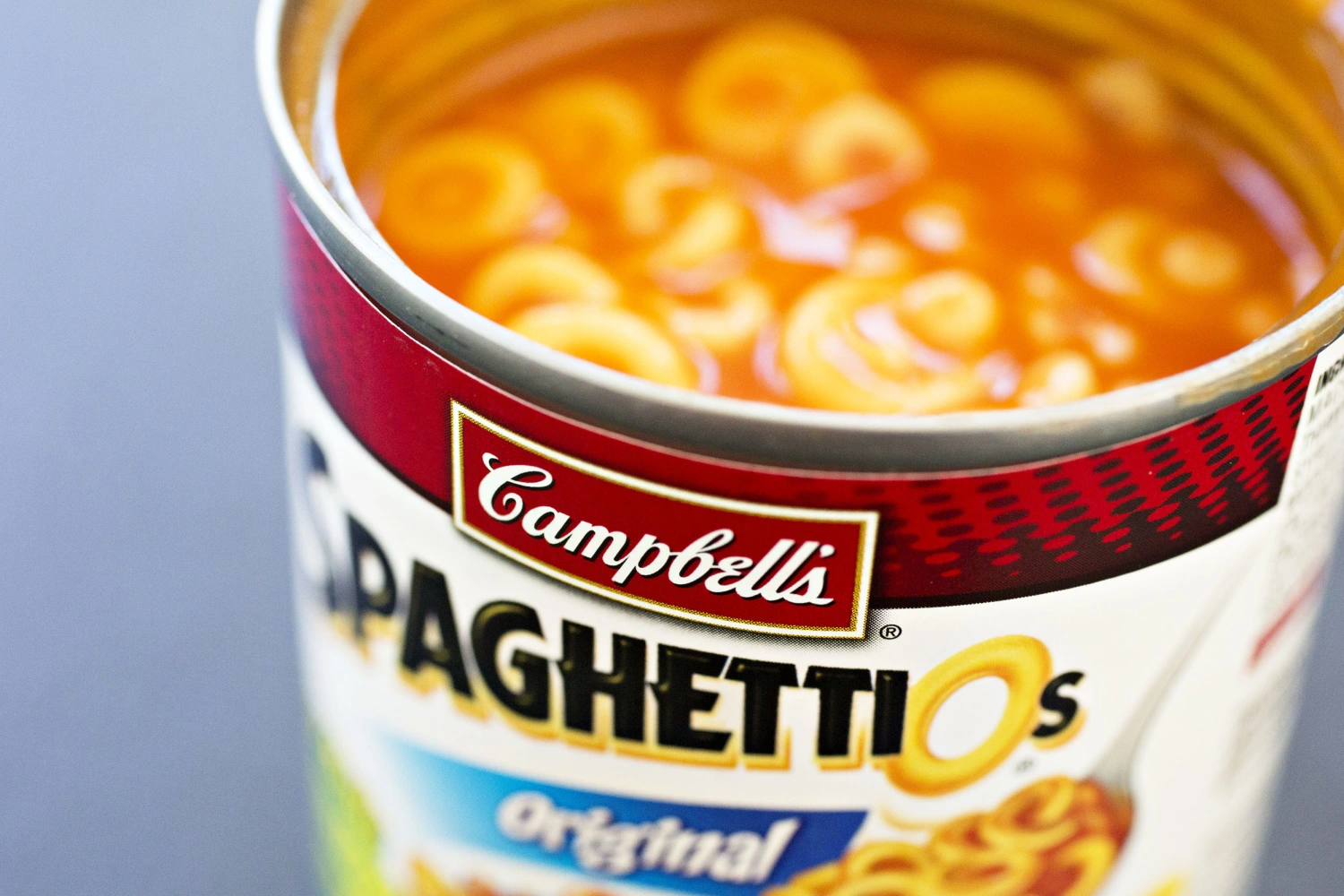
    A lawsuit has been filed against Campbell’s and Walmart by a Florida-based mother and her daughter, alleging that they consumed SpaghettiOs tainted with parasites or worms, rendering the product unfit for consumption.

    Accusations of Food Contamination

    In the legal complaint lodged on Tuesday, Mary Hubbard stated that she became aware of the alleged contamination on June 6, 2024, when they started eating the SpaghettiOs at their residence in Okeechobee County. It was mentioned that “worms or parasites appeared to be actively moving within the food.” In substantiation of this claim, Hubbard made videos that apparently portrayed worm-like organisms moving in the food item.

    According to her, the pasta product was purchased at Walmart, which is also named in the lawsuit. The plaintiffs, Hubbard and her daughter identified as PL, argue that they experienced parasitic infections after eating the SpaghettiOs, leading to various health issues. Hubbard suffered from a gastrointestinal illness and sepsis, while her daughter encountered nausea and vomiting.

    Companies Respond and Lawsuit Details

    In response to the allegations, Campbell’s, headquartered in Camden, New Jersey, dismissed the plaintiffs’ claims as baseless and expressed its intention to strongly refute them. Walmart, located in Bentonville, Arkansas, stated that it would respond to the allegations in court, underscoring that its customers’ health and safety are of paramount importance.

    The lawsuit seeks unspecified damages amounting to a minimum of US$75,000 from both Campbell’s and Walmart, citing alleged negligence and violation of federal food safety regulations. The father of young PL is also a plaintiff in the case, but lawyers representing the plaintiffs did not provide additional details when asked.

    Introduced to the market in 1965, SpaghettiOs was touted as “the world’s first spoonable spaghetti.” It is not uncommon for food manufacturers to face legal action over alleged contamination, often precipitated by lab tests, product recalls, or health alerts. For example, in April 2025, a public health alert was issued by the US Department of Agriculture’s Food Safety and Inspection Service for 12 varieties of soup, including four Campbell’s brand soups, on grounds of potential contamination with wood present in a federally regulated ingredient, cilantro.

    The lawsuit was filed in a federal court in Fort Pierce, Florida, and has been assigned to US District Judge Aileen Cannon.

    Questions & Answers

    What is the alleged contamination of Campbell’s SpaghettiOs about?
    The mother and daughter, Mary Hubbard and PL, claim they discovered worms or parasites in the SpaghettiOs they had purchased from Walmart. This allegedly led to parasitic infections and various illnesses.

    What are the companies’ response to this accusation?
    Both Campbell’s and Walmart have refuted the claims and intend to defend vigorously against the allegations. Walmart also highlighted that it considers customers’ health and safety a top priority.

    What compensation are the plaintiffs seeking with their lawsuit?
    They are seeking unspecified damages of at least US$75,000 from Campbell’s and Walmart, citing negligence and violation of federal food safety laws.

  • Singapore Triumphs over Indonesia as Southeast Asias Dominant Stock Market

    Singapore Triumphs over Indonesia as Southeast Asias Dominant Stock Market

    Singapore has taken over from Indonesia as the leading stock market in Southeast Asia. This shift has come as Indonesia’s market capitalization has dropped dramatically due to an uncertain future outlook. From its peak in January, the total market capitalization of Indonesian businesses has fallen by over 30% to US$618 billion. In contrast, the market value in Singapore has increased to $645 billion.

    Investor confidence in Indonesia has seen a decline in recent months due to the possibility of its equities market being downgraded to frontier status. This uncertainty is coupled with Fitch Ratings and Moody’s Ratings both downgrading the country’s credit outlook to negative. The Indonesian stock index is currently among the most underperforming globally, and the rupiah has hit record lows repeatedly.

    Indonesia’s Struggles and Singapore’s Strength

    Despite these setbacks, Soh Chih Kai of Lion Global Investors believes that a future recovery should not be dismissed. However, he notes that the current momentum is not in Indonesia’s favor. In contrast, he points out that Singapore’s market has further strengthened its position as capital flows continue to seek certainty amid global policy ambiguity.

    In an attempt to bolster the economy, Indonesia’s central bank recently increased its policy interest rates for the first time in two years. This move aims to support the rapidly falling rupiah currency. Governor Perry Warjiyo explained that the increase is a further step to stabilize the rupiah exchange rate in the face of global volatility.

    On the other hand, Singapore’s equities have been boosted by political and economic stability, along with government-led market reforms. The Straits Times Index reached a record high this week, as investors looked for safe investments amid the instability caused by the Iran war.

    Head of research at Maybank Securities, Thilan Wickramasinghe, noted that Singapore’s equity market has remained resilient despite ongoing global volatility. This resilience is due to its defensive sector composition and consistent inflows, putting the market in a relatively advantageous position.

    Future Trends and Predictions

    Singapore’s equities are projected to outperform Indonesian stocks by a record margin in 2026. Carmen Lee, head of equity research at OCBC, attributes this to wealth being a significant driver for earnings growth. Paired with a strong Singapore dollar, Lee expects more funds to flow into the market.

    Questions & Answers

    What has led to the decline in Indonesia’s market capitalization?
    Investor confidence in Indonesia has deteriorated due to the potential reclassification of its equities market to frontier status and negative revisions in the country’s credit outlook.

    What steps has Indonesia’s central bank taken to support the economy?
    Indonesia’s central bank has raised its policy interest rates for the first time in two years in order to support the rupiah currency, which has fallen to record lows recently.

    What factors have contributed to the strength of Singapore’s equities market?
    Singapore’s equities have been boosted by the country’s political and economic stability, along with market reforms driven by the government.

  • Durian-Giveaway Mania: Over 500 Seniors Swarm Singapore Stall for Free King of Fruits

    Durian-Giveaway Mania: Over 500 Seniors Swarm Singapore Stall for Free King of Fruits

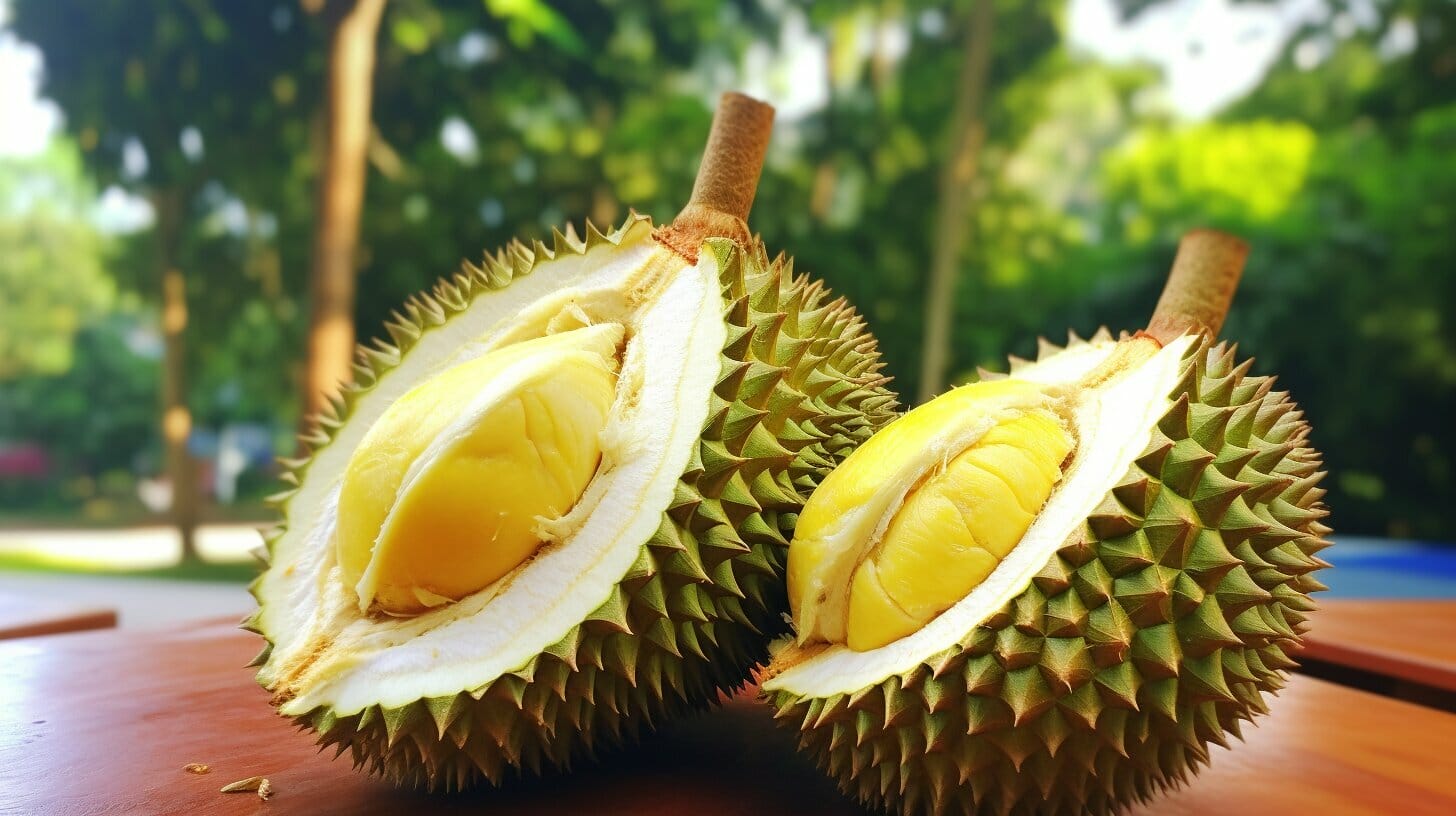
    In an act of goodwill and community service, a durian stall in Singapore, Famous Durian, recently held a sizable giveaway of the beloved fruit for senior citizens. The event drew a crowd of over 500 individuals, some of whom waited patiently for more than three hours to get their share of the prized fruit.

    A Popular Event for Seniors

    The giveaway event was scheduled to begin at 6 p.m. on Monday on Yishun Street 81. However, as early as 5 p.m., around 200 senior citizens were already lined up in anticipation. A 71-year-old retiree who was among the early birds expressed her joy at claiming the durians for the first time.

    An Appreciation Gesture

    The owner of the durian stall, a 43-year-old man, stated that the event was held as a gesture of appreciation to the community and as a means to allow elderly residents to enjoy the revered fruit. He prepared around 1,200 kilograms of durians, approximately 1,000 pieces, for the event, inviting anyone aged 60 and above. He noted that the distributed fruits were valued at over S$10,000 (US$7,730).

    Overwhelming Turnout

    Each participant could take home two durians, including one Mao Shan Wang (Musang King), a highly preferred variety in Singapore, and one of a different variety. Despite having organized such an event on three previous occasions, the turnout this time around was unexpectedly large, prompting the owner to distribute an additional 100 durians. Unfortunately, the entire stock ran out by 7:20 p.m., with some seniors eventually receiving only one durian instead of the promised two. The owner acknowledged that some participants were unhappy with this outcome, but assured that it was unintended.

    Spreading Love and Kindness

    In a post-event message, Famous Durian emphasized that the giveaway aimed to “spread a little love” with “no returns, no agenda” in a world that feels chaotic. The post read, “Kindness costs nothing, but it means everything. I hope everyone can pass this love forward and make our society a little softer.”

    Durians are a favorite among Singaporeans, with the city-state importing about 85% of its durians from Malaysia. During the peak season, the city-state imports around 100,000 kilograms of the fruit per day.

    Questions & Answers

    What was the purpose of the durian giveaway?
    The giveaway was organized by a durian seller as a gesture of appreciation to the community and as a way to allow elderly residents to enjoy the fruit.

    How many durians were given away and what was their value?
    The seller prepared around 1,200 kilograms of durians, approximately 1,000 pieces, for the event, with the distributed fruits valued at over S$10,000 (US$7,730).

    Were all participants able to receive two durians as promised?
    Due to the unexpectedly large turnout, some participants eventually received only one durian instead of the promised two. The entire stock ran out before everyone could receive their full share.

  • Cai Ca: Singapore’s Upcoming Bubble Tea Sensation Takes Over Former Gong Cha Outlets

    Cai Ca: Singapore’s Upcoming Bubble Tea Sensation Takes Over Former Gong Cha Outlets

    Cai Ca, a novel bubble tea brand, conceived and established by the ex-CEO of Gong Cha’s Singapore franchise, Kang Puay Seng, has effectively filled the void left by Gong Cha’s departure from the city-state by taking over six of its former outlets.

    The Birth of Cai Ca

    Cai Ca made its debut in Singapore with stores at prominent locations such as Lot One, Bugis Junction, NUS UTown, King Albert Park, Northpoint City, and Century Square. The brand also has plans for an additional outlet at the National University of Singapore. The development of the new tea brand was an expedited process, taking only a month to come to fruition, a feat achievable due to the vast experience of the founder and his team.

    Menu Highlights

    Cai Ca’s offerings include beverages made with Japanese soya milk and tea, such as Osmanthus Soy Milk Tea, Toffee Chewy Pearl Soy Milk Tea, and Da Hong Pao Soy Milk Tea. In addition to these innovative concoctions, it also offers fresh milk tea and a variety of other tea options. Furthermore, the brand plans to unveil healthier drink options and snacks that perfectly complement its beverages in the near future.

    Gong Cha’s Legacy in Singapore

    Gong Cha, a bubble tea brand originating from Taiwan, was among the pioneers of the bubble tea market in Singapore. Since opening its first outlet in 2009, it rapidly gained popularity among Singaporeans. The brand briefly exited the Singapore market in June 2017, only to return six months later under the new franchisee, Gong Cha Singapore. However, all the 29 Gong Cha outlets in Singapore were closed last month, with plans to reopen in 2026 through new local franchisees with updated Gong Cha 2.0 stores.

    Despite the brand’s fluctuating presence, all full-time staff members of Gong Cha, numbering over 20, were retained and have now been assimilated into the Cai Ca team. Kang expressed his commendation for the team’s resilience, noting the immense pressure they faced and their relentless effort in building the new in-house brand. He emphasised the brand’s intention to first establish a robust brand image and assure product quality before considering further expansion.

    Questions & Answers

    What is Cai Ca’s plan for future outlets?
    The brand has plans to open an additional outlet at the National University of Singapore.

    What are some of the unique offerings on Cai Ca’s menu?
    The menu includes innovative drinks like Osmanthus Soy Milk Tea, Toffee Chewy Pearl Soy Milk Tea, and Da Hong Pao Soy Milk Tea.

    What happened to the staff at Gong Cha after its outlets closed in Singapore?
    All full-time employees at Gong Cha were retained and are now part of the Cai Ca team.

  • Typhoon Kalmaegi Shakes Up Vietnam Air Travel: Over 50 Flights Canceled and Rescheduled

    Typhoon Kalmaegi Shakes Up Vietnam Air Travel: Over 50 Flights Canceled and Rescheduled

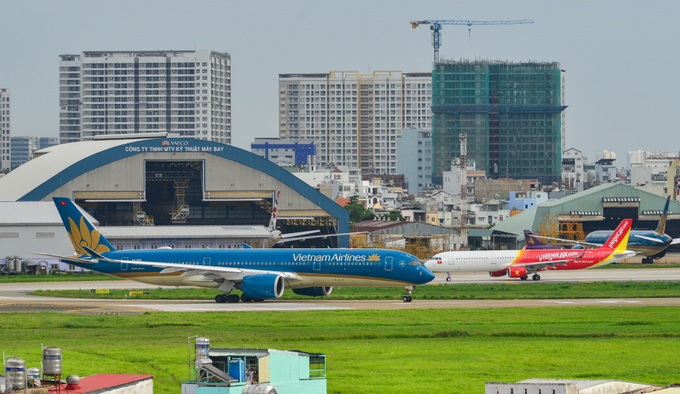
    As Typhoon Kalmaegi approaches the central coast of Vietnam, Vietnam Airlines has been forced to cancel and reschedule over 50 flights on November 6th and 7th, causing disruptions to air travel across several central provinces.

    Impact of Typhoon on Flight Schedules

    Several routes have been affected by the impending storm. Most notably, flights between Ho Chi Minh City’s Tan Son Nhat Airport and Phu Cat in Gia Lai Province have been suspended. This includes flights VN1390, VN1391, VN1394, and VN1395 on November 6th, and flights VN1392 and VN1393 on November 7th. Hanoi to Phu Cat flights VN1622 and VN1623 have been rescheduled to depart before noon on November 6th.

    Flights between Hanoi and Tuy Hoa in Dak Lak, specifically VN1650 and VN1651, have been cancelled for November 6th, while four other flights connecting Hanoi, Ho Chi Minh City and Tuy Hoa have been postponed to the afternoon of November 7th.

    On the Tan Son Nhat to Chu Lai (Da Nang) route, certain flights are scheduled to operate earlier, before noon on November 6th. These include VN1464, VN1465, VN1468, and VN1469. The Hanoi to Chu Lai flights VN1640 and VN1641 on November 7th have also been rescheduled to depart after 10 a.m.

    Additional Changes to Flight Schedules

    Further changes have been made to flights between Tan Son Nhat and Pleiku in Gia Lai. Flight VN1422 and VN1423 have been rescheduled to depart before noon on November 6th, and Hanoi to Pleiku flights VN1614 and VN1615 are now scheduled to depart after 1 p.m. on November 7th.

    Flights connecting Tan Son Nhat, Da Nang, and Buon Ma Thuot in Dak Lak on November 6th, as well as certain flights between Hanoi and Buon Ma Thuot on November 7th, will now depart after 1 p.m. Additionally, flights between Hanoi, Ho Chi Minh City, and Hue on November 6th will fly after noon, and flights from Ho Chi Minh City to Hue on November 7th will leave after 1 p.m.

    Vietnam Airlines has also indicated that over 50 other flights across its network could face consequential delays on both days due to the typhoon. Vasco Airlines has also canceled two Tan Son Nhat to Lien Khuong flights on November 6th because of the storm.

    Advice for Passengers

    In anticipation of potential turbulence due to unstable weather conditions, carriers are advising passengers to keep their seatbelts fastened throughout flights, even when the fasten seatbelt sign is off.

    According to the National Center for Hydro-Meteorological Forecasting, the eye of Typhoon Kalmaegi was approximately 390 kilometers from Quy Nhon of Gia Lai Province as of 5 a.m. on Thursday. The storm is moving west-northwest at 30 kph with maximum sustained winds of 166 kph and gusts up to 220 kph. By 4 p.m. Thursday, it is expected to be about 120 kilometers off Quy Nhon of Gia Lai, maintaining wind speeds of 150-166 kph before making landfall around 7-8 p.m. across Quang Ngai, Gia Lai, and Dak Lak.

    Questions & Answers

    What is the expected impact of Typhoon Kalmaegi on Vietnam’s central coast?
    The typhoon is expected to make landfall across Quang Ngai, Gia Lai, and Dak Lak with sustained winds of up to 166 kph.

    How has Vietnam Airlines responded to the approaching typhoon?
    Vietnam Airlines has cancelled and rescheduled over 50 flights on November 6th and 7th due to the approaching typhoon, and has warned of potential knock-on delays across its network.

    What advice has been given to passengers traveling during the typhoon?
    Carriers are advising passengers to keep their seatbelts fastened throughout flights, even when the signal is off, as a precaution against possible turbulence caused by the storm.

  • “Yum China’s Expanding Empire: Over 17,500 Stores Fueled by Digital Sales and Franchise Strategy”

    “Yum China’s Expanding Empire: Over 17,500 Stores Fueled by Digital Sales and Franchise Strategy”

    Yum China, operating franchises such as KFC, Pizza Hut, and additional dining brands, has disclosed a stable growth in its third-quarter financial results, citing robust digital and delivery sales as primary contributing factors. These assets served to balance a tempered in-store sales trajectory in an increasingly cautious consumer market.

    In the financial quarter culminating on September 30, the company recorded an annual revenue increase of 4%, amounting to USD 3.2 billion. In addition, Yum China reported an 8% rise in operating profit, reaching USD 400 million, which expanded margins to 12.5%.

    Sales and Store Count

    The quarter saw system sales increase by 4%, bolstered by the opening of 536 new stores. Furthermore, same-store sales experienced a minor growth of 1%. Cumulatively, Yum China’s store count now totals 17,514, including 12,640 KFC outlets and 4,022 Pizza Hut locations.

    Digital Sales and Delivery

    Yum China’s growth was largely underpinned by digital sales, which accounted for an impressive 95% of total sales. Simultaneously, delivery sales experienced an upward surge of 32% year-on-year, contributing to 51% of the company’s total revenue.

    Joey Wat, CEO of Yum China, expressed satisfaction with the company’s steady performance within a dynamic market, attributing the positive growth to expanding store openings, encouraging same-store sales growth and margin expansion.

    Brand Performance

    KFC emerged as the primary growth driver for the company, noting a 5% rise in system sales and a 2% same-store growth. Throughout the quarter, KFC expanded by 402 new stores, with 41% operating as franchises. KFC’s operating profit increased by 6%, amounting to USD 384 million and improving margins to 16%.

    Meanwhile, Pizza Hut demonstrated moderate growth with a 4% rise in system sales and a 1% increase in same-store sales. An additional 158 new outlets lifted the operating profit by 7%, resulting in USD 57 million.

    Collective membership across both KFC and Pizza Hut escalated 13% year on year, reaching 575 million. This growth saw member sales contributing to 57% of total system sales.

    Wat also emphasized the swift expansion of both Kcoffee, now with over 1,800 outlets, and Kpro, a concept brand focusing on energy bowls and smoothies. The latter brand has expanded to over 100 locations in top-tier cities.

    Future Plans

    Looking forward, Yum China anticipates opening between 1,600 to 1,800 new stores within the current year, with a higher proportion of franchised locations. The company aims for 40-50% of new KFC stores and 20-30% of new Pizza Hut locations to operate as franchises. The company also intends to continually innovate their menu offerings to encourage customer loyalty and repeat visits.

    Questions & Answers

    What is the primary growth driver for Yum China?
    The primary growth driver for Yum China is its KFC brand, which experienced a 5% rise in system sales and 2% same-store growth.

    What contributed to the robust growth of Yum China’s digital and delivery sales?
    Yum China’s digital channels, franchise strategy, and flexible store formats contributed to the significant growth in its digital and delivery sales.

    What are Yum China’s future expansion plans?
    Yum China plans to open between 1,600 to 1,800 new stores in the coming year, largely focusing on franchised KFC and Pizza Hut locations. It also plans to continue innovating its menu offerings to encourage repeat customer visits.

  • Apple Faces Accusations Of Monopoly And Restrictive Practices From Chinese Users

    Apple Faces Accusations Of Monopoly And Restrictive Practices From Chinese Users

    A collective of 55 Chinese iPhone and iPad users submitted a grievance to China’s market regulation body on Monday, as per a lawyer representing the group. They assert that Apple is leveraging its market dominance to impose restrictive app distribution and payment systems, while also levying significant commissions.

    Allegations Against Apple

    The claimants, under the leadership of lawyer Wang Qiongfei, accuse Apple of monopolizing iOS app distribution in China. They contend that the company allows alternative payment methods and app stores in other regions due to regulatory pressures from the European Union and the United States. However, they believe this flexibility is not extended to the Chinese market.

    The complaint points out three key infringing practices by Apple that are believed to contravene China’s Anti-Monopoly Law. The first is the alleged compulsion for consumers to buy digital goods exclusively through Apple’s In-App Purchase system. The second is the purported restriction of iOS app downloads to the App Store. Lastly, the plaintiffs accuse Apple of imposing commissions of up to 30 percent on in-app purchases.

    Apple has yet to provide a comment in response to these accusations.

    Previous Legal Endeavors

    This represents the second time Wang has spearheaded a complaint against Apple. A similar lawsuit was filed in 2021, but it was ultimately dismissed by a Shanghai court the following year.

    Wang anticipates that this administrative complaint will progress more rapidly through the regulatory system compared to the preceding civil lawsuit. He is currently appealing the verdict of the previous lawsuit to China’s Supreme People’s Court. The court heard the arguments for the appeal in December, and a decision is still forthcoming.

    Recent tensions between China and Washington have prompted China to initiate a series of antitrust investigations aimed at US tech companies. This includes chipmaker Qualcomm, which is currently under scrutiny for its acquisition of Israeli firm Autotalks.

    Questions & Answers

    What are the main allegations against Apple?
    The main allegations against Apple are that it is forcing consumers to buy digital goods exclusively through its In-App Purchase system, restricting iOS app downloads to the App Store, and imposing up to 30 percent commissions on in-app purchases.

    Who is leading the complaint against Apple?
    The complaint against Apple is being led by lawyer Wang Qiongfei on behalf of 55 Chinese iPhone and iPad users.

    What precedent exists for this type of complaint against Apple in China?
    A similar case was filed by Wang Qiongfei against Apple in 2021, but it was dismissed by a Shanghai court. Wang is currently appealing this decision to China’s Supreme People’s Court.

  • Shein’s Landmark French Expansion: A Shift In Strategy Or Threat To Local Retailers?

    Shein’s Landmark French Expansion: A Shift In Strategy Or Threat To Local Retailers?

    Online rapid-fashion retailer Shein is set to establish its first ever permanent brick-and-mortar stores in France this November. This significant move has been facilitated through a partnership with department store owner, Société des Grands Magasins (SGM), and has been met with criticism from French retailers.

    Shein’s New Brick-and-Mortar Ventures

    The new Shein outlets will be “shop-in-shops” located in the BHV department store in central Paris and in Galeries Lafayette department stores across five provincial cities. This represents a fresh direction for the retailer, which has so far only ever held transient pop-up stores worldwide, primarily for marketing purposes.

    SGM’s president, Frédéric Merlin, expressed that the introduction of Shein’s outlets would invite a younger demographic to their department stores. He went on to suggest that the same customer may well indulge in a Shein product and a designer handbag during the same shopping trip.

    Controversy Surrounding Shein’s Expansion

    Despite the optimism surrounding this new venture, Shein, known for their highly affordable apparel – including 12-euro dresses and 20-euro jeans – is facing resistance from rival retailers, politicians, and regulators in France. French lawmakers have supported a draft law that proposes regulations on fast fashion. If enacted, this law would prohibit Shein from promoting their products through advertising.

    Yann Rivoallan, head of the fashion retail association Fédération Francaise du Pret-a-Porter, responded to the news with disapproval. In his statement, he expressed his concern about the impact of Shein’s massive influx of disposable products on the French market, after already causing the decline of several local brands.

    French retailers were already experiencing tough competition from global brands like Zara and H&M when Shein made its entry, attracting customers with its continuous discounts and engaging app. This year, a number of French rapid-fashion retailers, including Jennyfer and NafNaf, have had to initiate insolvency proceedings.

    The inaugural Shein store, located on the sixth floor of the BHV, is expected to open in early November. Additional openings in Galeries Lafayette department stores in Dijon, Grenoble, Reims, Limoges, and Angers are planned for the near future.

    Questions & Answers

    What is the significance of Shein’s new stores in France?
    The establishment of permanent physical outlets marks a major change in Shein’s retail strategy, as they have traditionally relied on temporary pop-up stores and online sales.

    Why is Shein’s expansion in France causing controversy?
    The rapid-fashion retailer’s expansion has been met with resistance due to concerns about their impact on local brands, and because they are under scrutiny from lawmakers proposing regulations on fast fashion advertising.

    When and where will the first permanent Shein store open?
    The first store is set to open in early November on the sixth floor of the BHV department store in central Paris. More stores are planned for Galeries Lafayette department stores in various French cities.

  • Tasti Products Issues Global Recall Amid Safety Concerns Over Metal Fragments In Snacks

    Tasti Products Issues Global Recall Amid Safety Concerns Over Metal Fragments In Snacks

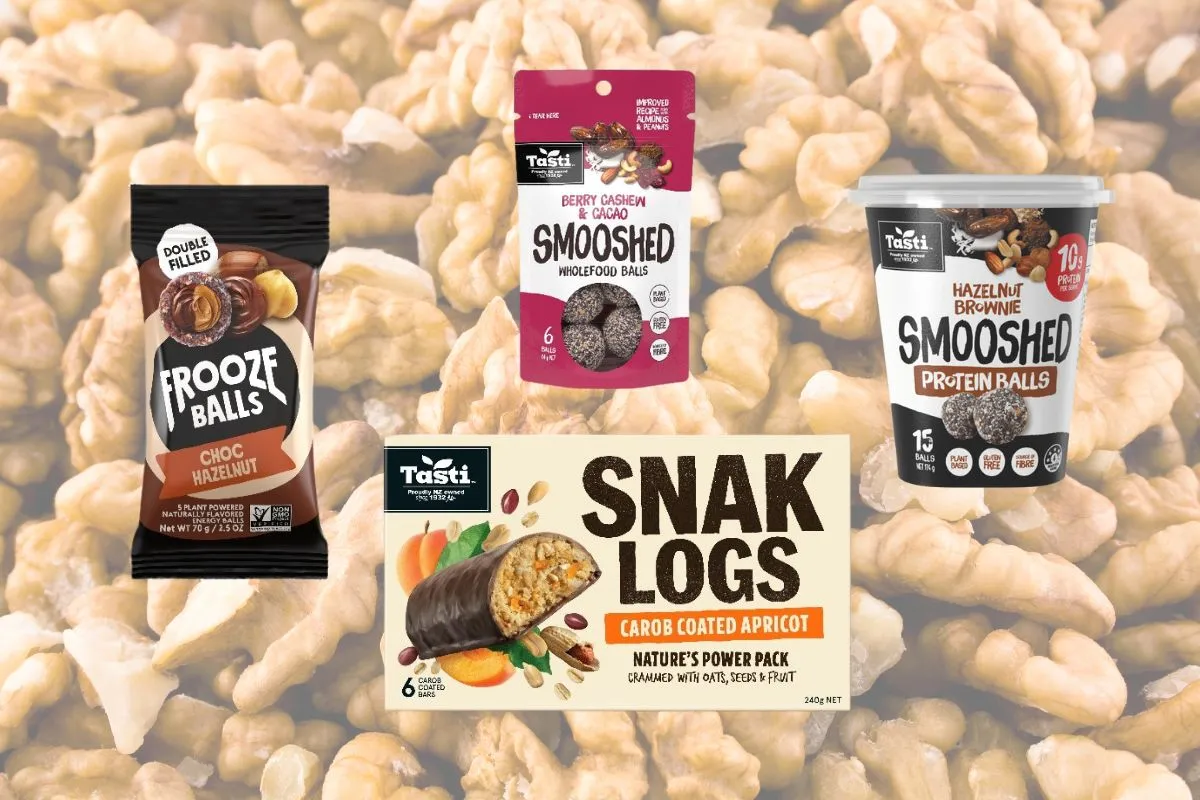
    Tasti Products, a popular snack company, has issued a recall for numerous items including snack bars, peanuts, and snack balls. This decision follows the discovery of wire-like metal fragments in some batches of these products.

    Recall Announcement

    The recall, which is being supported by the New Zealand Food Safety (NZFS), is a safety measure to avoid serious injuries that could possibly result from consumption of the affected products. Vincent Arbuckle, the NZFS deputy director-general, has issued a statement warning consumers to refrain from consuming these products. He further advised that customers should return any affected products to the point of purchase for a refund. If a return is not feasible, the products should be discarded.

    Distribution Information

    The recalled products have been widely distributed, reaching supermarkets and retailers not only in New Zealand but also in Australia, Fiji, India, and Singapore. The food safety authorities of these countries have been informed about the recall. The specific products and batch numbers being recalled have not been publicly released.

    Investigations Underway

    According to reports, no injuries related to the recalled products have been reported yet. Arbuckle added that NZFS, in line with their standard procedures, will be working closely with Tasti Products. The aim of this collaboration is to gain a comprehensive understanding of the circumstances that led to the contamination, and to implement measures to prevent similar incidents from happening in the future.

    Questions & Answers

    What should consumers do with the recalled Tasti Products?
    Affected products should be returned to the place of purchase for a refund. If this isn’t possible, the products should be discarded.

    What countries were the recalled products distributed to?
    The recalled products were distributed to supermarkets and retailers in New Zealand, Australia, Fiji, India, and Singapore.

    What measures are being taken to prevent future incidents?
    NZFS and Tasti Products are working together to understand how this incident happened. They will be implementing preventive measures to avoid similar occurrences in the future.

  • South Korea’s Warehouse-style Pharmacies: Consumer Convenience Vs. Public Health Concerns

    South Korea’s Warehouse-style Pharmacies: Consumer Convenience Vs. Public Health Concerns

    South Korea is currently experiencing the rapid proliferation of large-scale ‘warehouse-style’ pharmacies, establishments that sell medications and wellness supplements in large quantities. This trend has sparked an intense discussion around public health and market equity.

    The Emergence of Warehouse-Style Pharmacies

    The trend of warehouse-style pharmacies was first noticed earlier this year in Seongnam, located to the south of Seoul. It has since spread to Gwangju, where two sizable pharmacies are preparing to commence operations this month. One of these pharmacies spans an area of 262 square meters, while another, yet to be launched, is expected to cover 760 square meters. Current registration guidelines allow these establishments to operate as long as they comply with legal requirements, thereby making it impossible for local governments to prevent their opening.

    Pharmacists’ Concerns

    Pharmacists’ associations have expressed serious concerns about this trend, warning about the potential risks it poses to patients and smaller community-owned pharmacies. The Gwangju Pharmaceutical Association, in particular, has issued a public statement urging a halt to the opening of new large-scale pharmacies. They emphasized that drugs are not mere consumer products but bioactive substances requiring extensive management and professional counseling.

    The Association further warned that if medicines are treated as commonplace household items in these large establishments, their misuse and abuse would inevitably increase. Such a scenario could also put more than 700 local pharmacies at risk of going under.

    Statistics support these concerns. The daily per-capita consumption of drugs in Korea has risen from 1123 in 2021 to 1432 in 2023. Over the past ten years, drug-associated fatalities have also risen by 1.7 times.

    Pharmacists also caution about the potential risks for patients with chronic illnesses who might face dangerous side effects from common analgesics or allergies caused by certain components without personalized guidance.

    Consumer Perspectives

    On the other hand, consumers see benefits in the new model. They are attracted to the cost competition and bulk display that promise more affordable medicines and increased convenience. Many shoppers, particularly those from Gwangju’s Seo district, appreciate the opportunity to have a wider variety of vitamins and supplements available under one roof.

    This debate mirrors previous conflicts around the sale of basic over-the-counter drugs at convenience stores in 2012, and the more recent surge in online sales of supplements.

    Local governments have admitted their inability to limit these openings under the current laws but have committed to rigorous monitoring. They underscored their commitment to prioritizing citizen safety by closely inspecting facilities, staffing, and adherence to regulations while working in tandem with local pharmacist groups.

    This ongoing debate underscores the growing friction between the consumer’s need for convenience and affordability and the health sector’s concerns regarding safety and societal costs.

    Questions & Answers

    What is the concern of local pharmacists about the trend of warehouse-style pharmacies?
    Local pharmacists express concern about the potential risks it may pose to both the smaller community pharmacies and patients. They worry that treating medicines as common consumer goods could lead to their misuse and abuse, jeopardizing public health.

    How has the daily per-capita consumption of drugs changed in Korea from 2021 to 2023?
    The daily per-capita consumption of drugs in Korea has increased from 1123 in 2021 to 1432 in 2023, according to the statistics.

    What is the stance of local governments on the proliferation of warehouse-style pharmacies?
    While local governments currently cannot restrict the opening of these establishments, they have pledged to maintain rigorous monitoring efforts. They aim to prioritize citizen safety by closely inspecting facilities, staffing, and regulatory compliance.

  • Coupang Triumphs In Court: Dismissal Of Shareholder Fraud Lawsuit Bolsters South Korean Giant

    Coupang Triumphs In Court: Dismissal Of Shareholder Fraud Lawsuit Bolsters South Korean Giant

    Coupang, often referred to as South Korea’s Amazon equivalent, successfully dismissed a lawsuit on Wednesday that alleged the company had defrauded shareholders during and following its 2021 initial public offering (IPO), the most significant IPO by a foreign entity on Wall Street in over six years.

    Details of the Lawsuit

    The lawsuit was filed by US District Judge Vernon Broderick in Manhattan on behalf of shareholders spearheaded by a group of New York City public pension funds. The shareholders claimed that Coupang and its executives intended to deceive them, made materially misleading comments, and neglected to address evident discrepancies that rendered their public declarations false.

    Allegations against Coupang included concealing hazardous working conditions in its warehouses, manipulating search results, directing employees to write product reviews favoring its private-label brands, and pressuring suppliers to inflate prices on competitor platforms for products it would then automatically price-match.

    The shareholders pointed out that the share price of Coupang plummeted by over half within a year of its March 2021 IPO, following revelations that included multiple investigations by South Korea’s Fair Trade Commission and a large warehouse fire.

    Judge’s Decision

    In a comprehensive 83-page decision, Judge Broderick stated that many of Coupang’s assertions about working conditions were either too vague or “aspirational” to be misleading. Similarly, comments about its supplier relationships were deemed overly unspecific, initially truthful, or amounted to “puffery.”

    Broderick further noted that the shareholders failed to establish “with particularity” the circumstances surrounding Coupang’s alleged price manipulation. He also recognized that the company had acknowledged its employees were writing the reviews.

    Additionally, the judge dismissed all allegations against the IPO’s underwriters, including Goldman Sachs, JPMorgan Chase, and Allen & Co. The lawsuit was dismissed with prejudice, therefore prohibiting it from being refiled.

    Reaction to the Decision

    The legal representation for the shareholders and New York City Comptroller Brad Lander—who oversees the pension funds—did not provide an immediate response to requests for comment.

    “We believed from the start that the claims were baseless, and today’s decision confirms that belief,” a Coupang spokesperson said in a statement.

    Coupang, founded in 2010 by billionaire Bom Kim and originally based in Seoul, relocated to Seattle after going public but continues to operate in several countries, including South Korea.

    With the financial support of Softbank Group, Coupang secured US$4.6 billion through its IPO, marking the largest IPO by a foreign company on Wall Street since the Chinese e-commerce company Alibaba went public in September 2014.

    Questions & Answers

    What were the allegations against Coupang?
    Shareholders accused Coupang of concealing hazardous working conditions, manipulating search results, directing employees to write favoring product reviews, and pressuring suppliers to inflate prices on competitor platforms.

    What was the outcome of the lawsuit filed against Coupang?
    The lawsuit was dismissed with prejudice, indicating that it cannot be brought again. This followed Judge Broderick’s decision that several of Coupang’s statements were too broad, aspirational, or amounted to “puffery” to be considered misleading.

    What was the financial impact of Coupang’s IPO?
    Backed by Softbank Group, Coupang raised US$4.6 billion in its IPO, making it the largest IPO by a foreign company on Wall Street since Alibaba in 2014.

  • Shein Slapped With $176m Fine Over Data Violations, Vows To Appeal

    Shein Slapped With $176m Fine Over Data Violations, Vows To Appeal

    Internet-based, fast-fashion purveyor Shein has come under fire from France’s data protection authority, resulting in a fine of 150 million euros ($175.61 million USD) for the company’s misuse of cookies. This decision has been contested by Shein, who plans to appeal.

    Violation of Data Protection Laws

    The Commission Nationale de l’Informatique et des Libertés (CNIL), a government entity responsible for ensuring consumer data protection, condemned Shein’s website for its failure to abide by regulations. The issue at hand was the collection of consumer data without their explicit consent.

    During a test conducted in August 2023, the CNIL found that even as users of Shein’s French site opted out of cookies – small files utilized by websites and advertisers to identify individual users and track their online activity – the cookies were still present on the user’s computer.

    According to the European Union’s General Data Protection Regulation, cookies are categorized as personal data due to their ability to identify customers and target them with advertisements. Websites are obligated to secure consent to use these cookies.

    Significant Fine Reflects Multiple Breaches

    The CNIL stressed that the hefty fine was a reflection of Shein’s multiple violations. The company was found to be depositing cookies without user permission, ignoring user choices, and failing to provide adequate information.

    Contributing to the size of the penalty was also Shein’s significant reach, with the CNIL pointing out that 12 million French residents visit the site monthly.

    Shein to Contest Decision

    Shein has pushed back against the CNIL’s actions, voicing their intention to file an appeal. The company described the fine as “wholly disproportionate” considering the nature of the purported issues, their current compliance, and the proactive steps they’ve taken towards correction.

    The company stressed that they’ve been fully cooperative with the CNIL since August 2023, and have bolstered all facets of their data protection procedures.

    Founded in China and headquartered in Singapore, Shein suggested that the fine was political in nature, rather than the result of a fair and balanced enforcement.

    Shein, known for its affordable fashion items, has faced backlash in France, where legislators have supported a proposed law to regulate fast-fashion. If this law is enforced, Shein’s advertising would be prohibited.

    The 150-million-euro fine represents approximately 2% of the 7.684 billion euros revenue reported by Shein’s Ireland-registered entity in Europe in 2023, the most recent year for which data is available.

    Questions & Answers

    What was Shein fined for?
    Shein was fined for improperly using cookies on its website, which resulted in the unlawful collection of consumer data.

    Why does the size of the fine matter?
    The size of the fine reflects the severity of Shein’s violations, taking into account multiple instances of non-compliance, including placing cookies without consent, not honoring user choices, and failing to adequately inform users.

    What implications does this have for Shein’s operations in France?
    This incident, coupled with local lawmakers’ consideration of a law to regulate fast fashion, could potentially impact Shein’s ability to advertise and operate in France.