Tag: parent

  • Inditex, Parent Company of Zara, Leverages In-Store Strategy to Drive Continuous Growth

    Inditex, Parent Company of Zara, Leverages In-Store Strategy to Drive Continuous Growth

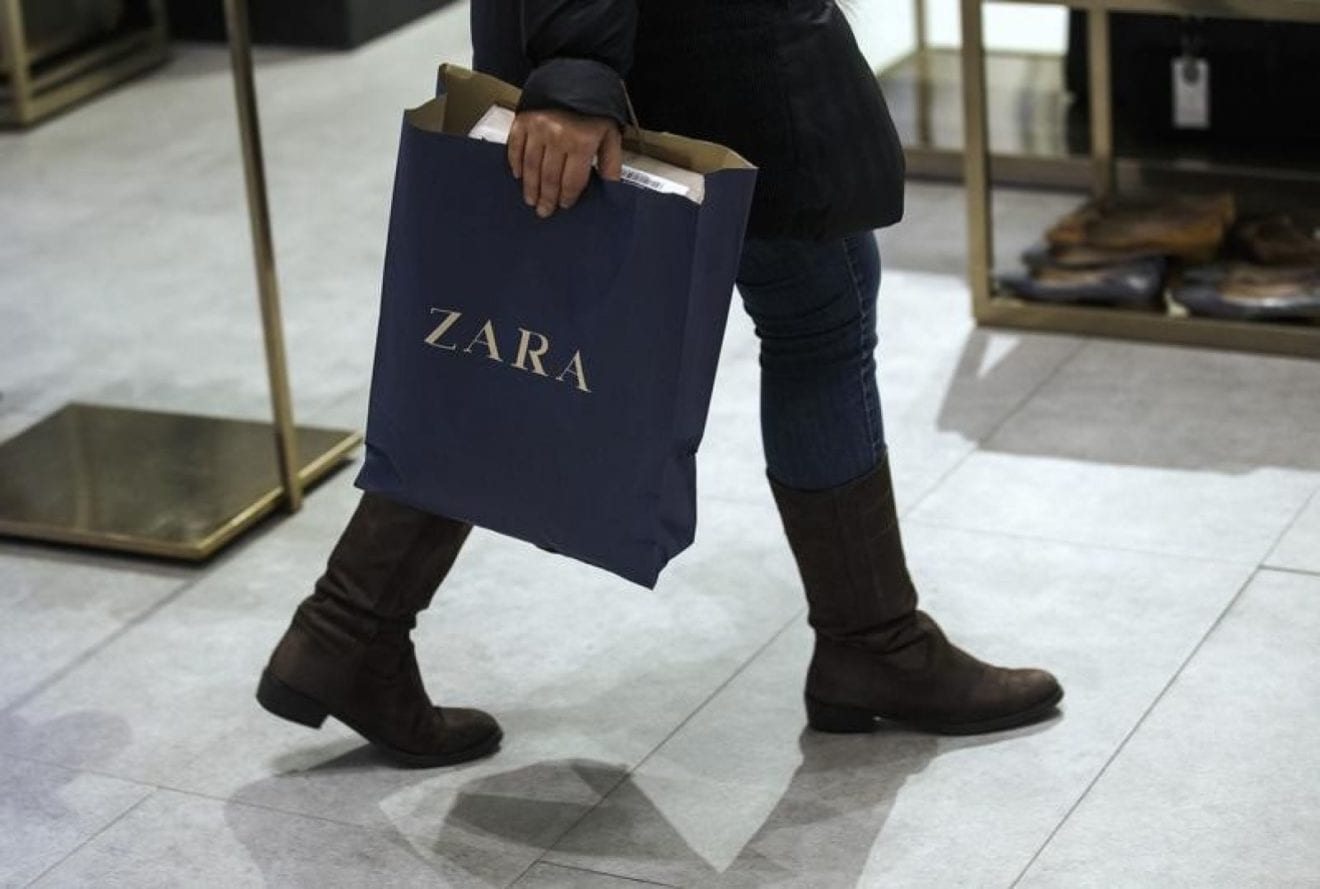
    Inditex, the multinational retailer that owns fashion brands like Zara, Bershka, and Stradivarius, has reported continued growth in its sales, a result attributed to its store-centric strategy.

    As the largest fashion retailer globally and headquartered in Spain, Inditex initiated its fiscal year with an impressive $10.1 billion in first-quarter sales. This resulted in a net profit of $1.6 billion. These figures represent a growth rate of 5.75 percent and 5.36 percent, respectively.

    By the end of the quarter, Inditex owned a total of 5456 stores worldwide. This included 1495 Zara stores, a decrease from the 5562 stores it held at the same time the previous year.

    Investment and Innovation Drive Growth

    Inditex has attributed its growth to continuous investments in its store network, developments in online sales channels, and improvements in logistics platforms, all with a keen focus on innovation and technology.

    The company’s Asia-based store network prominently features its Zara, Massimo Dutti, and Zara Home brands. Online, the company has a significant presence in the region with brands such as Pull and Bear, Bershka, Stradivarius, and Oysho.

    Inditex operates across 215 markets and, despite its relatively low share in a highly fragmented sector, the group sees robust growth opportunities. “The optimisation of stores is ongoing, and we expect this to drive further gains in store productivity,” they remarked.

    The group aims to grow its retail floorspace by approximately 5 percent by 2026. It has earmarked capital expenditure of $2.7 billion over the next three quarters to achieve this.

    Questions & Answers

    What is the reason behind Inditex’s continued growth in sales?
    The company says that its growth is due to ongoing investment in its store network, advancements in its online sales channels, and improvements to its logistics platforms, with a focus on innovation and technology.

    How many stores does Inditex own worldwide, and what is the breakdown of these stores?
    Inditex owns a total of 5456 stores worldwide. Of these, 1495 are Zara stores.

    What are Inditex’s future growth plans?
    Inditex plans to increase its retail floorspace by about 5 percent by 2026. It has allocated capital expenditure of $2.7 billion over the next three quarters to achieve this goal.

  • Pinduoduos Parent, PDD Holdings, Experiences Slump Amid Economic Weakness and Intense E-commerce Competition in China

    Pinduoduos Parent, PDD Holdings, Experiences Slump Amid Economic Weakness and Intense E-commerce Competition in China

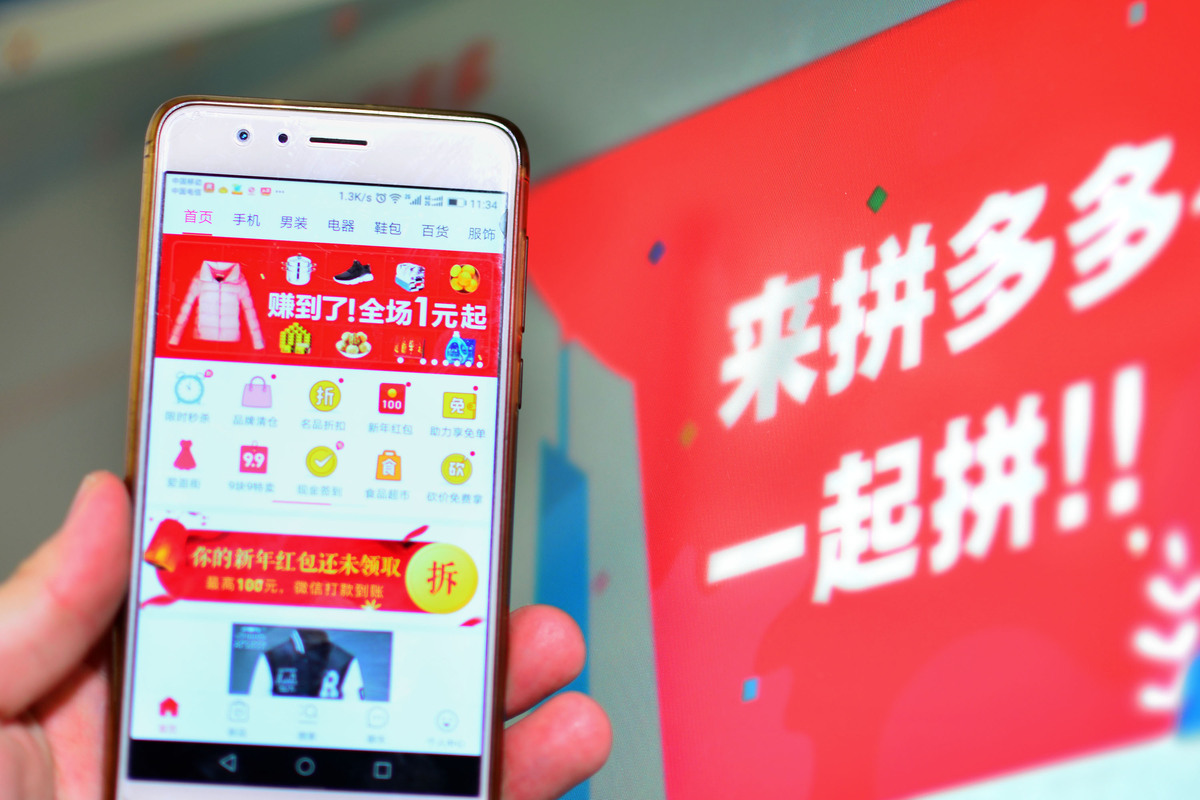
    Chinese e-commerce powerhouse, PDD Holdings, recently experienced a significant drop in first-quarter profits along with revenues falling short of projections. This is largely attributed to a sluggish economy dampening demand for their domestic operations. The underperformance sent the company’s share value plummeting by 10% on Wednesday.

    China’s retail sector, being the world’s second-largest, has had difficulties drawing in consumers. This is primarily due to a protracted property crisis and worries over job security and wage growth, which have collectively undermined spending power. This, in turn, has negatively affected the demand for companies like PDD.

    Stiff Market Competition and Aggressive Investments

    PDD’s domestic discount marketplace, Pinduoduo, faces fierce competition from rivals such as JD, Alibaba, and other discount retailers like ByteDance’s Douyin. These competitors have been employing aggressive pricing strategies to attract customers.

    In addition to its domestic operations, PDD also manages the international e-commerce platform, Temu. The company has been making substantial investments in its supply chain network to enhance delivery speeds and broaden product categories, in hopes of enticing more shoppers.

    In an effort to build a new self-operated brand called Xinpinmu, the company announced in March that it would invest 100 billion yuan (US$14.8 billion) over the next three years. This move aims to integrate Pinduoduo’s supply chain resources with Temu.

    These aggressive investment strategies have resulted in a surge in PDD’s expenses, which in turn has weighed down its net income, causing a 15% reduction to 12.5 billion yuan for the quarter ending March 31.

    Regulatory Scrutiny and Model Feasibility

    Temu has grown in popularity as a platform for shoppers seeking low-priced items, capturing demand from lower-income households worldwide.

    However, the company’s model of delivering inexpensive goods directly to customers from China is encountering increased regulatory oversight. Temu’s operations have traditionally depended on duty waivers for low-value parcels in many jurisdictions.

    Changes in international regulations, such as the US abolition of the duty-free exemption on parcels valued under $800 last year, and the EU’s decision to eliminate its duty-free allowance on parcels under 150 euros ($174.57) as of July this year, pose questions about the sustainability of the current business model.

    Questions & Answers

    What is causing PDD’s revenue to fall short of estimates?
    The decrease in PDD’s revenue is primarily due to a sluggish economy that is affecting consumer demand for its domestic operations.

    How is PDD responding to the competitive e-commerce market?
    PDD is making substantial investments in its supply chain network to enhance delivery speeds and broaden product categories, in hopes of enticing more shoppers.

    How might changes in international duty regulations affect PDD’s business model?
    Changes in international regulations, such as the abolition of duty-free allowances on low-value parcels, could impact PDD’s current business model of delivering inexpensive goods directly from China and may require the company to adapt its operations accordingly.

  • Inditex, Zara’s Parent Company, Reports Stellar Sales Boost Across All Brands in Annual Profit Surge

    Inditex, Zara’s Parent Company, Reports Stellar Sales Boost Across All Brands in Annual Profit Surge

    Inditex, the parent company of Zara, has seen considerable increases in its gross and net profits, fueled by robust sales across all its brands.

    The company’s total net revenue for the fiscal year ending January 31, 2025, climbed 3.2 per cent to €39.9 billion (US$46 billion). Taking into account the currency exchange, sales experienced a 7 per cent rise. Over the past three years, Inditex’s sales have surged by 22 per cent, with a concurrent decrease in the number of retail outlets by 6 per cent. This demonstrates the firm’s constant growth despite a decrease in physical retail presence.

    All brands within the Inditex group enjoyed sales growth throughout the fiscal year. The primary Zara enterprise, inclusive of Zara, Zara Home, and Lefties brands, saw a 1 per cent sales increase, reaching €28 billion.

    Profitable Performance By Other Brands

    Among other Inditex brands, Oysho topped the growth chart with a 15 per cent surge, closely trailed by Stradivarius and Bershka, each boasting over a 12 per cent rise. Additionally, Pull&Bear and Massimo Dutti each reported growth rates of 3.1 per cent and 3 per cent respectively.

    Inditex’s gross profit saw a 3.9 per cent increase to €23.2 billion, while the gross margin improved by 42 bps, bringing it to 58.3 per cent. Net income for the same period rose by 6 per cent to €6.2 billion.

    CEO of Inditex, Óscar García Maceiras, praised the company’s teams for their ability to maintain the trust of their customers across their eight commercial formats. He emphasized the importance of connecting with customers, understanding their needs, and providing top-tier products and services in driving long-term growth expectations.

    Positive Outlook

    At the conclusion of FY2025, Inditex managed 5460 stores across 214 markets. The company has continued to perform well into the new fiscal year, recording a 9 per cent increase in store and online sales between February 1 and March 8, after adjusting for the constant currency.

    Questions & Answers

    What was Inditex’s total net revenue for FY25?
    Inditex’s total net revenue for FY25 was €39.9 billion (US$46 billion).

    Which brand under Inditex reported the highest sales growth?
    Oysho, an Inditex brand, reported the highest sales growth with a 15 per cent increase.

    What was the net income for Inditex for the fiscal year ending January 31, 2025?
    Inditex’s net income for the fiscal year ending January 31, 2025, increased 6 per cent to €6.2 billion.

  • Despite Market Downturn, Diesel And Otb Group Increase Investment In China

    Despite Market Downturn, Diesel And Otb Group Increase Investment In China

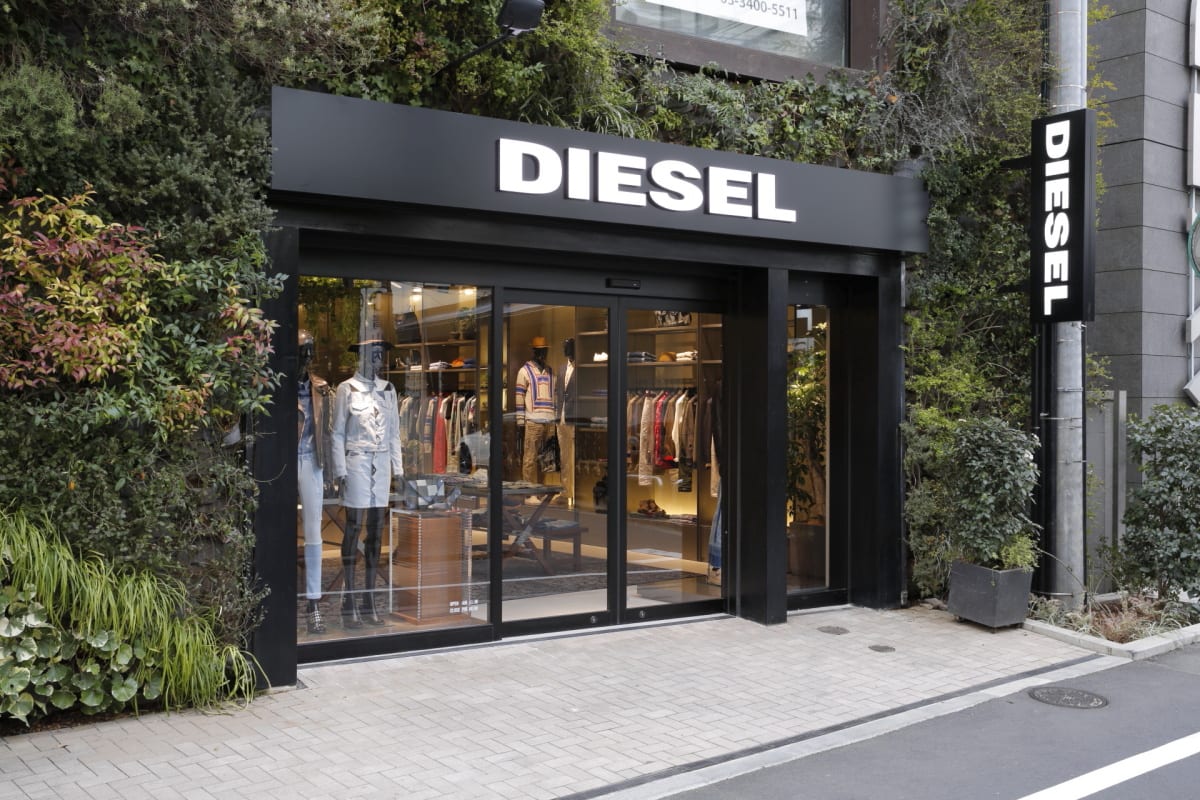
    Italian denim icon Diesel and its parent company, OTB Group, are optimistic about the Chinese market and planning to increase their investments, according to founder and chairman Renzo Rosso.

    Investing in a Down Market

    Rosso, who was visiting China to mark Diesel’s 20th anniversary in the market, revealed that he continues to invest in the country despite a downward trend. As part of the strategic move, the company is reevaluating its retail footprint by closing some stores and opening new ones at better locations.

    “I am positive. I think if the market is going like this, it can be an opportunity because we can have a better space available for a better price that wasn’t available before,” Rosso stated. “My vision right now is to invest in the country. I believe in the country; it is so big, so important.”

    Faith in the Chinese Market

    While enjoying dinner with a panoramic view of Shanghai’s famous skyline, Rosso expressed his satisfaction with the company’s performance. “This year, we are doing well compared to the market. Everybody is minus, we are a little plus, so we are quite happy,” he said.

    Despite concerns about a long-term property market crisis and fears over job security and wage growth, China’s consumer demand remains a focal point for global brands. Luxury and high-end sectors particularly rely on Chinese nationals, who account for approximately one-third of global purchases.

    Market Impact

    Rosso’s optimism reflects the importance of China to the luxury market. Recent signs of improving Chinese demand have led to a significant market rally for the sector.

    OTB Group, also known as Only the Brave, houses luxury brand Jil Sander among others. In 2024, the group reported a total turnover of 1.8 billion euros ($2.11 billion), marking a dip of 4.4%.

    Despite postponing plans for a public listing that was originally scheduled for this year until 2026, Rosso doesn’t seem to be in a hurry. “First of all, I don’t need the money, I am cash positive,” he said. “There’s no rush, it can be one year, two years, I don’t care. If I feel good, then yes.”

    Questions & Answers

    Why is OTB Group optimistic about the Chinese market?
    OTB Group sees the current state of the Chinese market as an opportunity to secure better retail spaces at a more affordable price, given the downward market trend.

    What is the significance of the Chinese consumer market to global brands?
    Chinese nationals account for approximately one-third of global purchases, making China’s consumer demand highly crucial for global brands, especially those in the luxury and high-end sectors.

    What are OTB Group’s future plans regarding a public listing?
    Rosso, the founder and chairman of OTB Group, has postponed plans for a public listing and stated that there is no rush. It could happen in one year or two years, depending on when he feels the time is right.

  • Pinduoduo Surpasses Revenue Expectations But Faces Profit Decline Amid Aggressive Market Competition

    Pinduoduo Surpasses Revenue Expectations But Faces Profit Decline Amid Aggressive Market Competition

    Pinduoduo (PDD Holdings), a prominent e-commerce firm operating economical platforms in China and internationally, surpassed quarterly revenue expectations. However, its net income plummeted as a result of investments made to compete in an increasingly aggressive market.

    Share Performance and Economic Climate

    Shares of PDD Holdings, listed in the US, rose by 1%, with an 11% surge in premarket trading. This was spurred by the company executives’ remarks about escalated investments leading to fluctuations in its short-term financial performance. Concurrently, the Chinese government is implementing strategies to stimulate domestic consumer spending, aiming to rejuvenate a sluggish economy grappling with multiple challenges. These include a languid property sector and ongoing international trade issues resulting from US policies.

    In an effort to invigorate demand, e-commerce giants such as Pinduoduo, JD.com, and Alibaba have turned to deep discounts and promotional offers, inadvertently triggering a price war. Alongside the obligation to maintain low prices in China, PDD’s profit margins have recently suffered due to a multibillion-dollar investment in merchant support programs and elevated costs related to international shipping driven by US tariffs.

    Increased Spending and Intensified Competition

    PDD’s second-quarter earnings revealed an upsurge in spending on various fronts, from server costs to sales and marketing expenditures. This is part of the firm’s strategy to enhance its ecosystem for both merchants and consumers. Jiazhen Zhao, co-CEO of PDD, noted that the recent spike in industry competition has decelerated their revenue growth and substantially reduced operating profit.

    The company expects profit levels from this quarter to be unsustainable, anticipating irregularities in future quarters’ profits. To ameliorate these pressures, PDD’s international platform, Temu, has been promoting products situated in US warehouses and is striving to engage more local sellers. However, it continues to face stiff competition from Amazon, which leverages its extensive scale to secure advantageous pricing from suppliers.

    Changing Business Model and Consumer Perception

    In response to these challenges, Temu is transitioning to a “fully-managed” model, allowing it to exercise greater control over product selection, pricing, and logistics. The platform aims to utilize its substantial supply-chain network to maintain competitive prices. However, a recent survey by an online marketing firm revealed that 30% of American shoppers have noticed price increases on Temu.

    Despite these obstacles, PDD’s revenue experienced a 7% increase, reaching 103.98 billion yuan ($14.53 billion) for the quarter ending in June, surpassing analysts’ predictions. Meanwhile, its operating profit dropped by 21%. Adjusted earnings per American depository share stood at 22.07 yuan, exceeding the projected 15.74 yuan.

    Questions & Answers

    How did PDD’s shares perform recently?
    PDD’s US-listed shares witnessed a 1% increase, driven by an 11% surge in premarket trading triggered by company executives’ comments on future investments.

    What impacts did increased spending have on PDD’s second-quarter earnings?
    PDD’s second-quarter earnings showcased a rise in expenditures across various areas, leading to a slowdown in revenue growth and a significant reduction in operating profit.

    How is PDD’s international platform, Temu, responding to market pressures?
    Temu is transitioning to a “fully-managed” model to exert more control over product selection, pricing, and logistics. The platform aims to use its large supply-chain network to keep prices low, despite facing competition from global e-commerce giant Amazon.

  • Hive & Wellness Australia Initiates Strategic Review Amid Global Interest

    Hive & Wellness Australia Initiates Strategic Review Amid Global Interest

    Hive & Wellness Australia Begins Business Review

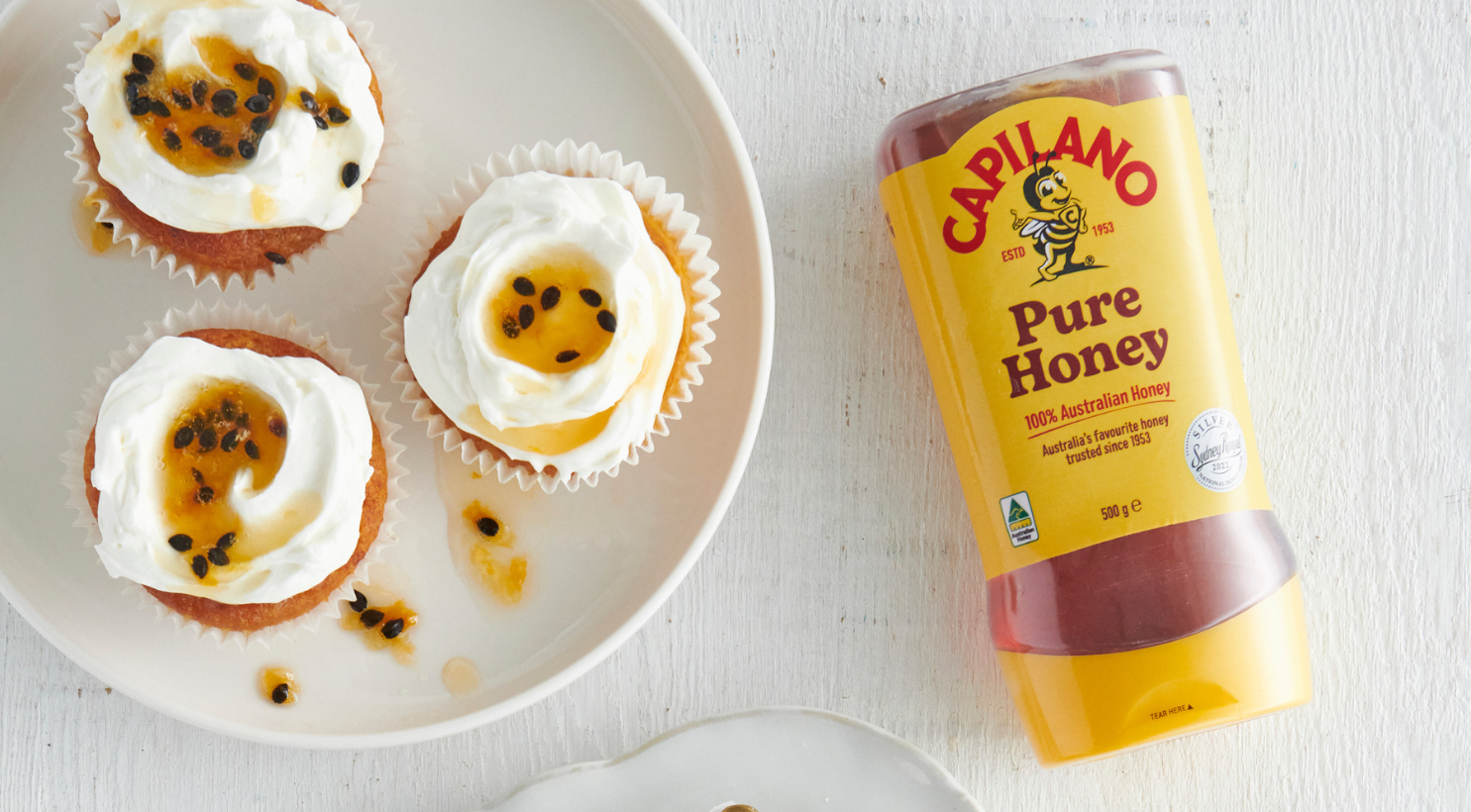
    Hive & Wellness Australia, the firm behind the Capilano Honey brand, has initiated a comprehensive evaluation of its operations. The company has engaged the services of Rothschild & Co to assist in this strategic review.

    This decision has been prompted by unsolicited interest shown in the company’s operations. Hive & Wellness Australia is considering a range of potential avenues, including courting interest from global food corporations and financial backers.

    Capilano Honey Goes Private

    In 2018, Capilano Honey transitioned to private ownership as part of a joint venture consisting of Wattle Hill Capital, ROC Partners, and Australian Capital Equity. This led to the formation of Hive & Wellness Australia.

    Subsequent to the acquisition, the consortium has collaborated with CEO Ryan d’Almeida to extend Hive & Wellness’s reach on a global scale. The brand’s products are now available in over 35 countries, with its international presence spanning markets such as China, Japan, and the United States.

    Business Performance and Portfolio

    Hive & Wellness Australia is a major player in the honey industry, sourcing over 15,000 tonnes of honey every year. The company posted impressive gross sales figures, approximately $150 million, for the 2025 fiscal year.

    Besides Capilano, Hive & Wellness Australia also owns other notable brands including Barnes Naturals and Wescobee, further diversifying its portfolio and strengthening its market positioning.

    Questions & Answers

    What prompted Hive & Wellness Australia to initiate a business review?
    The company decided to undertake a strategic review following unsolicited expressions of interest in its business operations.

    Which firms were involved in taking Capilano Honey private in 2018?
    Wattle Hill Capital, ROC Partners, and Australian Capital Equity formed a consortium to transition Capilano Honey to private ownership, resulting in the formation of Hive & Wellness Australia.

    What brands does Hive & Wellness Australia own apart from Capilano Honey?
    The company’s portfolio includes a number of brands such as Barnes Naturals and Wescobee, in addition to Capilano Honey.

  • Edgewell Faces Legal Action Over Alleged ‘greenwashing’ Of Sunscreen Products

    Edgewell Faces Legal Action Over Alleged ‘greenwashing’ Of Sunscreen Products

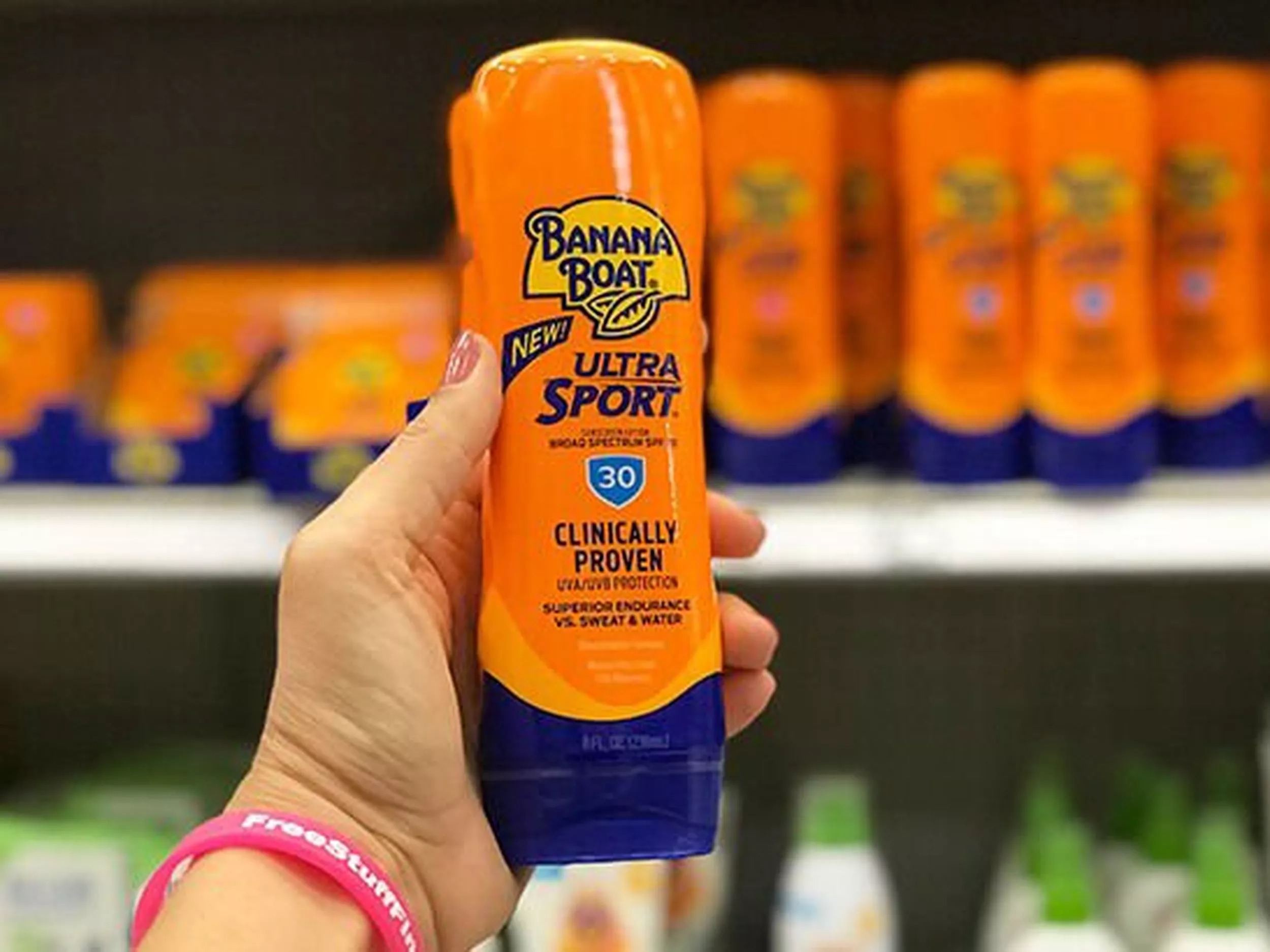
    Edgewell Personal Care Australia, the firm behind the well-known Banana Boat and Hawaiian Tropic sunscreens, is embroiled in a legal dispute with the Australian Competition and Consumer Commission (ACCC). The ACCC claims that the company misled consumers by inaccurately promoting their products as “reef-friendly.”

    Legal Action Initiated

    The ACCC has initiated a court case in the Federal Court against Edgewell Personal Care Australia and its American parent company, Edgewell PCC. The consumer protection organization alleges that more than 90 of Edgewell’s sunscreen products were falsely marketed as reef safe from August 2020 through December 2024. The promotion was done through various channels, including websites, social media, retail catalogs, and product packaging. Some of the promotional materials even featured images of coral reefs alongside the claims.

    Misleading Claims

    Despite the fact that the products do not contain oxybenzone and octinoxate, two chemicals banned in areas like Hawaii due to their proven toxicity to coral reefs, they contain other ingredients. These include octocrylene, homosalate, 4-MBC, and avobenzene, which are either known or suspected to be harmful to marine ecosystems.

    According to the ACCC, Edgewell was aware of scientific research indicating these potential environmental hazards but did not conduct independent testing to verify these findings. Even though “reef-friendly” labels were removed from the company’s US product line around 2020, the misleading claim continued in the Australian market until late 2024.

    “Greenwashing” Accusations

    ACCC Deputy Chair, Catriona Lowe, referred to Edgewell’s actions as “greenwashing,” suggesting that the company’s misleading marketing could have influenced consumer purchasing decisions.

    “The company’s behavior has potentially misled a significant number of consumers,” Lowe said. “The sunscreen products were distributed across Australia over a four-year period, available in large stores and online platforms.”

    Lowe added that companies should not hesitate to promote their product’s environmental credentials but they must ensure they can back up such claims with reputable third-party certification or reliable scientific evidence.

    The ACCC now seeks penalties, declarations, injunctions, and legal fees in its court case against Edgewell.

    Questions & Answers

    What are the ACCC’s allegations against Edgewell Personal Care Australia?

    The Australian Competition and Consumer Commission alleges that Edgewell falsely marketed its sunscreen products as “reef-friendly” when they contain ingredients that are potentially harmful to marine life.

    What chemicals are in question in Edgewell’s sunscreen products?

    The chemicals that are known or suspected to be harmful to marine life in Edgewell’s sunscreen products include octocrylene, homosalate, 4-MBC, and avobenzene.

    What action is the ACCC seeking against Edgewell?

    The ACCC is seeking penalties, declarations, injunctions, and legal costs from Edgewell in their case against the company.

  • Shopee parent Sea delivers double-digit growth in sales, profit

    Shopee parent Sea delivers double-digit growth in sales, profit

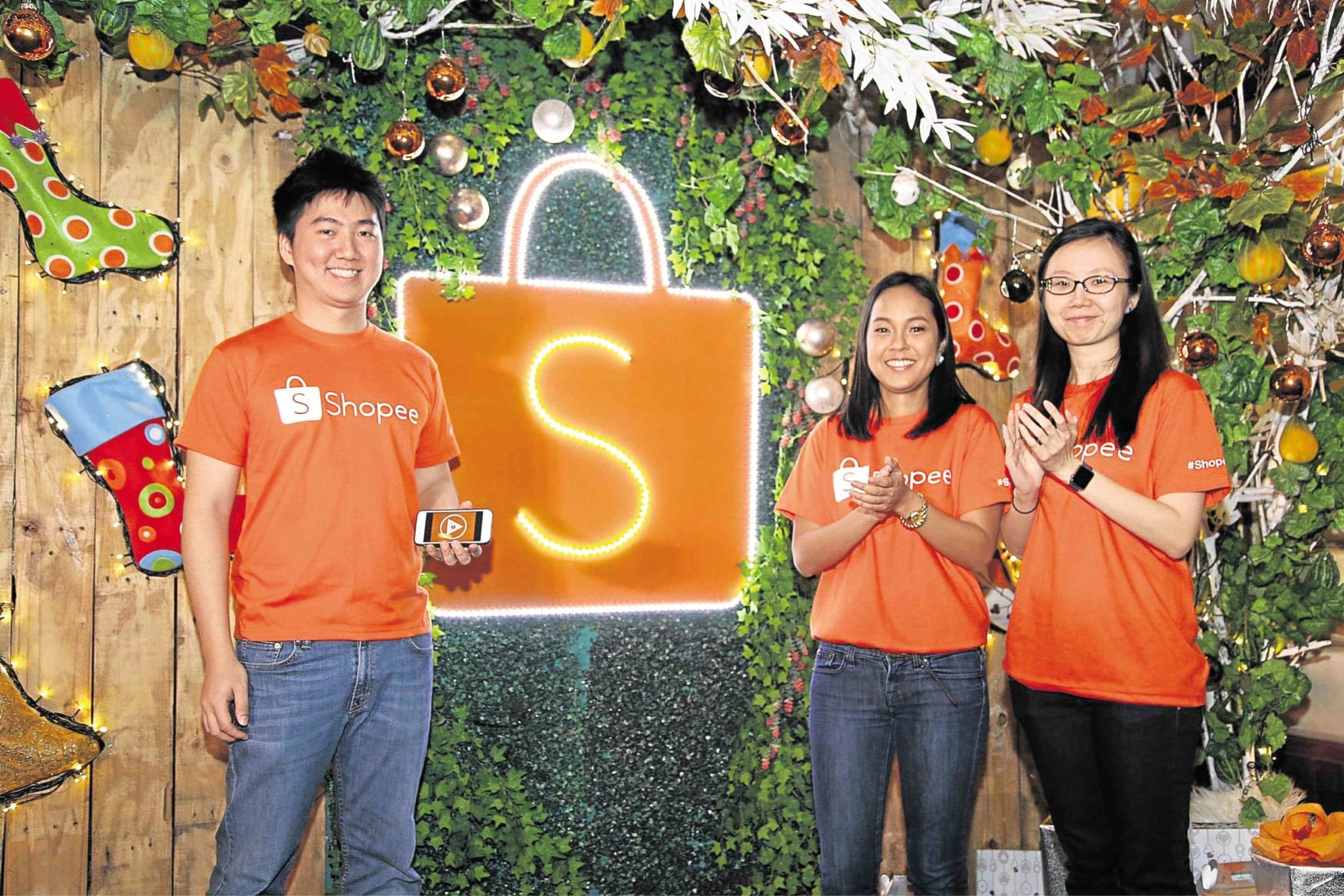
    Sea Limited, the parent company of Shopee, has announced a notable increase in its revenues and profits during the first quarter of the year, indicating a robust start to the financial year.

    Impressive Revenue and Profit Growth

    The company’s revenue for the quarter ending on March 31st skyrocketed by 29.6% to $4.8 billion. Concurrently, gross profits experienced a 43.9% boost, reaching $2.2 billion. This represents a significant turnaround for the company, which reported a net income of $410.8 million as opposed to a loss of $23 million during the same period last year.

    Record Performance by Shopee

    Shopee, Sea’s e-commerce subsidiary, recorded record numbers for both Gross Merchandise Value (GMV) and total volume of orders, which climbed by 21.5% and 20.5% respectively. The subsidiary’s revenue saw a 28.7% increase, amounting to $3.1 billion. This growth was driven by a 39.2% rise in core marketplace revenue and a 4% increase in revenue from value-added services.

    Strong Growth Across All Segments

    Sea also reported robust growth in its digital financial services (Monee) and digital entertainment (Garena) segments. Forrest Li, Chairman and CEO of Sea, expressed satisfaction with the company’s first-quarter performance. “We have delivered another great quarter of strong growth with improving profitability across all three businesses,” Li said. He added: “Our strong start to the year gives us more confidence of achieving our full-year guidance.”

    Questions & Answers

    What was Sea’s revenue for the first quarter?
    Sea reported a revenue of $4.8 billion for the first quarter, marking a 29.6% increase from the same period last year.

    How did Shopee, Sea’s e-commerce subsidiary, perform in the first quarter?
    Shopee registered record figures for both Gross Merchandise Value and total order volume, which rose by 21.5% and 20.5% respectively. The subsidiary’s revenue increased by 28.7%, reaching $3.1 billion.

    Did Sea’s other business segments also perform well?
    Yes, Sea reported strong growth in its digital financial services (Monee) and digital entertainment (Garena) segments in the first quarter.