Retail News CRM

Tag: Philippines

  • SM Malls proves disaster resiliency makes business sense

    SM Malls proves disaster resiliency makes business sense

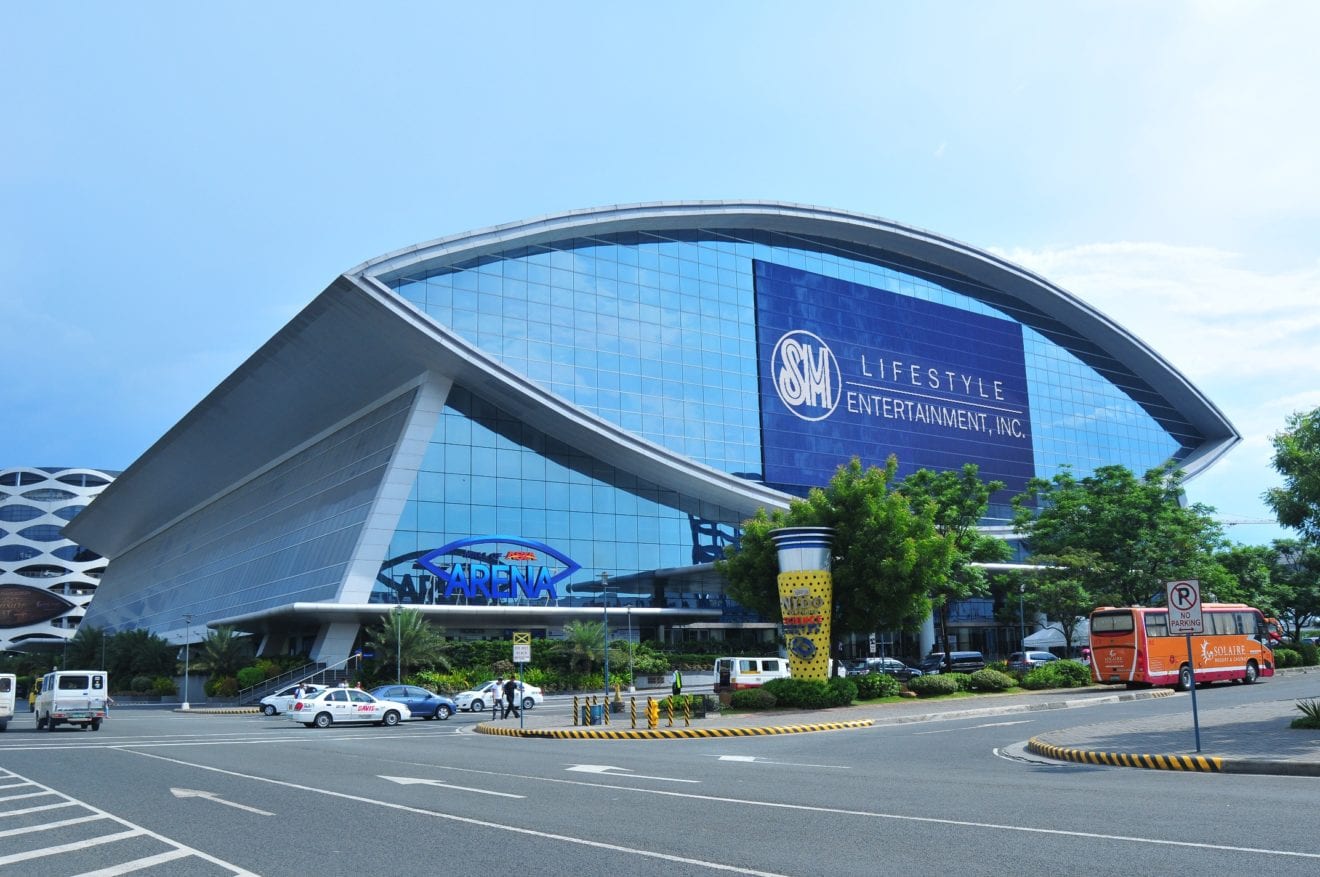
    SM Malls shopping centres – now a 56-strong network across the Philippines – have evolved into sustainable structures that are proving to be valuable investments in the event of the frequent natural disasters which strike the nation.

    In the last few years, SM malls have consciously integrated disaster risk reduction into design and operations in the midst of worsening effects of climate change.

    Speaking before the annual meeting of the United Nations International Strategy for Disaster Risk Reduction (UNISDR) in London, recently, SM Prime president Hans T Sy shared that the company has taken major steps to ensure the longevity of its developments and safeguard its host communities given this context.

    SM’s malls, with a total gross area of over 7 million sqm, have an average daily foot traffic of over 4 million people and some 15,000 tenants.

    “My experience has proven that investing in resilience of our company’s assets makes good business sense. Depending on the location and assessment of the project, around 10 per cent of capital expenditure is allocated to Disaster Resiliency,” said Sy who is the only Filipino to be part of the UNISDR’s Private Sector Advisory Group.

    “We see the entirety of our malls as a city in itself, with locators, employees, customers and the communities we serve,” he added.

    One of the latest SM malls to open, SM City Cabanatuan in Nueva Ecija, is a good example of how SM Prime has adapted to climate change by making its infrastructure more disaster resilient.

    Cabanatuan was affected by Super Typhoon Lando (International name: Koppu) which caused massive flooding, mudslides and power outages that affected 9 million people in the northern region. The mall’s design allowed the free flow of creek floodwater during extreme flooding while the lower ground structure served as a flood catchment, thereby reducing the risk of flooding and ensuring the safety of the surrounding communities. The mall likewise served as a refuge for over 400 customers and families in the area at the height of the typhoon.

    Over the past several decades, SM Prime has made significant inroads in incorporating disaster resiliency in its centres. The best example is SM City Marikina which opened in 2008 and was built on concrete stilts to allow flood water from the nearby Marikina River to flow freely. When Typhoon Ondoy (International name: Ketsana) flooded most of Marikina City, the mall stood high above flood waters and all its tenants were undamaged and safe.

    The roads surrounding the Marikina mall are at ground level. Anticipating floods during heavy rains at that level, SM Prime constructed the first two levels of SM Marikina as parking areas without wall enclosures. The upper parking level was constructed at an elevation of 20.5 meters. During extreme floods, the parking floors are vacated and the supportive stilts allow for the free flow of water through the lower levels, while the business units continue to operate safely as was seen at the onset of Typhoon Ondoy (Ketsana) when a huge part of Marikina was flooded. The mall became a refuge for stranded people and food seekers. It also became a re-packing center for relief goods.

    SM City Masinag in Antipolo, SM BF Paranaque, SM Angono and SM San Mateo both in Rizal province were provided with catch basins underneath the mall to hold water during flooding.

    SM Muntinlupa in Alabang, was also designed to ensure the safety of the customers even if it was found to be located on a “discontinued major fault line”. Its design features a slab system that minimises the effects of earthquakes.

    The Mall of Asia Complex in Pasay City, one of SM Prime’s biggest investments located on 60 hectares of reclaimed property, has also been been designed for resiliency. He said that the main feature of the complex is that all structures were constructed at a height of 4.5 meters above the National Building Code requirements.

    “SM Prime places crucial importance on disaster resilience, not as an additional cost, but as part of our core business strategy. It allows us to serve our communities better, to be competitive, to increase our value and bottomline. But most of all, disaster resilience ensures the safety of our customers and the communities where we operate,” Sy said.

    Aside from introducing sustainable features in its malls, SM Prime also educates and updates its partners and stakeholders on disaster risk reduction (DRR) through internal procedures and various forums, such as the Green Retail Agenda, Business Case for Disaster Resilience, Top Leaders Forum and others. It also values and supports the government’s programs and initiatives in their information and educational campaigns such as the first Metro Manila Shake Drill for Earthquake Preparedness.

    SM Prime also supports DRR projects such as the Weather Philippines Foundation’s Automated Weather Station (AWS) which specialises in local weather forecasting.  All SM malls have also installed the AWS device which provides online five-day local weather forecasts as a form of public service in support of the government’s weather forecasting.

    SM has also donated 1000 units of disaster resilient houses to victims of Typhoon Haiyan, the strongest storm to make landfall in the southern part of the Philippines.

    SM Prime set up its efforts to lead Philippine businesses and communities disaster-resilient through the Private Sector Alliance for Disaster Resilient Societies (Arise), a worldwide initiative spearheaded by the UNISDR to create more resilient societies.

    Arise was introduced for the first time in Southeast Asia during the 2015 Top Leaders Forum at the SMX Mall of Asia in Pasay City.

    Arise, which was launched in London last September, was created in order to implement the Sendai Framework for Disaster Risk Reduction, a 15-year global roadmap adopted in March 2015 which aims to curb disaster mortality and economic losses substantially.
  • Calata corporation innovates for agriculture industry in the Philippines

    Calata corporation innovates for agriculture industry in the Philippines

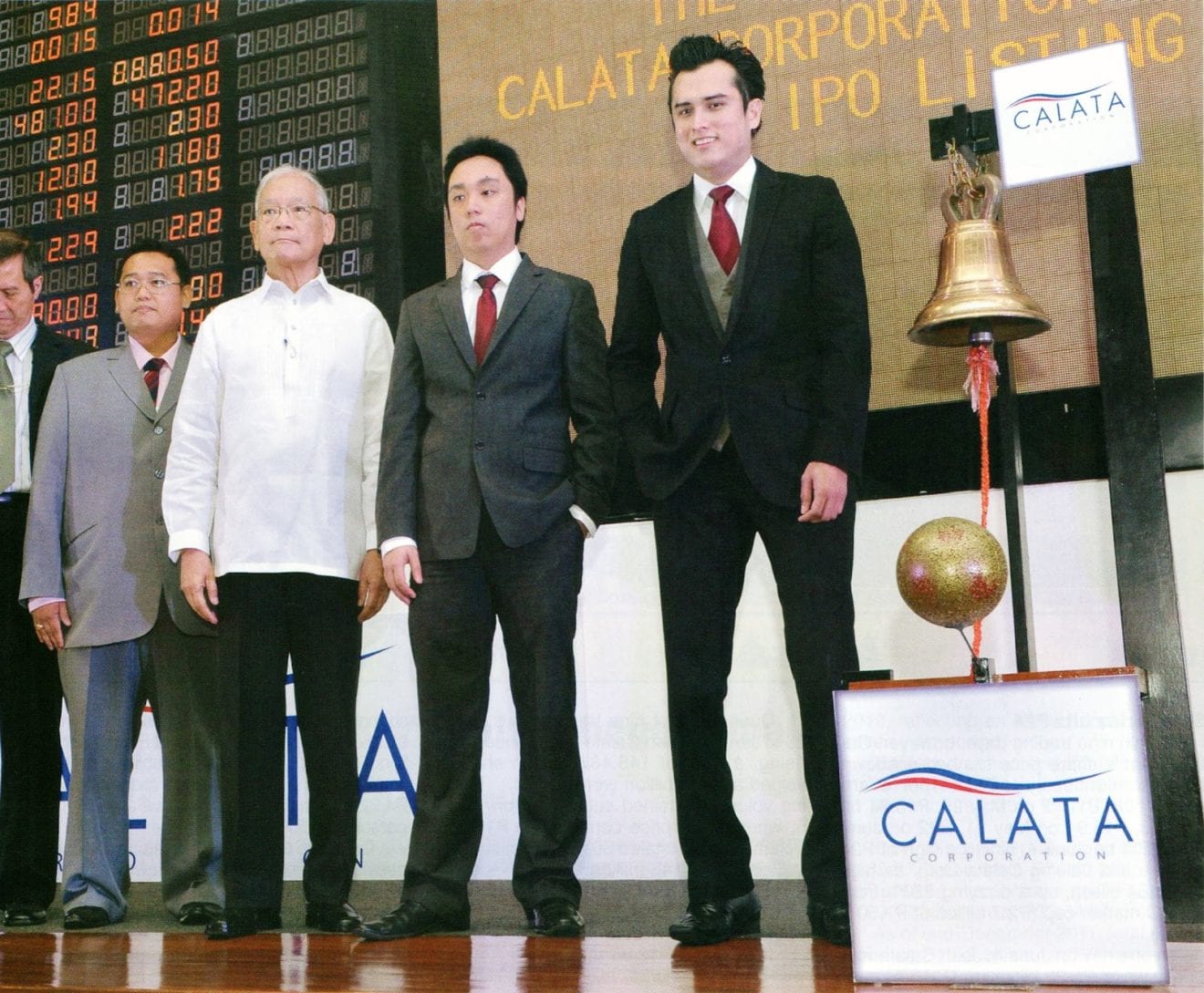
    The Calata Corporation has made significant strides within the agricultural industry in The Philippines. In fact, the country has grown significantly within this sector and it is now one of the most diverse and innovative in the region. Agriculture is the largest industry in the Philippines. It is vitally important to the country’s gross domestic product and the livelihood of thousands of farmers and millions of people. Although agriculture has been a long-standing industry here, the innovations and modifications made by Calata Corporation really have helped to open the door for opportunity and have changed the industry.

    Investing in Agriculture

    When the founder of Calata Corporation set out, he aimed to provide an improved model for doing business within the agricultural sector. He did so because he believed, and still does, that investing in the agricultural industry will boost the economy and bring improvement in the future of The Philippines. Joseph Calata has talked numerous times about the importance of agriculture, not in just the old way of farming, but in innovative, tech-based improvements that can help the industry to soar locally.

    But, how did he and the company itself change the industry?

    A look back at what Calata Corporation started at can provide some insight. The 30-something-year-old business professional is happy to talk about the retail business his family owned. At that time, it was a small retail outlet that met the needs of just those in the local area. It sold fertilizers that were very important to the industry. Yet, this wasn’t enough to spur the development and growth necessary within the company.

    Today, Calata and his team have opened the door for all farmers and agricultural businesses in The Philippines by providing better access to materials and products that improve the industry. This includes a number of significant changes.

    • He introduced technology that improved the inventory tracking and management processes, reducing man hours spent.
    • He introduced innovative methods for using land and for developing a better quality of product every time.
    • He also worked to expand the company to provide better access to materials to more sectors.

    Once a fertilizer based business, Calata Corporation now dominates numerous industries. It’s AGRI component still offers fertilizers, as well as numerous other products that help to protect the investments farmers make. It also offers a seed division, a planting equipment division, retail stores for local access to farmers, and a distribution network that spans from the ground through the distribution of final products. He’s added in soya, cassava, corn, and rice to the industry while also improving animal feeds and processing.
    As a conglomerate of numerous companies and sectors, it is far easier for the companies within this sector to thrive. They now have better access to materials, high-quality seeds and industry knowledge.

    They also have access to better materials, which has become one of the most important components to the industry’s development and growth. In short, Calata Corporation connects farmers and technology, innovation and proven methods, and cost effectiveness and growth. It is in these connections that the company has been able to change the agricultural industry and the lives of many of those who are working in it today. Calata Corporation and Joseph Calata continue to innovate to achieve even more for the future.

  • Charming Charlie opens first Philippines store

    Charming Charlie opens first Philippines store

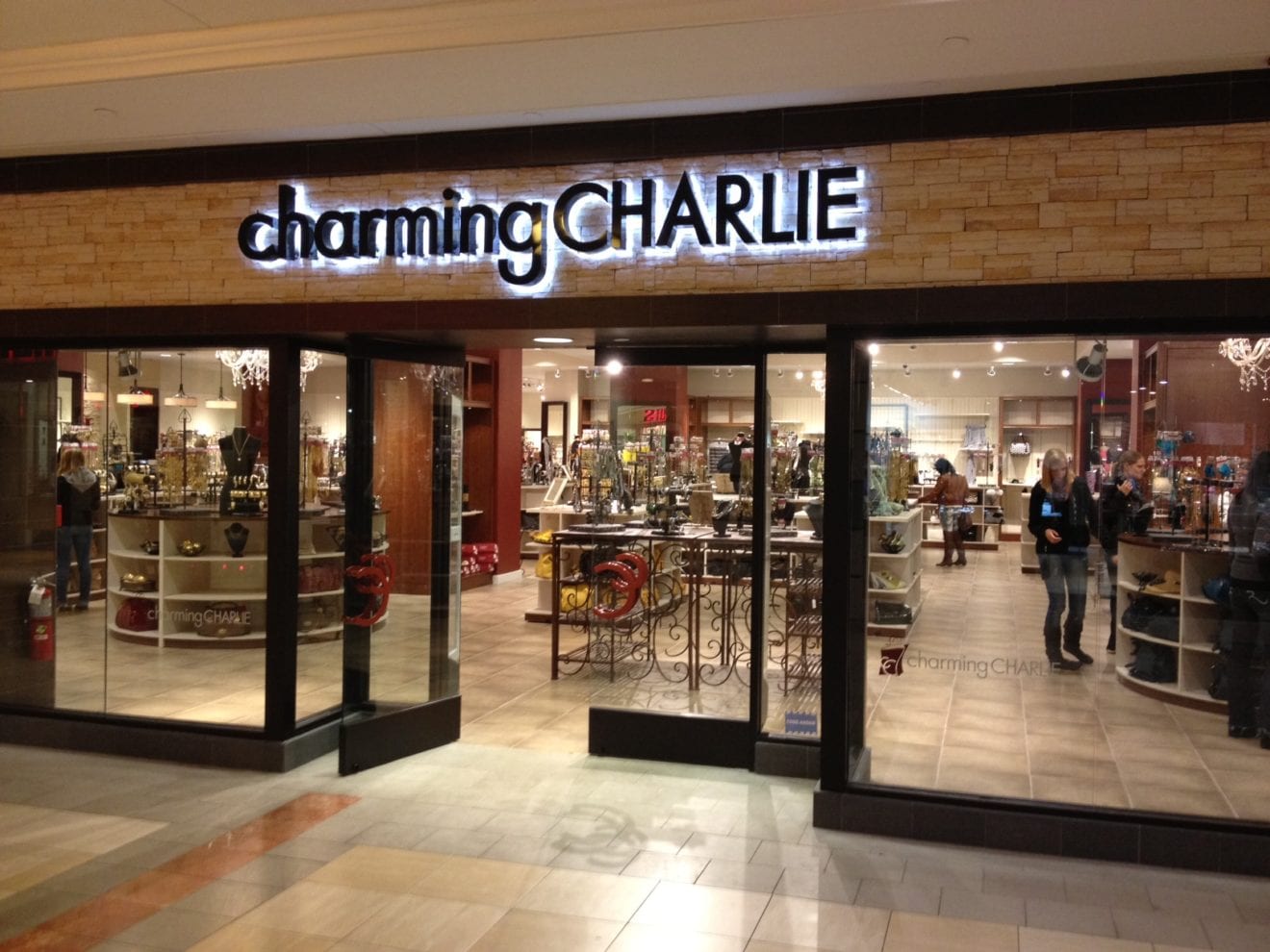
    The first Charming Charlie in the Philippines is scheduled to open Saturday, Dec. 19, 2015. The Houston-based women’s jewelry and accessories retailer has opened as many as 55 U.S. stores each year, and expanded to Dubai in 2015.

    The first Charming Charlie in the Philippines is scheduled to open Saturday, Dec. 19, 2015. The Houston-based women’s jewelry and accessories retailer has opened as many as 55 U.S. stores each year, and … more.

    Houston-based women’s jewelry and accessories retailer Charming Charlie has spread its footprint across the Pacific Ocean.

    This past Saturday, the retailer’s first Philippines location opened at Bonifacio High Street Central Square, a shopping district in the capital city of Manila.

    Charming Charlie worked with distributor Stores Specialists, Inc. a member of SSI Group, to expand to Manila, according to a company statement. Additional growth is planned in Manila and in Cebu in 2016.

    “The Philippines is a fast growing territory with an increasing population of young adults and proven track record for American brands, so entering Southeast Asia following our Middle East expansion made perfect sense for the brand,” Charlie Chanaratsopon, founder and CEO, said in a statement. “SSI Group is the premier partner in the Philippines and we believe their local expertise will allow us to bring our incredible value and fun shopping experience to customers throughout the region.”

    This past summer, the retailer opened two locations in Dubai, United Arab Emirates.

    Charming Charlie has 350 retail stores across the United States, Canada, the United Arab Emirates and the Philippines.

  • Prada Philippines re-opens expanded Makati boutique

    Prada Philippines re-opens expanded Makati boutique

    Prada Philippines has reopened its high profile boutique in the Greenbelt Ayala Center in downtown Makati, Manila.

    The expanded and renovated store inside the prestigious mall was designed by architect Roberto Baciocchi, covers a total area of approximately 200 sqm on a single level. It houses women’s and men’s leather goods, accessories and footwear collections.

    pradaThe high-impact external facade is composed of an interplay of light-boxes, completed by a backlit white canvas curtain enclosed in a crystal box. The internal facade echoes the motif of the exterior and features two large entrances and a series of display windows.


    The first entrance, defined by the signature black-and-white marble chequered flooring – a legacy of Prada’s identity worldwide – opens up on an area dedicated to the women’s leather goods collections.

    A portal leads to a second space, where the women’s footwear collections is displayed. The entire area devoted to women is characterised by green fabric- clad walls with cut-in polished steel and crystal display niches. Steel and crystal tables with coloured display shelves and green velvet sofas complete the furnishing.

    The second entrance and the space dedicated to women both lead to a regularly-shaped area housing the men’s leather goods and footwear collections. Ebony floorboards and walls, crystal and polished steel display cases and chocolate brown carpeting define the space. Display counters with coloured saffiano leather detailing and light coloured leather sofas enhance the atmosphere.

  • Scientific Games renews lottery supply deal in Philippines

    Scientific Games renews lottery supply deal in Philippines

    The three-year extension ends in July 2018, and will see Scientific Games supply POSC with 1,500 new WAVE lottery terminals by the end of the year.

    “Scientific Games has demonstrated a strong commitment to our systems technology over the last decade, and we are pleased to continue working together to grow lottery sales in the Philippines,” POSC president Willy Ocier said.

    “The new terminals installed through this contract extension will allow us to retire some of our older terminals and provide our retailers with advanced technology that drives efficiencies and makes it easy and convenient for retailers to sell lottery games,” Ocier has explained.

    Scientific Games has provided POSC with products and services since 2005, supplying instant games and an instant ticket validation system in addition to the systems and retail technology.

    Founded in 1993, POSC sources and leases gaming technology to the Philippine Charity Sweepstakes Office (PCSO) and supplies the Visayas and Mindanao regions with lottery technology since 1995. It also leases keno terminals and an online operating system to PCSO across the country, having signed an agreement in 2004.

    “We appreciate the professionalism and creativity exhibited by POSC and its leadership team, and we look forward to supporting their numerous growth initiatives over the next several years,” Scientific Games president of corporate development and global strategic accounts Michael Conforti said.

  • Ikea to ramp up SEA expansion

    Ikea to ramp up SEA expansion

    Swedish furniture and homewares retailer Ikea wants to ramp up its Southeast Asian store rollout.

    The next two markets in its sights are the Philippines and Vietnam.

    But in some key markets, finding suitable locations for its large format stores is proving a challenge, especially in Vietnam where it wants to launch in Ho Chi Minh City, the country’s commercial capital with a catchment of 8 million consumers.

    Speaking to The Nation newspaper after opening its first pickup point (PUP) in the Thai resort city of Phuket, Mike King, retail manager of Ikea Singapore, Malaysia and Thailand, said the company wants to have three large format stores in Bangkok and five or six PUPs in Thailand within five years.

    In July, the company announced it had located site for its second Bangkok store – adjacent to the new CentralPlaza Westgate shopping mall under construction in Bangyai, in Nonthaburi province in Bangkok’s west. Another site has been earmarked in the city’s north, near the recently expandedFuture Park Rangsit shopping centre.

    Ikea is already actively seeking local partners in Vietnam and the Philippines. Typically when Ikea enters a new market, it locates its initial stores in the most populated cities – for example in Indonesia where it has a joint venture with Hong Kong’s Dairy Farm International, it has opened its first store in Jakarta, and in Malaysia it has two in greater Kuala Lumpur. In the Philippines it will focus on Manila with a population catchment of about 24 million.

    “The two new branches [in Ho Chi Minh City and Manila] will possibly be erected within five years,” King told The Nation.

    Ikea plans to open at least one store a year in Southeast Asia from now on – typically about 40,00 sqm in size.

    Meanwhile, the 2651 sqm Phuket PUP is expected to increase the Bangkok store’s sales by 10 per cent annually. Customers can order online, or in the store and have the products shipped to the PUP for collection.

    It is the first PUP store in Asia, although others operate in Spain, the UAE, Turkey, Norway, Finland and Greece, among other places.

  • Sonae launches Zippy Philippines

    Sonae launches Zippy Philippines

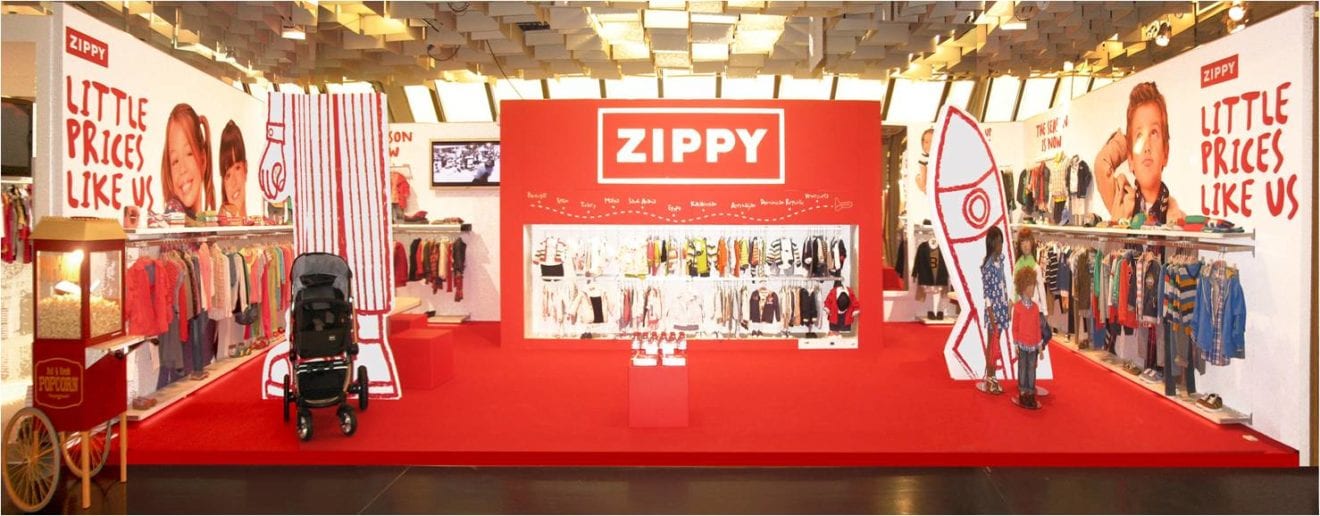
    Portuguese multi-brand retailer Sonae has expanded its international activity to Asia by opening its first two Zippy stores in the Philippines.

    The Sonae brand of children’s clothing and nursery products has signed a franchising agreement that includes opening about 24 stores across the country during the next five years.

    Miguel Mota Freitas, CEO of Sonae SR,  said the partnership is in line with Sonae’s international expansion strategy, which looks to use its brands’ competitive advantages worldwide, diversifying markets and stimulating new development opportunities.

    “Asia is a populous and economically dynamic region, with high birth rates, where consumers are beginning to pay more and more attention to quality products, which opens new perspectives for Zippy, particularly now in the Philippines,” he said.

    Entering the Philippines resulted from the franchising agreement celebrated with Trimark Holdings, which operates more than 600 stores in the country under more than 40 international brands, mostly in fashion.

    The Zippy Philippines stores have opened at the Glorietta and North Edsa shopping centres, in the capital city, Manila.  Zippy’s Philippines stores will have an average area of 100 sqm offering products from clothing and footwear to baby and kids accessories.

    With a population of around 100 million inhabitants, the Philippines is the seventh most populated country in Asia and the 12th most populated in the world. With more than one third of the population aged under 14 years, the potential customer base fits right into Zippy’s target market.

    World Bank data predicts the Philippines’ economy will grow at 6.5 per cent annually for the next two years.

  • Penshoppe parent plans 125 new stores

    Penshoppe parent plans 125 new stores

    Philippines fashion retailer Golden ABC says it plans to open 125 new stores in the Philippines and across Asia in 2016.

    According to CEO Bernie Liu, 100 stores will open in the company’s home market and a further 25 will open in other Asian countries, including Indonesia.

    Liu is undeterred by the rapidly rising ranks of foreign fast fashion clothing brands entering and expanding in the Philippines.

    “We have been competing with these international brands for years now in other parts of Asia. Our goal is to bring a Filipino brand into the international arena,” Liu said during the opening of three new stores at the SM Seaside City mall in Cebu.

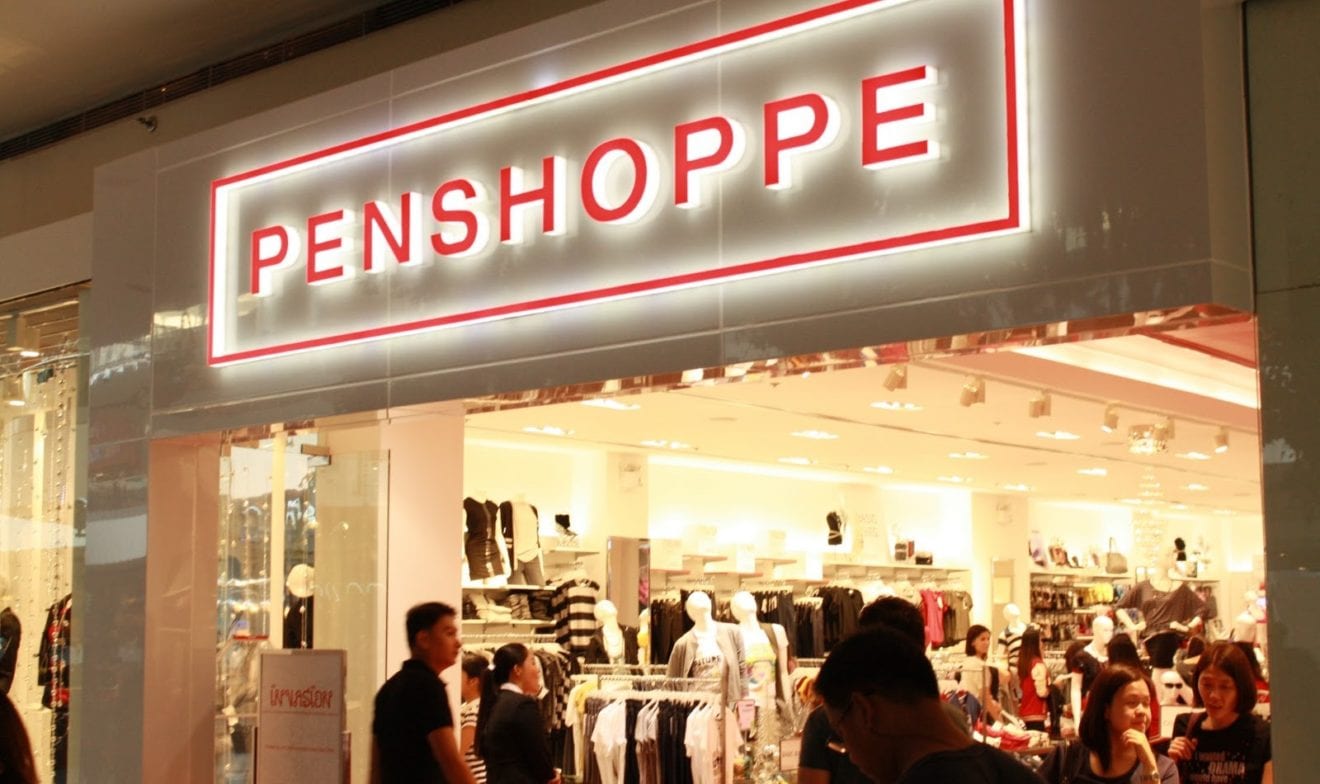
    Golden ABC’s flagship brand – and the one most likely to be opened in Asian markets – is Penshoppe. The new Penshoppe store at SM Seaside City is the brand’s largest shop yet, with a footprint of 850 sqm, more than twice the size of a normal store.

    Golden ABC also operates the ForMe and Oxygen brands, both of which have also opened stores in SM Seaside City. The retailer has 700 stores across Asia and the Middle East. Its largest Asian markets outside the Philippines are Indonesia and Cambodia – and in Vietnam where the company recently opened a store inside the new VivoCity mall in District 7.

    “We are very encouraged by the response in Vietnam,” Liu said in an interview.

    Penshoppe has 26 stores in Indonesia, with three more under construction.

    Golden ABC also owns the Memo, Regatta and Tyler retail brands, and the direct-selling business Red Logo.

  • SM Seaside City opens in Cebu

    SM Seaside City opens in Cebu

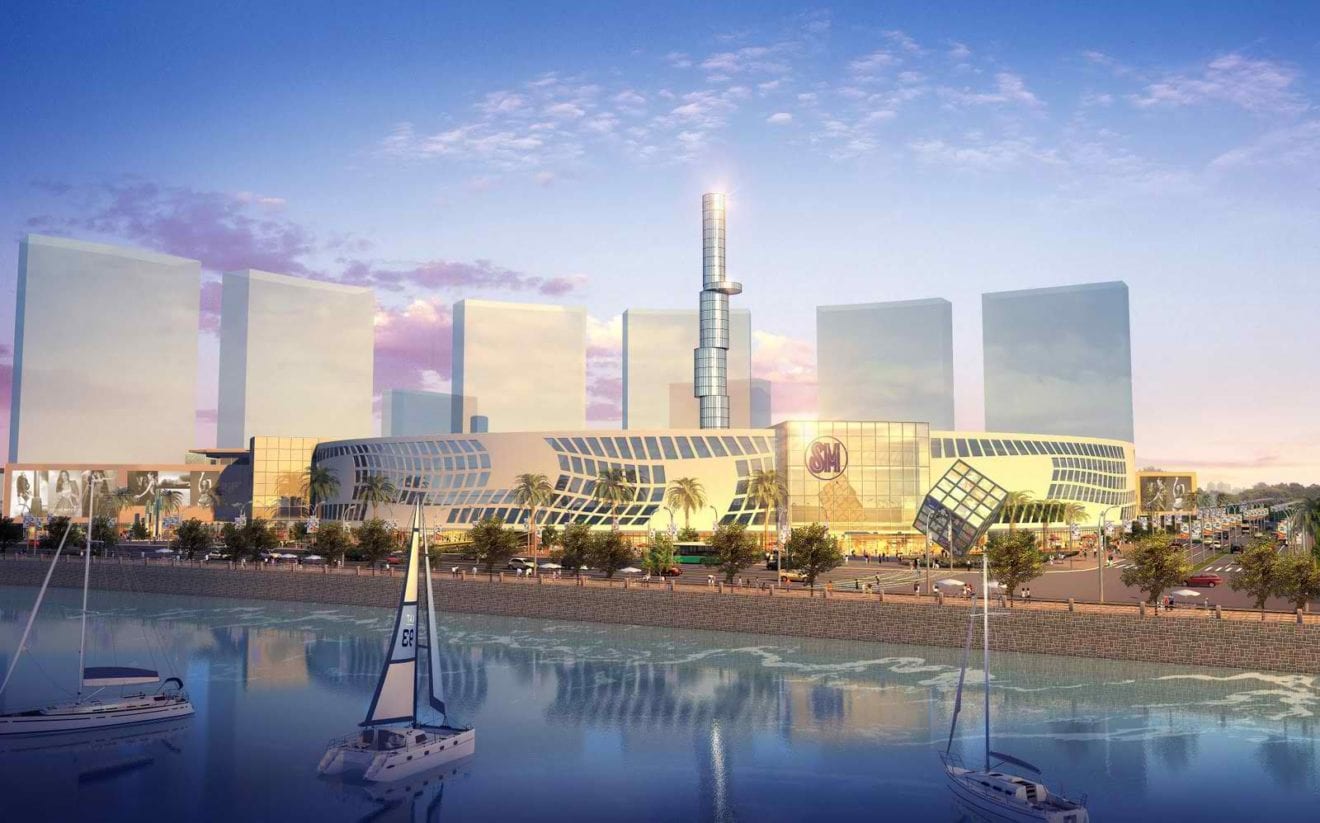
    The newly opened SM Seaside City Cebu is SM’s third largest mall in the country measuring 430,000 sqm in gross floor area.

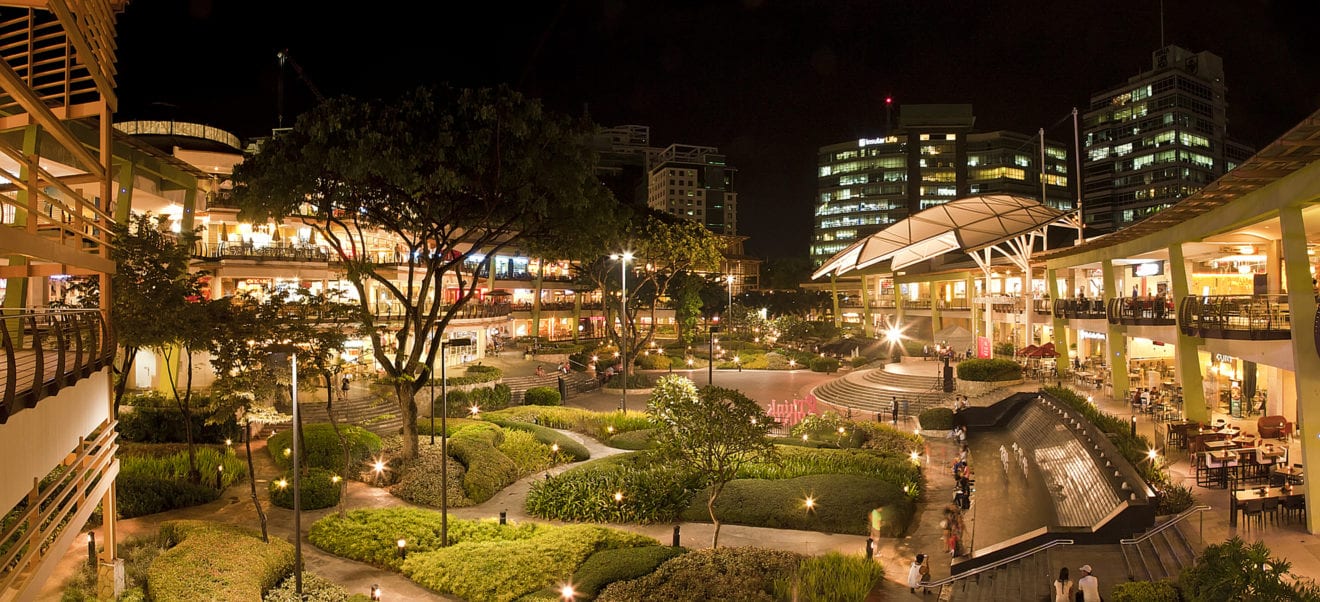
    And the property developer SM Prime describes the mall as one of the Philippines’ most picturesque, showcasing not just architectural excellence but also resilience in design.

    Due to its proximity to the Mactan Channel, the mall draws marine inspiration from the “nautilus”. The sea creature’s unique shape and logarithmic pattern guided the building’s architectural shape and design. The nautilus, a spiral shell with pale, pearly chambers, is

    one of the finest examples of natural beauty and elegance.

    Arquitectonica’s Peter Brannan, MD for Asia says translating this design into mall features meant not only providing the usual retail, service and transport facilities.

    “It also has to act as the social hub, much like the marketplaces or town squares in the old, traditional communities,” Brannan said.

    This prompted Arquitectonica to propose “community” features such as a landscaped roof deck that can act like a “Central Park” called the Sky Park.

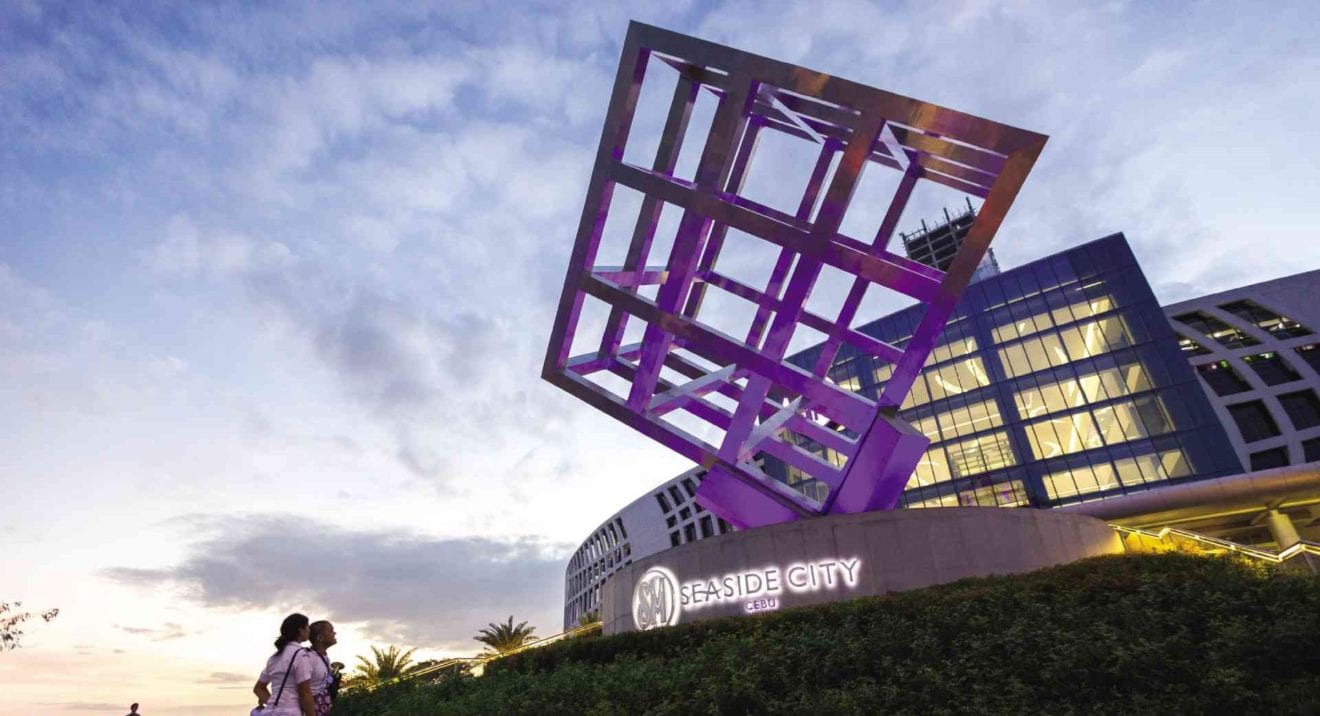
    The design also includes a central courtyard with a 150 meter modern bell tower which can be the centerpiece of community events like fiestas or New Year Event countdowns. Add to this the “Cube” sculpture at the facade of the mall which is an anagram for “Cebu”, serving

    currently as one of the more popular “selfie” spots for shoppers and tourists. Nearby at the complex is the Chapel of San Pedro Calungsod with a hundred walls, which has emerged as one of the City’s favorite wedding destinations.

    Now in operation, the mall makes this communal spirit much more apparent.

    “We understand that Cebuanos have a very strong sense of community, so we wanted to make sure we gave them a venue in which they could celebrate this communal spirit,” Brannan said.

    The Sy family envisioned the 30 -hectare SM Seaside City complex as a regional destination, bringing together local and foreign tourists from all walks of life mainly from the Visayas and Mindanao regions.

    Beyond beauty is sustainability

    Beyond the mall’s aesthetics, SM believes that investing in sustainability safeguards the welfare of the customers, the tenants, and the mall’s host communities.

    SM Prime Holdings president Hans T Sy said during his speech at the UNISDR General Meeting in London in November that depending on the location and assessment of SM’s projects, around 10 per cent of capital expenditure is allocated to disaster resilience which requires making the mall structure resistant to risk from potential disasters.

    “My experience has proven that investing in resilience of our company’s assets makes good business sense,” Sy said.

    For its seaside mall, Architect Fides Hsu, VP of SM Engineering, Design and Development Corp, said SM Prime hired design experts who gave extra attention to the challenges of weather, especially typhoon and flooding given its location by the sea. SM Prime backfilled soil onto the reclaimed property specifically on the roads so that the whole complex where the mall sits is elevated by approximately 4.5 meters from the city roads. Due to its elevation, a lower carpark level was created to accommodate 1700 vehicles.

    Furthermore, all necessary electrical and mechanical equipment are located on the roof deck.

    In terms of seismic design or provisions for earthquakes, the building structure of SM Seaside was designed in compliance with Philippine building regulations such as the 2010 National Structural Code of the Philippines (NSCP), the Uniform Building Code (UBC 97), and the International Building Code (IBC 2010).

    The mall also uses water treatment facilities that recycle used water by 90 per cent and re-use this for the cooling tower, toilet flushing and irrigation.

    To reduce energy consumption, the mall’s air conditioning uses a Building Management System (BMS) and high efficiency chillers. In addition, all storefront windows and skylights of the mall use double glazed low e-glass which prevent heat from penetrating by as much as 78 per cent. Furthermore, the whole mall is equipped with LED lights, while mall escalators have an “auto start and stop” feature that is activated when in use or otherwise. Elevators are inverter type systems that save power of up to 30 per cent.

    “Even way back in the mid 80s when SM started building its malls, Hans T Sy has been responding to issues of sustainability and disaster risk resilience. The older malls of SM, for example, have long been using the BMS and variable frequency drives for air conditioning that control mechanical motors to maximise usage of power,” Hsu said.

  • Microsoft Lumia 950 and 950 XL makes its way to Philippines

    Microsoft Lumia 950 and 950 XL makes its way to Philippines

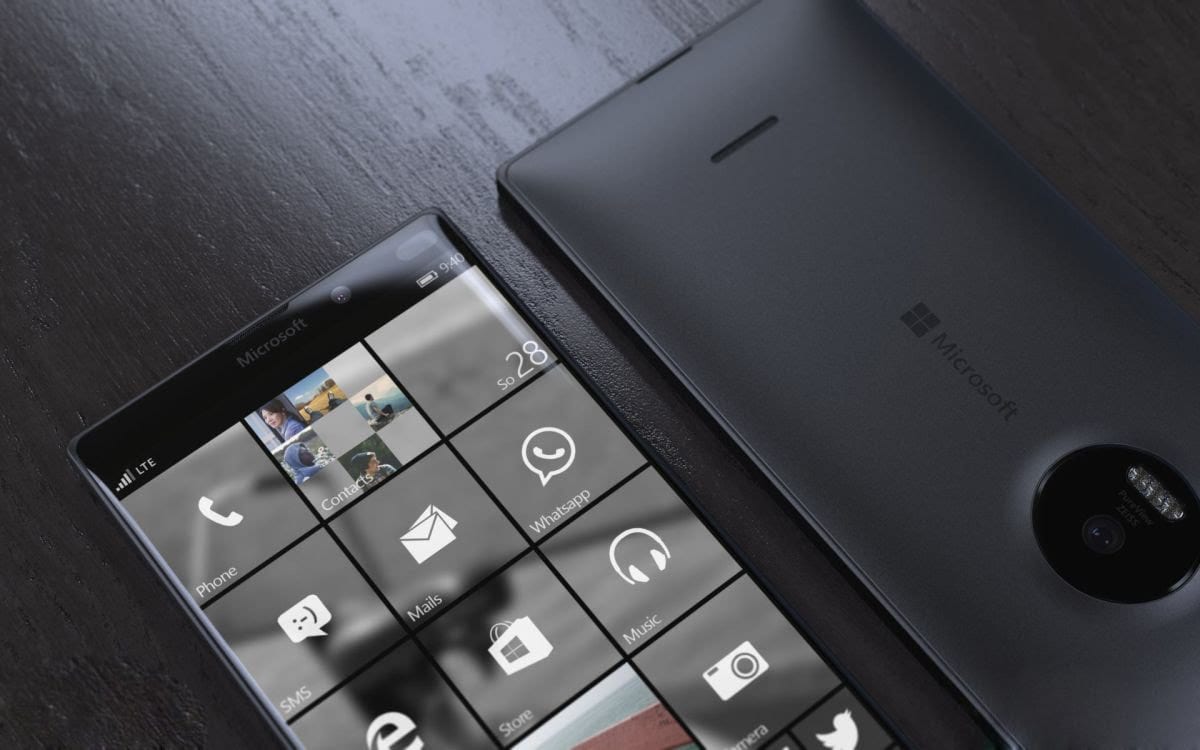
    After India, the next market to get Microsoft’s latest offerings, the Lumia 950 and the Lumia 950 XL, is the Philippines. Both handsets are set to hit retail in the region starting December 14th (via Windows Central). The Lumia 950 carries a ₱28,990 (about $615 US) price tag, while it’s bigger sibling costs slightly higher, that is, ₱32,990 ($699). The Display Dock is available as well, but it’s not bundled with the device. Customers interested in the Display Dock can pay ₱3,390 ($72).

    The Lumia 950 comes with a 5.2-inch QHD display with the processing handled by the Snapdragon 808 processor and a 3000 mAh battery. On the other hand, the bigger Lumia 950 XL features a 5.7-inch QHD display with Snapdragon 810 under the hood and a massive 3,340 mAh battery.

    Both devices feature 3GB of RAM, 32GB of internal storage, a microSD card slot for expansion, a 20MP camera for photos and videos, a 5MP front-facing camera and ships with Windows 10 Mobile as its operating system.

    If you’re confused, check out our first impressions with the Lumia 950 and  the Lumia 950 XL to help you make up your mind.

  • Three-storey retail haven launched in Cebu

    Three-storey retail haven launched in Cebu

    Something big was coming and people could see the signs. Some jeepneys were painted with announcements of an unveiling to come, not to mention that eye-catching red hanger stationed right at the grounds of The Terraces.

    Sure enough, it was unmistakable that after much anticipation, every shopper’s dream came true as one of the world’s biggest fashion retail brands finally opened in Cebu City, namely H&M in Ayala Center Cebu last Friday, Nov. 27.

    H&M, which stands for Hennes & Mauritz AB, is a multinational retail-clothing company founded in Sweden with a business idea to offer fashion and quality at the best price in a sustainable way. Approximately, H&M has 3,900 stores worldwide. This 3,800 square meter store is the 11th store built in the Philippines and is so far the biggest in the country.

    The store in Ayala Center Cebu is a full concept store that offers three levels of retail goodness. Everything that the brand has to offer, Cebuanos can now certainly enjoy them. It carries ladieswear which can be found at the first two floors, a home section also located at the second level, and kids’ wear and menswear at the third level.

    Apart from expecting the latest trends in fashion, H&M also features its Garment Collecting initiative in this store, where customers can donate their used clothes. In return, they get a discount voucher which one can use on one’s next purchase at the store.

    With this opening, it also introduces its holiday collection. Festive and playful, this year’s collection for women is in collaboration with Katy Perry in fun, eclectic and cozy styles. For the men, it’s all about neat, textured tailoring with fun accents and patterned pieces. The little tykes also get to have their moment as H&M offers its fairytale-themed designs.

  • BlackBerry Priv available in the Philippines

    BlackBerry Priv available in the Philippines

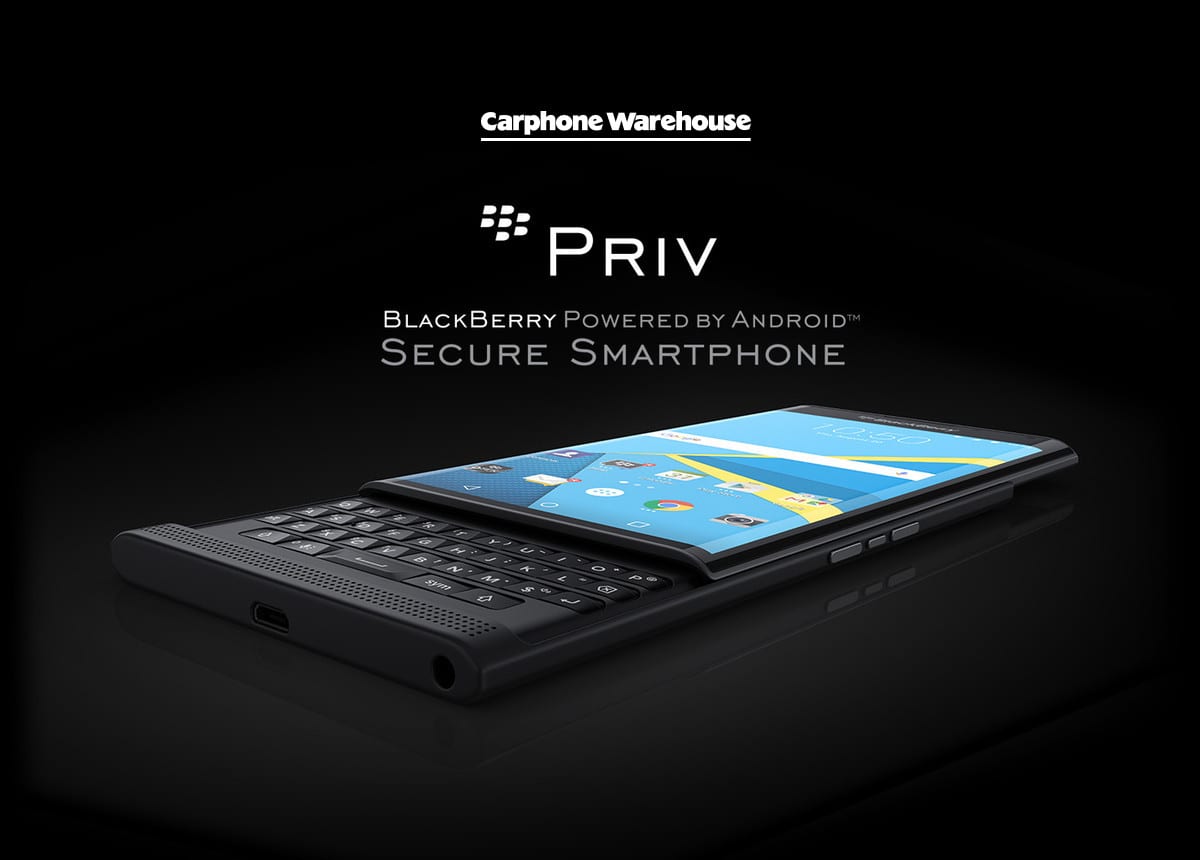
    BlackBerry announced the availability and full features of Priv by BlackBerry, the first-ever BlackBerry smartphone powered by Android in the Philippines. Priv is available at a suggested retail price of PHP 45,000 inclusive of local taxes. It will be available from mid-December through BlackBerry’s exclusive partner in the Philippines, MemoXpress.

  • Jollibee scouring China, US for acquisitions

    Jollibee scouring China, US for acquisitions

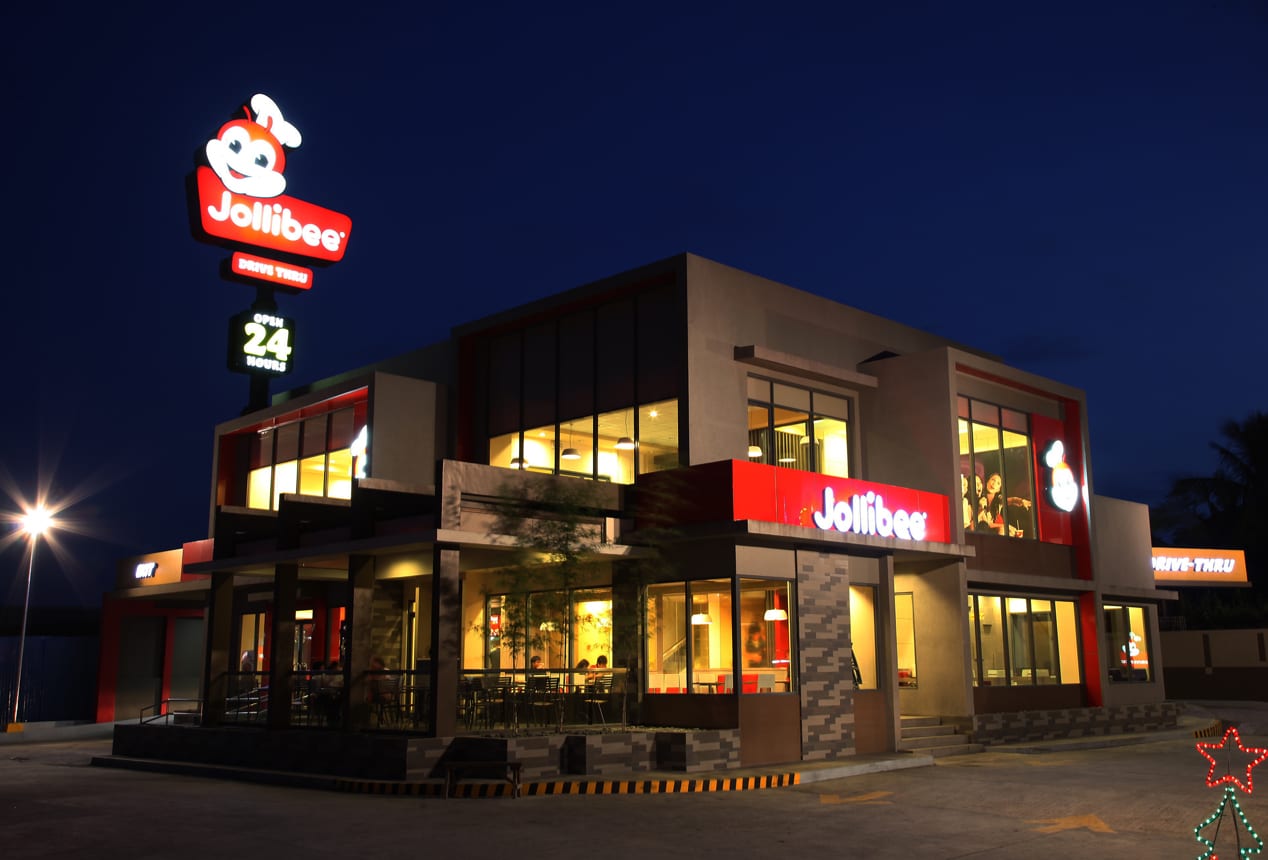
    Philippines-based Jollibee Foods is actively searching for at least two more established fast food or QSR restaurant chains to boost its brand portfolio.

    Jollibee chairman Tony Tan Caktiong says the company will pay up to $100 million for each investment and it is specifically looking at opportunities in China and the US.

    The comments follow the company’s recent purchase of a 40 per cent stake in fast growing US fast food operator Smashburger, for which it shelled out $99 million.

    The search is part of a strategy to increase the proportion of the company’s revenue sourced from outside the Philippines. Jollibee openly aspires to become one of the world’s largest fast food operators and it already ranks 10th as defined by market capitalisation – and first in Asia.

    But to be truly considered a global player, the company needs to derive at least 50 per cent of its income from offshore – currently that share sits at about 20 per cent.

    Earlier this month, Jollibee said it planned to enter seven new international markets over the next two years, along with 20 additional outlets in Vietnam, and another 12 in Brunei during coming months.

    Dennis Flores, VP for international operations of Jollibee, has revealed the company plans to take its mainstay Jollibee burger restaurant brand Jollibee into the UK, Italy, Canada, Malaysia and Oman in 2016. Forays into Australia and Japan will follow in 2017.

    Jollibee, publicly listed in the Philippines, had been actively seeking an investment in a leading US growth brand to gain a foothold in the US, as part of its broader plan to become an international restaurant operator. It currently operates and franchises a network of more than 3000 restaurants worldwide under the trade names Jollibee, Chowking, Greenwich, Red Ribbon, Yonghe King, Hong Zhuang Yuan, Mang Inasal, Burger King Philippines, San Pin Wang, and Jinja Bar. Jollibee also has a 50 per cent interest in the Super Foods Group, which operates and franchises restaurants under the Pho 24 and Highlands Coffee brands throughout Vietnam.

    Jollibee’s network outlets have reached 3,023 worldwide, with 2,393 of them in the Philippines, and 630 outlets abroad.

  • Philippine supermarkets revamping stores ahead of Christmas

    Philippine supermarkets revamping stores ahead of Christmas

    The Philippine high street is getting a facelift, as retail titans hope to benefit from Southeast Asia’s most reprobate customer spending area during this Christmas. The nation’s biggest supermarkets including Ayala Corp., JG Summit Holdings Inc. and SM Investments Corp. are burning through billions on shopping centers to increase their vicinity throughout the nation, while worldwide brands, for example, Swedish retailer Hennes and Mauritz AB, which once overlooked in Philippines, are announcing their arrival in the region.

    For retailers looking for development, the Philippines has risen as an uncommon spot. National GDP developed at a sound 6.1% a year ago, filled by $27 billion in abroad settlements and over $18 billion in outsourcing incomes—and a lot of that cash was spent in shops.

    A stroll to a tolerantly air conditioned shopping malls is a national leisure activity in this tropical nation and drives family unit utilization, which broke even with 72% of GDP a year ago, as per the World Bank. The Philippines has likewise demonstrating resilience to outside factors, from China’s monetary lull to discouraged product costs. That stands as opposed to its neighbors: Thailand’s family utilization was just 53% of GDP, not a long ways behind Indonesia’s 57% and Vietnam’s 64%.

    With stores being the chief receiver of the surging economy, the Philippines has risen as the star retail entertainer in Southeast Asia, posting segment development of 6% in 2014, as per Nielsen—the most elevated in the locale, and the main execution in light of strong development in both volume and worth terms.

    “The Philippines has had reasonable development driven by customer putting in for a couple of years now,” said Stuart Jamieson, Nielsen’s overseeing executive in the Philippines. “That makes it exceedingly alluring, and puts it on the radar of enormous remote players.”

    Such vigorous development is driving a multiplication of general stores, shopping centers and accommodation stores. From 2012 to mid-2015, the quantity of markets grew 53% to 644, as per Nielsen, while the quantity of accommodation stores rose 60% to 2,270—a number set to twofold again by 2018.

    Swedish design retailer H&M is one of the numerous worldwide brands belatedly grasping the Filipino buyer. Having opened its first Philippine store only one year back, it will have 13 before the end of 2015, empowered by the development of a style cognizant youth market with discretionary cashflow, said an organization representative. Zara, possessed by Spain’s Inditex, and Uniqlo, claimed by Japan’s Fast Retailing Co, have likewise entered the business sector here. Japanese chains Lawson Inc. what’s more, FamilyMart Co. as of late entered the Philippines’ accommodation store part, every arranging many branches, even as settled in players like 7-Eleven increase.

  • New mall boosts SM retail portfolio

    New mall boosts SM retail portfolio

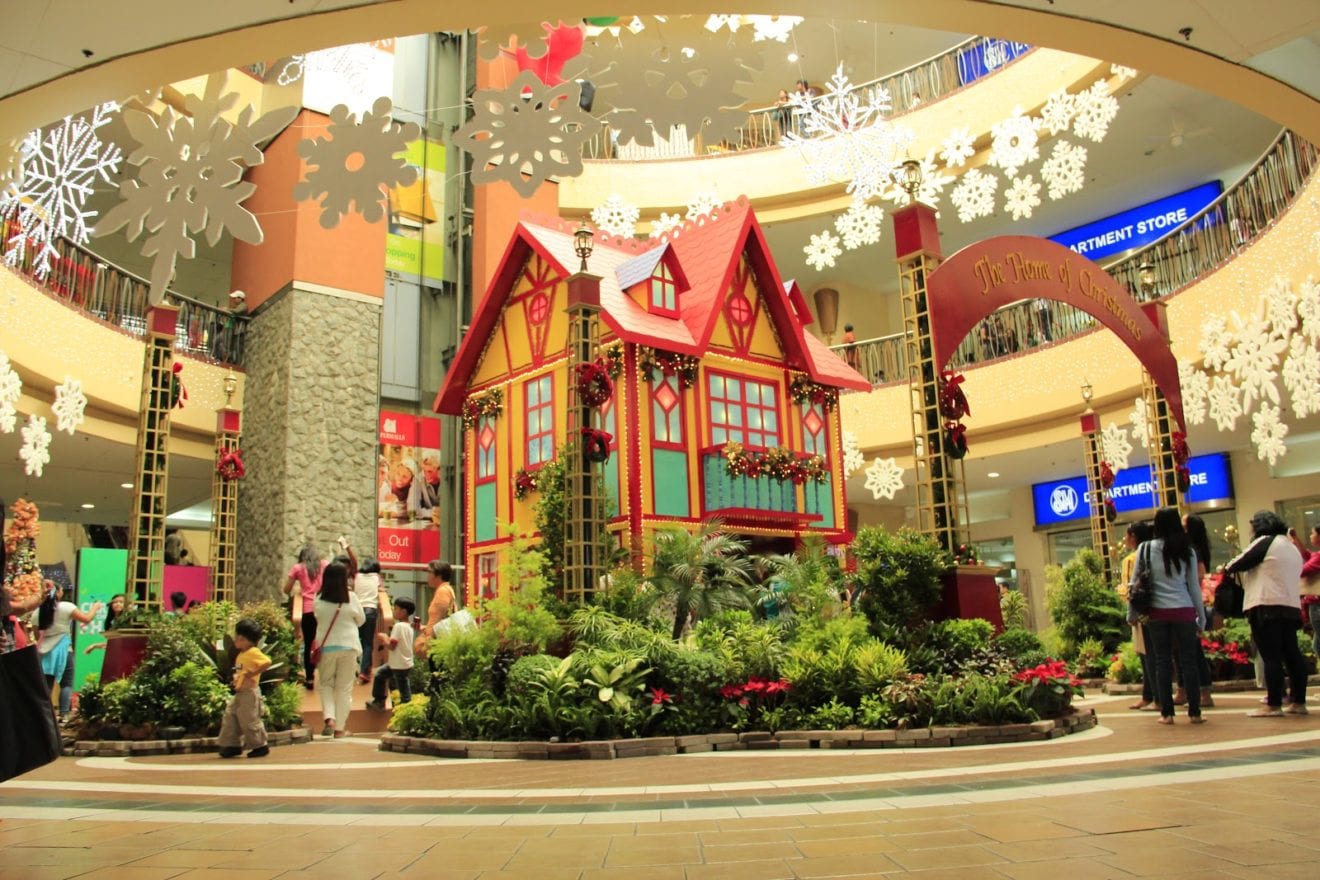
    SM Prime Holdings Inc, the Philippines’ largest mall operator and one of Southeast Asia’s biggest integrated property developers, announced on Thursday another milestone—growth to 7.3 million square meters in local retail space portfolio—as it unveils its 56th mall in the country.

    In a disclosure to the stock exchange, the publicly listed firm of Philippines’ richest tycoon Henry Sy said it is opening today, November 27, “a new regional landmark,” the SM Seaside City Cebu. The new mall is SM’s third mall in Cebu, and adds 430,000 square meters of gross floor area (GFA) to its retail portfolio.

    The new destination mall is the first of many developments in the 30-hectare SM Seaside Complex, which would take about five years to fully develop, said SM Prime President Hans T. Sy. According to SM Prime, the new mall “is the first of its kind in urban development” within the South Road Properties in Cebu City. “As the anchor development, the mall is slated to transform the city’s landscape, as SM Prime builds residences, offices, an arena, a five-star hotel, and convention centers,” the company said.

    The complex, it added, features a steel sculpture named “The Cube,” which symbolizes strength and stability of Cebuanos, as well as “SM’s continued commitment to excellence.” The younger Sy said the new mall promises to revolutionize the malling experience not only in Cebu, but also in the entire Southern portion of the Philippines.

    He said the company was inspired by the success of its Mall of Asia Complex in Pasay City, a mixed-use development that offers retail, residences, offices, hotels and convention centers. “We are replicating this concept of ‘lifestyle cities’ in Cebu, as we open the SM Seaside City mall. We see Metro Cebu as one of our important growth corridors in Visayas and Mindanao, following our growth track in Metro Manila,” said Sy.

    The new mall will feature a 147-meter “Seaside Tower,” that offers a “sensational panoramic view” of the entire city, and a “Sky Park” that provides diverse dining outlets. Other features of the mall include a skating rink, eight cinema houses, and 5,000 parking slots.

    “SM Seaside City Cebu is slated to transform the city’s landscape,” the company said. SM Seaside City Cebu is the sixth SM Supermall to be opened this year, after SM Center Sangandaan, Cherry SM Shaw, and SM City Cabanatuan, among others.

    To date, SM Prime has 56 malls in the Philippines and six in China, with an estimated combined GFA of 8.3 million square meters.