Tag: pioneers

  • Manulife Singapore Pioneers Multi-Cancer Screening for Insured, Spearheading Preventive Healthcare Revolution

    Manulife Singapore Pioneers Multi-Cancer Screening for Insured, Spearheading Preventive Healthcare Revolution

    Manulife Singapore is intensifying its commitment to preventative healthcare and lifespan enhancement solutions via a new partnership with Guardant Health, a precision oncology expert. This strategy makes Manulife the pioneer insurance firm in Singapore to provide the Shield™ multi-cancer detection (MCD) blood test, available to eligible customers from May 2026.

    This collaboration is part of a broader Asian alliance between the two companies, covering Singapore, Hong Kong, and the Philippines. The partnership reiterates Manulife’s overarching strategy of amalgamating health protection with long-term wealth and lifespan planning.

    Emphasizing Proactive Detection

    Designed to screen ten prevalent cancers with a single blood draw, the Shield™ MCD lab-crafted test underscores several cancers with high fatality rates in Singapore. The test was recently awarded the “Oncology Product Innovation of the Year” title at the Healthcare Asia Medtech Awards and received the Breakthrough Device Designation by the US Food and Drug Administration (FDA).

    This partnership advances the pre-existing relationship between Manulife and Guardant Health, as the latter already offers the Guardant360® Liquid test for advanced solid tumours to customers in Singapore.

    Longevity as a Focal Point

    The partnership evidences an increasing emphasis on preventative care and healthy ageing among insurers as Asia’s populace demographic shift. “As longevity increases, the primary concern is the quality of those extended years,” stated Benoit Meslet, President and CEO of Manulife Singapore. “Providing customers with early insights into their health enables them to make informed decisions today for a healthier tomorrow.”

    Singapore is one of the fastest-ageing societies in Asia, with healthcare systems prioritising preventative and personalised care. In 2024, cancer was the predominant cause of death in Singapore, accounting for over a quarter of all fatalities.

    Manulife’s initiative aligns with the findings from the 2025 Asia Care Survey, showing that over half of Singapore consumers perceive cancer as the hardest illness to prevent.

    Questions & Answers

    What is the new collaboration between Manulife Singapore and Guardant Health about?

    The collaboration aims to offer the Shield™ multi-cancer detection (MCD) blood test to eligible Manulife customers in Singapore, aiding in the early detection of ten common cancers.

    How does this partnership align with Manulife’s broader strategy?

    This partnership coincides with Manulife’s broader strategy of blending health protection with long-term wealth and lifespan planning. It underscores the insurer’s emphasis on preventative care and healthy ageing.

    What insights does the 2025 Asia Care Survey provide?

    The survey reveals that over half of Singapore consumers consider cancer as the most difficult disease to prevent, indicating the importance of early detection and preventative healthcare.
  • Standard Chartered Pioneers in Chinas Market with First Bond Futures Trade

    Standard Chartered Pioneers in Chinas Market with First Bond Futures Trade

    Standard Chartered Bank China (SCB China) recently completed its first-ever Qualified Foreign Investor (QFI) investment in China Government Bond (CGB) Futures following the market’s recent opening. The bank served in dual roles, both as the QFI’s custodian and futures margin depository bank. This service facilitated the comprehensive execution of the trade.

    Opening Up of China’s Capital Markets

    On April 24, 2026, the China Securities Regulatory Commission, the People’s Bank of China, and the State Administration of Foreign Exchange sanctioned QFIs to trade in CGB futures for hedging purposes. This move opened up broader access to onshore risk management tools. Jerry Zhang, the Global Head of Banks and Broker Dealers & Head of Coverage for Greater China & North Asia, noted that Standard Chartered was among the first six banks authorized to participate in CGB futures. He explained that this development is a significant step towards the continued opening of China’s capital markets. It also satisfies the high demand from global institutional investors for improved risk management and portfolio diversification tools. Zhang asserted that, with its robust cross-border connectivity, Standard Chartered is ideally positioned to assist clients in efficiently and effectively executing their investment strategies in China.

    Pierre Mengal, the Regional Head of Financing & Securities Services for Greater China & North Asia, expressed that this initial transaction’s completion just over a month after the market opening highlights their strong collaboration with local regulators and partners, as well as their expertise in China market access schemes. He echoed that this also showcases the strength and consistency of their services and operations developed over decades of on-the-ground presence. Mengal concluded by saying that they are eager to enable more global investors to access China’s capital markets with speed and assurance.

    Standard Chartered’s Long-standing Presence in China

    Standard Chartered initiated its custodial business in China’s capital markets as early as 1992 and has since been a leading custodian in both inbound and outbound schemes. In 2018, Standard Chartered China became the first international bank to receive a domestic fund custody license. Since then, it has been custodizing products from local brokers, fund managers, and wholly foreign-owned enterprises, developing a unique proposition to facilitate collaboration between local and overseas investors.

    Questions & Answers

    What was the significance of the recent QFI investment completed by SCB China?
    The completion of this investment signifies the opening of China’s capital markets, promoting broader access to onshore risk management tools and catering to the strong demand from global investors.

    What roles did Standard Chartered play in this transaction?
    Standard Chartered acted as both the custodian and futures margin depository bank for the QFI, facilitating the comprehensive execution of the trade.

    How is Standard Chartered China positioned in the Chinese market?
    Standard Chartered has been a leading custodian in China’s capital markets since 1992 and was the first international bank to receive a domestic fund custody license in 2018. It has built a unique proposition of facilitating collaboration between local and overseas investors.

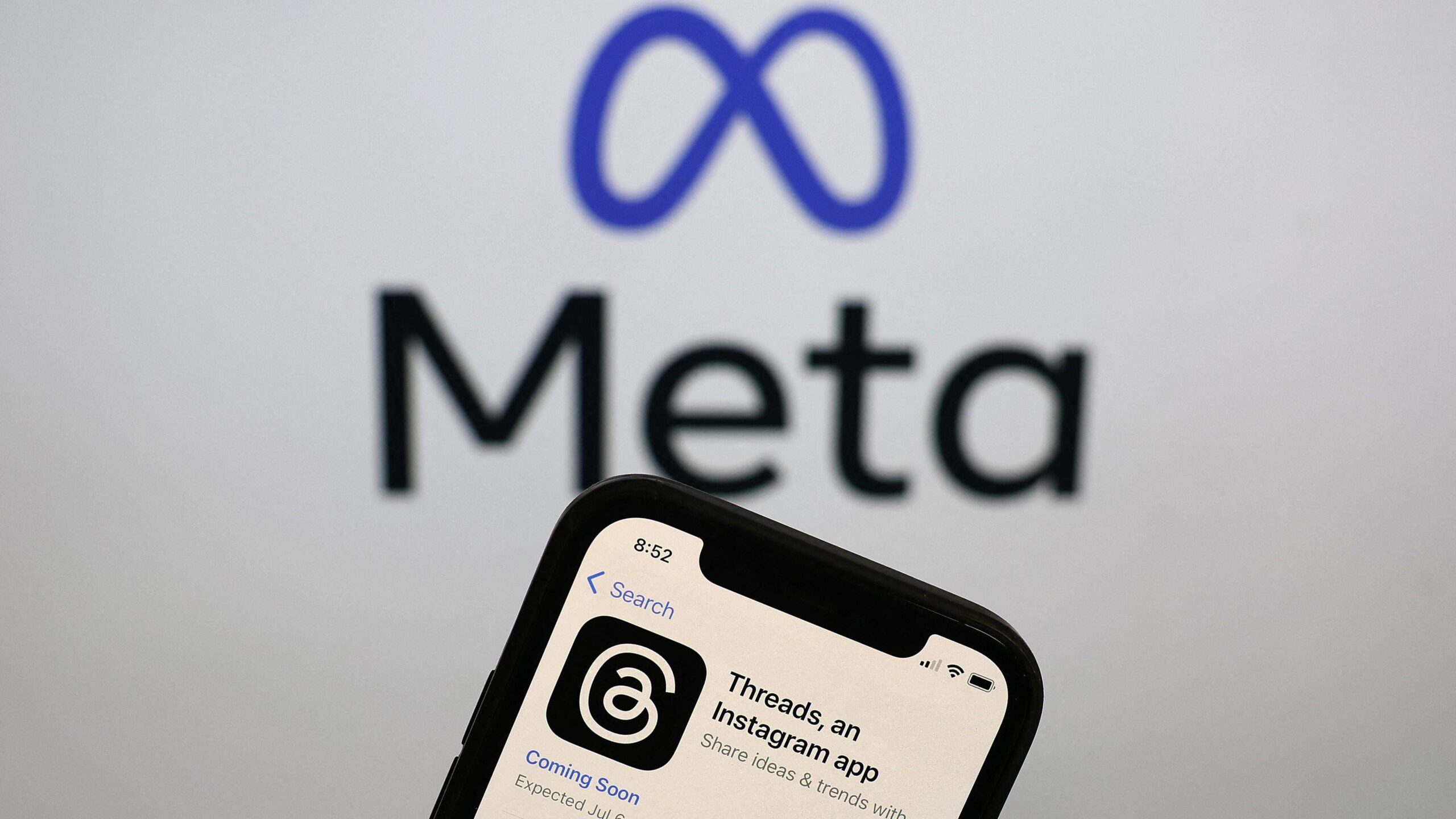
  • Job Cull at Meta: 8,000 Layoffs Loom as Zuckerberg Pioneers AI Leadership Clone

    Job Cull at Meta: 8,000 Layoffs Loom as Zuckerberg Pioneers AI Leadership Clone

    Many employees at Meta are expected to face job losses, with the first wave of layoffs beginning on May 20, potentially affecting as many as 8,000 roles. However, this initial round of job losses only signifies the start of a broader restructuring effort.

    Continued Layoffs Anticipated

    According to recent reports, Meta’s workforce reduction is far from complete. After the initial elimination of 8,000 positions, which represents approximately 10% of Meta’s global workforce, another round of layoffs is expected to occur in the latter half of 2026.

    The specifics regarding the second round of layoffs, including the exact timing and the number of affected employees, remain uncertain. This lack of detailed information may be due to the unpredictability of advancements in artificial intelligence (AI), a field that could substantially influence Meta’s employment requirements. If AI technology continues to become more effective and powerful, more job cuts could consequently ensue at Meta.

    Reports have indicated that Meta is considering a 20% reduction of its global workforce, suggesting that at least another 8,000 jobs could be eliminated in the second wave of layoffs.

    Industry-Wide Job Losses

    While Meta grapples with impending layoffs and the task of enhancing its AI capabilities, other industry giants are facing similar challenges. Amazon, for example, has recently initiated layoffs affecting 30,000 of its corporate employees, equivalent to 10% of its white-collar workforce.

    According to some tracking tools, more than 73,000 employees have been laid off in 2026 across the industry. This figure nearly reaches half of the total layoffs for the entire year of 2024, despite only the first quarter of 2026 having concluded.

    The Advent of AI Leadership

    Despite the turbulence, a bright future could await those who manage to retain their positions at Meta. Reports suggest that the company is developing an AI clone of its CEO, which would be capable of responding to questions in his distinct voice using his past statements.

    The AI clone project aims to strengthen employee connection with leadership, reflecting the company’s shift towards AI-driven tools rather than focusing solely on its earlier metaverse ambitions. The CEO is said to be directly involved in training his digital counterpart, a concept that could inspire the creation of similar AI personas for influencers and creators.

    Questions & Answers

    Why is Meta laying off a significant portion of its workforce?
    Meta’s layoffs are part of a broader restructuring strategy, potentially influenced by advancements in AI technology, which could transform the company’s employment and operational needs.

    What is the expected number of total layoffs at Meta?
    While exact numbers are not confirmed, reports suggest that Meta is considering a 20% reduction of its global workforce, which could result in about 16,000 job losses.

    What is the purpose of the AI clone of Meta’s CEO?
    The AI clone project aims to strengthen the connection between employees and leadership. The AI clone, trained to respond in the CEO’s voice using his past statements, reflects Meta’s strategic shift towards AI-driven tools.

  • On Pioneers Rapid Shoe Production with Robot-Powered Factory Launch in South Korea

    On Pioneers Rapid Shoe Production with Robot-Powered Factory Launch in South Korea

    On Running, a sportswear brand, has recently launched an automated factory in Busan, South Korea where robots are used to manufacture running shoes. The company expresses its intent to establish more such factories in the United States and Europe to accelerate its production and delivery timelines.

    Embracing Nearshoring

    Due to rising tariffs, supply chain disruptions, and geopolitical risks, several retailers and brands are considering ‘nearshoring’. This involves shifting the manufacturing process closer to the final consumer. On Running aims to expedite shoe production, decrease its environmental footprint, and bring manufacturing closer to its main markets by embracing automation. This approach contrasts with the traditional footwear manufacturing model, which typically involves shipping finished products from factories in Southeast Asia and China to customers in the US and Europe.

    Caspar Coppetti, co-founder of On, believes that automation and nearshoring are the way forward. He cites the increasing speed to market, sustainability efforts, and the growing scarcity of regions with cheap labor as reasons to pursue this direction. At present, On sources 90% of its shoes from third-party manufacturers in Vietnam and the remaining 10% from Indonesia, as per their most recent annual report.

    Automated Manufacturing Expansion

    On Running first revealed its LightSpray marathon running shoe at the 2024 Paris Olympics. This innovative shoe is created by robot arms spraying material onto a mold to generate a sock-like upper. The company’s factory in Busan, equipped with 32 robots, marks a significant expansion from its initial automated factory in Zurich, which only has four robots and commenced production in July of the previous year.

    This new factory can manufacture approximately 1,000 pairs of shoes daily. The spray-on method simplifies the traditional upper manufacturing process, reducing a complex 200-step procedure across multiple factories to a single automated operation.

    On Running, established in Switzerland in 2010, plans to develop robot factories in the US in a bid to mitigate its tariff expenses. Steep tariffs introduced by the US on sportswear manufacturing hubs such as Vietnam and China have escalated costs and affected the industry significantly over the past year. The recent Supreme Court ruling against tariffs has added further uncertainty for retailers and importers.

    Competing with Industry Giants

    In the intense competition to produce the fastest marathon shoe, not just for elite athletes but also for amateur runners eager to beat their personal bests, On Running has promoted the LightSpray as a game-changer due to its light weight. Hellen Obiri, an On-sponsored athlete, wore the LightSpray when she triumphed in the New York Marathon last November.

    Questions & Answers

    What is the importance of ‘nearshoring’ for On Running?
    Nearshoring allows the company to speed up its manufacturing process, reduce its environmental impact, and bring production closer to its main markets.

    What is the LightSpray marathon running shoe?
    The LightSpray is an innovative shoe made with a robot arm spraying material onto a mold to create a sock-like upper. It is lauded for its light weight.

    Where are On Running’s automated factories located?
    On Running currently has automated factories in Busan, South Korea and Zurich, Switzerland. They plan to establish more such factories in the United States and Europe.

  • OCBC Pioneers New Securities Financing Division to Optimize Lending Solutions

    OCBC Pioneers New Securities Financing Division to Optimize Lending Solutions

    Singapore’s OCBC Bank has established a new division that is committed to providing loans against idle securities in customer accounts.

    Enabling Efficient Use of Idle Securities

    OCBC Bank has introduced a dedicated securities financing unit that will operate within the global markets division. This unit’s main function will be to activate lendable securities like equities and fixed income, which are held by customers of OCBC Bank and its affiliate businesses OCBC Securities, Bank of Singapore, and Great Eastern.

    The financing unit will be under the leadership of Jansen Chua, the newly appointed head of securities finance. Chua, who officially joined the bank on January 2, will directly report to Kenneth Lai, the head of global markets.

    Chua brings to the table 25 years of international experience spanning across the United States, Europe, Middle East, Africa, and the Asia Pacific. His most recent role was at State Street Bank & Trust Company, where he was the senior managing director and head of financing solutions for the Asia Pacific region. He has led teams in trading, sales, customer management, and product development.

    The Increasing Demand for Securities Financing

    Globally, there has been a noticeable increase in the demand for securities financing. More and more buy-side firms are looking for ways to optimize liquidity, fulfill collateral requirements, and put in place hedging strategies in fluctuating markets.

    In 2025, global securities lending revenues hit an all-time high of $15.3 billion, according to EquiLend Data & Analytics.

    Accessing liquidity and effectively deploying capital has become crucial, especially given the current high market volatility. As a result, securities financing has become increasingly important, and there has been a correspondingly significant rise in demand from institutional customers, according to Lai.

    With Chua’s leadership, the bank is well-positioned to assist its customers as they implement trading and hedging strategies, meet settlement obligations, and optimize capital usage.

    Questions & Answers

    What is the purpose of the new securities financing unit?

    The new unit has been established to mobilize lendable securities such as equities and fixed income held by customers, allowing for lending against these idle securities.

    Who will lead the new securities financing unit?

    The unit will be under the leadership of Jansen Chua, the head of securities finance at OCBC.

    What factors have contributed to the increased demand for securities financing?

    The growing demand is largely due to buy-side firms seeking to optimize liquidity, meet collateral obligations, and implement effective hedging strategies amidst volatile market conditions.

  • Singtel Pioneers Singapore’s First 50 Gbps Fiber Broadband Trial, Ushering in New Era of Ultra-High-Speed Connectivity

    Singtel Pioneers Singapore’s First 50 Gbps Fiber Broadband Trial, Ushering in New Era of Ultra-High-Speed Connectivity

    Singapore’s premier telecommunications company, Singtel, has initiated the country’s inaugural 50 Gbps fiber broadband technical trial. The aim of this groundbreaking move is to fortify the fixed connectivity infrastructure of the country, which is crucial for the delivery of emerging data-intensive digital amenities propelled by Artificial Intelligence (AI).

    Exploring the Potential of Next-Gen Technology

    This technical trial employs the cutting-edge XGS-PON-based fiber technology, which is capable of facilitating speeds of up to 50 Gbps. The trial has been conceptualised keeping in mind the anticipated use cases of the imminent future, such as ultra-realistic Augmented Reality (AR), Virtual Reality (VR), and Mixed Reality (MR), AI-powered smart homes, high-performance remote working setups, and cloud gaming. Singtel’s objective with this initiative is to prepare both residential and commercial customers for the smooth adoption of novel technologies as they become mainstream over the next three to five years.

    Through this trial, Singtel aims to assess the network performance and capabilities needed to support the increasing complexity of multi-device environments driven by AI. Singtel maintains that the trial is a significant milestone towards the future large-scale rollout of ultra-high-speed fiber broadband for diverse users, both residential and commercial.

    Preparing for a Digital Future

    Ng Tian Chong, Singtel Singapore’s CEO, emphasised that digital technologies are already a part of everyday life in Singapore, with near-universal internet access, high device ownership, and extensive use of digital services for work, learning, and entertainment. The next leap in fiber broadband connectivity, he said, will ensure that homes and businesses can keep up with increasingly immersive and AI-enabled digital experiences.

    Singtel insists that its early adoption of the 50 Gbps fiber technology places Singapore at the vanguard of next-generation broadband innovation. This aligns with the nation’s Digital Connectivity Blueprint, which prioritises the construction of a robust and future-ready digital infrastructure.

    Enabling Advanced Applications

    The 50 Gbps trial facilitates a new grade of whole-home, multi-gigabit connectivity. Singtel believes this will support ultra-high-definition entertainment, including 8K and future 12K video streaming, high-quality AR, VR, and XR experiences, and low-latency cloud gaming and cloud PCs. The technology also caters to data-heavy workflows for home-based businesses and professionals, including engineering simulations and secure enterprise-level remote connectivity.

    Moreover, the ultra-high-speed broadband is anticipated to enable advanced telemedicine and remote diagnostics, such as real-time medical imaging transmission, VR-based physiotherapy, and connected at-home medical devices. AI-driven smart homes will reap the benefits of real-time analytics across security cameras, IoT appliances, and autonomous devices. It also provides a solid foundation for next-generation Wi-Fi, dense IoT ecosystems, and emerging AI-generated entertainment formats.

    Questions & Answers

    What is the purpose of Singtel’s technical trial?

    The purpose of the technical trial is to assess the network performance and capabilities needed to support the increasingly complex multi-device environments enabled by AI. It also aims to prepare residential and commercial customers for the smooth adoption of novel technologies as they become mainstream.

    How will the 50 Gbps fiber broadband technology benefit homes and businesses?

    The technology will support ultra-high-definition entertainment, low-latency cloud gaming, high-quality AR, VR, and XR experiences, and data-heavy workflows for home-based businesses and professionals. It will also enable advanced telemedicine and remote diagnostics, as well as provide real-time analytics for AI-powered smart homes.

    How does this initiative align with Singapore’s nationwide digital strategy?

    The trial aligns with Singapore’s Digital Connectivity Blueprint, which focuses on building a robust and future-ready digital infrastructure. By positioning Singapore at the forefront of next-generation broadband innovation, it is helping prepare the nation for a rapidly evolving digital future.

  • U Mobile Pioneers Nationwide Scam Protection, Blocks Over 265 Million Threats in Malaysia

    U Mobile Pioneers Nationwide Scam Protection, Blocks Over 265 Million Threats in Malaysia

    U Mobile, a leading telecommunications provider in Malaysia, has become the first in the country to introduce a network-level scam protection system. This groundbreaking initiative, operational since February 2025, has successfully intercepted and blocked over 265 million fraudulent phone calls and text messages, according to the company’s recent statement.

    Powered by Advanced Technology

    The scam protection system employs state-of-the-art technology provided by Cellusys, a renowned global provider of mobile operator solutions, including signaling, roaming, and analytics. This technology enables the identification and immediate blocking of suspicious calls and messages at the network level, preventing them from reaching user devices.

    Comprehensive Scam Screening

    According to U Mobile, this new deployment allows for exhaustive screening across 4G and 5G networks. It aims to combat a broad range of digital fraud activities, including scam calls posing as officials or institutions, SMS phishing attempts, spoofed caller identities, and broad fraud campaigns.

    U Mobile’s Chief Technology Officer, Woon Ooi Yuen, expressed his pride in the company’s achievement. He stated that the introduction of the nation’s first large-scale, network-level scam protection has yielded significant results, blocking hundreds of millions of fraudulent calls and messages. Yuen emphasized the company’s dedication to improving their network using the latest technology to enhance customer protection across voice, messaging, and data services. He asserted that as U Mobile expands its next-generation 5G network throughout the country, security continues to be a key priority, as reliable connectivity is crucial for a robust Malaysian digital economy.

    Brendan Cleary, CEO of Cellusys, expressed his company’s pride in providing the technology that powers this nationwide protection. He emphasized that Cellusys’s technology works with the necessary precision, resilience, and scalability to prevent scams from reaching consumers.

    Digital Fraud in Malaysia

    The launch of the scam protection system is timely amid the significant increase in digital fraud incidents in Malaysia. Recent data from the Global Anti-Scam Alliance (GASA) reveals that 73% of Malaysians have reported being targeted by fraudulent calls or messages, ranking the nation as one of the hardest-hit in Southeast Asia.

    Cellusys’s platform leverages signaling and behavioral data analyses at the network level to uncover suspicious activities. This allows operators to quickly adapt their defenses as scam techniques evolve, thereby minimizing disruption to legitimate network traffic.

    Questions & Answers

    What is the purpose of U Mobile’s network-level scam protection system?
    The system identifies and blocks suspicious calls and messages at the network level before they can reach user devices, thereby preventing potential scams.

    Who developed the technology behind this scam protection system?
    The technology powering the scam protection system was developed by Cellusys, a global provider of mobile operator solutions, including signaling, roaming, and analytics.

    How significant is the problem of digital fraud in Malaysia?
    According to the Global Anti-Scam Alliance (GASA), 73% of Malaysians have reported being targeted by fraudulent calls or messages, indicating a serious problem with digital fraud in the nation.

  • Bhutan Pioneers Digital Gold Revolution with Launch of Sovereign-Backed Token: A New Era of State-Led Digital Asset Innovation

    Bhutan Pioneers Digital Gold Revolution with Launch of Sovereign-Backed Token: A New Era of State-Led Digital Asset Innovation

    The Kingdom of Bhutan is preparing to launch one of the first-ever sovereign-backed gold tokens, a groundbreaking move that places it at the forefront of governmental digital asset innovation. This bold step signifies the country’s attempt to combine traditional stores of value with cutting-edge financial infrastructure.

    Introducing TER: A Gold-Backed Token

    Bhutan’s new token, known as TER, is completely backed by physical gold and is expected to launch on 17 December 2025. This marks a significant step forward for Gelephu Mindfulness City, which aims to become a global center for responsible digital finance.

    TER, which is derived from the Dzongkha word for “Treasure,” represents Bhutan’s ambition to preserve its cultural heritage while embracing digital transformation. This token is part of Bhutan’s wider national strategy to incorporate blockchain technology into public and financial systems. The launch emphasizes the country’s commitment to fostering a digital economy that is driven by values and grounded in sustainable, tangible assets.

    Gelephu Mindfulness City: A Hub for Mindful Innovation

    TER, issued by Gelephu Mindfulness City, aims to set a new benchmark for asset-backed digital currencies underpinned by sovereign trust. The initiative is in line with Gelephu’s vision of becoming a hub for mindful innovation, utilizing technology in a manner that is transparent, secure, and in sync with Bhutanese values.

    Board Director Jigdrel Singay has stated that the launch of TER is a foundational move towards building a value-driven digital economy based on real-world assets and sovereign trust.

    Ensuring Security with DK Bank

    DK Bank, Bhutan’s premier digital bank, will function as the exclusive distributor and custodian to ensure utmost security and regulated access. Governed by the Royal Monetary Authority and the Gelephu Mindfulness City Authority, DK Bank provides the necessary infrastructure to reassure both domestic and international investors. The first phase of distribution will allow users to buy TER directly through the bank, with tokens kept in institutional-grade custody.

    Using Solana’s Blockchain Infrastructure

    TER will be issued on Solana’s enterprise-grade blockchain, chosen for its speed, low transaction costs, and minimal environmental impact. This technical foundation fortifies Bhutan’s strategy to deploy efficient, scalable, and eco-friendly digital systems.

    Collaboration with Matrixdock Strengthens Credibility

    Matrixdock, a leading entity in real-world asset tokenization and a Matrixport subsidiary, has been chosen as the technology partner for TER. This partnership strengthens the credibility of Bhutan’s digital asset ambitions by adding institutional weight and adhering to international best practices.

    A Digital Gateway for Gold Investors

    TER provides a modern, tax-efficient alternative to physical gold, offering international investors a secure digital means to access one of the world’s safest assets. It is designed to emulate the trusted experience of buying physical gold through a major financial institution, while improving liquidity, accessibility, and settlement efficiency.

    Bhutan’s Digital Sovereignty

    Bhutan has already made significant strides in digital initiatives. Notable achievements include integrating various digital assets into Gelephu Mindfulness City’s strategic reserves, implementing a national digital identity system based on the Ethereum blockchain, utilizing Binance Pay for crypto-based transactions, and becoming one of the first nations to mine Bitcoin using renewable hydropower. These accomplishments underscore Bhutan’s evolving concept of digital sovereignty and its dedication to merging innovation with sustainability.

    State-Backed Assets: A New Model

    With the introduction of TER, Bhutan showcases how a nation can transition from traditional resource security to digital-era asset management while upholding cultural and regulatory integrity. As the global demand for reliable, gold-backed digital instruments grows, Bhutan’s initiative could serve as a model for other countries looking to combine heritage and advanced technology in the creation of contemporary financial ecosystems.

    Questions & Answers

    What is TER?
    TER is a gold-backed digital token issued by the Kingdom of Bhutan.

    What does the introduction of TER signify for Bhutan?
    The introduction of TER represents Bhutan’s intention to both preserve its cultural heritage and embrace digital transformation.

    Why is DK Bank involved in the distribution of TER?
    As Bhutan’s premier digital bank, DK Bank will ensure robust security and regulated access for the distribution of TER.

  • Maxis Berhad Pioneers Quantum Safe Networking In Malaysia, Bolstering Data Security For Businesses

    Maxis Berhad Pioneers Quantum Safe Networking In Malaysia, Bolstering Data Security For Businesses

    Maxis Berhad (Maxis), Malaysia’s leading telecommunications company, has introduced the country’s inaugural Quantum Safe Networking (QSN) solution, primarily targeting government agencies and businesses. This cutting-edge security feature has been launched through Maxis Business – the company’s business-to-business branch – and was developed in collaboration with Nokia. The managed service offers data encryption directly at the optical layer.

    Securing Critical Information Against Quantum Computing Threats

    The QSN solution ensures the significant protection of critical data against possible risks linked to future quantum computing. It empowers businesses to prosper in the era of artificial intelligence (AI) and cloud technology. The introduction of this solution was made at the Cyber Digital Services, Defence and Security Asia 2025 event, hosted by Maxis Business.

    The aforementioned event was held at the Malaysia International Trade and Exhibition Centre (MITEC). Here, Maxis Business showcased an exhibition titled ‘Building Tomorrow’s Security Today,’ featuring the QSN solution, along with other innovative network monitoring solutions, real-time field visibility, and solar energy.

    This revolutionary solution offers quantum-safe encryption for data in transit. In doing so, it addresses the severe threat of future decryption by quantum computers of data intercepted today, a situation often dubbed as “harvest now, decrypt later.” The solution is particularly advantageous for sectors that demand stringent data integrity and sovereignty, such as banking and financial services, healthcare, and the public sector.

    Enhancing the Security of Maxis’s Fiber Connectivity Services

    The QSN solution augments the security of Maxis’s fiber connectivity services, which are particularly critical for enterprises, cloud providers, and financial institutions that rely on data center interconnects and high-capacity fiber links. This solution perfectly complements the company’s Data Centre Connect solution, thereby providing secure, private access to leading cloud providers and data centers nationwide for businesses operating in physical, hybrid, or multi-cloud environments.

    In the words of Prateek Pashine, Chief Enterprise Business Officer of Maxis, “Securing today’s data against tomorrow’s risks is a vital necessity for any organization, especially in the face of rising cyber threats. By becoming the first Malaysian telco to provide quantum-safe networking, we are establishing a new benchmark for network protection. This gives businesses and government agencies the confidence to expedite their digital transformation journeys. This initiative also showcases our dedication to strengthening Malaysia’s digital resilience, which aligns with the national cybersecurity agenda.”

    To this, Ming Kin Ngiam, Head of Southeast Asia South for Network Infrastructure at Nokia, added, “Our collaboration with Maxis tackles a pressing business requirement: safeguarding data in transit against evolving security threats without compromising the performance enterprises rely on.”

    Maxis’s Commitment to a Secure, Resilient Digital Infrastructure

    Maxis has successfully completed the fiberization of all major data centers in Malaysia, thereby connecting them to its national network. This robust infrastructure allows Maxis to provide up to three diverse fiber routes to these data centers, ensuring businesses benefit from exceptional resilience and high availability. Furthermore, this secure network can be fortified with quantum-safe encryption, thereby ensuring that data in transit remains secure against current and future quantum threats.

    The introduction of QSN enriches Maxis Business’s extensive spectrum of end-to-end solutions, which includes core connectivity, IoT, cloud computing, cybersecurity, and other digital services.

    Questions & Answers

    What is the Quantum Safe Networking (QSN) solution?
    The QSN solution is a security feature that offers quantum-safe encryption for data in transit, protecting it from potential threats posed by future quantum computing.

    Which sectors will benefit the most from the QSN solution?
    The solution is particularly beneficial for industries that require strict data integrity and sovereignty, such as banking and financial services, healthcare, and the public sector.

    What does the introduction of QSN mean for Maxis and its customers?
    The introduction of QSN establishes Maxis as a pioneer in network protection in Malaysia. For customers, it means enhanced security, protection against emerging cyber threats, and a boost in confidence to accelerate their digital transformation journeys.