Retail News CRM

Tag: prada

  • Prada Philippines opens store in resort

    Prada Philippines opens store in resort

    Prada Philippines has opened its second store in Manila, in the Solaire Resort and Casino.

    Covering 105 sqm on a single level, the outlet houses women’s and men’s leather goods plus accessories.

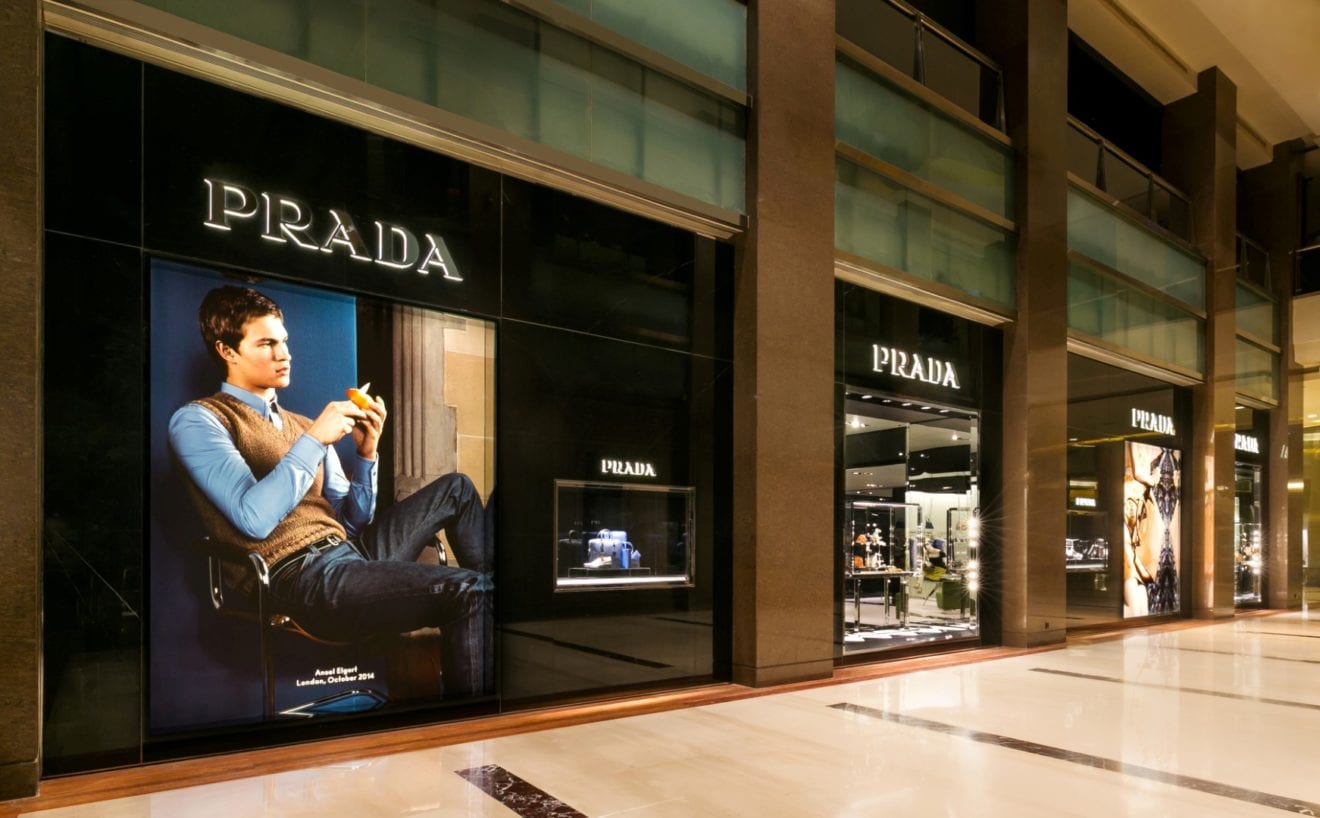
    Its facade is defined by a backlit white canvas curtain in a crystal box framing the entrance, plus horizontal light boxes and display windows.

    The interior features the Italian fashion brand’s signature black-and-white marble checkered flooring reinterpreted through geometric-patterned carpeting. The walls are covered with fabric in shades of green and feature classic Prada display niches.

    Steel and glass countertops are used for displays, while the shop features Osvaldo Borsani’s green velvet chairs made exclusively for Prada.

  • Luxottica and DFS host worldwide exclusive launch of Prada Cinéma sunglasses

    Luxottica and DFS host worldwide exclusive launch of Prada Cinéma sunglasses

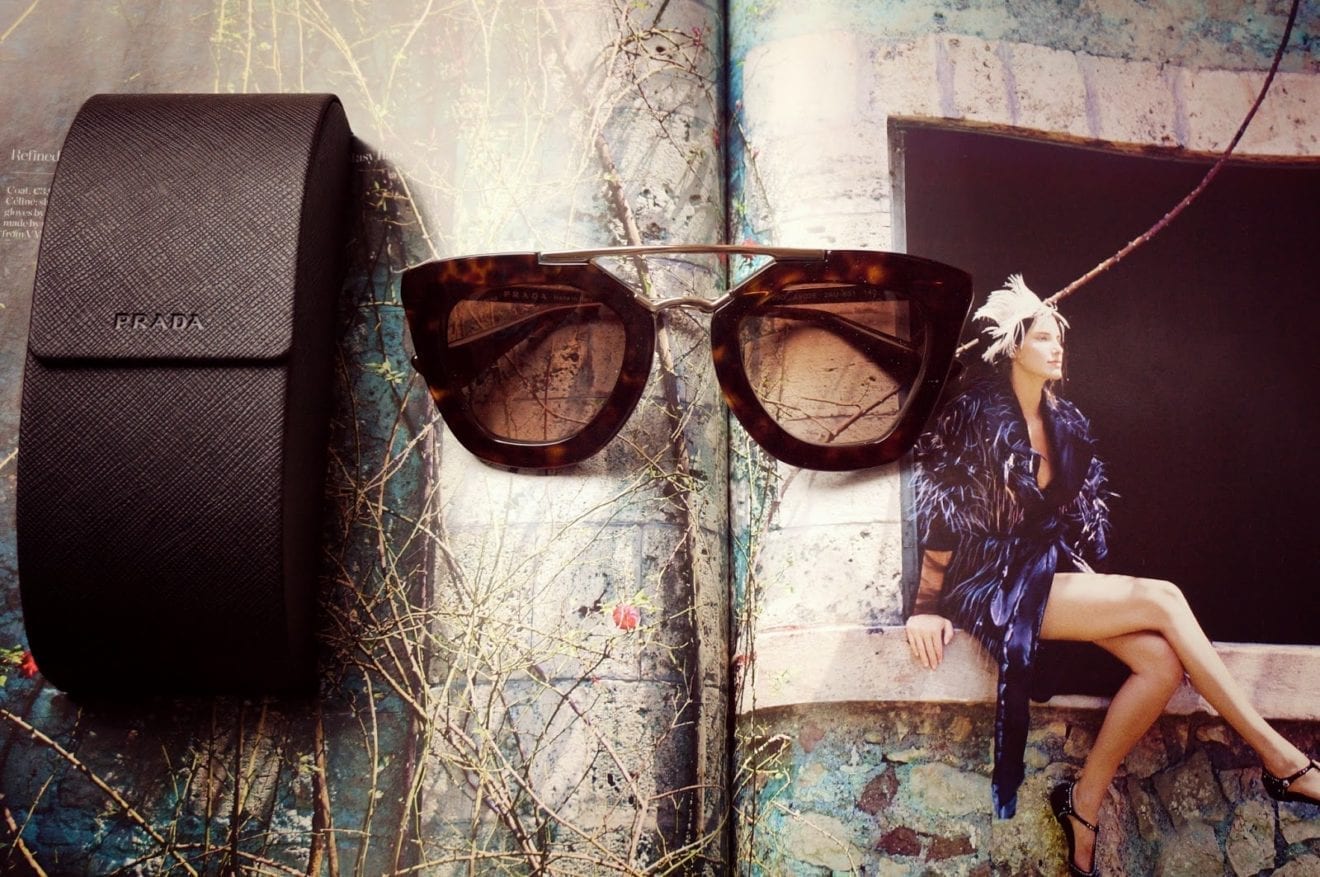
    Luxottica Global Channels, part of Luxottica Group, and DFS Group have joined forces in a worldwide exclusive launch of the new Prada Cinéma sunglasses collection. The limited edition range has been available exclusively at selected DFS airport and T Galleria by DFS stores since November 2016 (until February 2017), with support from a dynamic 360-degree omni-channel marketing campaign.

    Luxottica Global Channels and DFS Group have joined forces in a worldwide exclusive launch of the new Prada Cinéma sunglasses collection. The limited edition range has been available exclusively at selected DFS airport and T Galleria by DFS stores since November 2016, with support from a dynamic 360-degree omni-channel marketing campaign.

    The campaign utilises both online, including social media, and offline platforms to engage with customers before, during and after they shop, with further digital amplification provided on DFS’ website and email newsletter. The online reach is designed to drive traffic in-store, where shoppers are presented with a number of high-profile activations from Prada, including at DFS stores at Hong Kong International Airport and T Galleria in downtown Hong Kong. The launch is said to represent a pioneering step for the sunglasses category in travel retail.

    Shopper engagement is further enhanced through Prada-branded boxes of chocolate from Marchesi, a famous Milanese confectionery shop, which are offered as a gift-with-purchase.

    “Digital communication in travel retail is a hot topic, and offers undeniable and incremental opportunities to build brands and enhance retail performance,” comments Francis Gros, Head of Global Channels, Luxottica. “The ‘Prada Cinéma’ campaign showcases how a special new product can be strategically amplified to connect with travelling consumers, beyond the physical stores, on targeted platforms. DFS continues to deliver innovative ways to engage with customers and has been very supportive of the Sunglasses VISION 2020. We seek to make travel retail the expert channel for sunglasses, growing the category to be worth over 4% of total travel retail sales.

    The launch of the new Prada Cinéma sunglasses collection is said to represent a pioneering step for the sunglasses category in travel retail.

    Jason Blejwas, Director Merchandising Sunglasses, Fashion Watches and Jewellery, DFS Group, adds: “We are thrilled to extend our long-standing partnership with Luxottica to bring the ‘Prada Cinéma’ collection first to DFS stores, and to celebrate this exciting moment with our customers both in-store and online. We’re confident that both the product and experience will make for a memorable moment for travellers visiting DFS.”

    Hear more from Luxottica at the 26th Airport Commercial & Retail Conference & Exhibition, hosted by Aéroport Nice Côte d’Azur and taking place on 3-5 April 2017 at the Hyatt Regency Nice Palais de la Méditerranée. Francis Gros, Head of Global Channels, Luxottica, is participating in the First Working Session “Is there a big problem in the airport retail space? Are conversion rates and yields performing far below expectations?” His presentation is entitled “In order to maximise yield, airports should scientifically identify which categories are the clear stand-out, star performers and position them accordingly. What is the evidence that they actually do this?”


  • Prada opens its second store in Manila, Philippines

    Prada opens its second store in Manila, Philippines

    The façade is defined by a backlit white canvas curtain enclosed in a crystal box, which frames the entrance, the wide light-boxes and the display windows.

    The space is characterized by the signature black-and-white marble chequered flooring, a legacy of Prada identity worldwide, reinterpreted in an original way through geometric- patterned carpeting. The walls, covered with fabric in the shades of green, are graced by the classic Prada display niches.

    Steel and glass countertops with brightly colored displays and Osvaldo Borsani’s green velvet chairs, reproduced exclusively for Prada, enrich the atmosphere.

  • Prada Japan opens airport store

    Prada Japan opens airport store

    Italian fashion brand Prada Japan has opened a store in Narita International Airport’s Terminal, Tokyo.

    Covering about 200 sqm, the outlet offers women’s and men’s leather goods and accessories.

    Its facade on three sides is clad in black Marquinia marble, framing the light boxes. On the two opposite sides there are two large entrances.

    The three areas in the interior are defined by the signature black-and-white marble checkered flooring as well as a deep-green watercolour-painted canvas wall covering into which green marble shelves and glass display cabinets are set.

    A sitting area offers green velvet sofas and polished-steel and glass display counters.

  • Prada to close boutique at Peninsula hotel as Hong Kong’s retail slump bites

    Prada to close boutique at Peninsula hotel as Hong Kong’s retail slump bites

    Prada will shut its boutique at the Peninsula hotel shopping centre on December 31 in the latest sign that the retail slump is hurting high-end brands. The Italian luxury fashion label made its debut in the city with its 3,091 sq ft outlet at the landmark Tsim Sha Tsui address in 1986.

    But with fewer rich mainland Chinese shoppers visiting the city, analysts warn more luxury stores could fold after expanding too rapidly in the past decade.

    “The tenancy contract between The Peninsula Arcade and Prada will conclude on 31 December 2016,” a hotel spokeswoman said via email.

    A shop assistant at the boutique told the Post that some sales personnel had already left and others would be relocated to the brand’s other shops.

    A Prada spokeswoman said the company had “no comment” on the closure. It currently has 11 stores in the city.

    Prada’s total sales in Greater China tumbled 24.4 per cent in the first six months of the year on a yearly basis, as “Hong Kong and Macau continued to weigh heavily on the region’s contraction”, the company’s latest interim report said.

    Premium lifestyle brand Ralph Lauren quietly closed its 20,000 sq ft store in the Causeway Bay shopping hub overnight earlier this month, and British fashion house Burberry is to cut the size of its biggest Hong Kong flagship store in Pacific Place by 50 per cent within the next financial year.

    Retail sales of luxury items in the city such as jewellery, watches and clocks, and valuable gifts slumped 19.7 per cent in the first 10 months of the year.

    Helen Mak, head of retail service at property consultant Knight Frank, said more luxury brands would have to cut store numbers in the city, which she considered “a healthy adjustment”, after an aggressive expansion in recent years.

    “The store numbers of many luxury brands have doubled in the past decade,” Mak said.

    International high-end labels were eager to increase their presence to lure rich mainland shoppers who began to flood into the city from 2003 when Beijing eased travel restrictions.

    As Hong Kong recovered from severe acute respiratory syndrome – which struck the mainland in late 2002 and Hong Kong in 2003, killing 299 in the city – mainland residents from 49 cities were allowed in as individual travellers rather than having to join tour groups.

    But average spending by mainland visitors has dropped to about HK$7,000 per person this year, compared with HK$9,000 two years ago.

    “For luxury brands, it is a question of whether Hong Kong is still a place worth investing in,” Mak said, adding that some brands preferred to put resources directly into mainland cities.

    This article appeared in the South China Morning Post print edition as:

    prada ends its 30-year run at THE peninsula

  • Asia to account for 50% of Prada sales

    Asia to account for 50% of Prada sales

    Prada expects that its sales in Asia will account for half of its total sales within one year, while sales in China will be 3 times of current sales in the next 2-3 years.

    Deputy Chairman Carlo Mazzi said, “Currently 40 percent of our business comes from Asia, it will rise to 50 percent in the coming year, and I do not think China’s economy will be much affected by the current European economic crisis.”

    Prada Brand completed its listing at Hong Kong stock market in June 2011. It also held its spring and summer fashion show in January, 2011 in Beijing.

    The brand announced that its sales for the first six months of 2011 rose 38 percent year on year to €223 million.

    In addition to Prada Brand, other global fashion brands, such as Burberry, Christian Dior, Rebecca Minkoff are also keenly eyeing the Chinese market.

  • Paris label BA&SH eyes Asia expansion

    Paris label BA&SH eyes Asia expansion

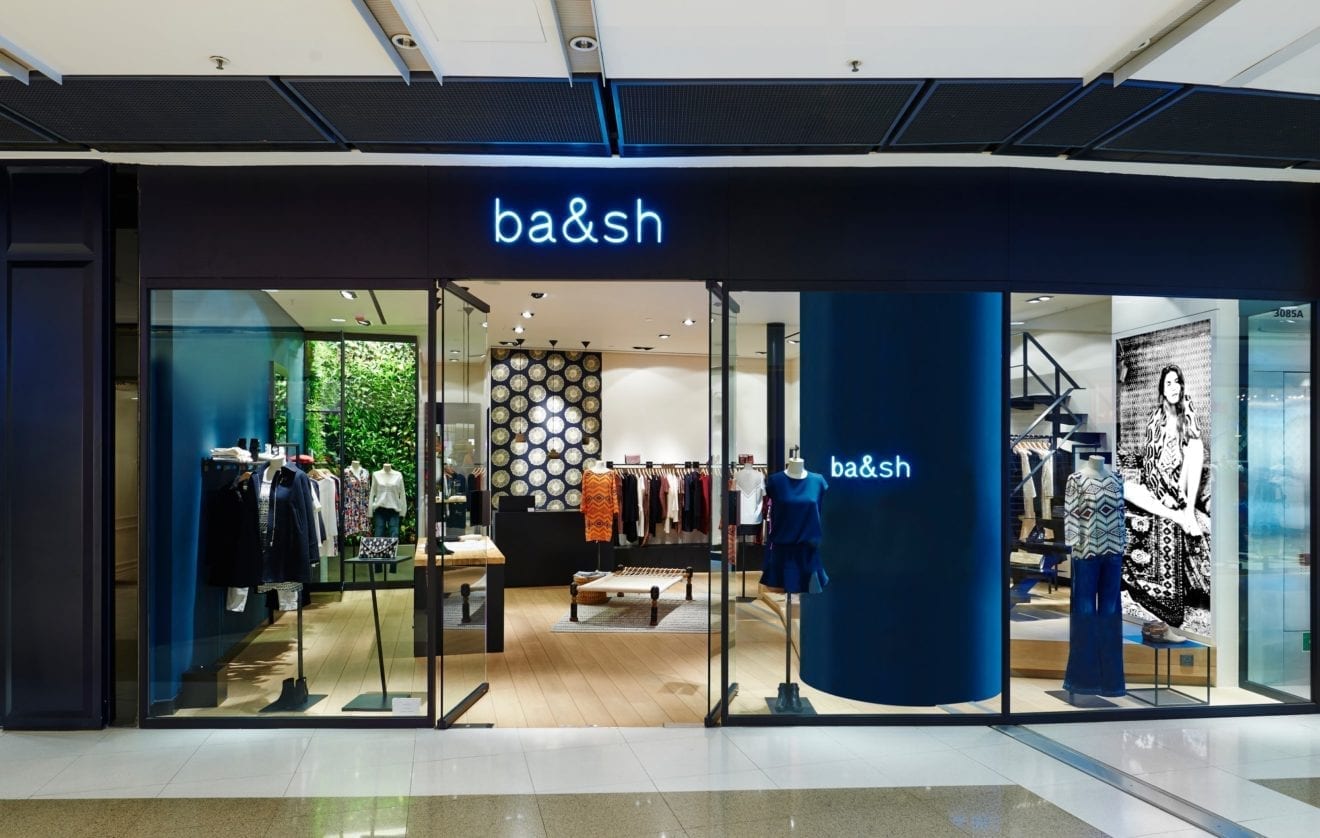
    Parisian fashion house BA&SH has partnered with Hong Kong retail and brand management company ImagineX Group to strengthen its presence in Asia.

    BA&SH has hopes of accelerating its expansion in Hong Kong, Macau, Singapore, Taiwan and China. The label opened its first Asian store at Hong Kong’s IFC Mall in September 2014 and with ImagineX now plans 30 more openings in the region, including a second Hong Kong outlet early next year.

    “Hong Kong customers have taken to our style and our collections,” say designers Barbara Boccara and Sharon Krief. “We are very happy to share our vision of fashion and femininity.”

    Associate general directors Dan Arrouas and Pierre-Arnaud Grenade say the new partnership marks an important and supplementary stage in the company’s development strategy following its establishment in the Middle East and the US.

    They say the ImagineX Group’s expertise in fashion retail and marketing will help BA&SH expand rapidly and contribute to its globalisation.

    ImagineX Group president Alice Wong says the label’s Parisian flair, combined with its unique positioning and price point, make it appealing to Asian customers.

    Childhood friends, Boccara and Krief established BA&SH in 2003 to offer contemporary fashion in the affordable luxury sector. With 91 stores last year, the brand aims to reach 130 stores this year.

    Founded in 1992, ImagineX Group introduced luxury brands such as Cartier, Gucci, Prada and Salvatore Ferragamo to China more than 20 years ago. It represents more than 18 international brands including DKNY, Marc Jacobs and Paul Smith. The portfolio also includes such lifestyle and beauty brands as Apivita, Aveda and Natura Bisse.

  • Pre-owned category booms, notes Asia Luxury Index

    Pre-owned category booms, notes Asia Luxury Index

    Pre-owned luxury items are becoming more popular, according to the 2016 Asia Luxury Index, compiled by Singapore-based online luxury retailer Reebonz.

    Drawing on industry reports and its sales data, the index reveals 30 per cent sales growth in the pre-owned category over the last year, with bags and shoes the most popular items.

    While 62 per cent of online transactions on Reebonz involve bags, the index says timepieces and shoes are primed to be the next growth-drivers for luxury in Asia in both the new and pre-owned categories. Spending on timepieces increased by 39 per cent, whereas shoe shopping ballooned by 87 per cent.

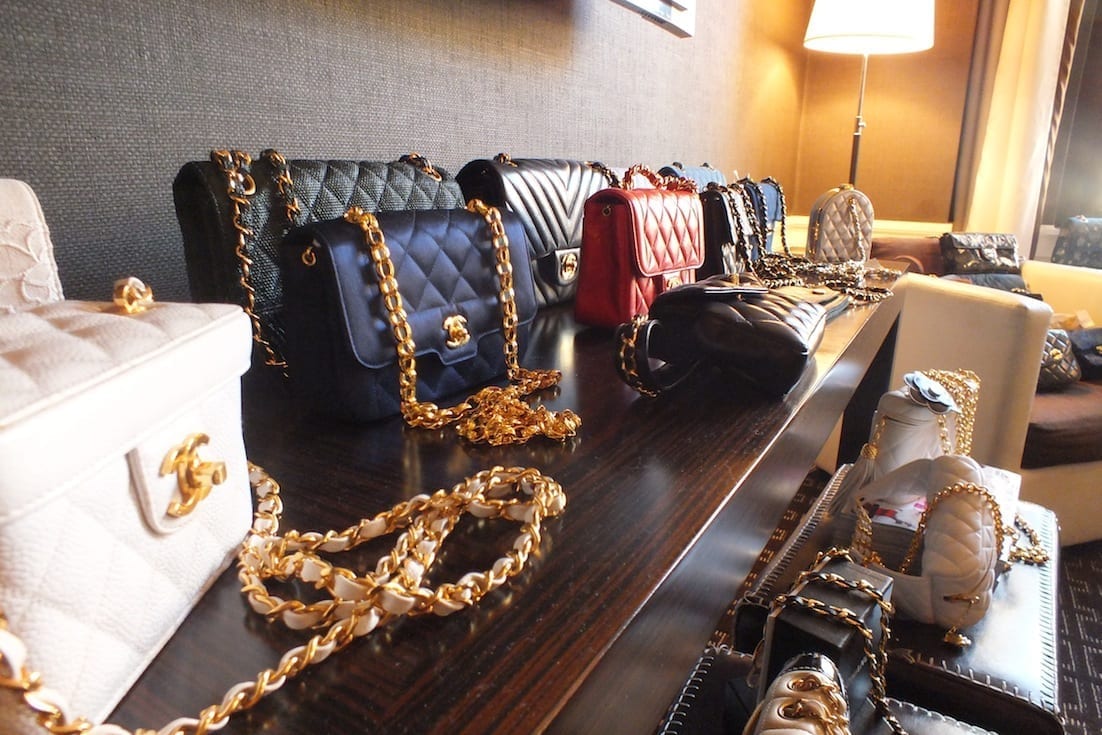
    Meanwhile, Chanel emerges as the top performer in Asia, with Burberry, Givenchy and Prada trailing close behind in the new luxury products category.

    “The group of luxury consumers is evolving and expanding – luxury is no longer just for the select few,” says Reebonz co-founder/CEO Samuel Lin. “With growing affluence and accessibility, more consumers can readily buy luxury goods.”

    A key finding from the index is that while there is still a growing demand for luxury goods, consumers are splurging more on higher-value new products. Expenditure growth has increased by 50 per cent while there have been only 37 per cent more transactions.

    “People are overlooking popularity for quality and exclusivity these days,” says Reebonz regional GM Benjamin Han.

    Blue-chip brands also command the pre-owned luxury category, with Chanel, Hermes and Prada posting strong performances across all product categories.

    Online luxury shopping continues to grow in Asia, with Hong Kong and Indonesia charting the biggest growth when it comes to high-end goods. Singapore is still firmly in first place for online shopping.

  • Indonesia leading charge, says Asia Luxury Index

    Indonesia leading charge, says Asia Luxury Index

    Indonesians have become Asia’s foremost online buyers of luxury goods, according to the latest Asia Luxury Index.

    Amid difficult economic conditions, online sales of luxury goods in Indonesia have grown by 84 per cent, according to the index, which draws mainly on the sales data of Reebonz, a Singapore-based eCommerce platform for luxury products.

    Reebonz Indonesia executive manager Anggono Wijaya says social media, digital marketing and collaborations with influencers and young designers were among the main reasons behind the ballooning sales.

    Senior marketing manager Bernard Widjaja Ng says the group of luxury consumers is evolving and expanding as luxury is no longer just for the select few. “With growing affluence and accessibility, more consumers can readily buy luxury goods.”

    He says consumers have also become younger, with 21-year-olds starting to buy luxury goods. “There is a shift in an economical class of buyers, as people from the B-level economy have started to buy luxury goods.”

    Accounting for 62 per cent of online transactions in Asia are bags, with Balenciaga, Fendi and Longchamp topping the brand list in Indonesia. The report also notes an 87 per cent rise in shoe sales and a 39 per cent increase in timepiece sales.

    It also notes a shift in buying trends, with a 30 per cent increase in pre-owned luxury goods sales.

    Topping the brand list in this category are bags and shoes by Chanel, Hermes, Louis Vuitton and Prada.

    Starting as a luxury product retailer in Singapore, Reebonz has expanded via eCommerce platforms with offices in Indonesia, Australia, Hong Kong, Malaysia, South Korea, Thailand and Taiwan.

  • Prada Asia heads online as sales slip

    Prada Asia heads online as sales slip

    The Italian-headquartered, Hong Kong-listed luxury brand says its Asia Pacific sales slumped  18 per cent on a constant currency basis in the first half of this year.

    “The negative economic backdrop continued to impact performance in both Hong Kong and Macau, but signs of improvement have been visible since July across Greater China,” the company noted in its results.

    And after a period of consistent growth since 2010, sales in Japan fell 9 per cent, mainly due to lower tourist flows from China caused by a less favourable exchange rate.

    CEO Patrizio Bertelli says the company will now make China, Hong Kong and Singapore its priorities in roll out its new eCommerce platform, which is expected to be global within to years.

    “At the same time there will be a constant enhancement of the online shopping experience,” he said. “Our eCommerce offer will also leverage new partnerships with international leaders in the sector.”

    Globally, Prada achieved net revenues of €1.6 billion, down 13 per cent on a constant currency basis. The decline was largely in the retail channel while Prada’s wholesale business remained stable thanks to an initial positive contribution from recent partnerships with international e-tailers and its licensing division, where good progress from royalties driven by the success of the new fragrances and eyewear.

    Net profit margin was down from 24 per cent of revenues in the first half of last year to 21 per cent. Net income amounted to €142 million, representing 9 per cent of consolidated revenues (10 per cent in 2015).

    Bertelli is upbeat about the remainder of 2016.

    “With the implementation of the first phase of rationalisation of various management and operating processes and with the launch of a series of new initiatives that will allow the group to respond quickly to the requirements of a rapidly evolving market, I see 2016 as a turning point.”

    He said the company’s retail network is subject to rigorous review including closure of non- strategic locations and selective openings in high potential markets.

    “Part of this process will also include the launch of new concepts such as the recent restyling of the Prada stores at Plaza 66 in Shanghai and GUM in Moscow, redesigned to offer a new and exclusive shopping experience for increasingly demanding clients.”

  • Prada falls on tough times in China

    Prada falls on tough times in China

    Italian fashion brand Prada is suffering from shrinking demand in its largest market of China, with a 20%-plus drop in first-half sales dragging down overall profit to the same degree.

    The Hong Kong-listed, Milano-based company announced late Friday that net revenue dropped 15% on the year to 1.55 billion euros ($1.37 billion) for February to July. The fall was “entirely attributable to a sales decline in the retail channel as the wholesales and royalties were positive,” Prada said. Retail net sales, accounting for more than 80% of net revenue, sank 18%.

    A significant blow came in greater China as sales from directly operated stores fell 24% to 278.7 million euros. On top of lower sales at stores on the mainland, “Hong Kong and Macau continued to weigh heavily on the region’s contraction,” the company said. China’s anti-corruption campaign and economic slowdown bit into purchases of pricey items. A reduced appetite for travel by mainlanders to Hong Kong and Macau also took a toll.

    The fall in revenue was not confined to greater China. All of its geographic categories, brands and product lines suffered declining sales. By product, sales of its signature leather goods dropped 22%, “especially in the Far East,” according to the statement.

    Excluding greater China, Europe was another hard-hit region, with a 21% drop in net sales. The main reason was terrorist attacks in major cities, with the company blaming a “reduction of traveler flows, resulting mainly from the publicized tragic events.”

    But there were some silver linings in Europe as well. Russian sales saw double-digit growth in local-currency terms, and the U.K. apparently benefited from “the weak pound after the Brexit” vote. Casualties in Japan and the Middle East were relatively light, with retail sales declining just 2% and 1%.

    Net profit decreased 25% to 141 million euros even after such belt-tightening measures as cutting labor and lease costs as well as advertising and communications expenses.

    Along with launching new collections to stimulate its customers’ appetite for buying, the company is upgrading important stores while shutting down others. Eighteen new outlets were opened in the half, while 14 were closed, bringing the number of directly owned stores to 622. The company continues to refurbish strategic stores into so-called new-concept stores in such key locations as a GUM department store in Moscow facing Red Square, and the Plaza 66 complex in central Shanghai on bustling Nanjing West Road.

    Prada closed 1.6% higher here at 21.65 Hong Kong dollars on Friday, ahead of the earnings announcement. Despite seeing some gains that day, the shares have lost more than 10% since the start of the year, while the benchmark Hang Seng index has risen 4.5%.
  • Fresh look for Prada Hong Kong

    Fresh look for Prada Hong Kong

    Fashion brand Prada Hong Kong will renovate and expand its store on Canton Rd.

    Covering more than 1300 sqm over two storeys, the store has a secondary internal access from Harbour City.

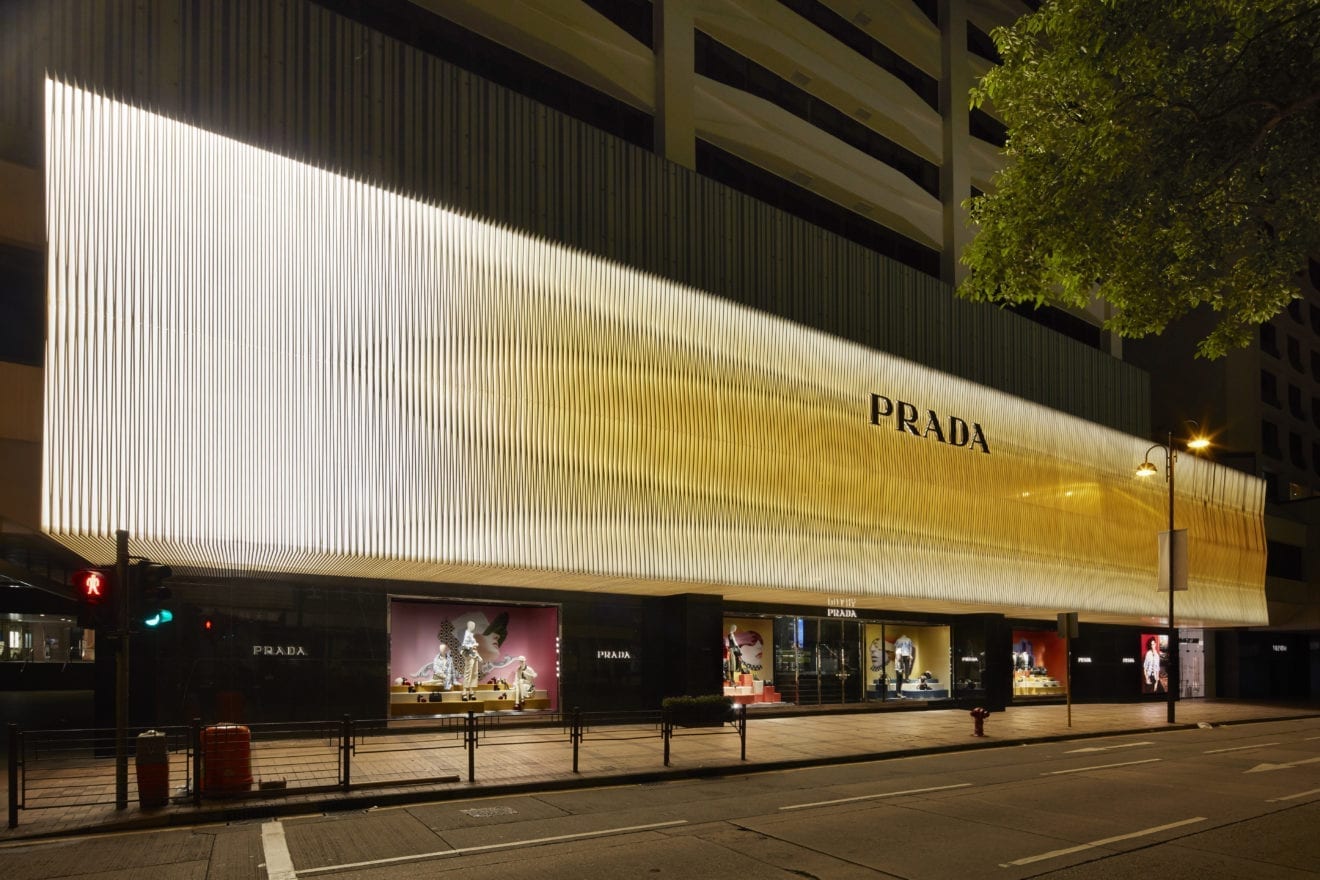
    Its facade pays homage to Franco-Venezuelan kinetic artist Carlos Cruz-Diez with a geometric pattern. The Harbour City frontage, in black marble, has display windows and offers view of the store interior.

    prada inside

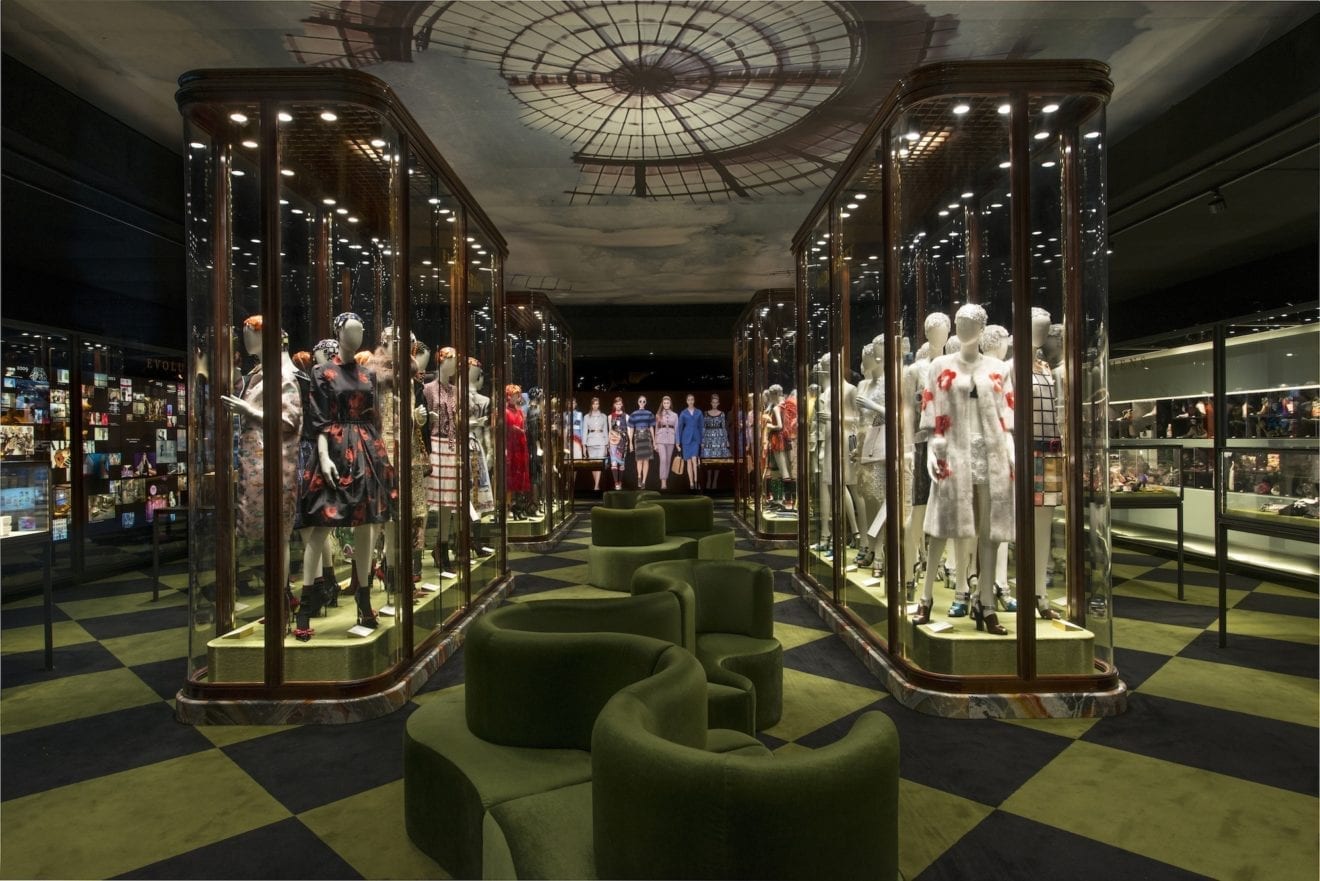
    The Canton Rd entrance introduces a room defined by signature elements of the brand, such as the black-and-white checkerboard floor and walls of light green encaustic and marble.

    Glass display cases with bottoms in green marble alternate with shelving systems. The beamed ceiling is a contemporary interpretation, in Prada green, of the typical ceilings of historic Italian buildings. Throughout the store, new materials are paired with 1950s design. Seating elements of different forms and colours create intimate salons, arranged with low tables. Classic materials like velvet are juxtaposed with modern materials like acrylic glass and marble.

    On the ground floor, the footwear area has carpet with velvet-covered walls, with exclusive green velvet chairs by Osvaldo Borsani.

    A special display niche inside the store’s mall entrance features black marble and a video screen. Spaces in green encaustic and black marble dedicated to leather and women’s accessories alternate with salons in red and green velvet with geometrically patterned carpets.

    In the clothing area, the beamed ceiling is covered in velvet to match the walls as a counterpoint to a video wall. Green velvet Borsani chairs, acrylic glass furnishings and the polished steel racks complete the decor.

    Sheathed in green marble, the stairway leading to the basement floor has as a background a steel and glass display case. The basement is dedicated to the men’s collections, with a special selection of clothing and footwear for women. A black-and-white marble floor, a beamed ceiling and green encaustic walls are the predominant elements.

    The men’s area is distinguished by tall furnishings in black iron and glass, blue ostrich skin chairs and carpet in aviator blue and grey with geometric patterns.

    A special room dedicated to clothing features a dark wood floor of narrow boards, walls covered in aviator-blue velvet and chairs in grey velvet with wooden arms.

  • Innovate or die: Singapore retailers advised to reinvent as brick and mortarshops lose luster

    Innovate or die: Singapore retailers advised to reinvent as brick and mortarshops lose luster

    Some brands are even advertising via Snapchat.

    In a fast-paced and technologically-savvy city-state such as Singapore, brick and mortar shops of retailers, however traditional, may not be adequate anymore.

    According to a report by Cushman and Wakefield, Italian luxury brand Prada, for example, has announced plans to advertise via Snapchat, and will be offering their range of goods online.

    Additionally, the Singapore Tourism Board is using WeChat and Baidu Connect, and other online travel services and social review sites to reach out to independent Chinese travelers.

    “Thus, it is essential for all major stakeholders to reinvent their operations to drive the retail scene forward,” the report noted, highlighting the inevitable paradigm shift.

    Meanwhile, to combat the surge of e-commerce, the report said retailers are increasing F&B components in shopping malls and department stores, as such experience-based concepts are irreplaceable by online retail.

    “For instance, Muji Café and Meal will be opening their second outlet in Raffles City, and a cluster of 16 restaurants will open in Wisma Atria’s Japan Food Town. In addition, Robinsons the Heeren welcomed Angela May Food Chapters in this quarter,” the report added.


  • YNAP pins hopes on expansion

    YNAP pins hopes on expansion

    Italian online fashion retailer Yoox Net-A-Porter (YNAP) aims to double sales and boost profits by 2020 as it expands in new markets, including Asia, but says it is still committed to Britain despite the vote to leave the European Union.

    The group says it is expanding its London headquarters and hiring several hundred new staff members despite Brexit. About a sixth of its total revenue comes from Britain.

    “We believe in this market. We believe in London and we continue to grow here,” says chief executive Federico Marchetti. “We have a very resilient business model thanks to our geographies being global.”

    YNAP says it plans to more than double revenues to around 4 billion euros (US$4.4 billion) by 2020. Its growth plans include further expansion in China and the rest of Asia.

    It also plans to offer jewellery and watches – Swiss watchmaker Richemont is a major shareholder – targeting sales of 100 million euros by 2020. This is part of a strategy to focus more on premium customers and fast-growing brands, as well as investing heavily in mobile. It says three-quarters of sales are set to come from mobile devices by 2020, from 41 per cent now.

    YNAP, a merger of Italy’s Yoox with upmarket rival Net-A-Porter, has its own multi-brand shopping websites but also runs online stores for luxury brands including Armani and Valentino. It added Prada this week.

    Finance chief Enrico Cavatorta says he expects synergies from the merger to take full effect from 2018, improving margins, and says the group should be cash positive from 2018.

  • Giorgio Armani Asia suffers in China

    Giorgio Armani Asia suffers in China

    Italian fashion house Giorgio Armani Asia is the latest luxury retailer to cite greater China as the cause of a downturn in sales.

    Burberry and Hugo Boss have also been hit by China’s economic slowdown, leading to Hugo Boss cutting its prices in Asia.

    Armani says revenues grew 4.5 per cent last year, a 16 per cent drop from the year before. Revenues totalled €2.65 billion (US$ 2.95 billion). Prada had sales of €3.55 billion.

    The Milan-based group, whose products include accessories, cosmetics and furniture, and the more affordable Armani Exchange range, says earnings before interest, tax, depreciation and amortisation edged up 1 per cent to €513 million last year, from €507 million in 2014.

    Despite the slowdown, the firm says its cash reserves of €640 million allowed it to step up investments in its brands to “further strengthen its competitive market position”.

    “These results are the outcome of an attentive diversification policy for the group’s lines, paired with the co-ordination of distribution channels and enhancement of the role that our trade partners play,” says president Giorgio Armani, who founded the company in 1975. The 81-year-old designer is still actively involved in the business.