Retail News CRM

Tag: profit

  • Padini fears margin squeeze

    Padini fears margin squeeze

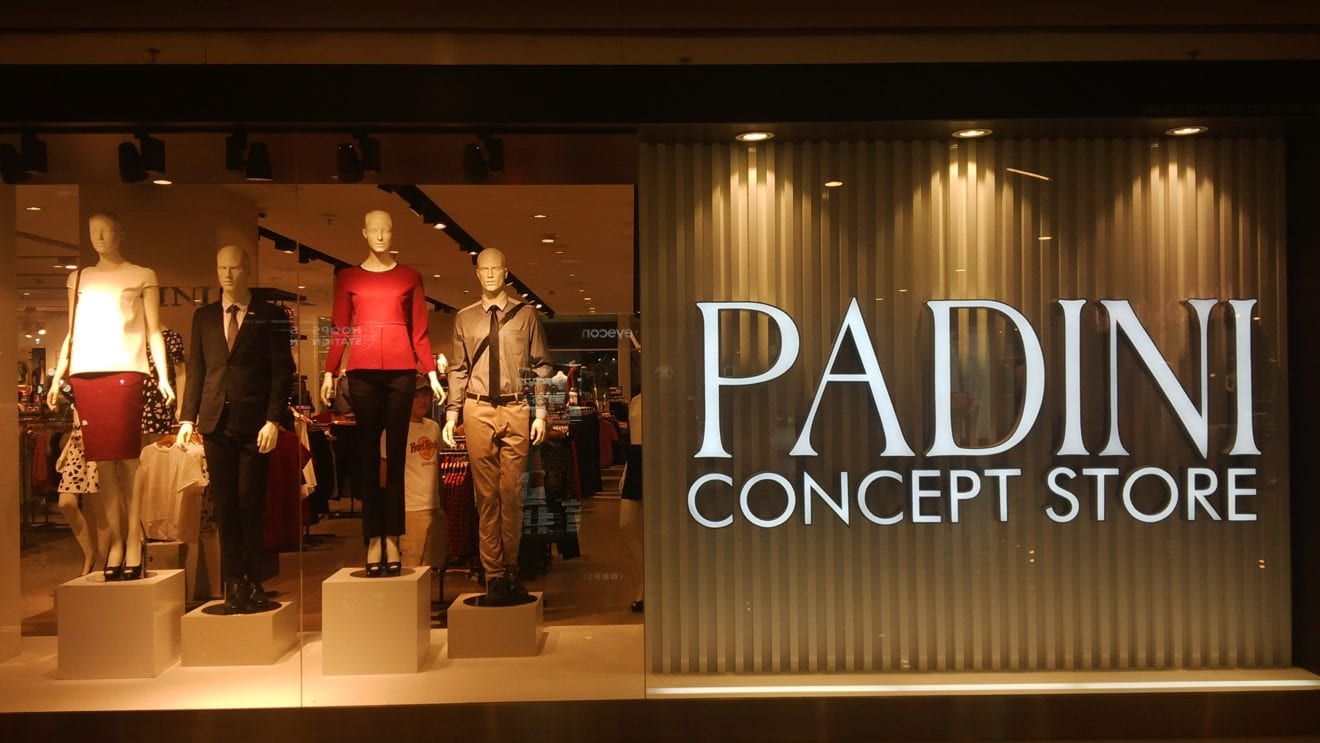
    Malaysia-based Padini Holdings expects an even tougher year ahead as it deals with a double whammy of having to cut prices and pay more for its stock.

    Padini owns the brands Vincci, Seed and Miki as well as stores trading under its own brand.

    The company has revealed margins reduced by between three and five per cent across its brands during the year to June 30 – and it fears even more reductions in the current year. It’s margin is now sitting at around 40 per cent.

    The company has had to absorb the additional six per cent GST applied on retail prices on April 1. At the same time, stock costs have risen due to the rapid deterioration of the value of the ringgit.

    “This financial year is going to be more difficult than FY15 as the weakening ringgit is affecting the cost of goods due to higher import costs,” CEO Chan Kwai Heng said in a news conference after the group’s annual meeting.

    But Chan says the market won’t accept price increases given deteriorating consumer sentiment.

    “We are more focused on driving top-line growth, and have no plans to increase our prices in the short term in order to remain competitive,” he said.

    In the year ahead the company will focus on boosting its online sales (which carry lower overheads than stores), and searching for cheaper supply sources.

    Padini plans to open 16 new stores in 2016, including nine outlet stores, mostly in new malls under construction.

    The company had earlier reported an 11.8 per cent reduction in net profit last year, blamed on aggressive promotional and discounting activities.

  • Ever-Glory in sales slump

    Ever-Glory in sales slump

    Nasdaq-listed, Chinese fashion retailer Ever-Glory International Group has reported a third quarter plunge in same store sales of 21 per cent.

    Wholesale sales fell 10.9 per cent with total company revenue down 15.3 per cent to US$118.6 million.

    Wholesale sales fell the most in Mainland China, Germany and Japan and in European markets in general.

    The company operated 1188 stores at the end of September, compared to 1137 a year earlier.

    Gross profit decreased 4.4 per cent to $32.3 million, compared to $33.8 million last year, with gross margin up 310 basis points to 27.3 per cent compared to 24.2 per cent last year.

    Gross profit for retail business increased 3.6 per cent to $22.4 million. Retail gross margin increased 1130 basis points to 47.5 per cent from 36.2 per cent.

  • Courts Asia expansion drives huge profit rise

    Courts Asia expansion drives huge profit rise

    Courts Asia’s strategy of spreading its interests into neighbouring countries is paying off already.

    The company has today announced a 253 per cent quarterly increase in profit to S$6 million and a 77.8 per cent rise to S$12.1 million for the first half year. Gross profit for the second quarter rose 12.4 per cent thanks to a focus on higher gross profit margin and higher sales.

    While Courts Asia’s second quarter last year was exceptionally challenging, the high growth from a low base should not cast a shadow over an exceptional retail strategy, especially given the almost stagnant nature of the Singapore retail market this year, Courts Asia’s main market, where sales actually slipped 2.6 per cent.

    Revenue in neighbouring Malaysia, its second biggest market accounting for 35 per cent of total sales, rose 13 per cent in Singaporean currency and 27 per cent in Malaysian Ringgit, mainly due to bulk sales for digital products. That in itself is an achievement as consumer spending in Malaysia tanked after the introduction of GST on April 1.

    “Malaysia has continued to post a good showing with active marketing of our refreshed Courts branding and credit campaign nationwide,” said group CEO Dr Terry O’Connor. “Likewise, we will focus on improving store productivity and cost-saving initiatives as we move forward.”

    In Indonesia, where the company is just getting started, sales rose 5.8 per cent with two new stores opening. A fourth new store is due to be trading by Christmas.

    “In Indonesia, we are progressing well and sales from our three stores, namely the Megastore in Bekasi and two smaller stores in Mega Bekasi Hypermall and Bogor, have kicked-in. Our second Megastore, located in BSD City, Southwest of Jakarta, begins operations by December this year. This new store also represents our fourth store in the country, and we expect economies of scale and operational efficiency coming into the next financial year,” said O’Connor.

    In Singapore, Courts is pinning its growth strategy on introducing new retail formats. The first JYSK Danish lifestyle store opened in Bukit Timah in September and US hardware brand ACE Hardware will follow by year’s end. O’Connor says exclusive partnerships with the two brands align with the company’s strategy of offering a comprehensive suite of solutions for the home.

    “We will be expanding both JYSK and Ace Hardware stores islandwide within the next five years.

    “Beyond cost-saving initiatives, we are focused on optimising the productivity and yield of each of our stores. In Singapore, we continue to rejuvenate our retail concepts to meet changing consumer trends and drive healthier margins.

    “Singapore’s retail environment remains subdued, but we expect a continued stream of demand for household appliances and furniture given the expected increase in supply of HDB flats in 2016. This is in line with recent policy changes such as the higher income ceiling and more Central Provident Fund (CPF) grants that have widened the pool of eligible buyers.”

    In both Malaysia and Indonesia, Courts Asia is targeting the burgeoning middle classes.

    “The recently announced Budget 2016 in Malaysia is slated to boost growth and home ownership with the planned construction of 351,000 housing units. We anticipate that this will drive further demand for affordable furniture and household appliances over the medium term.

    “In Indonesia, we plan to leverage on the country’s growing middle class and its strong standing as one of the region’s fastest growing nations by opening a total of six new stores in Indonesia over the next 12 months,” he concluded.

  • Ralph Lauren profits tumble

    Ralph Lauren profits tumble

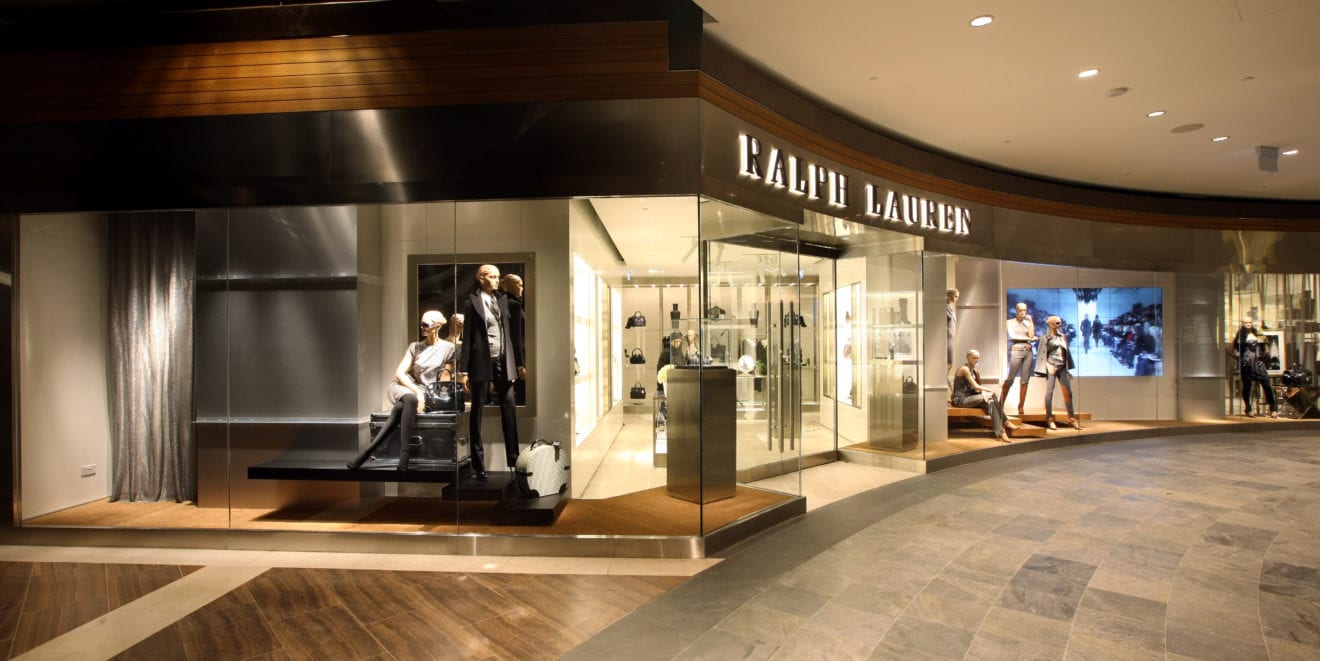
    US fashion label Ralph Lauren’s operating profit has tumbled almost 39 per cent year to date as it continues to restructure its operations.

    The latest quarterly numbers just released show a solid sequential improvement on the prior quarter, with the strength of the US dollar responsible for most of the headline deterioration. When reported on a constant currency basis, net revenues look more respectable, rising four per cent over the prior year.

    “Despite the fall in profits, Ralph Lauren has taken steps to help ease up its bottom line over the medium term,” comments Håkon Helgesen, retail analyst at Conlumino.

    “These include the global reorganisation into a centralised structure run by six global brand groups which, by the end of 2017, should yield an annual $100 million in terms of efficiency savings. This measure has, however, come with short term costs attached – $38 million of which were recognised during this quarter, and more of which will filter through into subsequent quarters.

    “Despite the squeeze this exerts on profits, we believe that Ralph Lauren is to be applauded for taking the long term view.”

    The global launch of Polo Sport was completed during the quarter and initial indications suggest it has been well received.

    “In our view this activewear brand gives Ralph Lauren a much more significant presence in a lucrative – and rapidly growing – part of the apparel market and will be a solid contributor to future growth,” said Helgesen.

    Geographically, although international growth was deflated by the unfavorable exchange rate, it remains in double digits when expressed in local currency terms.

    “The same cannot be said of Ralph Lauren’s home market where the company struggled to generate sales momentum. Stores in big city locations – which make up about half of the total fleet – have the legitimate excuse of reduced tourist spend, again related to the relative strength of the dollar. This has inevitably acted as a drag on growth.”

    Helgesen says despite sluggish growth and a more promotional retail environment, Ralph Lauren continues to be conservative about discounting.

    “Although this has likely cost it some sales in the US, it has helped to protect margins and, ultimately, brand equity. Again, this is an example of Ralph Lauren being confident enough to take the long term view.”

    Responsibility for the day-to-day running of the company will now fall to Stefan Larsson, who takes over as CEO from its founder Ralph Lauren this month.

    “While some have questioned Larsson’s background – he previously worked at the distinctly mass-market retailers Old Navy and H&M – this is, in our view, to ignore the skills he brings to the table. While these may not have been honed in a luxury brand environment, the operating disciplines of both fashion businesses are points of learning for Ralph Lauren as it continues its quest for efficiency.

    “In any case, Ralph Lauren – and his design prowess – will still be on hand as he takes up his new role of chairman and chief creative officer,” concluded Helgesen.

  • Primark growth eroded by currency volatility

    Primark growth eroded by currency volatility

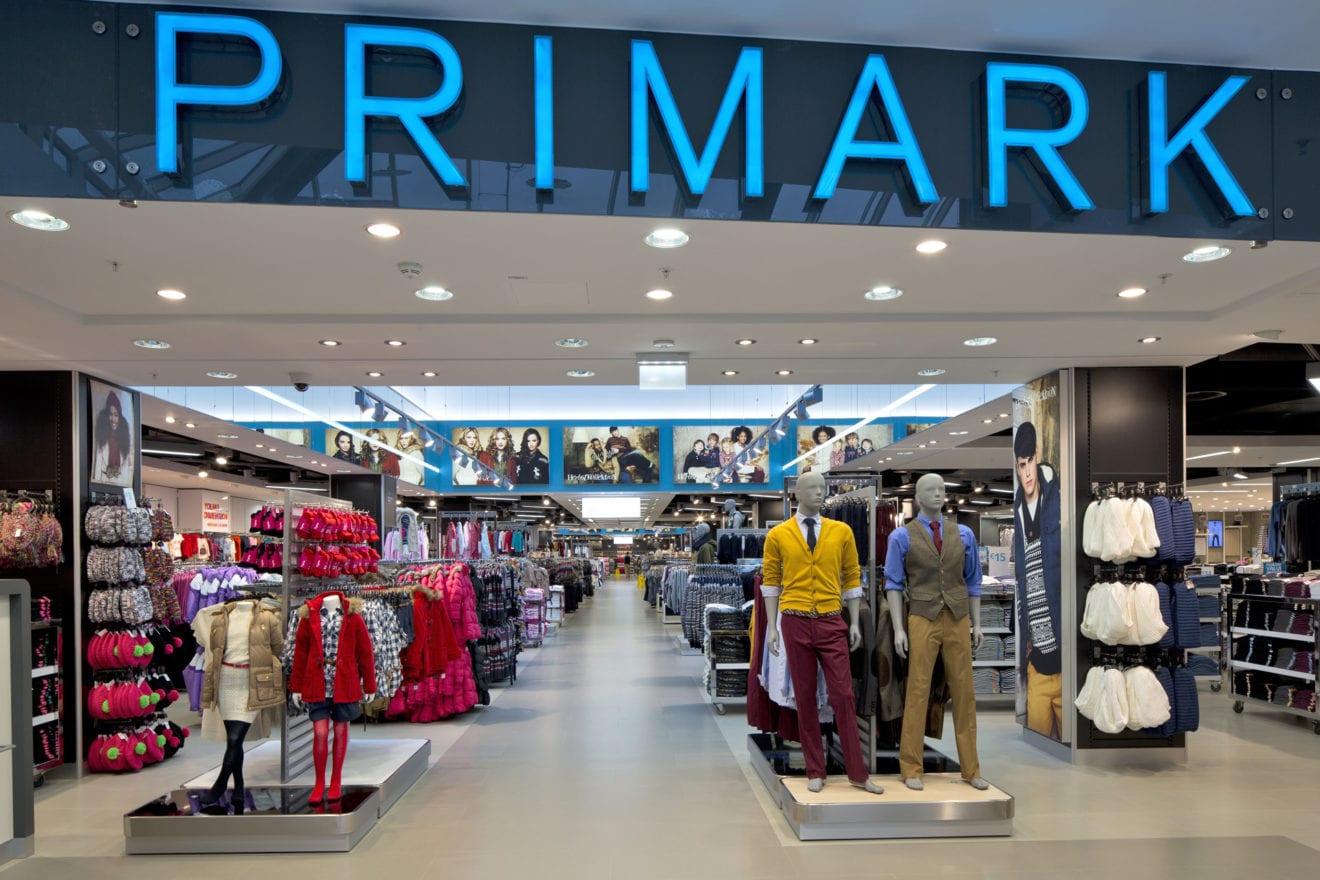
    Discount apparel retailer Primark has reported sales growth of 13 per cent to £5.3 billion at constant exchange rates for the year to September 12, demonstrating its continuing dominance in the value clothing market.

    However it was unable to escape the effects of currency volatility, reducing its total sales growth at actual exchange rates to eight per cent.

    While these results are in line with the expectations outlined in September this year, they are compounded by Primark’s two per cent increase in operating profit to £673 million at actual exchange rates – modest compared to growth of five per cent at constant exchange rates, observes Rebecca Marks, consultant at Conlumino.

    Sales growth was driven predominantly by a nine per cent increase in selling space – an additional 93,000 sqm that takes the total footprint to 1.04 million sqm. Considerable expansion in Germany, Belgium and the Netherlands resulted in marginal like for like growth at constant exchange rates of one per cent, as international customers chose to shop more locally, causing sales in existing stores to decline. Primark opened its first US store in Downtown Crossing in Boston in September 2015, with 7200 sqm of selling space.

    Further international expansion planned in the 2015/16 trading year will see a greater increase of 140,000 sqm across the year in northeastern US, Spain, Italy and France – its most successful market entry to date.

    “However, as the retailer continues to invest in international diversification, it endures the risk of substantial movement in currency markets, subjecting the retailer to negative transactional and translational currency exposures – a major challenge that Primark faced this financial year,” explains Marks

    “However, Primark believes a high proportion of this potential impact has been mitigated in-house by taking a shrewd approach to buying new season merchandise for next year.”

    Marks says Primark saw a return to a more normal level of markdown this year, following exceptional trading in 2013/14, resulting in a lower operating profit margin of 12.6 per cent, down from 13.4 per cent in its last financial year.

    “Inconsistent trading over the year resulted in moderated demand; while an unseasonably warm Autumn 2014 impacted sales in the early part of the trading year, Spring 2015 trading was also held back by cool weather. However, a strong Christmas in 2014 limited the impact of these challenging trading periods on its overall performance for the financial year,” observed Marks.

    “Although Primark actively resists plans to go down the online route that many of its fashion peers have chosen, the retailer shows no signs of slowing down. As parent ABF looks to maintain investment in Primark’s expansion opportunities, Primark will continue to see its budget-priced clothing ardently welcomed in all new territories, with its increased scale of distribution infrastructure helping to meet demand,” Marks concluded.

  • Apple’s ‘best year ever”

    Apple’s ‘best year ever”

    Tech giant Apple has reported its fourth quarter results – and concluded its “best year ever”.

    In the three months to September 26, the company achieved sales of $51.5 billion and a quarterly net profit of $11.1 billion. That compares to sales of $42.1 billion and a net profit of $8.5 billion, in the same quarter last year.

    The company’s gross margin was 39.9 per cent compared to 38 per cent a year ago. International sales accounted for 62 per cent of the quarter’s revenue.

    Apples says its growth was fuelled by record fourth quarter sales of iPhones, the expanded availability of the Apple Watch, and all-time records for Mac sales and revenue from services.

    “Fiscal 2015 was Apple’s most successful year ever, with revenue growing 28 per cent to nearly $234 billion,” said CEO Tim Cook.

    “This continued success is the result of our commitment to making the best, most innovative products on earth, and it’s a testament to the tremendous execution by our teams,” he said.

    “We are heading into the holidays with our strongest product lineup yet, including iPhone 6s and iPhone 6s Plus, Apple Watch with an expanded lineup of cases and bands, the new iPad Pro and the all-new Apple TV which begins shipping this week.”

    Luca Maestri, Apple’s CFO, said the company’s record September quarter results drove earnings per share growth of 38 per cent and operating cash flow of $13.5 billion.

    “We returned $17 billion to our investors during the quarter through share repurchases and dividends, and we have now completed over $143 billion of our $200 billion capital return program.”

    In the quarter ahead, Apple is predicting revenue of between $75.5 billion and $77.5 billion and a gross margin which could reach 40 per cent.

  • SingPost’s Q2 profit up 38.5% at S$53.4 million

    SingPost’s Q2 profit up 38.5% at S$53.4 million

    Postal services firm Singapore Post (SingPost) yesterday reported a 38.5 per cent surge in net profit for its fiscal second quarter, boosted by divestment gains and continued growth in its logistics and e-commerce businesses.

    Net profit amounted to S$53.4 million for the three months ended Sept 30, up from S$38.6 million in the corresponding period a year earlier, SingPost said. Revenue increased 19.4 per cent year-on-year to S$263.2 million.

    The nation’s postman said revenue from its traditional mail business dropped by 5.6 per cent year-on-year to S$116.5 million, following the divestment of DataPost. Excluding the impact of the divestment, mail revenue remained stable, said SingPost.

    Logistics revenue rose by 43.3 per cent to S$156.1 million on the back of growing contributions from e-commerce activities and the inclusion of new subsidiaries. Revenue from the retail and e-commerce segment was 7.1 per cent higher at S$23.9 million.

    SingPost chief executive Wolfgang Baier said the company will continue its push into the two areas of logistics and e-commerce to drive growth. “Mail volumes are coming down domestically and regionally, and we look at other fronts to compensate,” he said.

    Last week, SingPost unveiled plans to develop, by mid-2017, a S$150 million e-commerce retail mall, a Singapore first that will combine bricks-and-mortar shops and online shopping.

    Other key developments in recent months included Alibaba buying an additional 5 per cent stake in SingPost for S$187.1 million to raise its shareholding to 14.5 per cent. The Chinese e-commerce giant also announced it would invest up to S$92 million for a 34 per cent stake in Quantium Solutions International, a SingPost subsidiary that provides e-commerce logistics in the Asia-Pacific region.

    In September, SingPost used a drone to deliver a packet containing a letter and a T-shirt from Lorong Halus to Pulau Ubin in about five minutes.

    It said the trial marked the first time a postal service in the world had successfully used an unmanned aerial vehicle for “point-to-point recipient-authenticated mail delivery”.

    In October, SingPost entered into conditional agreements to acquire majority stakes in logistics provider Jagged Peak and end-to-end e-commerce firm TradeGlobal Holdings for about S$22.5 million and S$236 million, respectively. “As SingPost continues its transformation to build a strong second wing in the e-commerce logistics space, the focus in the coming months will be on post-merger integration and extracting synergies from its new acquisitions,” the group said.

    SingPost shares fell 0.3 per cent to close at S$1.89 yesterday ahead of the results announcement. Angela Teng

  • Sa Sa profit set to plunge

    Sa Sa profit set to plunge

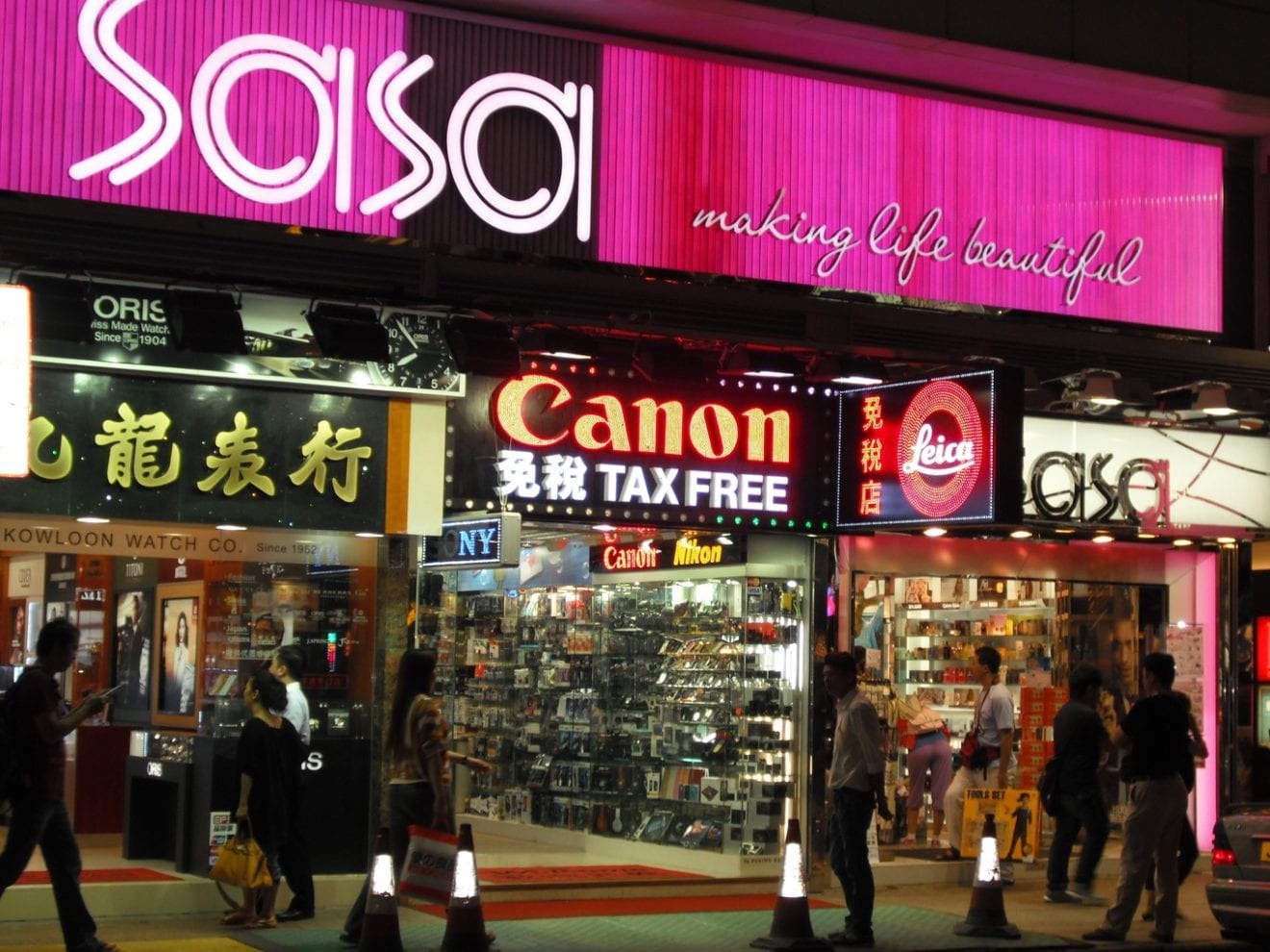
    Beauty products retailer Sa Sa International has warned its half year profits will plunge by 50 per cent.

    A Sa Sa profit warning filed with the Hong Kong Stock Exchange said preliminary analysis of accounts for the six months to September 30 pointed to a record decline in profit for the group.

    It blamed “the worsening operating environment of the retail sector which has led to significant drops in both sales and gross profit and reduced operational efficiency as a result”.

    In the second quarter, to September 30, Sa Sa has reported a 12.4 per cent fall in retail and wholesale turnover.

    “Turnover in Hong Kong and Macau markets declined by 13.2 per cent, while same store sales decreased by 10.1 per cent. The number of transactions decreased by 5.7 per cent, while the average sales per transaction decreased by 7.9 per cent.

    “The group’s retail and wholesale turnover in other markets (including Mainland China, Singapore, Malaysia, Taiwan and sasa.com) recorded a drop of 8.9 per cent during this period.”

    Sa Sa said overall consumer sentiment and Mainland Chinese arrivals “continued to be adversely affected by a number of factors with no significant signs of improvement”.

    “The strength of the Hong Kong dollar and the weaker yuan adversely affected the attractiveness of shopping in Hong Kong for both local consumers and Mainland Chinese visitors. Furthermore, the impact of “one-trip-per-week” policy has gradually gained momentum, leading to a decline of 13.1 per cent and 10.1 per cent in the group’s retail sales and same store sales in Hong Kong and Macau markets during the second quarter respectively.

    “The number of transactions of Mainland Chinese customers decreased by 4.1 per cent, while their average sales per transaction decreased by 12.5 per cent on a year-on-year basis, dragging down the overall performance.”

    Sa Sa says it will work on optimising product offerings and enhancing its customers’ shopping experiences to strengthen its position.

    The company says it will release final results for the half before November 30.

  • Garuda Indonesia Reports US$51.4 Million Third Quarter Earnings

    Garuda Indonesia Reports US$51.4 Million Third Quarter Earnings

    Garuda Indonesia booked a net income of $51.4 million through the third quarter 2015, an increase of 123.4% compared to the same period last year when it incurred a loss of $220.1 million.

    Garuda Indonesia President and CEO M. Arif Wibowo said that the Company also increased total revenue from $2.83 billion through the third quarter 2014 to $2.84 billion during the same period in 2015. Meanwhile, total expenses dropped from $3.08 billion to $2.72 million.

    “Improvements in the Company’s performance are the result of strategic business development measures being carried out through the ‘Quick Wins’ program, as well as a tight cost efficiency policy that was put into effect at the beginning of the year,” he said.

    Arif, who is also the Chairman of INACA (Indonesia National Air Carriers Association), further explained that this achievement came when the airline industry is facing huge challenges, from a sluggish economy to a number of “force majeures” or natural disasters, such as volcanic eruptions and haze.

    Speaking of Garuda Indonesia’s ongoing flight network development, Citilink Indonesia’s former president said that the Garuda Indonesia Group (including Citilink) together carried a total of 24.55 million passengers during Jan-Sept 2015, or an increase of 17.5% compared to 20.89 million passengers carried during the same period in the previous year.

    Garuda Indonesia carried 17.69 million, comprising 14.51 million domestic passengers and 3.18 million international passengers, through the third quarter 2015, whereas it carried 15.56 million passengers during the same period in 2014. Its subsidiary, Citilink Indonesia, transported 6.87 million passengers between Jan-Sept 2015, an increase of 28.8% from the 5.33 million passengers carried in the same period in 2014.

    Garuda Indonesia and Citilink flight frequency in the domestic and international sectors rose from 165,642 fights in the third quarter of 2014 to 186,105 flights in the same period of 2015. In addition, Availability Seat Kilometer/ASK increased from 36.9 billion in 2014 to 38.75 billion in 2015.

    Garuda Indonesia also succeeded in increasing Seat Load Factor/SLF to 77.3% in 2015 from 70.7% in 2014. In terms of on time performance (OTP), Garuda Indonesia achieved an OTP of 88.2% in 2015, with an aircraft utilization of 09:11 hours.

    Through the third quarter 2015, Garuda Indonesia was also able to increase its market share in both the domestic and international markets. In that time, Garuda Indonesia’s domestic market share increased to 44% from the previous 37% in 2014. Meanwhile, Garuda’s international market share from Jan-Sept 2015 reached 28%, an improvement from the previous year’s 22%.

    The Garuda Indonesia Group operates a total of 181 airplanes to date, consisting of eight (8) Boeing 777-300ER, twenty-two (22) Airbus A330-200/300, two (2) Boeing 747-400, ten (10) ATR72-600, fifteen (15) Bombardier CRJ1000 NextGen, eighty-eight (88) Boeing 737-300/500/800NG, and thirty-six (36) Airbus A320, with an average age of 4.7 years. By the end of 2015, the Group will operate a total of 187 airplanes, of which 143 are Garuda Indonesia’s and 44 are part of the Citilink fleet, with an average age of 4.3 years.

    To anticipate the impact of the Rupiah’s weakening exchange rate against the US Dollar, since the first quarter 2015 Garuda Indonesia has signed hedging contracts using “Cross Currency Swaps” with several banks, on Rupiah loans into US Dollars amounting to a total of Rp2 trillion.

    By carrying out the Cross Currency Swap, the company will be able to avoid or minimize the risk of a rise in operational costs if paid in Rupiah due to the weakening of the Rupiah exchange rate against the US dollar. This is due to the fact that an airline’s operational costs that include the purchase of spare parts, aircraft maintenance, and aircraft leasing are mostly conducted in US dollar AS.

    The company is still watching market developments and at the right moment will again hedge and use Cross Currency Swap to leverage the Rupiah. This is part of the company’s ongoing Risk Management measures based on the prudence principle. Routine hedging transactions against IDR earnings and USD fuel costs have added to the risk management’s work load in the midst of an adverse economic condition at global, regional and national levels.

    Moreover, Garuda Indonesia was able to obtain new sources of funding through more competitive cost financing, and in May 2015 issued a 5-year Global Sukuk Bond worth USD 500 million with a coupon of 5.95%.

    In line with the airline’s continuous service development program, Garuda Indonesia’s cabin crew was once again presented with the “The World’s Best Cabin Crew 2015” award from Skytrax – the London-based independent airline and airport review specialist, for the second consecutive year, after beating other big players in the airline industry. During the “Skytrax Award 2015” event, Garuda Indonesia also came in eighth place in the “World’s Best Airline” list.
  • China Nepstar turns from loss to profit

    China Nepstar turns from loss to profit

    NYSE-listed pharmaceutical retailer China Nepstar Chain Drugstore says increased staff training and promotional activity fuelled a 12.9 per cent rise in sales in the latest quarter.

    In the three months to June 30, China Nepstar achieved US$125 million in sales, with same store sale up 16.7 per cent year on year. The company reported a net income of $1.4 million compared to a net loss of $2.5 million last year.

    CEO Rebecca Zhang said the same-store-sales growth had accelerated during the quarter due to higher store traffic as a result of effective promotions on pharmaceutical products and professional store service training.

    “While we focus on productivity at the store level, we also managed to achieve better operational efficiency by reducing our general and administrative expenses and constantly optimising our store management,” she said.

    During the second quarter of 2015, the company opened 38 stores and closed 59. As of June 30, it had 1948 directly operated stores in total.

    China Nepstar had a portfolio of 2155 private label products at the end of June 30, which now account for 14.7 per cent of its revenue and 22 per cent of gross profit.

    “As we gradually achieve recovery in growth on profit, we will focus on accelerating our organic revenue growth by fine-tuning our store management system and improving our store image to customers,” Zhang said of the business’ outlook.

  • Tiffany China sales soar

    Tiffany China sales soar

    Jeweller Tiffany & Co says its 30 China stores posted record double-digit sales growth in the second quarter.

    China is the world’s second largest luxury market and accounts for 10 per cent of the US company’s global store network.

    And despite the Chinese economy’s much-publicised slowdown, demand remains high for in fashion brands like Tiffany and Apple.

    Tiffany said in its quarterly earnings report it has no plans to adjust its China strategy despite the devaluing currency and stock market decline.

    Tiffany China will open an unspecified number of new stores in the year ahead and has previously said it is looking at tier 2 cities in addition to building its presence in traditional luxury market hubs of Shanghai and Beijing.

    The company says it expects strong growth in the quarter ahead.

  • OldTown Coffee suffers as Malaysians spend less

    OldTown Coffee suffers as Malaysians spend less

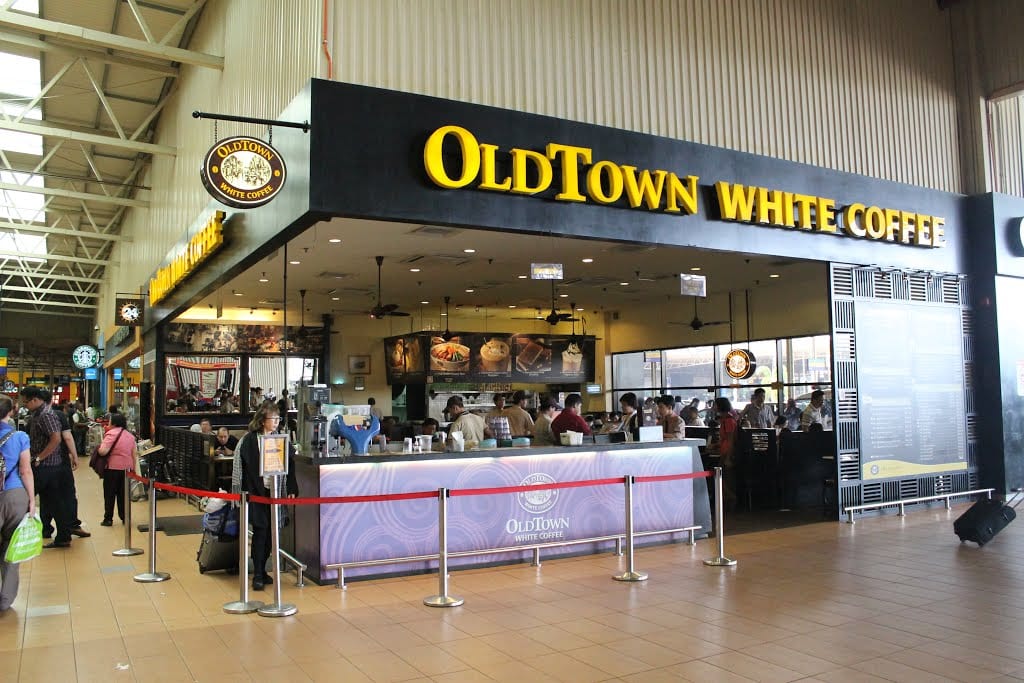
    Malaysian cafe chain OldTown Coffee has reported falling sales and profits as Malaysians continue to get used to life after the imposition of GST on April 1.

    The company, which operates 210 discount coffee shops and sells packaged coffee through FMCG channels, posted a profit of RM9.49 million ($US2.2 million)  in its first quarter, to June 30, 6.8 per cent less quarter on quarter and an unhealthy 18.9 per cent less year on year. Topline sales slumped 10.5 per cent quarter on quarter and 3.9 per cent year on year to RM94.06 million (US$22.3 million).

    OldTown concentrates on the local Malaysian market serving milky coffees and light snacks – it does not make espresso-style coffee drinks like Starbucks.

    The company says its declining fortunes were driven by a downturn in cafe sales, rather than packaged goods: Same store coffee shop profit fell 46.4 per cent year on year.

    The company plans to open 10 new outlets before the end of the current financial year, next March, representing an expansion of about five per cent.

    Sales of packaged foods – mainly instant coffee and coffee mixes – rose 29 per cent.

  • F J Benjamin narrows FY15 loss

    F J Benjamin narrows FY15 loss

    Retail group F J Benjamin’s net loss for the financial year ended 30 June narrowed from S$22.1 million to S$16.99 million.

    Revenue slid 20 per cent year on year to S$293.41 million amid a challenging year on the back of reduced business in North Asia, currency volatility as well as lower tourist arrivals. The group rationalised its store portfolio, which caused it to incur impairment charges for store closures, early termination of leases, stock provisions and redundancies.

    “While this has impacted turnover, it has yielded significant improvements in the productivity of its stores across the region,” the group said.

    Loss per share came to 2.99 Singapore cents, versus a loss per share of 3.89 cents a year ago.

     No dividend was declared for the current year. In the corresponding period a year ago, a first and final dividend of 0.25 cents per share was announced.

    It said: “The group will complete its rationalisation and planned closure of two remaining stores by end December 2015. To address the shift in consumer trend and structural change in retail environment, it has also undertaken a restructuring of its in-house brand, Raoul, to improve performance on a reduced cost base.”

    It expects consumer sentiment to remain muted given global economic and political uncertainty. Meanwhile, it is striving to further improve inventory management and cost efficiencies.

  • Fusionex eyes Philippines, fuelled by 26% jump in revenue

    Fusionex eyes Philippines, fuelled by 26% jump in revenue

    BIG data and analytics software company Fusionex International Plc will be widening its footprint in South-East Asia by expanding to the Philippines over the next few months, its fourth market in the region.
    The company, listed on the London Stock Exchange’s Alternative Investment Market (AIM), has a presence in Hong Kong, Macau, the United Kingdom and the United States; as well as its home base of Malaysia and South-East Asian neighbours Singapore and Thailand.

    Its expansion strategy is somewhat conservative, but it is already close to securing an anchor customer, Fusionex cofounder and managing director Ivan Teh told Digital News Asia (DNA) in Kuala Lumpur recently.

    “We have been spending time to ensure that we got the right partner, the right place, the right kind of ecosystem, infrastructure and setup.

    “We want to know the market first, so we don’t want to go in and waste two years only to realise the market is not suitable,” he said.

    One may wonder why Fusionex is eyeing the Philippines, where ICT spending is significantly lower than its home market even though its population is triple Malaysia’s.

    According to an IDC report, Philippines’ ICT spending is expected to reach US$6.76 billion this year. In contrast, according to a Gartner report, Malaysia’s ICT spending is estimated to be around RM65.1 billion (US$16.42 billion).

    But Teh, an inaugural DNA Digerati50, said Philippines is a good expansion destination for various reasons.

    “The retail market is booming over there. The shared services and outsourcing markets are exploding too,” he argued.

    According to a Manila Bulletin report, citing the Philippines Retailers Association, the country is expected to see 40 new malls open in 2014 and 2015. The association projected retail sales would reach P1.61 trillion (US$35 billion) by 2016 and P1.78 trillion (US$38 billion) by 2017.

    “Malaysia will remain to be our centre of excellence – a lot of the research and development will be done from Malaysia. Nevertheless, the Philippines is undeniably a booming market,” said Teh.

    For the six months ended March 31, 2015, Fusionex’s revenue increased 26% to RM31.6 million, while gross profit jumped 31% to RM24.9 million. [RM1=US$0.25 at current rates]

    The strong performance was mainly driven by its flagship big data analytics product Fusionex Giant , which has found over 25 customer wins since launch. These companies include the domestic unit Japanese retailer Aeon.

    Fusionex has managed to get other big-name customers this year, including AirAsia; Brother Industries Ltd, a multinational electronics and electrical equipment company headquartered in Nagoya, Japan; and Islamic insurer Syarikat Takaful Malaysia Bhd in Malaysia.

    But for now, all of Teh’s attention will be on ensuring its Philippines expansion goes according to plan, and also that the business runs smoothly post-launch.

    “It’s important for us to set up the right team and to hire the right people. We will also get some of our Malaysian employees to be there for a period of time, just to make sure we have a cultural transition.

    “Then, we want to grow the local talent as well,” he said.

  • Oriental Watch profit plummets

    Oriental Watch profit plummets

    Listed retailer Oriental Watch Holdings says its net profit fell 78 per cent in the year to March.

    The company, which had issued a profit warning earlier in the year, has been hit by the slump in demand for luxury watches from mainland Chinese, in turn a result of the mainland government’s clampdown on gift giving.

    OWH says its net profit fell to HK$5 million, (US$641,000) on turnover down 11 per cent to around HK$3.11 billion.

    The company said luxury brand shoppers had changed preferences and attitudes and blamed slimmer margins on intense competition from watch retailers competing for a shrinking customer base.

    Oriental Watch has 68 stores in mainland China, 13 in Hong Kong, three in Macau and three in Taiwan.