Retail News CRM

Tag: profit

  • Unicom warns to expect an 80% profit slump for H1

    Unicom warns to expect an 80% profit slump for H1

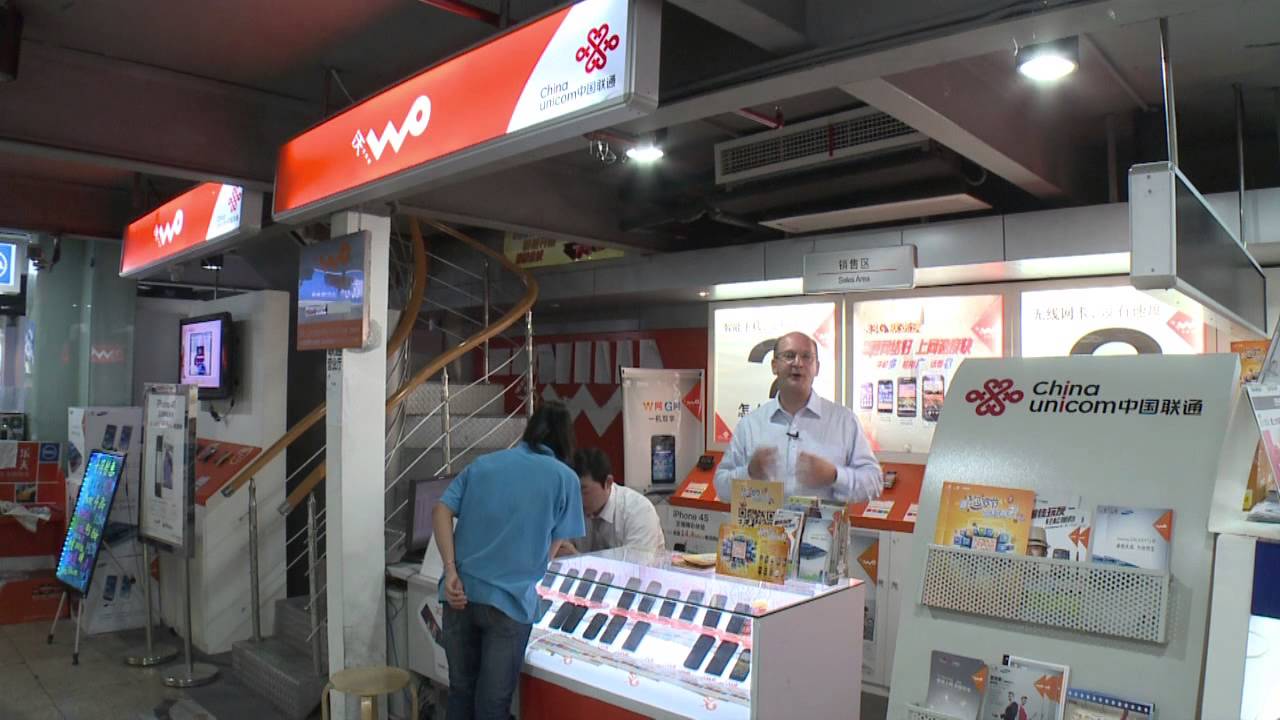
    China Unicom has warned it expects to report an 80% year-on-year slump in net profit for the first half of the year as a result of a surge in expenses.

    In a stock exchange filing, the operator said that selling and marketing expenses grew significantly during the six month period.

    New tower usage fees resulting in the outsourcing of tower assets to new joint venture China Tower, higher energy charges and property rentals also contributed to the growth of expenses.

    China Unicom reported a profit for 1H15 of 6.99 billion yuan, so the company is estimating a profit fo the period of around 1.4 billion yuan.

    The operator noted that this is nonetheless a significant improvement of the 3.36 billion loss – excluding the gain from the tower asset disposals – recorded during the second half of last year.

    The filing also states that Unicom’s mobile business has “achieved initial success in overcoming operational challenges.”

    As a result the company achieved a net addition of mobile subscribers of 8.39 million during the period. This compares favorably to the operator’s performance last year, when the company recorded net losses of customers for consecutive months.

  • HTHKH 1H profit falls 26%

    HTHKH 1H profit falls 26%

    Hutchison Telecommunications Hong Kong Holdings (HTHKH) has reported a 26% year-on-year decline in net profit for the first half of the year to HK$376 million ($48.5 million), due to weaker than expected smartphone sales.

    Total revenue fell 52% to HK$5.42 billion, with mobile revenue down a significant 62% to HK$3.47 billion.

    Hardware revenue shrank from HK$7.15 billion to HK$1.49 billion as a result of a lack of popular smartphones to sell during the period, the company said in its first-half report.

    Roaming revenue also declined 19%, or HK$87 million, contributing to a 6% decline in mobile net customer service revenue to HK$1.97 billion.

    HTHKH ended June with around 3.1 million customers in Hong Kong and Macau, including about 1.5 million postpaid customers. While the company’s postpaid base stayed largely flat compared to 2H15, churn was reduced to 1.3% from 1.9% over the same period.

    Blended local postpaid net ARPU grew 6% year-on-year to HK$168 as the launch of various new infotainment content and data plans resulted in the acquisition of more data centric customers.

    Fixed line service revenue for the half-year period meanwhile grew 4% year-on-year to HK$2.07 billion, due largely to an increase in revenue from the international and local carrier market. This was driven by growing data demand from OTT applications and IoT-related devices.

    Looking ahead, HTHKH chairman Canning Fok said the company is “planning ahead cautiously in the face of economic uncertainty locally and globally, after developing into a multi-play telecommunications service provider that launches a diversity of  products  and services to meet changing customer demand.”

  • Airtel Q1 profit falls 30.8%

    Airtel Q1 profit falls 30.8%

    India’s Bharti Airtel posted a 30.8% slump in net profit for the June quarter, as a steep 42.1% decline in the value of the Nigerian Naira reduced contributions from the operator’s African operations.

    Airtel reported a net profit for its fiscal first quarter of 14.62 billion rupees ($218 million). Consolidated revenues increased 8.4% year-on-year to 255.46 billion rupees, with India revenues up 10.3% to 191.55 billion rupees.

    Indian mobile broadband customers increased by 68.3% to 36.6 million, with data ARPU increasing by 21 rupees to 202 rupees. Total mobile data revenues grew 35.1% year-on-year to 35.25 billion rupees

    “The year has begun well with revenue growth of 10.3%Y-o-Y and continued revenue market share gains,” Airtel MD and CEO for India and South Asia Gopal Vittal said.

    “In continuation of our Project Leap announcement, we have now transparently opened up our entire mobile network to our customers so as to partner them in striving to deliver a world class experience.”

    African revenues adjusted for tower and operating unit sales meanwhile grew 3.8% year-on-year in constant currency terms, with data revenues increasing to $154 million, or 16.5% of overall revenues.

    Over the past 24 months, Airtel has sold tower assets in 11 African countries and divested its operations in Burkina Faso and Sierra Leone, raising a total of $3.25 billion.

  • Huawei grows 1H16 revenue by 40%

    Huawei grows 1H16 revenue by 40%

    Huawei grew its sales revenues for the first half of the year by 40% to 245.5 billion yuan ($36.6 billion), despite a decline in its operating margin.

    The vendor reported an operating margin of 12%, down from 18% in the same period last year, partly as a result of increased investment in the company’s smartphone business as part of an aggressive push to become the market leader in 4-5 years.

    “We achieved steady growth across all three of our business groups, thanks to a well-balanced global presence and an unwavering focus on our pipe strategy,” Huawei’s CFO Sabrina Meng commented.

    “We are confident that Huawei will maintain its current momentum, and round out the full year in a positive financial position backed by sound ongoing operations.”

    Huawei has not yet disclosed its profit for the half-year period. Looking ahead, the company said it plans to continue to adhere to its pipe strategy, and invest heavily in R&D in areas including 5G and the IoT.

    In the carrier business, Huawei said it is focusing its attention on supporting operators’ digital transformation in four core areas – business, operations, architecture, and networks.

  • Bauhaus annual net profit down nearly 60 pct

    Bauhaus annual net profit down nearly 60 pct

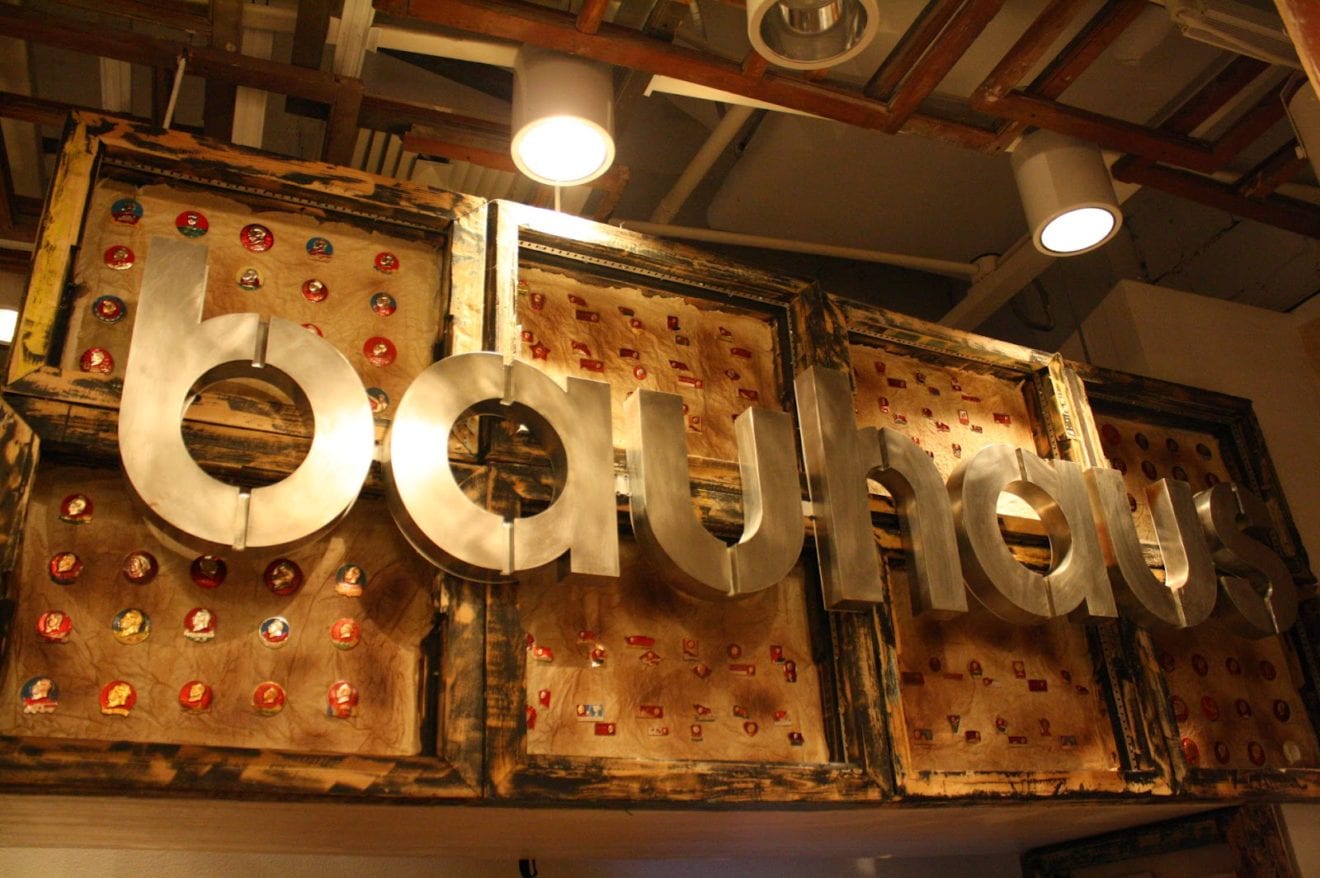
    Hong Kong clothing retailer Bauhaus International (Holdings) Ltd saw its annual net profit plummet by 59.1 per cent to HK$52.9 million (US$6.6 million) for its past fiscal year, due to the plunge in the company’s earnings from the Hong Kong and Macau markets.

    According to its filing with the Hong Kong Stock Exchange last Friday, the retailer’s total turnover posted a year-on-year decrease of 5 per cent to HK$1.5 billion for the fiscal year ended March 31, compared to some HK$1.59 billion one year ago.

    “As a result of Mainland China’s uncertain economic prospects, instability of financial markets and the appreciation of the Hong Kong dollar against other Asian currencies (including the Renminbi), the consumer spending momentum obviously deteriorated during the year under review and resulted in highly volatile and discount-driven retail dynamics,” it claimed.

    For the financial year, the clothing seller generated some HK$1.03 billion from its sales in Hong Kong and Macau, which represents a year-on-year decrease of 8.8 per cent compared to HK1.13 billion one year ago.

    In addition, the company claimed that a negative same-store-sales growth rate of some 9 per cent was recorded in the two cities.

    The decreases in sales in the two cities led to a slump in the company’s profit before tax from the segment, down by 46.6 per cent year-on-year to HK$99.6 million.

    As at the end of March, Bauhaus was operating 214 self-managed outlets, including 86 stores in Hong Kong and Macau, 94 in Taiwan and 34 in Mainland China, as well as 11 franchised outlets in the country.

    The company’s turnover derived from the Mainland China market also registered a decline of 2.8 per cent year-on-year to HK$128.8 million, but turnover from Taiwan jumped by 9.2 per cent year-on-year to HK$342.2 million for the year, according to the filing.

    The retailer proposed a final dividend of HK6.0 cents per ordinary share to its shareholders, which is down by 56 per cent year-on-year compared to HK$13.5 per cents for the 2014/15 financial year.

  • Hilton hotel chain steadily expanding operations in Indonesia

    Hilton hotel chain steadily expanding operations in Indonesia

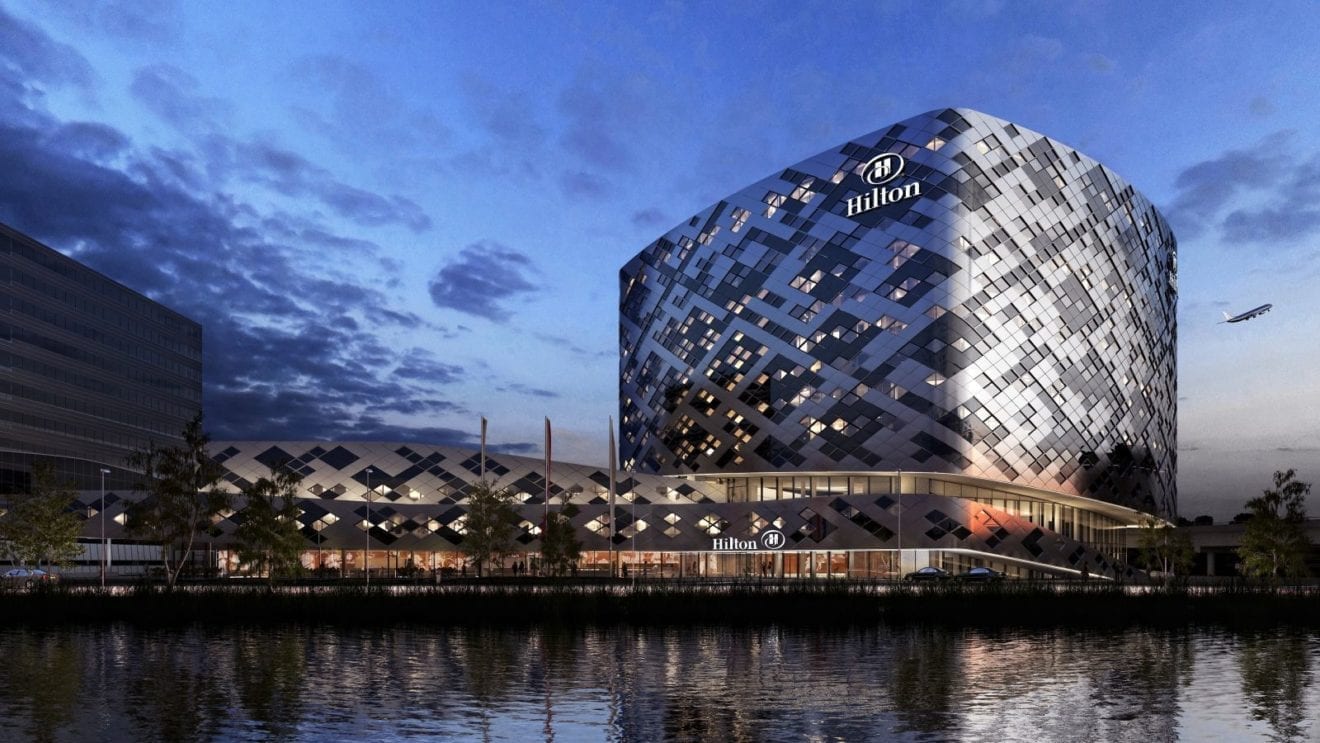
    Hilton Worldwide, a US-based global hotel chain, has steadily been expanding its operations in Indonesia to tap new market opportunities in a hospitality industry that is thriving on the back of steady economic growth and the free visas being offered to the citizens of most of the countries in the world.

    “We already have four properties under our management and eight others, which are under construction in Jakarta, Tangerang, Surabaya and Bali, will open within the next two years”, Hilton’s vice president for Southeast Asia and India William Costley told The Jakarta Post on Wednesday.

    The four properties already in operation are the Double Tree by Hilton in Jakarta, the Hilton in Bandung, the Conrad and the Hilton Garden Inn, both in Bali.

    Hilton, which manages more than 4,600 properties in 103 countries, is also looking for new opportunities in Lombok, Medan in North Sumatra, Balikpapan in East Kalimantan and Palembang in South Sumatra, Costley said.

    It is mostly a matter of finding the right partner for promoting Hilton service standards because Hilton has many brands to fit in with different locations, he said.

    “But we are always directly involved together with the owners in the process of designing and constructing every hotel we will manage and in training its human resources,” he added.

    Costley said the steady growth of Southeast Asia’s largest economy and the ASEAN open skies policy would boost business travel and the whole hospitality industry in many other cities across the vast archipelago.

    “We are quite excited about the prospect of the tourism industry, especially after the launching of the visa-free facility,” he said. “And I think the target of 20 million tourist arrivals in 2020 is not impossible.”

    He sees great potential for developing Indonesia into one of the most favorite tourist destinations and tourism is also the right kind of industry Indonesia needs because of its labor intensive, multiplier impact and, most importantly, this industry is friendly to the environment and earns a lot of foreign currency.

    “Take for example this Double Tree by Hilton hotel here, which has 253 rooms. It employs only two expatriates and the rest of the staff are locals,” Costley pointed out.

    Hilton Worldwide has a portfolio of 13 brands, including the Waldorf Astoria, the Conrad, the Hilton, the Double Tree by Hilton and the Hotel Garden Inn, which are promoted as landmark properties in Indonesia.

    Costley said the Waldorf Astoria, Hilton’s most luxury brand, which will be housed in a 74-story mixed-use building currently under construction on Jl. MH Thamrin in Jakarta, will open in 2018 with 181 rooms.

    Two other properties under construction in Ubud and Seminyak, both in Bali, will operate within the next two years and are also under the Waldorf Astoria brand, while the Hilton Bali (formerly the Grand Nikko) will operate later this year with 408 rooms, he added.

    The other four hotels in Hilton’s management portfolio that will open within the next two years are the Double Tree by Hilton in Surabaya and Karawaci in Tangerang and the Hilton Garden Inn in Kemang, Jakarta, and Karawaci.

    Costley said the Hilton group is strongly committed to strengthening and expanding its growing portfolio of landmark properties in such key destinations as Indonesia.

    Our Hilton Honors loyalty program has 55 million members around the world, and this huge data bank is surely an effective means of promoting Indonesia globally,” Costley added.

  • Revenue up for Global Brands Group

    Revenue up for Global Brands Group

    Branded apparel, footwear, fashion accessories and lifestyle product company Global Brands Group Holding has had a US$4118 million revenue increase for its latest reporting period – covering 15 months because of a change of the financial year end date to March 31.

    Its revenue growth was partially offset by a decrease in the euro exchange rate, the tail-end impact of exiting underperforming brands, and an unseasonably warm winter in North America.

    The core operating profit and net profit for the period were $75 million and $25 million respectively, reflecting the typically weak first quarter.

    “Since Global Brands’ independent listing two years ago, our business has progressed along a steady growth trajectory,” says CEO/vice-chairman Bruce Rockowitz. “We have focused on leveraging our competitive strengths as we grow around our core segments. Today, we enjoy a unique position in our industry as no other company operates in the same space in the categories in which we specialise, at our vast scale, across so many countries and regions.”

    Its total margin has continued to trend up since 2013, reaching $1379 million, or 33.5 per cent as a percentage of revenue. As a result of the group’s investment in key controlled brands and adding new licences to the portfolio, running costs grew to $1304 million.

    “We continue to sharpen our focus on our key product categories and high-performing brands, while expanding our platforms where relevant,” says president/COO Dow Famulak. “Our kids category remains a highly successful franchise delivering consistently positive results, while our footwear and accessories business also performed well, particularly our key footwear brands.

    “We made excellent progress expanding the direct-to-consumer reach and increasing the product offering of our key controlled brands, such as Frye, Spyder and Juicy Couture. Under Seven Global, we extended the David Beckham brand to the menswear product category through a partnership with Kent & Curwen, and recently to the men’s grooming category through a partnership with the men’s skincare brand Biotherm Homme.”

    Rockowitz says the group is committed to global growth. “We will continue to expand our footprint in Europe and in Asia, as well as look for new avenues to further build upon our already strong presence in the US.”

  • Zara parent company boosted profit and sales

    Zara parent company boosted profit and sales

    Spanish clothes retailer Inditex, has reported its net profit for the first fiscal quarter of 2016 rose 6 per cent, after global sales lifted by 12 per cent.

    Inditex said profit for February through April was 554 million euros ($A843.61 million), up from 521 million euros for the same period last year.

    The company’s shares were up 2.7 per cent at 28.74 euros in Wednesday morning trading in Madrid.

    The company said sales reached 4.88 billion euros, a 12 per cent increase on the same period in 2015.

    Inditex says it opened 72 new stores in the period for a total of 7085 and added 11,900 jobs in the process. During the first quarter, the retailer expanded its reach to 90 markets, having opened inaugural stores in Aruba and Nicaragua. At the end of the first-quarter, the Group reported 7085 physical stores.

    Founded in 1975 by Amancio Ortega, Inditex operates eight store brands including Massimo Dutti, Bershka and Oysho.

  • Chow Tai Fook’s Profit Dives 46% in Fiscal 2016

    Chow Tai Fook’s Profit Dives 46% in Fiscal 2016

    Chow Tai Fook reported profit tumbled 46 percent in the past fiscal year as fewer tourists visited Hong Kong and a downturn in Greater China reduced consumer spending.

    Profit slumped to $383.6 million (HKD 2.98 billion) in the 12 months that ended March 31, the Hong Kong-based jewelry retailer said. Revenue slid 12 percent to $7.3 billion (HKD 56.59 billion). Jewelry sales in mainland China dropped 11 percent and in Hong Kong and Macau declined 15 percent.

    Tourist arrivals from the mainland retreated 8.6 percent in Hong Kong and 3.7 percent in Macau during the fiscal year, the jeweler pointed out. Mainland China contributed more than 50 percent of group revenue during the year, a figure that has increased over the past three years. The jeweler said it is still “confident” about the long-term growth potential in the region.

    The “persistently weak retail sentiment” and a “decline” in the number of tourists, particularly from the mainland due to a “strengthening” of the U.S. dollar, continued to affect operations, Chow Tai Fook said.

    “The increasingly affluent and sophisticated Chinese consumers continue to look for more personalized products and shopping experience,” the company added.

    The company, however, pointed out its core operating profit – a non-IFRS measure that Chow Tai Fook believes is a useful measure of its operational performance – fell 24.5 percent, a better outcome compared with net income.

  • M&S profit to take a hit

    M&S profit to take a hit

    After poor quarterly performances from Marks & Spencer’s general merchandise division, the full year results come as no surprise, with UK full-year like-for-like sales falling 1.1 per cent.

    That followed a drop of 1 per cent the previous year.

    Today sees the new CEO take to the stand to reveal his strategy to return M&S profit to growth and regain its position in the market, a tall challenge given the retailer’s share of the UK clothing market has been eroded year on year, falling from 10.5 per cent to 8.7 per cent between 2010 and 2015.

    The announcement that incoming CEO Steve Rowe is willing to take a short term hit on profitability in an effort to restore turnover growth is an essential action, which his predecessor was unprepared to implement. Investment in price, product quality, availability and customer service is a message we have heard before from M&S, but the sacrifice of profitability signals a stronger commitment this time round.

    As well as focus on price positioning and style authority to improve its clothing business, both of which are essential in driving footfall back into stores and online, M&S has put a large emphasis on the importance of customer experience. It hopes to slim down its clothing offer further and reduce duplication across ranges to remove shopper confusion.

    Again, this was addressed a few years ago but under Rowe’s new management structure and shift in its buying strategy (buying by product category, not by sub brand), issues of repetitiveness across collections should be prevented – though communication between product buying teams is vital to ensure final ranges are coherent and the sub brands target their core customer segments.

    Despite facing a tough economic climate and a potential weakening in consumer confidence in 2016, expect to see initial sales improvements filter through in M&S’ half year results in November.

  • Axiata Q1 profit falls 37% on rising costs

    Axiata Q1 profit falls 37% on rising costs

    Malaysia-based Axiata Group has reported a 37% slump in net profit for the first quarter ending in March, due in part to higher capex, financing and depreciation costs.

    Net profit fell to 368 million ringgit ($90.1 million) despite a 5.4% year-on-year increase in revenue to 5 billion ringgit.

    Axiata’s domestic subsidiary Celcom Axiata had what the company called a “challenging quarter,” with revenue declining 13.4% year-on-year.

    As a result of new regulations, Celcom had to temporarily suspend almost all value added services during the quarter due to customer complaints, resulting in VAS revenue falling by 19.8%. Celcom’s normalized profit fell 22.3%.

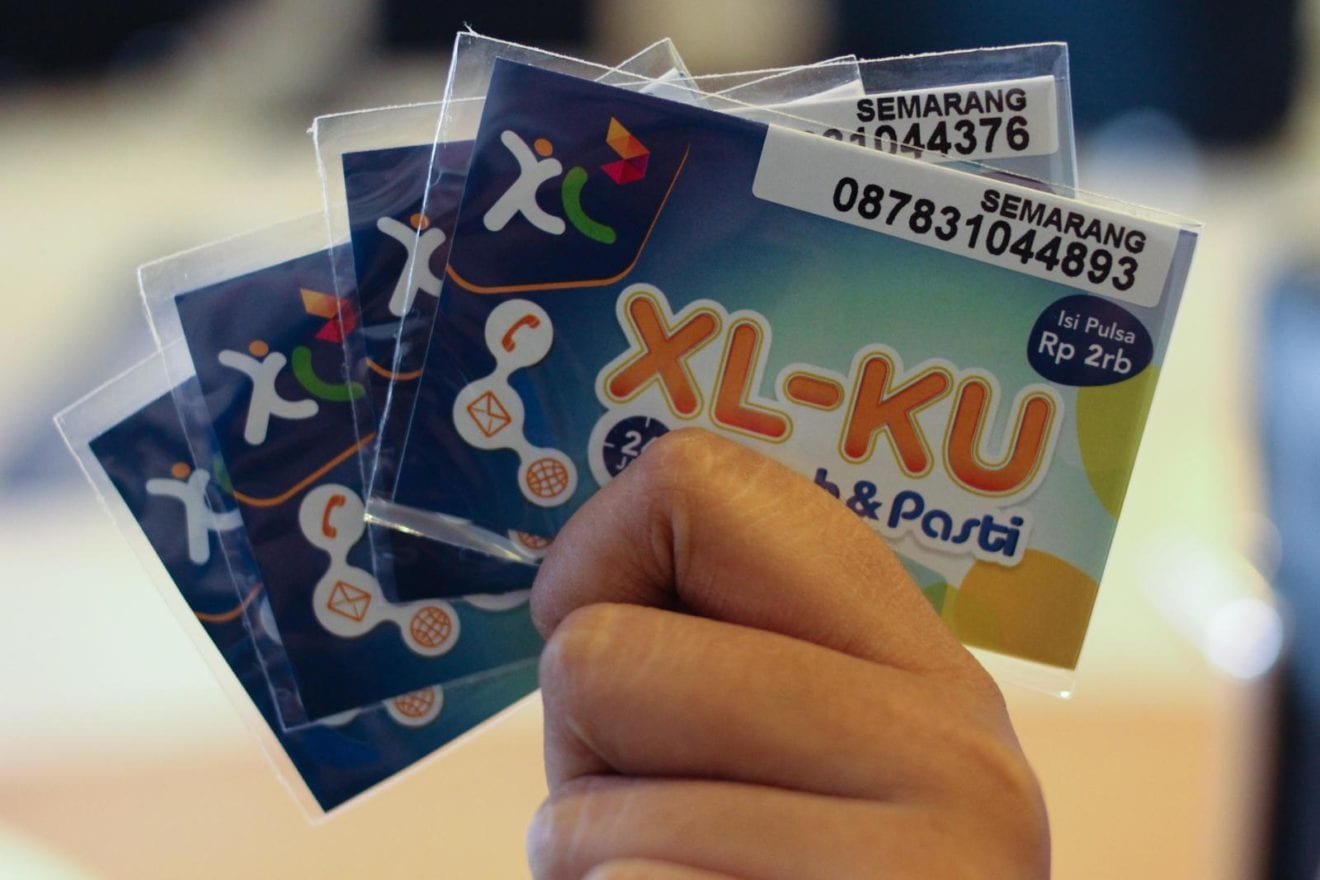
    But Indonesia’s XL Axiata had a strong first quarter, with net profit more than doubling and revenue growing 2.5% as a result of the strong performance of the Axis brand, acquired in 2014.

    Axiata Group also reported a steady performance in its emerging markets segment of Sri Lanka, Bangladesh and Cambodia. But the contributions from regional associates Idea Cellular in India nd M1 in Singapore both declined.

    “The first quarter showed mixed results with XL, Dialog and Smart performing exceptionally well while Celcom’s performance impacted the Group’s results,” Axiata Group CEO Dato’ Sri Jamaludin Ibrahim said.

    “However, I am pleased to note there are many positive signs; Celcom has been aggressively rolling out more LTE sites and a number of competitive and exciting data products and services over the last two months. I am confident with these initiatives in place, Celcom will be back on track to finish the year respectably.”

  • Shoe manufacturer Le Saunda down at heel for fiscal year

    Shoe manufacturer Le Saunda down at heel for fiscal year

    Le Saunda Holdings Limited – a company primarily engaged in the manufacture and retail of Le Saunda ladies and men’s shoes, CNE footwear (an O2O brand) and Linea Rosa high-fashion footwear brand – announced a consolidated profit of RMB122.1 million (MOP149.42 million) for the fiscal year ending February 2016, in a filing on the Hong Kong Stock Exchange. This represents a 35.5 per cent year-on-year drop for the fiscal year compared to 2014/2015’s RMB189.3 million.

    The group has a total of 896 stores, located mostly in Mainland China, with 12 operating in Hong Kong and Macau.
    Sales in Hong Kong and Macau plunged 29.2 per cent year-on-year, at RMB110.7 million as compared to the RMB156.4 million seen in the previous fiscal year, causing a change in the Hong Kong and Macau business units ‘from profitable to making loss’ – a loss of RMB10.596 million – notes the filing. Over the fiscal year eight stores in the two SARs were phased out, noting that ‘after the shop rental in Hong Kong adjusts back to a normal level, the opportunities of opening new stores would appear again.’

    The group note opines that it is ‘the pattern of consumers’ behaviour that has been changing,’ despite the fact that ‘urban disposable income is actually on the rise […] ongoing weakness is noted in consumer spending.’

    For the fiscal year in question the group’s total revenue decreased by 3.7 per cent year-on-year to RMB1.621 billion. For the Macau segment total revenue amounted to MOP16.52 million, a 47.4 per cent drop compared to the MOP31.41 million registered in the previous fiscal year.

    A total drop of 0.9 per cent was seen in the group’s retail sales in Mainland China, amounting to RMB1.51 billion, which was noted as ‘better than the overall decline in the Group’s revenue,’ in the filing, attributable to a ‘stable loyal customer base brought by the Group’s reputation of products with “sophisticated styles with top quality”,’ as well as ‘consistent moves to close underperforming stores and open new ones to drive sales,’ complimented by the ‘launch of popular casual designs with elements favoured by young people to meet the market demands . . . [and] . . . a higher ratio of repeat purchases benefiting from innovative marketing approaches on both online and offline channels to facilitate close interaction with VIP customers.’

    Future predictions note that ‘the Group anticipates the lacklustre sentiments prevailing in the retail market will last for one to two years’ and that ‘retailers will still face enormous challenges ahead.’ To conquer this, the group will focus on: ‘formal footwear for the medium to high-end market’ as well as focusing on the product mix to ‘explore the young-line products with unique functional and fashionable items’. La Saunda also seeks to transform itself from a vertically integrated offline retailer to ‘an omni-channel operator which is highly data-oriented,’ as well as to ‘introduce a new retail model with swift O2O deployment,’ notes the filing.

    The group employs 5,286 people, of whom 150 are based in Hong Kong and Macau.

  • SSI Group profit dives

    SSI Group profit dives

    SSI Group saw its profit slashed by more than half – or 54.5 per cent – to P122 million (US$2.6 million) in the first quarter, from the same period a year ago.

    The Philippines’ largest specialty store retailer recorded a 7 per cent increase in revenues to P4.3 billion in the first quarter of 2016 – outperforming forecasts after the group added Mont Blanc to its brand portfolio and increased its network by 29 stores, SSI said.

    “SSI posted better-than-expected sales growth during the first quarter of the year as we leveraged on the strength of our brand portfolio and our store network,” said SSI president Anthony Huang.

    In the first quarter, SSI was operating 117 brands and 775 specialty stores covering more than 146,000 sqm, a 6 per cent year-on-year increase in the company’s retail footprint.

    “Through the rest of the year, we will continue to focus on top line growth and on maximizing the efficiencies of our store network,” said Huang.

  • Profit slump for supplement retailer Eu Yan Sang

    Profit slump for supplement retailer Eu Yan Sang

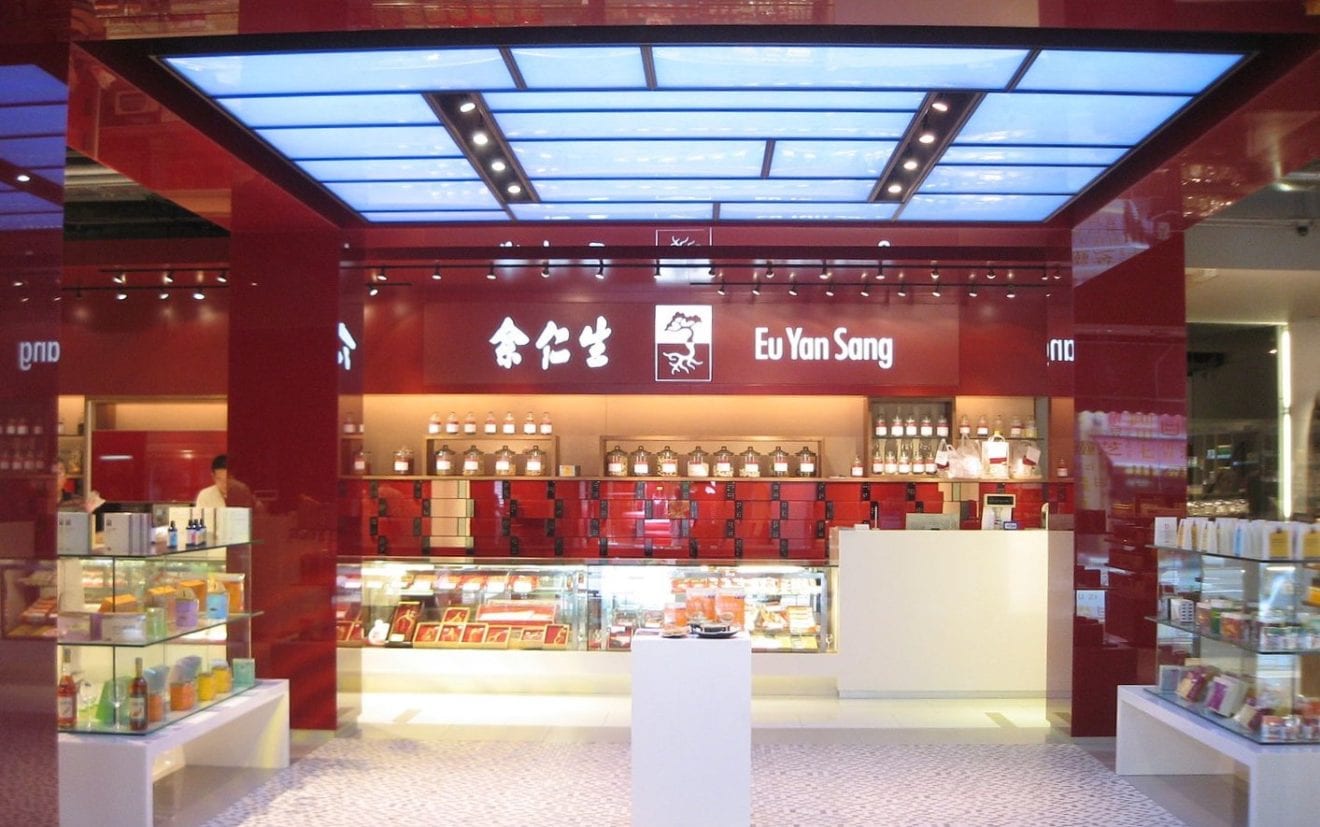
    Singapore supplement retailer Eu Yan Sang International has had its third-quarter net profit slump to S$286,000 (US$208,515) from $5.45 million as a result of declining revenue, foreign exchange losses and expenses related to closing F&B outlets in China.

    Revenue for the four months ending March 31 slipped 6 per cent to $103.87 million, mainly because of lower revenue from the Malaysian market as well as its weakening currency.

    Foreign exchange losses of $1.9 million resulted from the weakening Hong Kong dollar during the third quarter as well as the outlet closures.

    “Despite the sluggish regional economy, we are heartened by the green shoots of recovery budding in some of our markets,” says group CEO Richard Eu. ”We remain committed to improving our performance through cost-reduction initiatives and rationalisation, while seeking greater levels of efficiency through technology.

    “On the other hand, weak macroeconomic conditions continue to weigh down our market performance in Hong Kong and Malaysia.”

  • Bank Mandiri chalks up Rp3.8 trillion in Q1 net profit

    Bank Mandiri chalks up Rp3.8 trillion in Q1 net profit

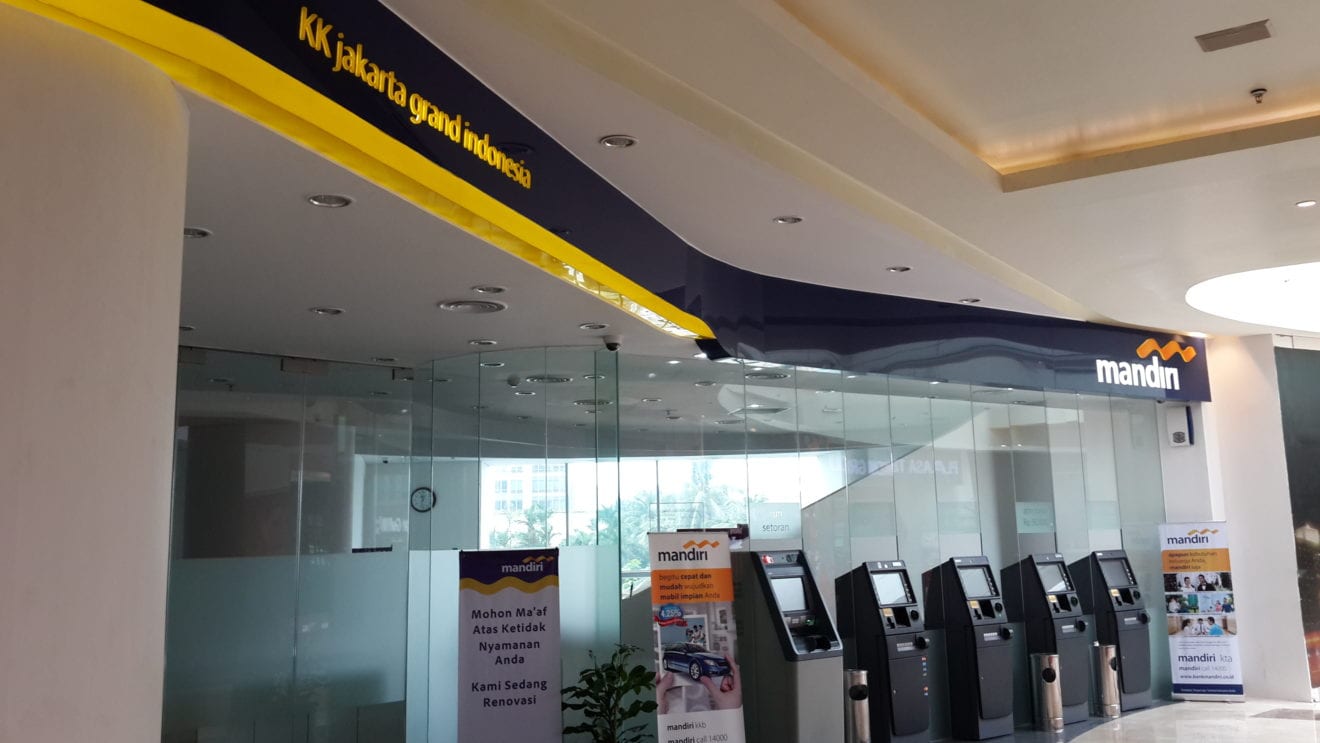
    The state-owned lender Bank Mandiri reported Rp3.8 trillion in net profit in the first quarter of 2016 thanks to increases in net interest income and fee-based income.

    The countrys largest bank in asset recorded a 19.1 percent in increase in net premium and net interest income to Rp13. trillion and 8 percent rise in fee-based income to Rp4.2 trillion.

    President Director of the bank Kartika Wirjoatmodjo said the increase in net interest income and fee-based jacked up operating income that surged 16.3 percent on-year to Rp17.2 trillion.

    The increase in income contributed to 15.9 percent growth in operating profit to Rp9.3 trillion, Kartika said here on Sunday.

    “Productivity of assets, liability and transaction business have been well managed amid the domestic and global economic slowdown,” he said.

    The liquidity of the bank was marked with the increase in third party funds held by the bank to Rp655.1 trillion in the first three mo9nths of the year, he said.

    Around 62 percent or Rp406.5 trillion of the third party funds were in giro and savings . Savings dominated the cheap fund growing Rp18.2 trillion to Rp248.8 trillion.

    Its outstanding credits totaled Rp574.7 trillion by the end of the first quarter of the year, and 85.7 percent of the credits were categorized as productive credits, Kartika said.

    Infrastructure credits totaled Rp46.42 trillion and credits for micro, small and medium enterprises (UMKM) reached Rp74.6 trillion.

    Its people credit facility called KUR reached Rp3.7 trillion or 28 percent of the whole years target of Rp13 trillion with 466,000 recipients in the first quarter of the year.

    Earlier a bank director Tardi said the target set for this year is more than quadrupling the target of only Rp3.2 trillion in 2015.

    The bank has established more small branch offices in the regions to facilitate disbursement of KURs for micro, small and medium enterprises.

    The small branch office would bring the bank closer to small depositors, Tardi said.

    In 2016, Bank Mandiri hopes to increase the number of its small branch offices to around 400 units all over the country.

    By April 2016, at least 26 new units have been in operation and by September the remaining 374 units are expected to be ready for operation.

    With the additional branch offices, the bank hopes to expand its market among the small and medium enterprises, which have proved more resistant to economic crisis.

    The small and medium enterprises provide a potential market for banking business in the country, banking observers have said.

    Currently, Bank Mandiri has 3,021 outlets including 600 units of kiosk all over the country.

    Bank Mandiri also has 17,000 agents for financial services without office for inclusive finance in various areas in the country.

    They include 8,759 individual agents and the rest institutional agents .

    In 2015, the bank reported a better-than-expected net profit but its bad loans crept up partly due to its exposure to the commodities sector.

    The bank posted a net profit of Rp20.3 trillion in 2015, or about 2 percent higher than in 2014.

    Its outstanding credits surged 12.4 percent to Rp595.5 trillion.

    Growth in net profit was the smallest in a decade, as the bank stepped up provisions. But the lenders 2015 profit was still higher than the average forecast of Rp19.59 trillion.

    Its gross non-performing loans (NPL) rose to 2.60 percent of total loans by the end of 2015, from 2.15 percent in the previous year.

    Gross NPL is predicted to be around 2.5 percent to 3 percent in 2016, Kartika has said.