Retail News CRM

Tag: profit

  • Nokia beats estimates with Q4 earnings

    Nokia beats estimates with Q4 earnings

    Nokia has reported a narrower-than-expected 64.6% year-on-year decline in fourth quarter net profit to $682 million, as the company’s efforts to expand its portfolio to compensate for a shrinking mobile equipment market bore fruit.

    The company’s ebitda declined 27% over the same period to $1.01 billion, but analysts had been projecting a decline to $850 billion.

    Net sales fell 14% year-on-year to €6.7 billion ($7.21 billion), in a result Nokia said reflects challenging market conditions during the quarter.

    But Nokia CEO Rajeev Suri said the company’s diversification strategy helped compensate for these conditions somewhat.

    “At the start of the year, Nokia was focused primarily on mobile networks,” he said.

    “We ended the year as a company with a complete portfolio spanning mobile, fixed, routing, optical, stand-alone software and more; with solid opportunities to drive higher returns through expansion into new customer segments; with emerging businesses in digital health and digital media; and with greatly expanded patent and brand licensing activities.”

    For the full year, net sales fell 10% to $23.94 billion, while operating profit fell 25% to  $2.17 billion.

    “Our ongoing intense focus on execution, cost management and pricing discipline was critical to offset the impact of challenging market conditions over the course of the year,” Suri said.

    “While I remain disappointed with our topline development in 2016, we continue to expect our performance to improve in 2017 and see the potential for margin expansion in 2017 and beyond, as market conditions improve and our sales transformation programs gain further traction.”

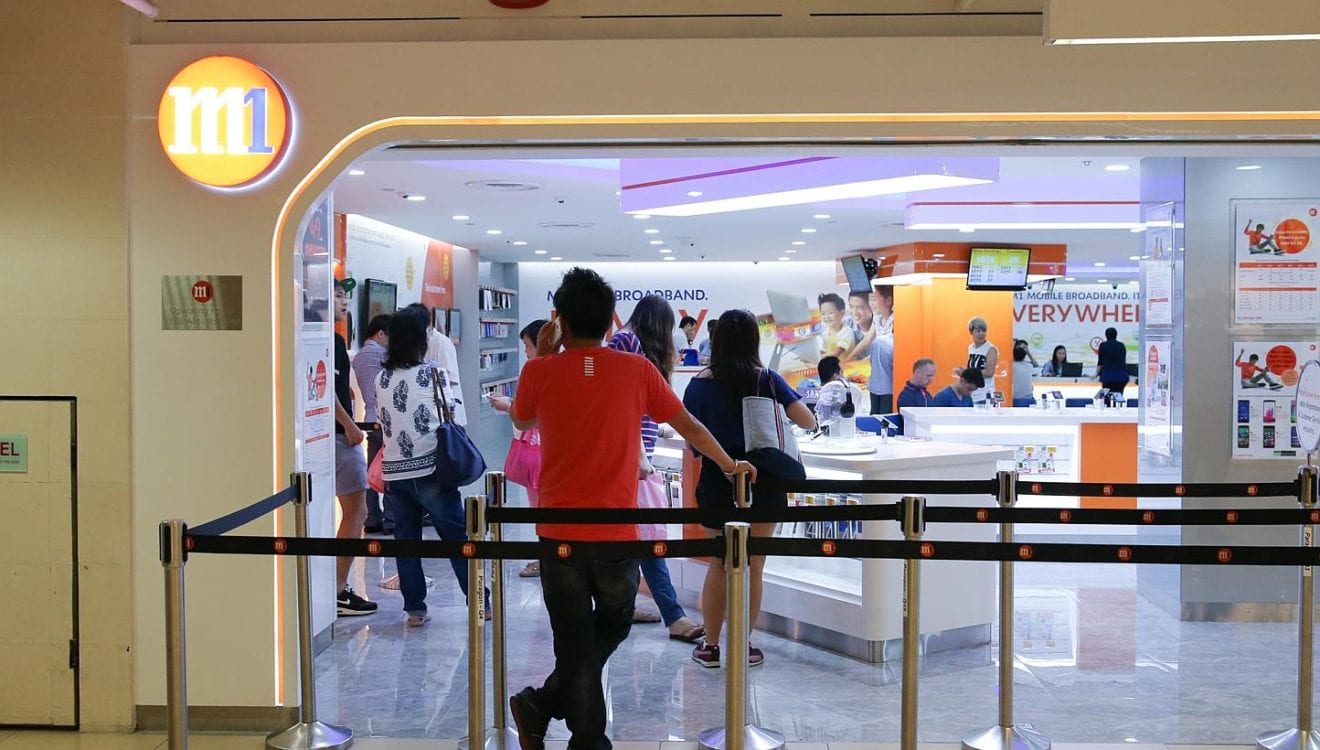
  • M1 profit falls 16.1% in 2016

    M1 profit falls 16.1% in 2016

    Singapore’s M1 has reported a 16.1% slump in net profit for 2016 to S$149.7 million ($105.3 million), blaming lower international call and roaming revenues as well as rising expenses.

    The operator’s service revenue for the year fell 2% to S$805.5 million, due to the ongoing impact of OTT substitution. But fixed-line revenue grew a strong 21.4% to S$104.2 million, growing to account for 12.9% of service revenue.

    Besides the decrease in revenue, M1 said depreciation and amortisation expenses grew due to an increasing 4G network fixed asset base, and additional spectrum acquisition costs also contributed to the profit decline.

    M1 added 52,000 postpaid customers and 39,000 prepaid customers during the year, bringing its total mobile customer base up to 2.02 million. Mobile churn meanwhile stayed flat at 1%.

    During the year, mobile data consumption grew to account to more than half of M1’s total service revenue, increasing 7.7 percentage points year-on-year during the fourth quarter to 54%.

    M1 meanwhile added 32,000 fiber customers during the year, taking its total to 160,000 and contributing to the growth in fixed service revenue.

    Capex for the year grew to S$140.5 million, up from $133.5 million a year earlier,

    “We continue to invest and innovate to enhance our service offerings to better serve our customers, as well as capitalize on new opportunities in the digital economy such as solutions for smart nation and  IoT services,” M1 CEO Karen Kooi said.

    “These initiatives, together with the foundation that we have laid over the years, will enable us to create and deliver long-term value to our stakeholders.”

  • Alibaba third quarter revenue surges 54% to $7.67bn

    Alibaba third quarter revenue surges 54% to $7.67bn

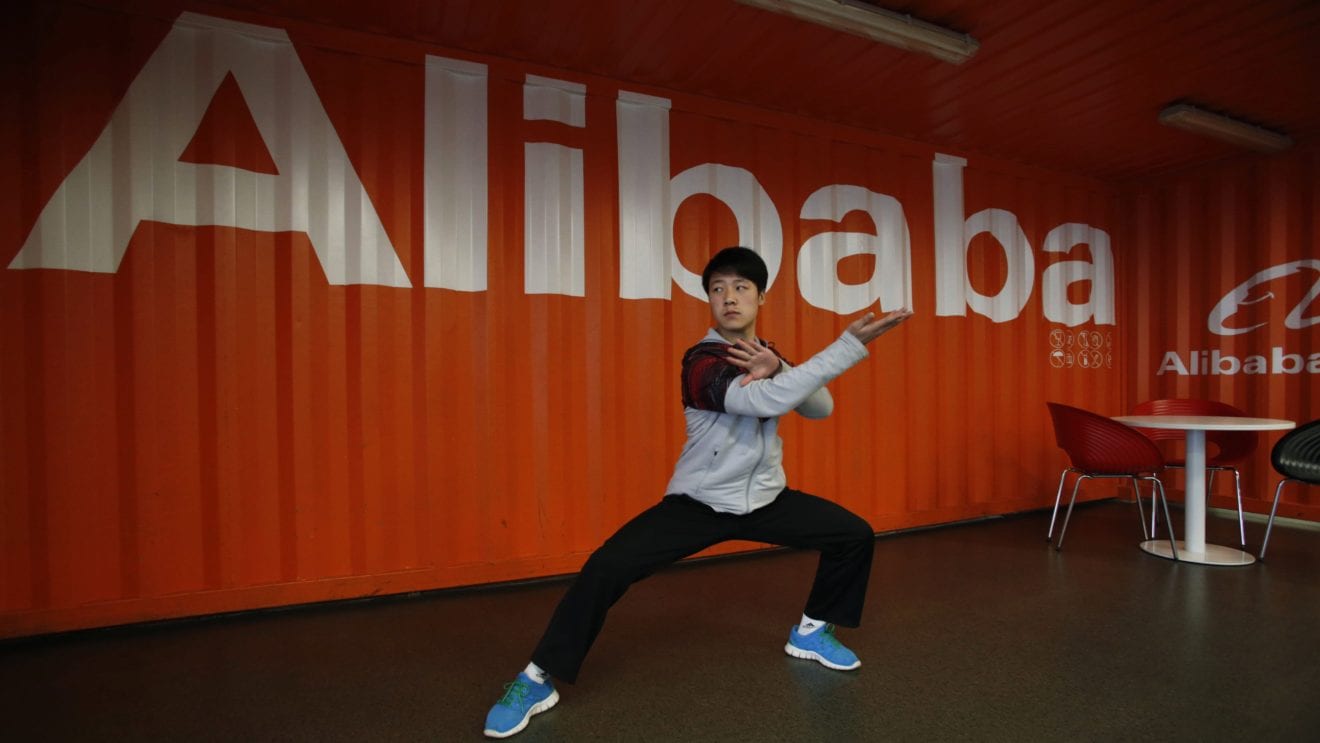
    Alibaba has reported that its third quarter revenue increased 54% to $7.76bn, compared to $5.3bn for the same period last year.

    The Chinese e-commerce giant credited the revenue growth to its commerce retail business in China followed up by Alibaba Cloud and also the integration of its newly acquired businesses, especially Youku Tudou and Lazada.

    Alibaba stated that the robust revenue growth in its Chinese commerce retail business was due to its persisting efforts to improve the social commerce platform by delivering better user experience driven by data technology.

    Alibaba Group CEO Daniel Zhang said: “Our robust December quarter demonstrates the strength of the Chinese consumer and Alibaba’s ability to create value across our vast ecosystem.

    “The 11.11 Shopping Festival featured Alibaba at its best, integrating commerce, entertainment and social engagement, all happening globally at record scale. We are driving the age of ‘New Retail,’ which leverages big data and innovation to provide a seamless online and offline experience for nearly half a billion mobile monthly active users.

    “This retail transformation will make it even easier and more efficient for brands and retailers to engage with these consumers anywhere, anytime.”

    The commerce retail business contributed revenue of RMB40.8bn ($5.9bn), an increase of 77% in comparison to what it earned in the same quarter in 2015.

    From outside China, the retail business for Alibaba brought the group revenue of RMB2.4bn ($353m), surging at 288% in comparison to what was registered in Q4 2015.

    The group’s cloud computing business brought revenue of RMB1.8bn ($254m), an increase by 115% compared to Q4 2015.

    On the digital media and entertainment front, Alibaba made revenue of RMB4bn ($585m), surging by 273% to its corresponding revenue in the same quarter of 2015.

    Following the results it has delivered for Q4 2016, Alibaba is expecting its revenue for fiscal year 2017 to increase 53% year-over-year.

  • Burberry reports positive Q3, retail sales up 4 percent

    Burberry reports positive Q3, retail sales up 4 percent

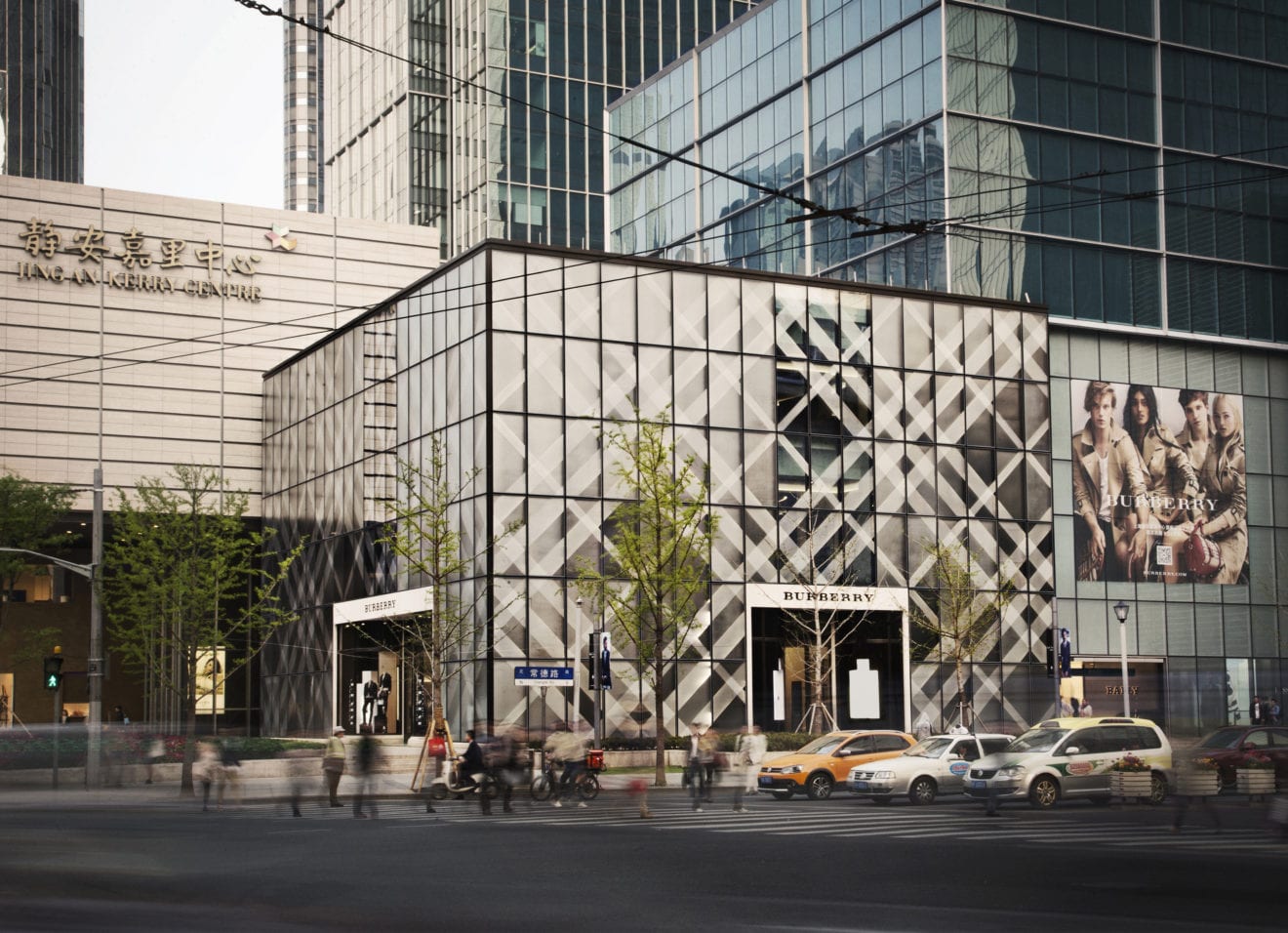
    For the three months to December 31, 2016, Burberry retail sales of 735 million pounds (907 million dollars) improved 4 percent underlying and 22 percent at reported FX. Comparable sales for the period increased 3 percent. The company expects FY17 adjusted PBT to be in line with current market expectations.

    Commenting on the third quarter trading, Christopher Bailey, Chief Creative and Chief Executive Officer, said in a statement, “With a record number of views of our festive film and strong demand for new products in our collections, this third quarter improvement reflects early progress from our plans to drive Burberry’s performance for the long term.”

    The company reported low single-digit percentage growth in Asia Pacific with acceleration in Mainland China, which posted a high single-digit percentage comparable sales growth, despite the impact of the elevation of the store portfolio in Beijing. Hong Kong, the company said, improved to a low single-digit percentage comparable sales decline, with positive conversion offsetting the majority of the footfall decline.

    EMEIA region witnessing a double-digit comparable sales growth, continued exceptional performance in the UK with comparable sales growth of around 40 percent. While Continental Europe remained weak, France saw some improvement compared to Q2. Americas posted a low single-digit percentage decline in the Americas with domestic and travelling luxury customer demand remaining uneven in the United States.

    Burberry said, fashion again outperformed replenishment and led growth across all categories and accessories outperformed, led by strength in bags.

  • Ford bets on Mustang to power up China profits

    Ford bets on Mustang to power up China profits

    Ford Motor is betting on one of its most distinctively American models, the Mustang muscle car, to boost the company’s sales and profits in China.

    Ford began selling the Mustang in China in early 2015, and it is a niche vehicle, selling at a rate of about 3,000 cars a year. Still, that makes the Mustang, which starts at 399,800 yuan ($57,670) the top-seller in a sporty car segment against more expensive vehicles like the Audi TT and the Nissan Skyline GT-R. Mustang last year outsold the Chevrolet Camaro from General Motors Co by nearly 15 to one.

    With styling that harks back to 1960s Detroit muscle cars, the Mustang stands out in a Ford lineup dominated by practical sedans and sport utility vehicles. Ford’s sales in China grew by 50 percent in 2013 and 20 percent in 2014, but in 2015 the pace slowed to 3 percent. In 2016, Ford added the Lincoln luxury brand to its China lineup and expanded sales by 14 percent.

    Industry analysts said Ford’s China market profits and profitability were relatively healthy, with operating margins for Ford’s joint ventures with Chongqing Changan Automobile Co Ltd (000625.SZ) and Jiangling Motors Corp (JMC) (000550.SZ) in the 14-16 percent range over the past three years.

    But competition in the world’s largest car market continues to heat up as global automakers, from GM to Volkswagen AG to Toyota Motor Corp, add more models to product ranges. Indigenous Chinese automakers, too, are launching models that can compete more head-on with global carmakers’ products.

    Ford officials said the company’s China operations did not have specific profit objectives but were trying to keep margins in their current “healthy” range.

    “In terms of having a pricing power on your brand, you want people to be choosing your brand for rational reasons, but if you could also (combine) that with emotional reasons, that’s when you get some pricing power,” Peter Fleet, Ford’s executive in charge of sales and marketing for the Asia-Pacific region told Reuters.

    The Mustang and the F-150 Raptor, a high performance version of Ford’s F-150 large pickup truck, provide the emotion, he said.

    The formula works for Dong Zirui, a 27-year-old small rental car business owner in the northeastern China city of Tangshan who bought a Mustang late last year.

    “The Mustang is a rear-wheel-drive car,” said Dong who decided to buy the Mustang when he spotted photos of it online. “It’s a savage when you try some drifting stunts with the car.” But Dong said he can fit his wife and young son in the car when he needs to.

    Dealers say the Mustang brings in two types of buyers to Ford stores: younger drivers, mostly younger than 30 years of age, from upper-middle class families, who have recently finished their studies and have financial support from their parents, as well as drivers in their 30s and 40s who have work or life experience outside China.

    “Ford has a cleaner sheet in China, so there might be an opening for those halo cars to help the company improve its brand image,” said James Chao, Asia-Pacific chief for consulting and research firm IHS Markit Automotive, referring to China being a relatively young market.

    As Chinese consumers typically make car purchasing decisions based on word-of-mouth advice from their family and friends, Mustang buyers can be influential opinion leaders for Ford.

    Guo Xin, a 30-year-old rally car racer and stunt driver for films and commercials in Beijing, said he liked the Mustang so much that in 2011 he helped form a Mustang Club of China which now has some 2,000 members.

    “Growing up I used to see the Mustang in movies,” said Guo who drives a 2006 Mustang and also owns a 1966 Mustang.

    Guo’s classic Mustang would turn heads even in Detroit. But he cannot take it out on public roads. Used cars brought in from outside China cannot be registered in the country.

  • Tesla posts 9.4 percent fall in quarterly deliveries

    Tesla posts 9.4 percent fall in quarterly deliveries

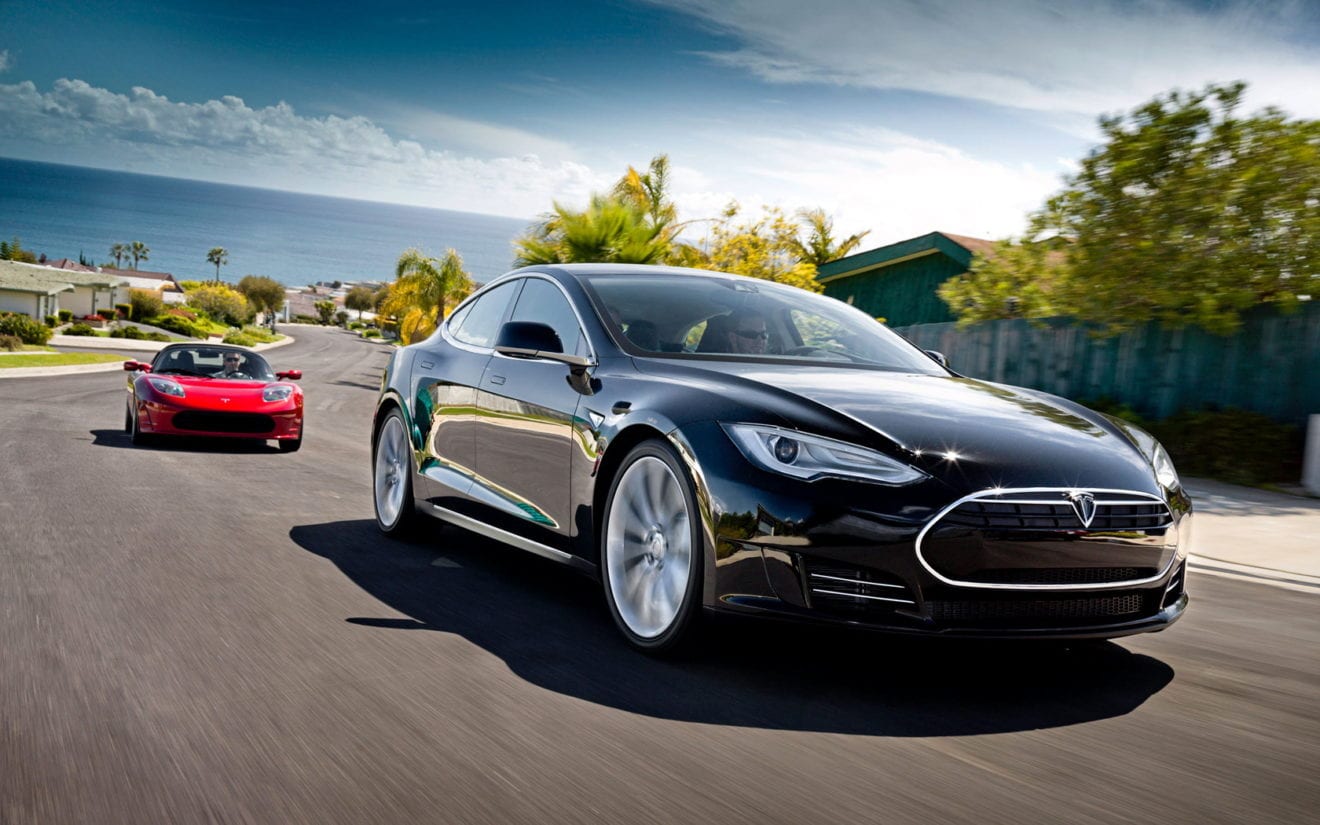
    Tesla Motors said on Tuesday fourth-quarter deliveries fell 9.4 percent due to short-term production hurdles from the transition to a new autopilot hardware.

    Deliveries fell to about 22,200 vehicles in the fourth quarter from 24,500 vehicles in the preceding quarter.

    Total deliveries for 2016 of 76,230 also fell short of the company’s projection of 80,000 to 90,000.

    Shares of the company, led by entrepreneur Elon Musk, were down nearly 2 percent at $212.90 in extended trading.

    Tesla said production challenges, which started at the end of October and lasted through early December, shifted vehicle production toward the end of the quarter, resulting in delayed deliveries.

    “We tried to recover these deliveries and expedite others by the end of the quarter, time ran out before we could deliver all customer cars,” the electric carmaker said.

    Nearly 2,750 vehicles missed being counted as deliveries in the quarter due to last-minute delays in transport or because of the inability of customer to physically take delivery.

    In addition to the fourth-quarter deliveries, about 6,450 cars were in transit and these would be counted in the first quarter, the company said.

  • Local banks post 4.5pc pre-tax profit rise

    Local banks post 4.5pc pre-tax profit rise

    Local retail banks achieved a moderate 4.5 percent growth in pre-tax profit between January and September this year, the Hong Kong Monetary Authority said yesterday.

    Annualized net interest margin — which measures the difference between the interest income generated by retail banks and the amount of interest paid out to their lenders – stood at 1.32 percent during the period.

    The figure stayed broadly the same as last year, Hong Kong’s de facto central bank said.

    It noted though that the January to September figure marked a slight improvement from the 1.3 percent recorded between January and June this year.

    HKMA attributed profit growth of local banks mainly to an expansion of their income from foreign exchange and derivatives operations and in dividends received from subsidiaries.

    A decline in their operating expenses also boosted the banking industry, but a fall in fee and commission income may offset profit growth.

    As retail banks’ total deposits increased at a faster pace than total loans, the loan-to-deposit ratio of retail banks declined to 55.2 percent at the end of the third quarter from 57 percent a quarter earlier.

    Retail banks’ total loans increased by 1 percent during the period, with loans for use in Hong Kong rising by 1.2 percent and loans for use outside Hong Kong expanding by 0.2 percent.

    The authority said lending by local banks in the mainland expanded by 3.2 percent to a combined HK$4.55 trillion at the end of the third quarter from the previous quarter.

    The HKMA said the loan-to-deposit ratio of local banks declined to 55.2 percent from 57 percent and the setback is attributed to a faster increase of deposits compared to loans that were disbursed to customers.

    Meanwhile, the Hong Kong interbank offered rate, or the rate of interest charged on short-term loans, continued to rise for the 11th day yesterday. One-month HIBOR yesterday edged up to 0.68 percent from 0.675 percent a day earlier, while three-month HIBOR increased from 1 percent to 1.00964 percent, according to data from the Hong Kong Association of Banks.

  • Malaysia’s AirAsia and AirAsia X fly back into profit in third quarter

    Malaysia’s AirAsia and AirAsia X fly back into profit in third quarter

    Malaysia’s AirAsia swung to a profit in the third quarter from a net loss a year earlier, mainly driven by an increase in aircraft operating lease income that boosted revenue during the quarter.

    A 22 per cent tumble in the average fuel price to Us$62 per barrel from $79 per barrel a year earlier also contributed, the airline said.

    Net profit for the three months ended September 30 was 353.9 million ringgit (Dh292.4m), versus a net loss of 405.7m ringgit a year earlier. Revenue rose 11.2 per cent to 1.69m ringgit, the company said.

    The results were underpinned by a seat load factor of 89 per cent, a measure of how full planes are, up 7 percentage points from the same period last year.

    The number of passengers carried rose 5 per cent, although capacity fell 3 per cent year-on-year, AirAsia said.

    AirAsia X Berhad, AirAsia’s long-haul budget sister carrier, also recorded a net profit in the third quarter versus a year-ago loss as more capacity on flight routes led to a higher number of passengers for the airline.

    AirAsia X, which is expected to report a profit for this year after two straight annual losses, embarked on a business and organisational restructuring in 2015. It has been adding capacity in Australia and increasing frequency on selected existing routes where demand is high to shore up its results.

    For the third quarter ended September, it reported net profit of 11.03m ringgit, versus a net loss of 288.2m ringgit a year ago.

    Revenue climbed 23.9 percent to 982.4 million ringgit, driven by increases in seat capacity, ancillary revenue, aircraft operating lease income and freight and cargo revenue, the company said in a statement.

    Operations are benefiting from a weaker ringgit that has prompted customers to look at Malaysia “as a value-for-money holiday destination”, said the chief executive Benyamin Ismail.

    The company recorded a passenger load factor of 78 per cent in the third quarter, 3 percentage points higher year on year, AirAsia X earlier said.

    The airline increased its passenger carrying capacity by 34 per cent year on year over July to September.

    “Strong demand from North Asia prompted AirAsia X to add frequencies to Beijing, Shanghai and Osaka while the Australian sector continued to improve with additions warranted for Gold Coast and Sydney,” MIDF Research said.

    The company’s capacity expansion primes the airline for the peak travel season at the end of the year, it added.

    “Based on the current forward booking trend, the expected number of passengers to be carried in the fourth quarter remains promising. Forward loads and average fares are trending better than the previous year,” AirAsia X said.

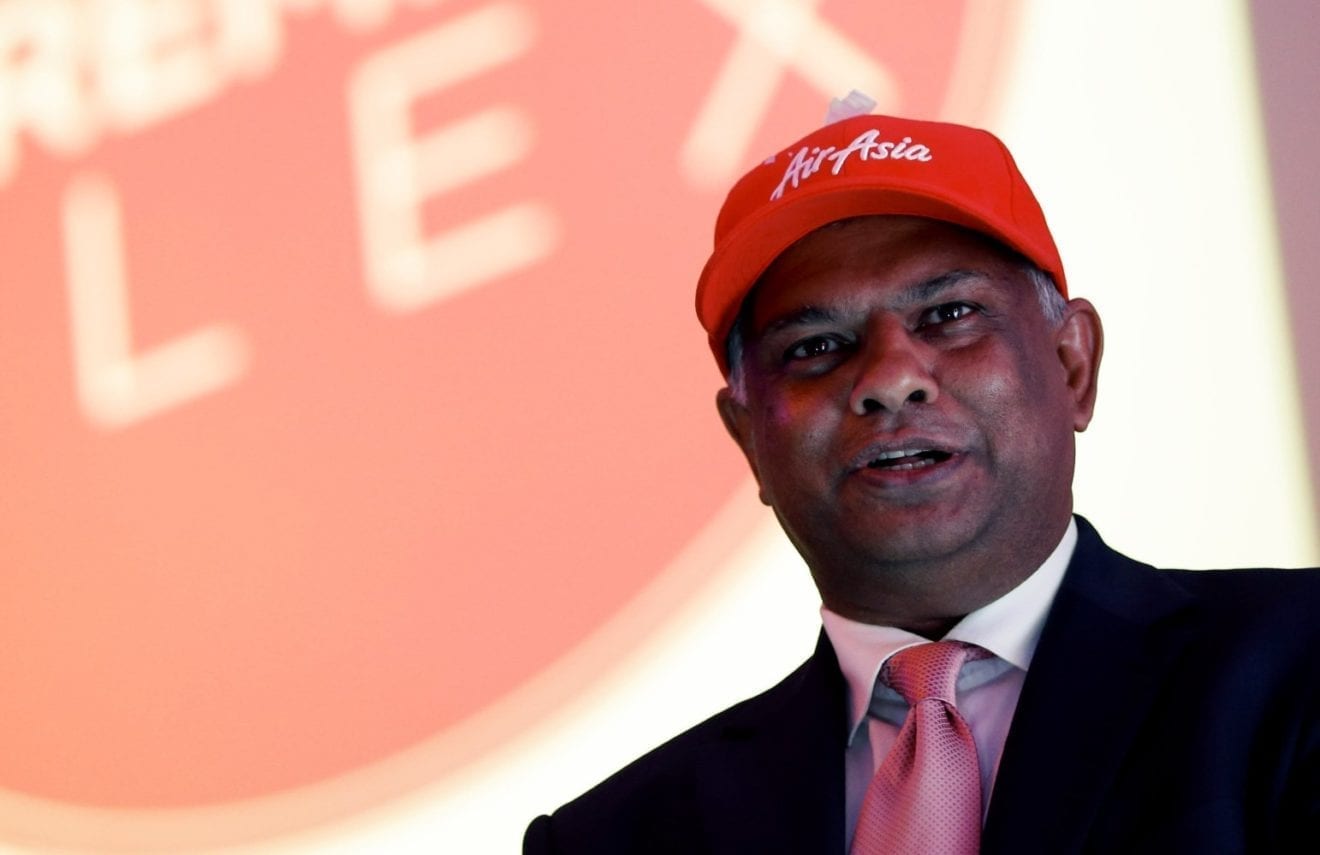
    Parent AirAsia Group’s chief executive, Tony Fernandes, has said he wants AirAsia X to expand into new destinations in Europe, the United States and Africa.

  • Axiata Group 9M16 revenue grows 8.6%

    Axiata Group 9M16 revenue grows 8.6%

    Malaysia-based Axiata Group has reported an 8.6% growth in revenue for the first nine months of the year, due in part to strong growth from the South Asia region.

    Total revenue reached 15.8 billion ringgit ($3.55 billion), with ebitda up 13.4% to 6 billion ringgit. But net profit slumped 55.7% to 929 million ringgit due to one-off gains in the previous year, higher financing costs and increased forex losses from the weaker ringgit.

    For the third quarter, total revenue grew 2.8% quarter-on-quarter and 8.6% year-on-year to a record 5.5 billion ringgit, due largely to the performance of its newest acquisition, Nepal’s Ncell. Q3 represented the first full quarter of contribution from Ncell.

    Net profit reached 296 million ringgit, up 27.3% quarter-on-quarter but down significantly from 955 million a year earlier.

    Across Axiata’s operation, improvements were seen at domestic mobile unit Celcom and Indonesia’s XL for the third quarter, with service revenue at Celcom returning to growth after three consecutive quarters of declines.

    XL revenue grew 1.6% quarter-on-quarter and year-to-date net profit grew by over 100% mainly due to forex gains associated with the refinancing of XL’s US dollar debt to Indonesian rupiah.

    In South Asian markets, Ncell reported a 16.9% year-to-date profit growth, Sri Lanka’s Dialog posted a profit growth of 18.7% over the same nine-month period, but Bangladesh’s Robi reported a 1% decrease in normalized profit.

    “We are pleased with the improvements in revenue and EBITDA, although the Group performance continues to be affected by the weaker operating environment and increased competitive pressures across our markets,” Axiata chairman Tan Sri Azman Hj Mokhtar said.

    “We remain especially focused on management’s plans for recovery and turnaround strategies at XL and Celcom.”

    Axiata group CEO Tan Sri Jamaludin Ibrahim added that 2016 “2016 remains challenging for the group across most of our markets – particularly in Malaysia, Indonesia, Singapore and India where fiercer competition and rising capex have weighed in on overall performance and profitability.”

  • Sheng Siong’s net profit expands 8.2% to $15.7m in Q3

    Sheng Siong’s net profit expands 8.2% to $15.7m in Q3

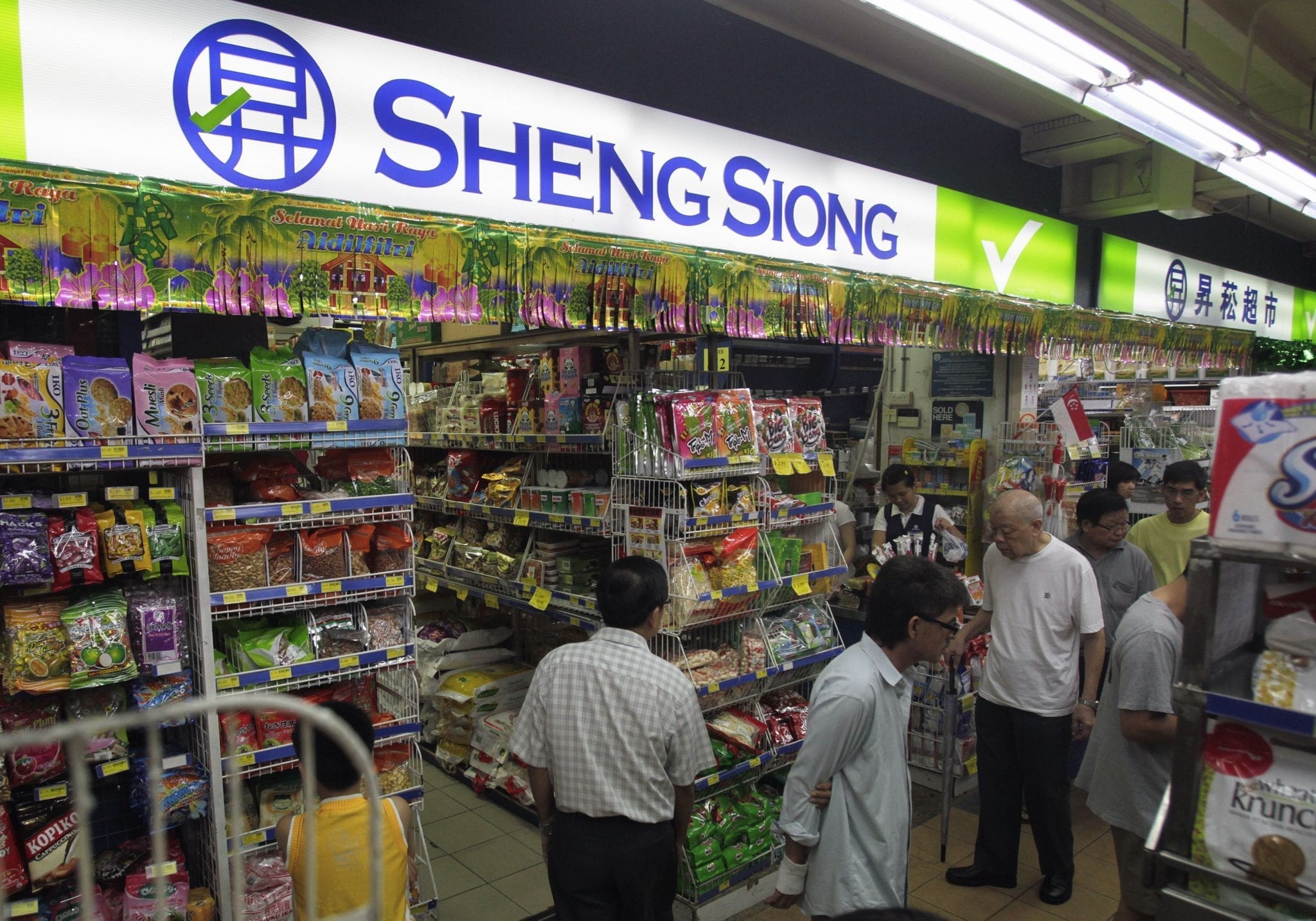
    Even with the sluggish retail sales numbers published by the Department of Statistics, Singapore’s supermarket giant Sheng Siong reported a considerable improvement in earnings for 3Q16.

    According to the group’s announcement, its net earnings jumped $15.6m, from $14.5m recorded last year.

    This came after its headline increased marginally by 1.2% to $202m mainly driven by new stores.

    “But (this) was offset by the temporary closure of the Loyang Point store and a contraction in comparable same store sales of 1.15% caused mainly by poor festive sales during the Chinese Seventh month and sluggish sales in September,” Sheng Siong noted.

    Excluding the closure of the said store, revenue would have grown by 4.2%.

    Looking forward, the group expects the supermarket industry to remain competitive, as consumers continue to be even more cost conscious.

    “The Group is still looking for suitable retail space particularly in areas where the Group does not have a presence. However, competition for retail space, particularly for new HDB shops is expected to remain keen, which have escalated bidding prices,” the group said.

  • Thailand’s Bank of Ayudhya books 11% Q3 profit rise

    Thailand’s Bank of Ayudhya books 11% Q3 profit rise

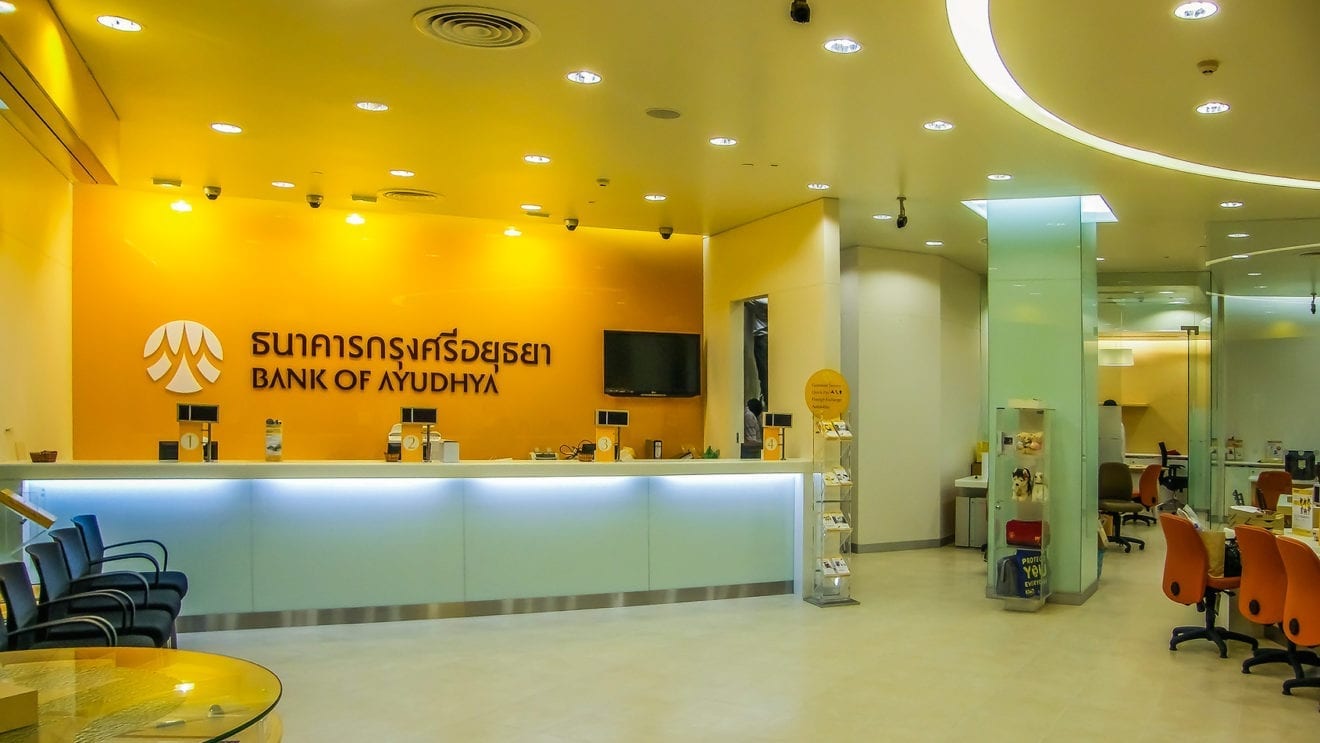
    Bank of Ayudhya PCL, Thailand’s fifth-largest lender, said on Friday its quarterly net profit rose 10.6 percent from a year earlier, boosted by higher net interest income as a result of strong loan growth from retail clients.

    Bank of Ayudhya, controlled by Japan’s Mitsubishi UFJ Financial Group Inc, raised its 2016 loan target range to 8 per cent to 9 per cent, from 5 per cent to 6 per cent, after consolidating loans from Cambodia subsidiary Hattha Kaksekar, it said in a statement.

  • CapitaLand’s retail REIT records 6.7% fall in 3Q 2016 DPU

    CapitaLand’s retail REIT records 6.7% fall in 3Q 2016 DPU

    CapitaLand Mall Trust has posted a DPU of 2.78 Singapore cents for its 3Q 2016, a year-on-year fall of 6.7% compared to the 2.98 cents achieved in the corresponding period of 2015.

    Gross revenue for the period improved by 4.9% to SGD170 million (USD121 million) while its net property income of SGD119.5 million represents an increase of 5.5% over the SGD113.3 million recorded in 3Q 2015.

    This was mainly due to a contribution of SGD14.5 million from Bedok Mall which was acquired in October 2015, higher rental revenue achieved for IMM Building, Tampines Mall, and Bukit Panjang Plaza after asset enhancements, and higher occupancy at Clarke Quay.

    However distributable income for 3Q 2016 was SGD98.4 million, 4.7% lower than 3Q 2015.

    The distributable income for 3Q 2015 included the release of SGD8.0 million taxable income retained in 1Q 2015, and excluding this release, the distributable income for 3Q 2016 would have been 3.3% higher year-on-year, said the Singapore-listed retail REIT.

    “Despite uncertainties in the macroeconomic environment and challenging retail conditions in Singapore, CapitaLand Mall Trust’s portfolio occupancy rate as at 30 September 2016 remained high at 98.6%”, said Wilson Tan, CEO of the REIT’s manager.

    “For the first nine months of 2016, the REIT also registered year-on-year growth of 2.9% and 1.2% in shopper traffic and tenants’ sales per square foot respectively”, he added.

    The REIT’s aggregate leverage as at 30 September 2016 was at 35.4%, up slightly from 35.3% in the previous quarter, while portfolio weighted average lease expiry (WALE) was at 2.0 years by gross rental income.

    Units of CapitaLand Mall Mall Trust finished the trading day about 0.5% lower from its previous close on the Singapore Exchange to end at SGD2.11.

  • Alibaba’s Singles Day sales reach $17.8b

    Alibaba’s Singles Day sales reach $17.8b

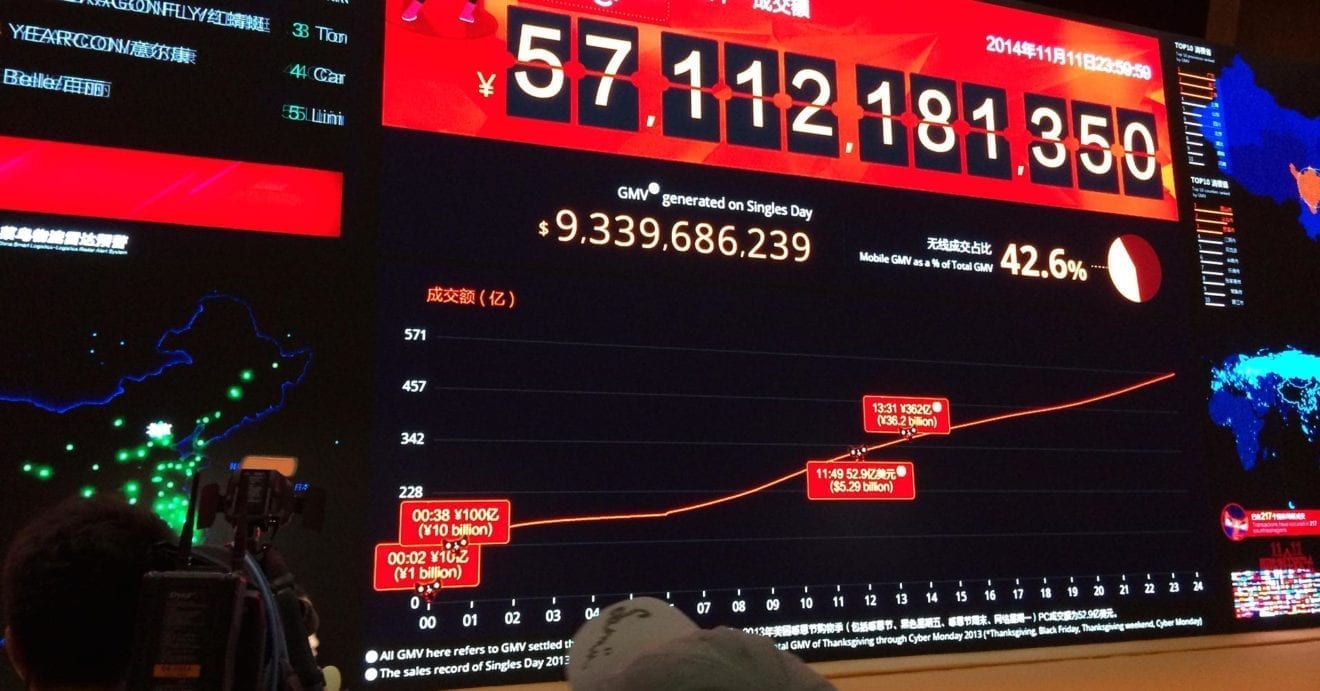
    Alibaba Group Holding Ltd.’s Singles’ Day shopping festival (now known as the 11.11 Global Shopping Festival) broke sales record this year with a reported 120.7 billion yuan ($17.79 billion) in gross merchandise volume in just 24 hours.

    The figure represents a 32% jump over last year’s 91.2 billion yuan ($14.3 billion) in transactions over Alibaba’s e-commerce platforms – B2C site Tmall.com and C2C site Taobao Marketplace.

    Alizila, the news portal of the Chinese e-commerce giant, also reported that the festival saw a number of other new records set, including 98.97 billion yuan ($14.6 billion) in GMV generated on mobile devices and 657 million delivery orders, compared with $9.8 billion and 467 million, respectively, in 2015.

    “There were also 1.04 billion payment transactions processed compared with 710 million last year,” the report noted.

    Daniel Zhang, chief executive officer of Alibaba Group, was quoted as saying that this year’s 11.11 shopping festival is a preview of the future of retail.

    “11.11 showcased how online and offline retail will be reinvented to offer brand new shopping experiences to our hundreds of millions of mobile, digitally savvy active users,” he said.

    The shopping marathon started on November 11 at midnight China Standard Time (CST).

    An IMAX-sized data screen at the media center at the Shenzhen Universiade Sports Center in Shenzhen, China continuously flashed updates all throughout the day, complemented by live blogging reports from Alizila.

    The first report at 12:017 showed that total GMV blew up to 10 billion yuan ($14.6 billion) just six minutes and 58 seconds after the sale began. Total GMV exceeded $100 million in just 40 seconds.

    During the first hour of the sale, order volume also reached a record-breaking peak of 175,000 orders in one second, while 120,000 payments were settled per second at the peak.

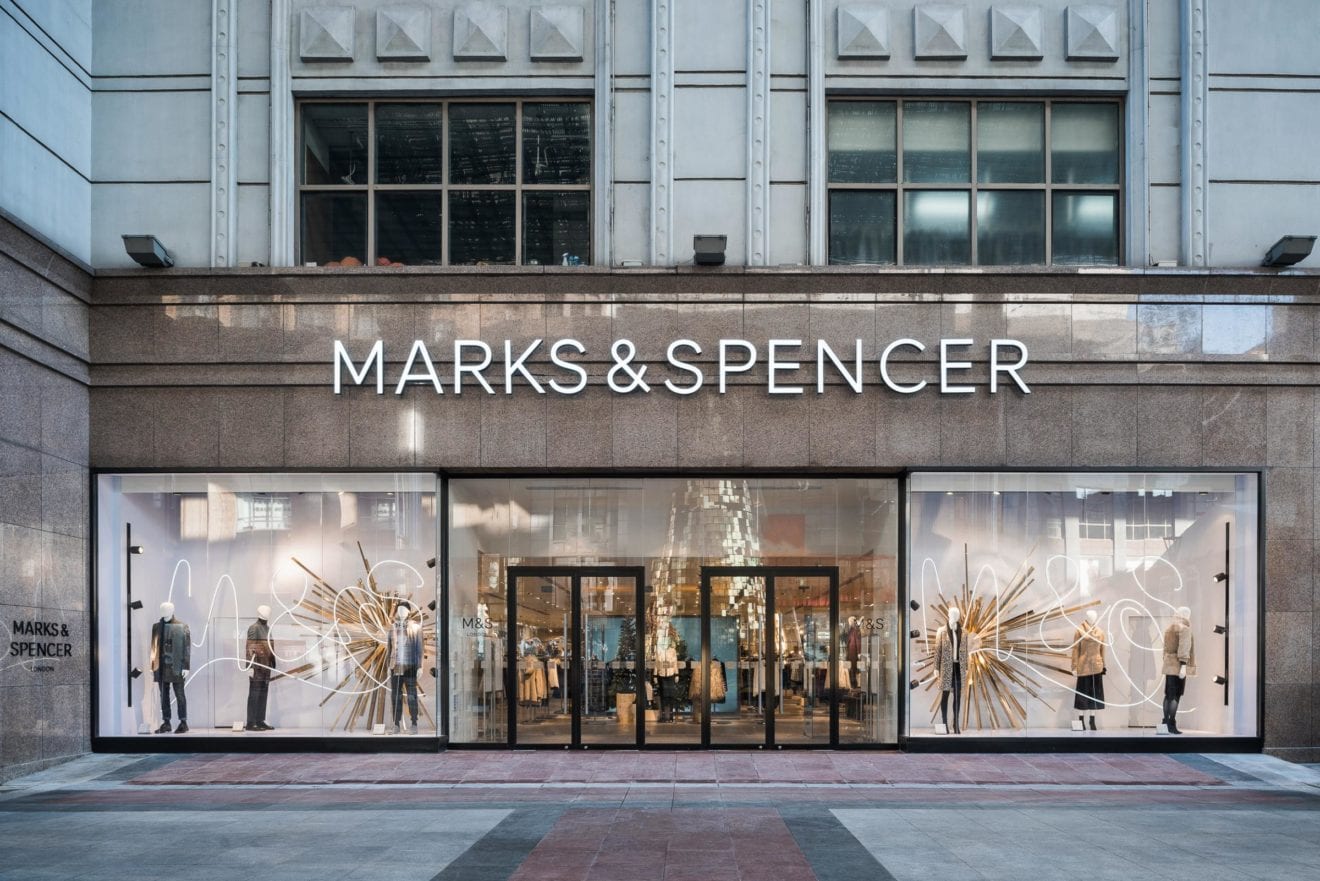
  • Marks & Spencer plans to close all stores in Chinese mainland after profits plunged

    Marks & Spencer plans to close all stores in Chinese mainland after profits plunged

    UK retailer Marks & Spencer announced on Wednesday that it will pull out of the Chinese mainland market and close all the 10 stores amid shrinking profits, according to a statement the company sent to the Global Times on Wednesday.

    “Our review has shown that our stores in Chinese mainland continue to make losses and as result we can no longer trade with a store presence in the Chinese market,” Adam Colton, managing director of Greater China at Marks & Spencer, said in the statement.

    The company didn’t disclose sales revenues in the Chinese mainland market.

    An employee at an Marks & Spencer store in Beijing told the Global Times on Wednesday that he feels sorry about the closures because business in Beijing was quite good and there were a lot of loyal customers. He did not know when his last day of work would be. The 1,500-square Beijing flagship store at the Place shopping mall was opened in December 2015.

    Intensified competition and relatively high prices were the main reasons behind Marks & Spencer’s retreat from Chinese mainland, experts noted.

    “In Chinese mainland, the traditional UK brand did not have much appeal for Chinese consumers. For example, the prices in its food shops were a bit more expensive than even imported food stores,” Wang Xinmiao, a Beijing-based retail industry analyst, told the Global Times on Wednesday.

    In addition, the company did not have much time to cultivate brand awareness and a loyal customer base because the Chinese apparel market had already been saturated with “fast fashion” international brands, such as Zara, H&M, GAP, and Uniqlo, which marched into the Chinese mainland market much earlier than Marks & Spencer, Wang said.

    In contrast, the UK retailer has built a profitable wholly-owned business in Hong Kong in large part because it entered the market as early as 1988, the statement noted. Marks & Spencer is planning to expand its business in Hong Kong by opening more food stores in the near future.

    A customer said he came on purpose to the Beijing shop here after he has known the closure news. He has lived in UK for years and he trusts M&S, and he will shop in Hong Kong after the end of business here.

    The UK retailer has been losing ground in other international markets. In addition to its closures on the Chinese mainland, the company outlined plans to shutter 53 stores in 10 international markets, including seven in France, while pulling out of Belgium, Estonia, Hungary and Lithuania.

    In the first half of 2016, the company’s pre-tax profit plummeted 88 percent to 25.1 million pounds ($ 31.39million), down from 216 million pounds in the same period a year ago, as reported by BBC on Wednesday.

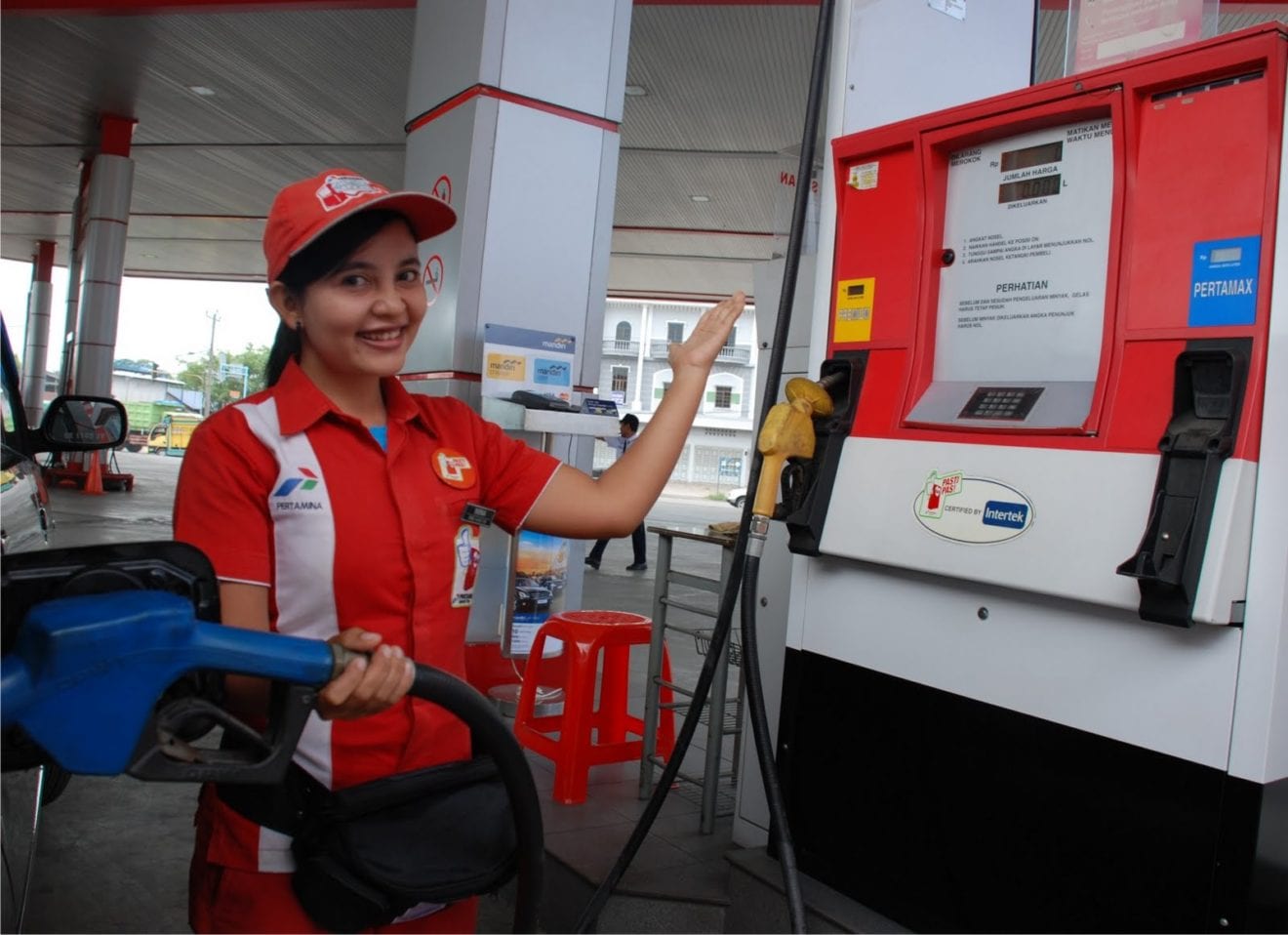
  • Pertamina`s profit up 209 pct in third quarter

    Pertamina`s profit up 209 pct in third quarter

    PT Pertamina made a net profit of US$2.83 billion in the third quarter of this year, 209 percent more than the US$914 million it made in the third quarter in the previous year.

    The president director of the state-owned oil and gas company, Dwi Soetjipto, on Tuesday credited the achievement to improved operational performance and efficiency as a result of various initiatives and breakthroughs.

    He said although the profit soared, corporate income was down 16.8 percent to US$26.62 billion from US$32 billion in the previous period due to a relatively lower price of crude.

    “What is encouraging is that net profit performance has been good as a result of enhanced efficiency and initiatives like the Breakthrough Project,” he added.

    Dwi Soetjipto noted that the company continued to improve its operational performance by increasing efficiency and successfully cut costs up to 27 percent in the first month of this year.

    “Until September 2016, around US$1.6 million had been saved through Breakthrough Projects,” he revealed.

    The companys downstream performance in the third quarter reached 646,000 barrels of oil equivalent per day, consisting of 309,000 barrels of oil and 1,953 mmscfd of gas per day.

    This was 12.3 percent more compared to the same period before.

    Meanwhile, the geothermal power production reached 2,233 GwH electricity equivalent.

    He stressed that the company continued to develop infrastructure including gas, processing and marketing infrastructure.

    Several projects such as Gresik-Semarang, Muara Karang-Muara Tawar and Tegal Gede gas pipeline projects have been completed up to 70 percent.

    The first RDMP (Refining Development Master plan Program) phase of the refinery project in Balikpapan, Kalimantan, is expected to be completed in June 2019 and it will become operational in September 2019 while the first phase of the project is expected to be completed in the middle of 2021 when its production will meet Euro 5 standard.

    The New Grass Root Refinery project in Tuban, East Java, a joint venture between Pertamina and Rosneft of Russia, is expected to be completed by the end of 2021. The production there will also meet Euro 5 standard.

    The RDMP of the refinery project in Cilacap, Central Java, which is a cooperation project with Saudi Aramco, is expected to be completed in 2022, also with Euro 5 Standard in production.

    “As for the New Grass Root Refinery project in Bontang (Kalimantan), it has been decided that it would be referred to Pertamina for completion, a goal expected to be achieved tentatively by 2023 with Euro 5 Standard production,” Dwi Soetjipto explained.