Tag: rapid

  • China’s Coffee Giant Luckin Coffee Brews Rapid Expansion in Malaysias Johor Bahru with Trio of New Outlets

    China’s Coffee Giant Luckin Coffee Brews Rapid Expansion in Malaysias Johor Bahru with Trio of New Outlets

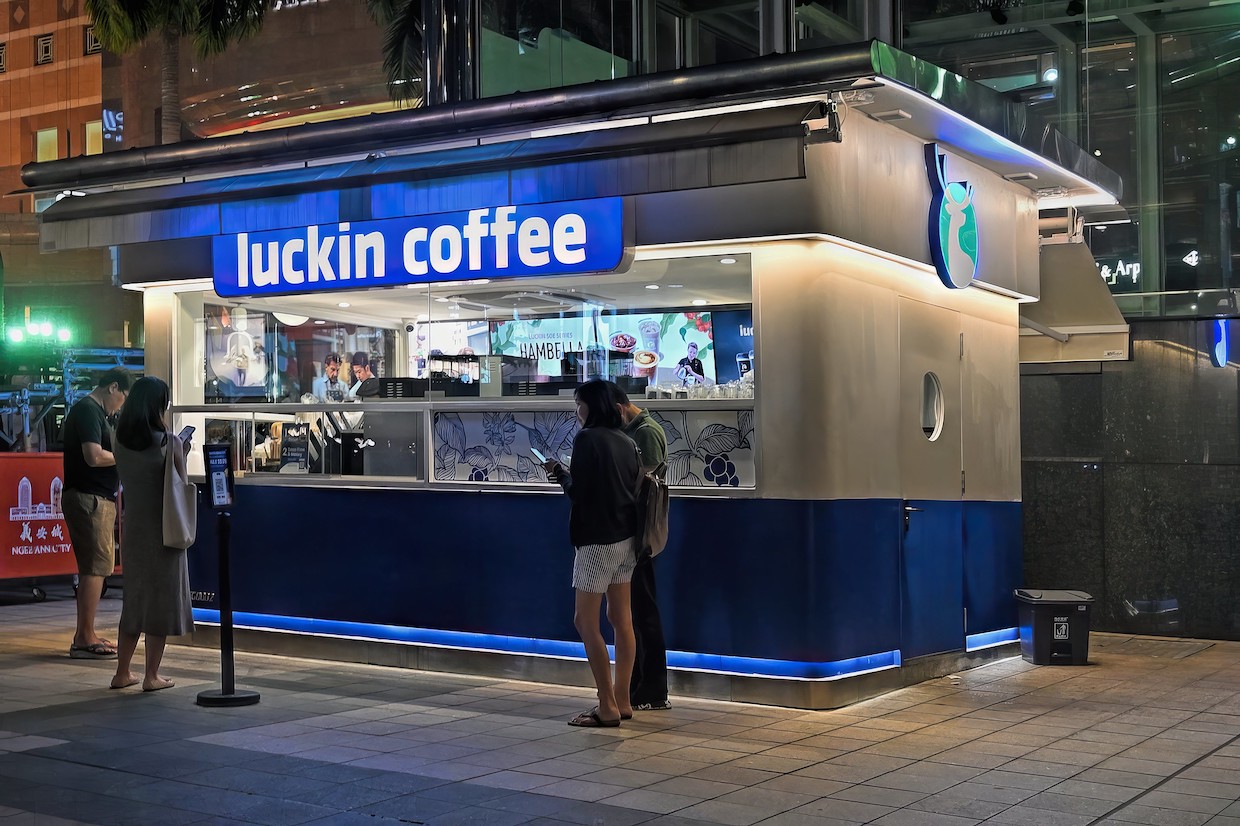
    Luckin Coffee, the largest cafe chain in China, has bolstered its presence in Malaysia by establishing three new outlets in the city of Johor Bahru last July. The first two branches were launched at Sutera Mall and Austin Heights early in the month, followed by a grand opening at the Sutera Mall location. A third branch was then opened in Taman Ungku Tun Aminah.

    Targeting Growth in Johor

    Dr. Jeff Lim, the CEO of Luckin Coffee Malaysia, has highlighted the strategic importance of Johor, Malaysia’s southernmost state, to the company’s expansion plans. He mentioned the potential of a more localized supply chain, job opportunities, and wider access to their digital-first coffee retail experience as key elements supporting the company’s growth in the region.

    Luckin Coffee was established in 2017 by a former tech executive and soon became a notable competitor to Starbucks in China due to its unique, app-driven cafes. Despite a setback in 2019 when the company was delisted due to an accounting scandal and subsequently filed for bankruptcy in 2021, it has made a robust recovery.

    Global Expansion and Achievements

    Luckin Coffee’s expansion efforts have seen it spread to over 300 cities in China, with most of its outlets located there. The company has also made inroads into international markets, such as Singapore, Malaysia, and the U.S. In February, just over eight years after its inception, Luckin Coffee opened its 30,000th store worldwide, an accomplishment achieved six times faster than Starbucks.

    As of the first quarter of 2026, the company has seen further growth with a total of 33,596 stores globally after adding more than 2,500 outlets during the quarter. Luckin Coffee made its debut in Malaysia last year and has since been growing rapidly. With the addition of the new outlets in Johor, the total number of stores across the country has now exceeded 120.

    Questions & Answers

    What is the significance of the Johor market for Luckin Coffee?
    Johor, being the southernmost state of Malaysia, is seen as a key market that can support Luckin Coffee’s growth through a more localized supply chain, job creation, and wider access to its digital-first coffee retail experience.

    How many outlets does Luckin Coffee have globally?
    As of the first quarter of 2026, Luckin Coffee has 33,596 stores across the globe.

    When did Luckin Coffee enter the Malaysian market and how many outlets does it have in the country?
    Luckin Coffee entered the Malaysian market last year and with the addition of new stores in Johor, it now operates more than 120 outlets in the country.
  • Every Half Brews Fresh Success: Scores $8M Series A Funding for Rapid Vietnamese Coffee Expansion

    Every Half Brews Fresh Success: Scores $8M Series A Funding for Rapid Vietnamese Coffee Expansion

    Vietnamese coffee brand, Every Half, has recently raised a total of US$8 million in a Series A funding round. The considerable investment comes courtesy of existing investors Openspace Capital and DSG Consumer Partners.

    The new capital will be used to facilitate comprehensive expansion across Vietnam, as well as deepening the company’s investment into its vertically integrated supply chain. Plans are also in place to increase the reach of its packaged coffee business.

    Diversifying the Coffee Sector

    Every Half is well on its way to extending its business operations beyond traditional cafes. The company is actively investing in coffee farming, proprietary fermentation technology, e-commerce, and business-to-business distribution.

    As of now, Every Half manages 36 stores in numerous locations including Ho Chi Minh City, Hanoi, Danang, and Hoi An. The company is projected to almost triple its revenue this year. In addition to this, it has expanded its range of consumer products. From selling roasted coffee beans and brewing equipment online to exporting to markets such as Singapore, Thailand, and Taiwan.

    The latest funding round builds on previous investments from Openspace and DSG Consumer Partners. This follows an undisclosed seed round in 2024 topped by a $3 million pre-Series A funding round last year.

    Every Half was established in 2021 by ex-The Coffee House executives Vo Duy Phu and Tran Le Minh Truc. The company’s primary aim is to promote Vietnamese-grown specialty coffee through a wide-ranging business model that covers sourcing, processing, roasting, and retail.

    In 2024, when Openspace made its initial investment, it expressed support for Every Half’s ambition to transform Vietnamese coffee from a mere commodity export into a globally recognized premium brand. This highlighted the founders’ extensive experience in coffee sourcing, product development, and retail.

    DSG Consumer Partners echoed this sentiment, emphasizing the firm’s focus on specialty coffee, sustainable sourcing, and brand building as essential drivers of its long-term growth potential.

    Questions & Answers

    What is the primary focus of Every Half?
    Every Half aims to transform Vietnamese-grown specialty coffee into a globally recognised premium brand.

    How does the company intend to use the funds from the recent Series A funding round?
    The brand plans to use the funds to facilitate expansion all over Vietnam and to deepen their investment in their vertically integrated supply chain.

    What are some of the additional business avenues Every Half is exploring?
    Every Half is diversifying with investments in coffee farming, proprietary fermentation technology, e-commerce, and business-to-business distribution.

  • Iran Conflict Fuels Rapid Electrification of Chinas Heavy Truck Fleet Amidst Diesel Price Hike

    Iran Conflict Fuels Rapid Electrification of Chinas Heavy Truck Fleet Amidst Diesel Price Hike

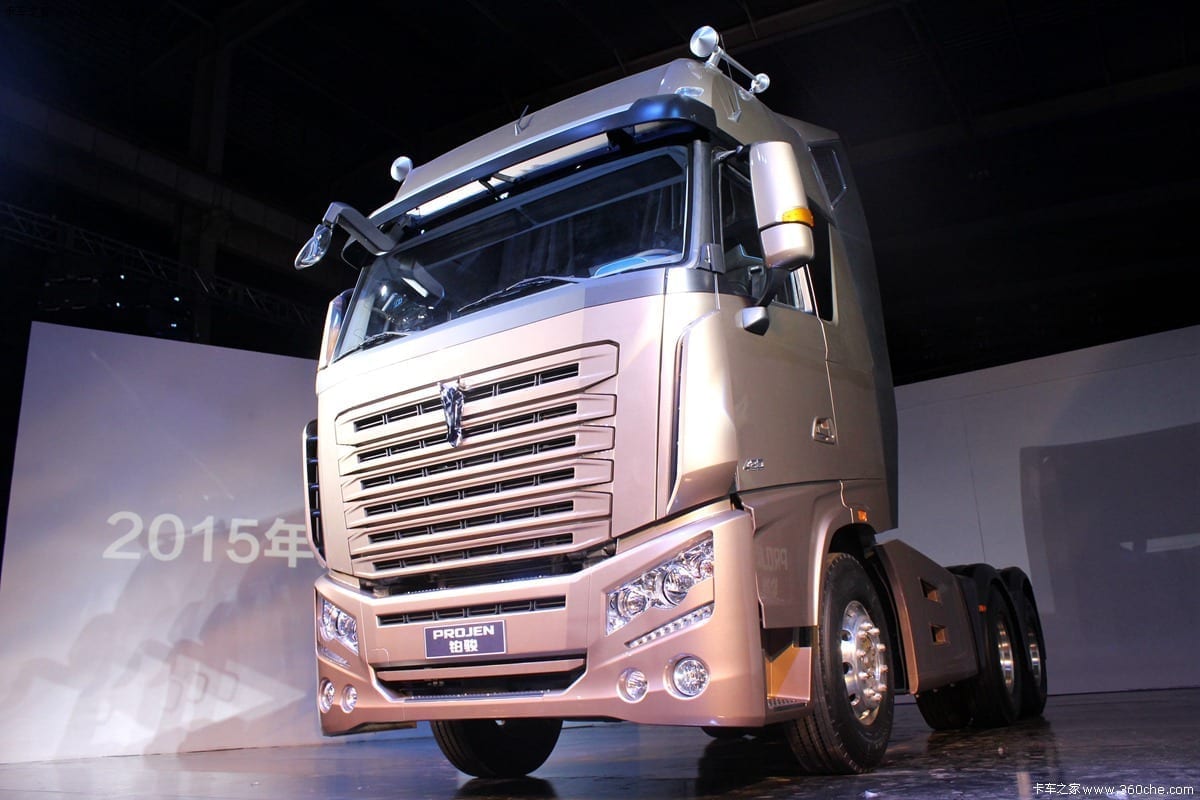
    The surge in diesel prices, precipitated by conflict with Iran, could hasten the electrification of China’s heavy-duty truck fleet this year, according to market analysts and auto manufacturers. This shift could further expedite the decline in fuel consumption in the world’s top oil-importing nation.

    The past two years have seen electric heavy-duty truck sales rise from a niche market to nearly one-third of all new heavy-duty truck purchases by 2025. This increase is attributed to government subsidies, lower refueling costs, and an expanding charging infrastructure. Growth in 2025 was particularly significant in the last quarter as buyers anticipated the termination of the trade-in subsidy program.

    Sales of new-energy heavy-duty trucks, predominantly electric, commenced this year with similar growth, increasing by 45% from the previous year to 44,000 units. This figure represents over a quarter of the entire segment, a strong increase from less than 20% a year earlier, as stated by data provider CVWorld.cn.

    CVWorld.cn also expects sales of heavy electric trucks to rise by 30% in April. The increase is likely driven by robust seasonal demand and high oil prices. According to Min Ji, a senior analyst at S&P Global Mobility, the conflict has increased China’s domestic fuel prices, inevitably accelerating the transition from conventional trucks.

    Electric heavy-duty trucks, with a range of approximately 300km, are primarily used for short hauls between industrial locations and transportation hubs. However, long-distance routes are expanding, and manufacturers such as Sany are introducing trucks with a range of up to 600km.

    The extensive electrification of passenger cars and the swift deployment of electric and liquefied natural gas-powered trucks have reversed China’s longstanding growth in the use of diesel and gasoline. Industry analysts largely predict that the demand for oil will reach its peak by 2030.

    Projections for Diesel Consumption and Export Trends

    Current predictions from energy consultancies anticipate a more rapid decline in diesel use than previously expected. GL Consulting predicts diesel consumption will decrease by 4.3% this year, in comparison with a pre-conflict estimate of a 4.1% fall. Rystad Energy forecasts a 5% reduction in diesel demand, surpassing its previous estimate of a 4% decrease, equating to a further decline of about 40,000 barrels daily.

    A 27% rise in retail diesel prices in China following the onset of the Iran conflict has made the economic case for purchasing electric trucks more compelling. Despite the higher initial cost of electric heavy-duty trucks (500,000 yuan or US$73,500) compared to their diesel counterparts (more than 300,000 yuan), nearly half the price difference can be offset through a trade-in program recently extended to the end of the year.

    The lower operating costs of electric trucks are fueling a surge in exports to Europe, which is the world’s second-largest electric truck market, albeit considerably behind China. In 2024, China’s electric truck sales reached 160,000 units, while Europe lagged with fewer than 25,000 sales, as reported by the International Energy Agency.

    Questions & Answers

    What impact has the Iran conflict had on diesel prices in China?
    The conflict with Iran has led to a significant surge in diesel prices in China, rising by 27% since the conflict began on February 28.

    What are the benefits of electric heavy-duty trucks?
    Electric heavy-duty trucks offer a range of benefits including lower operating costs, far-reaching government subsidies, and reduced environmental impact compared to their diesel counterparts.

    How is the growth of electric truck sales expected to change in the near future?
    The growth of electric truck sales is projected to continue, with a predicted increase of 30% in sales of heavy electric trucks in April. This growth is primarily driven by strong seasonal demand and high oil prices.

  • On Pioneers Rapid Shoe Production with Robot-Powered Factory Launch in South Korea

    On Pioneers Rapid Shoe Production with Robot-Powered Factory Launch in South Korea

    On Running, a sportswear brand, has recently launched an automated factory in Busan, South Korea where robots are used to manufacture running shoes. The company expresses its intent to establish more such factories in the United States and Europe to accelerate its production and delivery timelines.

    Embracing Nearshoring

    Due to rising tariffs, supply chain disruptions, and geopolitical risks, several retailers and brands are considering ‘nearshoring’. This involves shifting the manufacturing process closer to the final consumer. On Running aims to expedite shoe production, decrease its environmental footprint, and bring manufacturing closer to its main markets by embracing automation. This approach contrasts with the traditional footwear manufacturing model, which typically involves shipping finished products from factories in Southeast Asia and China to customers in the US and Europe.

    Caspar Coppetti, co-founder of On, believes that automation and nearshoring are the way forward. He cites the increasing speed to market, sustainability efforts, and the growing scarcity of regions with cheap labor as reasons to pursue this direction. At present, On sources 90% of its shoes from third-party manufacturers in Vietnam and the remaining 10% from Indonesia, as per their most recent annual report.

    Automated Manufacturing Expansion

    On Running first revealed its LightSpray marathon running shoe at the 2024 Paris Olympics. This innovative shoe is created by robot arms spraying material onto a mold to generate a sock-like upper. The company’s factory in Busan, equipped with 32 robots, marks a significant expansion from its initial automated factory in Zurich, which only has four robots and commenced production in July of the previous year.

    This new factory can manufacture approximately 1,000 pairs of shoes daily. The spray-on method simplifies the traditional upper manufacturing process, reducing a complex 200-step procedure across multiple factories to a single automated operation.

    On Running, established in Switzerland in 2010, plans to develop robot factories in the US in a bid to mitigate its tariff expenses. Steep tariffs introduced by the US on sportswear manufacturing hubs such as Vietnam and China have escalated costs and affected the industry significantly over the past year. The recent Supreme Court ruling against tariffs has added further uncertainty for retailers and importers.

    Competing with Industry Giants

    In the intense competition to produce the fastest marathon shoe, not just for elite athletes but also for amateur runners eager to beat their personal bests, On Running has promoted the LightSpray as a game-changer due to its light weight. Hellen Obiri, an On-sponsored athlete, wore the LightSpray when she triumphed in the New York Marathon last November.

    Questions & Answers

    What is the importance of ‘nearshoring’ for On Running?
    Nearshoring allows the company to speed up its manufacturing process, reduce its environmental impact, and bring production closer to its main markets.

    What is the LightSpray marathon running shoe?
    The LightSpray is an innovative shoe made with a robot arm spraying material onto a mold to create a sock-like upper. It is lauded for its light weight.

    Where are On Running’s automated factories located?
    On Running currently has automated factories in Busan, South Korea and Zurich, Switzerland. They plan to establish more such factories in the United States and Europe.

  • Chinese Firms Reign Supreme in APAC Investment Banking: Rapid IPO Rise and Offshore Bonds Fuel 2025 Success

    Chinese Firms Reign Supreme in APAC Investment Banking: Rapid IPO Rise and Offshore Bonds Fuel 2025 Success

    In 2025, prominent positions in Asian investment banking fee generation were predominantly filled by Chinese corporations, spearheaded by a surge in offshore bond issues and a remarkable initial public offering (IPO) boom in Hong Kong.

    Leading Positions Dominated By Chinese Companies

    Citic Securities, based in Beijing, took the lead in investment banking fees generated in the Asia Pacific region (excluding Japan) for 2025, raking in $1.45 billion. This figure represented a 5.8 percent share of the total fees generated across the region. Citic Securities was trailed in the ranking by fellow Chinese counterparts, including China Securities, Bank of China, China International Capital, and Guotai Haitong Securities. Notably, Morgan Stanley, headquartered in New York, filled the sixth slot.

    Chinese investment banks asserted their dominance throughout the industry’s regional positions. This success was largely credited to their robust performance in issuing yuan-denominated dim sum bonds and in orchestrating mainland listings in Hong Kong.

    The Global Market Share

    In a broader perspective, investment banking fees across the Asia Pacific region witnessed a 19 percent year-on-year increase in 2025, amassing a total of $24.9 billion. This accounts for 18 percent of the global total fees earned, in contrast to 55 percent from the Americas and 21 percent from Europe.

    The investment banking fees referenced in this report encompass a range of activities including equity capital markets, debt capital markets, mergers and acquisitions (M&A) advisory, and syndicated lending services.

    Questions & Answers

    Who was the leading generator of investment banking fees in the Asia Pacific region in 2025?
    Beijing-based Citic Securities led the pack in 2025, generating $1.45 billion in investment banking fees.

    What factors contributed to the success of Chinese investment banks in 2025?
    Chinese investment banks benefitted significantly from strong performances in the issuance of yuan-denominated dim sum bonds and mainland listings in Hong Kong.

    How much of the global total of investment banking fees did the Asia Pacific region account for in 2025?
    In 2025, the Asia Pacific region accounted for 18 percent of the total global investment banking fees.

  • Philippine Powerhouse Sunnies World Storms into Thailand, Unfurls Rapid Expansion Plans

    Philippine Powerhouse Sunnies World Storms into Thailand, Unfurls Rapid Expansion Plans

    Sunnies, a renowned lifestyle brand from the Philippines, has established its presence in Thailand, inaugurating its initial outlets in Bangkok. The company has also announced its intention to introduce two additional stores by the end of the current year.

    Sunnies World in Central Park Dusit

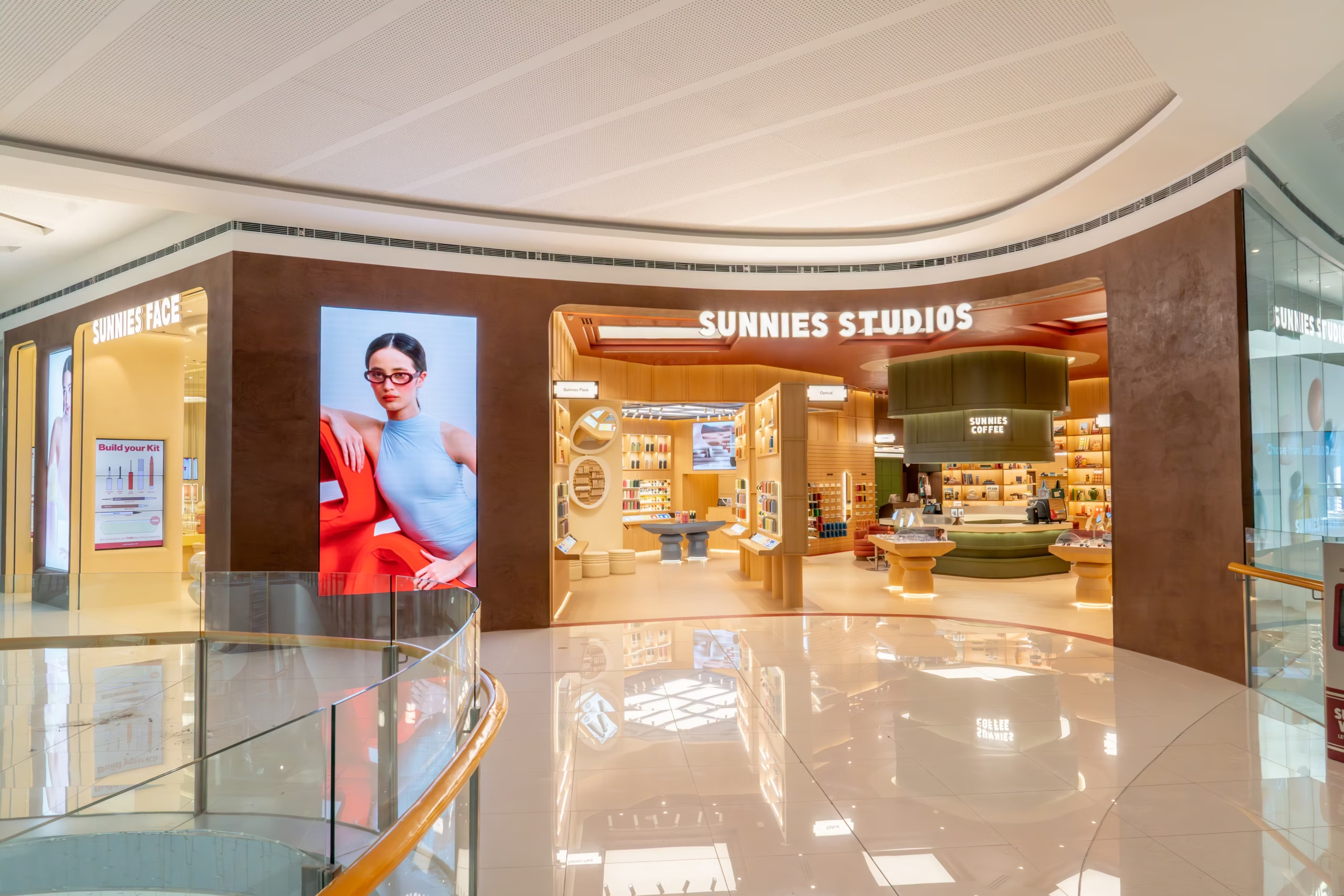
    Sunnies’ foremost establishment, Sunnies World, has been set up in Central Park Dusit. This outlet manifests all the diverse lifestyle concepts of the brand. It incorporates Sunnies Studios, which specializes in eyewear, Sunnies Face, the brand’s cosmetics segment, Sunnies Flask, offering customizable flasks, and Sunnies Coffee, a cafe.

    Adding a unique touch to the shopping experience, the store also features the Sunnies Face Bath. This is a lounge area where shoppers can explore a selection of merchandise exclusive to Thailand. The exclusive range includes items like tote bags, dumpling pouches, jelly pouches, and pencil cases.

    Second Store Opening at Central Ladprao

    The subsequent store, opened in Central Ladprao, provides Sunnies Studios eyewear, Sunnies Flask merchandise, and Sunnies Face cosmetic products.

    In a statement, the company described Sunnies World Thailand as more than just a store. They envisage it as a thriving community center facilitating the intersection of vision, beauty, and creativity.

    Upcoming Store Launches

    The brand has announced two additional store openings scheduled for the near future. The first, a Sunnies Flask store, is set to open at Central Rama on December 1. The second, offering Sunnies Studios, Sunnies Flask, and Sunnies Face products, will open at Fashion Island on December 19.

    Founded in 2013 by Bea Soriano-Dee, Eric Dee, Georgina Wilson, and Martine Ho, Sunnies started its journey as an eyewear label. The brand subsequently ventured into the realm of cosmetics, lifestyle accessories, and cafe concepts.

    Questions & Answers

    What is Sunnies’ plan for expansion in Thailand?
    Sunnies intends to establish its presence further in Thailand by opening two more outlets by the end of the year.

    What does the newly opened Sunnies World in Central Park Dusit offer?
    Sunnies World houses all the brand’s lifestyle concepts, including Sunnies Studios, Sunnies Face, Sunnies Flask, and Sunnies Coffee. It also features the Sunnies Face Bath, which offers Thailand-exclusive merchandise.

    What are the upcoming store openings for Sunnies in Thailand?
    Sunnies has plans to open a Sunnies Flask store at Central Rama on December 1, and another outlet offering Sunnies Studios, Sunnies Flask, and Sunnies Face products at Fashion Island on December 19.

  • Petronas starts trial runs at crude distillation unit for Rapid

    Petronas starts trial runs at crude distillation unit for Rapid

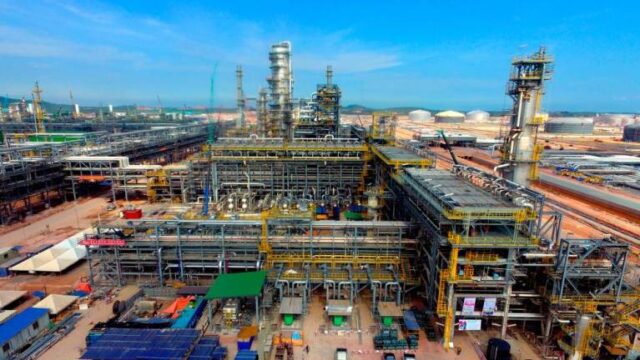
    Malaysian state oil company Petroliam Nasional Bhd (Petronas) started trial runs at the crude distillation unit (CDU) for a joint-venture refinery with Saudi Aramco in Malaysia last week, two sources with knowledge of the matter said this week. The move marks a major milestone for the US$2.7 billion (RM11 billion) project known as Rapid – or Refinery and Petrochemical Integrated Development – in Pengerang, Johor. The test runs put the project on track for commercial operation in 2019.

    The company also received its second cargo of 2 million barrels of Saudi crude last week, according to the sources and data on Refinitiv Eikon.

    Petronas could not be immediately reached for comment.

    Rapid consists of a 300,000-barrel-per-day (bpd) refinery and secondary refining units that will allow the companies to produce refined oil products that meet Euro 5 fuel specifications. The refinery is linked to a petrochemical complex with a capacity of 7.7 million tonnes a year.

    The first crude oil cargo for Rapid was offloaded at Pengerang in September.

    The refinery is one of four new complexes in Asia that represent a combined processing capacity of nearly 1.3 million bpd scheduled to start up from late 2018 to 2019.

    Another of the four complexes, a 400,000 bpd refinery, owned by Hengli Petrochemical in Dalian in northeast China, started trial runs in December.

    These plants will increase Asia’s crude demand while adding to fuel output in the region.

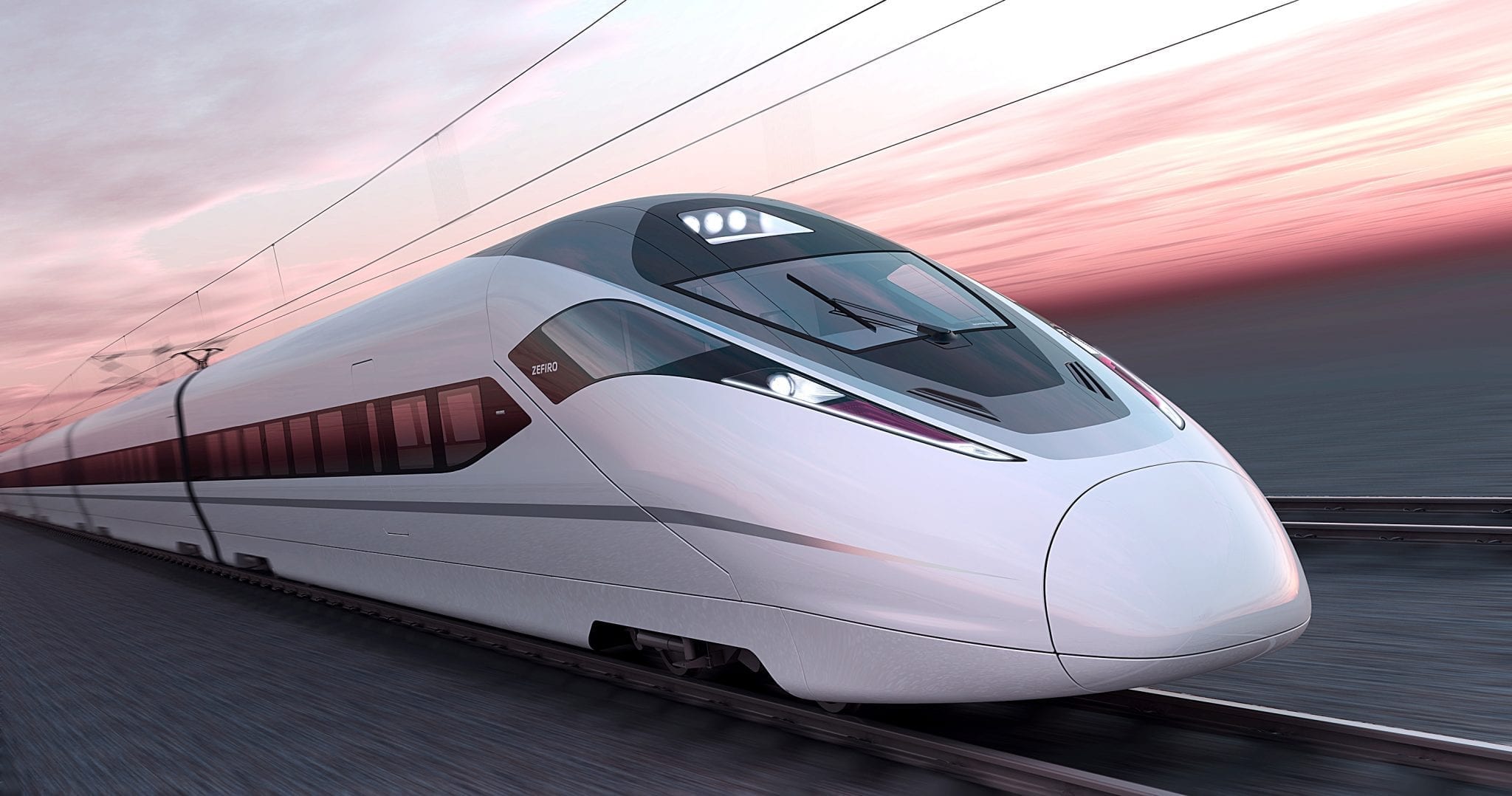
  • Jakarta-Surabaya rapid train to use existing track

    Jakarta-Surabaya rapid train to use existing track

    Coordinating Minister for Maritime Affairs and Acting Minister of Energy and Mineral Resources Luhut Binsar Panjaitan has said the development of the Jakarta-Surabaya rapid train will use the existing track.

    “For the rapid train, we will use the existing network. We will strengthen the bearing pads and make the crossings run over or under, so there will not be any gates that can harm anyone,” stated the minister at the State Palace complex in Jakarta, Tuesday.

    He mentioned that there are a thousand crossing points on the Jakarta-Surabaya railway network.

    The minister hoped the project survey, due to be conducted in partnership with Japanese representatives, could be done in the first quarter of 2017.

    “The Jakarta-Surabaya rapid train, which runs up to 200 kilometers per hour, will have an immense impact on the nations economy,” he remarked.

    The projects investment value is considerably large, reaching US$2.5 to 3 million.

    Minister Panjaitan explained that the agenda of his meeting with President Joko Widodo today includes reporting the results of his trip to Japan, which was a follow-up to the presidents agreement with Japans Prime Minister Shinzo Abe.

    “I met the prime minister along with his ministers and other officials,” he reiterated.

    He pointed out that the notions agreed upon by both country leaders included the Maritime Economic Cooperation, which was initiated last year.

    “We are now pursuing cooperation in a number of locations, including oil explorations in Natuna, economic development in Sabang, Patimbang harbor development in West Java, and farming advances in Merauke, Papua,” he remarked.

    He also mentioned cooperation in the education sector, where Japan will help with vocational training, while sending their professors to a number of technology corporations in Indonesia.

    “Partnerships in strategic industries are also included, which covers the rapid train project to be discussed with the minister of state-owned enterprises,” he continued.

    He added that from the string of agreements, those that will potentially be carried out during the first quarter of 2017 include the development of Patimbang Harbor.

    “Then, we will proceed with a joint survey for the Jakarta-Surabaya rapid train,” he concluded.