Tag: refunds

  • Over Half Of South Korean Consumers Foret Refunds For Counterfeit Online Purchases, Cites Complex Procedures

    Over Half Of South Korean Consumers Foret Refunds For Counterfeit Online Purchases, Cites Complex Procedures

    Over half of South Korean consumers who inadvertently buy counterfeit products online do not pursue refunds, according to a recent survey by the Korea Consumer Agency. The respondents pointed to complex refund procedures and nominal sums involved as the main reasons for not seeking recompense.

    Consumer Responses and Counterfeit Products

    The survey, which included 1,000 consumers using eight leading online platforms, revealed that 58.6% of those who unintentionally bought counterfeit goods did not request a refund. Reasons given were that the refund process was too intricate or time-consuming (60.4%), or that the purchased items were of low value or indistinguishable from genuine products.

    The most frequently bought counterfeit items were bags, with 38.8% of consumers knowingly purchasing them. Shoes, however, were the most common accidental purchase, with 43.8% of consumers having inadvertently bought counterfeit footwear.

    Interestingly, many of the consumers who intentionally bought counterfeit products showed a lack of awareness about intellectual property rights. Almost half of them stated that they were unaware of, or unconcerned about, any possible issues.

    Responsibility and Complaints

    When asked who should bear the responsibility for counterfeit goods, 45.4% of the respondents blamed the sellers. Online platforms came second at 37.3%, while 17.3% of consumers held themselves accountable.

    The Korea Consumer Agency also examined 1,572 consumer complaints lodged between 2022 and February 2025. Handbags were the most frequently reported counterfeit items (21%), followed by shoes, cosmetics, audio devices, and clothing. The majority of complaints involved luxury brands, along with specific products such as Dyson hair dryers and Apple earphones.

    Price Comparisons and Seller Practices

    An analysis of price comparisons revealed further risks. On platforms like AliExpress and Temu, 72.5% of examined products were listed for less than 20% of their official market prices. Instagram and Naver Band also displayed similar steep discounts for over half of their items, with descriptors such as “mirror-grade leather” or “authentic-level” being used. Many sellers used private or external channels, which complicates monitoring efforts.

    Several platforms, including Naver Band, AliExpress, Coupang, and Temu, were criticised by the agency for their lack of clear instructions on how to report counterfeit items. Instead, they necessitated individual inquiries for each case.

    Call to Action

    The agency recommended that authorities and businesses augment their efforts to curb the sale of counterfeit goods. This includes limiting the use of misleading language on social media and enhancing transparency in reporting procedures.

    Questions & Answers

    What is the most common counterfeit item purchased intentionally in South Korea?
    Bags were the most common counterfeit items purchased on purpose, according to the survey.

    Who do consumers believe is most responsible for the sale of counterfeit goods?
    45.4% of respondents believe that sellers are the most responsible for counterfeit items.

    What measures has the Korea Consumer Agency suggested to combat counterfeit sales?
    The agency has suggested strengthening actions against counterfeit sales, restricting the use of deceptive terms on social media, and enhancing the transparency of reporting procedures.

  • Vietnam Airlines to Refund Passengers Amid Six-Month Closure of Vinh Airport for Major Expansion

    Vietnam Airlines to Refund Passengers Amid Six-Month Closure of Vinh Airport for Major Expansion

    Vietnam Airlines has announced ticket refunds for all flights affected by the closure of Vinh International Airport in Nghe An Province, which is undergoing a six-month expansion.

    Vinh Airport Set for Major Upgrades

    Commencing July 1, Vinh International Airport will shut its doors for a thorough six-month renovation. The state-owned airline confirmed in a statement that it will not only refund tickets for canceled flights but will also permit passengers to change their itineraries free of charge, alleviating some of the travel disruptions.

    Boosting Connectivity Amid Closure

    In a bid to maintain connectivity within northern and central Vietnam, Vietnam Airlines plans to enhance its service to other airports, including Noi Bai in Hanoi and Tho Xuan in Thanh Hoa Province. Travelers are likely to appreciate these adjustments, particularly during the busy holiday season when air travel traditionally surges.

    Vietjet Air’s Response to the Situation

    While Vietjet Air has not yet announced specific refund procedures, travel agents indicate that passengers will have the option to either hold onto their ticket value for up to 365 days—allowing them to fly to or from Vinh once the upgrades are complete—or to reroute to a different airport on their original travel date, adding an extra layer of flexibility.

    What’s on the Horizons for Vinh International Airport?

    The ambitious expansion project, estimated at VND1 trillion (approximately US$38 million), aims to significantly enhance airport facilities, including a revamped terminal, upgraded runways, improved taxiways, and expanded aircraft parking areas. As the saying goes, “good things come to those who wait,” and the anticipated upgrade promises to make air travel through Vinh much more efficient and enjoyable in the near future.

    Questions & Answers

    How long will Vinh International Airport be closed?
    The airport will be closed for six months starting July 1 for expansion and renovations.

    What are Vietnam Airlines’ options for affected passengers?
    Vietnam Airlines is offering ticket refunds and free itinerary changes for passengers whose flights are canceled due to the airport closure.

    How is Vietjet Air handling the situation?
    Vietjet Air has yet to provide specific refund details but is expected to offer passengers the choice to retain ticket value for up to a year or to switch flights to different airports on their original dates.

  • AirAsia faces backlash over delayed pandemic refunds

    AirAsia faces backlash over delayed pandemic refunds

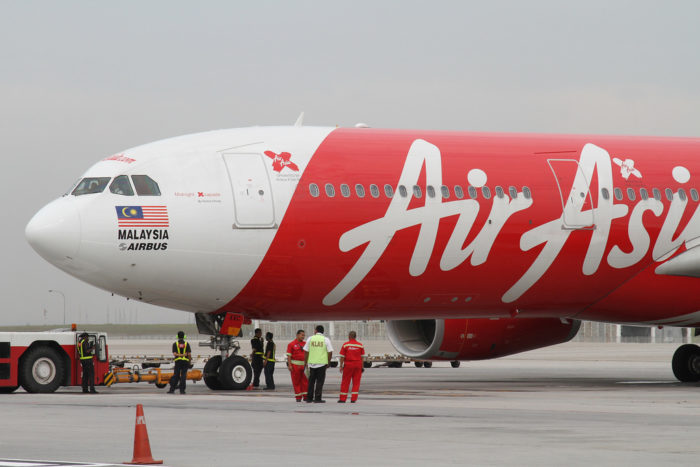
    Malaysia’s AirAsia is facing a wave of complaints from customers who say they have still not been refunded for flights that were cancelled or rescheduled during the pandemic.

    AirAsia and its subsidiary AirAsia X (AAX), both owned by Capital A Berhad, grounded thousands of flights in 2020 and 2021 after the Malaysian government shut state and international borders to curb the spread of COVID-19.

    But months after the low-cost carrier resumed flights following the lifting of interstate and international border restrictions for Malaysians in October, hundreds of customers have taken to social media to complain of poor customer service and long waits for refunds.

    Rohana Betak, 60, said she requested a refund of 4,000 Malaysian ringgit ($911) after the airline cancelled her flights between Senai and Kota Kinabalu, the capital of Sabah state, following the introduction of a nationwide lockdown in March 2020.

    Betak, who planned to visit the area around Mount Kinabalu, Southeast Asia’s highest peak, with her family in October 2021, said the airline’s automated online customer service only offered her the option of travelling on different dates. Betak decided against accepting the offer due to uncertainty over when restrictions would be lifted and concerns about catching COVID-19. Two years later, she says she is still waiting for her money back.

    “In my request, I said it was fine to refund me credits for the booking but instead I was reminded in June 2020 that I must board the flight to Sabah on a different date and there would be no refunds,” Betak told Al Jazeera.

    “It was not helpful because instead of offering me at least credit in refunds, it told me I had no other choice but to travel on different dates.”

    Rohana Betak, pictured in a pink hat in the back row, says she has been waiting two years for a refund from  AirAsia [Courtesy of Rohana Betak]

    Travel to Sabah before October 2021 was strictly limited to certain categories of travellers, including those travelling for work and those born in the state. Rohana and her family did not fall under any exempted category.

    “When it demanded I get on another flight, I asked if they wanted to send me and my family to our deaths?” Betak said. “It’s so frustrating and I am so tired of trying to get my money back so I’ve accepted that I might not get my money back at all.”

    Many of the complaints have been directed towards AVA, AirAsia’s online chatbot, which is the only line of communication between customers and the airline for issues involving bookings or flights.

    In particular, some have questioned why it is so difficult to reach customer service to request a refund, even for flights booked since the lifting of pandemic restrictions.

    Customer Aulia Chaerisa Salleh said she is waiting for a refund for a flight between Batam and Jakarta that was booked earlier this month after she was informed no seat was available.

    “I paid for my ticket and it did not register in the system so I tried to get my refund for my tickets. I tried the AVA live chat but it is not helpful at all. It has been days, I haven’t heard from them,” she said.

    Under AirAsia’s current refund policy, the airline offers customers a refund, credit or a new travel date whenever a flight is cancelled or postponed.

    AirAsia told Al Jazeera the airline is engaged in ongoing dialogue with consumer regulators across the region to ensure compliance with all local regulations.

    “AirAsia Group’s policies are in line with many low-cost operators in the travel industry worldwide and are fully compliant with all regulatory requirements and as a customer-centric airline, we have focused on resolving all customer queries during the pandemic as soon as possible,” a spokesperson said.

    The airline group said it has resolved more than 90 percent of refund requests and is committed to resolving a small number of outstanding claims as soon as possible.

    “In Malaysia for example, our current refund progress is only left with 0.03 percent of the refund requests we received and we are looking forward to completing the refunds exercise for all outstanding queries within the next few months,” the spokesperson said, adding that the past two years had been the most challenging in the history of commercial aviation.

    The spokesperson added that “our passengers remain our number one priority” and the airline will “continue to enhance our services to deliver the very best in terms of safe, affordable and reliable air travel”.

    Tan Kok Liang, president of the Malaysian Association of Tour and Travel Agents (MATTA), said the refunds backlog is a short-term issue and its 3,100 members will continue to book with AirAsia as long as requested by customers.

    “The problem child is AAX and while air connectivity is crucial for tourism recovery, based on media reports, AirAsia should be held more accountable to all stakeholders,” Tan told Al Jazeera.

    The hefty compensation paid out to airline co-founders Tony Fernandez and Kamarudin Maranun, who took home close to 30 million ringgit ($6.8m) combined last year, has also raised eyebrows.

    Following the release of Capital A’s Annual Report 2021 last month, some social media users vented their frustrations on Fernandez’s personal Instagram accounts, with one comment slamming AirAsia as “the one and only airline that does not have a customer service phone number.”

    Despite the generous executive compensation, AAX, the group’s long-haul carrier, was last year forced to undergo debt restructuring to save itself from liquidation after racking up huge debts during the pandemic.

    In March, AAX announced it had completed its debt restructuring after creditors earlier agreed to a deal under which the airline would pay just 0.5 percent of outstanding debt and terminate existing contracts to restructureRM33.65 billion(US$8.1 billion) of liabilities.

    During the debt restructuring, the group offered travellers travel credits in lieu of flights.

    The Malaysian Aviation Commission (MAVCOM), however, urged the airline to reimburse customers for tickets purchased while threatening to exercise its powers under the Malaysian Aviation Commission Act 2015.

    Capital A posted revenue of 1.7 billion ringgit ($387m) in the 2021 financial year, down 47 percent from the previous year, as capacity sank to just 36 percent of 2020 levels.

  • Cebu Pacific now halfway through refund claims

    Cebu Pacific now halfway through refund claims

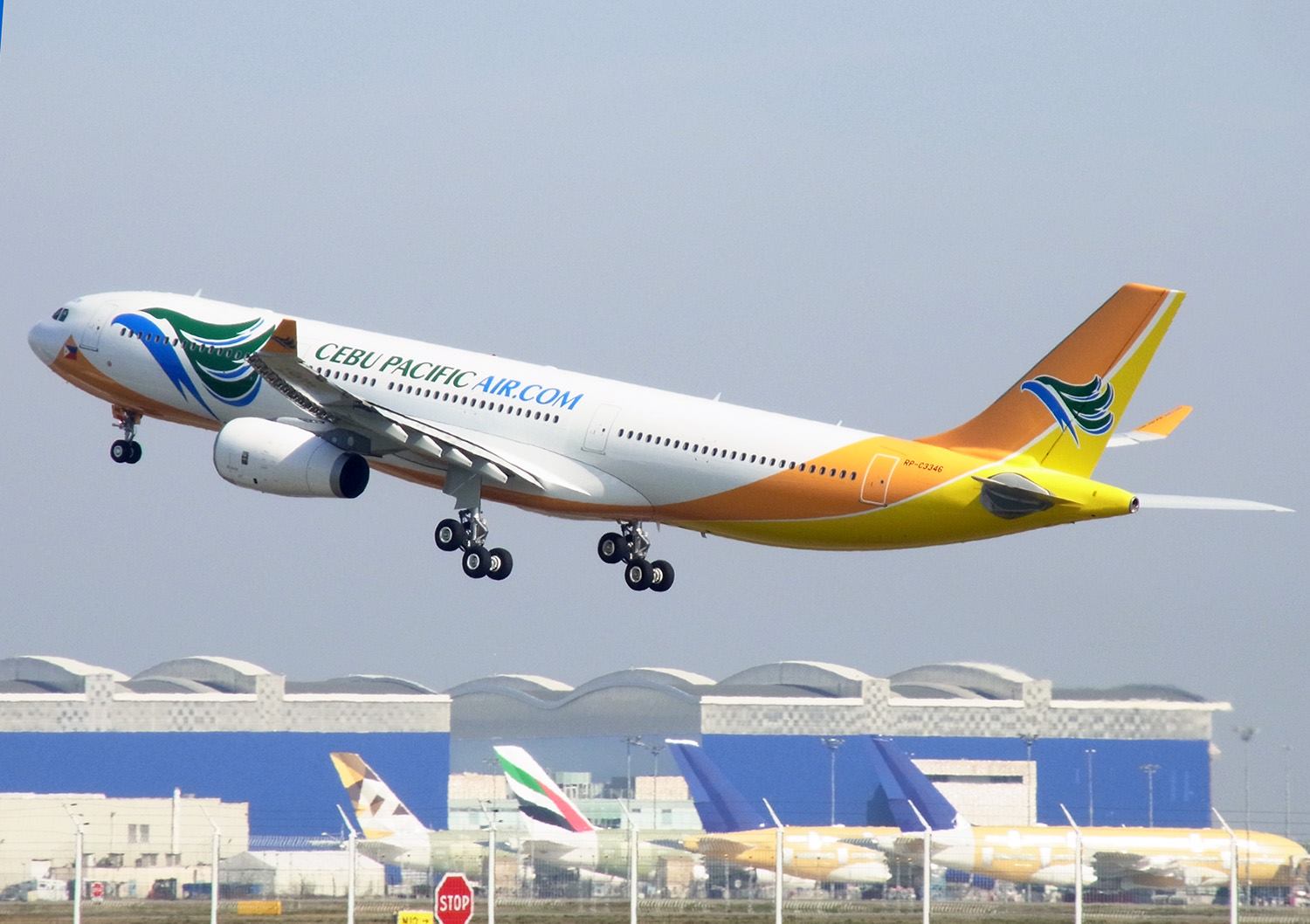
    Budget carrier Cebu Pacific is asking passengers for patience as it works through a pile of refunds that reached almost P5 billion. Like other airlines, Cebu Pacific has been hit hard by the COVID-19 pandemic, which forced the mass cancellation of flights and prospective trips.

    “We understand how challenging this whole situation is, and we sincerely apologize for the delay,” Cebu Pacific said in an advisory to passengers.

    Cebu Pacific said it had already refunded over P2.4 billion to customers but this was just about half of the requests received.

    “Since the start of this pandemic, we have received an unprecedented number of refund requests due to flight cancellations brought about by the lockdown,” Cebu Pacific said.

    “Our refund process than was originally not designed to handle this volume of requests, and this resulted in a backlog. We have since then revamped our procedures in order to address this,” it added.

    Cebu Pacific said processing of refund requests would take about six months.

    “We remain committed to our customers to complete pending refunds and will update them once these have been processed. We are currently halfway through refund requests filed last April,” Cebu Pacific said.

    At present, Cebu Pacific has restored just 10 percent of its pre-COVID network.

    Cebu Air Inc, which operates Cebu Pacific, announced a P9.1-billion loss in the first half of 2020, which included the almost three-month lockdown of major cites across the Philippines.

    The loss reverses a P7.14-billion profit in the January to June 2019. With the recent signing of the Bayanihan to Recover as One Act, airlines will have the option to stop issuing refunds for new requests while the law is in effect.

    Under the law, they will be allowed to issue travel vouchers instead.