Tag: remarkable

  • School Dropout to Billionaire: The Remarkable Journey of Chua Thian Poh, Singapores Sentosa Cove Property Mogul

    School Dropout to Billionaire: The Remarkable Journey of Chua Thian Poh, Singapores Sentosa Cove Property Mogul

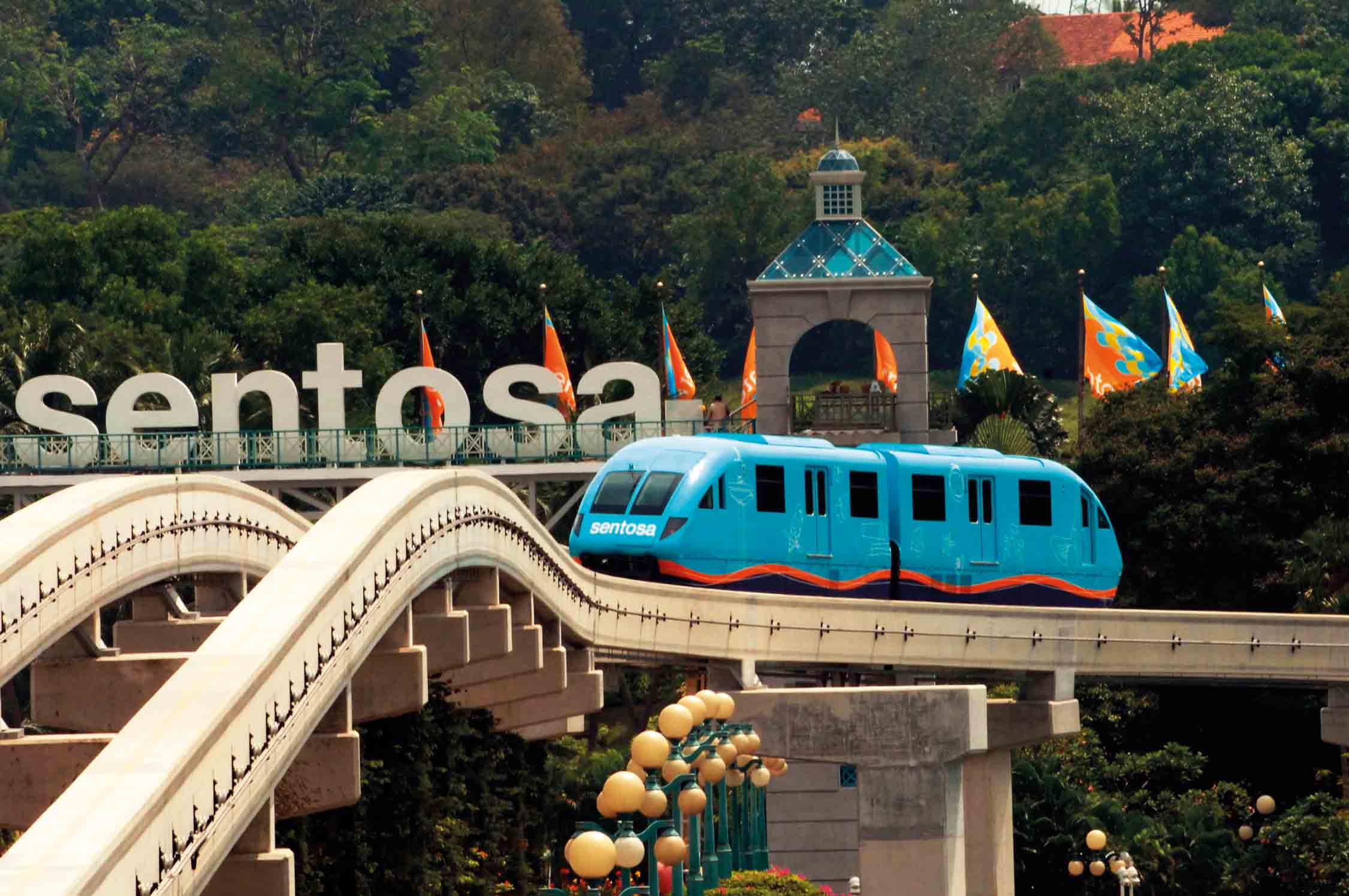
    After dropping out of school at 16, Chua Thian Poh embarked on a business venture that would ultimately lead him to become a pioneer in Singapore’s prestigious Sentosa Cove with his company, Ho Bee Land. Today, Sentosa Cove is an exclusive residential district, and Ho Bee Land stands as its largest private developer.

    The Journey to Sentosa Cove

    Back in the early 2000s, Sentosa Cove was nothing more than a reclaimed segment of land with few believing in its potential to become a prime residential enclave. However, Ho Bee Land was the first private developer to take a bold risk on the area. Chua recounts, “At that time, the concept of luxury waterfront living was new to Singapore, but we saw Sentosa Cove’s potential to become a world-class seafront precinct.”

    While this is arguably his most recognised success, the establishment of Ho Bee Land predates Chua’s move to Sentosa Cove. As one of fourteen siblings, Chua left high school early and borrowed S$15,000 (roughly US$11,600) from his mother to start a business manufacturing hooks and spikes for logging companies. He later ventured into commodity trading in Indonesia, generating the capital needed to launch his property business back in Singapore in 1987. With the purchase of an industrial building, Ho Bee Land began developing small and medium-sized projects, eventually going public on the Singapore Exchange in 1999.

    A significant move was made in 2003 when Chua and Ho Bee Land ventured into Sentosa Cove. They built eight buildings in the following years, with buyers from numerous countries quickly purchasing the first five buildings at increasingly high prices. The profits from these projects pushed Ho Bee Land into the spotlight as one of Singapore’s stock market’s standout performers between 2006 and 2010.

    However, by the early 2010s, housing prices in Sentosa Cove began to fall from their 2008 peak in response to Singapore’s property cooling measures. Instead of selling in a weak market, Chua cleverly converted a major project into a rental property. Sales of the project finally began in 2022, with half of the 50 units released being sold on the launch day.

    Expanding A Global Approach

    Over the years, Chua has made several strategic moves that have transformed Ho Bee Land into a leading property developer with presence extending to Australia, China, the UK and Europe. In 1996, Chua shifted his investment focus from Singapore to London, a move which fortuitously shielded Ho Bee Land from the 1997-98 Asian financial crisis.

    Ho Bee Land continued its expansion with The Metropolis, a 23-story twin-tower office development at one-north on the city fringe. This put Ho Bee Land ahead of the curve yet again, attracting a number of multinational tenants and establishing one-north as a flourishing business and research hub.

    In addition, the company has also been expanding its investments in Australia, purchasing a 181-hectare landholding in Queensland for A$318.5 million (around US$220 million) earlier this year. Ho Bee Land also contributes to the community through the Ho Bee Foundation, supporting causes such as education, healthcare, social welfare, and the arts.

    Chua, now ranked among Singapore’s wealthiest individuals with an estimated net worth of US$1.4 billion, has gradually been handing over the reins to his eldest son, Nicholas Chua, who joined Ho Bee Land in 2002 and is now its CEO and executive director.

    Questions & Answers

    What was Chua Thian Poh’s first business venture?
    Chua Thian Poh’s first business venture involved manufacturing hooks and spikes for logging companies, which he started with a loan from his mother.

    How did Ho Bee Land become a standout performer in Singapore’s stock market?
    Ho Bee Land became a standout performer in Singapore’s stock market through the profits it earned from its projects in Sentosa Cove between 2006 and 2010.

    What was Ho Bee Land’s strategy when housing prices in Sentosa Cove began to fall?
    When housing prices in Sentosa Cove began to fall, Ho Bee Land chose not to sell in a weak market. Instead, they converted their major project into a rental property, generating income to cover the cost of holding the development until a more opportune time for sales arrived.
  • Jollibee Group’s Remarkable Global Surge: Coffee Leads the Way and Chinese Cuisine Gains Momentum

    Jollibee Group’s Remarkable Global Surge: Coffee Leads the Way and Chinese Cuisine Gains Momentum

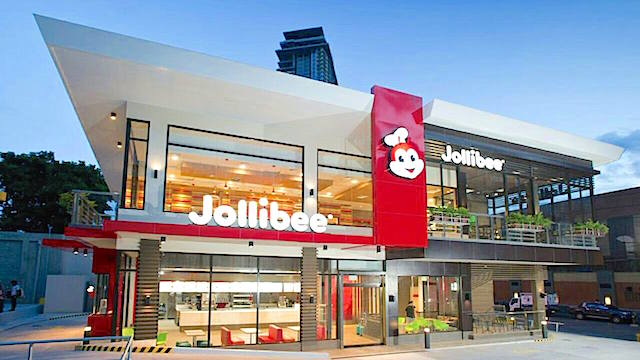
    The Jollibee Group has recorded impressive progress in its coffee, tea, and Chinese cuisine sectors, bolstered by an aggressive international expansion strategy, enhanced store operations, and unwavering commitment to the performance of its flagship brands.

    The Boom in Coffee and Tea

    The group’s coffee and tea division is at the forefront of this growth trajectory, with Compose Coffee and Highlands Coffee stepping up their store establishment rates and solidifying their market dominance.

    Compose Coffee, in South Korea, has grown beyond the 3000-store mark, setting up an additional 1000 outlets in less than a year and a half. The platform’s mobile application has garnered a cumulative user base of nearly 18 million, following a widely successful celebrity-led promotional campaign.

    Richard CW Shin, CEO of Jollibee Group International and Global Chief Financial and Risk Officer of Jollibee Group, lauded Compose Coffee’s exponential growth. He affirmed the brand’s ability to scale while retaining quality, value, and consumer affinity.

    Shin shared the group’s intent to extend the brand’s momentum to other global markets. He expressed optimism in Compose Coffee’s potential to generate long-term shareholder value, emphasizing the brand’s strategic role in driving Jollibee Group’s international growth.

    Highlands Coffee, based in Vietnam, has secured its position as the nation’s leading coffee brand by market share. With a burgeoning network of nearly 1000 outlets, Highlands Coffee serves in excess of 100 million customers each year.

    Chinese Cuisine on the Rise

    The group’s Chinese cuisine department also noted significant strides. Yonghe King, in particular, augmented its presence in China with the introduction of 35 new franchised stores recently. This move is part of a more efficient operational blueprint that supports the group’s drive for stable and sustainable market operations.

    Tim Ho Wan, post its acquisition, has shown promising indicators, with all its stores in Hong Kong reportedly regaining profitability within six months. The brand’s early performance in the US is also promising. The inauguration of Tim Ho Wan Irvine marked the brand’s debut as a company-operated store in the US under the Jollibee Group, with plans to reach 20 locations across North America by 2028.

    Questions & Answers

    What is behind the success of Compose Coffee in South Korea?
    Compose Coffee has successfully established over 3000 stores in South Korea, with an additional 1000 outlets set up in under 18 months. This growth is attributed to a strategic expansion plan and a celebrity-led promotional campaign that increased the user base of its app.

    How is Highlands Coffee performing in Vietnam?
    Highlands Coffee retains the top spot in Vietnam’s coffee market by share, with a network of nearly 1000 outlets and over 100 million customers served annually.

    What is the performance of the Chinese cuisine segment of the Jollibee Group?
    Significant progress has been recorded in the Chinese cuisine segment, with Yonghe King expanding its footprint in China through the addition of 35 new franchised stores. Tim Ho Wan has also seen positive traction post-acquisition, with all Hong Kong stores returning to profitability within six months.

  • Burberry Sees Remarkable Christmas Sales Boost, Thanks to Chinese Market Surge

    Burberry Sees Remarkable Christmas Sales Boost, Thanks to Chinese Market Surge

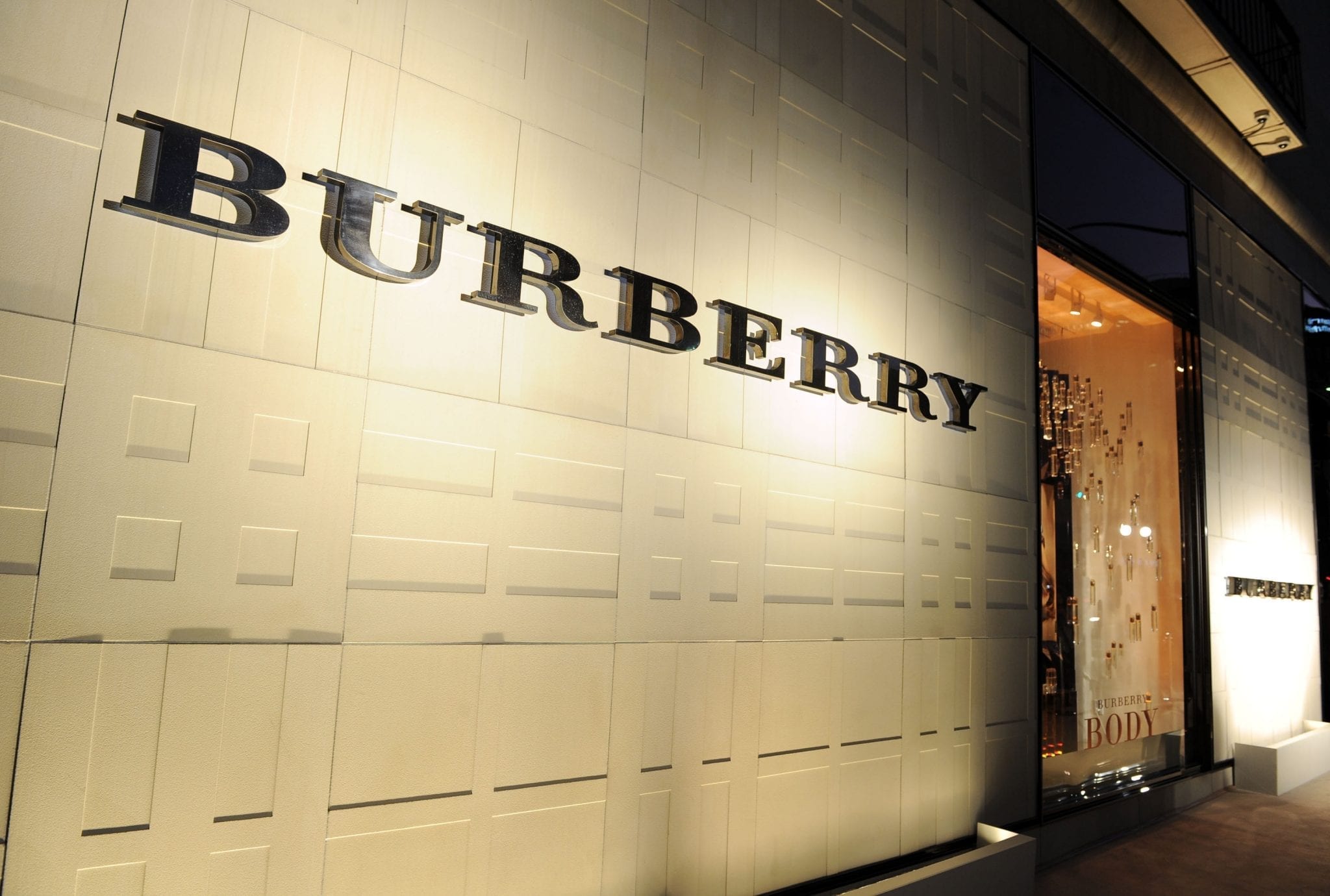
    Burberry, the iconic British luxury brand, surpassed its holiday season sales forecasts, with the most significant surge being noted in its Chinese market.

    4th Quarter Financial Overview

    According to the latest fiscal report of the quarter ending December 27, Burberry witnessed a 3% annual increase in comparable store sales, leading to a revenue of £665 million. Of particular note was the growth in Greater China, which saw a 6% rise in store sales. The Asia Pacific (APAC) region also reported a sales increment of 5%. Unfortunately, no sales growth was observed in Europe and the Middle East during this period.

    Joshua Schulman, the CEO of Burberry, attributed these promising figures to the brand’s successful implementation of their Burberry Forward strategy. He cited an improved sales growth rate and enhanced revenue quality across different retail channels and geographical locations.

    Key to Success

    Burberry’s win in Greater China and APAC was primarily fuelled by a considerable uptick in Gen Z customers, who contributed to double-digit growth.

    Schulman commented on the positive customer response to Burberry’s immersive Timeless British Luxury campaigns and experiences. The brand’s core outerwear category continued to demonstrate resilience, with rising customer interests now also observed in accessories and ready-to-wear collections.

    “As we step into the 170th year of Burberry, these results substantiate the enduring strength of our iconic brand and instill confidence in the journey ahead,” Schulman added.

    Questions & Answers

    What was Burberry’s sales performance during the recent Christmas quarter?
    Burberry experienced a 3% year-on-year increase in comparable store sales during the Christmas quarter, achieving a revenue of £665 million.

    Which markets showed the strongest growth for Burberry?
    Greater China and the Asia Pacific (APAC) region were the strongest growth markets for Burberry, with sales rising by 6% and 5% respectively.

    What factors attributed to Burberry’s strong sales performance?
    The successful implementation of the Burberry Forward strategy, compelling Timeless British Luxury campaigns and experiences, and the consistent popularity of their core outerwear category are some factors that contributed to Burberry’s strong sales performance.

  • Vietnam Stocks Celebrate Largest Leap in a Month: Key Players and Factors in the Remarkable 2.16% Surge

    Vietnam Stocks Celebrate Largest Leap in a Month: Key Players and Factors in the Remarkable 2.16% Surge

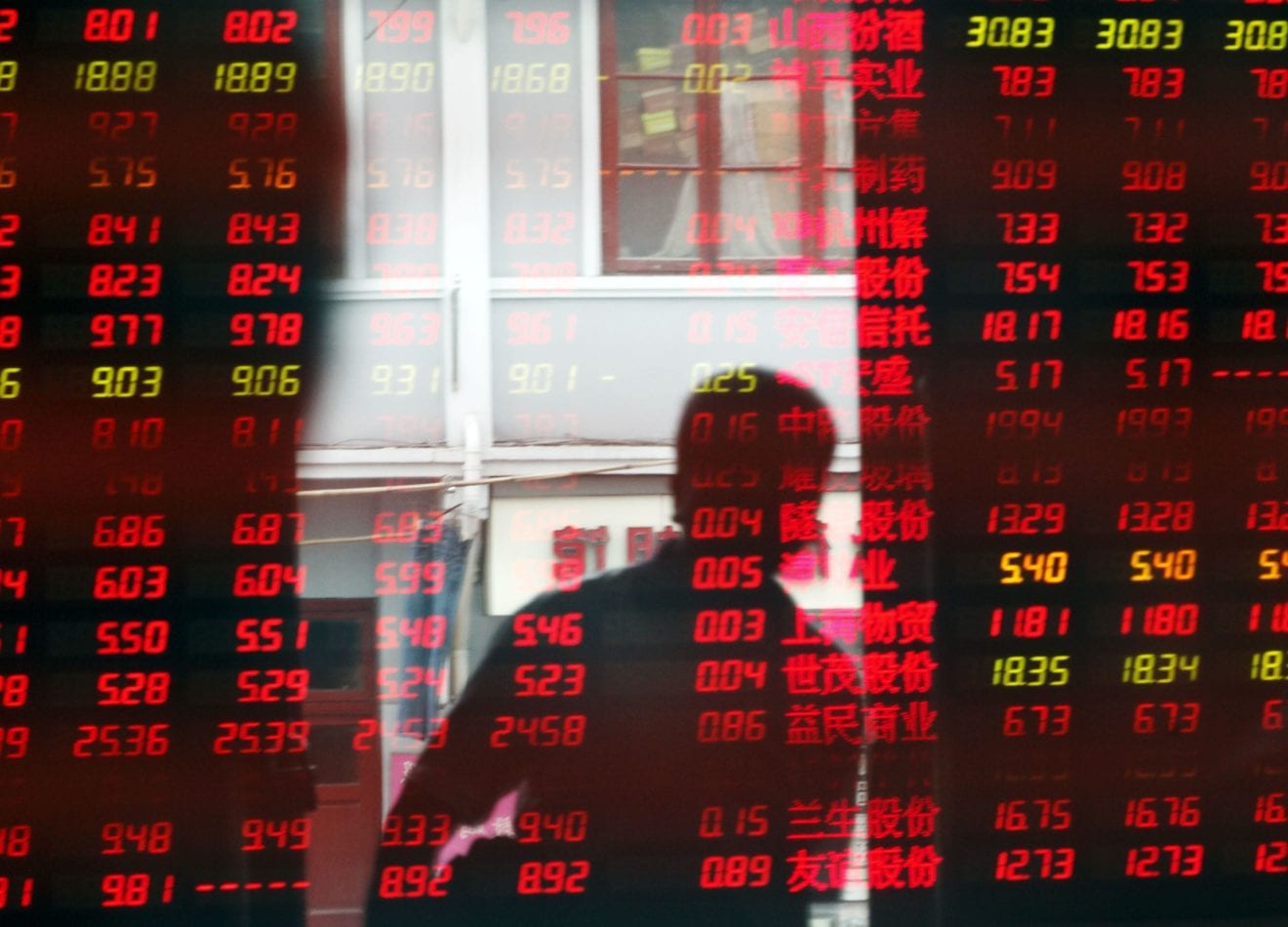
    On Tuesday, Vietnam’s leading VN-Index experienced a significant increase, soaring by 2.16% to reach 1,654.98 points, marking the largest surge since October 6. This remarkable growth allowed the index to close approximately 35 points higher, a notable recovery from the 69-point decline it experienced over the previous three sessions.

    The trading value also increased significantly, rising by 16% to reach VND34.25 trillion, equivalent to US$1.3 billion.

    Dominant Performers

    The VN30 basket, which consists of the 30 highest capped stocks, saw impressive growth in 24 tickers. The rise was spearheaded by SSI Securities Corporation, VPBank, and Vincom Retail, each experiencing a gain of 6.9%. Other strong performers included Techcombank, which closed 4.2% higher, and MB, which rose by 3.9%.

    Despite the general upward trend, there were a few stocks that did not follow suit. The most notable of these were the tech heavyweight FPT Corporation and the state-owned Petrovietnam Gas, both of which saw a 1.6% decrease.

    Foreign Investment

    Foreign investors demonstrated significant activity, making net purchases worth VND1.22 trillion. Notably, the majority of this investment was directed towards HDBank and Masan Consumer.

    Lastly, the HNX-Index, which hosts mid-cap and small-cap stocks on the Hanoi Stock Exchange, rose by 2.6%. Simultaneously, the UPCoM-Index for the Unlisted Public Companies Market closed 0.57% higher.

    Questions & Answers

    What was the percentage increase of the VN-Index?
    The VN-Index increased by 2.16%.

    Which companies led the rise in the VN30 basket?
    The rise was led by SSI Securities Corporation, VPBank, and Vincom Retail, each with a 6.9% gain.

    What was the trend among foreign investors?
    Foreign investors were net buyers, mainly investing in HDBank and Masan Consumer.