Tag: Reports

  • Uniqlo Owner Fast Retailing Reports Stellar 45.7% Profit Boost Amidst Global Challenges

    Uniqlo Owner Fast Retailing Reports Stellar 45.7% Profit Boost Amidst Global Challenges

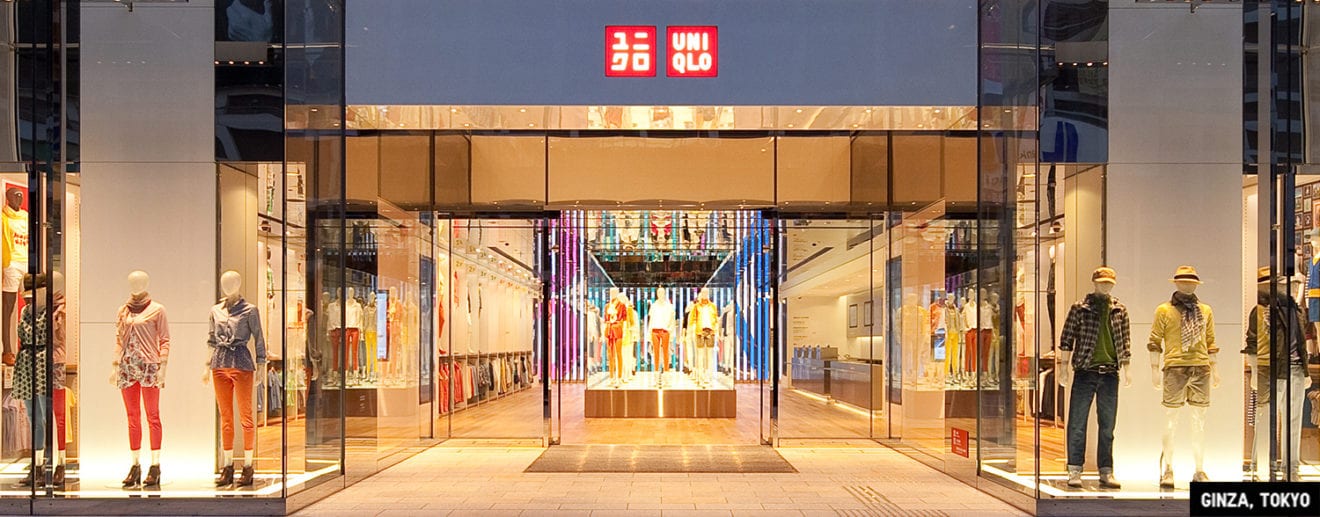
    Fast Retailing, the Japanese firm that owns the popular clothing brand Uniqlo, reported a 45.7% quarterly profit surge, despite facing challenges from the Iran war’s impact on supply chains and logistics. Achieving this milestone puts the company on track for its fifth consecutive year of record earnings.

    Over the three months through May, Fast Retailing’s operating profit reached 213.79 billion yen (US$1.32 billion), a substantial increase compared to 146.74 billion yen during the same period in the previous year. This figure significantly surpassed the average estimate of seven analysts, which stood at 177.73 billion yen. As a result of this positive performance, Fast Retailing raised its full-year operating profit forecast from 700 billion yen to 730 billion yen.

    Uniqlo’s Global Appeal and Challenges

    Fast Retailing’s success is a key indicator of consumer spending trends in Japan and mainland China, with nearly 900 stores in these regions. Starting as a single store in Hiroshima, western Japan, in 1984, the company now operates more than 2,500 Uniqlo stores worldwide, with its products primarily manufactured in Asian hubs.

    In recent times, the brand has seen rapid expansion in Europe and North America as it seeks growth beyond China, its largest overseas market. However, this expansion has come with challenges. In Japan, sales have been bolstered by a tourism boom and a weak yen, but growth in China has slowed, leading to store closures and restructuring.

    The ongoing Middle East conflict and changing weather patterns have also posed challenges for Fast Retailing, along with other global fashion retailers. Supply and logistic disruptions, as well as weather impact on clothing demand, have become significant concerns.

    Fast Retailing’s CFO, Takeshi Okazaki, highlighted these issues earlier this year, indicating that the Iran war had complicated air freight from production bases in Southeast Asia, and that sustained oil price increases could affect the costs of synthetic fibers.

    Questions & Answers

    What was Fast Retailing’s operating profit for the three months through May?
    The company’s operating profit was 213.79 billion yen (US$1.32 billion) during this period.

    How has Fast Retailing’s expansion into Europe and North America impacted the company?
    While the expansion has opened up new markets for Fast Retailing, it has also presented challenges such as coping with the effects of the Middle East conflict on supplies and logistics, and adapting to changing weather patterns impacting clothing demand.

    What factors have affected Uniqlo’s growth in China?
    The growth of Uniqlo in China has been affected by weak consumer sentiment, which led to store closures and restructuring.

  • Miniso Group Reports Surging Q1 Sales: All Sectors Power Past Revenue Projections

    Miniso Group Reports Surging Q1 Sales: All Sectors Power Past Revenue Projections

    Miniso Group, a prominent retailer based in China, reported a significant growth in sales in its first quarter, owing to strong performances across all business areas. The company’s revenue saw a year-on-year increase of 28.5%, totalling up to US$824.6 million for the quarter ending on March 31. The impressive results, primarily fueled by a noticeable boost in same-store sales, surpassed the management’s initial projections.

    Consistent Growth Across Segments

    Miniso’s business in Mainland China marked its fifth successive quarter of revenue growth, registering a 29.6% increase. Concurrently, the company’s overseas revenue saw a rise of 21.9%. The Top Toy segment also maintained its growth trajectory in the pop toy industry, posting a sales growth of 51.4%.

    The company’s profit for the period skyrocketed by 199.7% year-on-year to $180.9 million. This surge was primarily attributable to an unrealised market gain of $126.8 million arising from fair value alterations in an investment related to a limited partnership in the AI industry. Moreover, the adjusted net profit witnessed an 8.1% increase, amounting to $79.8 million.

    Guofu Ye, the founder, chairman, and CEO of Miniso Group, expressed his delight at the company’s remarkable performance in the quarter. He underscored the growing momentum of the company, stating his intent to increase his holdings as a testament to his faith in the company’s future prospects. He went on to add that the current valuation of Miniso Group does not fully encapsulate its intrinsic potential.

    Ye, who presently owns approximately 63.7% stake in the company (excluding treasury shares), had earlier disclosed his plans to increase his stake by at least $6.4 million over the course of the upcoming year.

    Looking Forward

    Heading into the second half of 2026, Ye expressed the company’s commitment to intensify its globalisation and IP strategies, aiming to drive high-quality growth. The company plans to achieve this through continuous product mix optimisation, expansion and upgrade of store networks, and leveraging a multi-dimensional IP matrix, all in line with its long-term objectives.

    As of March 31, Miniso’s store count stood at 8565, indicating a net increase of 797 stores year-on-year. The Miniso brand boasted 8210 stores, including 4593 in Mainland China and 3617 overseas.

    Questions & Answers

    What was the key driver behind Miniso’s impressive sales growth in the first quarter?
    The company’s outstanding sales growth was primarily driven by strong performances across all business segments, with significant contribution from mid-single-digit same-store sales growth.

    What are Miniso’s plans for the second half of 2026?
    Miniso intends to deepen its globalisation and IP strategies, continuously optimize its product mix, expand and upgrade its store network, and leverage a multi-dimensional IP matrix to drive high-quality growth.

    How many stores does Miniso currently operate?
    As of March 31, Miniso operated a total of 8565 stores, with the Miniso brand having 8210 stores, including 4593 in Mainland China and 3617 overseas.

  • Mideast Strife Spurs Safe Haven Flows: DBS Reports Investor Shift Amid Iran Conflict

    Mideast Strife Spurs Safe Haven Flows: DBS Reports Investor Shift Amid Iran Conflict

    As the conflict in the Middle East escalates, DBS, a Singapore-based bank, is observing a significant rise in safe haven flows, leading to an increase in deposit growth. However, this development could also lead to a downward trend in Singapore’s interest rates. Market volatility, while potentially beneficial for trading income, may adversely impact investor sentiment and activities in wealth management.

    DBS addressed the potential risks that could arise from the increased turbulence in the Middle East, asserting that it employs a robust system of frameworks and processes to monitor and manage potential risks. This system encompasses stringent customer selection, proactive risk scenario planning, early warning indicators, watchlisting, and regular stress testing.

    DBS reassured that despite the unpredictable outcome of the ongoing events in the Middle East, their robust liquidity, solid capital position, and comprehensive general allowance buffers, in combination with their proven adaptability, will allow them to effectively navigate the risks and seize potential opportunities.

    Questions & Answers

    What is the impact of the Middle East conflict on DBS?
    DBS is seeing an increase in safe haven flows leading to deposit growth. However, they also foresee potential downward pressure on Singapore’s interest rates and note that market volatility could affect wealth management activity and investor sentiment.

    What measures does DBS take to manage potential risks?
    DBS employs a comprehensive system that includes rigorous customer selection, proactive risk scenario planning supported by early warning indicators, watchlisting, and regular stress testing to monitor and manage potential risks.

    How is DBS positioned to handle the uncertain outcome of the Middle East conflict?
    DBS reassures that its robust liquidity, solid capital position, and substantial general allowance buffers, coupled with their proven agility, will place them in a strong position to navigate risks and capitalize on opportunities arising from the situation.

  • Inditex, Zara’s Parent Company, Reports Stellar Sales Boost Across All Brands in Annual Profit Surge

    Inditex, Zara’s Parent Company, Reports Stellar Sales Boost Across All Brands in Annual Profit Surge

    Inditex, the parent company of Zara, has seen considerable increases in its gross and net profits, fueled by robust sales across all its brands.

    The company’s total net revenue for the fiscal year ending January 31, 2025, climbed 3.2 per cent to €39.9 billion (US$46 billion). Taking into account the currency exchange, sales experienced a 7 per cent rise. Over the past three years, Inditex’s sales have surged by 22 per cent, with a concurrent decrease in the number of retail outlets by 6 per cent. This demonstrates the firm’s constant growth despite a decrease in physical retail presence.

    All brands within the Inditex group enjoyed sales growth throughout the fiscal year. The primary Zara enterprise, inclusive of Zara, Zara Home, and Lefties brands, saw a 1 per cent sales increase, reaching €28 billion.

    Profitable Performance By Other Brands

    Among other Inditex brands, Oysho topped the growth chart with a 15 per cent surge, closely trailed by Stradivarius and Bershka, each boasting over a 12 per cent rise. Additionally, Pull&Bear and Massimo Dutti each reported growth rates of 3.1 per cent and 3 per cent respectively.

    Inditex’s gross profit saw a 3.9 per cent increase to €23.2 billion, while the gross margin improved by 42 bps, bringing it to 58.3 per cent. Net income for the same period rose by 6 per cent to €6.2 billion.

    CEO of Inditex, Óscar García Maceiras, praised the company’s teams for their ability to maintain the trust of their customers across their eight commercial formats. He emphasized the importance of connecting with customers, understanding their needs, and providing top-tier products and services in driving long-term growth expectations.

    Positive Outlook

    At the conclusion of FY2025, Inditex managed 5460 stores across 214 markets. The company has continued to perform well into the new fiscal year, recording a 9 per cent increase in store and online sales between February 1 and March 8, after adjusting for the constant currency.

    Questions & Answers

    What was Inditex’s total net revenue for FY25?
    Inditex’s total net revenue for FY25 was €39.9 billion (US$46 billion).

    Which brand under Inditex reported the highest sales growth?
    Oysho, an Inditex brand, reported the highest sales growth with a 15 per cent increase.

    What was the net income for Inditex for the fiscal year ending January 31, 2025?
    Inditex’s net income for the fiscal year ending January 31, 2025, increased 6 per cent to €6.2 billion.

  • Nokia Hits the Mark: Reports 3% Q4 Revenue Boost and Meets Full-Year Goals for 2025

    Nokia Hits the Mark: Reports 3% Q4 Revenue Boost and Meets Full-Year Goals for 2025

    Nokia Corporation recently announced a 3% increase in comparable net sales for Q4 2025, achieving EUR 6.1 billion. This increase is attributed to growth in both its network infrastructure and mobile networks businesses. The company’s outcomes are in line with its full-year financial objectives, demonstrating a year of strategic redirection and portfolio growth.

    Financial Overview

    In 2025, Nokia saw a 2% year-on-year rise in net sales on a constant currency and portfolio basis, and a 3% increase as reported.

    The company reported a full-year operating profit of EUR 2.0 billion, marginally surpassing its previously issued guidance midpoint of EUR 1.85 billion.

    Although Q4 saw a rise in revenue, Nokia’s comparable operating margin fell by 90 basis points year-on-year to 17.3%. This decrease can primarily be attributed to increased investment in network infrastructure and costs tied to the integration of Infinera, a recent acquisition aimed at strengthening Nokia’s optical networking portfolio.

    The comparable gross margin expanded by 90 basis points to 48.1%, underpinned by a robust product mix that compensated for a reduced contribution from Nokia Technologies. The reported gross margin, on the other hand, fell by 120 basis points to 44.9% due to augmented restructuring costs.

    In Q4, the comparable diluted EPS was EUR 0.16 (reported EUR 0.10), with a free cash flow of EUR 0.2 billion and a net cash balance of EUR 3.4 billion. For the full year, net sales expanded by 2% on a constant currency and portfolio basis (+3% reported). All these figures are within the prior guidance.

    Networks Overview

    Optical networks became a major growth catalyst, bolstered by robust demand from AI and cloud deployments. IP networks saw roughly 3% growth, facilitated by a strong Q4 2024 showing. Fixed networks stayed largely steady as portfolio optimization actions balanced out growth in fiber OLT shipments. The company’s book-to-bill ratio remained well above 1, reflecting ongoing momentum across both optical and IP networks. Gross margins stayed mostly consistent year-on-year, but operating margins declined due to continued investments related to growth and the integration of Infinera.

    Cloud and network services experienced a slight year-on-year dip in Q4, though full-year net sales increased by 6%, driven by strong demand in core networks. Q4’s gross margin benefited from a modest provision reversal of EUR 37 million. Even excluding this, margins improved, reflecting ongoing efforts to enhance profitability. Mobile networks also witnessed strong year-end demand, leading to a 6% growth in net sales in Q4, with gross margins bolstered by a favorable product mix. Meanwhile, Nokia Technologies signed several deals during the quarter, maintaining the contracted net sales run-rate at around EUR 1.4 billion.

    Questions & Answers

    What was Nokia’s full-year operating profit for 2025?
    Nokia’s full-year operating profit for 2025 was EUR 2.0 billion.

    What factors contributed to the decline in Nokia’s comparable operating margin in Q4 2025?
    The decline in Nokia’s comparable operating margin in Q4 2025 was primarily due to increased investment in network infrastructure and costs associated with the integration of Infinera.

    What trends were observed in Nokia’s network businesses in 2025?
    In 2025, optical networks emerged as a key growth driver for Nokia, supported by strong demand from AI and cloud deployments. Fixed networks remained stable, while IP networks saw about 3% growth.

  • Viva Energy reports convenience sales decline in third quarter

    Viva Energy reports convenience sales decline in third quarter

    Viva Energy’s Convenience and Mobility (C&M) division has experienced a decrease in both convenience sales and fuel volumes in the third quarter. This shrinkage is attributed to the ongoing challenges within the retail fuel industry, as well as a reduction in the number of operational stores.

    Fall in Convenience Sales

    The company has reported a 12.5% drop in convenience sales, slipping down to $392 million from $448 million compared to the same period last year. However, excluding tobacco sales, the figures remained stable. Tobacco sales, on another note, witnessed a 15% dip year on year, consistent with the overall declining trend for the product category. However, the tobacco sales remained consistent on a month-to-month basis for this quarter.

    Margin Increase and Cost Reductions

    Despite the drop in sales, the convenience gross margin saw an increase to 41%, a rise of 3.5 percentage points. This increase was primarily driven by alterations in the product mix, range, and pricing. Consequently, the company assured that it remains on target to achieve $35 million in cost reductions and synergies during the second half of the fiscal year, achieved through system and organization consolidation.

    Store Openings and Future Plans

    The company has opened 21 new On The Run (OTR) stores this year, with an additional 15 currently under construction, expected to be completed by the end of the year. Six conversions of Liberty Convenience are also planned for the fourth quarter, with a few openings rescheduled to January to better match seasonal demand.

    C&M also plans to expand its Scan Pump Save app across its express network during the fourth quarter, aiming to provide customers with a unified digital experience and the ability to pay at the pump at company-controlled sites.

    Leadership Changes

    In related news, Jennifer Gray has been appointed as the interim CEO of the C&M division. As the company begins the search for a permanent CEO, Gray will be supported by independent non-executive director John Joyce. Her primary focus will be to drive top-line growth, capture synergies and cost reductions, and leverage common systems to improve operational performance.

    Questions & Answers

    What caused the decline in Viva Energy’s convenience sales and fuel volumes?
    The decrease in both convenience sales and fuel volumes is attributed to the ongoing challenges within the retail fuel industry and a reduction in the number of operational stores.

    What is the key cause of the increase in the convenience gross margin?
    The increase in convenience gross margin was primarily driven by alterations in the product mix, range, and pricing.

    What is the future plan of the C&M division regarding the Scan Pump Save app?
    C&M plans to expand its Scan Pump Save app across its express network during the fourth quarter to provide customers with a unified digital experience and the ability to pay at the pump at company-controlled sites.

  • Spanish Retail Giant Mango Suffers Data Breach: Customer Marketing Data Compromised

    Spanish Retail Giant Mango Suffers Data Breach: Customer Marketing Data Compromised

    Mango, a global fashion retail corporation based in Spain, has recently announced a data breach. An external marketing service provider affiliated with the retailer experienced an unauthorized intrusion, compromising customer data.

    Details of the Data Breach

    On October 15, Mango informed its customers via email about the data breach incident. The breach compromised certain customer information used for marketing purposes. This included data such as first names, countries, postal codes, email addresses, and phone numbers.

    The company was quick to reassure customers that the breach did not involve financial information, passwords, or other identification details.

    Mango’s Response to the Breach

    Mango emphasized the continued security of its infrastructure and internal corporate systems. It also confirmed that the company’s operations are continuing uninterrupted.

    Upon learning about the breach, Mango immediately implemented all its security protocols. The company has also reported the issue to the Data Protection Agency and the Authorities, in accordance with current regulations and their internal protocol.

    As a precaution, Mango sent out a notice to its customers about the breach. It advised customers to be vigilant for suspicious emails or phone calls asking for personal information or prompting them to take unusual actions.

    Contacting Mango

    Clients who have any concerns about the breach can reach Mango’s customer service at [email protected]. Alternatively, they can make a direct phone call to +34 93 860 24 24.

    In closing, Mango expressed regret for the incident. The company conveyed their sincere apologies for any inconvenience caused by the situation.

    Questions & Answers

    What kind of customer data did the breach compromise?
    The breach compromised data used for marketing purposes, including customers’ first names, countries, postal codes, email addresses, and phone numbers.

    Did the breach involve any financial or identification information?
    No, the breach did not involve any financial information, passwords, or other identification details.

    What steps has Mango taken in response to the breach?
    Mango has implemented all its security protocols and reported the issue to the Data Protection Agency and the Authorities. The company has also advised customers to be alert for suspicious emails or phone calls.

  • Coca-Cola closer to sale of Costa Coffee – reports

    Coca-Cola closer to sale of Costa Coffee – reports

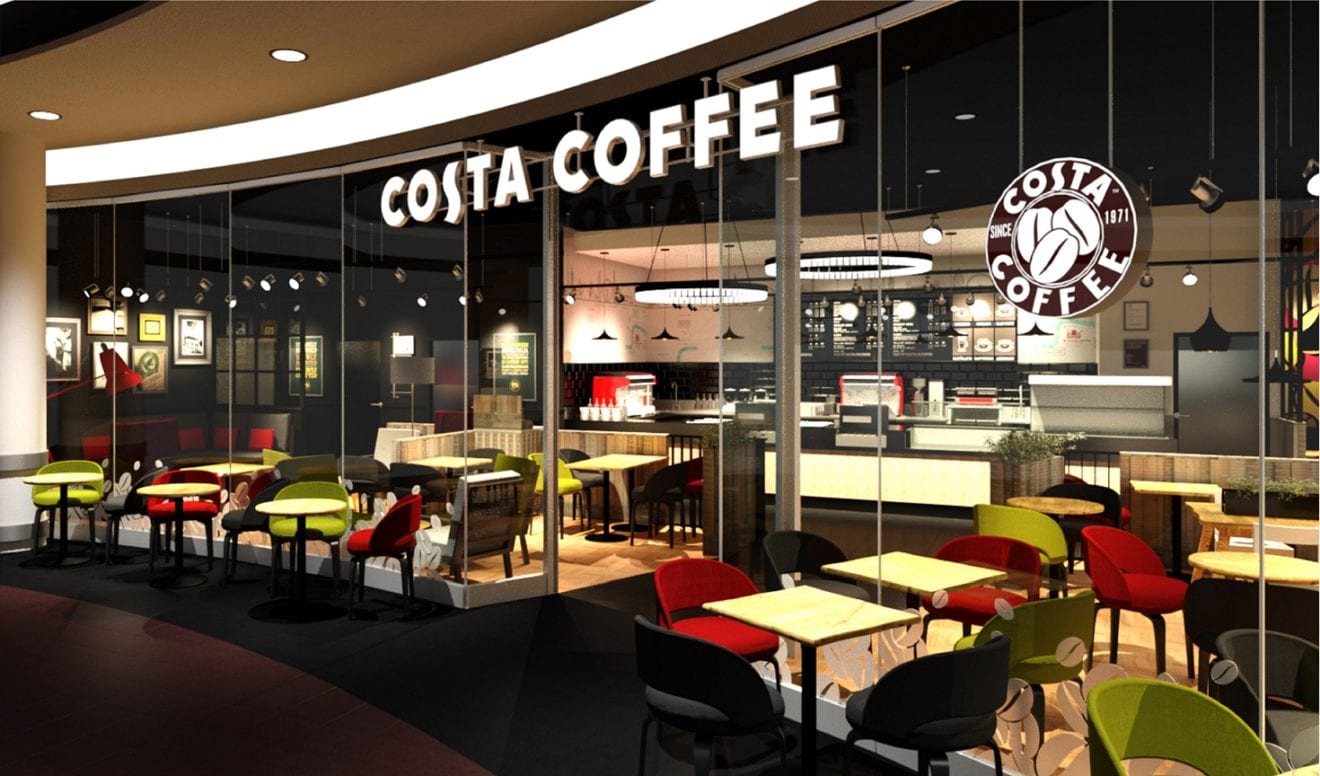
    The Coca-Cola Company is said to have received a bid from Bain Capital’s Special Situations division for its well-known café chain, Costa Coffee. Established in London in 1971 by brothers Bruno and Sergio Costa, the business started as a wholesale operation providing roasted coffee. The coffee chain caught the attention of Whitbread, which acquired the business in 1995. Later, in 2018, Costa Coffee was sold to The Coca-Cola Company for roughly £3.9 billion, equivalent to approximately US$5.1 billion at the time of the transaction.

    Bain Capital’s Bid

    The Special Situations unit of Bain Capital, which has previously invested in British bakery and café chain Gail’s as well as restaurant chain PizzaExpress, has proposed an initial bid for the UK-based coffee chain. Besides Bain, private equity firm TDR Capital has also expressed interest in the deal.

    Costa Coffee’s Global Presence

    Costa Coffee has grown significantly since its establishment, expanding its presence to over 50 countries. It currently maintains more than 2700 stores across the UK and Ireland and operates in more than 1300 locations in other global markets.

    Challenges Amidst the Pandemic

    Despite its global reach and popularity, Costa Coffee has grappled with increasing costs and a decline in consumer spending due to the Covid-19 pandemic. The café chain reported an annual loss of £13.8 million and revenues of £1.2 billion in 2023.

    Bain Capital’s Recent Acquisitions

    Bain Capital has a history of acquiring food and beverage establishments. For instance, the firm purchased the restaurant franchise growth platform Sizzling Platter in July, which operates several well-known brands such as Little Caesars, Wingstop, and Dunkin’.

    Questions & Answers

    Who initially founded Costa Coffee and when was it established?
    Costa Coffee was established by brothers Bruno and Sergio Costa in London in 1971.

    Who submitted a bid for Costa Coffee?
    The Special Situations unit of Bain Capital has reportedly submitted a bid for Costa Coffee.

    What financial impact did the Covid-19 pandemic have on Costa Coffee?
    Due to the pandemic, Costa Coffee has faced a decline in consumer spending and rising costs, resulting in an annual loss of £13.8 million in 2023.

  • WK Kellogg reports sharp drop in Q2 earnings amid Ferrero takeover

    WK Kellogg reports sharp drop in Q2 earnings amid Ferrero takeover

    The major breakfast cereal and snack producer, WK Kellogg, has revealed a significant drop in its net income for the second quarter as it readies itself for an upcoming acquisition by Ferrero Group.

    Drop in Earnings

    The company’s net income for the quarter was a mere $8 million, a significant decrease from the $37 million earned in the same period last year. This represents a year-over-year decrease of 78.4%.

    The company’s net sales for the second quarter also dipped by 8.8%, coming in at $613 million. This slump reflects the weakening consumer demand across all of WK Kellogg’s markets.

    Pending Acquisition by Ferrero Group

    WK Kellogg had previously announced a definitive agreement to be purchased by Italy-based Ferrero Group in an all-cash deal worth $3.1 billion. The deal is anticipated to close in the latter half of the present year, provided it receives the required approval from regulators and shareholders.

    Gary Pilnick, chairman and CEO of WK Kellogg, stated, “Despite the challenging operating environment, we experienced in the second quarter, we are making tangible progress against our long-term strategic priorities, including our supply chain modernization initiative.” He continued, “Our team remains committed to executing our plans for the remainder of the year and preparing for the future as we look forward to merging with Ferrero and commencing this exciting new chapter for WK.”

    The acquisition is viewed as a crucial move to expedite WK Kellogg’s transformation under Ferrero’s stewardship, capitalizing on complementary product portfolios and global outreach.

    Questions & Answers

    Why did WK Kellogg’s net income decrease in this quarter?
    The decline in net income is attributed to weaker consumer demand across all of WK Kellogg’s markets.

    What is the value of Ferrero Group’s acquisition deal with WK Kellogg?
    Ferrero Group has agreed to acquire WK Kellogg in an all-cash deal worth $3.1 billion.

    What does WK Kellogg anticipate from the prospective merger with Ferrero Group?
    The merger with Ferrero Group is expected to fast-track WK Kellogg’s transformation, leveraging the combined strength of their product portfolios and global reach.

  • Metcash Reports Robust Financial Growth, Hits $17.3 Billion Group Sales Revenue

    Metcash Reports Robust Financial Growth, Hits $17.3 Billion Group Sales Revenue

    Metcash, a leading wholesale distribution and marketing company, has recently announced a robust financial performance for the current fiscal year. The company’s group sales revenue reached $17.3 billion, marking a 7.2 per cent growth compared to last year’s figure of $15.9 billion.

    Financial Performance Details

    The company’s underlying group EBITDA (Earnings Before Interest, Taxes, Depreciation, and Amortization) witnessed a considerable rise, going from $688 million to $737.8 million. Further, there was also a 10.1 per cent increase in its reported profit after tax as the figures moved from $257.2 million to $283.3 million.

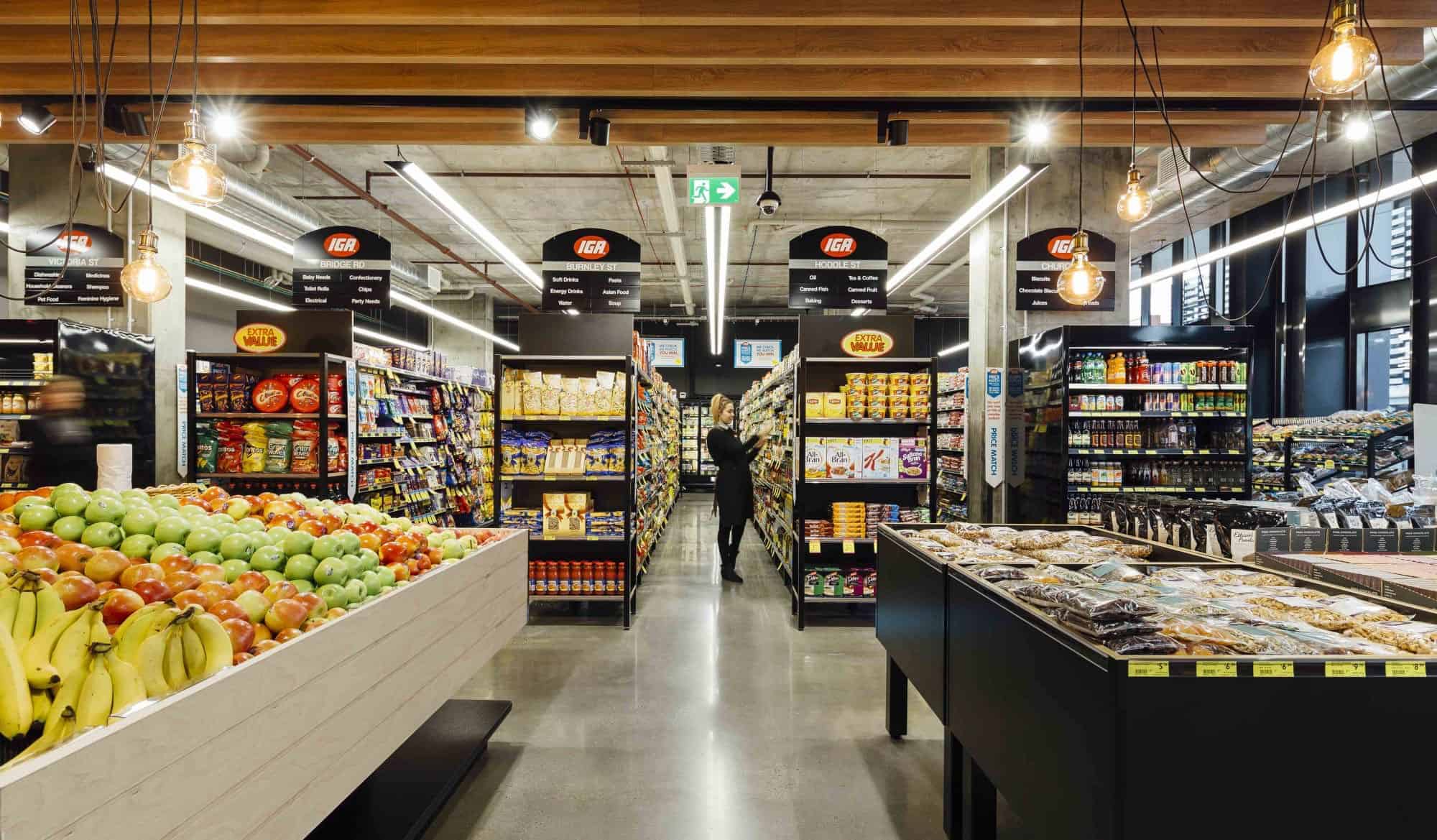
    In terms of sector-wise performance, Metcash’s food division reported sales revenue of $8.8 billion, excluding tobacco sales. This substantial figure, which is a 20.8 per cent increase year-on-year, has been largely attributed to the growth of supermarkets and convenience stores, along with Metcash’s partnership with Superior Foods beginning this June.

    Sector-wise Breakdown

    Metcash’s liquor division also exhibited growth, with the revenue rising by 3.3 per cent, moving from $5.1 billion to $5.3 billion. This growth has been fuelled by the successful performance of all IBA brands under Metcash, including Cellarbrations, The Bottle-O, IGA Liquor, and Porters. However, this sector did see a minor setback as its liquor EBITDA decreased from $125.7 million to $123.5 million, marking a 1.8 per cent drop.

    Lastly, Metcash’s hardware division reported a revenue of $3.6 billion, indicating a 2.4 per cent increase. This growth can be attributed to Metcash’s acquisition of Total Tools.

    Questions & Answers

    What was the total group sales revenue reported by Metcash for the current fiscal year?
    The company reported a total group sales revenue of $17.3 billion.

    Which division of Metcash recorded the highest increase in sales revenue?
    Metcash’s food division recorded the highest increase in sales revenue, marking a 20.8 per cent growth year-on-year.

    What factors contributed to the growth of Metcash’s hardware division?
    The growth in the hardware division is largely due to the company’s acquisition of Total Tools.

  • Skechers Reports Strong Q2 Growth Of 13.1%, Bolstered By International Market Success

    Skechers Reports Strong Q2 Growth Of 13.1%, Bolstered By International Market Success

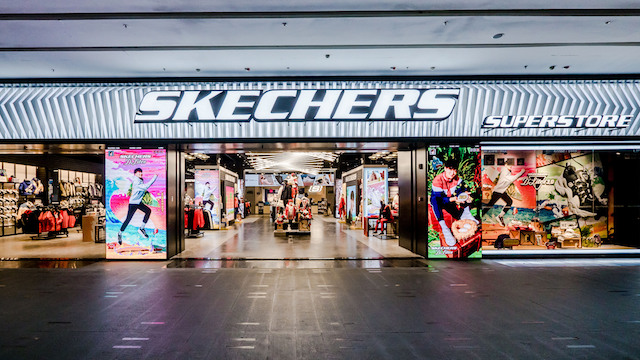
    Skechers, the global footwear leader, reported its financial results for the second quarter of 2025, reflecting an overall positive growth across its various business channels. The company’s total revenue for the quarter was recorded at US$2.44 billion, marking a 13.1% increase compared to the same period in the previous year. This growth is primarily attributed to robust demand in both its wholesale and direct-to-consumer channels.

    A Closer Look at the Financials

    The net income of Skechers witnessed a significant surge of 21.5%, reaching $170.5 million, up from $140.3 million registered in the corresponding period of the previous year. The wholesale revenue for the quarter was also on an upward trajectory, accounting for $1.30 billion, a 15% increase from the prior-year period. Direct-to-consumer sales also followed suit, with an increase of 11% totaling $1.14 billion, compared to $1.03 billion noted a year earlier.

    In terms of domestic sales, the figures remained relatively stable, registering a marginal decrease of 0.2%. While wholesale sales experienced a decline of 7.5%, direct-to-consumer sales offset this with a 7.6% rise.

    International Market – A Strong Growth Driver

    The international market emerged as a key growth driver for Skechers with international sales constituting about 64.6% of the total revenue in Q2, a noticeable increase from approximately 60% a year earlier. This growth was spurred by a significant 29.6% increase in wholesale international sales and a 13.3% rise in direct-to-consumer international revenue.

    Despite a decline in China sales, which dropped 8.2% to $287.2 million, sales in the Asia Pacific region rose by 5.5% to $595.5 million. The Americas division witnessed a slight increase of 1.1% with sales amounting to $1.11 billion. However, the Europe, Middle East & Africa (EMEA) region showed the most robust regional growth, with sales surging 48.5% to $731.5 million.

    Looking Back at the First Half of 2025

    For the first half of 2025, Skechers reported total sales of $4.85 billion, signifying a 10% increase from the previous $4.41 billion in the prior year. The regional growth trends were similar to those of Q2, with EMEA witnessing an increase of 29.4%, Americas growing by 4.6%, and the Asia Pacific region recording a modest growth of 1.4%.

    Currently, Skechers operates over 5200 stores globally, which include both company-owned and third-party-owned locations. The company is confidently marching towards its goal of establishing 10,000 stores across the globe.

    Questions & Answers

    What was the total revenue of Skechers in Q2 2025?
    The total revenue of Skechers in the second quarter of 2025 was US$2.44 billion.

    Which region showed the strongest growth for Skechers?
    The Europe, Middle East & Africa (EMEA) region showed the strongest growth for Skechers, with sales jumping 48.5% to $731.5 million.

    How many stores does Skechers currently operate worldwide?
    Skechers currently operates more than 5200 stores worldwide.

  • DFI Retail Group Surmounts Static Sales With Strong Profit Growth: Health And Beauty Sectors Lead The Way

    DFI Retail Group Surmounts Static Sales With Strong Profit Growth: Health And Beauty Sectors Lead The Way

    Despite relatively stationary sales figures, Hong Kong’s DFI Retail Group has reported robust profit growth in the first half of the fiscal year. Sharing profits with shareholders saw an impressive rise of 39 per cent to US$105 million in the six months concluding on June 30. Additionally, subsidiary profits also marked an increase by 3 per cent, reaching $75 million.

    Growth Drivers

    The management cites several reasons for this significant growth. Enhanced profitability in health and beauty sectors, increased contributions from associates, and steady revenue growth trends are the primary contributors to this success. For the first half of the year, subsidiary revenue totalled $4.4 billion, a marginal increase of 0.3 per cent on a comparable basis. This figure excludes the impact of the increased cigarette tax in Hong Kong and the sale of the Hero Supermarket business in Indonesia the previous year.

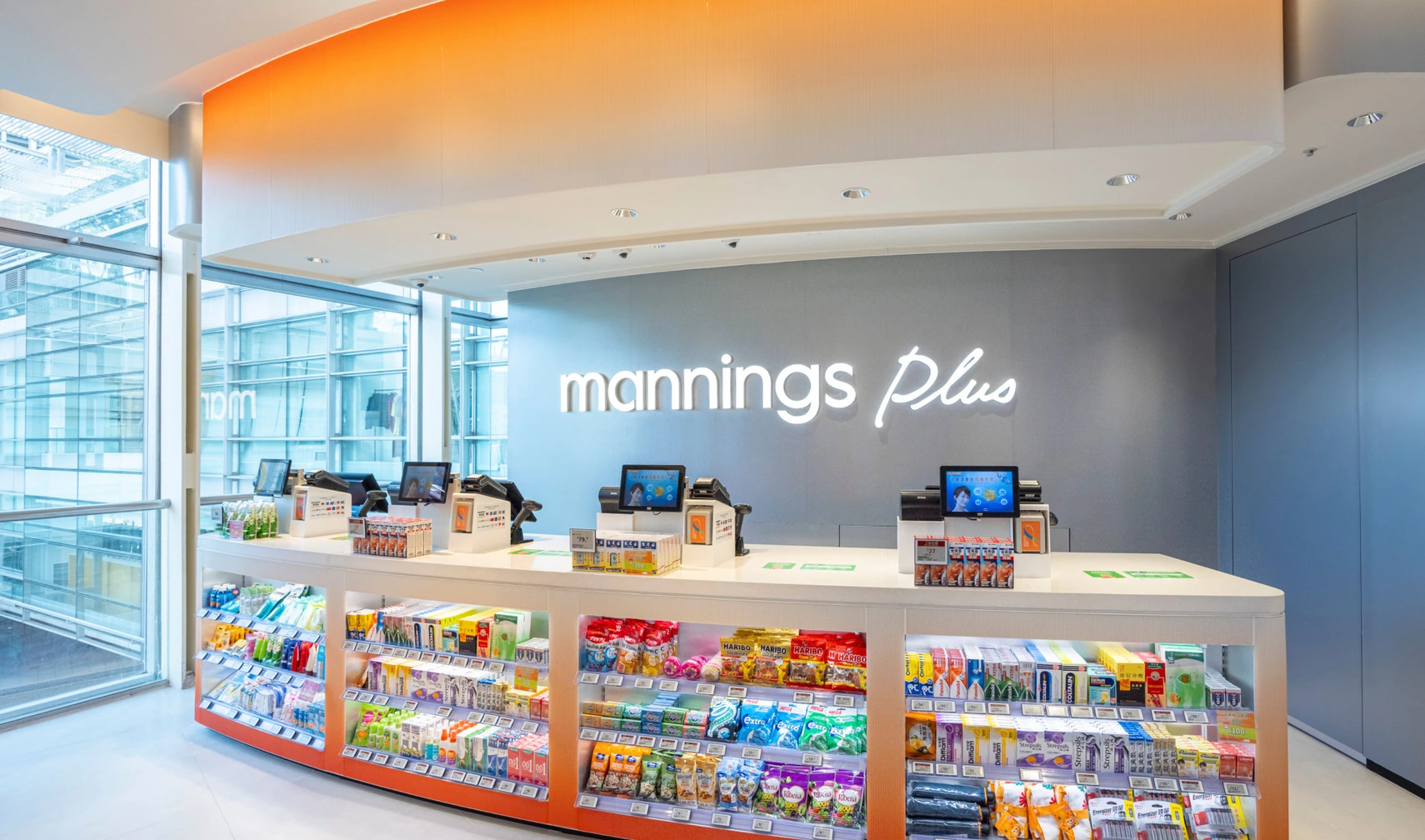
    Total revenue, accounting for 100 per cent of associates and joint ventures, noted a 1 per cent rise to $8.2 billion. The health and beauty division experienced a 4 per cent rise in sales, highlighting the growing brand value of Mannings and Guardian.

    Revenue Fluctuations

    On the other hand, the convenience segment, operating 7-Eleven stores in Hong Kong, Macau, Guangdong province, and Singapore, saw a 4 per cent revenue decline. The food division registered a slight dip in sales, not considering the sale of the Hero Supermarket.

    The home furnishings division, which runs Ikea in Hong Kong, Macau, Taiwan, and Indonesia, continues to face challenges due to fierce competition and changes in consumer purchasing patterns.

    CEO’s Remarks

    “Our ongoing portfolio evolution allows us to focus resources on high-profit businesses and growth initiatives. It also provides strategic flexibility for non-organic opportunities,” remarked Group CEO Scott Price.

    Despite lowering its revenue outlook for the full year, DFI has upgraded its profit guidance. Revenue growth is now anticipated to rise between 0.5-1 per cent, as opposed to the previously estimated 2 per cent. In contrast, an underlying attributable profit is expected to be within the range of $250-270 million, compared to the previously estimated $230-270 million.

    The group asserts its confidence in navigating the evolving market landscape, backed by strategic initiatives designed to increase market share and profit growth across all businesses.

    Questions & Answers

    What was the reason for the significant profit growth?
    Enhanced profitability in health and beauty sectors, higher contributions from associates, and steady revenue growth trends were the primary contributors to the growth.

    How did the convenience segment perform?
    The convenience segment, which operates 7-Eleven stores in various locations, reported a 4 per cent revenue decline.

    What are the expectations for the full-year revenue growth and profit?
    Revenue growth is now anticipated to rise between 0.5-1 per cent, while an underlying attributable profit is expected to be within the range of $250-270 million.

  • Most cybercrime losses not fully recovered

    Most cybercrime losses not fully recovered

    Each year thousands of internet users fall victim to a cybercrime that leaves them out of pocket. Research from Kaspersky Lab reveals that over half (52%) of internet users who’ve lost money at the hands of cybercriminals have only got some, or none, of their stolen funds back.

    With the variety and sophistication of online financial threats against consumers growing, losses from online fraud, identity theft and hacking are now running at billions a year. And with many cases going unreported, the true economic cost is likely to be significantly higher.

    The research reveals how costly these attacks are for internet users, and how lucrative they’ve become for cybercriminals. On average, internet users lose $476 per attack and one-in-ten people surveyed said they lost more than $5,000.

    A large majority of internet users say they conduct financial operations online (81%) and just under half (44%) store financial data on their connected devices.

    As more users go online to manage their finances, more cybercriminals are looking for opportunities to cash in, making it important for users to have robust internet security in place to protect themselves and their money. Nevertheless, only 60% of internet users protect all their devices.

    Attitudes to online safety could be influenced by users mistakenly thinking lost money will be automatically refunded to them. Almost half (45%) say that they assume they will be reimbursed by banks for financial cybercrime without any problems, but as the survey shows, over half (52%) of people affected haven’t had all their stolen money returned.

    “Cybercriminals are continually looking for new ways to exploit and defraud consumers and that’s why it’s important for internet users to be on their guard at all times,” says Vyacheslav Zakorzhevsky, Head of the Anti-Malware Research Team at Kaspersky Lab.

    “Cybercriminals can conduct financial crimes via malware, phishing and more. Don’t assume you will always get all your money back if you become a target and funds are stolen from you. The best way to safeguard your finances online is to make sure you don’t become a victim, and for that we recommend specialist software that protects your identity and keeps sensitive data out of the hands of the cybercriminals.”

  • Indonesia challenges Google to disclose financial reports

    Indonesia challenges Google to disclose financial reports

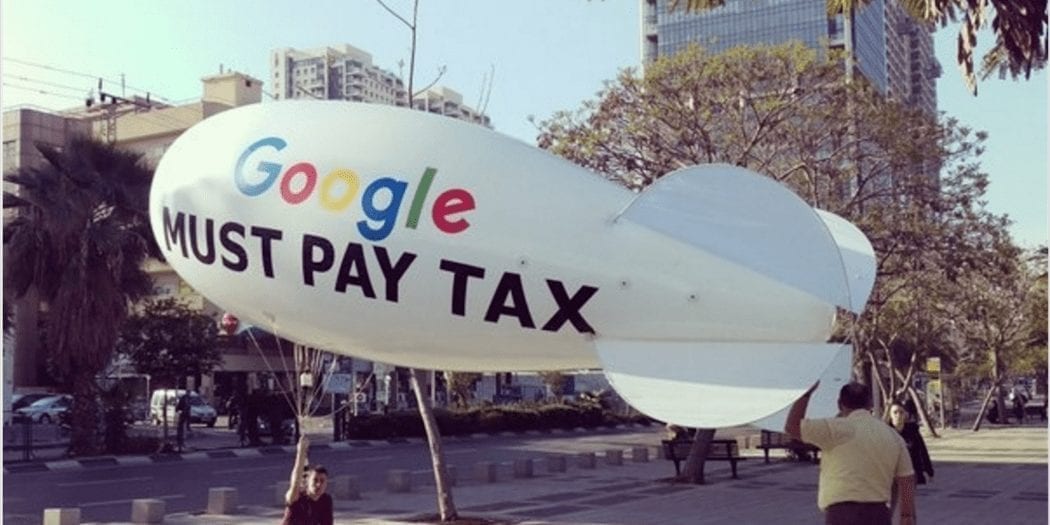
    The Directorate General of Taxation will intensify its investigation on the suspected unpaid taxes by tech behemoth Google, claiming that the company’s tax settlement offer was too small.

    The government said that it would continue investigating Google as it has gathered preliminary evidence indicating that the firm has allegedly committed a criminal act.

    “Next year, it is not going to be about a tax settlement anymore,” Muhammad Haniv, the head of the Taxation Directorate General’s Jakarta branch, who is also the main investigator in the case, said on Tuesday.

    “We have to accelerate the process. We want Google to disclose its financial reports and the tax office will calculate the tax owed,” he said.

    He said the consequence of the tax office’s findings would be that Google had to pay taxes owed plus a 150 percent penalty.

  • Hangzhou to harness Alibaba Cloud’s AI, analytics tools

    Hangzhou to harness Alibaba Cloud’s AI, analytics tools

    Alibaba Cloud announced at its recent Computing Conference that it will provide its AI, deep learning and data analytics capabilities for two new cutting-edge developments in China.

    Initiated by the Hangzhou government, the “Hangzhou City Brain” is set to address the city’s urban living challenges. As the hub to consolidate data and provide real-time analysis, the “Hangzhou City Brain” will rely on Alibaba Cloud’s AI program ET and big data analytics capabilities to perform real-time traffic prediction with its video and image recognition technologies.

    The project will support transportation departments’ efforts to ease traffic congestion and provide users with real-time traffic recommendations and travel routes.

    “By establishing the Hangzhou City Brain, Hangzhou is taking the lead in harnessing artificial intelligence and deep learning technologies to promote greater sustainability and improve the quality of urban living for Chinese citizens. Alibaba Cloud is proud to support and be part of this important development, “said Dr Jian Wang, chairman of Alibaba Group’s technology steering committee.

    With automated traffic system capabilities, intelligent adjustments of traffic lights will be performed on the spot; when a vehicle changes direction, the green light will automatically be extended. The pilot of world’s most advanced smart traffic management system in the Hangzhou’s Xiaoshan District, which started in September this year, has since seen an increase in traffic speed by 11%.

    The project is being led by the Hangzhou government in coordination with 13 firms including Alibaba Cloud. As part of the project, a research and development team of scientists from various companies has been formed.

    Forming the backbone of the “Hangzhou City Brain” data processing and analysis capabilities is Apsara, Alibaba Cloud’s large scale computing operating system, which is able to cluster millions of servers into a super computer and to support a multitude of cloud-based services by analyzing terabytes of data points. This computational engine is one of the largest of its kind in the world and uses propriety algorithms.

    Paving the way for astronomical data storage and analytics

    Aiming to leverage its technologies for astronomical data collection and analysis, Alibaba Cloud also announced at the Computing Conference its research collaboration with the National Astronomical Observatory of China (NAOC) on deep space exploration.

    The plans are to set up a data and research centre for astronomy, as well as a virtual solar observatory which will be supported by Apsara’s massive scalability and advanced capabilities to process astronomical data.