Tag: says

  • Mondelez Harnesses Ai To Cut Marketing Costs And Revolutionize Tv Advertising

    Mondelez Harnesses Ai To Cut Marketing Costs And Revolutionize Tv Advertising

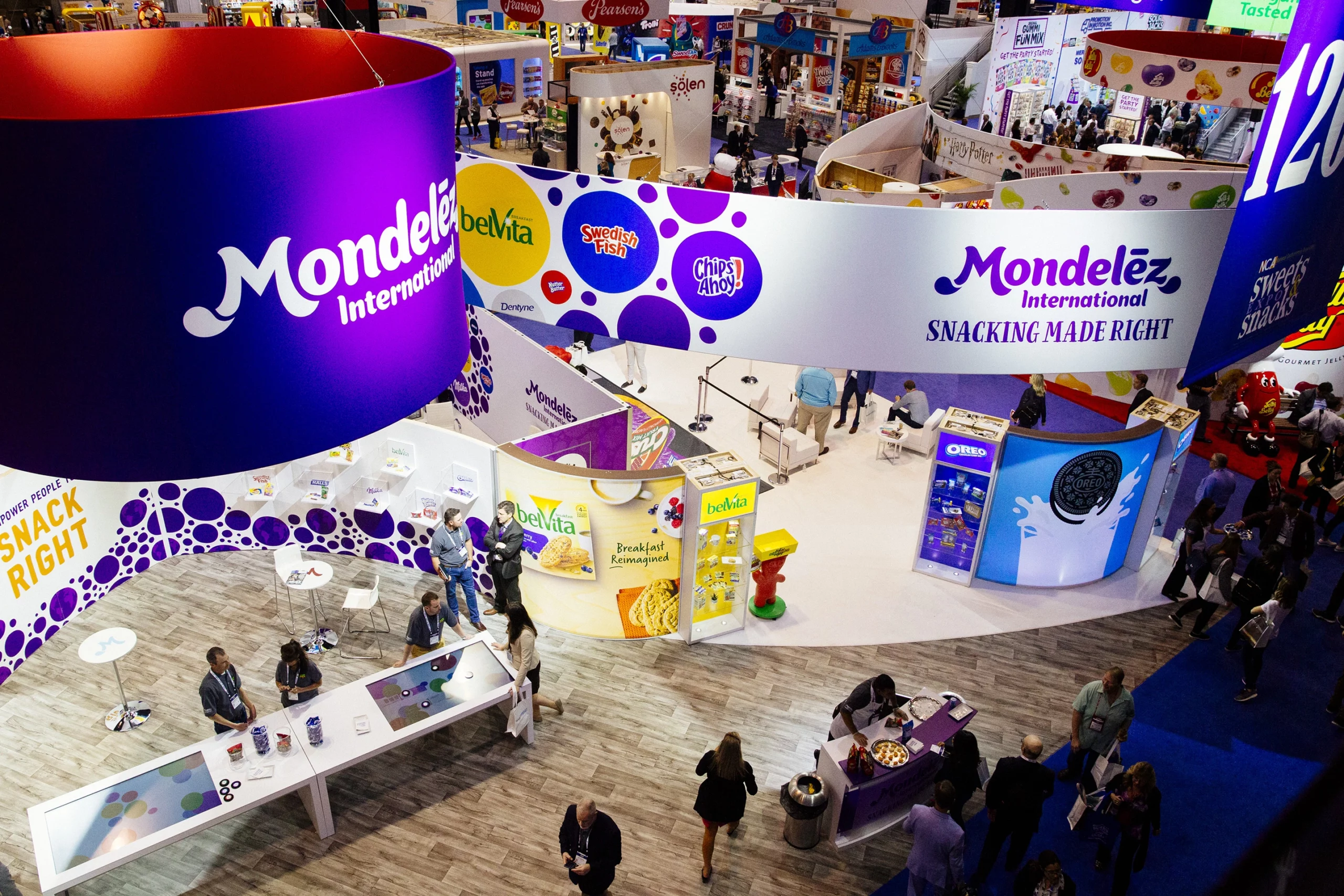
    Mondelez, the renowned snack producer, has taken a step forward in leveraging artificial intelligence (AI) to reduce the expenses involved in creating marketing content by 30% to 50%. They have collaborated with advertising firm, Publicis Groupe, and IT company, Accenture, to develop an innovative AI tool.

    Revolutionizing TV Ads with AI

    Jon Halvorson, Mondelez’s global senior vice president of consumer experience, revealed the company’s ambitious plan to use this tool for generating short TV commercials which can be broadcasted as early as the upcoming holiday season. Notably, the company also has its sights set on creating ads for the 2027 Super Bowl.

    The manufacturer of Cadbury chocolate has invested more than $40 million into this AI initiative. Halvorson predicts the tool’s ability to create more intricate videos would lead to an increase in cost savings.

    Adopting AI amid Economic Challenges

    Like many consumer goods companies dealing with tariffs and decreasing customer budgets, Mondelez is turning to AI as a solution to reduce the fees associated with advertising agencies and accelerate product development and sales cycles.

    Other industry players such as Kraft Heinz, the maker of macaroni and cheese, and beverage giant Coca-Cola have also been experimenting with AI for their advertising efforts.

    AI-Powered Social Media Content

    Mondelez has been using the AI-generated content on social media platforms for their Chips Ahoy cookies in the US and Milka chocolate in Germany. A short eight-second Milka video featuring waves of chocolate flowing over a wafer has been used, with varying backgrounds tailored to the specific consumer group being targeted.

    The costs for creating such animations usually run into hundreds of thousands of dollars. With the new AI tool, however, Halvorson suggests the expenses are significantly lower.

    Upcoming AI Initiatives

    In November, Mondelez’s Oreo will utilize the tool for product pages on Amazon and Walmart in the US. The company also plans to use the tool in the near future for its Lacta chocolate and Oreo lines in Brazil, as well as Cadbury in the UK.

    Tina Vaswani, VP of digital enablement and data for the company, assures that the content created by the AI tool will be manually reviewed to prevent any potential issues. Mondelez follows strict rules against promoting unhealthy eating habits, vaping, overconsumption, emotionally manipulative language, and offensive stereotypes in their content.

    Questions & Answers

    How much has Mondelez invested in the AI tool?
    Mondelez has invested over $40 million in the development of the AI tool.

    How does Mondelez plan to use the AI-generated content?
    Mondelez has utilized AI-generated content for social media promotions and plans to use it for TV commercials, as well as product pages on Amazon and Walmart.

    What measures has Mondelez taken to ensure the quality of AI-generated content?
    Every piece of content generated by the AI tool is reviewed by humans to prevent any inappropriate or offensive content, adhering to company guidelines.
  • Gap Inc. Partners With Google Cloud, Leveraging Ai To Revolutionize Retail And Customer Experience

    Gap Inc. Partners With Google Cloud, Leveraging Ai To Revolutionize Retail And Customer Experience

    Gap Inc. has joined forces with Google Cloud in a multi-year partnership aimed at fast-tracking the company’s tech strategy through the application of artificial intelligence (AI). The overarching objective is to bolster operations and improve consumer interactions throughout its various brands.

    Harnessing the Power of AI

    According to Sven Gerjets, Gap Inc’s Chief Technology Officer, the company is embracing AI as a transformative tool in retail, building its future tech roadmap around it.

    He stated, “This partnership offers us the proficiency and speed to integrate AI throughout our operations, enabling our teams, igniting creativity, and delivering to our customers more swiftly and with a higher degree of personalisation than ever before.”

    The collaboration with Google Cloud will equip Gap with a cohesive, AI-powered platform devised to enhance product development, planning, and pricing processes. This will spark creativity and efficiency across all its brands, which include Old Navy, Gap, Banana Republic, and Athleta.

    To facilitate product design, customer experience, and employee enablement, Gap will utilize Google Cloud technologies such as Gemini, Vertex AI, and BigQuery.

    Reinventing Retail with AI

    Thomas Kurian, CEO of Google Cloud, expressed his enthusiasm about the partnership, saying it’s about revolutionising the retail landscape with AI and supporting Gap in leading the industry in terms of speed, personalisation, and game-changing customer experiences.

    With AI, Gap envisages creating a hyper-personalised shopping experience for consumers, enabling stronger storytelling and relevance to engage a wider audience. Furthermore, Google AI will assist Gap in optimizing ad placements and fortifying omnichannel marketing through Google Ads.

    Gap has already begun leveraging AI tools to aid employees in decision-making and execution, thereby enhancing efficiency.

    Sven Gerjets stated, “By re-engineering our workflows and empowering every employee with AI, we are allowing Gap Inc teams to concentrate on creativity, culture, and customer connection, while preserving the company’s human-centric DNA at the heart of innovation.”

    Questions & Answers

    What is the aim of the partnership between Gap Inc and Google Cloud?
    The partnership aims to accelerate Gap Inc’s tech strategy through AI, thereby improving operations and customer experiences across all of its brands.

    How will Gap Inc implement Google Cloud technologies?
    Gap Inc will utilize Google Cloud technologies to enhance product development, planning, and pricing procedures, and streamline product design, customer experience, and employee enablement.

    How will AI effect the shopping experience for Gap Inc’s customers?
    With AI, Gap Inc aims to create a hyper-personalised shopping experience for customers, enabling stronger storytelling and reach to a wider audience.

  • Uniqlo Ceo Yanai Warns Of Economic Fallout From U.S. Tariffs; Unveils Plans To Raise Prices

    Uniqlo Ceo Yanai Warns Of Economic Fallout From U.S. Tariffs; Unveils Plans To Raise Prices

    Tadashi Yanai, the founder of the global fashion brand Uniqlo and CEO of Fast Retailing, has expressed his concerns over the impact of tariffs on international trade, particularly the United States. Yanai, who is Japan’s wealthiest individual, has previously vocalized his apprehensions about the potential economic fallout from the extensive tariffs put in place by the U.S. administration.

    Tariffs and their Impact

    Yanai aired his views during a Uniqlo event in New York City, where the brand was showcasing its LifeWear clothing line and an art collaboration with Toray Industries of Japan and The Museum of Modern Art. Speaking through a translator, he stated, “I fear the world could go bankrupt,” before adding, “America is the one that could suffer the most.” He did not elaborate further on his statement.

    Fast Retailing, under the leadership of Yanai, has grown to become a dominant force in the Asian apparel market and is currently executing an ambitious expansion plan in Europe and North America.

    Effects on Uniqlo and its Operations

    The company announced in July that the increase in U.S. tariffs would have a significant impact on its American operations starting from the later part of the year. To counteract this, the company plans to raise prices.

    The majority of Uniqlo products sold in the U.S. are manufactured in Southeast Asia and South Asia, making the brand particularly susceptible to any shifts in the tariff landscape.

    Questions & Answers

    Who is Tadashi Yanai?
    Tadashi Yanai is the founder of global fashion brand Uniqlo and the CEO of Fast Retailing. He is also Japan’s richest man.

    What is Yanai’s viewpoint on U.S. tariffs?
    Yanai is concerned about the potential economic fallout from extensive tariffs imposed by the U.S. administration. He believes that the United States could suffer the most from these tariffs.

    How is Uniqlo planning to counteract the impact of these tariffs?
    Uniqlo plans to raise prices to mitigate the financial impact of the increased U.S. tariffs on its operations.

  • Huawei Defies U.S. Sanctions: Unveils Harmonyos And New 5g Chipset For Flagship Phones

    Huawei Defies U.S. Sanctions: Unveils Harmonyos And New 5g Chipset For Flagship Phones

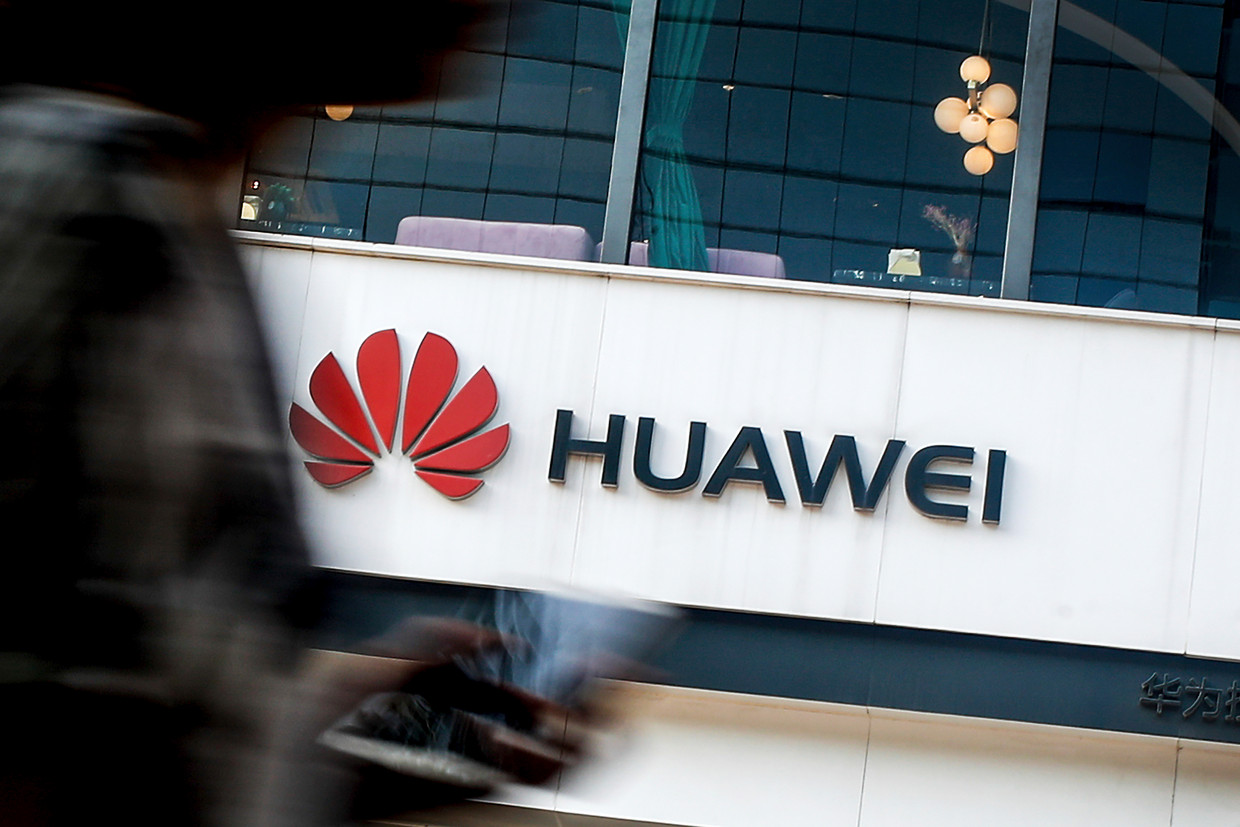
    Back in 2012, concerns about national security led the U.S. House of Representatives’ Intelligence Committee to label tech giants Huawei and ZTE as potential threats. These fears stemmed from allegations that Huawei was spying on U.S. consumers and corporations, though Huawei consistently denied these claims. By 2019, Huawei was added to the U.S. Entity List.

    Huawei’s Position on the Entity List

    The Entity List is maintained by the U.S. Department of Commerce’s Bureau of Industry and Security (BIS). It stipulates that U.S. firms must obtain a government license before exporting any “U.S.-origin” technology to a listed company. This move effectively cut Huawei off from its U.S.-based supply chain, including tech giant Google. Consequently, Huawei could no longer use Google’s proprietary version of Android, though it managed to pre-install the open-source version of Android on its handsets.

    However, this version of Android does not offer the Play Store, nor does it include the default Android apps developed by Google.

    U.S. Restrictions and Huawei’s Response

    A year after being added to the Entity List, the U.S. Commerce Department revised the Foreign-Produced Direct Product Rule. This amendment enabled it to stop Huawei from obtaining any advanced chips produced by a foundry using American-made equipment. Many speculated that this could spell the end for Huawei. Although the company led global smartphone shipments during the second quarter of 2020, surpassing Apple and Samsung, it began to witness a decline by the fourth quarter of the same year.

    In response to these challenges, Huawei needed to adapt. As Tao Jingwen, the company’s president of quality, business process, and information technology, stated at an event in Guiyang, Huawei “built an ecosystem entirely independent of the United States.” Its first significant step was the creation of the HarmonyOS operating system, which includes the company’s App Gallery app store.

    The Emergence of HarmonyOS and Huawei Mobile Services

    By 2021, Huawei had launched its own ecosystem, Huawei Mobile Services. Despite the loss of Google’s support, Huawei appeared to be managing well internally. However, outside of China, particularly in Europe, the absence of Google was keenly felt. The company also needed to find a way to access 5G chips. After depleting its inventory of 5G Kirin application processors, U.S. chip designer Qualcomm obtained a license from the U.S. Commerce Department to supply application processors to Huawei. However, these chips were modified to work with 4G signals, not 5G.

    Overcoming Sanctions: Huawei Mate 60 Pro

    Despite the challenges, Huawei continued to innovate. The tech world was taken by surprise in August 2023 when Huawei introduced the Huawei Mate 60 Pro. For the first time since 2020, a Huawei flagship phone was powered by an application processor designed by Huawei itself, the Kirin 9000S. Built by China’s largest foundry SMIC using its 7nm process node, the chipset reintroduced 5G support to a Huawei flagship phone for the first time since the Mate 40 series in 2020.

    Questions & Answers

    Why was Huawei added to the U.S. Entity List?
    Huawei was added to the Entity List due to concerns about national security. It was alleged that the company was spying on U.S. consumers and corporations.

    What impact did being on the Entity List have on Huawei?
    Being on the Entity List cut Huawei off from its U.S.-based supply chain, including Google. This meant that Huawei could no longer use Google’s proprietary version of Android.

    How did Huawei respond to the U.S. sanctions?
    Huawei developed its own operating system, HarmonyOS, and created an ecosystem independent of the United States. It also managed to design its own application processor for its flagship phone, reintroducing 5G support.

  • Australian Food Industry Shows Resilience With Robust Growth Amid Global Challenges

    Australian Food Industry Shows Resilience With Robust Growth Amid Global Challenges

    The food and grocery manufacturing industry in Australia has demonstrated robust growth, further solidifying its significance as the country’s biggest manufacturing sector and a crucial provider of regional employment opportunities.

    The Australian Food and Grocery Council’s (AFGC) State of the Industry 2023-24 report reveals that the sector’s turnover has experienced a 5.3 per cent growth, equating to a total of $173 billion.

    Employment and Exports

    Employment in the industry has also seen an increase of 4.4 per cent, resulting in almost 300,000 people now being employed in the sector, with over a third of these individuals located in regional Australia.

    Exports within the industry recorded a 5.2 per cent growth, while imports declined by 3.3 per cent. Interestingly, the US has surpassed China as the leading export market for Australia.

    Colm Maguire, CEO of AFGC, expressed his optimism for the sector’s future, emphasizing its “enormous potential”. He highlighted the need for policy and strategic backing as key for continued growth.

    Maguire added, “With the proper policy framework and strategic support, the food and grocery manufacturing sector can further enhance Australia’s economy – fostering regional employment, reinforcing Australia’s standing as a strong manufacturing nation, and securing our food and grocery supply amidst an increasingly complicated global landscape.”

    Challenges and Future Perspectives

    Despite the encouraging figures, the report also drew attention to certain challenges faced by the sector. These include an 11 per cent decline in capital investment, which currently stands at $3.8 billion, and ongoing cost pressures.

    As the Albanese Government progresses with its “Future Made in Australia” agenda, the AFGC argues that the food and grocery manufacturing industry is in a strong position to take the lead. This is reflected in their proposed seven productivity pillars, which concentrate on reducing bureaucracy, building resilient supply chains, and ensuring access to affordable, reliable energy.

    Questions & Answers

    What growth has the Australian food and grocery manufacturing industry seen recently?
    The industry has seen a 5.3 per cent increase in turnover, equating to $173 billion. Employment in the sector has risen by 4.4 per cent, with nearly 300,000 people now employed.

    Who is now Australia’s top export market?
    The US has now overtaken China as Australia’s top export market.

    What challenges does the Australian food and grocery manufacturing industry face?
    The industry faces challenges such as an 11 per cent decrease in capital investment and ongoing cost pressures.

  • Amazon Australia launches B2B store it says will help businesses cut costs

    Amazon Australia launches B2B store it says will help businesses cut costs

    Amazon Business, a new platform designed to streamline operations and decrease expenses for organizations of various sizes, has been introduced by Amazon Australia. The platform will feature focused sections for kitchen and pantry goods, cleaning and sanitation products, alongside stationary, IT commodities, and maintenance solutions.

    Addressing Business Needs

    Amazon Business aims to cater to the specific needs of business buyers, offering them tailored features for convenience. These include exclusive business pricing and volume discounts on eligible items. The platform also provides options for single or multi-user business accounts, Business Prime, and dedicated customer service.

    The introduction of this platform comes at a critical time when inflating expenses have been impacting small-to-medium-sized businesses (SMBs) in Australia. Research reveals that 92% of these SMBs have experienced a rise in operational costs over the past three years. Consequently, 83% of them have been compelled to transfer these expenses to their customers.

    Furthermore, the same research unveiled that over 80% of Australian SMBs have had to increase their prices by an average of 13% due to the escalating cost pressures.

    Gearing Up for Expansion

    Lena Zak, Country Manager of Amazon Business Australia, expressed excitement about the new platform. Zak emphasized the benefits of Amazon Business, stating that this development would be highly advantageous for the numerous SMBs operating across Australia. Zak further highlighted that Amazon Australia has substantially invested in enhancing its operations network to facilitate a smooth, speedy, and reliable shopping experience for its customers.

    With this latest launch, Australia becomes the eleventh country to offer Amazon Business, joining the ranks of countries like the U.S., U.K., Germany, Japan, among others. Since its debut in 2015 in the U.S., Amazon Business has expanded its customer base to over 8 million worldwide. The platform reportedly generates approximately $35 billion in annual gross sales.

    Questions & Answers

    What is Amazon Business?
    Amazon Business is a platform designed to simplify operations and reduce costs for organizations. It provides business-only pricing, quantity discounts, and options for single or multi-user business accounts, among other features.

    What does the launch of Amazon Business imply for Australian SMBs?
    The launch comes at a time when rising operational costs have been impacting Australian SMBs. It aims to offer them a streamlined, cost-effective way of procuring necessary items, thereby helping them manage their expenses.

    How has Amazon Business performed since its inception?
    Since its launch in the U.S. in 2015, Amazon Business has grown to more than 8 million customers globally. The platform reportedly generates approximately $35 billion in annualized gross sales.