Retail News CRM

Tag: service

  • Banks increase service fees

    Banks increase service fees

    The Bank for Investment and Development of Vietnam (BIDV) is officially applying a new fee schedule for e-banking.

    The fee on transfers via e-banking of less than VND10 million ($440) is up from VND6,600 (29 cents) to VND7,000 (31 cents), and for up to VND500 million ($22,000) from VND12,000 (52 cents) to VND15,000 (66 cents).

    TP Bank has also raised its fees for SMS Banking, from VND8,800 (38 cents) to VND11,000 (48 cents) per month.

    Eximbank’s have increased to VND16,000 (70 cents) per month and are to be paid every quarter.

    Explaining the increase, TP Bank said that it had to pay VND800 (3.5 cents) per SMS so it was losing money.

    The bank recently introduced eTokens for better security at no charge, but customers who still use OTP SMS must pay fees to cover costs, it said.

    Previously, the Saigon Thuong Tin Commercial Bank raised its internet banking fees for individual customers from VND33,000 ($1.5) to VND44,000 ($1.9) per quarter.

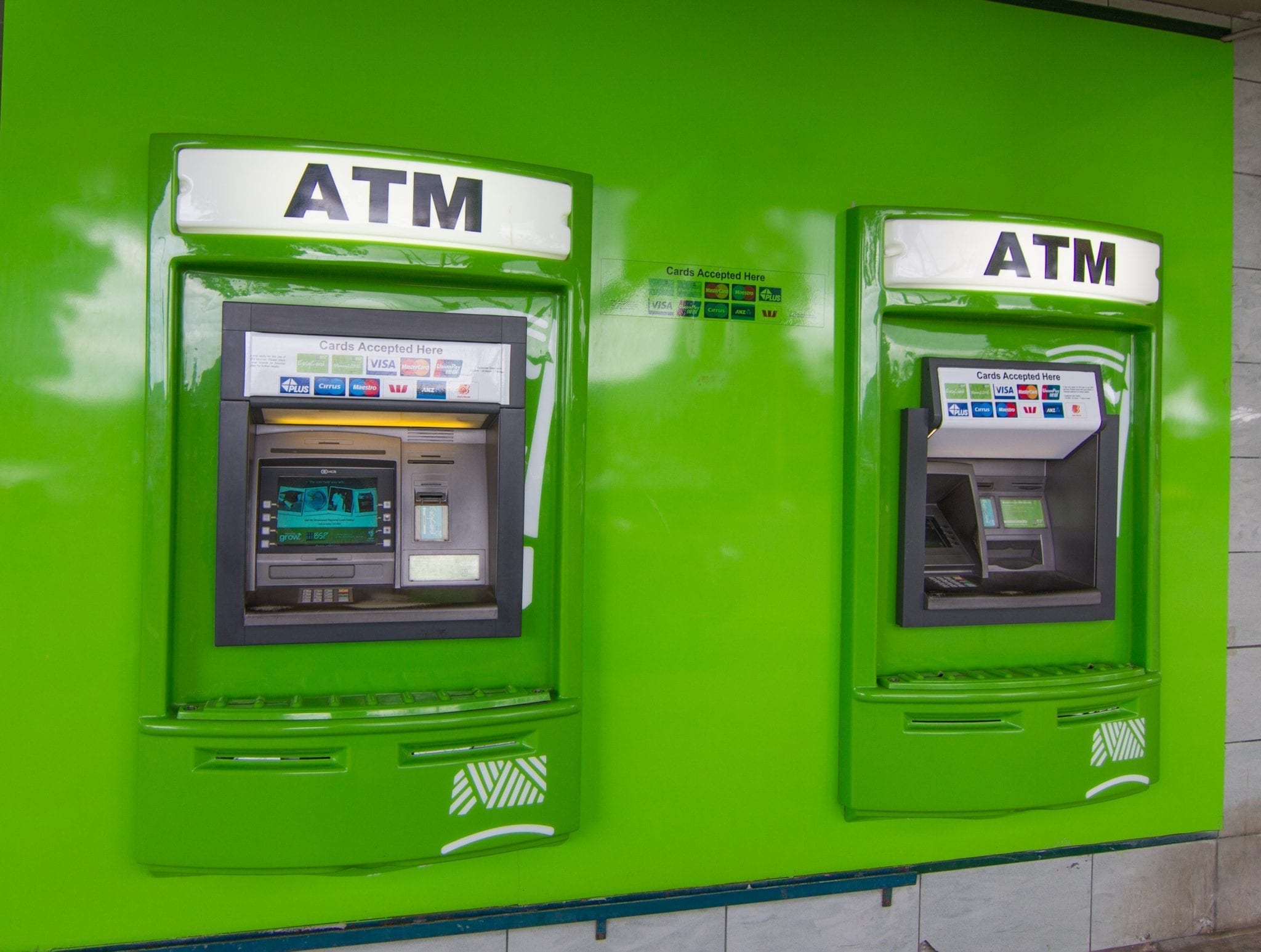
    Other commercial banks have sent proposals to the State Bank of Vietnam (SBV) over increases to ATM transaction fees to cover part of the cost of their investment in ATMs.

    Depending on the bank, the cost of an ATM withdrawal is around VND7,000 (31 cents), which is a loss.

    Such proposals have been met by public concern, however, as many cardholders claim that using ATM cards is burdened by many other types of fees, with some 20-25 basic service charges. Mr. Nguyen Toan Thang, General Secretary of the Vietnam Banks Association, said that customers should not have to pay all fees but only those for the services they use.

    The Department of Payments at the SBV said that domestic debit, or ATM, cards are subject to certain fees, such as ATM withdrawals, money transfers to the same or a different bank account, and statement printing.

    Some bank experts said that banks have to charge for ATM-related services because they have invested in ATM facilities in regard to installation, operations, maintenance, and security. ATM users should therefore pay a fee.

    In addition to increases in certain e-service fees, banks have also cut some charges. Eximbank, for example, reduced its interbank transfer fee from accounts to the Napas system from VND22,000 (96 cents) to VND11,000 (48 cents).

    BIDV offers free annual fees for e-banking customers. Other banks, such as TP Bank and Sacombank also offer free eTokens.

    Banks are improving such services as they move towards modern banking, increasing service revenues and reducing costs.

  • Vietjet launches new routes in service extension program

    Vietjet launches new routes in service extension program

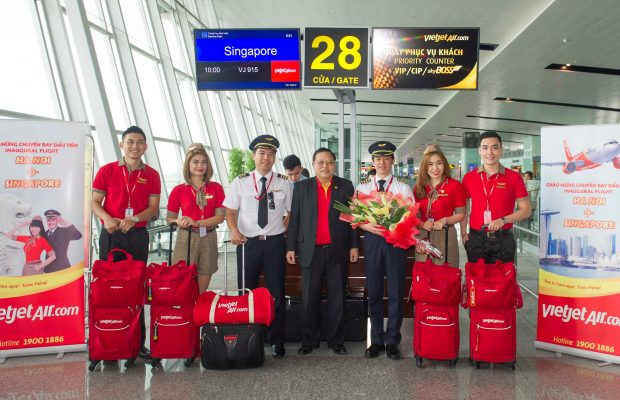
    Vietjet has just launched two new routes on both the international and domestic fronts in its continued service extension program. The new routes are expected to meet the increasing travel demand of individuals, travelers and businessmen, looking to boost trade and integration in the region. At the Changi Airport in Singapore on April 27, 2017, Vietjet celebrated the inaugural of the Singapore-Hanoi route amid fanfare with an exciting flash-mob dance. The ceremony was witnessed by leaders from the new-age carrier and the airport. The first passengers were also presented with gifts from the Vietjet crew. The Hanoi-Singapore flight is operated with 2 hours 55 minutes per leg. The flight from Hanoi takes off at 10:00 (local time) and arrives in Singapore at 13:55 (local time). The return flight departs at 14:55 (local time) and lands in Hanoi at 16:50 (local time). The new route’s tickets are now available for booking within the golden hours from 13:00 to 15:00 at www.vietjetair.com (also compatible with smartphones at https://m.vietjetair.com) or at https://www.facebook.com/VietjetHongKong. Payment can be easily made with debit and credit cards of Visa, MasterCard, JCB, KCP and American Express.

    Singapore is one of the world’s major finance and trade centers. The island-country, also known as Singapura – the lion city, attracts visitors thanks to not only its crowded streets and modern traffic system but also its unique cuisine and diversified cultures. There is a series of entertainment destinations in Singapore such as Universal Studios, Wild Wild Wet, Merlion, Esplanade, Orchard Road and Vivo City, which makes the island a dream land for travellers.

    On the domestic front, Vietjet announced the launch of its route from Hanoi to the capital city of Quang Bing Province, Dong Hoi on June 1, 2017. With tickets priced at VDN99,000 (HKD34), the Hanoi-Dong Hoi flight is operated daily with a flight time of one hour per leg. The flight from Hanoi takes off at 0640 and arrives at 0735 (local time). The return flight departs at 0805 and lands in Hanoi at 0900 (local time).

    There is a series of tourist attractions at Quang Binh’s Phong Nha – Ke Bang national park, which attracts more and more visitors and is also one of the main filming destinations for Hollywood blockbuster “Kong: Skull Islands”. Many tourists have been mesmerized by its magnificent sceneries and well-known sites such as Hang Tien, Cha Noi valley, Hang Chuot, Tu Lan caves, and Son Doong cave. Hanoi is also a must-see destination for tourists thanks to its thousand years of culture and history.

    With its high-quality services, special low-fare tickets and diverse ticket classes, Vietjet offers its passengers enjoyable flights with dynamic and friendly flight crew, comfy seats, amazing hot meals and special surprises from the airline’s inflight activities.

  • Online Shopping Concierge & Delivery Service honestbee Celebrates Thai New Year with Freebies

    Online Shopping Concierge & Delivery Service honestbee Celebrates Thai New Year with Freebies

    Honestbee, Asia’s leading and trusted online concierge and delivery service, is following its Bangkok launch in March 2017 with 3 free water-festival weekly giveaways with all shopping orders from now until April 17th, 2017. A bonus gift of a traditional Songkran Aloha shirt is also delivered on the next order for those shop-happy customers who have already collected the trio of Songkran freebies. 

    With no minimum spend, honestbee customers will receive a free pair of goggles on all shops until April 1st, 2017, with a free water gun included in the delivery between April 2nd – 8th, 2017. In the final week, from April 9th – 17th, the last day of the Thai New Year celebrations in Bangkok, honestbee customers will find a waterproof phone pouch in with their delivered groceries.

    As a Happy New Year wish, honestbee is also gifting every customer with a one-time B200 discount on orders over B890 to be used at any time from now until April 17th, 2017.

    honestbee customers who are Songkran-ready, with their goggles, water gun and mobile-phone case can happily venture out and join in some water-splashing festival fun. At the same time, they can rest assured that with personal shoppers –  so-called honeybees-  will be picking out the freshest quality produce and delivering straight to their doorstep at their convenience with a same-day service available; fast, reliable and more importantly during Songkran, dry!

    The ethos behind honestbee is to be lifestyle-friendly according to the Singapore company’s Co-Founder and CEO Joel Sng. “We want to celebrate the real community spirit of Songkran and how life is really about spending time doing what we enjoy with those we care about, from friends and family to neighbors. honestbee enables busy people in the city to outsource the time and effort of shopping whilst still getting that personalized service that fits in with them. This also benefits our shoppers with sustainable employment on a full-time or part-time basis, offering a main or supplementary income. This is truly the spirit of New Year!”

    Along with the Songkran freebies and discount special, new customers can take advantage of FREE DELIVERY on first-time orders over THB 590 to celebrate the honestbee Bangkok launch.

    honestbee offers its personalized shopping concierge service from Bangkok’s 26 Villa Market supermarket outlets as well as bistro and cooking studio The Gastro Just For You hamper gifts and the Villa Market Holiday Store all of which are owned by Villa Market. Other brand specialty partners comprise K-Market; Wishbeer; Ja Guem Song; Happy Flavour; Pierre Hermé; Perfect Earth Organics; Ahmad Tea London; Pipper Standard; Simply W, La Paloma and Meyer.

  • Singtel, Telkomsel to Launch Mobile Remittance Service in Indonesia

    Singtel, Telkomsel to Launch Mobile Remittance Service in Indonesia

    Singapore Telecommunications, known as Singtel, is partnering with Indonesian operator Telkomsel to launch a real-time mobile remittance service in Indonesia, to boost its mobile money initiatives and tap into the relatively unbanked market in that country.

    The service is the first collaboration for Singtel and Telkomsel “on mobile money initiatives to drive innovation in both markets,” according to a press release on Sunday.

    The new service allows customers in Singapore to send money to about 4,500 cash withdrawal points across Indonesia via the Singtel Dash app, a mobile payments solution. The locations are post office branches managed by PT Pos Indonesia, a state-owned company responsible for providing the country’s postal services.

    Both telcos have also announced future plans to offer a mobile remittance service to Telkomsel’s TCash, an app which offers a digital mobile money service in Indonesia.The remittance service will involve SingCash, a subsidiary formed by Singtel in 2011 to provide mobile remittance and payment services.

    “Indonesia is one of our main remittance corridors,” said Yuen Kuan Moon, chief executive of Consumer Singapore at Singtel. There are 200,000 Indonesians living and working in Singapore, with outward remittances from Singapore to Indonesia worth over $409 million annually.

    Currently, remittance money services in Singapore remain limited and many workers resort to taking days off to go to remittance outlets in order to send money home.

    Singtel is making a push into digital technologies as competition in Singapore’s telcos industry continues to intensify. It announced earlier in March that it is working with e-commerce player Lazada Singapore to create an online marketing portal for small and midsize enterprises.

  • NEC updates postal automation system for Hongkong Post

    NEC updates postal automation system for Hongkong Post

    In recent years, Hong Kong has witnessed a rise in the number of postal items addressed in traditional Chinese characters. This has in turn boosted the need for automated sorting and processing of addresses written in traditional Chinese characters in addition to those handwritten or printed in English.

    This new function has been introduced to 15 systems delivered to Hongkong Post by NEC on several occasions since 2008 that are currently in operation at the Central Mail Centre in Kowloon Bay. The introduction of this function enables the automatic sorting and processing of up to 564,000 postal items with addresses written in traditional Chinese characters per hour, thereby contributing to the improvement of Hongkong Post’s operational efficiency.

    NEC has been doing business with Hongkong Post for approximately 30 years since the postal operator’s introduction of a postal automation system in the latter half of the 1980s. The introduction of this function was made possible by the high acclaim NEC has received over the years for its achievements and technological capabilities.

    NEC began developing its postal automation system business in 1961, and has since then delivered systems to postal operators in more than 50 countries around the world. In Japan, domestic postal operators have utilized a function for reading and sorting addresses written in Chinese characters as part of postal automation processing since the 1980s. The introduction of this function by Hongkong Post was made possible by applying the wealth of knowhow NEC has developed in Japan over the years in reading and sorting addresses written in Chinese characters. Moreover, it has resulted in increased efficiency and a reduction in the amount of time needed for processing.

  • Service providers failing to meet enterprise expectations

    Service providers failing to meet enterprise expectations

    Solutions that network service providers offer don’t always meet the expectations of enterprises, a global study commissioned by Tata Communications reveals.

    Conducted by IDC amongst enterprises and service providers across 32 countries in Africa, Americas, APAC, Europe and MENA, the research also shows that enterprise customers rank security (52%), cloud (43%) and mobility (32%) as their top technology priorities.

    Enterprises see partnerships as key in their decision-making process, indicating that by finding the right partners, service providers could win more business from this market segment.

    The global study shows that enterprises consider service providers best equipped to increasing their network capacity or reach (73%), or delivering hybrid networking (66%) services, while around half (48%) of enterprises feel that their network service provider is best suited to address their cloud needs.

    Approximately a third (31%) of enterprises feel that having access to cloud services developed by their service provider would help support them better on their cloud journey.

    “Through the right partnerships, service providers are able to open up new revenue streams in growth areas such as cloud and unified communication and collaboration (UCC), without having to invest in developing their own solutions from scratch,” said James Parker, president of global sales at Tata Communications.

    “By joining forces with like-minded organizations, service providers are best-placed to address their customers’ increasingly complex IT requirements and facilitate their digital transformation.”

    Around three-quarters (76%) of service providers think that supporting employee mobility is key for enterprises’ UCC strategy, yet only a quarter (26%) of enterprises rank this as a top priority.

    While more than a quarter (27%) of enterprises cite lack of employee readiness as a barrier for UCC adoption, the service providers surveyed don’t see this as an issue for their customers.

    The research suggests that close to a half (41%) of service providers don’t have a definite stance on partnering. In contrast, more than half (57%) of enterprises say that when choosing a service provider, it is important that they find the right partners to fill gaps in their offering or extend their reach.

    Additionally, service providers overestimate the importance of reputation in enterprise decision making by a third (30%).

  • AirAsia X launches in-flight tablet

    AirAsia X launches in-flight tablet

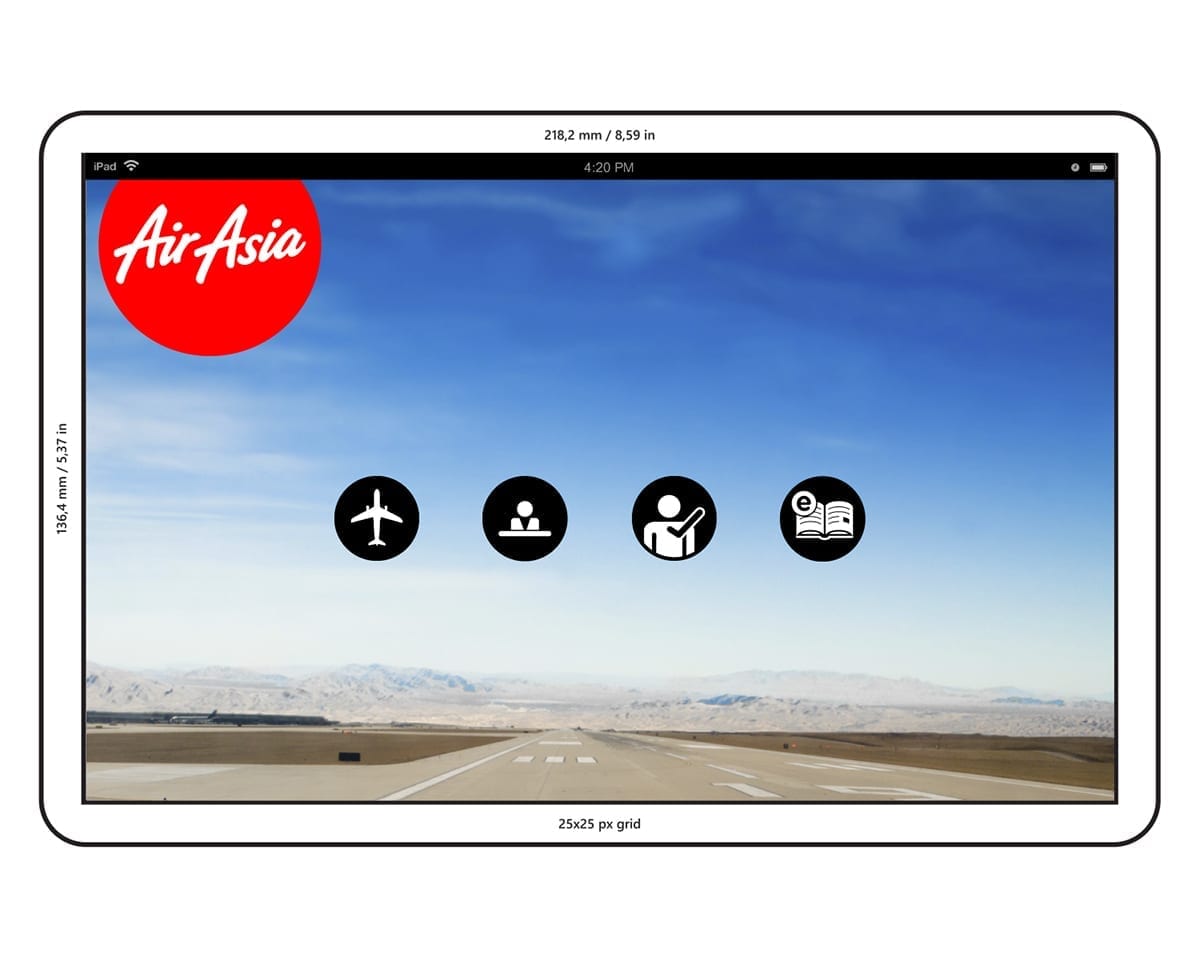
    Malaysian airline AirAsia X has launched the Xcite Inflight Entertainment tab to enhance the in-flight experience for traveling guests.

    The Xcite tab – which is a Huawei Mediapad 2 that comes with a 10.1-inch Full HD widescreen display, Harman Kardon audio technology for a richer acoustic experience and headset – offers hours of entertainment with options to shop with the AirAsia BIG Duty-Free catalog included in the tab.

    Travelers will get to view popular Hollywood blockbusters, as well as other international and local movies and TV shows; and listen to music, play games, browse magazines using the tab.

    It supports five languages (English, Bahasa Malaysia, Mandarin, Korean, Japanese) and is complimentary for all Premium Flatbed seats, while guests traveling on Economy seats will be able to pre-book the tab via airasia.com or request it onboard for a fee.

    “We are continuously looking for ways to give our guests an enhanced traveling experience with AirAsia X,” said Benyamin Ismail, Chief Executive Officer of AirAsia X Berhad.

    “The content will also be regularly updated to ensure our guests are getting the best quality entertainment when they travel with us.”

  • BSP Approves New Bank Service Channels

    BSP Approves New Bank Service Channels

    The Bangko Sentral ng Pilipinas (BSP) has relaxed rules governing service channels for banks and deposit taking activities outside bank premises.

    BSP Deputy Governor Nestor Espenilla Jr. said in a chance interview the changes would allow banks to expand their reach and serve clients more efficiently.

    Under the newly approved regulations, banks are now allowed to serve clients through cash agents. Cash agents will accept and disburse cash on behalf of the banks, facilitating online self-service deposits, withdrawals and fund transfers, as well as bills payment.

    Furthermore, cash agents can also perform Know-Your-Customer procedures as well as collect and forward application documents for loan and account opening.

    They may also sell and service insurance products as authorized by the Insurance Commission.

    Cash agents are typically cash-rich third-party entities with many outlets that conduct regular business in fixed locations anywhere in the country, such as convenience stores, pharmacies and other highly accessible retail outlets.

    The BSP said the cash agents enable banks to leverage on innovative digital solutions to serve a wider client base, particularly in the low-income and rural areas where the commercial incentives to set up a full branch or even a micro-banking office are limited.

    The new regulations are seen to help serve the large base of unbanked and low-income segments.

    Data from the BSP shows more than 36 percent of all the municipalities in the country have no banking presence although most of these are served by a variety of non-bank financial institutions like pawnshops, cooperatives and lending investors.

    Likewise, the BSP also relaxed existing regulations on offsite deposit servicing. This was done by removing highly prescriptive operational requirements and conditions for banks.

    With the new rules, banks have more flexibility in designing appropriate and cost-efficient ways to render deposit pick-up and delivery services and as a result, enhance client experience.

    However, despite the relaxed rules, the BSP said banks must ensure the safety and soundness of the banking system as well as uphold consumer protection.

    It said the recently approved guidelines emphasize banks’ responsibility for ensuring the adequacy of risk management and internal control systems for the liberalized deposit servicing activities.

    As such, the BSP would evaluate the quality and sufficiency of the risk management

  • As Vietnamese banks digitise, customer service key

    As Vietnamese banks digitise, customer service key

    Customers must be at the centre of banks’ attention as they make a move towards digital transformation in an effort to adapt to a changing landscape of financial innovation and disruptive technologies.

    This was said by head of Retail Banking at VP Bank, Sandeep Deobhakta, at a conference held in Hà Nội on Thursday, titled, ‘The Future of Finance in Việt Nam 2017.’

    Deobhakta, who has been holding this position since May 2015, said customers in Việt Nam are very open to new technologies and the nascent retail banking industry in Việt Nam can also adopt these technologies faster than other markets if they put customers first.

    In the future, traditional banks might lose business to companies that employ disruptive innovations if they failed to deliver better, simpler and faster solutions to customers, Deobhakta cautioned.

    VP Bank has been working with Timo, Việt Nam’s first mobile-only bank, giving customers better solutions to manage their money, bills and the ability to top up their mobile cards through the Timo app. At Timo Hangouts, one can forget about a typical bank branch and instead enjoy a coffee as one opens an account and uses bank services.

    Timo has about 4,000 customers in the HCM City and opened a Timo Hangout in Hà Nội last October, looking to attract more than 100,000 users by next year.

    Việt Nam has a huge untapped market for financial innovation, with only 20 per cent of the population having bank accounts and 3 per cent owning credit cards, Foo Boon Ping, managing editor of The Asian Banker, said at the conference.

    “The stable GDP growth of around 6 to 7 per cent, low wages, a large population with a high savings and strong innovative approach are crucial factors that will accelerate the financial and industrial development in the Vietnamese market,” he said.

    “Digital transformation is driven by real business needs to transform to become more cost efficient and to serve your customers as their behavior and preferences change,” he added.

    There are only about 36 fin-tech companies in Việt Nam, with most focusing on providing consumers and merchants with online and digital payment solutions.

  • Toshiba ropes in RPTech as a service partner

    Toshiba ropes in RPTech as a service partner

    Toshiba Electronics Asia (Singapore) Tuesday roped in RPTech Care Center, a service division of Rashi Peripherals a its service partner for India.

    RPTech Care Center will be managing Toshiba India Private Limited (TIPL) service needs and this alliance is aligned with Toshiba’s commitment to serve the customers by offering superior after-sales service, the two companies in a joint statement said.

    RPTech has more than 50 service centers spread across large cities in the country.

    “Being an international legendary brand that is committed to people, we believe in offering world-class quality and inventive products to our customers,” Polad Garda, country head, Toshiba India said.

    Further with our alliance with the RPTech Care Center, we are keen to offer our customers an excellent after sales service experience and satisfaction, Garda said, adding that it was a driving step to allow our customers with numerous alternatives and reduced turnaround time.

    “RPTech Care Center has well-built and dedicated service capabilities and post sales service systems,” Rajesh Goenka, Vice President, Rashi Peripherals said.

  • E-retailers must offer personalized services to win customer trust

    E-retailers must offer personalized services to win customer trust

    With its uniquely young population, the lack of big-box retail and unmatched digital adoption rates, Southeast Asia’s e-commerce market is growing much faster than the global rate.

    A report by Google and Singapore investment company Temasek forecasts that the e-commerce market in Southeast Asia will grow from $5.5 billion in 2015 (0.8 percent of the total retail market) to US$87.8 billion in 2025 (6.4 percent of the total).

    According to the report, Singapore’s e-commerce market was valued at $1 billion in 2015, with online shopping making up 2.1 percent of retail sales. By 2025, Singapore’s e-commerce market is expected to make up 6.7 percent of all retail sales, at a value of $87.8 billion.

    Unique characteristics, unique challenges

    While digital adoption in Southeast Asia is exceptionally high, the industry has some unique characteristics and faces some unique challenges.

    Southeast Asia’s later uptake of digital technology means that e-commerce ventures in the region have the luxury to learn from others’ mistakes made in mature e-commerce markets like the US and China.

    What we are seeing is a compressed timeframe of e-commerce business model development, with the established evolution from classified sites like Craigslist through C2C (eBay, Taobao), B2C (Amazon, JD.com), B2B2C (Amazon, Tmall, Lazada) to Brand.com (Estee Lauder, Nike) happening faster and in many cases, simultaneously.

    This pattern is very much influenced by consumer preferences and online behavior. The region is a unique e-commerce market. Consumers here are leapfrogging technologies. Outside of tier-one cities, many have bypassed PCs, accessing digital platforms primarily through mobile phones.

    In Thailand for example, 85 percent of consumers not living in major metropolitan hubs use mobile devices for their online purchases.

    While in mature e-commerce markets desktop C2C still plays a pivotal role, Southeast Asia’s leapfrogging towards mobile is disrupting traditional, desktop-first marketplaces. Mobile-only C2C marketplaces like Carousell and Garena-backed Shopee are making aggressive moves against their older desktop counterparts like Tarad in Thailand and Tokopedia in Indonesia.

    Kicking the tyres on social media

    As a result of this fragmentation, shoppers are more likely to head first to search engines when looking for products as opposed to checking company websites. They show little loyalty to retailers and shop via social media. More than 80 percent of Southeast Asia’s digital consumers use social media such as Instagram to research and review products.

    Since sales via social media comprise up to 30 percent of all transactions, companies are rapidly expanding their services to attract consumers. The message to retailers is that the game changer will be the use of data to build real relationships with customers.

    Capture the data – then interpret it

    Beyond ease of purchase and the ability to consult the opinion of other consumers, e-commerce has revolutionized the way information about a retail customer’s journey to purchase is captured.

    Today, such information is captured on a more individual basis. E-commerce enables retailers to know what particular customers looked for, how they reached the site, what they bought, and even associated and abandoned purchases.

    Reconstructing the customer’s journey was difficult when the sole purchasing channel was the physical store and the only traceable element the purchase. At best, the customer was only identified at the checkout, which militated against personalized recommendations.

    Thanks to a better understanding of the journey to purchase, e-commerce has made it possible to better understand customer behaviour and react in real time. Distributors have considered applying these concepts across all sales channels – stores, call centers, etc. So, retailers today are challenged with fully understanding the customer journey across each one, while benefitting from greater accuracy.

    This is not easy. Depending on the channel chosen by the customer, the knowledge obtained by the seller is not the same: as we know, while at the checkout, the customer will only be recognized if they own a loyalty card or have already visited the store. But, in the latter case, it will be extremely complex to make the link with past purchases.

    Similarly, a website may enable the collection of data on the intention to buy but it is extremely difficult to correlate these events with the purchasing transactions if they are not made online and in the same session. The stakes are high, given that 78 percent of consumers now do their research online prior to making a purchase .

    Talend suggests that one solution is to integrate sensors into the elements that constitute a customer’s purchasing journey, then analyze and cross-reference this data to extract information from it.

    Some of our customers are already engaged in this process. It all usually begins with a detailed analysis of the customer’s online journey, to collect information on intent, cross-reference it at an aggregated level with actual purchases, at the catchment area level, for example, to determine correlations and refine segmentations.

    Then, this information is cross-referenced for a second time with transactional data from the physical stores and the website, which enables us to map the customer’s journey from intention to buy to the purchase or beyond. Thirdly, it’s a matter of developing a recommendation system in real time throughout the customer’s journey to drive increased sales and greater loyalty.

    Value-added services

    The main future challenge facing distributors lies in the value-added services that they may be able to provide to customers, to accompany their products or service offering. Consumers have learned to be wary of digital technology. More than ever, they will only be inclined to share information on their intentions and their profiles if their trust has been gained and they can perceive the benefit in it.

    How do you create this trust? Via value-added services: when consumers see that their interests are being considered, they do not feel constrained or trapped by a commercial logic that is beyond them.

    Amazon, with its “1-Click” ordering, has shown the way. In other sectors, such as the taxi industry, newcomers have gone even further, revolutionizing the customer’s journey by utilizing digital technology, from searching for a service to payment through a range of innovative services that make the customer’s life easier, such as the automated capture of expense forms.

    In a world in which advertising and tracking are increasingly present, data analysis carried out with the sole aim of commercial transformation is doomed to failure, as it is based on an imbalance between the benefits offered to the customer and those gained by the supplier. Until now, personalization in retail has tended to limit itself to marketing and measure itself in conversion rates, except for distributors, who have increasingly relied on customer loyalty.

    Multichannel is not the invention of the distributors but a reaction to consumers’ wishes. Think about it, even Amazon is going to start opening physical stores. Why? Because it has fully understood that a key element was missing in its bid to become better acquainted with its customers’ journey, while responding more effectively to their wishes.

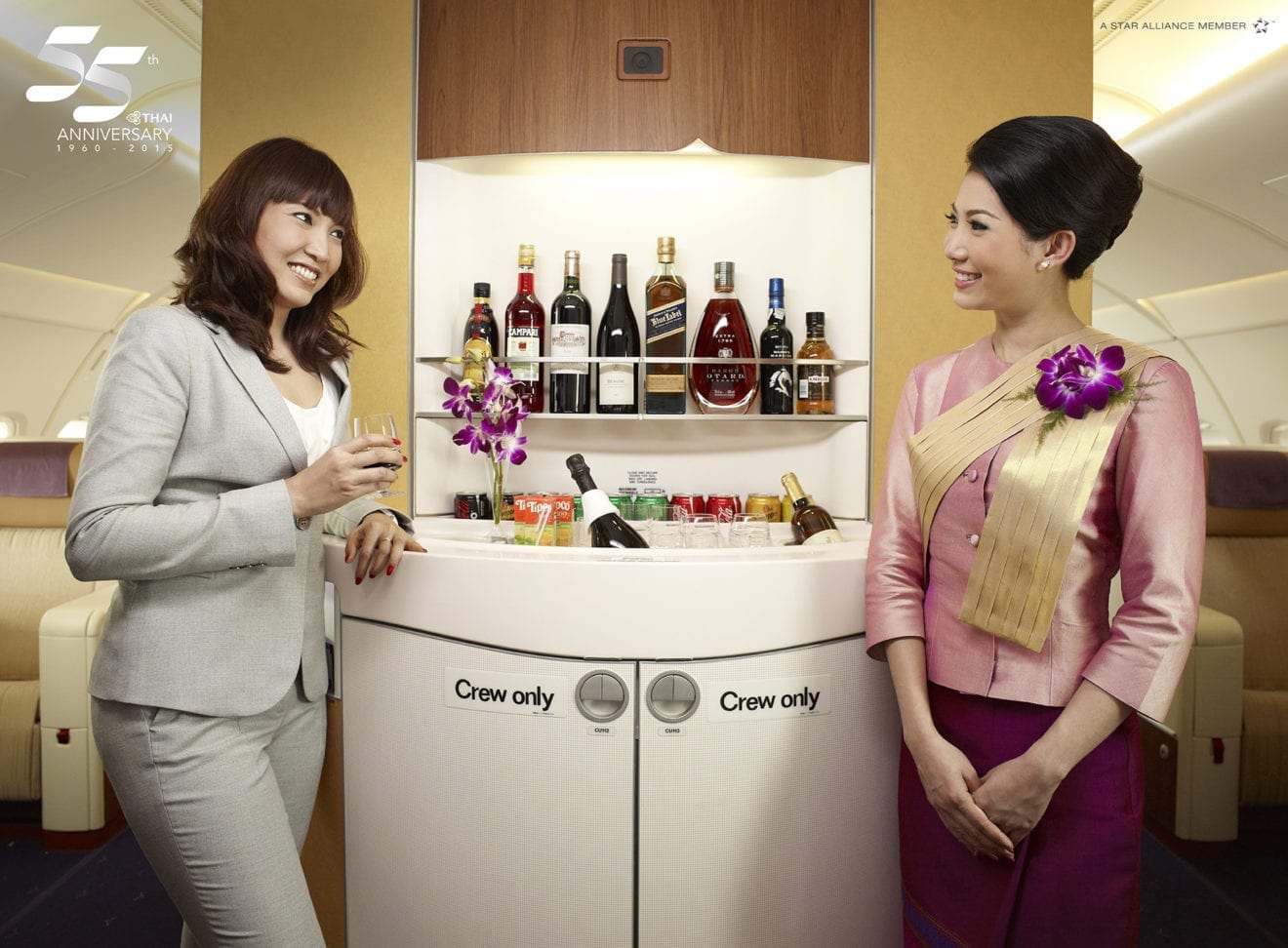
  • Asian Airlines May Be Forced To Cut Free In-flight Booze

    Asian Airlines May Be Forced To Cut Free In-flight Booze

    An OPEC deal has put the squeeze on airlines’ already slim profit margins. Rising fuel prices stemming from last week’s OPEC production cuts could heap pressure on Asia’s already overburdened aviation sector and force its biggest carriers to nix the giveaways that have long been integral to their service.

    And the first ballast to be cast off might be free alcohol and in-flight entertainment, which has been standard on most of the continent’s long-haul carriers for decades.

    Asia’s marquee airlines such as Cathay Pacific and Singapore Airlines  have so far resisted the U.S. low cost model wherein carriers charge for services ranging from inflight meals to alcohol to baggage check-in.

    But this might be about to change.

    “More full-service airlines in Asia Pacific might consider doing the same,” Mathieu De Marchi, a Bangkok-based aviation consultant at Landrum & Brown told Bloomberg, referencing carriers such as Delta Air Lines that have successfully consolidated their service offering.

    Fierce competition has pushed Asian carriers’ profit margins down to about half that of their U.S. counterparts and they are already struggling against excess capacity and a fall in premium traffic.

    The Organization of Petroleum Exporting Countries (OPEC) finalized a deal to cut oil output on Nov. 30. The bid to kick some life into dreary oil prices seems to have paid off—at least in the short term. But that’s bad news for aviation sector, whose long haulers guzzle the black stuff.

    Dispensing with free services is not the only option available for airlines feeling the pinch. They could opt to raise prices, or for more environmentally progressive measures such as taking inefficient planes out of service and cutting unprofitable routes.

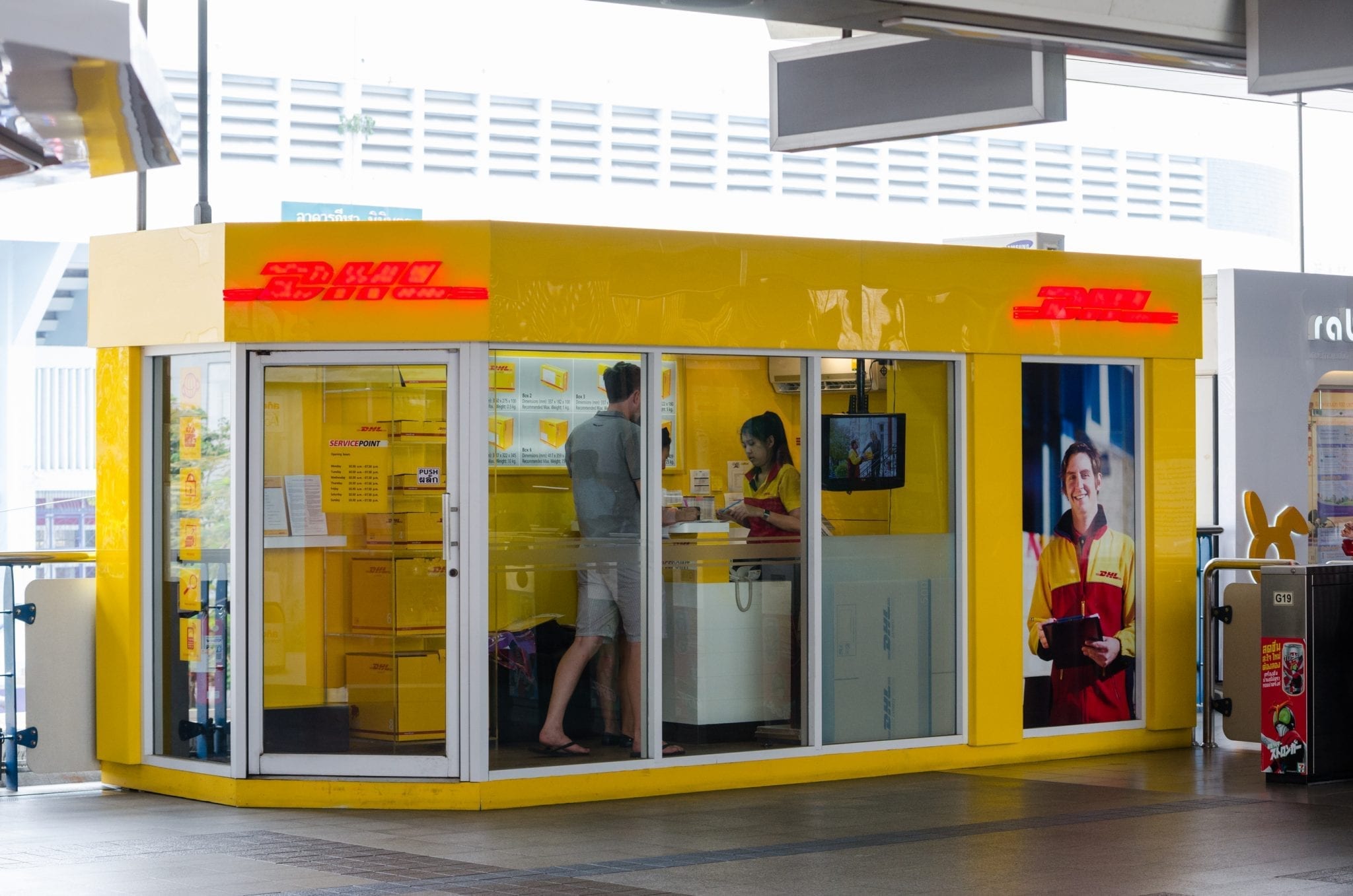
  • DHL Express launches Rp-17-billion service center and gateway

    DHL Express launches Rp-17-billion service center and gateway

    International logistics company DHL Express, part of Deutsche Post’s DHL Group, launched a service center and a gateway worth Rp 17 billion (US$1.26 million) to support its business operations in and out of Batam, Riau Islands, on Monday.

    DHL Express decided to expand its business in Batam given its potential as the third-largest city in Sumatra, well known as an industrial area, an emerging transport hub, and part of the Indonesia-Malaysia-Singapore golden triangle.

    “This new investment could improve our network in Indonesia that consists of gateways in Balikpapan, Batam, Denpasar, Jakarta, Medan and Surabaya,” Sean Wall, executive vice president of network operations and aviation of DHL Express Asia-Pacific said.

    The new facility has the capacity to handle 2.4 million kilograms of cargo and process up to 150,000 shipments per year. About 26 people work in the 972-square-meter facility, with three certified employees for handling dangerous goods.

    The company claimed that the facility was launched at the right time because the government is considering whether to make Batam a special economic zone for companies that are involved in aircraft maintenance, repair and overhaul.

    “With the potential of Batam being opened as a special economic zone for the aviation industry, DHL’s investment will be able to support the growth of the aviation industry in Indonesia,” Ahmad Mohamad, senior technical advisor of DHL Express Indonesia, said.

  • DHL Express launches On Demand Delivery

    DHL Express launches On Demand Delivery

    DHL Express has launched a new “On Demand Delivery”, which it says has been developed in response to significant growth in premium cross-border e-commerce volumes.

    With On Demand Delivery, shippers can choose to activate specific delivery options and have DHL Express notify their customers via email or SMS about a shipment’s progress. The customers can then select the delivery option that best suits their requirements via the On Demand Delivery website.

    DHL said that the service is “specifically tailored” to the demands of international e-commerce deliveries, where the majority of shipments are addressed to residential addresses and customers crave flexibility and convenience.

    “We have seen the share of e-commerce deliveries grow from about 10% in 2013 to more than 20% of the international volumes of DHL Express in 2016,” said John Pearson, CEO Europe and Global Head of Commercial, DHL Express Europe.

    “This has primarily been driven by the strong demand for high-value and premium goods in the global marketplace, as well as the emergence of start-up retailers who are expanding opportunistically to new overseas markets and therefore require a worldwide door-to-door delivery service. In response to the dynamic growth and to ensure that our services continue to exceed customer expectations, we have launched On Demand Delivery.”

    Charlie Dobbie, Executive Vice President, Network Operations, Aviation and IT, DHL Express, said: “On Demand Delivery isn’t just a new customer interface – it also represents an enhancement of our worldwide network, as we have tailored our last-mile operations to meet the specific demands of cross-border e-commerce deliveries.

    “Thanks to On Demand Delivery, we can support the service offering of online shippers and improve the delivery experience for their customers, while improving our own efficiency, particularly for last-mile deliveries.”

    The  On Demand Delivery site can be accessed from smartphones, tablets and PCs, and offers receivers up to six delivery options. Shippers can incorporate their own branding into customer notifications.

    Receivers can schedule a delivery, arrange delivery to a nearby DHL Service Point or their own alternate address, and request that a shipment is put on hold during a vacation.

    DHL Express plans to roll out the On Demand Delivery to more than 100 countries through 2016 and 2017.

  • YTL launches 4G LTE data, VoLTE services

    YTL launches 4G LTE data, VoLTE services

    YTL Communications in Malaysia has deployed Elitecore’s Revenue and Customer Management (RCM) Platform to roll out its 4G LTE high speed data & VoLTE services.

    The platform will enable the operator to roll out new business models like, HD Voice (VoLTE), Enterprise LTE and LTE Roaming, in addition to the Double Double buckets, one for wireless broadband and another for mobile internet, VoLTE and data services bundled with devices.

    YTL Communications said it is the only operator in Asia Pacific to commercially launch nationwide Voice over LTE (VoLTE) services.

    Elitecore’s NFV ready and Virtualized platform comprises of integrated policy and charging, 3GPP AAA, convergent billing, fulfillment, mobile self-care catering to voice, data and VAS services supporting multiple networks such as LTE, Wi-Fi and Wimax.

    “Elitecore’s product roadmap alignment with YTL’s business vision and proven experience in convergent billing and integrated policy and charging supports our growth strategy and helped us migrate from our legacy billing and operational support systems,” said Ali Tabassi, COO of YTL Communications. “The platform offers high agility for faster time-to-market and feature rich functionalities.”

    Elitecore said its RCM is a modular and feature ready platform that offers operators the speed and flexibility to roll out, new monetization and personalization use cases needed to innovate in next-generation data services. The platform promises significant contribution to capex and AMC cost reduction.