Tag: stellar

  • Uniqlo Owner Fast Retailing Reports Stellar 45.7% Profit Boost Amidst Global Challenges

    Uniqlo Owner Fast Retailing Reports Stellar 45.7% Profit Boost Amidst Global Challenges

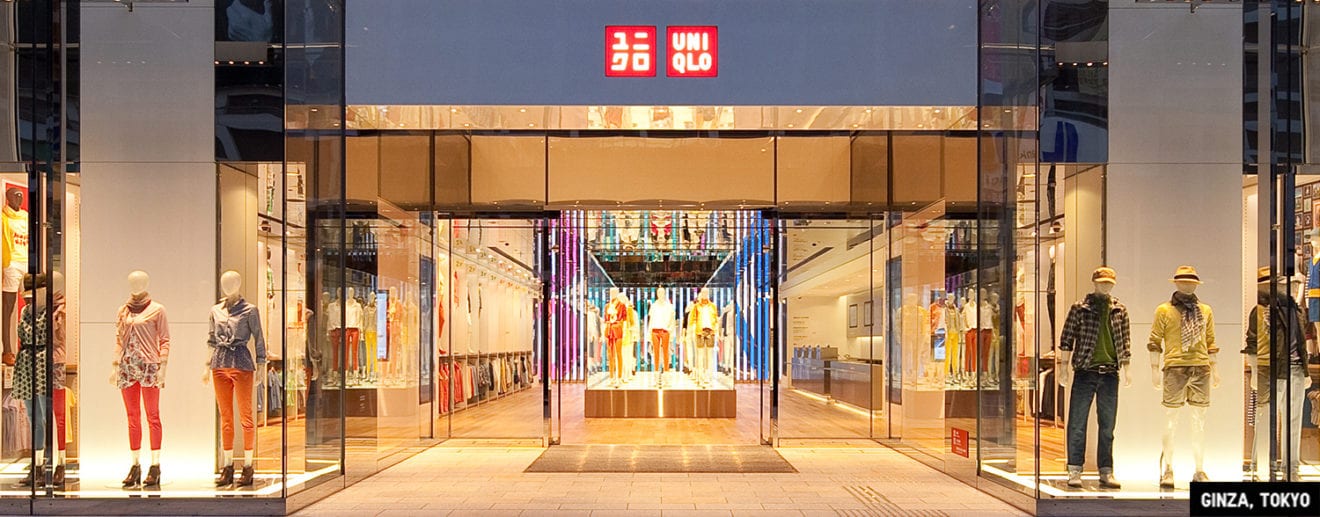
    Fast Retailing, the Japanese firm that owns the popular clothing brand Uniqlo, reported a 45.7% quarterly profit surge, despite facing challenges from the Iran war’s impact on supply chains and logistics. Achieving this milestone puts the company on track for its fifth consecutive year of record earnings.

    Over the three months through May, Fast Retailing’s operating profit reached 213.79 billion yen (US$1.32 billion), a substantial increase compared to 146.74 billion yen during the same period in the previous year. This figure significantly surpassed the average estimate of seven analysts, which stood at 177.73 billion yen. As a result of this positive performance, Fast Retailing raised its full-year operating profit forecast from 700 billion yen to 730 billion yen.

    Uniqlo’s Global Appeal and Challenges

    Fast Retailing’s success is a key indicator of consumer spending trends in Japan and mainland China, with nearly 900 stores in these regions. Starting as a single store in Hiroshima, western Japan, in 1984, the company now operates more than 2,500 Uniqlo stores worldwide, with its products primarily manufactured in Asian hubs.

    In recent times, the brand has seen rapid expansion in Europe and North America as it seeks growth beyond China, its largest overseas market. However, this expansion has come with challenges. In Japan, sales have been bolstered by a tourism boom and a weak yen, but growth in China has slowed, leading to store closures and restructuring.

    The ongoing Middle East conflict and changing weather patterns have also posed challenges for Fast Retailing, along with other global fashion retailers. Supply and logistic disruptions, as well as weather impact on clothing demand, have become significant concerns.

    Fast Retailing’s CFO, Takeshi Okazaki, highlighted these issues earlier this year, indicating that the Iran war had complicated air freight from production bases in Southeast Asia, and that sustained oil price increases could affect the costs of synthetic fibers.

    Questions & Answers

    What was Fast Retailing’s operating profit for the three months through May?
    The company’s operating profit was 213.79 billion yen (US$1.32 billion) during this period.

    How has Fast Retailing’s expansion into Europe and North America impacted the company?
    While the expansion has opened up new markets for Fast Retailing, it has also presented challenges such as coping with the effects of the Middle East conflict on supplies and logistics, and adapting to changing weather patterns impacting clothing demand.

    What factors have affected Uniqlo’s growth in China?
    The growth of Uniqlo in China has been affected by weak consumer sentiment, which led to store closures and restructuring.
  • Chinese New Year Sparks Stellar 11.2% Surge in Singapore’s Retail Sales

    Chinese New Year Sparks Stellar 11.2% Surge in Singapore’s Retail Sales

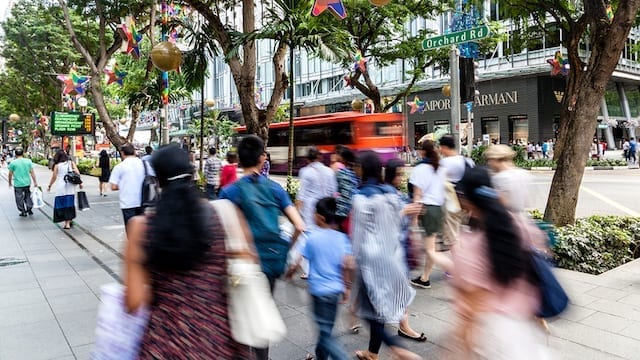
    In February, retail sales in Singapore experienced a significant surge, partially attributed to the shifting timing of the Chinese New Year. According to data released by Singapore’s Department of Statistics, retail sales, excluding automobiles and related parts and accessories, skyrocketed by 11.2% in February. This marked a turnaround from a decrease of 2.9% in January.

    Details of Retail Growth

    The estimated total retail sales for February amounted to SG$3.6 billion (US$2.8 billion), with online sales accounting for 16.2% of the total. The significant growth seen in February was partially due to the Chinese New Year falling in February this year, compared to January the previous year.

    For the combined period of January and February, retail sales increased by 3.5% year-on-year.

    Sectoral Growth Patterns

    Most sectors reported year-on-year growth in February’s sales. Supermarkets and hypermarkets led the surge with a growth of 29.3%, followed by recreational goods which saw an increase of 26%. Department stores reported a rise of 16.8% in sales, while the food and alcohol, cosmetics, and watches and jewelry sectors each saw an approximate increase of 13%.

    However, not all sectors experienced growth. The petrol service stations and mini-marts and convenience stores sectors faced declines of 9.8% and 6.1% respectively.

    The food and beverage services sector saw a rise in sales of 5.5% in February, marking a recovery from the 3.2% decline recorded in January.

    Questions & Answers

    What were the estimated total retail sales for Singapore in February?
    The estimated total retail sales for Singapore in February were SG$3.6 billion (US$2.8 billion).

    What percentage of February’s retail sales were from online?
    Online sales made up 16.2% of the total retail sales in February.

    Which sectors saw the most significant growth in February?
    Supermarkets and hypermarkets experienced the most significant growth with a rise of 29.3%, closely followed by recreational goods with a 26% increase.

  • Inditex, Zara’s Parent Company, Reports Stellar Sales Boost Across All Brands in Annual Profit Surge

    Inditex, Zara’s Parent Company, Reports Stellar Sales Boost Across All Brands in Annual Profit Surge

    Inditex, the parent company of Zara, has seen considerable increases in its gross and net profits, fueled by robust sales across all its brands.

    The company’s total net revenue for the fiscal year ending January 31, 2025, climbed 3.2 per cent to €39.9 billion (US$46 billion). Taking into account the currency exchange, sales experienced a 7 per cent rise. Over the past three years, Inditex’s sales have surged by 22 per cent, with a concurrent decrease in the number of retail outlets by 6 per cent. This demonstrates the firm’s constant growth despite a decrease in physical retail presence.

    All brands within the Inditex group enjoyed sales growth throughout the fiscal year. The primary Zara enterprise, inclusive of Zara, Zara Home, and Lefties brands, saw a 1 per cent sales increase, reaching €28 billion.

    Profitable Performance By Other Brands

    Among other Inditex brands, Oysho topped the growth chart with a 15 per cent surge, closely trailed by Stradivarius and Bershka, each boasting over a 12 per cent rise. Additionally, Pull&Bear and Massimo Dutti each reported growth rates of 3.1 per cent and 3 per cent respectively.

    Inditex’s gross profit saw a 3.9 per cent increase to €23.2 billion, while the gross margin improved by 42 bps, bringing it to 58.3 per cent. Net income for the same period rose by 6 per cent to €6.2 billion.

    CEO of Inditex, Óscar García Maceiras, praised the company’s teams for their ability to maintain the trust of their customers across their eight commercial formats. He emphasized the importance of connecting with customers, understanding their needs, and providing top-tier products and services in driving long-term growth expectations.

    Positive Outlook

    At the conclusion of FY2025, Inditex managed 5460 stores across 214 markets. The company has continued to perform well into the new fiscal year, recording a 9 per cent increase in store and online sales between February 1 and March 8, after adjusting for the constant currency.

    Questions & Answers

    What was Inditex’s total net revenue for FY25?
    Inditex’s total net revenue for FY25 was €39.9 billion (US$46 billion).

    Which brand under Inditex reported the highest sales growth?
    Oysho, an Inditex brand, reported the highest sales growth with a 15 per cent increase.

    What was the net income for Inditex for the fiscal year ending January 31, 2025?
    Inditex’s net income for the fiscal year ending January 31, 2025, increased 6 per cent to €6.2 billion.

  • Mr DIY Scales New Heights: Targets 3,000 Stores in Thailand by 2031 Following Stellar Growth

    Mr DIY Scales New Heights: Targets 3,000 Stores in Thailand by 2031 Following Stellar Growth

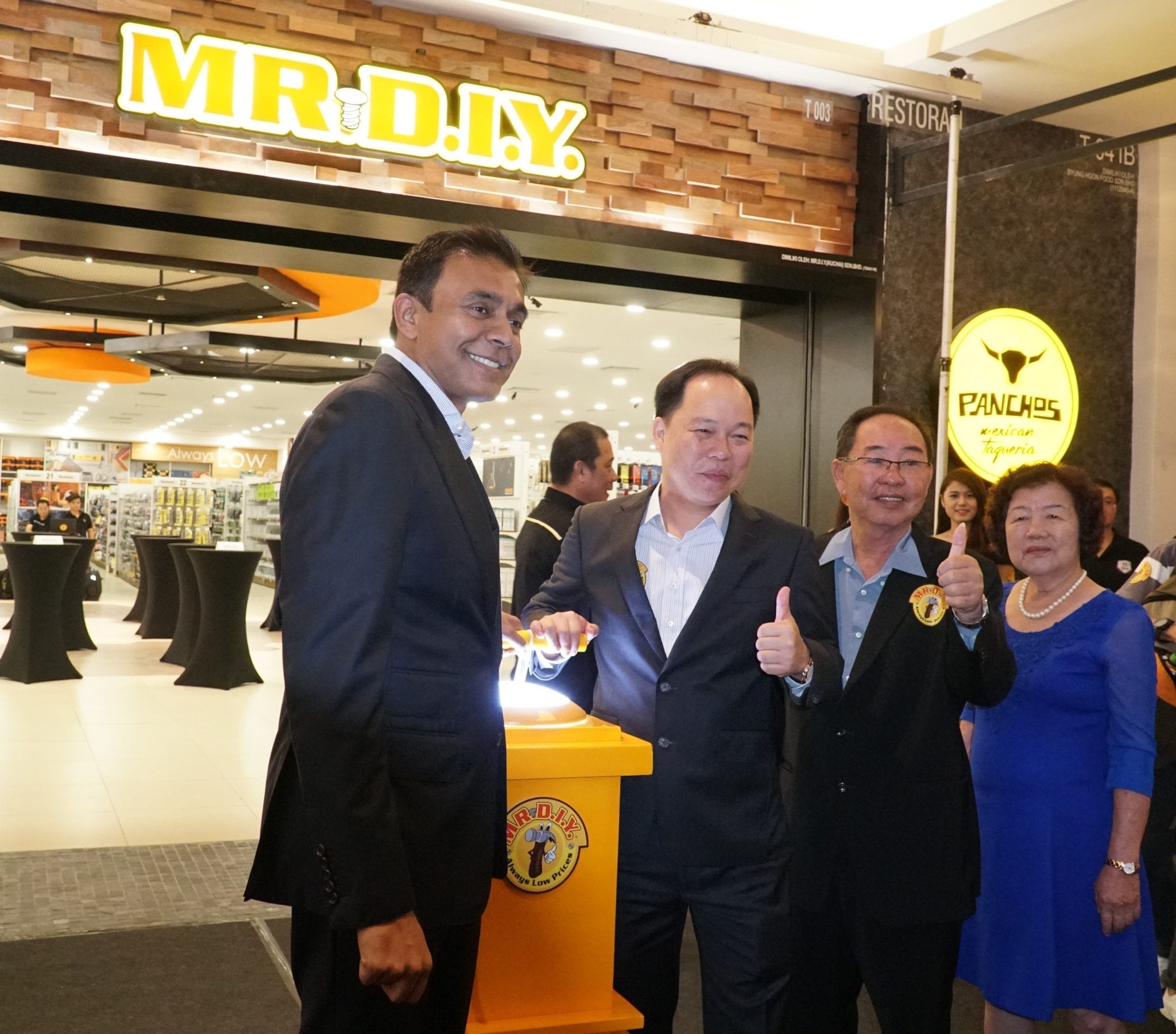
    Mr DIY, the biggest home improvement retail chain in Asia, is setting its sights on further expansion in Thailand, having recently reached the milestone of 1,000 stores in the country.

    Establishing a Strong Retail Presence

    Since its debut in Thailand in 2016, Mr DIY has broadened its reach significantly across 77 provinces. With its origins in Malaysia, the company now runs more than 5,000 stores in 11 countries worldwide.

    Andy Chin, the CEO of Mr DIY Thailand, expressed his excitement and optimism about the company’s future growth prospects. He shared some details about the expansion plans they have in place.

    Expansion Plans

    Mr DIY has set an ambitious target of opening an additional 210 stores in Thailand this year. In aid of this, the construction of an automated warehouse in Samut Prakan is currently in progress.

    This warehouse is set to function as a distribution center, thereby assisting Mr DIY in achieving its goal of 3,000 stores by 2031. By 2027, the company envisages having 1,500 stores operational within Thailand.

    Financial Performance

    In terms of financial performance, Mr DIY reported a revenue of THB20.1 billion during the fiscal year 2025, which was a 24.4 percent annual increase. Additionally, the company also witnessed a significant 47.8 percent surge in profits.

    Questions & Answers

    What is Mr DIY’s target number of stores in Thailand by 2031?
    Mr DIY aims to have 3,000 stores in Thailand by 2031.

    What is the role of the new warehouse in Samut Prakan?
    The new warehouse in Samut Prakan will serve as a distribution center to facilitate Mr DIY’s expansion goals.

    How has Mr DIY’s financial performance been in recent years?
    In the 2025 financial year, Mr DIY recorded a revenue of THB20.1 billion, marking a 24.4% yearly increase. Profits also saw a substantial increase of 47.8%.

  • Surging Demand for Lifestyle Footwear Propels Asics to Stellar Q3 Performance

    Surging Demand for Lifestyle Footwear Propels Asics to Stellar Q3 Performance

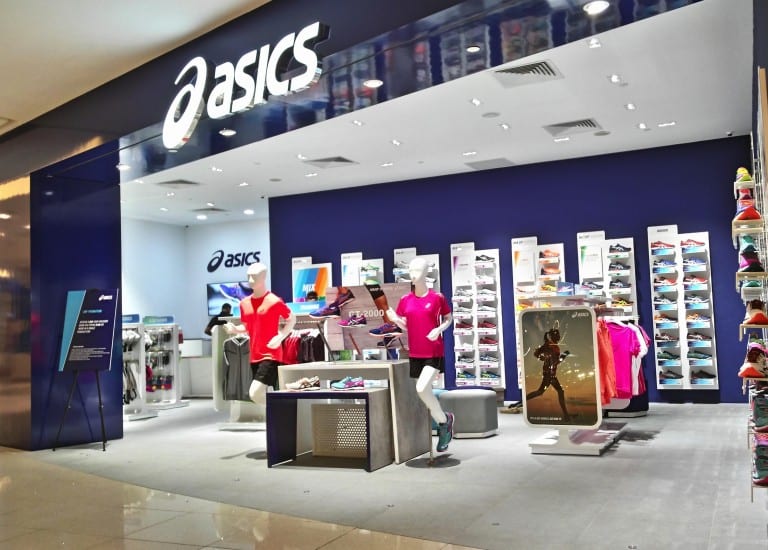
    Asics, the Japanese sportswear giant, has reported robust performance in both the third quarter and the overall nine-month period ending 30th September. This upturn is largely credited to growing demand for lifestyle-centric footwear and a steady flow in its key running sector.

    Surge in Q3 Sales

    The third quarter saw net sales soar to ¥218.5 billion (approximately $1.4 billion), marking a 17 per cent increase from the previous year’s corresponding period. Operating profit also witnessed a significant surge, reaching ¥46.2 billion ($298.9 million), a 38.5 per cent hike.

    Nine-month Period Profit

    During the nine-month period in question, Asics’ net sales touched ¥625.1 billion ($4.04 billion), a rise of 19 per cent from the same span the previous year. This, as the company revealed, was a first-time occurrence in nine months. The period also saw operating profit leap by 39.4 per cent, hitting ¥127.6 billion ($825.8 million), and gross margin bettering by 1.1 percentage points to land at 56.5 per cent. This surge is reflective of a beneficial product mix and an increase in direct-to-consumer sales.

    Driving Factors

    The upward trend in both periods was primarily driven by Asics’ SportStyle and Onitsuka Tiger lines, which registered about 45 per cent rise in net sales. The company’s core running products also maintained a steady pace, backed by continuous innovation and consumers’ propensity for premium footwear.

    Geographical Performance

    Region-wise, Japan, North America, and Europe emerged as the top performers with sales up by 34.5 per cent, 10.2 per cent, and 24 per cent respectively. Greater China also displayed robust growth, recording a 20.6 per cent increase.

    In a recent move, the company opened its first company-owned store in India’s Delhi metropolitan area and broadened its direct-to-consumer channel as a strategy to boost growth in the market.

    Factors Behind the Upturn

    Asics attributes its impressive results to strong product demand, disciplined inventory management, and efficient supply chain operations. However, the company also warned that it would need to keep an eye on currency fluctuations and high logistics costs as potential challenges in the coming quarter.

    Questions & Answers

    What led to the surge in Asics’ Q3 sales?
    The Q3 sales surge was primarily due to rising demand for lifestyle-centric footwear and consistency in the running segment.

    Which Asics product lines largely contributed to the sales increase?
    The sales uptick was mainly due to the SportStyle and Onitsuka Tiger lines, which reported around a 45 per cent increase in net sales.

    Which geographical areas showed significant sales growth for Asics?
    Japan, North America, and Europe were the standout performers, with Greater China also showing substantial growth.