Tag: targets

  • Uniqlo Targets Massive Expansion in India with Over 100 Stores by 2031

    Uniqlo Targets Massive Expansion in India with Over 100 Stores by 2031

    Uniqlo, a highly recognized retail brand, is set to embark on a substantial expansion plan in India. The company’s strategy involves a fivefold increase in its store network, boosting the number from 20 to over 100 within the next five years.

    The company’s expansion will primarily concentrate on New Delhi and other significant urban areas, as per inside sources. Uniqlo, a division of the Japanese retail powerhouse Fast Retailing, has a presence in more than 25 markets and boasts a global network of over 2,500 stores.

    Local Production and Global Expansion

    In line with local regulations, Uniqlo will not only import clothes from Asian factories but will also initiate production within India. This move is consistent with the company’s broader strategy to expand its influence in the Global South, encompassing South Asia and Southeast Asia.

    The retail brand’s presence in Southeast Asia is considerably more extensive than in India. Uniqlo operates 81 stores in the Philippines, 78 in Indonesia, 73 in Thailand, 60 in Malaysia, and approximately 30 in both Singapore and Vietnam.

    Impressive Sales Growth

    Uniqlo’s consolidated sales in South Korea, Southeast Asia, India and Australia experienced a surge of 32 per cent for the initial nine months ending in May. Sales in India and Southeast Asia alone continued to demonstrate double-digit growth. “We see Asia as the next global growth centre in the long term,” stated Takeshi Okazaki, CFO of Fast Retailing. The brand aims to bolster its reputation in Asia, with plans to enhance its product lineup and store operations.

    Questions & Answers

    What is Uniqlo’s expansion plan in India?
    Uniqlo plans to expand its store network in India fivefold, from 20 to over 100 stores within the next five years.

    What strategy will Uniqlo employ to meet local regulations?
    To adhere to local regulations, Uniqlo will not only import clothes from Asian factories but will also begin manufacturing in India.

    How has Uniqlo performed in other Asian markets?
    Uniqlo has seen significant growth in Southeast Asia. The brand operates numerous stores in the Philippines, Indonesia, Thailand, Malaysia, Singapore and Vietnam, and has experienced a 32% increase in sales in South Korea, Southeast Asia, India and Australia.

  • Crackdown on Underground Hospitality: Thailand Targets Illegal Hotels on Phuket Island

    Crackdown on Underground Hospitality: Thailand Targets Illegal Hotels on Phuket Island

    The Thai government is stepping up its measures against unauthorized accommodations, following the discovery of three illegal hotels on Phuket, the nation’s largest island. During a recent operation, Deputy Interior Minister Polapee Suwunchwee led a task force targeting three hotels consisting of approximately 200, 240, and 45 rooms. The investigation revealed that none of the properties held valid construction permits or operating licenses.

    Two of these establishments had initially received approval as residential buildings or condominiums but had been unlawfully converted into hotels. In addition, officials conducted online booking simulations, which showed that the hotels were mostly selling rooms to European and other international tourists, with very few Thai patrons.

    Illegal Ownership and Consequences

    The investigation further exposed suspected nominee ownership arrangements, involving companies with a shareholding structure that is 49% foreign and 51% Thai. In some instances, the properties were legally owned by Thai citizens but rented out to Chinese investors, who allegedly ran the hotels without the necessary licenses.

    This operation is part of a larger scheme covering over ten locations across Phuket. Local authorities, under the instruction of Phuket Governor Sophon Suwannarat, have been directed to immediately close businesses that fail to provide the necessary documentation.

    Director-General of the Department of Provincial Administration, Narucha Kosasivilize, highlighted the triple-edged harm of illegal lodging operations. They disadvantage legal, tax-paying businesses, pose safety hazards due to non-compliance with government safety standards, and damage Thailand’s reputation, thereby undermining long-term confidence in its tourism industry. Efforts are being made in conjunction with the Royal Thai Police, Ministry of Commerce, Department of Special Investigation, and other agencies to broaden probes into foreign business networks nationwide.

    In a separate development, Deputy Government Spokeswoman Lalida Pervsivatan announced that Thailand will implement a new intelligence-based screening system on August 1 to enhance the detection of nominee businesses. This system will scrutinize company registration records, shareholder structures, and financial statements to pinpoint high-risk firms with Thai shareholders in suspicious circumstances. Lalida emphasized, however, that these measures are not designed to deter rightful foreign investment but to distinguish legal investors from those employing nominee structures to operate illicitly.

    Questions & Answers

    What is the focus of the crackdown in Thailand?
    The Thai government is focusing on the detection and closure of illegal hotels without the necessary operating licenses.

    What consequences do these illegal operations bring?
    Illegal hotels disadvantage legal businesses, pose safety threats due to non-compliance with government safety regulations, and tarnish Thailand’s reputation, undermining confidence in its tourism sector.

    What is the future plan of the Thai government to curb these illegal operations?
    Thailand plans to introduce a new intelligence-based screening system to improve the detection of businesses that are high-risk or suspicious, focusing on those with Thai shareholders.

  • China Targets $9 Trillion Retail Sales in Unprecedented Consumption-Driven Five-Year Plan

    China Targets $9 Trillion Retail Sales in Unprecedented Consumption-Driven Five-Year Plan

    China has unveiled its inaugural five-year scheme centered on consumption, where it anticipates annual retail sales to reach approximately 60 trillion yuan (US$9 trillion) by 2030. This indicates a deceleration in year-on-year growth to roughly 3.7 per cent, compared to the estimated 5 per cent noted between 2021 to 2025.

    Encouraging Household Consumption and Spending

    In addition to scaling retail sales, China also committed to enhancing household incomes and significantly augmenting the share of household consumption in the economy, which presently stands around 40 per cent. The yearly target for retail sales growth mirrors a declining impetus in goods consumption, prompting policymakers to shift the focus towards bolstering household expenditure as a key growth propeller.

    China’s State Council approved and unveiled the plan on Monday, with a pronounced focus on service consumption. Target sectors encompass elderly care, childcare, healthcare, culture, tourism, sports, and education. The State Council anticipates that, by 2030, the consumer market will expand further, the household consumption rate will increase considerably, and the economic growth’s reliance on consumption will be solidified further.

    The new blueprint also advocates for substantial tourism-related spending, broadening of visa-free entry to additional countries, and increasing direct international flights to Europe, the US, and countries involved in the Belt and Road Initiative.

    Addressing Consumption Imbalances and Enhancing Services

    While China’s services expenditure has outpaced goods consumption growth in recent years, it remains significantly behind developed economies. In 2025, per capita services consumption amounted to 46.1 per cent of total consumption, markedly lower than the approximately 70 per cent observed in the US.

    To redress the deepening imbalance between robust industrial output – buoyed by exports – and tepid domestic consumption, some government economists have advocated for long-overdue income and welfare reforms.

    The plan also aims to make China’s social security system more streamlined and sustainable, providing individuals with greater spending confidence and stability.

    The five-year plan underscores the need to strengthen household spending power via higher wages, increased property income, enhanced social security, and improved public services. Commitments have also been made to eliminate “unreasonable restrictive measures” in areas like car purchases, housing, and approvals for entertainment events.

    Fiscal and financial policy is expected to place heightened emphasis on direct benefits to consumers, spending related to livelihood, and consumption-related infrastructure.

    Questions & Answers

    What is China’s anticipated annual retail sales by 2030?
    China aims for annual retail sales to reach approximately 60 trillion yuan (US$9 trillion) by 2030.

    What sectors does China’s inaugural five-year scheme on consumption target?
    The industries of focus encompass elderly care, childcare, healthcare, culture, tourism, sports and education.

    What measures does China’s consumption plan propose to strengthen household spending power?
    The plan proposes measures such as increasing wages, enhancing property income, improving social security, and boosting public services. It also promises to remove restrictive measures in areas like car purchases, housing, and approvals for entertainment events.

  • Vuori Targets Chinas Fitness Boom: Plans to Triple Store Count in Aggressive Expansion

    Vuori Targets Chinas Fitness Boom: Plans to Triple Store Count in Aggressive Expansion

    California’s Vuori, an activewear brand, is reportedly putting China at the forefront of its global expansion strategy. The company’s intention is to expand its global store network more than twofold.

    China at the Heart of Vuori’s Expansion Plan

    In a recent interview, company president Ashley Kechter revealed that Vuori is planning to elevate its store count in China from eight to 20 by the close of next year, concentrating its growth in the cities of Shanghai and Beijing. This planned expansion is a key aspect of the retailer’s larger ambition to increase its worldwide store network to over 300 outlets by 2030, more than doubling its present reach.

    Vuori initially entered the Chinese market via Tmall in 2022, setting its sight on operating in 15 international markets by the year 2026. To date, Vuori operates eight stores in China. Furthermore, the brand commenced its operations in Shanghai with the inauguration of its first store in 2024.

    Global Expansion Beyond China

    Even beyond China, Vuori is hastening its expansion into other markets, including South Korea and the Middle East. This comes as China continues to rise as a pivotal arena for high-end activewear brands.

    In competition with brands such as Lululemon and Alo Yoga, Vuori is zeroing in on a market segment where younger consumers are increasingly focusing on health, fitness, and wellness. This shift is stoking the demand for athleisure products.

    Questions & Answers

    What is Vuori’s expansion plan?
    Vuori plans to increase its store count in China from eight to 20 by the end of the following year, primarily focusing on Beijing and Shanghai.

    What is Vuori’s long-term goal?
    The company’s long-term ambition is to expand its worldwide store network to over 300 outlets by 2030, more than doubling its current reach.

    What markets is Vuori targeting alongside China?
    Besides China, Vuori is also hastening its expansion into other markets such as South Korea and the Middle East.

  • Starbucks Brews Major Expansion in India: Targets 100 New Stores Annually

    Starbucks Brews Major Expansion in India: Targets 100 New Stores Annually

    Starbucks has announced ambitious plans to open up to 100 outlets annually in India, marking an accelerated expansion in one of the company’s most rapidly growing global markets.

    Sushant Dash, CEO of Tata Starbucks, emphasized the potential for significant expansion in India, despite the country’s dominant tea culture. Coffee remains a smaller category, but the industry size and potential for growth cannot be overlooked.

    Tata Starbucks, a successful joint venture between Starbucks and the Tata Group, presently manages more than 500 outlets across India, accounting for roughly 30% of the nation’s structured coffee market. The partnership plans to amplify its presence by inaugurating between 50 to 100 stores each year.

    According to Dash, India ranks as one of Starbucks’ fastest expanding markets globally. The renowned coffee chain has more than doubled its number of stores in the country within the last four to five years.

    This aggressive expansion comes in response to the observed increase in coffee consumption amongst the youth and urban consumers in India. This uptick has sparked intensified competition from both local and international brands.

    To seize this opportunity, Tata Starbucks is considering a multi-format expansion strategy that includes drive-through outlets, highway locations, kiosks, and experiential stores. The company has also invested in its Starbucks Reserve concept, with six locations currently operating across major cities like Mumbai, Delhi, and Kolkata.

    This most recent expansion supports the company’s aspiration to reach 1,000 stores in India by 2028. In line with this goal, Tata Starbucks aims to increase its workforce to approximately 8,600 partners and further extend its network of drive-through outlets, airport cafes, and 24-hour locations.

    Notably, the company’s expansion plans extend beyond metropolitan areas. Tata Starbucks seeks to tap into India’s next wave of consumer growth by stepping up its presence in Tier 2 and Tier 3 cities.

    Questions & Answers

    What are Starbucks’ expansion plans in India?
    Starbucks plans to open between 50 to 100 outlets annually in India, aiming to reach 1,000 stores in the country by 2028.

    Is coffee popular in India?
    Despite India’s tea-dominant culture, the consumption of coffee is rising, particularly among the younger and urban demographics, leading to a surge in growth opportunities for coffee retailers.

    How does Starbucks plan to capture the growing coffee market in India?
    Starbucks, through its joint venture with the Tata Group, aims to leverage the growing coffee market in India by expanding its network of drive-through outlets, airport cafes, and 24-hour locations. The company is also broadening its reach to Tier 2 and Tier 3 cities.

  • CRC Sports Targets Thai Sneaker Market with 40% Stake in JD Sports Deal

    CRC Sports Targets Thai Sneaker Market with 40% Stake in JD Sports Deal

    CRC Sports, a division of Central Retail, has recently acquired a significant 40% stake in JD Sports Thailand. This strategic move is aimed at bolstering the company’s standing in Thailand’s rapidly expanding sports fashion sector.

    The transaction is projected to expedite growth in the premium sneaker and athleisure sectors, predominantly among the younger demographic. By merging CRC Sports’ expansive local retail network with JD Sports’ worldwide brand affiliations and merchandising expertise, the partnership is anticipated to be a formidable force in the market.

    Benefits of the Collaboration

    Tai Chirathivat, the CEO of Central Retail Brands and Specialties (CRBS), has highlighted the numerous benefits this collaboration brings. He emphasized that this partnership not only enhances their access to exclusive global products and licensing rights but also paves the way for the company to penetrate the sports lifestyle market fully. This sector, which is currently valued at over 35 billion baht (approximately US$1.1 million), is growing at an impressive annual rate of around 6%.

    With this acquisition, the company aims to seize up to 40% of the market share and emerge as the unrivaled leader in the sports lifestyle sector.

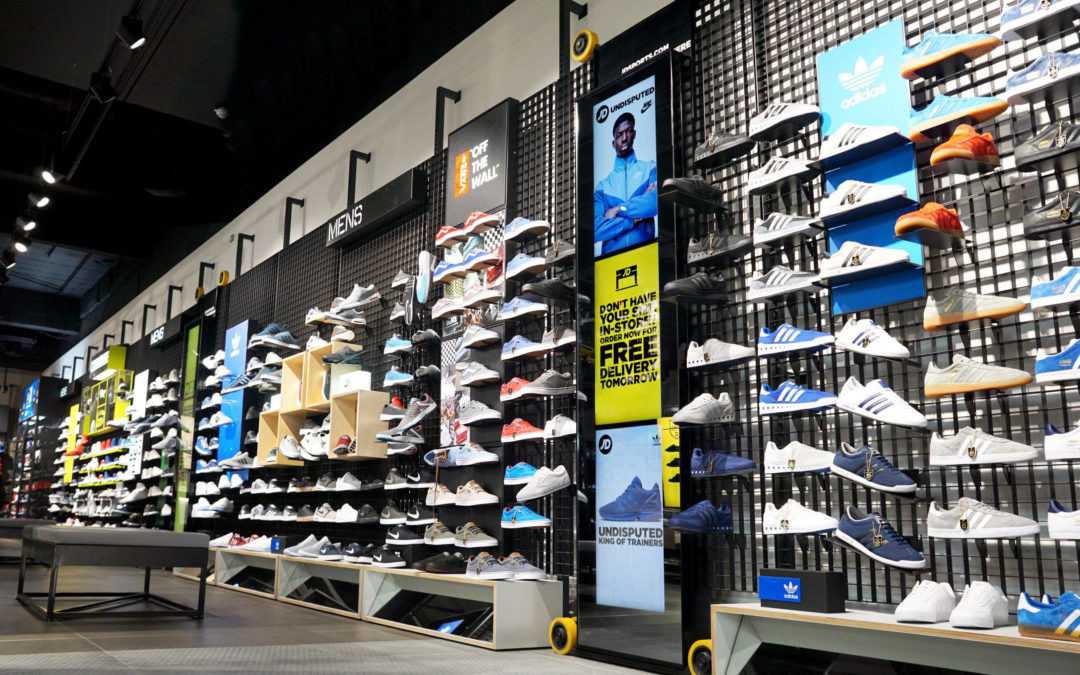
    JD Sports, a prominent player in the global market, currently runs more than 4,900 stores across 49 countries, hosting distinguished brands such as Nike, Adidas, New Balance, and On. Meanwhile, JD Sports Thailand operates 15 stores.

    On the other hand, CRC Sports operates over 129 stores throughout Thailand, featuring brands like Supersports, Rev Runnr, and Mono Store.

    Questions & Answers

    Why did CRC Sports acquire a stake in JD Sports Thailand?
    The acquisition aims to strengthen CRC Sports’ position in Thailand’s swiftly growing sports fashion market and accelerate its expansion in the premium sneaker and athleisure sectors.

    What advantages does the partnership between CRC Sports and JD Sports bring?
    The partnership combines CRC Sports’ extensive local retail network with JD Sports’ global brand affiliations and merchandising expertise, enhancing their access to exclusive global products and licensing rights.

    What is the growth rate of the sports lifestyle market in Thailand?
    The sports lifestyle market in Thailand is growing at an average annual rate of around 6%, and is currently valued at over 35 billion baht (approximately US$1.1 million).

  • Vontobel Targets High-Net-Worth Market with New Düsseldorf Branch: Swiss Investment Firm Fortifies German Presence

    Vontobel Targets High-Net-Worth Market with New Düsseldorf Branch: Swiss Investment Firm Fortifies German Presence

    Swiss investment company, Vontobel, has announced its plan to establish a new office in Düsseldorf in 2026. This new branch will further assert their position in Germany, with a particular focus on high-net-worth individuals (HNWIs) and family offices in North Rhine-Westphalia.

    Consistent Growth Strategy

    Vontobel’s decision to extend its operations in Germany aligns with their ongoing selective growth strategy in prime European markets. The firm already views Germany as a core market where it provides services to private clients through its offices in Munich and Hamburg. Meanwhile, the firm’s institutional activities and European structured products businesses are primarily operated from Frankfurt.

    In a joint statement, Christel Rendu de Lint and Georg Schubiger, Co-CEOs of Vontobel, stated, “We are consistently pursuing our strategy of selective investment in growth. As one of Europe’s key markets, Germany, and particularly North Rhine-Westphalia, are crucial to our business strategy.”

    Targeting a Prime Wealth Region

    Düsseldorf is renowned for its well-established wealth management tradition and a thick web of industrial, commercial, and service-oriented businesses. As such, it is a logical next step for the Zurich-based firm. The new branch will concentrate on providing customized investment solutions to affluent private clients and family offices in the area.

    The company plans to make use of its global investment platform, backed by more than 300 investment professionals worldwide, to deliver local services while maintaining its international diversification capabilities.

    Jean-Pierre Stillhart, Head of Private Clients DACH and member of the Executive Management Board of Bank Vontobel, highlighted the strategic reasoning behind this move: “As an internationally active Swiss wealth manager, this expansion provides our clients in Germany with additional perspectives and diversification opportunities.”

    The firm has now begun the search for a prime Düsseldorf location and is actively seeking experienced advisers and teams who align with its long-term investment philosophy and conservative risk culture.

    Expansion of Cross-Border Wealth Model

    Vontobel’s expansion reinforces its cross-border wealth management model, which allows German clients to custody assets either domestically or in Switzerland. Currently, about 20 investment professionals in Munich and Hamburg, supported by specialists in Zurich, serve German-based clients.

    As of the end of 2025, Vontobel managed over EUR 130 billion in assets for private clients globally, illustrating the scope of its wealth management franchise.

    The Düsseldorf initiative reflects a more extensive industry trend where Swiss private banks are selectively extending their operations in Germany. This expansion seeks to tap into structurally attractive wealth pools, especially among entrepreneurial clients and family offices interested in international diversification and advisory-driven mandates.

    Questions & Answers

    What is Vontobel’s strategy for growth?
    Vontobel uses a selective growth strategy, specifically focusing on key markets in Europe. Germany, in particular, is a core market for the firm.

    How does Vontobel plan to serve clients in Düsseldorf?
    Vontobel plans to use its global investment platform, which is backed by more than 300 investment professionals worldwide. This approach allows the firm to deliver local services while maintaining international diversification capabilities.

    What is unique about Vontobel’s expansion to Düsseldorf?
    This expansion aligns with a broader industry trend where Swiss private banks are selectively extending their operations within Germany to tap into attractive wealth pools. As such, Vontobel’s move into Düsseldorf is part of a larger strategic move within the wealth management industry.

  • Mr DIY Scales New Heights: Targets 3,000 Stores in Thailand by 2031 Following Stellar Growth

    Mr DIY Scales New Heights: Targets 3,000 Stores in Thailand by 2031 Following Stellar Growth

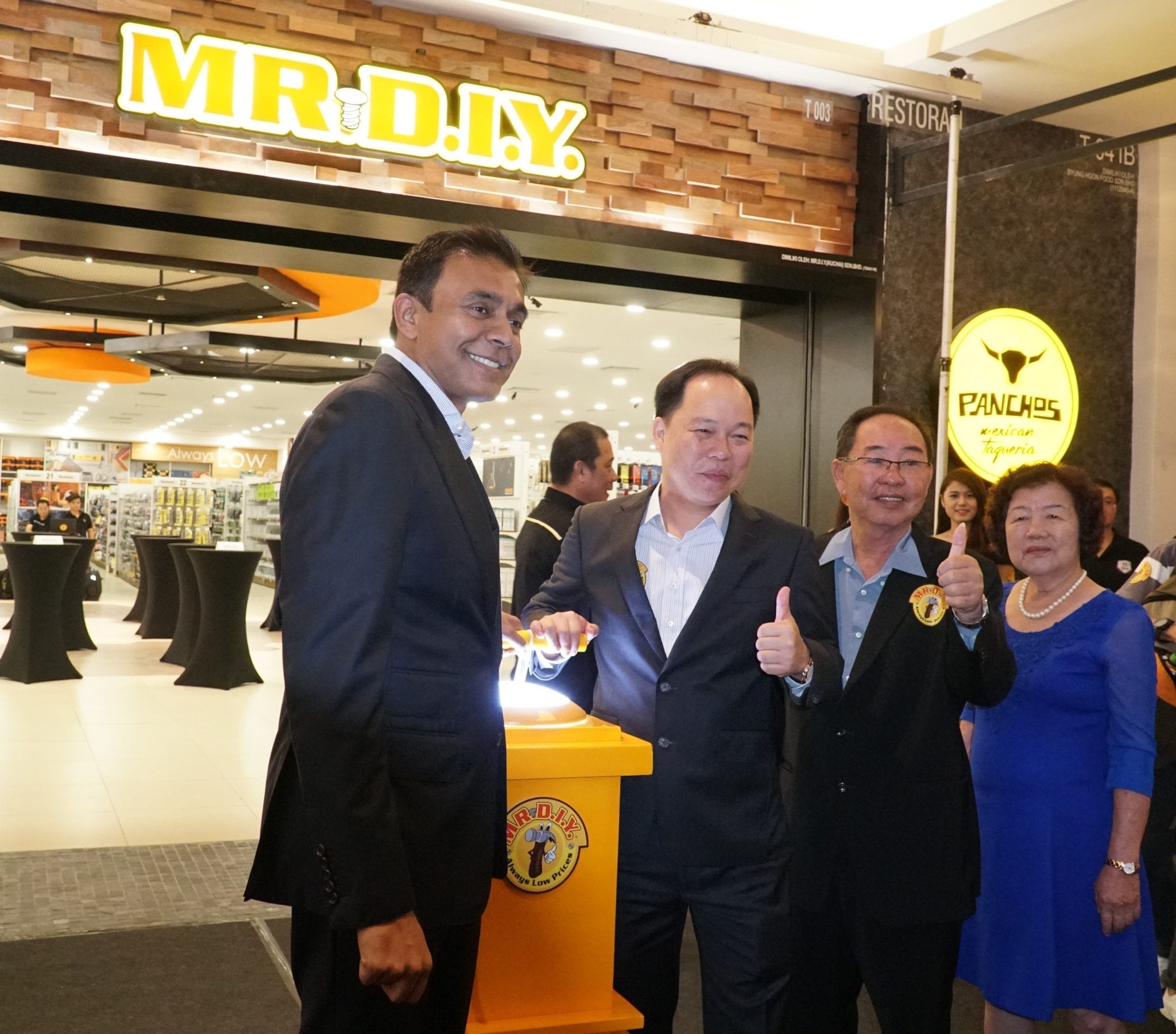
    Mr DIY, the biggest home improvement retail chain in Asia, is setting its sights on further expansion in Thailand, having recently reached the milestone of 1,000 stores in the country.

    Establishing a Strong Retail Presence

    Since its debut in Thailand in 2016, Mr DIY has broadened its reach significantly across 77 provinces. With its origins in Malaysia, the company now runs more than 5,000 stores in 11 countries worldwide.

    Andy Chin, the CEO of Mr DIY Thailand, expressed his excitement and optimism about the company’s future growth prospects. He shared some details about the expansion plans they have in place.

    Expansion Plans

    Mr DIY has set an ambitious target of opening an additional 210 stores in Thailand this year. In aid of this, the construction of an automated warehouse in Samut Prakan is currently in progress.

    This warehouse is set to function as a distribution center, thereby assisting Mr DIY in achieving its goal of 3,000 stores by 2031. By 2027, the company envisages having 1,500 stores operational within Thailand.

    Financial Performance

    In terms of financial performance, Mr DIY reported a revenue of THB20.1 billion during the fiscal year 2025, which was a 24.4 percent annual increase. Additionally, the company also witnessed a significant 47.8 percent surge in profits.

    Questions & Answers

    What is Mr DIY’s target number of stores in Thailand by 2031?
    Mr DIY aims to have 3,000 stores in Thailand by 2031.

    What is the role of the new warehouse in Samut Prakan?
    The new warehouse in Samut Prakan will serve as a distribution center to facilitate Mr DIY’s expansion goals.

    How has Mr DIY’s financial performance been in recent years?
    In the 2025 financial year, Mr DIY recorded a revenue of THB20.1 billion, marking a 24.4% yearly increase. Profits also saw a substantial increase of 47.8%.

  • EU Regulators Stoke Action Against Temu: Chinese Subsidy Probe Targets Dublin HQ

    EU Regulators Stoke Action Against Temu: Chinese Subsidy Probe Targets Dublin HQ

    Last week, EU regulators conducted an unannounced raid on the Dublin-based European headquarters of Temu, an online retailer and subsidiary of China’s e-commerce titan, PDD Holdings. The action arose from concerns regarding potential Chinese state subsidies extended to the company.

    As of yet, Temu has not issued a response to the matter.

    This event coincides with escalating concerns within the EU about an influx of inexpensive Chinese imports. The surge has come via low-value e-commerce shipments, largely due to a customs exemption on packages valued under 150 euros. European retailers argue that this waiver gives e-commerce platforms such as Temu and Shein an undue competitive edge. To address this, the EU executive intends to eliminate this duty exemption by year-end.

    The Foreign Subsidies Regulation (FSR)

    The European Commission’s Foreign Subsidies Regulation (FSR) has been enacted to address this issue. Its purpose is to curb competition from non-EU companies that receive subsidies from their respective governments. The FSR empowers the Commission to levy penalties equating to 10% of a company’s aggregated yearly turnover for any infractions.

    The Commission confirmed it executed an unannounced inspection on an EU-based e-commerce business under the FSR. However, they have not disclosed the identity of the company or the location of the raid.

    Temu’s Global Success and Troubles with EU Authorities

    Temu has amassed a global customer base in the tens of millions via its online store. The e-commerce platform sells a wide range of items from smartphones to duvet covers and leggings at incredibly low prices. This has even prompted Amazon to introduce its rival service, ‘Amazon Haul’.

    Under the tagline “shop like a billionaire”, Temu has attracted approximately 116 million average monthly users in the EU, according to its most recent transparency report. This is an impressive feat considering it only expanded into the European market in April 2023.

    EU regulators typically conduct raids when they have evidence of regulatory violations, which can originate from whistleblowers or their own investigations. These actions often result in companies offering concessions or cooperation in exchange for reduced penalties.

    However, this is not Temu’s first encounter with EU authorities. The Commission initiated an investigation into Temu under the Digital Services Act, a regulation overseeing online platforms, last year. In July, the Commission released preliminary findings claiming that Temu has not done enough to prevent the sale of illegal products on its platform.

    Foreign subsidies may come in various forms such as zero-interest loans, below-cost financing, tax breaks, or preferential tax treatment, among others.

    In November, China’s trade surplus exceeded US$1 trillion for the first time, with manufacturers rerouting more goods to non-US markets due to tariffs, resulting in an export boom to Europe, Australia, and Southeast Asia.

    Questions & Answers

    What spurred the raid on Temu’s headquarters by EU regulators?
    The raid was prompted by concerns regarding potential Chinese state subsidies to the online retailer.

    How does the EU’s Foreign Subsidies Regulation (FSR) aim to address competition from non-EU companies?
    The FSR aims to curb competition from non-EU firms that receive government subsidies. The regulation allows the Commission to impose fines of up to 10% of a company’s annual aggregated turnover for breaches.

    What were the findings of the European Commission’s previous investigation into Temu?
    The Commission’s preliminary findings suggested that Temu was not taking sufficient actions to prevent the sale of illegal products on its platform.

  • H&M Eyes Expansion In Ho Chi Minh City Amid Southeast Asia Growth Strategy

    H&M Eyes Expansion In Ho Chi Minh City Amid Southeast Asia Growth Strategy

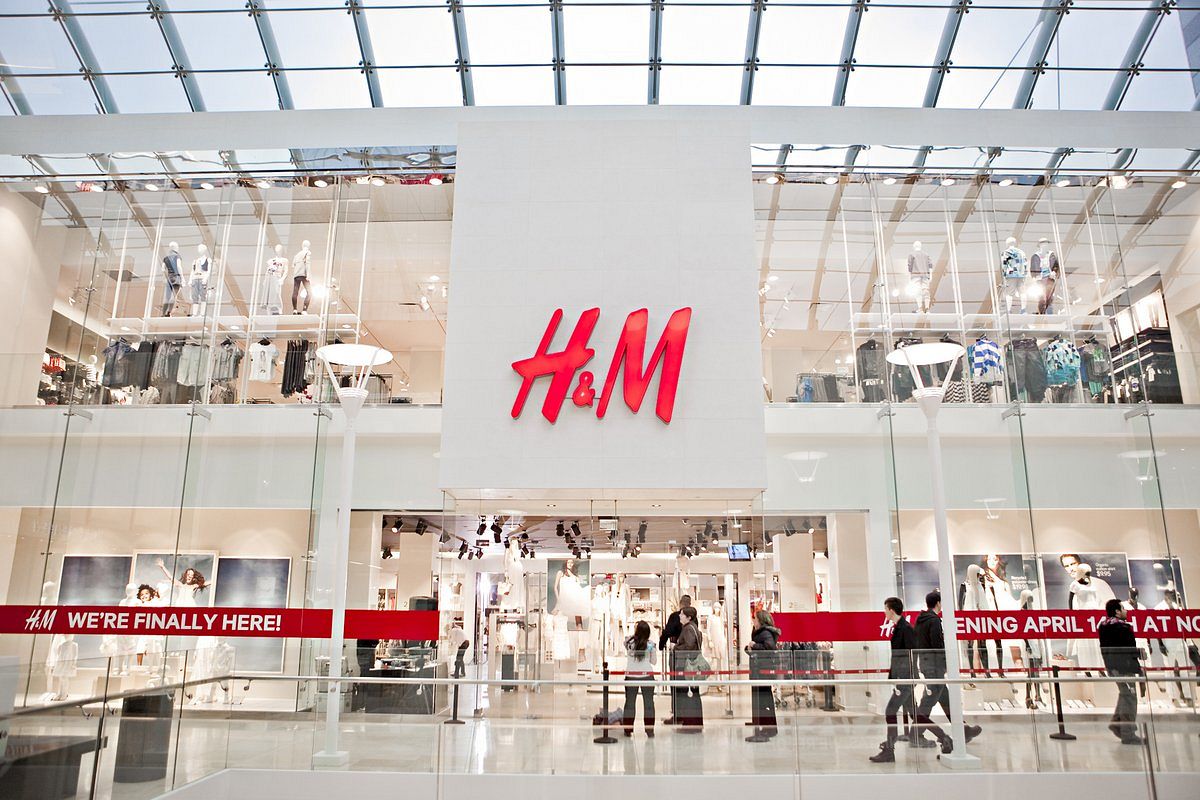
    The Swedish fast-fashion behemoth, H&M, is set to broaden its reach in Ho Chi Minh City, a bustling retail hotspot in Vietnam, as a crucial part of its larger growth strategy for Southeast Asia.

    Expansion Plans for H&M in Vietnam

    According to local sources, H&M Vietnam is actively scouting for opportunities to inaugurate new stores in the city’s prime commercial hubs. As it stands, the brand runs 14 stores throughout the country, with plans to increase this to 20 in the upcoming years. A significant emphasis is being placed on the city center of Ho Chi Minh City for these new store openings.

    In order to ensure a smooth expansion, H&M is diligently navigating local lease processes and adhering to regulatory requirements.

    H&M’s Growth in Vietnam and Beyond

    H&M ventured into the Vietnamese market in 2017. Despite this, its store count remains small when stacked against other markets in the region, such as Malaysia, Thailand, and the Philippines.

    However, it’s worth noting that the brand is experiencing a global resurgence, with its operating profit witnessing a 40 percent surge to US$523 million in this year’s third quarter. Additionally, their operating margin has also seen a rise, going up from 5.9 to 8.6 percent.

    Questions & Answers

    When did H&M first enter the Vietnamese market?
    H&M first entered the Vietnamese market in 2017.

    How many stores does H&M currently operate in Vietnam?
    At present, H&M operates 14 stores across Vietnam.

    What are H&M’s expansion plans in Vietnam?
    H&M plans to grow its presence in Vietnam by increasing its store count from 14 to 20 in the coming years, with a particular focus on central Ho Chi Minh City.

  • L Catterton targets Japan’s furniture sector with stake in Seki Furniture

    L Catterton targets Japan’s furniture sector with stake in Seki Furniture

    L Catterton, an investment firm supported by luxury goods group LVMH, has entered into a strategic partnership with Seki Furniture, a prominent furniture producer and retailer in Japan.

    Established in Okawa in 1968, Seki Furniture originated as a wholesaling business and has since evolved into a leading omnichannel company. Currently, it operates 26 retail outlets, incorporating its Crash Gate brand, and maintains a formidable online presence.

    Seki controls the majority of Japan’s wholesale residential furniture market and is broadening its reach into sectors such as offices, hotels, restaurants, and hospitals.

    The company is backed by an expert in-house design team and an extensive supplier network. Its brands, notably Relaxform, garner recognition for their design, quality, and affordable pricing.

    CEO Hideki Haruta stated, “Moving ahead, we aim to collaborate with L Catterton to achieve additional medium- to long-term growth and augment our corporate value. We remain committed to providing our customers with services and products that offer enduring value.”

    This investment follows L Catterton’s previous investments in home furnishing businesses, including Restoration Hardware and Boll & Branch.

    Earlier this year, L Catterton entered into a strategic agreement with Megabass, a high-end Japanese fishing gear manufacturer, to assist in the company’s expansion.

    Questions & Answers

    What is Seki Furniture’s current market position in Japan?
    Seki Furniture holds the largest share of Japan’s wholesale residential furniture market and is expanding into sectors such as offices, hotels, restaurants, and hospitals.

    What kind of brands does Seki Furniture have?
    Seki Furniture has several brands under its umbrella, notably Relaxform, which is well-recognised for its design, quality, and pricing.

    Who has L Catterton previously invested in within the home furnishing sector?
    L Catterton has previously invested in home furnishing companies such as Restoration Hardware and Boll & Branch.

  • 7-eleven Eyes Nationwide Expansion: 5000 Stores In Philippines By Next Year

    7-eleven Eyes Nationwide Expansion: 5000 Stores In Philippines By Next Year

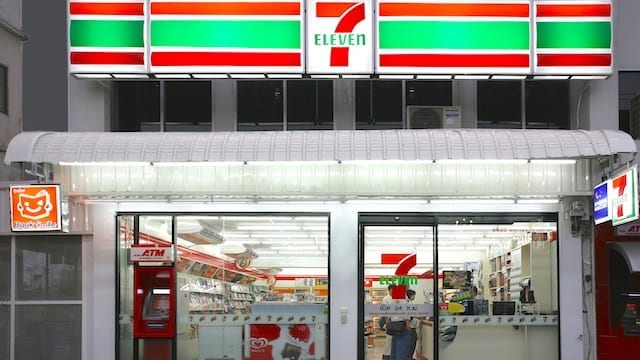
    Philippine Seven Corp (PSC), the company that operates 7-Eleven stores domestically, has plans to significantly increase the number of outlets across the country by next year. The ambitious goal is to expand their current network to an impressive 5000 branch total.

    Ambition for Expansion

    During a recent press briefing, PSC Chairman Jose Victor P Paterno confirmed that the company is well on its way to reaching this considerable goal. He expressed confidence by stating it was “safe to say” that the 5,000-store landmark will be achieved by next year.

    As it stood at the close of last year, PSC was operating 4,130 7-Eleven stores throughout the Philippines. This indicates an intent to open between 450 and 500 new outlets over the course of this year.

    Funding the Growth

    The expansion will be facilitated by a PHP5.5-billion (US$97 million) capital expenditure program. Although this is somewhat less than the previous PHP6-billion allocation, it is by no means a small investment.

    Strategic Expansion

    The planned growth of 7-Eleven outlets is not just about increasing numbers. PSC’s strategy is to target areas that are currently underserved in terms of retail, responding to the growing nationwide demand for retail options that are both accessible and convenient.

    Questions & Answers

    What is the goal of Philippine Seven Corp (PSC) for their 7-Eleven outlets by next year?
    The company aims to expand its current network to a total of 5000 stores nationwide.

    How many new 7-Eleven stores does PSC plan to open this year?
    PSC plans to open between 450 and 500 new outlets over the course of this year.

    What is the strategy behind PSC’s expansion of 7-Eleven outlets?
    The expansion is part of a broader strategy to reach underserved markets and respond to increasing demand for accessible and convenient retail options nationwide.

  • Us Clothing Brands Brace For Impact As Tariffs On Asian Textile Suppliers Soar

    Us Clothing Brands Brace For Impact As Tariffs On Asian Textile Suppliers Soar

    The US retail clothing and footwear industries are contending with increased tariff pressure as the government announced levies on numerous countries, including key Asian textile suppliers such as Vietnam and Indonesia. The tariffs are expected to be between 25 and 40 per cent.

    Impact Analysis on US Brands

    Here’s a look at how these tariffs might affect several key US clothing and footwear companies, based on their manufacturing locations.

    Ralph Lauren

    Ralph Lauren, which sources most of its goods from overseas, gets approximately 19 per cent from Vietnam and 15 per cent from China. Despite potential disruptions, the company remains confident in the diversified nature of its supply chain.

    Nike

    Nike imports about 43 per cent of its goods into the US. Its sports footwear production is split between Vietnam (50 per cent), Indonesia (27 per cent), and China (18 per cent). The brand’s sports apparel production is primarily sourced from Vietnam (28 per cent), China (16 per cent), and Cambodia (15 per cent). Nike plans to reassign its production in response to the new tariffs.

    Skechers

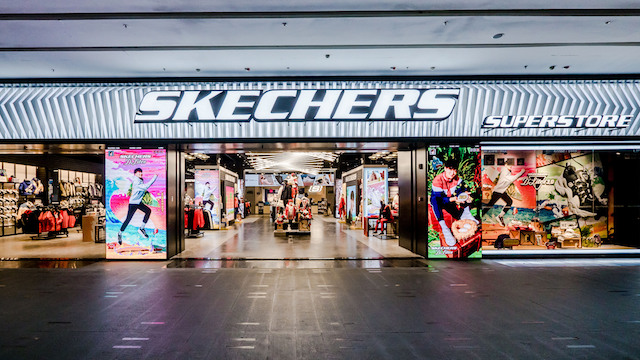
    Skechers sources roughly 40 per cent of its products from both China and Vietnam. The company is shifting its import sources away from China and relocating some of its production bases.

    Capri

    The majority of Capri’s Michael Kors line is produced in Asia, while Italy is the primary production location for Jimmy Choo. The company has been increasing production in Vietnam, Indonesia, and Cambodia.

    Tapestry

    Tapestry primarily manufactures in Vietnam, Cambodia, and the Philippines, which combined account for about 70 per cent of its production.

    American Eagle

    American Eagle primarily sources from Asia and plans to reduce its dependence on China by 2025.

    Abercrombie & Fitch

    Abercrombie & Fitch’s sourcing is split between Vietnam (35 per cent), Cambodia (22 per cent), India (12 per cent), China (7 per cent), and other locations (25 per cent).

    Lululemon

    Lululemon’s fabric sourcing is divided between Taiwan (35 per cent), China (28 per cent), and South Korea (11 per cent). Its manufacturing operations are in Vietnam (40 per cent), Cambodia (17 per cent), Sri Lanka (11 per cent), Indonesia (11 per cent), and Bangladesh (7 per cent).

    Puma

    Puma sources 30 per cent of its goods from China, 26 per cent from Vietnam, 13 per cent from Cambodia, and 12 per cent from Bangladesh.

    Questions & Answers

    What is the potential tariff exposure for US clothing and footwear companies?
    These companies could be exposed to new tariffs ranging from 25 to 40 per cent on imports from numerous countries.

    How are companies like Nike and Ralph Lauren responding to these tariffs?
    Companies are responding by diversifying their supply chains, relocating production, and reassigning production to manage the impact of the tariffs.

    Which countries are major sources for these US companies?
    Vietnam, China, Cambodia, Indonesia, and Taiwan are among the major sources for these US companies.

  • Casino operator targets ending losing streak

    Casino operator targets ending losing streak

    Royal International Corporation, which operates a casino in the northern Quang Ninh Province, has set itself a profit target of $500,000 this year after two years of losses.

    It seeks to double revenues to $10.3 million, $5.8 million from the casino and the rest come from its hotel and villas.

    The corporation will continue with last year’s business strategy of targeting foreigners working in Vietnam who are unable to return to their home country due to the Covid-19 pandemic.

    It plans to cut costs and adopt a flexible pricing strategy to attract Vietnamese customers once the pandemic passes.

    It posted a VND82 billion ($4.3 million) loss last year, and said casinos are a unique business that rely on chance but also pointed to the increasing number of casinos in the north, which cut into its revenues.

    RIC, which has a charter capital of $22 million, is listed on the Ho Chi Minh Stock Exchange.