Retail News CRM

Tag: Technology

  • Lush opens Tokyo tech-concept store

    Lush opens Tokyo tech-concept store

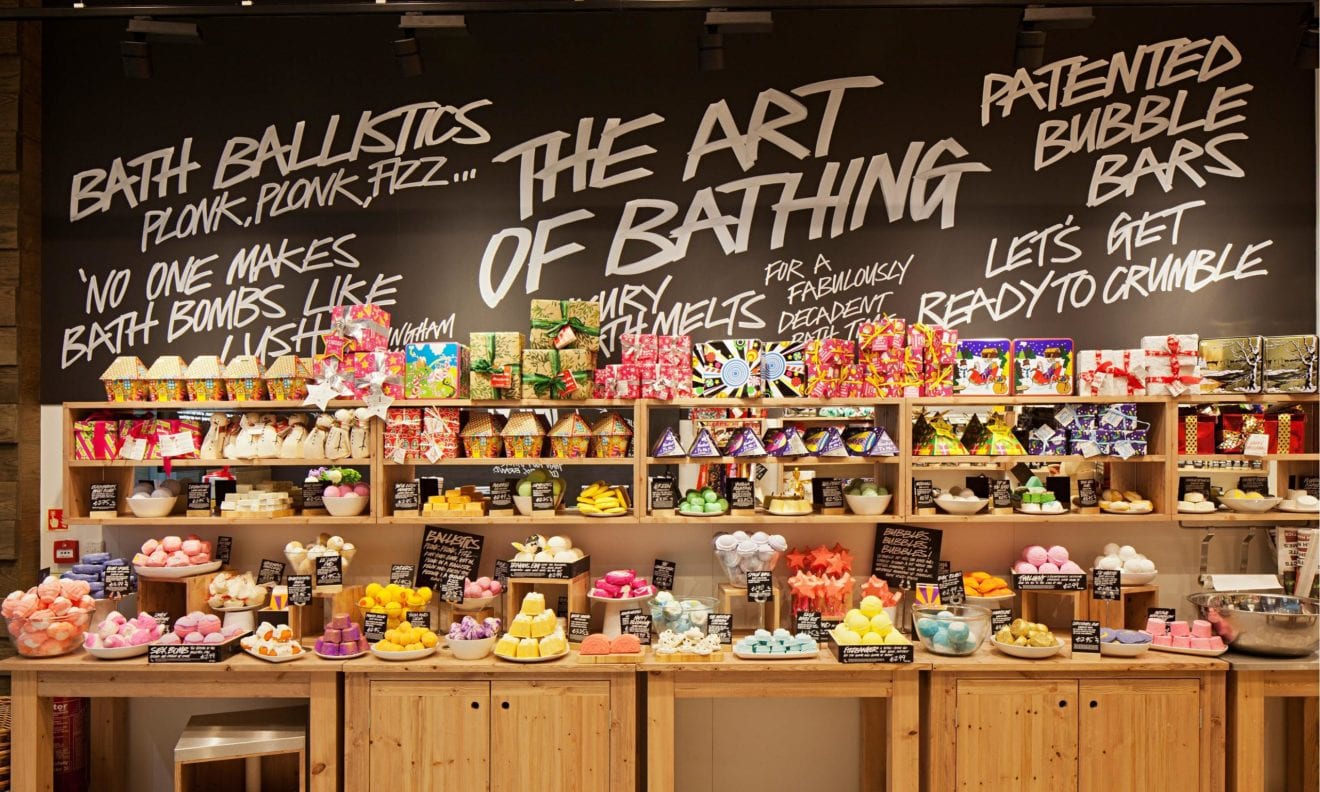
    After opening two concept stores in Milan and Berlin earlier in the year, British cosmetics retailer Lush has opened a third global concept store in Tokyo. While the Italian and German locations opened with a focus on packaging-free cosmetics, the Japanese retail outlet, which kicked off trade on November 22, will specialise in selling Lush’s bath bombs.

    Located in Harajuku, the tech-focused store will promote Lush’s best-selling bath bombs, as well as those new editions, and those known to be seasonal.

    Across two floors, Lush will also add limited-edition bath bombs sold exclusively in the new shop.

    Inspired by Japanese culture, the bath products reflect the style of the district’s Harajuku fashionistas “with their vivid colours and imaginative outfits to mythical creatures such as nine-tailed foxes,” according to a press release from Lush.

    Under the umbrella of Lush Labs, the new Tokyo store will serve as a retail experiment for future Lush stores, by incorporating online and offline retail experiences in the same setting.

    In doing so, consumers will enter a store void of signing and pricing, and even sinks typically used to demonstrate the product.

    Instead, shoppers will be encourage to shop online via the Lush Labs app, and view demonstrations and products digitally, as well as gaining ingredient detail, simply by scanning the naked bath bombs directly from their phone. In this vein, packaging is done away with too.

    “With Lush’s long term commitment to removing packaging from cosmetics, the Lush Lens feature uses the phone’s camera and Artificial Intelligence to support the customer in shopping packaging-free with ease and ensures they get all the important product information they require in a fun and environmentally-conscious way,” said Lush in a statement.

    Lush is increasingly experimenting its online retail in the offline world and will use “community feedback” from the Harajuku store as a source of research and ultimately reason to open more across the globe.

    “Customers are being invited into the R&D process once again, only this time to feedback on the retail experience as a whole, rather than just the product,” concluded Lush.

    “Each comment, reaction and critique sent back will help shape the future of the shop and each area of innovation launching within it.”


  • Samsung Galaxy A9 to debut in Indian market

    Samsung Galaxy A9 to debut in Indian market

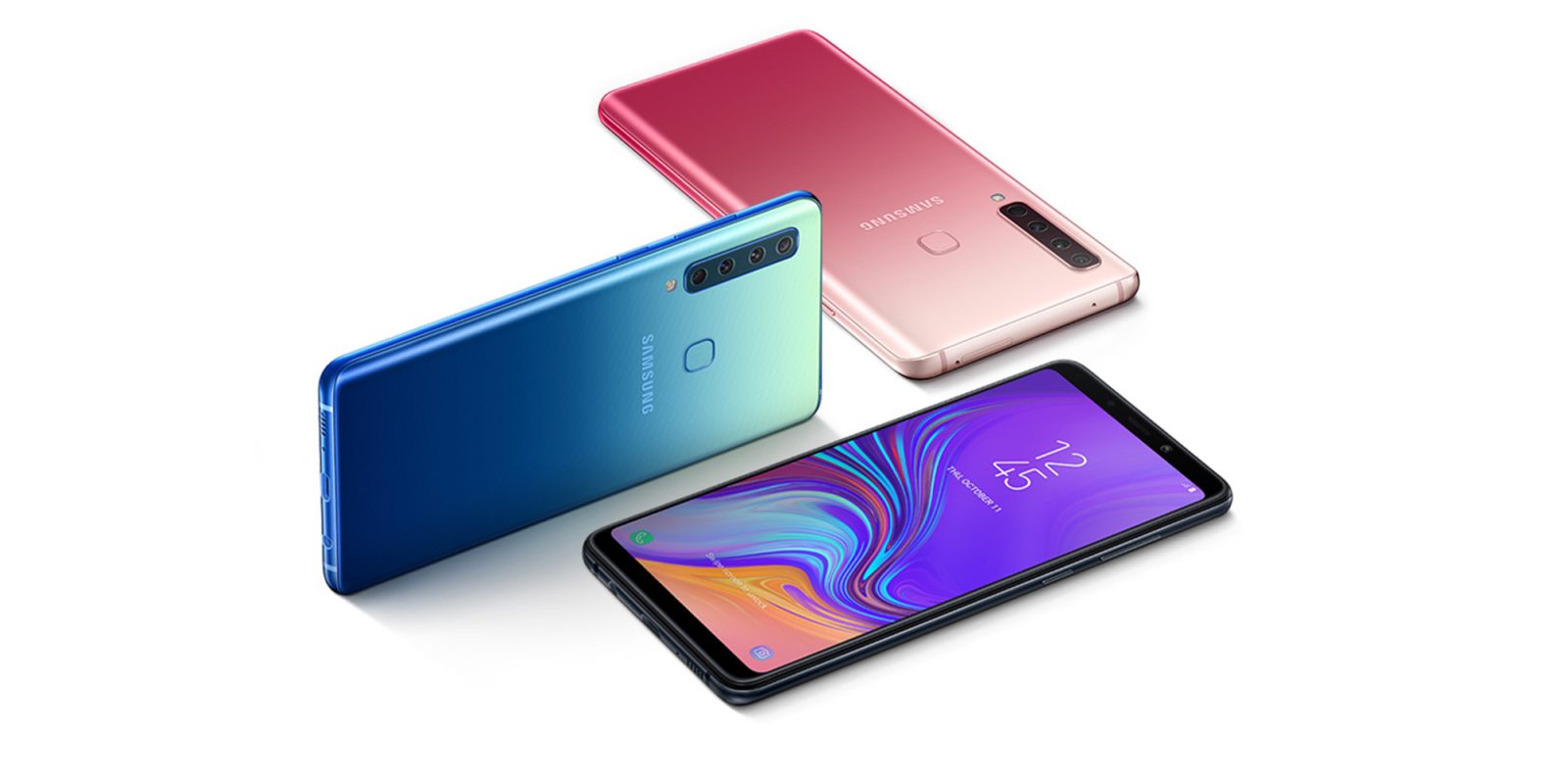
    Samsung Electronics has chosen India as the first country in which to release its Galaxy A9 mid-range smartphone. The company is set to begin sales of the model on Nov. 28.  The A9, introduced on Oct. 11 in Kuala Lumpur, in the presence of some 1,000 journalists and businessmen, is the first Samsung smartphone with four cameras on the back.

    “We are beefing up the smartphone lineup and marketing activities in India,” a Samsung spokesman said. “We plan to churn out smartphones best optimized for the Indian market at the newly established factory in India and supply directly to the local market.”

    In July, Samsung completed the expansion of its smartphone factory in Noida, south of the Indian capital of New Delhi. Work began on the 800-billion-won ($707,780) project in June 2017.

    Once the No. 1 smartphone vendor in India, Samsung has been overtaken by Chinese rookie Xiaomi, the world’s fourth-largest smartphone vendor. India is the world’s third-largest smartphone market.

    According to Counterpoint Research in October, Xiaomi accounted for 27 percent of the India smartphone market, up 5 points year on year, whereas Samsung captured 23 percent, the same share as a year earlier.

    India is a crucial market for Samsung, given that the company lost China to Chinese players. According to Strategy Analytics, Samsung’s market share in China slumped to a mere 0.8 percent in the second quarter, with Huawei taking 27 percent.

    Samsung launched eight models in its low-end Galaxy J series alongside premium models, such as Galaxy S9 and Note9, in India this year. The J series is the company’s the most popular lineup in India

    The A9 is a part of the trend of adding as many cameras as possible to smartphones. Its four cameras on the rear boast four different resolutions – 24, 10, eight and five megapixels. The first one is regular, the second has a telephoto lens and the third is for ultra-wide angle shots. The fourth, with the lowest resolution, serves as a depth camera that gives users the ability to manually adjust the depth of field of their images. That helps create so-called bokeh-effect photos, whereby the subject is in focus but the background is blurred.

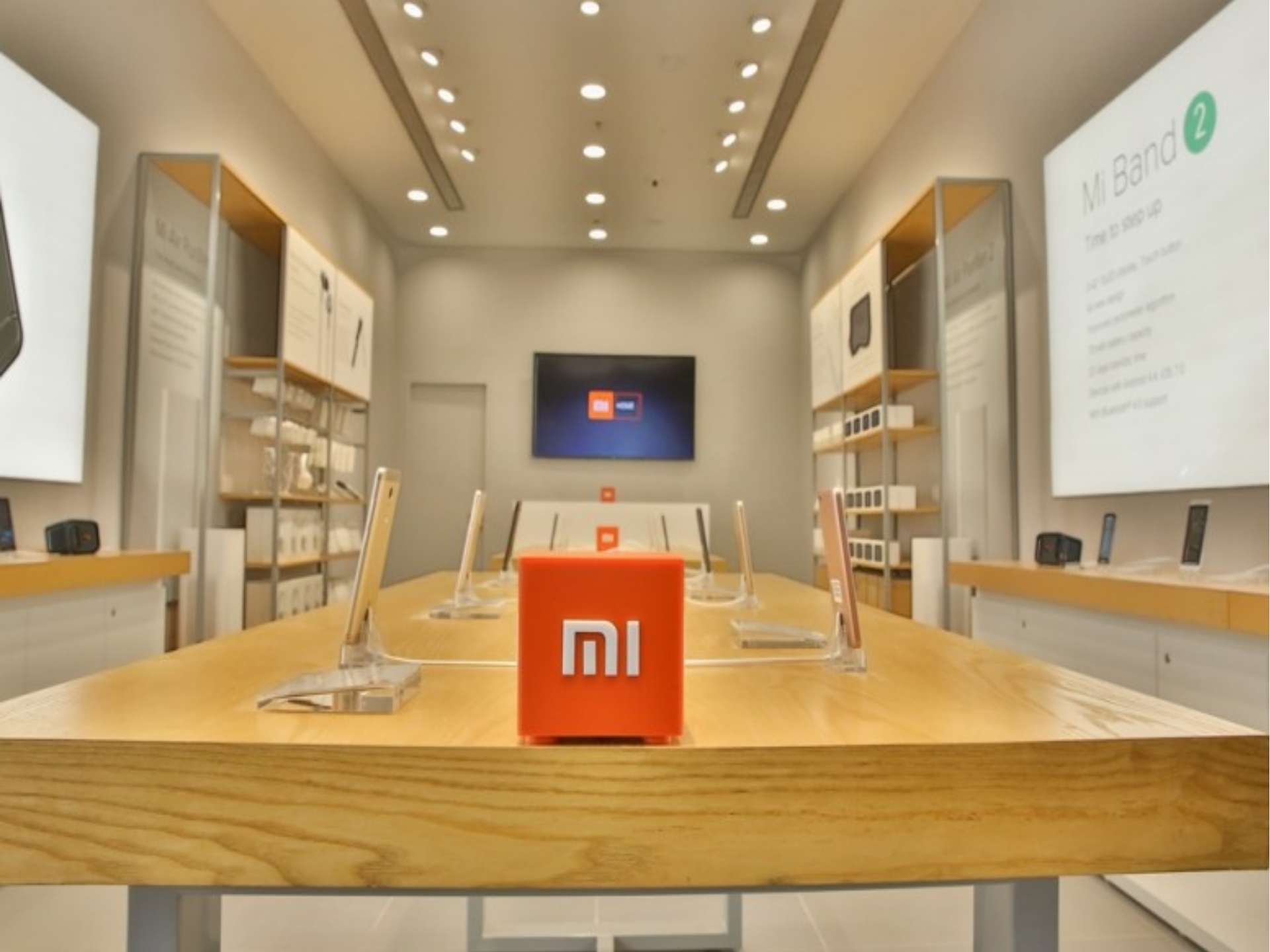
    Xiaomi is betting aggressively on India. Its Indian unit promised to open 500 offline stores under the Mi brand and hire more than 15,000 staff by the end of 2019. Huawei followed suit, vowing to expand production facilities and open over 1,000 stores.

  • Xiaomi aims at 5,000 stores in India by the end of 2019

    Xiaomi aims at 5,000 stores in India by the end of 2019

    Chinese tech giant Xiaomi is looking to cement its status as India’s leading smartphone provider by opening thousands of stores before the end of 2019. The company announced it would increase its presence in India from 500 retail stores to 5,000 by 2020. “It’s been over a year since we started offering our products through offline retail and we have seen strong growth there,” said Manu Jain, Xiaomi vice president and managing director for India.

    “Offline retail is a huge segment in our country with nearly 40 percent of the offline market focused in rural regions, and all of this should increase our offline sales and account for 50 percent of the company’s revenue by the end of next year.”

    In a Twitter post, the smartphone maker invited people to apply to run one of the franchised stores, which will be based on its Mi retail model.

    “It’s been over a year since we started offering our products through offline retail and we have seen strong growth there,” – Manu Jain

    “Mi store is the ‘new retail’ model for rural India that gives flagship store experience to our rural customers,” Xiaomi said on Twitter, adding that the new stores would generate more than 15,000 jobs.

    India is one of Xiaomi’s fastest-growing markets, according to Reuters, where it has had success with its budget Redmi phone series.

    The firm is the country’s leading smartphone provider, with 30 percent of market share. It entered the market in 2014 as an online-only retailer, before opening physical stores across India. Samsung and Vivo are its closest competitors there.

    Xiaomi was awarded a Guinness World Record on Tuesday for opening the largest number of retail stores in India simultaneously. The company also operates in Asia, Europe, the Middle East, Africa, and Mexico.

  • IGD predicts five trends set to shape retail in 2019

    IGD predicts five trends set to shape retail in 2019

    Seamless in-store shopping experiences coupled with innovative advances in technology are among IGD’s five key retail trends for 2019. “Next year’s biggest trend of all is likely to be the continuation of rapid and radical change in the food and grocery industry,” said Toby Pickard, head of insight, innovation and futures at IGD.

    “We have already seen a significant pivot towards innovative new technology, and there is no sign of this letting up next year. Shoppers’ expectations have changed, and the retail and grocery sectors are working to meet those expectations in every area of business,” he said.

    IGD’s five key retail trends for 2019 are:

    Data dictates the way: This year has seen data become more valuable to the retail sector than ever, with 46 per cent of supply-chain experts now actively prioritising data-driven business. As well as helping to boost sales, accurate data will be vital for tools that allow retailers to understand customer behaviour – and reward their loyalty.

    Through customer datasets, artificial intelligence (AI) and machine learning in-store, retailers can target products and offers more effectively while maintaining appropriate stock levels and improving customer service. Insights gained through closer customer engagement will provide invaluable guidance to retailers looking to grow their businesses: making stronger connections beneficial to both groups.

    Doing good is good businesses: Companies will increasingly take the lead on sustainability while issues such as food waste and plastic pollution make headline news. This has translated to changing attitudes across the generations. Nearly three quarters (74 per cent) of UK shoppers say they have become more aware of the environmental impact of plastic packaging over the past year, and this has led to innovations such as biodegradable wrapping and plastic-free supermarket aisles. Retailers are no longer thinking about just reducing waste, but want to make a positive, tangible contribution. The next wave of innovative and leading retailers and brands will move beyond reducing their impact.

    Seamless stores: Physical stores will offer a much more digital experience next year, by using technology to make it easier for customers to find items and gain more product information. Some 85 per cent of UK shoppers would like to see the roll out of more in-store technologies. This should lead to a faster shop for many, where searching aisles and shelves for the right item is replaced by an app that guides shoppers to where they want to be.

    “Physical stores offer customers a more tangible shopping experience, where they can see products before they commit to purchase,” sais Pickard. “This gives these spaces an advantage over online providers, and we are seeing stores begin to capitalise on that and add in extras to incorporate more of the benefits of online.

    “A recent example of this is Il Viaggiator Goloso, a premium Italian brand, which has enabled its electronic shelf-edge labels to show the online reviews and scores products have received. This gives customers a more informed choice in store.”

    Help me be healthy: Most shoppers aspire to eat and live well, with 85 per cent saying they are actively trying to improve their diet, but aspirations don’t always translate into action. “We believe shoppers will be more health conscious going forward, so supporting them to both look and feel good will be a major priority for retailers and their suppliers. This means that both consumers and businesses will be thinking more about wellness and the role of retail in promoting cleaner living going forward,” says Pickard.

    Anywhere, anytime: IGD expects innovative new social-commerce solutions to emerge throughout next year. Retailers and suppliers will deliver targeted marketing, and new ways to make online shopping more social, instantaneous, and convenient.

    “Next year, we will see retailers think increasingly about making every moment shoppable,” says Pickard. “A recent innovation was EasyJet making it possible for Instagram users to find and book holidays to new destinations, simply by clicking on a photo they have seen. Whether through targeted marketing or simple ways to make purchasing more seamless, shopping is becoming not just more convenient but more instant as well.”

    IGD says shopping will become seamless and omnipresent, with people no longer needing to visit a retailer’s online store. As they look at pictures, watch videos or TV they’ll be able to just add products to a shopping cart.

    “This has the potential to change the way that retailers think about selling in the future.”

  • Electric vehicles, new tech focus of NAP 2019 in Malaysia

    Electric vehicles, new tech focus of NAP 2019 in Malaysia

    The National Automotive Policy (NAP) 2019 will be unveiled in the first quarter of next year, and will place emphasis on electric vehicles and new technologies, according to Deputy International Trade and Industry Minister Dr Ong Kian Ming.

    “The main focus then (NAP 2014) was on energy efficient vehicles (EEVs) and now we are moving much more towards electric vehicles and new technologies,” he said after delivering his keynote address at Kuala Lumpur International Automotive Conference 2018 today.

    “But we have to discuss with the relevant stakeholders first and make sure that we fine-tune the details, so that the needs of the whole industry are taken care of,” he added.

    Ong said his ministry together with some key companies in the automotive sector, are currently reviewing the policy, which was first introduced in 2006 to transform the domestic automotive industry.

    Furthermore, he said the revised policy, which will also include the development of the third national car project, will overlook the entire automotive ecosystem, encompassing four key pillars of connected mobility, Industrial Revolution 4.0, new generation vehicles and artificial intelligence.

    “When we talk about the third national car, we need to look at it at a holistic perspective. So let’s not just focus on the third national car project, which is an important component of the NAP review, but also look at the entire ecosystem. This ecosystem needs to be further enhanced and developed to take into consideration of new trends, such as the newly launched Industry 4.0.

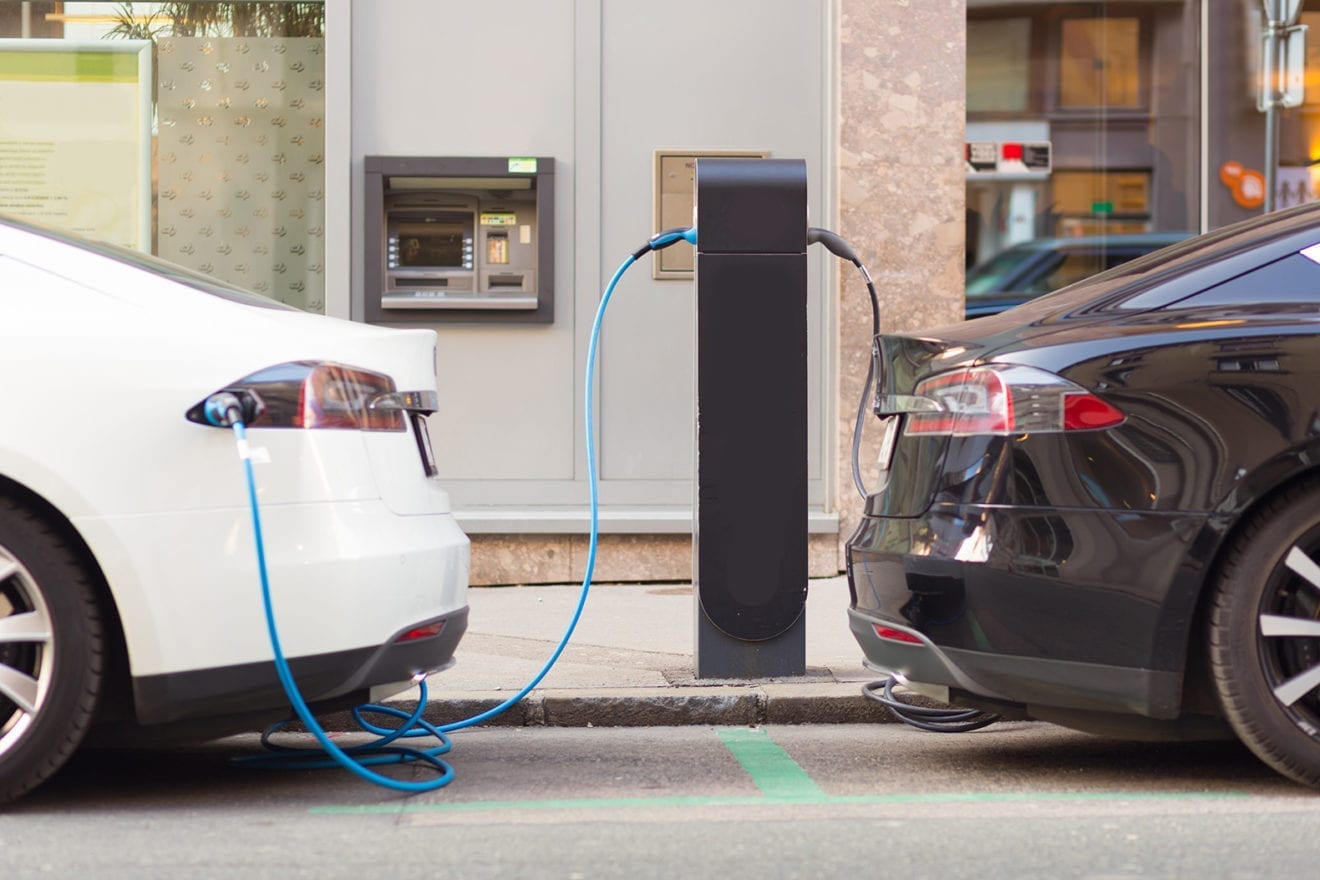
    “With the new technologies coming in, including the possibility of self-driving cars, more rapid advancement in electric vehicles and necessary ecosystems such as batteries and charging stations, it is timely to review this particular sector,” he noted.

    To date, Ong said, the ministry has received over 20 proposals on the third national car project, from various sub-sectors, comprising small to large companies in the automotive sector, which include some “big players”.

    He noted that the ministry has developed a matrix to analyse and evaluate these proposals, in order to make a fair, transparent and comprehensive choice.

    “One of the deciding factors would be the financial sustainability of the project as the government will not be funding this third national car project as noted in Budget 2019,” Ong added.

    Meanwhile, the Malaysian Automotive Association (MAA) president Datuk Aishah Ahmad said in conjunction with the event that the association is hopeful that the government would continue to focus on the components emphasised in NAP 2014, including the EEV initiative.

    “Future technology is good, but we would also like them to continue to emphasis on EEV that has helped the industry. We would also like to see long-term policies rather than short-term (policies) and more consultations with the industry,” she added.

    Themed “Beyond Mobility: Moving Sustainably”, the two-day conference, which is organised by the Asian Strategy and Leadership Institute (Asli) and MAA, aims to bring together industry experts and leading players to share views concerning the automotive industry and ecosystem roadmap beyond 2025.

  • Vietnam leads Southeast Asia in digital economy development

    Vietnam leads Southeast Asia in digital economy development

    Vietnam’s internet economy is the largest relative to GDP in terms of gross merchandise volume in Southeast Asia this year. A study by Google and Temasek, a Singaporean holding company owned by the Government of Singapore, said gross merchandise volume (GMV) traded over the Internet in Vietnam was 4 percent of GDP. The study encompasses ride-hailing, e-commerce, online travel and online media.

    In second place was Singapore with 3.2 percent, according to the study which covered Indonesia, Malaysia, the Philippines, Singapore, Thailand, and Vietnam. Indonesia’s digital economy had the fastest absolute growth and looks set to reach $100 billion in 2025.

    In the last few years online businesses have been booming in Vietnam, with last year the digital economy growing by more than 25 percent, a rate that can be sustained for the next two or three years, according to the Vietnam E-Commerce Association.

    It said online sales are set to hit $10 billion by 2020, accounting for 5 percent of total retail sales.

    A Financial Times report last April cited Bain, a U.S.-based global management consulting firm, as estimating that Southeast Asia had 200 million digital consumers, or people who bought goods or services online, out of an adult population of 405 million. Vietnam, with a population of 93.7 million, accounted for 35 million.

    Vietnam’s youthful population is among the keenest users of mobile devices in the region, while the country’s consumers spend more time online than most of their neighbors, several studies have found.

    Research firm Nikkei estimated Vietnamese spend nearly 25 hours online per week, on a par with or just behind Singapore and the Philippines.

    In the ride-hailing sector, many players are expanding investments. Vietnam recently saw new entrants such as local firm FastGo, GoViet, a subsidiary of Indonesia’s Go-Jek, and Aber.

    Current market leader Grab has expanded to offer GrabFood and GrabCar Business, the latter targeting the corporate sector.

    But experts say Vietnam and many other countries in the world face a slew of challenges in the digital economy such as upgrading the skills of the workforce and adapting to rapidly changing technologies.

  • AlipayHK Appointed QR Code Payment Solution Vendor of MTR

    AlipayHK Appointed QR Code Payment Solution Vendor of MTR

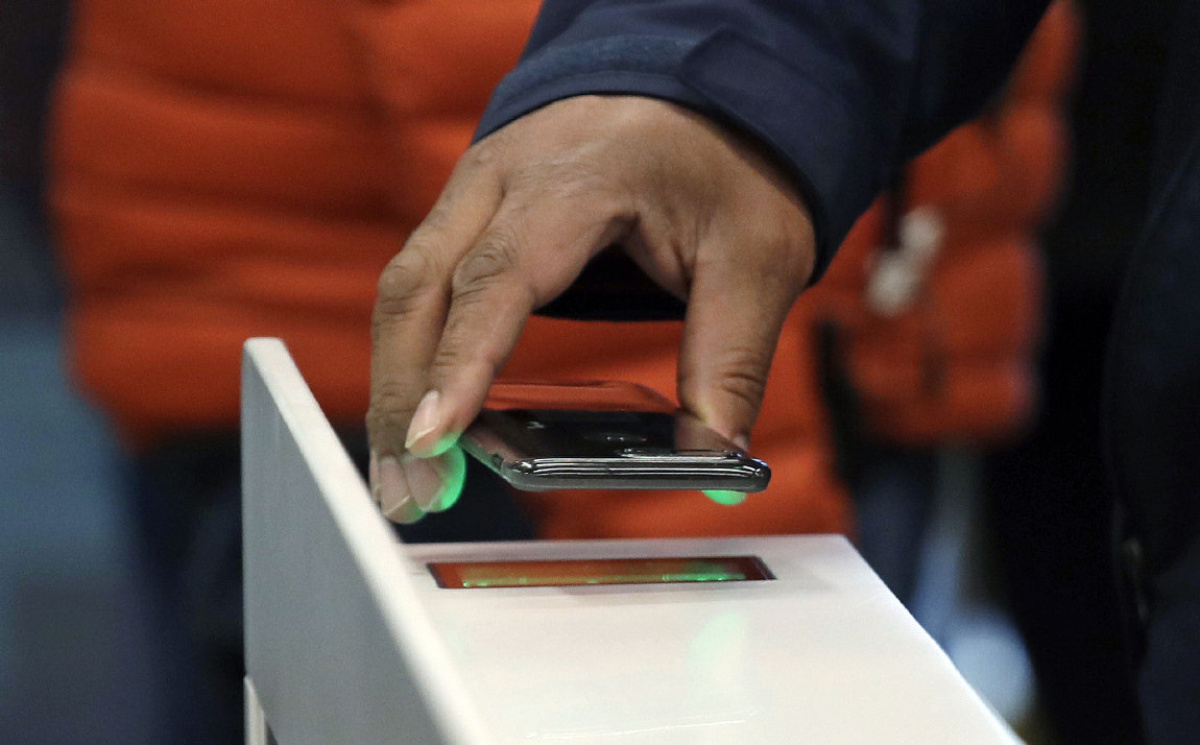
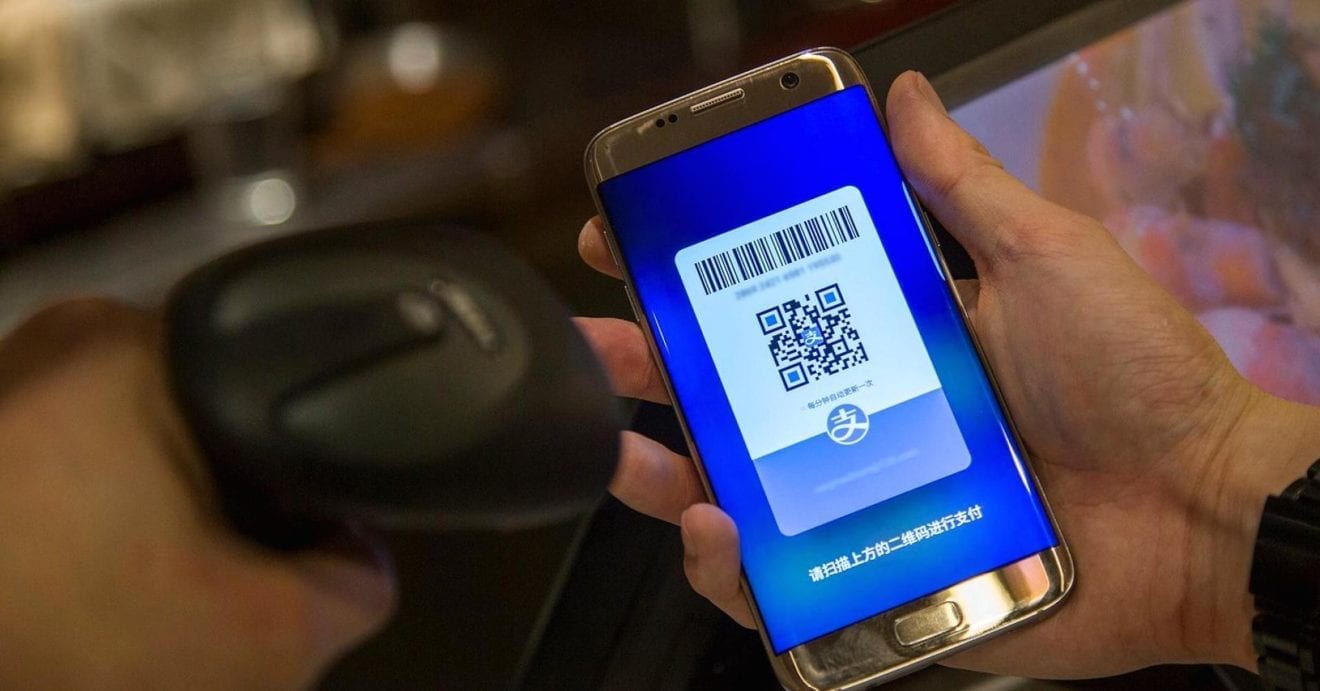
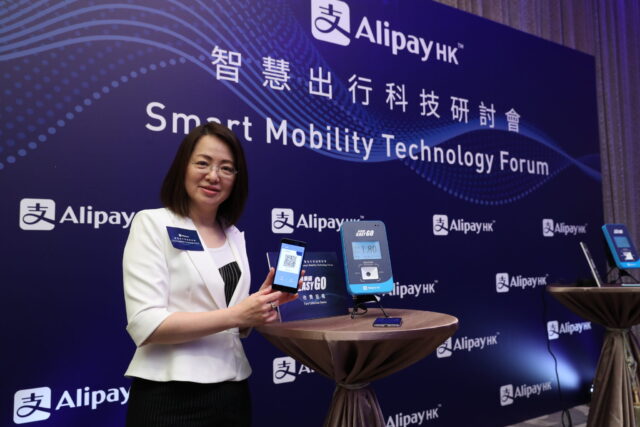
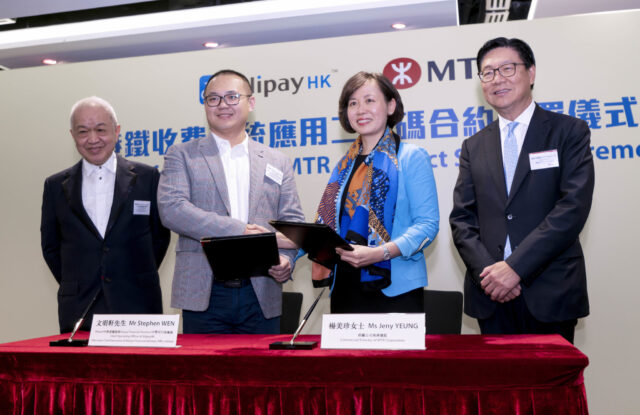
    AlipayHK users will be able to take the MTR by simply tapping their mobile phones at ticket gates at MTR stations starting from mid 2020 as the mobile payment service provider stood out from the many bidding participants and was appointed the QR Code payment solution vendor of MTR on Thursday last week.

    The QR Code solution provided by AlipayHK allows passengers to scan a code in under 0.4 seconds at ticket gates. Furthermore, the QR Code solution will support dual offline solution, so even if internet service is poor or lacking, transactions can be completed to ensure smooth journeys. The plan is to launch the QR Code payment system across  91 MTR stations in 2020. Citizens throughout Hong Kong will be able to enjoy Smart Mobility when commuting on MTR.

    AlipayHK focuses on fulfilling Hong Kong citizens’ needs in shopping, dining, living, and commuting. After its launch into the taxi industry and of the EasyGo technology,, it makes history by hitting another milestone. As Hong Kong people’s number one choice of transport, MTR caters roughly 5.8 million passengers trips every work day. In light of the high volume of passengers, MTR will introduce QR Code as an additional method of payment for passengers.

    Jennifer Tan, CEO of Alipay Payment Service (HK) Limited (APSHK) expressed: “After our collaboration with minibus operators, AlipayHK is thrilled to have won the bid in being MTR’s QR Code payment system provider. Not only is this a recognition in AlipayHK’s technological stability, we feel confident QR Code transit technology will be successfully expanded into more aspects. Commuting via QR Code is the trend for the future. Aside from gradually merging with Hong Kong’s public transports, we will also be exploring smart mobility in outbound travels by entering the most popular travel destinations of Hong Kong people, driving smart mobility across Hong Kong.”

  • Visa and GARMIN launch GARMIN Pay in Thailand

    Visa and GARMIN launch GARMIN Pay in Thailand

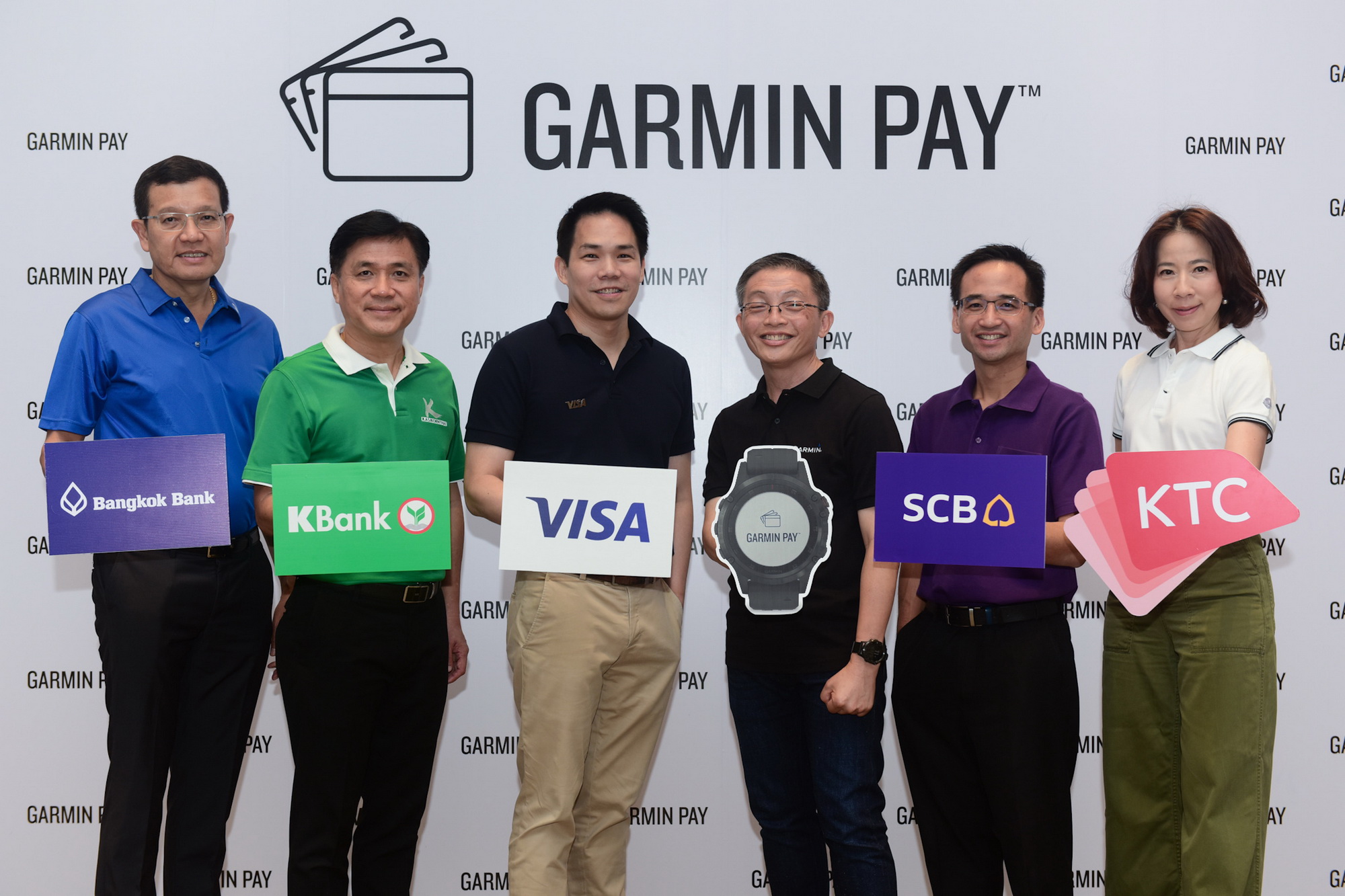
    Visa, the world’s leader in digital payments and GARMIN, in partnership with leading financial institutions, announced the launch of GARMIN Pay, a new contactless payment feature on GARMIN smartwatches. Starting 15 November, customers of Kasikornbank, Krungthai Card and Siam Commercial Bank can add their Visa credit or debit card to their GARMIN smartwatches, while Bangkok Bank is in line to launch by first quarter 2019.  The feature offers a new cashless experience, where purchases can be made seamlessly at growing contactless-accepted merchant locations. The emergence of payment innovation and technology mark yet another milestone helping to transform Thailand into a less-cash society.

    Mr. Suripong Tantiyanon, Visa Country Manager for Thailand said: “Visa is pleased to support the launch of Garmin Pay, bringing Visa contactless payments to Garmin smartwatches in Thailand.  Visa believes payments wearables are the future of fast, simple and secure payments, for people who lead an active lifestyle. According to Visa’s “sweaty money” survey, 57 percent of people who bring cash or a payment.

    card along on their workouts are stashing it somewhere uncomfortable and inconvenient. Garmin Pay will be a welcome solution for anyone looking for an effortless way to pay while on the go.  This launch is another milestone in Visa’s commitment to continue providing payment innovations and experiences across a wide range of form factors to consumers in Thailand.”

    Mr. Krairop Luang U-Thai, General Manager of GIS, the authorized distributor of GARMIN products in Thailand said: “GARMIN Pay is the latest feature on the GARMIN smartwatch.  Select the credit card you want to connect to the watch and create the GARMIN Pay Wallet by filling in the card information on the GARMIN Connect application along with your passcode. All customers then have to do is place their wrist near a card reader that supports contactless payments to purchase goods and services.  GARMIN Pay uses tokenization offered by the global payment networks to secure users’ information. The tokenized data is saved in an isolated safety chip which is in device, so to keep sensitive data from malware or virus. In addition to Thailand, GARMIN Pay is also currently available in 22 countries around the world.”.

    GARMIN Pay is available on vivoactive 3 series, forerunner 645 series, fenix 5 plus series. Check back for future additions and more information about GARMIN Pay, visit Garmin.co.th/Garmin-Pay


  • BigBasket India eyes 40 pc revenue from private labels next fiscal

    BigBasket India eyes 40 pc revenue from private labels next fiscal

    Chinese retail giant Alibaba-backed online grocery player BigBasket that aims to be a billion-dollar company by the next fiscal year, is expecting 40 percent of its projected revenue to come in from its private labels, a top company official has said.

    “Private labels are around 34 per cent of our business now and we plan to scale this to 40 per cent in about a year. The incremental 6 percentage points of revenue will come from non-fruits and vegetables and non-staples,” Hari Menon, Co-founder and Chief Executive, BigBasket said.

    According to a report: The company aims to clock Rs 3,500 crore in sales this fiscal year, up from Rs 2,000 crore last year.

    He added that the Bengaluru-based company will add a lot of categories to the private labels vertical.

    BigBasket that aims to raise up to US$ 200 million over the next few months, said, the FMCG sales overall (food and non-food) contributes over 50 percent of its business, 30 percent from staples (including 14.5 percent from private labels) and 18 percent from fruits and vegetables.

    It is going to launch beauty as a category in the next few days, with imported products as well, Menon said.

    The company has a presence in 25 cities and plans to launch its operations in Kochi soon.

    “Having gone deeper into the existing consumer base already, which has been our growth driver, we are now planning to get into the upper middle class and middle class segments,” he further said.

    BigBasket, founded in December 2011, claims 10 million subscribers and close to 1 lakh orders per day. The company expects to break even in the 10 large cities by next June.

    BigBasket last month acquired Pune-based RainCan and the Bengaluru-based Morning Cart to deliver milk to 20,000 customers. It has already launched this service in seven cities and expects to roll out to other three cities among the top 10 metros.

    Menon expects the milk delivery business to clock Rs 1,000-crore by next year and plans to grow this business as it will give access to many homes.

    He further said that the company will look at scaling up the fresh meat segment and increase its contribution to 5-6 percent from 1-1.5 percent at present.

    BigBasket has 30 warehouses now and will touch 45 by next year.

  • Korea’s convenience stores to use mobile payments more

    Korea’s convenience stores to use mobile payments more

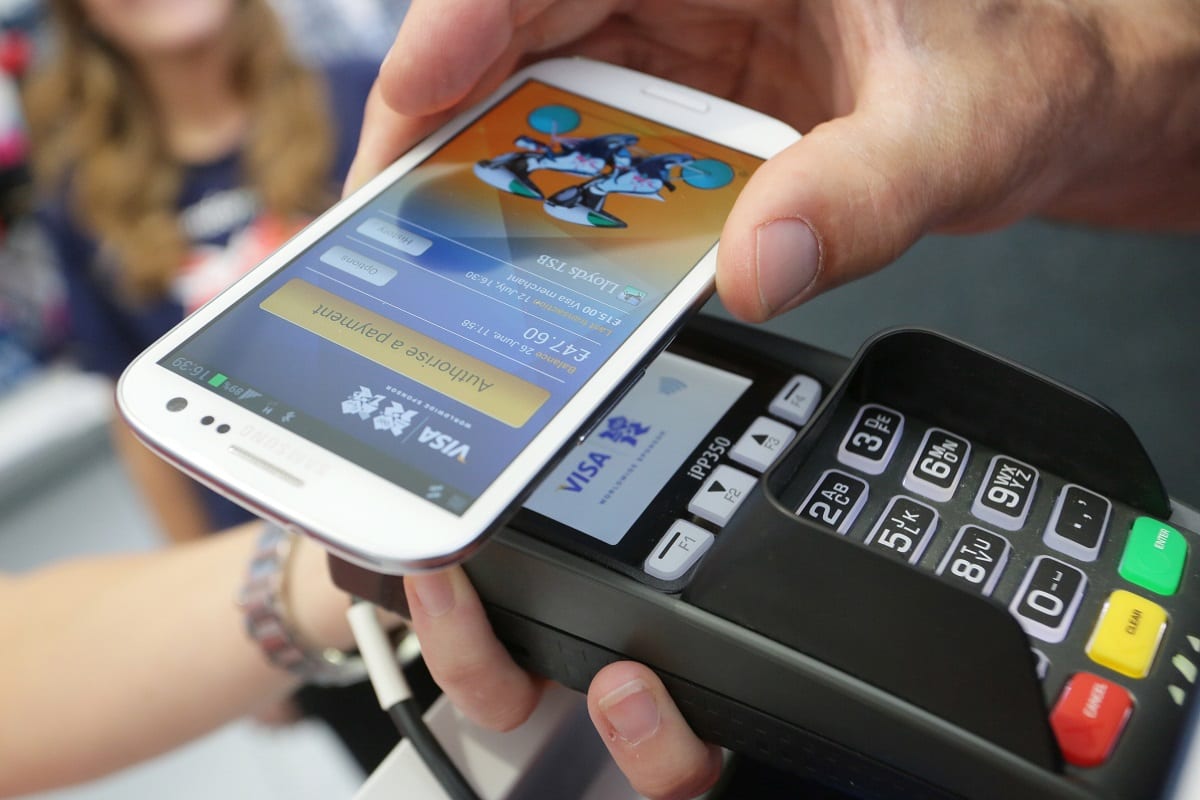
    Mobile payments at South Korean convenience stores have more than doubled this year thanks to the greater use of smartphones and the expansion of mobile settlement services. South Korea’s top convenience store chain CU said the number of so-called easy mobile payments at its outlets soared 121.5 per cent year on year in the first 10 months.

    Convenience chain operators in Asia’s fourth-largest economy adopted the easy mobile payment system in 2011, but the service only started to take off last year.

    The percentage of mobile payments out of total settlements at convenience stores expanded to 3.5 per cent this year, compared with 1.9 per cent last year and just 1 per cent in 2015.

    “The number remains in the single-digit range, but the easy mobile-settlement system has been growing at an exponential pace,” a CU spokesperson said.

    Currently, CU allows customers to use Samsung Electronics’ Samsung Pay and 19 other payment tools at its stores.

    Samsung Pay accounted for 85.5 per cent of CU’s mobile settlements during the January-October period, followed by Kakaopay with 4 per cent and LG Pay with 2.8 per cent.

    Industry sources said retailers in South Korea have been ramping up efforts to develop their own mobile payment platforms as more tech-savvy consumers turn to their smartphones to make mobile payments at South Korean convenience stores.

    Some seven in 10 South Koreans are known to own a smartphone, the fourth-highest smartphone penetration rate in the world.

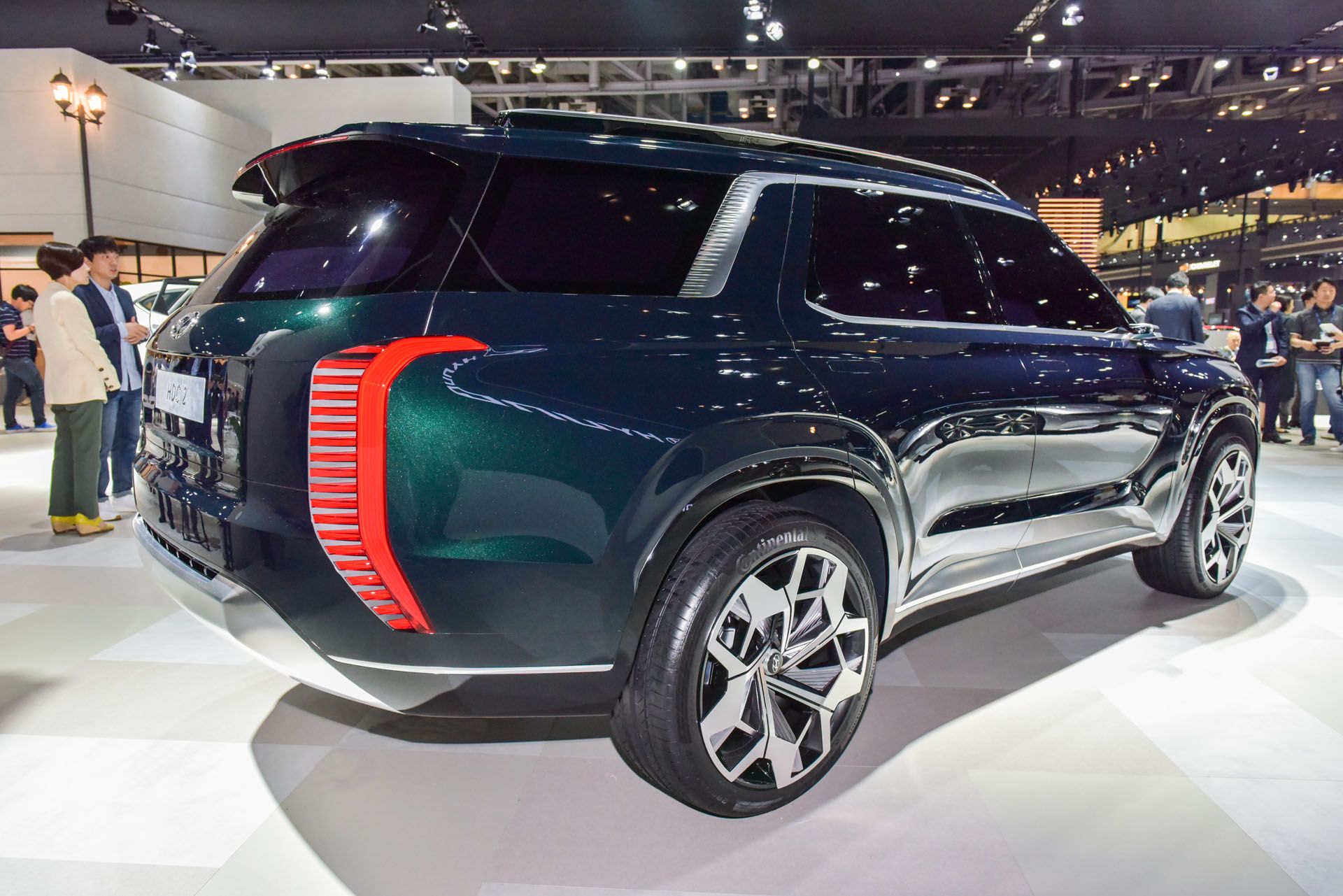
  • Hyundai’s Palisade performs great in snow

    Hyundai’s Palisade performs great in snow

    On Tuesday, Hyundai Motor said that its Palisade SUV will come with a new feature dubbed Snow Mode that is designed to help the vehicle navigate snowy terrain by redistributing power to its wheels. The Palisade, Hyundai Motor’s new large SUV, is slated to launch later this month.

    The new vehicle will be the first SUV in Korea to come with Snow Mode or an equivalent function, according to Hyundai Motor.

    The system helps redistribute driving power to the wheels so that a car stuck on a snowy road can regain traction.

    A video posted on a Hyundai Motor blog on Tuesday shows the Palisade crossing uneven snowy terrain. At one point, the car’s left rear wheel is left spinning in the air, but the Snow Mode quickly recognizes the lack of traction and transfers the driving power to the other wheels. Later in the video, power is shifted to the right rear wheel to give the vehicle a boost, enabling it to get back onto the road.

    The carmaker said the SUV model has been tested on 6,000 kilometers on snowy terrain in Arjeplog, Sweden over the past two years.

    The large Palisade SUV will launch on Nov. 28 at the LA Auto Show.

  • Naver Labs, Qualcomm to team up on future tech

    Naver Labs, Qualcomm to team up on future tech

    Naver Labs and Qualcomm will work together on future technology like robotics and self-driving vehicles, the local IT company said on Tuesday. The two companies signed an agreement on Monday to combine their knowledge and expertise.

    U.S.-based Qualcomm is a well-known manufacturer of semiconductors and telecommunications solutions. Naver Labs is an affiliate of Korea’s largest portal site and is currently working on a wide array of location-based technology solutions like autonomous driving, mapping and navigation using augmented reality.

    Naver Labs said it hopes to apply Qualcomm’s latest chips and solutions to its high-tech products. The first products developed by the two companies will be unveiled at next year’s Consumer Electronics Show in Las Vegas in January.

    “We plan to offer full technology support for the successful development of Naver Labs’ products and services,” said Jim Cathey, Qualcomm’s president for the Asia Pacific and India regions.

  • Apple store to sell wearable skincare product

    Apple store to sell wearable skincare product

    Apple is now selling L’Oreal’s newest tool called the My Skin Track UV, made by the La Roche-Posay brand. The company first unveiled this product at the 2018 Consumer Electronics Show in January 2018 and it is now ready for consumers.

    This is the first time that Apple is venturing into the world of beauty and skincare in its store.

    My Skin Track UV is a small wearable device to attach on the customer’s clothes to measures their individual exposure to UVA and UVB rays; a companion app tracks their exposure to pollution, pollen, and humidity.

    The device is cleverly designed to be battery free–its sensor is activated by the sun, and is then powered by the user’s smartphone using near field communication.

    The product was designed in collaboration with Yves Behar, and relied on research gathered by Northwestern University’s John Rogers, who has developed a range of stretchable electronic devices.

    It is designed to motivate wearers to engage in safer outdoor behavior.

    While most people are aware about the sun’s impact on the skin, this knowledge often doesn’t actually prompt them to change their behavior.

    L’Oreal’s research found that when consumers had regular, accurate updates about their sun exposure, 34% applied sunscreen more often, and 37% sought shade more frequently

  • Star at Xiaomi’s store opening in NZ

    Star at Xiaomi’s store opening in NZ

    The electric scooter craze has well and truly hit New Zealand. Within just hours of Chinese electronics giant Xiaomi, or “Mi” as many know it as, opening the doors to its first New Zealand store, the retailer sold more than $250,000 worth of electric scooters.

    In just seven hours it had clocked $257,750 in sales from the e-scooters, which are similar to the popular rentable Lime-branded ones sweeping Auckland and Christchurch.

    About 200 of the scooters priced at $599 were sold online in 30 minutes yesterday, causing the retailer’s website to crash.

    Meanwhile, at Sylvia Park in Mount Wellington, where Mi opened its store, about 1500 people queued – from one side of the mall to the other – waiting in line for a glimpse of the scooter.

    More than 400 Mi electric scooters were sold in-store.

    The scooters are said to now be sold out.

    The Mi e-scooter is popular overseas.

    Mi New Zealand spokesman Eric Chang said he believed the popularity of rentable electric scooters had driven significant demand and interest in consumers wanting their own.

    The scooters have a range of 29km and can travel up to 25km/h.

    Lime scooters were introduced to Auckland and Christchurch streets last month and have proven popular and been in the headlines since.

    Some riders have left a trail of mayhem, and injury claims from electric scooter-induced injuries have soared.

    Between October 14 and 31 there were 69 electric scooter claims lodged with ACC.

    Overseas there have been bans of the scooters and one recorded death. As of today, there has been a global recall of models made by Chinese manufacturer Okai.

    A spokeswoman for Lime said the company was working with the US Consumer Product Safety Commission and other international agencies following reports the scooters made by Okai could break apart while in use.

    Lime said it did not anticipate any disruptions to its service after the recall.

    Lime currently operates in a string of cities across the world, offering e-scooters and bikes for hire, including in Switzerland, Germany, France, Poland, Czech Republic, Spain, Portugal, Mexico, Canada, Austria and United States.

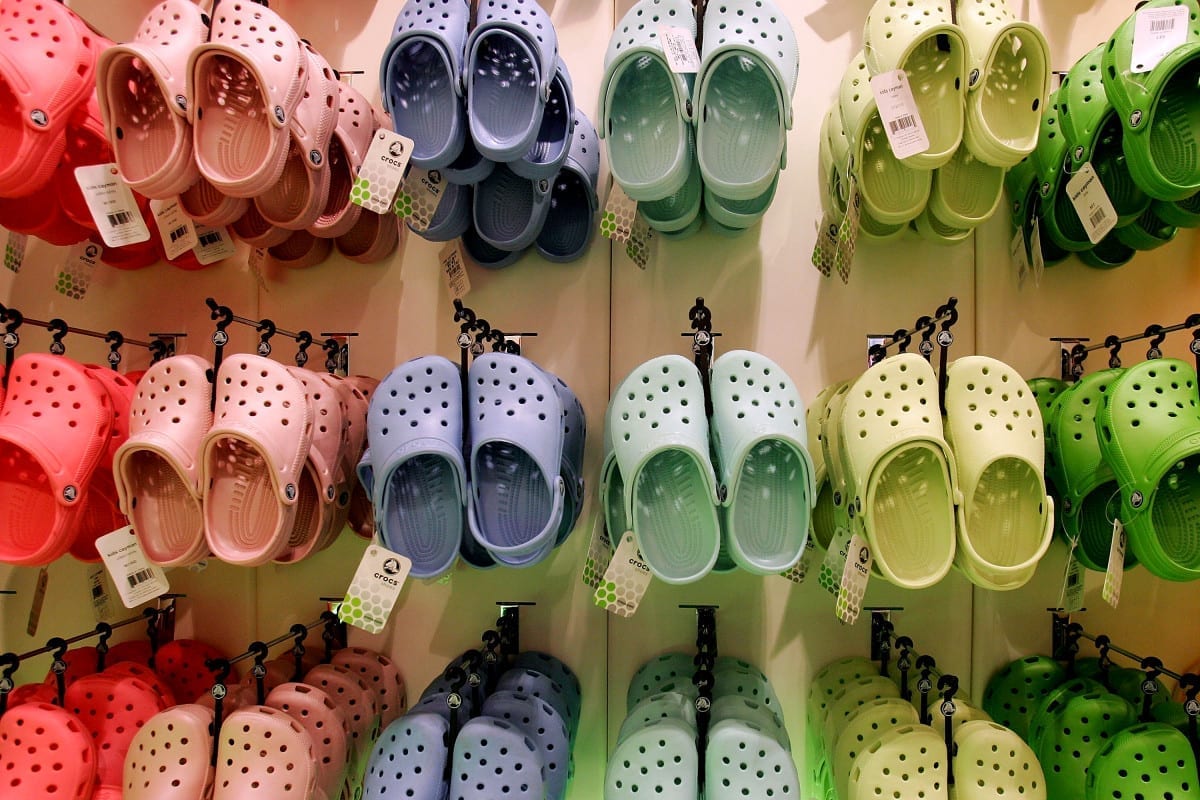
  • Crocs opens its 100th store in India at VR Mall Chennai

    Crocs opens its 100th store in India at VR Mall Chennai

    The new store, which spreads across 625 sq. ft., is Crocs’ third store in the city and 5th in the state of Tamil Nadu. Boasting a premium location at VR Mall, the hub for luxury and international brands in Chennai, the store promises to strengthen the reach of the iconic brand in the state capital.

    Since the opening of its first store in India in 2008, Crocs has successfully carved a distinct positioning for the brand amongst the Indian consumers akin to its global positioning and is growing at a robust pace with presence across 50 cities in India.

    Crocs, which is known globally for its iconic Clogs, is turning towards India to fuel its next phase of growth. India is currently the 6th biggest market for Crocs globally with a high double-digit growth year on year.

    Metro Shoes, the national franchise partner of Crocs India, will be operating this 100th store located in Chennai. The partnership with Metro Shoes began in 2014 which has helped the iconic footwear brand in expanding its reach to over 50 cities through its EBO operations.

    Speaking on occasion, Deepak Chhabra, CEO & MD, Crocs India, said, “We are excited on reaching the century mark in India. India is one of the rare markets where even after opening 100 stores we still feel under-penetrated. Our absolute focus for the next phase of geographical expansion will continue to be on top 6 metro cities across the country along with state capitals. Exclusive brand stores are a very significant part of our growth strategy. In addition to aggressively growing our EBOs, we will be strengthening our presence in Tier-II cities via MBOs and Kiosks. Further, e-commerce will remain an integral part of our distribution strategy and help us reach out to consumers where our brick and mortar presence is limited. Region-wise South India, due to its demographics and very high brand recall, contributes the highest amongst all regions in the country and will remain an integral part of our India growth strategy.”

    Commenting on the occasion, Rafique Abdul Malik, Chairman & MD, Metro Shoes, said, “We would like to congratulate Crocs India on the launch of their 100th store and are confident that this is just one of many more milestones to follow. Metro Shoes is glad to partner with a brand which despite being just 16 years old has an iconic status with probably the highest brand-recall across the globe. India as a nation has a high affinity for open shoes and sandals owing to the climatic conditions, making Crocs highly relevant in this market.”

    With its unique brand awareness and break-through product innovations, Crocs is progressing towards becoming India’s top non-athletic casual footwear brand. Other than its EBOs, Crocs asserts its strong presence in MBO channels through which its overall offline reach extends to more than 150 cities via 1,500 + points-of-sale. Additionally, it caters to 20,000+ pin codes translating to 400 cities via its e-commerce presence.

    Over the past 16 years, Crocs has sold more than 350 million pairs of shoes worldwide. Crocs as a brand will continue to focus on clogs and sandals, along with new product innovations and extensions of the current product line. This year, Crocs India launched LiteRide™, Drew Barrymore ♥ Crocs Collection, Crocband™ Platform Collection, and Luxe Lined Collection. Last year internationally, the brand has associated with designers like Balenciaga and Christopher Kane bringing in some exciting trends to the runway which further elevated the appeal of the iconic clog in fashion space.