Retail News CRM

Tag: tesco

  • Tesco trolleys accused of sexism and gender apartheid

    Tesco trolleys accused of sexism and gender apartheid

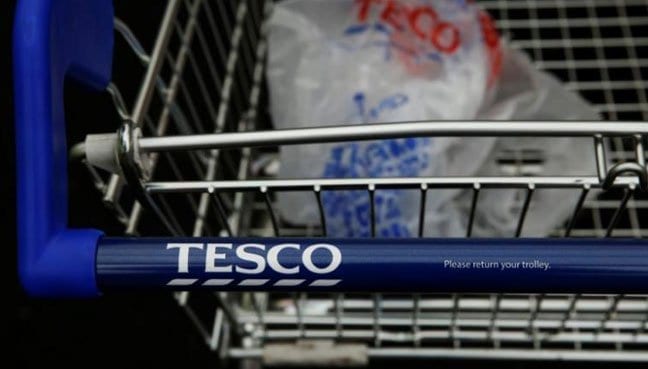
    Tesco is to introduce new safety warning stickers on its trolleys after a social media storm saw it accused of “gender apartheid”.

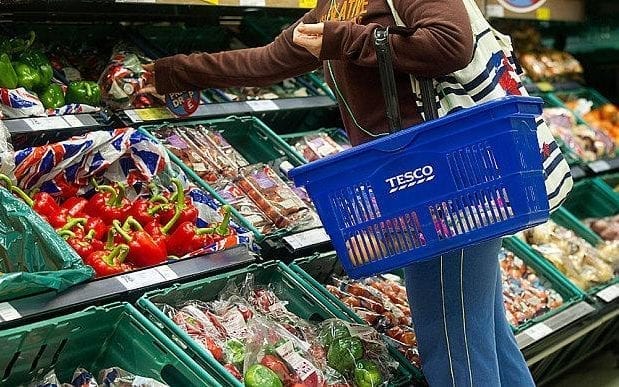
    The warnings feature drawings of a woman and a child demonstrating how to allow children to ride in trolleys safely. A Manchester woman took to social media complaining the warnings were sexist because they featured a woman and child, enhancing social stereotypes that it was a woman’s role to do the shopping.

    Matt O’Connor, from an organisation called Fathers4Justice, went even further, saying: “Tesco needs to stop this gender apartheid”.

    Using a hashtag ‘everyday sexism’, the original complainant Tweeted “Tesco, is it only women who do the food shopping and look after the kids?”

    Samantha Rennie, executive director at equality group the Rosa UK Fund for Women and Girls, told the Manchester Evening News: “It… plays a role in reinforcing stereotypical ideas of the woman being responsible for the weekly food shop.”

    However, newspaper readers took a saner perspective on the issue. An online survey of readers showed 90 per cent did not believe the trolley warnings were sexist, (although it did not disclose the number of votes).

    One local Manchester man Tweeted that the complaint showed “The world’s gone mad”.

    “The [Manchester] woman who complained needs to get a life. It may be a man dressed as a woman.”

    Tesco says it has ordered new warning signs featuring gender neutral characters which will be placed on the next 20,000 new trolleys to be put into service across the UK.

    Discount brand mooted

    Meanwhile, Tesco has not commented on reports it is planning a bare-essentials style grocery chain to tackle German rivals Aldi and Lidl head on.

    The Sunday Times newspaper has reported that Tesco will launch a separate brand where goods are price matched to Aldi and Lidl’s offer, to try to win back customers lost to the German brands over the last decade.

    The stores would likely stock around 3000 SKUs and the brand and store format would be designed to stand apart from Tesco so as not to cannibalise its main brand’s sales. A typical Tesco supermarket stocks up to 30,000 items.

    The discounters are continuing to eat into the market share of Britain’s so-called ‘big four’ chains. In the latest quarterly data published by Retail Gazette, Tesco’s sales rose 2.6 per cent while Aldi and Lidl reported 16.2 and 16.3 per cent increase respectively.
  • Sainsbury’s management ‘playing the long game’

    Sainsbury’s management ‘playing the long game’

    Sainsbury’s management appeared unphased after emerging as the underperforming grocer of the UK top four this quarter. Should investors be worried? In the short term, Sainsbury’s may struggle, but they have solid long term prospects.

    Margins have dropped to 1.9 per cent and like-for-like sales increased by only 1.6 per cent which is poor when it is reportedly passing on inflation of 1.7 per cent. All the other major supermarkets performed above expectations, even the floundering ASDA moved into positive like-for-likes after 12 consecutive quarters of negative growth.

    The theme within the food retail sector has been one of anticipating inflation, moving to offset the impact on margins with cost savings programmes and range manipulation, along with efficiency targets. This has resulted in relatively stable margins for the majority of the grocers, alongside impressive cost reduction, and the best sales growth for five years. Sainsbury’s is therefore the anomaly here.

    This can mean one of two things: Sainsbury’s is struggling more than the other grocers to weather the storm; or Sainsbury’s is less short-term focused than the other grocers and thus playing the long game.

    Muted sales growth and a lack of evidence for the momentum from the first quarter continuing into the second (Q1 like-for-likes were 2.3 per cent and Q2 0.6 per cent) is problematic for Sainsbury’s, and with its positioning as a more premium grocer, consumers trading down in store and to cheaper competitors is more pertinent. However, they are still growing and the poor weather has a strong effect this quarter due to its high proportion of fresh food.

    If we look at the factors eating into Sainsbury’s profit, we can see that it comes from (in order of size) price investment, input cost inflation, and Argos losses (Argos posted a loss in the first-half year, making most of its profit over the festive period). Ignoring Argos losses, the contributors to margin decline are therefore factors which all other supermarkets are experiencing.

    The other grocers implemented strict cost saving programmes and margin targets in the run-up to Brexit. Tesco, for example, expects 3.5-4 per cent operating margin by 2019/20 and is seeking to achieve £1.5 billion of cost savings in its turnaround period. Morrisons is in full transformation mode with a number of efficiency savings still to take advantage of, and Asda is potentially recovering from a dismal three years. However, as much as many of these changes were needed, there is the risk that the other grocers are damaging their prospects in the long term by maintaining momentum in the short term. Lower investment and more short cuts, refurbishment, aggressive consolidation, a lack of development, and focus on cash flow might hamper the chances of long term growth. Short term gains may cause long term pain.

    Sainsbury’s did not suffer to the same extent as the other grocers from the onslaught of the discounters, and thus has less to turnaround from. Therefore, as it survived through one difficult period, we think that its lack of action is actually a tactic. Sainsbury’s is highly focused on adapting to consumer consumption trends – its product innovation and range consolidation is unrivalled, same day delivery is being extended, and space repurposing has been successful with Argos. In addition, in the first half of 2017/18 it chose to absorb much of the cost inflation without offsetting it against efficiency savings, thus dragging on margins, and allegedly this level of investment is unlikely to happen again.

    Fundamentally, Sainsbury’s needs to improve its growth in the third quarter to avoid losing market share, but one bad quarter hasn’t prompted them to “chase unprofitable volume” as Mike Coupe put it. We have confidence that Sainsbury’s is adapting to the consumer the best out of all of the supermarkets, but the problem is that its niche is slightly more upmarket than the others of the big four, and thus in a time of critical uncertainty, without offsetting, margins are going to take a temporary hit.

    Sainsbury’s management know the company is well placed to chase the consumer and develop with demand, and thus we think that this strategy of allowing margin decline (within reason) is actually more of a tactical long term play, than disguising short term panic.

  • Tesco Asia sales slump, profit soars

    Tesco Asia sales slump, profit soars

    Tesco Asia sales plummeted in the last half year – but profit soared by nearly a quarter.

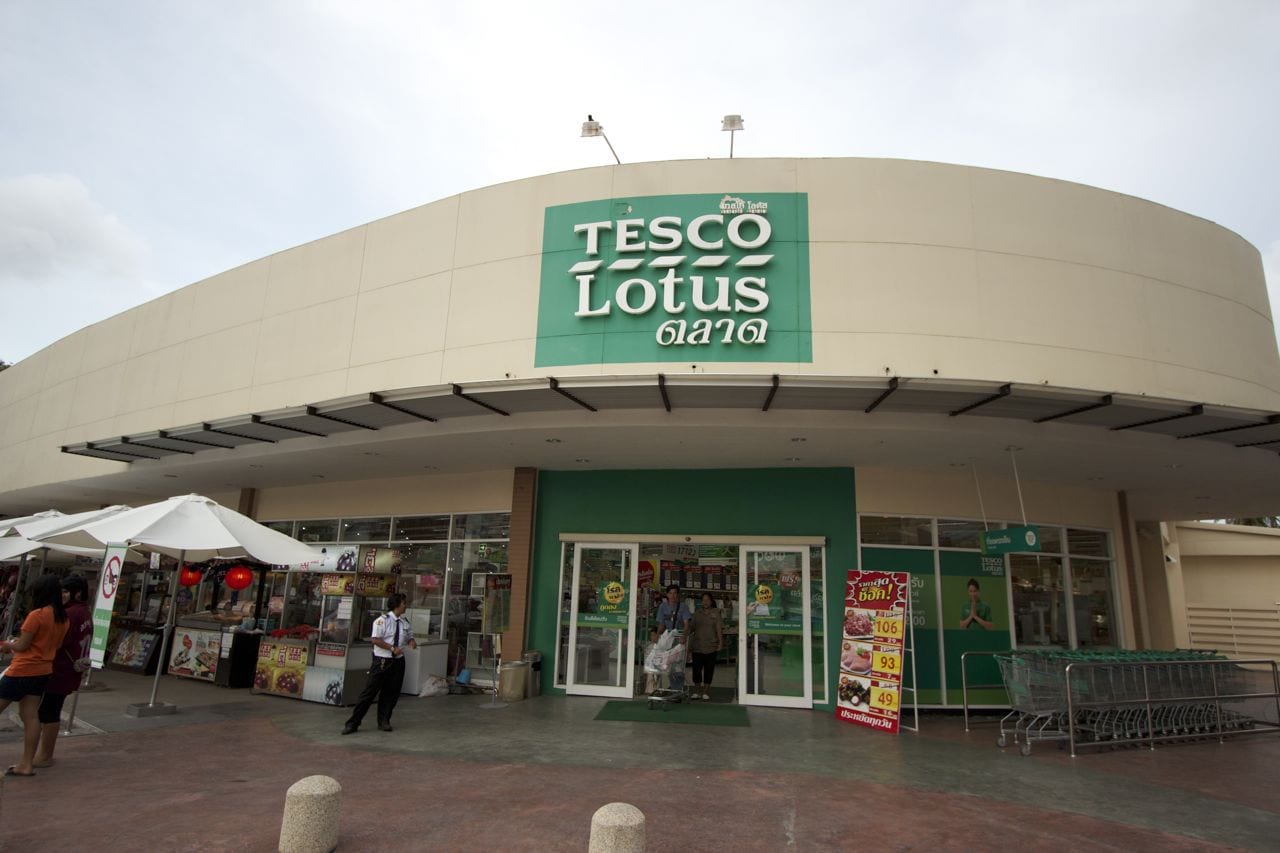
    The UK headquartered supermarket operator, which operates Tesco Lotus in Thailand and Tesco in Malaysia – said in its trading statement that Asian operating profit before exceptional items was £141 million, up 24.8 per cent at constant exchange rates and 39.6 per cent at actual rates.

    “This improvement has been driven by refocusing on our core retail offer and significantly

    reducing the level of short-term promotional coupon activity. Furthermore, we have continued to focus on reducing our cost base as part of the group’s overall cost savings program and to help offset inflationary cost increases in the region.”

    Overall Tesco Asia sales fell by 6 per cent at constant exchange rates, with like-for-like sales falling 8.3 per cent.

    “The sales performance in Asia reflects our decision to withdraw from bulk selling activities in Thailand at the start of the financial year. Before this impact, underlying like-for-like sales in the region were down circa 2 per cent, largely as the result of a reduction in the level of short-term promotional couponing activity and the deflationary impact of lowering our food prices for customers. New store openings contributed 2.3 per cent to sales growth in Asia,” the company said.

    “Strong progress”

    Tesco CEO Dave Lewis hailed “strong progress” for the group as it reported an eightfold rise in overall first-half profits to £562 million and resumed dividend payments after a three-year hiatus.

    “Our offer is more competitive and more customers are shopping at Tesco. Today’s announcement that we are resuming our dividend reflects our confidence that we can build on our strong performance to date,” he said.

    “Market conditions have been challenging with inflationary pressure being felt throughout the half, but we have worked hard with our supplier partners to minimise price increases for customers.

    “Our overall sales inflation in the half was around 1 per cent less than the rest of the market, helping us become even more competitive.”

    However some analysts were a little more cautious in their assessments, suggesting the retail will soon have to raise its prices in the UK.

    Molly Johnson-Jones, senior retail analyst with GlobalData, said Tesco UK could not afford to maintain the 1 per cent inflation gap with its rivals and simultaneously reach its ambitious 3.5 – 4 per cent margin target and £1.5 billion cost savings goal by the 2020 year.

    “Tesco’s ability to maintain its price competitiveness will be challenged by cost inflation, which will continue through to 2019, and shelf-edge inflation, which will reach a peak of 2.9 per cent in the first half of 2019. Using our price tracker, we have seen that Tesco raised its prices circa 2 per cent during the first half, and we estimate that they are, therefore, absorbing about 1 per cent of cost inflation. At the moment, this ability to absorb cost inflation comes from the volume benefits that it has gained from suppliers.

    “We predict that Tesco’s prices will begin to increase towards 2019 as volume benefits from its supplier negotiations start to dissipate.”

  • Tesco whistleblower reveals accounts gap

    Tesco whistleblower reveals accounts gap

    A senior accountant at Tesco has described mounting pressures on managers as the food business under-performed against targets in 2014, telling a London court that his attempts to have the targets revised down fell on deaf ears.

    Amit Soni was giving evidence at the trial of three former senior Tesco executives who are accused of fraud and false accounting in the run-up to a statement by the retail giant in September 2014 that had over-stated its profit forecast by 250 million pounds ($A422 million).

    Christopher Bush, who was managing director of Tesco UK, Carl Rogberg, who was UK finance director, and John Scouler, who was UK food commercial director, have all pleaded not guilty.

    Soni, who is described as a whistleblower by the prosecution, told Southwark Crown Court that his team had produced a series of reports as the financial year 2014/15 unfolded showing a growing gap between actual performance and what the leadership team had budgeted for.

    The projected gap had widened to 240 million pounds by August, he said.

    Accounting teams had been instructed to “pull forward” future income from suppliers by booking it in advance, a practice which one of his reports noted would not pass muster with auditors. The effect was to mask the growing accounting gap in the short-term, but his view was that it would cause problems further down the line.

    Soni told the court that one of his senior colleagues had told him during a private conversation that this had been going on for too long and he “did not want to go to jail for this”. That colleague is due to give evidence later in the trial.

    Soni said Tesco was under intense pressure at the time from competing retailers, especially discounters, and morale was low. He described “constant reviews and innumerable discussions on how Tesco had to do better”.

    Soni said an announcement by the company in July that chief executive Phil Clarke would be replaced by Dave Lewis had given him hope that the situation might improve.

    Soni is due to continue giving evidence for several days.

  • Heads of Ikea and Tesco to headline Shoptalk Europe

    Heads of Ikea and Tesco to headline Shoptalk Europe

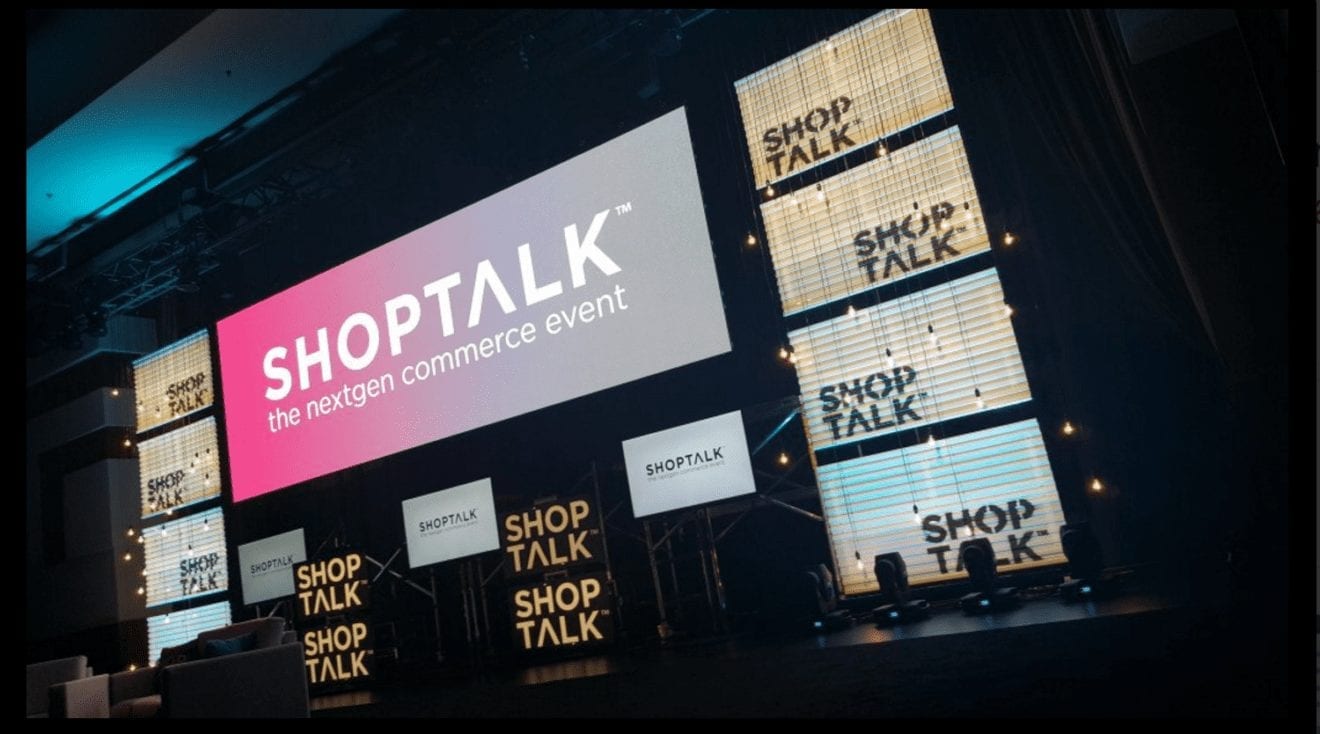
    International retail leaders will be gathering in Denmark next month for Shoptalk Europe.

    They will be discussing such topics as e-commerce trends, supply-chain challenges and augmented reality.

    A range of retail leaders will be guest speakers including Alibaba GM for Europe Terry von Bibra, Amazon Prime head Mariangela Marseglia, Dollar Shave Club CEO/founder Michael Dubin, Estee Lauder executive chairman William Lauder, Farfetch chief strategy officer Stephanie Phair, Harrods MD Michael Ward, Ikea Switzerland CEO Simona Scarpaleggia, Tesco online MD Adrian Lettes and Westfield co-CEO Steven Lowy.

    At Copenhagen’s Bella Center from October 8 to 11, Shoptalk Europe offers more than 100 events including presentations, keynotes, roundtable discussions and networking opportunities. It has a line-up of 200 speakers and is expected to attract more than 2000 delegates.

    “By changing the conversation and building a new community focused on innovation, Shoptalk Europe presents a unique, large-scale opportunity for the retail and e-commerce ecosystem to learn, collaborate and drive the future of commerce in Europe,” says Shoptalk Europe founder/chairman Anil Aggarwal.

    The event is a spin-off from Shoptalk USA, which will next be held at the Venetian in Las Vegas from March 18 to 21.

    Tickets for Shoptalk Europe are available online.

  • Central Pattana forms JV with Tesco

    Central Pattana forms JV with Tesco

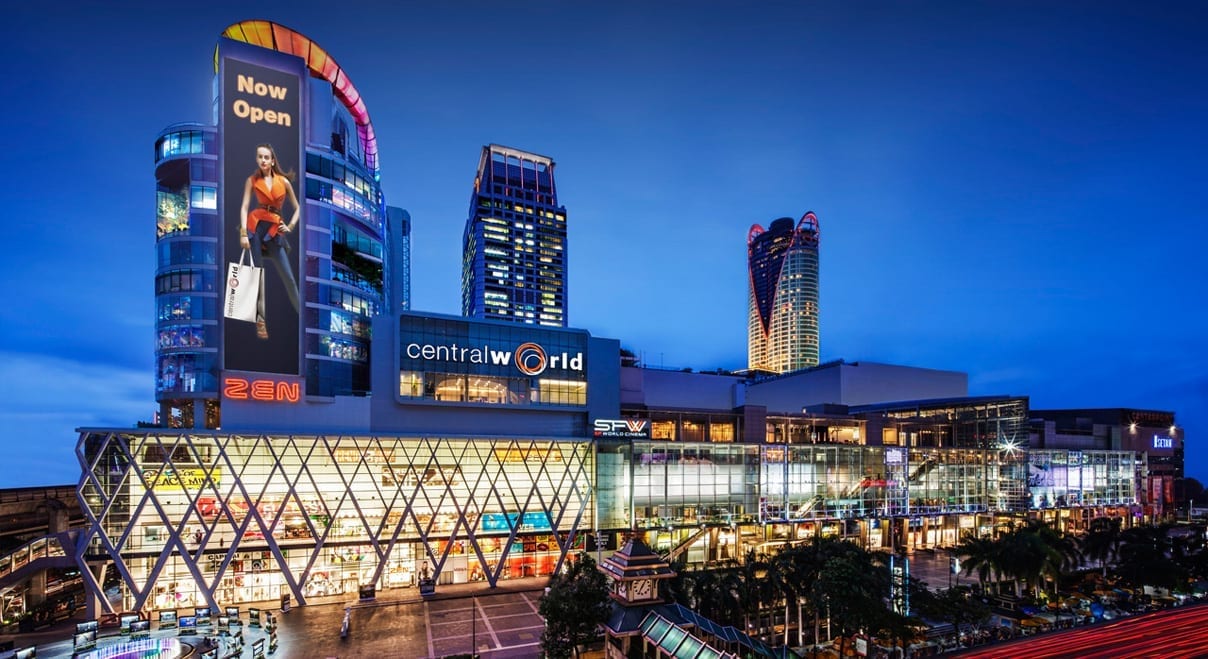
    Retail property developer Central Pattana (CPN) has set up a JV with British retail giant Tesco to co-develop property in the Thai market.

    The  Central Group subsidiary has told the Stock Exchange of Thailand (SET) that the new company, Synergistic Property Development, will support business expansion. It has registered capital of THB100,000 (US$3000) with ordinary share capital of 1000 shares at a par value of THB100 each.

    CPN holds a 50 per cent stake in the JV company while the other 50 per cent belongs to Ek-Chai Distribution System, which runs Tesco Lotus hypermarkets in Thailand.

    Details of the business model to be developed under the new company are under study, says CPN executive VP for marketing Nattakit Tangpoonsinthana.

  • Tesco Lotus plans marketing push to bolster sluggish sales

    Tesco Lotus plans marketing push to bolster sluggish sales

    Tesco Lotus plans a major marketing push for the remainder of this year as it tries to boost sluggish sales.

    A core plank of the plan is a four-day Tesco Lotus Expo to be held at Impact Muang Thong Thani from November 9-12, the first time the retailer has sold products outside its store network.

    Chief commercial officer of Tesco Lotus parent Ek-Chai Distribution System, Sompong Rungnirattisai, says cautious spending by Thais in the first half of the year had seen the frequency of visits decline from an average of twice a month to monthly. The average check has dropped “sharply” he told the Bangkok Post, especially in the provinces where farmers were experiencing lower returns.

    But he is confident shopper sentiment will improve in coming months with the advent of the festive season.

    The Tesco Lotus Expo will feature manufacturers and producers ranging from multinational companies to One Tambon Product vendors, supplying goods from foods through to apparel and appliances. The company hopes to attract 150,000 shoppers.

    Meanwhile, Tesco Lotus will roll out price discounts across its 1900 stores nationwide, in all formats, including online.

  • Tesco same day delivery plan ‘a defensive measure’

    Tesco same day delivery plan ‘a defensive measure’

    The Tesco same day delivery plan announced this week is partly a logical improvement to its existing online services and partly a defensive measure against the potential rise of Amazon in the UK.

    In a cutthroat market where grocers are vying for share, Tesco’s move will likely be followed by other players and will, ultimately, give shoppers much more flexibility.

    While the barriers for Amazon will be higher in the UK, they will not deter the behemoth from its grocery ambitions. Amazon typically takes a long-term view and will continue to invest in growing its UK grocery business. It will be assured by its systems and logistics capability, which will prove to be an advantage as it scales up.

    However, today’s announcement by Tesco makes it even more likely that Amazon will, over the medium term, look to make an acquisition in the UK grocery market. While this is unlikely to be one of the larger players, an operator like Ocado would give Amazon the scale and flexibility it needs to offer a sustainable UK wide online grocery service.

    Although Tesco now has first-mover advantage on same-day grocery delivery, the long-term implications are not necessarily so rosy. Margins in online grocery remain wafer thin, and while consumers will pay a premium for same-day service, they will not bear the full cost. As such, as other players increase flexibility in deliveries and as delivery prices come under further pressure, the move could ultimately be dilutive to profits.

  • Tesco aims to boost online sales

    Tesco aims to boost online sales

    Ek-Chai Distribution System Co, the operator of Tesco Lotus hypermarkets, has outlined strategies to serve omnichannel shoppers better.

    Due to the growth of mobile internet usage in Thailand, the boundaries between offline and online worlds are become increasingly blurry.

    Customer behaviours have shifted towards omnichannel shopping, where they receive information, converse with brands, do their research and finally shop both in brick-and-mortar stores and online, interchangeably, according to Mark Roughley, the company’s online director.

    Internet penetration in Thailand in 2017 grew to 67% from 56% in January 2016. Nearly 45 million Thais now access the internet on their mobile phones.

    Due to these trends, the customer journey has changed tremendously, and the new retail ecosystem now involves several parties and providers to facilitate the new customer journey and offer more choice, Mr Roughley said.

    “We have been witnessing an increasing number of omnichannel customers,” he said. “We know that convenience is key for these customers. And we also know that mobile and innovation is the secret to attracting and connecting with omnichannel customers.”

    To cope with this trend, the company continues to enhance its shopping fulfilment by extending more choices in terms of product delivery and shopping platforms.

    The customer journey has changed rapidly. The new retail ecosystem is much more sophisticated than the old one, which had only three or four key players, namely product manufacturers, distributors, retailers and customers.

    But the new retail ecosystem involves several parties and providers facilitating the new customer journey, from logistics providers to payment providers and price comparison platforms.

    “We plan to enhance our services for customers in this new retail environment,” Mr Roughley said. “For example, the company has partnered with Happy Fresh to deliver fresh food to customers in their homes within one hour, or they can choose Tesco’s delivery.”

    The retailer has also set a more comprehensive plan geared towards the e-payment system, in line with the government’s national e-payment scheme.

    Mr Roughley said Tesco Lotus will focus on providing e-payment channels for customers. The retailer is considering setting its own e-payment system or using those of partners it would recruit.

    The launch of the government’s national e-payment system will propel the country’s e-commerce industry and online shopping business. And the company can see that more customers are aware of e-payment.

    To prepare for the growing trend, Tesco Lotus is working with payment providers such as Rabbit Line Pay to facilitate mobile payments. The retailer’s e-payment module is expected to start sometime by the end of this year or early next year.

    This will support the online business of Tesco Lotus, currently a small portion of total sales. Mr Roughley declined to reveal the sales figures for Tesco, one of Thailand’s leading retailers operating 1,900 branches in all formats, including Tesco Express.

    “Online shopping in Thailand grew faster than our network in several countries worldwide,” he said. “We are seeing very strong double-digit growth in our online business since offering it in the past five years, and the growth will be stronger this year.”

  • Tesco pulls plug on Thailand bulk business as UK sales grow

    Tesco pulls plug on Thailand bulk business as UK sales grow

    Tesco has shut down a “bulk selling” operation in Thailand after concluding it could not make a profit. The decision to walk away from nearly 6 per cent of Asian revenue contributed to a 3 per cent decline in like-for-like sales at Tesco’s international business, taking the gloss off a sixth consecutive quarter of growth driven by price rises and volume growth in the UK.

    Dave Lewis, chief executive, said the shuttered Thai unit served independent merchants rather than individual consumers, and sold “large volumes of mainly tobacco and alcohol”.

    He added: “It’s not profitable and it adds complexity to the way we run the operation. We took a decision to exit that segment in order that we could focus on direct retail customers.”

    The supermarket chain is trying to extend its lead in UK convenience retailing with the £3.7bn takeover of food wholesaler Booker Group, announced in January.

    Booker serves independent merchants rather than retail consumers and derives 30 per cent of its revenue from bulk tobacco sales. The acquisition has drawn criticism from two large shareholders and prompted the chain’s senior non-executive director to quit in protest. Richard Cousins, who left after just two years on the board, complained that Tesco “need[s] to make the business simpler, not more complex”.

  • Tesco Thailand growth stalls

    Tesco Thailand growth stalls

    Tesco Thailand like-for-like sales are growing “strongly” according to the UK parent’s preliminary results released Thursday.

    Asian commentary took up a very small part of the larger company’s announcement, however the figures showed a dramatic slowdown in sales growth during the second half of the year to February 25, compared with the first half.

    Combined Thailand and Malaysian sales rose 3.3 per cent and 3 per cent respectively in the first two quarters, but plunged to a growth of just 0.4 per cent and 0.5 per cent in the third and fourth quarters. Third quarter sales were affected by Thais mourning the passing of the King in October together with a flat economy in Malaysia. The quarters also compared against strong growth period the preceding year.

    By half-year, Asian sales grew by 3.2 per cent and 0.4 per cent, giving a full-year growth rate of 1.8 per cent.

    Of Thailand, Tesco CEO David Lewis said like-for-like sales grew strongly in Thailand as the company invested in both lowering prices and improving its fresh food proposition.

    “We grew market share and were pleased to retain our number one position for customers for brand and trust,” he said.

    In Malaysia, Tesco’s top-line sales growth was held back by weak consumer spending across the market and a trend away from large stores towards convenience shopping, where the retailer is currently under-represented.

    Total international sales grew by 2.1 per cent at constant exchange rates, including a 0.8 per cent new-store contribution driven by store openings in Thailand which more than offset the impact of store closures, primarily in Europe.

    “International sales growth weakened in the second half due to an increasingly competitive environment in Europe, particularly Poland, and as we annualised a strong performance last year in Asia.”

    Global success

    Tesco’s global group sales rose 4.3 per cent to £49.9 billion, while in the UK like-for-like sales rose 0.9 per cent – the first reported full-year growth since 2009/10.

    The company ended the year with net debt of £3.7 billion, down 27 per cent after £1.9 billion of debt was repaid during the year.

    Lewis says the company is well on track with its reformation program.

    “We are ahead of where we expected to be at this stage, having made good progress on all six of the strategic drivers we shared in October. We are confident that we can build on this strong performance in the year ahead, making further progress towards our medium-term ambitions.

    “Today, our prices are lower, our range is simpler and our service and availability have never been better. Our exclusive fresh food brands have strengthened our value proposition and our food quality perception is at its highest level for five years. At the same time, we have increased profits, generated more cash and significantly reduced debt,” Lewis concluded.

  • Amazon India proposes $500m food venture

    Amazon India proposes $500m food venture

    Amazon India has applied to the government to invest US$500 million in a wholly owned venture that will allow the US eCommerce giant to stock locally produced food items and sell them online.

    If successful, it would become the first foreign retailer to enter the segment.

    Amazon already has an eCommerce marketplace in India, but while 100 per cent overseas capital is permitted for such platforms, they cannot sell products of their own. Last year, the government allowed for 100 per cent foreign investment in the retailing of processed foods made in India.

    Amazon has filed its application with the Department of Industrial Policy & Promotion (DIPP), which handles foreign investment in retailing and e­Commerce. The company plans to invest $500 million over five years and could start selling locally produced food items within six months of obtaining approval, says an insider.

    “We are excited by the government’s continued efforts to encourage foreign direct investment in India for a stronger food-supply chain,” says an Amazon spokesperson. “We have sought an approval to invest and partner with the government in achieving this vision.”

    Only Indian grocery delivery companies Big­Basket and Grofers have applied under
    the category, prompting the government to invite companies including CP Foods (Thailand), Heinz, Nestle and Walmart to provide feedback and investment plans.

    This followed the minister for food-processing industries Harsimrat Kaur Badal visiting London with a team of officials last year to meet representatives of such companies as Cobra Beer, Harrods, Marks & Spencer, Sainsbury’s and Tesco to drum up support for the policy.

    Amazon’s current online platform is open to Indian-­owned entities, and similar platforms are run by Flipkart, the country’s largest eCommerce company, and Snapdeal.

  • Resurgent Tesco surprises with $4.6 billion swoop for wholesaler Booker

    Resurgent Tesco surprises with $4.6 billion swoop for wholesaler Booker

    Britain’s biggest retailer Tesco has agreed to buy leading wholesaler Booker for 3.7 billion pounds, reasserting its dominance in food with a bold move into the faster-growing catering market.

    Tesco’s planned takeover of Booker shows the supermarket chain’s renewed confidence after two years of gradual recovery under Chief Executive Dave Lewis following an accounting scandal.

    The group also said on Friday it would restart paying dividends for the 2017-18 financial year, having not paid one to investors since the second half of its 2014-15 year when it was mired in crisis.

    Lewis joined in September 2014 when Tesco was rapidly losing market share and then had to deal with the accounting scandal. He has simplified the group’s operations, focusing on revitalising its core grocery business in Britain, while cutting costs and selling assets both at home and overseas.

    Friday’s move marked a dramatic return to acquisition mode and signals an increased focus on its British business where it has a 28 percent share of the grocery market.

    “It’s the next evolution of our strategy…We think it’s the right time,” Lewis told reporters.

    In a joint statement Tesco and Booker said that together the pair would be able to address more of Britain’s growing food market. Some analysts said the deal would face hurdles from Britain’s competition regulators.

    Lewis also said that non-executive director Richard Cousins, who resigned on Jan. 3, did not support the deal.

    “The Tesco of old is back,” said John Ibbotson of Retail Vision. “This is an extremely bold move and demonstrates an intent and sense of purpose that have been missing for the best part of a decade.”

    By adding Booker, Tesco will gain exposure to supplying Britain’s cafe, restaurant and pub trade, which is growing faster than the eat at home market served by its stores. Booker supplies 450,000 catering outlets including chains such as Wagamama and Carluccio’s.

    Booker owns about 200 cash and carry warehouses in the UK and supplies the Budgens, Londis and Family Shopper grocery chains, which are run as franchise operations.

    “This merger with Booker will further enhance Tesco’s growth prospects by creating the UK’s leading food business with combined expertise in retail, wholesale, supply chain and digital,” said Lewis.

    Shares in Tesco traded up 8.7 percent at 205.5 pence, and Booker had risen 16 percent to 212.7 pence at 1105 GMT.

    Competition Issues?

    Tesco and Booker said the deal would lead to synergies of at least 200 million pounds within three years and would boost earnings per share in the second full year of the deal.

    However, analysts said the deal could face close regulatory scrutiny.

    “Our instant reaction is that the Competition and Markets Authority will have a field day with this,” said independent retail analyst Nick Bubb, noting that Tesco owns the One Stop chain that competes with Booker’s interest in convenience store retailing.

    However, Lewis and Booker CEO Charles Wilson, who owns about 6 percent of Booker’s equity, disagreed, saying their legal advice had indicated a “compelling story” to gain regulatory approval.

    “As a retailer and a wholesaler coming together, this is not an acquisition of stores … independent retailers get a better deal here than perhaps they do on a standalone basis,” Lewis told reporters.

    “We think this is pro-competition,” said Wilson, pointing to price, choice and service benefits for Booker’s customers, be they retailers or caterers.

    Terms

    Under the terms of the deal each Booker shareholder will receive 0.861 new Tesco shares and 42.6 pence in cash.

    Based on Tesco’s closing share price on Thursday of 189 pence the deal represents a value of 205.3 pence per Booker share – a premium of about 12 percent on its Thursday close.

    The deal will result in Booker shareholders owning approximately 16 percent of the combined group.

    On completion Wilson and Booker chairman Stewart Gilliland will join the combined group’s board.

    Lewis said he thought the deal would complete in late 2017 or early 2018.

    Greenhill acted as lead financial adviser to Tesco while Barclays and Citi also worked on the deal as financial advisers and corporate brokers on behalf of Tesco. JPMorgan was sole adviser to Booker.

  • No-grow period for Tesco Asia

    No-grow period for Tesco Asia

    Tesco Asia’s sales growth stalled in the third quarter as Thais stopped spending during the mourning period for their late king.

    First quarter growth was 3.3 per cent and second quarter growth 3 per cent. But during the third quarter, according to results released it shrank to an underwhelming 0.4 per cent.

    Tesco CEO David Lewis said the slowdown reflected “a particularly strong step up in the comparative” period. “Our sales performance in Asia also reflects some weakening in consumer spending in Thailand during the Christmas period. We are proud that our colleagues have continued to serve our customers so well during such a sad time for the nation, following the death of King Bhumibol Adulyadej.”

    International like-for-like sales grew 1.2 per cent reflecting a strong seasonal performance last year. While there was little sales growth in Thailand, Lewis says the company managed to expand its market share there during the quarter.

    Globally, the UK-headquartered retailer continues to improve under Lewis’ stewardship with the company winning back market share and sales growth returning. UK like-for-like sales grew 1.8 per cent.

    “We are very encouraged by the sustained strong progress that we are making across the group. In the UK, we saw our eighth consecutive quarter of volume growth and delivered a third successful Christmas.

    Our fresh food ranges proved particularly popular, outperforming the market with great quality, innovative new products and even more affordable prices. Internationally, we have continued to focus on improving our offer for customers in challenging market conditions,” he said in a statement.

    “We are well-placed against the plans we shared in October to become more competitive for customers, simpler for colleagues, and an even better partner for our suppliers, whilst creating long-term value for our shareholders.”

    David Alexander, senior analyst with Verdict Retail, says Lewis’ pragmatic approach to steering the Tesco ship out of choppy waters looks more assured with each passing update.

    ‘The numbers from third quarter and Christmas trading are hardly spectacular, but they represent a further positive step in the steady progress the ex-Unilever boss has made since taking charge.”

    Alexander says simplifying the offer has been at the heart of Tesco’s turnaround strategy.

    “On a broader level, this has resulted in the dismantling of the Phil Clarke legacy; trimming the fat from Tesco’s balance sheet with the sales of Giraffe, Blinkbox, Euphorium and HomePlus. At its heart though, it is about delivering an improved experience for the people that can make the difference for Tesco: staff and customers. Poor product availability and customer service had been issues plaguing the troubled Tesco of old, so store ordering systems have been improved, stock is now replenished earlier on in the day and deliveries to large stores are now more likely to arrive on time. What’s more, this year Tesco recruited an extra 15,000 seasonal staff to assist over the Christmas period, up from 4000 last year, making for a smoother process for customers in-store.”

    Alexander says while these changes are not revolutionary, they have been critical in reshaping Tesco.

    “Time and again, Lewis has displayed an unflinching willingness to make the tough calls – witness the highly public standoff with Unilever over supplier pricing in the wake of the weaker pound and the recent announcement that 1000 staff are to be made redundant in its distribution network, again to “run its business more simply and in a way that best serves customers”.”

    Although the numbers coming from both Tesco and rival Sainsbury’s are left in the shade by the festive performances of Aldi, Lidl and a resurgent Morrisons, both can take considerable heart from what appears to have been a very strong end to the year in grocery, believes Alexander.

    “With tougher times predicted to be just around the corner, Tesco cannot afford to take its foot off the pedal.”

  • Tesco Thailand ‘not for sale’

    Tesco Thailand ‘not for sale’

    Tesco Thailand is not for sale, the parent company’s CEO Dave Lewis has committed during a visit to Bangkok. “I’m here to look at the expansion plans.”

    After Tesco UK sold off its Malaysian subsidiary in 2015 and its Turkish operation earlier this year, there was considerable speculation the Thai operation may also be divested as the embattled retailer repaid mounting debts and restored its balance sheet.

    But in recent quarters the company has reported improving sales and margins and the Tesco Lotus operation in Thailand – which now boasts 1800 outlets ranging from hypermarkets to convenience stores – performs strongly in the group’s remaining portfolio covering 11 markets.

    Lewis, on a visit to Thailand, says the company now plans to increase its investment in the country during the next few years and sees growing opportunities there.

    “What you will see over the next three to five years is continued investment,” Lewis said in an interview. “If anything, we have an opportunity to invest more now than in the past.”

    He categorically denied the chain may be sold.

    “I want to be very clear – our commitment to Southeast Asia, our commitment to Thailand is absolute and not changing. The business is not for sale.”

    Lewis said that Tesco wants to expand its store formats to serve as marketplaces for small businesses and communities.

    “If you look at the history of Tesco, this is how we built our business in the UK,” he said. “Our relationships with suppliers go back 50, 60, 70 years. They have grown as we have grown. So one of the things that we think we can do well is incubate and grow businesses.”