Retail News CRM

Tag: tesco

  • Silver consumers driving convenience push

    Silver consumers driving convenience push

    Look for more, but smaller, neighborhood stores, an increase in local delivery trucks and changing store layouts as retailers accommodate aging populations, says The Silver Series IV: Retail Reconfiguration for Seniors.

    The report is the latest in a series of analyses from Fung Global Retail & Technology on the impact of the growing 65-and-over population  – silver consumers – on global economies, industries and retail.

    With smaller households and appetites, seniors shop more frequently, but make smaller purchases, favoring the convenience store sector, the report says. The trend is already being seen in Europe, where large-format retailers such as Tesco and Carrefour are opening smaller stores. While this has yet to take place in the US, ignoring this population segment is unwise, as silvers are growing in number and driving a disproportionate amount of consumer spending.

    “The era of the silver generation has arrived,” writes Deborah Weinswig, MD of Fung Global Retail & Technology.

    The global population silver consumers – aged 65 and older – will account for over one-third of population growth through 2035, according to the United Nations, and will comprise more than 20 per cent of the population overall in Japan, South Korea, Western Europe, North America and China. These households tend to be wealthier, and in the US, senior households spend well above the national average on household supplies and books, though less on apparel and footwear, which could be due to limited choice.

    Long thought to be the province of the young and tech savvy, eCommerce also is a growth market for seniors, who will enjoy or require the convenience of home delivery.

    Not all stores and product manufacturers are accommodating silvers’ changing needs. Seniors can find large-format stores and regional malls overwhelming, and product packaging may need to be redesigned in order to make it easier for seniors to read and open, Weinswig notes.

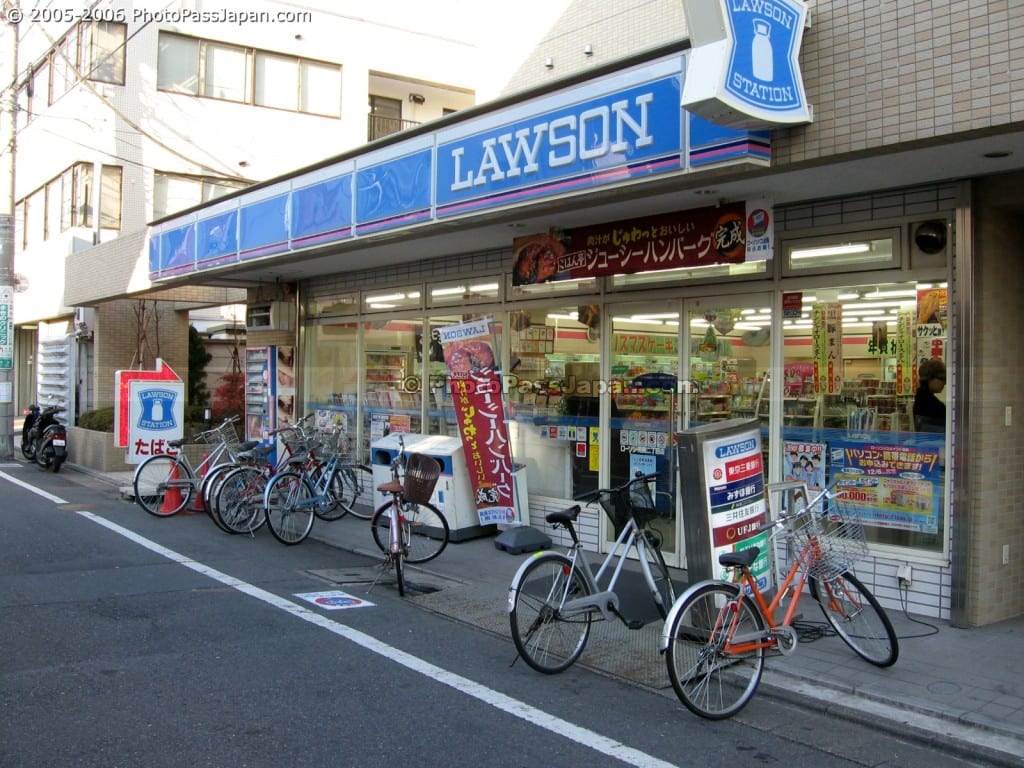
    But some retailers around the globe are adapting. Japan’s Lawson convenience store chain has renovated units in areas with a high concentration of silvers, widening aisles, lowering shelves and stocking more products that appeal to older shoppers. The 7-Eleven chain in Japan offers a meal delivery service to seniors, while the Aeon Mall offers medical facilities, leisure activities, a concierge and other services for its senior shoppers. Supermarket chains in Germany and Austria have widened aisles, provided customised shopping carts and added nonskid flooring, while in the US, drugstores CVS and Walgreens are adapting store layouts to minimise high- and low-shelving, and have carpeted floors in some stores and even added magnifying lenses to shelves so shoppers can read labels with small print more easily.

    “It is no coincidence that Japan, which is well ahead of most countries in terms of the aging of its population, has a major convenience store sector,” Weinswig writes. “We are now seeing other markets follow Japan in a convenience boom: in France and the UK, for instance, major retailers are pushing into the format as the segment outpaces the wider grocery market.”

    The full report can be found here.

  • Thailand retail growth predicted at 6%

    Thailand retail growth predicted at 6%

    Thailand’s retail market is expected to grow at a compound annual growth rate (CAGR) of more than 6 per cent from now until 2020.

    This was revealed in the latest market study by global technology research and advisory company Technavio.

    Its research report, Thailand Retail Market 2016-2020, offers an analysis of the market in terms of revenue and emerging trends, as well as forecasts for six major product segments – grocery, apparel and footwear, beauty and personal care, personal accessories, home and garden, and consumer electronics.

    Grocery

    Valued at US$103 billion last year, the grocery market in Thailand is forecast to reach $145 billion by 2020, growing at a CAGR of 6.92 per cent. The segment is largely driven by the modern retail sector, while increasing urbanisation and changing consumer lifestyles are playing a significant role in the market’s development.

    Supermarkets and convenience stores have shown the fastest year-on-year growth rates with 9.5 and 10.5 per cent respectively last year.

    “Even though hypermarkets offer attractive prices, consumers are increasingly preferring supermarkets for the convenience factor and the availability of a wide product range,” says Technavio lead retail goods expert Poonam Saini. “Unlike supermarkets, which are in urban zones, hypermarkets are generally in bordering areas, catering almost exclusively to nearby consumers.”

    Apparel and footwear

    The second-largest market segment last year, apparel and footwear is expected to reach $9.19 billion by 2020, growing at a CAGR of more than 3 per cent.

    Several foreign companies are competing with local companies in the segment, says the report. International brands have fair penetration rates, offering stylish designs and a wide product range through modern retail stores. Local brands have also been successful with their long-established presence along with customer loyalty and trust.

    “The popularity of the online channel is growing, and players are actively using social media sites such as Facebook and Instagram for promotional campaigns and marketing activities,” says Poonam.

    “Websites such as Zalora.com are becoming popular for apparel and footwear products, as these sites offer promotions and discounts.”

    Beauty and personal care

    One of the fastest-growing segments, beauty and personal care (BPC) is having more than 3 per cent CAGR and is expected to reach $5.53 billion by 2020. A continuous exposure to western beauty and grooming trends has helped maintain the growth of the market over the past few years.

    International BPC companies have a nearly 50 per cent share of the market, with comprehensive product portfolios and innovative products. Thai retailers are expanding and attracting new consumers, says the report, citing cosmetics brand Sephora, which opened two new stores in 2014 after entering the market late the previous year.

    Top vendors

    Technavio’s research analysts name five top vendors for Thailand in the report.

    Topping the list are supermarket Big C and retail conglomerate Central Group. Then follow CP All, which has a chain of 7-Eleven stores, and homewares stores Global House and Home.

    Other prominent vendors in the market are Adidas, Aeon, Isetan Mitsukoshi Holdings, Lazada, Nike, Sephora, Seven & I Holdings, Tesco, The Mall Group and WearYouWant.

    Technavio develops more than 2000 reports every year, covering more than 500 technologies across 80 countries. It has about 300 analysts globally.

  • Ambitious online plan for Tesco Thailand

    Ambitious online plan for Tesco Thailand

    Tesco Thailand aims to double its online shopping sales annually for the next three to five years.

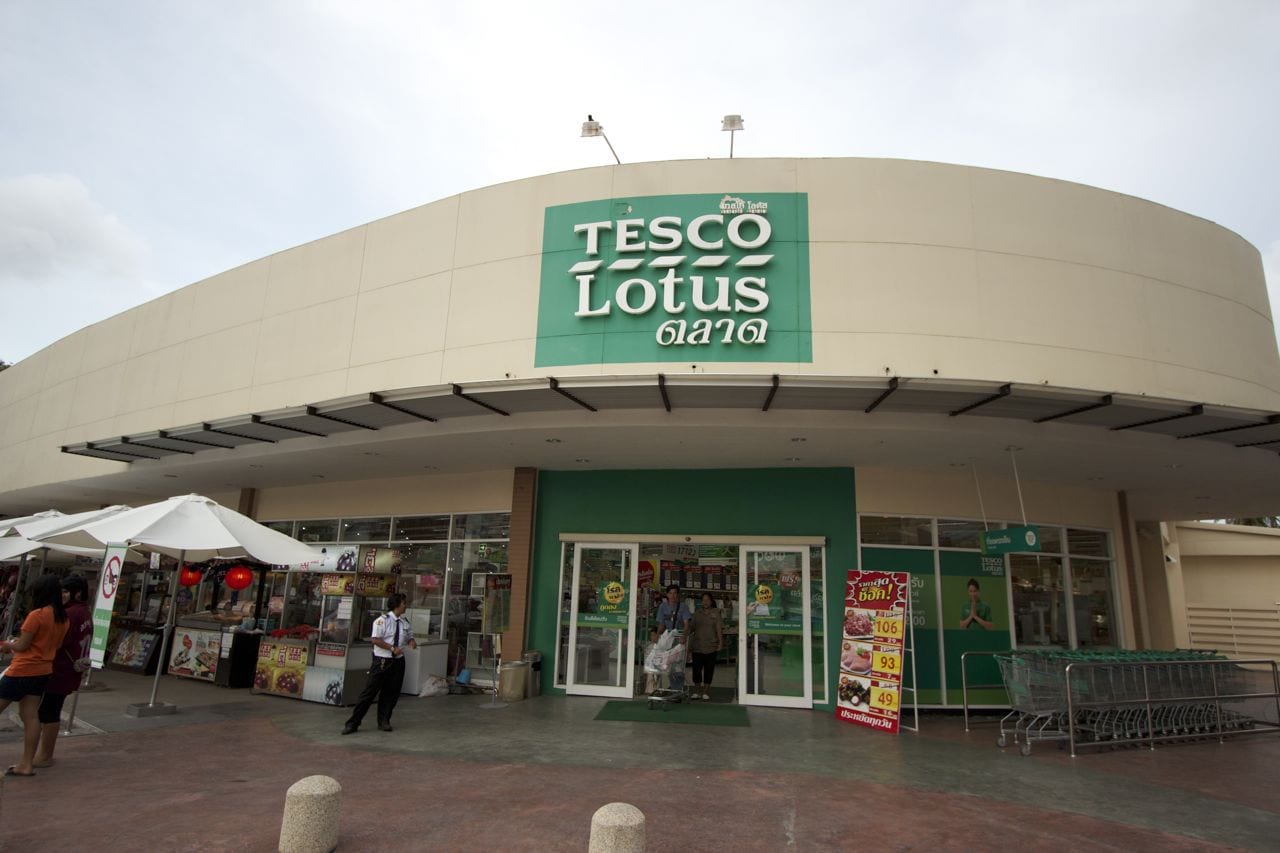
    Local digital and online business director for the UK-owned Tesco Lotus business, Wanna Swuddigul, told The Nation newspaper Thai shoppers are looking for instant access to product information and to be able to buy while they browse. The company’s eCommerce site is especially popular in Bangkok and larger Thai regional cities. More than three in four shoppers are female.

    “The largest age groups are 25-44 years old. Most online customers are mid- to up-market customers,”Swuddigul said.

    “As demand tends to come from customers living in urban areas, Tesco Lotus has recently introduced a new delivery service at lockers located at 48 condominiums along the BTS and MRT lines, in prime residential neighbourhoods such as Sukhumvit, Sathorn, Ratchada, Phayathai and Phaholyothin,” she said.

    Tesco Lotus launched an online store in 2012, claiming to be the first major Thai retailer to do so.

    Besides its own store, Tesco Lotus offers more than 9000 items on the Lazada online mall.

    Tesco Lotus uses big data to carefully monitor changing customer preferences for products and service expectations so as to constantly update the range online.

    “By constantly listening to what our customers want and need, we innovate services and solutions that address their pain points,” she told The Nation.

    “We aim at least to double the growth of our online sales and order numbers every year, as we have done since the launch of our online business in 2012.”

    The best-selling categories online are cold beverages, household chemicals and cooking needs, such as seasonings.

  • Tesco Lotus speeds expansion

    Tesco Lotus speeds expansion

    Thai retail chain Tesco Lotus plans to continue expanding with at least 65 new stores this year, despite the market being sluggish.

    “We saw a small improvement in the market in terms of local consumption, but we are optimistic the Thai market is still promising as it is the second-largest unit outside the UK,” CEO John Christie said in an interview with The Nation.

    He says the company will also work on enhancing the customer shopping experience and improving online outlets.

    Tesco Lotus opened 65 stores last year, and is looking for opportunity in medium-size provinces new to the brand. Smaller stores will be opened in Bangkok, while large ones will be opened in the provinces, and the company aims to employ at least 3000 more staff.

    Eighteen stores will be renovated, aiming to enhance the shopping experience particularly for children and family groups. The company hopes it will have more visitors than last year’s 15 million, which was 2 million more than the previous year.

    Also, Tesco Lotus plans to continue developing its online shopping platform with its partners this year.

    “We are now offering more than 8000 non-food products via Lazada,” said Christie. These include electronic devices, and beauty and healthcare products.

    And in co-operation with government agencies and local communities, the company plans to launch 22 Pracha Rath projects across Thailand so it can buy more farm products. It is planning 150,000 tonnes in purchases this year, up from 100,000 tonnes last year.

    There are 12 communities in the Pracha Rath scheme, which aims to promote the development of innovative products, human resources, and research and development in 10 business sectors, including logistics, food processing and innovative agriculture.

  • Tesco result improved significantly

    Tesco result improved significantly

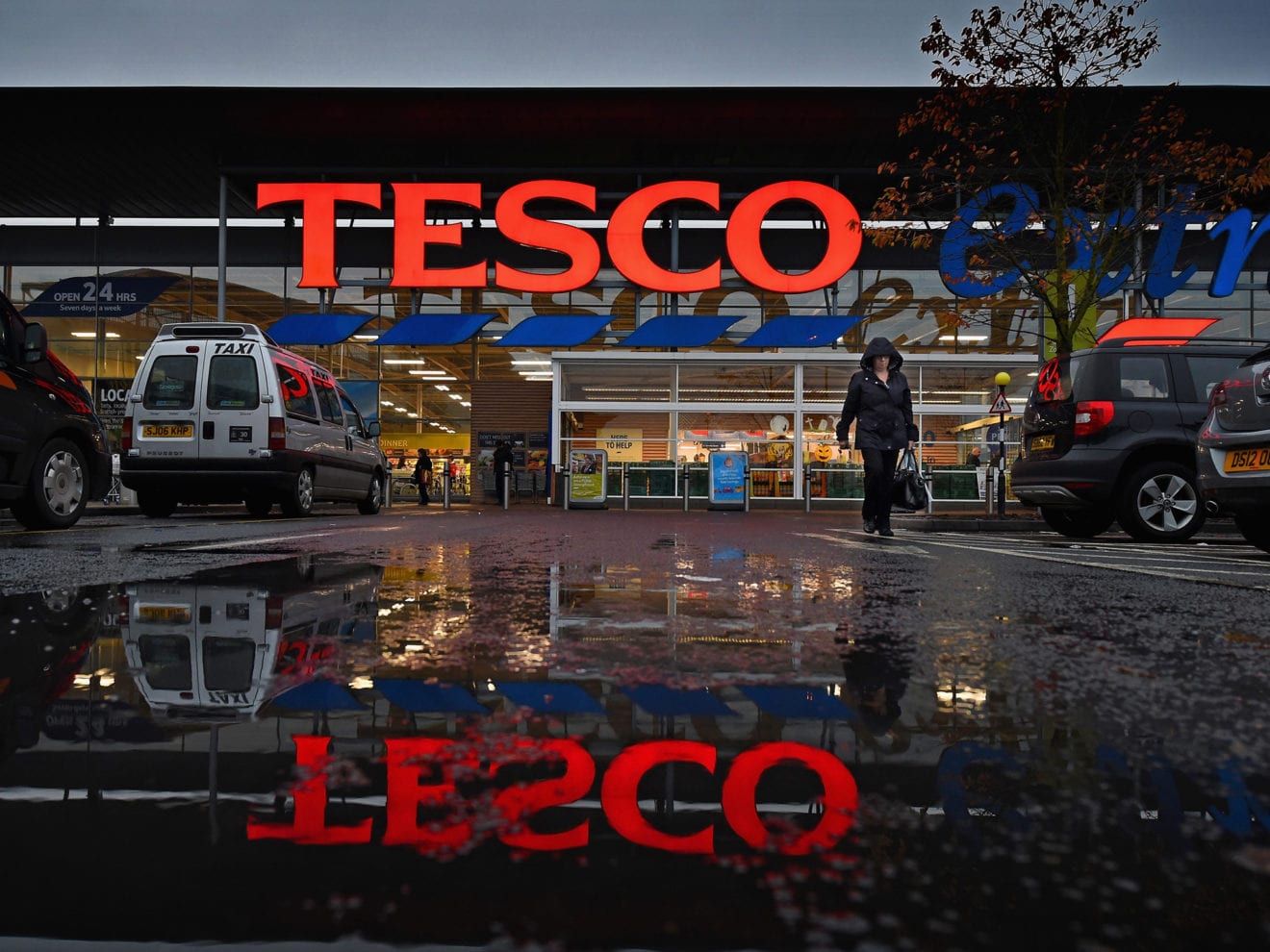
    Tesco’s statutory profit before tax improved from a £6.3 billion loss last year back into positive territory of £162 million as the impact of a deep write-down in the value of its stores last year eased off and it developed promising sales momentum and reduced its operating cost base.

    Although the full year Tesco result showed that core UK like-for-like sales were still negative, its performance has improved significantly. Like-for-likes grew 0.9 per cent during its fourth quarter, following on from a 1.3 per cent rise over Christmas.

    Having suffered persistently at the hands of discounters Aldi and Lidl, customers have responded well to its fight back and aside from Sainsbury’s, it is now firmly outperforming Morrisons and especially Asda.

    Over the last 18 months Tesco has reduced its food range by 18 per cent allowing it to improve availability, and developed its in-store service by introducing 9000 new roles. It has also cut the price of an average weekly shop by 3 per cent over the last year and has largely moved away from heavy promotions towards a more relevant everyday low price strategy.

    Since its year end it has also simplified its price match scheme and launched a new Farm themed entry-level own label. Furthermore, 60 unprofitable stores were closed during the year, which along with a 25 per cent cut in its management team benefitted operating profits.

    Elsewhere Eire like-for-likes turned positive in the fourth quarter for the first time since 2012, in reaction to price investments. European full year like-for-like sales improved 3.5 per cent amid a greater focus on price and fresh food and a consolidation of regional management teams.

    Asian full year like-for-likes stabilised at 0.6 per cent following a marked improvement over the fourth quarter, helped by the sale of the Korean Homeplus business in September which was clearly not profitable. The sale of Homeplus helped generate cash and reduced group debt.

  • Christian Louboutin Tokyo pop-up

    Christian Louboutin Tokyo pop-up

    Christian Louboutin’s latest spring/summer bag collection is being showcased in a stunning pop-up boutique in Tokyo’s Isetan department store.

    Christian Louboutin pop-up opens in Tokyo 1

    Open on the second level until March 1, the Christian Louboutin Tokyo pop-up was inspired by showgirls and exotic birds and features feathered plinths layered with rich colours plus quirky details.

    Christian Louboutin pop-up opens in Tokyo

    It is the latest retail experience designed by the luxury label in conjunction with customer experience specialist Household, and the second within the Isetan store. Household has also created spaces forChristian Louboutin at Selfridges in London and Manchester in the UK, Brentwood Los Angeles, Printemps Paris, Seibu Tokyo and Osaka’s Hankyu and Daimaru department stores.

    Christian Louboutin pop-up opens in Tokyo 2
    Based in London and Los Angeles, Household works across Asia, Europe and the US for clients including Harrods, Tesco, Unilever and Vodafone.

  • Tesco Thailand wins record market share

    Tesco Thailand wins record market share

    Embattled Tesco achieved a record market share in Thailand in the latest quarter – as Asia shined in a mixed set of financials.

    Analysts appeared in agreement that the UK’s largest supermarket operator delivered patchy results overnight, despite the solid Asian performance.

    “Foreign adventuring hasn’t been all bad,” observed David Gray, retail analyst at Planet Retail.

    “Asian expansion did deliver a big windfall last autumn with a sale raising some £4 billion,” he said, referring to the divestment of the Korean business

    “And Tesco still holds valuable assets in Asia – the Tesco Thailand business (which has long-term growth potential), plus Malaysia (though potential here is less obvious), while India (though not valuable at the moment) is set to receive more attention,” Gray concluded.

    Conlumino senior consultant George Scott added: “In Asia, improvement in its food offer helped Tesco achieved positive like for likes across the region.”

    But the majority of Tesco’s business is still the UK, where its market share is under attack by super discounters Aldi and Lidl from Germany. Like-for-like sales in the UK slipped 1.5 per cent, despite a 1.3 per cent increase in the Christmas period.

    “Tesco showed signs of a fightback against discounters Aldi and Lidl over the festive period, delivering a UK Christmas like-for-like performance well ahead of market expectations and comfortably beating the comparable trading of rivals Morrisons (+0.2 per cent) and Waitrose (down 1.4 per cent),” said Scott.

    Planet Retail said it saw the third quarter domestic decline as indicative of the wider challenges hitting the UK grocery market.

    “With growth of Aldi/Lidl at the value end, M&S Food lording over the premium segment and Sainsbury’s holding its own in the mid-market, this comes as little surprise,” said Gray.

    “As anticipated, Tesco’s Q3 domestic recovery has slowed, with like-for-like declines widening on Q2, even if the shorter Christmas period delivered a more positive number,” said Gray

    “This was to be expected considering Dave Lewis has always said recovery would be choppy. Even so, a slowdown is a slowdown. The difficulty for Tesco is that, by being the UK’s largest retailer, it has most to lose from wider food price deflation and structural shifts.

    “With Aldi/Lidl gaining share at the value end, M&S Food ruling premium and Sainsbury’s holding the middle ground, Tesco is stuck between a rock and a hard place,” Gray concluded.

    Scott says despite the patchy figures, Tesco has shown a marked improvement in putting the customer back at the heart of its proposition, particularly over Christmas.

    “To this end, a further shift away from give-away promotions to deeper investment in base price cuts and its brand match, coupled with improved availability were particularly key. The introduction of 4000 additional ‘Here to Help’ in-store colleagues, will have undoubtedly boosted in-store standards. Elsewhere, demand for online grocery home grocery shopping led to a record number of orders on December 22, which was certainly helped by an improved price and service reputation.”

    Tesco CEO Dave Lewis was upbeat about the figures, especially for the festive trading season.

    “Our Christmas performance was strong, benefiting from lower prices on an outstanding range of products. Our customer service improved materially and our colleagues went the extra mile.  Put simply, we put customers at the heart of everything we did and they responded by buying more of what they needed at Tesco.”

    Lewis said Tesco would continue to focus its efforts to serve its customers “a little better every day”.

    “There is plenty more to do, but we are making good progress and are trading in line with profit expectations for the full year.”  

  • Western retail giants restrict travel to Bangladesh after attacks

    Western retail giants restrict travel to Bangladesh after attacks

    Business executives from global clothing giants H&M Inditex and Gap have canceled trips to Dhaka this month after the killings of two foreigners, industry sources said, causing anxiety for Bangladesh’s $25 billion garment export sector.

    Bangladeshi suppliers to the world’s top brands said they didn’t expect the disruptions to hurt their orders for the year-end Christmas season.

    But the attacks, claimed by the Islamic State, increase the pressure on an industry which faces competition from other low-wage countries and is trying to repair its safety image after several fatal accidents.

    The United States and Canada have asked their diplomats to restrict their movements, and Britain warned of more attacks after an Italian aid worker and a Japanese man were shot dead a few days apart. Australia canceled a cricket tour.

    Bangladesh’s government, however, rejected the claim by the Islamic State and blamed the growing violence in the country on its domestic political opponents trying to show it in poor light. The attacks on foreigners, while rare, follow the killings of four Bangladeshi bloggers this year by machete-wielding assailants, and have spawned fear among the foreign community.

    Shahidullah Azim, a garment exporter who supplies to Sears, Loblaws and Perry Ellis among others said one of his buyers asked him to come to Dubai instead, along with the clothing samples.

    Other foreign business executives asked for video conferences with their Bangladeshi counterparts, saying they couldn’t travel to Dhaka because of the warnings issued by their governments.

    “We are monitoring the situation in Bangladesh closely and we are taking the appropriate security measures. We are also in close dialogue with other brands regarding the situation,” H&M spokeswoman Anna Eriksson said.

    Marks & Spencer said the firm stopped travel to Bangladesh for seven days a few weeks ago. Travel has since resumed, a spokeswoman said, and added there was no impact on business orders.

    MASKED MEN ON BIKES

    Bangladesh has deployed paramilitary soldiers on nighttime patrols in the diplomatic quarter of Dhaka and issued a nationwide ban on people riding pillion after the two attacks were carried out by masked men riding bikes.

    Home Minister Asaduzzaman Khan, who has dismissed claims that the Islamic State was operating in the Muslim majority country of 160 million, said on Wednesday that police were close to a breakthrough on the killings.

    “We have taken these attacks very seriously. We won’t spare the killers,” he said.

    Prime Minister Sheikh Hasina has blamed the rising tide of violence on the opposition Bangladesh Nationalist Party and its key ally, Jamaat-e-Islami, many of whose leaders are being prosecuted for war crimes during the 1971 war of independence.

    The opposition denies any involvement.

    A Dhaka-based garment manufacturer said the government had increased security in the area where foreigners lived, police had spoken to them and confidence was returning. Business was strong, but if there is another attack on a foreigner, it could hurt the sector.

    Azim warned of an even broader impact. “If this Islamic State issue persists for long it will not only hurt our businesses, it will destroy the country’s image,” he said. “The government should act promptly to bring the perpetrators to justice and let the world know that Bangladesh is safe.”

    The readymade garments industry is the economic lifeblood of the country, employing around 4 million people, most of them women. It is in the midst of a massive safety overhaul after the collapse of the Rana Plaza in 2013 in which more than 1,100 workers were killed and exposed the unsafe working conditions.

    In recent years, Bangladesh has also faced competition from Vietnam, Cambodia and Myanmar, although its wages remain low.


  • Tesco Asia sell-off ruled out

    Tesco Asia sell-off ruled out

    Tesco has ruled out selling any more of its Asian operations in the wake of the Homeplus South Korea divestment.

    At least for now.

    After the US$6 billion sale of Homeplus and an earlier divestment of a stake in its Chinese operation, Tesco Asia retains a large business in Thailand, trading as Tesco Lotus, and in Malaysia.

    Tesco Chairman John Allan has assured shareholders there are “no immediate plans” to sell off any of the company’s remaining overseas arms, including those in Asia.

    “As we sit here today we believe that we have the right sort of assembly of geographies that we are in,” said Allan.

    “At the moment our intention is to hold what we have and to develop it and make the very best of it.”

    When Tesco’s troubles came to light at the end of last year the company received several opportunistic approaches by parties to buy out the Thai and Malaysian operations. But it ruled out any fire sale at the time and now appears committed to retaining and growing the businesses. The company also has operations in Central Europe and Ireland.

    While Allan conceded he could “envisage circumstances” the company might change its mind, that comment was perceived as a safeguard.

    Selling Homeplus has allowed Tesco to retire about £4.2 billion of its massive £21.7 billion debt mountain.

    The company is still looking for a buyer for its Dunnhumby data business, nine months after it ut the business on the market. Dunnhumby analyses grocery sales data from across the store network and sells it to manufacturers.

    “We have looked at the options around Dunnhumby… We’ve not concluded that. As soon as we conclude it we would announce what it is we intend to do,” CEO Dave Lewis told shareholders.

  • No sale threat to Tesco Thailand

    No sale threat to Tesco Thailand

    There seems little prospect of the Tesco Thailand business – trading as tesco Lotus – being sold or scaled back in the wake of the British JV partner’s sale of its South Korean Homeplus business last week.

    Tesco PLC is under intense pressure to reduce debt and improve its trading profit, a goal which received a significant boost last week with the US$6 billion sale of the Homeplus business.

    Tesco Lotus operates some 1400 stores in Thailand, 1100 of them Express outlets, essentially oversized convenience stores, the balance hypermarkets.

    The company said in a statement that it has confidence in the Thai market’s growth prospects and planned to continue with expanding its store network.

    Early this year the company projected it would open 50 new Express format stores in 2015 and five new hypermarkets.

    Meanwhile, an “industry source” told the Bangkok Post newspaper following the Homeplus sale that it was unlikely Tesco would sell its stake in Tesco Lotus.

    “I don’t think the Thai operation will be sold, as it is healthy and profitable with a lot of market potential and expansion,” the source said.

  • Tesco Thailand to offer phone services

    Tesco Thailand to offer phone services

    Tesco Lotus Thailand is teaming up with CAT Telecom to offer a mobile virtual network service.

    The deal will see Tesco Thailand selling SIM cards to its 3 million Clubcard loyalty program members and other customers and marketing cellular network services under its own brand.

    CAT has similar partnerships with True and Real Move, among others. Real Move accounts for 80 per cent of its capacity, serving 13.5 million customers.

    The 50-50 joint venture partnership will run until CAT’s current licence expires in 2025, with Tesco Lotus marketing commencing next year. CAT will lease space on its network and Tesco Lotus will develop a marketing plan and distribute SIM cards.

  • Tesco Nears $6B Deal To Sell South Korea Unit

    Tesco Nears $6B Deal To Sell South Korea Unit

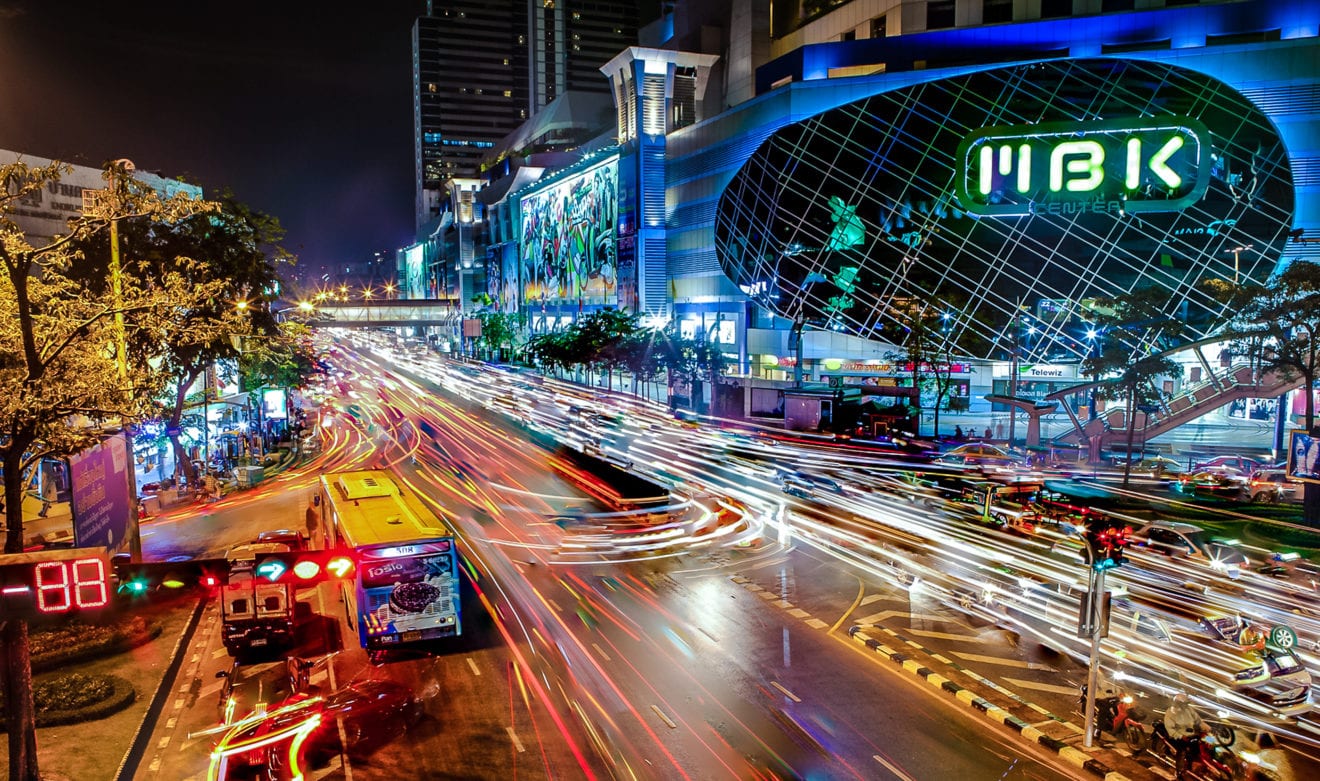
    A group led by MBK Partners Ltd., North Asia’s biggest independent buyout firm, is trying to close a deal to buy Tesco Plc’s business in South Korea for about $6 billion, including debt. The acquisition, if completed, would be the country’s biggest private equity deal, Bloomberg reported, citing people familiar with the matter.

    The group, which includes South Korea’s National Pension Service, got exclusive negotiating rights Wednesday to take over Tesco’s Homeplus business. If the deal goes through, it would give the MBK-led group a retail chain that stands second only to market leader E-Mart of the family-run Shinsegae Group Co., through more than 900 stores and over $7 billion in annual revenue.

    The deal would also allow U.K.’s Tesco to pay off its massive debt of 21.7 billion pounds ($33.2 billion). The Bloomberg report added that Tesco is also looking at options to sell its analytics business, Dunnhumby.

    MBK’s consortium reportedly beat a rival consortium led by New York private equity firm KKR & Co. The South Korean business is considered Tesco’s “crown jewel” in Asia, Bloomberg reported, citing estimates from Credit Suisse (SIX:) Group AG.

    The business has a valuation of 4 billion pounds, more than the 1.6 billion-pound valuation of Dunnhumby, a U.K customer science company owned by Tesco. However, Homeplus posted a net loss of 300.1 billion won ($255 million) for the year ending February 28, down from last year’s profits of 463 billion won. Revenues for the company also reportedly shrank to 8.6 trillion won, down 4 percent, due to weak household spending. Homeplus reportedly had a market share of 25 percent, behind E-Mart’s 29 percent.

    Tesco posted a loss of 6.4 billion pounds ($9.56 billion) in April, the biggest-ever in its 96-year history. The Bloomberg report added that the company’s chief executive Dave Lewis is trying to revive sales for the company’s market-leading grocery business, which is facing a severe price war due to the expansion of German discount retailers Aldi and Lidl.

    The retailer entered South Korea in 1999 through a joint venture with Samsung (KS:) Group in which Tesco held an 81 percent stake initially, Bloomberg reported. It came in with an investment of 130 million pounds and slowly bought out Samsung’s stake.

    Tesco’s shares have fallen close to 20 percent in the past one year while London’s benchmark has seen a decline of nearly 11 percent in the same period. On Wednesday, the stock was up 0.11 percent in mid-morning trade.

  • Tesco saved 1m plastic bags Saturday

    Tesco saved 1m plastic bags Saturday

    Discount retailer Tesco Lotus said it saved a million plastic bags in the first day of a government campaign to stop use of disposable sacks on the 15th of every month.

    The Department of Environmental Quality Promotion has enrolled 15 retailers in the programme that began Saturday. Charkrit Direkwattanachai, Tesco Lotus’ head of corporate communication and sustainability, said the company has set a goal to save 40 million plastic bags in 2015 under its own “proud not to use plastic bags” campaign.

    The store began efforts to reduce plastic use in 2010 and so far has saved 50 million bags.

    According to statistics from the Pollution Control Department, the average Thai uses eight plastic bags per day; a total of 2.7 million tonnes of plastic and polystyrene foam waste or an average of 7,000 tonnes per day. Of that, 80%, or 5,300 tonnes, is plastic bags, which generally take up to 450 years to degrade.

  • British brands invading Philippines

    British brands invading Philippines

    Asif Ahmad, the UK ambassador to the Philippines, is one of the busiest diplomats in the country, as he leads, almost on a weekly basis, the opening of new outlets put up by dozens of British companies which are taking advantage of the rapidly growing consumer market and improved purchasing power of Filipinos.

    Ahmad, the 59-year-old diplomat who has been assigned in the Philippines since July 2013, says while several British companies have established their presence in the country for several decades now, more are expected to land in the Philippines soon.

    “We have done it in fashion.  We have done it in cars. We have done it in films and music.  The next story is eating and drinking,” says Ahmad, during the opening of the second outlet of Costa Coffee in the Philippines at Robinsons Place in Ermita, Manila.

    Costa Coffee, the leading coffee chain in the United Kingdom, is the latest British brand setting its sights on the Philippine market, which Ahmad says offers a lot of opportunities for foreign companies.

    The ambassador says the expansion of British firms in the country is a part of a deliberate effort of the London government to triple its exports to the world to 1 trillion pounds by 2020.

    Unilever, an Anglo-Dutch company, is one of the biggest distributors of consumer products in the Philippines while Royal Dutch Shell Plc. is one of the three largest petroleum players in the country.

    The last couple of years saw dozens of UK firms opening outlets or expanding their presence in the Philippines.  In November 2013, London opened its airspace to Philippine Airlines via Heathrow Airport, with the help of Ahmad.  This has triggered a faster movement of people, including investors and tourists, between the two countries.

    British financial giants HSBC, Standard & Chartered, Barclays and Pru Life UK have strong presence in the Philippines while UK companies that are expanding in the country include Pearson Plc., Ashmore Group, British American Tobacco, British Petroleum, ECR Minerals Plc., CRH Plc., Arup, Nectar Group Ltd., MacKay Green Energy Inc., Forum Energy, Pitkin Petroleum Plc., Eaton Corp. Plc. and Weir Engineering Services Ltd.

    Top British brands opening or adding outlets in the Philippines include Rolls Royce, Range Rover, Jaguar, Mini Cooper, Morgan Motors, Tesco, The Body Shop, Fitness First, Toni & Guy, Remington UK, Marks & Spencer, Debenhams, Lee Cooper, F&F, John Lewis, Burton, Reiss, Speedo, Hamleys, Burberry, Topshop, Topman, Dorothy Perkins, Mitre Sports, Berghaus, Kangaroos, Superdry, Warehouse, Clarks Shoes, Paul Smith, Mothercare, Hackett London, Lush, TM Lewin, River Island, Cath Kidston, Pepe Jeans London, Savile Row, Lyle & Scott,  Whyte & Mackay, Twinings, Diageo, Union Jack Tavern, Wolf & Fox, Chuck’s Grub, Waitrose and Yummy Organics.

    Ahmad says more brands will expand in the Philippines soon. “We have a strong presence of British brands that is gonna grow.  My government, the UK, has said that we must triple exports to 1 trillion [pounds]. My mission here is to grow three times more than before.  That is a very strong target to have,” he says.

    The UK is already the largest investor among European countries in the Philippines.  “The easy target that we have met is being the number one investor in the Philippines from the European Union. We have achieved that already,” he says.

    “In terms of trade, we have a long way to go.  If we added it both ways, it [bilateral trade] adds up to $2 billion.  We have to make it $6 billion,” says Ahmad.

    He says the UK embassy is working with the British Chamber of Commerce to help more companies navigate the Philippine market.  British investors are looking at infrastructure, public-private partnership projects, water, healthcare, education, information technology and defense sectors, he says.

    The British Chamber of Commerce is arranging more trade missions to bring more British brands in the Philippines this year to look at opportunities, given the country’s improving economy.

    “What we are seeing is that the government has more money.  The infrastructure projects are now speeding up, after a difficult start.  We are seeing people consuming more, spending money more, not just in houses and cars, but also in their lifestyle,” Ahmad says.

    Ahmad says Filipinos can afford to buy British brands.  “It [local market] has been ready for quite some time.  That’s why we have been very successful here.  If you go back, they [British companies] have been here for a long time and they are expanding still.  New ones are coming onboard.  What Costa Coffee does is something different.  It is in food and beverage segment, which has much more to offer,” he says.

    Costa Coffee opened its first outlet at Eastwood Citywalk 1 in Libis, Quezon City in June and plans to open three more branches this year at Tera Towers in Fort Bonifacio, E. Rodriguez Jr. Ave. in Quezon City and Robinsons Antipolo in Rizal.

    “We plan to open 70 Costa Coffee branches in the Philippines over the next five years,” says Costa Coffee Philippines general manager Corinne Milagan, who heads a new unit of Robinsons Retail Holdings Inc. to guide the expansion of the Costa brand in the country.

    Among those who attended the opening of the Costa Coffee branch at Robinsons Place Manila are Ahmad, Milagan, Robinsons Retail Holdings president and chief operating officer Robina Gokongwei-Pe, Costa Coffee International managing director Chris Rogers, Robinsons Land Corp. president and chief operating officer Frederick Go and Costa Coffee franchise manager for Southeast Asia and India Matt Kenley.

    RRHI formed a new company called Robinsons Gourmet Food and Beverage Inc. to operate the Costa Coffee chain in the country. Robinsons Gourmet teamed up with Whitbread Plc. of the United Kingdom to bring the British coffee brand to the Philippines.

    “The Philippines has fantastic opportunity for the Costa brand.  It brings something different to the market. A different coffee, a different environment and a great people.  And it brings a little taste of London to the Philippines,” says Rogers.

    “We have been looking forward to the next 20 to 30 years. The Philippines is an exciting place to be, because of the potential growth.  The economy is growing strongly. The consumer population is growing. There are good dynamics,” says Rogers, who joined Whitbread eight years ago.

    Rogers has been leading the international expansion of the Costa Coffee brand since July 2012.

    Robinsons Retail plans to open 70 Costa Coffee stores in the Philippines over the next five years, with an average cost of P10 million per outlet.

    Rogers says Costa Coffee has found its niche in the competitive coffee market.  “Our difference is our coffee.  We have the Mocha Italian blend.  We are very particular with the beans we choose–high-quality beans with a particular taste. The environment is also very different,” he says.

    Milagan says the Philippine coffee market is now prepared for a British brand.  She says coffee lovers, including British expatriates, were lining up hours prior to the opening of the Costa Coffee branch at Robinsons Place Manila on July 31.

    “The [coffee] market is not yet saturated. The Philippine market has matured in terms of  food and drinking preference. We are graduating now from instant coffee and we are now shifting to coffee made in a hand crafted way,” says Milagan.

    Milagan says “the Filipino taste has become discriminating, as they travel abroad.”

    Costa Coffee was founded by Italian immigrants Sergio and Bruno Costa in 1971 in Lambeth, London. The Costa brothers were known for creating their unique blend of coffee, a combination of Arabica and Robusta beans. They called it Mocha Italia, a blend that is a closely guarded secret to this day.

    The brand was acquired by Whitbread Plc. in 1995.  The UK firm continues to serve the original Mocha Italia recipe, which is slowly roasted in the Old Paradise Street Roastery in London.

    Milagan says Costa coffees are all handcrafted and espresso-based.

    Costa Coffee now has 3,000 stores in more than 30 countries. Costa employs Master Genarro Peliccia as the official coffee master who ensures that the taste remains consistent to the original blend.

    Gokongwei-Pe says Costa Coffee is the second British brand brought to the Philippines by Robinsons Retail, the first being the fashion brand Topshop.  She says her company will bring more foreign brands, depending on the performance of Costa Coffee.

    “We have to make sure this works first,” she says, adding that the outlook for the Costa brand in the Philippines is promising.

    “I believe in good luck.  I believe in good vibrations,” she says.
     

  • Brutal retail market awaits buyer of Tesco South Korea business

    Brutal retail market awaits buyer of Tesco South Korea business

    Any buyer of Tesco’s $6 billion South Korea unit will need a strategy to boost returns in a lethargic and saturated market for traditional retailers, likely involving real estate sales and a greater focus on Internet shopping.

    Britain’s Tesco has hired HSBC to advise on a potential sale of its South Korean unit, Homeplus, Reuters reported this month, in what could be Asia-Pacific’s largest private equity deal and the No. 2 merger in the Asian consumer sector.

    Given the scarcity of big buyout targets in Asia, the sale is generating strong interest among buyout firms including KKR & Co and Carlyle Group CG.N, sources with knowledge of the sale process said. That’s despite difficulties posed by South Korea’s crowded retail sector, a sluggish and fast-aging economy, plus regulatory and labor challenges.

    “Anyone going with the view of closing unprofitable shops, cutting work force, will be in for a surprise,” a senior Hong Kong-based investment banker familiar with the process said, citing likely opposition from labor unions.

    “It’s a tough market but there are some low-hanging fruits in terms of stripping property assets,” said the banker, who declined to be identified as the discussions are confidential.

    Homeplus Co Ltd’s property holdings, consisting mainly of stores, had a book value of 3.09 trillion won ($2.77 billion) as of the end of February, according to a regulatory filing.

    With about 400 stores including 140 hypermarkets, 88 of which it owns, Homeplus has raised about 1.2 trillion won since 2012 by selling and leasing back eight of its biggest-selling stores, according to South Korean deal website Invest Chosun.

    Its prime real estate holdings include a hypermarket in densely populated Seoul suburb Euijeongbu, which frequently ranks among its top 5 stores by sales.

    But it’s a crowded field. South Korea has nearly 500 hypermarkets for a population of 50 million, or twice what the industry considers optimal. The difficulties prompted Carrefour and Wal-Mart to quit the country in 2006.

    In a nod to a fiercely competitive market, Homeplus earlier this year sacrificed an equivalent of about 100 billion won in annual profit, or almost half of last year’s earnings, by cutting prices on some 500 kinds of fresh produce.

    “Competing by undercutting price has become the norm and is expected to continue in future,” said Lee Kyoung-hee, principal researcher at Shinsegae Research Institute.

    ONLINE GROWTH

    As the population ages faster than in any other developed economy and households shrink, retail sales in South Korea grew just 1.4 percent in each of the past two years, lagging broader economic growth.

    E-commerce, however, jumped 17 percent last year to 45.2 trillion won, or 14 percent of total retail sales, and hypermarkets have been scrambling to build share in a fragmented online segment where most players lose money.

    Homeplus’ share of South Korea’s online retail market has risen steadily but was still just 645 billion won last year, according to Euromonitor data in a CLSA report, for market share of just 2 percent, in line with larger rival E-Mart.

    “Hypermarket chains like Homeplus have been bolstering online sales as a possible growth solution, among admittedly few options,” said Kim Tae-hong, analyst at Yuanta Securities Korea.

    Lower priced warehouses have been another bright spot for Korean retailers, but while both E-Mart and Lotte Shopping’s (023530.KS) third-placed Lotte Mart have warehouse brands, Homeplus does not.

    Meanwhile total revenues for existing hypermarket stores have declined since 2012 when new rules required them to close for two Sundays a month to protect traditional markets. Homeplus saw a drop in same-store sales for two straight years.