Tag: triggers

  • H&M Shifts Southeast Asia HQ to Kuala Lumpur, Triggers Job Cuts in Singapore

    H&M Shifts Southeast Asia HQ to Kuala Lumpur, Triggers Job Cuts in Singapore

    Swedish fashion conglomerate, H&M, has recently undertaken a restructuring exercise which has led to job cuts in Singapore. This move comes as the retailer transfers its Southeast Asian hub from Singapore to Kuala Lumpur in Malaysia.

    The restructuring operation resulted in a reduction of 78 roles from a total regional workforce of 256 employees. While the exact breakdown of the redundancy hasn’t been made public, it has been confirmed that the majority of job cuts took place in the Singapore office.

    In replying to inquiries, H&M Singapore said that it is “fully backing” employees through the organizational shifts. However, the company did not disclose the exact number of dismissed staff members or specify the affected roles. H&M stated that as a company, they constantly strive to meet customer expectations and this includes regular reviews of their operational efficiency and agility.

    Despite the recent layoffs, H&M maintains that Singapore remains a crucial market for them. The retailer confirmed that it would continue to sustain an office in the country. “We will continue to maintain our retail presence reflecting our long-term commitment,” said a representative of the company.

    H&M first entered the Singapore market in 2011 with its Somerset outlet. Currently, the brand operates six stores in the country. Over the past couple of years, however, H&M has been closing some of its physical stores. In March 2023, the retailer closed its two-storey outlet at Ion Orchard after serving customers for over a decade. The Tampines Mall store was shut in August 2020, followed by the Waterway Point outlet in Punggol in January 2021.

    The Singapore Manual and Mercantile Workers’ Union (SMMWU) released a statement saying that while H&M Singapore is not a unionized entity, some employees could be union members. SMMWU secretary-general Andy Lim asserted that both the National Trades Union Congress and the SMMWU are prepared to offer assistance to these members and help them transition to new job opportunities.

    Questions & Answers

    Why is H&M moving its Southeast Asian headquarter from Singapore to Malaysia’s Kuala Lumpur?
    – Although H&M did not provide a specific reason for the shift of its Southeast Asian headquarters, such decisions are often influenced by cost factors, market opportunities, or strategic alignment.

    What are some of the steps H&M is taking to support its affected employees?
    – Although additional details were not provided, H&M Singapore stated that they are “fully supporting” their employees during these organizational changes.

    How will H&M’s presence in Singapore change as a result of this move?
    – Despite the layoffs and the shift of its regional headquarters, H&M has affirmed that Singapore remains an important market for them. The company will maintain a retail presence in the country, reflecting their long-term commitment.

  • Singapore’s Fertility Freefall: Record Low Rate Triggers Alarm for Aging Nation

    Singapore’s Fertility Freefall: Record Low Rate Triggers Alarm for Aging Nation

    The total fertility rate (TFR) of Singapore residents hit a new low of 0.87 in 2025, according to preliminary statistics. This downward trend, coupled with a rapidly aging population, is causing concern about how it will impact Singapore’s societal and economic structure.

    Deputy Prime Minister Gan Kim Yong expressed his concerns on February 26, stating that the unprecedented fall in birth rates could lead to a reduction in Singapore’s citizen population by the early 2040s if there are no new interventions.

    There has been a noticeable drop in marriage rates. Furthermore, those who do get married are having fewer children or none at all. These factors culminated in approximately 27,500 resident births in 2025, the smallest recorded number in Singapore’s history.

    The Deputy Prime Minister also pointed out that the growth of the citizen population, even taking immigration into account, was only 0.7% in 2025, a rate that has been slowing down over the past decade.

    He emphasized that the aging of Singapore’s population is accelerating at a rapid pace. In 2025, one out of every five citizens was aged 65 or older, an increase from one in eight in 2015.

    Questions & Answers

    What is the current total fertility rate (TFR) of Singapore residents?
    The total fertility rate (TFR) of Singapore residents has hit a new low of 0.87 in 2025 according to preliminary statistics.

    What are the consequences of the falling birth rates as mentioned by Deputy Prime Minister Gan Kim Yong?
    The Deputy Prime Minister expressed concerns that the unprecedented fall in birth rates could lead to a reduction in Singapore’s citizen population by the early 2040s if no new interventions are introduced.

    What are the current trends regarding marriage and childbirth in Singapore?
    There has been a drop in marriage rates in Singapore. Additionally, those who do get married are having fewer or no children at all, leading to a record low number of resident births in 2025.

  • New Zealand Dairy Farmers Rejoice: Global Demand Triggers a 6.3% Surge in Dairy Prices

    New Zealand Dairy Farmers Rejoice: Global Demand Triggers a 6.3% Surge in Dairy Prices

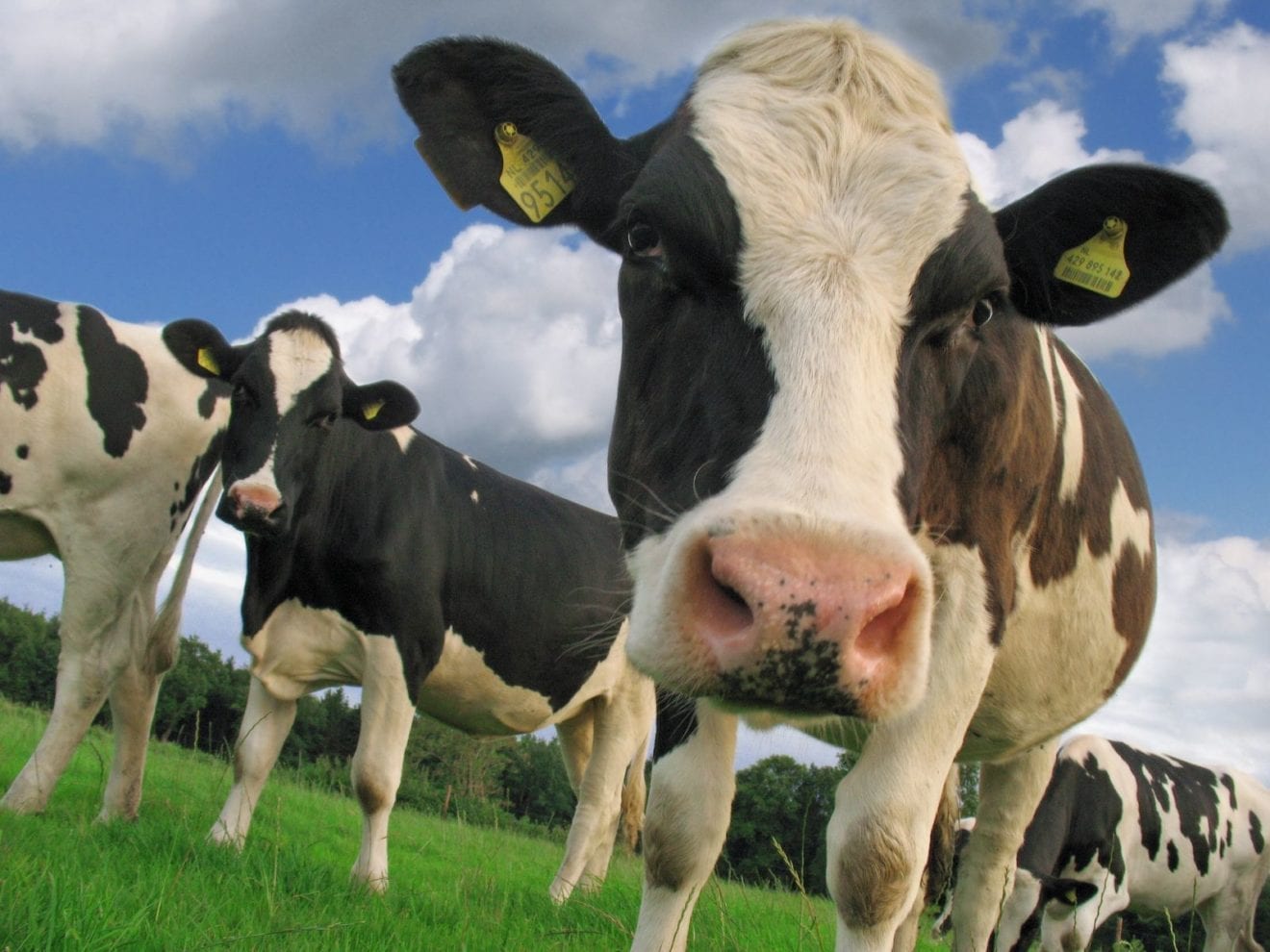
    Cattle farmers in New Zealand have been given a much-needed boost as the Global Dairy Trade (GDT) announced a rise in pricing in its most recent index.

    On the 6th of January, the GDT conducted its latest auction, which resulted in dairy prices experiencing a 6.3% surge. Leading the pack were whole milk prices, which showed a 7.2% jump. This was followed by skim milk, which increased by 5.4%, and finally, butter, which saw a 3.8% upturn.

    After reaching a peak in early March of 2025, dairy prices had been on a steady decline. The current upward trend is a response to an increase in demand, according to the GDT.

    The GDT holds its sales events bi-monthly, attracting an international pool of bidders. These events are an opportunity for the GDT to implement its ‘price discovery process’. This complex mechanism calculates accurate price levels for global dairy products by considering factors such as supply, demand, and bidding.

    New Zealand’s primary export remains dairy products. The country’s largest dairy markets are China, Australia, and the United States.

    Questions & Answers

    How much did dairy prices increase in the latest GDT auction?
    Dairy prices rose by 6.3% in the most recent GDT auction. Whole milk saw the largest increase with a 7.2% surge, followed by skim milk at 5.4% and butter at 3.8%.

    What is the ‘price discovery process’ implemented by the GDT?
    The ‘price discovery process’ is a sophisticated system used by the GDT to determine accurate price levels for the world’s dairy products. It takes into account factors like supply, demand, and bidding.

    What are New Zealand’s largest dairy export markets?
    New Zealand’s most substantial dairy export markets are China, Australia, and the United States.

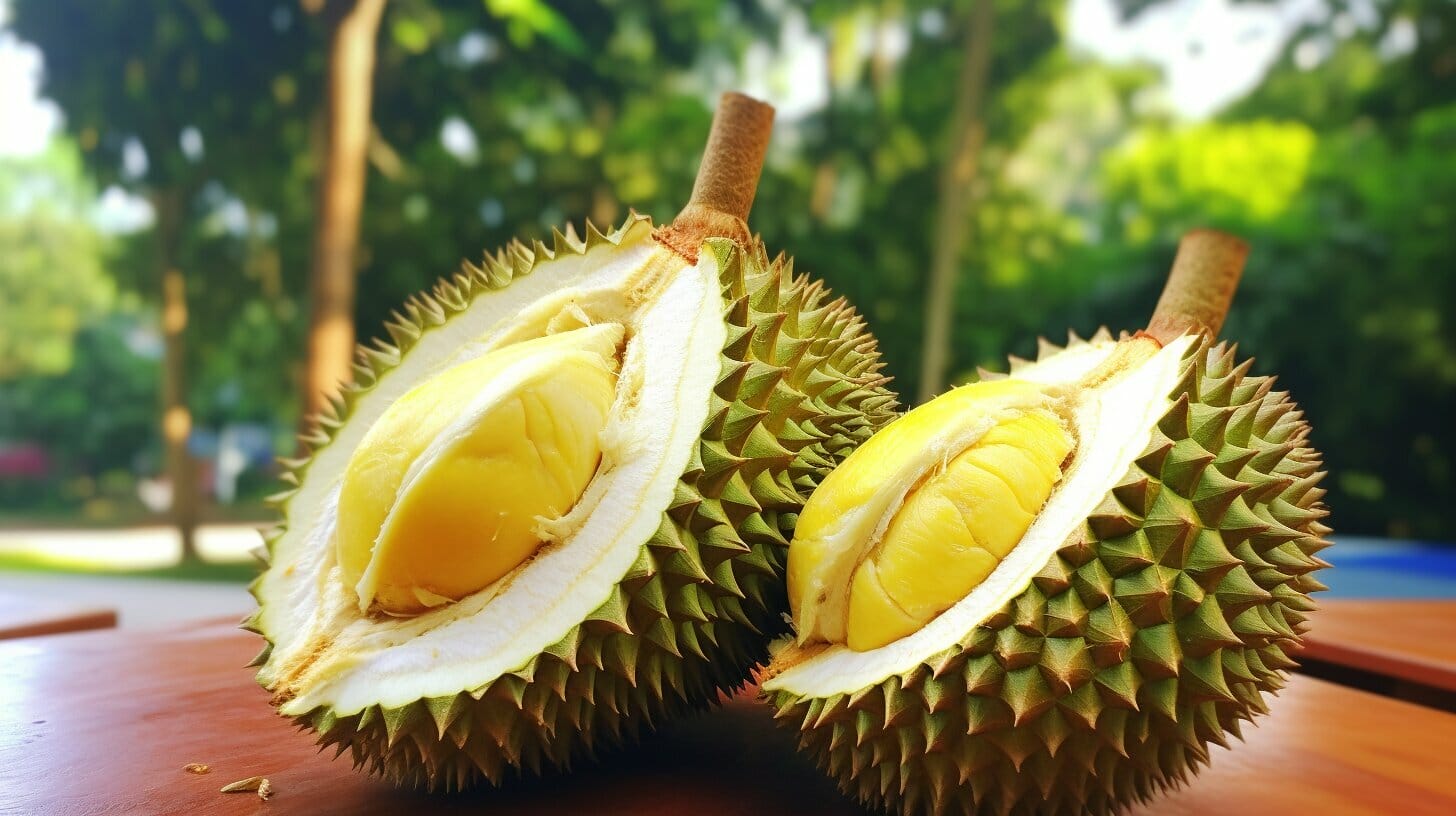
  • Dak Lak Durian Crisis: Testing Halt Triggers Heavy Losses for Farmers and Exporters

    Dak Lak Durian Crisis: Testing Halt Triggers Heavy Losses for Farmers and Exporters

    Durian orchards in Dak Lak Province are suffering significant losses as export activities have halted and demand has plummeted due to delays in chemical residue testing. Doan Thi Thuy, an orchard owner in Krong Pak District, has experienced the harsh realities of this situation with fruits beginning to fall from her over 100 durian trees in recent days.

    Failed Deals and Falling Prices

    Thuy mentioned that several large-scale traders had shown interest in purchasing her durians for VND82,000 (US$3.12) per kilogram, even going so far as to put down deposits. Unfortunately, these deals fell through, forcing her to sell the now overripe fruits to smaller traders at a significantly reduced price of VND20,000-25,000 per kilogram.

    Impacts of Testing Delays

    The Dak Lak Durian Association recently highlighted that almost 2,000 containers of fruits have been stuck at various locations including warehouses, packing facilities, and border checkpoints since October 11. This bottleneck has occurred due to the halt in chemical residue testing, which is a critical step in obtaining the necessary certifications for export.

    The peak durian harvesting season in Dak Lak, a key producing province in the Central Highlands, is currently underway. However, the paused testing has resulted in significant losses for farmers.

    Orchard Owners Bearing the Brunt

    Doan Kiem, a durian farmer, has resorted to selling his durians, originally intended for export, at just a quarter of the agreed-upon price to anyone willing to buy. Kiem spends approximately VND600 million annually to maintain his 500-tree orchard and estimates his losses in the hundreds of millions due to this predicament.

    The pause in testing has not only affected farmers but also exporters who are left with no other option but to wait for the test results. Some businesses, fearing their fruits will spoil, have tried to sell in the domestic market or have processed them. Delays in testing have even caused several shipments of durians to crack and spoil, leading to losses amounting to billions of dong.

    The Path Forward

    A testing center in northern Vietnam expects to resume operations shortly. The temporary halt was to ensure the stability and accuracy of the equipment after its heavy use during the peak season. Vietnam has 24 labs that have been approved by Chinese customs to test a total of 3,200 samples per day. However, the heavy workload has led to equipment breakdowns at many labs, while others have had to pause operations due to license renewal processes.

    The Ministry of Agriculture and Environment has instructed relevant agencies to review all labs and provide necessary assistance. It has also advised the Plant Protection Department to cooperate with Chinese authorities to get more testing facilities approved.

    The Vietnam Fruit and Vegetable Association has suggested that testing facilities should plan their maintenance schedules in advance and notify businesses sooner to avoid further bottlenecks. It also encourages exporters to keep a close eye on market trends and adjust their shipping schedules to avoid congestion during peak seasons.

    Despite the current challenges, Vietnam managed to export $1.8 billion worth of durians in the first eight months of 2025. Fresh fruit shipments accounted for $1.52 billion of this total, marking a 25% decline from the previous year. However, frozen durian exports saw an impressive increase, up 127% to $265 million.

    Questions & Answers

    What is the main reason for the current losses in Dak Lak’s durian industry?
    The primary reason is the delay in chemical residue testing, which has halted exports and led to a significant drop in demand.

    How have testing delays affected durian farmers and exporters?
    Testing delays have resulted in massive losses for durian farmers, with fruits falling from trees and deals with traders falling through. Exporters are also in a bind as they can’t export their produce without the necessary certifications.

    What measures are being taken to resolve this issue?
    A testing center in northern Vietnam expects to resume operations shortly. Additionally, the Ministry of Agriculture and Environment has instructed relevant agencies to review all labs, provide necessary assistance, and work with Chinese authorities to get more testing facilities approved.