Retail News CRM

Tag: uber

  • Google India delivers for food fans

    Google India delivers for food fans

    Working with local partners, Google India has made online ordering and restaurant bookings easy.

    When people use their phones to search Google for nearby restaurants, the search results offer an option to “place an order”.

    By tapping the option, users can choose a delivery service and be taken to its website to complete their order. Users can also make a one-click reservation if they prefer to visit the restaurant.

    Google has partnered with startups Swiggy and Zomato for food delivery, and Bytplus and Dineout for reservations. The services can be used on Google Search and the Google app for both Android and iOS devices.

    “These features are just rolling out and we’ll be adding more partners and evolving the look and feel over time,” Google says in an official blog.

    Earlier, Google Maps stitched in Ola and Uber services on its platform in India, showing fares and riding options from the app-based taxi aggregators.

  • UberJEK Launched in Jakarta

    UberJEK Launched in Jakarta

    UberJek, an app-based transport service, has officially started operation on Sunday, May 15. Aris Wahyudi, UberJEK’s co-founder, claims cheaper tariffs compared to its competitors.

    “Our tariff is different from those of the competitors. Our tariff will continue to drop from the first kilometer,” Aris said after UberJEK launch at Euro Management Indonesia, Sunday, May 15, 2016.

    He illustrated that on kilometer 1-5, the tariff is Rp2,500 per kilometer; on kilometer 6-10, it’s Rp2,000; above 11 kilometers, customers will be charged for Rp1,500 per kilometer.

    He added, other benefit of using UberJEK is no minimum tariff set for short distance travels. Thus, customers wanting to travel within 1 kilometer can pay Rp2,500. “We do not set a minimum distance, unlike our competitors. The benefit of using UberJEK is in short distance travels.”

    To attract customers, in addition to cheaper tariffs, UberJEK also entices its customers with giveaways. It is part of the promotional strategy to introduce UberJEK to the market. UberJEk claims to have earmarked seven million smartphones as giveaways for customers.

    UberJEK was founded by Aris and three other Indonesian businessmen in late October 2015. Aris said UberJEK services can now be enjoyed in 30 cities in Indonesia with a total of 2,200 drivers.

  • Uber to Launch UberPOOL in Jakarta

    Uber to Launch UberPOOL in Jakarta

    PT Uber Teknologi Indonesia will launch uberPOOL service in Jakarta this week.

    President Director of PT Uber Teknologi Indonesia Mike Brown said that uberPOOL is a carpooling service in urban areas. According to him, it could result in a more economically efficient travel.

    “A saving of up to 50% of uberX tariff could be achieved and [it is] more economically efficient compared to regular taxis,” Brown said on Sunday, May 8, 2016, in Jakarta.

    He added that the service enables Uber partners to maximize the time at hand to travel. On the other hand, Jakarta will benefit from it through reduced congestion, pollution and less parking issue.

    Car or travel pooling exists among Indonesian people, he noted. Therefore, uberPOOL service will be launched in Jakarta and can be used in other cities in Indonesia.

    Brown claimed that UberPOOL has resulted in positive impacts to the cities where the service is available. According to him, people have been travelling with less number of cars.

    He made an example that Los Angeles has seen reduced mileage by 7.9 million miles of travel and reduced carbon dioxide emission by 1.4 metric tons.

    He believed that the carpooling service could reduce and even eliminate private car ownership.

    However, regulation could be a stumbling block for the service, Brown said. The service from Uber could operate if supported by the regulation, according to him. Regulation should be made to support a secure, comfortable, safe and humane transport, he said.

  • Alipay extends partnership with Uber

    Alipay extends partnership with Uber

    Uber has teamed up with Alipay to allow passengers from China to pay for international Uber rides in Chinese yuan using their Alipay accounts.

    Alipay has been available as a payment option for Uber in China since 2014. However, Chinese travelers who wish to use the Uber service outside of mainland China require dual currency credit cards or currency conversions.

    The new deal aims to make the Uber service more accessible to Chinese travelers by doing away with this requirement.

    Uber’s head of business for Asia Pacific Eric Alexander told Economic Times that the partnership with Alipay will enable Uber to cater to the growing number of Chinese travelers who use Uber internationally. Alexander expects the integration to grow the number of rides taken by 9 to 10 times globally. Alipay’s userbase numbers 450 million.

    Alipay’s parent company, Alibaba, is an investor in Didi Kuaidi, Uber’s competitor in China.

    The partnership is also expected to affect Uber users from India due to Alipay’s partnership with Paytm, a mobile wallet and e-commerce operator in India.

    The latter is expected to integrate the Uber app into its own mobile app in the coming month.

    With the Paytm integration, riders in India will be able to use the Paytm app to hail Uber rides globally and pay for the service in their domestic currency.

    The integration is targeted at enabling passengers with no credit cards to use the Uber service internationally.

  • Indonesian ride-hailing firm Go-Jek needs more funds in market fight-CEO

    Indonesian ride-hailing firm Go-Jek needs more funds in market fight-CEO

    Indonesian online ride-hailing service Go-Jek is in talks with potential investors to raise fresh funds to expand the business, as the heavy subsidies it gives to drivers to keep rates competitive are unsustainable in the long run, its chief executive said on Friday.

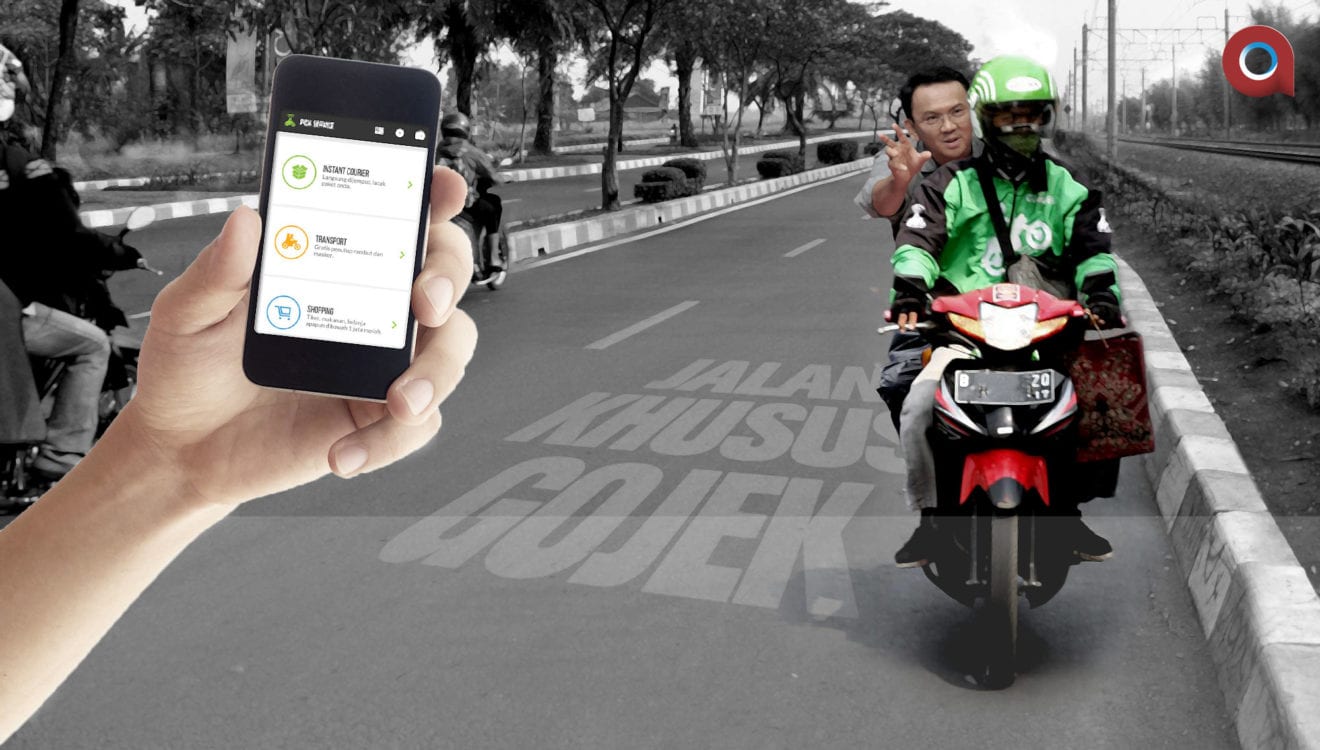
    Go-Jek, a play on the local word for motorbike taxis, has become popular among commuters on the traffic-clogged streets of Jakarta as its phone app removes much of the hassle of finding a driver and negotiating fares.

    Go-Jek, which has a network of more than 200,000 motorbike taxi drivers, is battling aggressively with other ride-hailing apps such as Grab and Uber [UBER.UL], driving rates lower to gain market share in the country of 250 million people.

    But Go-Jek cannot afford to continue relying on subsidies as “you end up where you run out of money”, Go-Jek founder Nadiem Makarim told on the sidelines of an e-commerce industry conference in Jakarta.

    Raising funds from investors to expand the business is part of the solution, the Harvard Business School graduate said, adding that several venture capital and private equity firms have expressed an interest in Go-Jek because of its size and potential.

    Founded in 2010, Go-Jek has since increased its services to food deliveries, cleaning and even massages. The company, which already operates in big Indonesian cities like Bandung and Surabaya, also plans to broaden its reach and add more drivers.

    Its ambition, however, has been met with regulatory obstacles and strong resistance from established taxi operators such as PT Blue Bird Tbk and PT Express Transindo Utama Tbk.

    Taxi drivers’ protests turned violent in the Indonesian capital last month, when they called for ride-hailing apps to be banned. Government ministers had also said the tech firms should be subject to the same regulatory and tax requirements as conventional public transportation companies.

    Yet Go-Jek’s Makarim told a packed conference that regulations and demonstrations were not his “biggest headaches”.

    “For me, the number-one challenge is building something to scale,” he said. “It’s the technology part that I think is the hardest, it’s what keeps me up at night.”

  • Uber starts motorbike taxi service in Indonesian capital

    Uber starts motorbike taxi service in Indonesian capital

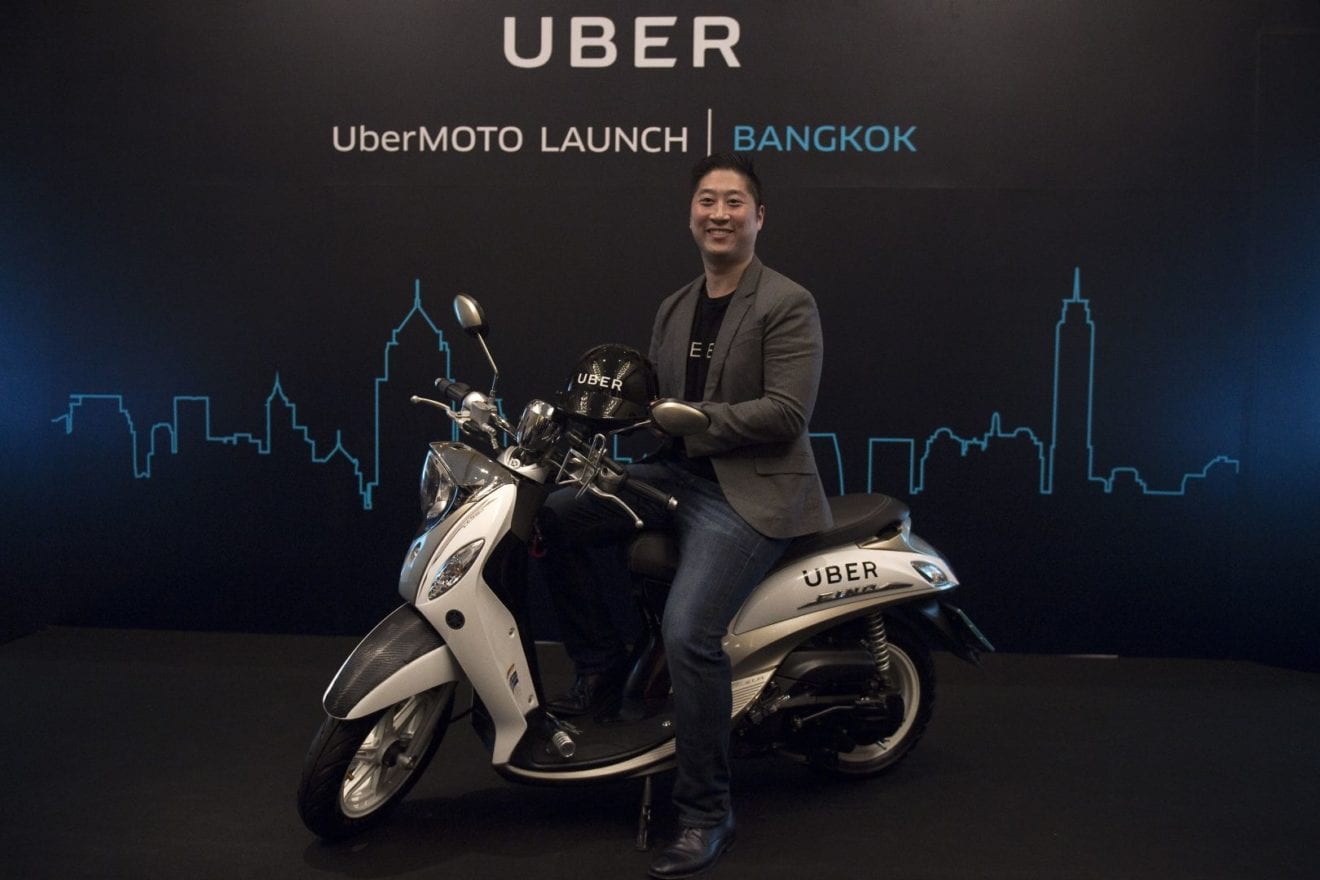
    Ride-hailing app Uber on Wednesday launched a motorbike taxi service in the Indonesian capital where Southeast Asian rivals Go-Jek and Grab are already battling for dominance.

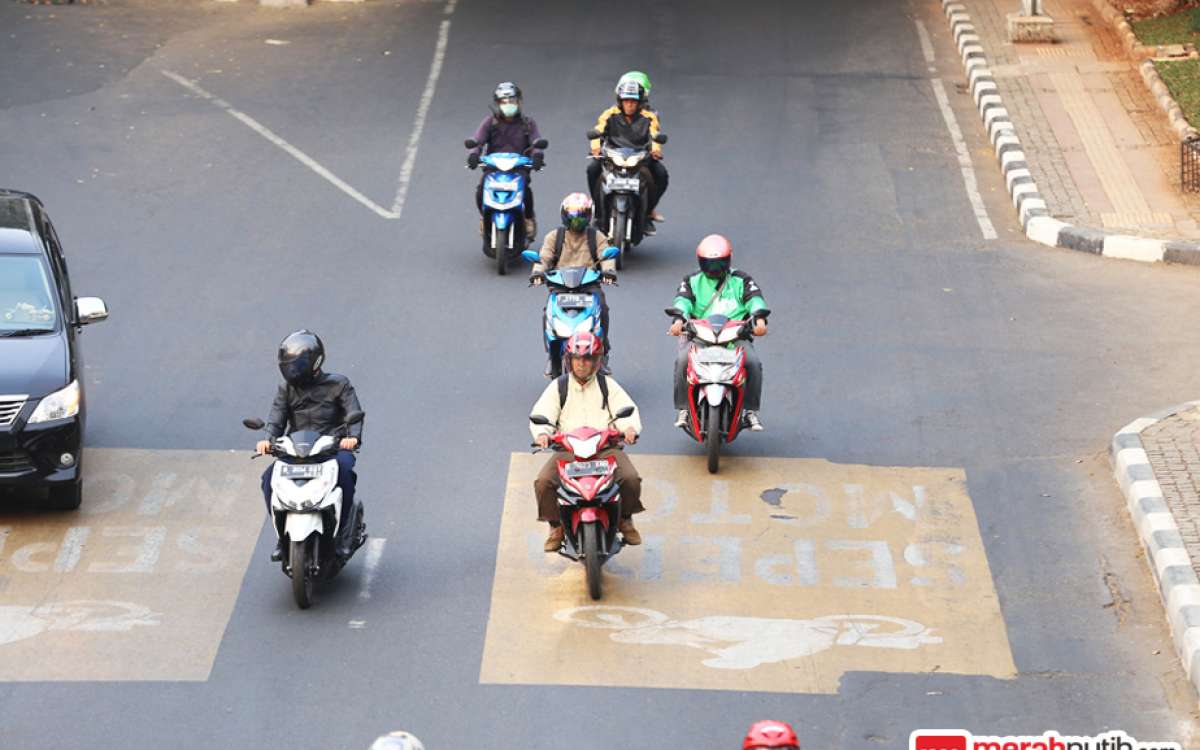
    Jakarta is one of the world’s most congested cities and motorbike taxis ordered from a smartphone app have exploded in popularity in the past 18 months as a way to beat snarled traffic.Uber said that its “UberMotor” service would provide cheap and reliable transportation for hundreds of thousands of people.The company used a local social media and YouTube star Arief Muhammad to launch its service, saying he was the first person in Jakarta to use an Uber motorcycle taxi.

    Both Go-Jek, an Indonesian startup, and Grab, which operates in several Southeast Asian countries, claim to be the biggest provider of motorbike taxi rides in Indonesia.The popularity of motorbikes and regular taxis ordered from a smartphone has provoked a backlash in the taxi industry.Thousands of taxi drivers caused traffic chaos in Jakarta last month in a violent protest against what they believe is unfair competition.

    Drivers say the apps, which are using funding from venture capitalists to offer heavily discounted fares, have severely reduced their income. The app companies say the transport industry should adapt to new technology.The Indonesian government is drawing up new regulations to govern transport apps but has so far resisted calls to ban Uber and similar services.Officials estimate Jakarta’s traffic jams cause economic losses of about $3 billion a year.

  • Indonesia Asks Ride-Hailing Apps Like Uber, Grab To Register Cars By May

    Indonesia Asks Ride-Hailing Apps Like Uber, Grab To Register Cars By May

    Indonesia asked ride-hailing apps such as Grab and Uber to partner with a transport business and register their cars by the end of May if they want to continue to operate in the country, Indonesia’s Transportation Minister Ignasius Jonan.

    “Uber, Grab are app companies. If they want (to operate), they have to partner with a transportation business entity, like a car rental company,” Jonan told reporters.

    Traffic in the capital Jakarta came to a complete halt Tuesday as taxi drivers caused traffic jams by blocking off several main roads to protest in response to the Indonesian government’s apparent refusal to regulate or outright ban ride-hailing services.

    Local news footage as well as videos posted on social media sites reportedly showed enraged taxi drivers pulling fellow drivers who were not part of the protest out of their vehicles and assaulting them on Tuesday.

    Similar protests have erupted against ride-hailing apps such as Uber in London, Paris, the U.S. and parts of Brazil among other places as the apps have ushered in cheap taxis and threatened the business model of traditional taxi drivers.

    “Even before the demonstration, we had started the process to help our drivers form a cooperative unit and meet the requirements,” Ridzki Kramadibrata, managing director of Grab Indonesia.

    Donny Sutadi, Uber Indonesia’s commissioner, reportedly said that they would partner with a car rental company.

  • Jakarta taxi drivers protest against Uber and Grab

    Jakarta taxi drivers protest against Uber and Grab

    Thousands of Indonesian taxi drivers have brought parts of the capital, Jakarta, to a standstill in a protest against transport apps.

    The drivers say ride-hailing apps, such as Uber and Grab, have severely reduced their salaries.

    Footage from Jakarta showed some protesters attacking vehicles and apparently threatening taxi drivers not taking part in the strike.

    The drivers have been joined by bus and “bajaj” motorbike drivers.

    Mobile apps like Grab and Uber have disrupted the transportation industry across Asia, and other parts of the world.

    Taxi drivers say they’ve been disadvantaged because the apps do not face the same costs and regulations as they do.

    ‘They are destroying us!

    The protest is far bigger than similar action taken last week. She said it was impossible to get a taxi in the city centre.

    The protesters have blocked roads outside the parliament, the city administration offices and the ministry of communication, causing massive traffic jams across the already heavily congested city.

    Commuters have expressed frustration at the demonstrations, which also saw tires set on fire.

    “This protest is so terrible. They really are rude and overbearing. I was very hurt,” Dewi Gayatri, who missed her flight for a business trip, told the Associated Press.

    “I still like Uber, and hope the government protects Uber, because it’s so easy to order and cheaper,” she said.

    But for the drivers, many of whom moved to Jakarta to work, the price wars have eroded their ability to support their families,

    “They are destroying us,” Salahuddin, who uses one name like many Indonesians, told the BBC. “We pay tax but because Uber uses private cars they don’t. I am fighting for my survival.”

    Ahmad Rahoyo who operates a bajaj taxi said he used to earn up to 100,000 rupiah ($10; £7) a day, “but since the apps entered Indonesia just covering my costs is hard”

    One man, Hans, said he saw drivers blocking a bus lane.

    “When they saw a taxi driver accepting a passenger they straight away ran over to the vehicle and told the passengers to get out of the taxi,” he said.

    “They threatened them with rocks. I didn’t see them hit anyone but they destroyed the rear vision mirrors of one taxi.”

    Indonesia’s government has appeared divided over the issue.

    The transport ministry has said it is in favour of a ban on ride-hailing apps, since the online and mobile app-based services are not registered as public transport.

    However the communications ministry, which oversees such companies, has said they are legitimately allowed to operate.

    President Joko Widodo has said new technology should be embraced and not banned.

    Global resistance

    Uber, which has sparked conflict with regulators and traditional taxi companies in many US and European cities as well, has expanded aggressively in recent years.

    Its success has led to a slew of localised transport-app companies with similar business models.

    This includes Malaysia-based Grab, which claims to be Southeast Asia’s largest, and Indonesian startup Go-Jek which specialises in motorcycle taxis.

    To try and claim market share, Grab for example, has offered commuters 20 free rides on their motorcycle taxi service.
  • Kadin Allows Uber and Grab Taxi to Operate in Indonesia

    Kadin Allows Uber and Grab Taxi to Operate in Indonesia

    The Indonesian Chamber of Commerce and Industry (Kadin) has approved the operation of online-based transportation services, such as Grab Car and Uber. However, Kadin had put out several requirements that must be fulfilled by online-based transportation services before they can operate in Indonesia.

    “We, [the members of] Kadin appreciates technology that can facilitate and promote [a business]. However, its implementation must comply with the same rules,” said Adrianto Djokosoetono, Chairman of the Committee on Land Transportation of Kadin on Tuesday, March 15, 2016.

    Adrianto stated that currently, there is no clear and binding regulation on transportation industry, especially to regulate companies from overseas like Uber and Grab Car. Therefore, Kadin requested the government to issue a regulation that applies to both online and offline transportation services.

    In addition, said Adrianto, Kadin also requested the government to establish a clear tax system for foreign transportation companies.

  • Uber strategy that will change retail face

    Uber strategy that will change retail face

    Isn’t it fascinating that the world’s largest accommodation provider doesn’t own a room, or that the world’s largest retailer doesn’t own a shop (for the time being) and here we have the world largest taxi company that doesn’t own a taxi.

    So what might some of the lessons of Uber show us as retailers? The past five years have seen the logistics and transport app, Uber, grow from a start up with big ambitions based out of San Francisco into a global disruptive business operating in more than 350 cities, 64 countries and over six continents. Such rapid unheralded growth, underpinned by technology disruption and adaptation and above all challenging the normal or established models and just being disruptive, yet focussed on one central competency.

    As a natural-born disruptor of the transport sector, of course Uber has naturally asked how do we build at transporting people? After all, Uber is not narrowly interested in transportation; instead, the company is building a logistics platform that captures and predicts supply & demand so well that it can be applied to many other commercial domains. However at the heart of the Uber offer is one common foundation offer – one great “glue” that transcends and links all their offers globally.

    We live in an on-demand economy, where consumer’s ‘need it now’ tendencies dictate the retail strategies of retailers around the world. Smart or “fit” businesses are partnering their offers in collaborative models as distinct from attempting to “be all things and to simply attempt to acquire”

    The horizontal integration model, in a world increasing without boundaries is becoming yesterday’s approach. Today’s Uber-like approach is to disrupt and collaborate with other specialists enabling global growth and far greater efficiencies in all forms of the business operations.

    So where does Uber sit in the future of the retail sector in Australia and how is partner collaboration showing the way forward?

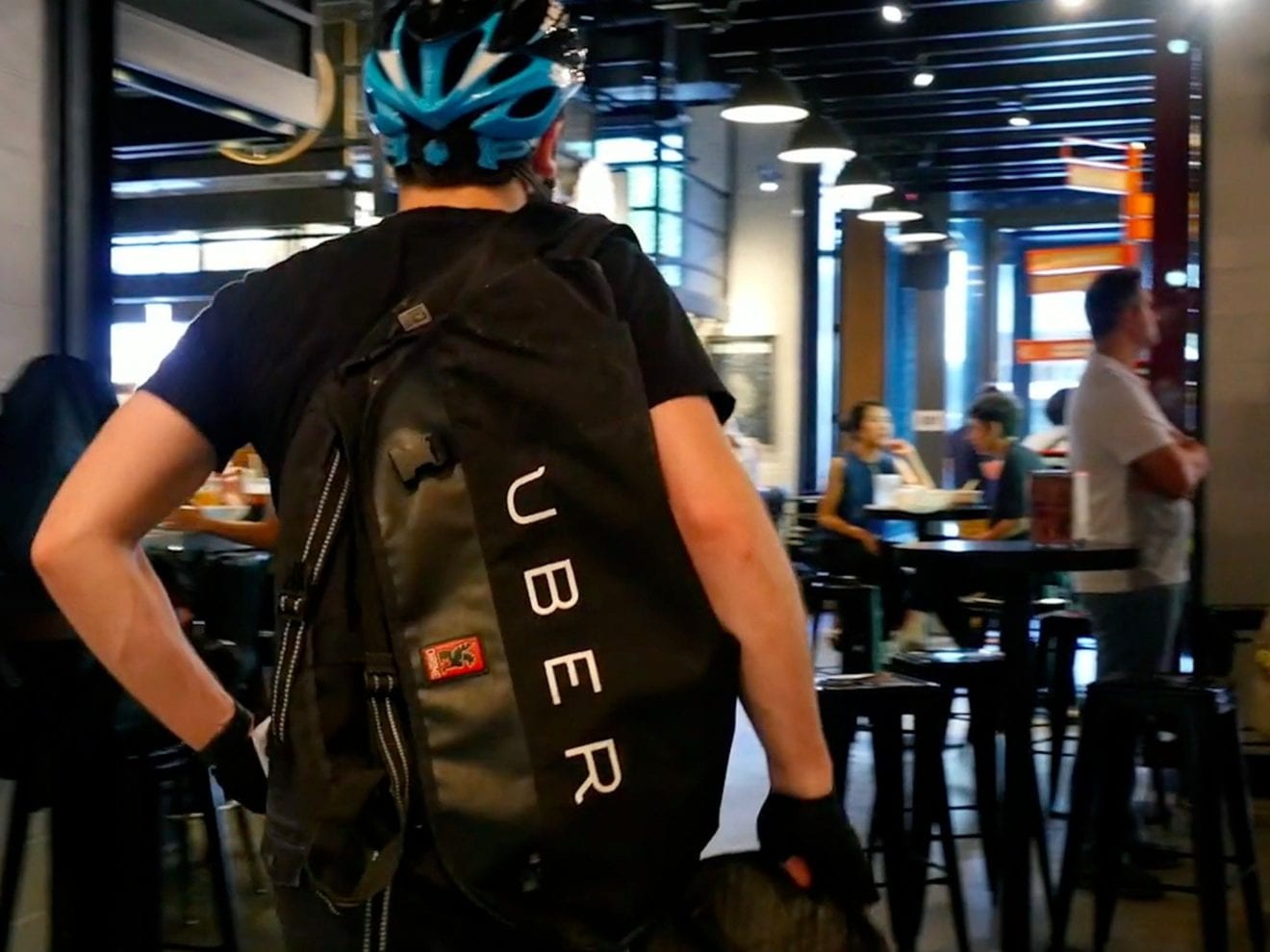
    Last October Uber launched Uber Rush in Chicago, New York and San Francisco. An on-demand delivery service for retailers, and while it’s launch coincided with partnerships with some big name retailers such as Rent The Runway and Nordstrom, the potential this service offers to small retail businesses is huge.

    Entering this on-demand delivery market aligns Uber alongside logistics giant Amazon.com and in particular Amazon’s program Flex, which pays independent drivers to deliver orders locally.

    However it also aligns independent brick and mortar retailers alongside the big e-commerce giants. While in the past it may have seen like a long lost dream to small independent retailers to be able to compete on the same level as the e-commerce giants who own their own complex logistics models allowing for same day and next day delivery, Uber Rush makes this dream a reality at very little cost. Retailers signed up to Uber Rush are given their own merchant platform to book the cars or bike couriers live as the orders come in, and all they pay for is the trips they use.

    According to Jo Bertram, regional general manager for the UK, Ireland and Nordics at Uber at a WIRED retail conference in London last year, the goal of Uber Rush is to make getting anything in your city more convenient, affordable and reliable than picking it up yourself.

    UberRush is particularly exciting for small independent retailers, allowing them to cater to today’s consumer’s ‘need it now’ tendencies’, boost customer loyalty and satisfaction, and ultimately provide customers with the same cost effective and efficient shopping experience when shopping local that they would get online. This platform also provides the small retailers the opportunity to grow and scale by reaching customers further away than they may have been able to before.

    Research by Uber suggests 60 per cent of customers would pay more to get same day delivery. Add this to today’s consumer journey to a brand or retailer often beginning and ending on mobile, the potential growth and adoption of this service all around the world is huge.

    Retailers who understand this disruptive positioning coupled with smart partnering and who don’t define the market by geography, rather by customer catchments are trailblazing the new frontier of retail.

  • Uber Tests Cash Option For Bangkok

    Uber Tests Cash Option For Bangkok

    Thailand has become the latest country where Uber taxi drivers can take cash from a passenger instead of a credit card.

    Uber tested its cash payment scheme in Bangkok on Wednesday as an alternative to the credit card option.

    Passengers have to tell the firm before the ride about their cash option and pay the driver at the end of the trip, it said on the website.

    “Bangkok, as a global business, cultural and tourist hub with a sophisticated rider and driver base is the right environment to conduct this cash experiment,” it said.

    Thailand follows nine other countries where cash is a choice for its passengers, Uber spokesman Karun Arya said. The other countries are India, Kenya, Nigeria, Saudi Arabia, Egypt, Peru, Vietnam, the Philippines and Indonesia.

    The test run is being held only in Bangkok and does not cover all customers. But the firm said it planned to expand the option for more passengers in the future.

    Uber was launched in Thailand in 2014. Bangkok is regarded as one of the three fastest-growing cities in Southeast Asia for the firm.

  • Indonesia U-turn on taxi app ban after online fury

    Indonesia U-turn on taxi app ban after online fury

    Indonesian authorities backed down on Friday (Dec 18) from attempting to enforce a ban on ride-hailing apps and motorbike taxis after the move sparked online fury in a country where millions rely on the services.

    Transport Minister Ignasius Jonan announced on Thursday he had ordered police to properly implement an existing law that gives a narrow definition of public transport, meaning apps such as Uber and motorbike taxis known as “ojek” should be illegal.

    But as anger mounted on Friday, Jonan did a U-turn, announcing in a statement that motorbike taxis and app-based transport can continue operating “until there is decent and reliable public transport”.

    Uber and other services, including the popular motorbike taxi app Go-Jek, have been able to operate in Indonesia despite the law, becoming immensely popular in traffic-choked cities with little public transport.

    Jonan’s move, which followed pressure from traditional transport operators, triggered a flood of online anger, with #SaveGojek becoming a top trending topic on Twitter.

    He was also summoned by President Joko Widodo, who voiced his support for transport apps.

    “Hindering innovation and progress for the sake of bureaucratic red tape? Moronic,” said Twitter user Marhadiasha.

    “Our government is dumb!”, tweeted Indonesian film director Joko Anwar.

    Go-Jek has more than 200,000 drivers across the country, also providing courier, food delivery and even house-cleaning services. A flurry of other motorbike taxi-hailing apps have appeared following its success.

    Uber is also popular but has faced difficulties, with some of its cars seized in Jakarta.

    Public transport in Jakarta and other Indonesian cities is notoriously bad, with buses poorly maintained and trains old and often overcrowded.

  • Uber says obtains government approval to operate in Jakarta

    Uber says obtains government approval to operate in Jakarta

    Uber Technologies Inc said on Tuesday it had received the green light from the Jakarta governor to operate in the Indonesian capital after giving assurances that it would comply with local tax rules and other requirements.

    Jakarta police had earlier this year deemed the U.S. car-hailing service illegal, saying its drivers did not pay the correct taxes and the company did not have the licence needed to operate as a form of public transport.

    In a statement, Uber said it is working with the office of the city’s governor, Basuki “Ahok” Tjahaja Purnama, and Indonesia’s investment coordinating board to establish itself as a legal entity in Indonesia, pay taxes, have adequate insurance and ensure its “partner vehicles” undergo regular inspection.

    “Previously there was tremendous regulatory ambiguity,” Uber spokesman Karun Arya said in an email. “Governor Ahok has now provided clear direction for Uber in terms of specific requirements for Uber and other ride sharing platforms to operate and thrive in Jakarta.”

    Uber has registered with Indonesia’s investment coordinating board as a technology or web company, Mr Arya added. There was no immediate comment from the Jakarta governor’s office.

    Privately owned Uber has grown aggressively worldwide with its matchmaker service for drivers and passengers, but a lack of regulation for the relatively new business model has brought it to the attention of authorities.

    The company is also facing stiff competition from rivals U.S.-based Lyft, China’s Didi Kuaidi, Southeast Asia’s GrabTaxi and India’s Ola, which recently formed a global ride-sharing partnership.

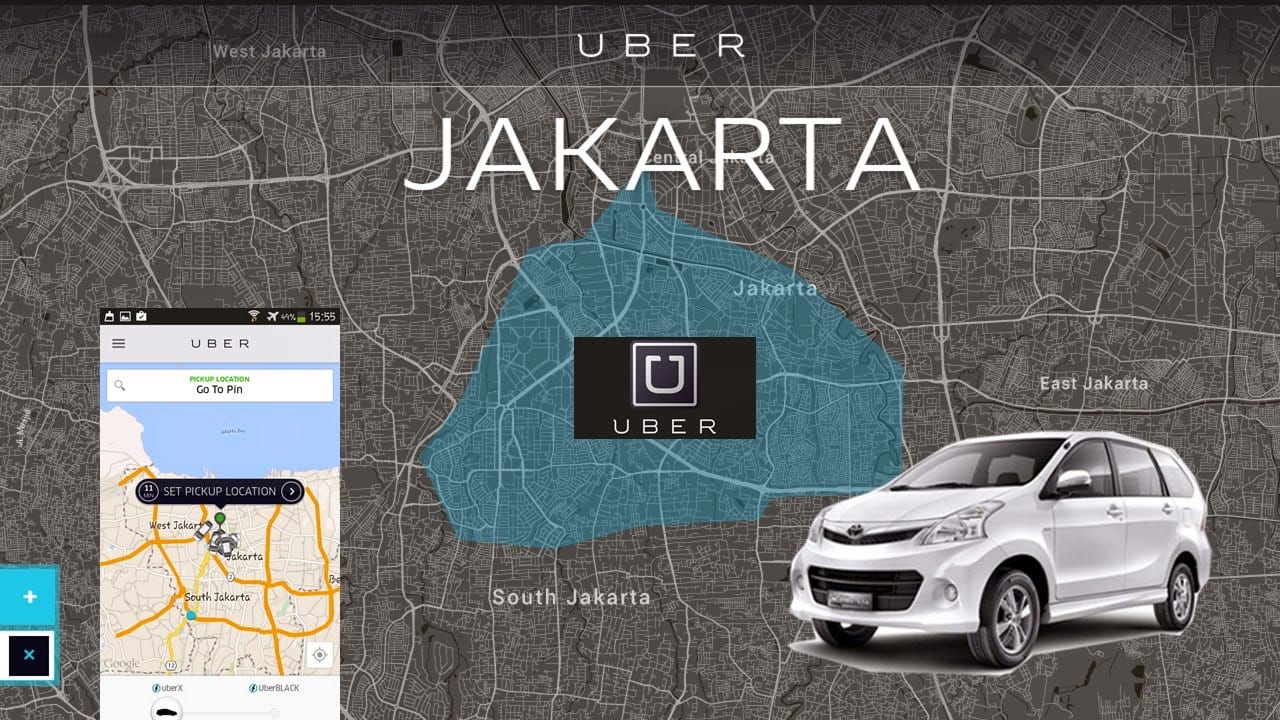
    In Indonesia, Uber currently operates in Bali, Bandung and Jakarta, a city notorious for its traffic congestion and lack of public transport.

    In an email, Uber said it planned to expand to more cities in Southeast Asia’s largest economy next year, and would boost the number of its drivers to 100,000 by 2017 from more than 12,000 currently.

  • Uber wants to deliver everything, not just people

    Uber wants to deliver everything, not just people

    Uber is not a taxi company, it’s a delivery company. And whether its cars are moving human beings or, as they are already in the US, physical products (and no, it’s not just cats and ice cream), what it’s really delivering is information about how to make cities more efficient.

    Jo Bertram, regional general manager for the UK, Ireland and Nordics at Uber, told that the company’s ambition to provide on-demand delivery for restaurants and businesses will reduce congestion in cities, and cut the time between ordering a product and receiving it.

    “Our mission is to make getting anything in your city more convenient, affordable and reliable than picking it up yourself,” she said.

    So far Uber has tried a limited number of delivery experiments in London, mainly for PR but also to test its infrastructure. In New York however it has already launched UberRush, a full-scale delivery service that lets restaurants and shops send products on-demand, for a relatively low cost.

    Bertram said Uber’s task is to apply what it has learned providing taxis in 350 global cities (including Bogata, Nairobi, Bangalore and 12 in the UK) to other forms of urban infrastructure. “We already provide the ability to get a car at the touch of a button,” she said. “Now imagine if you could use that same network of drivers and allow you to also get other things.”

    Don’t miss

    For businesses, on-demand delivery provides a competitive edge that bigger rivals might not be able to match, Bertram said. It also gives them the chance to scale more quickly, as they are able to reach customers who would otherwise be too far away to buy their product. Finally it provides “customer loyalty and satisfaction” Bertram said. “To get something within an hour? That’s pretty amazing.” It also means travelling long-distance to a one-stop superstore isn’t necessary. “Customers can think about buying local,” she said.

    “We believe it’s a positive thing for the city in which we operate.”

    What’s next is not necessarily transitioning delivery to robots, self-driving cars or drones, she said, but being able to combine multiple deliveries into one trip — vastly reducing the cost. That’s the concept between the UberPool ride-sharing service, and the concept is increasingly applicable to deliveries too.

    “Imagine if you could combine UberPool and UberRush?” she said, under a slide labelled “One More Thing”. With clever match-making tech, the price of instant delivery could be dramatically reduced.

    Eventually Uber drones might be possible, she admitted — but autonomous delivery is “five to ten years off” even if you assume questions around insurance and liability are settled, which they are not. Regulations — as Uber has seen constantly in regard to its core taxi product — are also a potential headache.

    “It’s almost impossible for us to think ahead,” she said. “But we’re always looking at pushing the boundaries of the services we offer.” But one prediction is possible — that “by 2025 there will be no need to own a private car”.

    “We’re able to start solving, or helping to solve some of the really big transportation problems in our cities,” she said.

  • Uber Introduces Helicopter Service in Indonesia

    Uber Introduces Helicopter Service in Indonesia

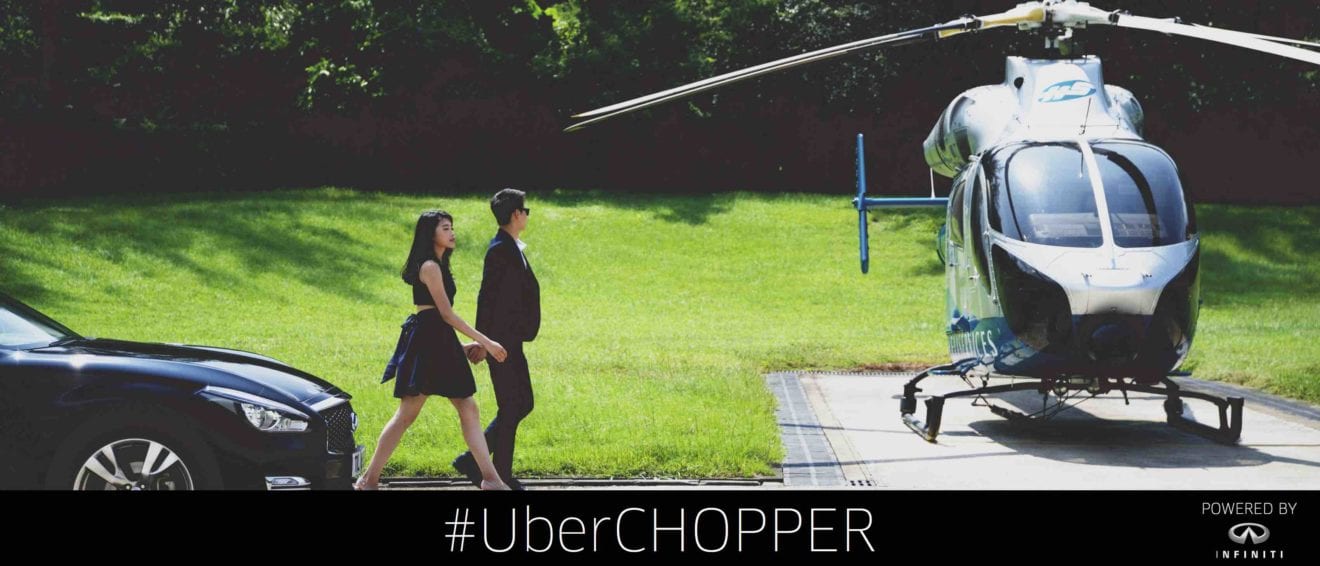
    California-based ride-sharing app Uber, in collaboration with local aviation service PremiAir, is introducing helicopter service in Indonesia on Friday, offering a new way to travel amid Jakarta’s heavy congestion.

    The service, which called UberCHOPPER, is the first helicopter charter service in Indonesia that is accessible for anyone through car-hailing app Uber application.

    “PremiAir is excited for UberCHOPPER, a collaboration between PremiAir and Uber apps. We introduce an alternative transportation, catering our market needs on flexibility and comforts travel between or within the city,” Tony D. Hadi, PremiAir managing director, said in a statement.

    UberCHOPPER has previously been available in New York, Austin, Cannes and Hong Kong.

    “Uber is all about bringing amazing experiences to people on-demand using the power of new technology – whether it’ a safe, reliable ride around Jakarta, opportunities to pitch ideas to venture capitalists or an aerial tour of the city,” Karun Arya, Uber spokesperson, said.

    UberCHOPPER is free of charge for today. The app users can order the service through the app then wait for Uber’s premium car to pick them up to helicopter pick-up points in Jakarta–which available in Grand Indonesia in Central Jakarta or Halim Perdanakusuma Airport in East Jakarta.

    “With UberChopper we aim to give a number of lucky riders the ability to experience a unique helicopter ride, touring Jakarta skies and witness the breathtaking views of the city at the push of a button.”

    Uber also invited some people, who considered influential, to try out Uber Chopper service. Artist such as Tarra Budiman, RAN, Kunto Aji, Rene Suhartono, Ernanda Son, Olivia Blue and fashion blogger Rachel Theresia were among the first to try the premium service. Especially for the influencers, Uber provides flight from Halim Airport to Grand Indonesia.