Retail News CRM

Tag: uber

  • Over 20,000 Vietnamese work as Uber motorbike drivers

    Over 20,000 Vietnamese work as Uber motorbike drivers

    The ride hailing company releases business data for the first time, one year after launching its motorbike service in Vietnam.

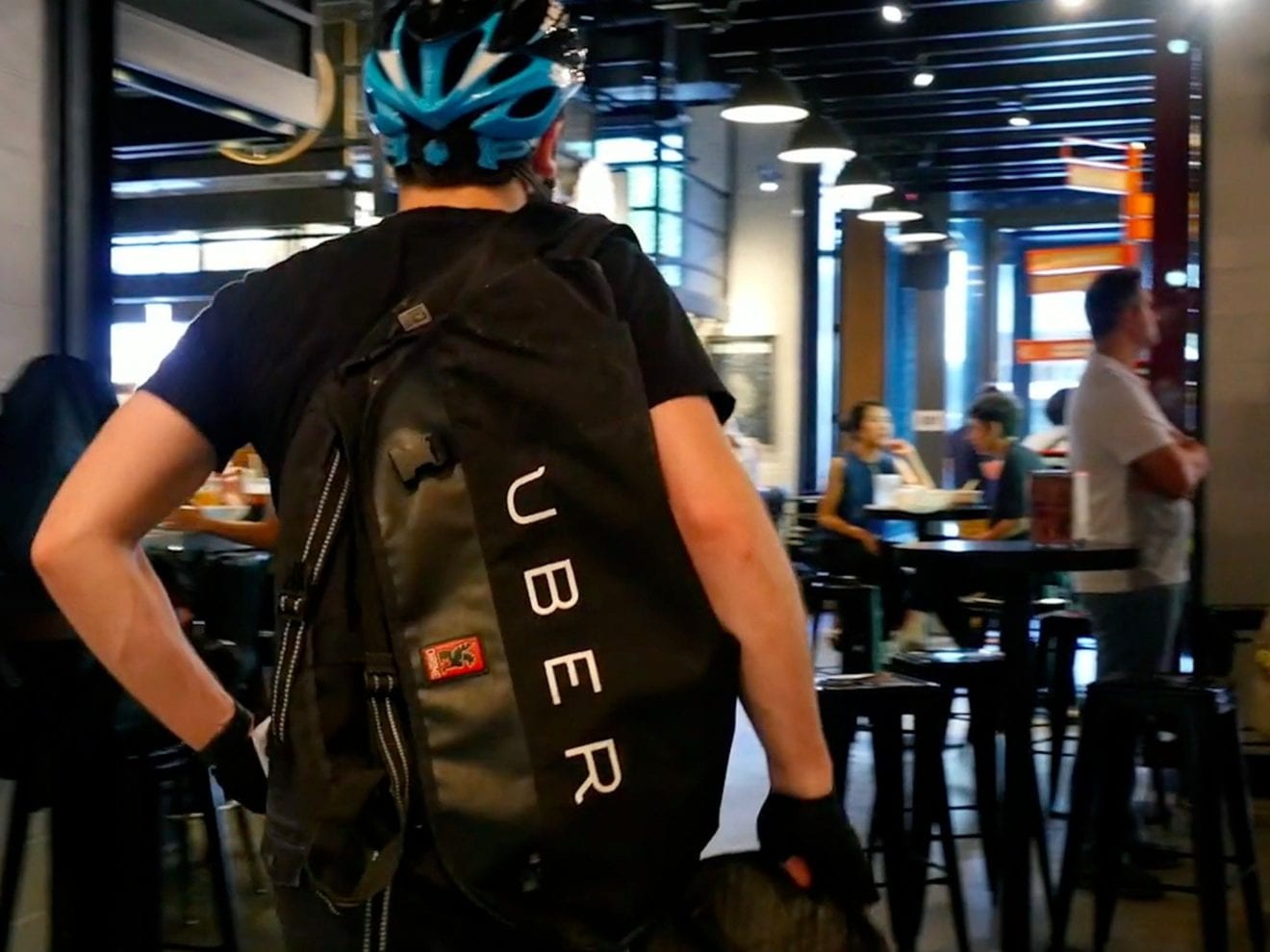
    More than 20,000 Vietnamese men and women have registered to work as motorbike taxi drivers for Uber, a representative of the ride hailing company said Sunday.

    Dang Viet Dung, general manager of Uber Vietnam, did not break down the number but he seemed eager to share that the top motorbike drivers clocked in more than 5,000 rides within a year.

    This is the first time the company, since the launch of UberMOTO in April last year, has released such figures. It also has a network of cars for the traditional Uber service.

    For future plan, Uber will offer English courses for its drivers to serve foreigners in Vietnam, Dung said.

    Before Vietnam, the UberMOTO service had been launched in Thailand, India and Indonesia.

    After Uber entered Vietnam in June 2014, collecting tax from for the U.S.-based car hailing service had been a headache for local authorities.

    Then in September last year, Uber paid taxes to Vietnam for the first time.

    In April this year Uber’s car and motorbike services were finally legalized here, even though local passengers rarely paid attention to these legal formalities.

    Before Uber, Vietnam’s transport authorities approved a pilot scheme for Grab Vietnam, Uber’s main rival, which also entered Vietnam in 2014.

    The Malaysia-based Grab is operating both car and motorbike services in the country.

    Their market shares have not been disclosed but other service providers, from taxi companies to xe om drivers, have felt threatened.

    Retail News earlier this year interviewed motorcyle taxi drivers, who said they were being beaten by Uber and Grab on their own turf.

    Some even predicted that these newcomers could eventually put old-fashioned drivers, now usually referred to as “traditional” drivers, out of business.

    This month, a video spread on social media showing a group of xe om drivers in a heated conflict with Grab drivers in front of a hospital in Hanoi.
  • Uber fires engineer at center of trade secret suit

    Uber fires engineer at center of trade secret suit

    The star engineer was accused of stealing technology from Alphabet’s self-driving car unit. Uber on Tuesday confirmed that it has fired an engineer accused in a trade secrets suit involving files he purportedly purloined from Alphabet’s self-driving car unit Waymo.

    The firing of Anthony Levandowski came just ahead of a date set by a judge for Uber to return files taken from Waymo.

    Levandowski missed a company deadline for assisting with an internal investigation related to the litigation, according to an Uber spokesperson who asked not to be named.

    The case stems from a lawsuit filed in February by Waymo, formerly known as the Google self-driving car unit, which claimed former manager Levandowski took a trove of technical data with him when he left to launch a competing venture that went on to become Otto and was later acquired by Uber.

    San Francisco-based Uber said it pressed Levandowski for months to help with the investigation, and did not want to wait until the matter made its way through the courts to decide whether to let him go.

    In mid-May, U.S. District Court Judge William Alsup issued a partial injunction that fell short of the complete shutdown of Uber’s self-driving car efforts that Alphabet lawyers had requested.

    “Waymo has supplied a compelling record that Levandowski pilfered over 14,000 files from Waymo, and that Uber knew or should have known as much when it brought him on board,” Alsup said in his order.

    Waymo’s lawsuit contends that Levandowski in December 2015 downloaded files from a highly confidential design server to a laptop and took the data with him to the startup.

    The judge ordered Uber to do everything in its power to prevent information taken from Waymo from being used at the on-demand ride company and to return all copies to Waymo, or the court, by the end of May.

    Under the order, Levandowski was barred from being involved at Uber with anything to do with LiDAR, an object-sensing technology used to help self-driving cars “see,” which is at the heart of the suit.

    Waymo argued in the lawsuit that a “calculated theft” of its technology netted Otto a buyout of more than $500 million and enabled Uber to revive a stalled self-driving car program.

    Uber acquired commercial transport-focused Otto late last year as the company pressed ahead with its pursuit of self-driving technology.

    Levandowski, a co-founder of Otto, headed Uber’s efforts to develop self-driving technology for personal driving, delivery and trucking.

  • Uber Join Hands with Trafi App

    Uber Join Hands with Trafi App

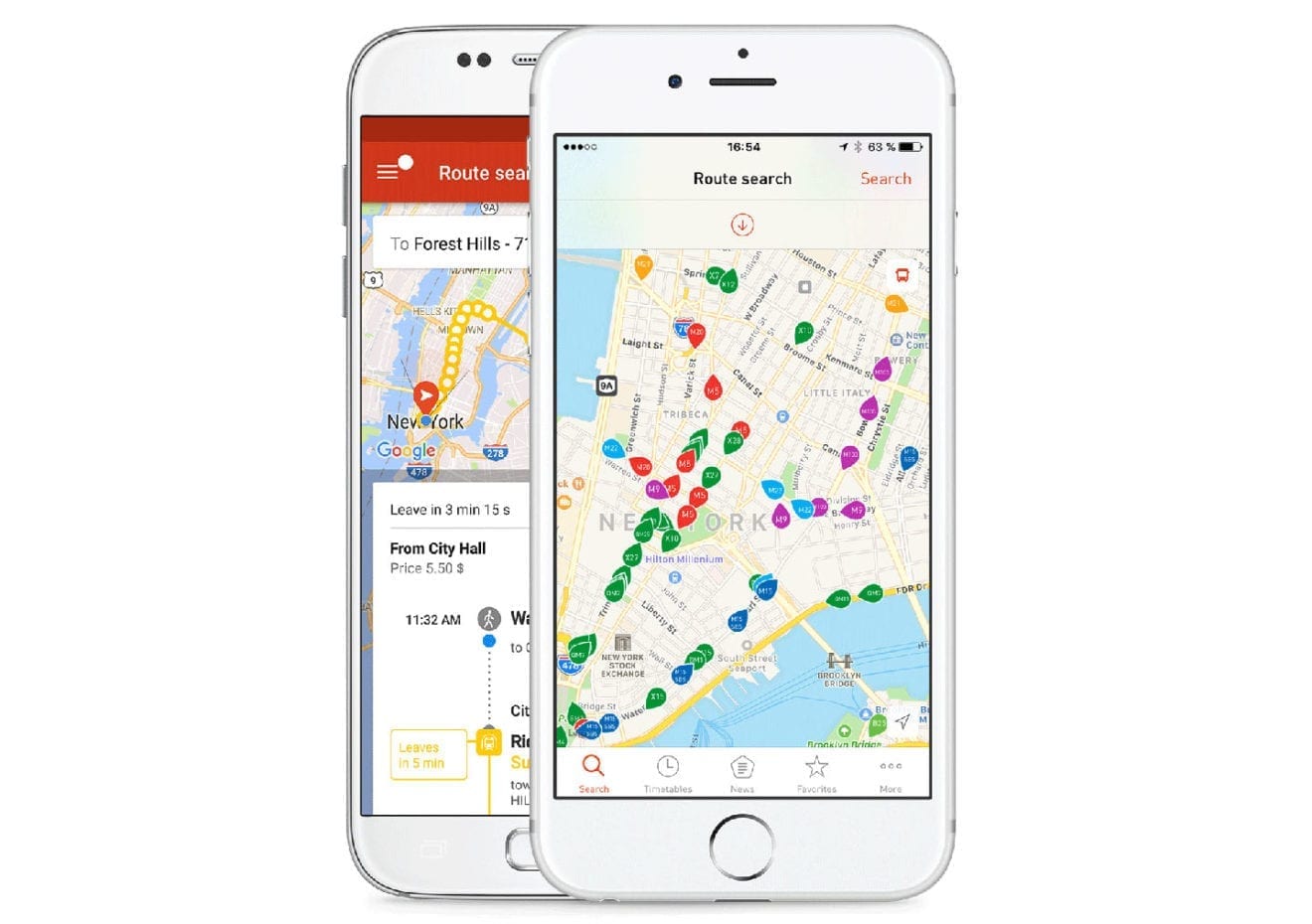
    App-based transportation services Uber has joined hands with multimodal transport app Trafi to help residents in Greater Jakarta, or Jabodetabek, combine public transport and ridesharing services.

    Head of Public Policy and Government Affairs of Uber Indonesia John Colombo said that the partnership will allow Uber users to choose various types of public transport in Trafi app. As a result, efficiency will be greater and people will be able to pick their preferred transportation mode.

    John said yesterday, May 29, that the integration is aimed at offering more choices and comfort in travel plan and selection of transportation modes.

    John said he is confident that Uber will see an increase in the number users. However, the latest service can only be enjoyed by users around Jabodetabek.

    Trafi Indonesia Country Manager Dimas Dwilasetio said that the company has the data of 600 public transport routes across Indonesia and 95 Transjakarta routes in Jabodetabek. “We are optimistic that the partnership can provide a solution for people to get public transport services,” he said.

  • Indonesia’s Uber rival Go-Jek raises $1.2 billion led by Tencent at a $3 billion valuation

    Indonesia’s Uber rival Go-Jek raises $1.2 billion led by Tencent at a $3 billion valuation

    Go-Jek, the motorbike on-demand startup that is battling Uber and Grab in Indonesia, has closed a new round of $1.2 billion led by Chinese internet giant Tencent, two sources close the company told. The deal, which we understand was signed last week, values the company at $3 billion post money. It is expected to be officially announced “soon.”

    Go-Jek raised $550 million as recently as August 2016, when it commanded a valuation of $1.3 billion so this new deal has pushed that figure up considerably over a short period of time. The Information previously reported that Tencent was considering an investment in Go-Jek. Other investors in the round are not clear at this stage, but we believe them to be from the existing pool of backers.

    One source told that Alibaba and its financial services spin-out Ant Financial held talks with the startup, but were ultimately unsuccessful. Ant Financial has since partnered with media firm Emtek to enter Indonesia. Alibaba and Tencent are fierce rivals that are not known for co-investing in deals, although both hold equity in Didi Chuxing after investing separately in Didi Kuaidi and Didi Dache which ultimately merged to create Didi (and is buying Uber’s China business).

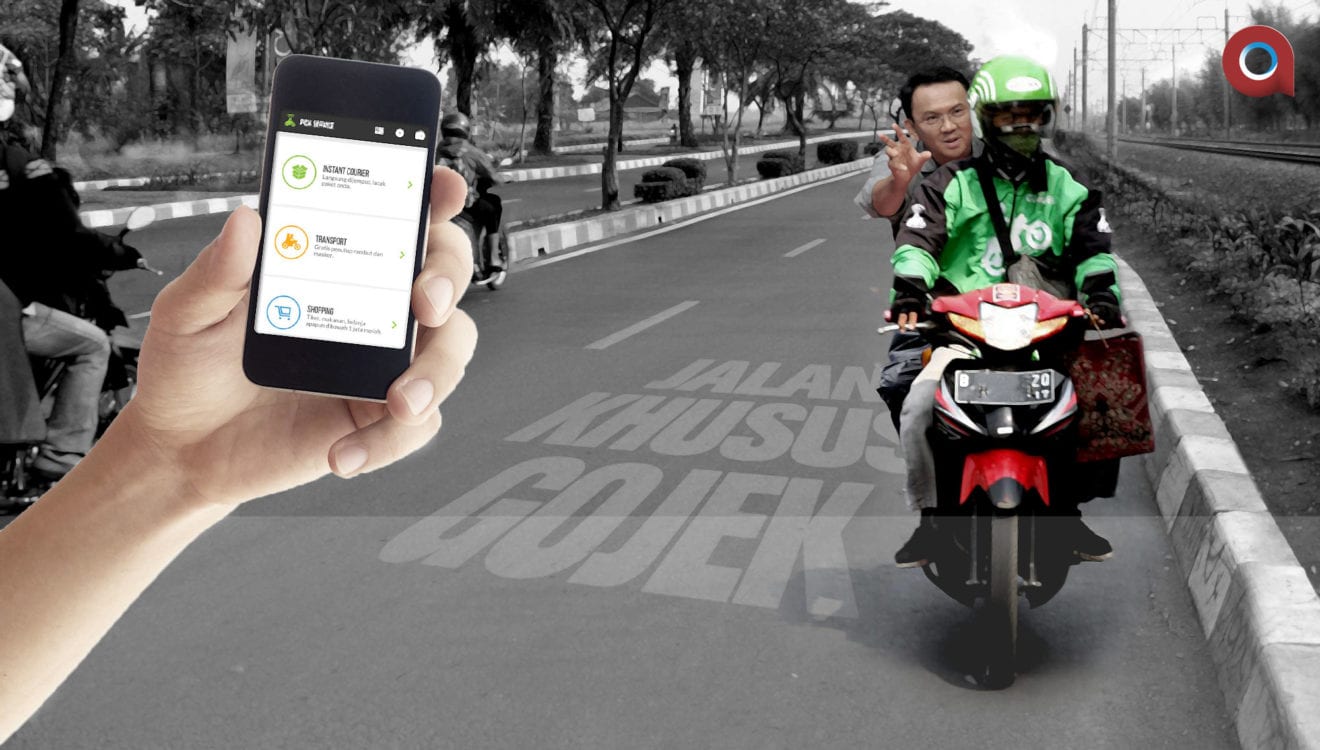
    Go-Jek claims to have over 200,000 drivers across some 25 cities in Indonesia. It started out as a pure bike taxi player — because two wheels are an efficient way to navigate the congested streets of Asian mega-cities like Jakarta — but it has since expanded into four wheels with its GoCar private car service and a partnership with taxi firm Blue Bird. In contrast, Uber and Grab have both introduced motorbike taxi services in Indonesia to crank up the competition.

    Focused on the Indonesian market only, Go-Jek is involved in a dog fight with Uber and Singapore-headquartered Grab. Uber has, of course, raised more than $8 billion from investors — at a valuation that has surpassed $60 billion — while Grab is reportedly working on a new $1.5 billion funding round. Its most recent raise was $750 million at a $3 billion valuation in September 2016, but you can expect that figure to increase in the near future. Our sources told us that Go-Jek’s new fundraising is principally focused on increasing its war chest in order to continue to battle Uber and Grab on driver and passenger subsidies, develop its mobile payment business — Go-Pay — and expand its services business, which allows customers to get services such as shopping, massages and more on demand.

    Last year, Go-Jek hinted that it would expand its business overseas, but to date it has remained in Indonesia. One source told us that Go-Jek has considered partnerships or investments to expand to markets where other bike on-demand services exist, such as India or Sri Lanka, but it is staying focused on the battle in Indonesia. Aside from being Southeast Asia’s largest economy and population — Indonesia is home to over 250 million people — the country is tipped to be Southeast Asia’s largest internet economy by some margin.

    The region’s ride-sharing market itself is predicted to grow from $2.5 billion in 2015 to $13 billion by 2025, according to a report co-authored by Google. Indonesia’s share of that segment is forecast to jump from an estimated $0.8 billion to $5.6 billion over that same period.

    Grab is making a big push to win the opportunty. The company recently pledged to invest $700 million into its Indonesia operations, which includes building out its team, localizing its tech and making investments. Grab recently snapped up Kudo Payments in an undisclosed deal which sources told us is in the region of $80 million to $100 million. The acquisition is designed to boost Grab’s own payment platform, GrabPay, which is following GoPay’s footsteps and taking Grab into services beyond just car rides.

    The new Go-Jek deal also marks Tencent’s first investment in Indonesia, and the latest in a flurry of startup deals from the company, which is best known for operating China’s top messaging platform, WeChat. Tencent bought five percent of Tesla in March for just over $2 billion, and it has since done deals with Chinese streaming service Kuaishou and cross-border payment provide Airwallex.

  • Vietnamese developers reveal latest ride-hailing app

    Vietnamese developers reveal latest ride-hailing app

    The new app will work along the same lines as Uber and Grab, but with better understanding of local travel habits, developers said. A locally developed ride-hailing app was unveiled on Friday in Vietnam, giving travelers yet another option in the rapidly expanding market.

    APPP, developed by Vietnam’s University of Transport Technology with funding from German-based investment company Sapa Thale, will work similarly to Uber and Grab but with a better understanding of local travel habits, its developers said.

    Uber and Grab are both popular services in Vietnam and considered major rivals to traditional taxi companies, which have reported losses due to the competition.

    While the other apps estimate the fare of each trip in advance, APPP allows the customer to negotiate the fare with eight drivers before booking, the developers said at the launch.

    The investor expects a door-opening fare of between VND8,000-8,500 ($0.35-0.38) and for fees to range from VND6,000-6,300 per kilometer.

    Sapa Thale said it has submitted an application to license the service with the transport ministry. No timeframe for a commercial launch has been revealed.

  • Lazada loyalty program link to other ecommerces

    Lazada loyalty program link to other ecommerces

    A Lazada loyalty program for Singapore shoppers looks set to be expanded to other Asian markets.

    Alibaba-owned Lazada has teamed up with Netflix and Uber Technologies – the first time the companies have jointly created an online rewards program, according to Lazada CEO Maximilian Bittner.

    The program is aimed at consumers who primarily go online for shopping, entertainment, transportation and food delivery.

    Alibaba acquired a controlling stake in Singapore-based Lazada for US$1 billion last year. The “LiveUp” program links their online services, from Netflix and UberEats to grocer RedMart and Taobao marketplace.

    Consumers pay S$28 (US$20) a year for such benefits as six months of Netflix streaming, discounts on Uber rides and free delivery on Lazada or Taobao purchases. A mobile app will be rolled out in the second half of the year.

    “Singapore is the market on the cutting edge of validating what we think consumers might want, so we will focus on Singapore first,” says Bittner, who expects to add more partners.

    E-commerce in Singapore, which accounted for 0.9 per cent of total retail there in 2003, has grown from 2.4 per cent in 2013 to 4.8 per cent last year, according to Euromonitor data.

    Bittner and RedMart co-founder Vikram Rupani hatched the loyalty program over breakfast on Christmas Eve before approaching Netflix and Uber. “Their decision to do it was very fast because they have the same goal,” says Bittner.

    Uber, which entered Singapore four years ago, will offer members benefits including free rides and promotions. “This is just the beginning,” says Uber Singapore GM Warren Tseng.

  • Vietnam’s biggest taxi firms blame Uber, Grab for losing business

    Vietnam’s biggest taxi firms blame Uber, Grab for losing business

    The traditional taxi companies describe the competition as ‘harsh’ and ‘unfair’. Vietnam’s major taxi company Mai Linh has reported the worst business in five years while another big player Vinasun projected a 50-percent drop in profit this year, and the two blamed competition with ride-hailing apps.

    Despite arriving late in Vietnam’s taxi market, Uber and Grab have been winning significant footholds for their fare transparency, quality of service and fashionable technology.

    The unlisted Ho Chi Minh City-based Mai Linh said its transport business lost nearly VND84 billion ($3.7 million) last year, after making a profit of VND325 million in 2015.

    The company’s net profit last year, plunged nearly 70 percent in the same period to VND43 billion, the firm’s financial report showed.

    Ho Huy, chairman of the company’s management board, said Uber and Grab were key reasons to have made 2016 a difficult year for Mai Linh and other traditional taxi firms.

    He said the market has seen “harsh competition”, with unfair taxation. Uber, for example, was paying a 3-percent value added tax, while taxi firms said they have to pay a 10-percent VAT and 20 percent corporate income tax. Uber now keeps 20 percent revenue of a ride and sends 80 percent to the driver.

    Huy also blamed Uber and Grab for worsening traffic in Ho Chi Minh City by adding 25,000 cars to the streets in recent years.

    Vinasun, also based in Ho Chi Minh City, said competition with ride-hailing apps has made it lower the profit target for 2017, the third cut in a row.

    Vinasun’s gross profit is now projected at VND205 billion, down 48 percent from 2016, based on the company’s plan to be submitted to the shareholder meeting scheduled late this month.

    But the blaming has received little support from the public, as many people said they were unhappy with poor and unreliable services provided by taxi firms, such as drivers refusing to serve short distance or failing to show up regardless of clients’ booking.

  • Alibaba’s Singapore unit enlists Uber, Netflix to lure customers

    Alibaba’s Singapore unit enlists Uber, Netflix to lure customers

    Alibaba Group Holding has created a loyalty program for online shoppers in Singapore that it may expand to other markets, teaming up with Uber Technologies Inc. and Netflix to lure customers.

    It’s the first time Uber and Netflix have jointly created an online rewards program, said Maximilian Bittner, chief executive officer of Lazada Group SA, the Singapore-based e-commerce operator Alibaba acquired for $1 billion in 2016.

    The trio’s LiveUp programme starts Thursday and links their services, from UberEats and Netflix to online grocer RedMart and Alibaba’s Taobao online marketplace.

    Consumers pay S$28 ($20) a year to get benefits such as six months of Netflix streaming, discounts on Uber rides and free delivery on Taobao or Lazada purchases. A mobile app will be rolled out in the second half of the year.

    “Singapore is the market on the cutting edge of validating what we think consumers might want, so we will focus on Singapore first,” said Bittner, who expects to add more partners. He drew a comparison with code-sharing among carriers, which gives consumers a range of benefits like flight redemptions.

    Alibaba and its US partners are betting on the growth of online retail in Singapore.

    The city-state’s internet retailing market, which accounted for just 0.9% of total retail there in 2003, went from 2.4% in 2013 to 4.8% in 2016, according to data compiled by Euromonitor.

    Faced with the prospect of Amazon making a big push into Southeast Asia, Lazada has been seeking ways to defend its slice of the region’s e-commerce market.

    Bittner and RedMart co-founder Vikram Rupani hatched the loyalty programme over breakfast on Christmas Eve before approaching Netflix and Uber to get involved. “Their decision to do it was very fast because they have the same goal,” Bittner said.

  • UberEats Korea launch imminent

    UberEats Korea launch imminent

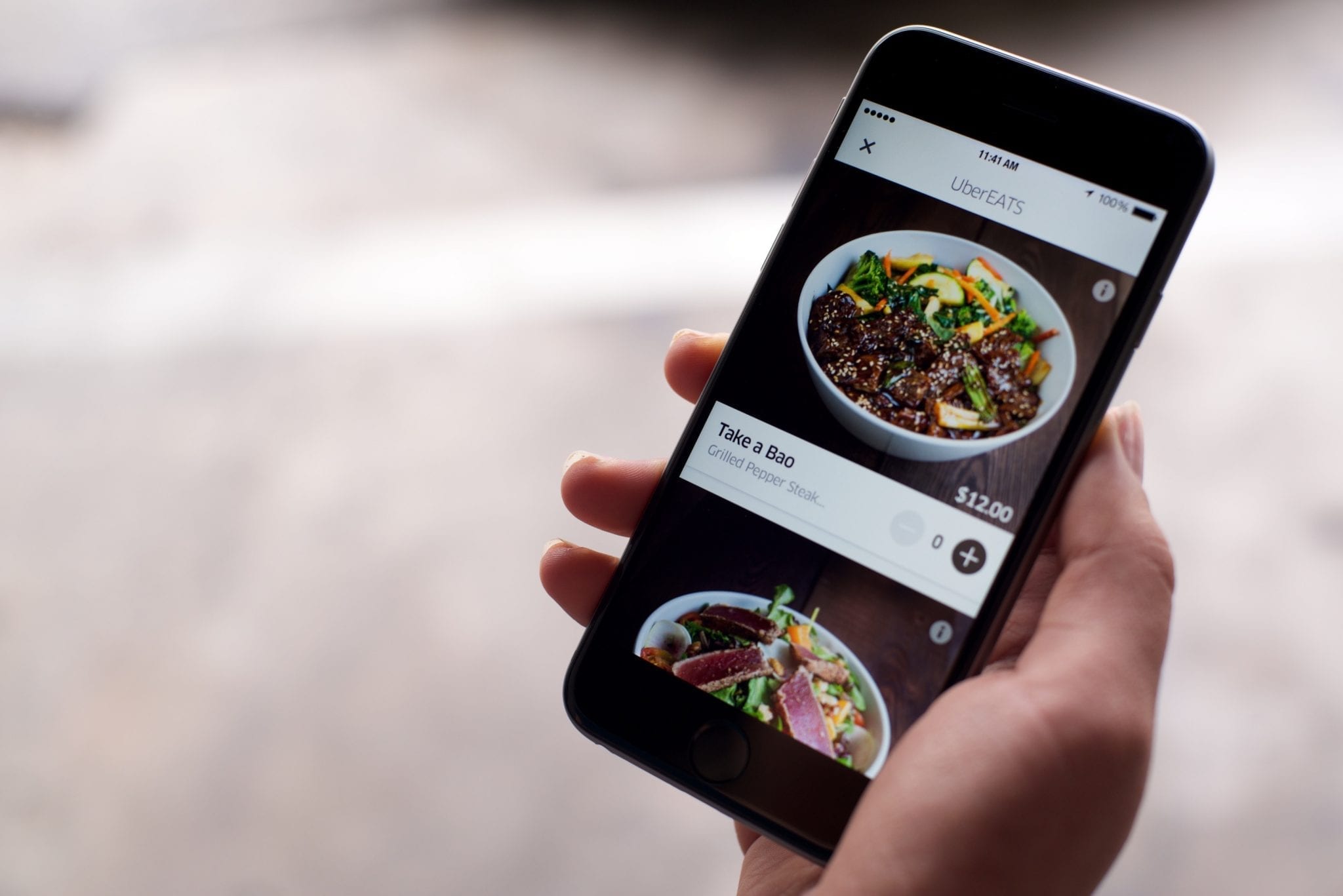
    App-based ride service provider Uber Technologies says it is planning to launch its on-demand restaurant delivery service UberEats in South Korea.

    UberEats Korea will partner with restaurants, with ordering conducted on the company’s web site or with a smartphone app.

    “The company is preparing the local launch of UberEats,” said a spokesman for Uber Korea, the local unit of Uber, on the condition of anonymity. “But at the moment, we have not decided on the exact launch date.”

    Industry sources expect the UberEats Korea delivery service to be introduced within the year.

    UberEats Korea is expected to join other local delivery apps such as Yogiyo, FoodFly and Baedal Minjok. Baedal Minjok is the market leader with more than 50 per cent market share, followed by Yogiyo and Baedaltong, which are both owned by Germany-based Delivery Hero.

    Ordering food by phone is commonplace in South Korea. However, delivery apps have become increasingly popular and now take up nearly 15 per cent of the total food delivery market which is estimated at around 12 trillion won (US$10.5 billion) annually.

    UberEats was launched as a delivery pilot in Los Angeles in 2014. Since then, it has expanded to 58 cities. The service also exists in other major Asian cities including Bangkok, Tokyo and Taipei.

  • Uber’s ride hailing service is finally legal in Vietnam

    Uber’s ride hailing service is finally legal in Vietnam

    The ride-hailing firm has now secured approval from local authorities after two previous rejections. The Vietnamese government has finally approved Uber’s application to trial its ride hailing services, a minister said, after having rejected requests from the company twice since 2015.

    Deputy Transport Minister Nguyen Hong Truong said on Monday that Uber Vietnam has fulfilled all necessary conditions to pilot its online ride-hailing application. However, the company will still need approval from local authorities before it starts operating, Truong added.

    The main obstacle facing Uber’s quest to legally offer its services in Vietnam was mainly its failure to register Uber Vietnam as a ride service provider since its arrival in June 2014 as the company expanded into Southeast Asia.

    Previously, Uber Vietnam was only registered to offer “consulting and management” and “market research and public opinion polling”. Now, it’s also registered to offer “information technology services and other computer related services.”

    The Transport Ministry previously said that Uber Vietnam’s authorization given by its parent company – the Netherlands-based Uber International Holding BV – which provides the smartphone application for Uber services, was insufficient.

    Market regulators said the parent company should be held responsible for the application rather than its Vietnamese business unit.

    Local regulators outlawed Uber’s smartphone app-based services in November 2015 after they flagged the company for tax avoidance.

    In an attempt to regulate ride-sharing services, Vietnamese regulators have allowed companies to run pilot programs through IT applications under 3-year contracts. Vietnam’s transport authorities earlier approved a pilot scheme for Grab Vietnam, Uber’s main rival, that also entered Vietnam in 2014.

    The Malaysia-based Grab was previously the only foreign-run transport service allowed to operate in five cities across Vietnam using registered private vehicles between 2016 and 2018.

  • Ayala Malls the 30th offering Uber service

    Ayala Malls the 30th offering Uber service

    Ayala Malls has teamed up with ride-sharing service Uber to improve access to its newest mall, and may expand the service to the rest of its empire.

    Ayala 30th Uber

    Initially, Ayala Malls the 30th is teaming with carpool service UberHop, which offers fixed-rate ride shares for people heading in the same direction during rush hour.

    Ayala 30th Uber 1

    For a flat rate, people going to and coming from Ayala Malls the 30th in Ortigas will be linked to the business hubs of Makati City and Bonifacio Global City on weekdays.

    “The beauty of this is that it brings six to eight people together who would have otherwise taken their own cars from Makati and back, so that’s about six fewer cars on the road during rush hour,” says Uber Philippines communications head Cat Avelino.

    The test program may eventually lead to UberHop and other services being used by more Ayala malls.

    “Definitely we hope this will be the first of many more partnerships with Ayala. Ayala has more than 40 malls in Metro Manila and around the Philippines, so we’re definitely open to extending the benefit people get from ride-sharing,” says Avelino.

    The partnership ties in to Ayala’s Easy Ride project, which aims to give customers convenient access to various modes of public transport to and from its malls.

    “The real value-add of Uber is that it can direct where the drop-off and pick-up points are, and that really helps with the flow, the customer experience and our traffic,” says Ayala Malls the 30th GM Mariana Zobel de Ayala.

  • Saigon cab firm takes on Uber with unexpected weapon: grapefruit

    Saigon cab firm takes on Uber with unexpected weapon: grapefruit

    With Uber and other app-based car-hailing services becoming increasingly popular in Vietnam, one local taxi firm has decided to improvise in order to give its drivers a competitive edge.

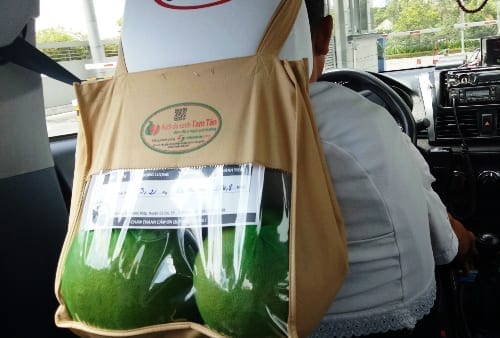
    Vinasun, the country’s second biggest taxi firm, has found a way to boost its drivers’ incomes by turning 800 cabs in Ho Chi Minh City into mobile grapefruit stalls.

    A kilogram of pomelo, a green-skin grapefruit, sells for VND64,000 ($2.81)

    “Drivers receive a bonus for selling large quantities of fruit,” a driver said.

    The taxi operator typically keeps 80 percent of the revenue from its grapefruit business and awards the remaining 20 percent to the drivers, said executive officer Ta Long Hy.

    Vinasun drivers are making on average between $2 and $4 a day from selling grapefruit, he estimated, adding that the best sellers can add up to $17 to their daily incomes.

    Since ride-hailing companies like Uber and Grab appeared on the scene, traditional taxi drivers have seen their incomes rapidly plunging.

    Traditional taxi companies have been lobbying the government for a lower VAT levy to allow them to compete with cab-hailing apps. The government has, however, turned down the request saying there’s no grounding to claim traditional taxi companies have to pay higher taxes and fees than their ride-hailing competitors.

    Uber and Grab cut into at least 10 percent taxi operators’ revenue last year in Ho Chi Minh City, the local association of taxi companies estimated.

    The number of private minicabs, mostly offering transportation services via car-hailing apps, has reached 20,000 in Ho Chi Minh City, twice as many as the number of traditional taxis.

    Last year Vinasun, which has around 6,000 cabs and operates chiefly in Ho Chi Minh City, launched a counteroffensive against the ride-hailing menace: its own app.

    Passengers using Vinasun’s ride-hailing app can easily recognize their minicabs with a ‘Vcar’ logo, Vinasun’s luxury version. They will be offered the option to fix the price at the beginning of a journey rather than rely on the taxi meter, according to Vinasun.

    Vinasun Group, which has been listed on the Ho Chi Minh City Stock Exchange since 2008, made VND4.3 trillion in revenue ($189 million) last year, down 6 percent from 2015.

  • Alibaba Group Investments in Delivery Start Ups

    Alibaba Group Investments in Delivery Start Ups

    Alibaba and main rival JD.com will enjoy fast growth in the fast moving consumer goods (FMCG) market, according to research from Goldman Sachs, as more people in China turn to online shopping for daily grocery items like food snacks, body care products and soft drinks.

    The online grocery retail market is currently substantial and will continue to grow and support the two major e-commerce platforms in China, as they take away business from offline Chinese stores in the coming years and invest in a new type of courier service, according to a report published by investment bank Goldman Sachs.

    Alibaba will use start-ups courier businesses, which works much like Uber for delivery, and similar to Instacart. The start-ups run lean, with little infrastructure. When a customer logs onto the Alibaba website or app and purchases groceries, they will send contractor couriers, many of who ride electric bikes, to supermarkets, convenience stores and local groceries as well, where store employees bag the orders for the courier to pick up.

    While delivery start-ups like this have existed for the last couple years, they have gained position since a boost of funding from Alibaba and JD.com.

    In hundreds of cities around China, consumers can order their groceries on the Alibaba or JD.com app and have them delivered to their door within an hour.

    The company is still looking for the better ways to bring perishables like fresh seafood, meat and vegetables to its customers, according to Goldman Sachs analysts led by Ronald Keung. Last year both companies finished building its nationwide fulfilment centres, enabling more than 200 cities in China to enjoy same or next day delivery for groceries ordered online.

    “We expect Tmall and JD’s new supermarket initiatives to drive further online growth in the supermarket segment,” said Keung in the report.

    “These will be enabled by their logistics improvements, wider FMCG brand participation and ongoing new user adoption. We see the FMCG market big enough for two online winners.”

    FMCG currently accounts for 37 percent of all retail spending in China and the market is expected to increase on average by 6 percent annually to reach $2.6 trillion in 2020.

  • Thai Transport Authority Fines Uber, Grab Drivers

    Thai Transport Authority Fines Uber, Grab Drivers

    When U.S.-based Uber launched in Thailand in 2014, the Department of Land Transport said the company’s drivers were not properly registered or insured, and its payment system did not meet regulations. However, authorities did little to stop the service since it was so popular with tourists and locals.

    But the government is clamping down on the service now, with 23 Uber drivers fined in Bangkok this week alone. Grab drivers have also been fined, though not as many, with drivers caught working for one of apps now having their licenses suspended for up to six months and fined 2,000 baht ($57).

    Authorities are targeting Uber and GrabCar specifically because they are the only two services in Thailand where private car owners can use their own cars to pick up passengers. Uber has a site set up so drivers can sign up and start earning money through the app.

    The Department of Land Transport’s Deputy Director-General Nanthapong Cherdchu said the agency would ask the military government to use an emergency measure to shut down the apps if drivers don’t comply. Many taxi drivers in the country — angry over losing business to the two apps — have even launched their own investigations in an effort to turn Uber and Grab drivers over to the authorities. Uber, however, is hoping they can work with the government and convince them that these ride-hailing services are beneficial to the country.

    “Uber remains committed to creating reliable transportation for everyone,” Uber spokeswoman Amy Kunrojpanya said.

  • Uber agreed to, then scrapped, a non-compete deal with Indonesian unicorn Go-Jek

    Uber agreed to, then scrapped, a non-compete deal with Indonesian unicorn Go-Jek

    Uber may have a reputation for steamrolling its competitors, but it can be conciliatory at times. In 2015, a year before its retreat from China via the sale of its Chinese business to rival Didi, the U.S. company agreed to a non-compete deal with Go-Jek, a fast-growing on-demand service from Indonesia that’s valued at over $1 billion, TechCrunch has learned.

    In a bid to strengthen their collective battle against Grab, the Singapore-based firm represent in six countries, the two companies floated a collaboration that would ensure they didn’t compete directly in Indonesia, the largest economy in Southeast Asia, according to a person who was involved in discussions. In practical terms, it meant Uber would stick to offering private cars in the country, while Go-Jek would focus only on two-wheeled motorbikes on-demand.

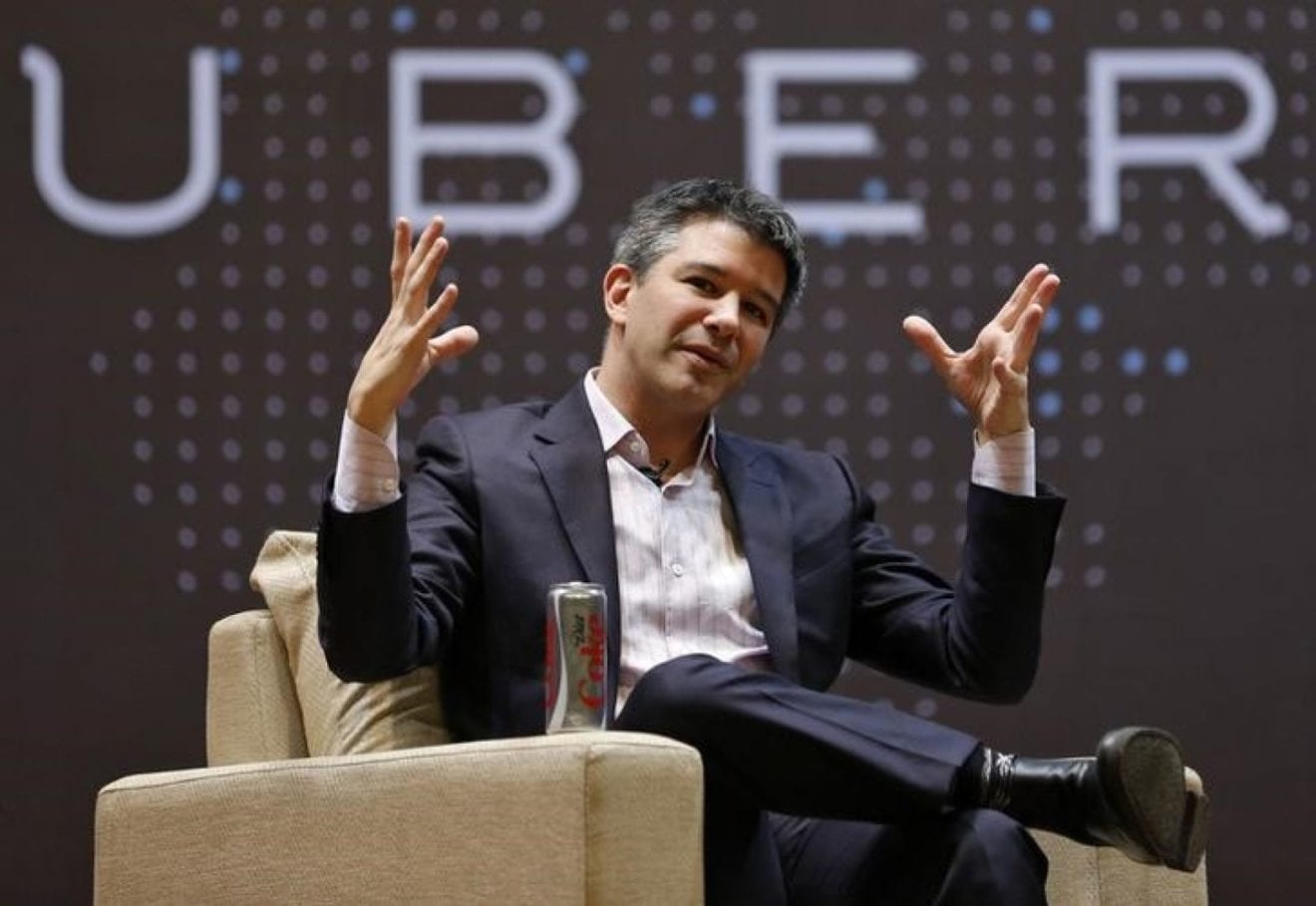
    The agreement fell apart when Uber CEO Travis Kalanick was made aware of the arrangement. Our source said the Uber chief didn’t want to miss out on potential marketshare and thus scrapped the deal. It wasn’t long before they did invade each other’s spaces: Uber introduced ‘Motor,’ its bike taxi service, in Indonesia in April 2016, while Go-Jek announced its GoCar service the following month.

    Uber declined to comment. Go-Jek did not respond to multiple requests for comment.

    Indonesia, and its capital city Jakarta, has become a hot battleground for Uber, Grab and Go-Jek. The country is the largest in Southeast Asia with a population of 250 million people, and it is currently estimated to account for one-third of the region’s ride-sharing market based on revenue, according to figures from a report co-authored by Google. The same study predicts that ride sharing across Southeast Asia will grow by more than five-fold to reach $13.1 billion by 2015, with Indonesia alone worth $5.6 billion.

    Agreeing to an alliance might have made sense for a young Go-Jek, but times have changed. The company, which specializes in motorbike taxis on-demand, had a breakout 2016 in which it attracted investment dollars from major firms Warburg Pincus, DST and Sequoia Capital, all of which took part in its recent $500 million financing round. Now valued at $1.3 billion, the company’s stock has continued to soar as it fends off the challenge from Grab and Uber, two vastly larger companies that have raised billions of dollars more. Today, Go-Jek is arguably Indonesia top ride-sharing firm, and it is reported to be in talks with Chinese tech giant Tencent over a new investment that could bring in as much as $1 billion at a pre-money valuation of $2 billion.

    Beyond imitating its business by expanding into motorbikes, Uber and Grab have also taken a leaf out of its monetization playbook. Grab has copied Go-Jek’s by introducing non-transportation services via motorbike and developing its own mobile payments service, which is designed to seed its platform beyond the initial early adopters that have registered and used it thus far.