Retail News CRM

Tag: uber

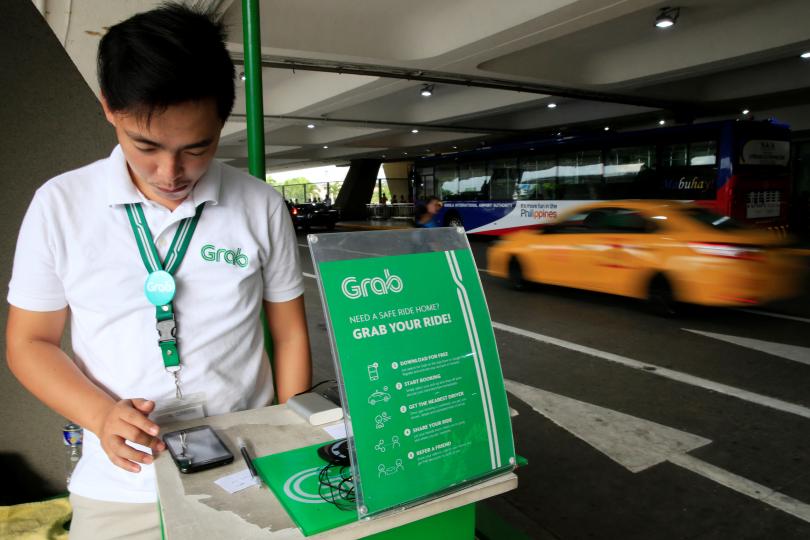
  • GRAB and UBER fighting to dominate the ridesharing in South East Asia

    GRAB and UBER fighting to dominate the ridesharing in South East Asia

    Uber’s founders first tested their app among San Franciscans, a pair of Harvard Business School classmates from Malaysia seized upon a similar idea: They wanted to build Uber, but for Asia.

    In 2012, they launched a ride-sharing service with 40 drivers in Kuala Lumpur. Eventually, they settled on the name Grab.

    Six years later, Grab dominates the ridesharing market in South East Asia, boasting 2.3 million drivers in 168 cities across eight countries.

    In 2017, the company raised $2.5 billion from investors, including Softbank, the Chinese ridesharing company Didi Chuxing, and Hyundai.

    This recent round of funding valued it at $6 billion, making it the most valuable tech startup in South East Asia. Despite Uber’s aggressive investment in the region, it has struggled to beat Grab. That is in part because of Grab’s cultural advantage.

    While Uber has spent close to a decade figuring out what Western users want out of a ride-service, the company has struggled to adapt its findings to parts of the developing world. By contrast, Grab has solved a puzzle facing companies in places that are just coming online: How to make e-pay work in nations that lack financial infrastructure.

    For co-founder Anthony Tan, the transactions Grab facilitates represent the future of his company. We are sitting in the booth of a hotel restaurant in Davos, Switzerland.

    Tan, 35, who is the son of one of Malaysia’s largest automobile distributors, wears a cross and a ring on a chain around his neck. He pauses over his noodle dish as he describes the company’s bustling Singapore headquarters, where he and co-founder Hooi Ling Tan (no relation) have recruited an army of young coders that include alumni of Facebook, Amazon and Google.

    They will need that army. In South East Asia, the ride sharing wars have escalated into an arms race for money and talent. Since Uber launched in the region in 2013, the company has sunk millions of dollars into recruiting riders and drivers.

    Meanwhile, local competitor Go-Jek enjoys a strong market lead in Indonesia, where it is based, and recently raised $1.2 billion in a funding round that included Google as well as Chinese companies Tencent and JD.com and the Singaporean sovereign wealth fund Temasek.

    Dominating ride-share in Southeast Asia comes with significant economic opportunity. According to a December report co-authored by Google, spending on ride-hailing apps in the region has more than doubled over the past two years to $5 billion, and is expected to reach $20 billion by 2025.

    So far, local companies seem to be winning. Despite its huge investments, Uber continues to lose money as it strives to match the discounts and promotions competitors are offering riders and drivers in the region.

    Speaking at the New York Times Dealbook Conference in New York last fall, new CEO Dara Khosrowshahi addressed the company’s business in Southeast Asia, saying the market was over-capitalized. “We’re going in, and we’re leaning forward,” he said. “But I‘m not optimistic that market is going to be profitable any time soon.”

    Citing a source close to Grab, Reuters reported in November 2017 that Uber may look to partner with Grab, as Khosrowshahi moves to cut costs in advance of a possible 2019 initial public offering.

    There is precedent for this. In 2016, as Uber bled money in China, the company sold its China business to Didi Chuxing in exchange for a 20 percent stake in the merged operation.

    Now that Uber has completed its Softbank deal, the two companies share a significant investor, which could pave the way for a similar future partnership. Both Uber and Grab declined requests for comment on the speculation.
  • Indonesia to Start Implementing Stricter Regulation for Ride-Hailing Services in February

    Indonesia’s Transportation Minister Budi Karya Sumadi confirmed on Thursday (25/01) the government will start implementing its newly-revised regulation for app-based ride-hailing services in February.

    The new ministerial regulation for services like Uber and Grab was set in October last year. It has been trialled in some major cities including Jakarta, Bandung (West Java), Semarang (Central Java), Surabaya (East Java) and Medan (North Sumatra).

    The new regulation will impose operational area limits for app-based taxis and require their drivers to obtain a public transportation driver’s license. Each driver will also have to join up with a company or a co-operative with at least five members.

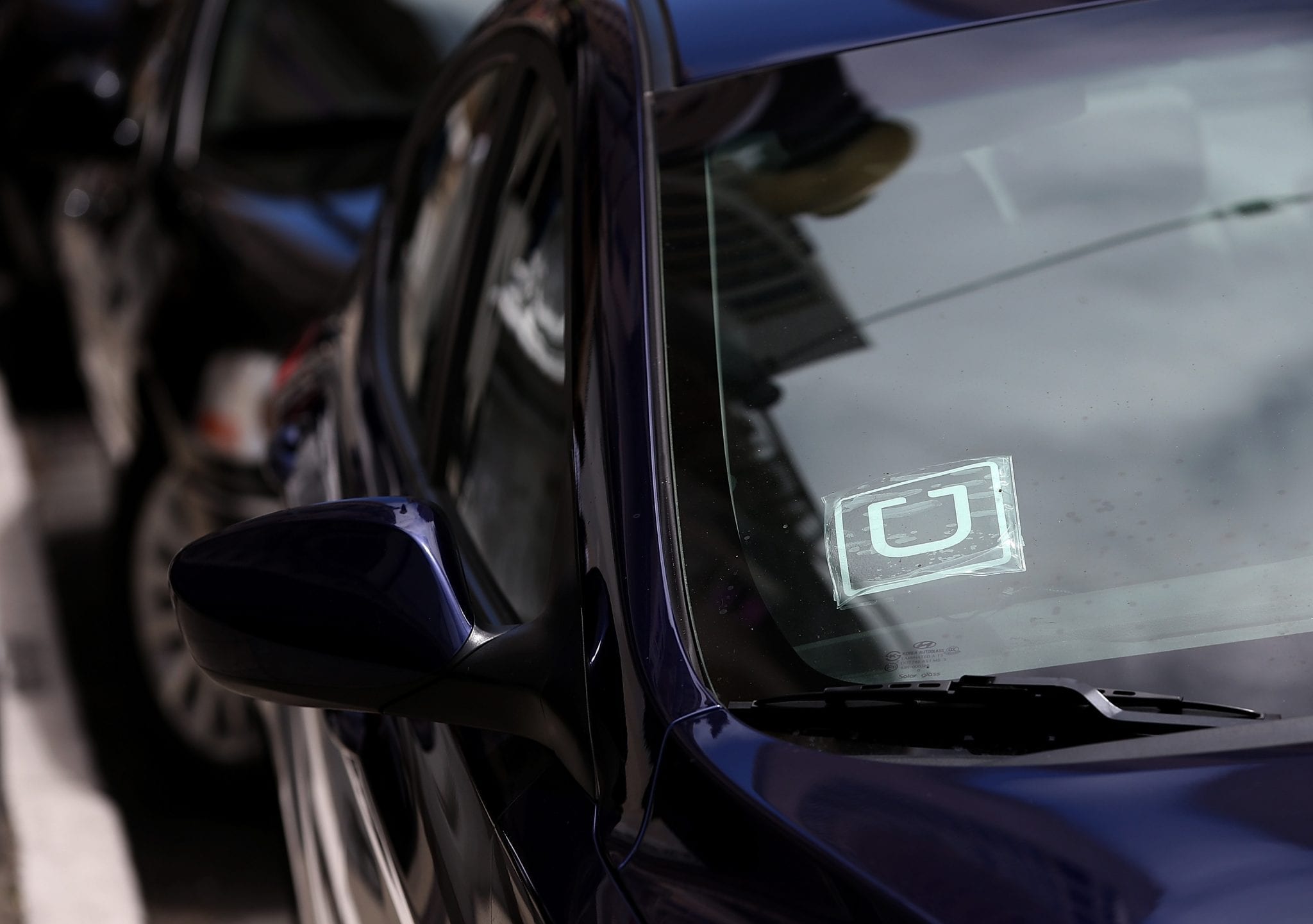
    Cars used by app-based taxis will have to undergo regular test to keep their certificate of roadworthiness, or KIR, and each car should have a sticker saying it is being used as a ride-hailing cab.

    “In England, Uber cars have that kind of sticker, that’s easily seen on the street,” Budi told reporters at Kuningan City Mall in Jakarta on Thursday (25/01).

    “The ultimate goal for this regulation is to provide better safety for passengers,” he said.

    Many online taxi drivers have been complaining about the new regulation since it was first introduced in October.

    According to them, the hardest requirement to meet in the new regulation is re-registering the car as a public transportation vehicle and doing the KIR test regularly.

    “The regulation has to be fair,” Budi said. “It’s for everyone’s benefit. But public safety is our top concern. The regular KIR test, for example, is to make sure the cars are in tip-top shape,” Budi said.

    Last Monday, hundreds of online taxi drivers marched to the Transportation Ministry headquarters in Jakarta.

    The drivers promised a bigger street protest next Monday, Jan. 9, in front of the presidential palace.

    The government has also said it will impose tiered sanctions for drivers who disobey the rules, from suspending their license, fines of up to Rp 500,000 ($37) to a two-month jail sentence.

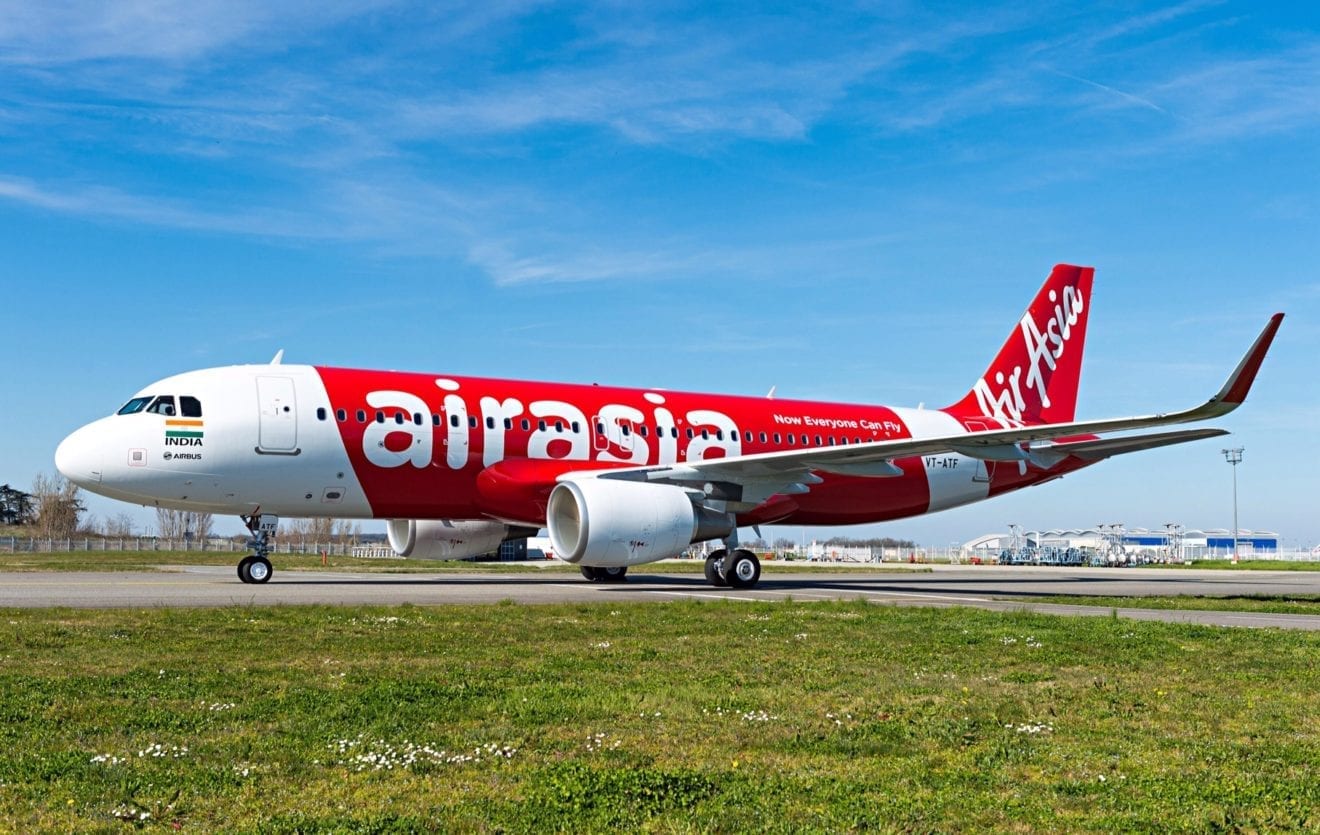
  • AirAsia and Uber partner over seamless travel

    AirAsia and Uber partner over seamless travel

    AirAsia passengers will be able to book or schedule rides from Uber through AirAsia once they have booked their tickets and become eligible for promotions.

    The ride-sharing company Uber and Asia’s fourth biggest airline have announced a partnership to provide ‘a seamless, affordable and convenient door-to-door experience for travellers’.

    AirAsia and Uber said that this partnership extends beyond promo codes and discounted rides to joint marketing efforts and technological integration. The airline is one of a number of airlines to team up with the ride-sharing company, joining American Airlines and Jet Airways. In the case of American Airlines, this has involved messages sent from the carrier to customers’ phones reminding them to book an Uber as well as discounts.

    Like American Airlines, AirAsia will incorporate a “deeplink” feature that allows Uber riders to request or schedule rides when confirming, booking or checking in for flights.

    Commenting on the partnership, Brooks Entwistle, Uber Chief Business Officer, Asia Pacific said, “Uber is thrilled to partner with AirAsia to offer customers exactly what they’re asking for – a seamless, affordable, and convenient travel experience. By working together, we can provide a service that allows customers to request their Uber ride to the airport in step with their itinerary and have their Uber driver partner waiting for them when their flight lands. So, whether you’re trying to get home to see your family, or heading to an important business meeting; your travel experience should be seamless, from door-to-door!”

    Tan Sri Tony Fernandes, AirAsia Group Chief Executive Officer, said: “AirAsia is always looking to complement its award-winning inflight experience with services outside the plane that meet our exacting standards. We have found the right ride partner in Uber. Working with Uber allows our guests to plan their entire trip from the moment they step out of their home right until they arrive at their destination, providing amazing travel comfort and peace of mind.”

    The two companies will work together  in the 52 cities in 16 markets across Asia Pacific and the US, where AirAsia operates and the Uber app is available.

    Both asserted that they were the right partners for each other, as ‘leading brands in their respective categories’. AirAsia has been named Skytrax World’s Best Low-Cost Airline for nine years in a row from 2009 to 2017 and boasts an annual passenger traffic within Asia Pacific of 60 million while Uber is available in over 500 cities in more than 70 countries worldwide.

  • Vietnam to tighten tax control as it legalizes Grab, Uber after 2-year trial

    Vietnam to tighten tax control as it legalizes Grab, Uber after 2-year trial

    Ride-hailing apps Grab and Uber are to be officially authorized in Vietnam after completing trial runs, but the government has pledged to impose the stricter controls it currently imposes on local transport firms.

    The phone-based transport services have created healthy competition but they need to be regulated, the Ministry of Transport said.

    Director of the ministry’s transport department, Tran Bao Ngoc, said that ride-hailing services will have to register their businesses with investment authorities and the transport ministry and the tax authorities.

    “Tax agencies will keep track of fares so management can be more transparent,” said Ngoc.

    Ho Chi Minh City’s Tax Department is looking to collect more than VND53 billion ($2.34 million) in suspected back taxes from Uber by January 10. The department has asked five commercial banks to help retrieve the money.

    Uber Vietnam, a subsidiary of Uber International Services Holding B.V. based in the Netherlands, filed a lawsuit last month, saying that it is not subject to taxes according to Vietnam’s agreement on double taxation avoidance with the Netherlands.

    But the city court dismissed the lawsuit earlier this week, saying Uber Vietnam does not have the legal status for such action.

    Grab and Uber arrived in 2014 and operate both car and motorbike taxi services. The two services have been running on a trial basis since early 2016, but have been caught up in a war with traditional taxi drivers.

    Many taxi firms have accused Grab and Uber of “unfair competition” that has hindered their businesses and caused thousands of drivers to quit.

    Last September, Hanoi Taxi Association said Uber and Grab had been transferring around $150 million overseas every year to evade taxes. Grab denied the accusation.

  • AirAsia and Uber partner up, now everyone can ride and fly

    AirAsia and Uber partner up, now everyone can ride and fly

    Travellers will now be able to book their rides to the airport a month ahead, following a partnership between AirAsia and Uber.

    The low cost carrier and ride-share service will be working together in 52 cities in 16 markets across Asia Pacific and the United States, where AirAsia operates and the Uber app is available.

    According to the press release, riders would be able to request or schedule rides up to 30 days in advance, when confirming, booking or checking in for AirAsia flights via web or mobile.

    New Uber users would also get free or discounted rides if they enter the promo code “AIRASIA” when registering their account.

    “So, whether you’re trying to get home to see your family, or heading to an important business meeting, your travel experience should be seamless, from door-to-door,” he said.

    AirAsia Bhd Group chief executive officer Tan Sri Tony Fernandes said AirAsia had found the right ride partner in Uber, as AirAsia was always looking to complement its in-flight experience with services outside the plane.

    “Working with Uber allows our guests to plan their entire trip from the moment they step out of their home right until they arrive at their destination,” he said.

  • HCMC court drops Uber’s lawsuit against tax demand

    HCMC court drops Uber’s lawsuit against tax demand

    A court in Ho Chi Minh City has dismissed a lawsuit against the city’s tax department by Uber after the ride-hailing firm asked the court to stop the department from charging it with a million-dollar sum of tax.

    The HCMC’s tax department earlier asked five local commercial banks to help collect more than VND53 billion ($2.34 million) of what it believed was back taxes from Uber between January 1 and 10 of 2017.

    Instead, Uber Vietnam, a subsidiary of Uber International Services Holding B.V. based in the Netherlands, then filed a lawsuit against the department.

    On December 29, the department received an emergency notice from the court, saying that its collection of tax from Uber would be put on hold.

    The court has since dropped the lawsuit because Uber Vietnam “does not have the required legal status for such a case.”

    At the same time, it has also removed the suspension on tax collection, a source from the department said on Wednesday.

    “With this new decision from the court, the HCMC’s Tax Department will continue to force Uber to pay tax by asking for help from commercial banks,” said an official from the department who wished to remain anonymous.

    Specifically, Uber will have to transfer its income into the bank accounts of the tax department instead of handing it over to its headquarters in the Netherlands as it has been doing so far.

    This process will last until the tax authorities collect enough $2.34 million in tax from the company.

    In September, the department ordered Uber to pay VND66.7 billion of back taxes and tax evasion penalties by December 23.

    But the company has only paid VND13.3 billion. It has complained to Vietnam’s Ministry of Finance that it is not subject to paying taxes according to Vietnam’s agreement on double taxation avoidance with the Netherlands, where it is based.

    Uber International Services Holding B.V. has been repeatedly accused of tax evasion since bringing its ride-hailing business to Vietnam in mid-2014.

    Yet Vietnam’s finance ministry said the company has to pay taxes for the income it generates in Vietnam.

    Traditional taxi companies in Vietnam have used the tax issues to accuse Uber and Grab for putting up unhealthy competition.

  • Uber joins forces with global public transport association

    Uber joins forces with global public transport association

    Ride-hailing app Uber said on Monday it was joining a global public transport association to improve mobility in the cities it operates in.

    Uber also said it was joining the International Association of Public Transportation (UITP) to connect more people to public transport.

    Andrew Salzberg, Uber’s head of transportation policy and research, said aligning the company with public transport authorities was a good way to make Uber a better partner for cities.

    UITP represents public transport providers around the world, including Transport for London (TfL) – which in September stripped Uber of its operating licence.

    Scandal-hit Uber has just had to reassure authorities it is tackling the way it does business after the disclosure of a massive data breach cover-up that has prompted investigations from regulators around the world.

    Uber, currently valued at $69 billion, has been testing a more collaborative approach to regulators under its new CEO Dara Khosrowshahi in a shift away from a more aggressive culture under former CEO Travis Kalanick.

    “One of the big emphases that Dara has made … is that we want to be better partners for the cities we operate in,” Salzberg said, acknowledging that Monday’s announcement was part of the company’s effort to improve relationships with local authorities.

    Uber said it would work on a series of training sessions with UITP starting with the so-called first and last mile issue of public transport to connect people better at the start or end of their journeys.

    Salzberg said the company also wanted to help to reduce congestion on roads by encouraging people to move to shared modes of transport.

    Alain Flausch, Secretary General of UITP, said Uber joining the association was a sign that the company wanted to have a better relationship with regulators.

    “They are kind of saying to every politician: ‘We are joining the community and we want to help in the new ecosystem’,” Flausch said.

    Flausch said he had told members of UITP that he would check the company stuck to its promises.

    “It’s a work in progress and having Uber join is a good sign. Of course they keep their business model but … they need to be a bit more flexible and open to talking.”

  • Uber’s use of encrypted messaging may set legal precedents

    Uber’s use of encrypted messaging may set legal precedents

    Top executives at Uber Technologies Inc used the encrypted chat app Wickr to hold secret conversations, current and former workers testified in court this week, setting up what could be the first major legal test of the issues raised by the use of encrypted apps inside companies.

    The revelations Tuesday and Wednesday about the extensive use of Wickr inside Uber upended the high-stakes legal showdown with Alphabet’s Inc Waymo unit, which accuses the ride-hailing firm of stealing its self-driving car secrets.

    Apps such as Wickr, Signal, Telegram, Confide and Snapchat offer security and anonymity, with features including passcodes to open messages and automatic deletion of all copies of a message after as little as a few seconds.

    There is nothing inherently unlawful about instructing employees to use disappearing messaging apps, said Timothy Heaphy, a lawyer at Hunton & Williams and a former U.S. Attorney in Virginia.

    However, companies have an obligation to preserve records that may be reasonably seen as relevant to litigation or that fall under data retention rules set by industry regulators. In Uber’s situation, chat logs that could help get to the bottom of the trade secrets case are now inaccessible. Uber also faces a criminal investigation over the alleged theft.

    “It’s a knotty question for courts and lawyers on when the obligation arises” to preserve records, said Julia Brickell, general counsel at the legal discovery firm H5. But “if someone uses a communication device to specifically hide information from litigation because you knew it would result in litigation, that would be foul from the start.”

    Richard Jacobs, a security analyst whom Uber fired in April and now consults for the company, testified Tuesday that up to dozens of employees were trained to used ephemeral messaging systems, including Wickr, to communicate so that their conversations would be clandestine and could not surface in any “anticipated litigation.”

    Two officials still at Uber testified Wednesday that multiple teams used Wickr. Among the users, they said, was Anthony Levandowski, a one-time leader of Waymo’s autonomous vehicle efforts who the company alleges brought trade secrets to Uber.

    Wickr key evidence

    It is unclear when Uber began using Wickr, but the company said that in October of last year it began paying for a business version that gave it the ability to preserve messages for as long as a year instead of a maximum of six days.

    While the contents of an individual user’s Wickr account would be impossible to access without the account-holder’s permission, the business version gives the company the ability see whatever information has not been automatically erased.

    In the middle of the contentious court hearing Tuesday, Uber Chief Executive Dara Khosrowshahi tweeted: “True that Wickr, Telegram were used often at Uber when I came in. As of Sept 27th I directed my teams NOT to use such Apps when discussing Uber-related business.”

    U.S. District Judge William Alsup opened the pre-trial hearing by admonishing attorneys that counsel in future cases can be “found in malpractice” if they do not turn over evidence from specialized communications tools.

    An app such as Wickr “could be a way for Levandowski to communicate ‘By the way, how did we do that back at Waymo?’ and all that vanishes in 30 seconds,” Alsup said. “To me it’s plausible that it happened. And the evidence is gone now. Because it was an intentionally set up system to not leave a paper trail.”

    Federal civil court guidelines enable judges to tell jurors that they can presume that information covered up by a litigant and now missing would have been negative for that party, Brickell said.

    Such a declaration could hurt Uber, as its primary defense has been that Waymo has turned up no concrete evidence of the trade-secret theft. Now, Waymo can claim that such evidence was simply deleted.

    “That they were so concerned about covering things up meant that they could have known what they were doing was a crime,” said Nick Akerman, a lawyer at Dorsey & Whitney and a former federal prosecutor in Manhattan. “To me, that’s very powerful evidence.”

    Andy Wilson, chief executive of forensics software maker Logikcull, said it is already common for companies to search for usage of encrypted apps or deleted messages when conducting internal investigations.

    He said his company’s program is used by Salesforce.com Inc and other businesses to scan emails and chat messages. Emails showing a user signed up for a service such as Signal or Telegram are held against them in internal investigations, he said, as are records showing a text was deleted.

    “It’s a huge win for (customers) because it shows ill-intent” on the part of the subject of the investigation, Wilson said.

  • Uber-inspired Vietnamese start-up wins golden ticket to Silicon Valley

    Uber-inspired Vietnamese start-up wins golden ticket to Silicon Valley

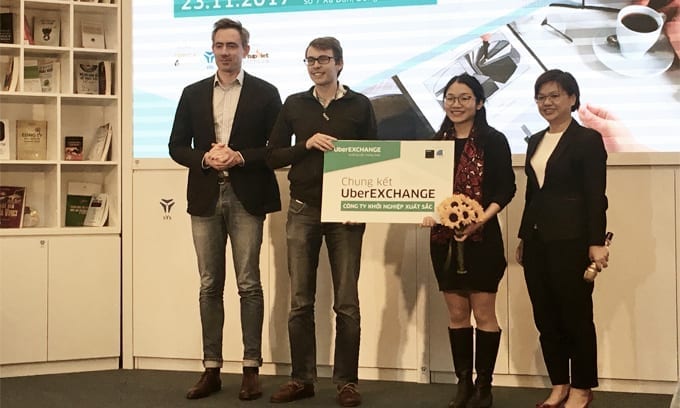
    Ten aspiring Vietnamese start-ups went head-to-head on Thursday at the final of UberEXCHANGE, a nationwide competition offering a $4,400 prize and two tickets to visit Silicon Valley.

    Logivan, a two-month-old start-up, emerged as the winner with its plan to ‘Uberise’ Vietnam’s road freight market.

    “From my house I can see lots of empty trucks returning to their depots after completing their deliveries,” said CEO Linh Pham. “It’s a huge problem.”

    The start-up already works with 300 trucks and ships up to 28,800 tons of freight per year.

    Logivan hopes to step up in the giant market that will be worth an estimated $9 billion in 2017.

    “If you bought something, a truck brought it!” the slogan says.

    Last year, the Vietnamese government set a target of reaching one million new firms by 2020, turning the country into a start-up nation.

    In the cozy conference room, both experts and competitors were positive about the country’s start-up scene.

    “People say that Vietnamese start-ups are not tech-related, and that might have been true a few years ago when most people were focused on commercial start-ups,” Nguyen Thi Thu Van, said board member and vice president of the Vietnam Youth Union.

    “But this year we’ve seen two clear tech trends: bio and information technology.

    “I don’t think the government’s target is out of reach,” Van continued. “Since the plan was announced, remote provinces like Kon Tum have been the most supportive for start-ups.”

    Diep Que Anh, head of communications for Uber Vietnam, shared Van’s optimistic view.

    “We’ve seen a number of them reaching international markets in their very early stages,” Anh said. “So I think there’s a lot of reasons to be optimistic and excited about.”

    Vietnam, particularly its biggest economic hub Ho Chi Minh City, has long been known to the global tech market as an outsourcing haven, but the nation is yet to register on the global startup map.

    In the Global Startup Ecosystem Report 2017 released by U.S. research organization Genome, Ho Chi Minh City was not mentioned in its top 20.

    Geektime, one of the biggest tech blogs that focuses on global innovation, estimated the number of tech start-ups in Vietnam stood between 1,400 and 3,000 in 2016, making the country the third largest ecosystem in Southeast Asia. However, around 95 percent of start-ups die within 3-5 years.

    But Vietnam’s start-up spirit, its young, tech-savvy generation, and recently, ambitious leadership, make the country an attractive new ecosystem.

    What Vietnamese start-ups are missing is access to experienced professionals.

    “Even the best teams we’ve seen today don’t have the necessary presentational and persuasive skills,” said board member Van Nguyen.

    “It helps to receive mentorship from successful startups to learn about management skills,” Van stressed.

    Diep Que Anh, head of communications for Uber Vietnam, offered more advice.

    “It’s always important to understand the landscape in which you are competing,” Anh said. “They need to look regionally and globally, not to solve just Vietnam’s problems.”

    Despite all these problems, Phan Nguyen, CEO of another finalist, said it was a good start. “It’s good to see the quantity first, then the quality will improve.”

    Uber’s Que Anh agreed.

    “If these are the indications, then the future is very bright,” she said

  • Uber CEO says company failed to disclose massive breach in 2016

    Uber CEO says company failed to disclose massive breach in 2016

    Uber Technologies Inc failed to disclose a massive breach last year that exposed the data of some 57 million users of the ride-sharing service, the company’s new chief executive officer said on Tuesday.

    Discovery of the company’s handling of the incident led to the departure of two employees who led Uber’s response to the incident, said Dara Khosrowshahi, who was named CEO in August following the departure of founder Travis Kalanick.

    Khosrowshahi said he had only recently learned of the matter himself.

    The company’s admission that it failed to disclose the breach comes as Uber seeks to recover from a series of crises that culminated in the Kalanick’s ouster in June.

    “None of this should have happened, and I will not make excuses for it,” Khosrowshahi said in a blog post.

    According to the company’s account, two individuals downloaded data from a web-based server at another company that provided Uber with cloud-computing services.

    The data contained names, email addresses and mobile phone numbers of some 57 million Uber users around the world. The hackers also downloaded names and driver’s license numbers of some 600,000 of the company’s U.S. drivers, Khosrowshahi said in a blog post.

    Bloomberg News reported that Uber’s chief security officer Joe Sullivan and a deputy had been ousted from the company this week because of their role in the handling of the incident. The company paid hackers $100,000 to delete the stolen data, according to Bloomberg.

    Though such payoffs are rarely discussed in public, U.S. Federal Bureau of Investigation officials and private security companies have told Reuters in the past year that an increasing number of companies have made payments to criminal hackers who have turned to extortion.

    None have previously come to light that aimed to suppress breaches that would have required public disclosure, such as those involving protected personal information.

    Sullivan did not immediately return messages seeking comment.

    Sullivan, formerly the top security official at Facebook Inc , is a former federal prosecutor and one of the most admired security executives in Silicon Valley.

    Kalanick learned of the breach a month after it took place, in November 2016, as the company was in negotiations with the U.S. Federal Trade Commission over the handling of consumer data, according to Bloomberg.

    Uber representatives did not respond when asked to comment on the Bloomberg report.

    Khosrowshahi said he had hired Matt Olsen, former general counsel of the U.S. National Security Agency, to help him figure out how to best guide and structure the company’s security teams and processes.

    “While I can’t erase the past, I can commit on behalf of every Uber employee that we will learn from our mistakes,” he said. “We are changing the way we do business, putting integrity at the core of every decision we make and working hard to earn the trust of our customers.”

  • Vietnam’s top taxi firm wheels out motorbike service in the race against online taxi

    Vietnam’s top taxi firm wheels out motorbike service in the race against online taxi

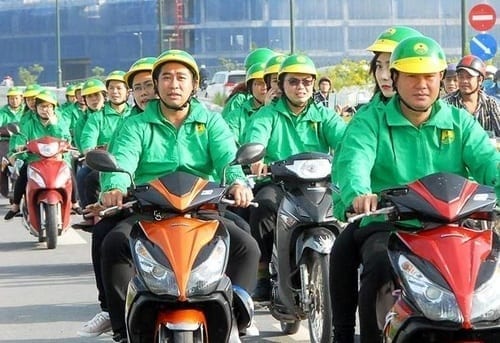
    Major Vietnamese taxi company Mai Linh on Monday launched its own motorbike hailing app in its latest attempt to claw back customers from Uber and Grab, the ride-hailing firms from the U.S. and Malaysia that have been outshining local cab firms.

    The app, Taxi Mai Linh, is now available in Ho Chi Minh City, Hanoi and Da Nang, and has around 5,500 drivers.

    Ho Huy, Mai Linh’s chairman, said what makes his company’s new service different from Uber and Grab is that the fare is kept constant at VND11,000 (48 cents) for the first two kilometers and then drops to VND3,800 per kilometer from the third kilometer onwards.

    Uber and Grab charge their passengers similar rates but raise fares during rush hours and bad weather.

    He also said the company will run a campaign to encourage traditional xe om drivers to join its team in an effort to avoid fights between them and tech-savvy drivers, something that both Grab and Uber have experienced.

    So far, the strategy seems to be working, and many Uber and Grab drivers have shown up at Mai Linh’s door to switch sides.

    “I applied because I heard Mai Linh is offering a better deal for its drivers,” said Cuong, who has worked as a GrabBike driver for over a year.

    “My income has fallen because Grab now deducts up to 20 percent of the fares that drivers receive from passengers instead of 15 percent as before, and more and more people are working as GrabBike drivers, which means more competition,” he said.

    Uber takes a cut of 25 percent from its drivers.

    Mai Linh’s drivers will not have to hand over any of their earnings for the first two months, after which time the company will take a 15 percent share.

    Mai Linh reported that it lost 6,000 employees in the first half of this year, or 20 percent of its total drivers.

    Its business results did not read much better during the same period, with revenue falling more than 5 percent on-year to VND1.72 trillion ($75.8 million).

    In all, Mai Linh suffered a loss of VND47.5 billion from its taxi business, twice as much as last year, the company said.

    Its rival Vinasun, the biggest taxi firm in Vietnam, lost 10,000 employees in the first nine month, and its  revenue in that period only reached 58 percent of the company’s annual target.

    They have both pointed the finger at Uber and Grab, saying the two foreign firms enjoy preferential policies as they are classed as transport software providers which, unlike traditional taxis, are not accountable for passenger and traffic safety.

    In its latest attempt to battle Uber and Grab, Vinasun has rolled out a hailing servicevia Facebook Messenger.

  • Uber IPO ‘target’ is 2019

    Uber IPO ‘target’ is 2019

    Uber is on track for a 2019 public stock offering and the plan is not dependent on new funding from Japan’s SoftBank, the global ride-sharing giant’s CEO said Thursday.

    Speaking at a New York Times conference, Dara Khosrowshahi said “2019 is the target” and that co-founder and former CEO Travis Kalanick and the rest of the board agree on the plan for an initial public offering.

    “We have all the disadvantages of being a public company as far as the spotlight on us without any of the advantages of being a public company,” he said during an on-stage interview.

    “So Travis and the whole board now agree we should just go public. The numbers support it, the systems support it and the fact is that if you set up the company in the right way and you are honest and plain spoken to your investors about being a long-term player … you will find that right set of shareholders who will support it.”

    Khosrowshahi took the helm at Uber in August after it was rocked by a series of scandals and missteps, and pledged to change the culture which had sometimes been described as “toxic.”

    He said an investment from Japanese tech giant SoftBank — a deal which has taken longer than expected to seal — remains in the works and is unrelated to the IPO plans.

    “It hasn’t happened yet, but it will,” he said.

    SoftBank, which has amassed a $100 billion fund for technology startups, is widely expected to become a major investor in Uber although the discussions have not yet produced an agreement.

    Khosrowshahi said SoftBank has not made any demands about an IPO.

    “If you talk to SoftBank they don’t have any particular interest in going public. They are the ultimate long-term investor,” he said.

    The CEO said he sees Uber, which has lost vast amounts of money, still on a road to profitability in the long-term.

    Uber still subsidizes rides in most areas to get footholds in markets, he said, while noting that “over a period of time we can pull back on the subsidies” and make a profit.

  • Grab, Uber benefit from ‘unfair competition

    Grab, Uber benefit from ‘unfair competition

    Vietnam’s top taxi firms have for months been blaming Uber, Grab for their losses. The two most popular app-based ride-hailing services in Vietnam, Uber and Grab, hold an unfair advantage over local taxi firms, according to reports by the trade and transport ministries.

    “App-based ride-hailing services are not regulated by the same laws as transport providers like local cab firms and motorbike taxis,” said the trade ministry in its report.

    “These app-based services should be regulated the same as transport providers,” the ministry said.

    Both ministries are in favor of a change to the legal framework to guarantee fair competition.

    Uber and Grab currently operate in Vietnam as part of a pilot scheme that also allows for 10 or more app-based ride-hailing services, including the apps launched by Vinasun and Mai Linh. They are treated as providers of transport software which, unlike traditional taxis, excludes them from being accountable for passenger and traffic safety.

    Responding to a proposal in September from the Hanoi Taxi Association, the transport ministry said a complete halt to their operations was unlikely, but the government should hold fast on new approvals for app-based taxis.

    Authorities fear the fast-growing number of app-based taxis will contribute to Hanoi and Ho Chi Minh City’s traffic problems. There are now already over 50,000 Uber and Grab vehicles registered in the two cities.

    In Vietnam, local cab firms like Mai Linh and Vinasun have to pay VAT of 10 percent and corporate income tax of 20 percent, while Grab and Uber only have to pay 3 percent and 2 percent.

    But this July, the tax department found that most local cab firms in Ho Chi Minh City only paid 0.01 to 0.06 percent corporate income tax, while some like Mai Linh Taxi paid less than 3 percent value added tax. The finance ministry subsequently asked the tax department to review these cases for possible tax fraud,

    Meanwhile in September, Ho Chi Minh City’s tax department demanded Uber Vietnam pay over VND10.5 billion ($460,000) in tax arrears.

    “We look forward to new regulations that ensure fair, relevant competition among transport providers,” a Grab Vietnam representative told last month, in response to recent allegations of local cab firms regarding unfair competition.

    Both Uber and Grab have repeatedly told local media they are not violating any laws.

    Vinasun, the biggest taxi firm in Vietnam, has lost 10,000 employees so far this year, and its nine-month revenue only reached 58 percent of the company’s annual target. Rival firm Mai Linh also has lost 6,000 employees this year, 20 percent of its total drivers.

  • New CEO says Uber Vietnam will not be distracted by criticism

    New CEO says Uber Vietnam will not be distracted by criticism

    Traditional taxi firms have been protesting against Uber and Grab, accusing the ride-hailing apps of unfair competition. Uber Vietnam on Thursday said the company would focus on growing and serving its partners and passengers and would not be distracted by criticism, following protests and accusations of foul play by traditional taxi firms.

    Tom White, the company’s newly appointed CEO, issued the statement during a press briefing at the unveiling of Uber Vietnam’s new partner support center in Hanoi.

    “My focus would be to serve them as best as I possibly can and not be distracted by criticisms about this,” he said.

    Uber Vietnam’s key objective instead would be to further expand across the market and reach an even greater number of riders and drivers.

    “There have been millions of app downloads here in Vietnam and we’re only scratching the surface of what’s possible.”

    Stressing reputation as a precious asset for Uber, White said he would prioritize building and maintaining trust with the Vietnamese government.Regarding his appointment as the new CEO of Uber Vietnam, White said his experience working for Uber in Australia had played a role in the decision. As one of its earliest members, he helped build the company there from scratch and forged a strong and trusting relationship with the Australian government.

    While admitting he had much to learn after moving from Australia to Vietnam, White also said he hoped to be able to work with the government to make policies more open and regulations more fair across all platforms for companies to compete and allow consumers to benefit from the competition.

    Regarding Ho Chi Minh City’s demand last month for VND66.68 billion ($2.93 million) in tax arrears, White said that the company firmly believed it had met all its tax obligations and complied with government regulations.

    Tom White is an Australian who joined Uber in January 2015 and held various management positions in Uber Australia and New Zealand. He was appointed as the new CEO of Uber Vietnam earlier this month following his predecessor Dang Viet Dung’s departure.

    Dung, who had been Uber Vietnam’s CEO since the U.S.-based firm first entered the country in 2014, left the company on October 1, but no information about the reasons for his departure has been revealed.

    His departure triggered speculation that Uber Vietnam was in a crisis, especially after a recent tax scandal.

    Late last month, tax authorities in Ho Chi Minh City demanded VND66.68 billion ($2.93 million) in arrears from Uber Vietnam, including fines for faulty declarations and late payments.

    Following the incident, rumors started to spread that Uber would be leaving Vietnam. The company was quick to dismiss this.

    As of August, Uber had four million users in Vietnam, according to official company data.

  • Uber Vietnam fills vacated CEO position

    Uber Vietnam fills vacated CEO position

    The Australian replacement has worked in management positions for the ride-hailing firm for two years. Uber Vietnam has appointed a new CEO following the abrupt departure of its previous leader two weeks ago.

    Tom White, an Australian who joined Uber in January 2015, is now holding this chair.

    White will be in Hanoi soon to take up the position, a source close to the matter told.

    According to his Linkedin profile, White worked as Uber’s head of cities in Australia and New Zealand from July to September this year after leaving his position as general manager in Western and Southern Australia, which he held from February 2016 to June 2017.

    Before that, he was Uber’s city leader in Perth from July 2015 to February 2016 and demand manager for the U.S.-based ride-hailing firm from January to July, 2015.

    “I’m excited to be setting sail for Vietnam to help the Uber team there write their next chapter of their story,” White wrote in a Tweet last month.

    Earlier this month, Dang Viet Dung, the first CEO of Uber Vietnam, left after holding the position for three years.

    No information about the reasons for his departure has been revealed to date.

    His departure triggered speculation that Uber Vietnam was in a crisis, especially after a recent tax scandal.

    Late last month, tax authorities in Ho Chi Minh City collected VND66.68 billion ($2.93 million) in arrears from Uber Vietnam, including fines for faulty declarations and late payments.

    Following the incident, rumors started to spread that Uber would be leaving Vietnam. The company was quick to dismiss this.

    As of August, Uber had four million users in Vietnam, according to official company data.