Retail News CRM

Tag: uber

  • Bank proposals value Uber at US$120b in possible IPO: Report

    Bank proposals value Uber at US$120b in possible IPO: Report

    Uber Technologies Inc could be valued at US$120 billion (RM498 billion) when it finally goes public next year according to recent proposals made by US banks, citing people familiar with the matter. The ride-hailing company’s most recent valuation was pegged at US$76 billion, following a US$500 million investment from Toyota Motor Corp in August.

    As reported in late September that Goldman Sachs and Morgan Stanley were in pole position to secure top roles in Uber IPO.

    Goldman Sachs and Morgan Stanley last month delivered the valuation proposals to Uber, the report said.

    Uber and smaller rival Lyft have been actively preparing to go public next year. While Lyft has hired IPO advisory firm Class V Group LLC, Uber is behind in its preparations.

    Uber hired Nelson Chai as its chief financial officer in August, filling a long-standing vacancy and clearing the way for its much-anticipated IPO.

  • Experts fear foreign rivals too strong for Vietnam ride-hailing firms

    Experts fear foreign rivals too strong for Vietnam ride-hailing firms

    Vietnamese ride-hailing services are struggling to compete with foreign firms Grab and Go-Viet due to a lack of resources.

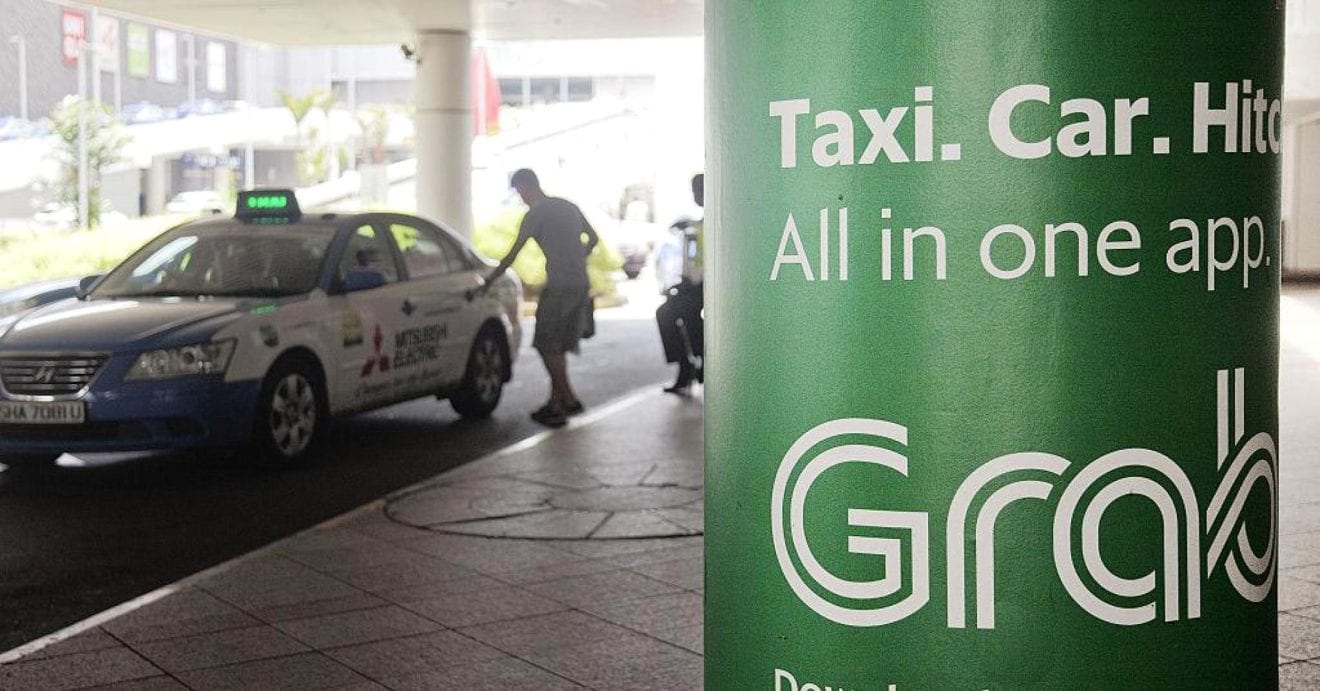
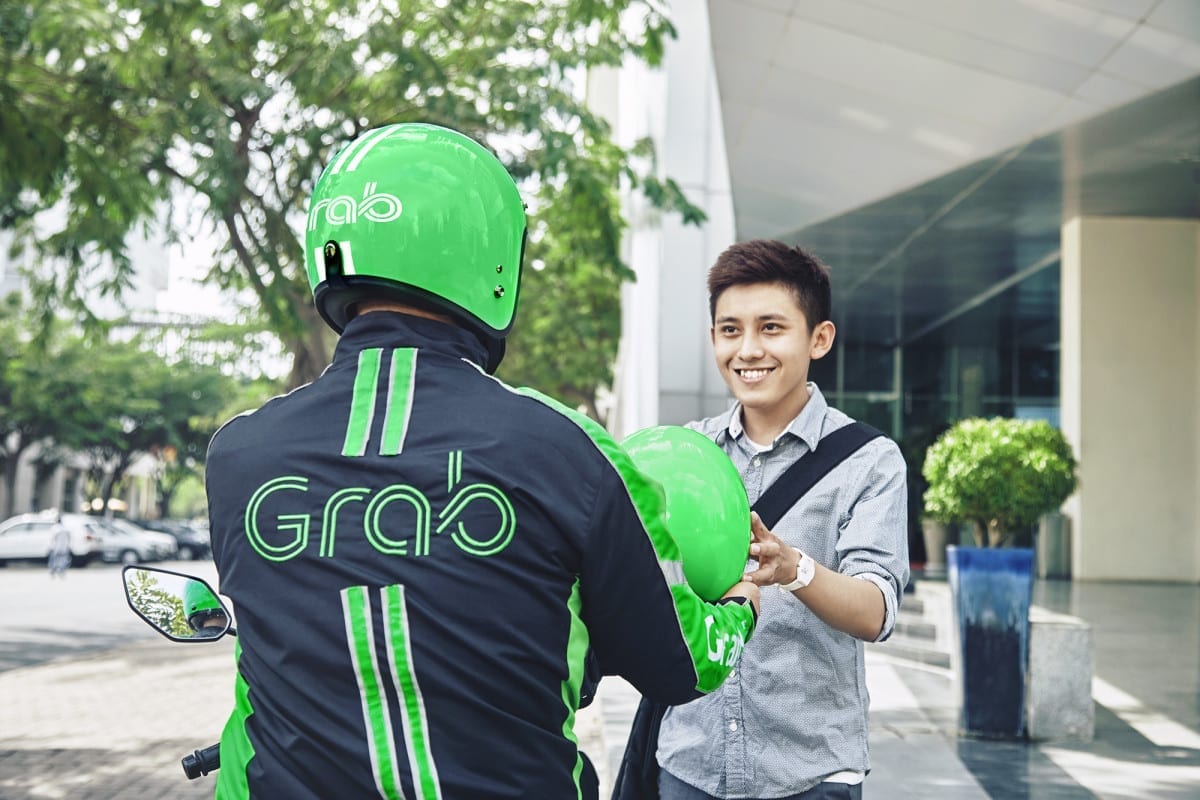
    FastGo last month claimed to have 15,000 taxi and motorbike partner drivers in Hanoi and Ho Chi Minh City, but they are not a common sight on the streets unlike the ubiquitous red and green uniforms of Go-Viet and Grab drivers.

    VATO, which received funding of $100 million from local transportation firm Phuong Trang, is also having trouble expanding after launching in May, its CEO Tran Thanh Nam admitted to the media.

    Another competitor, Aber, run by a group of young Vietnamese based in Europe, had said August 10 it would “temporarily cease app operations for an upgrade.” It has not made a return so far.

    Bui Danh Lien, former chairman of the Hanoi Transport Association, said operators need to give drivers a steady income to keep them and at the same time offer customers plenty of discounts and cheap fares, and “this is a tough challenge.”

    Economist Do Hoa told local media that the ride-hailing market is “a race to spend money”, and those without deep pockets won’t be able to compete.

    Grab and Go-Viet are willing to charge their customers as low as VND1,000 (4.3 cents) for a ride, he pointed out.

    “Vietnamese ride services are not financially capable of sustaining such losses like the foreign companies.”

    Even major players like Grab and Uber report big losses in Vietnam. According to the General Department of Taxation, Grab, with a total registered capital of only VND20 billion ($881,000), has incurred losses of nearly VND1 trillion ($43.48 million) during its three years in Vietnam.

    But this cash burn strategy is how Grab and Uber are eating up traditional taxi firms’ market share. In 2014-15 they launched promotion after promotion, including free rides and discounts, to attract customers. They expanded their driver networks by offering subsidies and big rewards based on performance.

    Other options

    Though the lack of funding is a weakness of local ride-hailing firms, there are other ways for them to grow, Dr Nguyen Duc Thanh, head of the Vietnam Institute for Economic and Policy Research said.

    “Since the lack of resources is a disadvantage for Vietnamese ride-hailing apps, they should not enter the cash burn race.”

    Going head-to-head with bigger rivals is not the right strategy to follow, he said.

    “They can enter niche markets like delivery, car rentals and long-distance ride services. Instead of trying to divide market share in the beginning, newcomers should think of a long-term strategy to build a solid foundation.”

    Nguyen Manh Hung, former chairman of the Vietnam Automobile Transport Association, was quoted by Tuoi Tre newspaper as saying local firms are unable to compete with Grab and Go-Viet because they are divided.

    If they join hands they could compete, he said.

    Go-Viet, the Vietnamese operation of Indonesia’s Go-Jek, came early last month seeking a share of the market that Grab has been dominating after the departure of Uber.

    Go-Jek founder and chief executive Nadiem Makarim said Go-Viet has grabbed a 35 percent share of the motorbike ride-hailing market in HCMC within six weeks of its launch on August 1.

  • Singapore fines Grab, Uber combined S$13m, moves to open up ride-hailing market

    Singapore fines Grab, Uber combined S$13m, moves to open up ride-hailing market

    Singapore slapped ride-hailing firms Grab and Uber with fines and finalised restrictions to open up the market to competitors after concluding that their merger in March has driven up prices.

    Uber Technologies Inc sold its Southeast Asian business to bigger regional rival Grab in March in exchange for a 27.5% stake in the Singapore-based firm.

    While the combined S$13 million (RM39.4 million) fine was small compared with the firms’ multi-billion dollar valuations, that and the other measures imposed by the Competition and Consumer Commission of Singapore today represent the strongest censure by a regulator since the deal was unveiled.

    The anti-trust watchdog said it would require that Grab drivers not be tied to Grab exclusively and that Grab’s exclusivity arrangements with any taxi fleets be removed.

    Uber will also be required to sell its car rental business to any rival that makes a reasonable offer and will not be allowed to sell those vehicles to Grab without the watchdog’s permission. The car rental business, Lion City, had a fleet of some 14,000 vehicles as of December.

    Fining Uber S$6.6 million and Grab S$6.4 million, the regulator said effective fares on Grab rose 10-15% after the deal, and that the firm now holds a Singapore market share of around 80%.

    Uber said it believed the decision was based on an “inappropriately narrow definition of the market” and would consider appealing.

    Grab said it completed the deal within its legal rights, and did not intentionally or negligently breach competition laws. It would abide by remedies set out by the regulator, it added.

    Indonesia’s Go-Jek, which plans to launch services in Singapore, said it welcomed the regulator’s steps. “We’re encouraged to see the measures being taken to level the playing field. “It will have a significant effect on our strategy and timeline.”

    Other new entrants to the market include Singapore-based Ryde.

    Grab said it had not raised fares since the deal and argued that all transport firms, including taxi operators, should be subjected to non-exclusivity curbs.

    Grab has also been told to maintain its premerger pricing algorithm and driver commission rates, which the regulator said would protects riders against excessive price surges, and drivers against increases in commissions that they pay to Grab.

    The watchdog said it would suspend the measures on an interim basis if a Grab rival was able to garner over 30% of total rides in the ride-hailing services market in a month. It would remove the measures if a rival attained 30% or more of total rides matched in the market for six consecutive months.

    Rival services include third-party apps for calling cabs and private vehicles as well as taxi-booking services such as those provided by taxi operator ComfortDelGro Corp Ltd.

    Uber and Grab have a month to appeal the Singapore regulator’s decision.

    The deal remains under anti-trust review in Vietnam, which has warned that it could be blocked if the firms’ combined market share in Vietnam exceeds 50%.

    Jerry Lim, Grab’s country head in Vietnam, said he believed the local regulator will consider the market’s unique competitive dynamics and regulatory landscape in its investigation.

    In the Philippines, where the deal has been approved, the competition watchdog has said it is monitoring Grab’s compliance with conditions intended to improve the quality of service, with any breaches possibly resulting in fines.

  • Top Uber exec makes amends to Korea

    Top Uber exec makes amends to Korea

    Uber’s chief operating officer, Barney Harford, vowed to take Korean regulations more seriously during his visit to Seoul on Wednesday.

    The ride-hailing company is working to revitalize its local business and focus on its taxi and food delivery services, he said.

    “If we look back, we haven’t always behaved in the right way, and that is the case in Korea as well,” Harford said at a discussion attended by members of the American Chamber of Commerce in Korea. “As a company, we want to apologize for that.”

    Following his apology, Harford said that Uber would strive to become a better partner for cities and countries that host its services, hinting that the company wants to start fresh.

    “I want to be clear that going forward, we will not launch products or services that do not comply with regulatory frameworks in Korea,” he said.

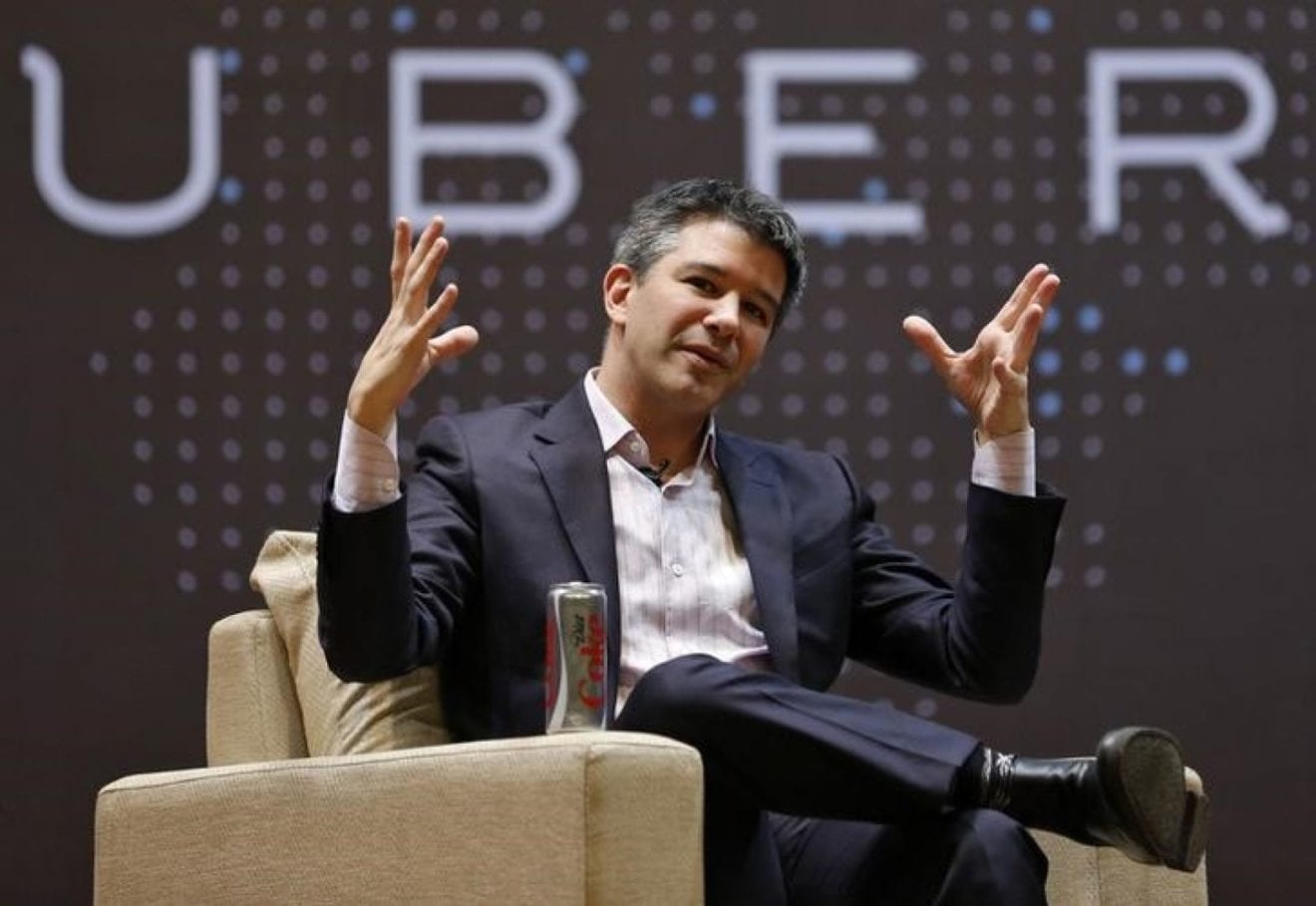
    Uber has been plagued for more than a year by a series of high-profile scandals involving its unrestrained office culture and lawsuits that led to a company-wide reshuffle, including the replacement of its CEO and COO. Harford, who has an MBA from Insead, served as Asia-Pacific president at Expedia from 2004 to 2006 and took the CEO post at Orbitz in 2009.

    Orbitz was then sold to Expedia in 2015, and Uber’s new CEO, Dara Khosrowshahi, the former CEO of Expedia, asked Harford to join the company as his right-hand man.

    Harford took over the job last December. His visit to Seoul on Wednesday was his first since he joined Uber.

    Uber first came to Korea in 2013. Its most popular ride-hailing service, UberX, was banned in 2015 after the company’s peer-to-peer ride-hailing model was declared illegal by Korean transportation authorities. The service also faced intense protests from taxi drivers who were afraid of losing their income to Uber.

    Uber has since remained low-profile here, merely operating Uber Black, a premium cab-hailing service; Seoul Taxi, which works in the same way as Kakao Taxi; and car rental services such as Uber Trip and Uber Assist.

    In the meantime, Kakao Taxi, modeled after Uber and run by Kakao, operator of the country’s most popular chat app, has captured more than 90 percent of Korea’s taxi-hailing market. In August last year, Uber introduced its food delivery service UberEats, but it is only available in limited areas within Seoul.

    Harford said he still believes there are ways to use Uber to enhance existing taxi operations. He gave the example of UberFlash in Singapore, which Uber launched earlier this year in partnership with the country’s largest taxi company. The service, before it was sold, allowed customers to get a ride from either a taxi or an Uber depending on which was closer.

    Although the service is no longer available, since Uber sold its Southeast Asian operation to rival Grab, Harford said the partnership was “totally focused on increasing earning opportunities for the taxi drivers in Singapore.”

    Regardless of its minor presence in Korea, Uber has been expanding its Korean workforce in the past several years in hopes of grabbing more of the Korean market. The Uber COO called Korea “an incredibly important market” for the company because of its economy’s size and high level of technology.

    Harford said Uber is currently looking for partnerships and new opportunities in Korea.

    The COO arrived in Seoul on Tuesday night and had a meeting early Wednesday morning with several executives from unnamed Korean technology companies to search for potential “partnership opportunities.”

    “I think there is potential for us to work closely with some of the greatest technology companies in Korea,” Harford said. “The partnership will help us take Korean technologies and integrate them into some of the work that we are doing.”

    Uber recently announced it would diversify into electric bike and scooter services for short trips as a way to ramp up its global business. The company added electric bikes to its app in some cities in the United States.

    Earlier this year, it acquired bike-sharing company Jump and also invested in Lime, an electric scooter firm. However, Harford did not offer a specific timeline for rolling out new services in Korea.

    In a sign of the company’s ambitions, Harford said Uber isn’t just about cars, just as Amazon isn’t just about books.

    “It’s what got us started, but we see ourselves as a company that is about the transportation of people and of things,” Harford said. “There are many ways we are pushing forward in terms of urban transportation.”
  • India fastest growing market for Uber Eats globally

    India fastest growing market for Uber Eats globally

    US-based Uber said India is the fastest growing market for its food delivery platform Uber Eats and the service is being rapidly expanded to cover more Indian cities.

    Uber had launched Uber Eats in India in May last year and recently expanded the service to five more Indian cities — Tiruchirappalli, Surat, Nashik, Ludhiana and Mysore — to now cover 28 cities.

    “India continues to be the fastest growing market for Uber Eats in the Asia Pacific region and globally. As urbanisation picks up in the country, we look for opportunities to take our service to newer cities and expand our network, especially in tier II cities, which we believe, offer tremendous potential for the food tech industry,” Bhavik Rathod, Head of Uber Eats India said in a statement.

    While the company did not disclose specific numbers, it said the number of orders on its platform has “more than quadrupled” in the last three months and recorded nearly 50 percent month-on-month growth.

    Interestingly, Vijayawada and Madurai were the first two cities where Uber Eats was launched before the rides service. Uber CEO Dara Khosrowshahi had recently said the company is “deliberately investing” in products like Uber Eats and “high-potential” markets in the Middle East and India, even though its losses widened year-on-year in the June 2018 quarter.

    According to a report: Globally, the Uber Eats business is growing 200 percent per year and has a US $6 billion run rate. Uber Eats was started in 2014 as a small delivery pilot in Los Angeles and was later launched as a separate mobile app in Toronto in December 2015. In India, Uber Eats competes with the likes of Zomato and Swiggy as well as FoodPanda, which is owned by Uber’s rival, Ola.

  • Uber hires CFO on the road to IPO

    Uber hires CFO on the road to IPO

    Uber on Tuesday named a news chief financial officer as the smartphone-summoned ride service remained on the road to a stock market debut next year.

    Nelson Chai came on board from Chicago-based insurance firm Warranty Group, where he was chief executive, according to Uber.

    “I’m incredibly excited to bring on someone as experienced and thoughtful as Nelson,” Uber chief executive Dara Khosrowshahi said in a release.

    “He will be a great partner for me and the entire management team as we move towards becoming a public company.”

    Uber, which operates in 65 countries and has disrupted local transport in many locations despite regulatory hurdles and resistance from taxi operators, has expressed plans for an initial public offering of shares late next year.

    Chai has more than a decade of experience at firms including CIT Group financial holding company and Merrill Lynch & Co, according to Uber.

    “I look forward to working closely with Dara and team as we build on the company’s strong growth and forward momentum,” Chai said in the release.

    Uber last week disclosed that its second-quarter loss jumped despite taking in more money, as it invested in scooters and other “big bets.”

    The San Francisco-based smartphone ride star reported it lost US$891 million on net revenue of US$2.8 billion, while overall bookings rose to US$12 billion.

    He added that Uber is investing in “big bets” including restaurant take-away delivery service Uber Eats and “environmentally friendly modes of transport” including e-bikes and scooters.

    The company, with a valuation by investors of more than US$60 billion, is also devoting resources to what it sees as high-potential markets in India and the Middle East, according to Khosrowshahi.

  • Uber withdraws lawsuit against HCMC tax man

    Uber withdraws lawsuit against HCMC tax man

    Ride-hailing firm Uber has withdrawn its lawsuit over HCMC’s demand for $2.3 million in back taxes and fines.

    A tax department official said Friday that the HCMC People’s Court has suspended the case in which the Netherlands-based Uber B.V. had sued the department over its demand that the firm pays over VND53 billion ($2.3 million) in back taxes and fines.

    The official, who did not want to be named said that the suspension, which followed Uber withdrawing its lawsuit, was a positive development.

    He expressed hope that this would allow the department and Uber to sit down and resolve the issue of back taxes and fines. In case this does not happen, the department would resume efforts to force Ube to pay its dues, the official added.

    The department had previously attempted to collect the back taxes and fines by sending documents to local banks and asking them to deduct the dues from funds transferred to Uber’s bank account as a form of tax enforcement.

    This attempt failed because the firm had not opened any account in the country.

    In September last year, the Ho Chi Minh City Tax Department asked the Vietnamese branch of Uber International to pay VND66.68 billion ($2.91 million) in back taxes and fines for violating tax laws.

    However, the company appealed the decision, telling the General Department of Taxation as well as the Ministry of Finance that it was not subject to pay taxes under Vietnam’s double taxation avoidance agreement with the Netherlands, where it is based.

    Ride-hailing firm Uber Technologies Inc announced it had agreed to sell its Southeast Asian business to bigger regional rival Grab in March. The app company officially left Vietnam on April 8.

  • Collecting back taxes from Uber tough, say authorities

    Collecting back taxes from Uber tough, say authorities

    Apart from the company contesting the department’s claims, the fact that it has sold its Southeast Asia business to its former competitor Grab adds to the difficult, department deputy director Tran Ngoc Tam said at a recent half-year review meeting.

    He said the department had sent documents to many local banks asking them to deduct the full amount of money transferred to Uber’s bank account as a form of tax enforcement, but it turned out that the firm had not opened any account in the country.

    After an inspection that it carried out in September 2017, the department had requested the Vietnamese branch of Uber International Services Holding B.V. based in the Netherlands to pay VND66.68 billion ($2.91 million) in back taxes and fines for violating tax laws.

    However, the company appealed that decision, telling the General Department of Taxation as well as the Ministry of Finance, that it is not subject to paying taxes according to Vietnam’s agreement on double taxation avoidance with the Netherlands, where it is based.

    The Ministry of Finance issued an official reply, which rejected Uber’s argument. In response, the company filed two lawsuits against the Ho Chi Minh City Tax Department.

    Tam said at the meeting that while the court was handling the lawsuit, there was no certain time frame within which the issue could be resolved. He said it would be difficult to collect taxes and fine from Uber even if the department were to win the lawsuit, because the company did not have a bank account in Vietnam.

    Furthermore, the company had sold its Southeast Asia operations to competitor Grab on April 8, which means it no longer had a presence in Vietnam.

  • Vietnam starts antitrust investigation into Uber-Grab deal

    Vietnam starts antitrust investigation into Uber-Grab deal

    Vietnamese authorities have launched an investigation into Grab’s acquisition of Uber’s Southeast Asia operations, which has shown signs of breaching local antitrust laws.

    The investigation is estimated to take 180 days, starting Friday and can be extended by another 120 days, Vietnam Competition Authority under the Ministry of Industry and Trade said in a statement.

    Earlier the same week, the competition authority’s investigation found that Grab’s market share in Vietnam has gone up to above 50 percent since its ride-hailing rival Uber left the Southeast Asian market last month.

    Vietnam’s Competition Law from 2004 requires that all mergers and acquisitions (M&As) that result in a company gaining over 30 percent of market share must be reported to competition authorities. M&As that result in a company gaining over 50 percent of market share are restricted and can only be completed with permission from authorities.

    Previously, Grab claimed that its combined market share with Uber in Vietnam is less than 30 percent, so it doesn’t have to “inform to the competition authority before proceeding and completing this transaction in the country.”

    However, the ride-hailing app company was unable to submit evidence to prove that it did not violate the law.

    In late March, Grab announced its acquisition of Uber in Southeast Asia, which saw Uber taking a 27.5 percent stake in Singapore-based Grab, and Uber CEO Dara Khosrowshahi joining Grab’s board.

    Grab was last valued in July last year at an estimated $6 billion.

  • Grab refuses to release details of Uber buy-out

    Grab refuses to release details of Uber buy-out

    The deal has left tax payments unresolved and questions remaining about a potential market monopoly. Tax authorities in Ho Chi Minh City have once again sent a request to Grab in Vietnam asking the company to provide details concerning its recent acquisition of rival Uber’s Southeast Asia business.

    The reason for the request is due to the fact that Grab is legally obliged to pay tax on the transfer of capital and business market share following the deal.

    Vietnam’s tax law states that all income generated by foreign companies operating in the country should be subject to tax, regardless of where they are based.

    Organizations and individuals that receive capital from foreign organizations are required to declare and pay tax on behalf of those foreign organization, tax authorities cited the law as saying.

    With details of the Uber- Grab deal remaining undisclosed, authorities are still unsure how to calculate how much the latter owes in tax.

    Uber also allegedly still owes Vietnam’s government $2.3 million in taxes required, but claims that according to Vietnam’s agreement on double taxation avoidance with the Netherlands, that figure is inflated.

    Grab has previously said that the $2.3 million is down to Uber, and has refused to pay the firm’s outstanding debt.

    Grab’s decision violates Vietnamese law and international practices, said lawyer Doan Van Hau, chairman of the Vietnam Lawyers’ Commercial Arbitration Center.

    Quoting Vietnamese law, Hau said that Grab was responsible for paying all of Uber’s back taxes.

    Ho Chi Minh’s tax department previously asked five local commercial banks to help it collect the outstanding sum from Uber, but failed to do so as the company did not have a bank account in Vietnam.

    Uber has since filed two lawsuits against Ho Chi Minh’s tax department.

    Grab is also under investigation by Vietnam’s Ministry of Industry and Trade for violating the Competition Law in its acquisition of Uber.

    Malaysia, the Philippines and Singapore are all requesting details of the acquisition.

  • Uber Users Need to Transfer to Grab Platform Soon

    Uber Users Need to Transfer to Grab Platform Soon

    Uber ride sharing drivers and customers in Jakarta and other 50 Southeast Asian cities have until April 8 to transfer their accounts to Grab, following an announcement on Monday (26/03) that Uber will sell its business in the region to the Singapore-based Grab.

    Under the deal, Uber will hand over its operations and assets in Southeast Asia in exchange for a 27.5 percent stake in Grab — which according to latest valuation round put its value at $6 billion. Grab will also let Uber chief executive Dara Khosrowshahi join its board of directors.

    “Uber will be combining our operations with Grab to lead you in the next chapter of ridesharing in Indonesia and across Southeast Asia,” the company said in a statement to customers on Monday.

    “What this means for you: we will be transitioning our services over to the Grab platform by April 8, 2018, so all requests after that date should be made from the Grab app. However, you can still use the Uber app in more than 80 countries around the world,” the company said.

    Grab’s acquisition of Uber will challenge its main competitors, including Indonesia’s homegrown Go-Jek. Go-Jek is backed by Chinese technology giants Tencent Holdings.

    Grab said it will further develop an online-to-offline platform by creating GrabCycle, an offline marketplace for shared bicycle rent services, and GrabShuttle Plus, an in-demand platform to provide bus services for certain routes.

    As part of the acquisition plan, the GrabFoods service will further expand in Singapore and Malaysia. The food service integration is slated to finalize in the first half this year.

    Aside from food and online-to-offline services, Grab will also expand its payment services as it plans to offer micro-financing, insurance service deals and other financial services.

    “Together with Uber, we are now in an even better position to fulfill our promise to outserve our customers. Their trust in us as a transport brand allows us to look towards the next step as a company: improving people’s lives through food, payments and financial services,” said Anthony Tan, Grab Group chief executive and co-founder.

    The acquisition of Uber, which has forfeited its operations in eight countries in the region, is similar to the deal China’s Didi Chuxing made in 2016 that bought out Uber’s business and operations in the country for $35 billion, and its third retreat after selling its operations in Russia to local company Yandex in 2017.

    “It [the deal] will help us double down on our plans for growth as we invest heavily in our products and technology to create the best customer experience on the planet,” Khosrowshahi said.

  • Uber selling Southeast Asian business to regional rival Grab

    Uber selling Southeast Asian business to regional rival Grab

    Ride-hailing giant Uber is selling its business in Southeast Asia to regional rival Grab while gaining a robust stake in the fast-growing ridesharing, food delivery and financial services business.

    Grab said Monday that Uber will take a 27.5 percent stake and a seat on its board as part of the deal. Financial details were not disclosed.

    Since becoming Uber’s CEO in September, Dara Khosrowshahi has been maneuvering to make the company profitable before a planned initial public offering expected next year.

    The company’s full-year net loss widened to $4.5 billion in 2017 as it endured multiple scandals and the departure of its co-founder and former CEO Travis Kalanick.

    The deal enables Uber to keep a foothold in the increasingly affluent market of 640 million people while cutting its losses.

    “It will help us double down on our plans for growth as we invest heavily in our products and technology to create the best customer experience on the planet,” Khosrowshahi said in a statement.

    Grab provides services in Singapore, Indonesia, the Philippines, Malaysia, Thailand, Vietnam, Myanmar and Cambodia. It says it offers access to five million drivers and agents and handles over a billion transactions a year.

    The deal was dismaying to many in Asia who have often compared the rival apps in search of the best deal.

    The Uber app will be discontinued in just two weeks, and in the meantime its drivers have to sign up to drive with Grab. Riders, likewise, will need to download the Grab app and set up accounts, although their Uber accounts will still work outside Southeast Asia.

    The companies said that Uber Eats, the food delivery business, will run in Southeast Asia through May and then shift to the GrabFood platform. Grab has been seeking to dominate the regional market for car and motorbike hailing and has expanded into other areas, recently announcing plans to partner with a Japanese credit card company to provide credit to millions of people without bank accounts.

    In Indonesia, the region’s biggest economy and most populous country with more than 250 million people, it’s in a fierce battle for customers with local app Go-Jek, which has backing from Google and Tencent.

    Grab’s CEO and co-founder Anthony Tan said the acquisition of Uber’s regional business marks the beginning of a new era in using mobile businesses to provide transport, food delivery, payments and other financial services across the region.

    Uber has withdrawn from several big overseas markets. It sold off its China business to a competitor and partner, Didi Chuxing, taking a stake in Didi. In Russia, it agreed to merge its ride-hailing business in the country with Yandex, a local search-engine leader that also runs a popular taxi-booking app.

  • Uber agrees to sell Southeast Asia business to Grab after costly battle

    Uber agrees to sell Southeast Asia business to Grab after costly battle

    Ride-hailing firm Uber Technologies Inc has agreed to sell its Southeast Asian business to bigger regional rival Grab, the firms said in a statement on Monday, marking the U.S. company’s second retreat from an Asian market.

    The deal marks the industry’s first big consolidation in Southeast Asia, home to about 640 million people, and puts pressure on Indonesia’s Go-Jek, which is backed by Alphabet Inc’s Google and China’s Tencent Holdings Ltd.

    As part of the transaction, Uber will take a 27.5% stake in the Southeast Asian company and Uber CEO Dara Khosrowshahi will join Grab’s board.

    Expectations of consolidation in Asia’s fiercely competitive ride-hailing industry were stoked earlier this year when Japan’sSoftBank Group Corp made a multi-billion dollar investment in Uber.

    SoftBank is also one of the main investors in several other big ride-hailing firms including Grab, China’s Didi Chuxing, andIndia’s Ola.

    Ride-hailing companies throughout Asia have relied heavily on discounts and promotions, driving down profit margins.

    Uber, which is preparing for a potential initial public offering in 2019, lost US$4.5 billion last year and is facing fierce competition at home and in Asia, as well as a regulatory crackdown in Europe.

    “It will help us double down on our plans for growth as we invest heavily in our products and technology,” Khosrowshahi said in a statement.

    Grab said it will take over Uber’s operations and assets in eight countries in the region, and will expand its food delivery services.

  • Indonesia’s authority to start ticketing violators of ride-hailing app rules

    Indonesia’s authority to start ticketing violators of ride-hailing app rules

    The Transportation Ministry in April will start ticketing ride-hailing drivers who violate the rules as stated in Transportation Ministerial Regulation No. 108/2018 on non-route public transportation.

    The ministry will pay particular attention to drivers who do not have a driver’s license for public transportation (SIM A general) and the document that demonstrates the vehicle has passed a roadworthy test, said Transportation Ministry land road transportation director general Budi Setiyadi in Jakarta on Wednesday.

    He said there was no reason for drivers to violate the rules as the government had helped them and the vehicle owners by providing cheap driver’s licenses and free roadworthy tests.

    “Transportation Minister Budi Karya Sumadi instructed me to complete the issuing [of driver’s licenses and vehicle roadworthiness documents] in March so that in April we can start ticketing [violators],” said Budi.

    The ministry has started deploying officers on roads to advise ride-hailing drivers who do not have the two documents. The officers currently only issue warning tickets to the drivers.

    Budi said the ministry had recorded a high demand for the two documents as the deadline was approaching. He said in Jakarta alone, 18,000 roadworthy documents for ride-hailing vehicles had been issued and about 1,000 drivers had also obtained their new driver’s licenses.

  • Uber cars to become mobile convenience stores

    Uber cars to become mobile convenience stores

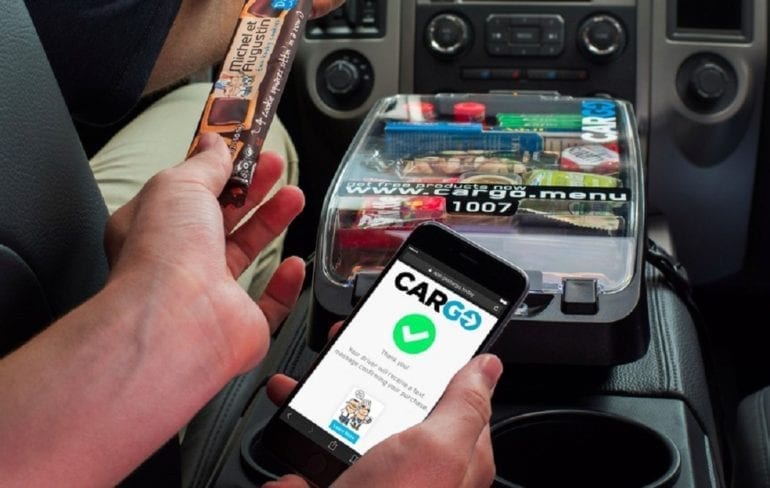
    Cargo, a startup intimately tied to Uber, just closed a $5.5 million seed round for its venture that lets drivers sell products to their riders.

    While PSFK has covered Cargo before, the funding represents a significant step forward for the idea and came with more details on how the whole system will work after applied tests of the concept.

    The startup sends drivers a high-tech tray and a monthly supply of goods for free. For every item sold, drivers get a $1 base commission plus 25% of the sale.

    According to Cargo, Uber drivers can earn a $100 more with its service, and some of its top drivers earn up to $300 every month.

    The startup does not exactly work like a store. Many of its products are given by brands like Kellogg’s as freebies to riders. Brands get consumer data from Cargo while Cargo charges brands for access to its distribution network.

    reAccording the startup, the actual sales alone are not even the big source of revenue yet. The startup plans to send out its hardware to 20,000 cars and open in one new city each month for the next six months.