Retail News CRM

Tag: uber

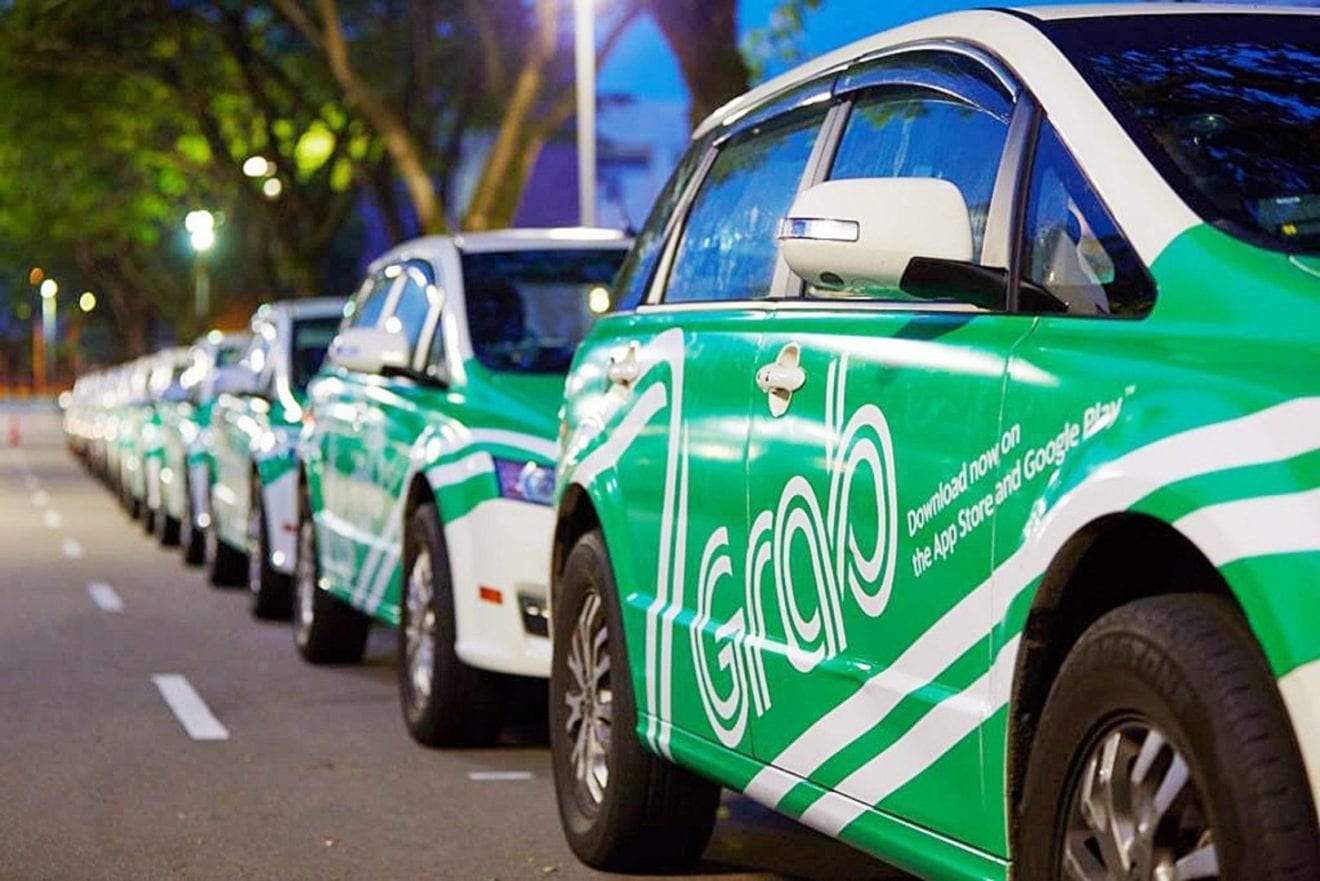
  • Uber & Grab hit roadblock in Da Nang

    Uber & Grab hit roadblock in Da Nang

    In a proposal submitted to the Da Nang Department of Information and Communications, the local Traffic Safety Committee wrote that the unauthorized operations of Uber and Grab could worsen traffic in the city.

    The committee asked the department to have internet providers block access to Uber and Grab apps and also asked police to investigate and punish any individual or organization found to be offering transport services illegally in the city.

    Department Director Mr. Nguyen Quang Thanh confirmed with local media on March 4 that the proposal is under consideration but more time is needed for study before advising the city’s government on a final decision.

    The latest move comes after Da Nang, on November 25, declined to run a pilot car hailing project by Grab. In a statement sent to the Ministry of Transport, Da Nang said Grab’s presence in the city would cause a sharp rise in the number of private cars and taxis, worsening congestion.

    The ministry had earlier that month asked Da Nang, Hanoi, Ho Chi Minh City, the northern province of Quang Ninh and the central province of Khanh Hoa to allow Grab to launch trial operations.

    Mr. Nguyen Tuan Anh, General Manager of Grab Vietnam, told local media the company hopes to meet with Da Nang officials to find a solution to the city’s concerns.

    Meanwhile, a representative from Uber said the company has not received any notice from Da Nang authorities and is actually focusing on Hanoi and Ho Chi Minh City and does not have plans to expand to Da Nang just yet.

    The arrival of Singaporean transport app Uber and the Malaysian-based Grab over the last two years has put traditional taxi drivers, generally made up of men with few resources, under threat.

    Accustomed to negotiating the price with passengers before hitting the road, many motorcycle taxi drivers are unable to compete with the rates offered by these apps or with the convenience of booking the service and knowing the price in advance.

    Although Grab and Uber have recruited thousands of existing taxi drivers for their fleets, many refuse to join because of an unfamiliarity with new technology or simply because they refuse to give a percentage of their income to the companies.

    Last month, Uber had its application to operate on a trial basis rejected for a second time.

    The company applied for a license after local regulators outlawed its smartphone app-based services in November 2015, due mainly to its failure to establish an independent legal entity in Vietnam.

    Market regulators declared that the company behind the ride-sharing service that controls Uber in Vietnam should be held responsible for the app rather than its Vietnamese business unit, which is yet to be recognized as a legal entity by local authorities.

    Transport authorities have also asked Uber Vietnam to make changes to its app by registering itself as licensed ride service provider, apart from existing services such as “consulting and management” and “market research and public opinion polling”.

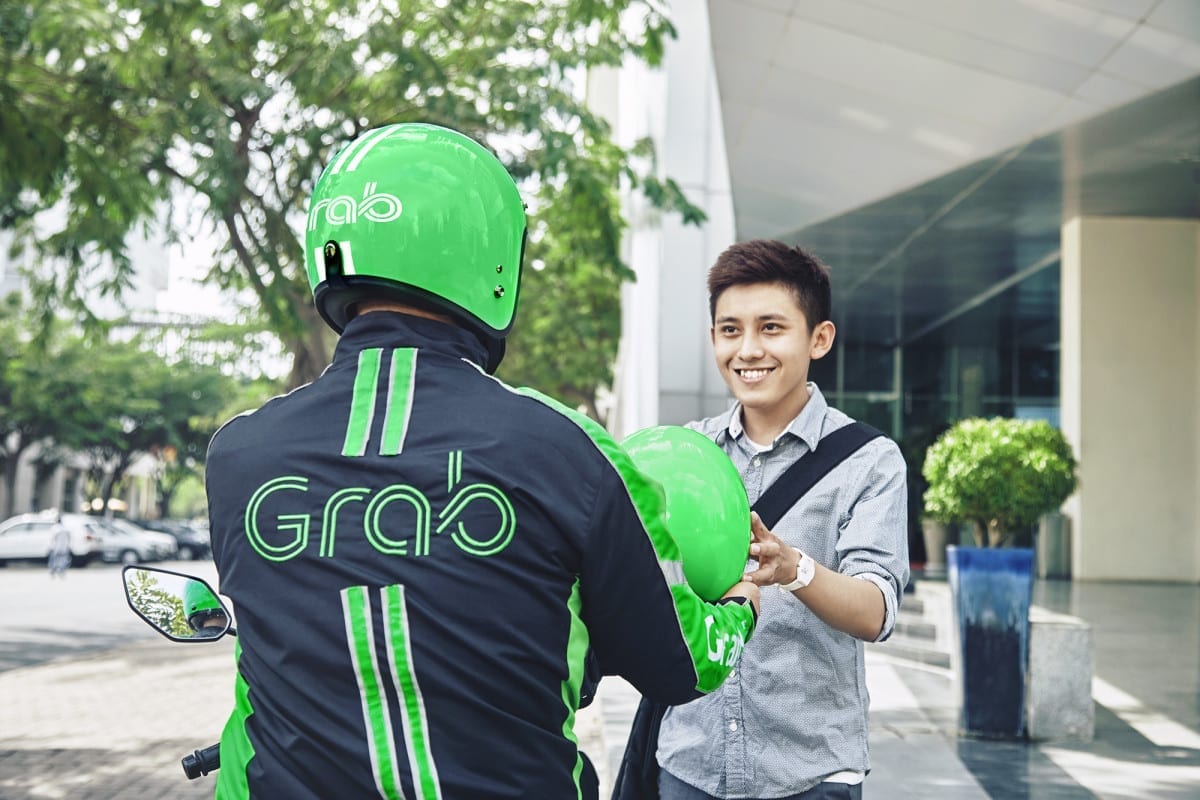
    GrabTaxi is the only foreign-run transport service allowed to operate in five cities in Vietnam using registered private vehicles between 2016 and 2018.

    Uber, however, has been singled out for providing ride-hailing services without legal permission.
  • Uber still unable to see eye-to-eye with regulators

    Uber still unable to see eye-to-eye with regulators

    On March 3, Uber lost to Transport for London (TfL), the local government agency managing the city’s transport system, in its case to challenge the latter’s requiring all taxi drivers to take a written English test.

    TfL introduced the requirement, which is applicable for taxi drivers seeking to obtain or renew their private hire licence to drive inside London after 1 April 2017, in June 2016.

    Accordingly, drivers will have to pass a written English exam, including a 120-word essay.

    Uber did succeed in getting the TfL to apply the requirement to all drivers including those from English speaking country on grounds of discrimination. However, it failed to get the TfL to drop the requirement.

    In London, drivers who drive for Uber have to have the private-hire license issued by TfL.

    As reported by The Guardian, general manager of Uber London, Tom Elvidge, earlier called the requirement a “deeply disappointing outcome for tens of thousands of drivers who will lose their livelihoods because they cannot pass an essay writing test”.

    “We’ve always supported spoken English skills, but writing an essay has nothing to do with communicating with passengers or getting them safely from A to B,” Elvidge added.

    On the other hand, the mayor of London, Sadiq Khan, said drivers being able to speak English and understand information from passengers and licensing requirements is a vital part of ensuring passengers get the high standard of service they need and deserve.

    “This could include discussing a better route, talking about a medical condition, or ensuring every driver is fully up to date with new regulations,” he said.

    In another instance, Uber has been found using a tool called Greyball to deceive law enforcement officials in cities where its service is not legal.

    As reported by The New York Times, Greyball used geolocation data, credit card information, social media accounts and other data points to identify government officials.

    As a result, officials attempting to hail an Uber might see icons of cars within the app navigating nearby, but no one would come pick them up.

    The programme helped Uber drivers avoid being ticketed. Greyball has been used in Portland (Oregon), Philadelphia, Boston, and Las Vegas, as well as France, Australia, China, South Korea and Italy.

    According to a statement from Uber, the programme is aimed at violators of its terms of service. “This programme denies ride requests to users who are violating our terms of service—whether that’s people aiming to physically harm drivers, competitors looking to disrupt our operations, or opponents who collude with officials on secret ‘stings’ meant to entrap drivers,” the company said.

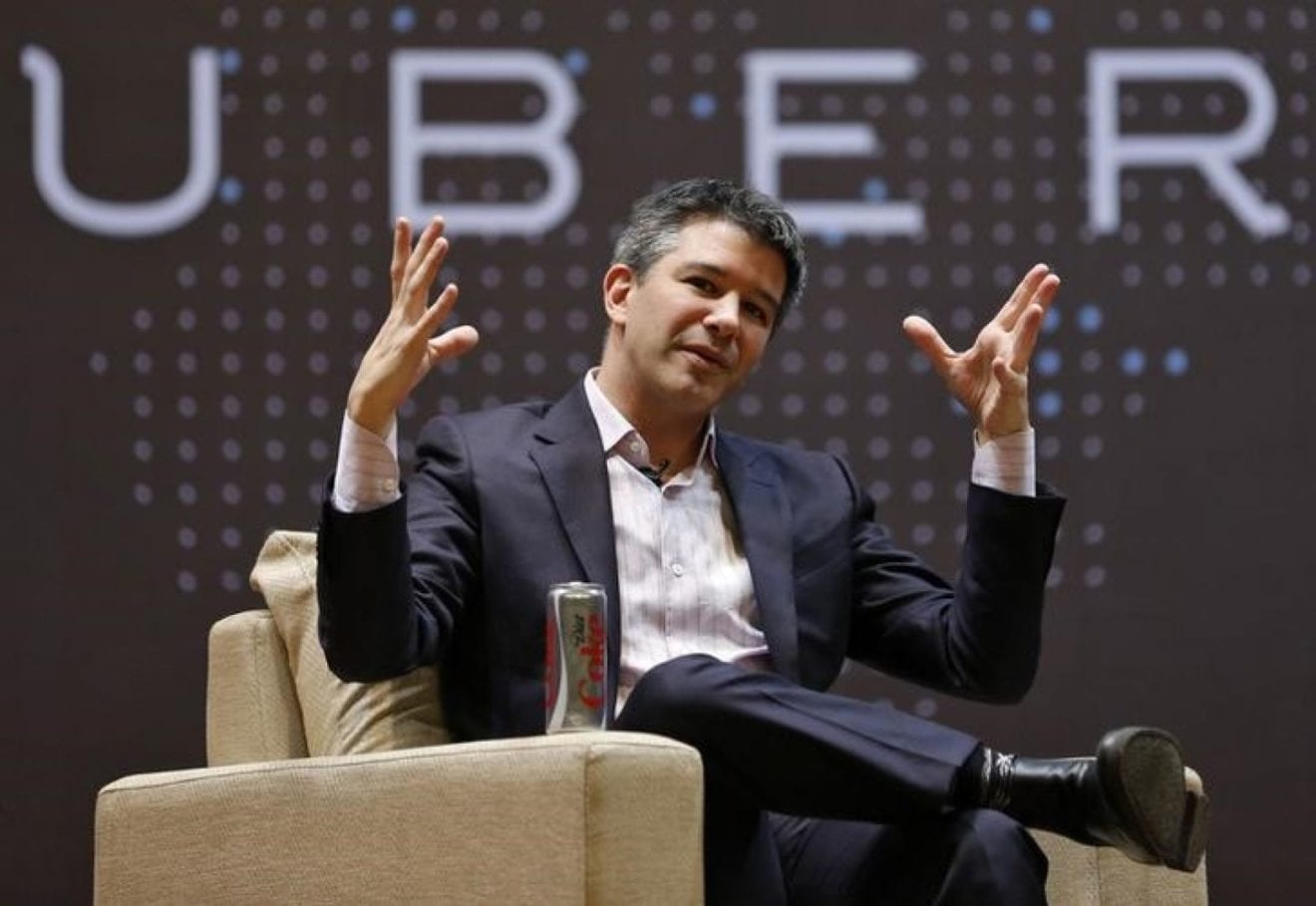
    In 2016, Uber was estimated to be valued at $66 billion. CEO Travis Kalanick in an interview with Vanity Fair in October last year said that Uber is not going to have an initial public offering (IPO) soon.

    With Uber not being on the good books of governments in many countries and territories around the world, coupled with a host of recently revealed controversies, one may wonder whether the company is still valued $66 billion.

  • Hanoi plans to put taxi-style roof signs on Uber, Grab cars

    Hanoi plans to put taxi-style roof signs on Uber, Grab cars

    Officials in the city are tightening rules on transport services. Popular ride-hailing services Uber and Grab may soon be asked to put signs on their cars as officials in Hanoi are tightening rules on transport companies.

    Officials said some private cars offering transport services are operating without signs or badges.

    Grab, a Malaysia-based company, is the only foreign-run transport service allowed to operate in five cities across Vietnam using registered private vehicles between 2016 and 2018.

    Uber, however, has been singled out for providing ride-hailing services without permission.

    The company has recently had its application to operate on a trial basis rejected for a second time in Vietnam, according to local transport authorities.

    It applied for a license after local regulators outlawed Uber’s smartphone app-based services in November 2015, due mainly to its failure to establish an independent legal entity in Vietnam.

  • Transport Ministry rejects Uber Vietnam proposal

    Transport Ministry rejects Uber Vietnam proposal

    The Transport Ministry has declined to approve a Uber Vietnam request to pilot an IT upgrade for its services, citing, among other things, a lack of authorisation and validation from its parent firm. In an indication of regulatory obstacles that stand in the way of companies using ridesharing apps that people can use to hire transportation in major cities around the world, the ministry said Uber Vietnam had not met several conditions for regularising its operations in the country.

    A similar application by Uber’s rival, GrabCar, has been approved.

    An official document sent to the company by the ministry said the authorisation given to Uber Vietnam by Holland-based Uber International Holding BV (Uber BV), which provides the smartphone application for Uber services, was insufficient.

    It said Uber Vietnam was presenting itself as the developer and applicant of the test launch with Uber BV having no legally binding responsibility in project implementation.

    Furthermore, the registered fields of operation in Uber Vietnam’s initial business certification are “managerial activities” and “market research”, that has no relation to any action authorised by Uber BV.

    If Uber Vietnam is developer of the IT component and wants to apply it, it has to add this activity to its list of registered operations, according to the Ministry.

    Also, as the party directly responsible for signing and implementing the project, Uber Vietnam should work with other commercial transportation units and provide these and their direct clients (drivers) with the necessary contracts.

    The ministry also said that under the nation’s e-commerce laws, the Uber mobile application has the same function as an electronic exchange. Therefore, the company needs to register its services with the Ministry of Industry and Trade.

    Regarding Uber Vietnam’s use of electronic contracts and data instead of traditional paper contracts, the ministry demanded more details and analysis on the content and process before approving the project.

    In particular, the pilot project must clarify Uber’s rights and responsibilities as a supplier of technological applications and transportation services. This includes the authorisation given by Uber BV to Uber Vietnam, as also the resolution of any legal issues that arise during the latter’s operations.

    The ministry’s communiqué said it could not approve Uber Vietnam’s request before the company satisfies all the conditions mentioned therein. It said this was required so that the company would not continue working with vehicle owners and other transportation units in contravention of regulations.

    The project under which Uber has sought approval is officially titled “Application of information technology in supporting the management and connection of commercial passenger transportation by contract.”

    The project’s stated aim is to enhance State management of information technology-based passenger transportation, and create preconditions for future science and technology application projects in the transportation sector.

    Uber entered Vietnam in June 2014 as a foreign company operating in the country without resident offices. The company has undergone previous scrutiny by the Government on matters of tax avoidance and its legality in the country.

  • Hanoi plans to impose taxi badges on Uber and Grab cars

    Hanoi plans to impose taxi badges on Uber and Grab cars

    The competition between traditional taxis and app-based taxis like Uber and Grab has continued unabated.

    Conventional taxi companies have said they had to meet numerous requirements and pay various taxes and fees which Uber and Grab taxis aren’t required to and that this was unfair.

    In Document 399, the Hanoi’s Department of Transportation said they had gathered opinions from the public and related agencies about the regulations over the operation of vehicles in the city.

    They proposed that all cars for hire with less than nine seats, including Uber and Grab taxi, must have the required badges and follow all regulations that are currently applied to taxis.

    The department said they hoped to get more views before stopping to receive opinions from February 20 to report to the city people’s committee.

    The Ministry of Transport has declined to approve a proposal from Uber Vietnam Company to pilot an IT upgrade for its services because of a lack of authorisation and validation from its parent firm.

    The ministry said it had inspected and dealt with various cars using the Uber app.

    According to the ministry, Uber is registered as the developer so it is not authorised to work as a taxi company.

    The ministry has asked Uber Vietnam to stop working with car owners and the ‘illegal’ operation in Vietnam until it completes all required procedures.

  • BMW and Daimler may combine forces to compete with Uber

    BMW and Daimler may combine forces to compete with Uber

    Automakers have been dabbling in the ride-sharing industry, but Uber remains the titan to beat. In true “Power Rangers” fashion, two automakers are reportedly forming a Megazord of ride-sharing in order to bring the fight to Uber’s doorstep.

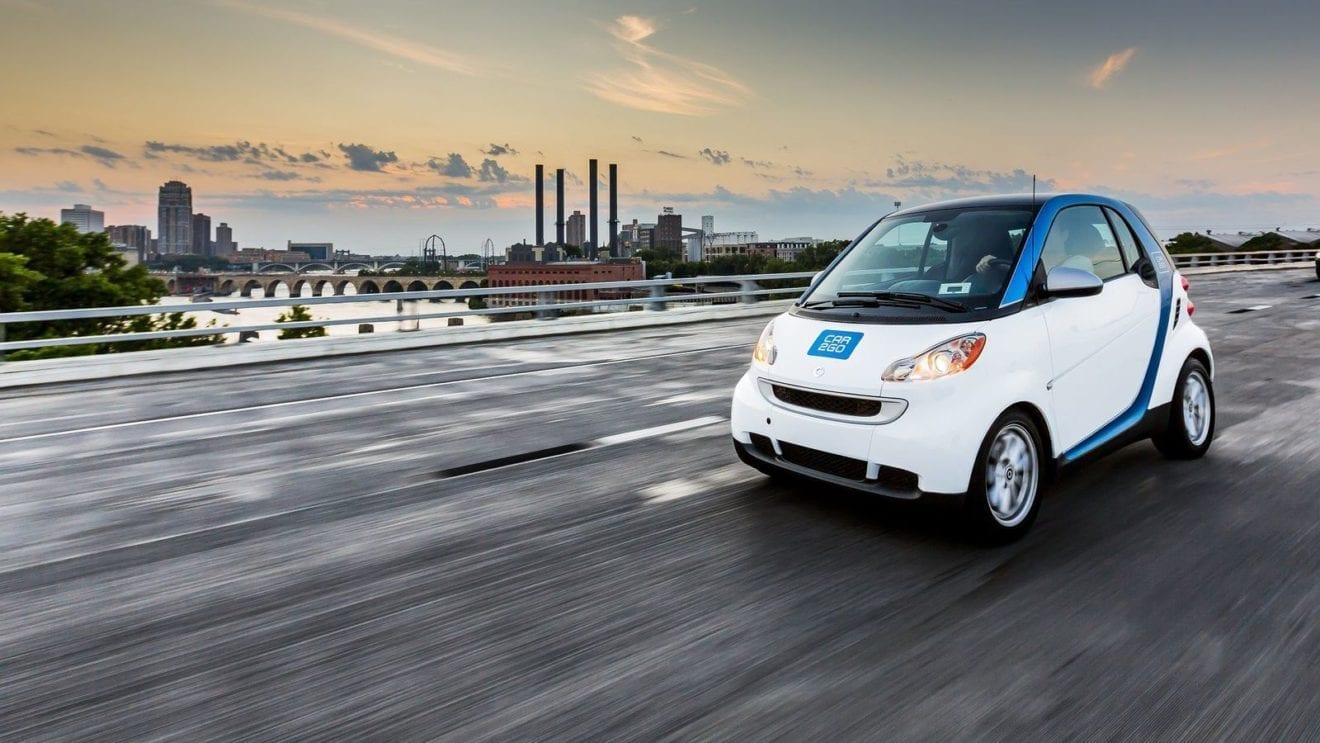
    BMW and Daimler may combine their ride-sharing efforts to better compete with Uber, citing sources speaking to Germany’s Manager Magazin. BMW operates DriveNow (called ReachNow in the US), and Daimler runs Car2Go, both of which have achieved some success in the US, but not enough to tackle Uber.

    In addition to that pairing, the companies are reportedly considering adding other mobility services into the fold. Back in July, Daimler merged its Mytaxi service with Hailo, another cab-hailing startup. Daimler also operates Moovel, which includes a booking and payment system for various mobility services. BMW also operates ParkNow and ChargeNow. It’s reasonable that many of these operations could be lumped together under the same name.

    Neither BMW nor Daimler immediately responded to a request for comment.

    Uber has been on a tear lately. It finally worked with cities to get ride-sharing pick-ups and drop-offs at certain airports. It’s also dabbling in autonomy, most recently rolling out some self-driving Volvos in San Francisco, but the legality of that arrangement is still up in the air. But it’s not all flowers and gentle breezes with the ride-sharing titan, which constantly finds itself the subject of some gnarly lawsuits.

  • Daimler to supply self-driving cars for Uber

    Daimler to supply self-driving cars for Uber

    German auto giant Daimler on Tuesday (Jan 31) said it had struck a partnership with Uber to supply self-driving cars for the US ride-hailing company.

    The tie-up comes as both carmakers and ridesharing firms are jockeying to establish themselves as leading players in the burgeoning world of autonomous driving, seen as the future of the auto industry.

    “Under the terms of the cooperation, Daimler plans to introduce self-driving vehicles … on Uber’s global ride-sharing network in the coming years,” the companies said in a joint statement.

    The agreement will see Daimler build and operate self-driving Mercedes-Benz cars for use by Uber, but the statement revealed no financial details.

    “As the inventor of the automobile, Daimler aims to be a leader in autonomous driving – one of the most fascinating aspects of reinventing mobility,” Daimler CEO Dieter Zetsche said in the statement.

    San Francisco-based Uber has invested heavily in self-driving car technology in recent years and is currently piloting the use of autonomous vehicles in the US city of Pittsburgh.

    But it has no car-building experience, prompting it to seek partnerships.

    “Self-driving technology holds the promise of creating cities that are safer, cleaner and more accessible,” Uber CEO and co-founder Travis Kalanick said.

    “But we can’t get to that future alone. That’s why we’re opening up the Uber platform to auto manufacturers like Daimler.”

    Uber is already working with Sweden-based Volvo Cars to develop self-driving cars for sale by 2021.

    And in a world first, a self-driving truck built by Uber’s Otto unit successfully delivered a beer shipment in October.

    Cars with some autonomous functions, such as the ability to adjust the speed, are already on our roads.

    But nearly all the major global automakers – including BMW, Volkswagen and Ford – are racing to get fully self-driving cars on the market in the next few years, often in cooperation with tech firms.

    US automaker General Motors last year announced a US$500 million (€460 million) investment in Uber’s rival Lyft, while Google parent company Alphabet has partnered with Fiat Chrysler to develop self-driving cars.

    The BMW group, which has partnered with US computer chip giant Intel, said earlier this month it plans to start testing self-driving vehicles on roads in the US and Europe by the end of the year.

    Auto industry expert Ferdinand Dudenhoeffer of Germany’s CAR institute predicted that the tie-up between Uber and Daimler wouldn’t be the last in the sector.

    “It’s almost to be expected. And Uber is sure to work with more car manufacturers in the future,” he told AFP. “It only makes the world of tomorrow even more exciting.”

  • Southeast Asian ride-hailing firm Grab hires former Indonesian police chief

    Southeast Asian ride-hailing firm Grab hires former Indonesian police chief

    Southeast Asian ride-hailing firm Grab said on Monday (Jan 30) it has appointed Indonesia’s former national police chief to oversee corporate governance and long-term plans for its biggest market.

    Grab said it plans to expand to more cities in Indonesia, grow its transport services and invest in a mobile payments platform.

    Badrodin Haiti, who was Indonesia’s chief of the National Police from April 2015 to July 2016, “brings extensive experience working with government stakeholders and ensuring aligned interests among different stakeholders,” the company said in a statement.

    Grab and its competitors, Uber of the United States and homegrown company Go-Jek, have faced regulatory obstacles in Indonesia.

    The government has ordered ride-hailing service providers to pass vehicle safety tests and get local partners, among other conditions.

    “As the technology and ride-hailing sectors evolve in Indonesia, Mr. Haiti will play a guiding role to ensure Grab contributes constructively to the implementation of new transport regulations and safety guidelines,” Grab said.

  • Lunar New Year surge pricing enrages GrabBike users

    Lunar New Year surge pricing enrages GrabBike users

    Treble fares and heavy traffic add up to the Tet holiday stress in Vietnam. The week before Vietnamese people ring in the Year of the Rooster has been the busiest time of the year for ride-sharing services.

    Due to the rising demand, GrabBike, a mobile hailing app for motorcycle taxi services, has applied what is known as “surge pricing”, meaning that fares have more than tripled over the past week. The company says the move is aimed at ensuring there are enough drivers on the road, but customers are not impressed.

    Long, an office worker in Ho Chi Minh City’s financial district, headed home for the Lunar New Year holidays on a late night coach trip, leaving the city at 9 p.m. It usually costs him only $2.6 to travel the 7 kilometers by motorbike taxi from his apartment to the coach station. However, this time he was shocked to find that GrabBike had nearly tripled the fare to $7.1.

    The inflated cost annoyed Long who felt like he was getting fleeced by the service when he needed it the most.

    He decided to return to traditional motorcycle taxi drivers who pick up passengers on every corner in the city.

    “After negotiating, the driver agreed to take me for $3.5,” said Long, who had ditched old-fashioned motorcycle taxis for GrabBike thanks to its convenient booking service and lower fares offered by the app.

    The arrival of hailing mobile apps like Uber and Grab to Vietnam in recent years has put traditional motorcycle taxi drivers under great pressure with a rapidly shrinking market share.

    Many traditional motorcycle taxi drivers who are usually unable to compete with Grab have suddenly made a strong comeback over the past week as Grab’s surge pricing scares away customers.

    It usually costs Phuong, a resident in District 7, only $3 to get to Tan Son Nhat Airport. The price surged to $8 last Saturday despite her effort to avoid the rush hour by booking the trip at noon. Phuong agreed to the inflated fare, but after more than 30 minutes, there were still no GrabBike drivers in sight. She had no choice but take a cab to the airport.

    Higher prices are supposed to keep more drivers on the road during the busiest times. However, Long, a GrabBike driver, said the higher fares had made little difference to his income due mainly to heavy traffic that slows journey times.

    “A pick-up point was just 1.5 kilometers away but it took me more than 25 minutes to get there the other day,” said Long, adding that when he arrived at the pick-up point the passenger had already cancelled the trip.

    Ngo Nguyen Hoang, chief executive of Grab, said despite the higher fares leading up to Tet, the company has been unable to meet the demand.

    “We simply can’t reach our customers,” he said. “Before passengers book their trips, they will see the total cost of the rides in advance with upfront fares.”

    He confirmed that there will be no more unwelcome surprises heading into the holidays.

    “We are still offering discount coupons. There is no way we are fleecing our customers in the week leading up to Tet,” Hoang continued.

  • Lalamove to expand to 100 Asian cities

    Lalamove to expand to 100 Asian cities

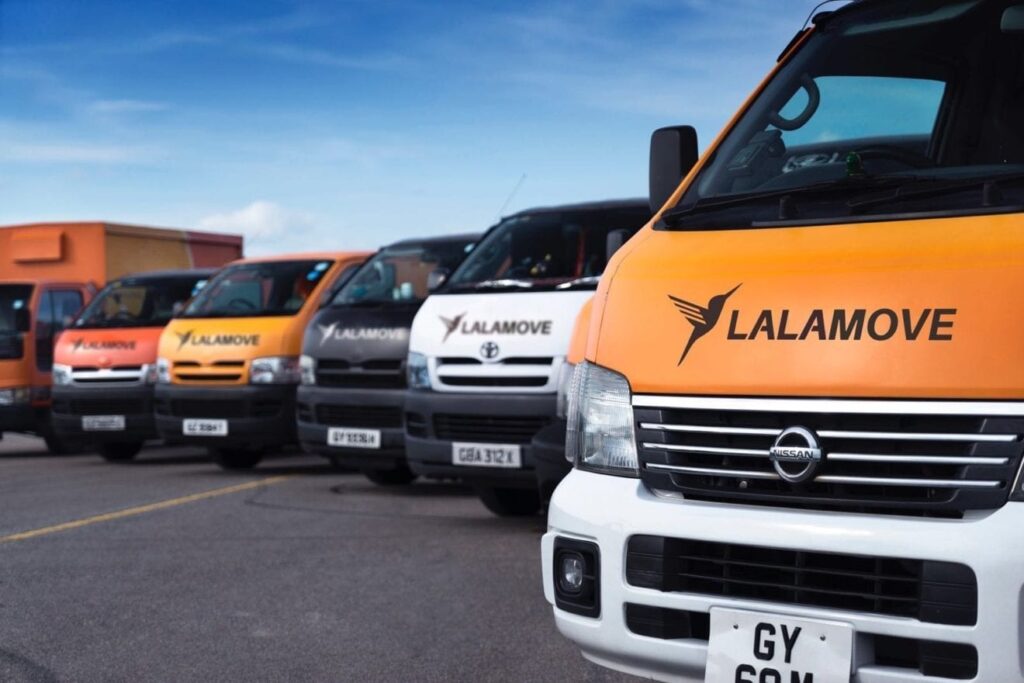
    Hong Kong-based logistics startup Lalamove has raised US$30 million in Series B funding to enable it to push into more than 100 cities in Asia by the end of the year.

    It is already established in 45 cities across China and Southeast Asia.

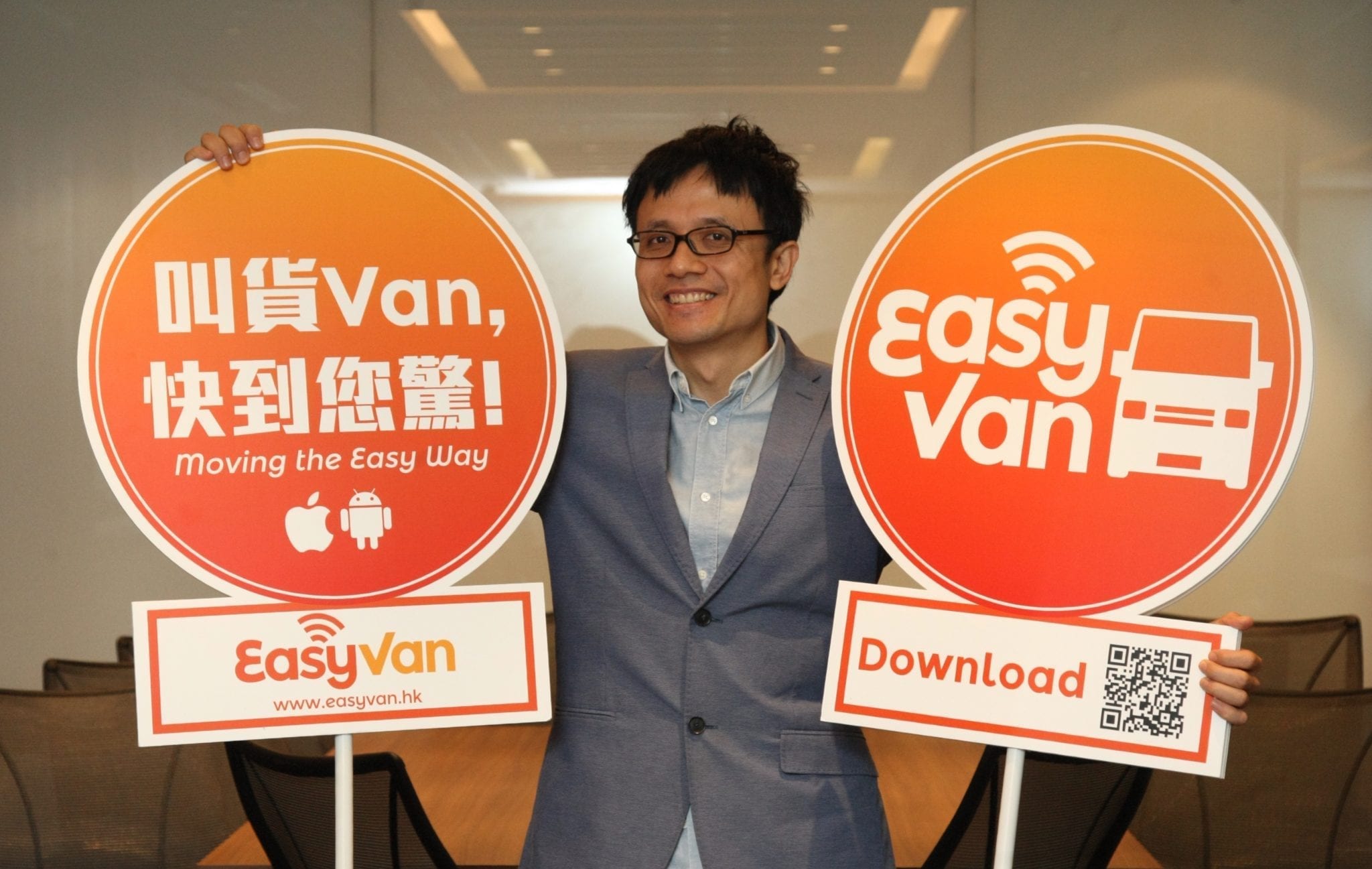
    Since it launched as EasyVan in 2013, the company has raised a total US$60 million in funding, with its latest round being led by Xianghe Capital from Beijing, with Blackhole Capital participating as a new investor. Previous investors Crystal Steam and Mindworks Ventures also contributed.

    Lalamove MD Blake Larson says the company is close to being profitable.

    Lalamove says it already has the largest service area for intracity deliveries in Asia with more than 500,000 drivers using the platform. More than 5 million people have used the service.

    Founder/CEO Shing Chow said he believes the logistics industry is underpenetrated by mobile platforms, citing the US$1.7 trillion market in China as an example.

    “The evolution of the logistics industry has not been as rapid as some other markets like communication, but we believe we are at a tipping point where transformation will now happen very rapidly.”

    Dubbed the “Uber for logistics” because it applies the on-demand economy to the delivery industry, Lalamove lets users choose pick-up and drop-off points, type of vehicle and either “advance booking” or “immediate delivery”.

    A company can schedule up to 20 stops per order, customise an account with “favourite drivers” and use one-click optimised routing to save time, reports E27.

    In Thailand, Lalamove partnered with Japanese chat company Line to set up Line Man so its user base could buy and deliver documents, packages, groceries and food items.

    In November, the company expanded into the Philippines, where its option to request round-trip deliveries for cash-on-demand was important.

    The company rebranded from EasyVan in November 2014, ahead of its Bangkok launch.

  • Express, Uber team up to tap opportunities in Indonesian market

    Express, Uber team up to tap opportunities in Indonesian market

    Despite its roller coaster relationship with new competitors, publicly listed taxi operator Express Transindo Utama announced on Monday it would team up with ride-hailing application Uber for a ride-sharing integration in hope to improve services and increase revenue.

    Under the collaboration, Express drivers will be able to use Uber’s application to take uberX orders apart from running conventional services.

    “Through collaboration with Uber, we expect to improve the utilization of our fleet,” Express Group chief operating officer Benny Setiawan said in a statement.

    Express, Benny went on, was also developing a scheme that would allow Uber partner drivers to purchase cars from Express through an installment scheme.

    Uber also shared enthusiasm about its partnership with Express.

    “We are enthusiastic that Express Group, a prominent taxi operator in Indonesia, now uses ride-sharing and technology to expand its market,” Uber Asia Pacific head of business Eric Alexander said.

    On March 22, over 10,000 conventional transportation drivers—mostly Express and Blue Bird taxi drivers, as well as drivers of angkot (public minivans), buses and bajaj (three-wheeled vehicles)—took to several thoroughfares in Jakarta to stage a protest.

    The protesters accused the government of failing to regulate increasingly popular app-based transportation services, such as Grab, Uber and Go-Jek, which they say were eroding their incomes.

    During the protest, conventional taxi drivers initially targeted Go-Jek and Grab drivers, though groups of ojek (motorcycle taxi) drivers later retaliated, smashing cab windows.

  • T-Hub, Uber launch T-Bridge startup platform

    T-Hub, Uber launch T-Bridge startup platform

    Indian startup incubator T-Hub has joined hands with ride sharing pioneer Uber and TiE Silicon Valley to launch a program that will connect Indian startups with global market opportunities and help bring global new-age companies to the country.

    A press release issued by the startup incubator T-Bridge said that the program will enable startup communities in India and globally to cross-pollinate ideas, innovate and create channels for knowledge transfer. It will also create a network of mentors, VCs, incubators and accelerators that will support the Indian startup ecosystem.

    K T Rama Rao, Telangana Minister for IT on Saturday inaugurated T-Bridge at Uber’s headquarters in San Francisco.

    T-Bridge will provide a platform for such fast-track tech companies looking to tap into India’s huge consumer market for technology and help startups access UberExchange-Uber’s flagship startup mentorship program and TiE Silicon Valley’s mentor network.

    “We have a strong vision to make Hyderabad one of the top 10 startup cities in the world. T-Bridge is one such move towards opening a channel of investment from the world to the state of Telangana. I am proud to open our first outpost in the US in association with Uber and TiE Silicon Valley and believe that this association will forge new partnerships and spur investment and innovation between the two countries,” Rama Rao said at the launch.

    Rachel Whetstone, Uber’s senior vice president for policy and communications, said, Telangana is one of the most progressive states in India; and it has set up a culture of ‘regulatory incubation’ – allowing new ideas and business models to thrive.

    “Today more and more people around the world want to build something themselves. Through initiatives like UberExchange, our mentorship program for Indian startups, we hope to spur entrepreneurship. Creative partnerships like T-Bridge will continue to strengthen ties between India and the global startup scene,” Whetstone said.

  • StanChart, Uber launch multi-market partnership

    StanChart, Uber launch multi-market partnership

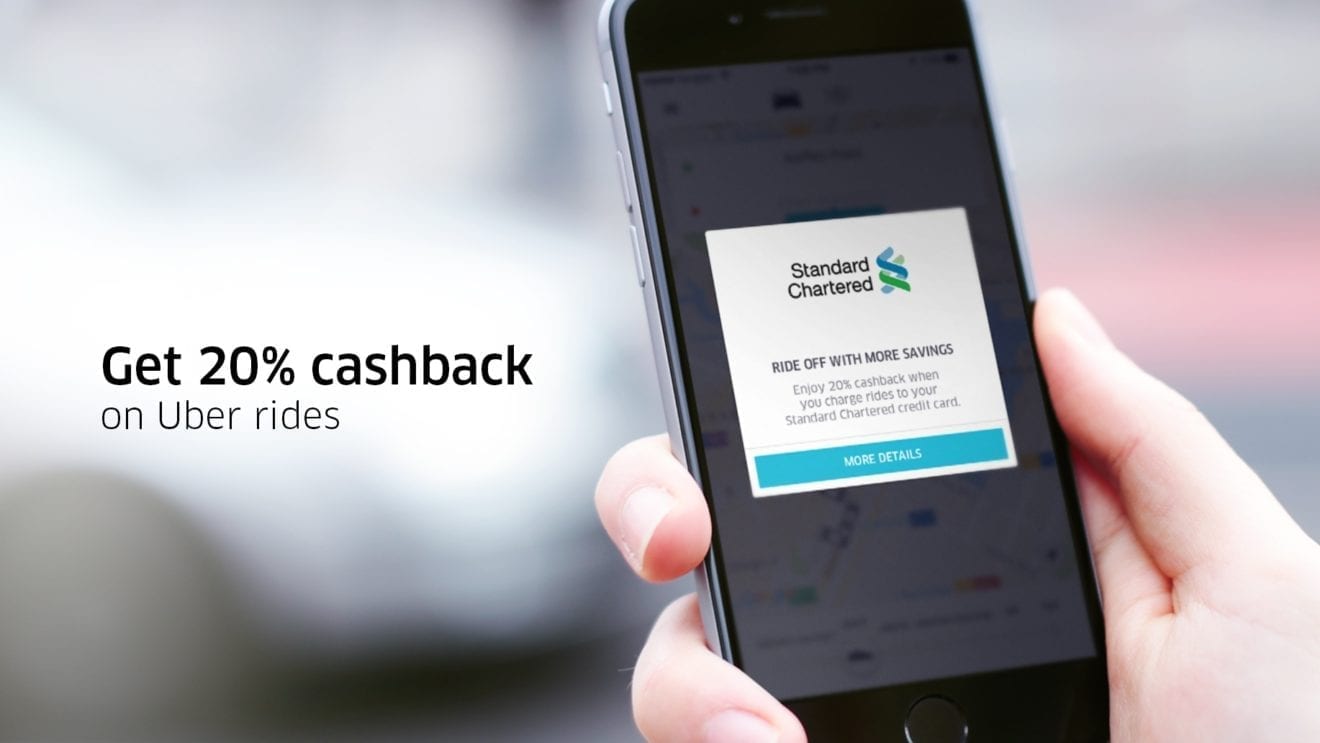
    Standard Chartered Bank and Uber announced a partnership that offers all Standard Chartered credit cardholders in six markets (Singapore, Indonesia, Malaysia, Vietnam, India and the United Arab Emirates) across two continents up to 25% cashback for all global Uber rides. This is the first ever multimarket partnership for both Standard Chartered Bank and Uber, the world’s most popular transport app.

    Collaborating with Uber is part of Standard Chartered’s digital agenda to deliver simple and convenient banking through digital channels for increasingly tech-savvy clients. To meet clients’ needs in the new digital ecosystem, the Bank believes that collaboration between the financial and technology sectors will lead the way forward. Ride hailing service providers such as Uber are fast becoming a mainstream feature of transportation globally, and continue to gain popularity exponentially. This collaboration between Standard Chartered and Uber capitalises on key areas of synergies, which are mainly an extensive geographical network, highly-mobile client base and the desire to provide innovative offerings to clients.

    Sebastian Arcuri, Regional Head, Retail Banking, ASEAN and South Asia, Standard Chartered Bank said:

    “There has been a dramatic shift towards digital and cashless payments across the region and we are seeing success in the seamless integration of the Bank’s services in our clients’ everyday life. As a global bank with a focus on Asia, Africa and Middle East, we are pleased to partner Uber, a transport network operating in more than 425 cities, to engage our clients for both their local and overseas transport needs.”

    Commenting on the partnership, Chan Park, Uber’s Regional General Manager for Southeast Asia, said:
    “We are thrilled to partner with Standard Chartered Bank, one of the region’s longstanding and illustrious banks. Together, we will bring to life our shared passion for delighting customers and bring even more value to riders. We also look forward to welcoming cardholders as first-time Uber riders to join over 50 million riders globally to experience the ridesharing revolution.”

    VisaNet data reveals that in Singapore, in-app payments account for around one third of total card spend under the transportation category. The overall consumer spend in transportation witnessed a healthy growth of 35% year-on-year, driven primarily by a growth in spend for in-app merchants. On the average, third party transportation booking apps account for more than 1.5 million transactions every month.

    Andrew Chia, Head of Retail Banking, Standard Chartered Bank Singapore, said:

    “We constantly seek new ways to delight our clients and are excited to partner Uber in delivering greater value and a more seamless travel experience for our cardholders. Given the shift towards a cashless society in Singapore, there is strong demand for more accessible digital payment options. With this partnership, our cardholders are rewarded with convenience and cashback when they go cashless with Uber.”

  • Uber rival Grab raises $750M led by SoftBank at a $3B valuation

    Uber rival Grab raises $750M led by SoftBank at a $3B valuation

    Grab, the largest company rivaling Uber in Southeast Asia, has confirmed that it has raised $750 million in fresh capital.

    This is the company’s Series F round, and it was led by existing investor SoftBank with participation from undisclosed existing and new backers, Grab said. One of those is almost certain to be China’s Didi Kuaidi, which reportedly made a commitment to this round, but neither side is confirming that right now.

    A source close to the company confirmed that the round gives Grab a $3 billion post-money valuation. That’s consistent with our previous reporting, which pegged Grab’s pre-money valuation at $2.3 billion.

    Grab operates in six countries in Southeast Asia and its previous raise was $350 million in August 2015. This new financing has been sometime coming, and it was reported that Grab was raising upwards of $600 million in August, with some media suggesting the total could reach $1 billion. That hasn’t happened but Singapore-headquartered Grab did claim that it has over $1 billion on its balance sheet courtesy of this new raise.

    Grab said it 400,000 drivers on its platforms and it has seen over 21 million app downloads to date. In an announcement, the company added that it sees “up to 1.5 million daily bookings,” which a Grab spokesperson confirmed means ride requests not completed rides. Uber doesn’t provide business data for Southeast Asia so it is hard to compare them, but we previously reported that Uber is operationally profitable in parts of Southeast Asia and there seems to be little to choose between the two.

    An arsenal of capital is clearly necessary when you are taking on Uber, but Grab did sketch out some areas of priority that it will focus on.

    Indonesia, the world’s fourth most populous country and the largest economy in Southeast Asia, is top of its list. Grab CEO Anthony Tan said in a statement that he believes that Indonesia’s ride-hailing industry is worth $15 billion annually — that goes beyond taxi and cars and into motorbike taxis — which Grab offers there — and services such as food delivery, logistics, and more. Indonesia is no easy market and, alongside Uber, Grab is rivaled by GoJek, a motorbike taxi on-demand service that recently raised $550 million at a valuation of $1.3 billion.

    Beyond a push into services, Grab is also looking to expand its ecosystem into payments. This summer it announced plans to make its in-app payment system — GrabPay — available to third-party services, and this new funding will go towards making that happen. The GrabPay push will initially focus on Indonesia, where Grab has partnered with national bank Mandiri, but it will also be extended into the company’s other focus markets, too.

    Another more obvious area of focus is technology. Grab has R&D centers in Singapore, Beijing and Seattle and its priorities include refining its algorithm to help drivers become more efficient, building out its mapping data and technology, working on demand prediction and user targeting. Grab is also looking to add pooling to its existing vehicle categories, having launched its first pool option in Singapore nearly one year ago.

    There’s no word on autonomous vehicles, however, which Uber is testing in Pittsburgh with a view to rolling out more fully. Self-driving cars aren’t just for the U.S. market though. Nutonomy is running testing in Singapore so you could argue Grab is already playing catchup or might need to get its checkbook out if it wants to enter the race.

    “Grab has grown tremendously over the past year. This round of funding shows the confidence and optimism investors have in Grab’s market leadership and long-term potential in Southeast Asia,” Tan, Grab’s CEO, said in a statement.

    “We are blessed to have great partners like SoftBank, many of whom have unparalleled track records of investing in leading internet businesses in emerging markets, and seeing those companies through to become the core of internet ecosystems in each market,” he added.

    Despite much to be bullish about, Grab is up against a tough rival in Uber and in a market that shows little sign of profitability right now. We previously reported that the company was burning as much as $30 million per month in 2015. While Grab has consistently claimed that it has not touched its Series E round yet, it is looking at a long path to profitability in Southeast Asia. Likewise, Didi’s move to acquire Uber China — and, in doing so, take equity in Uber Global — throws questions on its global alliance with Uber’s other rival companies.

    Nonetheless, this new funding is a major milestone for Grab, and the largest raise for a tech startup in Southeast Asia to date.

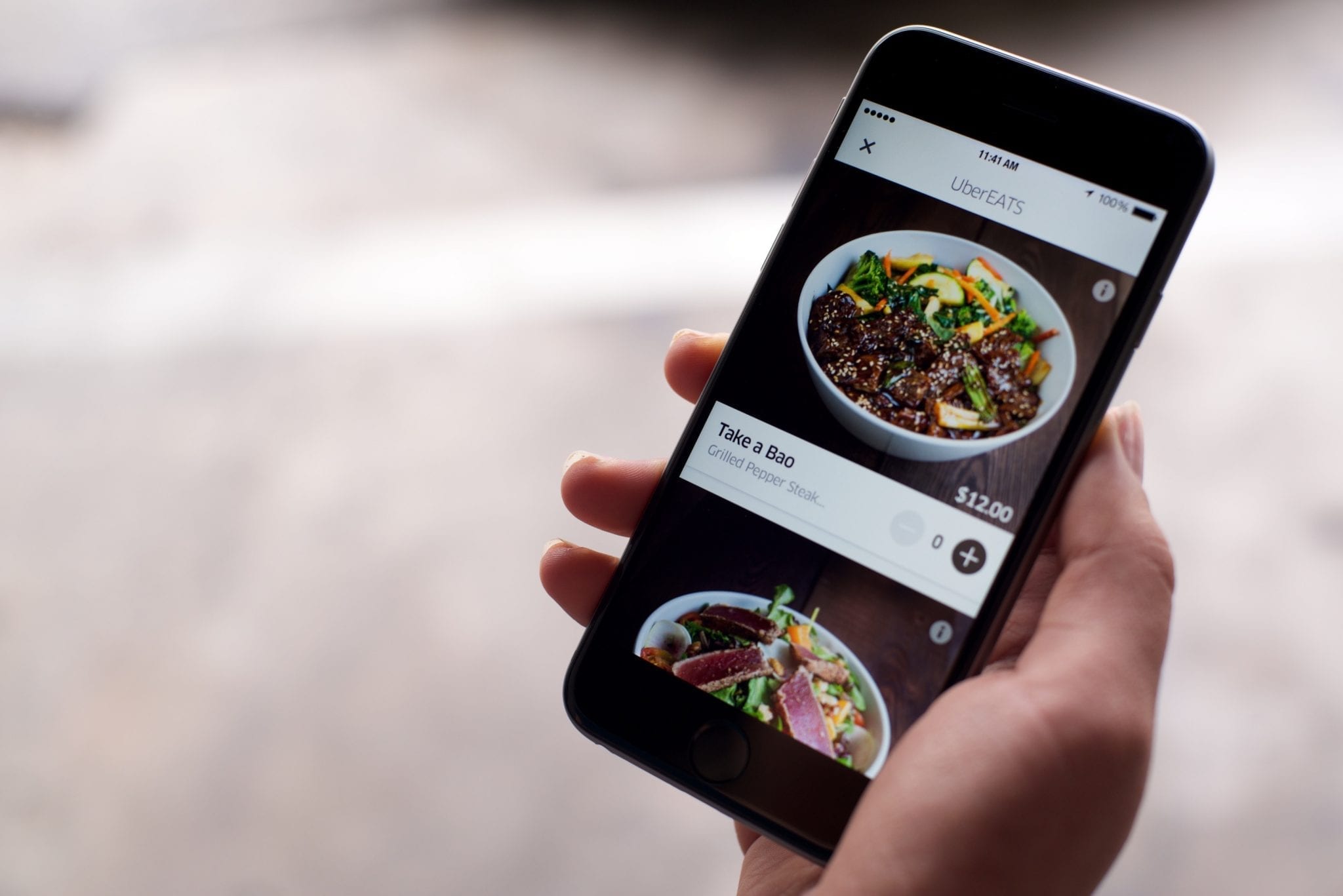
  • Uber Japan about to launch UberEats

    Uber Japan about to launch UberEats

    Uber Japan is about to launch UberEats, with advertisements for bicycle and motorcycle delivery positions appearing on its Japan Facebook page last week, as well as a related video.

    An UberEats Japan website is already up, but only with a link for Tokyo restaurants to register.
    Launched in March, UberEats is available in 28 cities internationally.

    Generally, Uber has struggled in Japan, reports Tech in Asia. As regulations prevent drivers from accepting money from passengers in a private vehicle, Uber works more like a taxi. Its trial program in Fukuoka last year was shut down for paying drivers, and protests from taxi companies have prevented similar trials in other regions. There was also backlash from the taxi industry when Toyota invested in Uber this year.

    However, non-professional drivers can accept payments in areas where public transport is not available. Uber took advantage of this by launching a service with a non-profit organisation in Kyotango city.