Retail News CRM

Tag: US

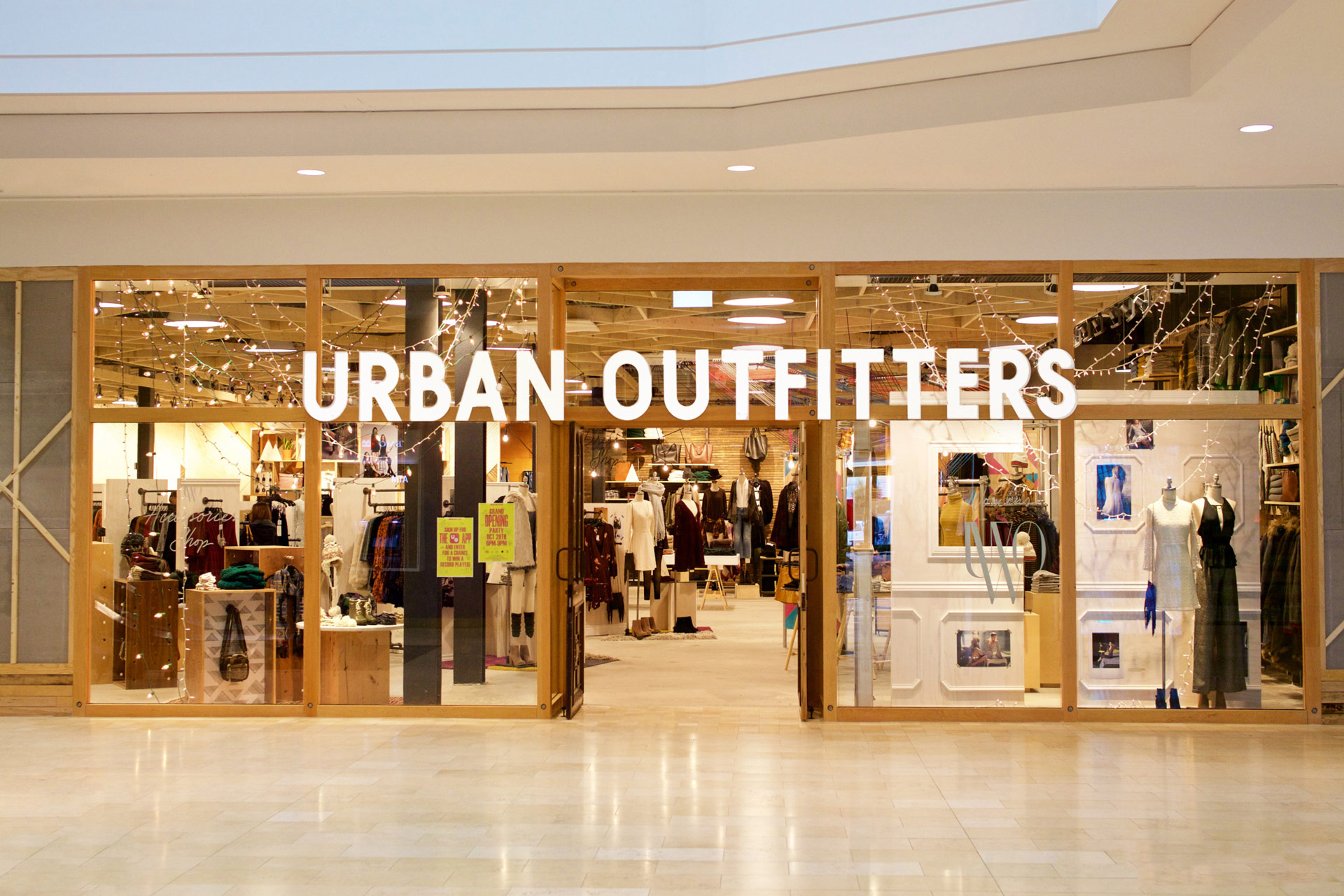
  • Urban Outfitters China plans to expand

    Urban Outfitters China plans to expand

    US retailer Urban Outfitters has announced global expansion plans which involve a broadened commitment to China. According to a statement from the brand’s CEO Richard Hayne, Urban Outfitters China will be housing inventory while the company opens new locations in Europe and the Middle East, as well as taking on new distribution partners.

    The brand’s parent firm Urbn recently posted third quarter net sales of US$973.5 million, a 9 per cent increase over the same period last year.

    Urban Outfitters enjoyed strong sales while participating in the singles day shopping spree on e-tail platform Tmall.

    “We plan to establish a larger presence [in China] by mid-next year. To do this we will switch to the much larger Tmall Classic platform, hold inventory in-country and fulfill orders through a third-party service provider in China. In addition, we plan to sign leases for several stores to open in calendar year 2020,” said Hayne.

    Urbn will be expanding its network of 61 stores in Europe to 100 within three years, and will operate more than 10 stores in the Middle East by 2020.

  • Uno Chicago Bar & Grill to opens stores in India

    Uno Chicago Bar & Grill to opens stores in India

    Ambuja Neotia Group’s hospitality vertical has recently introduced globally recognized American casual dining chain, Uno Chicago Bar & Grill in India through franchise route. The first outlet has opened at Gardens Galleria Mall, Noida.

    Harshavardhan Neotia, Chairman of the Ambuja Neotia Group says, “We feel that the Indian consumer is a well-travelled consumer who has an acquired taste to world cuisine. The Indian market is yet untapped with immense potential and it is an exciting time to enter India.”

    “As an authentic American Bar & Grill concept, the brand is positioned to be a smart casual dining restaurant in India, where people can enjoy a truly American cuisine paired with crafted drinks and entertainment with live performances. Anchored by vibrant culinary heritage, strong craft culture in food and beverages and deeply mindful of wellness, Uno is bringing Deep Dish and New Americana to India. As an ‘Eat-ertainment’ driven casual dining space, it is inclusive and welcoming for all generations – millennial, the young-at-heart and kid. The restaurants will operate as a family style full service restaurant,” he adds.

    Each restaurant in India, which will spread across 2,500-3,000 square feet with the interiors same as of any other Uno Pizzeria & Grill restaurant in the US, will be opened with an approximate capex of Rs 4-5 crore.

    “This year, the brand is opening outlets in region of NCR, Kolkata and Bengaluru. The group has signed a franchise agreement with the food chain to open about 70 outlets across the country over the next seven years spreading across Tier I and II cities,” states Neotia.

    The brand is planning to open 12-15 outlets in the next 3 years with estimated investments upwards of Rs 60 crore.

    Tracing Brands’ History

    Uno Chicago Bar & Grill’s entry in India also coincides with its 75 years of successful global operations. Globally, the brand is recognized for its fun and welcoming Chicago inspired environment. The dining experience is relaxed, casual and family friendly as the brand places great emphasis on hospitality and service. The brand is synonymous with pizza but the menu extends to pastas, grills, salads, burgers, sandwiches and special curated menus. The chain also gives special emphasis to bar and alcohol offerings.

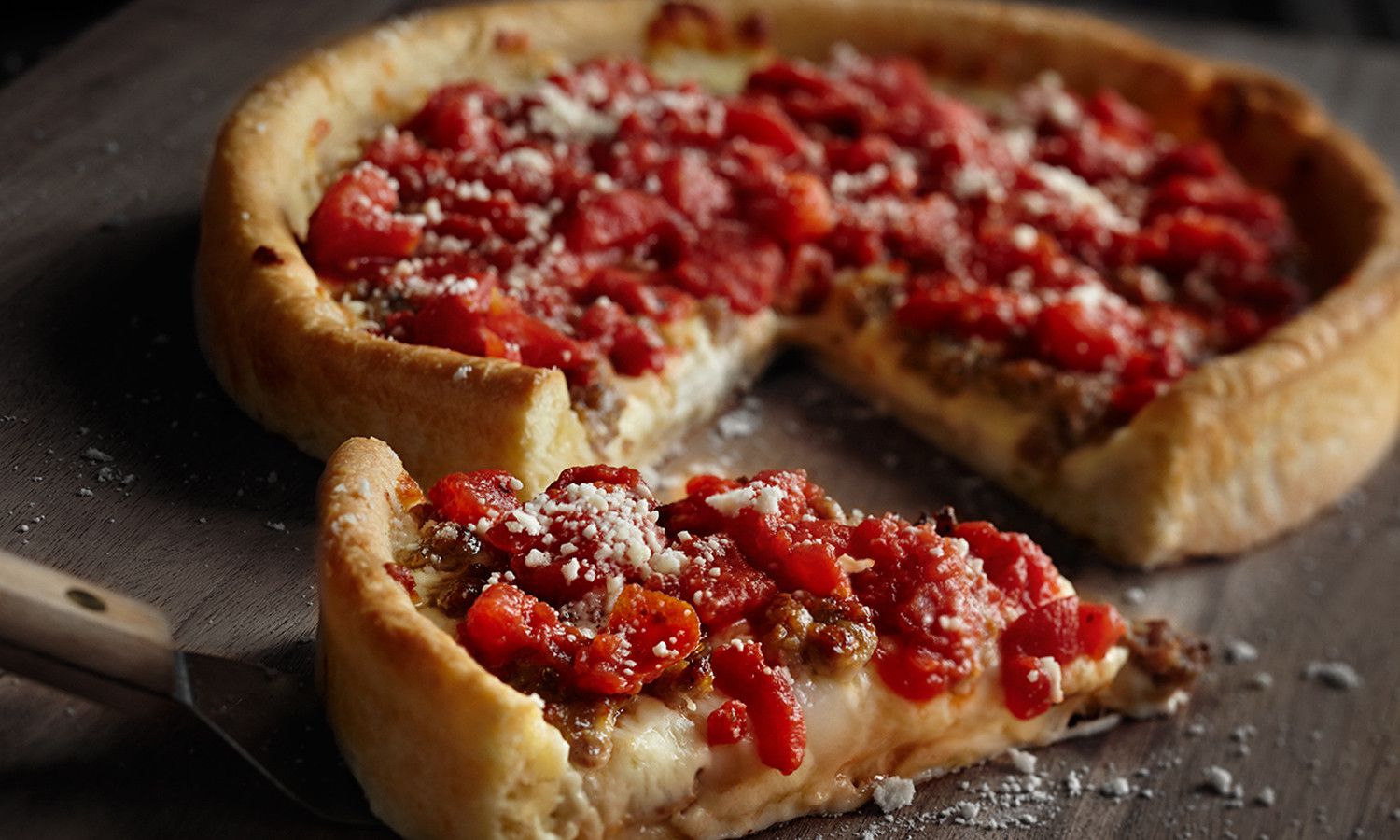
    Famous for inventing Deep Dish Pizza in 1943, Uno’s mission is to deliver big, bold flavors, rich, rewarding experiences and unbelievably delicious pizza and a range of other delectable menu creations.

    According to Neotia, “The UNO story began in Chicago in 1943 when Ike Sewell developed deep-dish pizza and opened a new type of restaurant at the corner of Ohio and Wabash. It was here that Ike served a pizza unlike any that had been served before. He figured that if some of Italy’s old, authentic recipes with impressive quantities of the finest meats, fresh cheeses, ripe vegetables and flavourful spices is combined with pizza, it could become a hearty meal. That was the start of an American tradition – the Chicago Deep Dish Pizza. Today, 75 years later, UNO continues to be undisputed creators of original Deep Dish Pizza, bringing its legacy to India.”

    The Boston, Massachusetts-based brand has 110 company-owned and franchised restaurants located in 21 states of the US. Apart from this, the brand has international presence through franchise outlets in the District of Columbia, the United Arab Emirates, Honduras and Saudi Arabia.

  • US, Japan keen to invest in Vietnam infrastructure

    US, Japan keen to invest in Vietnam infrastructure

    Vietnam’s plans for building and expanding airports and seaports have attracted the interest of companies in the U.S. and Japan.

    Joel Szabat, deputy assistant secretary in the U.S. Department of Transportation’s Office of Aviation and International Affairs, said his country wants to strengthen ties with Vietnam in the transport infrastructure area, especially airports and seaports.

    He told Deputy Minister of Transport Le Dinh Tho at a meeting Tuesday that his department would facilitate U.S. investment in Vietnam’s infrastructure projects in the form of public-private partnerships (PPPs).

    But Vietnam needs to have more policy consistency and open policies, Szabat said.

    Last month Japan’s Secretary of State Tsukasa Akimoto told Deputy Minister of Transport Nguyen Ngoc Dong that many Japanese investors are eyeing key transport projects in Vietnam.

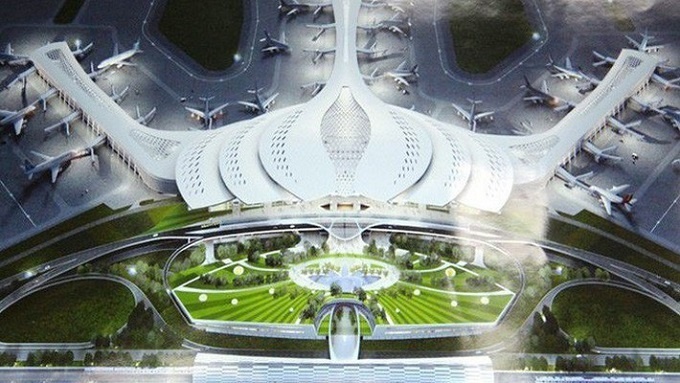
    They are interested in the Long Thanh International Airport and high-speed north-south railway, he said.

    At the meeting with Szabat, Tho said Vietnam is focusing on five areas of transport infrastructure: roads, aviation, waterways, railways, and network connections to boost logistics.

    One of its national infrastructure projects is the north-south expressway measuring over 2,100km in length, of which “650km will be built in 2017-2020 under the PPP model,” he said.

    With the country’s railway network being obsolete, there is need for an upgrade to both its long-distance and inner-city railways, he noted.

    “Our ministry is considering feasibility studies for the north-south high-speed railway.”

    The transport ministry is set to report on the high-speed railway to the National Assembly next year.

    It is now consulting various agencies for a feasibility study for the Long Thanh airport in the southern Dong Nai Province, which is expected to be approved by the government at the end of next year.

    Vietnam has 21 airports, eight of which receive international flights. Given the rapid rise in traffic, it plans to build, expand or upgrade several including Noi Bai in Hanoi and Tan Son Nhat in HCMC.

    The ministry this month approved changes to the upgrade plans for Tan Son Nhat Airport, including the addition of a third terminal and a 250-hectare expansion of the airport.

    Besides building a new terminal, T3, to the south with a capacity of 20 million passengers a year, the ministry also seeks to expand the two existing terminals to increase their capacity to 30 million passengers a year.When the work is complete, the airport’s size will increase from the current 545 hectares (1,350 acres) to 791 ha.

    The airport currently handles 36 million passengers a year against a designed capacity of only 25 million.

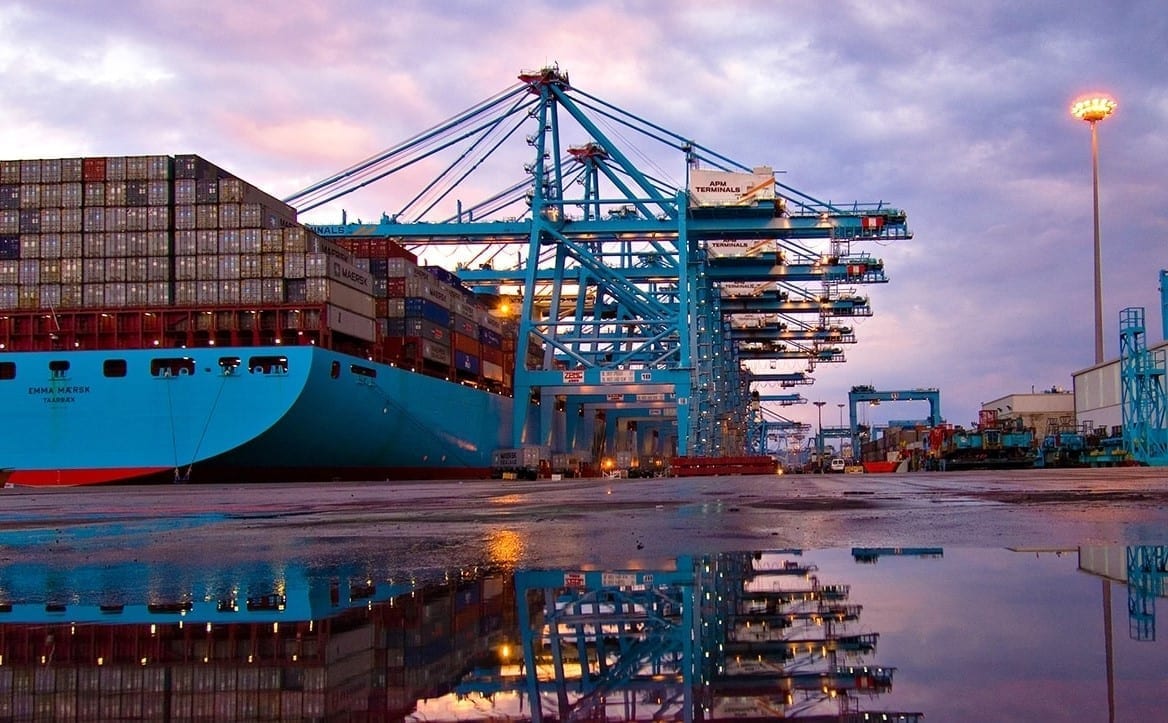
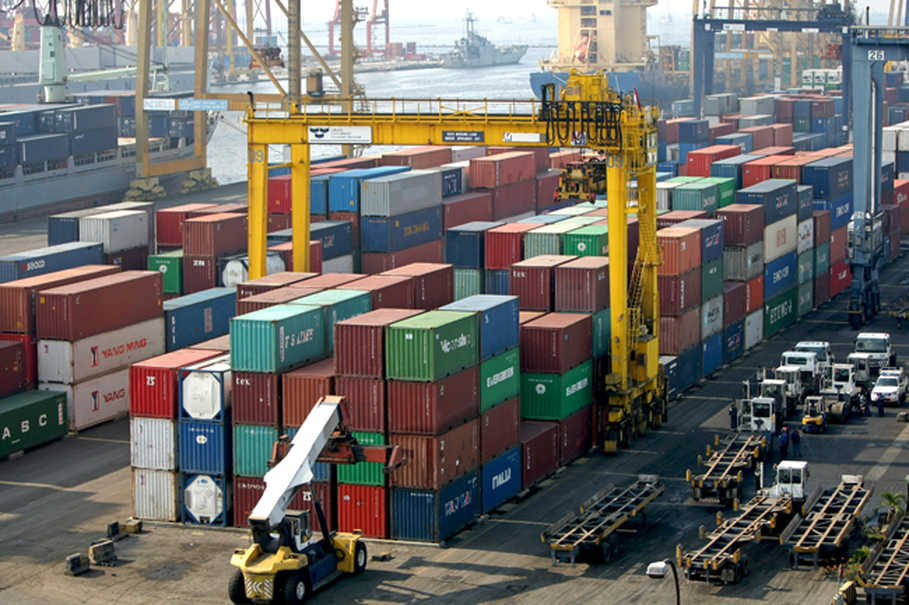
    Tho said Vietnam has two major ports, Lach Huyen in the north and Cai Mep-Thi Vai in the south, which can accommodate ships of up to 100,000 DWT.

    “However, network connections for logistics in ports remain underdeveloped.”

  • Decathlon moves ahead with its US market return, plans first ‘full-scale’ store

    Decathlon moves ahead with its US market return, plans first ‘full-scale’ store

    Sports retailer Decathlon will open its first full-scale store in the US in the second quarter of next year, located in a former Toys R Us space.

    The 47,000sqft store will be located in Emeryville, in the San Francisco Bay area, California.

    In April, Decathlon opened a ‘lab store’ in Market Street, downtown San Francisco as a test platform. That store was just one-sixth the size of the new superstore and features 50 sports.

    “We strategically chose to open a smaller-scale store in the city before expanding to this larger retail center in order to better understand the needs of local sports enthusiasts and develop our interconnected retail and online experience,” said Decathlon US CEO Michel d’Humieres.

    “Our future store in Emeryville will feature more than 100 different sports and allow our customers to find everything they need to ‘get in the game’ in one stop, with plenty of opportunities to discover and try out new sports,” said d’Humieres. “Through this fun, interactive retail center, we are working to build a community around Decathlon in the Bay Area similar to what we’ve accomplished abroad.

    “Since our launch, we’ve had an enthusiastic response to our store and have developed a thriving relationship with the community, and we’ve decided it’s time to introduce the US to our first full-service Decathlon store environment.”

    In August, Decathlon launched an e-commerce platform for US customers and reportedly plans to open more full-range stores in other states.

    French-headquartered Decathlon operates more than 1400 stores in 42 international markets.

  • The Children’s Place growth is satisfying

    The Children’s Place growth is satisfying

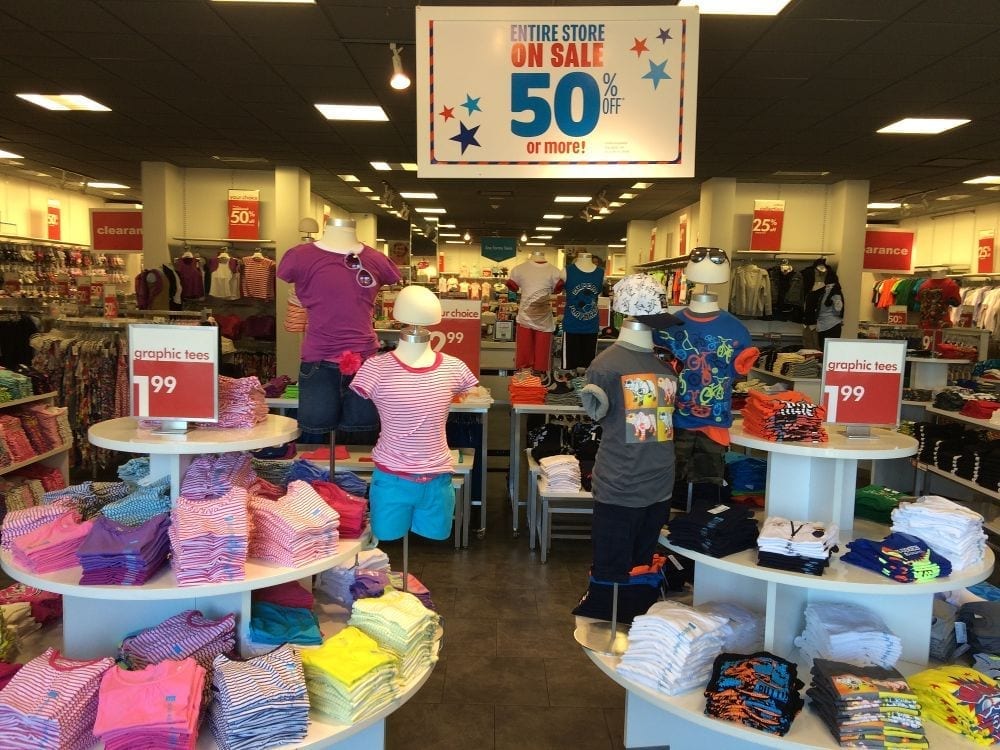
    US apparel chain The Children’s Place has recorded same-store sales growth of 13.2 per cent – its highest ever comparable sales gain.

    Five years ago, The Children’s Place revealed plans to close 300 stores across the US and focus its efforts on stores located in the best malls. To date it has closed 191.

    Second-quarter sales rose to from US$373.6 million to $448.7 million, well above analysts estimates of $428 million.

    The company reported net income of $7.5 million in the quarter to August 4, which was down from $14.3 million, due to higher interest payments and tax provisions.

    “We delivered positive brick-and-mortar sales comps and positive digital-sales comps every month in the second quarter,” said CEO Jane Elfers. “Additionally, we drove positive brick-and-mortar traffic comps every month of the quarter resulting in a positive mid-single digit traffic increase. Our mall traffic was exceptional.”

    Elfers said the increased sales continued into August.

  • US-China trade war escalates as new tariffs kick in

    US-China trade war escalates as new tariffs kick in

    The United States and China escalated their acrimonious trade war today, implementing punitive 25% tariffs on US$16 billion (RM65.6 billion) worth of each other’s goods, even as mid-level officials from both sides resumed talks in Washington.

    The world’s two largest economies have now slapped tit-for-tat tariffs on a combined US$100 billion of products since early July, with more in the pipeline, adding to risks to global economic growth.

    China’s Commerce Ministry said Washington was “remaining obstinate” by implementing the latest tariffs, which kicked in on both sides as scheduled at 12.01pm in Beijing (11.01pm Malaysian time).

    “China resolutely opposes this, and will continue to take necessary countermeasures,” it said in a brief statement, adding that Beijing will file a complaint over the latest tariffs with the World Trade Organisation.

    US President Donald Trump has threatened to put duties on almost all of the more than US$500 billion of Chinese goods exported to the US annually unless Beijing agrees to sweeping changes to its intellectual property practices, industrial subsidy programmes and tariff structures, and buys more US goods.

    That figure would be far more than China imports from the US, raising concerns that Beijing could consider other forms of retaliation, such as making life more difficult for American firms in China or allowing its yuan currency to weaken further to support its exporters.

    Economists reckon that every US$100 billion of imports hit by tariffs would reduce global trade by around 0.5%.

    The tariffs took effect amid two days of talks in Washington between mid-level officials from both sides.

    Washington’s latest tariffs apply to 279 product categories including semiconductors, plastics, chemicals and railway equipment that the Office of the US Trade Representative has said benefit from Beijing’s “Made in China 2025” industrial plan to make China competitive in high-tech industries.

    China’s list of 333 US product categories hit with duties includes coal, copper scrap, fuel, steel products, buses and medical equipment.

  • Indonesia to Seek Clarity From WTO on US Trade Dispute

    Indonesia to Seek Clarity From WTO on US Trade Dispute

    Indonesia will clarify its position with the World Trade Organization after the United States asked the multilateral body to allow it to impose sanctions on Southeast Asia’s biggest economy after winning a trade dispute that it claims had cost US business up to $350 million in 2017.

    Indonesia lost its appeal against a WTO ruling in favor of the United States and New Zealand last year over its trade policies that limit imports of food, plants and animal products, including apples, grapes, potatoes, onions, flowers, juice, dried fruit, cattle, chicken and beef.

    The United States claims that Indonesia has yet to abide by the ruling.

    “In accordance with the agreement between Indonesia, the United States and New Zealand, we agreed that a reasonable period to revise our import regulations and policies was eight months from the date of approval of the appellate body, which was on Nov. 22, 2017,” Hasan Kleib, Indonesia’s ambassador to Geneva and the country’s permanent representative to the United Nations, WTO and other international organizations, said in a statement on Wednesday (08/08).

    “Indonesia will certainly explain the changes that have been made since the final ruling of the WTO panel and the appellate body,” he said.

    According to the ruling, Indonesia was required to make the first phase of adjustments by July 22 this year at the latest, and the second phase before June 2 next year. Although Indonesia has taken steps to adjust its import regulations after consulting with the relevant parties in Geneva on July 27, the United States said this had not done enough.

    This assessment is based on information the US representative to the WTO received, showing that US producers still face obstacles when exporting horticultural products to Indonesia.

    “In the letter released yesterday, they [the United States] said they were not satisfied [with the rule changes]. But in Washington, their ambassador was already quite satisfied,” Coordinating Economic Affairs Minister Darmin Nasution said on Wednesday.

    Trade Ministry officials visited Washington last week as part of an Indonesian delegation consisting of business lobby groups and representatives of fiscal and banking authorities to seek alternatives that would avoid a full-blown trade war between the two countries.

    Indonesia fell out of President Donald Trump’s favor over a surplus it has been enjoying in bilateral trade between the two countries since 2013. The United States also threatened to revoke its trade incentive, known as the Generalized System of Preferences, which has benefited Indonesia for more than three decades.

    The latest rift with the United States stems from Indonesia’s old policies on agricultural imports. One of the policies only allows US producers to export apples to Indonesia outside the apple harvesting season in the archipelago.

    “We have already changed the rules at the Ministry of Agriculture and the Ministry of Trade, which they objected to … but they say the changes are not in accordance with their wishes,” Darmin said.

    He said the delegation that visited Washington has asked for time until the end of next year or 2020 to change the applicable laws and government regulations, to which they agreed, as “they know it will take time.”

    Darmin added that the government will send a team to the United States to discuss these objections.

  • US’s MGM plans its return to Vietnam

    US’s MGM plans its return to Vietnam

    It left with no explanation, and there is no explanation about an unexpected return by MGM Resorts International to Vietnam.

    MGM had withdrawn from a $4.2 billion project in March 2013 without saying why, but seems to have encountered no difficulty in returning with a new investment project.

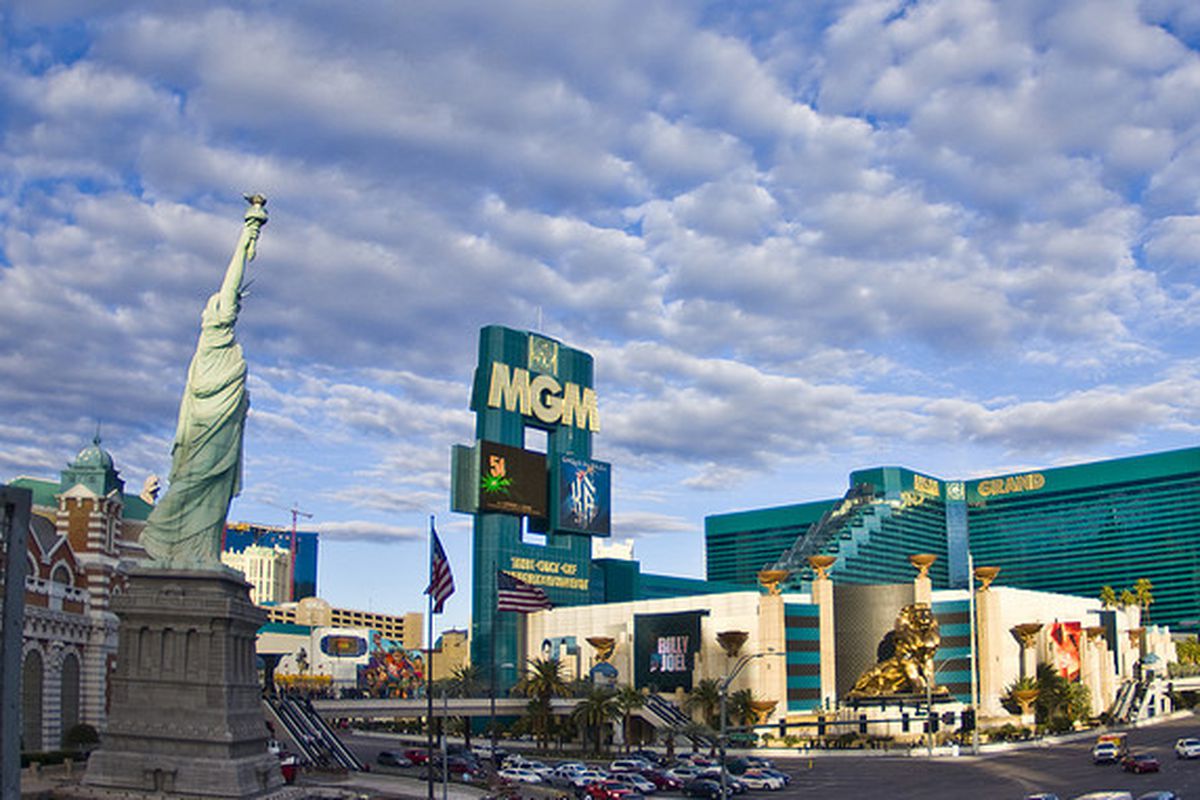
    The global hospitality and entertainment company will now be a part of a new resort project near travel hot spot Hoi An in central Vietnam.

    MGM will partner with Vietnamese real estate firm Bamboo Capital in managing the VND2 trillion ($86 million) Malibu Resort Hoi An on Ha My beach.

    MGM would have managed the first resort on the Ho Tram Strip project in the southern Ba Ria – Vung Tau province, had it not broken a deal with the Canada-based Asian Coast Development Ltd (ACDL) which was the project’s main investor.

    It didn’t give a reason for withdrawing from the mega project, which would consist of 9,000 5-star hotel rooms, a golf course and a casino with 2,000 slot machines by 2020.

    But MGM has returned with a new vision and will only focus on managing resorts, said a representative of Bamboo Capital at the Malibu Resort Hoi An signing ceremony.

    The company will not manage both casinos and hotels as it used to years go, the representative said, adding that the current partnership is based on sound legal foundations.

    MGM reported a net income of $2.0 billion last year.

  • First standalone Princi store in U.S. opens in Seattle

    First standalone Princi store in U.S. opens in Seattle

    Take a look at a map of Italy and you’ll find the region of Calabria at the toe of the boot, its rugged mountains jutting into a turquoise sea. Rocco Princi grew up in a small village here, surrounded by hillsides scented by wild herbs and groves of olives, figs and lemons. It was here that he discovered the art of artisanal bread-making as an apprentice at the local bakery.

    In 1986, Princi opened his eponymous boutique bakery and café in Milan at the historic Piazzale Istria. It was a feast for the senses, with crispy round loaves of sourdough bread leaning in rows, baskets of ciabatta bread alongside jars of olive oil and bins of flour. Princi uses the term ‘Spirito di Milano,’ the essence and energy of Milan, to capture the feeling from that first bakery, and infuses it into everything he creates.

    Over the next three decades Princi built a legacy, expanding to five more locations across Milan and London. In 2016, Starbucks became an investor and global licensee of the business and opened the first Princi location in the United States inside the Starbucks Reserve™ Roastery in Seattle, where his artisanal baked goods are served alongside the freshly roasted small-lot Starbucks Reserve™ coffees. Starbucks made Princi the exclusive food purveyor in its Roasteries and Starbucks Reserve store locations, and since then, new Princi bakeries have opened in the Shanghai Roastery and Starbucks Reserve store at the company’s SODO headquarters (and coming soon to future Roastery locations in Milan and New York).

    Now, the first Princi standalone store in the United States is opening in the north end of downtown Seattle on Westlake at 9th Avenue. Starbucks store design team worked closely with Rocco Princi and his team to design the new location.

    “When you first walk into a Princi bakery, you’re suddenly hit by the energy, the theater, the smell,” said Christian Davies, Starbucks Vice President, Creative Global Design & Innovation. “Your first impression is the abundance and seduction of food. That’s what we’re trying to create with a distinctly Italian look and feel to bring that passion to life.”

    Davies and the design team took inspiration from Princi’s original Milan bakery and the nearby Starbucks Reserve Roastery, using natural materials and earth-colored stone. In every element of the space, the team tried to express Princi’s commitment to craftsmanship, from the hand-blown glass light fixtures to the hand-rubbed plaster on the walls.

    “We kept the palate neutral. The food becomes a ribbon of color and light that ties the whole space together,” Davies said.

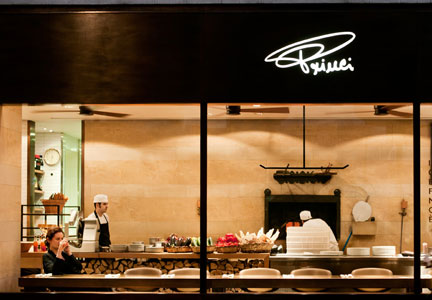
    The oven is the centerpiece of the space, with fresh baking onsite throughout the day. A brightly-lit food case stretches along the width of the space, enough for a visual landscape of freshly baked cornetti, brioche and focaccia, pizzas and desserts. Commessas, Italian for ‘shop assistant,’ act as a guide through the journey of food.

    “We wanted to make sure every one of these elements is created with the same level of detail that Rocco puts into his food,” Davies said.

    The new store features the full Princi menu of artisanal baked goods, prepared with the highest quality ingredients sourced from Italy to Seattle, starting at breakfast with steel-cut oats with Italian jam, baked eggs in a spicy tomato sauce and cornetti sandwiches made with prosciutto cotto and fontina. At lunchtime, the menu offers soups, salads, focaccia sandwiches, pizza, and hot entrees. Afternoons expand to a wider selection of Italian cakes, tarts and other desserts. Starbucks Reserve Princi™ Blend is the signature coffee offering, along with handcrafted espresso beverages made on a manual espresso machine.

    Take a look at a map of Italy and you’ll find the region of Calabria at the toe of the boot, its rugged mountains jutting into a turquoise sea. Rocco Princi grew up in a small village here, surrounded by hillsides scented by wild herbs and groves of olives, figs and lemons. It was here that he discovered the art of artisanal bread-making as an apprentice at the local bakery.

    In 1986, Princi opened his eponymous boutique bakery and café in Milan at the historic Piazzale Istria. It was a feast for the senses, with crispy round loaves of sourdough bread leaning in rows, baskets of ciabatta bread alongside jars of olive oil and bins of flour. Princi uses the term ‘Spirito di Milano,’ the essence and energy of Milan, to capture the feeling from that first bakery, and infuses it into everything he creates.

    Over the next three decades Princi built a legacy, expanding to five more locations across Milan and London. In 2016, Starbucks became an investor and global licensee of the business and opened the first Princi location in the United States inside the Starbucks Reserve™ Roastery in Seattle, where his artisanal baked goods are served alongside the freshly roasted small-lot Starbucks Reserve™ coffees. Starbucks made Princi the exclusive food purveyor in its Roasteries and Starbucks Reserve store locations, and since then, new Princi bakeries have opened in the Shanghai Roastery and Starbucks Reserve store at the company’s SODO headquarters (and coming soon to future Roastery locations in Milan and New York).

    Now, the first Princi standalone store in the United States is opening in the north end of downtown Seattle on Westlake at 9th Avenue. Starbucks store design team worked closely with Rocco Princi and his team to design the new location.

    “When you first walk into a Princi bakery, you’re suddenly hit by the energy, the theater, the smell,” said Christian Davies, Starbucks vice president, Creative Global Design & Innovation. “Your first impression is the abundance and seduction of food. That’s what we’re trying to create with a distinctly Italian look and feel to bring that passion to life.”

    Davies and the design team took inspiration from Princi’s original Milan bakery and the nearby Starbucks Reserve Roastery, using natural materials and earth-colored stone. In every element of the space, the team tried to express Princi’s commitment to craftsmanship, from the hand-blown glass light fixtures to the hand-rubbed plaster on the walls.

    “We kept the palate neutral. The food becomes a ribbon of color and light that ties the whole space together,” Davies said.

    The oven is the centerpiece of the space, with fresh baking onsite throughout the day. A brightly-lit food case stretches along the width of the space, enough for a visual landscape of freshly baked cornetti, brioche and focaccia, pizzas and desserts. Commessas, Italian for “shop assistant,” act as a guide through the journey of food.

    “We wanted to make sure every one of these elements is created with the same level of detail that Rocco puts into his food,” Davies said.

    The new store features the full Princi menu of artisanal baked goods, prepared with the highest quality ingredients sourced from Italy to Seattle, starting at breakfast with steel-cut oats with Italian jam, baked eggs in a spicy tomato sauce and cornetti sandwiches made with prosciutto cotto and fontina. At lunchtime, the menu offers soups, salads, focaccia sandwiches, pizza, and hot entrees. Afternoons expand to a wider selection of Italian cakes, tarts and other desserts. Starbucks Reserve Princi™ Blend is the signature coffee offering, along with handcrafted espresso beverages made on a manual espresso machine.

    As the day fades in the afternoon, Bar Mixato offers traditional Italian aperitivo, including cocktails, beer, wine and spirits accompanied by complimentary small plates. Customers can relax on the patio, which will open up to a planned new city park later this year. The smell of rosemary from nearby plantings evokes the hills of southern Italy where Princi’s journey began.

    “When you go to Italy, you’ll always find people on the patio,” Davies said. “I hope customers will come here and find the spirit of Milan.”

    The standalone Princi store makes Seattle the first city in the world to offer the full suite of experiences from Starbucks Siren Retail business, dedicated to its premium Reserve™ brand, which includes a Reserve Roastery, a Reserve store, Starbucks stores with a Reserve coffee bar, and now Princi stand-alone stores. Additional standalone Princi locations are expected to open this fall in Chicago and New York.
  • China says US disappoints the world by upping the ante in trade war

    China says US disappoints the world by upping the ante in trade war

    China warned the United States today that upping the ante in a tit-for-tat trade war will “only serve to disappoint” the world as Washington threatened to raise the tariff rate on the next US$200 billion (RM814 billion) of Chinese imports.

    Beijing said it would be forced to take countermeasures to defend Chinese interests, free trade and the international order.

    “The US has no regard for the world … playing both soft and hard ball with China will not have any effect, and only serve to disappoint the countries and territories opposed to a trade war,” China’s Ministry of Commerce said in a statement, adding that it still hopes to turn the situation around.

    Foreign ministry spokesman Geng Shuang called Washington’s actions “blackmail” and urged the US “to return to rationality and not act on impulse. It will only hurt themselves.”

    President Donald Trump asked the US Trade Representative to consider increasing the proposed tariffs to 25% from the planned 10%, USTR Robert Lighthizer said on Wednesday.

    “We have been very clear about the specific changes China should undertake. Regrettably, instead of changing its harmful behaviour, China has illegally retaliated against US workers, farmers, ranchers and businesses,” Lighthizer said in a statement.

    Officials, however, downplayed suggestions the move was intended to compensate for the recent decline in the value of the Chinese currency, which has threatened to take much of the sting out of Trump’s tariffs by making imports cheaper.

    The US dollar has been strengthening since April as the central bank has been raising lending rates, which draws investors looking for higher returns.

    “It’s important that countries refrain from devaluing currencies for competitive purposes,” a senior administration official said. “But I wouldn’t draw the conclusion that the announcement we’re making today is directly linked to any one practice.”

    Washington and Beijing are locked in battle over American accusations that China’s export economy benefits from unfair policies and subsidies, as well as theft of American technological know-how.

    Trump has threatened to slap tariffs on virtually all of China’s exports to the US.

    Officials said they remained in regular contact with their Chinese counterparts but could announce no new meeting.

    The US already imposed 25% tariffs on US$34 billion in Chinese goods, with another US$16 billion to be targeted in coming weeks.

    On July 10, Washington unveiled a list of another US$200 billion in Chinese goods, from areas as varied as electrical machinery, leather goods and seafood, that would be hit with 10% import duties.

    Increasing the rates to 25% could make them significantly more painful.

    The comment period on the proposed penalties, which includes public hearings where business can ask for exemptions, due to take place later this month, would be extended into September, the officials said.

    Much of American industry and many members of Trump’s own Republican Party have expressed outrage but have so far been unable to thwart Trump’s trade policies.

    The US Senate last week passed legislation which if enacted would lower trade barriers on hundreds of Chinese imports.

    Jake Colvin, vice-president of the National Foreign Trade Council, said the Trump administration could be boxing itself into a corner.

    “It’s hard to see how this action lends itself towards a resolution to what is increasingly a trade crisis,” he told AFP.

    Trump and senior administration officials believe the volume of US imports and vigorous health of the American economy give Washington an advantage in the current confrontation.

    But Fred Bergsten, founding director of the Peterson Institute for International Economics, told CNBC that China would be able to absorb blows more easily than Washington.

    “They can expand their stimulus, fiscal spending, bank lending,” he said.

    “They can compensate much better than we can. They come from a much higher base.”

    And Bergsten warned that the US economy is likely to slow and a trade war only makes that expected decline worse.

  • H&M introduces interactive mirrors in US stores

    H&M introduces interactive mirrors in US stores

    Swedish clothing brand H&M has introduced an interactive mirror with speech and face recognition features that kicks into gear automatically as a customer walks up to it. It has been developed by Microsoft.

    The mirror is programmed to take selfies if directed and interact with customers.

    “For starters, you can talk to it and it’ll talk back. Ask it to take a selfie, for example, and it will happily oblige, capturing your graceful pose before immortalising your beauty on the front cover of a virtual fashion magazine,” Microsoft said in a blog post.

    The mirror, designed for H&M’s flagship store at Times Square in New York, can provide fashion advice and allow QR code scanning for discounts, offers, automated shopping lists and newsletter subscription options.

    “With the interactive mirror, we want to showcase new opportunities for voice assistants and inspire how to interact with their customers in a creative, modern and fun way,” said Linda Pimmeshofer, Business Developer at Microsoft.

    The mirror has been created using Cloud computing platform Microsoft Azure.

    “We are delighted with our collaboration with Microsoft, where we learn how fashion and technology create new ways of interacting with customers,” said Daniel Kulle, President, H&M North America.

  • US formally overturns import ban on ZTE

    US formally overturns import ban on ZTE

    The US government has lifted its denial order against ZTE, finally clearing the way for the vendor to resume major operations.

    ZTE suspended major operations after the US Commerce Department banned ZTE from importing components from US companies in April as part of its investigation into ZTE’s alleged violation of US sanctions prohibiting companies from selling equipment with US components to Iran and North Korea.

    But after US president Donald Trump signified in May that he would intervene to allow ZTE to get back in business, the department struck a deal in June for ZTE to pay a further $1 billion penalty and hire a compliance team chosen by the US.

    ZTE has also been instructed to deposit $400 million into an escrow account that will be forfeit in case of future violations.

    Now the ban has formally been lifted after ZTE complied with all the requirements of the deal, as reported.

    But some US lawmakers, including junior senator for Florida Marco Rubio, are seeking to introduce legislation to reinstate the ban due to national security and other concerns.

    ZTE had already agreed to pay an $892 million penalty imposed by the Commerce Department during the initial investigation into the alleged sanction violations, but the department imposed the ban after accusing the vendor of failing to comply with the terms of the initial settlement.

    The development comes in the midst of the escalating tariff war between the US and China.

  • Subway Hong Kong to open more stores

    Subway Hong Kong to open more stores

    Subway Hong Kong is embarking on an expansion strategy, scouting for new locations and new franchisees as it unveils a restaurant and menu makeover.

    Next month, a 900sqft Subway outlet which seats 40 will open at City University in Kowloon Tong. Not only will it be one of the chain’s largest restaurants in the territory, it will be a showcase of the brand’s future here.

    “Basically it’s Subway stepping into the 21st Century,” Subway Hong Kong & Macau Development Office GM Jamie LeBrun said.

    Subway Hong Kong currently has 25 outlets across the two territories. Three of those are in the process of being refurbished in the new look and style and more stores are under development or planning. Within the next 10 years, Subway Hong Kong plans 100 new outlets.

    “Our franchise family is growing with four new franchisees this year and we are looking for engaged and dedicated franchisees with a team player mentality to join us,” said LeBrun.

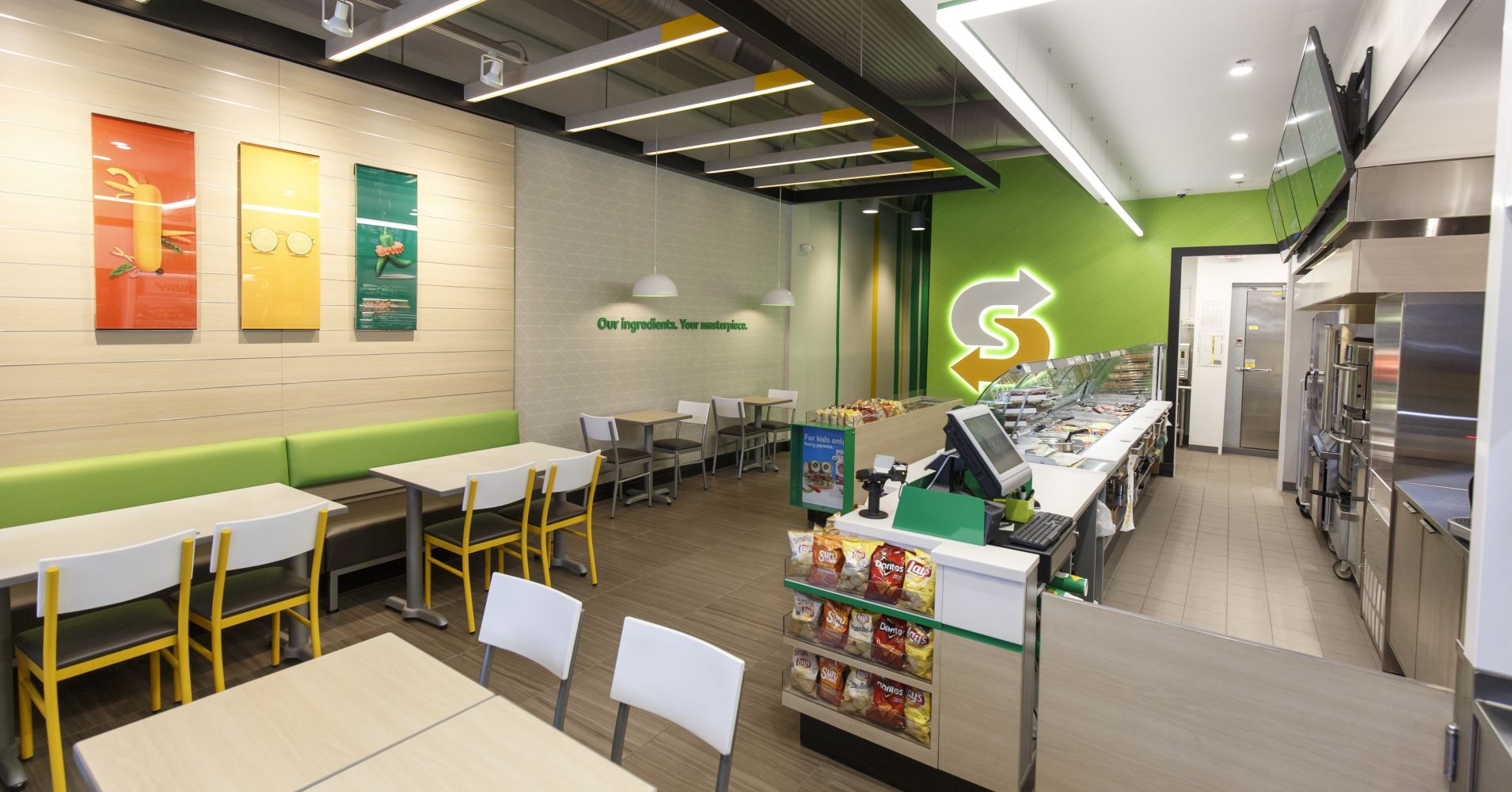
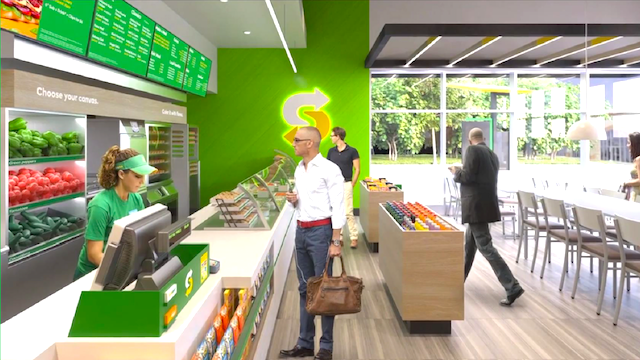
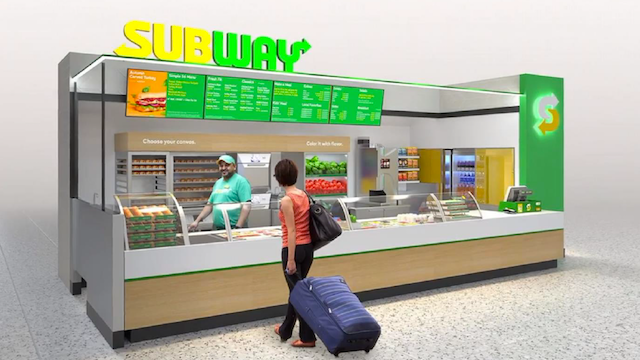
    Dubbed Fresh Forward, the new store design features light, bright colours, digital menu boards, the new generation Subway logo and graphics, and self-service beverage areas. Gone are the stained timbers and dark colour schemes, the result of a root-and-branch revamp of the brand’s positioning in the US, where Subway’s fortunes aren’t currently as buoyant as in Hong Kong. Some of the local stores may feature self-ordering kiosks in time.

    Fresh produce will be on display, addressing the fact Hongkongers don’t realise vegetables like tomatoes, capsicums and cucumbers are delivered fresh and whole to be cut on site, says LeBrun.

    Besides the fresh style, new stores like the one at City University will be set up to cater better to online ordering.

    “With the move towards services like Deliveroo and Foodpanda, we have redesigned the back of house so where we have a prep bench, you can lift it up and you’ll have a salad bar so you can assemble orders at the back of the store for delivery. So when orders are coming in online during peak hours, someone will be out the back preparing orders and not interfering with the in-store trade.”

    LeBrun says some Hong Kong Subway stores can earn up to 25 per cent of their sales online.

    “That’s how big the online space is. When it’s raining, no one wants to go out and pick it up. People have got short lunchtimes too – no one wants to go stand in line.”

    Localised menu

    Adapting the menu to local customers is also a focus.

    “Product innovation is a cornerstone of future success. But we really were not doing a lot of that until now. So far this year we have already released six new products including a Prime Australian Beef Pastrami  and we are launching avocado products in July, with more localised options to follow.

    LeBrun and his team, who have more than 50 years experience with the brand between them, took over the Subway Hong Kong development office last October after several stores were closed across the city. They adopted a back-to-basics approach focusing first on engaging franchisees, establishing a team culture in stores, fine-tuning operations, and improving the customer experience. The results are already obvious: sales have been growing steadily this calendar year with stores averaging a 10 per cent year-on-year uptick. Some have achieved as much as 22 per cent growth.

    “Customers want good food and clean stores. And we’re giving them that,” said LeBrun.

    “If you walk into a Louis Vuitton or a Gucci you expect the same service, anywhere in the world. It has to be similar. Subway is the same.”

    Coffee and innovation

    LeBrun says the chain will continue to expand the menu with both short-term promotions and long-term offers.

    “Hongkongers love product innovation. Look at McDonald’s – every month they have new promotions. That’s where we need to be.”

    Coffee will soon be added to Subway Hong Kong menus so customers who want a hot or iced drink can buy it at the same place as their sandwich, salad or cookies.

    “Coffee is growing in Hong Kong. So we are looking for a way to feature high quality beans and fresh milk. We will offer high-grade coffee at affordable prices.”

    The final part in the Subway Hong Kong renaissance is marketing, and LeBrun says the company has that in hand as well.

    “There hasn’t been enough advertising until now and it hasn’t been in the right channels. We will be doing more targeted marketing via social media and digital channels which appeal to our core demographics.

    “We also want to better communicate the sustainability practices Subway adheres to regarding animal welfare and our environmental impact. There are many positive stories of Subway doing the right thing that we want to share.”

    “It’s good news,” LeBrun says of the transformation. “Because we’ve been talking about how it is going to happen. Now it is happening.”

  • China Airlines adds new route to U.S.

    China Airlines adds new route to U.S.

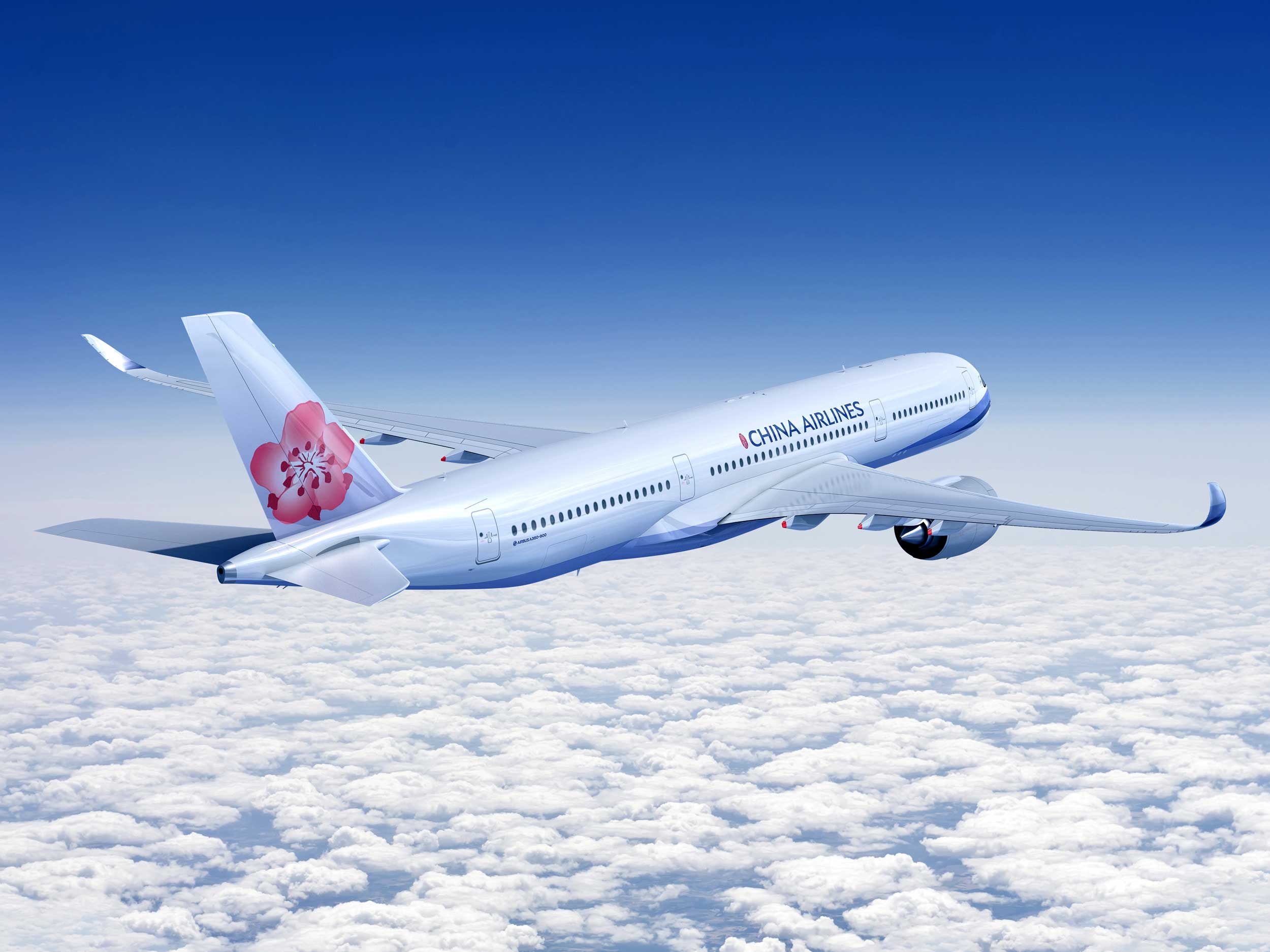
    A new route to the United States has been added by China Airlines. The TPE-ONT (Taoyuan to Ontario in California) route that the market has long been waiting for was officially commissioned. China Airlines will operate Boeing 777-300ER aircraft on the route with seven flights a week. The new regular service will be the first direct flight from Asia to Ontario CA. It has already achieved average bookings of 70% at launch despite March through to April being the off-peak season. The launch means China Airlines now offers six direct flight destinations in the U.S. with 32 flights a week to choose from.

    To celebrate the launch of the all-new route, China Airlines Chairman Nuan-hsuan Ho hosted a ceremony at Taoyuan Airport on 25 March 2018. The milestone moment was witnessed by Mayor of Taoyuan City Wen-tsan Cheng, VISIT CALIFORNIA – Taiwan Travel Trade Director Milane Tsai, Taoyuan International Airport Corporation President Deng-Ke Shiau, Taoyuan Metro Chairman Kun-Yi Liu and other guests, all of whom gathered to bestow their blessing on the inaugural flight.

    China Airlines Chairman Nuan-Hsuan Ho said that the extensive studies and assessments carried out by China Airlines have now finally paid off. The launch of the Taoyuan – Ontario route will tap into the market for travel between Taiwan, Mainland China, Hong Kong and Macau among eastern Los Angeles’ Chinese community. The new route, along with the existing Taoyuan – Los Angeles service, will expand options for travel to and from Asia for metropolitan Los Angeles as a whole, fostering closer Taiwan-U.S. ties as well as strengthening links with the Asia market.

  • Toys R Us founder dies days after chain’s announced shutdown

    Toys R Us founder dies days after chain’s announced shutdown

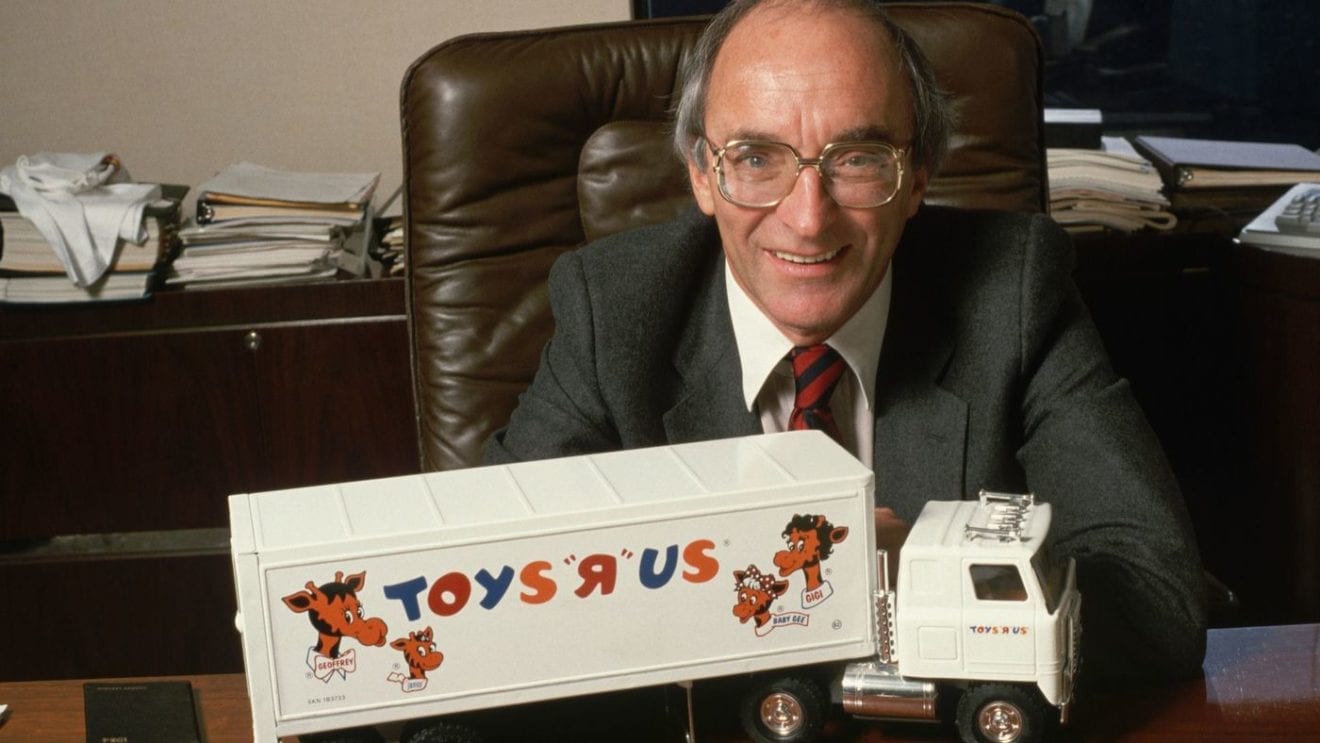
    There is sad synchronicity in the timing of the death of Toys R Us founder Charles Lazarus,  which comes as the retailer is preparing to shut up shop.

    News of the passing of Lazarus, 94, was tweeted by Toys R Us overnight. He founded the company in 1957 after returning from military service.

    The current woes of the toy giant do nothing to detract from the passion, skill, and enthusiasm that Lazarus brought to the business.

    The Toys R Us he created was an innovative and pioneering retailer that, in an era before online selling, used scale and volume to create a mecca to which generations of children were drawn.

    Unfortunately, many of the attributes that once made Toys R Us successful eventually became burdens that prevented the firm from competing in a digital era.

    Lazarus was not the author of those failures. Indeed, when he exited the firm in 1994, he left a sound business that had pride and purpose. Sadly, many – though not all – of his successors lacked his commercial intellect. Where he made sound decisions; they stumbled and made choices that would ultimately lead to the firm’s demise.

    The cold treatment of Toys R Us by private equity players during its latter days was in sharp contrast to the warmth and joy Lazarus had for – and brought to – the business at its start. Ultimately, his vision and approach were right. Retail in general and toy retail, in particular, is a business that needs emotion and enthusiasm. Once those things disappear, it is not long until decline sets in.

    The passing of Charles Lazarus is an ideal time to remember that retail is not just about numbers, metrics, and financials. It’s about passion, purpose, and strategy. Proper merchants, like Lazarus, knew this – which is one of the very many reasons he will be missed.

    Announcing Lazarus’ passing, Toys R Us commented: “There have been many sad moments for Toys R Us in recent weeks, and none more heartbreaking than today’s news about the passing of our beloved founder, Charles Lazarus, after a period of declining health. He visited us in New Jersey just last year and we will forever be grateful for his positive energy, passion for the customer and love for children everywhere. Our thoughts and prayers are with Charles’ family and loved ones.”