Retail News CRM

Tag: visa

  • Visa and GARMIN launch GARMIN Pay in Thailand

    Visa and GARMIN launch GARMIN Pay in Thailand

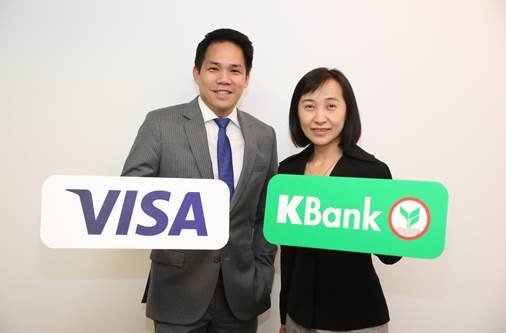
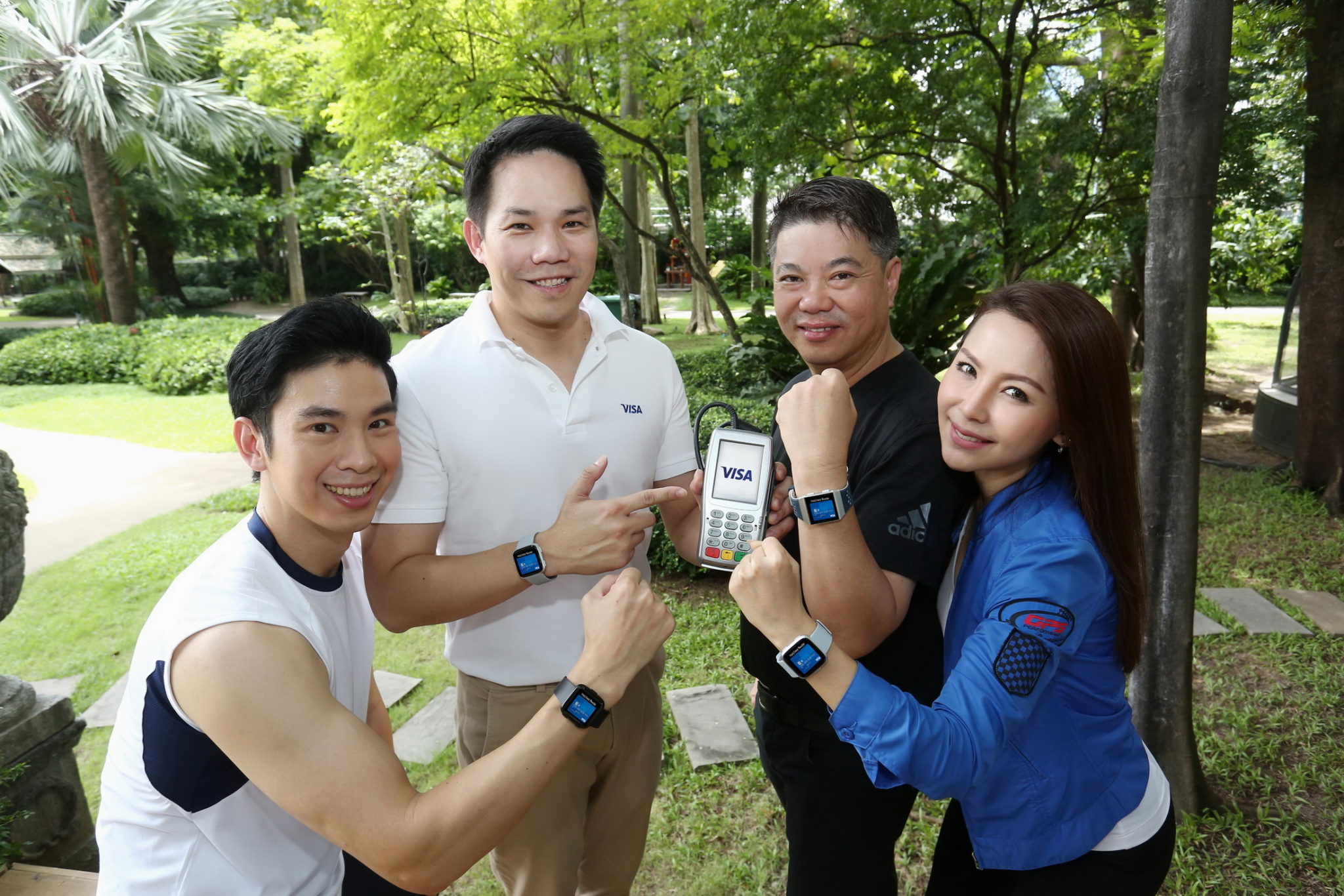
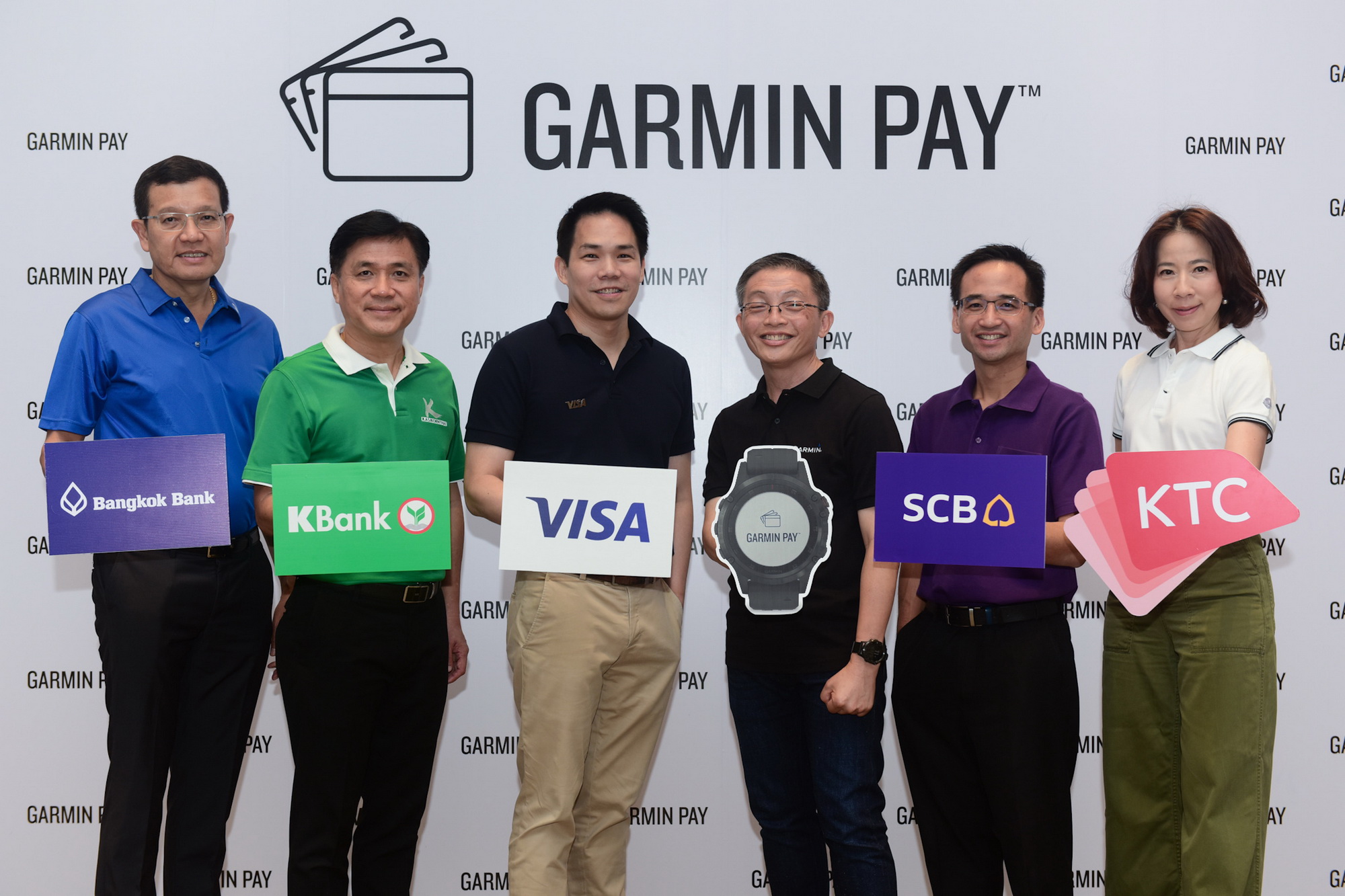
    Visa, the world’s leader in digital payments and GARMIN, in partnership with leading financial institutions, announced the launch of GARMIN Pay, a new contactless payment feature on GARMIN smartwatches. Starting 15 November, customers of Kasikornbank, Krungthai Card and Siam Commercial Bank can add their Visa credit or debit card to their GARMIN smartwatches, while Bangkok Bank is in line to launch by first quarter 2019.  The feature offers a new cashless experience, where purchases can be made seamlessly at growing contactless-accepted merchant locations. The emergence of payment innovation and technology mark yet another milestone helping to transform Thailand into a less-cash society.

    Mr. Suripong Tantiyanon, Visa Country Manager for Thailand said: “Visa is pleased to support the launch of Garmin Pay, bringing Visa contactless payments to Garmin smartwatches in Thailand.  Visa believes payments wearables are the future of fast, simple and secure payments, for people who lead an active lifestyle. According to Visa’s “sweaty money” survey, 57 percent of people who bring cash or a payment.

    card along on their workouts are stashing it somewhere uncomfortable and inconvenient. Garmin Pay will be a welcome solution for anyone looking for an effortless way to pay while on the go.  This launch is another milestone in Visa’s commitment to continue providing payment innovations and experiences across a wide range of form factors to consumers in Thailand.”

    Mr. Krairop Luang U-Thai, General Manager of GIS, the authorized distributor of GARMIN products in Thailand said: “GARMIN Pay is the latest feature on the GARMIN smartwatch.  Select the credit card you want to connect to the watch and create the GARMIN Pay Wallet by filling in the card information on the GARMIN Connect application along with your passcode. All customers then have to do is place their wrist near a card reader that supports contactless payments to purchase goods and services.  GARMIN Pay uses tokenization offered by the global payment networks to secure users’ information. The tokenized data is saved in an isolated safety chip which is in device, so to keep sensitive data from malware or virus. In addition to Thailand, GARMIN Pay is also currently available in 22 countries around the world.”.

    GARMIN Pay is available on vivoactive 3 series, forerunner 645 series, fenix 5 plus series. Check back for future additions and more information about GARMIN Pay, visit Garmin.co.th/Garmin-Pay


  • KBank-Visa to pilot blockchain based B2B payments

    KBank-Visa to pilot blockchain based B2B payments

    Visa announced Kasikornbank is the first Thai financial institution to join the Visa B2B Connect pilot program. Visa B2B Connect is a new platform that Visa is developing to give financial institutions a simple, fast and secure way to process cross-border business-to-business payments.  The pilot is currently in the Bank of Thailand Regulatory Sandbox.

    Kasikornbank is the first Thai bank to be included in the pilot designed to simplify the cross-border payments.  Globally, Visa has partnered with several other financial institutions on the pilot.

    Suripong Tantiyanon, Country Manager, Visa Thailand said, “Visa is proud that we have a representation from a Thai financial institution in the pilot program.  Building on the enterprise blockchain technology, Visa B2B Connect is a new transaction platform designed for the exchange of high-value international payments between participating banks on behalf of their corporate clients. Managed by Visa end-to-end, Visa B2B Connect combines Visa’s core capabilities in security, governance and distributed ledger technology.”

    Siriporn Wongtriphop, First Senior Vice President, Kasikornbank said, “Kasikornbank is dedicated to delivering new and innovative solutions for our customers. Through our relationship with Visa, we are excited to be participating in the Visa B2B Connect pilot which is the first step of new paradigm in                               reimagining cross-border payment transactions. As the first mover in Thailand, we believe that KBank will be a leader in the industry which benefits for KBank’s enterprise clients in terms of more secured payment.”

    “Visa’s focus is to provide our financial institution partner with access to our products, tools and expertise that will enable their growth and success.  With our technological capability and network, we are pleased to partner with Kasikornbank to create a more efficient, transparent way for business-to-business payments to be made across the world,” Mr. Suripong added.

    With Visa B2B Connect, Visa aims to significantly improve the way international B2B payments are made by offering improved processing time and visibility into the transaction process – ultimately reducing the investment and resources required by banks and their corporate clients to send and receive business payments around the world.

  • Visa and Fitbit launch Fitbit Pay in Thailand

    Visa and Fitbit launch Fitbit Pay in Thailand

    Visa, the world’s leader in digital payments and Fitbit, the leading global wearables brand, today announced that Fitbit Pay™ will be available to its customers in Thailand on Fitbit Ionic or Fitbit Versa and starting November 2018, on  its newest tracker, Fitbit Charge 3. Customers of Kasikornbank, KTC and Siam Commercial Bank can add their Visa credit or debit card to their device, enabling them to make payments on the go directly from their wrist.

    The continuous rise in mobile connectivity has led to the proliferation of digital payments, with Visa helping to offer more ways to pay through devices such as phones, watches and now fitness trackers. According to Visa’s Consumer Payment Attitudes Study, seven in ten Thais (67%) said they preferred using electronic payments, including cards, mobile devices and wearables, more often than cash, deliberately moving away from notes and coins.

    Suripong Tantiyanon, Country Manager, Visa Thailand said: “At Visa, we continue to provide payment experiences across a wide range of form factors and are pleased to partner with Fitbit as well as our financial partners.  There is much potential and opportunity for such wearables to create convenient and relevant payment experiences that truly change the way people make their day-to-day payments, particularly at places that are traditionally heavy on cash.  This is another step forward in the growth of Internet of Things and shows how Visa is enabling companies across the technology industry to help us all move towards a cashless future.”

    Fitbit Pay can be easily set-up on Fitbit Ionic or Fitbit Versa by following simple steps in the Fitbit mobile app on Android or iOS devices to add a credit or debit card to the Fitbit Wallet. Fitbit Pay brings convenience and freedom to users to leave their smartphone and wallet at home, and easily make purchases at thousands of stores where contactless payments are already accepted.

    Fitbit Pay provides secure payments through the Visa Token Service. Tokenization is a payment security technology that replaces card account information, such as account numbers and expiration dates, with a unique digital identifier (“token”) that is used for payment without exposing a cardholder’s more sensitive account information.  A user’s card information is never revealed or shared with merchants. Plus, a protected PIN is chosen by the user during device set-up for an added layer of protection.  Users can leave their wallet at home and pay with a touch of their wrist.

  • TCB, Visa launch QR code payment in Taiwan

    TCB, Visa launch QR code payment in Taiwan

    This month, the Taiwan Cooperative Bank (TCB) and Visa have implemented what both call Taiwan’s first standardized and EMV-compliant QR code payment.

    Part of Financial Information Service Co.’s “Standardized QR Code Solutions,” the new EMV solution will be among the first large-scale deployments of standardized QR Code payments in Taiwan, initially covering more than 8,000 TCB acceptance points. In the future consumers can link their TCB Visa debit or credit cards with the Taiwan Mobile Payment mobile app to experience the security and convenience of mobile payment.

    Visa announced plans to introduce QR code payment in Taiwan in July last year. It was meant as a response to the introduction of Apple Pay, Samsung Pay and Google Pay in March, May and June of the same year.

    At the time, Visa said it had 35 million credit cards issued by 20 banks in Taiwan – presenting both a threat and opportunity for the card company with the introduction of alternative payment platforms for consumer retailers hooked to their smartphones.

    In January 2018, mobile payment in Taiwan stood at just 13% – low for a highly developed economy renowned for leading innovation. In contrast, mobile payment in China accounted for 61.2% of the global user base in 2018. With the encouragement of Taiwan Premier, Lai Ching-te, the government is aiming to have 90% of mobile phone users using mobile payment by 2025.

    “This roll-out will boost the bank’s already extensive acceptance footprint due to standardized QR Code’s cost-effectiveness as a payment method. We hope to help further advance Taiwan’s mobile payment for the benefits of all.” TCB chairman Chung-Dar Lei.

    Marco Ma, General Manager of Visa Taiwan, added that “the EMV QR Code Specifications are intended to be globally interoperable, and with the right mobile application local consumers, as well as overseas travelers will be able to use the same QR Code to make payments everywhere the specifications have been adopted, opening up more revenue sources beyond Taiwan.”

    TCB’s EMV QR code solution offers extensive payment applications including payments for credit card bills, utilities, insurance premiums, tuition fees, air tickets, taxes, food and e-commerce purchases.

  • E-payment continues to go mainstream in globalizing Vietnam

    E-payment continues to go mainstream in globalizing Vietnam

    Electronic payments are becoming more and more common in Vietnam, according to Visa.

    Its data for the 12-month period until June 30 this year shows that the number of transactions on the Visa network increased by 45 percent from the previous year, the company said in a statement.

    E-payment is rising thanks to strong e-commerce spending. Between September 1 last year and August 30 this year, e-commerce spending rose 44 percent in terms of transactions, it said.

    The country is going through a period of “incredible economic change” and becoming more involved in the global economy, Sean Preston, Visa’s country manager for Vietnam and Laos said in the statement. “Electronic payments would play in a major part in this evolution.”

    E-payments in Vietnam grew 22 percent in 2017 from the previous year to $6.14 billion, as quoted data from Statista, a local market research firm, as saying. The figure is projected to double to $12.33 billion in 2022.

    According to economists, the potential for the e-payment sector is huge due to the expanding middle class and improved communications infrastructure.

    More than half of Vietnam’s population of nearly 92 million people are online.

  • Payment security is paramount as Asia Pacific strives to become the global leader in cashless transformation

    Payment security is paramount as Asia Pacific strives to become the global leader in cashless transformation

    The importance of payments security was reinforced today at the Visa Asia Pacific Security Summit as the region is poised to lead the global transformation from cash to digital payments.

    Urbanization and increasing mobile usage are driving the appetite for digital payments across Asia Pacific. Half of the region’s population lives in towns and cities, and more than two thirds (1.3 billion) of the 1.9 billion internet users in Asia Pacific access the internet via their smartphones.

    Asia Pacific is an US$11 trillion market in terms of payment volume. Currently, more than half (55 percent), of all transactions are still cash, meaning there is a US$6.1 trillion cash opportunity waiting to be converted into digital payments.

    While new innovations are set to enhance the payments experience for consumers, security and maintaining the integrity of the payments system is key to growing commerce. The fast-changing payments ecosystem will require security measures that do not come at a cost of convenience for both customers and merchants.

    Joe Cunningham, Head of Risk Asia Pacific Visa, said: “Payments security and convenience were once considered opposing forces. Not anymore. We have reached a point where security is embedded in the process. It doesn’t come at the cost of convenience but, rather, it enables innovation.

    “Visa is committed to ensuring our network operates at the highest level of security available and will continue to steer the industry towards the adoption of strong technologies based on industry-standards such as EMV chip, tokenization and point-to-point encryption.”

    Closer to home in Thailand, around 75 percent of all transactions are still cash. However, the increased adoption of mobile and contactless payments technology will see electronic payments continue to penetrate into everyday payment segments like supermarkets, coffee shops, and cinemas, reducing the reliance on cash.

    Visa also reinforced the importance of taking a standards-based approach to innovation and applying a consistent set of principles for security, reliability and interoperability.

    “Visa advocates a standards-based approach to new innovations so all stakeholders in the ecosystem can benefit and participate. We want to promote standards that make it easier for all parties in the payments ecosystem to adopt and deploy new technologies that meet the highest security standards,” added Mr. Cunningham.

  • Will Wearable Cards Gain Ground in Domestic Market?

    Will Wearable Cards Gain Ground in Domestic Market?

    All eyes are on whether “wearable credit cards,” which became a hit during the 2018 Winter Olympics in PyeongChang in South Korea, will be able to gain ground in the domestic market even after the closing ceremony of the Olympics. In the United Kingdom and Australia, the wearable card market is already being established.

    According to credit industry sources on March 20, Lotte Card Co. predicted earlier that 100,000 wearable payment devices for the 2018 PyeongChang Winter Olympics would be sold. However, more than 150,000 wearable payment devices have been sold as of the 18th of this month.

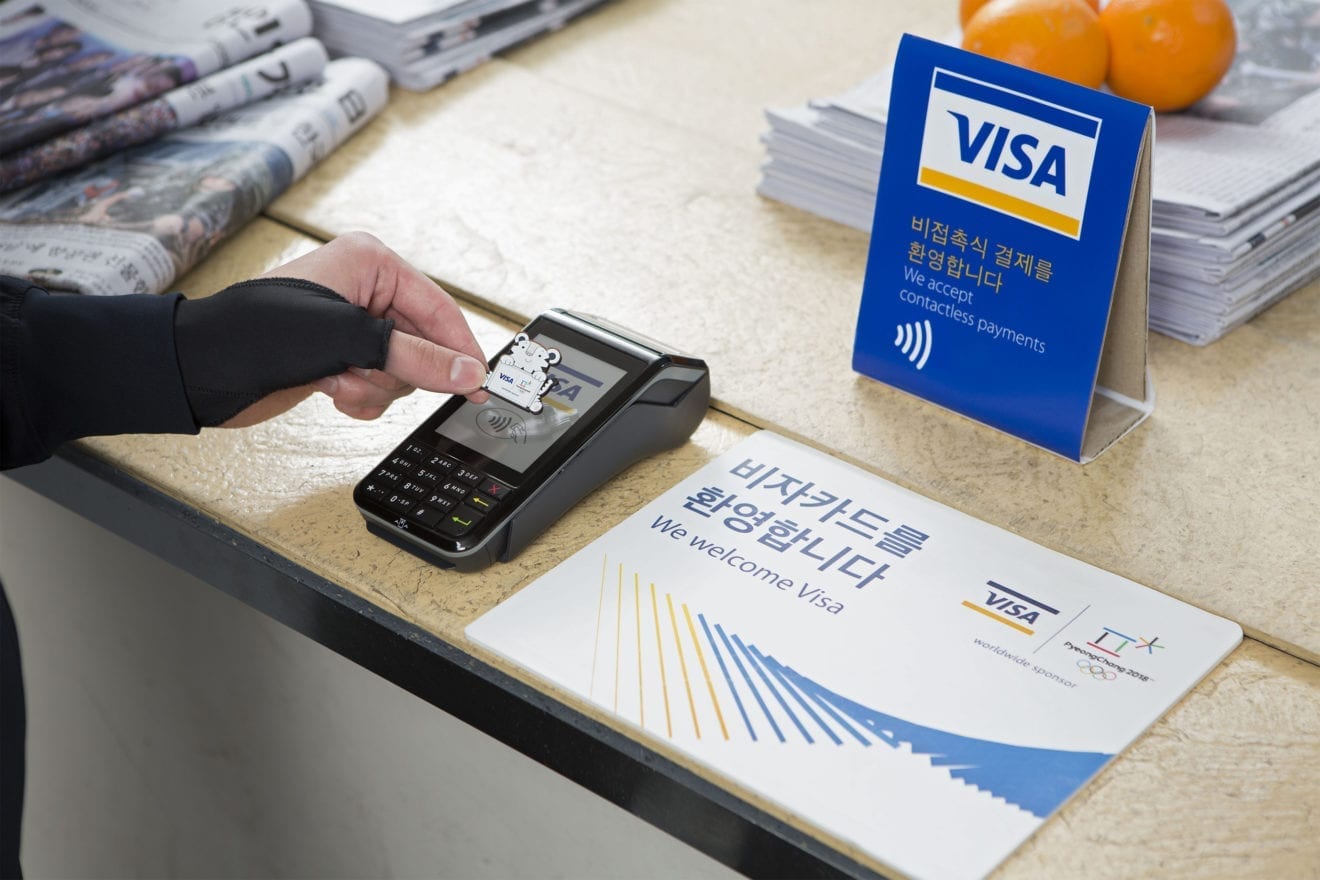
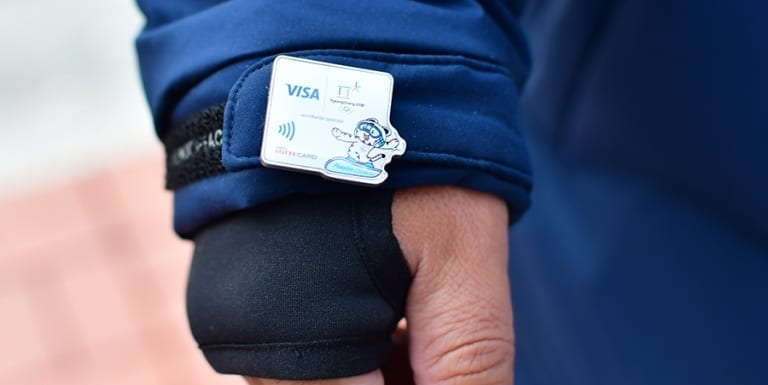
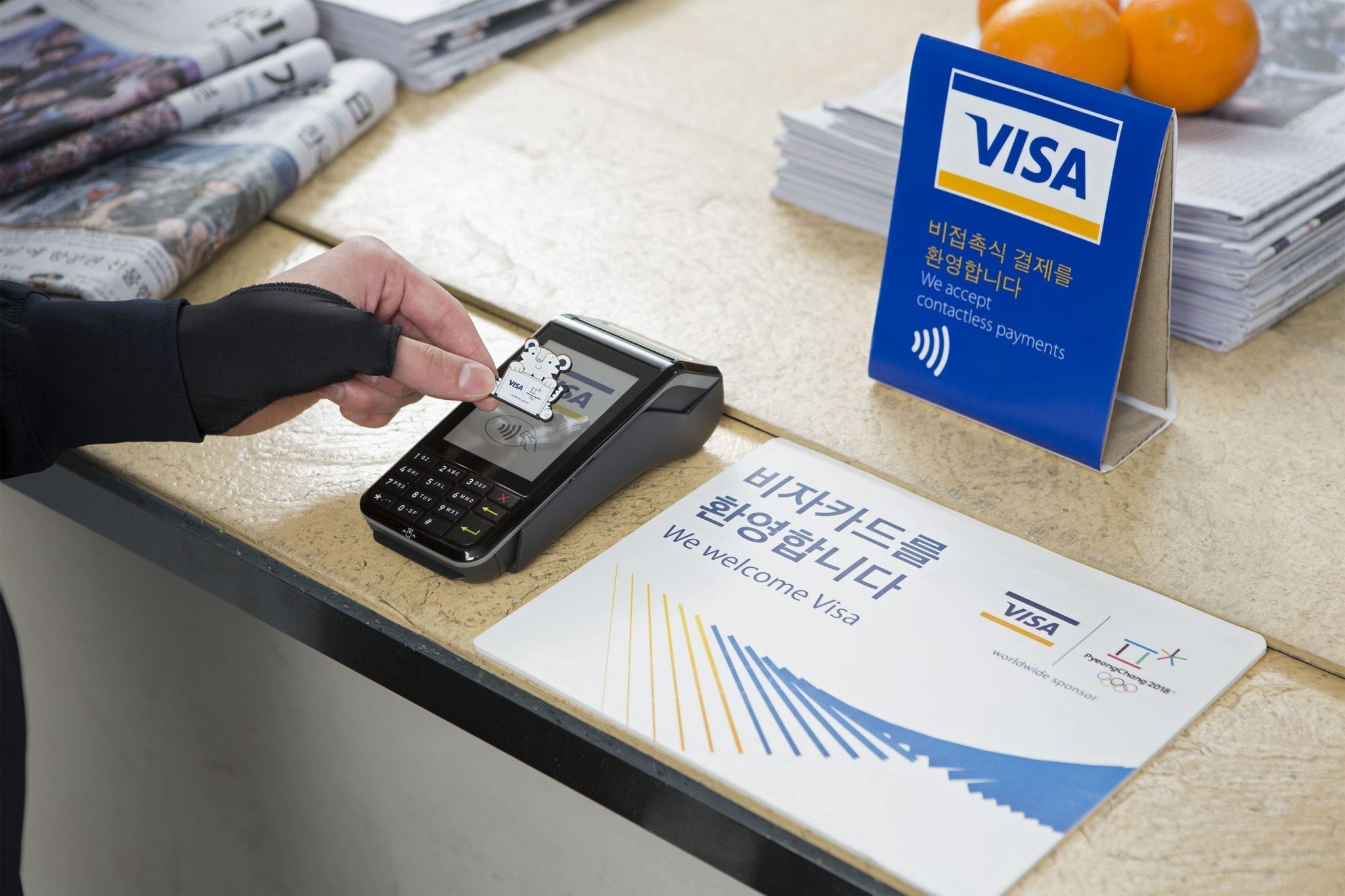
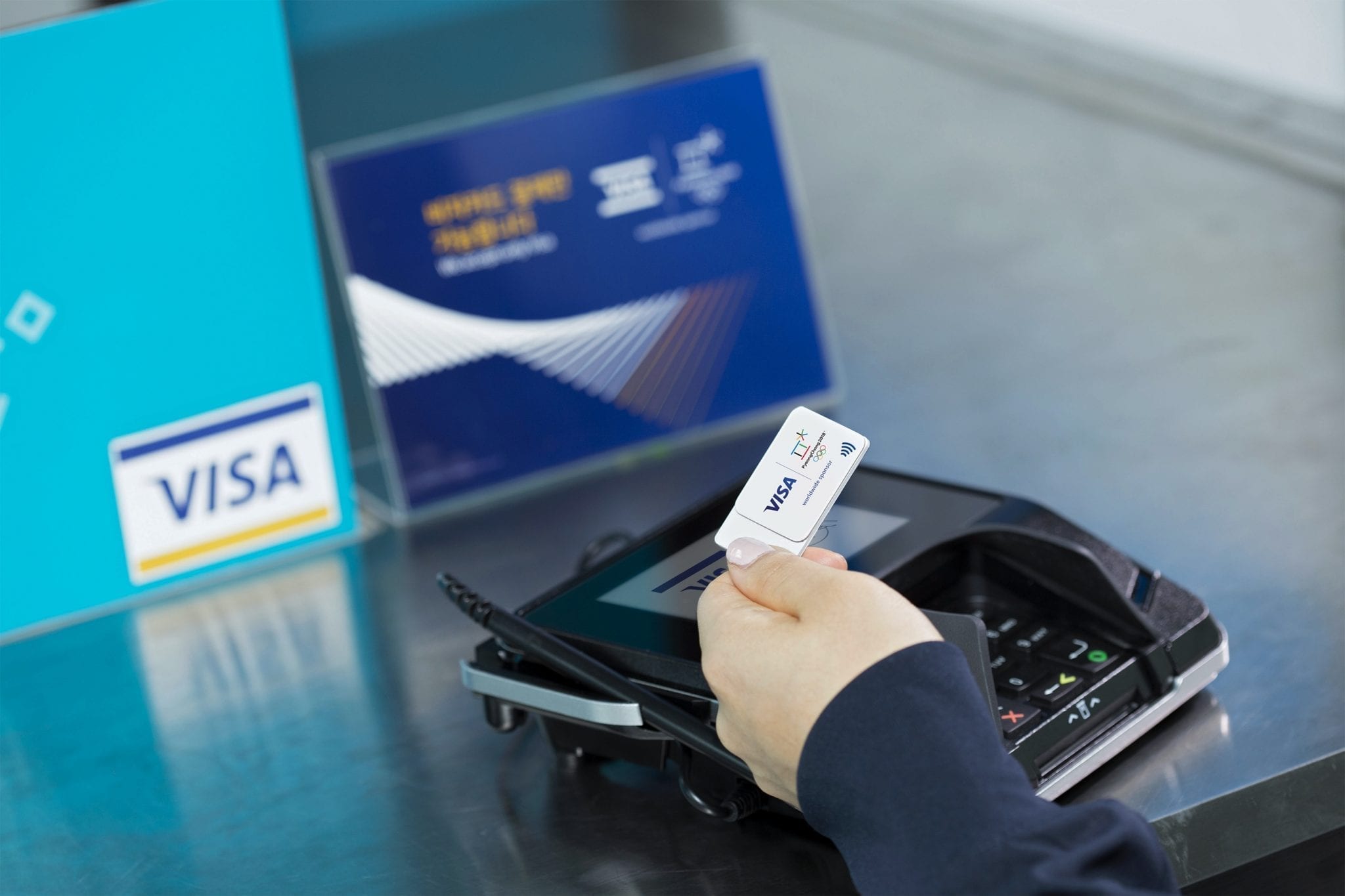
    Visa has developed three Near Field Communication (NFC)-enabled wearable payment products for the Winter Olympics: A commemorative sticker, a pair of gloves, and an Olympic pin in November last year. Visa teamed up with Lotte Card, the financial arm of the South Korean-based retail giant Lotte Department Store to produce these new pre-paid payment wearables. To use the devices, the wearer can tap or bring the wearable near any NFC-enabled terminal or reader and the secured microchip and antenna embedded within the device will allow a contactless payment to be completed.

    Credit card companies are paying attention to whether wearable credit cards will be able to sustain the momentum from the Winter Olympics and create the market in South Korea.

    Foreign major financial companies and payment and settlement companies have been already preparing for various types of payment services, including wearable credit cards, in order to dominate the future payment market in advance. U.K.-based Barclaycard joined hands with numerous accessory brands to develop NFC-enabled wearable payment products, such as bracelets, smartphone cases and keychains. Australia’s Bankwest also launched ‘Halo’, a ring that enables users to make ‘tap and go’ payments as an alternative to cash or a contactless card. The ring itself is water-resistant and does not need to be charged. In addition, The “Pay per Gaze” payment service using Google Glass also was released.

    However, there are big challenges for the wearable payment market due to no standards established for contactless payments and compatibility with other devices. In fact, some users had trouble making a payment during the Winter Olympics when they put their NFC-enabled commemorative sticker on the center or the upper side of their smartphones. This is because it conflicted with their smartphone’s NFC features.

    An official from the credit card industry said, “Commercialization of wearable credit cards is not too distant when we solve problems with technology verification and complementarities with wearable types of cards.”

  • Sellsuki awarded THB1 million in Visa’s Everywhere Initiative

    Sellsuki awarded THB1 million in Visa’s Everywhere Initiative

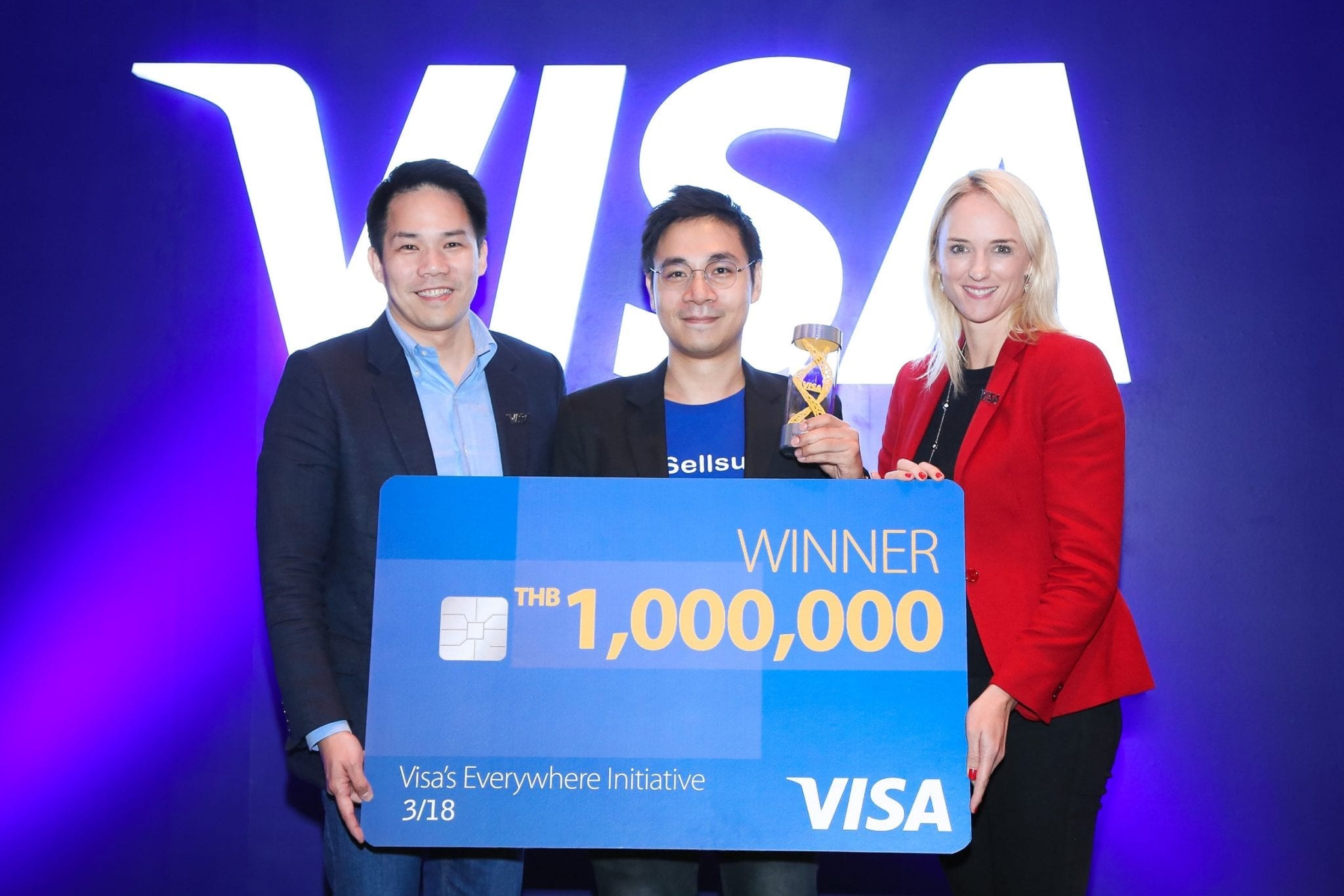
    Visa, the world’s leader in digital payments, announced the winner of its first Visa’s Everywhere Initiative competition in Thailand, awarding Sellsuki the grand prize of THB1 million in funding, in addition to mentorship, exposure to Visa partners and access to facilities and experts at Visa’s Innovation Center in Singapore.

    The winner of the VEI goes to Sellsuki, a social-first omnichannel retail platform that helps merchants to manage their own sales channels with end-to-end integrations on a variety of logistics. In cooperation with Visa, Sellsuki will make use of Visa’s APIs via adopting the use of digital payment services onto their platform, in order to help foster the most well-rounded e-commerce ecosystem.

    Visa’s Everywhere Initiative (VEI) is a global innovation program that challenges start-ups to build the next big thing in payments and accelerate the future of commerce, leveraging Visa’s world-class network. The 2018 global program kicks off with the Thailand competition.

    Of more than 80 submissions, a total of nine finalists were selected for the three opportunity statements:

    How can start-ups innovate to create relevant and rewarding digital payment experiences for international tourists visiting Thailand?

      1. UTU
      2. Angel Life
      3. Instarem

    How can start-ups leverage social media platforms to accelerate commerce & scale access to financial services?

    1. 2C2P
    2. Jumper
    3. Sellsuki

    How can start-ups innovate to make digital payments easy to access and capable of adding value for merchants?

    1. Seekster
    2. Digio
    3. Silo

    Silo won the People’s Choice Award and THB200,000 in prize money.

    Suripong Tantiyanon, Country Manager, Visa Thailand said: “There is a strong momentum in Thailand’s fintech scene evident in the quality of the application we received. At Visa, we believe innovation hinges upon collaboration and co-creation, by bringing different parties together to jointly produce an outcome that brings value to all. Engaging with the start-up community through Visa’s Everywhere Initiative is therefore crucial in growing the payments ecosystem and enabling new ways of innovation. We look forward to working with these companies, helping them to harness Visa expertise and APIs, to scale their solutions to the next level.”

    Visa’s Everywhere Initiative was created in 2015 to harness the creativity and talent within the startup community worldwide. To date, nearly 2,100 startups have participated, and have collectively raised over $2 billion in funding. The program has selected more than 131 finalists and 36 overall winners. More than 40 countries and regions that have hosted Visa’s Everywhere Initiative including the US, China, Australia, New Zealand, Europe, the Middle East, and Latin America.

  • Visa expands global partner network in contactless payments push

    Visa expands global partner network in contactless payments push

    Visa Inc said this week that 14 technology partners have joined its Visa Ready for Transit programme, as part of a move to promote contactless payments on public transport around the world.

    Companies from ten different countries are included on the list, joining Vix and Worldline, the initial members of the scheme when it launched in November 2017.

    As part of the programme, Visa is looking to work with companies that have hardware and software “to support a more seamless commute for people around the world”. It is part of a wider Visa Ready initiative, which allows developers to ensure their biometrics, transit or internet-of-things solutions meets Visa’s security standards and specifications.

    The new technology company partners announced by Visa this week are, as follows:

    AS Ridangoa transit solutions and services provider from Estonia.

    BBPOS International: a mobile point-of-sale technology distributor from Hong Kong.

    Conduent Business Solutionsa business process services provider from France, offering capabilities in transaction processing, automation and analytics.

    Digicon: a Brazilian company specialising in the provision of turnstiles, traffic controllers, parking meters, electronic time clocks and automatic ticketing systems for urban transportation.

    FIMEa France-based organisation that works with transit operators to deliver interoperability of fare collection systems.

    Mennica Polska: a Polish ticketing operator and automatic fare collection solutions integrator.

    Paycraft: an Indian contactless, open-loop products provider with capabilities of processing online and offline transactions.

    Pertoa Brazilian technology products and services developer for banks and retailers.

    Planeta Informáticaanother Brazilian company which provides solution for secure online and offline payment systems and devices.

    Quadraca Japanese provider of ultra-high-speed payment servers and proximity communication devices.

    Schiedt&Bachmannan intelligent ticketing and information systems provider from Germany.

    Spire Paymentsa Luxembourg-based point-of-sale hardware and software provider.

    Smartrana smart business solutions provider in the UK, which utlises contactless EMV and NFC mobile applications.

    T-Systemsa UK-based information and communication technology systems operator for multinationals and public-sector institutions.

    Jason Blackhurst, senior vice president for innovation & strategic partnerships at Visa, commented: “We’re seeing renewed interest from transit-related companies around the world to learn how new innovations in payments can improve their customer experiences.

    “Since launching Visa Ready for Transit, we’ve welcomed 16 world-class technology partners to the programme, ranging from small tech companies to multinational organisations. Each of these partners are empowered to help extend the benefits of Visa’s digital payment technology to transit companies around the globe.”

  • Visa now accepted at all 7-Eleven stores nationwide

    Visa now accepted at all 7-Eleven stores nationwide

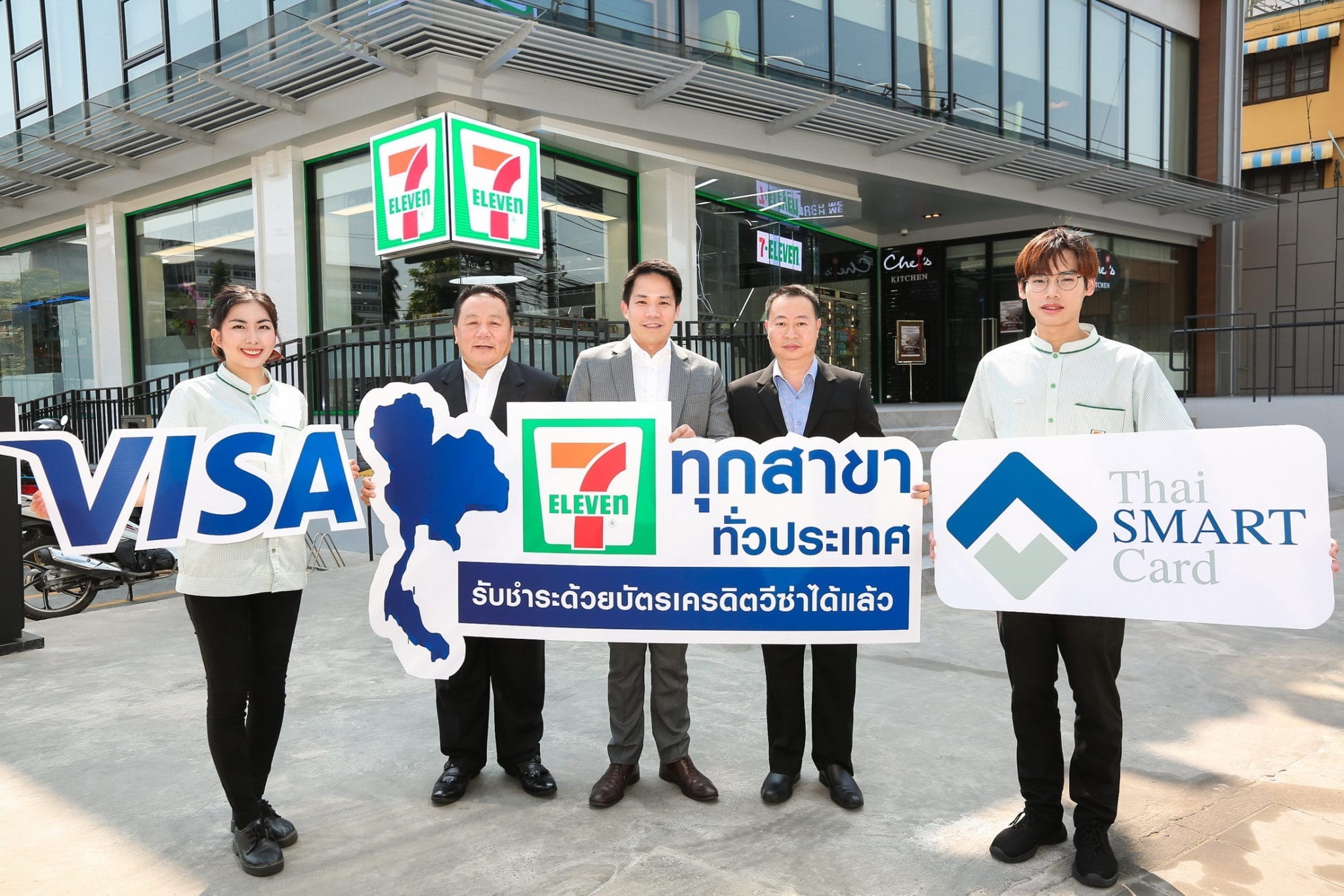
    Visa, the world’s leader in digital payments, announced the complete rollout of credit card acceptance at all 7-Eleven convenience stores nationwide.

    Expanding acceptance points is crucial to the National ePayment Plan and will help accelerate Thailand on the journey to become a full-fledged digital economy. The program was first piloted last year in selected 7-Eleven stores with high tourist traffic and has since gradually branched out across the country.

    Suripong Tantiyanon, Country Manager, Visa Thailand said: “The partnership between Visa, Thai Smart Card and 7-Eleven is an important chapter in the digital transformation of commerce in Thailand. It is an exciting milestone for our cardholders, who can now pay with any Visa credit card, including contactless, when shopping at 7-Eleven. It is a great opportunity for more people to experience the convenience and security of digital payments.”

  • Calling Thailand’s brightest start-ups: entries open for Visa’s Everywhere Initiative

    Calling Thailand’s brightest start-ups: entries open for Visa’s Everywhere Initiative

    Visa, the world’s leader in digital payments, has today launched the inaugural Visa’s Everywhere Initiative in Thailand, aiming to attract Thailand-based start-ups who are tackling some of the toughest payment-related problems in the commerce industry.

    Visa’s Everywhere Initiative is a global innovation program that challenges start-ups to build the next big thing in payments and accelerate the future of commerce, leveraging Visa’s world-class network. The 2018 global program kicks off with the Thailand competition.

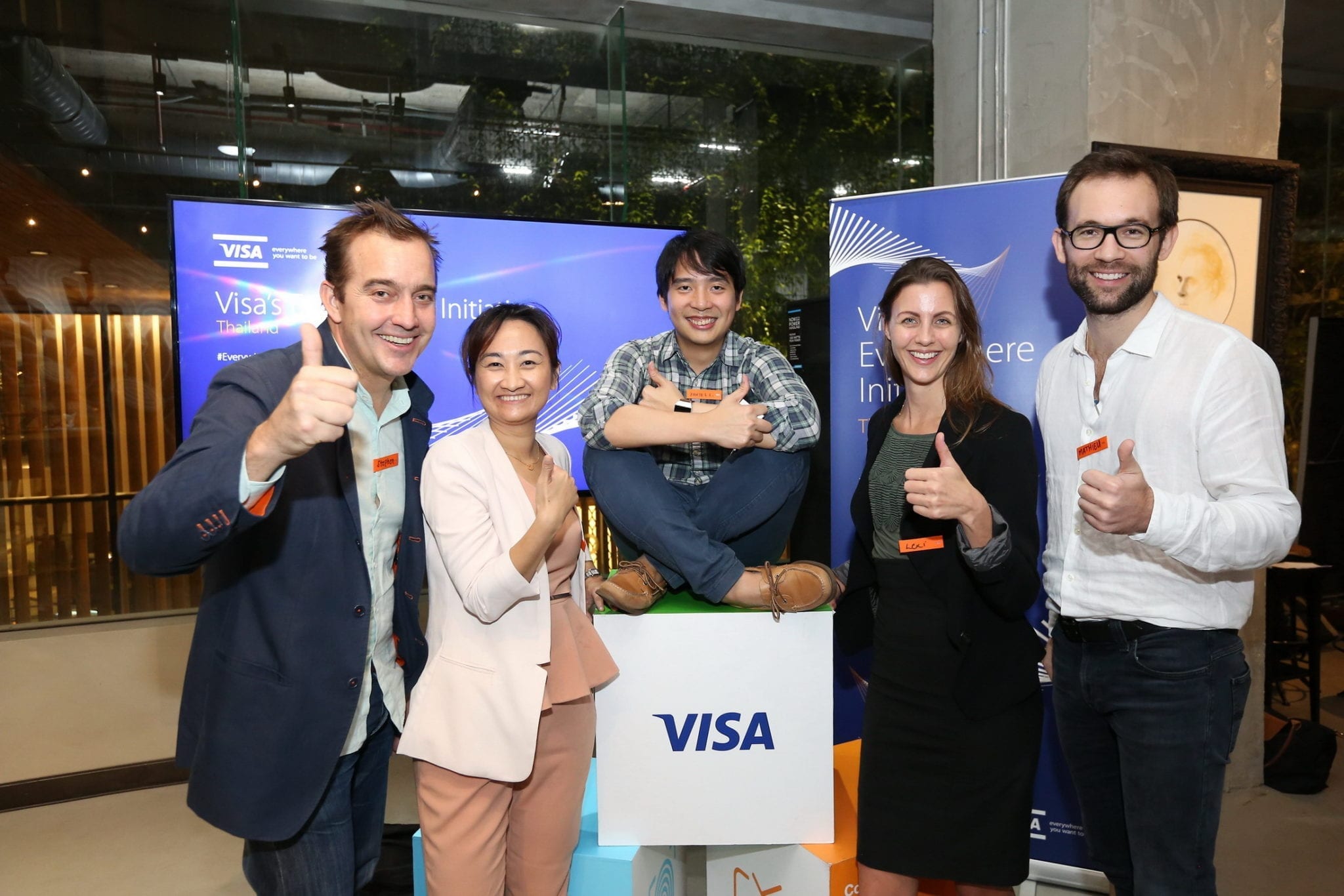
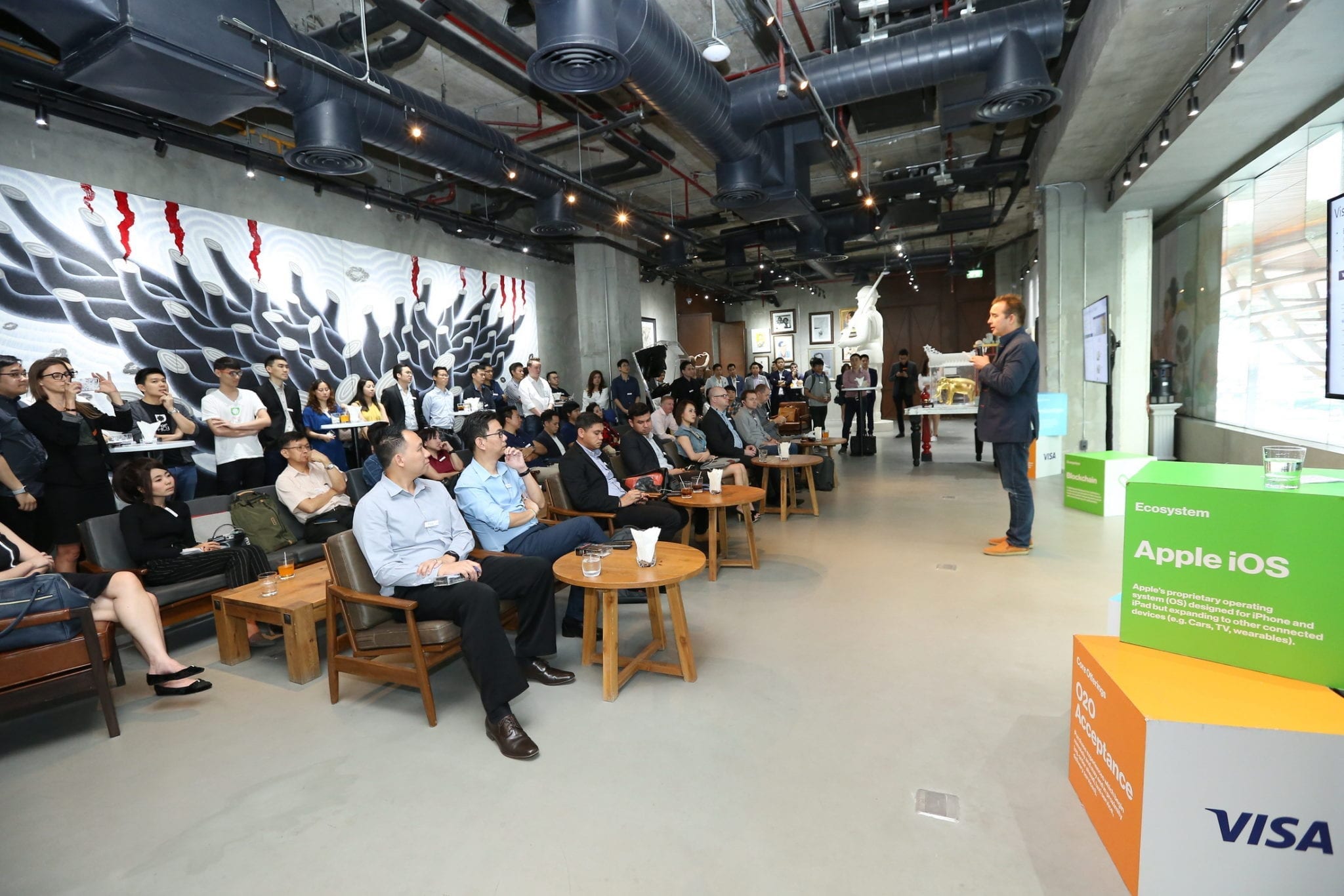
    Suripong Tantiyanon, Country Manager, Visa Thailand announced the program’s three challenges to the start-up community at Visa’s Everywhere Initiative Open House in Thailand. The winner of this challenge will receive THB 1 million in funding as well as mentorship, exposure to Visa’s partners, as well as access to facilities and experts at Visa’s Innovation Center in Singapore.

    The competition is open for entries from yesterday to February 9. To enter, start-ups must submit a solution for one of the three challenge briefs incorporating Visa APIs, a suite of Application Program Interface available through Visa Developer Platform.

    Suripong Tantiyanon, Country Manager, Visa Thailand said: “The goal of Visa’s Everywhere Initiative is to accelerate the digital economy by providing Visa capabilities to enterprising innovators in Thailand. Using Visa Developer Platform, Visa wants to enable co-creations among many of our banking and technology partners. We look forward to seeing many creative solutions in this year’s competition.”

    The program received great interest from the startup community, with many signing up for the Visa’s Everywhere Initiative Open House.

    The program’s challenges are:

    • How can start-ups innovate to create relevant and rewarding digital payment experiences for international tourists visiting Thailand?
    • How can start-ups leverage social media platforms to accelerate commerce and scale access to financial services?
    • How can start-ups innovate to make digital payments easy to access and capable of adding value for merchants?

    The finalists will be invited to pitch their solutions to a panel of industry leaders, including Visa executives, on March 9 in Bangkok. The grand prize includes THB 1 million in funding, mentorship, exposure to Visa partners and access to facilities and experts at Visa’s Innovation Center in Singapore.

    Jessada Sookdhis, President of Thai Fintech Association, said: “We are delighted to support Visa’s Everywhere Initiative, which will help enrich the burgeoning fintech ecosystem in Thailand, bringing solutions to the greater population by solving real needs, and driving wider adoption of electronic payments.”

    Visa’s Everywhere Initiative was created in 2015 to harness the creativity and talent within the startup community worldwide. To date, nearly 2,100 startups have participated, and have collectively raised over $2 billion in funding. The program has selected more than 131 finalists and 36 overall winners. More than 40 countries and regions that have hosted Visa’s Everywhere Initiative including the US, China, Australia, New Zealand, Europe, the Middle East, and Latin America.

  • Bangkok could gain THB 126 billion of economic benefits by going cashless

    Bangkok could gain THB 126 billion of economic benefits by going cashless

    Residents, businesses and government of Bangkok could realize THB 126 billion-worth of economic benefits by transitioning from physical money to digital payments, according to an independent study conducted by Roubini ThoughtLab and commissioned by Visa.

    The results examine the economic impact of increasing the use of digital payments in major cities around the world. As a “digitally transitioning” city, Bangkok is among the six global metropolises selected for the study, representing one of the five different stages of digital payment maturity.

    “As more people move from rural to urban areas, cities become the nexus for the adoption of electronic payments. This study is unique in that for the first time it looks at the net benefits associated with adopting digital payments at a city-level. The research shows that a shift to electronic payments will benefit people, businesses and government not just in big cities like Bangkok, but other urban centers such as Phuket and Khon Khaen as well,” said Suripong Tantiyanon, Country Manager, Visa Thailand.

    For Bangkok, widespread usage of electronic payments could generate an estimated increase of THB126 billion to the city’s economy – with consumers, businesses and government to realize net benefits of THB 3 billion, THB 73 billion, and THB 50 billion, respectively.

    Estimated net benefits are derived from factors including time savings while conducting and processing banking, retail and transit transactions; increased sales revenues from extended customer base both online and in-store; increased tax revenues and economic growth; cost savings; and reduced cash-related crime, among others.

    “There are many existing and emerging technologies in payment that will drive wider adoption of electronic payments. In cities like Bangkok, we will see new payments form factors such as standardized QR Code go beyond being just a money transfer tool and mainstream method such as debit chip card becoming widely used and accepted, giving consumers and businesses the choices on how to pay and get paid,” said Mr. Suripong.

    About the Cashless Cities Report

    Cashless Cities: Realizing the Benefits of Digital Payments”, is a unique study that quantifies the potential net benefits experienced by cities which move to an “achievable level of cashlessness”—defined as the entire population of a city moving to digital payment usage equal to the top 10% of users in that city today.  The study does not look at eliminating cash.  Rather, it seeks to quantify the potential benefits and costs of significantly increasing the use of digital payments.

    By reducing reliance on cash, the study estimates the immediate and long-term benefits for three main groups—consumers, businesses and governments. According to the study, these benefits could add up to combined direct net benefits of approximately U.S. $470 billion or equivalent to 3 percent of the average GDP of the 100 cities that were analyzed:

    • Consumers across the 100 cities could achieve nearly $28 billion per year in estimated direct net benefits. This impact would be derived from factors including up to 3.2 billion hours in time savings conducting banking, retail and transit transactions, in addition to a reduction in cash-related crime.
    • Businesses across the 100 cities could achieve more than $312 billion per year in estimated direct benefits. This impact would derived from factors including up to 3.1 billion hours in time savings processing incoming and outgoing payments and increased sales revenues stemming from extended online and in-store customer bases. The study also found that accepting cash and checks costs businesses 7.1 cents of every dollar received compared to 5 cents of every dollar collected from digital sources.
    • Governments across the 100 cities could achieve nearly $130 billion per year in estimated direct benefits. This impact would be derived from factors including increased tax revenues, increased economic growth, cost savings from administrative efficiencies and lower criminal justice costs due to reduced cash-related crime.

    “This study demonstrates the substantial upside for consumers, businesses and governments as cities move toward greater adoption of digital payments,” said Ellen Richey, Visa’s vice chairman and chief risk officer. “Societies that substitute digital payments for cash see benefits from greater economic growth, less crime, more jobs, higher wages, and increased worker productivity.”

    As cities increase use of digital payments, the positive impacts can extend beyond financial benefits to consumers, businesses, and government. The shift to digital payments also may have a catalytic effect on the city’s overall economic performance, including GDP, employment, wage, and productivity growth.

    “The use of digital technologies—from smart phones and wearables to artificial intelligence and driverless cars—is rapidly transforming how city dwellers shop, travel, and live,” said Lou Celi, Head of Roubini ThoughtLab. “Without a firm foundation in electronic payments, cities will not be able to fully capture their digital future, according to our analysis.”

    “Cashless Cities: Realizing the Benefits of Digital Payments” offers 61 recommendations for policymakers to help their cities become more efficient through greater adoption of digital payments. Recommendations include undertaking financial literacy programs to help move the unbanked into the banking system, implementing incentives to stimulate innovation focused on scaling new payment technologies, implementing secure open-loop payment systems across all transportation networks and more.

    Visa and Roubini Thoughtlab created an online data visualization tool as a companion to “Cashless Cities: Realizing the Benefits of Digital Payments.” Using the data visualization tool, individuals can increase or decrease the level of digital usage in each of the 100 cities included in the study to better explore the benefits of a world, less dependent on cash.  

    Methodology

    Roubini Thoughtlab, a leading economics and evidence-based research firm, surveyed 3,000 consumers and 900 businesses in 2016 across six cities (Tokyo, Chicago, Stockholm, Sao Paolo, Bangkok and Lagos) that represent different levels of digital payments maturity. These surveys examined the use, acceptance, and cost-benefit impact of physical and digital money. Researchers then extrapolated these survey results based on specific demographic and economic data to another 94 cities around the world to determine the net impact of moving toward a cashless economy on consumers and businesses in each location. Through other sources, the research was also able to identify expected impacts on government. Researchers used World Bank, Organisation for Economic Co-operation and Development, and other well-respected secondary data sources to augment the survey results and build the overall findings. An econometric model used by various central banks and other institutions – the National Institute Global Econometric Model (NiGEM) – was used to estimate the “catalytic” impacts (economic growth, productivity, employment and wages) that a move toward digital payments would have on each of the 100 cities analyzed. Visa commissioned the study.  Roubini Thoughtlab independently conducted the surveys, managed the research and developed the analysis.
  • Visa launching payment wearables for 2018 Winter Olympics

    Visa launching payment wearables for 2018 Winter Olympics

    With digital payment methods taking the world by storm, Visa is taking it in a new direction.

    The company is launching a line of three wearable devices that support contactless payments for fans and athletes attending the 2018 Winter Olympics in PyeongChang, South Korea in February.

    The line, which was produced in partnership with the financial arm of South Korean-based retail giant Lotte Department Store, includes payment-enabled gloves, as well as commemorative stickers and Olympic pins.

    “We are looking forward to transforming the payment experience for everyone who attends the upcoming Games in PyeongChang,” Iain Jamieson, Korea and Mongolia country manager at Visa, says in a Nov. 8 press release. “At Visa, we have been working tirelessly to ensure all of the Olympic venues are equipped with the very latest payment capabilities to provide the best experience possible for all those on-site.”

    With the average temperature in PyeongChang in February averaging around -4 or -5°C, the Visa gloves will allow fans to pay without getting cold hands. The gloves will have a dual interface chip with a contactless antenna built in, and come with prepaid amounts on them (KRW30,000 or KRW50,000, which is equivalent to approximately $35 or $60 CAD).

    Commemorative pins at Olympic games is a long-standing tradition, so Visa has introduced four unique designs that can be used to pay and then saved as a collectible. They will cost KRW5,000 (approximately $6 CAD), plus any amount fans want to load onto them.

    The Visa stickers will also have dual interface chips and antennas embedded in them, and can be stuck to almost anything. There will be eight distinct designs, and available in denominations of KRW30,000 ($35), KRW50,000 ($60), KRW100,000 ($117), and KRW200,000 ($235).

    While security is a concern, Visa said that its wearables “use the same EMV contactless standards, meaning it leverages the EMV crytogram security function to validate the authenticity of the wearables and the transaction.”

    “The wearables are powered by pre-paid products, there is no personal information attached to the wearable – no account number or token are used in the transaction process. If a wearable is stolen or lost, users should contact the Lotte Card call centre,” it adds.

    This is not the first time Visa has introduced wearables for the Olympics. At the 2016 Summer Games in Rio de Janeiro, Brazil, the company was selling payment-enabled rings that worked in a similar way to these new wearables for PyeongChang.

    “Growing up in South Korea, I am proud that my home country is hosting the 2018 Games, and is using this opportunity to introduce Visa payment innovations to the rest of the world,” Seung-Hi Park, a South Korean Olympic speed skating and Team Visa athlete, says in the release. “These payment gloves provide a hassle-free way to pay, even when it’s cold!”

    Available now, the gloves, pins, and stickers are available for purchase at Lotte Card’s customer centres in South Korea and online. During the games, they will also be available at Olympic Superstores in Visa vending machines.

  • Visa Obtains Domestic Network Licence for Debit Transactions in Thailand

    Visa Obtains Domestic Network Licence for Debit Transactions in Thailand

    Visa, the world’s leader in digital payments, has obtained a domestic network licence from the Bank of Thailand. Through a partnership with National Interbank Transaction Management and Exchange (National ITMX), Visa will provide banks and merchants with a comprehensive suite of Visa’s debit products and resources to grow digital payments for the people of Thailand.

    A Visa debit card provides consumers with fast, simple and secure access to the funds in their bank account and can be used to make purchases wherever Visa is accepted online and at more than 40 million merchant locations around the world.

    Suripong Tantiyanon, Country Manager, Visa Thailand said: “As the demand for faster, more convenient and secure electronic payments grows in Thailand, we see a tremendous need for a solution such as Visa Debit. The world of commerce continues to evolve at a phenomenal pace. Visa Debit can be used as a physical card or as the underlying digital account for QR Code or mobile payments, while also enabling cardholders to receive rewards and other benefits.”

    This licence allows Visa to fully participate in Thailand’s domestic debit market and support the government’s National ePayment Plan.

    “By obtaining a domestic network licence, Visa can continue to drive innovation and expand access to electronic payments in Thailand creating a more financially inclusive ecosystem for all. Visa Debit will be a key tool in the adoption of electronic payments in the country, helping Thais to become more financially confident,” said Mr. Suripong.

    For decades, Visa, together with its financial institution and merchant partners, has consistently invested in growing electronic payments in Thailand. This has included growing card issuance and acceptance, educating consumers and merchants on the benefits of electronic payments, and introducing new payment innovations.

    Visa operates one of the world’s largest retail electronic payments networks, VisaNet, processing more than US$9.5 trillion worth of transaction a year, with built-in fraud protection for consumers and assured payment for merchants. Thailand will benefit from Visa’s technological expertise and more than half a century of knowledge in growing an open and sustainable payments ecosystem.Based on payments volume, total volume, number of transactions and number of cards in circulation.

  • Visa cardholder spent THB 28 on snacks and won gold

    Visa cardholder spent THB 28 on snacks and won gold

    Suripong Tantiyanon (second left), Visa Country Manager, Thailand, together with Athip Sinpagekan (second right), Senior Vice President, Head of Marketing – Consumer Financial Services, Ayudhya Capital Services Co., Ltd, and Dr. Piyawan Piyapong (left), Senior Vice President, New Service Development of Big C Supercenter PCL congratulate Nanyapat Paransirijarune (center) on winning THB1 million worth of gold.

    Ms. Nanyapat won this Visa campaign by using her Krungsri First Choice Visa card on her Samsung Pay to purchase THB 28 snack from Big C Supercenter. Big C Supercenter, as the lucky retailer that served Ms Nunyapat, also received THB 1 million as part of the campaign.

    More than 20 major retailers nationwide joined the campaign that ran from January to March 2017, including 7-Eleven, Big C, Emporium, Family Mart, Gourmet Market, Home Fresh Mart, Isetan, Hello Kitty House, Krispy Kreme, Lawson, Major Cineplex, MaxValu, McDonald’s, Siam Paragon, Tang Hua Seng, Tesco Lotus, The Mall, Tom n Tom Coffee, Tops, and Watsons.

    “Contactless is continuing to gain momentum among consumers and merchants, in Thailand and markets around the world. The campaign demonstrates Visa’s commitment to improve payment experience, ensuring that it remains seamless, frictionless, reliable and secure. It is consistent investment like this, underpinned by Visa’s global standards, that encourages wider adoption of electronic payments in the country,” said Suripong Tangtiyanon, Visa Country Manager, Thailand.

    Visa contactless payments combine unparalleled convenience with security. Visa payWave transactions under THB 1,500 require no signature. A Visa payWave card uses encryption technology via an EMV chip to protect cardholders’ data, while Samsung Pay features the Visa Token Service, which replaces cardholders’ information, such as account numbers and expiration dates, with a unique digital identifier (a “token”) that can be used for payment without exposing a cardholder’s more sensitive account information.

    There are more than 400,000 merchants in Thailand that accept Visa payWave and Samsung Pay, the latter can also be used at magnetic stripe-only point-of-sales.