Retail News CRM

Tag: vw

  • VW Group, Tata end talks on emerging markets tie-up

    VW Group, Tata end talks on emerging markets tie-up

    Cooperation talks between Germany’s Volkswagen Group and India’s Tata Motors about joint development of a car for emerging markets have ended amicably, the two companies said on Thursday.

    The collapse of the talks is a further blow to Volkswagen’s (VW) efforts to develop a cheap vehicle platform for Asian markets, after an earlier alliance with Japan’s Suzuki Motor Corp (7269.T) also fell apart.

    In March Tata Motors and VW announced a Memorandum of Understanding (MoU) for a long-term partnership to explore joint development of products for customers in India and other markets.

    The German group’s Czech arm Skoda, commissioned by VW to lead the talks with Tata, was exploring a possible entry-level car platform together with the Indian manufacturer, using Tata’s AMP vehicle platform as a basis, a VW group source said.

    Skoda dropped the idea of developing the AMP platform on fears that it would need significant further investment to meet future crash-test and engine emissions requirements and would instead explore parent VW’s MQB platform for possible further savings, said the source, who declined to be named.

    “The two companies have come to the conclusion that at the present point of time the technical and economic synergies cannot be realized in the desired way,” Skoda said on Thursday, confirming a Reuters story.

    “We have evaluated the technical feasibility and degree of synergies for the envisioned partnership. We have concluded that the strategic benefits for both parties are below the threshold levels,” said Tata Motors Chief Executive Guenter Butschek, the German automotive and aerospace industry veteran who joined the Indian company last year.

    But the two automakers, which also studied joint development of components, did not rule out the possibility of collaboration in the future after holding what Skoda called “constructive talks” over the past five months.

    VW shares closed 0.7 percent lower at 127.15 euros. Tata Motors shares plunged 9 percent to 380.20 rupees, after the company reported lower than expected first-quarter results.

    Foreign carmakers like VW, General Motors (GM.N) and Fiat Chrysler (FCHA.MI) have struggled in India where more nimble rivals such as Maruti Suzuki (MRTI.NS) and Hyundai Motor (005380.KS) have cornered two thirds of the market.

    Tata, which is also struggling to boost sales, has been trying to turn round its loss-making domestic business by modernising its products, improving efficiency and streamlining its organization.

    In May, General Motors said it would stop selling cars in India from the end of this year, drawing a line under two decades of battling in one of the world’s most competitive markets where small cars make up the bulk of sales.

    India is expected to become the world’s third-largest car market by 2020 but passenger vehicle sales have slowed in recent months due to policy changes and a new nationwide sales tax.

    In 2009 VW attempted to break into the low-cost car market in India by forging a tie-up with Suzuki Motor Corp but the deal failed due to cultural and business differences and was ended in 2015 following a fierce legal dispute.

    The German group is looking for new overseas markets as it struggles to draw a line under its emissions scandal. In China VW has been working with joint venture partner FAW on an economy car and is planning to build affordable electric vehicles with JAC Motor (600418.SS) from next year.

    “We haven’t been able yet to claim a share of the booming business with cheap small cars and Tata means another setback in that respect,” a senior VW brand manager told Reuters. “But VW has changed a lot structurally since the Suzuki debacle, so we’ll keep trying.”

    The breakdown of talks with Tata was mainly for economic reasons rather than differences over control, as the AMP architecture turned out to be too expensive, the VW source said.

    A push by VW group headquarters to decentralize power after the dieselgate scandal and assign greater responsibilities to the individual brands and business regions for vehicles and technology will help VW find the right partner, the manager said, without being more specific.
  • VW sale of Ducati, Renk units lacks board support

    VW sale of Ducati, Renk units lacks board support

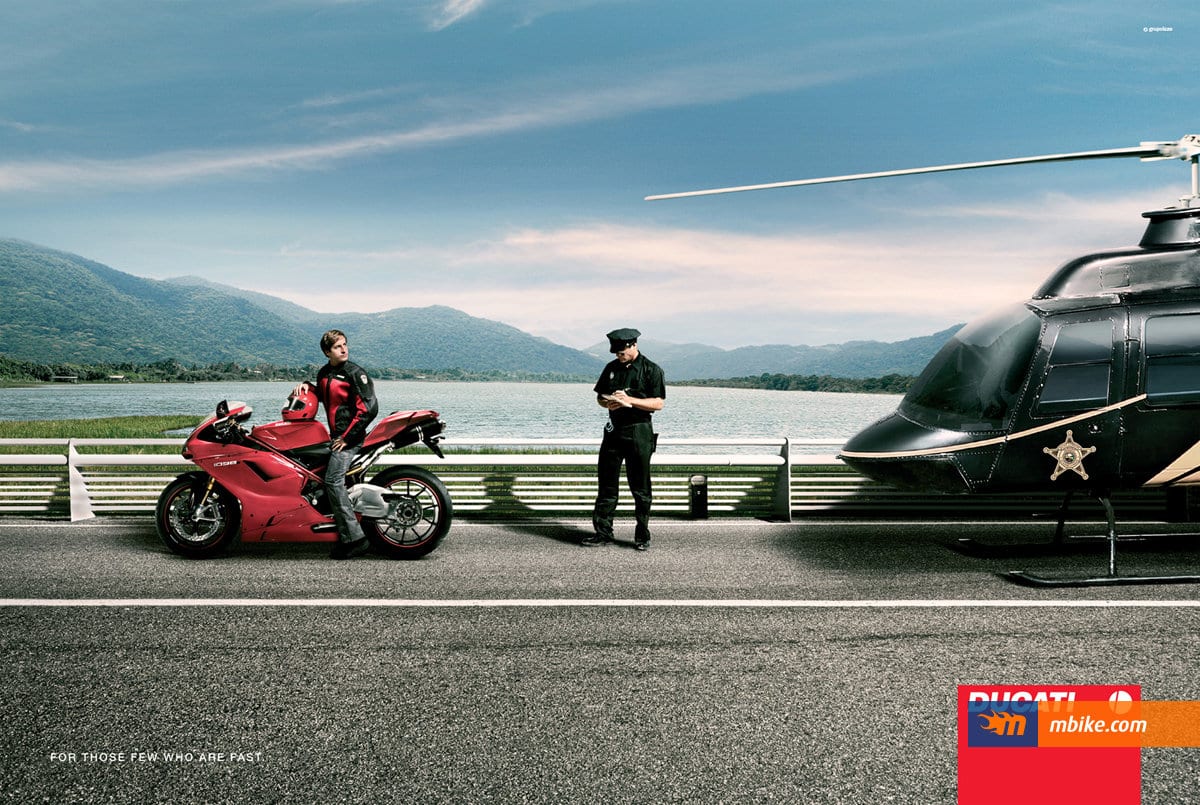
    Volkswagen’s planned sale of motorcycle brand Ducati and transmissions maker Renk has currently no majority backing on the carmaker’s supervisory board, with opponents to asset sales feeling invigorated by the group’s strong results.

    Europe’s largest automaker has tasked banks to evaluate options for Ducati and Renk including divesting the two divisions as it aims to streamline operations to help fund a post-dieselgate strategic overhaul.

    Volkswagen has been reviewing its portfolio of assets and brands since announcing in June 2016 a multi-billion-euro shift to electric cars and new mobility services as part of its so-called Strategy 2025.

    Five bidders have been shortlisted to buy Ducati, including Italy’s Benetton family, with offers received valuing the brand at 1.3 billion-1.5 billion euros ($1.76 billion), a source said on Saturday.

    But VW’s labour leaders, occupying half the seats on the 20-member supervisory board which decides on asset sales, resist a sale of Ducati and Renk without compelling financial reasons.

    “The employee representatives on Volkswagen’s supervisory board will neither approve a sale of Ducati, nor one of Renk or MAN Diesel & Turbo,” a spokesman for VW group’s works council told Reuters late on Saturday.

    “Everyone who can read the VW half-year results should know: We don’t need money and our subsidiaries are not up for grabs by bargain hunters.”

    Six-month operating profit at VW group jumped 19 percent to 8.9 billion euros, the carmaker said on Thursday, as cost cuts and R&D improvements at the core namesake brand earned VW a respite from the billions of euros in costs for fines, vehicle refits and compensation related to its dieselgate scandal.

    One source at VW said that given strong union opposition, VW is now reviewing the plan to sell Ducati as it doesn’t want to risk working with labour on implementing a hard-fought turnaround plan for the VW brand, seen as crucial by investors.

    Though Ducati is owned by VW’s luxury brand Audi, the VW group’s supervisory board has to approve a possible sale. Audi declined comment.

    The billionaire Porsche and Piech families, controlling 52 percent of voting shares in VW and holding four supervisory board seats, do not support selling Ducati or Renk, two other sources at VW group said.

    A spokesman for Porsche SE, the family’s holding company, declined comment.

    With 20 percent of voting rights in VW, Lower Saxony, where the carmaker employs more than 100,000 staff at six plants, can veto decisions such as factory closures.

    Holding two board seats, Lower Saxony traditionally teams up with VW’s worker representatives for the sake of protecting jobs and projects. A spokeswoman declined comment when asked whether the state government would back a sale of Ducati or other assets.

    “The management board has not even asked the supervisory board of Volkswagen, where such sales have to be ratified, for its approval,” the works council spokesman said. “Therefore we advise all supposedly interested parties: Save your time to check any books. A sale will not happen.”

    The five bidders shortlisted to buy Ducati will be given access to the company’s books after the summer, the first source said.

    With most of Audi’s executives away for a three-week summer break, a decision on whether management will stick to the planned sale will not be taken until September or October, a source close to Audi said. Audi declined comment.

    VW finance chief Frank Witter, speaking on Thursday’s earnings call, declined any comment on “speculation” surrounding VW’s asset sales plans.

  • Volkswagen recalls 766,000 VW cars worldwide for brake system update

    Volkswagen recalls 766,000 VW cars worldwide for brake system update

    Volkswagen is recalling 766,000 vehicles of its core passenger car brand worldwide for a software update to their braking control systems, a spokesman said.

    The braking control system may not function properly in certain driving conditions, such as when the driver over-steers, under-steers or slams on the brakes, the spokesman said.

    The car maker is recalling 288,000 VW-brand cars in Germany over the issue. Including the Audi and Skoda brands, the German recall impacts about 385,000 cars, the spokesman said.

    The recall in Germany was first reported by news agency DPA on Saturday.

  • Chinese regulator approves VW-JAC Motor electric car venture

    Chinese regulator approves VW-JAC Motor electric car venture

    Germany’s Volkswagen AG and Anhui Jianghuai Automobile Group have received approval from Chinese regulators to form a joint venture to make electric vehicles, the two automakers said on Monday.

    The National Development and Reform Commission (NDRC), China’s top state planner, gave a green light to JAC and VW to build 100,000 pure battery electric vehicles annually in a project worth 5.1 billion yuan ($740 million), according to a JAC Motor stock exchange filing.

    A VW spokesman confirmed the approval but said certain administrative procedures still needed to be completed for a joint venture contract to be signed with JAC Motor.

    Volkswagen, China’s largest foreign automaker, has pledged to rapidly develop a range of electric vehicles as the Chinese government aggressively promotes the segment as a way to cut intense smog in much of the country.

    VW already has joint ventures with China FAW Group and SAIC Motor Corp Ltd in the country.

    The has company previously said it aims to sell 400,000 “new energy vehicles,” a category which includes pure electric and plug-in petrol-electric hybrids, in China by 2020 to meet strict Chinese fuel economy and emissions regulations, with electric vehicles made with JAC Motor coming in addition to that figure.

  • VW’s JV in China to recall nearly 600,000 vehicles over fuse fault

    VW’s JV in China to recall nearly 600,000 vehicles over fuse fault

    Volkswagen AG’s joint venture in China, FAW-Volkswagen Automobile, will recall 577,590 Golf and Sagitar cars because of a headlight fuse defect that may lead to safety risks, the quality watchdog said.

    The recall covers 416,364 Golfs produced between September 2009 and May 2014, and 161,226 Sagitars produced between July 2010 and March 2012, said the General Administration of Quality Supervision, Inspection and Quarantine.

    The watchdog said the defects could cause headlight failure.

    FAW-Volkswagen, majority owned by state-owned China FAW Group, could not be immediately reached for comment. Volkswagen China declined to comment.

    In March, Volkswagen recalled over 1 million Audi vehicles due to potential leaks and coolant pumps faults.

    The German carmaker delivered nearly 4 million vehicles in China last year, two fifth of its global sales.

  • VW brand targets productivity gains through 2020

    VW brand targets productivity gains through 2020

    Volkswagen has set itsef fixed targets for raising productivity at its troubled core division through 2020 by pushing cost savings, stemming overseas losses and launching more higher-margin cars.

    Volkswagen’s namesake VW brand is targeting an operating margin at the upper end of a 2.5 to 3.5 percent range this year, with revenue expected to exceed 2016 levels by around 10 percent, the carmaker said on Friday.

    Europe’s biggest carmaker said it expects its largest division to continue to improve financially over the course of the year after a strong first quarter, and will increase guidance on key targets if necessary.

  • VW brand recovery helps to power Volkswagen profit rise

    VW brand recovery helps to power Volkswagen profit rise

    Volkswagen reported a 28 percent jump in first-quarter operating profit, helped by a return to earnings growth at its core VW brand which has struggled to recover from the German carmaker’s diesel emissions scandal.

    Group operating profit came to 4.4 billion euros ($4.7 billion) in the three months to the end of March, compared with 3.4 billion in the year-earlier period, Volkswagen said on Tuesday as it published key financial figures ahead of schedule.

    Although the group has bounced back from the scandal and overtook Japan’s Toyota (7203.T) last year to become the world’s biggest selling carmaker, analysts view a turnaround at the VW brand as key to its prospects.

    Volkswagen said on Tuesday that first-quarter operating earnings at the VW brand came to around 900 million euros, up from 73 million in the year-earlier period.

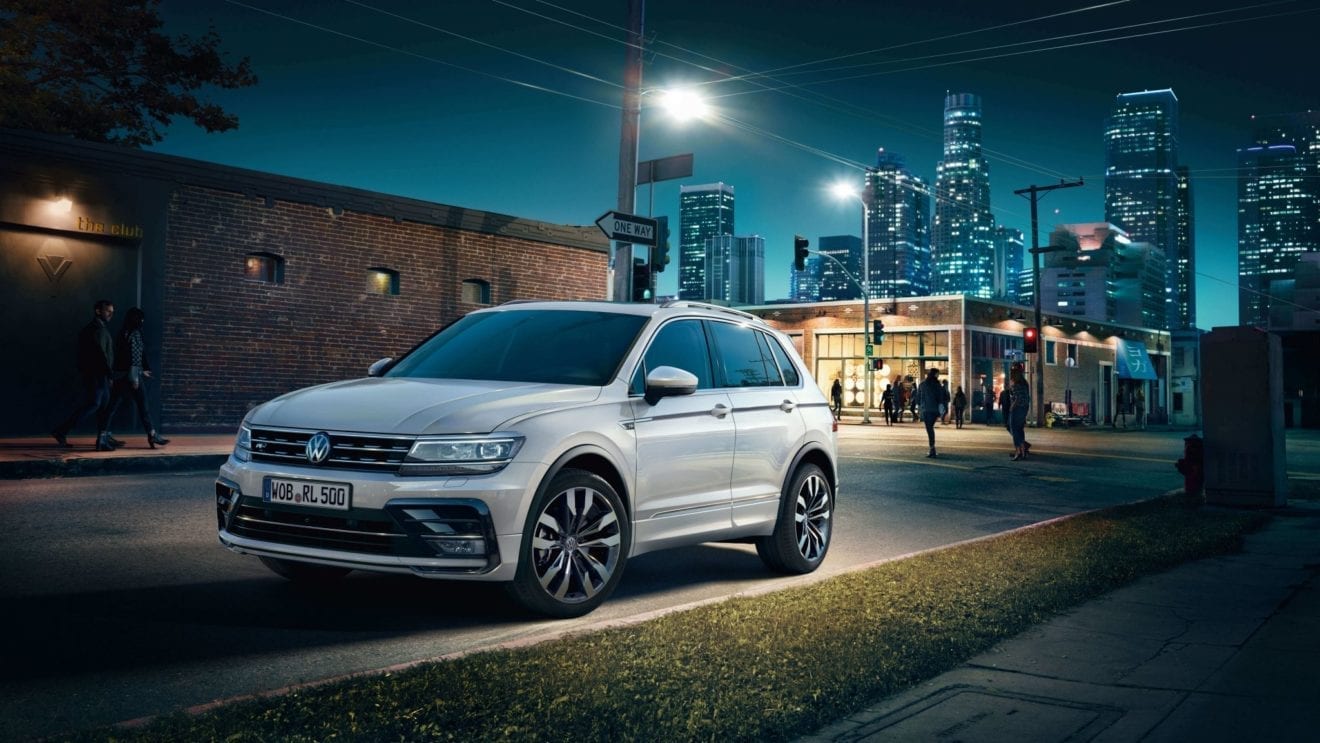
    “Causal factors for the Volkswagen Brand result include the success of new model introductions, particularly the Tiguan, and a strong financial performance in the West European market,” Volkswagen said in a statement.

    “Optimized fixed costs also positively affected the result,” it added.

    DZ Bank analyst Michael Punzet, who has a “hold” recommendation on VW’s stock, said he had expected the brand’s operating profit to come to around 500 million euros.

    Volkswagen said its other brands, which include Audi and Skoda, also contributed to the good performance but did not provide details. E

    It said it still expected to report a full-year group return on sales of between 6 and 7 percent this year.

    “If Q2 continues to do well, we expect VW to increase its full-year guidance in summer,” said Evercore ISI analyst Arndt Ellinghorst, who had expected first-quarter group operating profit of around 3.8 billion euros.

  • VW’s Audi and Porsche to join forces on vehicle development

    VW’s Audi and Porsche to join forces on vehicle development

    Volkswagen Group’s Audi and Porsche brands will join forces on vehicle development, the two upmarket brands said on Wednesday, to help the world’s largest carmaker save money in the wake of its costly emissions test cheating scandal.

    The pact comes as Volkswagen (VW) Chief Executive Matthias Mueller, who previously worked as Porsche’s CEO and Audi’s head of product management, finalizes a plan to step up development of autonomous cars, electric vehicles and digital services.

    Porsche and Audi said the focus was on jointly developing shared vehicle platforms, modules and components, in a deal that follows a period of intense in-house competition for development resources.

    Projects will be jointly headed by representatives from each brand. In the coming months, joint teams will prepare the specific areas of cooperation and define a roadmap to 2025, they said.

    Porsche, taken over by VW 2012, has emerged as a strong rival engineering center to Audi. Porsche’s MSB platform, used for its four-seater Panamera model, has been adopted for VW group’s next generation Bentley Continental model even though Audi had developed a similar offering.

    Since the group’s emissions test cheating on diesel engines was exposed in September 2015, Audi has lost two research and development chiefs and the head of its automotive electronics division, who did pioneering work in the area of autonomous driving and battery technology.

    Audi remains the group’s center of excellence for sport-utility vehicles, a lucrative and growing market, where it supplies platforms to Porsche and other brands such as Bentley.

    With self-driving vehicles likely to play a major future role in the industry, Audi also develops autonomous cars for the group.

    But a separate internal race has begun to become an engineering hub for electric vehicles, a field which includes research and development of battery cells, battery packs and electric motors.

    Porsche has developed the J1 electric cars platform, while Audi has also worked on its own electric car.

    Porsche has also taken over production of eight-cylinder gasoline engines for large sportscars for the VW group, even though Audi has its own engine factory in Hungary.

  • VW trucks division targets strong profitability gain in 2017

    VW trucks division targets strong profitability gain in 2017

    Volkswagen’s truck division aims to significantly increase its profitability this year as deepening cooperation between the MAN and Scania brands and improving overseas markets spur business, it said on Monday.

    Volkswagen, which launched a new truck & bus division in 2015 to challenge global rivals Daimler and Volvo, is targeting a long-term operating margin target of 9 percent, up from 6.1 percent last year.

    “We are not striving to become a volume champion, we want to be the most profitable ones,” chief executive Andreas Renschler told journalists, referring to improving markets in Western Europe, Russia and China.

    But finance chief Matthias Gruendler made clear a significant improvement in financial results requires a rebound in the key Brazilian market where the VW division commands a 37-percent share of the country’s commercial-vehicles market.

    Overall truck and bus sales in Brazil have been falling for four years but demand is expected to rebound slightly in the second half of the year amid the improving economy with a chance for stronger growth in 2018, Gruendler said.

    “Brazil has always been an important market and is characterized by a high degree of cyclicality,” chief executive Andreas Renschler said.

    Under Renschler, who ran Daimler Trucks before joining VW in February 2015, Europe’s largest automotive group has also been seeking to expand its footprint in international truck markets.

    Last year, VW announced a stake purchase in U.S. truck maker Navistar International which may earn the German group access to the vast North American truck market, and is also in talks about finding a new partner in China.

    “We are currently in discussions about different opportunities,” Renschler said. “All options are open” including a possible increase in MAN’s stake in China’s Sinotruk and finding a new partner.

  • VW’s MAN sees significant rise in 2017 operating profit

    VW’s MAN sees significant rise in 2017 operating profit

    Volkswagen division MAN expects operating profit to rise significantly in the fiscal year 2017, as the company continues its diesel-engine unit restructuring, which started in September.

    The German truck maker said on Thursday its operating profit rose to 204 million euros ($219 million) in 2016, up from 92 million in the previous year.

  • Volkswagen to unveil self-driving car as part of post-dieselgate shift

    Volkswagen to unveil self-driving car as part of post-dieselgate shift

    Volkswagen will show off a fully self-driving car at the Geneva auto show, as part of the German carmaker’s drive to be at the forefront of new technologies in the wake of its diesel emissions scandal.

    Europe’s biggest carmaker has said it will invest billions of euros in electric cars, ride-hailing and automated driving, and launch over 30 electric models by 2025 as it battles to recover from its emissions test cheating.

    The self-driving concept car called Sedric – a so-called Level 5 vehicle capable of fully automated operation – is a precursor for more such models from the Volkswagen (VW) group in years to come, Chief Executive Matthias Mueller said on Monday on the eve of car executives’ annual gathering in Geneva.

    VW is hiring top specialists and plans to spend several billions of euros on automated driving alone, Mueller said, without being more specific.
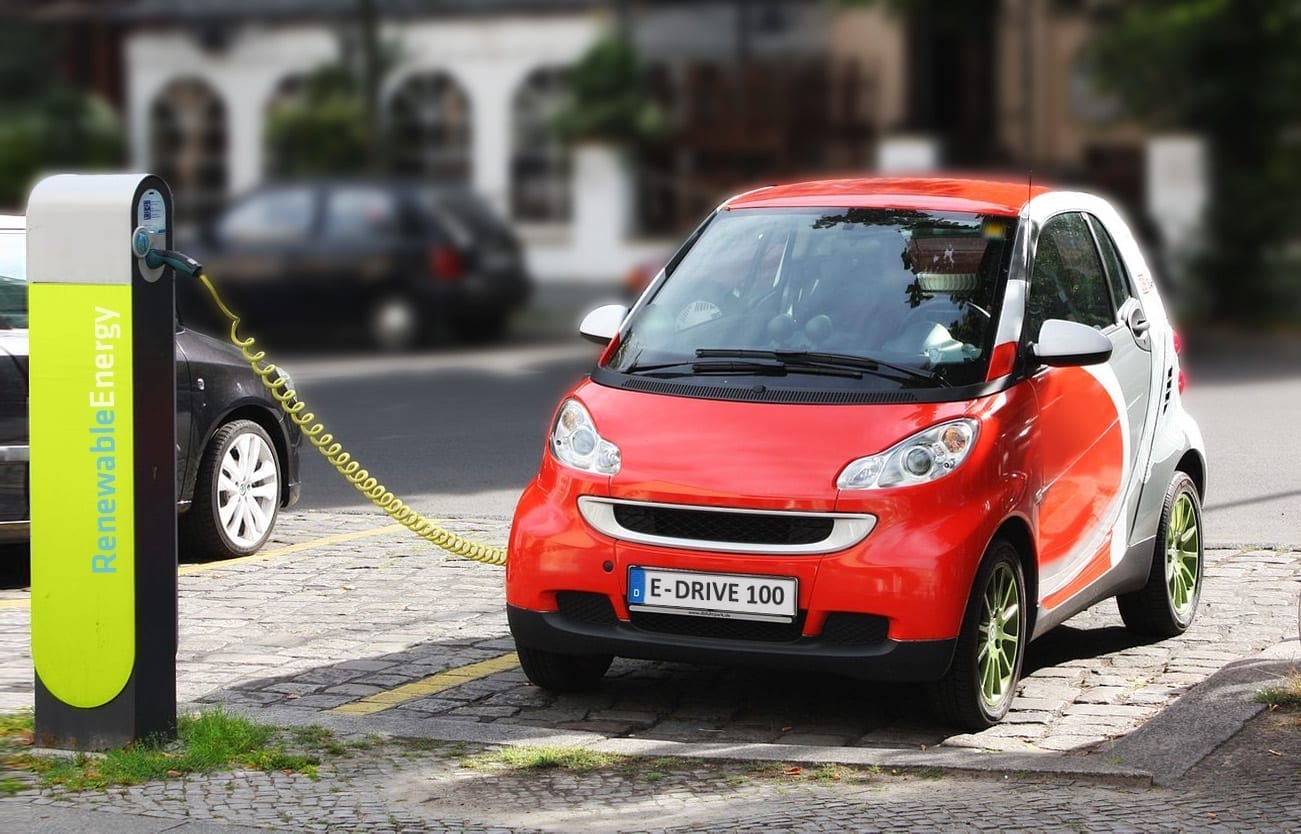
    Sedric can carry 4 passengers and could be used for ride-sharing fleets as well as for individual consumers, VW said.

    Internet giant Google was a forerunner in self-driving technology with its 2015 prototype vehicle, but has since been challenged by companies ranging from Uber to Apple, as well as traditional carmakers.

    Manufacturers and their suppliers are working on different technology suites – including cameras, radar and laser imaging technology lidar – to enable vehicles to drive themselves, but it will take years for these vehicles to come to market.

    Mercedes-Benz unveiled its fully autonomous F 015 luxury concept two years ago. But Toyota has said it does not expect to see Level 5 cars in widespread use for another 10-15 years, while Ford does not plan to offer such vehicles for consumers until 2025 or later.

  • Porsche, Audi lift VW to record underlying profit

    Porsche, Audi lift VW to record underlying profit

    Record Audi and Porsche sales helped Volkswagen (VOWG_p.DE) swing to a record underlying profit in 2016, although a bigger than expected charge from the diesel emissions scandal meant it missed estimates for its operating profit.

    Sales of the German carmaker’s luxury brands lifted underlying operating profit before special items 14 percent to 14.6 billion euros ($15.5 billion) in 2016, after the company reported its biggest ever loss in 2015.

    VW forecast broadly stable earnings this year.

    Underlying profit was broadly in line with forecasts for the world’s biggest car manufacturer by volume sales, which hiked its dividend more than expected after group sales rose to new highs, with an 8.1 percent jump in fourth quarter deliveries.

    Volkswagen (VW) is struggling with the fallout from its admission 17 months ago that it rigged U.S. diesel emissions tests, a scandal that some analysts have estimated may cost it more than $30 billion in fines, compensation and vehicle refits.

    VW has since embraced a costly shift to more electric vehicles and last year eclipsed Toyota (7203.T) as the world’s top-selling carmaker with record deliveries of 10.3 million.

    ONE-OFF CHARGES

    Although group sales fell 4 percent in January on the back of national holidays and a tax hike on small-engine cars in China, its biggest market, VW forecast an underlying operating margin of between 6 and 7 percent for 2017, compared with the 6.7 percent it achieved last year.

    But the damage from the emissions cheating affair took its toll, with VW booking bigger-than-expected one-off charges of 7.5 billion euros in 2016, of which 6.4 billion were related to the emissions-test rigging scandal. Analysts had on average forecast the cost would be 4.2 billion euros in total.

    Including those charges, VW made a 2016 operating profit of 7.1 billion euros, missing a consensus forecast of 10.5 billion euros but a big swing from a loss of 4.1 billion euros in 2015.

    VW’s Chief Executive Matthias Mueller said the carmaker was now well set for the years ahead.

    “As the figures show, Volkswagen is very solidly positioned in both operational and financial terms. This makes us optimistic about the future,” he said in VW’s results statement.

    The return to profit at group level may help calm tensions in Wolfsburg where labour bosses and VW’s brand management have been sparring over its ability to tackle the high cost base of VW’s German plants, which what analysts and investors say will be key to a further recovery.

    VW said it would propose a dividend of 2.06 euros per preferred share, more than the 1.86 euros expected by analysts on average, and 2.00 euros per ordinary share for 2016.

    That is up from 0.17 euros and 0.11 euros respectively a year earlier, when VW had to cut the dividend because of the cost of the diesel emissions cheating.

  • South Korea approves VW recall of Tiguan vehicles

    South Korea approves VW recall of Tiguan vehicles

    South Korea said on Thursday it has approved Volkswagen’s (VOWG_p.DE) plan to fix 27,000 Tiguan sports utility vehicles to ensure they comply with emissions standards, after previously rejecting the German automaker’s proposals three times.

    Government tests showed the proposed fix to remove software that cheats emissions tests did not affect fuel economy or performance, the environment ministry said in a statement.

    The vehicles comprising two Tiguan variants were among the 125,522 vehicles South Korea ordered Volkswagen to recall in November 2015 after it admitted to cheating emissions tests around the world.

    Plans to fix the remaining 99,000 vehicles will be reviewed, the ministry said.

    South Korea has taken a tough line on Volkswagen, slapping it with a record fine, suspending sales and on Wednesday indicting seven current and former executives and employees in the wake of the emissions-test cheating.

    Volkswagen’s sales in Asia’s fourth-biggest economy slumped to their first annual decline in 12 years in 2016 as a result of the sales suspension.

    The carmaker has also recently received approvals from U.S. and German authorities for vehicle fixes.

    In the United States, Volkswagen on Wednesday agreed to pay the largest ever U.S. criminal fine levied on an automaker to settle charges that it conspired for nearly 10 years to cheat on diesel emission tests.

    U.S. prosecutors also charged six current and former senior Volkswagen executives for their roles in the scheme.

  • Burberry Korea price cut is needed

    Burberry Korea price cut is needed

    Burberry Korea is under fire for cutting prices “too little, too late”.

    It’s not the first time Burberry has been criticised for its Asian pricing strategy. Last May,

    Jack Chuang, a partner with Hong Kong-headquartered OC&C Strategy Consultants, said that of all the luxury brands, Burberry is the one with the most significant price gap between Asian and European markets.

    “Prices in Mainland China are almost 40 per cent higher than in UK, while in Hong Kong, it is 20 per cent higher.”

    The South Korean office of Burberry recently marked down the price of some of its products to reflect the fallen value of the British pound, but only by a small margin compared with the currency’s depreciation, fashion industry officials said Wednesday.

    Burberry Korea dropped the local price by an average 9 per cent as the pound fell after Britain’s decision to leave the European Union in June last year. Industry officials say the markdown, however, falls far short of the 17 per cent fall of the British currency against the US dollar. The pound’s exchange rate against the South Korean won dropped 17 per cent from 1765.90 won in February last year to 1468.13 won as of January 9.

    The price adjustment in Korea also falls behind Burberry’s decision for Hong Kong, where the fashion brand’s product prices were taken down 10-15 per cent in September. Some of the products were down by 20 per cent. The markdown rate was more than the 9.75 per cent fall of the pound against the Hong Kong dollar at the time.

    Burberry Korea declined to talk on the matter despite repeated calls by news agency Yonhap.

    Consumer groups have long complained that foreign brands often take advantage of their popularity in South Korea to push demands they do not make in other countries or exclude South Korea from their market action.

    Swedish furniture maker Ikea caused ire last year when it kept selling dressers in South Korea that were recalled in the US and Canada after reported accidents involving children that resulted in deaths. The company had argued that the dressers meet local safety regulations. Volkswagen, who already settled on compensation to its consumers in the US from faked emissions tests, has yet to carry out full recalls or offer compensation steps in South Korea.

    US credit card company Visa in May came under fire for deciding to raise the processing fee by 10 per cent for overseas transactions, effective in South Korea but not in Japan or China.

    Such discriminatory actions are more stark at duty-free shops, industry officials say, who fiercely compete to host highly sought brands.

    “In case of popular brands, they often insist on excessive requirements, such as the cost of interior decorations when deciding to open their store,” an official at a Seoul duty-free shop said. “The retailers have to be compliant because of the brand power and because they have to attract customers, and they end up having to accommodate the demands.”

  • VW’s Skoda Auto says October deliveries grew 10.6 percent

    VW’s Skoda Auto says October deliveries grew 10.6 percent

    Global deliveries of Skoda Auto, the Czech unit of Volkswagen, grew by 10.6 percent to 97,900 vehicles in October, boosted by growing sales in China and Europe, the company said on Thursday.

    In the January-October period, Skoda said sales had grown by 6.7 percent to 938,800 units.

    The company, the biggest Czech exporter, sold 1.06 million cars in 2015, the second year in a row it topped the 1 million mark.