Tag: wave

  • Moncler Soars High: Luxury Retailer Rides the Wave of Asia Market Expansion With Robust Sales Growth

    Moncler Soars High: Luxury Retailer Rides the Wave of Asia Market Expansion With Robust Sales Growth

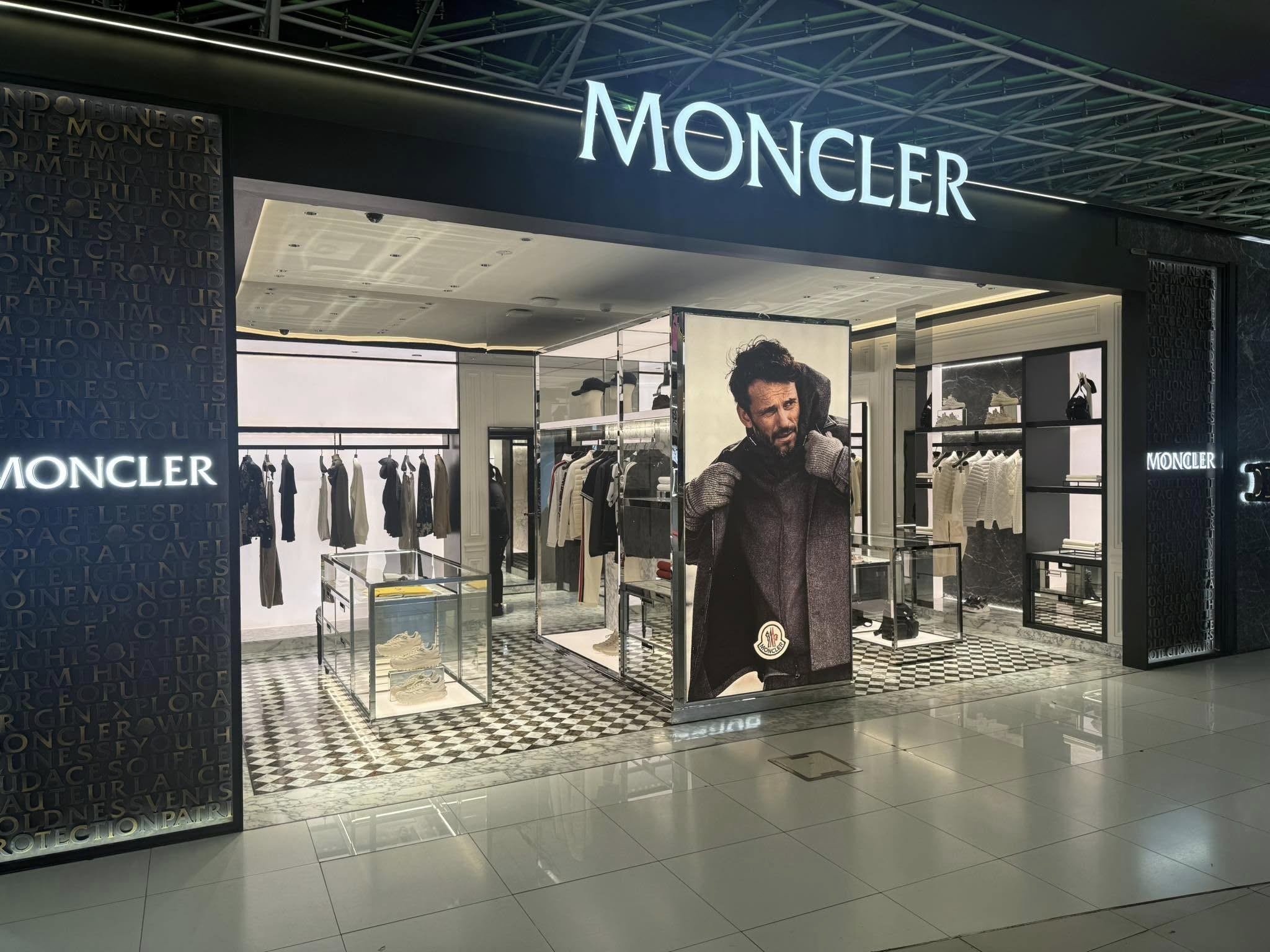
    Luxury fashion retailer Moncler has reported a strong momentum in sales growth, driven predominantly by its expanding presence in Asia.

    Strong Performance Across Moncler and Stone Island Brands

    The first half of their financial year saw a significant rise in revenues across its Moncler and Stone Island brands, with increases of 9% and 11% respectively. This strong performance for both brands contributed to a combined first-half group revenue of $1.47 billion and earnings before interest of $280 million.

    Remo Ruffini, Moncler’s Executive Chairman, is of the view that the group’s resilience stems not solely from its ability to swiftly adjust to changes, but also from staying true to its identity and maintaining close ties with the communities they serve. “In the first half of the year we delivered solid growth and profitability across both our brands, staying focused on our products, the creativity that characterizes our brands and the collective energy we share with our audiences,” he said.

    Moncler’s Rapid Growth in Asia

    Asia has proven to be the fastest-growing market for Moncler Group, now representing 54.4% of total sales. In comparison, the share of sales in Europe, the Middle East, Africa, and the Americas has seen a decline.

    Ruffini added that the group is continuously seeking innovative ways to remain relevant throughout the year, beyond the core season. Despite the complex and unpredictable operating environment, he believes these challenging times test their ability to be sharper, bolder, while maintaining discipline and staying grounded. “We approach the second half of the year and the opportunities ahead with this same spirit, and with a clear sense of direction,” he concluded.

    Questions & Answers

    What has driven Moncler’s recent sales growth?
    Moncler’s sales growth was primarily driven by its expansion in Asia, contributing to 54.4% of total sales.

    How did Moncler and Stone Island brands perform in the first half of the year?
    Both brands showed significant growth with their revenues increasing by 9% and 11% respectively, leading to a combined first-half group revenue of $1.47 billion.

    What strategy does Moncler implement to stay competitive in the market?
    Moncler strives to remain relevant throughout the year by continuously seeking innovative ways to engage audiences, focusing on their products and the creativity that characterizes their brands while staying true to their identity and maintaining close ties with the communities they serve.

  • Iran Conflict Stalls China’s E-commerce Wave: Surging Fuel Costs and Dwindling Demand Spell Trouble for Online Giants

    Iran Conflict Stalls China’s E-commerce Wave: Surging Fuel Costs and Dwindling Demand Spell Trouble for Online Giants

    China’s e-commerce export sector is facing difficulties due to increasing jet fuel costs and a decrease in demand from lower-income consumers in the West. These challenges have arisen as a result of the ongoing conflict in Iran, which is affecting profits for major online platforms such as Temu, Shein, and AliExpress.

    The Evolving Business Model

    These companies, many of whom have business models that rely on the transportation of inexpensive goods from Chinese factories to global consumers, have been under stress since the introduction of tariffs by former U.S. President Donald Trump. The additional tariffs and the removal of customs waivers on low-value packages have put further pressure on these companies.

    Added to this, escalating logistics costs as a result of the Middle East conflict are making things more complicated. Shippers like DHL Express are now imposing significant fuel surcharges. As a result, China’s low-cost e-commerce exports experienced a decrease of 10.9% in April, which marks the fifth consecutive month of declines year on year.

    For example, Diana Qiao, a seller of women’s clothing on Temu, found it necessary to raise her selling prices due to an increase in shipping costs per garment. Qiao shared that the added cost is ultimately passed on to the consumer, a measure that was taken to protect her profit margins.

    Changing Strategies

    The decrease in export values is not only indicative of the cost squeeze but also suggests that the era of rapid growth for these large, low-cost shopping platforms may be coming to an end. These companies are likely shifting towards storing more products in warehouses for local dispatch, instead of having everything shipped directly from China.

    Shein, for example, has been increasing its warehouse capacity in Europe. The company recently opened its third warehouse in Cannock, near Birmingham in the UK. AliExpress, owned by Alibaba, confirmed its commitment to maintaining competitive pricing for its consumers and providing a stable environment for sellers and consumers, despite the fluctuating global transportation costs.

    Although exports are still higher than they were two years ago, future growth may be more challenging for companies like Shein and Temu. Both companies have already established significant market shares, and the rise in petrol prices is impacting household budgets in the US and Europe.

    Questions & Answers

    What factors are impacting China’s e-commerce export sector?
    The sector is being affected by increasing jet fuel costs and decreased demand from lower-income consumers in the West, stemming from the ongoing conflict in Iran.

    How are e-commerce companies adjusting to these challenges?
    Companies are likely shifting towards storing more products in warehouses for local dispatch, instead of having everything shipped directly from China.

    What are the future prospects for growth in this sector?
    Although exports are still higher than they were two years ago, future growth may be more challenging due to factors such as rising petrol prices and established market shares by big companies.

  • St Ali Surfs the Cold Coffee Wave: Italo Disco Espresso Hits Coles Supermarkets Nationwide

    St Ali Surfs the Cold Coffee Wave: Italo Disco Espresso Hits Coles Supermarkets Nationwide

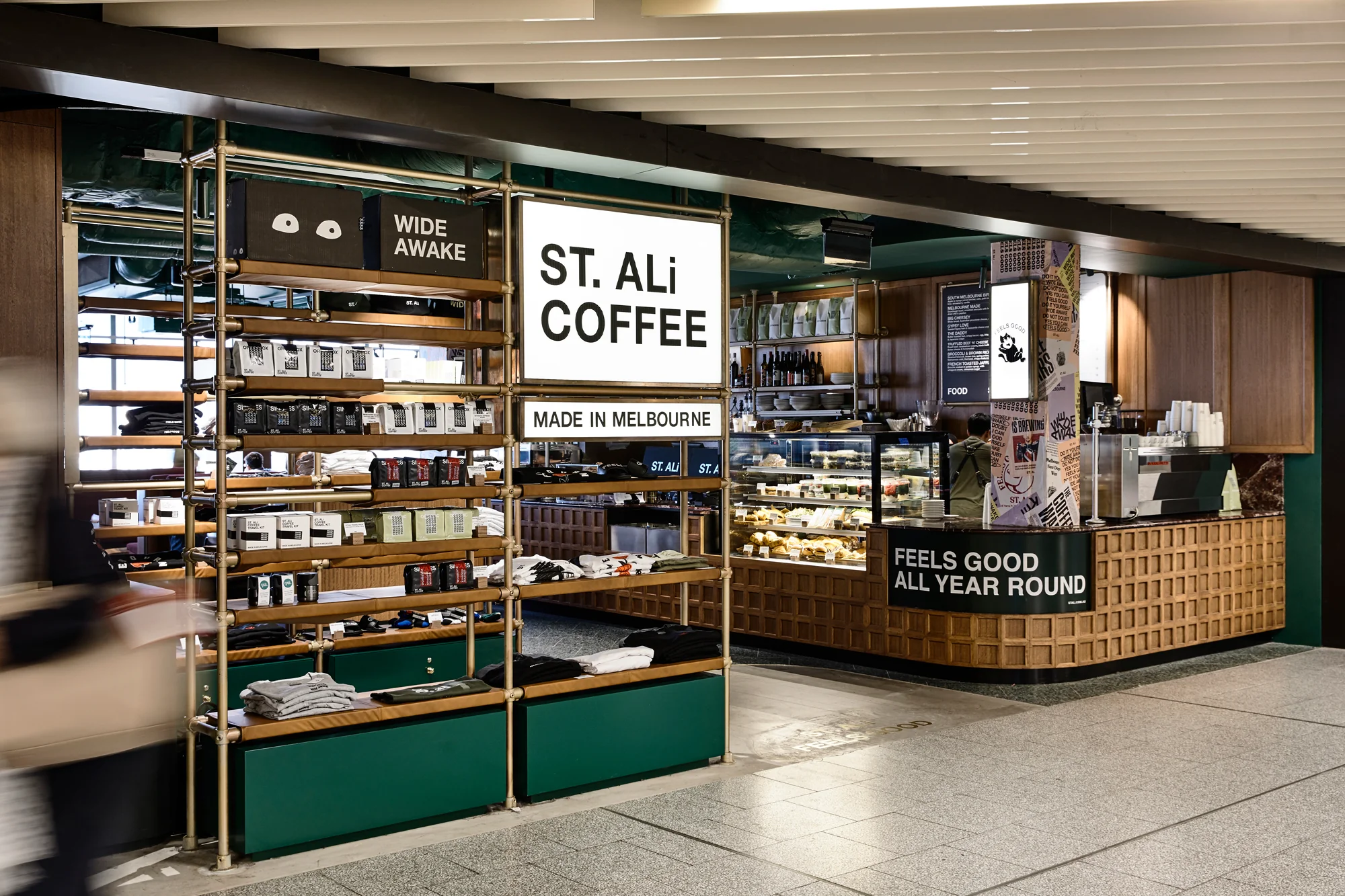
    Melbourne’s prominent coffee roaster, St Ali, has broadened its retail scope with the nationwide launch of its Italo Disco Espresso Concentrate in Coles supermarkets. This move comes after the successful introduction of the brand’s primary assortment of freshly roasted coffee beans in Coles stores in July 2024.

    Meeting Consumer Demand

    This expansion is a strategic response to evolving consumer preferences towards chilled coffee formats. Company data from St Ali’s South Melbourne cafe suggests that cold coffee variants account for approximately 35% of all their beverage sales. Cold coffee has emerged as a significant trend, with St Ali’s CEO, Lach Ward, identifying it as the most noticeable shift in consumption patterns throughout the brand’s 21-year history.

    Sales figures further underline this trend. Innovative cold beverages like the Biscoff Fredo have surged in popularity, becoming the company’s best-selling signature products, outpacing traditional options like magics and black coffee.

    Availability and Trends

    The Italo Disco Espresso Concentrate is accessible to coffee lovers across Australia in a 750ml pouch, retailing at $22. St Ali affirms that the shift towards chilled beverages is not confined to independent specialty outlets. Worldwide statistics reveal that cold beverages represent approximately 60% of total sales in major commercial coffee chains, including notable ones like Starbucks.

    Earlier this year, St Ali further diversified its product range to accommodate the summer season. This expansion included the introduction of two new beverages and the return of a larger-format cold brew.

    Questions & Answers

    What is the Italo Disco Espresso Concentrate?
    It’s a product by Melbourne coffee roaster St Ali, recently made available nationwide at Coles supermarkets.

    What has been the most significant shift in St Ali’s consumption patterns?
    The company has noticed a significant tendency towards cold coffee beverages, marking the most significant shift in their 21-year history.

    What is the current trend in coffee consumption?
    Chilled coffee beverages are the growing trend, with cold drinks accounting for about 35% of St Ali’s sales and 60% of sales in major commercial coffee chains.

  • Riding the Health Wave: Yum China Doubles Down on KPRO Stores Amid Rising Demand for Low-Calorie Meals

    Riding the Health Wave: Yum China Doubles Down on KPRO Stores Amid Rising Demand for Low-Calorie Meals

    Yum China, the company responsible for managing KFC and Pizza Hut chains across the nation, is broadening its reach by doubling its KPRO stores. The KPRO stores, which specialize in low-calorie meals, are set to reach 600 by the end of this year, following a rise in health-conscious consumer demand. KPRO’s offerings include nutritiously balanced meals such as protein-rich sandwiches and yogurt-based smoothies.

    An Emphasis on Health and Nutrition

    Yum China’s CEO, Joey Wat, emphasized the importance of satisfying meals that are also nutritious during a recent earnings brief. KPRO’s nourishing menu caters to this by providing consumers with clear calorie information, thereby enabling informed decisions. The cost for these healthier meal options varies from CNY30 to CNY50 (US$4.41–7.36) per meal.

    Yum China dedicated seven years to understanding the market for lighter meals before inaugurating its first KPRO store in Guangzhou in late 2024. By 2025, fueled by the escalating demand for healthier alternatives, the number of KPRO stores reached 200, strategically located adjacent to KFC chains.

    Chen Xiao, CEO of Shanghai Yacheng Culture, a provider of marketing and branding services, pointed out that the surge in young consumers keen on nutritionally balanced food offers international brands a significant advantage. These well-established brands can easily attract customers, particularly as restaurant chains can effectively reach out to a wide consumer base.

    The Growing Trend of Light Meals

    According to a report by research firm NCBD and Shanghai Expo Finefood, the number of Chinese consumers opting for light meals has skyrocketed from 2 million in 2017 to over 32.5 million by 2025. The report further stated that 40% of these consumers consume such meals at least thrice a week.

    Chen predicted that China’s light-meal sector could rake in about CNY100 billion in annual sales this year alone. On a similar note, Wat articulated the potential profitability of the segment, stating that the targeted 600 KPRO stores could boost the sales of their parent KFC chains by approximately CNY1 billion ($147.17 million) per year.

    However, Yum China is not the only player in the health food segment. Other chains such as Murvey LF and Moosang, operating about 600 and 400 stores respectively, are also prominent in the light meals market.

    Ending the first quarter of 2026 on a high, Yum China reported a net profit of $309 million, a 6% increase from the previous year. Their first-quarter revenue also saw a 10% rise, amounting to $3.3 billion.

    Questions & Answers

    **What is the expansion target for KPRO stores by the end of this year?**
    Yum China intends to double its KPRO stores to a total of 600 by year’s end.

    **What is the expected annual sales from China’s light-meal market this year according to Chen Xiao?**
    Chen Xiao predicted that the light-meal market could generate about CNY100 billion in annual sales.

    **What was Yum China’s net profit for the first quarter of 2026?**
    Yum China reported a net profit of $309 million for the first quarter of 2026, marking a 6% increase year-on-year.

  • Wave House moves away from Sentosa after 10 years

    Wave House moves away from Sentosa after 10 years

    Wave House Sentosa is set to celebrate its 10th year anniversary with a line-up of activities and promotions – and a new home.

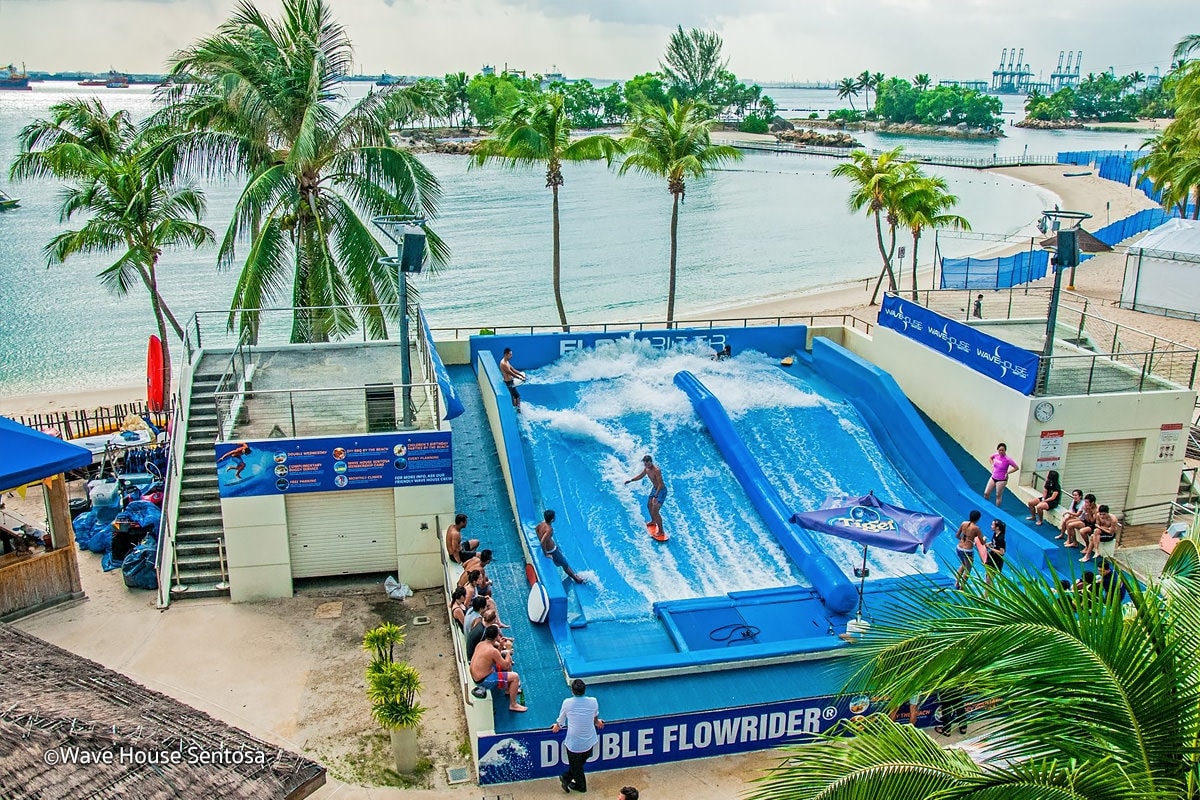
    Wave House was one of Singapore’s first integrated surfing-and-lifestyle destinations. The facility, which includes an enclosed surfing space, eatery and surfwear store, will be relocating to the main island of Singapore after 10 years on Sentosa.

    Wave House made a splash in Singapore back in October 2009, featuring high-adrenaline flow boarding and 10-foot Flowbarrel wave rides. A large population of local Singaporean surfers, skaters and skimboarders flock to Wave House Sentosa every year.

    “We are proud to celebrate a decade as Wave House Sentosa has always been the top location choice for surfers as well as the ultimate beach front dining, drinks, parties and event space venue in Singapore,” said Wave House Sentosa cofounder Tan Xu Teng.

    “Wave House Sentosa has established a reputation for delivering world-class thrills with a Singapore touch. Over time, it has also evolved into an iconic lifestyle attraction and recreation space for both locals and tourists.”

  • Verizon to waive $10 5G fee for three months

    Verizon to waive $10 5G fee for three months

    Verizon will waive for three months the $10 fee it planned to charge subscribers for accessing its 5G network. After launching in Chicago and Minneapolis earlier this month, the carrier announced an additional 20 cities across the US where it will turn on 5G services this year.

    Verizon said it’ll waive the charge for subscribers in Chicago and Minneapolis. A few of the reviewers reported disappointing results using the network, and some recommended consumers don’t pay for the service until the network is expanded and the kinks are worked out.

    While most people who tested the network reported achieving speeds of 300-600 Mbps, there were plenty of problems with finding the 5G network signal, or keeping the Motorola Z3 phone connected to it.

    During Verizon’s quarterly earnings call April 23, Verizon CEO Hans Vestberg said the network in those initial two cities was “performing as expected on a brand new technology being deployed for the first time in the world.”

    “As more features within the network become available for deployment through ongoing software innovation, we will provide increased coverage, improved capacity and greater throughput,” Vestberg said, according to a transcript of the call provided by Motley Fool.

    Verizon’s deployments in Chicago and Minneapolis used the carrier’s millimeter wave (mmWave) spectrum technologies to deliver high speeds in dense urban areas. But as Wave7 Research’s Jeffrey Moore told FierceWireless this week, mmWave technologies tend to have weak signal propagation, pointing to concerns about the urban use case for the technology when there are large buildings and other obstacles that can block the signal.

    Vestberg seemed to concede that there are challenges with mmWave during the earnings call. “We all need to remind ourselves, this is not a coverage spectrum,” he said. It’s unclear if those considerations factored into Verizon’s decision to wave the $10 fee for its 5G network.