Retail News CRM

Category: Telecom

Retail News Asia is committed to providing both local and global retailers with the latest Telecom & Telco news throughout the Asian market. This on a daily base.

  • Globe Telecom offers new-gen Chromecast

    Globe Telecom offers new-gen Chromecast

    Globe Telecom in collaboration with Google now offers the new generation Chromecast, with the promise for a connected life for the home.

    Globe’s broadband subscribers can avail of the new and improved Chromecast for an add-on of only P99 (about $2) per month.

    The company said its customers today are no longer just tied in using their smartphones and PC’s at home for personal consumption, they also demand better content to share and experience on a bigger screen.

    The new Chromecast offers the solution to “cast” content from their personal device such as movies, shows, music, games to a bigger screen TV using their HDMI connection.

    The solution is now equipped with better connectivity with the latest 802.11ac dual band Wi-Fi and three antenna structure for a more faster, stable and less buffering streaming using the latest mobile devices.

    Aside from being a better hardware, the new Chromecast is also fully compatible to cast with the latest entertainment apps including Globe exclusive digital content partners such as HOOQ, NBA and Spotify.

    “With our continuous partnership with Google, we stay true in providing new and meaningful innovations to fully maximize the digital lifestyle of our customers,” said Martha Sazon, Globe SVP for broadband business.

    “The latest installment in this is the new Chromecast, now with better features and compatibility to our content partners such as Spotify, HOOQ, NBA to a more immersive casting experience,” said Sazon.


  • Viacom expands direct-to-consumer offering

    Viacom expands direct-to-consumer offering

    Viacom International Media Networks (VIMN) has launched the BET Play direct-to-consumer, subscription video on demand (SVOD) application for the adult audience, giving consumers in 100 countries direct mobile access to BET’s content.

    BET Play offers fans an opportunity to watch English-language BET content — television series, documentaries, standup comedy, entertainment news and legendary musical performances — on their iOS and Android smartphones and tablets, as well as AirPlay-enabled television sets.

    “The launch of BET Play significantly expands the brand’s geographic availability by making it available direct to consumer in many markets where it has not previously had an established presence on TV,” said Michael D. Armstrong, EVP and general manager for international brand development at VIMN.

    The BET Play app also features a live linear feed of BET Soul, the premiere destination and leading music source for all soul music including R&B, Neo Soul, Alternative Soul, Classic Soul, relative Hip Hop, and Caribbean music.

    BET Play was designed to reach an international audience where they live – smartphones, tablets, and other digital devices – and creates an experience tailored to each of these screens.

    BET Play is the latest addition to the Viacom Play Plex suite of mobile TV apps, which offer smartphone and tablet users around the world access to the best content from all of Viacom’s international TV brands, anytime and anywhere.

  • Half of APAC cellcos have OTT partnerships

    Half of APAC cellcos have OTT partnerships

    Nearly every Asian mobile operator is interested in pursuing partnerships with OTT players to combat the growing problem of revenue loss, a survey suggests.

    The survey, conducted by Alepo ahead of Mobile World Congress Shanghai 2016, shows that just over half of respondents already have working partnership agreements with OTT providers.

    On the other hand, nearly two thirds of Asian operators are also directly competing with OTT providers with their own video, messaging or content service.

    Respondents indicated that declining voice revenues in the face of the growing popularity of OTT voice services is one of the main challenges operators face today. But revenue loss for OTT providers is higher for SMS than other services.

    Asked about the main obstacles to partnering with OTT providers, respondents named an inability or difficulty competing with the growing number of market entrants as the largest challenge, followed by difficulty controlling QoS of OTT services. Complications involved with billing for OTT services came third.

    By comparison, a lack of willingness to partner on the part of either the OTT provider and the operator were considered the least significant challenges.

    “It’s clear that mobile network operators in Asia Pacific recognize the emerging threat of OTT services on the bottom line and are proactively seeking new strategies and business models to overcome that,” Alepo director of marketing Danielle Elaine Smith said.

    “This report indicates that the implementation of those strategies is not limited by an unwillingness to partner by either the operators or the OTT providers, but rather by poor or outdated policy and charging control infrastructure that can’t adapt to meet the new realities of today’s dynamic APAC telecom markets.”

  • Globe Telecom launches media content studio

    Globe Telecom launches media content studio

    The Philippines’ Globe Telecom has entered the entertainment production business with a new studio and content partnerships aimed at developing content tailored for mobile consumption.

    The operator has announced the launch of Globe Studios, which will develop original video productions for modern audiences accustomed to consuming and sharing content through social media via mobile pones.

    Globe Studios is backed by local and Asian media houses including Viva Films, Reality Entertainment, Quantum Films, Spring Films and Astro of Malaysia.

    “Consumption of mobile entertainment has grown exponentially over the past years. Today, customers no longer wait for their favorite shows on their TV screens. Instead, they dictate what they want to watch when and where they want to,” Globe chief commercial officer Albert de Larrazabal said.

    “With Globe Studios, we will now produce our own clips, series and even movies. Backed up with the biggest director partners and entertainment companies in the industry, we are set to show what customers want today.”

    In addition, Globe has announced the launch of Globe Live, which will produce live shows and events. Globe Live’s first production will be a Philippine staging of the Broadway musical Green Day’s American Idiot.

    To support its media ambitions Globe has formed new content partnerships, including becoming the first mobile and broadband Philippine partner for Netflix.

  • Nepal preparing to allocate 4G spectrum

    Nepal preparing to allocate 4G spectrum

    Nepal’s Ministry of Information and Communications is reportedly planning to amend spectrum usage policy to allow the nation’s operators to commercially launch 4G services.

    The ministry has decided to adopt a technology neutral policy to allow operators to launch 4G using the 1800-MHz spectrum band.

    The ministry had asked previously asked telecoms regulator NTA to devise a 4G action plan within a week that would involve allocating 4G spectrum by the end of the fiscal year in mid-July, the report states.

    In response the NTA appointed a consultant to determine spectrum prices, and expects to have the action plan and pricing policy ready to present by tomorrow.

    The NTA has repeatedly denied requests from operators including Nepal Telecom and Ncell to allow them to launch 4G services due to confusion over spectrum usage policy. Amending the legislation would clear up this confusion and pave the way for rollouts.

    The ministry has also asked the authority to submit a draft of a new M&A policy for telecom operators and prepare a detailed plan for the proceeds of the Rural Telecom Development Fund.

  • Vodafone said to plan $2.5b India IPO in Q4

    Vodafone said to plan $2.5b India IPO in Q4

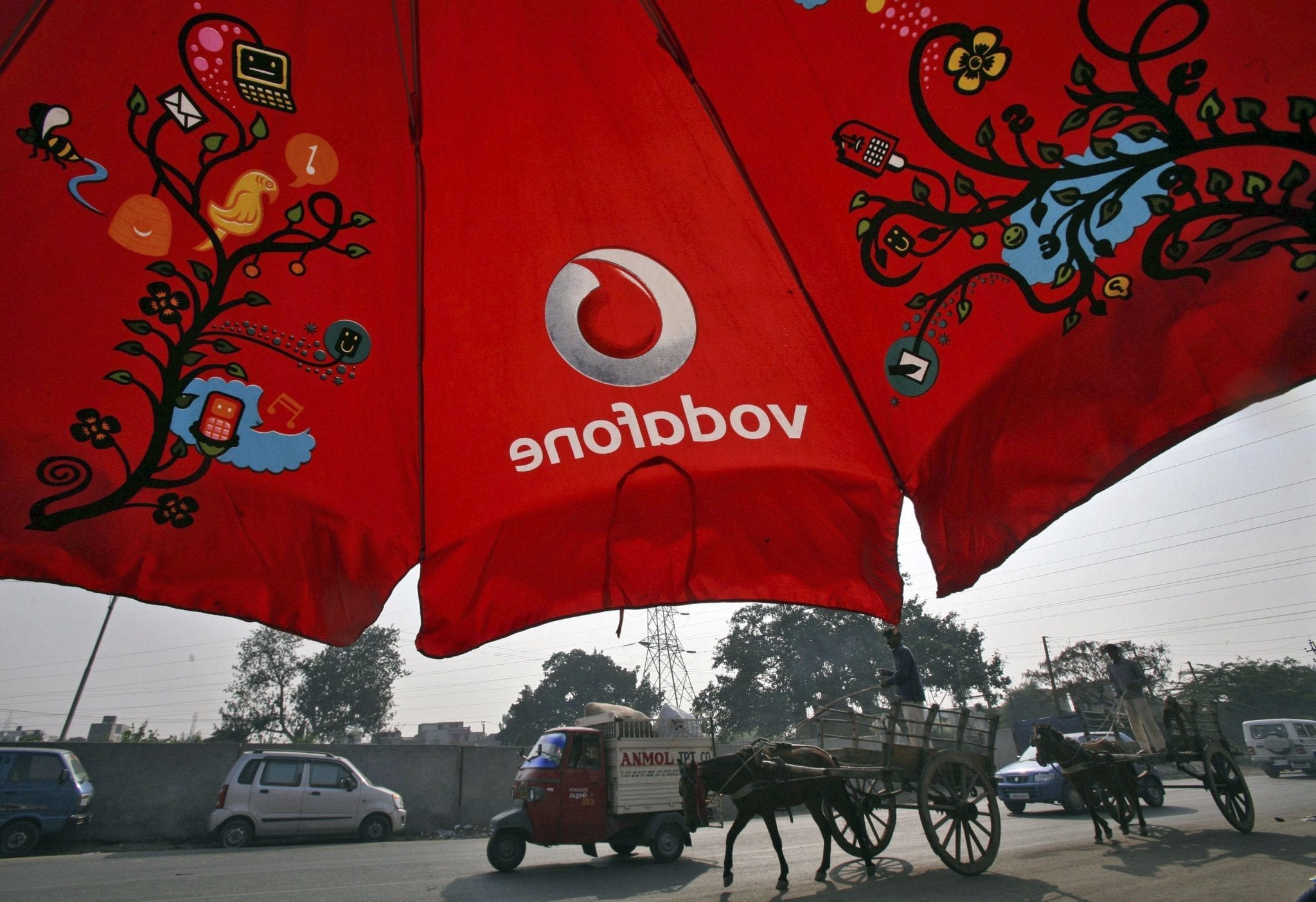
    Reports indicate that Vodafone is preparing to conduct an IPO of its Indian business in the fourth quarter that could raise as much as $2.5 billion.

    The operator is expected to file a draft prospectus for the IPO in August, citing sources close to the deal.

    According to the report, Vodafone has hired Bank of America, Kotak Investment banking and UBS AG as the global co-ordinators for the IPO. The bank selection process commenced in April.

    With a potential value of up to $2.5 billion, the IPO would be India’s largest public listing since 2010. Previous reports indicate that the value of the offer could be much larger, to the extent that the IPO has the potential to be India’s largest ever float.

    Vodafone has been considering an IPO of its Indian operations for years, but the process has been complicated in part by disputes with the government over tax demands and the merger of its operating businesses.

  • Singtel teams with SIT to train cybersecurity talent

    Singtel teams with SIT to train cybersecurity talent

    Singtel has announced a new partnership with the Singapore Institute of Technology (SIT) to train cybersecurity talent.

    The work-study program will support SIT students in the areas of Information Security and Software Engineering, which is expected to lead to career pathways such as cyber security R&D, product development, and management, cyber analysis and forensics, operations and cyber architects.

    Singtel country CEO and CEO, Group Enterprise Bill Chang said the undertaking aims to address two critical skills needs locally – the short supply of trained software engineers and the growing worldwide threat posed by cyber threats.

    “The economy is in great need for trained cybersecurity professionals,” he said.

    Under the work-study programs, participating students are trainees of the supporting company. They get to gather meaningful work experiences through industry induction, close mentorship, attachments and capstone projects to deepen industry-relevant skills.

    The students would acquire skills and experience relevant to the needs of the company while the company gains a productive contributor and an avenue to recruit, assess, groom and retain talent.

    Singtel has also worked with the InfoComm Development Authority of Singapore (IDA) on the Cyber Security Associates and Technologists Program.

  • Thailand’s AIS launches VoWiFi

    Thailand’s AIS launches VoWiFi

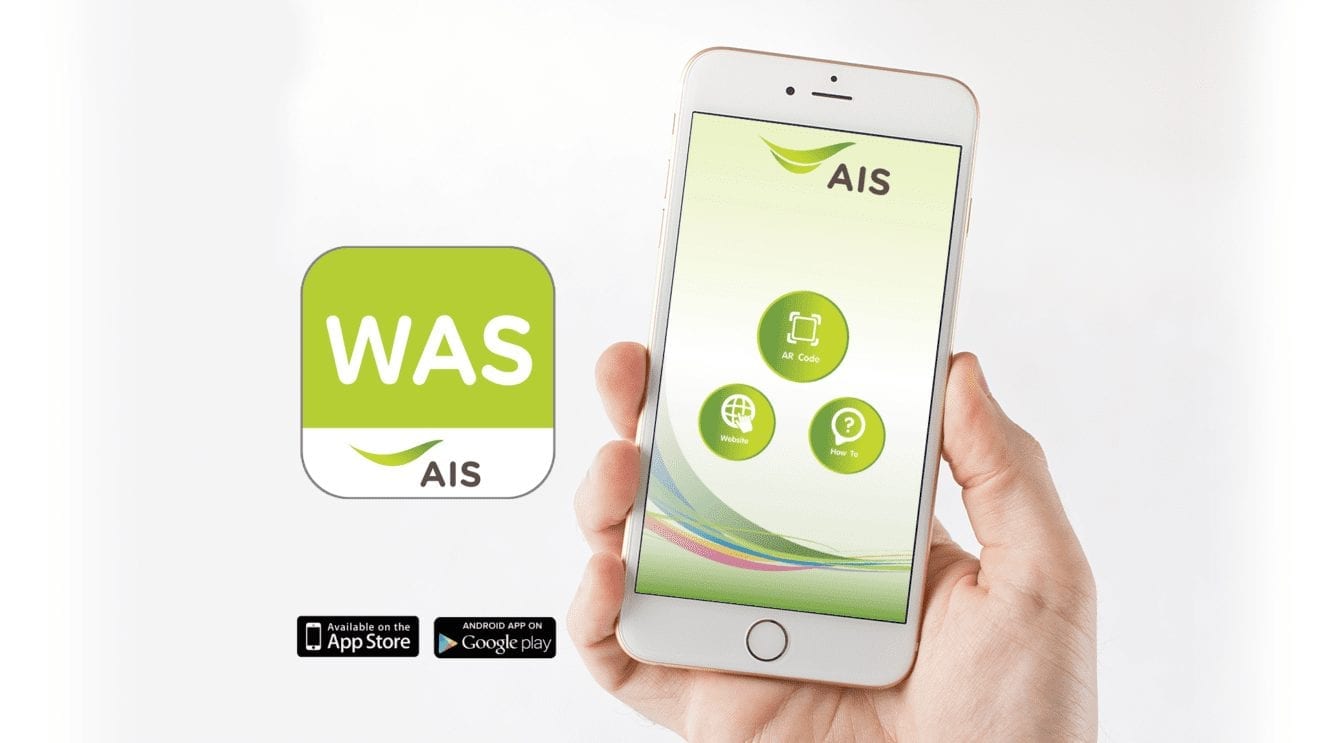
    Thailand’s AIS has launched Voice over Wi-Fi (VoWiFi) services, and Taiwan’s APT has announced plans to do the same.

    AIS, Thailand’s largest mobile operator, is initially offering VoWiFi for selected iPhone models, including the iPhone 5s, 5c, 6, 6 Plus, 6s, 6s Plus and iPhone SE.

    The company will offer VoWiFi as a complementary add-on for AIS’s 4G services, offering calls at standard rates as well as the ability to send and receive SMS.

    AIS has announced plans to expand its WiFi hotspot network from 120,000 to 160,000 this year and to 200,000 by 2017. The operator is aiming to have more than 10 million 4G subscribers by the end of 2016.

    Taiwan’s APT has also announced plans to launch VoWiFi services, without announcing a timeframe.

    Comments from APT suggest that the operator will initially support selected iPhone models and the Android-based InFocus M372 with the VoWiFi service.

    Currently the operator’s 4G network covers around 94% of Taiwan, including 98% of metropolitan areas. The company passed the 4 million subscriber milestone at the end of May.

    Last week, Singtel announced that it is planning to launch VoWiFi services in August  following successful HetNet trials.

  • Singapore’s MyRepublic denies reports of funding woes

    Singapore’s MyRepublic denies reports of funding woes

    MyRepublic’s CEO has rejected reports that the company is having difficulty raising funds required to make a bid to become Singapore’s fourth mobile operator, calling the claim “a bold-faced lie.”

    Malcolm Rodrigues told us that the company has already lined up $130 million worth of the $250 million in funding needed to roll out a network.

    Rodrigues was responding to a report stating that the company’s latest financial statement casts doubts onto whether the operator can afford to become a mobile operator.

    The report alleged that it had received a copy of the unlisted operator’s balance sheet that shows that MyRepublic lost S$9.36 million ($6.96 million) in Singapore last year, and has so far raised no funds required for the rollout.

    But Rodrigues denied this claim, asserting that the company has a loan facility for half the required amount, and expects DBS Group and Goldman Sachs to help the operator finish its fundraising for the mobile bid by the end of July.

    MyRepublic will be competing against Consistel, through subsidiary OMGTel, which has reportedly lined up at least S400 million worth of the S$1 billion in funding it plans to commit if it wins the mobile license.

  • Google, RingCentral partner to take on Microsoft

    Google, RingCentral partner to take on Microsoft

    The search giant Google and the cloud communications specialist RingCentral are joining forces to serve apps and UC to the enterprise.

    They’ve got a new offering called RingCentral Office Google Edition in the form of a plug-in in the Google Apps marketplace. It is intended to bring together RingCentral’s communications platform with Google Apps and related technologies like Google Hangouts.

    The idea is to be able to take on the likes of Microsoft, which itself moving to better integrate Office 365 and Skype.

    While the big tech companies have been very good at the cloud lately, they haven’t done that much in the cloud communications segment of the space, at least organically. Hence, despite the many infrastructure projects that Google for Google to seek out partners to better address the enterprise opportunity seems like a natural move.

    For Google it’s just another small piece of what has become a very big jigsaw puzzle. But it could be a big deal for RingCentral, whose quarterly revenues of $86 million would be more sensitive to the success of this new application package.

    RingCentral is one of the new generation of UC specialists that are finally shaking up the industry the way we all thought VoIP would do 10 years ago.


  • Thailand will tighten call drop regulations

    Thailand will tighten call drop regulations

    Thai regulator NBTC will introduce stricter standards governing the quality of mobile signals in an effort to address a growing number of complaints related to dropped calls.

    The NBTC will amend current regulations, which require operators not to exceed a dropped call rate of 15% across all calls, to instead require operators to maintain this rate in each of Thailand’s service areas.

    The new regulations, which are expected to come into effect in September, have been implemented in response to the fact that in more busy service areas with congested traffic dropped call rates are much higher than the average.

    In addition to the new regulation, the NBTC has given five mobile operators – AIS, Dtac, True Move, CAT Telecom and TOT – 15 days to resolve their dropped call problems.

    According to the report as of May there were 994 complaints involving dropped calls from AIS, 497 from Dtac, 386 from True Move, 32 from CAT and seven from TOT. Complaints are picking up now operators are focusing on customer acquisition strategies to maximize their 4G investments.

    Indian regulator Trai is also focusing heavily on the issue of call drops.

  • 3 Hong Kong launches prepaid plans for Apple SIM

    3 Hong Kong launches prepaid plans for Apple SIM

    Hong Kong mobile operator 3 has announced its support for Apple SIM, introducing a line of short-term LTE data plans that can be chosen and activated from compatible iPads.

    The operator has introduced day pass plans offering two days of connectivity for HK$38 ($4.90), seven days for HK$88 and 14 days for HK$168. These plans have fair use limits of 2.5GB, 3.5GB and 5GB respectively.

    Customers will also be able to choose monthly data pass plans for HK$168 for 1GB, HK$248 for 2GB or HK$298 for 3GB.

    Customers on Apple SIM LTE data plans will be charged a HK$2 administration fee every 30 days.

    Global  Apple SIM partner GigSky has meanwhile announced it had expanded its cellular data plans for Apple SIM to cover over 149 countries, up from just over 90. The prepaid packages are now available in all the top travel destinations, the company said.

    GigSky data plans are available in APAC markets including Hong Kong, Korea, Thailand, Australia, Pakistan, Indonesia, the Philippines, Singapore, Sri Lanka and Japan. The plans typically range from US$15 for 100MB of data over three days to $50 for 1GB of data over 30 days.

    Apple SIM is supported by the iPad Pro, iPad Air 2, iPad mini 3 and iPad mini 4.

  • CenturyLink acquires cloud startup ElasticBox

    CenturyLink acquires cloud startup ElasticBox

    CenturyLink has announced the acquisition of ElasticBox, a multi-cloud application management service for an undisclosed amount.

    The acquisition combines the ElasticBox platform with the global network, hosting and delivery capabilities of CenturyLink.

    ElasticBox, a startup with offices in San Francisco and Madrid, enables enterprise IT organizations to orchestrate the deployment of applications and create a self-service catalog of applications and infrastructure.

    Aamir Hussain, CenturyLink CTO said the acquisition of ElasticBox strengthens and enhances CenturyLink’s development and deployment of multi-cloud services management capabilities, as well as the company’s ability to deliver end-to-end network and hybrid IT services to business customers globally.

    “The ElasticBox multi-cloud management platform frees businesses to focus on issues that are central to their organization rather than spending time and resources managing multiple clouds,” Hussain noted.

    ElasticBox enables application orchestration for more than 12 different cloud providers, including Amazon Web Services, IBM’s SoftLayer, Microsoft Azure and VMware. ElasticBox recently added support for CenturyLink Cloud and more feature support for Google Compute Engine and OpenStack. ElasticBox also supports Docker and Amazon ECS containers, and recently added Kubernetes as another destination for applications. These deployment options enable customers to package a range of applications into a container and manage it via ElasticBox.

    CenturyLink and Nxtra Data Limited, a wholly owned subsidiary of Bharti Airtel, meanwhile announced an exclusive business partnership to provide advanced hosting and managed IT services to enterprises in India.

    This exclusive partnership brings Nxtra Data’s Indiadata center management expertise together with CenturyLink’s cost-effective hosting, managed services and cloud capabilities to serve businesses and government organizations in India.

  • SingTel to launch VoWiFi in August

    SingTel to launch VoWiFi in August

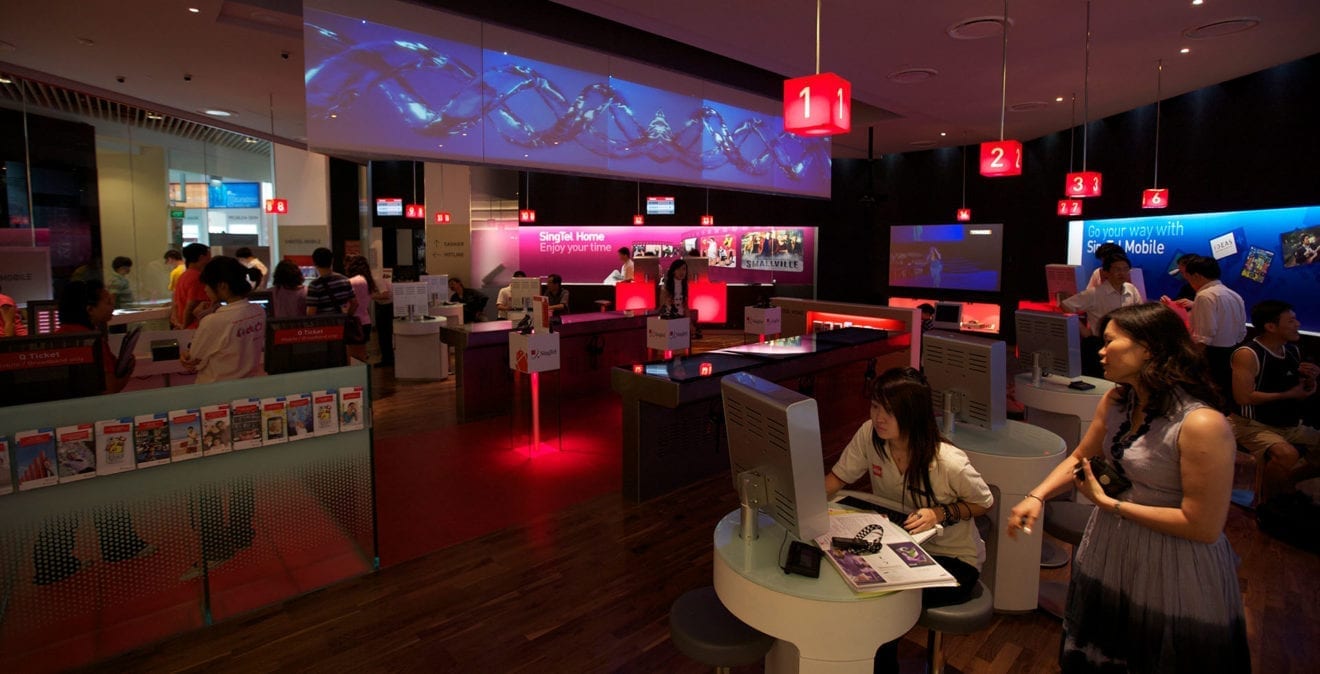
    SingTel has revealed plans to launch Singapore’s first commercial Voice over Wi-Fi service in August following the success of its recent HetNet trials.

    The trials, conducted in collaboration with IDA Singapore, confirmed that voice calls and texts can be sent over Wi-Fi in areas which are challenging for mobile signals.

    Service continuity can be maintained as smartphones transition between cellular and Wi-Fi networks, without the need of an installed mobile app. SingTel said this will allow its customers to make uninterrupted calls over Wi-Fi in locations including basements and the upper floors of skyscrapers.

    The trials also demonstrated the readiness of SingTel’s HetNet to support the IoT by providing reliable connections to sensors and other connected devices, the operator said.

    “In the near future, with millions of connected devices fuelling data demand, ensuring a consistent experience for multiple mobile customers across different locations is paramount,” SingTel CEO consumer Singapore Yuen Kuan Moon said.

    “With pervasive connectivity and higher data capacity set to become the norm, it was important for us to conduct a HetNet trial to gain further insights.  Given our positive trial results, we are ready to support the Internet of Things with our networks and provide SingTel mobile users with high-quality voice calls and SMS island-wide.”

    IDA co-managing director Gabriel Lim said 90% of HetNet trial users had an improved mobile experience, including superior connectivity, download and upload speeds and transitions between wireless and cellular networks.

    “We will use the lessons from the trial to work with our industry partners to further enhance the experience of Singapore mobile users,” he said.

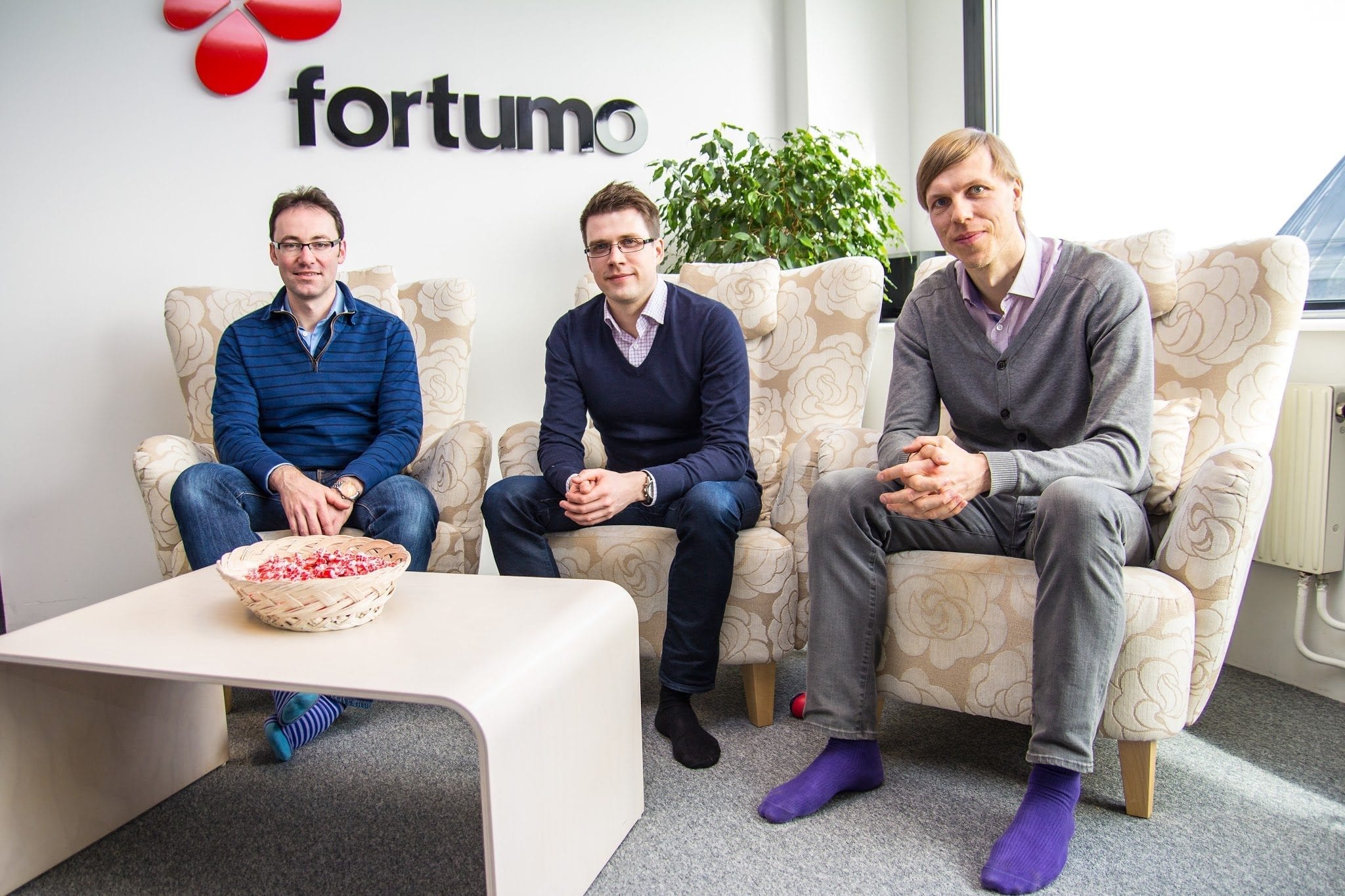
  • Globe taps Fortumo for enhanced direct carrier billing service

    Globe taps Fortumo for enhanced direct carrier billing service

    Globe Telecom in the Philippines and the mobile payments company Fortumo have sealed a partnership to launch enhanced direct carrier billing in the country.

    With this collaboration, over 52 million Globe customers will be able to use their mobile phones to make payments in various app stores, as well as for digital services and games.

    Direct carrier billing, significantly increases the amount of users who are able to make online payments. In the Philippines, only 3% of Filipinos have access to a credit card while smartphone penetration has reached 40% and is forecasted to grow to 70% during the next two years.

    With Fortumo and Globe, more people will be able to make payments online through carrier billing compared to bank-based payments.

    Dan Horan, Globe senior advisor for consumer business said the continuous rise in smartphone penetration alongside the drastic adoption of the digital lifestyle has made more and more Filipinos dependent on their mobile devices. Customers continue to be on the lookout for a better mobile experience including conveniences such as making payments.

    “With Fortumo, we will be able to provide our customers an improved experience by providing the convenience of making payments on any app store, including the in-app purchases,” said Horan.

    In addition to digital content, Fortumo’s direct carrier billing platform also supports payment processing for financial services, such as topping up virtual credit cards or wallets. This is achieved through token-based, two step charging.