Tag: Boosts

  • Costco Leverages JD.com for Bold China Expansion, Boosts Online Presence Beyond Warehouses

    Costco Leverages JD.com for Bold China Expansion, Boosts Online Presence Beyond Warehouses

    Costco, the multi-national corporation recognized for its warehouse club model, has embarked on an exciting new venture in China. Costco has launched an online flagship store on JD, one of China’s largest online retailers, thereby marking a significant point in its expansion in the Chinese market. This strategic move aims to augment Costco’s digital presence beyond the parameters of its existing network of physical warehouses.

    A Growing Online Presence

    The collaboration with JD makes it possible for consumers across China to access approximately 700 products. The diverse range of offerings includes grocery items, household essentials, health supplements, beauty products, and Costco’s private-label range, Kirkland Signature. Notably, the online store allows Costco to penetrate cities where it currently does not have a physical presence.

    The launching of the flagship store on JD represents a crucial milestone for Costco in China. It signifies a significant shift in strategy that emphasizes the importance of online retail in the current market scenario. Costco China says, “By leveraging JD’s well-established online platform and extensive logistics network, we are able to overcome regional limitations and extend our reach into broader markets. This allows us to effectively deliver Costco’s signature merchandise and service value to consumers across the country.”

    Impressive Initial Response and Expansion Plans

    The online store first underwent a trial phase in late May. It was met with an overwhelmingly positive response, attracting over 30 million visits and almost 200,000 followers in just the first month. This underscores strong consumer interest and sets the stage for an optimistic official launch.

    Costco’s strategic move is part of its cautious yet continuous expansion in Mainland China. Since the opening of its first warehouse in Shanghai in 2019, Costco has added a few more stores in major cities. However, the emphasis has increasingly been on using digital channels to further expand its market reach.

    Questions & Answers

    What does Costco’s partnership with JD aim to achieve?
    Through the partnership with JD, Costco aims to overcome regional limitations and expand its reach into broader markets in China. It also allows Costco to deliver its signature merchandise and service value to consumers nationwide.

    What range of products will be available in Costco’s online flagship store on JD?
    The online store will offer around 700 products, including grocery items, household essentials, health supplements, beauty products, and Costco’s private-label range, Kirkland Signature.

    How has the initial response been to the trial phase of Costco’s online store on JD?
    The initial response has been overwhelmingly positive, with the store attracting over 30 million visits and nearly 200,000 followers in the first month.
  • Surge in Durian Imports: Chinas Growing Craving Boosts Trade for Thailand and Malaysia

    Surge in Durian Imports: Chinas Growing Craving Boosts Trade for Thailand and Malaysia

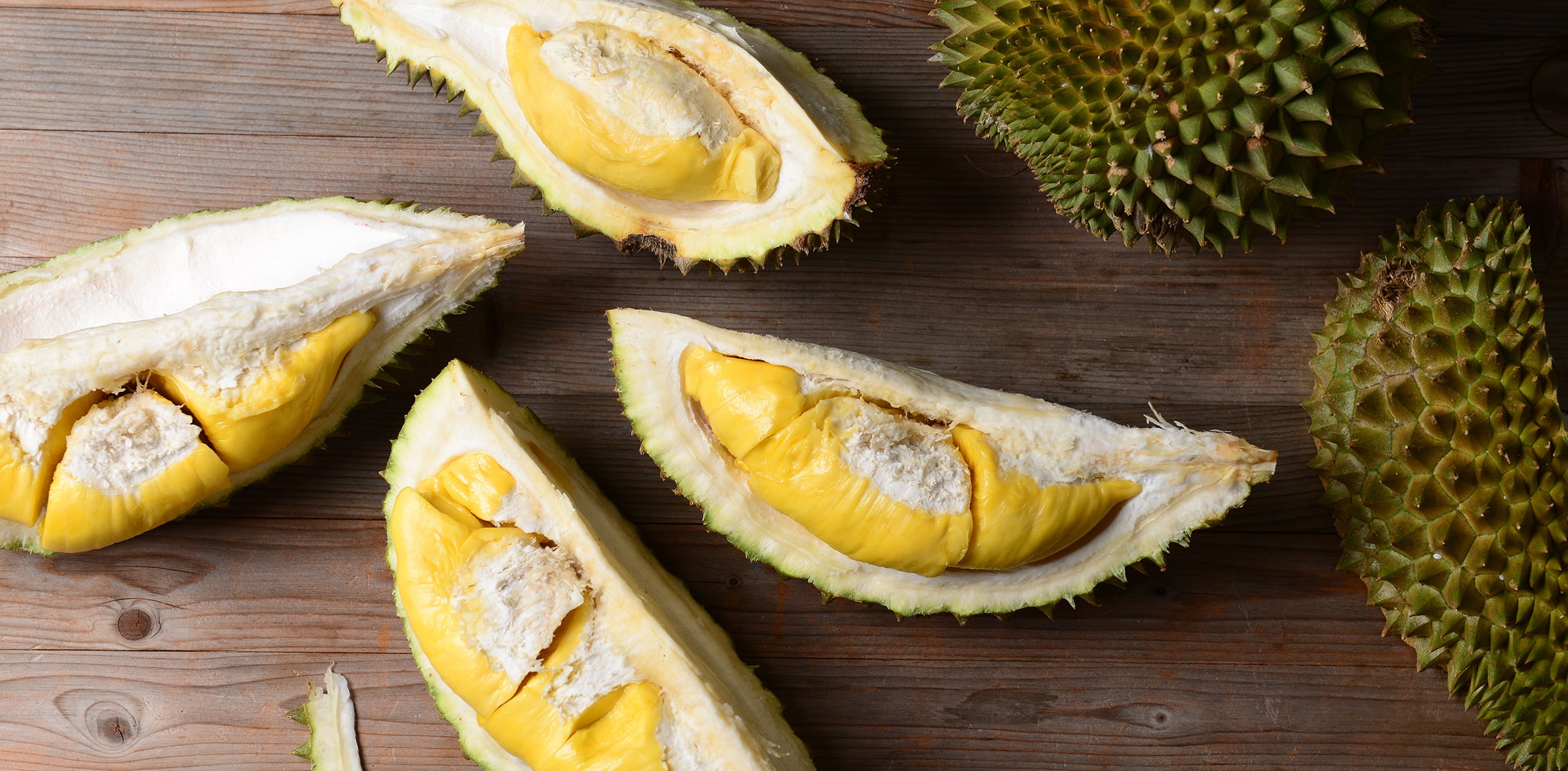
    In the first half of 2026, China’s durian imports saw a significant increase of 47% compared to the previous year. This was largely due to surplus stock from Southeast Asian exporters, such as Thailand and Malaysia, following a decrease in durian prices. According to Chinese customs data, Thailand exported roughly US$3.79 billion worth of durians to China within this period, dominating 81% of the market share.

    The Durian Market

    Vietnam came in second in the durian export market throughout the first half of 2026, with exports reaching an estimated value of $846 million. This makes up 18% of the total durian imports into China. Despite this, Thailand’s durians remain a favorite among Chinese consumers, thanks to a robust logistics and quality-control system that effectively enhances the fruit’s reputation.

    Vietnam has also increased its durian exports to China since it received the green light to export fresh durians in 2022. However, some challenges were faced concerning quality control. Malaysia, a newcomer to China’s fresh durian market, exported roughly $30.26 million worth of the fruit within the first half of 2026, marking a whopping 342% increase compared to the same period the previous year.

    The Changing Durian Landscape

    In total, the volume of durian imports from all countries reached 1.07 million tonnes in the first half of 2026, increasing from 708,000 tonnes in the same period a year earlier. Factors such as improved services on the China-Laos Railway and the growth of Chinese e-commerce platforms have significantly boosted Southeast Asian durian exports to China, which is the world’s largest market and accounts for 90% of global durian consumption.

    Currently, durian producers like Malaysia, Thailand, and Vietnam are experiencing an oversupply due to the peak durian harvest season. This is a result of orchards reaching full production capacity and an output growth that surpasses demand.

    Despite the strong long-term demand from China, an imbalance has been noted where production has not expanded at the same pace as demand. This has resulted in a fall in durian prices during peak season. Officials in Malaysia are seeking permission from China’s General Administration of Customs to open a land-based shipping route in response to the oversupply.

    There has been a notable drop in durian prices in China, between 14% and 20%, due to factors such as increased supply from different origins, high inventories, and cautious consumer spending.

    Questions & Answers

    What caused the significant increase in China’s durian imports?
    There was a surplus of durians from Southeast Asian exporters due to a decrease in prices, leading to an increased supply to China.

    Which country is the largest exporter of durians to China?
    Thailand is the leading exporter, supplying approximately 81% of China’s durian imports in the first half of 2026.

    Why are durian prices falling in China?
    The decrease in durian prices in China can be attributed to increased supply from different countries, high inventories, and more conservative consumer spending.

  • Chick-fil-A Boosts Singapore Presence: Second Restaurant Opens at Millenia Walk

    Chick-fil-A Boosts Singapore Presence: Second Restaurant Opens at Millenia Walk

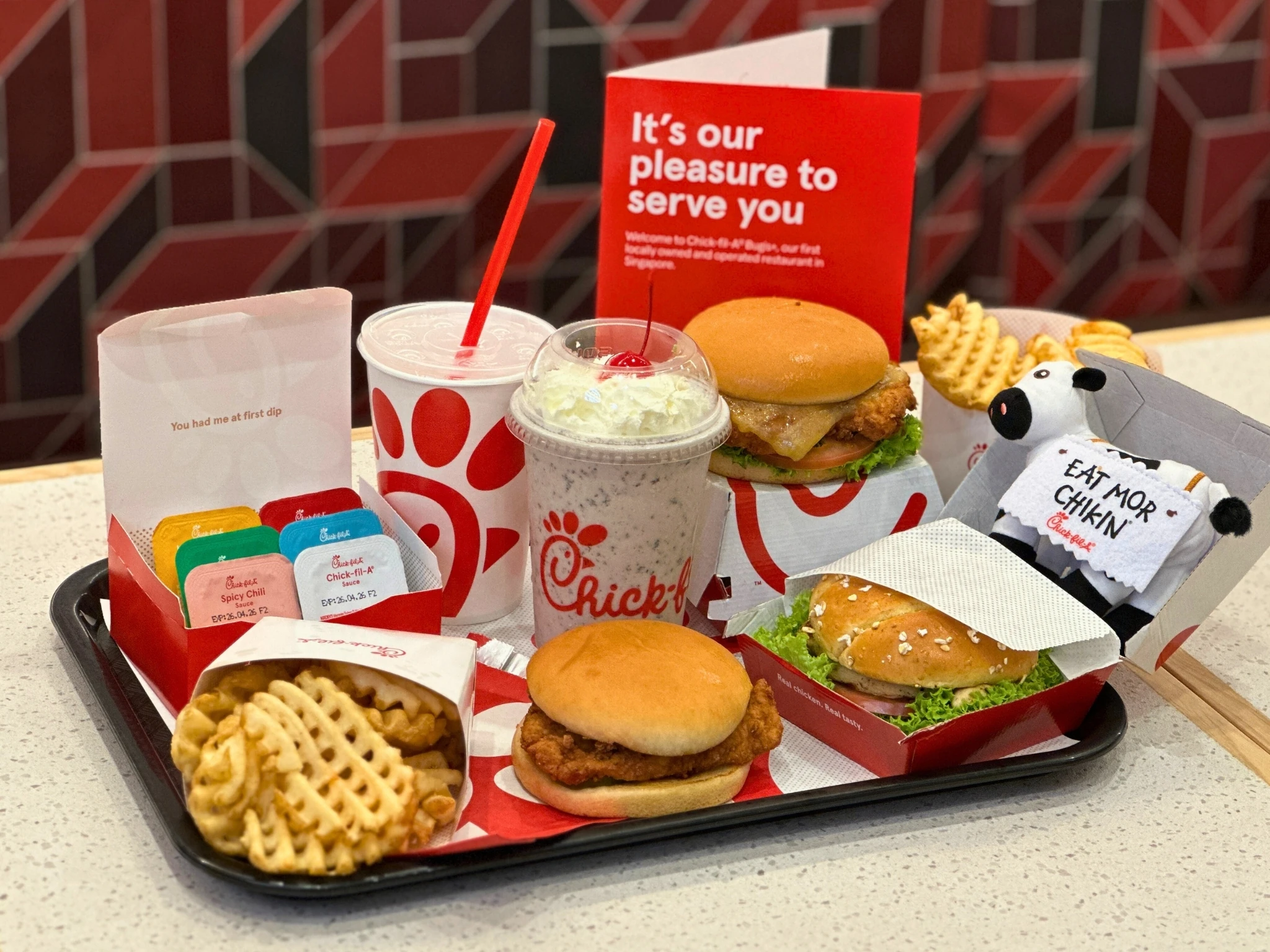
    American fast-food chain Chick-fil-A is set to expand its footprint in Singapore with the inauguration of its second restaurant, located at Millenia Walk, on July 30th.

    This new establishment forms part of the company’s strategic growth plan following its successful entry into Singapore last year, marking the brand’s debut in the Southeast Asian market. In a bid to boost its international presence, Chick-fil-A has committed to investing over US$75 million across Asia over the forthcoming decade.

    Details of the New Outlet

    The Millenia Walk restaurant, situated in Marina Centre, will offer both dine-in and takeaway services. Consistent with the brand’s longstanding global operating policy, the restaurant will operate from Monday to Saturday and remain closed on Sundays.

    The new venue will be managed by local owner-operator Deborah Ku, a seasoned professional in the food and beverage sector with more than two decades of industry experience. Ku will lead a workforce of 60 to 80 employees, focusing on training, mentorship, and leadership development.

    In expressing her excitement about the venture, Ku said, “Growing up in a culture deeply ingrained in warm hospitality, being part of Chick-fil-A’s journey in Singapore is a dream come true – not just for me, but also for my family, who have long admired the company’s strong culture of care and commitment to the community.” She added that she looks forward to creating a welcoming environment at Chick-fil-A Millenia Walk, where guests feel genuinely cared for and team members can grow, realize their potential, and make a profound impact in the lives of others.

    Community Contributions

    Coinciding with its launch, the Millenia Walk restaurant will participate in Chick-fil-A’s Shared Table program. This initiative combats food waste by redistributing surplus food to local charities through The Food Bank Singapore. So far, the program has provided more than 42 million meals globally.

    Chick-fil-A currently operates over 3,000 restaurants in multiple locations, including the United States, Canada, Puerto Rico, the United Kingdom, and Singapore.

    Questions & Answers

    What is Chick-fil-A’s investment plan for Asia?
    Chick-fil-A has committed to investing more than US$75 million across Asia over the next decade.

    Who will manage the new Chick-fil-A restaurant at Millenia Walk?
    The new restaurant at Millenia Walk will be managed by local owner-operator Deborah Ku, who has over 20 years of experience in the food and beverage industry.

    What is Chick-fil-A’s Shared Table program?
    The Shared Table program is an initiative by Chick-fil-A that redistributes surplus food to local charities. The Millenia Walk restaurant will participate in this program, which has so far provided over 42 million meals globally.

  • Thriving Live Commerce: TikTok Boosts Thai Durian Sales by Tenfold

    Thriving Live Commerce: TikTok Boosts Thai Durian Sales by Tenfold

    In a collaborative effort, TikTok and Thailand’s Department of Internal Trade have drastically elevated durian sales on TikTok Shop, underscoring live commerce as a significant conduit for Thai agricultural commodities. The initiative led to a tenfold surge in durian sales, facilitated by more than 89,000 live durian broadcasts on the platform in the past quarter. Remarkably, a new live session was initiated approximately every 90 seconds, lasting an average of 118 minutes.

    During the apex of the durian harvest season, the gross merchandise value for the fruit surged by a factor of 10.6 in comparison to the average weekly sales recorded prior to the campaign. A key contributor to the success of this venture has been TikTok’s creator ecosystem. Over 1.8 million creators generate content that correlates with products available on TikTok Shop.

    Engaging Farmers and Influencers

    Content creators aren’t the only ones to credit for the success of this fruitful venture; farmers and local influencers have also climbed aboard the bandwagon. By actively promoting their produce through live streams, they’ve facilitated consumer discovery of agricultural products. The campaign has effectively doubled the number of fruit purchasers on TikTok Shop, year on year. Furthermore, total fruit orders have seen an impressive 134% increase in the first half of 2026.

    Notably, almost half of the consumers who bought durian via the platform returned for another purchase within the same season. This indicates a trend of stronger repeat-buying behavior among online shoppers.

    Looking Beyond Durian

    Yanee Srimanee, the Deputy Director-General of the Department of Internal Trade, anticipates that Thailand will produce approximately 2.07 million metric tons of durian this year. The majority (70%) of this yield is slated for export, with the remaining being distributed in the domestic market.

    The department aims to bolster domestic consumption and sees the collaboration between public and private sectors as a key strategy in connecting farmers with consumers. TikTok Shop has been a crucial tool in enhancing digital skills and creating new avenues for agricultural products to reach online markets.

    Chanida Klyphun, TikTok’s Director of Public Policy for Southeast Asia, characterized the departmental partnership as a crucial step towards broadening Thai farmers’ entry into the digital economy. This includes skill development and the adoption of live commerce as a sales strategy.

    As the eastern Thailand durian season wraps up, TikTok and the department have plans to continue supporting durian sales from the southern region of the country. The collaboration also aims to expand the program to other agricultural products and farming communities and to leverage content, creators, and e-commerce to widen market opportunities.

    Questions & Answers

    What has been the impact of the TikTok and Department of Internal Trade initiative on durian sales?
    The collaboration led to a tenfold increase in durian sales on TikTok Shop, with over 89,000 live durian broadcasts in the past quarter.

    What strategies were key to the success of the campaign?
    The success of the initiative can be attributed to the active participation of content creators, farmers, and influencers, and a strong emphasis on live commerce.

    What are the future plans of this collaboration?
    The partnership plans to continue supporting durian sales in the southern region of Thailand and aims to expand the program to other agricultural commodities and farming communities.

  • Asics Boosts Japan Presence with Second Flagship Store Launch in Tokyos Shinjuku District

    Asics Boosts Japan Presence with Second Flagship Store Launch in Tokyos Shinjuku District

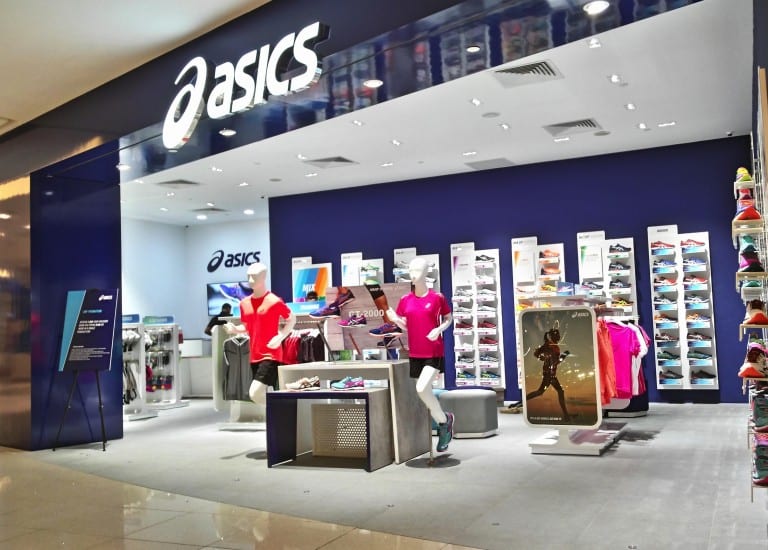
    Asics, the renowned Japanese sportswear brand, is set to open its second flagship store in Japan. The grand opening is scheduled for later this month, and the new store will be located in the bustling heart of Tokyo’s Shinjuku district. This four-storey retail expansion signifies Asics’ commitment to increasing its local presence and enhancing its customer engagement platform.

    A New Flagship Store with Innovative Offerings

    Spanning approximately 605 square meters, the Shinjuku store will serve as the company’s third global flagship location. This follows the establishment of the initial flagship stores in Harajuku, Japan and Shanghai, China. The store will feature a broad selection of Asics’ products, including its popular running, tennis, basketball, and golf collections. Customers can also look forward to exploring the SportStyle lifestyle range and a variety of collaborative products.

    One innovative feature of the new store is the introduction of Asics Create, a unique apparel customization service. This will be the first time the service is available in a directly operated store, providing customers with the opportunity to personalize select garments with embroidered designs.

    The flagship store also boasts an exclusive private lounge, accessible only by reservation. This lounge is designed to provide personalized one-on-one consultations for select members of the OneAsics loyalty program.

    Sustainable and Strategic Expansion

    In line with increasing global consciousness about sustainability, the Asics Shinjuku store incorporates various recycled materials in its construction. For instance, the flooring in the fitting rooms is partly fabricated from foam that has been salvaged from discarded shoes.

    The opening of the Shinjuku store marks another step in Asics’ strategic investment in expanding its branded retail network. It also aligns with the company’s broader goal of reorganizing its business portfolio. Just last month, Asics announced its plan to spin off its rapidly growing premium lifestyle label, Onitsuka Tiger, into a standalone subsidiary named OT Group starting in January 2027. This move aims to give the brand more operational freedom and catalyze its global expansion.

    Questions & Answers

    What is unique about Asics’ new flagship store in Shinjuku?
    The new store will introduce Asics Create, a unique apparel customization service, in a directly operated store for the first time. It will also feature a private lounge for personalized consultations with select members of the OneAsics loyalty program.

    How is Asics addressing sustainability in its new store?
    The Asics Shinjuku store incorporates various recycled materials, including fitting room flooring partly fabricated from foam salvaged from discarded shoes.

    What is the significance of the new store opening?
    The opening of the new flagship store in Shinjuku is a part of Asics’ strategic plan to expand its branded retail network and to reorganize its business portfolio.

  • Emirates SkyCargo Boosts Freight Services in East and Southeast Asia Amid Rising Demand

    Emirates SkyCargo Boosts Freight Services in East and Southeast Asia Amid Rising Demand

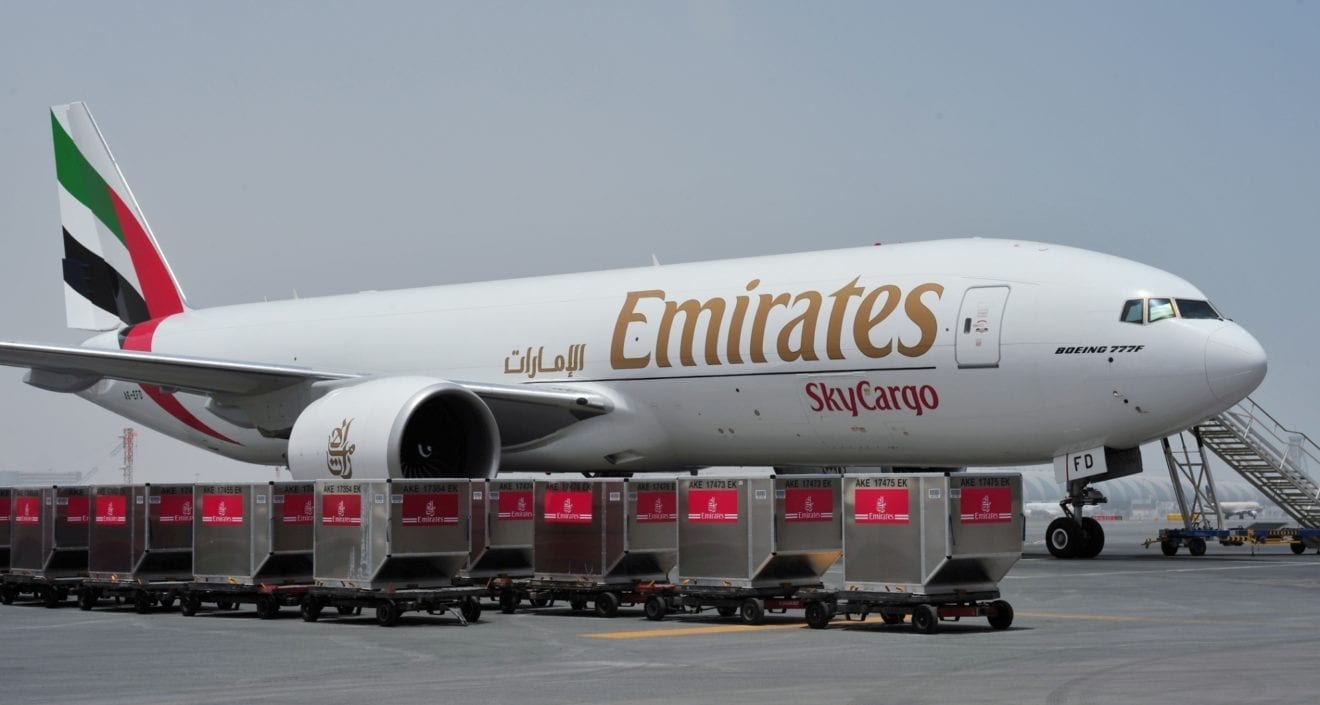
    Emirates SkyCargo, the air cargo carrier, has unveiled a strategic expansion plan for its freight services throughout East and Southeast Asia. The move is aimed at enhancing the cargo flight frequencies and destinations to meet the increasing demand. Businesses and manufacturers in East and Southeast Asia are seeking comprehensive connections to rapidly and securely transport their goods to high-demand markets in the Middle East, Africa, Europe, and the Americas.

    Facilitating International Trade

    In the FY 25/26, Emirates SkyCargo transported over 439,000 tonnes of cargo via its freighter and passenger flights from 12 markets in East and Southeast Asia. This reflects a 5% increase in cargo tonnage compared to FY24/25, illustrating the thriving demand from businesses and exporters to transport goods across the globe.

    Badr Abbas, Divisional Senior Vice President at Emirates SkyCargo, highlighted the importance of East and Southeast Asia as global manufacturing epicentres. They contribute significantly to the production of high-tech goods, export of perishables, and are a significant origin for global e-commerce flows. He added that by increasing the number of freighter flights and expanding their freighter services, they provide rapid connectivity to ensure swift and safe cargo transportation to customers worldwide.

    Expansion of Freighter Flights

    Emirates SkyCargo plans to double its freighter capacity to Narita Airport in Tokyo, increasing from one to two weekly freighter flights. This expansion will cater to Japan’s robust manufacturing industry, spanning diverse sectors like automotive, electronics, and pharmaceuticals.

    The carrier is also escalating its flights to Hong Kong to 37 weekly freighter flights, offering maximum flexibility and choice to customers in this export-led economic corridor. Moreover, Emirates SkyCargo has broadened its reach into Central China with three weekly flights from Zhengzhou, linking the industrial hub of Henan province to Dubai and other destinations.

    The carrier has also resumed its freighter flights from Singapore, with a weekly flight connecting to Dubai via Mumbai. This forms a vital trade lane across Asia. Furthermore, Emirates SkyCargo plans to double its footprint in Taiwan, enhancing its service from one weekly to twice-weekly freighters to Taipei, to meet the increasing demand for high-tech electronic cargo movement.

    Questions & Answers

    What is the main aim of Emirates SkyCargo’s expansion in East and Southeast Asia?
    The primary objective is to increase the freighter flight frequencies and destinations to meet the surging demand for rapid and secure transportation of goods to high-demand markets.

    How is Emirates SkyCargo responding to the demand in Japan’s manufacturing industry?
    The company plans to double its freighter capacity to Narita Airport in Tokyo, thereby catering to diverse sectors in Japan’s robust manufacturing industry.

    What new development has taken place regarding Emirates SkyCargo’s operation in Taiwan?
    Emirates SkyCargo intends to double its footprint in Taiwan, increasing its service from one weekly to twice-weekly freighters to Taipei, to meet the rising demand for high-tech electronic cargo movement.

  • IndiaMart Boosts Spend on AI Solutions, Battling Bogus Listings and Ushering in Enhanced Content Checks

    IndiaMart Boosts Spend on AI Solutions, Battling Bogus Listings and Ushering in Enhanced Content Checks

    IndiaMart, a leading online marketplace in India, intends to significantly boost its investment in artificial intelligence (AI) technologies. The company has announced plans to double spending on AI tools every six months with an aim of mitigating false listings and enhancing content checks, according to a top executive.

    The e-commerce platform operates as a conduit connecting buyers and sellers across a diverse array of categories, including everything from phone accessories and garden equipment to pharmaceuticals and industrial machinery. Unlike many online marketplaces, IndiaMart does not generally oversee the transactions that take place between its users.

    AI to Reinforce Integrity

    To bolster the authenticity and integrity of its platform, IndiaMart has begun utilising AI technologies to detect potential fraudulent accounts through pattern analysis across seller profiles. In addition, the company has introduced real-time voice-to-text tools to expedite processing of buyer requests, tasks previously carried out by call centre staff. This information was shared by Amarinder S Dhaliwal, Chief Product Officer of IndiaMart.

    The issue of counterfeit listings has been a long-standing challenge for the company. In fact, IndiaMart was mentioned in the 2022 ‘Notorious Markets’ list released by the US Trade Representative, which highlighted the issue of counterfeit goods on the platform as a significant concern.

    To combat this, IndiaMart is focusing on the development of AI tools. The company is both creating some of these tools internally and also partnering with external AI firms to tackle the issue.

    Investing in AI

    IndiaMart has been judicious in its approach to AI investment, and has not disclosed its specific budget for this. For context, the company’s total expenses for technology and content in fiscal 2026 amounted to approximately 2.26 billion rupees (US$23.94 million).

    According to Dhaliwal, content on IndiaMart can be classified into two categories: supplier contamination, which refers to sellers with malicious intent infiltrating the platform, and harmful listings, such as drugs or firearms. He noted that AI tools have been instrumental in improving the filtering of such harmful content.

    As of now, IndiaMart facilitates roughly 600 buyer-supplier matches every minute and attracts around 90 million visitors each month. With a current roster of about 220,000 sellers and a buyer conversion rate of nearly 45 per cent, the company is aiming for an ambitious target of hosting 1 million sellers.

    Questions & Answers

    How is IndiaMart using AI to enhance its platform?
    IndiaMart is investing in AI to detect potential fraudulent accounts and accelerate the processing of buyer requests. It’s also using AI to filter out harmful content and counterfeit listings.

    What is the scale of IndiaMart’s operations?
    IndiaMart connects about 600 buyers and sellers every minute and attracts around 90 million visitors each month. It currently hosts approximately 220,000 sellers on its platform.

    What are the company’s future plans?
    IndiaMart intends to double its AI investment every six months to further improve its platform. The company is also aiming to eventually host 1 million sellers.

  • Apple’s Key Supplier Tata Boosts Security Measures Amid Dark Web Data Leak Investigation

    Apple’s Key Supplier Tata Boosts Security Measures Amid Dark Web Data Leak Investigation

    Tata Electronics, a primary supplier for tech giant Apple in India, has increased its internal security measures following a potential leak of confidential client files on the dark web, according to a source from Tata and two industry representatives.

    In response to the incident, Tata has engaged an international consultant to perform a forensic audit. The company has also reported the incident to the Indian government and its customer base. The source from Tata chose to remain anonymous due to the sensitive nature of the situation.

    The cybercrime group known as World Leaks claimed responsibility for uploading over 200,000 files onto the dark web. These files allegedly include design documents for components used by both Apple and Tesla, another of Tata’s clients. The authenticity of the data remains unverified.

    Tata acknowledged the occurrence of a “cybersecurity incident” but assured that its operations were not affected, without providing further details.

    In addition to Apple and Tesla, the leaked data is believed to include at least 16 files and folders from Taiwan Semiconductor Manufacturing Co (TSMC) and 23 from Qualcomm. Both companies supply parts for iPhones.

    Increased Security Measures

    Following the breach, Tata Electronics strengthened security protocols across all its facilities and offices. Remote access to sensitive internal tools, such as those used for placing purchase orders, was limited to a select group of employees. Prior to the incident, these tools were more accessible. The updated protocols apply across Tata Electronics and are not limited to specific factories.

    The investigation into the breach continues, with Apple’s security team reportedly collaborating closely with Tata. The security enhancements include stricter regulations for accessing Tata’s official network from outside the company’s premises.

    Implications for Tata and its Clients

    Tata Electronics, led by former Intel and Applied Materials executive Randhir Thakur, is a critical part of Apple’s strategy to expand iPhone production outside China. However, the breach poses a significant setback to Apple’s supply chain. Tata is also facing scrutiny over alleged farmland contamination near one of its iPhone parts plants in India.

    World Leaks claimed to have published more than 204,341 files containing Tata Electronics data, amounting to over 630.4 gigabytes. The exposed documents include purported “product reliability test” details of a TSMC component and mechanical specifications for a power management integrated circuit from Qualcomm.

    Despite the challenges, India is expected to manufacture 26% of the world’s iPhones by 2026, a significant increase from the 6% it produced four years ago, as reported by research firm Counterpoint.

    Questions & Answers

    How has Tata Electronics responded to the data breach?
    Tata Electronics has increased internal security measures, limited remote access to sensitive systems, and engaged an international consultant for a forensic audit.

    What does the leaked data purportedly contain?
    The data allegedly contains design documents from Apple and Tesla, and files from Taiwan Semiconductor Manufacturing Co and Qualcomm.

    What are the potential impacts of the breach on Tata and its clients?
    The breach could interrupt Apple’s supply chain and increase scrutiny on Tata, which is already facing allegations of farmland contamination in India.

  • Danone Boosts Australian Footprint with Profitable Made Group Takeover

    Danone Boosts Australian Footprint with Profitable Made Group Takeover

    Global food corporation Danone is extending its foothold in Australia by acquiring Made Group, the parent company of Cocobella and Rokeby. This transaction is an element of a two-part acquisition designed to increase Danone’s influence in the Asia Pacific region. In addition to this, Danone has also announced the full ownership of its fresh dairy joint venture with Saputo Dairy Australia by acquiring the remaining 49% stake.

    Made Group’s consistent performance with “appealing profit margins”, backed by its sales of $490.7 million in the last fiscal year, was a driving factor behind the acquisition. Made’s portfolio includes popular brands such as The Collective, Nutrient Water, and Impressed.

    Mutual Values and Profitable Growth

    According to Antoine de Saint-Affrique, CEO of Danone SA, Made Group has had a remarkable history of fast and profitable growth, thanks to its robust brand portfolio and health-focused nutritional products. He notes that both companies share a belief in promoting health through food and expressed excitement about welcoming Made into the Danone family.

    Made Group was sold by US-based TPG Capital in a transaction that earned TPG approximately $2 billion, a mere five years after it had purchased the beverage business.

    Shared Commitment to Health and Innovation

    Amanda Butler, CEO of Made, views this as an exciting new phase for the company. She acknowledged Danone’s shared commitment to health and enthusiasm for innovation, expressing optimism about future prospects. Butler anticipates that their joint efforts will unlock new infrastructure, capabilities, and research and development expertise, spurring growth across the region.

    Questions & Answers

    What companies has Danone recently acquired in Australia?
    Danone has recently acquired Made Group, the parent company of Cocobella and Rokeby.

    What motivated Danone’s acquisition of Made Group?
    Made Group’s consistent “attractive profit margins” and sales performance, coupled with its strong brand portfolio and focus on health-focused nutritional products, influenced Danone’s decision to acquire the company.

    What are the anticipated benefits of this acquisition for Made Group?
    Following the acquisition, Made Group expects to access new infrastructure, capabilities, and research and development expertise to accelerate growth in the region.

  • Fee-Free ATM Withdrawals in Malaysia: New Initiative Boosts Accessible Banking from July

    Fee-Free ATM Withdrawals in Malaysia: New Initiative Boosts Accessible Banking from July

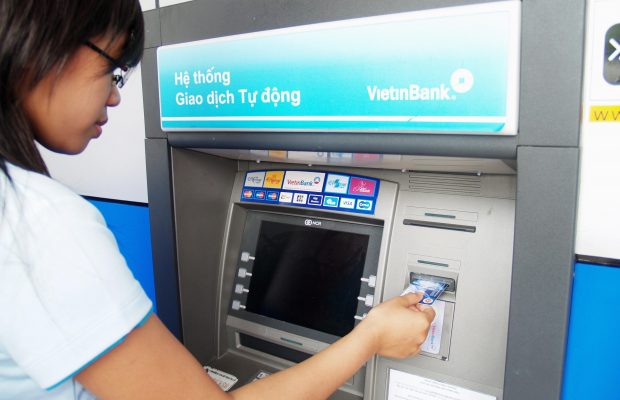
    Starting July 1st, Malaysians will have the ability to withdraw cash from any bank’s automated teller machines (ATMs) or smart recycler machines (SRMs) across the country without the usual RM1 (US$0.25) interbank fee. This new initiative will grant debit cardholders access to more than 14,000 ATMs and SRMs, regardless of the bank that issued their card. The announcement was made jointly by the Association of Banks in Malaysia, the Association of Islamic Banking and Financial Institutions Malaysia, and the Association of Development Finance Institutions of Malaysia.

    Making Financial Services Accessible

    The aforementioned associations have stated that this change, applicable to ATMs and SRMs run by Malaysian banks, was enacted in cooperation with Payments Network Malaysia (PayNet). The driving force behind this move is an ongoing effort to render financial services more attainable, all-inclusive, and affordable.

    It’s important to note that cash continues to play a crucial role as a necessary payment method for numerous Malaysians in their day-to-day lives. This elimination of the interbank fee is a reflection of the industry’s dedication to providing reliable, convenient, and cost-effective access to cash. Ultimately, it’s a measure aimed at alleviating the financial strain on consumers.

    Questions & Answers

    What is changing for debit cardholders in Malaysia?
    Starting July 1st, Malaysian debit cardholders will no longer be charged the usual interbank fee of RM1 (US$0.25) when withdrawing cash from any bank’s ATMs or SRMs nationwide.

    Who are the organizations behind this move?
    This change has been implemented jointly by the Association of Banks in Malaysia, the Association of Islamic Banking and Financial Institutions Malaysia, the Association of Development Finance Institutions of Malaysia, and Payments Network Malaysia (PayNet).

    Why has this fee waiver been introduced?
    The interbank fee waiver is a part of ongoing efforts to make financial services more accessible, inclusive, and affordable for all Malaysians, and to alleviate the financial burden on consumers.

  • Singapore Boosts Gold Market Role: Invites Foreign Central Banks for Secure Gold Storage Services

    Singapore Boosts Gold Market Role: Invites Foreign Central Banks for Secure Gold Storage Services

    Beginning in October, Singapore will permit foreign central banks and sovereign entities to store their gold reserves within its borders. This move is aimed at reinforcing Singapore’s standing as a regional hub for gold trading and storage. The city-state’s commercial vaulting capacity currently surpasses 2,000 tonnes. This capacity is utilized by a diverse array of market participants including bullion banks, institutional investors, and high-net-worth individuals, as expressed by Deputy Prime Minister Gan Kim Yong on a recent Monday forum.

    Strengthening the Gold Market

    In addition to providing secure storage, Singapore will cater to foreign central banks and sovereign entities desiring to actively manage their gold holdings. The Monetary Authority of Singapore plans to offer gold accounts to a select group of bullion banks based in Singapore. This initiative will enhance their capability to deliver gold-related services and liquidity to these entities.

    Deputy Prime Minister Yong believes that this move will enhance Singapore’s reputation as a safe and reliable jurisdiction where reserve assets can be securely held and actively managed. The city-state will also be able to connect these assets to wider market liquidity during Asian trading hours, further reinforcing its regional dominance.

    Gold Market Innovations

    Several innovative measures have also been announced to strengthen Singapore’s role in the global gold market. One significant measure includes the establishment of an over-the-counter gold clearing system by the Singapore Exchange by the end of 2026. Interbank trading is anticipated to grow from 2027 onwards.

    This revolutionary system aims to enhance trade processing, boost transparency, and support more efficient clearing and settlement. According to Yong, this will instill greater confidence in market participants to transact in Singapore. The new system will accommodate both large bars and kilobars, enabling standardized settlement during Asian trading hours.

    Large bars refer to 400-troy-ounce gold bars or approximately 12.4 kilograms, which are standard for institutional trading and settlement in London. Kilobars, on the other hand, are 1-kilogram bars that are popular in Asian markets and are accepted for delivery in Comex gold futures contracts in the U.S.

    DBS, Deutsche Bank, ICBC Standard Bank, JPMorgan, OCBC, and UOB have been reported as the six banks that will join as clearing members and contribute to the development of Singapore’s gold market.

    Questions & Answers

    What will Singapore allow from October?
    Starting from October, Singapore will allow foreign central banks and sovereign entities to store their gold reserves in the country.

    What benefits will the proposed gold clearing system bring to Singapore’s gold market?
    The proposed over-the-counter gold clearing system will streamline trade processing, enhance transparency, and support more efficient clearing and settlement, thereby bolstering market participant confidence to transact in Singapore.

    Which banks will be joining as clearing members to develop Singapore’s gold market?
    DBS, Deutsche Bank, ICBC Standard Bank, JPMorgan, OCBC, and UOB are set to join as clearing members to help develop Singapore’s gold market.

  • Mastercard Boosts Digital Banking in Asia with Merchant-Funded Offers Integration

    Mastercard Boosts Digital Banking in Asia with Merchant-Funded Offers Integration

    In response to the rapid digital transformation impacting consumer habits throughout the Asia-Pacific region, financial institutions are focusing on redefining their mobile applications to become integral components of daily transactions.

    Mastercard, a global leader in digital payments, predicts that this shift could drastically alter the function of banking applications in the region. The company recently divulged its intentions to broaden its Mastercard Offers Network throughout the Asia-Pacific, which will empower banks to deliver merchant-funded offers directly on their digital banking platforms.

    This strategic move corresponds with the Asia-Pacific’s solidification as the globe’s primary digital payments market. As reported by Mastercard, transaction volumes in this area hit nearly $16 trillion in 2025. Concurrently, consumers are becoming familiar with the convenience provided by all-in-one ‘super apps’ such as Grab and GoTo, which amalgamate payments, transportation, food delivery, and rewards into a unified ecosystem.

    Spanning the Divide Between Banks and Merchants

    The potential of this strategy extends beyond the banking sector. Merchants are grappling with escalating pressure to justify their marketing expenditure, despite numerous digital advertising channels struggling to verify if impressions and clicks result in actual sales.

    Mastercard contends that both banks and merchants possess assets sought after by the other party. Banks have access to large audiences of reliable, authenticated users, whereas merchants contribute enticing offers and marketing budgets. According to Mastercard, the missing element is an infrastructure layer with the capability to connect both parties on a large scale.

    The Mastercard Offers Network intends to supply this infrastructure. Via this platform, merchant-funded offers can be featured directly within banking apps and connected to real card transactions, permitting merchants to assess campaign effectiveness based on confirmed purchases instead of substitute metrics.

    Taking Advantage of Cross-Border Commerce

    The platform’s primary appeal is its focus on both domestic and cross-border commerce, which is notably relevant in the Asia-Pacific region, where regional travel has seen a substantial resurgence in recent years.

    Mastercard approximates that about 70 percent of travel expenditure in the region currently stems from travellers within the Asia-Pacific, with more than 331 million international visitors reported in 2025. By incorporating cross-border offers into their apps, banks can maintain relevance to customers whether they’re shopping domestically or abroad.

    Merchants benefit from this model by gaining access to consumers at the point of purchase, while banks obtain an additional tool for engagement that surpasses traditional banking services.

    The expansion of the Mastercard Offers Network comes as digital banking adoption continues to gain momentum throughout mature and emerging markets in Asia. Consumer expectations are also evolving, with users increasingly anticipating personalized experiences and rewards integrated into their digital journeys.

    Mastercard’s approach mirrors a wider industry trend: transforming banking apps from transactional tools into commerce ecosystems. Instead of solely competing on payments and account services, banks are progressively aiming to become platforms where consumers discover offers, make purchases, and interact with merchants.

    The Mastercard Offers Network is already up and running in markets such as the United States, Canada, Australia, Poland, and Hong Kong. As the platform extends throughout the Asia-Pacific, it could provide banks with a novel method for bolstering customer loyalty, while offering merchants a more quantifiable and targeted marketing channel.

    Whether banking apps will ultimately be able to compete with the region’s prevalent super apps is yet to be determined. However, it is evident that the competition for consumer engagement is progressing far beyond traditional financial services.

    Questions & Answers

    What is the purpose of the Mastercard Offers Network?
    The network aims to provide an infrastructure that allows merchant-funded offers to be displayed directly within banking apps, linking them to actual card transactions.

    How does the integration of cross-border offers into banking apps benefit financial institutions and their customers?
    Financial institutions can remain relevant to customers whether they’re shopping domestically or abroad, while consumers gain more personalized experiences and rewards.

    What trend is Mastercard’s strategy reflecting in the broader industry?
    Mastercard’s strategy reflects the transformation of banking apps from transaction tools into commerce ecosystems. Banks are increasingly seeking to become platforms where consumers discover offers, make purchases, and interact with merchants.

  • Chagees Expansion Spree Boosts Revenue but Dents Profits: Inside the Chinese Tea Giants Strategy

    Chagees Expansion Spree Boosts Revenue but Dents Profits: Inside the Chinese Tea Giants Strategy

    Chagee, the acclaimed Chinese tea chain, has experienced yet another boost in revenues, despite the ongoing expansion of its stores seeming to take a toll on its profit margins.

    Currently, Chagee owns a staggering 7531 teahouses, located primarily in Greater China, but also expanding internationally. Ending its first fiscal quarter of the year on a high note, Chagee reported revenues of RMB3.54 billion (US$514.1 million), indicating a rise from RMB3.39 billion during the same quarter in the previous year. Nonetheless, despite the hike in revenues, the company faced a 33.9 per cent dip in profits during the same period.

    Teahouse Business Dynamics

    Franchise-owned teahouses form the core of Chagee’s business model, contributing to a significant 77.4 per cent of the total revenue, while the remaining revenue comes from teahouses directly owned by the company.

    Although the Greater China region constitutes a whopping 95 per cent of Chagee’s business operations, by the end of the quarter, Chagee had marked its presence in seven additional countries. The most recent expansions saw Chagee breaking into markets in the United States, Vietnam, and the Philippines.

    Chagee’s Vision for the Future

    Founder and CEO of Chagee, Zhang Junjie, shared his view for the company’s future with investors. He expressed his commitment to focus on operational details, emphasizing that these granular aspects hold significant value to their consumers. He noted that the company’s ability to weather various business cycles is directly tied to genuine consumer recognition, and this forms the cornerstone of their objective for the current year – to perfect every single consumer touchpoint.

    Zhang Junjie expressed his confidence that Chagee is entering a phase of mature, steady, and sustainable growth. He ended his remarks by stating his assurance in every step the company is undertaking towards the future.

    Questions & Answers

    What is the revenue of Chagee for the first fiscal quarter of the year?
    Chagee reported revenues of RMB3.54 billion (US$514.1 million) for the first fiscal quarter of the year.

    What percentage of Chagee’s total revenue comes from franchised teahouses?
    Franchise-owned teahouses contribute to 77.4 per cent of Chagee’s total revenue.

    What is the major goal of Chagee for the current year?
    Chagee’s major goal for the current year is to perfect every single consumer touchpoint, according to founder and CEO Zhang Junjie.

  • Air China Cargo Boosts A350F Freighter Fleet to 10 with New Purchase Agreement

    Air China Cargo Boosts A350F Freighter Fleet to 10 with New Purchase Agreement

    Air China Cargo Co., Ltd. has cemented a deal with Airbus to procure an additional four A350F freighters. This agreement expands the company’s total order for this aircraft model to 10 units, supplementing the six A350F freighters previously ordered in November 2025.

    A Strategic Move

    The recent acquisition emphasizes the company’s strategy to optimize its fleet composition and enhance transportation capacity. Wang Hongyan, Air China Cargo’s Vice President, shared that the decision will enable them to align more effectively with international air cargo market demands, providing a robust groundwork for the company’s long-term consistent growth.

    Airbus’ EVP Sales of the Commercial Aircraft business, Benoît de Saint-Exupéry, lauded Air China Cargo’s move to augment its A350F freighter order. According to him, this decision signifies the company’s unwavering confidence in Airbus products and solidifies the A350F’s leading stature as the next-generation freighter.

    Air China Cargo initiated the integration of Airbus freighters into its fleet at the close of 2023. It currently manages a fleet of eight Airbus A330-200P2F aircraft. The forthcoming inclusion of the A350F freighter will supplement the A330-200P2F freighters, maximizing their benefits on long-haul and medium-to-long-haul routes.

    The Sophistication of the A350F

    The A350F, designed to be the most advanced cargo aircraft globally, caters to the evolving needs of the international air freight market. Its range capability extends up to 8,700 kilometers with a payload capacity of up to 111 tonnes, allowing operators to utilize it on international long-haul routes. Over 70% of the A350F comprises advanced materials, making it 46 tons lighter than competitive aircraft.

    The A350F features the latest Rolls-Royce Trent XWB-97 engines, promising up to a 20% reduction in fuel consumption and carbon emissions compared to previous generation aircraft with similar payload-range capabilities. As the only freighter that fully adheres to ICAO’s 2027 CO₂ emission standards, the A350F is capable of operating with up to 50% Sustainable Aviation Fuel (SAF) upon entry-to-service, aiming for 100% capability by 2030.

    As of the end of April 2026, the A350F garnered 101 orders from 14 customers.

    Questions & Answers

    How many total A350F freighters has Air China Cargo ordered?
    Air China Cargo has ordered a total of 10 A350F freighters from Airbus.

    What is the range and payload capacity of the A350F?
    The A350F has a range capacity of up to 8,700 kilometers and can carry a payload of up to 111 tonnes.

    What is the unique feature of the A350F in regard to emission standards?
    The A350F is the only freighter that fully meets the ICAO’s 2027 CO₂ emission standards. It can operate with up to 50% sustainable aviation fuel upon entry-to-service, with an aim to achieve 100% capability by 2030.

  • VIPshop Cash-In: Lunar New Year Boosts Quarterly Profits Amid Strong Apparel Sales

    VIPshop Cash-In: Lunar New Year Boosts Quarterly Profits Amid Strong Apparel Sales

    Chinese retail giant, VIPshop, has recently announced an increase in their first-quarter profits, a result of robust clothing sales and enhanced margins during the Lunar New Year shopping period.

    The firm revealed a total net revenue of RMB26.6 billion (US$3.9 billion) for the quarter which concluded on March 31, marking an increase of 1.2 per cent compared to the previous year.

    In addition to this, the number of active customers saw a moderate rise to 41.7 million, and total orders experienced a growth of 3.2 per cent, equating to 172.6 million.

    Key Factors Behind The Growth

    Eric Shen, the Chairman and CEO, attributed the company’s successful quarter to robust clothing sales and escalated expenditure by high-value customers throughout the Lunar New Year shopping period. He stated that their SVIP client base saw commendable growth in both numbers and contribution, showcasing their continued attractiveness to high-value consumers.

    Shen stated, “In conjunction with these outcomes, we have made consistent progress in our product range, customer engagement, and AI integration. All these factors are aiding us in further capitalizing on our off-price retail model for expansion. We remain committed to the brand-discount space and are confident in our capacity to ensure sustainable, profitable growth in the long term.”

    Mark Wang, the CFO, further elaborated that consumer expenditure was primarily concentrated within the first two months of the quarter. This was due to the earlier occurrence of the Lunar New Year holiday. This, combined with a more robust product mix and disciplined cost management, led to an improvement in profitability.

    Projected Future Revenue

    Looking forward, VIPshop anticipates their second-quarter revenue to fall between RMB24.5 billion (US$3.6 billion) and RMB25.8 billion (US$3.79 billion). This represents a prospective year-over-year decrease of approximately 5 per cent to 0 per cent.

    Questions & Answers

    What was the key factor contributing to VIPShop’s increased first-quarter profits?
    High apparel sales and improved margins during the Lunar New Year shopping season were significant contributors to the increased profits.

    How has the SVIP customer base been significant to VIPShop’s success?
    The SVIP customer base has demonstrated solid growth in both numbers and contributions, indicating the brand’s sustained appeal to high-value consumers.

    What are VIPShop’s expectations for the second-quarter revenues?
    VIPShop anticipates their second-quarter revenue to be between RMB24.5 billion (US$3.6 billion) and RMB25.8 billion (US$3.79 billion), indicating a potential year-over-year decrease of approximately 5 per cent to 0 per cent.