Retail News CRM

Tag: Electronics

  • LG promises $4B investment in Vietnam

    LG promises $4B investment in Vietnam

    South Korean electronics giant LG will invest US$4 billion in Vietnam as it seeks to make the country a future smartphone manufacturing hub.

    Its chief operating officer Kwon Bong-seok made this commitment at a meeting with visiting Vietnamese President Nguyen Xuan Phuc Monday.

    LG has invested $5.3 billion in Vietnam since 1995 in sectors such as electronics, household equipment and auto parts, and employs 27,000 workers, Kwon added.

    Phuc said he valued LG’s investment in Vietnam, recalling he had attended the groundbreaking ceremony at its $2-billion factory in Hai Phong Province in 2016.

    He invited further investment, especially in auto and smartphone parts, adding further training is also needed in information technology.

  • Samsung might be expanding its self-service repair program to include more devices

    Samsung might be expanding its self-service repair program to include more devices

    The topic of self-repair is, thankfully, an increasingly developing one. Tech manufacturers are starting to open up more and more to it thanks to the push enthusiasts, governments, and eco-activists are constantly engaging in.

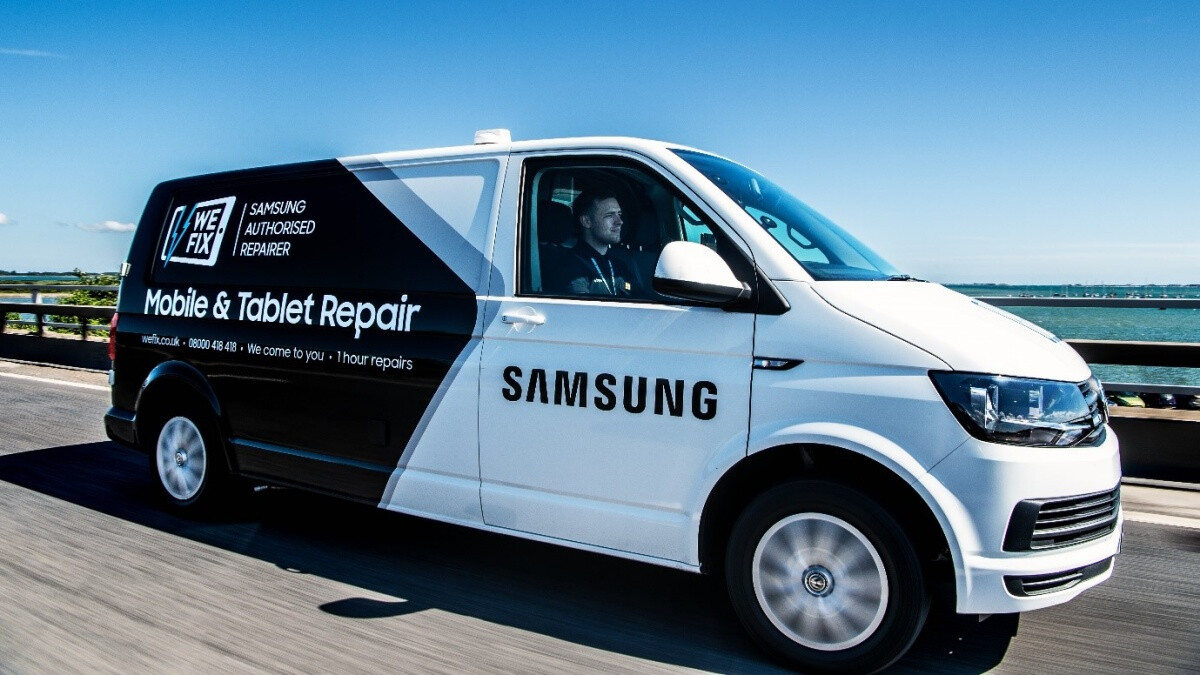
    As one of the most successful and large contributors to the mobile tech scene, Samsung has its self-service repair program, which it announced back in March this year. Given its relatively recent start, however, the program does not include that many devices yet, and the tech giant has plenty of space to expand this initiative.

    Currently, the supported products are the Galaxy S20, Galaxy S21, and Galaxy Tab S7+. Yes, only these three are among the massively colorful gamut of gadgets Samsung has in its arsenal. However, a recently patented trademark filing revealed a potential expansion of this list to include other types of Samsung tech such as earbuds and wearables.

    Samsung has a patent application with the United States Patent and Trademark Office (USPTO) dubbed “Self Repair Assistant,” which is the name of an upcoming computer app that would assist users of Samsung devices to self-repair their devices, maintain them, and help with self-installation. The patent says that the app will offer guidance, information, and easy access to replacement parts for the supported devices.

    Currently, Samsung has a partnership with iFixit, which takes care of all of these services. However, this patent implies that this partnership might soon end if Samsung goes along with the launch of the Self-Repair Assistant.

    Suffice to say, this is some great news for passionate DYI enthusiasts who like to take care of and repair their own devices. That being said, nothing is certain until Samsung makes an official announcement or statement about this app and service, so don’t get your hopes up just yet. Given that this is becoming a hotter topic by the minute, though, there are good grounds for speculation that we will see a launch in the future.

  • US tech giant Hewlett Packard plans up to 6,000 job cuts

    US tech giant Hewlett Packard plans up to 6,000 job cuts

    PC-maker Hewlett Packard on Tuesday said it would layoff as many as 6,000 employees over the next three years as the slumping world economy continues to embroil the US tech sector.

    HP, which has a payroll of about 61,000 people, said it aimed to secure $1.4 billion in annual savings through 2025 as it followed the cost-cutting path of other tech giants such as Facebook-owner Meta, Amazon and Twitter.

    The plan “will enable us to serve our customers better and drive long-term value creation by reducing our costs and reinvesting in key growth initiatives to position our business for the future,” HP CEO Enrique Lores said in a statement.

    Meta said earlier this month it will lay off more than 11,000 of its staff and Twitter saw half of its 7,500-strong employees culled just days after billionaire Elon Musk took over the company in late October.

    “These are the toughest decisions we have to make, because they impact colleagues we care deeply about. We are committed to treating people with care and respect…” an HP spokesperson said in an email to AFP.

    HP, which makes computer hardware and printers, announced the layoff plan as it announced an 11.2 percent fall in revenues to $14.8 billion for the final fiscal quarter of 2022.

  • Qualcomm unveils Snapdragon AR2 Gen 1 Platform for headsets and smart glasses

    Qualcomm unveils Snapdragon AR2 Gen 1 Platform for headsets and smart glasses

    Yesterday Qualcomm kicked off the 2022 Snapdragon Summit by introducing the next generation of its top-of-the-line Application Processor (AP), the Snapdragon 8 Gen 2. This chip will be inside devices available to consumers by the end of this year. Today, the San Diego-based chip designer unveiled the Snapdragon AR2 Gen 1 Platform designed to deliver augmented reality (AR) for smart glasses and other head-worn gear.

    The new chip is part of Qualcomm’s Extended Reality (XR) offerings. Qualcomm says that the Snapdragon AR2 Gen 1 “delivers groundbreaking AR technology to unlock a new generation of sleek, highly capable glasses. The Company built Snapdragon AR2 from the ground up to revolutionize the head-worn glass form factor and usher in a new era of spatial computing experiences for the real-world/metaverse mix.

    Augmented reality is a technology that places computer-generated images (CGI) on top of the user’s real-world view of the world. A good example is the Live View AR feature available for Google Maps for those walking to a destination. The phone’s rear camera provides the user with a real-time image of what is in front of him while CGI images of arrows will appear over the real-time image to help guide and navigate the user to his destination.
    The main processor on the Snapdragon AR2 Gen 1 takes up less space on the printed circuit board while still improving AR performance by 2.5 times. The chip also uses 50% less power. As Qualcomm puts it, “This enables rich AR experiences on glasses that can be comfortably worn for extended periods of time and meet the demands of both consumers and enterprise use cases.”
    With the platform, latency-sensitive data such as video streaming, surgery, multi-player video games, and computerized stock trading, will be sent directly to the headset. Other, more complex data requirements will be off-loaded to a Snapdragon-powered smartphone, PC, or another kind of compatible host device.
    The AR processor is designed for headsets with multiple cameras and will, in fact, support up to nine concurrent cameras. The platform comprises a multi-chip architecture, which is important when dealing with the limited space available with smart glasses. There is an AR processor, an AR co-processor, and a connectivity platform.
    Hugo Swart, vice president of XR product management, Qualcomm Technologies, Inc. says, “We built Snapdragon AR2 to address the unique challenges of head-worn AR and provide industry-leading processing, AI, and connectivity that can fit inside a stylish form factor. With the technical and physical requirements for VR/MR and AR diverging, Snapdragon AR2 represents another metaverse-defining platform in our XR portfolio to help our OEM partners revolutionize AR glasses.”
    The AR co-processor will handle important tasks such as eye-tracking and can also use iris authentication not only to verify identity but also to render certain images only when the user is looking at a certain part of the display. This could save on power consumption.

    The system also uses the FastConnect 7800 connectivity platform allowing it to utilize Wi-Fi 7. This will allow latency between AR glasses and the host device (including a smartphone, if that is the case) to be less than 2 milliseconds (ms).

    The Snapdragon AR2 Gen 1 will be built on a 4nm process node (Qualcomm will not reveal which foundry is producing the chip) and Qualcomm is in “various stages of development” with manufacturers interested in the platform “including Lenovo, LG, Nreal, OPPO, Pico, QONOQ, Rokid, Sharp, TCL,Vuzix and Xiaomi.
    Rubén Caballero, Corporate Vice President of Mixed Reality, Devices & Technology at Microsoft stated that “Microsoft worked closely with Qualcomm on the platform requirements for Snapdragon AR2 to help define the purpose-built, foundational technologies to unlock new possibilities in AR experiences. Snapdragon AR2 platform innovations will revolutionize head-worn AR devices that will transform immersive productivity and collaboration and we look forward to seeing the innovation that Qualcomm and its partners will bring to market.”
  • Tencent to hand $20 billion Meituan stake to shareholders as sales slip

    Tencent to hand $20 billion Meituan stake to shareholders as sales slip

    The internet giant said Wednesday that Tencent Holdings Ltd. will distribute 90% of its holdings in meal delivery giant Meituan to shareholders as a special dividend.

    Tencent will hand out 958 million of Meituan’s B shares to shareholders at a rate of one Meituan share for every 10 Tencent shares. Based on Meituan’s Wednesday closing price of HK$162.3 a share ($20.74), the payout will worth roughly $20 billion.

    As of June 30, Tencent owned more than 1 billion of Meituan’s B shares, or 19.75%, making it the biggest shareholder. The distribution will leave Tencent with less than 2% of Meituan. Tencent said it expects to complete the distribution in March.

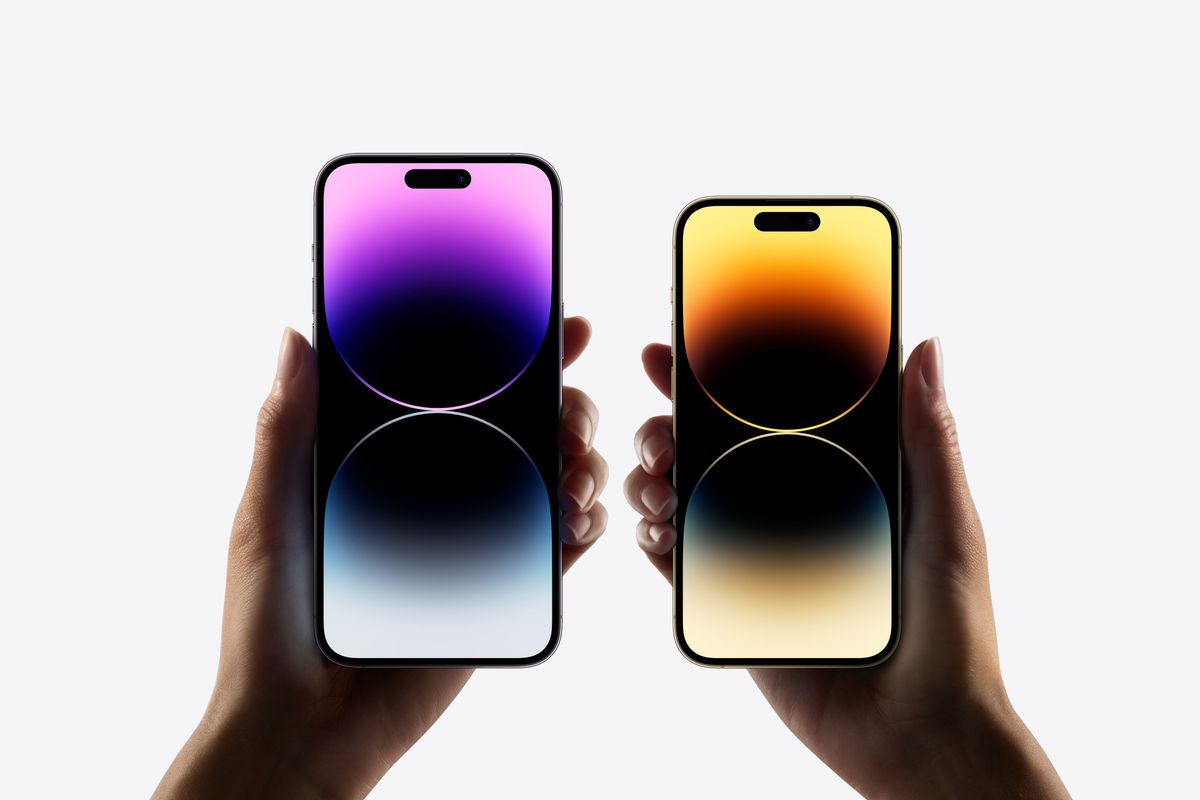
  • Apple admits to SIM bug on iPhone 14 line

    Apple admits to SIM bug on iPhone 14 line

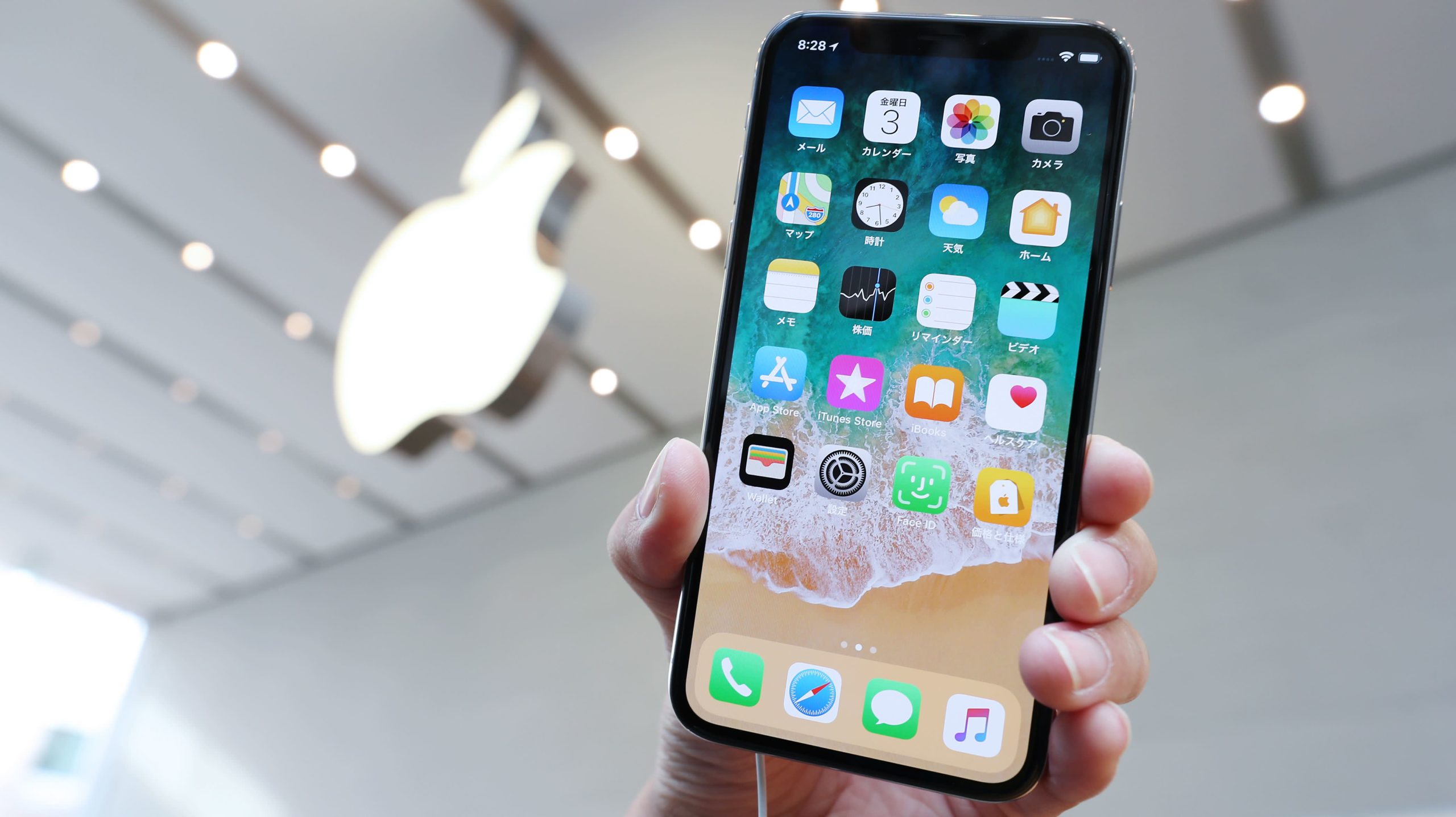
    Apple is admitting in an internal memo that there is a problem with the iPhone 14 series that results in a pop-up message that says, “SIM Not Supported” which is often followed by the freezing of the device. While Apple said that it is investigating the issue, it did rule out the possibility that it is a hardware problem. The company is asking its customers to make sure that they keep their software up to date.
    You can always check to see if there is a system update for your iPhone by going to Settings > General > Software Update. Meanwhile, Apple is also recommending that those who see the “SIM Not Supported” pop-up message wait a few minutes to see if the message disappears. Now here is the important thing to remember. If you do get the message about the SIM card and it doesn’t go away, do not try to restore the device.
    If you’re in this situation and the message persists, you need to head over to the nearest Apple Store or authorized service provider and arrange to have the issue fixed. Apple has already had to deal with several bugs since the release of the iPhone 14 series including one issue that made the iPhone 14 Pro models shake and grind when users recorded video on them over third-party apps like Instagram, TikTok, and Snapchat.
    Late last month Apple released iOS 16.0.2 to exterminate that bug and several others. A week ago, iOS 16.0.3 was disseminated by Apple and among the issues it fixed was one that allowed a bad actor to send an email using two double quotation marks in the “from” field instead of the first part of a valid email address. The recipient, upon opening this email in the Apple Mail app, would see the app crash and the user would also get locked out of his Apple Mail account.
    Apple is currently working on iOS 16.1 and has a beta program underway with the stable version of the build expected to be released at the end of this month. Will it contain a patch to fix the issue of the SIM pop-up screen? After all, Apple has admitted that this is a real thing and not everyone is going to feel like heading to the Apple Store or an authorized repair center to get the issue fixed.
    Additionally, with Apple reminding users to stay up to date with the software on their phones it sure sounds like the company might be working to exterminate this bug via a software update. Stay tuned.
    We should remind everyone that Apple put the kibosh on physical SIM cards with the iPhone 14 series. Instead, the 2022 iPhone models feature eSIM (embedded SIM) which is a chip that gets soldered to the phone’s motherboard. With an eSIM, switching networks is easier requiring just a phone call or a visit to a website. Up to five virtual eSIM cards can be stored on a single eSIM at a time. If your usual network is down for some reason, you can quickly switch to another one.
    You can also have the same advantage that dual-SIM phones offer; the ability to have two numbers on a single handset. One number can be for work and another for play. You’ll be able to receive phone calls and texts on both numbers all of the time while you’ll choose which number to use to make calls, send texts, or use data.

    Using an eSIM also gives the phone manufacturer more internal room to work with because the SIM card tray is no longer needed.

  • iPhone 14 sales fetch millions of dollars

    iPhone 14 sales fetch millions of dollars

    Vietnamese spent millions of dollars buying iPhone 14 smartphones when it was launched on Oct. 14.

    The manager of an electronic retail store estimated more than 55,000 phones, mostly the most expensive version, Pro Max, were sold. “The total revenues were over VND1.5 trillion (US$63.8 million).”

    Many distributors reported record sales. FPT Shop sold 5,000 iPhone 14s right in the early morning on Oct. 14, and a total of over 14,000 worth VND400 billion ($17 million) during the day. It has yet to deliver to over 5,000 buyers.

    The Gioi Di Dong said it has delivered some 12,000 phones, mainly iPhone 14 Pro Max 128 GB and 256 GB to pre-ordered customers. Many other distributors and e-commerce platforms also reported sales of hundreds of billions of dong. Of the four versions of the phone, Pro Max accounted for some 80% of sales.

    Business insiders said the current shortage of Pro and 14 Pro Max versions would continue at least until the end of October. The Gioi Di Dong has to deliver over 20,000 phones yet, and others also have thousands of unfulfilled pre-orders. People looking to buy the Pro Max have to place pre-orders and wait until November for delivery.

    But the two least expensive variants, iPhone 14 and iPhone 14 Plus, are available at most stores.

    Retailers required iPhone 14 buyers to unseal and activate the phone right at the shop to prevent them from reselling at higher prices. However, many iPhone 14 Pros were indeed resold at VND1-2 million higher than the official price, and Pro Maxs at a VND4 million premium.

    According to statistics released by the Ministry of Industry and Trade, Vietnam spent over US$1.2 billion importing iPhones last year.

    Overall, imports of phones and comp

  • Apple eases mask-wearing policy for corporate employees

    Apple eases mask-wearing policy for corporate employees

    Just when we thought we got rid of the whole COVID-19 craze, things started to get gloomy again. In the US new cases now clock at around 100,000 per day which is very far from ideal but strangely enough, Apple has decided to ease its mask-wearing policies for corporate employees.

    The company’s COVID-19 response team has sent an official email, stating that Apple will no longer require masks at most locations. “We are writing to share an update to our current protocols,” the email reads. “In light of current circumstances, wearing a face mask will no longer be required in most locations.”

    However, even though masks won’t be mandatory, employees will have the opportunity to keep on wearing them if they feel like doing so. “We recognize that everyone’s personal circumstances are different. Don’t hesitate to continue wearing a face mask if you feel more comfortable doing so. Also, please respect every individual’s decision to wear a mask or not,” the email continues.

    The new BA.5 COVID-19 variant is currently raging around the world, and in the US in particular, actually making San Francisco’s BART metro system bring back the mandatory mask regime. This variant is not only highly contagious, but it can evade immunity from vaccination shots and previous COVID infection.

    Apple has been quite polarizing in its COVID policies in the past couple of months, the company even threatened to fire employees if they don’t come back to work in the physical offices, then later softened up the requirement to at least three days per week, just to completely drop it a couple of weeks later.

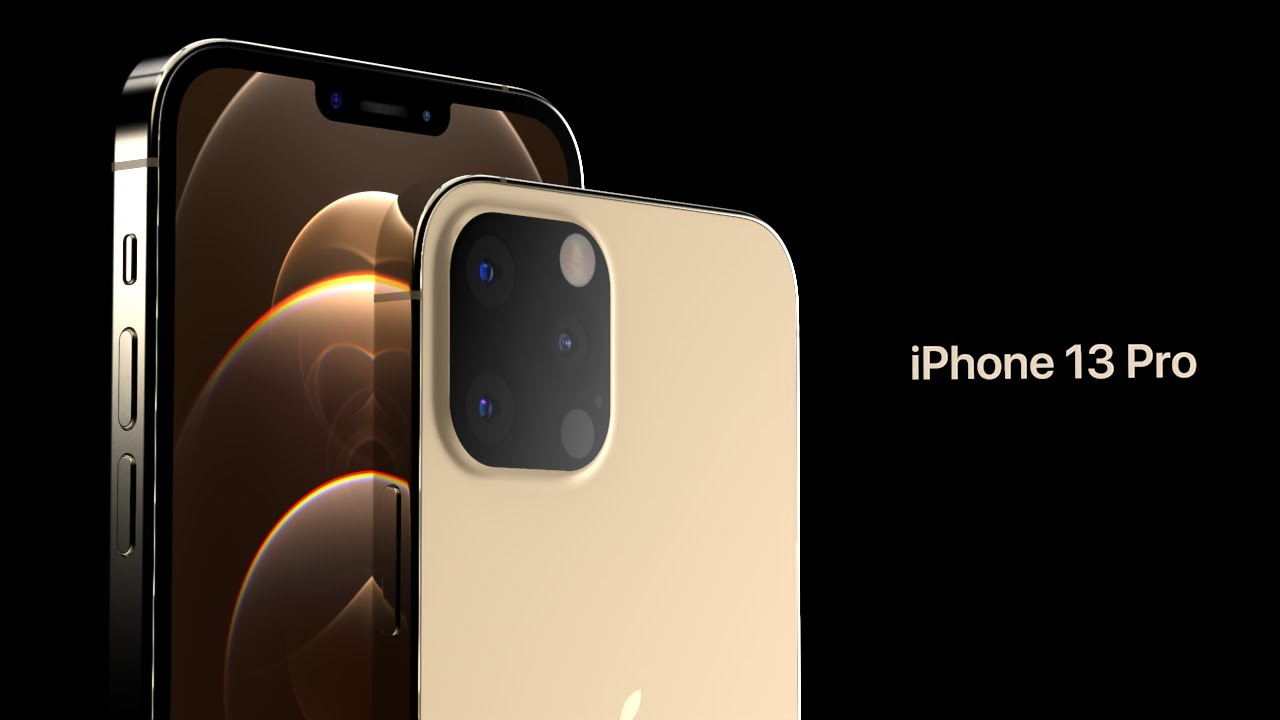
  • iPhone 13 Pro Max is Apple’s most popular phone in Vietnam

    iPhone 13 Pro Max is Apple’s most popular phone in Vietnam

    The high-end iPhone 13 Pro Max was Apple’s top-selling smartphone in Vietnam in the first half of the year, according to data from retailers.

    At FPT Shop, the 128-GB version has been topping sales for months, beating out the iPhone 11 and cheaper Android devices like the Samsung Galaxy A12 and A22.

    CellphoneS and Minh Tuan Mobile reported similar results.

    At The Gioi Di Dong, no Apple device made it to the top 10 list in terms of number of units sold, but iPhone 13 Pro Max (128 GB and 256 GB version) topped in revenues due to their high price tags.

    “Despite having the highest price, the 13 Pro Max beat other Apple smartphones in sales,” Nguyen Lac Huy, media representative of Cellphone S, said. “It was followed by the iPhone 11 after its price drop in late June.”

    The iPhone 13 Pro Max was launched last September, and pre-orders for it accounted for 70 percent of all Apple sales then. It also dominated the high-end smartphone segment (prices of VND20 million ($857) and higher).

    Its closest competitor was the iPhone 11, which had a price tag of VND10.5 million.

    Retailers expect sales of the 13 Pro Max to keep rising thanks to the price adjustment at the end of June, which brought it down to VND27 million.

    “Buying the most high-end model is common among Vietnamese,” Nguyen Huu Phuc, head of sales at Minh Tuan Mobile, said.

    “Meanwhile, retailers also offered various promotions on the device, and so the iPhone 13 Pro Max always accounted for a large proportion of sales.”

    Huy of CellphoneS said the iPhone 13 Pro Max “will definitely retain its best-selling position” until new products are launched.

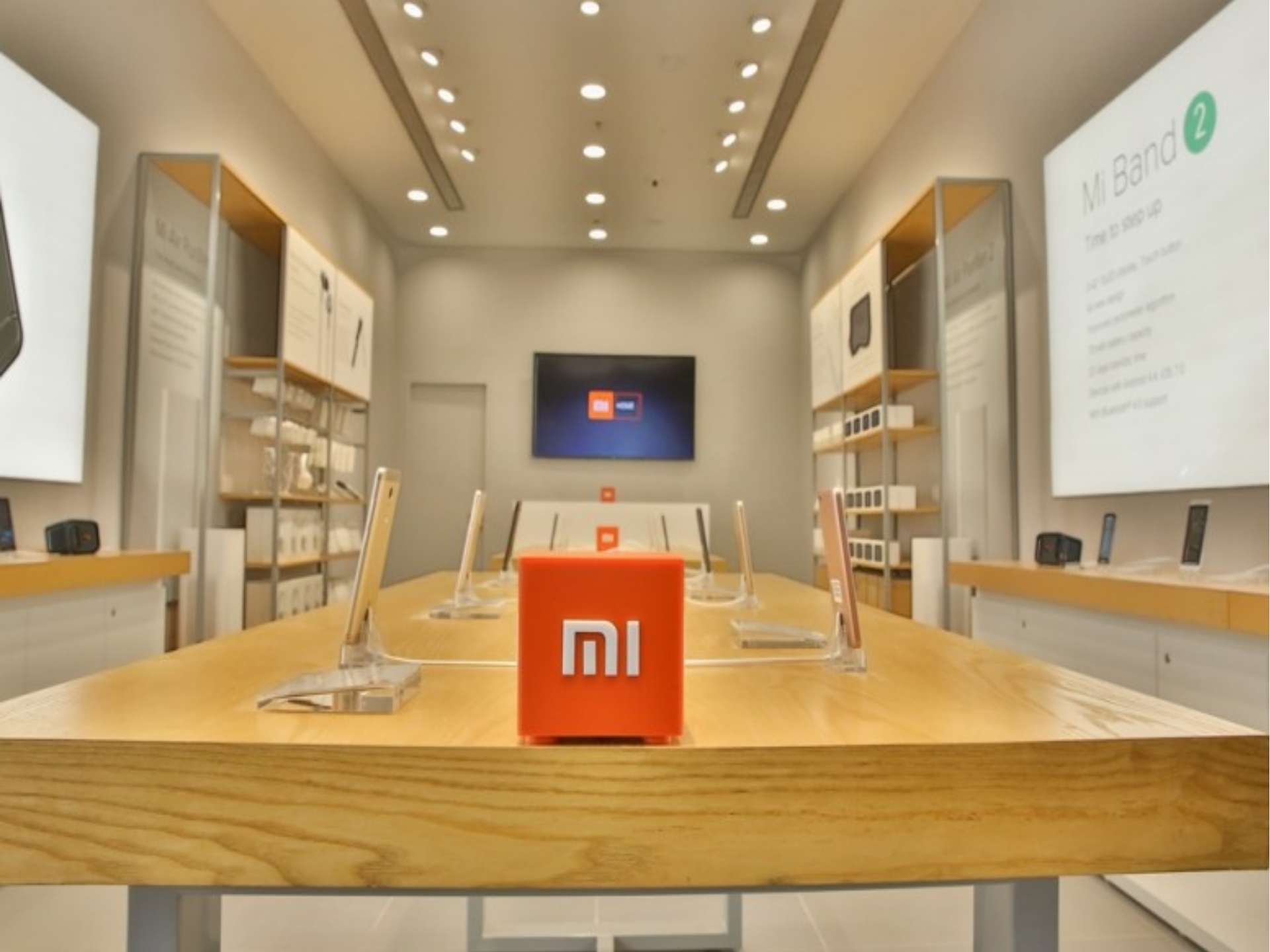
  • Xiaomi production in Vietnam triggers debate in China

    Xiaomi production in Vietnam triggers debate in China

    Chinese media reports that Xiaomi has started producing smartphones in Vietnam have set off debates including expressions of disappointment and excitement in China.

    Xiaomi’s devices are made in Vietnam by DBG Technology, a subsidiary of Hong Kong’s DBG Electronics Investment Limited, at an $80-million factory in the northern province of Thai Nguyen, Chinese media company Sina reported Tuesday.

    Soon after, “Xiaomi makes smartphones in Vietnam” became a top search phrase in China with around one million searches, and the topic has also triggered much debate in the country.

    “We have lost the assembly lines of Apple, Samsung and now Xiaomi. Even a domestic brand is now looking forward to moving abroad. Such a shame,” commented Wu Gusu.

    “When a factory is built, it employs locals, improves infrastructure and raises living standards. Vietnam and India are taking our opportunities and it is a matter of time before they can master the latest technologies,” Xu Shilin wrote.

    Vietnam is one of the largest beneficiaries of factories leaving China as it facilitates manufacturers access to the 10-member Association of Southeast Asian Nations (ASEAN) trade bloc and preferential trade pacts with countries throughout Asia and the EU as well as the U.S., Nikkei Asia reported last week.

    But it also warned that the country’s rapid growth had reached a bottleneck with diminishing land and labor cost advantages.

    So far, Vietnamese factories are still mainly engaged in low-end assembly and more than half of orders to the country come from China, it added.

    Without disclosing specifics, Xiaomi said its Vietnam factory only produces certain models, but analysts have named some budget smartphones including the Redmi 10A and Redmi Note 11.

    In the future, the Thai Nguyen plant may also manufacture Xiaomi’s headphones and smartwatches, they added.

    Meanwhile, some Chinese citizens have also remarked that expanding to Vietnam is a good sign.

    “It is absurd that many are criticizing Xiaomi. […] Our brand is growing to the global scale, and building a factory in Vietnam is Xiaomi’s stepping stone to compete with Apple and Samsung,” commented Xishan Xuncha.

    “Xiaomi has flooded [Vietnam’s] market with its products for the past two years. I saw many Vietnamese using its devices, so I support the company’s move to open a new factory there”, said Wang San, adding that the Chinese brand can take advantage of Vietnam’s cheap labor.

    On Monday afternoon, a Xiaomi representative confirmed the move with news site Red Star Capital Bureau, saying that it aims to “produce devices for Vietnam and some Southeast Asian countries.

    “Not all of our factories have moved there,” the representative said.

    The Covid pandemic has affected Xiaomi’s logistics and supply to the region, so expanding production to Vietnam will reduce costs and improve supply proficiency, the rep added.

    Xiaomi is the second largest smartphone producer in Vietnam, according to a first quarter report by analyst Canalys. Counterpoint Research said it accounted for 20.6 percent of smartphone sales in Vietnam in the first three months.

  • Apple is no longer the world’s most valuable public company

    Apple is no longer the world’s most valuable public company

    Sorry Apple fans, your favorite company is no longer the most valuable publicly traded outfit in the world. That honor now belongs to oil firm Saudi Aramco. The latter is now worth just south of $2.43 trillion yesterday after converting its market capitalization to dollars. Apple, on the other hand, took a huge hit in the stock market on Wednesday with the shares declining 5%.
    Over the last five trading days, Apple’s shares have declined by $13.51 or 8.66%. Just after the regular trading session closed on Thursday, Apple’s market cap was down to $2.31 trillion. Since it set a 52-week high at $182.94 on January 4th, Apple has seen its value evaporate by 23%. On the other hand, Aramco’s shares are up 27% since the start of the year. In March, the company reported that its full-year earnings doubled thanks to booming oil prices.
    Over the last few years, Apple has become the first publicly traded U.S. firm to reach various valuation benchmarks at $1 trillion, $2 trillion, and $3 trillion. When we write about Apple’s valuation we are talking about its market capitalization which is computed by multiplying the current price of Apple’s stock ($142.56) by the number of shares outstanding.
    The only other U.S. companies giving Apple a run for the money include Microsoft ($1.91 trillion market cap), and Google parent Alphabet ($1.49 trillion market cap). Apple first went public on December 12th, 1980 at $22 per share. Since then, the company has split its shares several times with the latest taking place in August 2020 (4-1). Taking the stock splits into consideration, Apple’s IPO price was 10 cents per share.
    That means if you were lucky enough to buy 100 shares of Apple at the IPO price of $22, you would now own 22,400 shares of the company valued at $3.2 million.
  • TSMC founder Chang says that the U.S. has the world’s best chip designers

    TSMC founder Chang says that the U.S. has the world’s best chip designers

    The two most advanced chip foundries in the world at the moment are Taiwan’s TSMC and South Korea’s Samsung. With both providing phone manufacturers with chips produced using their 3nm process node next year, TSMC recently said that it will start shipping 2nm chips to customers in 2026.
    In theory, the lower this process node number goes, the smaller the transistors used in these chips become. That allows chip designers and manufacturers to put more transistors in these integrated circuits allowing them to be faster and/or more power-efficient.
    The U.S., concerned about geopolitical events putting a crimp in the supply chain for chips (especially the possibility of China making a move on Taiwan) would love to become self-sufficient in the design and production of chips. Design is actually not an issue as U.S. firms like Apple, Qualcomm, Intel, and others have no problem designing chips (more on this later). But building a foundry takes oodles of money and time. It also requires proximity to a reliable supply chain.
    TSMC is working with the U.S. to build a fab (a plant that manufacturers chips) in Arizona. The facility should start producing chips by 2024 although production will reportedly be limited at first to 5nm chips which will have been replaced by the 3nm process node by the time the fab starts running in the states.
    But TSMC founder Morris Chang considers the U.S. attempt to be relevant in chip manufacturing to be “a wasteful, expensive exercise in futility.” According to The Register, Morris spoke as a guest of the Brookings Institution think tank and stated that the U.S. does not have the talent pool necessary to create a thriving business in the states manufacturing chips.
    Chang cited Taiwan’s large population that helped TSMC become the world’s top independent foundry. While the U.S. moved away from producing manufacturing professionals, Taiwan was loaded with talent. As we mentioned earlier in this story, where the U.S. does have the talent is in chip design, something that Morris isn’t shy about saying.
    The 90-year-old Chang has high praise for the chip design talent in the U.S. calling it “the best in the world.” He adds that “Taiwan has very little design talent, and TSMC has absolutely none.” As an independent foundry, TSMC wouldn’t be expected to produce its own designs since its job is to produce chips designed by other companies like Apple, Qualcomm, MediaTek, and more.

    Talking about the costs of running a fab in the U.S., Chang says that the small plant in Oregon that TSMC has run for 25 years is making money but not enough to justify expanding the facility. “We were extremely naive,” said Chang, “in expecting comparable costs, but manufacturing chips in the US is 50 percent more expensive than in Taiwan.”

    U.S. experts happen to agree with Chang’s take on the situation with one think tank expecting several thousand unfilled positions in any new U.S. based fabs. With Chang’s comments in mind, why would TSMC lay out $12 billion to build the Arizona factory? “We did it at the urging of the US government, and TSMC felt we should do it,” Chang said.

    Morris also pointed out that while chip production state-side will certainly see an increase, “there will be a high per-unit cost increase, and it will be hard for the US to compete internationally.” Chang also worries about a possible war between China and Taiwan. If there is a war, U.S. chip production might prove to be profitable with TSMC possibly not able to continue normal production.

    He adds that if there is a war between China and Taiwan, “the U.S. will have a lot more than chip manufacturing to worry about.” Back in December, we passed along a stat that said 90% of the world’s most advanced chips are shipped from Taiwan. Worried about how vulnerable that makes the country, and in turn big chip consuming nations like the U.S., foundries need to work in advance on contingency plans in case Taiwan-based fabs are damaged or destroyed in a war.
  • HSBC lowers Vietnam growth forecast

    HSBC lowers Vietnam growth forecast

    HSBC has lowered its GDP growth forecast for Vietnam from 6.5 percent to 6.2 percent due to inflationary pressures amid rising global energy prices.

    “Vietnam is facing multiple challenges given elevated global energy prices. It will increase its energy bills, deteriorating its terms of trade position,” the bank said.

    The country’s imports of crude oil and petroleum in March were double and four times the 2021 monthly averages, and the rising trend seems set to continue.

    This is likely to shrink Vietnam’s external metrics, making it run a second consecutive current account deficit, and higher oil prices would increase the cost of living, dampening recovery in private consumption, the lender said.

    It raised its inflation forecast for the year to 3.7 percent due to the high energy prices, saying this would increasingly call for the need for monetary normalization. The government targets inflation of not more than 4 percent.

    The bank pointed out that the GDP growth of 5 percent in the first quarter was higher than its forecast of 4.7 percent, indicating the country is firmly back on the recovery track.

    The manufacturing sector remained the key driver of growth in the first quarter, driven by a double-digit increase in electronics production.

    Exports grew by 13 percent year-on-year thanks to increased demand for electronics products though strong figures were reported across sectors like textile, footwear, machinery, and wooden products.

    With Vietnam reopening its borders on March 15, HSBC expects a “small rebound” in tourism this year.

    Authorities are hoping to get 8-9 million foreign tourists this year, 40-50 percent of the 2019 numbers.

    Economic growth of 6.2 percent will however make Vietnam one of the region’s top performers.

  • Samsung Electronics CEO accepts unions’ request for talks

    Samsung Electronics CEO accepts unions’ request for talks

    The past few weeks have been a rather turbulent time for Samsung Electronics, and it had nothing to do with the Galaxy S22 series. The company has been heading towards its potential first-ever strike, with a workers’ union coming together to fight against unfairly low wages—but Samsung has already taken the first move towards remedying the situation.

    The workers’ union at Samsung had submitted a demand for wage renegotiations which was to be answered by Friday at the latest, to avoid a full-blown strike. The union was already legally authorized to go on strike, but on Friday, the company committed to an official meeting for wage negotiations to be held in early March.

    The employees involved in the union had been growing increasingly dissatisfied at the company’s refusal to provide significant wage increases or bonuses after the company’s performance in 2021. Although Samsung reportedly fell short of its 2021 production goals, this was owed to the devastation of the pandemic and chip shortages, rather than any drop in employee performance.

    Earlier this month, the union requested that the workers be granted a ten-million-won (roughly $8,400) annual salary increase, as well as performance-based bonuses calculated at 25% of the year’s operating profit.

    The company originally blatantly rejected the demand, but thanks to Samsung’s response on Friday, however, a full strike may be avoided if the two parties come to a mutually satisfactory agreement.

    The organizers of the union stated on Friday that “We received an official reply from the management to our request for a dialogue with the company’s chief executives. We are delighted that the management has changed its stance.”Because of the size of the company, Samsung still hasn’t been decided which CEO will be chosen to participate in the discussion. The upcoming CEO election may complicate the factors around the decision, as the election will take place on March 16, where President Kyung Kye-hyun will be appointed as a new co-CEO.

  • Samsung execs accused of doctoring 5nm chip yield results to hide stolen funds

    Samsung execs accused of doctoring 5nm chip yield results to hide stolen funds

    On the heels of a report claiming that Qualcomm is so upset about the low 35% yield achieved by Samsung Foundry’s 4nm process node that it dumped Sammy for TSMC, another alarming report has surfaced. Samsung is investigating the possibility that fraud occurred inside the company’s foundry business.

    Unnamed Samsung Foundry executives are being accused in the Korean media of fabricating the yield rate data achieved by Samsung Foundry for its 4nm and 5nm process node. This data, expressed as a percentage, shows how many chips in a wafer meet quality testing standards. Yesterday’s report indicated that the yield for Samsung Foundry’s 4nm process node was a poor 35% compared to the 70% yield achieved by rival TSMC.

    The poor yield was mentioned in a report as the reason why Qualcomm supposedly replaced Samsung Foundry with TSMC for the production of next year’s Snapdragon 8 Gen 2 Application Processor. The new report claims that the 4nm and 5nm yields were faked by Samsung Foundry executives to make it seem that everything was going well with the division.

    Samsung officials are trying to track down funds that were supposed to be used to improve the yield at Samsung Foundry. Reports of the poor yields and missing funds at Samsung Foundry come at a poor time for Samsung since it and TSMC are the only two foundries in the world able of churning out chips at a process node of under 5nm. Both are working hard to become the first foundry able to ship 3nm components.

    TSMC already has plenty of business as its customer list includes heavyweights such as Apple, MediaTek, Nvidia, and more. TSMC is believed to be running into yield problems of its own at the 3nm process node although volume production is only supposed to be reached later this year.

    The lower the process node, the higher the number of transistors that can fit in a chip. That is key to the performance of the component since the more transistors used, the more powerful and energy-efficient a chip is.

    A Samsung official familiar with the situation said in a quote translated by Machine Learning, “Since the delivered quantities is struggled to meet the recent foundry order volume, we have doubts about the yield of the non-memory process, which has was known to be achieved.”

    The official added, “The management consulting investigates the claims on the yield of a semiconductor foundry by former and current DS division executives. The consulting will determine whether the claims are false.”

    If this story sounds strange and bizarre, that’s because it is. Frankly, we can’t think of a story that is similar to this one. And that means that until more official statements are issued by Samsung or even the police in Korea, we should take this report with a grain of salt.

Samsung’s foundry business set a company record for revenue during the fourth quarter of 2021. On a sequential basis, profits declined from the third quarter of last year as Samsung had to spend more money to ramp up advanced process nodes such as 4nm and 3nm. Whether some of that money has to do with the funds allegedly missing is not clear.

The increase in revenue to a record high in the foundry business came from increased sales to HPC (High Performance Computing) customers. For the current quarter, the first quarter of 2022, Samsung said that its foundry would “focus on improving its advanced process yield to improve its supply stability. Also, the Company will continue technical leadership through mass production of the 1st generation GAA process in the first half of 2022.”

GAA, or Gate All Around, is a transistor structure associated with Samsung’s 3nm process node. It replaces (for Samsung, anyway) the FinFET structure used presently.

Samsung Foundry says that the chip market will remain “tight” as 5G penetrates more market, and demand from High Performance Computing firms remains solid. Additionally, the need for manufacturers to have more chips than needed just in case there is a supply shock from an external event, and outsourcing demand from integrated device manufacturers (ISDMs) who design and build their own chips (like Intel) will keep the assembly lines humming in 2022.

For this year, Samsung expects supply to remain tight due to rising penetration of 5G, solid HPC demand, growing out-sourcing from IDM players and continued needs for securing safety inventory. The Company aims to exceed market growth by expanding capacity at advanced nodes, adjusting prices and adding new customers.