Retail News CRM

Tag: retail news

  • JD Sports to quit South Korean after five years

    JD Sports to quit South Korean after five years

    UK activewear label JD Sports is set to withdraw from South Korea after five years of operation, according to Edaily.

    The retailer was reported to have experienced a deepening deficit since the Covid-19 pandemic, which led to the decision. The source said JD Sports Korea had notified all employees of the exit plan.

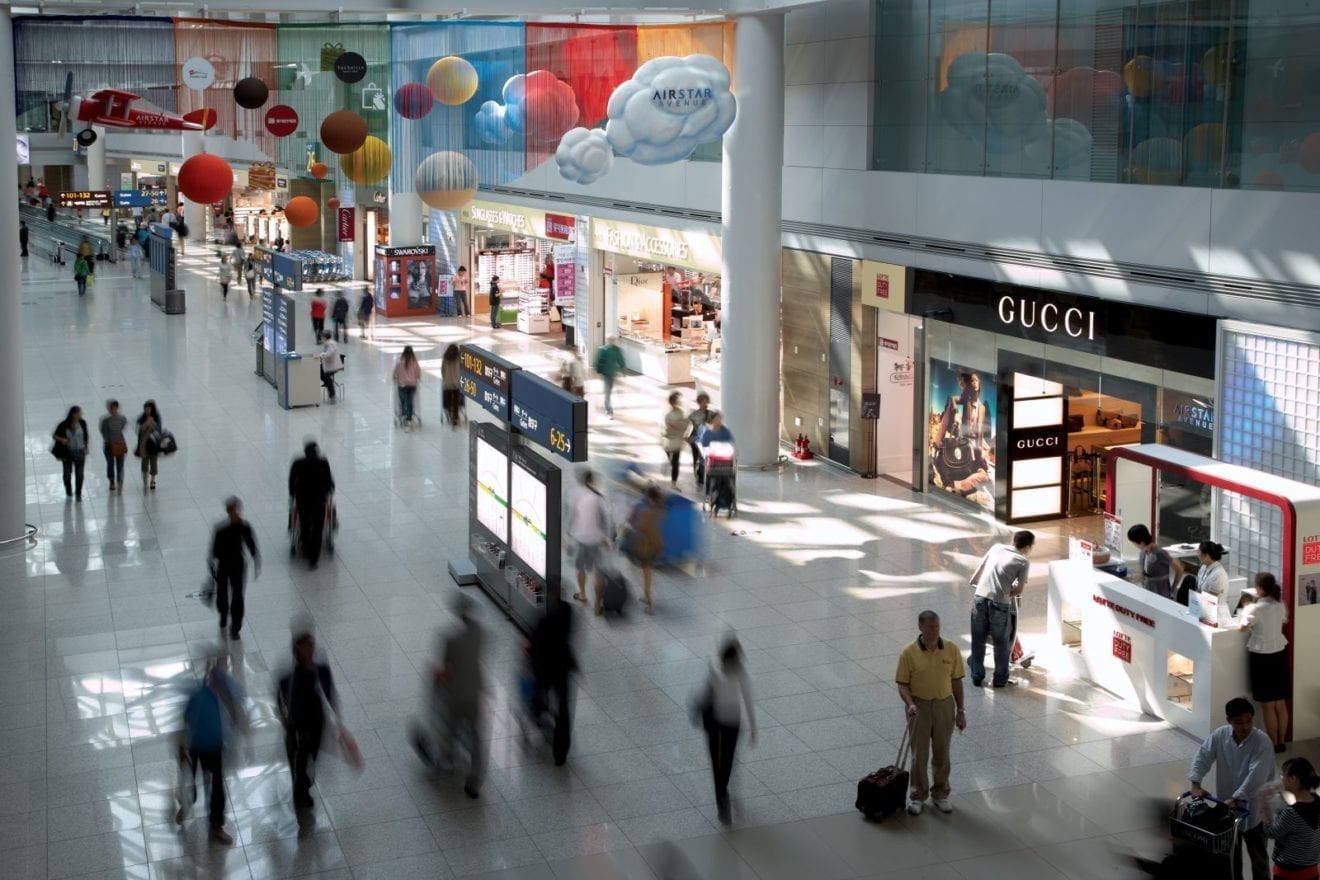
    JD Sports entered South Korea in 2017 through a joint venture deal with South Korean footwear company Shoemarker. The first JD Sports store was opened in April 2018. Currently, the company operates 14 directly managed stores nationwide, including at Lotte World Tower in Jamsil, Seoul and Starfield Goyang.

    Meanwhile, the UK retailer has recently been the target of a cyber attack that resulted in unauthorised access to a system containing customer data relating to online orders between November 2018 and October 2020. The affected JD Sports group brands are JD, Size?, Millets, Blacks, Scotts and MilletSport.

    Earlier this year, British retailer Frasers Group bought shares in JD Sports for about US$57.7 million, as the Mike Ashley-owned company continues its drive into a more premium market.

  • Hyundai distributor reports revenue of $5B

    Hyundai distributor reports revenue of $5B

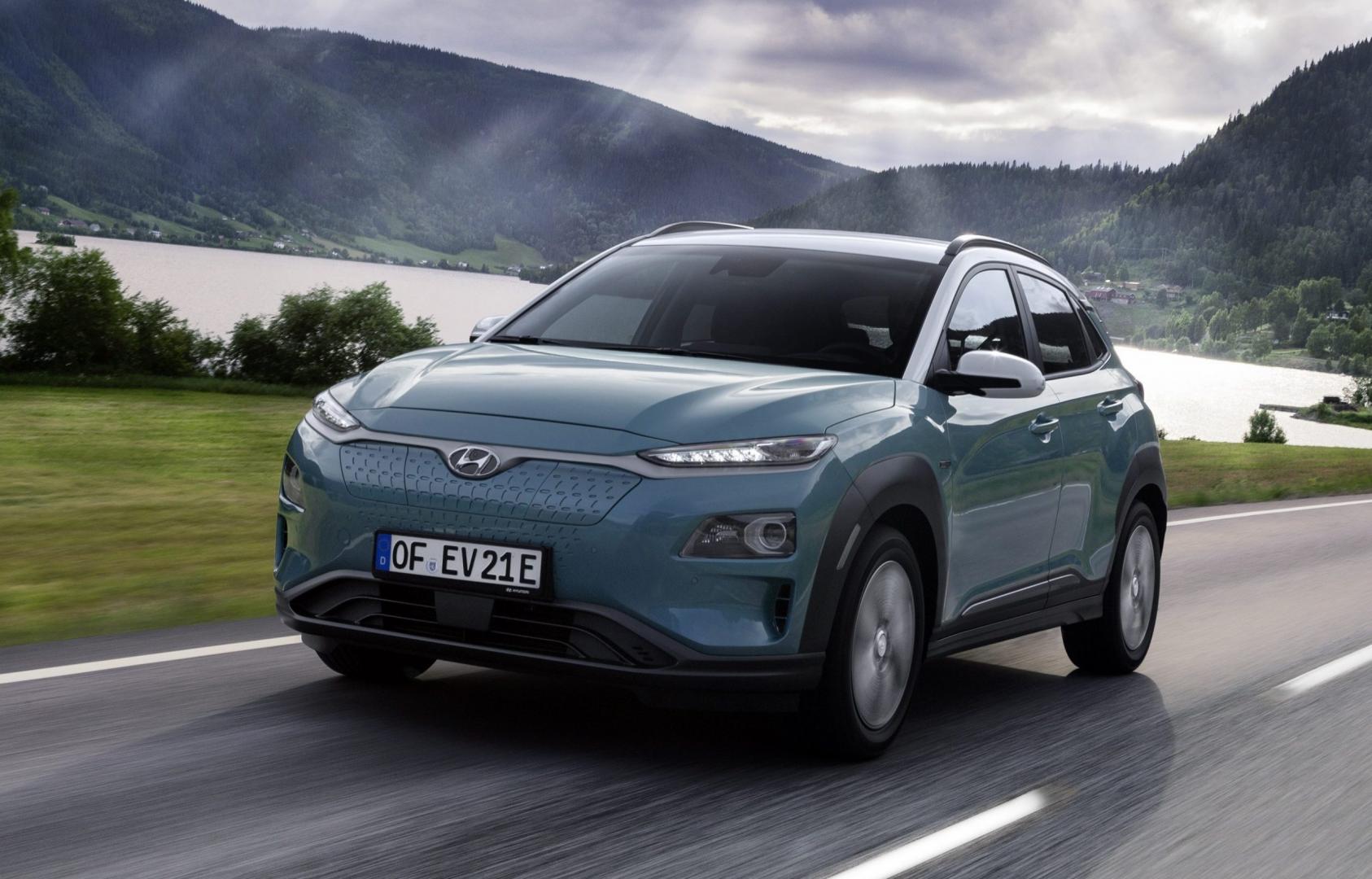
    Thanh Cong, distributor of South Korea’s Hyundai automobiles in Vietnam, recorded a revenue of VND118 trillion ($5 billion) last year, an increase of 15.6% over 2021.

    The Thanh Cong Group sold more than 81,500 Hyundai automobiles of all kinds during the year, accounting for some 16% of the country’s total automobile sales in 2022.

    Late last year Thanh Cong inaugurated its second Hyundai automobile plant in Vietnam in the northern province of Ninh Binh, with a designed capacity of 100,000 vehicles per year. It is expected to only assemble the Hyundai Ionic 5 electric vehicle at the plant this year.

    Established in 1999 as a manufacturer, Thanh Cong has now become a multi-industry firm, mainly operating in the spheres of automobiles, services and real estate.

    Other automobile distributors in Vietnam also reported big revenues or profits last year.

    Selling some 130,000 vehicles of all kinds, Truong Hai Auto Corporation (THACO), the local assembler and distributor of brands such as Kia, Mazda and Peugeot achieved a consolidated revenue of more than VND100 trillion, nearly doubling its revenues for 2021.

    Haxaco, the distributor of Mercedes cars, posted a record after-tax profit of some VND245 billion, up 1.5 times over 2021.

  • Dr Martens shuts all stores in the Philippines

    Dr Martens shuts all stores in the Philippines

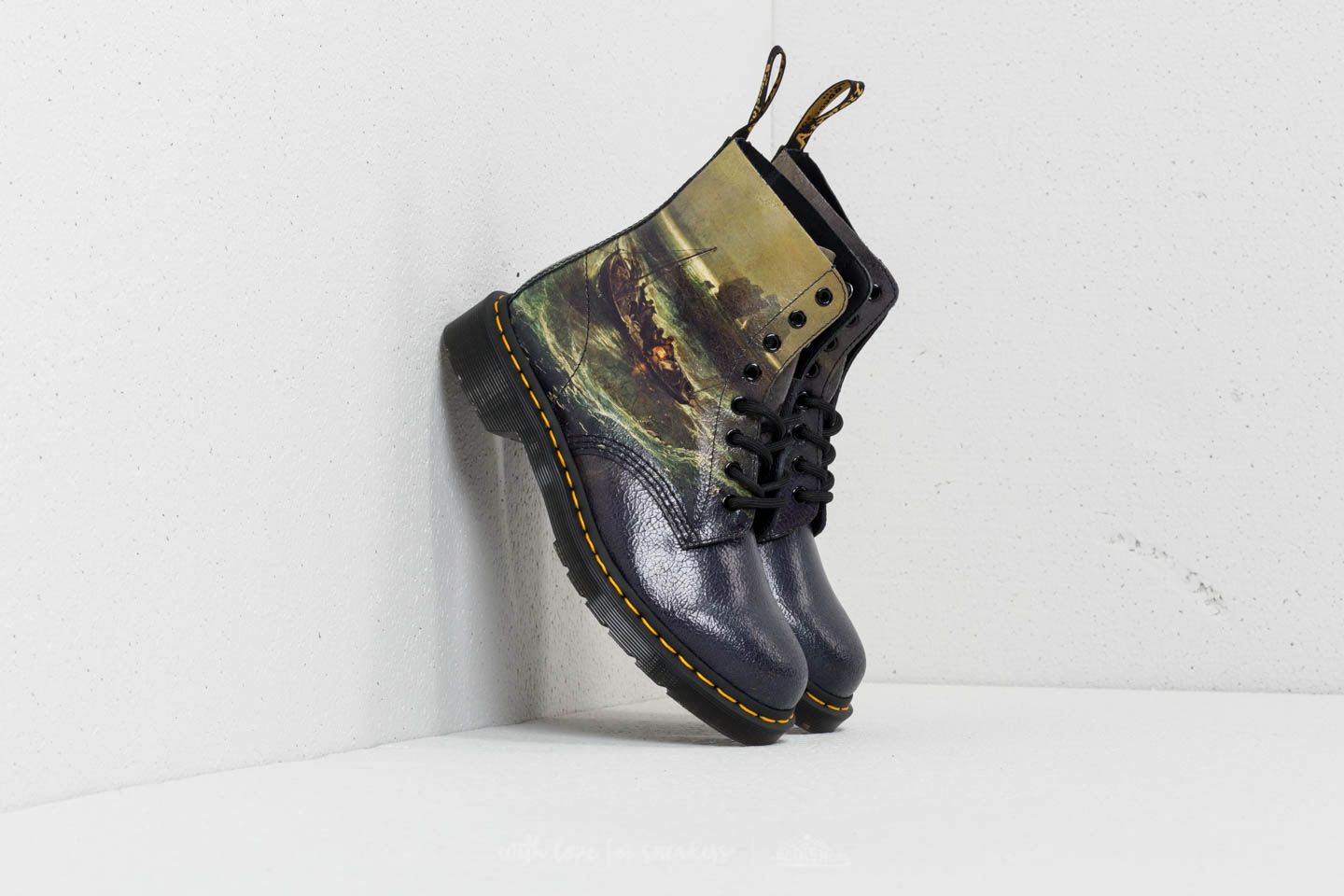
    German-founded British footwear and apparel brand, Dr Martens, has closed all of its physical stores in the Philippines.

    The brand announced on social media that it closed all of its remaining four stores in Glorietta 4, SM Mall of Asia, SM Megamall, and Manila Bay by the end of last month. However, Dr Martens did not disclose the reason behind its physical withdrawal from the market.

    Local sources said Dr Martens started shutting its stores in the country last February, including its flagship store in Two Parkade BGC.

    UK-based footwear retail reported a 13 percent year-on-year increase in revenue, reaching US$507 million in turnover for the first half of the fiscal year 2023. The brand opened 21 new stores and closed five stores during the period.

    “Although there are economic challenges ahead, we are well positioned for future growth,” said Kenny Wilson, CEO of Dr Martens.

    Dr Martens’ store closure in the Philippines occurred despite the market having seen growth in sportswear spending. Last month, US sneaker chain Foot Locker expanded into the country with the first store opened inside Manila’s Glorietta shopping mall under the partnership with Indonesian retailer MAP Aktif Adiperkasa.

  • Hanoi’s first metro line gets $38M capital hike

    Hanoi’s first metro line gets $38M capital hike

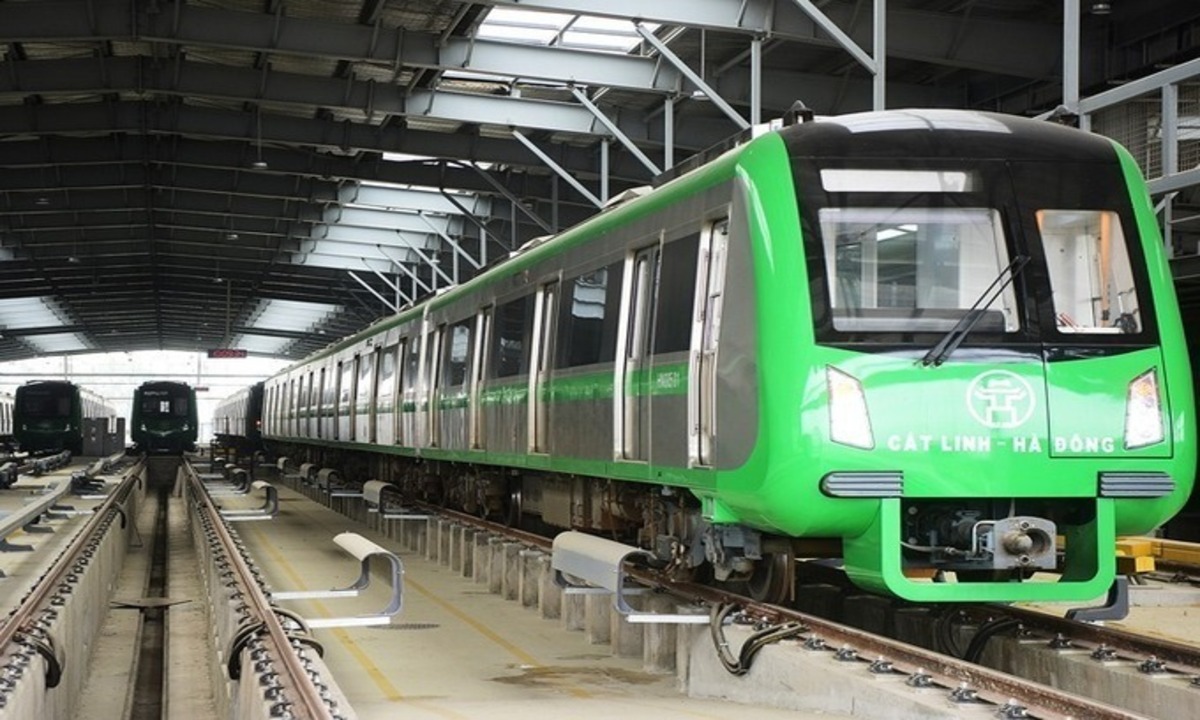
    The Cat Linh – Ha Dong Metro Line in Hanoi has received an additional VND911 billion ($38.6 million) capital increase.

    The money will come from state coffers, with 24.4% of it from domestic funds and the rest foreign funds, according to a decision signed by Deputy Prime Minister Le Minh Khai.

    The Ministry of Planning and Investment and the Ministry of Finance are responsible for reporting the disbursement of this capital to the Prime Minister’s Office.

    The 13-kilometer Cat Linh – Ha Dong Metro Line earlier saw its cost increase from VND8.77 trillion in 2008 to VND18 trillion in 2017.

    It is one of five metro lines nationwide that has seen cost increases.

    The Cat Linh – Ha Dong Metro Line started operating commercially at the end of last year and so far it has served 7.3 million passengers, among them 10,000 monthly subscribers.

    The line has recorded a revenue of around $53 billion so far with a monthly growth of 20%.

  • Retailers expand operations, sales see steady recovery

    Retailers expand operations, sales see steady recovery

    Many retail chains opened new stores this year even as retail sales of consumer goods and services saw a year-on-year rise of 20.5% in the first 11 months.

    Despite weakening external factors, continued domestic demand brought some relief, according to a report by HSBC.

    But though the pace started to slow down, retail sales remained a strong pillar of growth in November, the lender said.

    Total retail sales of consumer goods and services grew by 17.5% over November 2021.

    In recent months, while many factories laid off, furloughed or gave workers an early Tet (Lunar New Year holidays) service businesses such as F&B, retail and tourism expanded their operations.

    GS25 Vietnam, a joint venture between South Korea’s GS25 and local retailer Son Kim Group, has opened 200 franchised stores.

    Conglomerate Masan Group has bought another 34% in beverage chain Phuc Long Heritage to increase its ownership to 85%.

    “The two years of the Covid pandemic can be compared to a market research period and this year is the right time to launch expansion plans as well as to make a breakthrough in the retail race,” Trang Do, head of the retail services department at property consultancy Colliers, said.

    Tourism is reviving gradually, and contributing to the growth of retail services.

    The number of foreign arrivals was nearly three million in the first 11 months.

    Securities brokerage SSI said domestic consumption has recovered though not to pre-Covid levels, partly because of inflation.

    Inflation began to accelerate at the end of the second quarter, notably with a 17% increase in housing rents in September and October, and then 2% in November. This has affected domestic consumption.

    Last month headline inflation was 4.4% while core inflation was close to 5% due to a rapid recovery in demand.

    According to HSBC, rising inflation is a matter of concern and would increase in the next few quarters, forcing the central bank to take monetary measures.

    SSI said inflation would gradually rise in the first half of 2023, especially when the government considers adjusting prices of goods and services it manages such as electricity, healthcare and education.

    Do said large retailers are very interested in the Vietnamese retail market after the pandemic. However, the biggest difficulties for foreign investors in the retail sector are to find suitable premises in terms of location and area, and carrying out investment and license procedures.

  • Amazon to invest in Japanese beauty retailer Istyle

    Amazon to invest in Japanese beauty retailer Istyle

    Amazon.com will invest in istyle, the company behind the @cosme review and retail site, gaining access to the Japanese beauty product vendor’s trove of user reviews.

    Under the agreement announced Monday, istyle will issue 2.5 billion yen ($18.7 million) in convertible bonds as well as 11.5 billion yen in warrants to Amazon on Sept. 6. If these convertible bonds and warrants are turned into stock, Amazon would become the top shareholder with a 36.95% stake.

    Amazon will open a dedicated page, tentatively named @cosme Shopping, on its site, where istyle will provide the latest on beauty products to the e-retailer’s members and sell cosmetics from a wide range of brands.

    Istyle has been pushing to merge online and offline sales, setting up a brick-and-mortar store in Tokyo’s Harajusku district. Going forward, Amazon and istyle could collaborate in operating stores using digital tech. The partnership could boost Amazon’s presence in the cosmetic market, where drugs stores and department stores are also formidable players.

    Istyle will also issue convertible bonds to investors including leading trading house Mitsui & Co.

    Mitsui plans to position the cosmetics business as one of its key growth fields and wants “to broaden access to istyle’s customers and manufacturers,” according to a spokesperson. It intends to leverage its sales network to offer Japanese-made cosmetics in overseas markets.

  • Grocery chain Bach Hoa Xanh revenues drop on store closures

    Grocery chain Bach Hoa Xanh revenues drop on store closures

    Grocery chain Bach Hoa Xanh suffered an 8 percent fall in sales year-on-year in the second quarter to VND6.76 trillion (US$289.47 million) following its closure of hundreds of outlets.

    The subsidiary of electronics retailer Mobile World closed 251 unprofitable outlets in May and June as it restructured and also changed the layout of the remaining stores.

    It has so far renovated nearly 1,500 outlets and it plans to close down more this quarter, keeping only 1,700-1,800 stores open.

    Nguyen Duc Tai, its chairman, has said there will be no expansion this year to focus on improving efficiency and customer service.

    The company is preparing for nationwide expansion in 2023 from its current predominant presence in the south.

    Bach Hoa Xanh reported revenues of VND12.8 trillion for the first half, accounting for 18 percent of Mobile World’s revenue.

    Mobile World’s revenues rose 13 percent to VND70.8 trillion, while profits were up 1 percent at VND2.68 trillion.

  • Understanding Modern Retail Through the Gen Z Filter

    Understanding Modern Retail Through the Gen Z Filter

    Over the past decade retailers faced the challenge of managing their own digital transformation, while simultaneously scrambling to serve the needs of a younger and increasingly online-savvy audience – generally accepted as being digitally native. Today, brands are additionally tested to plan and accommodate for the increasing buying power of the emerging 11-24 age group of shoppers, colloquially known as ‘Gen Z’ or ‘Zoomers’.

    Generation Omnichannel

    Perhaps a more fitting nickname for Gen Z or Zoomers, would be ‘Generation Omnichannel’, as this is the first truly omnichannel generation to both physical and online stores and social media platforms in equal measure. This group are prepared to shop wherever suits them best, and in a more impulsive and immediate way.

    According to a recent article in Vogue, Zoomers are 56% more likely to have shopped for fashion in-store over the last three months and 38% more likely to have shopped online in the same timeframe. They are willing to shop across all channels and have an appetite for higher-quality items in an effort to stay on trend with cultural developments.

    This awareness of cultural trends is leading to some key generational spending indicators too; not to mention the fact that Gen Z consumers are more conscious about the planet and the future. They believe that the generations before them represented overconsumption, capitalism, and materialism, meaning they are more likely to associate themselves (and their wallets) with brands that match their own core values, such as sustainability, environmentalism, and equality.

    At the same time, Gen Z has been called the most critical consumer group of all, with a fundamentally different view of shopping and consumption to previous generations. They are the latest to enter the workforce and will have strong purchasing power over the next decade, meaning brands have to earn their loyalty before they become loyal shoppers.

    Furthermore, Zoomers’ frequency of shopping for new items is being disrupted by the second-hand, preloved, vintage market – a market that Zoomers are 27% more likely to shop. In Australia, preloved and vintage platforms, such as Depop & Vinted, are arguably slowing the cycle of new purchases and redefining the concept of the customer journey and what it really means to be ‘new’.

    Embracing New & All Forms of Payments

    According to PayPal, 22% of Zoomers have used buy-now, pay-later (BNPL) solutions such as Klarna and Afterpay since the start of the pandemic to buy more expensive, higher-quality products.

    Since the beginning of the pandemic, 123% more Zoomers have used BNPL than previously, representing the strongest uptake of any generation – and during April 2021, 33% of Gen Z respondents said they were likely to use BNPL solutions in the future too.

    Furthermore, Gen Z has continued to embrace mobile payment options such as mobile apps and e-wallets, including Apple and Android Pay, faster than any other consumer spending group. This expectation to be able to pay now, or later, with a device or platform is something that permeates Gen Z spending habits enormously, meaning traditional payment and Point-of-Sale (POS) technologies need to be modernised in order to offer these different payment options.

    A Window to the Future

    The pandemic and the associate rise in online activity grew usage and acceptance of eCommerce amongst consumers, regardless of generational status. If we glance into the future, beyond the Gen Z age group, Generation Alpha and subsequent cohorts will likely prove to be even more digitally-savvy – thus, the cycle of retail reinvention will likely have to start anew in another 20 years or so.

    The key to success for brands confronted by this continual sequence of progressiveness is to be agile and nimble enough to not only introduce different digital and in-store commerce options but have the capabilities to support these with the native omnichannel capabilities needed to deliver against the demanding expectations of these new generational groups.

    Gen Z is the emerging cultural and economic powerhouse in today’s retail landscape and it will continue to drive cultural change and retail spending habits on so many levels over the next two decades.

    While the full force of their dollars may not have hit retailers just yet, the race to meet the future expectations of Gen Z consumers is very much underway. The success of brands over the next two decades will not only be established by understanding what, how and from who Zoomers are likely to buy, but also on a retailer’s abilities to execute frictionless omnichannel experiences by having the right technology in place at within stores and supply chains.

    Written by Richard Wright, Managing Director, SEA, at Manhattan Associates

    For more information on how your brand can better serve customers in an omnichannel environment, please visit: www.manh.com/en-sg



  • Financial startup Anfin raises $4.8 mln

    Financial startup Anfin raises $4.8 mln

    Financial startup Anfin, which seeks to make stock investment easy for any user, has raised funding of $4.8 million in a Pre-Series A round from a consortium of investors.

    It was led by angel investor Clement Benoit and U.S.-based startup accelerator Y Combinator. The money will be used to improve its app by building a social network in it so users can share their investment knowledge.

    Anfin was launched in October last year and has raised around $7 million to date.

    Its app allows users to invest as little as VND10,000.

    Its CEO, Phuoc Tran, said the app has over 100,000 active accounts with a total transaction value of $10 million.

    Benoit said creating a product that serves many groups of people in society is the right move in a big market such as Asia.

    He hoped the company would branch out to other countries and succeed in its social investing business model.

    Interest in stocks remains sky-high in Vietnam, with 476,300 new accounts opened in May, a new record.

    Phuoc said despite the volatility in the market, stocks remain an asset class with great prospects.

    Data from investment fund Dragon Capital Vietnam shows that in the last five years, stocks have given investors an average return of 16 percent a year, higher than real estate, bonds or gold.

  • Amazon, Cartier sue counterfeiters using social media to sell fakes

    Amazon, Cartier sue counterfeiters using social media to sell fakes

    Amazon is continuing its crackdown on counterfeiters, this time against a social media influencer they claim was selling fake Cartier bracelets, necklaces and earrings.

    The online retail giant said on Wednesday that it filed two joint lawsuits with Cartier against an unnamed social media influencer and eight businesses for allegedly promoting counterfeits on social media and other websites that were then sold on Amazon. The lawsuits were filed in the US District Court for the Western District of Washington, alleging the businesses conspired together to sell counterfeits and falsely advertise them as real, infringing on Cartier’s trademarks, avoiding Amazon’s anti-counterfeiting detection tools and violating Amazon’s policies, according to the companies.

    While items on Amazon were non-branded and listed with generic product descriptions to avoid detection by Amazon’s anti-counterfeit policies, the ads linking to the Amazon product pages used the Cartier brand name to sell the allegedly fake bracelets, necklaces and earrings, according to the companies. For instance, a counterfeit of the Cartier Love bracelet was listed on Amazon as “Women’s Fashion Classic Screw Love Titanium Steel Bracelet”.

    Amazon has put more effort into detecting and removing counterfeit sellers from the site. According to the company’s second Brand Protection Report, published in 2022, Amazon stopped over 2.5 million attempts from bad actors to create new selling counts, down over 6 million compared to the previous year. The company also increased the number of brands on its Brand Registry tool, which detects infringements, leading to a 25 per cent decrease in infringements compared to the previous year.

    Amazon has also begun working directly with luxury brands to remove fake products from its site; last February, Amazon filed two joint lawsuits with Ferragamo against counterfeiters, and in April, the companies said Chinese authorities had conducted an investigation and seized the counterfeit products. In June 2020, Amazon filed its first joint lawsuit with Valentino against New York-based Kaitlyn Pan Group for allegedly counterfeiting the brand’s Rockstud shoes, though the case was settled in January 2021.

    “By using social media to promote counterfeits, bad actors undermine trust and mislead customers,” said Kebharu Smith, associate general counsel and director of the Amazon Counterfeit Crimes Unit, in a statement. “Amazon will keep investing and innovating to stay ahead of counterfeiters and working with brands and law enforcement to hold bad actors accountable. We don’t just want to chase them away from Amazon — we want to stop them for good.”

    Amazon has been making efforts to break into the luxury market: earlier this month, it rolled out its Luxury Stores concept to the UK, Germany, France, Italy and Spain after launching it two years ago with Oscar de la Renta and Roland Mouret, among others. However, experts say that the widespread selling of counterfeits and dupes by third-party sellers on the platform is holding the e-commerce behemoth back from elevating its position.

    By publicising its condemnation of counterfeits, Amazon wants to signal its trustworthiness to the luxury sector. “Amazon is deeply committed to protecting brands’ intellectual property and strictly prohibits counterfeit products in its stores,” the company said in a statement, adding that it invested $900 million and employed 12,000 people to protect against counterfeits in 2021.

  • Shopee culls staff across SE Asia, Europe

    Shopee culls staff across SE Asia, Europe

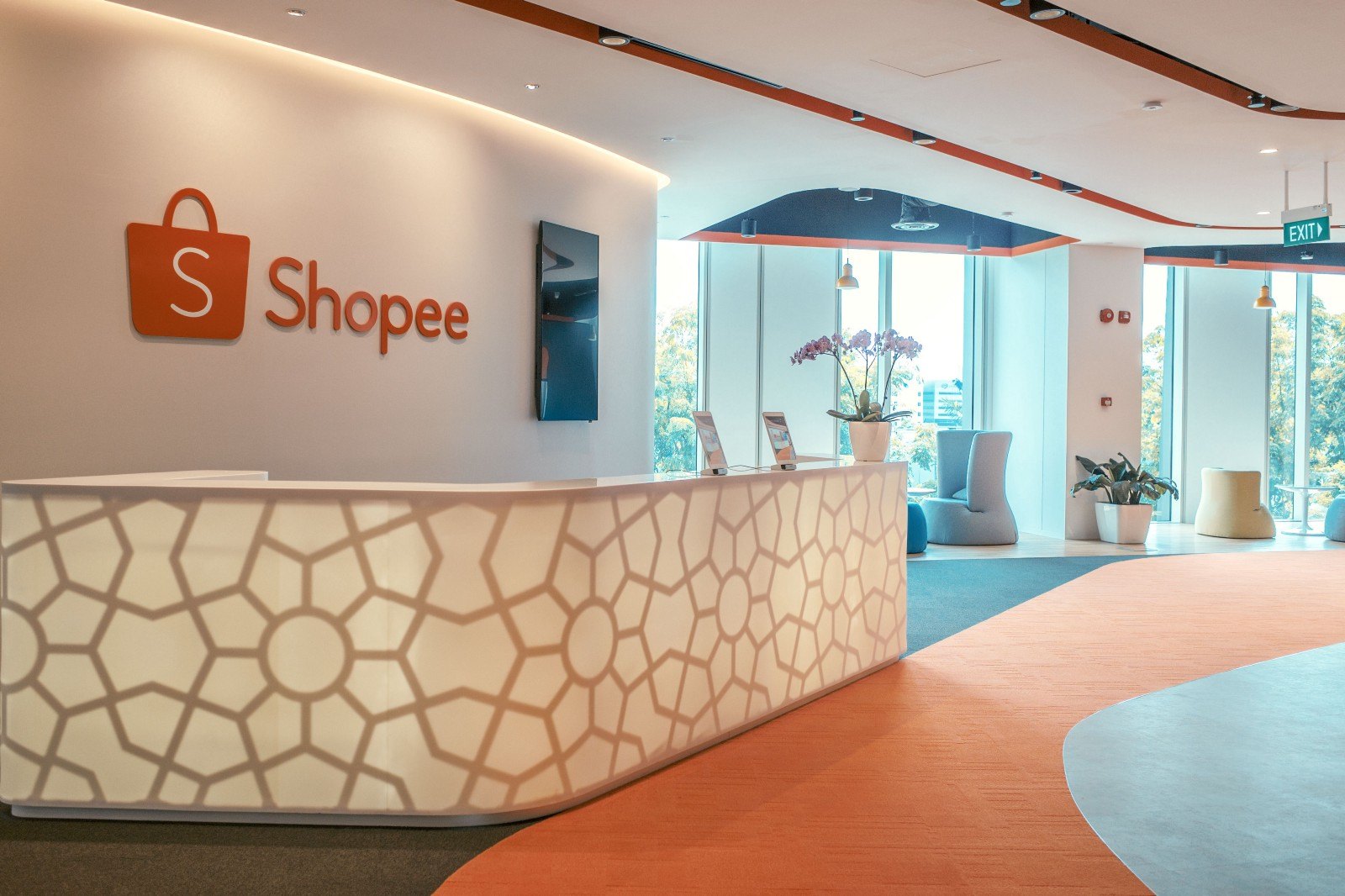
    Sea Group’s e-commerce arm Shopee is laying off staff across multiple markets as it seeks to rationalize its e-commerce business, DealStreetAsia has learned.

    The layoffs have affected employees across several of the company’s Southeast Asian markets including Indonesia, Thailand and Vietnam, sources told DealStreetAsia. The company is said to have emailed employees affected by the layoffs, the sources added.

    Shopee’s payments arm ShopeePay and food delivery business ShopeeFood are also said to be facing cuts. A general meeting was also reportedly held on Monday to address the job cuts with Shopee employees.

    The extent of the job cuts and the number of employees affected could not be confirmed at the time of publishing. DealStreetAsia has reached out to Shopee for comment.

    Two sources aware of the matter said nearly half of Shopee Thailand’s payment and food delivery teams have been affected by the downsizing. One of the sources noted that the email was said to have been managed in an off-handed manner, with the company asking staff members to return home and await further notice of termination.

    A separate source told DealStreetAsia that Shopee has stopped hiring, with several job offers for regional roles rescinded.

    While Sea Group’s business continues to show signs of improvement in overall profitability, most of its revenue continues to come from its gaming arm Garena.

    Sea Group’s first-quarter 2022 financials reflected a 64.4% year-on-year increase in Generally Accepted Accounting Principles revenue at $2.9 billion, with gross profits soaring 81.3% to $1.2 billion over the same period.

    Shopee’s business, while still losing money, has also reflected improvements, with a 71.3% year-on-year increase in orders to $1.9 billion in the first quarter of 2022 while gross merchandise value rose 38.7% to $17.4 billion. Importantly, Shopee’s gross profit margin for e-commerce increased year on year, with faster growth in transaction-based fees and advertising income generating higher margins versus other value-added services.

    Shopee, however, continues to face several macro headwinds, including rising inflation and interest rates, that may dampen retail and consumption sectors.

    The company also appears to be facing setbacks on some of its ambitious internationalization plans, including its forays into Europe and Latin America. Shopee, which has operations in Poland and Spain, decided to pull out of France after only five months as it was not meeting expectations.

  • Singapore’s Raffles City to boast 50 new stores after revamp

    Singapore’s Raffles City to boast 50 new stores after revamp

    More than 50 new brands, including specialty stores and experiential concepts, will enter the revamped Raffles City shopping centre later this year.

    The renovation of a 111,000sqft area across Levels 1 to 3 is scheduled to complete in the fourth quarter of this year. An initial series of store openings kicked off with the launch of Acqua di Parma’s first flagship store in Southeast Asia last month. Spanning approximately 1000sqft, the store features the first of its grooming service ‘Barbiera’ in Asia Pacific.

    The downtown Singapore centre’s revamp was in part made necessary by the collapse of the Robinsons department-store business in 2020, which left a large space untenanted but opened the possibility for multiple additional smaller tenancies, as well as an expansion of the Marks & Spencer space.

    “Raffles City’s rejuvenation plans are part of our continuous efforts to keep us on the pulse of the rapidly evolving shopping and lifestyle needs of our shoppers,” said Steve Ng, GM of Raffles City Singapore.

    “Our new tenant mix has been carefully curated to cater to the diverse demographics who frequent our mall, especially those who seek more than just retail gratification and the discerning ones who appreciate the finer things in life”.

    Sephora, Marks & Spencer and L’Occtane, will introduce new concept stores in the coming months. While L’Occitane will land its first Green Store in Singapore at Raffles City, Marks & Spencer will expand its offering with a new 15,00osqft concept store, consisting of a grocer and bakery.

    Other new tenants joining the revamped premise include Lululemon, Paris Baguette x Teatra, Venchi and Läderach. Raffles City said it will disclose more new tenants in coming months.

  • Reliance joins calls for India to tighten marketplace rules

    Reliance joins calls for India to tighten marketplace rules

    Vedanta Chairman Anil Agarwal on Tuesday said India is on the path of encouraging ease of doing business and stressed that the government is production-minded and not revenue-minded.

    In a tweet, Agarwal said trust, talent, and technology are the cornerstones of development.

    ”We fully agree with PM Shri Narendra Modi Ji at #DavosAgenda that it’s the best time to invest in India. It is a great opportunity for entrepreneurs to identify partners and investors to collaborate with them, as general consciousness is that they’d like to work with local entrepreneurs,” he tweeted.

    He also tweeted, ”#India is definitely on the path of encouraging ease of doing business. Govt. is production minded and not revenue minded.” Citing India’s commitment to deep economic reforms and the ease of doing business, Modi on Monday asserted that this is the best time to invest in the country as policy-making is focused on the needs for the next 25 years for a ‘clean and green’ as well as ‘sustainable and reliable’ growth period.

    In his special address to the World Economic Forum’s online Davos Agenda 2022 summit, Modi underlined a host of reform measures undertaken by his government to stress that it has worked to reduce the administration’s interference in business by deregulating many sectors and to clear the way for free trade agreements with different countries.

    India was once associated with ‘License Raj’, he had noted highlighting the measures, including the reduction of corporate tax to boost business and doing away with over 25,000 compliance requirements.

    He also mentioned new challenges, including cryptocurrencies, facing the world and said they call for countries to respond together as measures by any one country may be inadequate.

  • Understaffed businesses need 300,000 plus workers in HCMC

    Understaffed businesses need 300,000 plus workers in HCMC

    Facing labor shortages, businesses and factories in HCMC need around 310,000 workers this year should Covid be controlled.

    According to a recent survey by the HCMC Center of Forecasting Manpower Needs and Labor Market Information (Falmi), the city’s labor market faces two scenarios depending on future Covid development.

    If Covid-19 is brought under control, businesses need to recruit 280,000-310,000 workers. The demand for human resources in the first quarter would be nearly 87,000, second quarter over 72,000, third quarter 74,000, and fourth quarter, 77,000.

    Should the pandemic situation remain complex, the city’s labor demand would be about 255,000-280,000 staff. The highest would be in the first three months of the year at over 78,000.

    The trade and service sector has shown the sharpest increase in recruitment demand this year, accounting for nearly 66 percent and including commerce, transportation and warehousing, accommodation, catering and others.

    Recruitment demand for the industry and construction group accounts for over 33 percent, including mechanical engineering, electronics production, food processing, beverage, and pharmaceuticals.

    The report found up to 86 percent of recruitment demand does not require workers to have a college degree.

    Regarding market response, Falmi stated that on average, the city produces about 500,000 students and graduates each year, including from university, college, intermediate, elementary and vocational training levels.

    Therefore, it is expected the city’s labor force would meet recruitment demand among enterprises this year.

    The agency noted that this year the city’s labor force would reach nearly 5 million employees, of which more than 3 million work in enterprises and factories.

    Last year, according to a Falmi survey, nearly 65,000 businesses across HCMC had to recruit more than 174,000 workers, though the number of job seekers was only around 135,000.

  • The Retail News Team wishes you a Merry Christmas and Happy Holidays!

    The Retail News Team wishes you a Merry Christmas and Happy Holidays!

    The Retail News Asia team wishes you peace, joy and successes throughout the coming year. Thank you for your continued support and involvement. We look forward to hearing from you in the years to come.