Retail News CRM

Tag: stock

  • Confidence Returns to Indonesia’s Financial Markets

    Confidence Returns to Indonesia’s Financial Markets

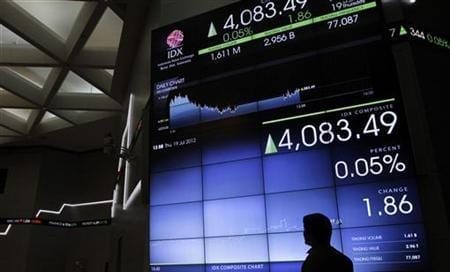
    After a steep correction last year and pressure on the rupiah, Indonesia expects stability to return to its financial markets this year as foreign capital starts flowing back into the domestic market. The first bond offerings of the year last week were more than three times oversubscribed, with interest mainly coming from foreign investors, who also bought more local stocks than what they sold over the past two weeks, reversing a net selling trend that persisted throughout last year, according to Indonesia Stock Exchange (IDX) data.

    For Bank Indonesia Governor Perry Warjiyo, the return of foreign capital inflows came as no surprise. The central bank has been aggressive in raising its benchmark interest rate – the seven-day reverse repo rate – which was increased by 175 basis points to 6 percent over the past nine months in response to tightening by the United States Federal Reserve.

    As it now seems more likely that the US central bank may raise the federal funds rate only twice this year instead of three times, Indonesia’s financial markets have become more attractive to foreign investors as a destination to park their funds.

    “The US dollar is not king anymore this year,” Perry said during a meeting with editors of the country’s largest media groups on Monday.

    Pressure on the rupiah has also eased. The currency currently trades at 14,031 to the greenback, having appreciated 8 percent from its weakest level of 15,253 four months ago, Bank Indonesia data showed.

    Bank Indonesia took measures in concert with the central banks of Malaysia and Thailand on Jan. 2 to reduce dependency on the dollar in bilateral trade. The arrangement will involve Indonesian trade with the two countries, which amounts to about $33 billion per year, being settled in the countries’ respective currencies, instead of the US dollar.

    Indonesia’s current-account deficit, the main culprit for the weakness in its currency, is expected to narrow to 2.5 percent of gross domestic product this year, compared with 3 percent last year.

    American multinational investment bank Morgan Stanley said lower oil prices should help Indonesia lower its current-account deficit.

    “With Brent down 36 percent from its September highs, we should see some relief on the trade balance, which has been weighing on the current account and, in turn, [become] a drag on confidence in equities and performance,” analysts Sean Gardiner and Aarti Shah wrote in a recent note to clients.

    They said oil prices, with the combined effects of the election stimulus, recovering loan growth, dovish monetary policy and rising company earnings have cemented Morgan Stanley’s bullish views on Indonesian stocks.

    The New York-based bank’s top picks include conglomerate Astra International, state-owned gas utility company Perusahaan Gas Negara, state-owned telecommunications company Telkom Indonesia, and lenders Bank Central Asia and Bank Mandiri.

    Bank Indonesia is confident that the country’s economy may grow by between 5.0 percent and 5.4 percent this year, compared with an estimated 5.2 percent last year. Household consumption is also expected to expand by between 5.1 percent and 5.5 percent and investment by between 6.5 percent and 6.9 percent, the central bank governor said.

    Perry said bank loans will maintain their expansive pace of 12 percent this year, in line with an increase of between 8 percent and 10 percent in third-party funds.

    However, one source of concern this year is lower commodity prices, which will affect Indonesia’s export earnings. Perry said the country should therefore increase its exports of manufactured goods, seek new markets for its products and encourage tourism.

    He said Bank Indonesia is comfortable with its current policy and that it can afford to maintain its benchmark rate until March.

    “We are optimistic that 2019 will be better than 2018,” Perry said.
  • Temasek plans to sell AS Watson stake

    Temasek plans to sell AS Watson stake

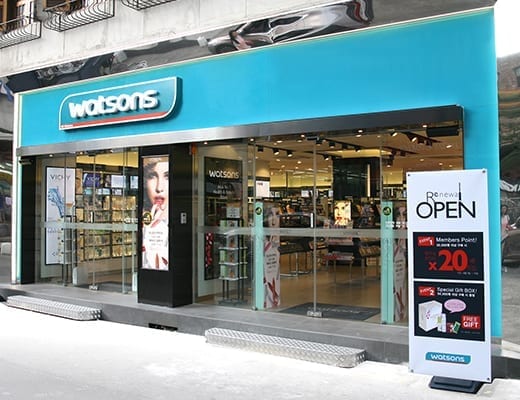
    Singapore’s Temasek Holdings is reportedly looking to quit its stake in Hong Kong-headquartered beauty products retailer AS Watson. Temasek spent US$5.6 billion to acquire a 25 per cent share of AS Watson in 2014 from Hong Kong’s CK Hutchison, which retains the majority stake. According to report, Temasek made the investment expecting the business to be listed within three years. But softening investor sentiment towards retail sector listings has weakened since that plan was first envisaged. Investors are spooked by the demise of a slew of brick-and-mortar-focused brands across developed markets.

    AS Watson has some 14,500 stores in 24 markets around the world, and has market leadership in 15 of those. That could make the business an attractive target for private equity funds, despite the company appearing to be focused more on opening new stores than migrating online, where consumers are buying more beauty and healthcare products.

    Bloomberg says in an analysis published online, that a private equity business would be among the more likely buyers for the Temasek stake, given the amount of industry money that’s sitting idle.

    “That said, any acquirer will still be in a minority position, even if the entire 25 per cent is sold. Along with the business’s poor growth prospects, the absence of control is likely to be reflected in the valuation. This is one retail sale that will need a discount to be attractive.”

  • Asian stocks rise again on US-China trade talks optimism

    Asian stocks rise again on US-China trade talks optimism

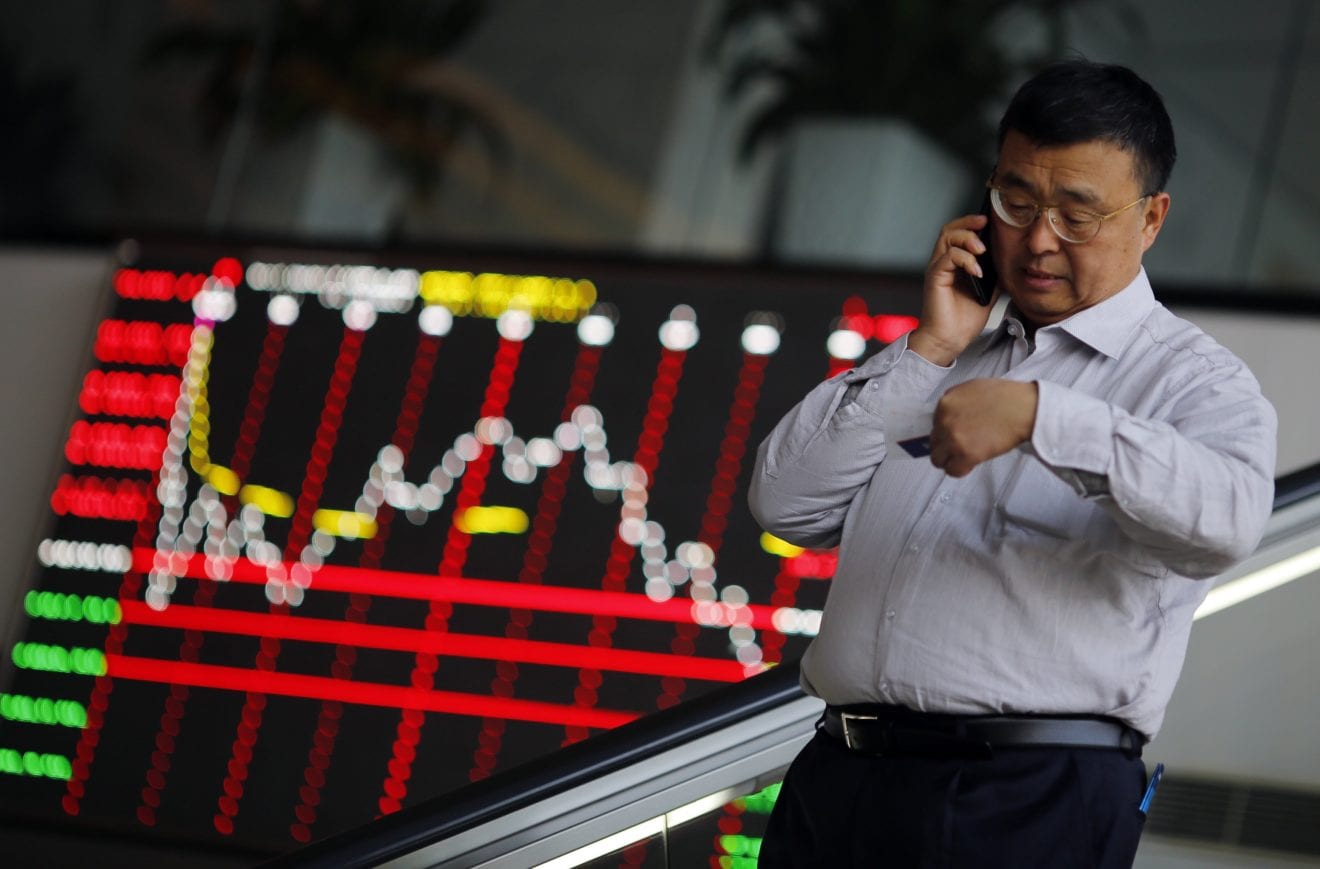
    Increasing optimism that China and the United States will be able to hammer out a deal to help ease their trade war provided the impetus for more gains across Asian markets today. After taking a battering in December and suffering a shaky start to 2019, confidence is slowly returning to equity trading floors, though dealers remain on edge. Federal Reserve boss Jerome Powell provided the platform for a rally last week when he said the central bank had no “preset” plan for lifting interest rates and was “listening” to markets, signalling that the pace of hikes could slow this year.

    Fear of higher borrowing rates was a major cause of last year’s stocks losses.

    The mood among dealers held this week as officials from China and the US hunkered down for trade negotiations in Beijing that have extended into a third day. US President Donald Trump on Tuesday described them as going “very well”.

    Bloomberg also reported White House sources as saying Trump is keen to get a deal done in order to boost stock markets, which he regards as a gauge of his success.

    And The Wall Street Journal said the two were moving in the right direction, with China ready to buy more US goods and services, while further talks at cabinet level were being lined up next week.

    The progress in talks “is fuelling investor optimism suggesting there might be a light at the end of the trade war tumultuous tunnel”, said Stephen Innes, head of Asia-Pacific trade at OANDA.

    Hong Kong rose 2.3% – a fourth straight gain that has seen the index put on around 5% – and Shanghai ended up 0.75%, while Tokyo closed 1.15% higher. Sydney jumped 1% with Singapore, while Taipei and Wellington were each more than 1% higher. Manila surged more than 2% and there were also gains in Mumbai and Jakarta.

    Seoul added 2% as North Korean leader Kim Jong Un visited Beijing with speculation swirling that he will meet Trump for a second summit later this year.

    The gains also come after a strong reading on US jobs creation Friday, which soothed worries that the American economy was slowing down.

    “When the dust settles, if it ever does, the fear of recession will prove to be premature,“ Bob Doll, an analyst at Nuveen Asset Management said.

    “We will have growth, yes, slowed from the 2018 pace and we will have… earnings, yes, slowed from the 2018 pace, but acceptable for investors and that will allow equity markets to move higher.”

  • Limited share price upside seen for Malaysian property sector

    Limited share price upside seen for Malaysian property sector

    Rising interest rates, Malaysia’s slowing gross domestic product growth and unfavourable government policies will limit share price upside for Malaysian property development companies, said CGS-CIMB.Although it expects the property companies in its coverage universe to post positive earnings growth this year, CGS-CIMB said share price upside will be limited and the sector is unlikely to re-rate to peak levels last seen in 2014.

    “The property sector has garnered more interest lately due to its attractive valuations, but we believe the sector is cheap for a reason and this could be a false dawn. We believe developers could miss their new property sales targets for 2018, and are likely to set lower new sales targets for 2019. We think it’s a signal that the 2019 property market is likely to see lower new property sales and weaker buying sentiment,” it said in its report.

    According to its analysis, the medium 40% and bottom 40% (B40) households face difficulty in buying properties as the average house price is above both groups’ affordability range and despite government incentives and policies to address this issue, the oversupply in the property market has continued to rise since 2012.

    “Likewise, property stocks have fallen from their peak valuations in 2014, some to the trough levels in 2008, making them attractively priced at the moment, in our opinion,” it added.

    CGS-CIMB does not see much room for housing loan growth given the existing low interest rate environment, limited buyer’s affordability and possible interest rate hike.

    In addition, restrictive government policies are still in place and it does not see any incentive for consumers to purchase property given the weak rental market and subdued property market.

    Given the limited domestic affordability, higher real property gains tax and restrictive policies on foreigners, the property oversupply issue is expected to persist. Note that in 1H2018, properties priced below RM1 million accounted for 93% of total unsold residential property inventory.

    “We expect the housing market to remain challenging in the near term, unless there is a meaningful surge in household income, decline in house prices or more positive measures are introduced,” it said.

    Although lower property prices are possible, developers would be at the losing end if they were to lower prices at the expense of profit margins to spur new property sales demand or remove rebates/freebies to protect margins, which could result in weaker new sales.

    “Even if new house prices are cut by 20%, we think the prices would still be unaffordable for the B40 households. Instead of focusing on increasing affordable housing supply and ownership, we believe a better way to approach the housing glut is to increase Malaysians’ household income in a meaningful way,” it said.

    CGS-CIMB maintained its “neutral” call on the sector with an estimated dividend yield of 3% on average in 2019.

    Sime Darby Property Bhd remains its top pick as the company has shown continuous improvement in its property development division and new property sales since its demerger in November 2017.

    “We believe the group’s healthy balance sheet and massive land bank are advantages in addressing the change in future product demand,” it said.

  • Vietcombank to sell 3 percent stake to foreign investors

    Vietcombank to sell 3 percent stake to foreign investors

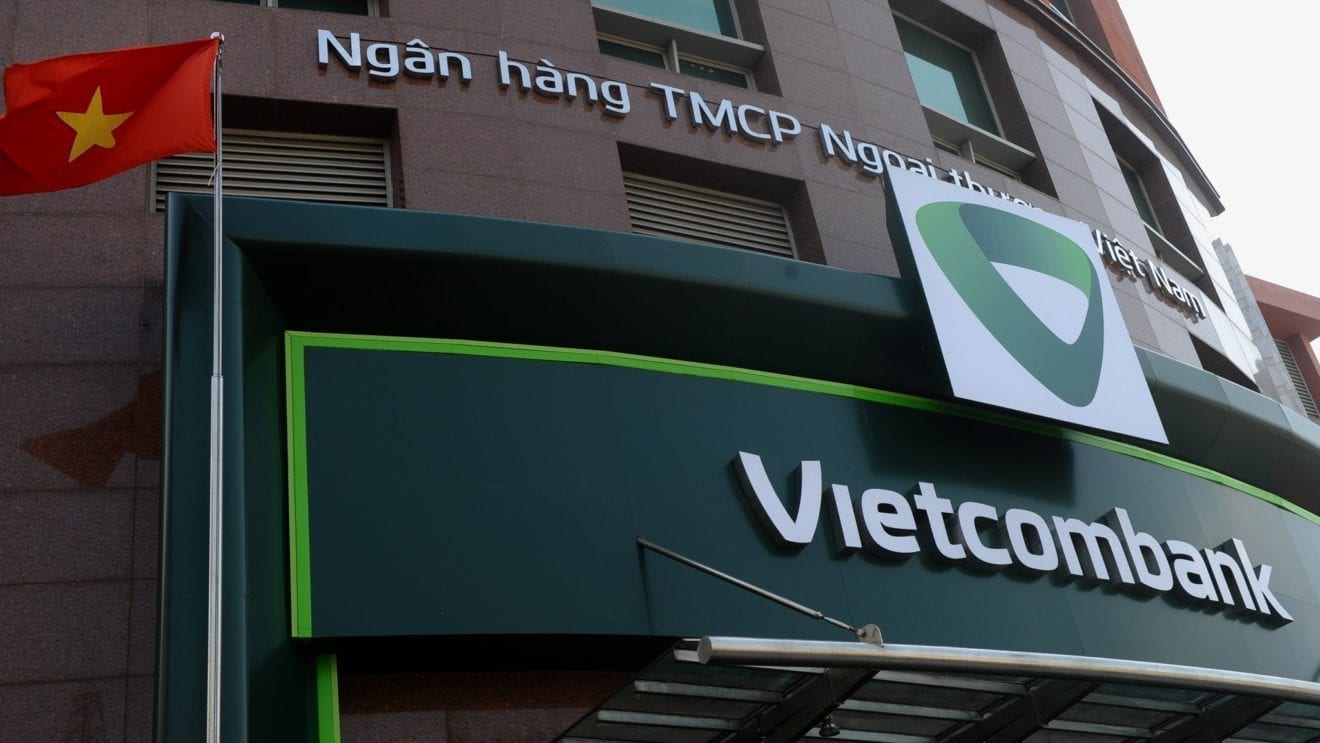
    Vietcombank, Vietnam’s largest bank by market cap, has received permission from the securities watchdog to sell a 3 percent stake to foreign investors. The green light from the State Securities Commission (SSC) will allow the lender to make a private placement of 3 percent as part of its plan to ultimately sell 10 percent. The 3 percent could fetch around $270 million based on its current stock price.

    Vietcombank last month received approval from the State Bank of Vietnam (SBV) to increase its charter capital by selling 10 percent to the Government of Singapore Investment Corporation (GIC) and existing strategic partner, Japanese bank Mizuho.

    Now GIC will buy 2.55 percent while Mizuho Bank will buy the remaining 0.45 percent to keep its current 15 percent stake unchanged.

    Last September the SBV approved Vietcombank’s proposal to increase its charter capital from VND35.98 trillion ($1.55 billion) to VND39.57 trillion ($1.7 billion). The capital has remained unchanged since 2016.

    Vietcombank is one of many Vietnamese lenders that have been seeking to increase capital to meet international capital adequacy norms.

    The country’s banks need to increase their charter capital to meet the Basel II capital adequacy ratio (CAR).

    The accords prescribe capital of 8 percent of risk-weighted assets for all financial institutions, including in Vietnam, to cover operational risks.

    State-owned BIDV, the second biggest bank by market capitalization, said last October it wanted to sell new shares to South Korea’s KEB Hana Bank, giving it a 15 percent stake in the company. The sale would be worth $735 million.

    Vietnam caps foreign ownership of banks at 30 percent. The country has nine wholly-owned foreign banks, four state-owned banks and 31 domestic joint-stock banks.

  • US-China talks on bilateral trade to impact Malaysia’s equity

    US-China talks on bilateral trade to impact Malaysia’s equity

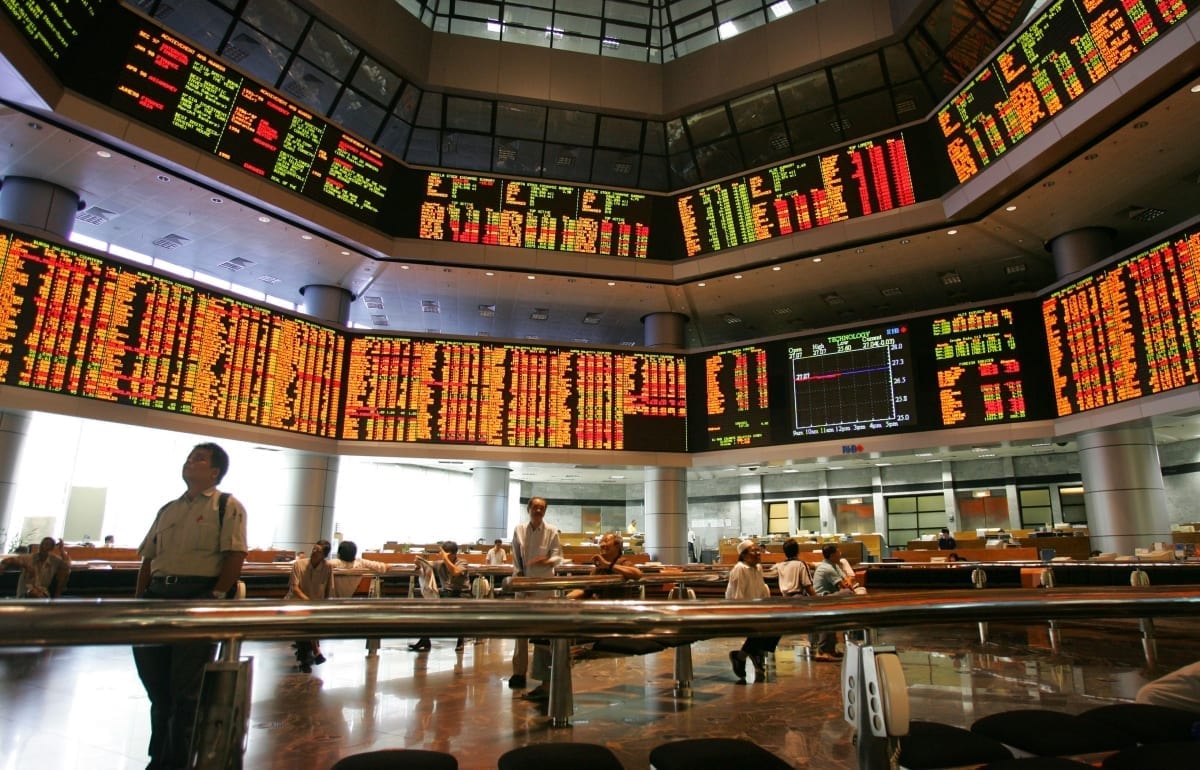
    The discussion between the US and China with respect to their bilateral trade would likely be the highlight for the equity market next week, says an economist. It could also be a source of market instability, said Bank Islam Malaysia Bhd chief economist Dr Mohd Afzanizam Abdul Rashid. He said market players are currently worried about the turbulence across global markets.

    “Generally businesses have become more risk-averse as some countries especially China and Asean nations had recorded below the 50-point demarcation line in their manufacturing index.

    “In fact, the US ISM manufacturing index has shown a similar trend, falling by 5.2 points to 54.1 in December 2018.

    “Naturally, businesses would reduce their capital expenditure and labour hiring as they would become wary of demand prospects, so we can expect equity markets to remain weak in the near term,” he said.

    Mohd Afzanizam said the current support level is at 1,653.

    The FBMKLCI might test this level should the discussion not pan out favourably, he added.

    For the holiday-shortened week, the FBM KLCI was traded mostly lower, mainly affected by external factors such as US political uncertainties, mounting concerns over poor global growth and the talks on the potential interest rate hikes by the Federal Reserve.

    The local bourse and its subsidiaries were closed on Tuesday for the New Year holiday.

    On a Friday-to-Friday basis, the benchmark FBM KLCI settled 22.29 points weaker at 1,669.78.

    The FBM Emas Index depreciated 124.28 points to 11,413.02, the FBMT100 Index decreased 131.24 points to 11,323.34, the FBM 70 declined 67.72 points to 13,023.80, the FBM Emas Syariah Index erased 152.51 points to 11,356.91 but the FBM Ace edged up 34.23 points to 4,294.43.

    Sector-wise, the Finance Index lost 99.90 points to 17,241.79, the Industrial Products and Services Index eased 1.18 points to 165.63, while the Plantation Index was 16.84 points weaker at 6,880.90.

    Comparing Friday-to-Friday, the weekly turnover rose to 7.22 billion units worth RM4.79 billion from 5.70 billion units worth RM4.15 billion.

    Main Market volume increased to 5.17 billion units valued at RM4.37 billion versus 4.16 billion shares valued at RM3.85 billion.

    Warrants turnover advanced to 1.23 billion units worth RM282.94 million compared with 948.80 million units worth RM202.97 million.

    The ACE Market volume appreciated to 719.60 billion shares valued at RM127.20 million against 556.26 million shares valued at RM90.05 million.

  • Experts express cautious optimism for Vietnam stock market

    Experts express cautious optimism for Vietnam stock market

    Last year’s uncertainties and unclear future scenarios are reflected in more cautious assessments than number crunching for 2019. Nguyen Duy Hung, chairman of SSI, a leading Saigon broker, said that with a drop of over 20 percent from its peak, when the VN-Index climbed to 1,204 points on April 9, 2018, Vietnam’s stock exchanges have entered a bear market.

    The benchmark VN-Index on the Ho Chi Minh Stock Exchange lost 1.52 per cent to end Thursday at 878.22 points. On Friday afternoon, it rose to 880.9 points.

    Perhaps it will take between 8 to 11 months for the market to recover, Hung said. “Historical data suggests that it would take 21 months for a bear market to recover its old peak after hitting bottom.”

    But the SSI chairman said the main challenges facing the stock market in 2019 include worries posed by the escalation of the U.S.-China trade war, and increasing geopolitical risks.

    “At this point, no one can say how this war will unfold or predict how widespread the impact will be. Along with the decline in oil prices signaling difficulties of the world economy, the rise in geopolitical risks paint a picture of uncertainties for 2019,” Hung said.

    Also mentioning key challenges for 2019, Securities Commission chairman Vu Bang named the slowdown of Chinese and global economies, the escalating trade war and risks from expanding global debt.

    However, these challenges come with opportunities to be seized. The trade war, according to the SSI chairman, is a chance for Vietnam to increase its exports. This does not mean market share growth will happen immediately, he said, explaining that it was an opportunity to build a medium to long term strategy, innovating the country’s economic growth model based on production and commercial activities.

    Vu Bang also emphasized the advantages of macro factors, saying the continuous high growth rate in recent years was a factor that would increase the attractiveness of Vietnam’s market in the region.

    Vietnam’s GDP growth of 7.08 percent in 2018 retained its status as one of the best performing economies in the world. It was the highest growth the country has experienced since 2008 and compared with the median estimate of 6.9 percent in a Bloomberg survey of 12 economists.

    Offering a more optimistic view, Tran Le Minh, deputy general director of VietFund Management, said that the market in 2019 still holds several favorable factors, including the fact that the decline in VN-Index was relatively slower than in other parts of the world.

    “Why is the market declining more slowly? The reality must be seen in macro factors, growth and the fact that foreign institutional investors continue to invest in the market. Cash flow from foreign investors will continue to be a highlight this year,” said Minh, who predicted that the VN-Index will not fall below its current level by the end of 2019.

    Foreign direct investment disbursement in Vietnam reached a record $19.1 billion in 2018, a year-on-year increase of 9.1 percent, according to the Ministry of Planning and Investment.

    For the market players’ perspective, 2019 is not going to be an easy year, experts say.

    “With many unpredictable factors caused by geopolitical and commercial tensions, most analysts agree that the global economy is entering the end of a growth cycle and 2019 will be a difficult year for the stock market,” said an analyst team with Rong Viet Securities (VDSC).

    It will be difficult for Vietnam to buck the global trend, they felt.

    Bernard Lapointe, head of research of Rong Viet Securities said recently that he was optimistic but not too optimistic about the market this year. He expects the VN-Index to stay within the 900-1,000 points range until the end of 2019.

    Meanwhile, Michel Tosto, head of Institutional Sales and Brokerage of Viet Capital Securities, predicted that the VN-Index could reach 1,060 points at the end of 2019.

  • Philippines stock jumps ahead of inflation data, Singapore slides

    Philippines stock jumps ahead of inflation data, Singapore slides

    Most Southeast Asian shares climbed on Thursday, with Philippine markets leading gains ahead of the release of inflation figures, while Singaporean stocks bucked the trend to fall sharply. Philippine stocks gained 1.04 percent, as industrial shares SM Investments Corp and JG Summit Holdings Inc propelled the index. A report shows that the country’s inflation is expected to cool to a six-month low in December, making it likely the Philippine central bank will leave policy rates unchanged this year.

    “The investors were mainly concerned about inflation during 2018,” said Rachelle Cruz an analyst at AP Securities in Manila.

    “So now we’re seeing some buying in the index stocks as there’s better expectation on earnings growth now, since that concern seems to be fading,” Cruz said.

    Local investors appeared to be buying more because some Philippine companies have reached “very attractive valuations,” she added.

    A surge in consumer goods stocks powered a 0.4 percent advance in Indonesian shares.

    Shares in Malaysia and Thailand also rose, by 0.56 percent and 0.71 percent respectively.

    In Kuala Lumpur tourist resort chain Genting Malaysia Berhad added 2.7 percent and palm oil producer Sime Darby Plantation Berhad rose 3.3 percent, while in Bangkok energy stocks provided the biggest boost to the benchmark.

    Meanwhile, Singaporean shares edged 0.81 percent lower, with Thai Beverage PCL dropping 3.3 percent and industrial conglomerate Jardine Strategic Holdings Ltd losing 1.4 percent.

    Vietnamese stocks also shed just above 0.8 percent, with most major sectors in the red. Real-estate stocks like Vinhomes JSC and Vingroup JSC, which powered a rally on Wednesday, fell around 2 percent apiece.

  • Vietnam tops Southeast Asia in IPOs

    Vietnam tops Southeast Asia in IPOs

    Vietnam surpassed Singapore and Thailand to top Southeast Asia in initial public offerings (IPOs) last year, raising $2.6 billion. This figure was 3.7 times that of 2017, according to consultancy Ernst & Young. Two of three largest IPOs in Southeast Asia last year were launched by Vietnamese companies: $1.34 billion from Vinhomes, a real estate developer of Vietnam’s biggest private firm Vingroup; $923 million from Techcombank, the country’s largest private sector lender.

    However, an opposite trend was seen in Southeast Asia as a whole, with the money raised from IPOs dropping 34 percent over 2017 to $7.1 billion.

    The number of IPO deals in the region also decreased by 7 percent to 115, with 56 of them raising less than $10 million.

    Ernst & Young economist Max Loh said that the reason for this drop was U.S-China trade tensions, which affected the capital market in the region, as Southeast Asian countries have close trade relationships with China.

    Experts feel Vietnam has the potential to attract more foreign investments in the future. A report by law firm Baker McKenzie and consultancy Oxford Economics said that Vietnam will top the region in the amount of money raised via IPOs by 2021.

    The rise of Vietnam and other developing countries in Southeast Asia could intensify competition for new listings among the region’s exchanges, said Tham Tuck Seng, PwC Singapore’s capital markets leader.

    This will increase the pressure on Singapore to differentiate itself even more in order to stand out, CNBC quoted Tham as saying.

  • VN-Index ends year 10 percent lower

    VN-Index ends year 10 percent lower

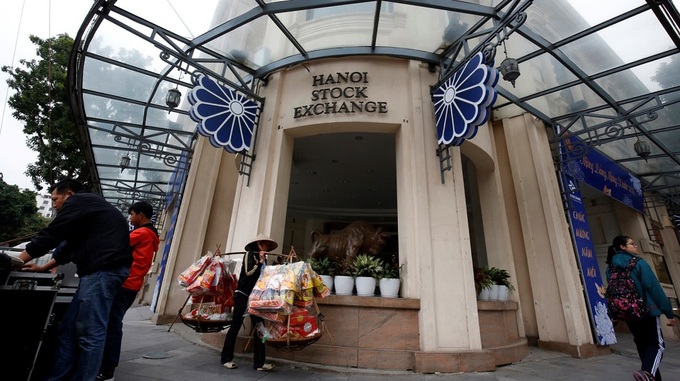
    The VN-Index closed the last trading day of 2018 at 892.54 points, down almost 10 percent from the year’s outset. This was a drop of 93 points from January 2, the first trading day of the year. The benchmark closed below the 900-point mark on Friday, a drop of over 25 percent from its peak at over 1,200 points in April. The VN30-Index, representing the 30 largest tocks in terms of capitalization, closed at 854.99 points, dropping 10.46 from Thursday, or 1.21 percent lower.

    Many stocks in the VN30-Index also ended in the red. Diary giant Vinamilk closed at VND120,000 ($5.2), 2.6 percent lower.

    Vietnam’s top petro importer and distributor Petrolimex fell 5.69 percent to VND53,000 ($2.3), while food company Masan dropped 1.9 percent to VND77,500 ($3.36).

    However, the HNX-Index on the Hanoi Stock Exchange and the UPCoM-Index for unlisted public companies ended in the green, up 0.24 percent and 0.46 percent respectively.

    Vietnam’s largest private firm Vingroup (VIC) ended the day at VND95,300 ($4.13), 6.93 percent lower. Vincom Retail’s VRE stock dropped almost five percent to VND27,000 ($1.17).

    Total market capitalization of all three stock markets, the Ho Chi Minh City Stock Exchange (HOSE), HNX and UPCoM, was VND4 trillion ($173.25 million).

    2018 has proved the most turbulent year for VN-Index since the 2008 crisis, ending an increasing run since 2016.

  • Petronas buys 10% of Block 61 onshore Oman

    Petronas buys 10% of Block 61 onshore Oman

    Petroliam Nasional Bhd (Petronas), through its subsidiary, PC Oman Ventures Ltd (PCOVL) has acquired a 10% stake in Block 61, onshore Oman from Makarim Gas Development LLC (MGD), after the conditions for the completion of the transaction were fulfilled. MGD is a subsidiary of Oman Oil Company Exploration & Production LLC. Petronas said the completion of the transaction was formalised at an event held in Muscat, Oman on Dec 27.

    Following the deal, MGD’s stake in Block 61 will be reduced to 30%, while P Exploration (Epsilon) Ltd as the operator holds the remaining 60% stake.

    Petronas noted that the acquisition of Block 61 marks an important step in realising the group’s growth strategy in the upstream sector in the region and globally, as it aligns its activities to ensure sustainable energy supply.

  • Grab eyes stake in Vinasun, taxi company refuses to play ball

    Grab eyes stake in Vinasun, taxi company refuses to play ball

    Grab’s surprise offer to buy a $2.78-million stake in top taxi company Vinasun has failed, with the latter asking to end negotiations. The negotiations between the two firms began earlier this month for compensation claimed by Vinasun from the Malaysian ride-hailing firm after the People’s Court of Ho Chi Minh City yet again adjourned hearing of a suit Vinasun had filed last year.

    A Vinasun spokesperson told the court following the latest resumption of the trial Wednesday that his firm had declined the offer since Grab had not made an appropriate offer. “We don’t want to continue the negotiations.”

    But Grab does not want the lawsuit to continue.

    Its spokesperson said: “We have become very tired during the 17 months of this trial for damages we did not cause. We do not want Vinasun to waste its time on this meaningless lawsuit. We consider the proposal to buy Vinasun’s stake an investment activity, and we expect to cooperate with Vinasun to end the case in a good way.”

    Vinasun filed the suit against Grab in June last year, accusing it of abusing the Ministry of Transport’s pilot scheme and committing violations.

    It said Grab’s illegal activities were responsible for nearly VND42 billion (nearly $1.8 million) of the VND76 billion ($3.25 million) worth of losses it had suffered in 2016 and the first half of 2017.

    The trial began last February, but was adjourned a month later to allow for more evidence to be gathered. Grab had protested against the value of Vinasun’s losses.

    Last October prosecutors asked the court to accept Vinasun’s petition for compensation of nearly VND42 billion, rejecting Grab’s claim it was a tech firm and not a taxi company.

    Grab responded by writing to Prime Minister Nguyen Xuan Phuc to say that identifying it as a taxi firm would be “a step backward from Industry 4.0.”

    The latest draft of a transport ministry decree requires firms offering taxi services to register as taxi firms before they can apply ride-hailing technologies.

    This means that Grab and other ride-hailing firms have to register afresh as taxi businesses and comply with legal requirements related to operating licenses, drivers’ profiles and taxes.

  • Trussardi Acquired by Quattro R

    Trussardi Acquired by Quattro R

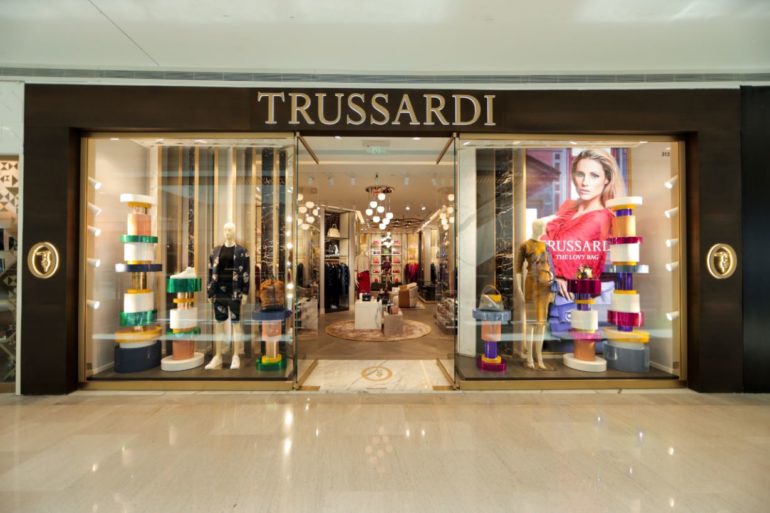
    Trussardi, the family-owned Italian luxury brand specialising in leather goods, has been acquired by private equity firm Quattro R, local media reports. BoF has not yet been able to independently confirm the report. According to Italian news site Pambianco, Quattro R will take an 80 percent stake in Trussardi for at least 50 million euros (around $57.1 million). Trussardi has not responded to BoF’s request for comment, and Quattro R has declined to comment on the matter.

    The deal will see ownership of Trussardi pass from its founding family — who has controlled it for four generations — for the first time in 107 years. Quattro R, which was established in 2015, specialises in turning around Italian companies in financial difficulty, and is backed by the likes of Italy’s state lender Cassa Depositi e Prestiti (CDP) and pension fund Cassa Forense.

    If Quattro R has indeed sealed the deal, it will mark the fund’s first investment in the fashion sector, though its chairman Andrea Morante — being the chairman of Italian shoemaker Sergio Rossi — is no stranger to the industry.

    According to Pambianco, Trussardi’s chief executive Tomaso Trussardi will hold the remaining 20 percent stake in the company. Tomaso’s sister Gaia Trussardi will no longer be a shareholder of the company, while shares belonging to Tomaso’s mother Maria Luisa Gavazzeni will be diluted. Meanwhile, managing director Massimo Dell’Acqua will be leaving his post, and the new management team will be announced when the deal closes in March.

    The brand has been experiencing difficulties for years, with acquisition rumours not far behind. In 2015, Trussardi received a 51.5 million euros (around $58.8 million) loan from six local banks and stipulated a capital increase of 5 million euros (around $5.7 million), soon followed by the shuttering of the house’s diffusion line Tru Trussardi. In April, Trussardi was hit by the unexpected resignation of Gaia Trussardi from her role as creative director.

    Trussardi operates 177 boutiques and over 1,500 points of sale in 47 countries worldwide. If the reports of a sale are confirmed, Trussardi will diverge from the surge of Italian heritage brands passing to foreign hands in recent months — from American Michael Kors’ acquisition of Versace in September, to the Hong Kong-based Sitoy Group’s taking the reins at A. Testoni in November.

  • Gas Malaysia ups natural gas tariff

    Gas Malaysia ups natural gas tariff

    Gas Malaysia Bhd has announced a higher average effective natural gas tariff for the non-power sector in Peninsular Malaysia at RM32.92 per MMBtu, which is 0.7% higher than the current RM32.69 per MMBtu. The revision will be effective from Jan 1, 2019 to June 30, 2019.

    The group told the stock exchange that the government has issued an instruction for the company to effect the natural gas tariff revision starting early next year.

    The average base tariff will be set at RM32.69 per MMBtu.

    Under the gas cost pass through (GCPT) mechanism, a surcharge of RM0.23 per MMBtu will apply to all tariff categories for the period beginning Jan 1 to June 30, 2019. This translates to an average effective tariff of RM32.92 per MMBtu.

    However, for Category A (Residential), the effective tariff rate fell 0.34% to RM23.72 from RM23.80 per MMBtu.

    Gas Malaysia said while the tariff revision has no material impact on its business operations, it is expected to contribute positively towards its financial position for the financial year ending Dec 31, 2019.

    To note, the government has prescribed the Incentive-Based Regulation (IBR) framework which sets the base tariff for a regulatory period of three years from January 2017 and allows changes in the gas costs to be passed through via the GCPT mechanism every six months.

    Gas Malaysia shares closed 0.74% or two sen lower at RM2.69 with 547,300 shares transacted.

  • AirAsia Malaysia sells Merah Aviation Asset for RM3.22b

    AirAsia Malaysia sells Merah Aviation Asset for RM3.22b

    AirAsia Group Bhd is disposing of its entire stake in Merah Aviation Asset Holding Ltd to AS Air Lease Holdings 5T DAC for US$768 million (RM3.22 billion). AS Air Lease is indirectly owned by Castlelake LP, a US-based global private investment firm and leader in aircraft ownership and servicing.

    AirAsia told Bura Malaysia that its indirect wholly-owned subsidiary Asia Aviation Capital Ltd (AACL) had entered into agreements to sell Merah Aviation, which will comprise 25 existing aircraft to be leased to AirAsia.

    Castlelake will also purchase from AACL a total of four new aircraft to be delivered in 2019 for a purchase consideration to be determined at a later date. The aircraft will be leased back to AirAsia and/or its affiliates.

    Merah Aviation is principally engaged in the owning, leasing and/or financing of aircraft.

    AirAsia said the transaction is subject to its shareholders’ approval and other relevant customary closing conditions, and is expected to be completed in the second quarter of 2019.

    Bulk of the proceeds will be used for the repayment of existing debt.

    AirAsia noted the proposed disposal is in line with the group’s strategy to focus on its core airline operations with an estimated net gain of about RM174.9 million.

    It will also allow the group to reduce its financial leverage as the gross gearing ratio is expected to fall from 0.53 times to 0.24 times.

    Castlelake specialises in providing creative, flexible capital solutions for its airline partners. Since its inception in 2005, Castlelake has invested in and managed more than 500 aircraft on behalf of its funds

    With the closing of this transaction, Castlelake’s current fleet will comprise more than 250 aircraft.