Tag: Strategic

  • CTG Duty Free Acquires DFS: LVMH’s Strategic Luxury Retail Sale Boosts China’s Travel Market

    CTG Duty Free Acquires DFS: LVMH’s Strategic Luxury Retail Sale Boosts China’s Travel Market

    Global luxury travel retailer DFS, which is owned by LVMH and Robert Miller, DFS’ co-founder and shareholder, has revealed they are set to sell their retail business across Greater China to the China Tourism Group (CTG) Duty Free. According to the agreement, CTG Duty Free is set to acquire businesses in Hong Kong, Macau, and Greater China.

    Acquisition of DFS Brands

    Aside from acquiring businesses, CTG Duty Free will also obtain a variety of DFS brands and intellectual properties exclusively for usage across Greater China. The proceeds from this transaction will be received in cash. Post-transaction, DFS will maintain operations of its other luxury travel retail businesses worldwide.

    Luke Chang, executive director and president of CTG Duty Free, shared that this move is expected to broaden the service network of CTG Duty Free across the Greater Bay Area. The goal is to establish a platform for promoting China-influenced brands globally while setting up an international business mid-platform.

    Chang also emphasized CTG Duty Free’s commitment to provide superior travel retail experiences to both domestic and international tourists. This aligns with their responsibility as a central state-owned enterprise-controlled listed company to facilitate the high-quality development of the retail economy in Hong Kong and Macau.

    A Significant Step for DFS

    DFS has described the sale as a significant step for the company. Ed Brennan, chairman and CEO of DFS, stated that the company is proud of its well-established presence and operational excellence in Hong Kong and Macau. The DFS shopping experience is expected to improve and progress with the fresh skills and perspectives that CTG Duty Free will introduce.

    Michael Schriver, president of LVMH for North Asia, expressed that the move highlights LVMH’s confidence in the long-term potential of the Chinese market. The transaction is anticipated to be finalized in approximately two months.

    Questions & Answers

    What is the agreement between DFS and CTG Duty Free about?
    The agreement is about the sale of DFS’ retail business across Greater China to CTG Duty Free.

    What will CTG Duty Free acquire from DFS?
    CTG Duty Free will acquire businesses in Hong Kong, Macau, and Greater China as well as a series of DFS brands and intellectual properties for exclusive use in Greater China.

    What will be the impact of this transaction on DFS?
    After the transaction, DFS will continue to operate its other luxury travel retail operations worldwide. The sale is seen as an important step for DFS and is expected to enhance the shopping experience they offer with new skills and perspectives from CTG Duty Free.

  • Amazon Seeks to Lower Vendor Costs as Chinese Tariff Rates Drop: A Strategic Move in eCommerce Landscape

    Amazon Seeks to Lower Vendor Costs as Chinese Tariff Rates Drop: A Strategic Move in eCommerce Landscape

    E-commerce behemoth Amazon has confirmed that it is in conversations with several vendors to revise costs in response to the decrease in tariff rates imposed on imports from China. The company aims to reduce the amount it pays suppliers for goods sold through its digital platform, marking an attempt to roll back concessions made to cushion the impact of tariffs introduced by former US President, Donald Trump.

    According to an Amazon spokesperson, the company is consistently working with its diverse and valued selling partners to assist them in adjusting to the shifting landscape while maintaining a wide assortment of products and competitive prices for consumers.

    In the latter part of October the previous year, an agreement was reached between Trump and Chinese President Xi Jinping to reduce tariffs on Chinese imports. This was in return for Beijing tackling the illegal fentanyl trade, reinstating US soybean purchases, and ensuring the continuous flow of rare earth exports.

    As a result of the agreement, the average tariffs on Chinese imports to the US have been cut from 57% to approximately 47%.

    In related news, the US Supreme Court announced last week that it will deliver its next decisions on January 14, with several major cases still pending. These include the legal examination of Trump’s comprehensive global tariffs.

    Should the court rule that the extensive duties imposed by Trump under the International Emergency Economic Powers Act are unlawful, the administration could face the prospect of reimbursing nearly $150 billion in tariffs to importers.

    Questions & Answers

    What are the discussions between Amazon and vendors about?
    Amazon is in talks with several vendors about adjusting costs in response to a decrease in tariff rates on Chinese imports.

    What was the agreement between Trump and Xi Jinping?
    Trump and Xi Jinping agreed to reduce tariffs on Chinese imports. In return, Beijing would tackle the illegal fentanyl trade, reinstate US soybean purchases, and ensure the continuous flow of rare earth exports.

    What could be the implications of the US Supreme Court’s decision on Trump’s global tariffs?
    If the court declares the extensive duties imposed under the International Emergency Economic Powers Act as unlawful, the administration may have to refund nearly $150 billion in tariffs to importers.

  • Jollibee Gears Up for US Listing: Spinning Off Global Operations in Strategic Business Split

    Jollibee Gears Up for US Listing: Spinning Off Global Operations in Strategic Business Split

    Jollibee Foods Corp, a major player in the foodservice industry, has announced its intention to separate its international operations from its existing company structure. This significant move involves setting up a new, independent entity, which will be listed on a U.S. securities exchange, according to the company’s recent disclosure to the Philippine Stock Exchange.

    Two Independent Entities with Distinct Goals

    The company’s local operations in the Philippines will continue to be listed on the local stock exchange. The strategic decision to bifurcate the business is aimed at forming two autonomous entities. Each will have its distinct strategic focus and investment profile, allowing each to operate more efficiently within its designated market.

    Following the announcement, Jollibee’s stock experienced an impressive 14.5% surge, marking its most significant one-day increase in over half a decade.

    Timeline and Shareholder Impact

    Jollibee has outlined a tentative timeline for executing the transaction, aiming for completion in late 2027. However, the finalization of this move is subject to various factors including market conditions, thorough due diligence, and gaining necessary regulatory approvals.

    The current shareholders of Jollibee will not be left in the lurch following this corporate restructuring. They will be given shares in the newly formed entity, which will be in line with their existing interest in the company. This distribution, though, will be subject to applicable taxes and legal compliances. The company has noted that this information is still preliminary and may be subject to changes.

    Global Presence

    Jollibee has a formidable global presence with over 10,000 stores spread across 33 countries. Its portfolio includes well-known brands such as Jollibee, Chowking, Smashburger, and Tim Ho Wan, among others.

    Questions & Answers

    When does Jollibee plan to execute this corporate restructuring?
    The company aims to complete the restructuring by late 2027, subject to market conditions and necessary regulatory approvals.

    What will happen to the current shareholders of Jollibee?
    Existing shareholders will receive shares in the newly formed company, which will be proportionate to their current interest in Jollibee, subject to applicable taxes and legal requirements.

    What impact will this restructuring have on Jollibee’s local operations?
    The restructuring is not expected to impact Jollibee’s local operations, which will continue to be listed on the Philippine Stock Exchange.

  • Malaysia’s Strategic Moves to Regain Palm Oil Dominance in China Amid Market Challenges

    Malaysia’s Strategic Moves to Regain Palm Oil Dominance in China Amid Market Challenges

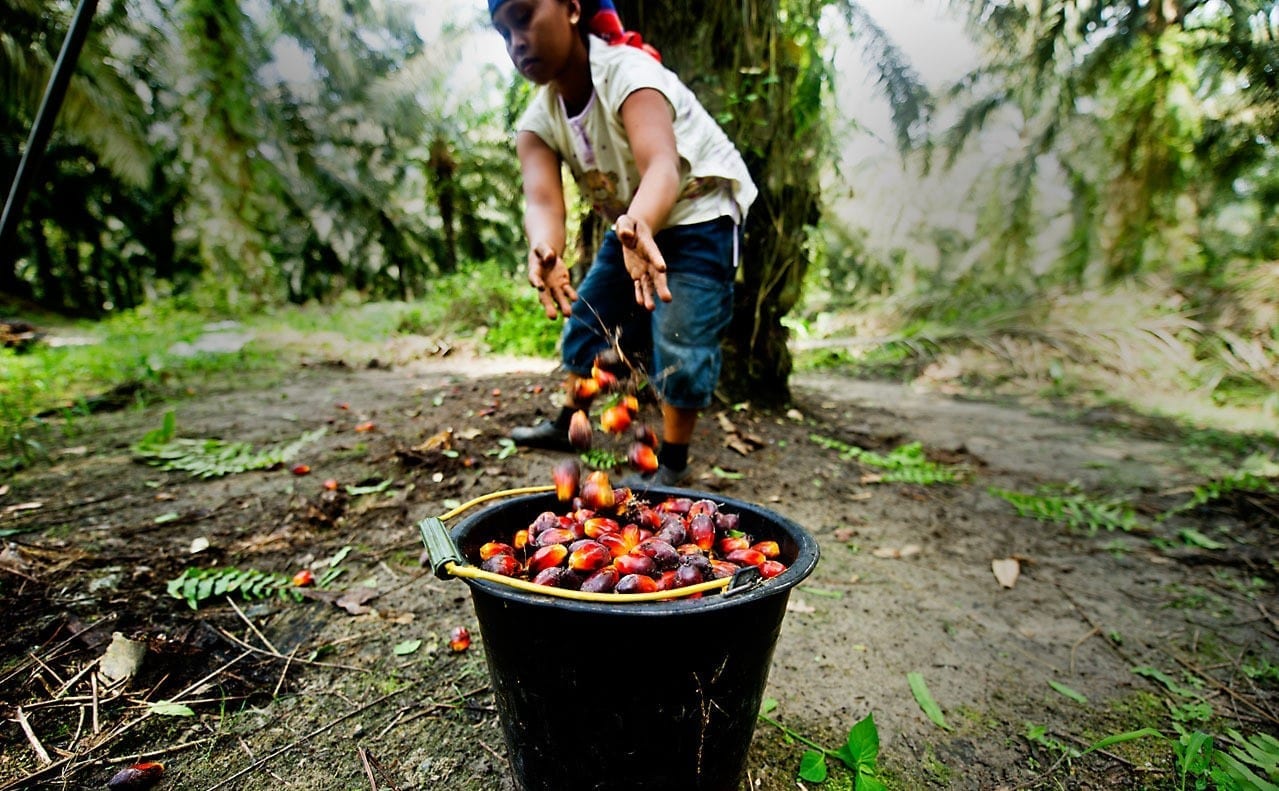
    Malaysia is taking proactive measures to reclaim its portion of China’s palm oil market, following a precipitous drop of almost 39% in export volumes year-on-year in the first ten months of 2025.

    Factors Influencing the Decline

    According to Malaysia’s Plantation and Commodities Minister, Datuk Seri Johari Abdul Ghani, this dramatic decrease can be attributed in part to logistics issues and a surge in palm oil prices. The latter has overtaken the costs of soybean oil, making soybean oil more attractive to Chinese buyers.

    Chinese Market Significance

    China holds a pivotal role as a strategic market for Malaysia, having consistently been one of the leading destinations for Malaysian palm oil exports for over a decade. Ghani remarked that the steep decrease points to deeper problems, extending beyond simply competitiveness and logistics. The issues also involve pricing dynamics and market positioning.

    Transparent Export Policies

    Ghani underscored that Malaysia remains committed to maintaining clear and predictable export policies. This approach is designed to ensure that the nation’s activities do not interfere with the interests of its key trading partners.

    Promoting Continuous Dialogue

    In addition, Malaysia is open to ongoing discussions to better synchronize expectations regarding pricing trends, market developments, and long-term supply planning, the minister added.

    Questions & Answers

    What has caused the drop in Malaysia’s palm oil exports to China?
    The drop in exports has primarily been attributed to two factors: challenges in logistics and a rise in palm oil prices, which have made soybean oil a more attractive choice for Chinese buyers.

    Why is the Chinese market significant to Malaysia?
    China is a key and strategic market for Malaysia, consistently standing as one of the top destinations for Malaysian palm oil exports for over a decade.

    How does Malaysia plan to address the current challenges and regain its market share?
    Malaysia intends to maintain transparent and predictable export policies and is open to continuous dialogue on pricing trends, market developments, and long-term supply planning to better align expectations.

  • Metcash Battles Tough Trading Climate: Mixed Results and Strategic Market Gains Detailed in Interim Report

    Metcash Battles Tough Trading Climate: Mixed Results and Strategic Market Gains Detailed in Interim Report

    In the first half of the fiscal year, Metcash released a diverse range of results as the firm navigated a challenging trading period. The group’s revenue for the six months concluding on October 31 saw a slight increase of 0.1%, amounting to $8.5 billion. This figure rose to $9.6 billion, an increase of 0.4%, when charge-through sales were included.

    Segment Performance

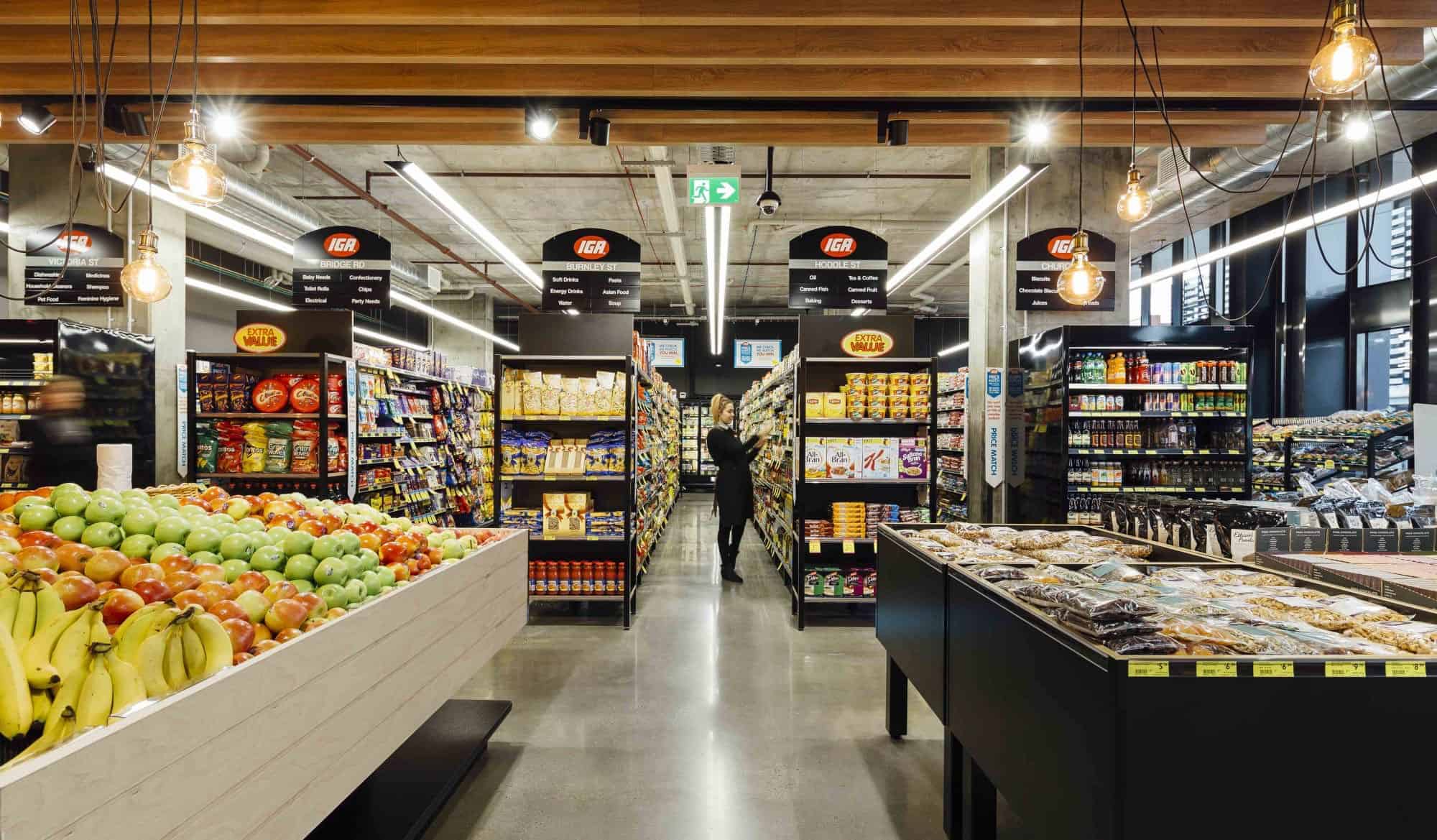
    Metcash’s food segment, with the exception of tobacco, witnessed a 7.2% surge, indicating growth in both its supermarket business (IGA) and foodservice and convenience operations (Campbells & Convenience and Superior Foods).

    However, when tobacco was included, food sales decreased by 0.8%. This decline in tobacco sales, which accelerated to 35%, was reportedly due to the implementation of new regulations in July.

    In the liquor sector, Metcash saw sales rise by 1.4%, reflecting a growth in market shares in Australian packaged liquor and a surge in wholesale sales to on-premise patrons.

    The hardware segment of the business also experienced growth, with sales rising by 2.4%. Similarly, Total Tools sales saw a 3% increase.

    Financial Outcomes

    Regarding the bottom line, the group’s EBITDA increased by 2% to $367.2 million. Contrarily, the underlying profit after tax witnessed a decline of 5.9%, amounting to $126.7 million. This decrease was due to a combination of lower hardware and liquor earnings, an increase in finance costs, and increased depreciation and amortization.

    Future Prospects

    Despite the challenging trading conditions, Metcash group CEO Doug Jones expressed satisfaction with the company’s results. According to Jones, the company has been making substantial progress in their strategy of extending through the value chain and ‘winning with independents’. This strategy presents opportunities to extend their addressable markets while also providing attractive margins.

    Jones went on to express optimism about Metcash’s future prospects, stating that the company is well set for continued success. He emphasized the company’s robustness, diversity, and resilience, as well as the considerable opportunities for accelerating growth.

    Questions & Answers

    What was the increase in Metcash’s revenue for the first half of the fiscal year?
    The revenue saw a slight increase of 0.1%, amounting to $8.5 billion.

    How did the new regulations in July affect Metcash’s tobacco sales?
    The decline in tobacco sales, which accelerated to 35%, was reportedly due to the implementation of new regulations in July.

    What is Metcash group CEO Doug Jones’s outlook for the company’s future?
    Jones expressed optimism about Metcash’s future prospects, emphasizing the company’s robustness, diversity, and resilience, as well as the considerable opportunities for accelerating growth.

  • DHL Invests €130M in Boosting Saudi Logistics with New Hub: A Strategic Leap towards Vision 2030

    DHL Invests €130M in Boosting Saudi Logistics with New Hub: A Strategic Leap towards Vision 2030

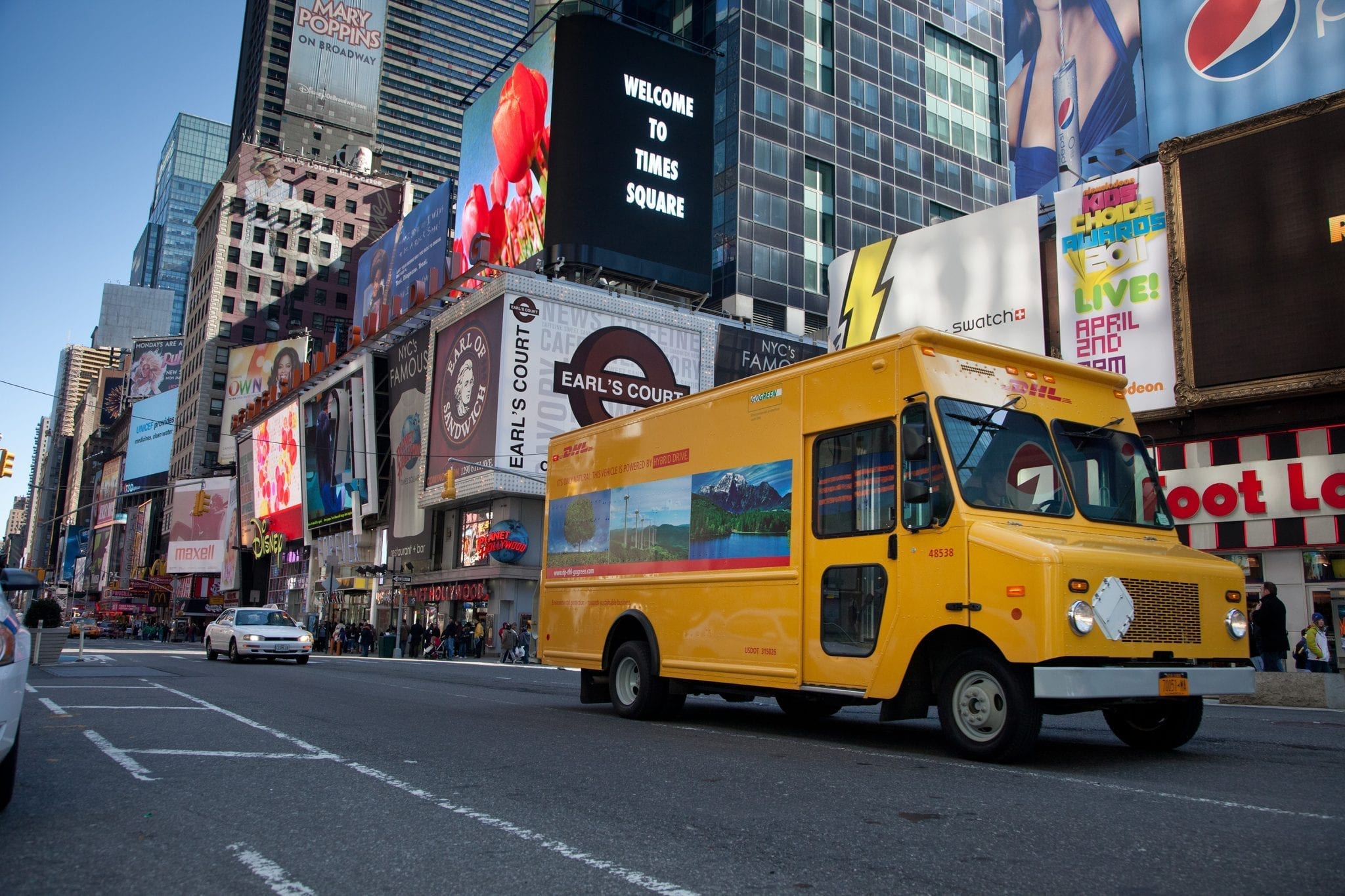
    DHL Supply Chain, the world’s leading contract logistics provider, has announced an investment of approximately €130 million (560 million SAR) towards the establishment of a regional logistics and distribution hub in Riyadh, located in Saudi Arabia’s Special Integrated Logistics Zone (SILZ). This strategic investment reaffirms the company’s commitment to the Kingdom’s Vision 2030 and its goal of becoming a global logistics powerhouse. This facility is part of DHL’s larger investment strategy in Saudi Arabia.

    Features of the New Facility

    The new distribution hub will be built on a 78,000 sqm land plot, with a 53,000 sqm facility, under a lease agreement for a 26-year term. This multi-user warehouse will service various sectors, such as technology, retail and consumer, automotive, energy, and e-commerce, offering customised solutions for each industry. Construction is set to commence in the first quarter of 2026, with completion projected for the second quarter of 2027. This new warehouse is a component of the €500 million investment announced by DHL Group for the Middle East extending to 2030.

    Hendrik Venter, CEO of DHL Supply Chain, commented on the growth potential of the region, saying, “The Middle East is one of the fastest-growing logistics regions globally, and Saudi Arabia sits at the centre of this transformation… Our new multiuser facility at SILZ will not only accelerate supply chain resilience and connectivity but also enable global businesses to migrate their distribution centres to the Kingdom…”

    Strategic Location and Benefits

    Situated just eight kilometres from King Khalid International Airport and connected via a bonded corridor, the new hub will offer unrivalled proximity to global air routes. This advantageous location will ensure faster lead times and seamless access to and from the Middle East’s largest consumer market—facilitating efficient inbound flows into the Kingdom and supporting the burgeoning outbound export trade.

    Mostapha Mokdad, DHL Supply Chain KSA’s Managing Director, stressed the alignment of this initiative with the Kingdom’s Vision 2030, saying, “…our lighthouse site at SILZ is a testimony of supporting our global customers to actively serve the Kingdom of Saudi Arabia as the largest market in the region…”

    Significant Milestone and Future Opportunities

    The agreement represents a significant step in DHL Supply Chain’s long-term expansion strategy in the Kingdom and mirrors the strong alignment between the company’s growth ambitions and Saudi Arabia’s Vision 2030 objectives. The new facility is anticipated to generate new employment opportunities, contributing to local workforce development in line with Vision 2030.

    The collaboration between the two parties will continue through the construction and development phases. Operations at the new hub are expected to enhance regional connectivity and unlock significant long-term economic value.

    Questions & Answers

    When is the construction of the new DHL facility expected to begin?
    Construction is scheduled to start in the first quarter of 2026.

    What is the primary purpose of the new DHL facility in SILZ?
    The facility will serve as a regional logistics and distribution hub catering to various sectors, including technology, retail, automotive, energy, and e-commerce.

    How will the new DHL facility contribute to Saudi Arabia’s Vision 2030?
    The facility aligns with the Vision 2030 objectives by creating new employment opportunities and aiding in the development of the local workforce. It also supports the Kingdom’s ambition to become a global logistics hub.

  • Singtel Celebrates 14% Profit Leap: A Triumph of Regional Growth and Strategic Investments

    Singtel Celebrates 14% Profit Leap: A Triumph of Regional Growth and Strategic Investments

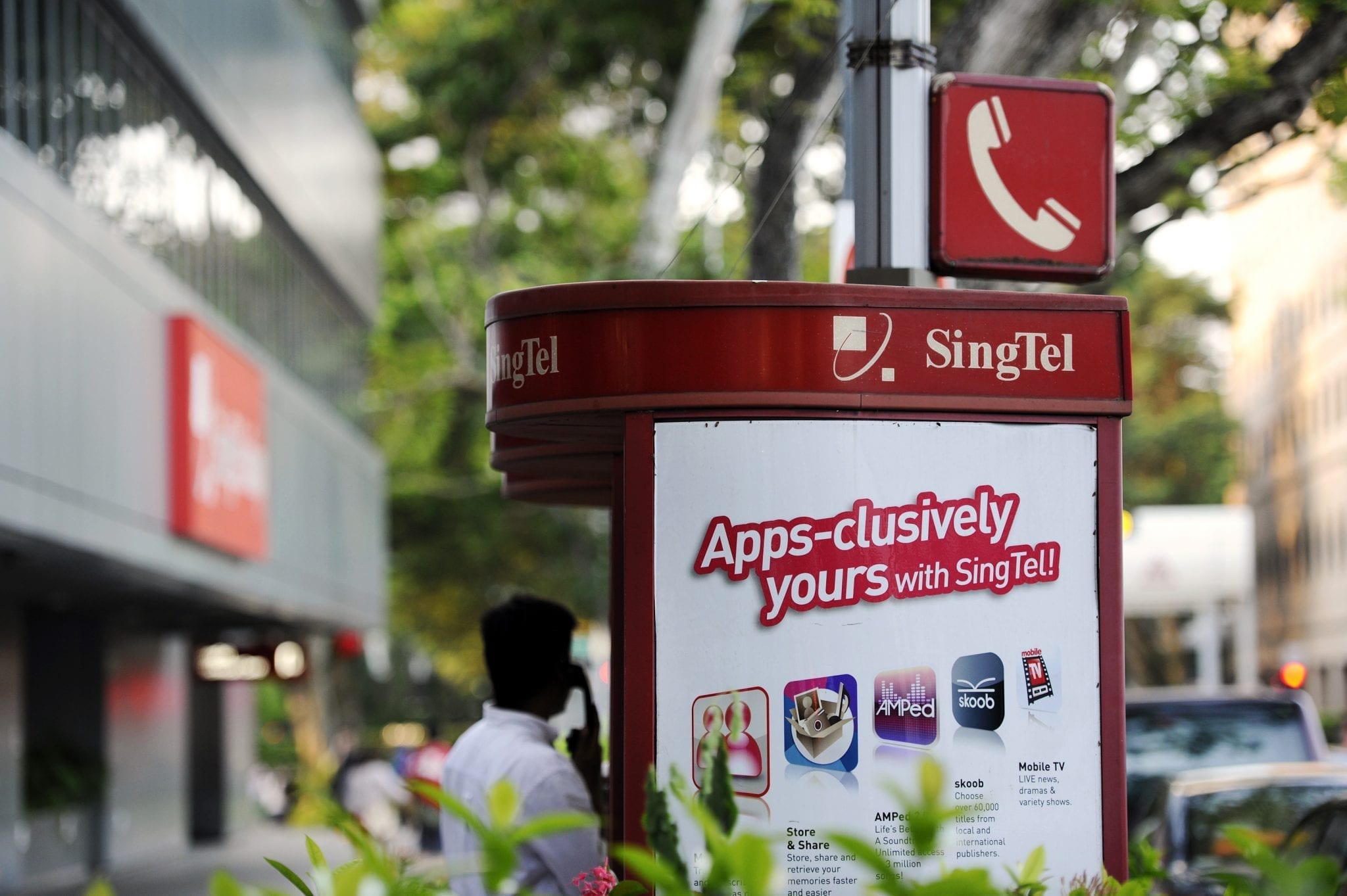
    The Singtel Group has reported a 14% increase in underlying net profit, reaching SGD 1.35 billion in the first half of the year. This growth has been mainly driven by regional associates Airtel and AIS, as well as operating companies NCS and Optus.

    Profit Increase Despite Economic Challenges

    Neglecting the impact of foreign currency fluctuations and contributions from Intouch, which concluded after its merger with Gulf, the underlying net profit would have increased by 22%. The net profit rose to SGD 3.40 billion, largely as a result of a net exceptional gain of SGD 2.05 billion from the partial sale of a stake in Airtel in May and the Intouch-Gulf merger.

    Operating revenue declined by 1.2% to SGD 6.91 billion, which was affected by the strong Singapore dollar. However, in constant currency terms, the Group’s operating revenue, EBITDA, and operating company EBIT would have increased by 1.9%, 4.9%, and 14%, respectively.

    CEO Insights

    Yuen Kuan Moon, Singtel Group CEO, stated that the group’s H1 results reflect the positive momentum across their diversified portfolio of businesses across the region. They have continued to drive growth in connectivity, digital services, and digital infrastructure and also unlocked value from their asset recycling efforts as they executed their Singtel28 plan.

    Despite the challenging macroeconomic outlook, and uncertainty surrounding the Optus business, Yuen believes their business and geographical diversity is providing stability to the Group’s performance. He expects their growth engines to change the business’s complexion in the mid term as they continue to scale.

    Plan Execution and Active Capital Management

    Since launching the Singtel28 plan, the Group’s active capital management has generated SGD 5.6 billion in proceeds, including SGD 1.5 billion from the recent divestment of a 0.8% stake in Airtel. The Group has achieved more than half of its new SGD 9 billion mid-term asset recycling target, which will be used to fund growth opportunities and provide returns to shareholders.

    The Group’s balance sheet remains strong, with a cash balance of SGD 3.4 billion as of September 2025, helping reduce net debt to SGD 8.7 billion and improve gearing ratios.

    Regional Associates’ Contributions

    The profit contributions from regional associates post-tax increased by 12% to SGD 0.92 billion. Excluding Intouch and considering constant currency terms, these contributions would have risen by 25%.

    Airtel Group saw solid earnings growth in both India and Africa due to effective execution and higher mobile tariffs, while AIS reported stronger profits due to revenue growth and effective cost management. However, Telkomsel’s performance was impacted by weaker mobile performance, a capital gain from the sale and leaseback of indoor infrastructure in the previous period, and higher interest expenses. Globe’s earnings also declined due to weak consumer spending.

    Questions & Answers

    What is the overall financial status of Singtel Group?
    Singtel Group has reported a 14% increase in underlying net profit, reaching SGD 1.35 billion in the first half of the year.

    What were the main contributors to Singtel Group’s growth?
    The growth was mainly driven by regional associates Airtel and AIS, as well as operating companies NCS and Optus.

    What does the Group’s CEO, Yuen Kuan Moon, attribute the positive results to?
    Yuen attributes the positive results to the group’s diversified portfolio of businesses across the region and active capital management as part of the Singtel28 plan. The plan has generated SGD 5.6 billion in proceeds, contributing to the reduction of net debt and improvement of gearing ratios.

  • Estée Lauder Dives into Latin America’s Fragrance Scene with Strategic Investment in Mexican Brand, Xinú

    Estée Lauder Dives into Latin America’s Fragrance Scene with Strategic Investment in Mexican Brand, Xinú

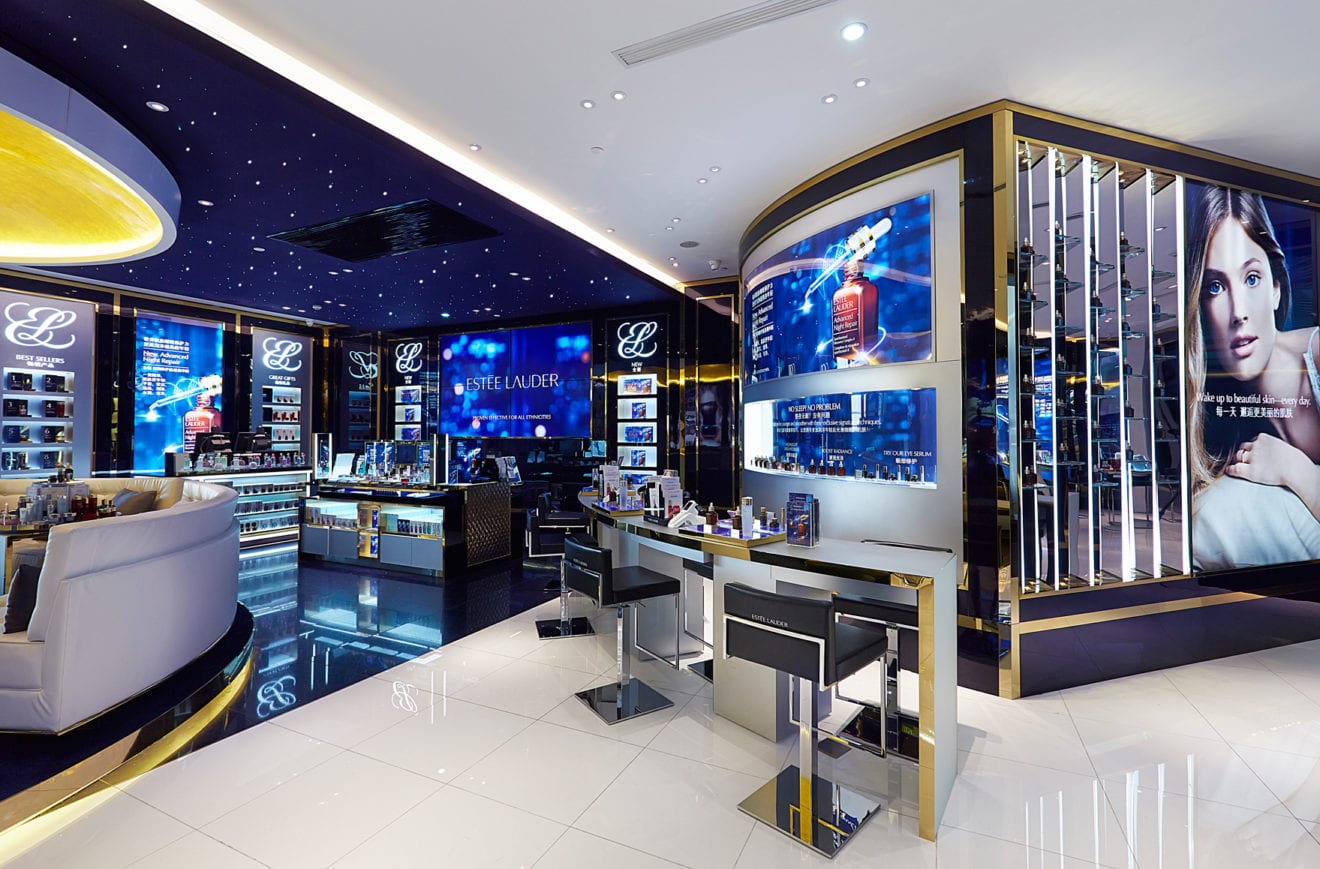
    Cosmetics giant Estée Lauder has recently invested in a minority share of the Mexican perfume label Xinú. This move represents Estée Lauder’s first venture into the Latin American market.

    The investment strategy was executed through New Incubation Ventures (NIV), Estée Lauder’s unit focused on early-stage investments and incubation. NIV is dedicated to financially backing and fostering up-and-coming beauty brands.

    Mexico: A Hub of Fragrance Innovation

    Stéphane de La Faverie, the President and CEO of Estée Lauder, has lauded Mexico as a vibrant center of perfume innovation. He believes that the country represents a unique melding of craftsmanship and cultural pertinence. In his view, Xinú is the embodiment of this ethos, as they redefine contemporary luxury through authenticity, artistry, and captivating narratives.

    Xinú presents itself as a brand inspired by the abundant and exotic richness of the American continent. It synthesizes elements of fragrance, design, and storytelling, and is highly regarded for its commitment to sustainable design. Xinú also prides itself on its sensorial retail environments and product offerings.

    Investment Reflects Commitment to Region

    De La Faverie expressed that this investment underlines Estée Lauder’s firm belief in the region’s exceptional talent. Moreover, it demonstrates their ongoing commitment to nurturing emerging brands that will shape the future of the fragrance and beauty sectors.

    Questions & Answers

    Why has Estée Lauder invested in Xinú?
    Estée Lauder’s investment in Xinú reflects the company’s belief in the region’s exceptional talent and its commitment to nurturing emerging brands that will shape the future of the fragrance and beauty sectors.

    What does Xinú represent according to Estée Lauder’s CEO?
    According to Estée Lauder’s CEO, Xinú is a brand that embodies the spirit of Mexican innovation in fragrance, redefining contemporary luxury through authenticity, artistry, and captivating narratives.

    How does Xinú distinguish itself in the perfume market?
    Xinú sets itself apart in the perfume industry through its inspiration from the abundant richness of the American continent, its synthesis of fragrance, design, and storytelling, its commitment to sustainable design, and its sensorial retail environments.

  • Pandora Jewelry’s Strategic Expansion: New Regional HQ and Factory to Accelerate Asian Market Growth

    Pandora Jewelry’s Strategic Expansion: New Regional HQ and Factory to Accelerate Asian Market Growth

    Pandora, recognized as the world’s leading jewelry brand in terms of sales volume, has announced its plan to establish a fresh regional headquarters in Singapore. The move forms part of a broader growth strategy designed to strengthen the company’s footprint across Asia.

    Why Singapore?

    Massimo Basei, Pandora’s Chief Commercial Officer, highlighted several reasons for choosing Singapore for this strategic move. He pointed out that the city-state’s robust business environment, dynamic economy, and strategic positioning within Asia were crucial in making this decision.

    Basei explained, “Singapore’s location, right at the heart of Asia, allows us to extend the right levels of support to markets ranging from Japan and South Korea to India and Southeast Asia.”

    A New Home for Pandora

    The Danish jewelry giant has inked a lease agreement for its new 8,600-square-foot office situated at Asia Square Tower 1 in Marina Bay. The new office is expected to become operational in the near future.

    Pandora has plans to expand its team by recruiting approximately 50 employees across various fields such as branding, marketing, and operations. The hiring process is anticipated to commence soon.

    Basei acknowledged that while Asia is home to some of the world’s largest jewelry markets, it remains relatively under-represented within Pandora’s global business landscape. He stated, “While we have had a presence in Asia, we now aim to intensify our focus on this region.”

    Current Market Position

    At present, the United States stands as Pandora’s most significant market, contributing to 32% of its revenue in the initial nine months of 2025. Other crucial markets are the U.K. (11%), Italy (7%), and Germany (7%).

    However, Pandora has been steadily reducing its operations in China due to flagging sales. Over the course of this year, the company has shut down 59 concept stores in China.

    Production Expansion

    In order to meet the expected increase in demand resulting from its Asian expansion, Pandora has launched a new production facility in Vietnam. The company commenced the construction of a US$150 million manufacturing site in Binh Duong, now a part of Ho Chi Minh City, in May last year. Production at this site is slated to start next year.

    Until now, all of Pandora’s jewelry has been produced at its three facilities in Bangkok and Lamphun, Thailand. The new Vietnam facility is projected to augment Pandora’s production capacity by approximately 50%, enabling the company to manufacture up to 60 million pieces annually. For context, Pandora produced a total of 113 million pieces in 2024.

    Questions & Answers

    Why did Pandora choose Singapore for its new regional headquarters?
    Singapore was selected due to its vibrant business environment, dynamic economy and strategic location in the heart of Asia.

    What is the main aim of Pandora’s expansion in Asia?
    While Pandora has had a presence in Asia, it aims to intensify its focus on the region, which is home to some of the world’s largest jewelry markets.

    How is Pandora planning to meet the increased production demand due to its Asian expansion?
    Pandora has set up a new factory in Vietnam, which will aid in increasing the production capacity by about 50%, enabling the manufacture of up to 60 million pieces annually.

  • Singtel Unlocks SGD 1.5B in Airtel Stake Sale: A Strategic Move Towards Portfolio Optimization

    Singtel Unlocks SGD 1.5B in Airtel Stake Sale: A Strategic Move Towards Portfolio Optimization

    Singapore Telecommunications Limited (Singtel) has divested approximately 0.8% of their direct investment in their regional associate, Airtel. The sale generated SGD 1.5 billion, marking an important step in Singtel’s ongoing plan to streamline operations via asset recycling. The transaction was conducted through a private placement to institutional investors, a move that demonstrates significant market demand and confidence in Airtel. It is anticipated that the sale will yield profits of around SGD 1.1 billion.

    Singtel’s Strategy and Outcome

    The Group Chief Financial Officer of Singtel, Mr. Arthur Lang, shed some light on the company’s strategy. He explained that Singtel has been collaborating closely with Bharti Enterprises to gradually balance their effective stake in Airtel. He further affirmed that the transactions have allowed them to unlock value while retaining a significant stake in Airtel. This approach enables them to continue to invest in India’s rapidly growing digital economy.

    Mr. Lang spoke of the success of the capital management program, which he said has already amassed SGD 5.6 billion. This is over half of their recently adjusted mid-term asset recycling target of SGD 9 billion. He explained that this financial strategy affords Singtel the flexibility to bolster its balance sheet, fund growth opportunities in digital infrastructure and services, and ensure sustainable dividend growth.

    Progress and Future Plans

    As of May 2025, Singtel had already exceeded half of its original SGD 6 billion mid-term asset recycling target, which had been declared a year prior. Following this achievement, the target was revised to SGD 9 billion. The raised capital will be directed towards supporting growth and providing capital returns via its value realization dividend and share buyback program.

    In the wake of this recent transaction, Singtel is set to retain a 27.5% stake in Airtel. The retained stake is estimated to be worth approximately SGD 51 billion.

    Questions & Answers

    What is Singtel’s ongoing strategy?
    Singtel is optimizing its portfolio through asset recycling, which includes selling some of its stakes in associates and investing the proceeds in new growth opportunities.

    What is expected to be the outcome of Singtel’s recent divestment from Airtel?
    The sale is expected to yield profits of around SGD 1.1 billion, contributing to their mid-term asset recycling target of SGD 9 billion.

    What is the future of Singtel’s investment in Airtel?
    Following the recent transaction, Singtel will retain a significant 27.5% stake in Airtel, demonstrating its continued commitment to invest in India’s digital economy.

  • Shaping the Future: DHL’s Strategic Leap into Digitalization, Sustainability & Infrastructure Growth in Asia Pacific

    Shaping the Future: DHL’s Strategic Leap into Digitalization, Sustainability & Infrastructure Growth in Asia Pacific

    DHL Express has confidently set its sights on growth amidst a rapidly changing global trade environment. The company is guided by its recently launched Strategy 2030, marking a full year of an ambitious plan. CEO for Asia Pacific, Ken Lee, explains that the strategy focuses on harnessing key strengths such as a robust and resilient network, deep industry know-how, and a dedicated workforce. Simultaneously, it emphasizes proactive investments in infrastructure, digital transformation, and sustainability in order to capture opportunities in high-growth sectors.

    Strategic Highlights

    Strategy 2030 outlines five primary areas of growth: capitalizing on geographic advantages, targeting life sciences and healthcare, focusing on new energy, bolstering e-commerce, and enhancing digital sales. Additionally, it introduces a new “fourth bottom line” aimed at making DHL the preferred choice for green logistics, reflecting the company’s commitment to leading in low-carbon logistics.

    DHL’s investments in infrastructure, including expanding air hubs in Hong Kong, Singapore, and Kuala Lumpur as well as modernizing the Air Hong Kong fleet, aim to increase resilience, enhance capacity, and offer seamless connectivity across its global network. These tangible improvements are reinforced by innovations in digital technology, robotics, automation, and strategic partnerships to increase Sustainable Aviation Fuel (SAF) usage and develop carbon-neutral facilities. These efforts have led to DHL being recognized as the first-ever Sustainability Advocate of the Year at the 2024 Payload Asia Awards.

    Resilience amidst Global Trade Dynamics

    Global trade continues to be influenced by changing supply chain patterns, geopolitical tensions, and economic uncertainty. However, DHL maintains a robust position as a logistics leader and trade enabler, underpinned by three core strengths: a complete portfolio spanning air, road, and ocean transportation; a presence in over 220 countries and territories; and a seasoned, committed workforce.

    Lee acknowledges the uncertainty of the current trade environment but stresses DHL’s ability to navigate it, citing their agility and flexibility in adapting to shifting customer demands and trade regulations. This resilience bolsters DHL’s capacity to make bold, forward-looking infrastructure investments across the region.

    Expanding Hubs and Modernizing Fleet

    DHL’s role as a trade facilitator involves assisting customers in expanding internationally. This necessitates a network of hubs and gateways at critical airports, backed by service centers and state-of-the-art ground facilities. In recent years, DHL has consistently invested ahead of demand to accommodate rising shipment volumes.

    Significant developments include the second expansion of the Central Asia Hub in Hong Kong in 2023 to meet growing shipment demand within and outside Asia. DHL also opened an expanded gateway in Kuala Lumpur and upgraded its South Asia Hub in Singapore. These improvements cater to expected growth from e-commerce and the region’s increasing importance as a global trading partner.

    Additionally, DHL has modernized its fleet, upgrading the Air Hong Kong-operated fleet with 14 new A330 freighters and retiring the older A300-600 aircraft. Lee notes that companies are increasingly requiring their suppliers to diversify sourcing options to minimize operational risks, and this is where DHL’s expertise comes into play.

    Operational Excellence and Customer Flexibility

    DHL’s success is not solely defined by its physical infrastructure. The company is also deeply integrating advanced digital technologies into its operations to streamline workflows, enhance service quality, and create a safer, more efficient working environment.

    In warehouses, AI-based tools and robotics platforms are reducing travel distances for staff and speeding up robot integration. Automated guided vehicles transport shipments and cargo pallets safely, improving productivity while relieving employees from strenuous tasks.

    The introduction of On-Demand Delivery (ODD) offers customers the flexibility to reschedule contactless deliveries at their convenience. This not only optimizes operational and cost efficiencies but also enhances the overall customer experience.

    Green Logistics and Decarbonization

    DHL Express’ commitment to sustainability is evident in its recognition as the first-ever Sustainability Advocate of the Year at the 2024 Payload Asia Awards. With a clear target of achieving net-zero greenhouse gas emissions by 2050, DHL is advancing initiatives such as fleet electrification, carbon-neutral building design, and scaling of SAF adoption.

    However, the scaling of SAF does pose its challenges. Lee acknowledges that supply has not yet reached economies of scale, which is why DHL is investing in SAF and other areas that can significantly reduce GHG emissions. DHL is also aiming to electrify two-thirds of its pickup and delivery fleet by 2030, although progress in some markets is limited due to the lack of mature charging infrastructure.

    Future Growth and Employee Contribution

    Looking ahead, DHL is focusing on 20 markets worldwide that exhibit strong geographic and economic advantages, two-thirds of which are in Asia. These markets are expected to benefit from increasing domestic and foreign investment, reshoring, and nearshoring strategies.

    Life sciences and healthcare logistics remain a top priority, with DHL expanding its Health Logistics division and strengthening its pharmaceutical capabilities. Growth in e-commerce, particularly in emerging markets, also shows no signs of slowing down. “With more SMEs turning to e-commerce to engage more customer segments, we continue to put resources into capturing these opportunities,” Lee says.

    Lee emphasizes that DHL’s ability to execute these ambitious plans relies on its people. Hence, the company offers training programs to ensure staff alignment with DHL’s culture and equips them with tools for continuous improvement. Emphasizing the importance of employee contribution, Lee encourages team members to contribute ideas and solutions, thereby fostering a sense of ownership over initiatives.

    Shaping the Future of Logistics

    Beyond its network, DHL engages with partners, regulators, and governments to strengthen the logistics ecosystem. Lee underscores the importance of public forums, workshops, and seminars to identify sector challenges and encourage collaboration. Despite global uncertainties, Lee remains optimistic, attributing DHL’s competitive edge to the strength of its group and its presence in many markets worldwide.

    Questions & Answers

    What is DHL’s Strategy 2030?
    Strategy 2030 focuses on harnessing key strengths such as a robust and resilient network, deep industry know-how, and a dedicated workforce. It emphasizes proactive investments in infrastructure, digital transformation, and sustainability in high-growth sectors.

    How is DHL addressing the challenge of sustainability in its operations?
    DHL is advancing initiatives such as fleet electrification, carbon-neutral building design, and scaling of Sustainable Aviation Fuel (SAF) adoption. The company aims to achieve net-zero greenhouse gas emissions by 2050.

    What role do DHL’s employees play in the company’s strategic plans?
    CEO Ken Lee emphasizes that DHL’s ability to execute ambitious plans relies on its people. The company offers training programs to ensure staff alignment with DHL’s culture and equips them with tools for continuous improvement. Employees are encouraged to contribute ideas and solutions, fostering a sense of ownership over initiatives.

  • Asia’s Fashion Giant Urban Revivo Makes Strategic Inroad Into Europe With Uk Flagship Store

    Asia’s Fashion Giant Urban Revivo Makes Strategic Inroad Into Europe With Uk Flagship Store

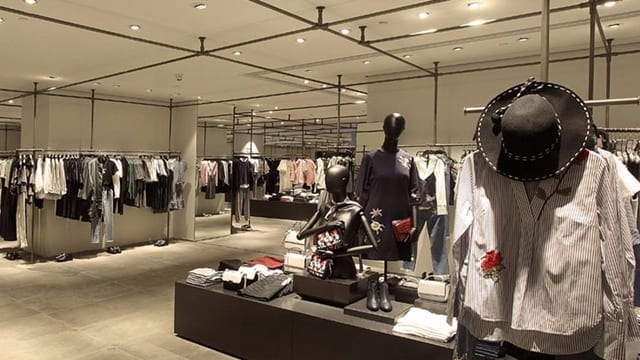
    Urban Revivo, a leading fashion brand from Asia often dubbed as “the Zara of Asia,” has recently launched its flagship store in the UK, on Neal Street in Covent Garden. The 515 square meter store is nestled among unique boutique stores and established heritage brands, marking a strategic inroad into Europe’s vibrant fashion industry and demonstrating the brand’s global ambitions.

    Establishing a Global Presence

    Urban Revivo, founded in 2006, has expanded rapidly across Asia, with over 400 stores spread across China, Southeast Asia, and recently, the United States. The company’s launch in Covent Garden follows its debut in New York’s SoHo district in February, and is set to be followed by further entries into other global fashion hubs including Hong Kong and Tokyo.

    The Covent Garden location offers an exciting opportunity for Urban Revivo to engage with London’s dynamic fashion scene. Vivian Chen, CEO of Urban Revivo International, recognizes that the introduction of new brands often face high entry barriers, necessitating time for consumers to build trust and familiarity. Approximately 60% of the Covent Garden store’s offerings are designed by the company’s London-based European Design Center. This reflects the brand’s “quiet luxury” aesthetic, which Chen describes as a blend of timeless sophistication and subtle individuality.

    Adapting to Different Markets

    Urban Revivo is quick to adapt its brand to resonate with the distinct tastes of its different markets. Chen notes that the European market values longevity in design, quiet luxury, and a clear brand identity, differing from Asian markets, particularly China, where fast-changing fashion trends and brand experimentation are more prevalent.

    Boasting design centers in Guangzhou and London, Urban Revivo is building a connecting bridge between Eastern and Western aesthetics, aiming to create a brand that resonates globally. The brand plans to replicate its successful consumer research and feedback system, which is supported by millions of members, in the UK and European markets.

    Challenges and Opportunities

    Chen recognizes that Europe, home to three major fashion capitals, presents unique challenges due to its rich tradition of art and fashion, and consumers with avant-garde perspectives on cultural trends. However, the company’s success in the UK market serves as a solid foundation for its expansion into the broader European market and other new regions.

    While Urban Revivo is characterized by its fast-fashion model, with a typical turnaround from trend to retail shelf in just 10 days, its approach is more considered. The London store, for example, carries only 800 Stock Keeping Units (SKUs).

    Future Ventures

    Urban Revivo’s global expansion plan includes new ventures into Hong Kong and Tokyo, two of Asia’s most mature and fashion-forward markets. The company plans to open a flagship store in Hong Kong’s Harbour City, a luxury shopping destination in Tsim Sha Tsui, and is preparing to debut its store in Japan’s fashion capital, Tokyo, by the end of this year.

    Questions & Answers

    What is Urban Revivo’s expansion strategy?
    Urban Revivo’s expansion strategy involves establishing a presence in global fashion capitals such as London, New York, Hong Kong, and Tokyo, and adapting its brand to resonate with the distinct tastes of its different markets.

    How does Urban Revivo’s approach differ from traditional fast-fashion brands?
    Unlike traditional fast-fashion brands that flood stores with high-volume, high-turnover SKUs, Urban Revivo’s strategy is more measured. The London store, for example, carries only 800 SKUs.

    What are Urban Revivo’s future expansion plans?
    Urban Revivo plans to expand into Hong Kong and Tokyo, two of Asia’s most mature and style-conscious markets. The company will open a flagship store in Hong Kong’s Harbour City and is preparing to debut its store in Japan’s fashion capital, Tokyo, by the end of this year.

  • Fore Coffee Diversifies Into Donut Market, Taps Into Indonesia’s Rising Demand For Premium Baked Goods

    Fore Coffee Diversifies Into Donut Market, Taps Into Indonesia’s Rising Demand For Premium Baked Goods

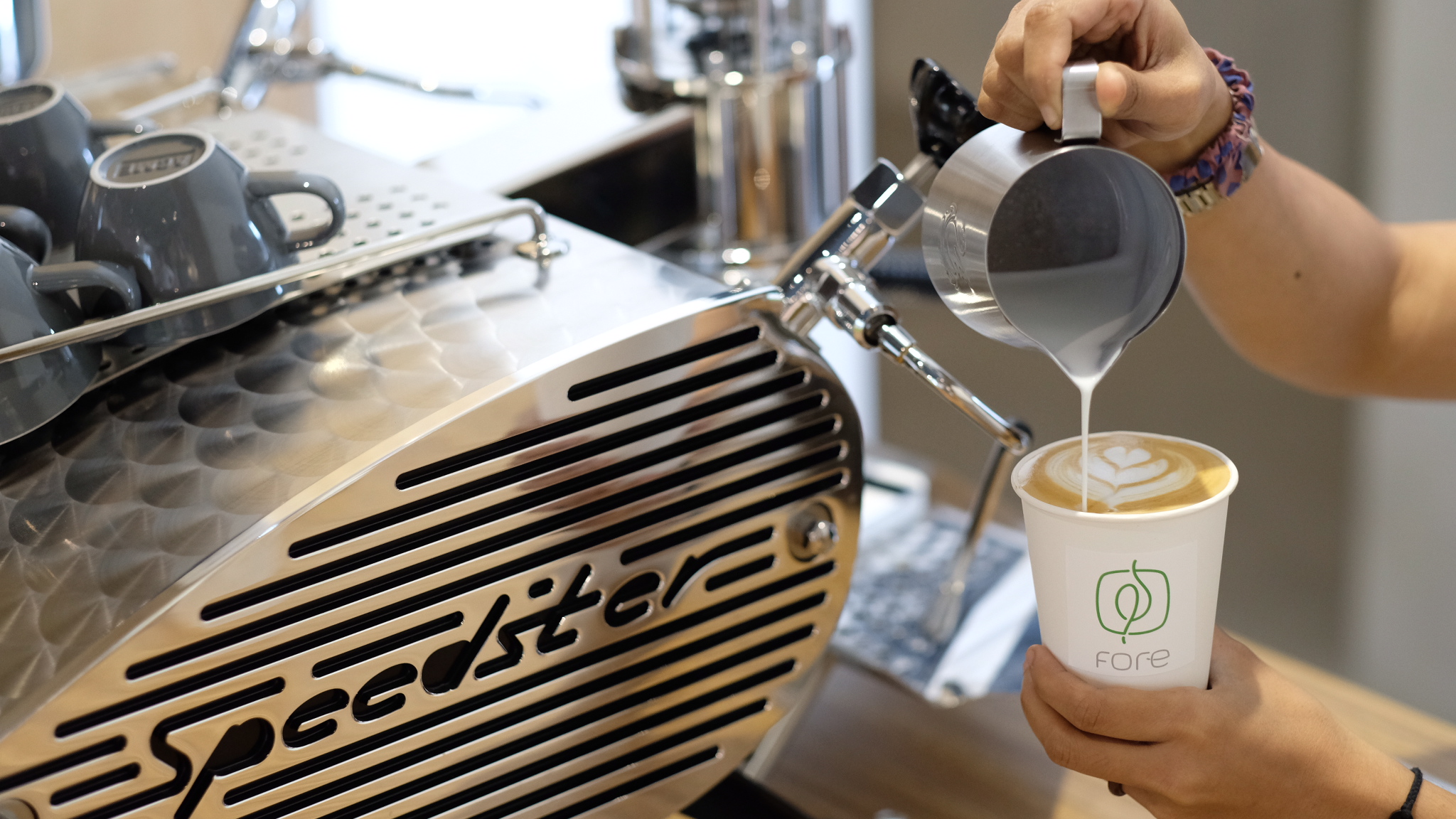
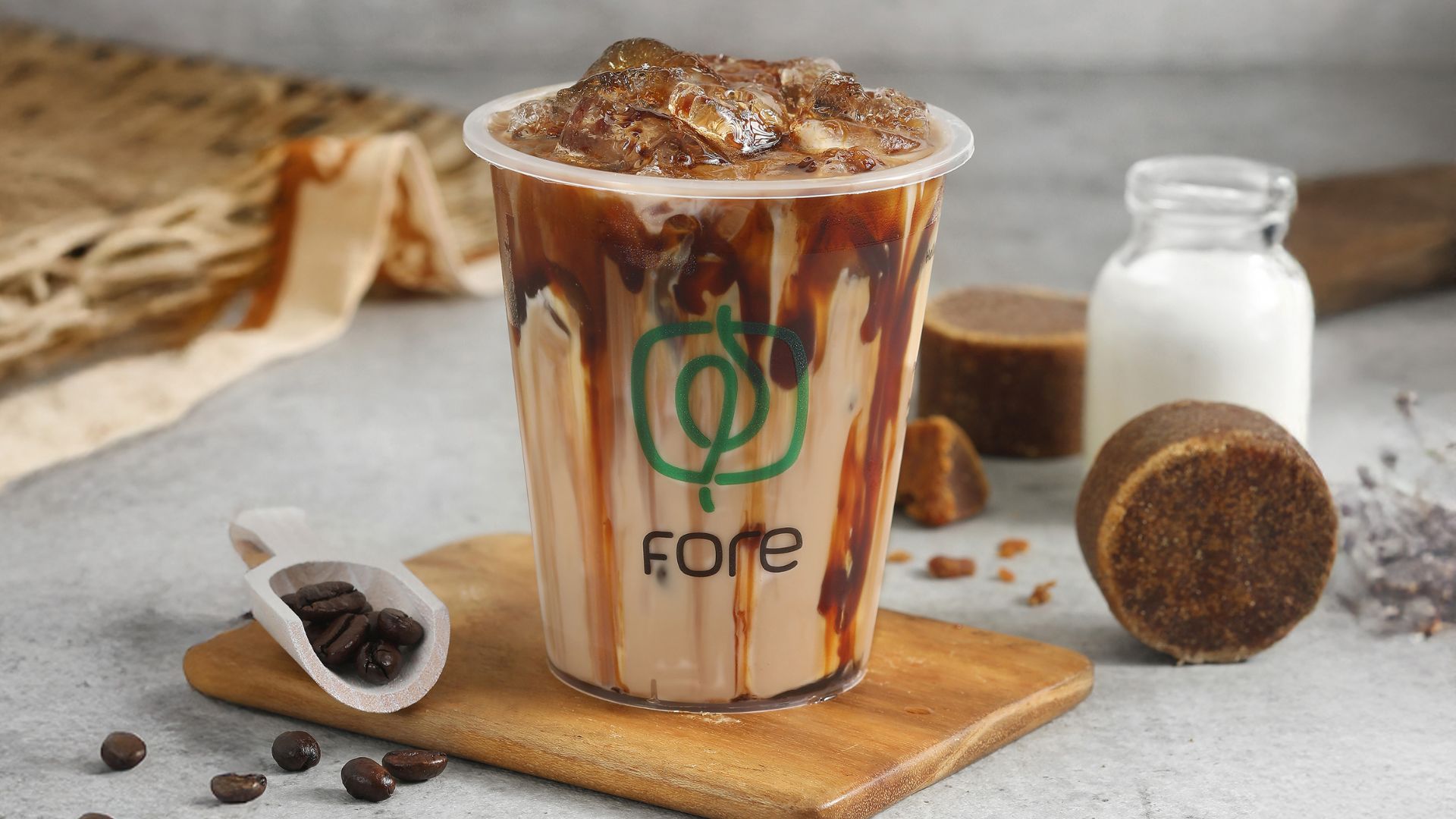
    Fore Coffee, the Indonesian F&B retailer, is set to diversify into the donut market, inaugurating their inaugural Fore Donut outlet at Supermal Karawaci, Tangerang.

    Capitalising on Premium Baked Goods Market

    The strategic move into donuts is a bid to leverage the increasing demand for upscale baked items within Indonesia. Market forecasts for the country’s donut sector suggest significant growth, with projected revenues to more than double from $213 million in 2024, to over $518 million by 2030. These predictions were disclosed by internal data from the brand.

    Fore Donuts Expansion Plan

    Fore Donut has ambitions to open at least three more outlets throughout this year. The first outlet boasts a selection of over ten artisanal donuts that blend international and local flavors, including the popular Ayam Pop.

    Discussing the brand’s philosophy, Lomar, a representative from Fore Donut, emphasized the significance of craftsmanship and integrity in their products. “Each donut is handmade using straightforward, natural ingredients, mirroring our dedication to quality and transparency,” Lomar stated.

    The representative continued, “We are convinced that true indulgence lies in care and simplicity, ensuring every morsel is not just tasty, but also uplifting. This philosophy permeates our operations, allowing us to elevate the everyday donut into something genuinely extraordinary.”

    Fore Coffee’s Growth

    Established in 2018, Fore Coffee has rapidly expanded its retail footprint, operating 261 outlets across Indonesia and Singapore. The company registered robust financial growth in the fiscal year 2024, attributed primarily to its assertive retail expansion and a comprehensive omnichannel strategy.

    Questions & Answers

    What is Fore Coffee’s latest venture?
    Fore Coffee is diversifying into the donut market with their new offshoot, Fore Donut.

    What market trend is Fore Donut capitalizing on?
    Fore Donut is capitalizing on the growing demand for premium baked goods in Indonesia.

    What is the projected growth for the donut market in Indonesia?
    The donut market in Indonesia is projected to more than double from $213 million in 2024 to over $518 million by 2030.

  • Fore Coffee Dives Into Donut Industry With Fore Donut: Aiming To Capitalize On Indonesia’s Growing High-end Baked Goods

    Fore Coffee Dives Into Donut Industry With Fore Donut: Aiming To Capitalize On Indonesia’s Growing High-end Baked Goods

    Indonesia’s popular food and drink retailer, Fore Coffee, is making its mark in the donut industry by inaugurating its inaugural Fore Donut store in Supermal Karawaci, Tangerang. This strategic growth initiative enables Fore to take advantage of Indonesia’s escalating need for high-end baked products. Statistics provided by the company predict an impressive increase in the country’s donut market, which is expected to leap from $213 million in 2024 to over $518 million by 2030.

    Fore Donut’s Expansion Plans and Offerings

    Fore Donut has set its sights on launching at least three stores within this year. The pioneer store provides an assortment of over 10 varieties of artisan donuts, intermixing international tastes with domestic favourites like Ayam Pop.

    At a press conference, company spokesperson Lomar stated, “Craftsmanship and honesty form the essence of every product at Fore Donut. Each donut is handcrafted with pure, natural ingredients, mirroring our dedication towards quality and transparency.” He added, “Real pleasure lies in attention to detail and simplicity, ensuring each bite is not just appetizing but also wholesome. This principle permeates throughout our operations, allowing us to morph the ordinary donut into something truly extraordinary.”

    Fore Coffee’s Noteworthy Growth

    Founded in 2018, Fore Coffee currently runs 261 stores across Indonesia and Singapore. The firm witnessed robust financial growth in FY2024, propelled by its assertive retail expansion and comprehensive omnichannel approach.

    Questions & Answers

    What is Fore Coffee’s latest venture?
    Fore Coffee has recently ventured into the donut industry with the launch of its first Fore Donut store in Supermal Karawaci, Tangerang.

    What does Fore Donut plan for its expansion and offerings?
    Fore Donut plans to open at least three outlets this year, offering more than 10 types of handmade doughnuts that blend global flavours with local favourites.

    How did Fore Coffee perform in FY2024?
    Fore Coffee reported strong financial growth in FY2024, driven by an aggressive retail expansion and an effective omnichannel strategy.

  • Hive & Wellness Australia Initiates Strategic Review Amid Global Interest

    Hive & Wellness Australia Initiates Strategic Review Amid Global Interest

    Hive & Wellness Australia Begins Business Review

    Hive & Wellness Australia, the firm behind the Capilano Honey brand, has initiated a comprehensive evaluation of its operations. The company has engaged the services of Rothschild & Co to assist in this strategic review.

    This decision has been prompted by unsolicited interest shown in the company’s operations. Hive & Wellness Australia is considering a range of potential avenues, including courting interest from global food corporations and financial backers.

    Capilano Honey Goes Private

    In 2018, Capilano Honey transitioned to private ownership as part of a joint venture consisting of Wattle Hill Capital, ROC Partners, and Australian Capital Equity. This led to the formation of Hive & Wellness Australia.

    Subsequent to the acquisition, the consortium has collaborated with CEO Ryan d’Almeida to extend Hive & Wellness’s reach on a global scale. The brand’s products are now available in over 35 countries, with its international presence spanning markets such as China, Japan, and the United States.

    Business Performance and Portfolio

    Hive & Wellness Australia is a major player in the honey industry, sourcing over 15,000 tonnes of honey every year. The company posted impressive gross sales figures, approximately $150 million, for the 2025 fiscal year.

    Besides Capilano, Hive & Wellness Australia also owns other notable brands including Barnes Naturals and Wescobee, further diversifying its portfolio and strengthening its market positioning.

    Questions & Answers

    What prompted Hive & Wellness Australia to initiate a business review?
    The company decided to undertake a strategic review following unsolicited expressions of interest in its business operations.

    Which firms were involved in taking Capilano Honey private in 2018?
    Wattle Hill Capital, ROC Partners, and Australian Capital Equity formed a consortium to transition Capilano Honey to private ownership, resulting in the formation of Hive & Wellness Australia.

    What brands does Hive & Wellness Australia own apart from Capilano Honey?
    The company’s portfolio includes a number of brands such as Barnes Naturals and Wescobee, in addition to Capilano Honey.