Retail News CRM

Tag: tmall

  • Online boosted 361 Degrees sales growth

    Online boosted 361 Degrees sales growth

    Sportswear retailer 361 Degrees International believes sponsorships of the Asia Games in Indonesia this month, and a focus on e-commerce are helping it attract younger customers.

    The Hong Kong-listed, Mainland China retailer of sports apparel, says sales increased 7.8 per cent in the first half year to RMB2.798 billion (US$411 million), with profit attributable to shareholders up 5.3 per cent to RMB335 million.

    361 Degrees sponsored the debut of esports as a demonstration sport at the Jakarta Palembang Asian Games and has a broader involvement in the fast-growing market.

    “As the youngest leading sports brand in China, 361 Degrees has been committed to establishing a youthful brand image,” said chairman Ding Huihuang.

    In the first half of this year, 361 Degrees launched sportswear and accessories products jointly with QG Club, a mainland esports championship team.

    “In the future, the group will promote the 361 Degrees brand among esports customers, cooperate with more esports teams, increase the esports product lineup, explore multiple sales modes such as physical store sales, and add an esports zone on e-commerce platforms to approach younger generation with the esports and blaze a trail for attracting young generation consumers,” he said.

    Meanwhile, 361 Degrees’ e-commerce business increased by 185.5 per cent to RMB328.9 million, representing 10.9 per cent of the group’s turnover in the first half of this year, compared with just 4.1 per cent in the same period last year.

    In the second half of this year, the group says it plans to continue to optimise its sales network and strengthen cooperation with e-commerce platforms such as Tmall, JD and Vipshop to promote the combination of online and offline sales channels.

  • Alibaba signs new deal that speed up cosmetics certification in China

    Alibaba signs new deal that speed up cosmetics certification in China

    Alibaba Group has signed a deal with Zhoushan Free Trade Zone, in China’s eastern Zhejiang province, that speeds up the cosmetics certification in China for Tmall brands who want to import non special-use cosmetics.

    This agreement, signed between the Hangzhou-based e-commerce giant and two Zhoushan City government agencies, cuts the approval time down from a typical six to eight months to just three months, Alibaba said.

    The expedited service could be a major boon for brands that wish to accelerate the launch of their products in China, as they move to keep up with the rapidly changing tastes of the Chinese consumers, said Jet Jing, the head of Alibaba’s B2C marketplace Tmall.

    According to Chinese regulations, non-special-use cosmetics are products that do not have any specialty functions, such as lipstick and eyeshadow. Specialty items, such as sunscreen or freckle-removal cream, are not included in this agreement. Currently, nearly 80 per cent of the cosmetics sold on Tmall are non-special use, Alibaba said.

    The deal, effective immediately, is result of a policy enacted in March last year through which the China Food & Drug Administration accelerated the approval time for first-time imported non-special used cosmetics at the Shanghai FTZ. Since then, 11 FTZs nationwide, including Zhoushan, have been granted permission to offer the same expedited approval by centralising all the necessary testing agencies in one location.

    In China, only the very first shipment of non-special-use cosmetics undergoes this kind of testing. After that initial approval, all other testing is random in order to ensure that the quality of imported cosmetics is maintained. Alibaba emphasised that all required documentations and testing remains the same under the new scheme.

  • Inditex’s Uterqüe arrives in China in partnership with Tmall

    Inditex’s Uterqüe arrives in China in partnership with Tmall

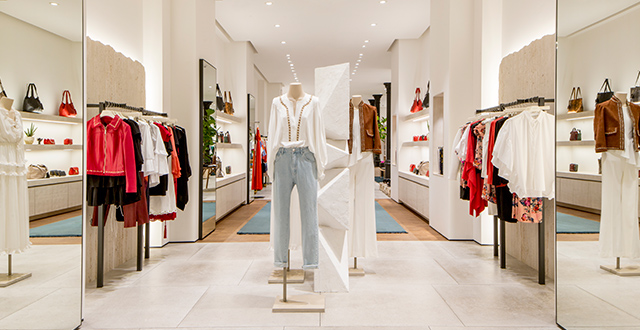
    Zara sister label Uterque has opened a flagship on Alibaba’s Tmall to build brand awareness in China’s premium fashion market.

    Uterque has yet to open any physical stores in China, but the company’s parent Inditex says China is definitely on the radar in the near future.

    According to Alibaba Group news site Alizila, Uterque will continue its tradition of renewing the product selection in stores and online twice a week in China as well and customers of Tmall, Alibaba’s B2C marketplace, will have immediate access to all of the label’s newly launched clothes.

    “With the rapid growth of the market for high-end goods on Tmall, more and more premium fashion brands from Europe and North America have joined the platform, even opening a store on Tmall ahead of its brick-and-mortar roll-out,” said Anita Lyu, VP of Tmall Fashion.

    She said launching online in advance of opening physical stores helps brands understand the market first.

    “Through partnering with Tmall, brands can receive accurate feedback from Chinese users and leverage that to design an overall strategy that suits the China market,” Lyu said. “Meanwhile, tapping Tmall can help boost brand awareness and open up markets more quickly.”

    Inditex operates more than 7448 stores worldwide under eight brands, including Zara, Zara Home, Massimo Dutti, Bershka, Pull and Bear, Stradivarius, Oysho and Uterque. Uterque is the last to open an official store on Tmall.

  • Starbucks and Alibaba form New Retail Partnership in China

    Starbucks and Alibaba form New Retail Partnership in China

    Starbucks China and Alibaba have announced an alliance that stretches way beyond the latter’s online delivery platform Ele.me.

    The two companies describe their pact as “a deep, strategic New Retail partnership” that will enable a seamless Starbucks experience and transform the coffee industry in China.

    The partnership spans Ele.me, the food delivery platform acquired by Alibaba last month, Hema supermarkets, Tmall, Alipay and Taobao. Pilot delivery services by Starbucks China will start next month with the coffee company opening delivery kitchens to fulfil orders and “co-create an unprecedented virtual Starbucks store”.

    Starbucks China CEO Belinda Wong says the partnership with Alibaba breaks the physical and virtual barriers between the home, office, in-store and digital space.

    “It will make China the first Starbucks market to deliver a seamless Starbucks experience across all facets of our customers’ lives.”

    Alibaba CEO Daniel Zhang said Starbucks is more than a destination for premium coffee “and we share the same vision to pioneer a new coffee culture and lifestyle through innovation and technology”.

    It starts with Ele.me

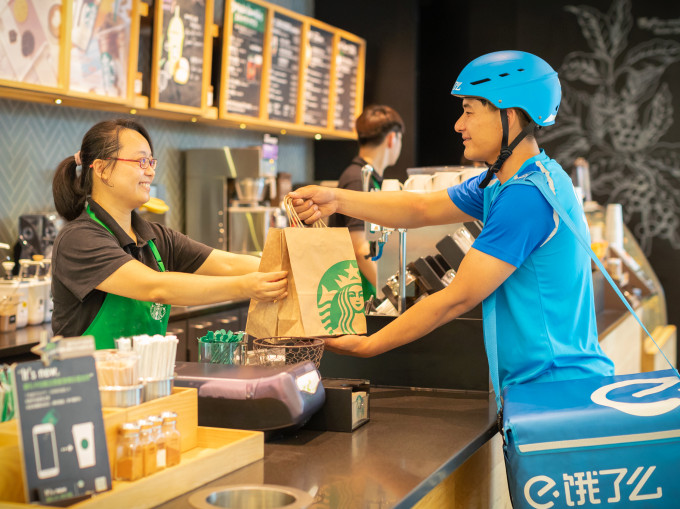
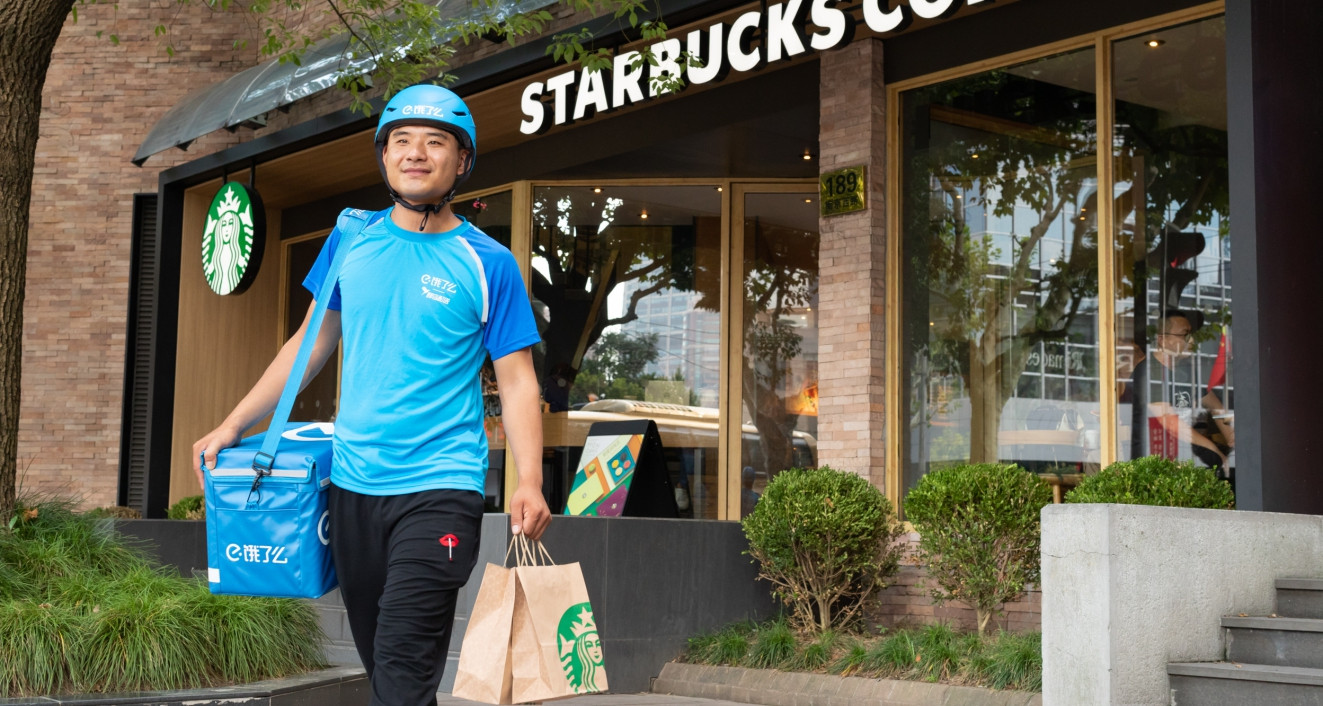
    Ele.me, China’s largest on-demand food delivery platform with 3 million registered delivery riders, will start delivering Starbucks orders from 150 stores in key trading zones in Beijing and Shanghai next month. By the end of the year, that service is expected to expand to more than 2000 Starbucks stores across 30 Chinese cities.
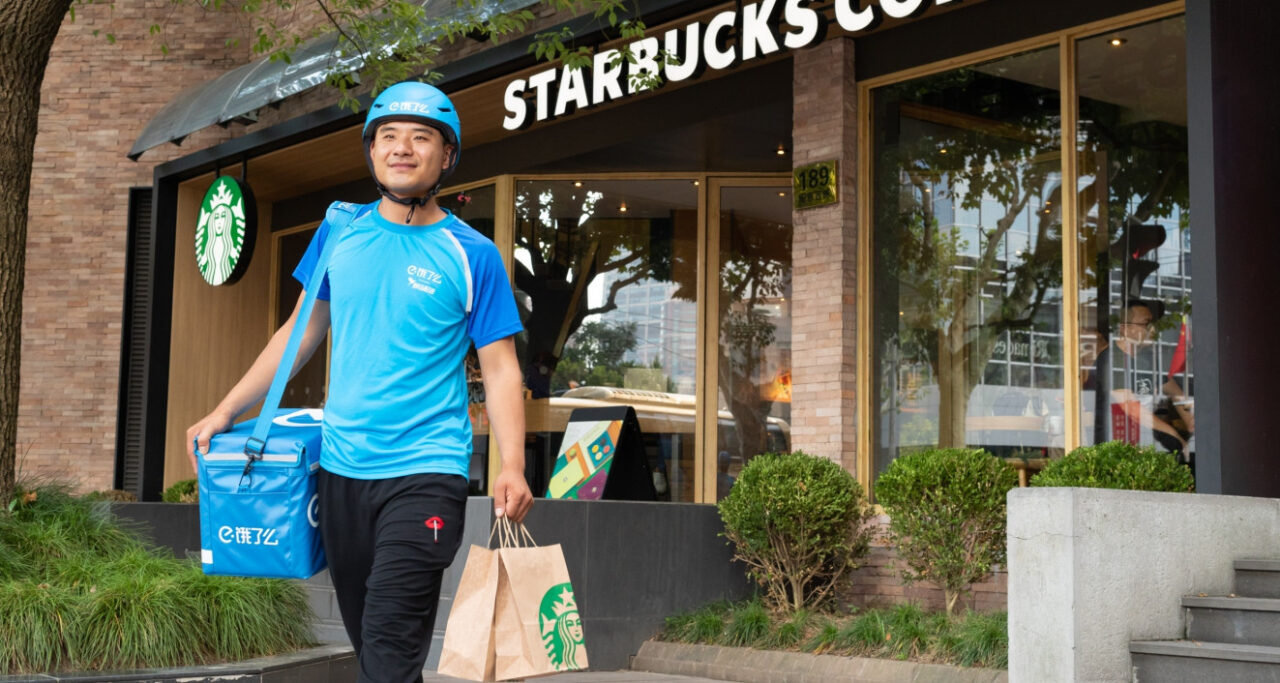
    The two companies have worked together to develop what they describe as “a unique, customised delivery infrastructure” including dedicated delivery riders, precise delivery times, and custom carriers. They believe they will be able to offer “a best-in-class coffee delivery service standard for Chinese customers” which could well be interpreted as a challenge to local startup Luckin Coffee which has grown into a US$1 billion company in less than a year, based on a mixed delivery and in-store model.

    Starbucks will partner with Hema supermarkets to open dedicated “Starbucks Delivery Kitchens” within stores. The kitchens will use Hema’s fulfillment and delivery capabilities to complement the delivery of Starbucks beverages offered through existing Starbucks stores. Starbucks will also use Hema’s consumer insights and fulfillment expertise to reach more communities across China.

    Data from Hema stores will be used to help plan the location of future Starbucks cafes, combined with delivery kitchens. The first delivery kitchens will open in selected Hema supermarkets in Shanghai and Hangzhou next month.

    Digital transformation

    Starbucks China and Alibaba say the creation of a ‘virtual Starbucks store’ in China is a key strategic initiative under the partnership.

    Alibaba will develop a centralised online management hub, with the capability to integrate and deliver a consistent Starbucks experience across multiple digital platforms. “This innovation will transcend the traditional limitations of a single-app visit by providing the consumer an elevated, and even more personalised Starbucks digital experience across the Starbucks app and Alibaba’s customer-facing mobile apps, including Taobao, Alipay, Tmall and Koubei,” the companies said in a statement.

    “This latest innovation will revolutionise the traditional offline-to-online model by effectively extending the reach of the Starbucks experience into the everyday lifestyle ritual of the Chinese consumer, regardless of time or place. Whether it is at home or in the office, within a Starbucks store or online, Starbucks customers will be able to access and enjoy a one-stop Starbucks experience when purchasing merchandise online, buying a Starbucks handcrafted beverage to be delivered to a friend or sending a Starbucks gift of love on the “Say it with Starbucks” social gifting platform.”

    Starbucks will progressively integrate its Starbucks Rewards membership platform onto the centralised system to use its consumer insights to deliver a personalised experience to customers.

    “Starbucks China and Alibaba are trusted business partners who share common values in the spirit of innovation and the unrelenting pursuit of product and service excellence,” the statement said.

    “Thanks to the elevated customer experience delivered by our more than 45,000 partners, Starbucks is growing and innovating faster in China than anywhere else in the world,” said Kevin Johnson, president and CEO at Starbucks Coffee Company. “Our transformational partnership with Alibaba will reshape modern retail, and represents a significant milestone in our efforts to exceed the expectations of Chinese consumers. Starbucks China is one to watch, and I have full confidence in the team that will bring the new innovation behind the Starbucks Experience to life.”
  • Ele.me big ambition ready to dominate China’s food-delivery market

    Ele.me big ambition ready to dominate China’s food-delivery market

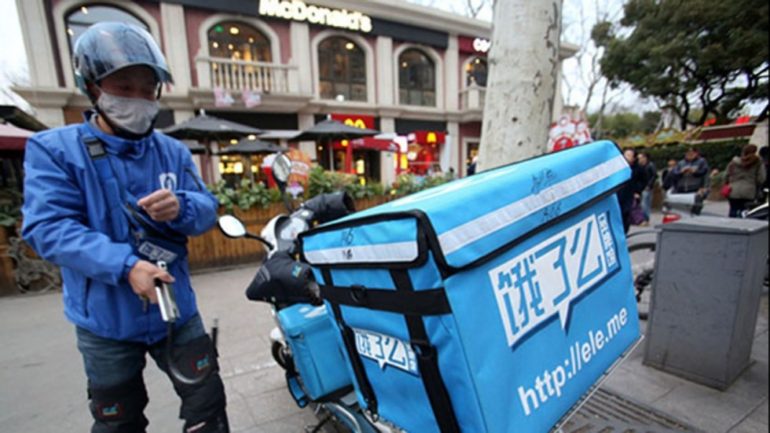
    Ele.me aims to grab a majority share of China’s food-delivery market in the near future, CEO Wang Lai, (pictured), said this week.

    Moving into Alibaba’s ecosystem has already created new and immediate opportunities for Ele.me and the 3 million-strong delivery force registered through its platform, Wang said. While core food delivery is likely to provide strong growth longer-term, insights offered by various Alibaba apps and platforms, coupled with a growing need for last-mile delivery in Alibaba’s overall New Retail strategy, offer hints of what’s to come.

    Alibaba took control of Ele.me in May. In June, after plugging the delivery company into its ecosystem, Ele.me delivery orders for categories including supermarkets, convenience stores under Alibaba’s Ling Shou Tong program, fresh fruits and flowers climbed 110 per cent from a year earlier. In the future, Wang said there’s the chance for tie-ups with other Alibaba business units and collaboration with nationwide food chains as a delivery partner.

    Ele.me has already begun benefiting from consumer insights derived from Taobao, Tmall, Alipay, Youku and other platforms and apps in the Alibaba ecosystem, which drives traffic to Ele.me and helps it understand the needs of Chinese consumers.

    As for Ele.me’s core food-delivery market, the Alibaba unit recently launched a RMB3 billion summer promotion campaign that’s already starting to show results in several Chinese cities. In Hangzhou, Ele.me added 100,000 customers to its membership program early this month. In Changsha, during just the first two weeks of July, gross transaction volume climbed by almost 15 per cent over the same period in the previous month.

    The summer campaign kicked off with discounts and coupons for late-night snacks delivered during the recently ended FIFA World Cup 2018 tournament. The World Cup deals spurred what Ele.me said was a “rapid rise in food delivery” in early July, with momentum sustained since then.

    But it is the sector’s longer-term prospects that excite Ele.me’s CEO. Chinese customers spent around RMB4 trillion on food in 2017, according to China Cuisine Association data. Less than 10 per cent of that went toward food delivery, which has become one of the fastest-growing and most-competitive areas in China.

    “We view the limited penetration of delivery in the food and beverage sector to-date as a tremendous opportunity for growth,” Wang said.

    Ele.me also complements Koubei, Alibaba’s local services platform. By combining Ele.me’s on-demand delivery service with Koubei’s consumer-acquisition and in-store engagement capability for restaurants and service establishments, Alibaba can offer an integrated online/offline experience to consumers, in line with the group’s overall New Retail strategy.

    “The local-services market is a must-win for Alibaba as part of its New Retail strategy, and we look forward to Alibaba’s continued financial and technological support to win this market,” said Wang. “As the spending power of Chinese shoppers continues to grow, the local-services sector becomes critical for Alibaba to build customer and merchant engagement and fulfill its mission of accelerating the digital transformation of traditional retail.”

  • Innisfree teams up with Alibaba to open new concept store in China

    Innisfree teams up with Alibaba to open new concept store in China

    South Korean cosmetics giant Amorepacific’s cosmetics brand Innisfree has opened a new concept store in Hangzhou, China, in collaboration with Alibaba’s Tmall, the company said Thursday.

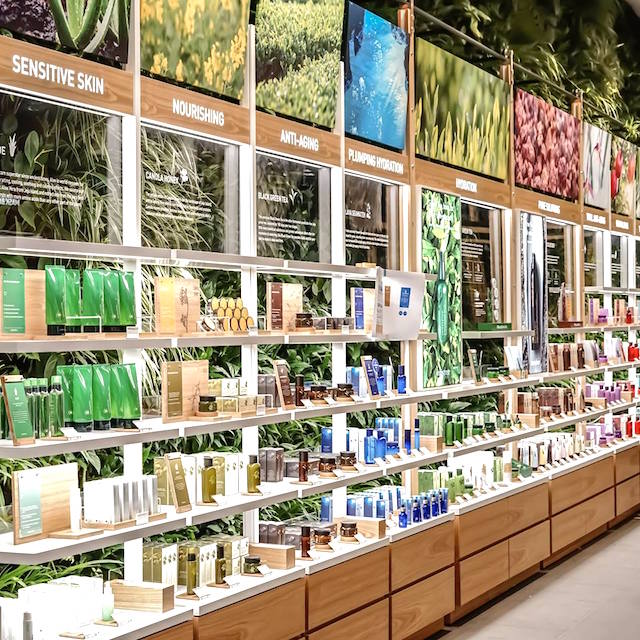
    According to Innisfree, its new concept store features a technology-based shopping experience, backed by Tmall’s new retail technology.

    Tmall is China’s largest B2C platform for brands and retailers, in terms of GMV.

    At the store, customers can test makeup products by using Magic Mirror, which has adopted Tmall’s augmented reality technology. An automated vending machine that sells mask sheets and sample products will allow customers to easily purchase items at lower prices, the company said.

    In addition, smart shelves are installed to show each product’s information on interactive screens.

    “With the South Korean cosmetics brand acing in the Chinese market, especially with Innisfree being the only brand to have hit 1 billion RMB ($148 million) of sales, our trial with Innisfree to provide a new retail and interactive experience based on big data technology will strengthen customers’ brand experience and increase their satisfaction,” said Mike Hu, head of Tmall’s retail business division.

    Tmall also plans to collect information on real-time product availability at 61 stores in Shanghai and Hangzhou through big data technology to boost online sales and help stores digitize their operations and upgrade the supply-chain operation and offer shoppers an integrated online and offline experience.

    “Tmall is one of the most innovative and leading retail platform operators globally. We will strive to adopt digital technology and interactive content marketing from Tmall for Innisfree’s brand value,” said Filipp Cai, head of Innisfree China.

    Innisfree, which means “pure island” in Korean, is based on the philosophy of introducing beauty products with natural ingredients sourced from the Korean island of Jeju. It opened its first store in China in 2012.

  • China’s e-commerce explosion is creating massive cultural change in its rural areas

    China’s e-commerce explosion is creating massive cultural change in its rural areas

    The good leap ahead: China’s lack of big-box shops has allowed the nation to leapfrog the age of brick-and-mortar retail and head straight to on-line ordering. In america, “e-commerce is a desert,” says Jack Ma, cofounder of Alibaba. “In China, it’s turn into the primary course.”

    Reaching all of China: The Chinese language authorities and e-commerce giants like JD.com are investing closely in creating infrastructure to ship to rural areas of the nation. By drawing on locals to supervise deliveries and function model ambassadors, corporations can encourage potential clients to embrace the brand new applied sciences.

    The air supply community: Drones have been key in serving to JD.com get its merchandise to rural clients. Based on the New Yorker, small cities like Zhangwei now get about 4 drone deliveries a day. Demand for drone piloting courses is hovering, too, as folks look to capitalize on the pattern.

    By the numbers: China might need the most important e-commerce market on this planet—twice the dimensions of the US—however lots of of hundreds of thousands of individuals in rural areas aren’t but procuring on-line. As giants like JD.com attain into far-flung areas, that’s altering quick: China’s e-commerce market is predicted to double within the subsequent two years.

  • China’s E-Commerce Giants Aren’t Worried About Trade War

    China’s E-Commerce Giants Aren’t Worried About Trade War

    How does the CEO of China’s second largest e-commerce company feel about the escalating U.S.-China trade war?

    Richard Liu, founder and CEO of JD.com–an online retailer with 300 million annual active customers, $56 billion in revenues in 2017, and investors including Tencent, , and –doesn’t like it. But he’s not worried either.

    “I can tell you it’s okay, ” Liu said on Monday. If his customers think the price of American goods has become too high, JD.com can find products, whether it be meat, apparel, or some other item, from Europe or Japan or Korea (among other places) to sell to them instead. “We can find another choice,” he said, adding that he didn’t think the trade war would benefit either party.

    Whatever the case, Liu noted that consumer experience–which comes down to quality, price, and service–remains JD.com’s top priority. It’s that focus that motivated his company’s early and significant investment in drone delivery; it currently uses a daily fleet of 500 drones that has over 100,00 hours of flying time.

    Whatever the product (so long as it costs at least roughly $10) and wherever the customer, JD.com delivers it for free and in less than 24 hours. Competing in Chinese retail–and against its chief rival Alibaba–without that sort of service, said Liu, would be a “disaster.” Liu hinted that may be struggling to achieve that speed in China.

    JD.com, which thrives partly because of “shopping circles”–social media-enhanced shopping–on China’s leading social platform WeChat, plans to enter the American retail market soon.

  • E. & J. Gallo Winery to Launch Tmall Flagship Store

    E. & J. Gallo Winery to Launch Tmall Flagship Store

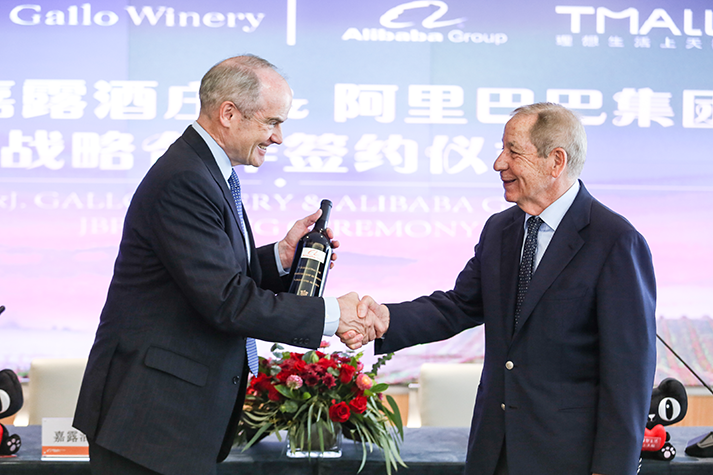
    E. & J. Gallo Winery, the world’s largest family-owned winery has signed a three-year strategic partnership with Alibaba Group.

    As part of the partnership, Gallo will open a flagship store this September on Alibaba’s Tmall, China’s largest B2C platform for both international and Chinese brands and retailers. Gallo and Tmall have partnered together in the past for some of Gallo’s entry-level wine brands, but the new flagship store will feature more than 20 of Gallo’s premium wine brands in order to meet the growing demand from China’s increasingly sophisticated consumers for high-quality wine.

    According to a new report from Vinexpo, China was the world’s third largest importer by value at $16.41 billion in 2017. By 2021, the wine market in China is expected to grow 40% to $22.97 billion which would make it the second most valuable wine market in the world.

  • Parfois to expand in Asia and other country

    Parfois to expand in Asia and other country

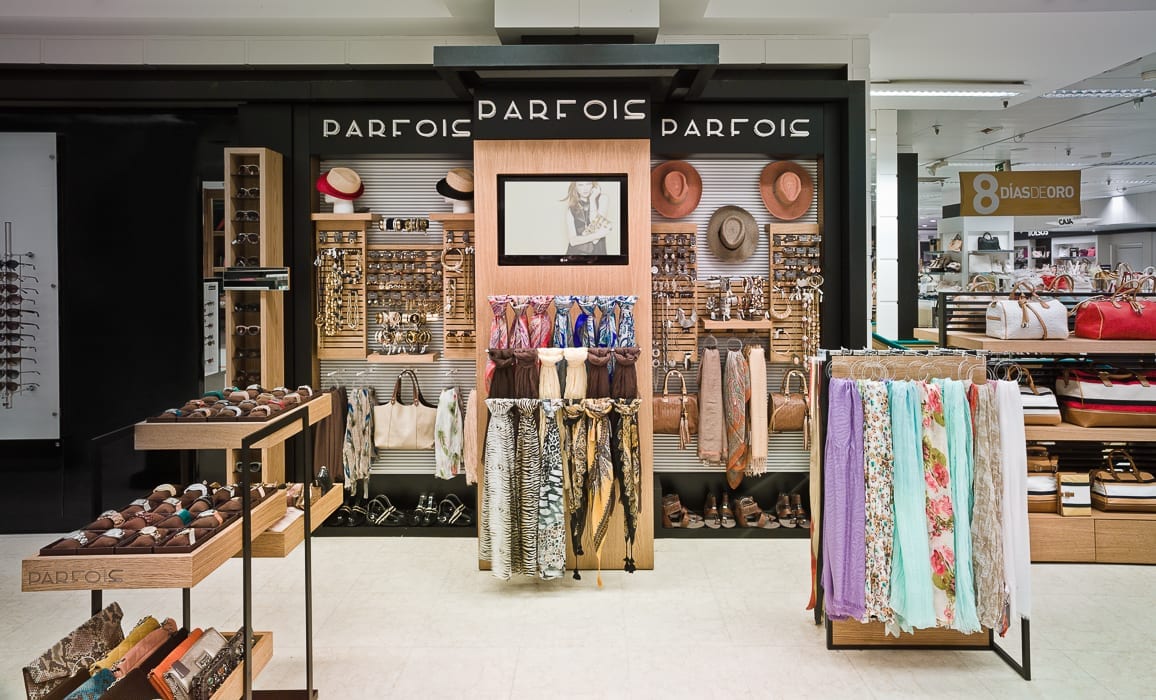
    Portuguese accessories brand Parfois is planning an expansion into Asia and Eastern Europe.

    Parfois, founded in 1994, currently operates 900 stores in 65 countries and is seeking to reach its 1000th by the end of this year. The brand opened in around 10 new markets this year – including joining Alibaba’s Tmall Global platform – and while immediate plans are focusing on building its presence in Latin America, it has already begun to explore options in Asian and Eastern European countries.

    Parfois’ director of marketing and communications Susana Coerver said sales in Portugal and Spain represent more than half of the firm’s revenue, with Spain by far the biggest market, prompting expansion into smaller municipalities within the country. The company also aims to expand its product range with a venture into apparel.

    The brand closed the 2017 financial year with €306 million in sales, with growth expectations for the current year aiming at 20 per cent.

  • Tmall Fashion, Eurovet to Support Global Lingerie Makers

    Tmall Fashion, Eurovet to Support Global Lingerie Makers

    The fashion unit of Alibaba Group-owned B2C marketplace Tmall and Eurovet, the world’s leading organiser of trade shows for lingerie, swimwear and active brands, are teaming up to help industry players sell into China.

    Tmall and Eurovet signed a memorandum of understanding in Paris on Saturday, pledging to “leverage the respective expertise and international reach to explore innovative ways to collaborate”. The partnership will also work to educate trade-show participants to better understand the unique characteristics and preferences of shoppers in the world’s second-largest consumer market.

    Headquartered in Paris, Eurovet is the largest trade show company in the global undergarment and swimwear industry, with shows in its home city, New York and Las Vegas. It has had a presence in China for 15 years, and two shows are planned, in Shanghai in late September and Hong Kong in March next year.

    “Together, our two companies will explore joint initiatives to accelerate the local and international underwear business and ultimately support companies and brands accessing and thriving in the Chinese market,” said Anita Lu, VP of Tmall Fashion.

    With the expansion of China’s middle class and its growth in purchasing power, analysts say many of the country’s consumers, especially women, are getting choosier about their undergarments. Instead of seeing bras and underwear as just functional pieces, women are buying them to feel both comfortable and sexy. According to Euromonitor, China’s retail undergarment market is likely to reach $33 billion by 2020, an estimated 32 per cent jump from 2017.

    Chinese consumers’ growing love affairs with high-end bras and panties have also stoked global brands such as Victoria’s Secret, La Perla, Maidenform, Wolford, Aubade and Zimmerli to open their own Tmall flagship stores in recent years.

    “At the end of the day, lingerie is more than an outfit. It’s a way to express inner desire,” Lu said. “The younger generations of Chinese women, in particular, are looking to be more independent and free in their choices and lingerie is a good way for them to express themselves but also to take care of their body.”

    The Tmall and Eurovet partnership will also allow trade-show participants to harness Tmall’s insights to better engage with Chinese consumers, streamline the shipping and logistic process, improve supply-chain management and communicate with their local partners, said both companies. This know-how will better empower foreign brands to run a smoother and more efficient operation in China, they said.

  • Alibaba Says Its AI Copywriting Tool Passed the Turing Test

    Alibaba Says Its AI Copywriting Tool Passed the Turing Test

    Alibaba’s digital marketing arm Alimama has unveiled an artificial intelligence-powered copywriting tool.

    Tapping the huge pool of content on Alibaba’s e-commerce sites Tmall and Taobao, the AI copywriter uses deep learning and natural language-processing technologies learn from millions of top-quality existing samples to generate copy for products. Brands and advertisers can insert a link to any product page, and click the “Produce Smart Copy” button to see multiple copy ideas.

    Currently, the AI copywriter technology has passed the ‘Turing test’ and is capable of producing 20,000 lines of copy in a second, said Alimama. Brands using the new tool, such as Hong Kong-listed fashion chain Esprit and Texas-born clothing brand Dickies, can adjust the length and tone of their copy, such as dictating whether they want the tone to be “promotional, functional, fun, poetic or heartwarming.”

    The tool is used on average nearly a million times per day, by merchants and marketers on Alibaba-owned sites such as Taobao, Tmall, Mei.com (a fashion flash sale website) and 1688.com (Alibaba’s Chinese-language wholesale buying site).

    “For merchants, from today onwards, AI can take care of a portion of their copywriting needs. And it significantly changes the way [copywriters] work: They will shift from thinking up copy – one line at a time – to choosing the best out of many machine-generated options, largely improving efficiency,” Alimama said in a statement.

    As with design, copywriting involves a certain degree of repetitive, low-value work that can be made made more efficient, Alimama added. A single product might require up to 10 versions of copy for different ad formats, like posters, web banners, product pages and other special event pages.

    “All the content produced by the AI Copywriter is the result of applying deep learning models, trained with large volumes of quality content created by humans. Human creativity is the cornerstone for the machine, which isn’t able to replace the creativity of people,” said Christina Lu, GM of Alimama marketing. “AI for marketing… allows people to devote more energy to richly creative work.”

    “The AI copywriter is a really amazing tool,” said Shaozhang Ding, head of e-commerce for the Asia Pacific market at Esprit. “Based on a massive database of existing copy and advanced AI technologies, the tool can reduce the repetitive and tedious copywriting workload for our teams.

    The AI Copywriter is the latest in a suite of technologies Alimama has developed to assist small to mid-sized businesses on Alibaba’s e-commerce platforms, including a “smart banner designer” released in April that can resize and reformat promotional website banners with the slide of a mouse (drag a corner of the banner to change the shape of the box, and the system automatically reproportions the images and copy to fit the new format). In the same vein, Alibaba released an AI-powered video-editing tool for brands to generate – in less than a minute – 20-second videos to use for promotion on Taobao.

  • Seafolly growing in Chinese market

    Seafolly growing in Chinese market

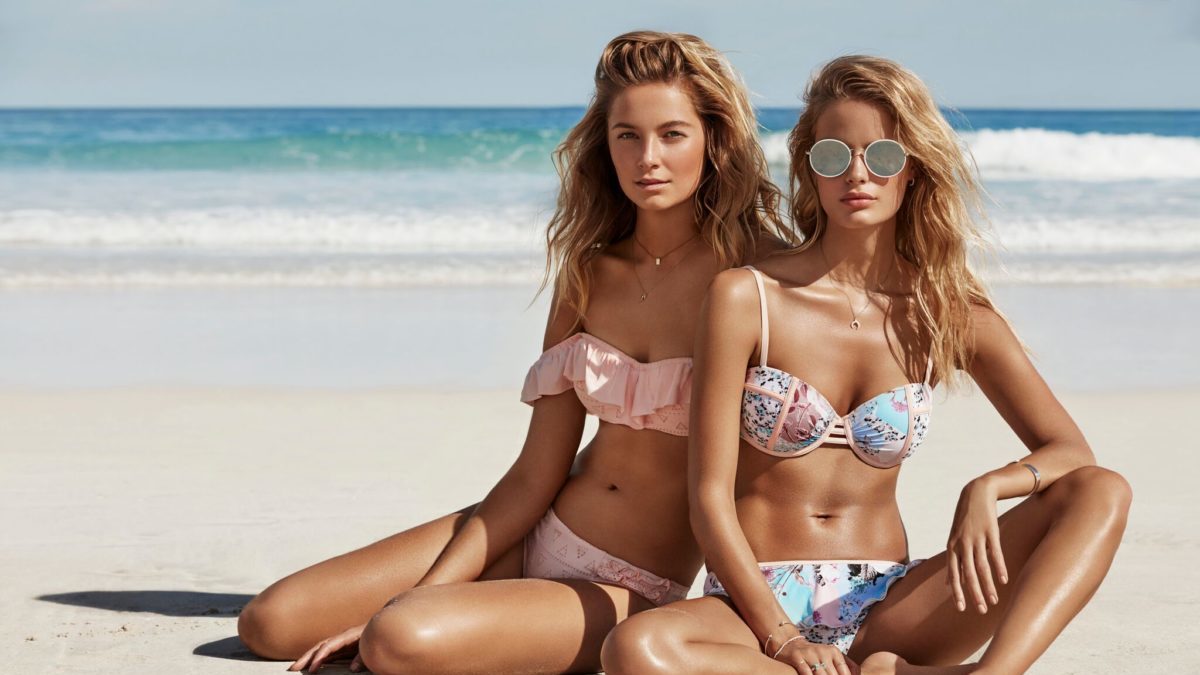
    Australian swimwear brand Seafolly is expanding into China, with its launch on e-commerce platform Tmall Global next month.

    The move is a noteworthy departure from the Australian retailers and brands that have been expanding into China in recent years, namely those selling milk, supplements and cosmetics.

    But according to Global Industry Analysts, the swimwear and beach casual wear market is on the rise in China, with an average of 9.6 per cent annual market growth from 2013 to 2017, and it is expected to remain strong over the next five years.

    Seafolly global CEO Paul Kotrba sees this growth as an opportunity to sell the brand’s unique beach lifestyle to Chinese consumers.

    “The swimwear industry today is very dynamic and growing at a rapid clip globally, especially so in China where it is forecast to grow close to 10 per cent each year through 2022, thus opening up an opportunity for Seafolly to be the first premium fashion swimwear brand in the market,” he said.

    Kotrba noted that Seafolly is already known to many of the 1.4 million Chinese tourists who have visited Australia in the past 12 months and said there are millions more fashion consumers in China who “love Australian products and brands”.

    Seafolly recently added Alipay as a payment option in certain retail locations in Australia, a sign of the increased demand for Seafolly products amongst Chinese tourists.

    The business has been working towards the Tmall Global launch over the past three months, with teams in Sydney and Shanghai. The private-equity-backed company will be running a series of marketing campaigns to support the brand’s development overseas.

    The brand will join over around 2,000 Australian brands on Alibaba’s e-commerce platforms when it launches on Tmall Global in July.

    “As Australia’s iconic swimwear brand, we are delighted to welcome Seafolly onto Tmall Global and we are excited by the growth and opportunities in the swimwear category,” said Maggie Zhou, managing director of Alibaba Group in Australia and New Zealand.

    Chairman and managing partner of the majority shareholder private equity group, L Catterton Asia, Ravi Thakran, said the move represents a significant step in the journey to create the world’s most iconic swimwear and beach lifestyle brand.

    “[We] look forward to continuing to work alongside the team to expand the brand in existing and new markets around the world,” Thakran said

  • Moschino partners with Alibaba’s Tmall Luxury Pavilion for its China launch

    Moschino partners with Alibaba’s Tmall Luxury Pavilion for its China launch

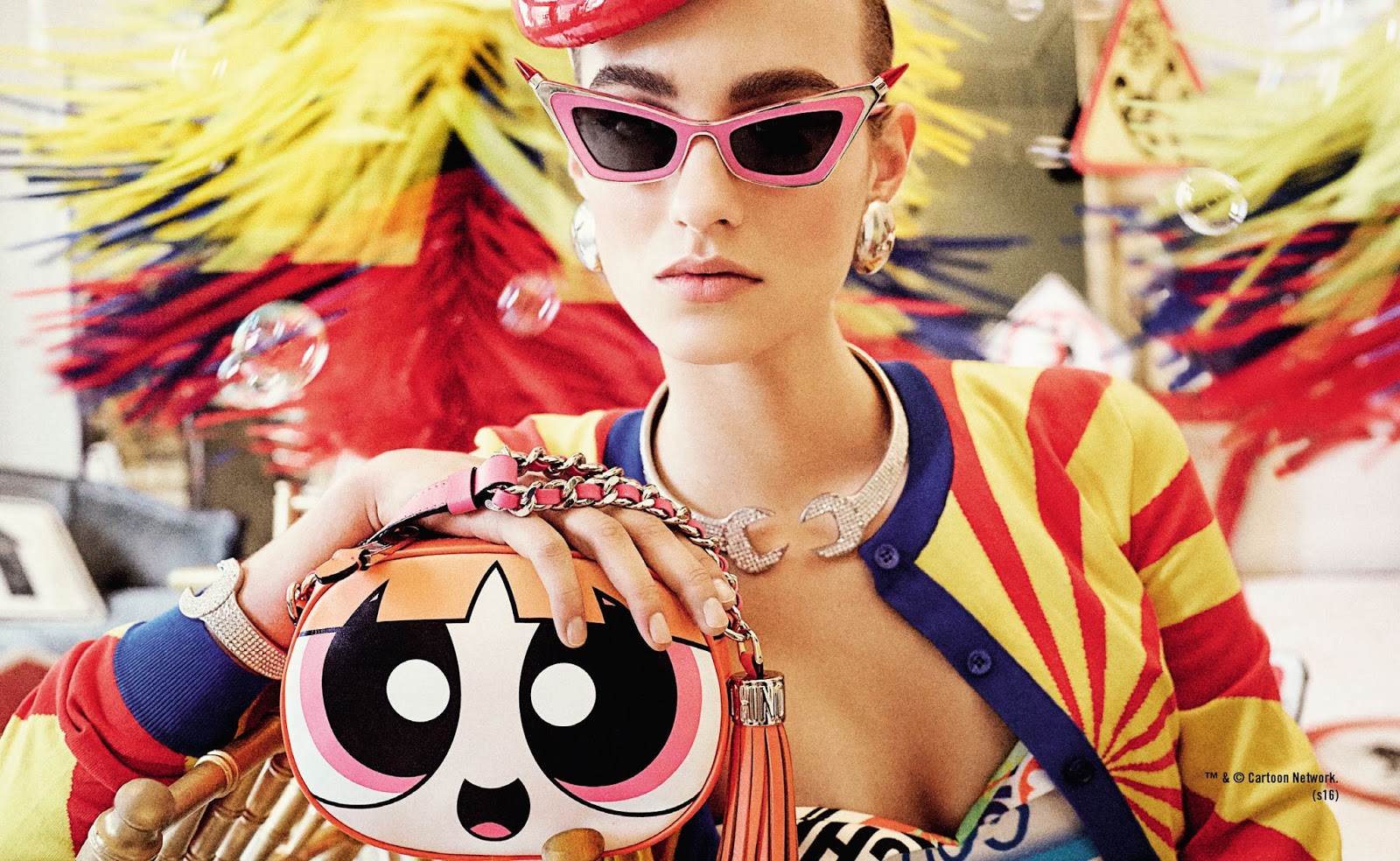
    Moschino, the iconic Italian luxury fashion brand, announced today it has joined Alibaba’s Tmall Luxury Pavilion to open its namesake flagship store, offering China’s luxury shoppers the opportunity to discover Moschino’s world of innovative designs.

    To expand its reach among China’s rapidly growing and young luxury consumer base, Moschino is joining forces with Alibaba to leverage the company’s unparalleled technology, exclusive platform, and insights into China’s high-end shoppers. The Luxury Pavilion is an invitation-only platform on Tmall for consumers of premium brands, providing an exclusive, luxury experience from product selection, brand experience, and customer service. Moschino’s flagship store will showcase a selection of items from its latest collections as well as the “Moschino X Tmall” collection, available only to Luxury Pavilion consumers.

    The “Moschino X Tmall” collection was designed by Jeremy Scott, Moschino’s Creative Director, and includes 6 ready-to-wear pieces and accessories, including a T-Shirt, hoodie, sweater, dress and baseball cap, all inspired by its Moschino Couture! design. The collection will be available on Tmall’s Luxury Pavilion starting June 28, 2018.

    “We are thrilled to make our debut into the Chinese market with Tmall.” said Gabriele Maggio, General Manager of Moschino. “To win in the China luxury market, you need to win over Millennials. We already see quite a bit of brand love among this powerful consumer group which we plan to grow in partnership with Tmall. There is no better partner to engage Millennial luxury shoppers in China than Tmall’s Luxury Pavilion. We are building an exclusive, social and digital experience with Tmall, designed for Millennial shoppers, to build our brand and expand Moschino’s presence in the Chinese market.”

    “We are very pleased to partner with an iconic fashion house like Moschino to help them expand in China and engage with a new generation of China’s sophisticated luxury consumers,” said Jessica Liu, President of Tmall Fashion and Luxury, Alibaba Group. “Moschino is a unique brand and important addition to Tmall’s Luxury Pavilion which is the premier luxury shopping destination for Chinese consumers, providing an exclusive, personalized and data-rich experience for luxury brands to engage with their customers today and into the future.”

    Launched in 2017, Luxury Pavilion has become the go-to destination for Chinese consumers looking to buy luxury products from around the world. The online platform provides the same brand exclusivity, customer service, tailored shopping experience consumers expect from a brick-and-mortar store brand store. The Luxury Pavilion is now home to around 60 luxury international brands.

  • Tmall launches try-before-you-buy

    Tmall launches try-before-you-buy

    Tmall introduced a “try before you buy” option for fashion fans shopping on the platform.

    In a market where e-commerce is already ubiquitous, the B2C marketplace said it wanted to make shopping even more convenient by eliminating the hassle of returns and refunds for consumers searching for the perfect fit.

    The new service will let Alibaba Super Members with a Zhima credit score of over 550 to order clothes without payment and try them for seven days. If they decide to keep them, Tmall will automatically deduct the cost from their Alipay accounts. If not, shoppers can return them free of charge.

    Currently, more than 14,000 products from 15 local and international brands are participating in the service, including Italy’s Miss Sixty, Vancouver-based Lululemon and China’s home-grown labels Stella Luna, Dazzle, Ein, Yiner and Conquis.

    “Fashion brands can attract more premium consumers through this all-new shopping model… and it highlights how these brands are dedicated to enhancing the customer experience,” said David Ye, head of Tmall Fashion and Luxury’s customer operations unit.

    Tmall plans to expand the model to other categories and channels in the near future, Ye said.

    “We will also take the try-before-you-buy service offline, allowing consumers to book [garments] online and try on in-store, so they can at once access a wide variety of products online, as well as get the sense of certainty in shopping at brick-and-mortar stores,” he said.