Category: Finance

Retail News Asia is committed to providing both local and global retailers with the latest Finance news throughout the Asian market. This on a daily base.

  • AU Bank Secures In-Principle Approval to Transform into a Universal Banking Powerhouse in India

    AU Bank Secures In-Principle Approval to Transform into a Universal Banking Powerhouse in India

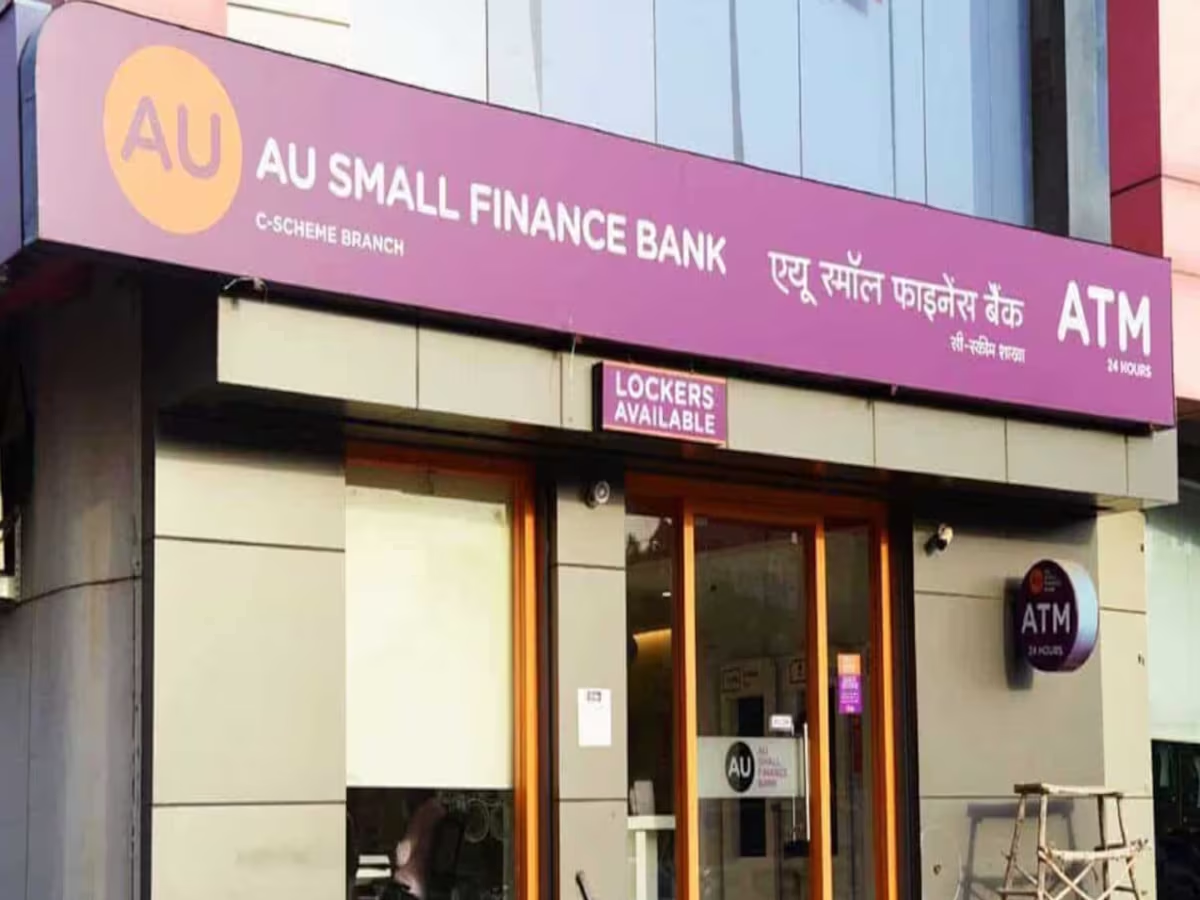
    In a moment that will go down in India’s banking history, AU Small Finance Bank (AU) has received an in-principle approval from the Reserve Bank of India (RBI) to become a Universal Bank. With this notification, AU becomes the first Small Finance Bank in India to receive this in-principle approval to become a Universal Bank, a milestone shaped by purpose, perseverance and discipline.

    This regulatory approval is a strong validation of AU’s robust business model, sound governance, and enduring commitment to financial inclusion. More importantly, it affirms AU’s evolution into a complete bank, one that offers a full spectrum of banking products and services that today’s customer expects, spanning retail, business, and digital solutions.

    The application for this transition was submitted on September 3, 2024, under the RBI’s ‘on tap’ licensing guidelines (August 2016) and April 2024 framework for the voluntary conversion of Small Finance Banks to Universal Banks.

    At the heart of AU’s extraordinary journey is Mr. Sanjay Agarwal, Founder, MD & CEO of AU, whose story exemplifies India’s enterprise ethos. In 1996, at just 26, the newly qualified Gold-medallist Chartered Accountant from Jaipur, a first-generation entrepreneur and cricket enthusiast, declined a conventional corporate career to start his own finance company with a singular belief that India’s underserved and unbanked deserved dignified financial services. Starting with no institutional capital and no inherited influence, Mr. Agarwal established a lending company focused on offering vehicle finance to small entrepreneurs across Rajasthan’s heartland. What began as a modest dream has since become a case study in perseverance, masterclass of sustained growth, sharp execution, and institution building.

    Mr. Sanjay Agarwal, Founder, MD & CEO of AU Small Finance Bank, said: “We have made history by receiving in-principle approval from the Reserve Bank of India to transition into a Universal Bank. This milestone is a reaffirmation of our purpose, perseverance, and passion.

    AU is not just a bank – AU is a mission. As Hon’ble Prime Minister Narendra Modi Ji has rightly said, “India is not just a market. India is a mission.” At AU, we have lived this mission every day. Our journey has always gone beyond banking – it’s about building a more inclusive, empowered, and enterprising India.

    We are deeply grateful to the Government of India and the Reserve Bank of India for nurturing an ecosystem where institutions like AU can grow with integrity. This achievement is a tribute to every stakeholder who has stood by us – our customers, whose trust has shaped us; our employees, whose energy powers us; our investors and partners, who believed in our model; and our Board of Directors, whose guidance has been instrumental in our journey.

    This in-principle approval acknowledges not just our ability to grow, but to grow responsibly. It is a testament to AU’s strength in reaching widely, integrity in serving wisely, and resilience to shine across economic cycles. As we step into this new chapter, we do so with humility, responsibility, and the pride of a homegrown institution ready to serve – our people, our nation, and the vision of Viksit Bharat 2047.”

  • Bank Rakyat Indonesia Reports 11.25% Drop in H1 Net Income, Reaching $1.63B

    Bank Rakyat Indonesia Reports 11.25% Drop in H1 Net Income, Reaching $1.63B

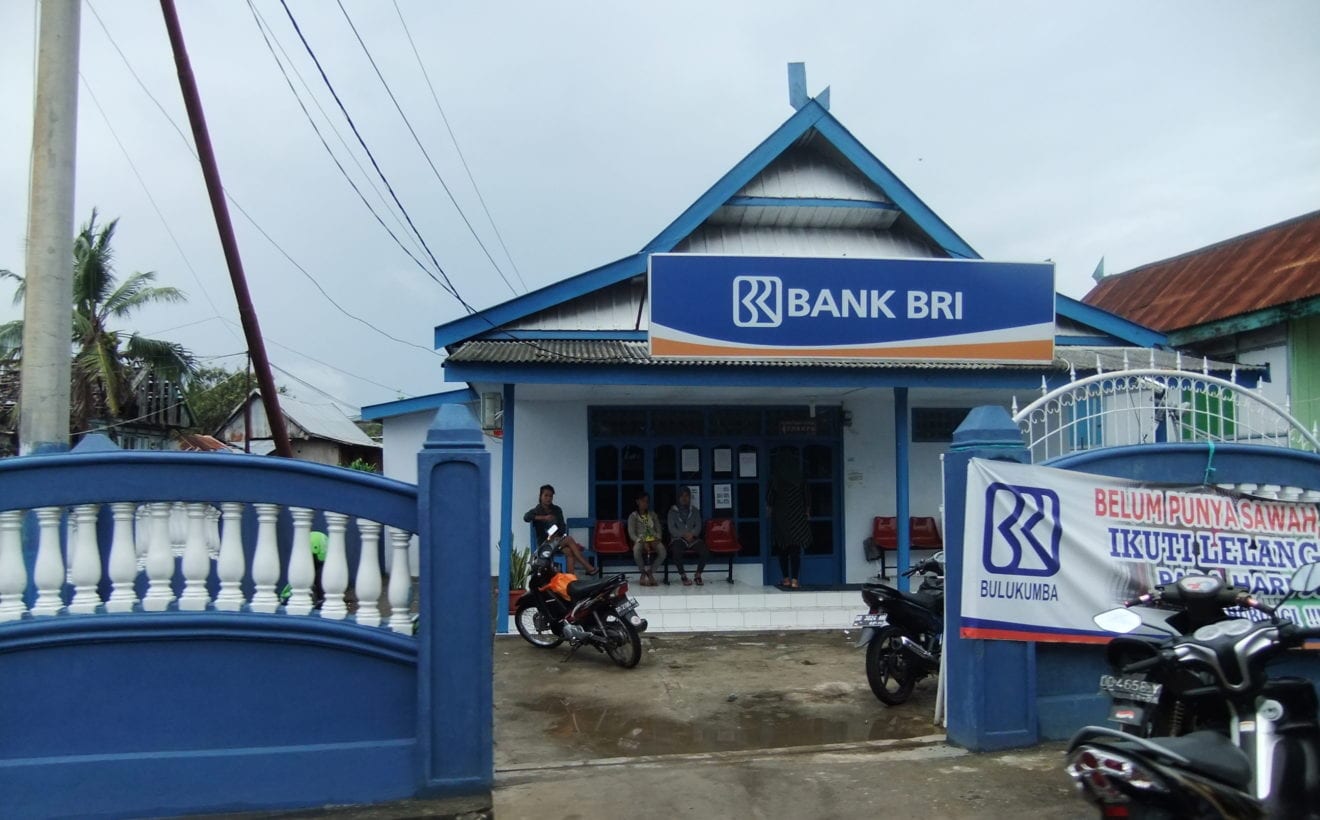
    The latest financial results from Bank Rakyat Indonesia (BRI) unveil a challenging landscape, as the bank’s net income dropped to $1.63 billion (IDR 26.53 trillion) in the first half of 2025. This marks an 11.25% decline from the same period last year, raising eyebrows among industry observers and stakeholders. Basic and diluted earnings per share were reported at IDR 174, reflecting the pressures faced over the past year.

    A Closer Look at Income Streams

    Total interest and shariah income also experienced a dip, totaling $6.3 trillion (IDR 102.38 trillion), which represents a reduction of 2.59% year-on-year. Operating income slid by 9.18%, landing at $2.15 billion (IDR 35.01 trillion), spotlighting ongoing challenges in generating strong revenue amid economic headwinds.

    Provisions Rise, Loan Dynamics Shift

    In a notable shift, net provisions for impairment losses surged to nearly $1.45 billion (IDR 23.5 trillion) in the first half of 2025, compared to IDR 21.37 trillion in H1 2024. This uptick signals rising caution in the lending environment, suggesting potential strains in loan repayment capabilities among borrowers.

    On the brighter side, BRI reported a 6% year-on-year growth in loans, showing resilience in consumer and corporate segments, which expanded by 9.45% and 15.6%, respectively. However, KUPEDES loans, the bank’s flagship micro-lending product, underwent a striking contraction, with its contribution to total loans dropping to 13.6% in June 2025 from 16.8% in 2023. This shift has led to a reduced bank-only loan yield, as pointed out in a separate report by UOB Kay Hian.

    Margins and Market Sentiment

    Despite these challenges, the net interest margin (NIM) held steady at 7.76% for H1 2025, demonstrating a degree of stability amidst fluctuating operating conditions. It seems that while some sectors may be tightening their belts, BRI is navigating through with a blend of caution and strategy.

    Questions & Answers

    What contributed to BRI’s decline in net income for H1 2025?
    BRI’s net income fell primarily due to decreased operating income and rising provisions for impairment losses, reflecting a challenging lending environment.

    How did BRI’s loan dynamics change in the first half of 2025?
    Loans overall grew 6% year-on-year, with growth in consumer and corporate loans; however, the bank’s KUPEDES micro-lending product significantly contracted.

    What does BRI’s net interest margin indicate?
    BRI’s net interest margin of 7.76% suggests a stable lending environment despite the challenges, indicating the bank’s ability to manage its interest income effectively.

  • Gold Prices Take a Dive: Historic Highs Give Way to Significant Decline

    Gold Prices Take a Dive: Historic Highs Give Way to Significant Decline

    Gold prices in Vietnam have taken a noticeable plunge following a global dip, marking a shift from their recent record highs.The price of gold bars from Saigon Jewelry Company decreased to VND123.9 million (approximately US$4,724.32) per tael, reflecting a 0.4% decline from the historic high of VND124.4 million reached just last Friday. The allure of gold  rings waned too, with prices dropping 0.33% to VND119.4 million per tael. For clarity, one tael is equivalent to 37.5 grams or 1.2 ounces.

    Global Markets Shift Gears

    On a broader scale, gold’s global market witnessed a similar dip. The precious metal fell by 0.7% to $3,376.67 per ounce, having peaked last Friday for the first time since July 23. Meanwhile, U.S. gold futures for December delivery also took a hit, decreasing by 1.5% to $3,439.70.

    Geopolitical Factors at Play

    The decline in gold prices can be attributed to diminishing geopolitical risks, especially related to the ongoing conflict in Ukraine. This has reduced gold’s appeal as a safe-haven asset. Notably, City Index senior analyst Matt Simpson pointed out that the upcoming meeting between President Donald Trump and Vladimir Putin in the U.S. is likely to ease concerns and further shift market sentiment.

    “A hotter inflation report could bolster the dollar and suppress gold prices, but I anticipate some support will remain, as savvy investors look to capitalize on discounted rates,” Simpson noted. The stability of non-yielding gold in a low-interest environment reinforces its long-term value, even amidst daily fluctuations.

    As the market adjusts, investors may be pondering the age-old question: how low can gold go? With the ongoing dance of politics and economics, only time will reveal whether the golden glow will return to its coveted heights.

    Questions & Answers

    What caused the recent drop in gold prices in Vietnam?
    The fall in Vietnamese gold prices is largely attributed to a decrease in global gold rates, driven by easing geopolitical tensions and shifting market perceptions.

    How much did gold prices decrease from their all-time high?
    Gold bar prices decreased by 0.4% from the all-time high of VND124.4 million to VND123.9 million per tael.

    What external factors are influencing gold prices internationally?
    Geopolitical developments, particularly related to the conflict in Ukraine and upcoming inflation data from the U.S., are significantly influencing the demand for gold as a safe haven.

  • Dollar Slides as Vietnamese Dong Gains Strength in Currency Exchange Dynamics

    Dollar Slides as Vietnamese Dong Gains Strength in Currency Exchange Dynamics

    On Friday morning, the U.S. dollar showed signs of weakness against the Vietnamese dong, setting the stage for a potential weekly decline against other major currencies.

    At Vietcombank, the greenback was sold at VND26,390, reflecting a modest 0.04% decline from Thursday’s figures. Meanwhile, in the bustling black market, the dollar dipped 0.03%, trading at approximately VND26,490.

    The State Bank of Vietnam also made adjustments, lowering its reference rate by 0.04% to VND25,228. Globally, the dollar faced mounting pressure, positioning itself for a weekly setback. Rumors swirling around U.S. President Donald Trump’s temporary appointment of a new Federal Reserve Governor have fueled expectations for a dovish successor to Jerome Powell, whose term is drawing to a close. This speculation has left traders shuffling their positions, according to reports from Reuters.

    Trends in the Currency Market

    In early trading on Friday, the dollar index hovered around 98.04, while the Japanese yen remained steady at 147.07 per dollar. The British pound held its ground at $1.3439, poised for its best weekly performance since late June. Across a wide spectrum of currencies, the dollar has slipped nearly 0.7% this week, reflecting concerns over softening momentum in the U.S. economy, particularly within the labor market, which has stirred hopes for potential rate cuts by the Federal Reserve.

    European Currency Gains

    Elsewhere, optimism crested as the euro neared a two-week high, boosted by expectations of upcoming discussions between the U.S. and Russia regarding peace efforts in Ukraine. Amid this backdrop, one could almost hear the sigh of relief echoing through financial markets as investors seek stability.

    Questions & Answers

    What is the current exchange rate of the U.S. dollar against the Vietnamese dong?
    As of Friday morning, the U.S. dollar is sold at VND26,390 at Vietcombank and around VND26,490 on the black market.

    What factors are influencing the recent decline in the dollar’s value?
    The dollar is under pressure due to speculations surrounding potential dovish leadership at the Federal Reserve and concerns over weakening momentum in the U.S. economy, particularly in the labor market.

    How is the euro performing amidst current market conditions?
    The euro is trading near a two-week high, buoyed by expectations of U.S.-Russia talks aimed at resolving the conflict in Ukraine, much to investors’ delight.

  • Moody’s Adjusts Vontobel’s Rating: What This Means for Investors and the Retail Sector

    Moody’s Adjusts Vontobel’s Rating: What This Means for Investors and the Retail Sector

    Moody’s Adjusts Vontobel’s Credit Ratings Amid Business Struggles

    In a noteworthy move, credit rating agency Moody’s has downgraded the credit ratings of Vontobel Holding and its banking subsidiary, citing a lukewarm revival in its asset management business. This shift came to light in a report released on Monday, reflecting challenges that may have significant implications for the group’s financial positioning.

    Moody’s has lowered the long-term issuer ratings for both Vontobel Holding and Bank Vontobel from A2 to A3. Accompanying this downgrade, the agency revised the outlook from negative to stable. Furthermore, the rating for Vontobel Holding’s non-cumulative preferred shares also took a hit, dropping from Baa2 to Baa3. On a more positive note, the bank managed to retain its long-term and short-term deposit ratings of Aa3/P-1, as well as its long-term and short-term Counterparty Risk Ratings (CRR) of A2/P-1, although the outlook for the long-term deposit ratings moved from “developing” to “stable.”

    Moreover, the Baseline Credit Assessment (BCA) and Adjusted BCA of Bank Vontobel have been revised down to A3 from A2. However, its long-term and short-term Counterparty Risk Assessment remains unscathed at A1(cr)/P-1(cr).

    Asset Management Lacks Momentum

    The primary driver for the downgrade is the “limited measurable success” in revitalizing Vontobel Holding’s asset management division. This stagnation has negatively influenced the group’s overall franchise strength and the intimate integration of its banking operations. Moody’s emphasized that the risk profile of the group’s businesses—especially outside the asset management sector—has become an essential consideration for assessing the bank’s credit robustness.

    Despite these hurdles, the BCA acknowledges the solid capital buffers and low lending risks that both the bank and the group possess. Their strong liquidity reserves and proven track record in wealth management and structured product issuance remain bright spots. However, a lingering concern is the group’s reliance on uninsured retail deposits, which poses operational, reputational, and market risks.

    Ultimately, the stable outlook for the issuer ratings signals a cautious optimism, suggesting that Bank Vontobel’s credit profile remains securely anchored at the BCA level of A3. But in the fast-moving world of finance, one must wonder: will Vontobel soon win a championship for comeback stories, or will it keep us on the edge of our seats?

    Questions & Answers

    What prompted Moody’s to downgrade Vontobel’s credit ratings?
    Moody’s downgraded Vontobel’s credit ratings due to the limited success in revitalizing its asset management business, which negatively impacted the overall franchise strength.

    How has Vontobel maintained some stability in its ratings?
    Despite the downgrade, Vontobel has retained strong capital buffers, low lending risks, and a solid liquidity position, which contributed to the stable outlook on its ratings.

    What challenges does Vontobel face moving forward?
    Vontobel faces challenges related to operational, reputational, and market risks, primarily stemming from a business model heavily reliant on uninsured retail deposits.

  • Swiss Gold Boom Threatened By Imminent U.S. Tariffs On One-kilogram Bars

    Swiss Gold Boom Threatened By Imminent U.S. Tariffs On One-kilogram Bars

    Swiss gold smelters have experienced a surge in business recently, leveraging a lucrative price differential between US gold futures and the London spot price. However, this profitable chapter is at risk of closing as new punitive tariffs may soon reshape the landscape of gold trading.

    This gold transfer bonanza enabled Swiss refineries to capitalize on a unique arbitrage opportunity by remelting hefty 12.5-kilogram bars—standard in Europe—into the smaller one-kilogram bars preferred in the US. Acting as a gold processing hub, Switzerland has been remelting these substantial bars into packages roughly the size of a smartphone, catering to eager American buyers.

    While the increased trading volume painted a rosy picture in trade balance figures, the reality of these transactions was clouded by a crucial detail: although these bars were counted as exports to the US, they initially entered Switzerland as imports.

    Pricey Tariffs Threaten Low-Margin Business

    Recent reports from the Financial Times suggest that this booming business may be upended by new tariffs set to be imposed by the US. If the information holds true, the introduction of a blistering 39 percent tariff on Swiss goods, specifically targeting one-kilogram gold bars, stands to catch the industry off guard. This decision is rooted in a ruling letter issued by US Customs and Border Protection on July 31, which classifies these gold bars under a customs code subject to steep levies.

    Industry insiders had anticipated that one-kilogram gold bars would sidestep the notorious “Trump tariffs,” given that they dominate trading on Comex, the world’s leading gold futures market, making up the bulk of Swiss gold exports to the US.

    Gold Futures React to New Tariff News

    In the wake of the tariff reports, gold futures on the Comex shot up to a notable high of $3,534 per troy ounce, demonstrating the market’s sensitivity to regulatory changes. The tariff announcement has been described as yet another stumbling block for Swiss gold trading with the US. Christoph Wild, president of the Swiss Precious Metals Dealers and Processors Association, expressed concerns about meeting the burgeoning demand for gold amidst these new obstacles. “Our prevailing thought was that gold melted down by Swiss refineries and exported to the US would be ship-free,” Wild remarked. “However, tariff classifications for different gold products lack clarity.”

    Over the twelve months leading to June, Switzerland exported a staggering $61.5 billion worth of gold to the US, underlining the scale of the trade relationship at stake. Experts from Lombard Odier argued that this situation warrants a nuanced perspective from the US government, urging them to consider the temporary nature of such commodities in their broader trade negotiations. Yet, so far, the Trump administration appears primarily focused on the total value of imports, without accounting for the complexity of specific product classifications.

    Questions & Answers

    What factors contributed to the recent boom in Swiss gold smelting?
    The boom was primarily driven by the price differential between US gold futures and the London spot price, allowing Swiss smelters to capitalize on arbitrage by remelting larger gold bars into smaller, US-preferred sizes.

    How will the new tariffs affect Swiss gold exports to the US?
    The introduction of a 39 percent tariff on one-kilogram gold bars will likely make it difficult for Swiss exporters to meet US demand and may halt their low-margin processing business.

    What is the potential impact of these tariffs on gold futures?
    In response to the tariff news, gold futures have risen significantly, reflecting heightened sensitivities in the market surrounding regulatory changes affecting trade relations.

  • UBS Joins Climate Alliance Exit: What It Means for Retail Sustainability Efforts

    UBS Joins Climate Alliance Exit: What It Means for Retail Sustainability Efforts

    In a surprising twist for the banking sector, UBS, once a founding member of the Net-Zero Banking Alliance (NZBA), has officially exited the climate initiative. Announcing its departure on Thursday, UBS provided no detailed explanation for its decision, merely noting it was part of an annual review of its sustainability affiliations.

    UBS’s departure is part of a broader trend sweeping through the financial world. A wave of exits began last fall, coinciding with the U.S. elections, when prominent firms like J.P. Morgan, Bank of America, Goldman Sachs, Wells Fargo, and Citi also stepped away. Most recently, Barclays added its name to the list, marking a significant shift in collective industry commitment to climate action.

    UBS’s Commitment Amidst Changes

    Despite its exit, UBS insists that its commitment to sustainability is unwavering. “Our ambition to play a leading role in the area of sustainability remains unchanged,” the bank affirmed, pledging to further its sustainability strategy anchored in three pillars: Protect, Grow, and Attract. UBS is determined to assist clients in navigating their transition to a low-carbon economy, asserting that it will continue to incorporate climate-related risks and opportunities into its operations for the benefit of all stakeholders.

    Even as UBS withdraws from the NZBA, it recognizes the alliance’s previously invaluable role in fostering frameworks for decarbonization, especially during its founding in 2021. The bank’s ongoing commitment to integrating sustainability into its risk management practices highlights a complex narrative — one where leaving the alliance might just be a savvy strategy rather than a complete retreat from climate responsibility.

    Questions & Answers

    What prompted UBS to leave the Net-Zero Banking Alliance?
    UBS did not specify a reason for its departure, simply stating it was part of its annual review of sustainability memberships.

    Is UBS continuing its sustainability efforts despite leaving the alliance?
    Yes, UBS emphasized that it remains committed to its sustainability goals and will continue to support clients in their transition to a low-carbon economy.

    Which other banks have recently exited the Net-Zero Banking Alliance?
    Other notable exits include J.P. Morgan, Bank of America, Goldman Sachs, Wells Fargo, Citi, and Barclays, indicating a significant trend among major financial institutions.

  • Indonesia, Malaysia, and Thailand Unveil New Banks for Local Currency Transaction Initiative

    Indonesia, Malaysia, and Thailand Unveil New Banks for Local Currency Transaction Initiative

    In a significant move towards fostering regional economic collaboration, Bank Negara Malaysia (BNM), Bank Indonesia (BI), and the Bank of Thailand (BOT) have unveiled an expanded framework for local currency transactions. This initiative aims to facilitate seamless cross-border settlements for trade and investment among the three nations.

    New Players Join the Local Currency Transaction Framework

    The three central banks have appointed several qualified commercial banks to operationalize this Local Currency Transaction Framework (LCTF). These institutions are set to simplify and enhance trade-related financial engagements across Malaysia, Indonesia, and Thailand. Among the newly appointed banks in Malaysia are AmBank, Bank of China (Malaysia), OCBC Bank Malaysia, Standard Chartered Bank Malaysia, and Sumitomo Mitsui Banking Corporation (SMBC) Malaysia. Indonesia’s roster includes PT Bank Danamon Indonesia, PT Bank OCBC NISP, PT Bank Pembangunan Daerah Jawa Timur, and the Jakarta Branch of Bank of China (Hong Kong).

    For transactions specifically between Malaysia and Thailand, the selected banks mirror those chosen for Indonesia, with the addition of Bank of China (Thai). In the Indonesia-Thailand corridor, key players now include PT Bank OCBC NISP and the Bank of China (Hong Kong) Jakarta Branch.

    Strengthening Regional Connectivity and Economic Fortitude

    The expanded network is expected to significantly improve customer interaction, broaden access to local currency liquidity, and present businesses with enhanced avenues for cross-border transactions. As noted in a recent statement by the central banks, this cooperative framework aims to bolster trade and investment growth, creating a comprehensive support mechanism for businesses looking to navigate the financial landscapes of all three countries.

    Hold on to your receipts, because this initiative could very well make cross-border trading as easy as ordering takeout!

    Questions & Answers

    What is the purpose of the Local Currency Transaction Framework?
    The LCTF aims to facilitate cross-border settlements of trade and investment among Malaysia, Indonesia, and Thailand, making it easier for businesses to transact in local currencies.

    Which banks have been appointed to support the LCTF?
    New additions include Malaysia’s AmBank and Bank of China, and Indonesia’s PT Bank Danamon and PT Bank OCBC NISP, among others, with a comprehensive list of banks aimed at both regional partnerships.

    How will the expanded network benefit businesses?
    The enhanced ACCD network will improve customer outreach, increase market access to local currency liquidity, and provide better options for cross-border transactions, ultimately supporting trade and investment growth.

  • UOB Reports 3% Decline in H1 2025 Net Profit, Reaching S$2.83 Billion

    UOB Reports 3% Decline in H1 2025 Net Profit, Reaching S$2.83 Billion

    UOB has reported a slight dip in its net profit, which fell 3% to S$2.83 billion (US$2.2 billion) in the first half of 2025 compared to the same timeframe last year. This decline is largely attributed to pre-emptive general allowances implemented by the bank’s risk management strategy in response to ongoing macroeconomic uncertainties, as indicated in their latest financial release.

    On a more positive note, the bank’s operating profit climbed by 3% to S$4 billion (US$3.11 billion), buoyed by robust double-digit growth in fee income across various business segments.

    The interim dividend was set at 85 cents per ordinary share, reflecting a payout ratio of approximately 50%. Furthermore, shareholders are set to receive the second installment of a previously declared special dividend of 50 cents.

    Net interest income remained stable at S$4.74 billion (US$3.69 billion) during the first half, indicating that a growth in loan volumes helped mitigate the effects of margin compression resulting from lower benchmark rates. Additionally, other non-interest income saw a modest increase of 1%, reaching nearly S$1.05 billion (US$817.55 million).

    Net fee income surged by 11% to S$1.33 billion (US$1.04 billion), driven by growth in wealth management, loan-related services, and credit card activities. As a result of tighter cost management, the bank improved its cost-to-income ratio, dropping from 44.4% the previous year to 43.5%.

    The non-performing loan ratio stood at 1.6% for the first half of 2025, while credit costs were reported at 34 basis points. UOB cited higher specific allowances and pre-emptive general provisions as key factors behind these figures.

    Wholesale Banking Faces Challenges; Wealth Management Thrives

    In contrast, wholesale banking faced a setback, with profits before tax declining by 12% in the first half of the year, largely due to lower interest rates and fierce competition for quality assets. Despite these hurdles, transaction banking accounted for nearly half of total wholesale banking income, navigating uncertainties stemming from U.S. tariffs.

    Interestingly, the investment banking sector posted record fees, while customer-related treasury income experienced double-digit growth. Meanwhile, group retail banking reported a profit before tax of S$1.1 billion for the first half, marking an 11% increase as growth in current and savings account balances, wealth management, and credit cards offset income pressures from reduced rates and market competition.

    Retail deposits also crossed the significant milestone of S$200 billion for the first time. Wealth management income saw an impressive 15% growth, fueled by clients converting deposits into invested assets under management (AUM). High net-worth AUM continued to gain momentum, with net new money inflows reaching S$3 billion in the second quarter of 2025, while credit card income rose by 5%, complemented by double-digit growth in card billings.

    Questions & Answers

    How did UOB’s net profit perform compared to last year?
    UOB’s net profit fell by 3% to S$2.83 billion (US$2.2 billion) in the first half of 2025, compared to the same period in 2024.

    What were the main factors affecting UOB’s net interest income?
    Net interest income was stable at S$4.74 billion (US$3.69 billion), supported by growth in loan volumes that offset margin compression from lower benchmark rates.

    Which business segment showed notable growth despite challenges?
    Wealth management experienced significant success, with income growing by 15% as clients shifted their deposits into invested assets under management (AUM).

  • Gold Prices Surge Close to All-Time Highs: What This Means for Retail Investors

    Gold Prices Surge Close to All-Time Highs: What This Means for Retail Investors

    The rally in Vietnam’s gold prices shows no signs of slowing down as values edge closer to their all-time high from earlier this year. On Tuesday afternoon, the Saigon Jewelry Company reported its gold bar price climbing 0.41% to reach VND123.8 million, or approximately US$4,726.91, per tael. This marks a mere 0.16% away from the previous peak of VND124 million recorded on April 22.

    Meanwhile, the price of gold rings also saw an uptick, rising 0.42% to VND119.3 million per tael. For context, a tael is equivalent to 37.5 grams or 1.2 ounces.

    The surge in gold prices in Vietnam has been impressive, escalating by 47% since the year’s start.

    On the global stage, gold prices stabilized on Tuesday, maintaining a position near a one-week high following a slowdown in U.S. job growth, which fueled speculation of a potential Federal Reserve rate cut in September. This shift has influenced both the dollar and Treasury yields, according to reports from Reuters.

    Spot gold remained steady at $3,371.40 per ounce, with bullion recently reaching its highest point since July 24. U.S. gold futures also held firm at $3,425.30.

    “Short-term momentum has improved for the bullish side of the story… the fundamental narrative supporting gold prices is that the Fed is still in a position to actually cut rates in September,” noted Kelvin Wong, a senior market analyst at OANDA.

    Questions & Answers

    What recent trends are influencing gold prices in Vietnam?
    Vietnam’s gold prices have surged 47% this year, with recent price increases attributed to expectations of a Federal Reserve rate cut, after slower job growth in the U.S.

    How close are Vietnam’s gold prices to breaking previous records?
    Gold prices in Vietnam are currently just 0.16% away from the previous peak of VND124 million per tael set in April, highlighting a potential upcoming record.

    What are some global factors affecting gold prices?
    Globally, gold prices have been influenced by recent U.S. economic data, particularly concerning job growth, which has led to speculation of a Federal Reserve rate cut, affecting the dollar and Treasury yields.

  • Fintech Innovations Steal the Spotlight in APAC’s Thriving Card Payment Landscape

    Fintech Innovations Steal the Spotlight in APAC’s Thriving Card Payment Landscape

    In the fast-paced arena of Asia-Pacific’s bustling $24.7 trillion card payment market, fintech firms are carving out a competitive edge with their tech-savvy agility. Unlike traditional banks and platform giants who command significant portions of the landscape, these nimble fintech players are redefining digital payments and accelerating innovation across both mature and emerging markets.

    Fintechs Outpace Traditional Banks

    Sean Fu, Senior Vice President for Greater China at Global Payments, provides insight into this evolving competition, observing that fintech firms excel due to their scalability and technological leverage. “Among these three, I see the FinTech players as more competitive in the market,” he remarked, citing their ability to expand rapidly across borders.

    While banks continue to hold sway with their established reputation and control over card issuance, Fu notes that their outdated infrastructure can hinder their efficiency. “Their disadvantages are obvious—slow processing and higher operational costs,” he added. In essence, while banks can subsidize acquiring costs to attract major merchants, they often grapple with cumbersome legacy systems that stifle speed and innovation.

    Platform Giants Navigate Their Own Challenges

    On the other hand, platform companies enjoy high levels of user engagement and app stickiness. However, they are not immune to challenges, facing significant technology costs along with regulatory and security hurdles similar to those encountered by fintechs. Even so, it’s the fintechs that are driving the game forward with pioneering solutions in buy-now-pay-later schemes, contactless payments, and integrated wallets—attributes that make them remarkably agile and expansive in scope.

    A Competitive Landscape Unfolds

    Assistant Professor Ruan TienYue from the Department of Finance at NUS Business School highlights the distinct lanes of competition arising from these dynamics. “Banks are fiercely competing on card issuance as well as acquiring merchants, while fintechs are leading different innovations. Meanwhile, platform companies are integrating card payments into their own digital ecosystems,” Ruan explained.

    This seismic shift in competitive strategies is particularly evident in emerging markets like the Philippines and Malaysia, where fintechs are gaining traction. For instance, in the Philippines, where a staggering 99% of the market consists of small and medium-sized businesses, the government is promoting an alternative payment method known as QR PH, fueling fintech growth. Similarly, Malaysian fintechs are zeroing in on the tourist-driven hospitality sector with tailored digital solutions.

    While mature markets like China and Australia currently dominate in terms of card penetration, Ruan notes that emerging economies are catching up with impressive growth rates in digital payments. “Emerging economies are following very fast growth in terms of these digital payments,” he observed.

    The Road Ahead: Collaboration Is Key

    To boost card payment adoption, especially in rural areas, both experts advocate for public-private collaborations. “First of all is education—then infrastructure—then customized solutions,” Fu stated, listing mobile banking and alternative payments as vital tools for expanding reach. Ruan echoed this sentiment, suggesting that governments should spearhead investment in infrastructure and launch campaigns aimed at promoting the usage of bank accounts and cards.

    Questions & Answers

    How are fintechs gaining an edge in the card payment market?
    Fintechs leverage their technology-driven agility, allowing for faster scalability and the ability to innovate in ways traditional banks cannot, particularly in areas like buy-now-pay-later and integrated wallets.

    What challenges do platform companies face in this competitive landscape?
    Platform companies benefit from user engagement but struggle with high technological costs and face regulatory hurdles similar to those encountered by fintechs.

    Why is public-private collaboration important for expanding card payment adoption?
    Collaboration is crucial for improving education, infrastructure, and customized solutions, particularly in reaching rural areas where traditional banking services may be limited.

  • DBS and UOB Earnings Reveal How SORA and Rising Credit Costs Shape the Banking Landscape

    DBS and UOB Earnings Reveal How SORA and Rising Credit Costs Shape the Banking Landscape

    As the financial world eagerly anticipates this week’s earnings reports from major banks, all eyes are on DBS and UOB, particularly regarding their net interest margins and credit costs tied to Hong Kong property exposure. Michael Makdad, a senior equity analyst at Morningstar, shared insights that shed light on what investors can expect.

    DBS Earnings Could Shine Amid Challenges

    Makdad remains optimistic about DBS, forecasting positive earnings that he believes will emerge without significant spikes in credit costs or major drops in net interest margins. However, one pivotal query lingers: will DBS face increased credit costs stemming from its Hong Kong property operations, a concern that has raised eyebrows, especially in comparison to HSBC and its subsidiary, Hang Seng Bank?

    “OCBC has thus far escaped these pressures, and DBS’ operations in Hong Kong have yielded impressive returns without encountering similar issues,” Makdad noted. “Yet, it’s prudent to keep an eye on this factor.” The analyst hinted that while DBS appears well-positioned, tracking these credit costs remains essential as the full impact of Hong Kong’s real estate market unfolds.

    UOB’s Hefty ASEAN Exposure Sparks Questions

    For UOB, the stakes are equally intriguing. Makdad is particularly interested in the impact of the declining Singapore Overnight Rate Average (SORA) on UOB’s net interest margins. With UOB having a more substantial footprint in some ASEAN countries compared to DBS and OCBC, he speculated, “It will be telling to see if economic slowdowns in regions like Thailand influence their overall performance.”

    As the week progresses, the financial sector waits with bated breath. Will the results reflect the resilience of these banks or expose vulnerabilities in a shifting economic landscape? One thing’s for sure: the market’s pulse beats in sync with these earnings disclosures.

    Questions & Answers

    What factors are influencing the upcoming earnings reports for DBS and UOB?
    Key variables include credit costs related to Hong Kong property exposure and the impact of declining net interest margins, particularly with the recent drop in SORA.

    What is the outlook for DBS’s earnings according to Michael Makdad?
    Makdad expresses optimism about DBS’s earnings, expecting them to be positive without significant credit cost flare-ups or drastic reductions in net interest margins.

    Why is UOB’s situation particularly noteworthy during this earnings season?
    UOB has greater exposure to ASEAN markets compared to its peers, raising questions about the potential impact of economic slowdowns in those regions, particularly in Thailand.

  • Morgan Stanley Sees Potential in Pop Mart’s Labubu Amid Recent Stock Decline

    Morgan Stanley Sees Potential in Pop Mart’s Labubu Amid Recent Stock Decline

    Morgan Stanley maintains a bullish outlook on Pop Mart International Group, even as the company experiences a 10% dip in its stock price. The U.S. investment bank sees this slump as a potential buying opportunity, driven by Pop Mart’s robust growth trajectory fueled by exciting new product launches.

    Understanding Demand Amidst Market Fluctuations

    Despite a reduction in store lines and resale prices, Morgan Stanley asserts that this doesn’t reflect a drop in consumer interest. According to a recent report, most of Pop Mart’s offerings are mass-market items rather than scarce collectibles, which the Singapore-based investment platform Moomoo highlighted.

    This year has seen the LaBubu line—a collection designed by Dutch-Hong Kong artist Kasing Lung—continue to captivate children and collectors alike, while emerging toy lines such as Crybaby and Twinkle Twinkle are also generating buzz and showing promising sales.

    Power of Direct Sales

    Pop Mart’s direct-to-consumer model, which accounts for 90 to 95% of sales, enables the company to gather valuable real-time data. This agility allows them to adjust supply effectively, ensuring that inventory levels align closely with consumer demand.

    Impressive Projections Amid Challenges

    Morgan Stanley has ambitious forecasts for Pop Mart’s future, projecting sales to reach an impressive US$4.3 billion by 2025, escalating to US$6 billion in 2026. Notably, overseas operations could contribute as much as 60% of the company’s profit this year. Despite this optimistic outlook, the stock has suffered, dropping from a peak of HK$269.60 since July 8, largely due to a scarcity of near-term growth catalysts.

    “Market sentiment towards the company has yet to fully recover in the short term, given the high base last year,” noted Richard Lin, chief consumer analyst at SPDB International. “For the stock to rebound, the company will need to provide greater visibility on potential earnings drivers.”

    The Allure of the Labubu Toy

    The Labubu toys, featuring adorable yet cheeky creatures with a mix of soft fur and sharp teeth, have ignited a collector’s frenzy, prompting fans to queue for hours to snag the latest releases. Sold in blind boxes, these toys add an element of surprise, heightening the thrill of the collectable culture and motivating collectors to seek rare models, often marking them up for resale at enticing prices.

    This phenomenon has sent Pop Mart’s valuation soaring beyond US$40 billion, with its Hong Kong-listed shares skyrocketing an astonishing 588% in the past year, according to Bloomberg.

    Questions & Answers

    How is Morgan Stanley viewing Pop Mart’s recent stock price drop?
    Morgan Stanley views the 10% decline as a buying opportunity, emphasizing the company’s strong growth potential driven by new product launches.

    What factors contribute to Pop Mart’s success in the toy market?
    Pop Mart’s success stems from its popular toy lines, particularly Labubu, and its direct-to-consumer sales model that allows for real-time inventory management.

    What challenges does Pop Mart face in the near term?
    The company faces challenges such as a need for clearer visibility on earnings drivers to boost market sentiment and share price recovery after a significant peak loss.

  • VN-Index Soars to Its Largest Gain in Four Months: Retail Market Celebrates Strong Recovery!

    VN-Index Soars to Its Largest Gain in Four Months: Retail Market Celebrates Strong Recovery!

    The index closed 32.98 points higher, rebounding from a prior drop of 7.31 points. This encouraging shift reflects a resurgence of investor confidence in the Vietnamese stock market.

    Trading volume on the Ho Chi Minh Stock Exchange surged by approximately 9.2%, reaching VND42.6 trillion (US$1.63 billion), a clear sign of renewed activity.

    Most stocks in the VN-30 basket, representing the 30 largest companies, ended the day on a high note. Four notable stocks—VJC from budget airline Vietjet, VIC from conglomerate Vingroup, SHB of Saigon Hanoi Commercial Bank, and TPB from TPBank—hit their ceiling prices, illuminating a robust market sentiment.

    However, not every blue chip could bask in the glow; FPT of tech giant FPT Corporation slid slightly, closing down by 0.4%. It’s almost as if FPT was the lone wolf at a party of jubilant investors.

    Foreign investors took a different stance, emerging as net sellers with VND10.26 trillion in sales, predominantly offloading stocks like VIC and SSI of SSI Securities Corporation.

    Meanwhile, the HNX-Index on the Hanoi Stock Exchange, which tracks mid and small-cap stocks, climbed 1.29%, while the UPCoM-Index for unlisted public companies advanced by 0.66%, demonstrating that the upward momentum was widespread.

    Questions & Answers

    What was the performance of the VN-Index on August 4, 2025?
    On August 4, 2025, the VN-Index saw a significant increase of 2.21%, closing at 1,528.19 points—its most substantial gain in nearly four months.

    Which stocks hit their ceiling prices during this trading session?
    Four stocks achieved ceiling prices: VJC of Vietjet, VIC of Vingroup, SHB of Saigon Hanoi Commercial Bank, and TPB of TPBank, highlighting a thriving market environment.

    How did foreign investors react during this trading session?
    Foreign investors were net sellers, offloading VND10.26 trillion, primarily selling shares of VIC and SSI Securities Corporation, indicating a cautious approach amidst the market’s rising trend.

  • Islamic Finance Market Set to Reach $7.7 Trillion by 2033: A Future of Growth and Opportunity

    Islamic Finance Market Set to Reach $7.7 Trillion by 2033: A Future of Growth and Opportunity

    The Islamic finance market is poised for remarkable growth, projected to reach an astonishing $7.7 trillion by 2033, according to a report by Allied Market Research. This translates to a compound annual growth rate (CAGR) of 12% over the next decade, scaling from a valuation of $2.5 trillion in 2023.

    The surge in cashless transactions and the rise of digital banking are key drivers behind this expansion. Innovations such as real-time payment systems and AI-enhanced fraud detection are not just buzzwords; they are pivotal in shaping consumer preferences and ensuring secure financial interactions. “By emphasizing risk-sharing models and providing alternatives to interest-based lending, Islamic financial institutions have been successful in reaching underserved populations, particularly in developing economies,” the report emphasizes.

    Rooted in Shariah law, Islamic finance has distinctive principles that prohibit interest (riba) and speculative practices (maysir), favoring instead profit-sharing and asset-backed financing. These concepts resonate particularly well in regions where conventional banking systems may not adequately serve the community. Governments in many Muslim-majority countries and prominent financial hubs are stepping up their support for Islamic finance, leveraging favorable policies and regulatory reforms to foster growth.

    Clear legal frameworks that align with Sharia principles are being established, creating a safe and secure landscape for Islamic banking, investment, and insurance products. “This not only enhances trust but also attracts a growing base of consumers who are seeking ethical investment options,” the report notes. It seems that Islamic finance is not just about numbers; it’s crafting a narrative where ethics meets commerce.

    However, the journey is not without its hurdles. The lack of standardization and regulatory consistency can shadow market players, while complex product structuring poses additional challenges. To navigate these waters, institutions are increasingly turning to AI-driven solutions for fraud prevention and blockchain technologies to secure transactions, ensuring smoother operations and increased consumer confidence.

    Questions & Answers

    What is the projected growth of the Islamic finance market over the next decade?
    The Islamic finance market is projected to grow to $7.7 trillion by 2033, achieving a compound annual growth rate of 12%.

    What are some key factors driving the growth of Islamic finance?
    The shift towards cashless transactions, advancements in digital banking, real-time payment systems, and AI-driven fraud detection are significant factors propelling the market.

    What challenges does the Islamic finance market face?
    Challenges include a lack of standardization, regulatory harmonization, and the complexity of product structuring. Institutions are seeking to address these issues through AI technology and blockchain for secure transactions.