Tag: burger

  • First MOS Burger store opens in Manila

    First MOS Burger store opens in Manila

    The first MOS Burger store in the Philippines opened this week, on the second floor of Robinsons Galleria, Ortigas Center.

    MOS Food Services Inc chairman Atsushi Sakurada said the store is just one of many branches planned for Metro Manila this year.

    MOS Burger Philippines was formed last year by MOS Food Services Inc of Japan and Tokyo Coffee Holdings in a joint venture agreement.

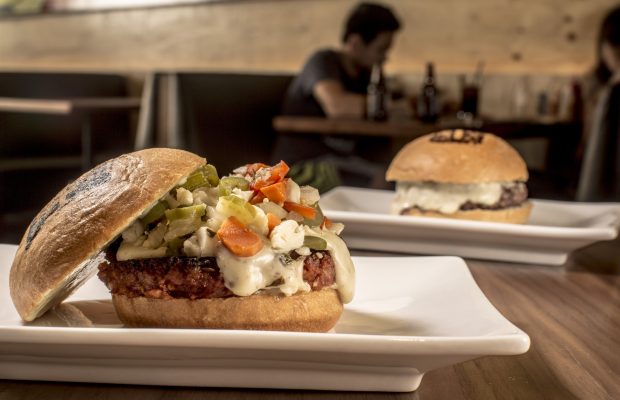
    The first MOS Burger store in the Philippines brings the chain’s internationally popular burgers to the local market, including cheeseburgers, Wagyu Burger and Wagyu Rice Burger.

    Founded in 1972, MOS Burger describes itself as fast casual. It is now Japan’s second-largest fast-food chain with 1300 stores domestically and 300 others around the world. In Asia it already has outlets in Thailand, Singapore, Hong Kong, Indonesia and South Korea and it plans to launch in Vietnam later this year.

    Like other fast-food chains targeting rapidly growing Southeast Asian markets, MOS Burger faces a challenge in changing local consumers’ habits of eating cheap street food to trade up to burger meals which are comparatively expensive.

    The chain’s unique selling point is its burger buns, which are made of rice mixed with barley and millet. It positions its meals as healthier than traditional fast-food fare.

    Prior to its Philippines opening, MOS Burger offered the public burgers for two days last month to tease the market and test its operations.

    Alongside burgers, the first MOS Burger store in the Philippines serves fried chicken, coffees, teas and its signature lemonade. Burgers are priced from PHP 189 (US$3.72) to PHP 309 ($6.08) for the upscale Wagu burger, with beverages from PHP 68 ($1.34) to PHP 149 ($2.93).

    MOS stands for Mountain, Ocean and Sun.
  • Mos Burger launching in Vietnam

    Mos Burger launching in Vietnam

    Mos Burger in Vietnam will open its first store in Ho Chi Minh City later this year.

    The company plans to set up a joint venture in the country next month and open 10 outlets in the next three years.

    Last October, Mos Burger partnered with Danang Tourism College to run a training program called Bentonamu Kazoku where Vietnamese candidates could undertake training courses at Mos Burger stores in Japan before returning home to work as managers.

    The company said it will recruit 350 people in four years under its work-visa program.

    Mos Burger in Vietnam’s recruiting strategy is not only to enhance the quality and training of staff there but also to help its Japanese franchisees address labor shortages arising from the country’s ageing population.

    While Vietnam may be the fast-growing retail market in Southeast Asia, it could prove a challenge for Mos Burger as other fast-food franchises have discovered that changing local consumers’ habits of eating cheap street food to relatively expensive burgers is not an easy mission.

  • Shake Shack Singapore opens second store

    Shake Shack Singapore opens second store

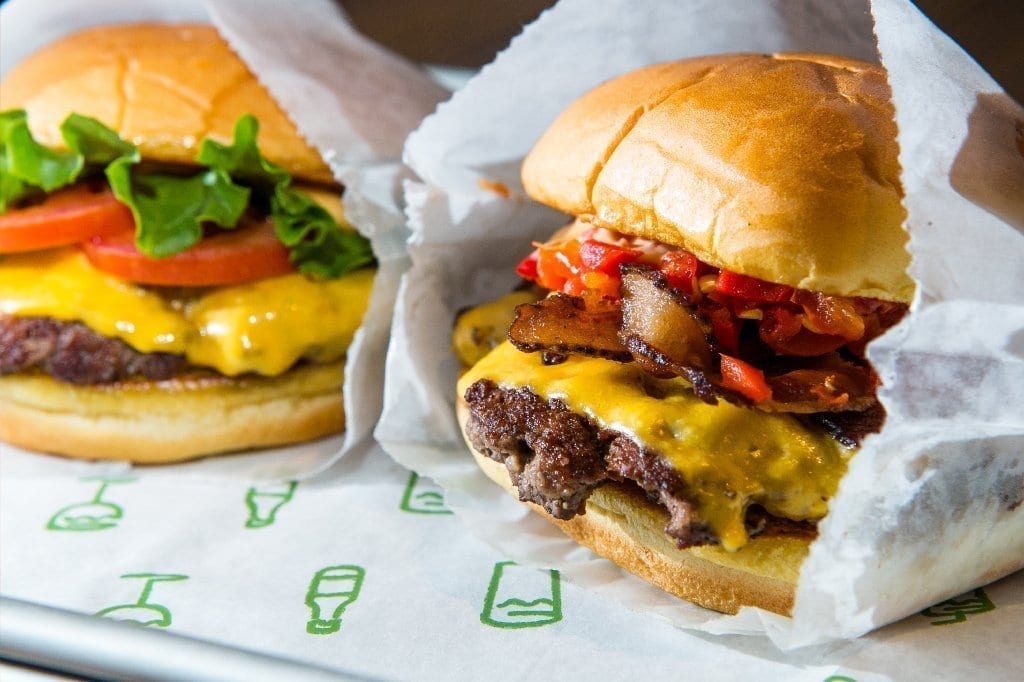
    Burger chain Shake Shack has opened its second store in Singapore, in the city’s CBD.

    Taking over the Tiger Balm factory on Neil Road, the new Shake Shack Singapore store design was inspired by its vibrant Chinatown neighborhood and colorful Peranakan architecture.

    Designed by Singaporean artist Sam Lo, the store’s interior features a tiger mural inspired by the history of Tiger Balm factory.

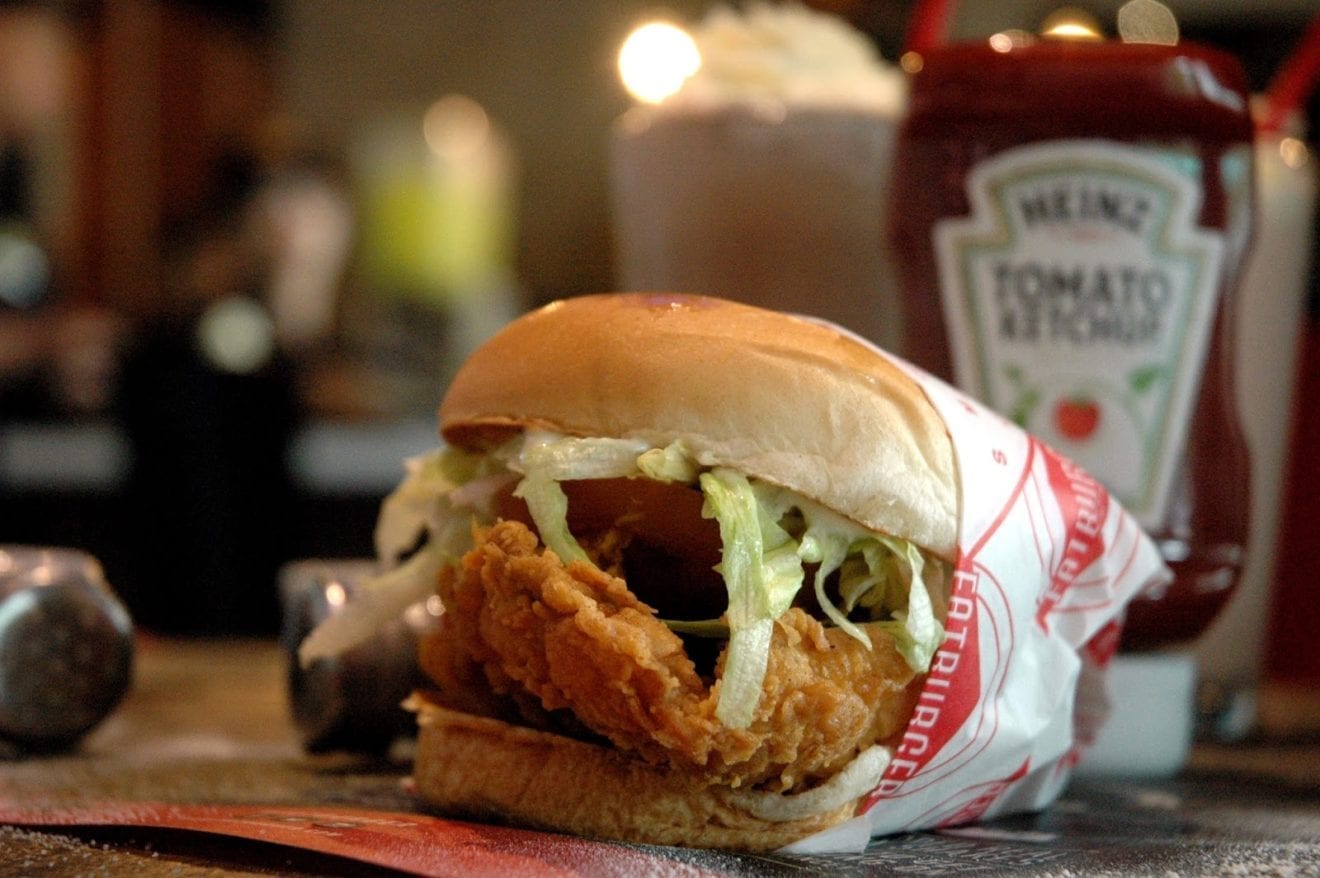
    To mark the opening, Shake Shack has launched The Chick’n Shack, an antibiotic-free slow-cooked chicken breast crisp fried.

    “The Chick’n Shack embodies our modern approach to fine-casual American cooking,” said Mark Rosati, culinary director at Shake Shack. “It’s about providing a simple, pleasurable, uncomplicated experience, but with high-quality, responsibly sourced ingredients.”

    The burger chain also introduces two new local dishes, Eye of the Tiger and Open Sesame, based on local flavors.

    To support the local art community, 5 percent from sales of the local products will be contributed to Very Special Arts Singapore (VSA), a non-profit organization providing opportunities for the disabled through arts.

  • Shinsegae’s No Brand Burger stores dominating Korean market

    Shinsegae’s No Brand Burger stores dominating Korean market

    The No Brand Burger from Shinsegae Food, the food manufacturing arm of South Korean retail giant Shinsegae, are dominating the South Korean hamburger market.

    Analysts say that Shinsegae’s cost-effectiveness strategy for its new No Brand Burger restaurants is behind such growth.

    The company managed to lower the price by more than 1000 won (US$0.84) compared to its competitors while maintaining similar quality.

    Driving on without a stop, Shinsegae Food is planning to expand its stores and even pursue a franchise business. As of the end of last month, sales at No Brand Burger exceeded 350,000 units.

    In other words, four stores have sold more than 100,000 burgers a month on average, including the first No Brand Burger store in Seoul, which opened in August. Each store has between 1000 and 1500 daily sales.

    In particular, the Hongdae branch has become a popular place with customers waiting in line for more than an hour before eating, as No Brand hamburger has proven to be a draw among younger customers.

    The secret to the popularity of No Brand Burger is reasonable prices combined with good taste and quality. The company focused extensively on research and development of the menu. Some 20 chefs from the affiliated food research institute developed the company’s burger offerings over a period of three years.

    In addition, the company made the most of its know-how in distributing and manufacturing food products to the fullest extent possible to lower the price.

    The price of the No Brand Burger is between 1900-5300 won for a burger and 3900-6900 won for a ‘set’ that includes fried potatoes and a beverage.

    Its flagship burger, NBB Signature, which costs 3500 won (US$2.93) for the burger alone and 5300 won for a set, is also cheaper than the 6200 won cheeseburger set at Lotteria, the nation’s number one hamburger franchise.

    What is making such prices possible is so-called ‘joint orders’.

    Considering that it is not easy to secure a competitive edge in price by placing individual orders for each ingredient, Shinsegae Food placed orders for of all the ingredients at once with the food ingredients managers of each business unit and lowered the prices of the most basic ingredients.

    Moreover, it also used its own ingredient factory to secure hamburger patties and pre-prep

  • Burger King Taiwan gives away 10,000 burgers to McDonald’s, KFC customers

    Burger King Taiwan gives away 10,000 burgers to McDonald’s, KFC customers

    Burger King Taiwan is holding a marketing campaign offering 10,000 free burgers to customers of rivals McDonald’s and KFC.

    Consumers are being invited to swap a same-day receipt for a set meal at either franchise to receive a free Burger King burger.

    Burger King Taiwan, which has traded for 29 years, has lagged behind rival brands in market-share terms and has attempted a comeback over the past several years by shuttering 20 stores and replacing its management team. The brand was taken over by Asian private equity fund Nexus Point in late 2017.

    The brand has since expanded and expanded its reach via local food delivery platforms Foodpanda, Uber Eats, and Deliveroo among others.

    The campaign will run through to December 10.

  • Jollibee Expedites North American expansion

    Jollibee Expedites North American expansion

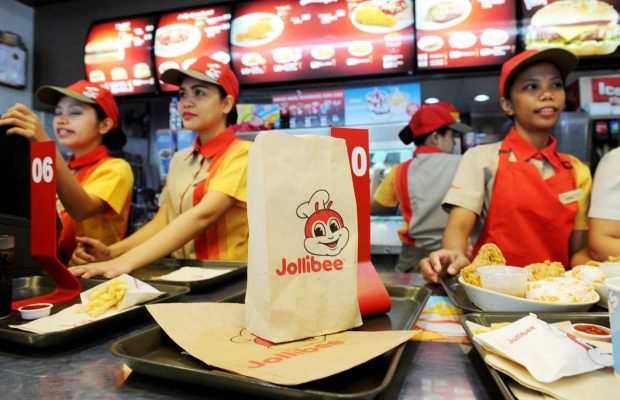
    Filipino fast-food chain Jollibee plans to expand its store network in North America to 250 by 2023.

    Its parent company Jollibee Foods Corporation (JFC) said it is committing to further expand the brand in North America, having identified the region as a key growth market.

    There are currently 46 Jollibee outlets in North America, with the first store opened in 1998 in California.

    The expansion plan was announced at the inauguration of its new North American headquarters in West Covina, California on Friday. It says the new 28,000sqft headquarters will serve as a center of operations for Jollibee and its sister brands Chowking and Red Ribbon.

    “The new Jollibee headquarters will ably support operations around North America in its quest to become a major fast-food player in the region,” says the company.

    Jollibee has a restaurant network of more than 1400 at home and more than 230 elsewhere abroad.

    Parent company JFC has more than 5800 restaurants in 35 countries globally, with recent investments including a joint venture to open Tim Wan Ho restaurants in China.

  • KFC New Zealand drives Restaurant Brands’ sales

    KFC New Zealand drives Restaurant Brands’ sales

    Restaurant Brands total group sales grew 2.7 percent over during the first half of FY20, though net profit fell 2 per cent due to the adoption of a new leasing standard.

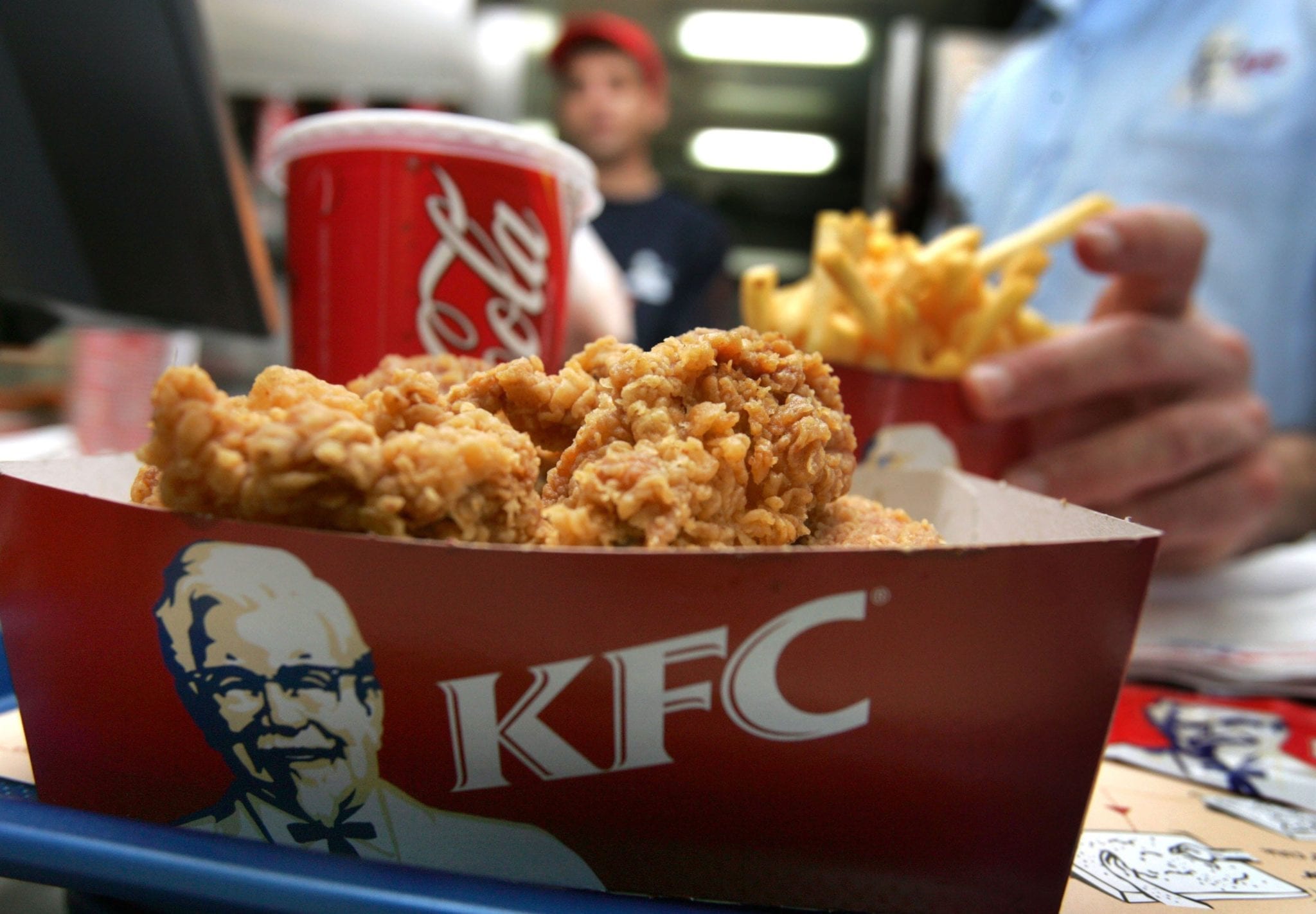
    Total group sales, which include KFC, Pizza Hut and Carl’s Jr. in New Zealand, as well as KFC operations in Australia, and Taco Bell and Pizza Hut in Hawaii, grew to $442.6 million – an increase of $11.6 million on the prior year.

    Net profit fell to $20 million, 2 percent lower than the $20.4 million seen during 1H19, due to the adoption of NZ IFRS 16, which knocked net profit down $2.9 million as a result of lease depreciation costs.

    The bulk of the sales improvement came from KFC’s New Zealand operations, which saw sales up 7.9 per cent to $193.5 million.

    Same-store sales grew 5.7 percent, while EBITDA totaled $41.8 million, driven by a further roll-out of the business’ delivery operations, as well as successful product promotions and the opening of three new stores.

    Pizza Hut saw a more difficult half, with total sales down 10.5 percent to $18.3 million despite the expansion of the chain’s store network. Same-store sales also fell 4.4 percent due to competitive pressure, the impact of launching new stores, as well as the appearance of new food delivery companies in the New Zealand market.

    Restaurant Brands also confirmed it would be opening its first New Zealand Taco Bell at LynnMall Shopping Centre in Auckland next month.

    “Initial planning and setup is well underway to bring this exciting new brand to the New Zealand market with the first new store in Auckland targeted to open in November,” the company said in a release.

    Restaurant Brands chief executive Russel Creedy said the group would launch up to 25 Taco Bells across New Zealand in the next five years.

    The group’s Australian results were adversely affected by a stronger New Zealand dollar, with KFC Australia seeing 4.2 percent total sales growth to $99.5 million. Restaurant Brands is also planning to open two Taco Bell stores in New South Wales, Australia in the calendar year.

    “The overall business continues to deliver solid results across all geographic markets and this strong performance is expected to continue in the second half of the year,” the group said.

    The directors believe that, not including further impact of NZ IFRS 16, Restaurant Brands will deliver an NPAT at least 10 per cent higher than FY19 – having previously stated they are expecting a net profit of $45 million for the FY20 period.

  • Impossible Burger launches in Southern California

    Impossible Burger launches in Southern California

    The Impossible Burger has made its worldwide debut in grocery stores at all 27 outlets of Gelson’s Markets in Southern California.

    Gelson’s Impossible Burger launch is the first time that the general public has been able to buy and experience the plant-based meat burger at home. The Impossible Burger is on menus in more than 17,000 restaurants.

    “Three years ago we introduced plant-based meat to top chefs in America’s most important restaurants, said Impossible Foods’ CEO and founder Dr. Patrick O. Brown. “They consistently told us that the Impossible Burger blew them away. We can’t wait for home cooks to experience the magic – whether using Impossible Burger in their family favorites or inventing new recipes that go viral.”

    Throughout the fourth quarter and early next year, Impossible Foods will expand its retail presence by launching the Impossible Burger in industry-leading grocery stores in key regions. Following the Gelson’s Impossible Burger launch, Impossible Foods will release the product in additional grocery stores later this month, when the Impossible Burger makes its East Coast debut.

    As the leading food-tech startup scales up production and capacity – both at its own plant in Oakland, California, and with leading food co-manufacturer OSI Group – it will accelerate its retail push.

    “Our first step into retail is a watershed moment in Impossible Foods’ history,” said Impossible Foods’ senior VP Nick Halla, who oversees the company’s retail expansion. “We’re thrilled and humbled that our launch partners for this limited release are homegrown, beloved grocery stores with cult followings in their regions.”

  • Lewis Hamilton launches meatless Neat Burger

    Lewis Hamilton launches meatless Neat Burger

    Five-time Formula One world champion Lewis Hamilton is collaborating with hospitality organization The Cream Group and other investors to launch Neat Burger – the first international, plant-based burger chain.

    “I’m very passionate about being kinder to our world and also really respect Neat Burger’s commitment to more ethical practices and supporting small businesses, so this is something I’m also really proud to support,” said Hamilton. “But it is also about the product. As someone who follows a plant-based diet, I believe we need a healthier high street option that tastes amazing but also offers something exciting to those who want to be meat-free every now and again.”

    Opening its first site on Monday (September 2), Neat Burger intends to transform the way people see plant-based food by appealing not only to those who follow plant-based diets, but any individuals – meat-eaters included – who want dishes that are more sustainable, healthier and ethical.

    Neat Burger will serve patties specially created by a team of chefs in collaboration with Beyond Meat, a plant-based meat alternative, and which forms the basis for the burgers.

    “Neat Burger aims to change the way we view our eating habits,” said restaurateur Ryan Bishti of The Cream Group. “We’re not preaching or shaming people for eating meat. We’re offering an alternative that tastes as good as, if not better than meat.”

    The team plans to expand the concept globally with 14 franchises scheduled in the next 24 months. Backers of the project include Unicef ambassador and early backer of Beyond Meat Tommaso Chiabra.

    “The meat industry is the biggest contributor to greenhouse emissions and its environmental impact is no longer sustainable together with the growth of the population,” said Chiabra. “Neat Burger aims to disrupt the non-sustainable food industry and become a force for good.”

  • Fat Brands opens five Restaurants in Pakistan

    Fat Brands opens five Restaurants in Pakistan

    Fast-food franchise owner Fat Brands has developed five co-branded Fatburger and Buffalo’s Express concepts in Pakistan.

    In partnership with local operator Crescent Star Foods, the co-branded restaurants will increase the brand’s presence in Pakistan to six restaurants.

    “Our partners and friends at Crescent Star Foods not only know the business, but they know and care about the people of Pakistan,” said Fat Brands CEO Andy Wiederhorn. “We couldn’t be more thrilled to work with them to bring our delicious, homemade burgers and wings to Pakistan residents and visitors.”

    Fat Brands strategically acquires, markets and develops fast casual and casual dining restaurant concepts around the world. The company currently owns eight restaurant brands and franchises more than 400 units worldwide.

  • Habit Burger Opening in Cambodia

    Habit Burger Opening in Cambodia

    The Habit Restaurants is set to expand its Habit Burger Grill franchise throughout Cambodia in partnership with Amory F&B in a 25-store development agreement.

    The first outlet is expected to open in Phnom Penh in spring next year.

    “We quickly developed a passion for The Habit Burger business when we saw how much focus there is on great customer service,” said Kampuchea Tela Company CEO Okhna Chhun On. “This is something we strongly believe in, and we are excited to bring the Habit experience and great food to the people of Cambodia.”

    “The Habit’s excellent brand, best-in-class systems, and experience will help us to go the extra distance to become national leaders in the burger segment,” said Amory F&B Company CEO Chhun Sophearoth. “As an organization, we keep developing and investing in our people, much like The Habit Burger, and this will be an important part of our success.”

    “We are thrilled to continue to expand our brand internationally and to see Amory F&B Company bring our unique style of hand-crafted-to-order food, chargrilled burgers and high-quality customer service to the people of Cambodia,” said The Habit Restaurants president and CEO Russ Bendel.

    “Amory is comprised of a team of experienced, committed operators who share our dedication to customer satisfaction and enthusiasm for The Habit brand.”

  • Plant-based meat market to surpass $320 million by 2025

    Plant-based meat market to surpass $320 million by 2025

    The plant-based meat market will rise from US$150 million in 2018 to over US$320 million by 2025, according to a 2019 Global Market Insights, Inc. report.

    Consumers are wanting more meat alternatives, such as those based on wheat, soy, pea, lentils or oats, as awareness about the health benefits of plant based options rises.

    Consumers are now more aware of the environmental problems and it has changed the way they buy, with plants requiring less water and space to grow.

    The 2019 Global Market Insights’ latest report showed that the pea-based meat market demand has significant gains at over 10.5 per cent by 2025.

    In 2018, ground meat wheat-based meat market size was at about $3 million.

    The report found that plant-based brands including DuPont, Amy’s Kitchen, Quorn Foods, Maple Leaf Foods, The Vegetarian Butcher, Impossible Foods and Gardein Protein are the key players in the market currently.

    Many companies are now planning to expand their products with alternatives to exotic red and white meat such as veal, turkey, quail, tune, rabbit, ostrich, venison and elk.

  • Burger Fuel New Zealand Restaurants performing well

    Burger Fuel New Zealand Restaurants performing well

    Burger Fuel said its stores in New Zealand have been performing well, posting a 2.6 per cent increase in sales on the previous year.

    Burger Fuel, which has 56 restaurants in New Zealand, said sales have increased from last year but growth was less than what the company would have liked for the period.

    Company chair Peter Brook and group CEO Josef Roberts said in a statement they will continue to focus on the opening of new restaurants in NZ for FY19 and update the market as the year progresses.

    They said, however, that they will only undertake new openings if they can achieve both the right locations as well as the accompanying franchisees.

    At this stage, the company said they are not undertaking third party home delivery, as over time they believe it will negatively affect both the brand and individual store profitability.

    “This decision may have impacted our growth numbers, however we remain committed to a no delivery policy at this stage,” Brook said.

    The company is in the process of changing from a single-brand international company to a multi-brand New Zealand company. The move was announced last year.

    “This transition is going well and we are pleased that we have managed to absorb all the costs associated with this transition, as well as the costs to develop the new brands and provide an acceptable profit for FY19,” Brook said.

    “We will continue to focus on the opening of new restaurants in NZ and we look forward to updating the market with these new openings as the year progresses.”

    Burger Fuel Worldwide posted a $1.2 million net profit for the year ending March 31, a turnaround from the previous year’s $463,000 net loss, as it transitions to a new business model.

    Sales decreased 15 per cent to $21 million, mostly reflecting the sale of the company-owned store in the United States to founding director Chris Mason in March last year, while expenses dropped 22.7 per cent to $19.2 million.

    “This internal change lowers revenue from our proprietary product manufacturing operation but will ensure that this business unit becomes more financially efficient,” the company says.

    Total system sales, including both company-owned and franchised stores, fell 2.9 per cent to $102 million.

    There were 78 Burger Fuel stores operating worldwide and two new outlets in New Zealand, one for each of the company’s new concepts, Shake Out, a new burger concept developed in-house, and Winner Winner, the chicken concept purchased by BurgerFuel Worldwide in December 2017.

    Of the BurgerFuel stores, 56 are in New Zealand.

  • Five Guys confirms Singapore Restaurant Opening

    Five Guys confirms Singapore Restaurant Opening

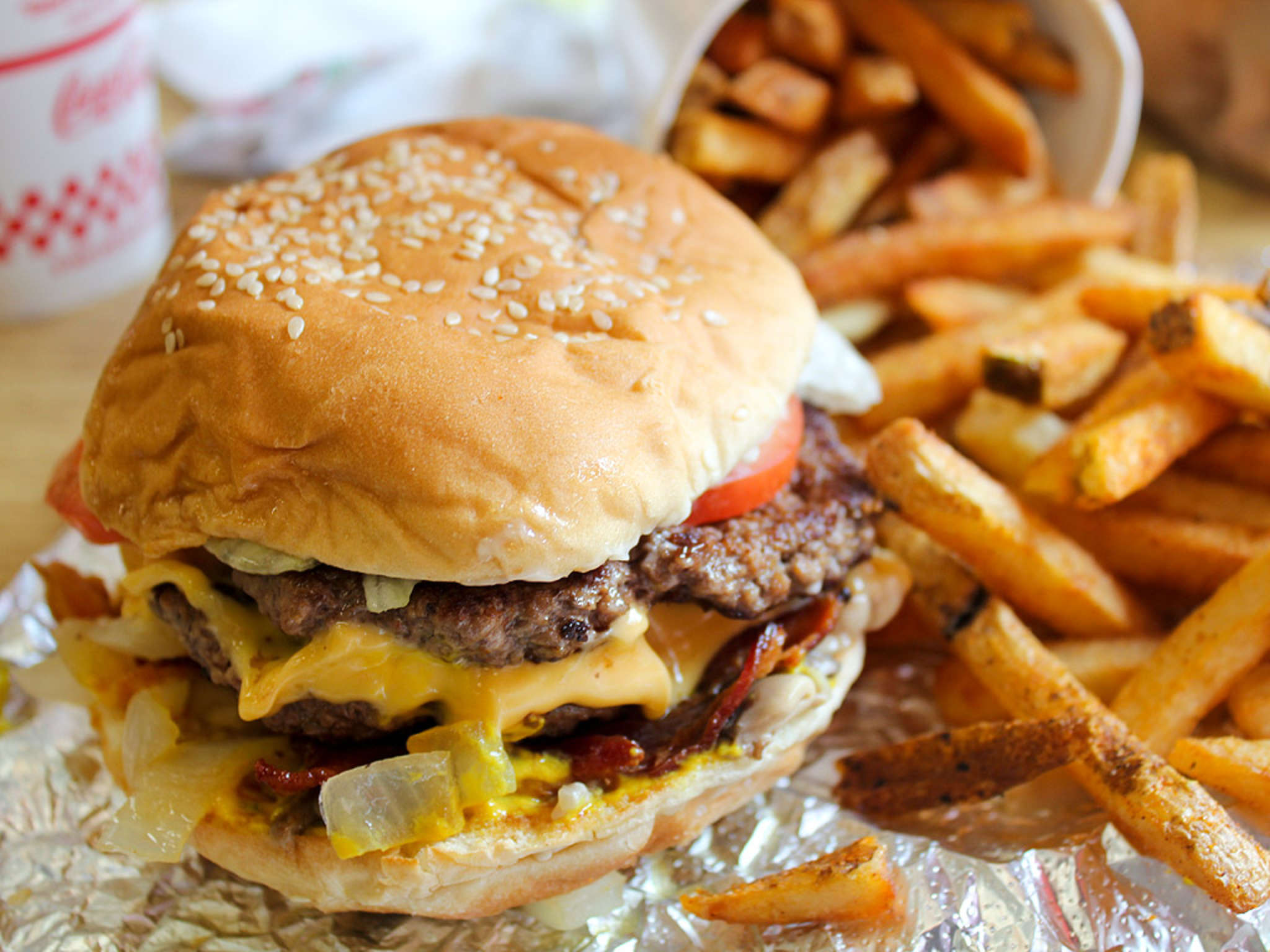
    American burger chain Five Guys is set to open in Singapore within six months.

    Local franchisee Zouk Group says the first outlet will open somewhere “central”.

    “There will definitely be more than one outlet here, depending on how many the market can sustain,” Andrew Li, Zouk Group CEO said.

    Five Guys is known for its customisable beef burgers, hotdogs, milkshakes and sandwiches.  Singapore outlets have the same menu as the US and Hong Kong.

    Prices have yet to be confirmed, but the outlet will serve alcohol including craft beer.

    Founded in Virginia in 1986, the brand now has more than 1600 restaurants worldwide across the US, Europe, Middle East and Asia.

  • First Burger & Lobster Store to open in Singapore

    First Burger & Lobster Store to open in Singapore

    Burger & Lobster Singapore will open its first outlet, at Jewel Changi tomorrow.

    The 81-seat Jewel Changi store is the 16th Burger & Lobster’s outlet internationally. Others are in locations including New York, Bangkok, Dubai, Genting Highlands in Malaysia, London and Kuwait City.

    “Singapore is an extremely important market as we see Singaporeans in our outlets particularly in London, Bangkok and Malaysia,” said Riccardo LaMonica, Burger &Lobster’s regional head of operations.

    “There is no immediate plan for another Burger & Lobster Singapore outlet,” he said. “We will have to see how people respond.”

    The new eatery’s menu offers Original Lobster with live lobsters from Nova Scotia, Canada, and Original Roll with tender lobster meat rolls.

    There will be a Singapore twist – items available exclusively at Jewel Changi – such as the Sambal Glazed Lobster, and Chocolate Jewels, a dessert of dark chocolate spheres topped with housemade caramel sauce.

    A bar operates from 9am until midnight daily, offering a selection of cocktails, beer and wine.