Retail News CRM

Tag: fuel

  • Total’s Indian Joint-Venture To Seek Fuel Retailing License

    Total’s Indian Joint-Venture To Seek Fuel Retailing License

    A joint-venture by India’s Adani Gas and France’s Total will soon seek government permission to open retail fuel stations in India, Adani’s chief executive said on Wednesday. India has become a lucrative market for global oil majors after the government removed controls on the retail pricing of gasoline and gasoil and relaxed rules for setting up fuel stations in the country, the world’s third-biggest oil consumer and importer. The joint venture, Total Adani Fuels Marketing Pvt Ltd, will soon apply for a license under the new liberal fuel retailing rules, Manglani said.

    “Definitely we will take full benefit of the expertise and strength of Total,” Suresh Manglani told reporters on an earnings call, adding that the intent was to become a full-service operator, providing a multi-fuel offering.

    Fuel demand in India is expected to rise in the coming years as Prime Minister Narendra Modi pushes for Asia’s third-largest economy to grow from $2.9 trillion of gross domestic product in 2019 to $5 trillion by 2025.

    British oil major BP has already teamed up with Reliance Industries in a fuel retailing joint venture, and Shell and Abu Dhabi National Oil Co also both want to strengthen their presence in India.

    Total bought a 37.4% stake in billionaire Gautam Adani-promoted Adani Gas last year to capitalize on India’s push for cleaner sources of energy. Adani Gas, which has so far focused on selling gas to industry and households, also wants to sell liquefied natural gas (LNG) for transportation. Modi wants to raise the share of gas in India’s energy mix to 15% by 2030 from the current 6.2%.

  • Allow foreign ownership in fuel distribution, ministry proposes

    Allow foreign ownership in fuel distribution, ministry proposes

    The Ministry of Industry and Trade has proposed that fuel distributors be allowed to sell a maximum of 35 percent of their stake to foreign investors.

    The ministry rationalized that several exceptions the government has allowed so far, such as 20 percent foreign ownership in Petrolimex and 35 percent in Petrovietnam Oil, have considerably improved the performance, competitiveness and value of these fuel distributors.

    Vietnam joined the World Trade Organization in 2007 but did not open the market to foreign investors in order to allow local companies to grow and secure key positions in fuel distribution, the ministry said.

    Now, after 13 years, local companies have achieved the target and need more capital to invest in storage and port infrastructure to improve production to meet domestic demand, and for this, they need foreign investment, it said.

    The ministry added that the 35 percent cap will keep foreign investors from taking complete control of the sector, which is key to the nation’s economy.

    Petrolimex and Petrovietnam Oil are the two main fuel distributors in Vietnam and the government holds a majority stake in both companies. Japan’s Idemitsu Q8 is the only foreign-owned petrol chain in Vietnam with four outlets since entering the market in 2017.

    Idemitsu Kosan Co., Ltd is one of the four investors behind the Nghi Son Refinery and Petrochemical LLC in the central province of Thanh Hoa.

    Officials had said earlier that 70-75 percent of fuel consumed in Vietnam is being produced locally and the rest imported from several countries including South Korea, Malaysia and Singapore.

  • India’s Fuel Demand Recovered Further In June

    India’s Fuel Demand Recovered Further In June

    India’s fuel demand in June extended its recovery from a 13-year low hit in April, lifted by pickup inactivity as the economy gradually reopens from lockdown restrictions imposed to combat the coronavirus pandemic, government data showed on Thursday. Consumption of refined fuels, a proxy for oil demand, rose to 16.29 million tonnes in June, 11% above the prior month, data from the Petroleum Planning and Analysis Cell (PPAC) of the Ministry of Petroleum & Natural Gas showed.

    However, demand was still down 7.9% compared with the same month a year ago. Demand for fuel plunged to 9.94 million tonnes in April, its lowest level since 2007 as stringent lockdown measures hammered economic activity, but it has since recovered by 64%. Diesel consumption, which accounts for about two-fifths of India’s overall fuel usage, nearly doubled to 6.30 million tonnes last month from 3.26 million tonnes in April.

    On a year-on-year basis, demand for diesel registered its fourth straight decline in June at 15.4%. Sales of gasoline, or petrol, fell by 13.6% from a year earlier to 2.28 million tonnes, but were about 134% higher than 0.97 million tonnes in April.

    Demand for industrial fuels also rose, with naphtha sales rising by 18.2% to 1.17 million tonnes from a year earlier and about 8% from May. Sales of bitumen, used for making roads, gained over 27% on an annual basis, and more than 16% month-on-month. As coronavirus lockdown measures ease, global fuel demand has gradually recovered, with road traffic picking up in major cities.

    Royal Dutch Shell on Tuesday said it would write $22 billion off the value of its assets after sharply lowering its oil and gas price outlook in the wake of the coronavirus pandemic. Ciara Lee reports

    “The recovery in oil demand should continue in the second half of the year, provided that there are no renewed far-reaching restrictions on public life due to the sharp rise in the number of new infections in some U.S. states and in other major oil-consuming countries such as India,” Commerzbank wrote in a note.

    India has overtaken Russia as the third-most affected country globally and deaths from the virus have surpassed 20,000.

  • Fuel Sales Recover In The First Half Of June In India

    Fuel Sales Recover In The First Half Of June In India

    India’s fuel demand continued to recover in the first half of June compared with the previous month as the nation eased restrictions on road transport, air travel and industries, provisional data from industry sources showed. Indian state fuel retailers’ gasoline sales jumped 63% to 903,000 tonnes in the first half of June compared with the same period last month, while diesel sales rose 39% to about 2.68 million tonnes.

     Indian state fuel retailers’ gasoline sales jumped 63% to 903,000 tonnes in the first half of June compared with the same period last month

    However, petrol and diesel sales declined 18% and 15%, respectively in June first half compared with a year earlier. State retailers’ LPG sales rose 6% to 960,000 tonnes in the first half of June compared with a year earlier, although consumption was down 20% from May first half.

    However, petrol and diesel sales declined 18% and 15%, respectively in June first half compared with a year earlier.

    Jet fuel consumption more than doubled to 85,000 tonnes in June first half from the previous month, while it dropped 73% compared with a year earlier. State companies – Indian Oil Corp, Hindustan Petroleum Corp and Bharat Petroleum – own about 90% of India’s retail fuel outlets.

  • Lockdown Cuts India’s Fuel Demand 50% In First Half Of April

    Lockdown Cuts India’s Fuel Demand 50% In First Half Of April

    Indian state retailers sold 50% less refined fuel in the first two weeks of April than the same time a year ago as a nationwide lockdown to stem the spread of the new coronavirus hit transportation and industrial activity, industry sources said. State companies – Indian Oil Corp, Hindustan Petroleum Corp and Bharat Petroleum – own about 90% of India’s retail fuel outlets. India’s gasoil sales by state retailers in the first 15 days of April dropped by 61% from a year earlier while petrol and jet fuel sales declined by 64% and 94%, provisional industry data provided by two sources, who asked not to be named, show.

    India’s overall refined fuel demand includes consumption of fuel oil, bitumen and liquefied petroleum gas (LPG). State-retailers sold 21% more LPG in the first fortnight of April from a year earlier. India is providing free cooking gas cylinders to the poor for three months to June to help them weather the impact of the lockdown.

    India has extended the overall lockdown until May 3, but has announced a roadmap to restart some industrial activity after April 20 in locations that are not coronavirus hotspots to try to revive the economy.

    The International Energy Agency (IEA) in its latest report said India’s annual fuel consumption – a proxy for oil demand – will decline 5.6% in 2020 compared with the growth of 2.4% forecast in its March report. It estimates India’s petrol demand will decline by 9%, while diesel will drop by 6.1%. The slump in fuel demand has already forced some refiners to halve crude processing and increase prompt exports of refined fuels.

  • India’s 2019/20 Fuel Demand Growth Worst In Over Two Decades

    India’s 2019/20 Fuel Demand Growth Worst In Over Two Decades

    India’s annual fuel demand grew 0.2% in 2019/20, its worst growth rate in over two decades, dragged down by a hefty 17.8% decline in local consumption in March as steps taken to prevent the spread of COVID-19 dented transport fuel sales.

    Consumption of refined fuels, a proxy for oil demand, totaled 16.08 million tonnes in March, data from the Petroleum Planning and Analysis Cell (PPAC) of the oil ministry showed on Monday.

    Falling refined fuel sales in March points to sluggish industrial activity in Asia’s third-largest economy, which according to some analysts is forecast to grow at 1.5-2% in 2020/21, its lowest in decades.

    A Reuters poll of economists showed it is expected to have expanded at its slowest pace in eight years in the first quarter and would slow further this quarter.

    Nearly three lakh trucks with payload worth Rs 35,000 crore have been stranded because of the coronavirus lockdown announced by Prime Minister Narendra Modi last month, the trade bodies have said.

    Indian Prime Minister Narendra Modi will address the nation on Tuesday, the last day of the current 21-day lockdown, and is widely expected to extend the closure except for the start of some essential manufacturing units.

    Due to restrictions on movement and travel advisories, India’s consumption of diesel, petrol and aviation turbine declined massively during March.

    Consumption of diesel, which normally accounts for two-fifths of overall refined fuel consumption, declined 24.2% in March from a year earlier, its deepest decline since April 1998. PPAC do not provide monthly growth numbers for before April 1998.

    Sales of gasoline, or petrol, used by automobiles fell by 16.4% from a year earlier, its worst slide since March 1999, the data showed.

    Jet fuel consumption declined by 32.4% as the lockdown has hit air travel.

    Cooking gas or liquefied petroleum gas (LPG) sales rose about 1.9% to 2.31 million tonnes, and naphtha sales rose 15.7% to 1.39 million tonnes.

    Sales of bitumen, used for making roads, dropped about 41%, while fuel oil use fell 10.3% in March.

    Slump in fuel demand has already forced some refiners to halve crude processing and raise prompt exports of refined fuels.

  • Caltex set to float 49 per cent stake in 250 retail sites

    Caltex set to float 49 per cent stake in 250 retail sites

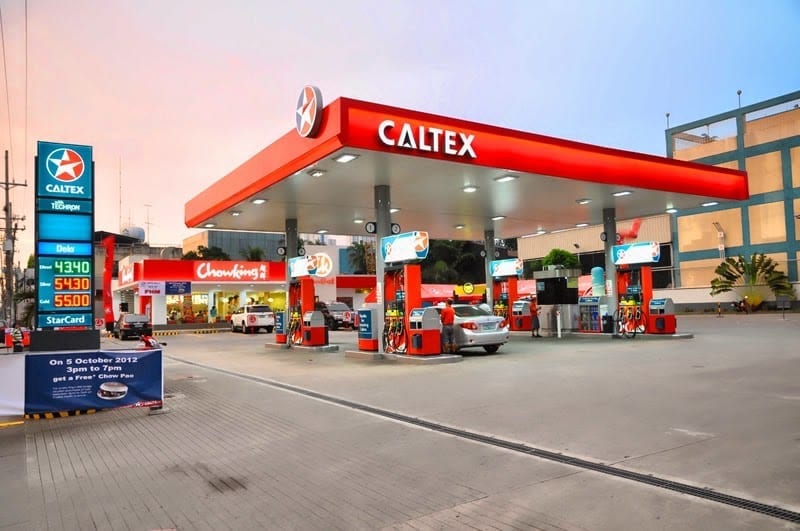
    Fuel and convenience retailer Caltex is planning to undertake an initial public offering (IPO) of up to a 49 percent stake in 250 retail sites.

    The retailer would retain a majority 51 percent interest and enter into a long-term lease agreement for each site. The 250 sites represent all the freehold sites in a core network of 500 sites.

    The retailer expects the proposed IPO to offer significant value for shareholders, while also allowing the company to maintain operational control of the core Convenience Retail network.

    “This transaction is expected to release significant capital that could be used to further strengthen the balance sheet, fund future growth opportunities and return capital to Caltex shareholders in a way that unlocks the franking credits balance, in line with our capital allocation framework,” Caltex chief financial officer Matt Halliday said in an update to the ASX on Monday.

    Caltex expects to make rental payments of between $80 million to $100 million to the property trust in the first year.

    At the company’s half-year results in August, a 54 percent drop in profit prompted plans to drive growth from an enhanced convenience offer through about 500 core sites. As part of its plans to reduce costs, the company is offloading 50 higher-value metropolitan petrol stations.

    Caltex issued an update on its convenience retail business on Monday morning, reporting that annual earnings before interest and tax is expected to be in the range of $190 ‐ 210 million, a significant increase on the first half of 2019, driven by an improvement in fuel margin.

    “Despite the softer conditions from ongoing Australian economic weakness, Caltex has continued to outperform our competitors in the retail fuel market by leveraging our fuel supply chain expertise and our high-quality retail network,” Caltex managing director and CEO, Julian Segal, said.

    Segal also pointed to the recent opening of the first Caltex Woolworths Metro store in North Ryde as another milestone for the retailer. A second store is set to launch in Kingsford, NSW, this week and a third will open in Melbourne early next year. A further update on the store rollout will be given at its Investor Day.

    If the proposed IPO is approved, the transaction is expected to be completed in the first half of 2020.

  • BP pulls sexualised magazines from stores

    BP pulls sexualised magazines from stores

    Fuel giant BP Australia has joined 7-Eleven and pulled two “M+” rated magazines from its 350 petrol outlets across the country after complaints they sexualized young girls and promoted harassment.

    People and The Picture magazines, published by Bauer, will be pulled from the shelves BP has confirmed.

    “M+ rated magazines will no longer be stocked at our 350 company-owned stores across Australia,” BP tweeted on Monday night.

    Its decision comes after activist group Collective Shout said it alerted BP to recent covers of the Australian magazines, which frequently publish pictures of glamour models and stories with a sexual element.

    Headlines on the covers included “Better Than Viagra” and featured a photograph of a young woman in pigtails with the caption “I have no gag reflex”, Collective Shout said.

    Now the group has set its sights on supermarket giant Coles, which still stocks the publications.

    “The display and sale of pornographic magazines in the public space creates a hostile environment for women and girls,” campaigns manager Melinda Liszewski said in a statement.

    “We urge other retailers selling these magazines – such as Coles Express – to follow the example set by 7-Eleven and BP and cease the sale of ‘unrestricted’ pornographic magazines immediately.”

    7-Eleven recently stopped selling the magazines in its 700 convenience stores.

    Collective Shout campaigns against the objectification of women and the sexualization of girls, according to its website.

  • New Piaggio Ape City Plus 3-Wheeler Launch Date Announced

    New Piaggio Ape City Plus 3-Wheeler Launch Date Announced

    Piaggio India has officially announced the launch date for its upcoming new three-wheeler, the Ape City Plus. Slated to be launched on June 14, 2019, the new Piaggio Ape City+ auto rickshaw will be the newest addition to the mid-body segment three-wheelers. Piaggio claims that with the new Ape City+, the company will address its customers’ needs perfectly in the last mile segment, suitable for both cities as well as the rural markets.

    Currently, in the people carrier space, Piaggio India offers three models – the Ape City, the Ape Auto+, and the Ape City HT. The existing Ape City comes in two engine choices – petrol and diesel, and the former comes with three fuel options – petrol, CNG and LPG. The petrol version is powered by a 197 cc that is tuned to churn out about 10 bhp and 17.6 Nm of peak torque, along with a fuel efficiency of 29.43 km.

    The same motor in the CNG version makes 9.6 bhp and 15.3 Nm of peak torque, with a mileage of 27.36 km/g, and in the LPG version, it makes 10.46 bhp and 16.7 Nm torque with a fuel efficiency of 22.7 km/g. The diesel model comes powered by a 435 cc oil burner that is tuned to churn out around 8 bhp and develops 21 Nm of peak torque. The motor offers a fuel efficiency of 32.32 km. We expect the new Ape City+ to come with the same engine options.

    In the invite sent by Piaggio, the company has also confirmed that at the launch, it will talk about upcoming technology in Piaggio products and its future plans for the Indian market. So, we expect the automaker to reveal its plans for the Bharat Stage VI / BS6 transitions and maybe even electrification.

  • Uber, Indian Oil To Offer Fuel Discounts To Drivers

    Uber, Indian Oil To Offer Fuel Discounts To Drivers

    Ride-hailing giant Uber on Thursday announced it is partnering with state-run Indian Oil Corp Ltd (IOCL) to offer discounts to drivers on petrol, diesel and CNG at IOCL petrol pumps across India. Over 12,000 Uber driver partners have already registered for this programme.

    “This partnership is targeted at easing the cost of fuel and giving back to driver partners who use the Uber App to earn a livelihood,” Prabhjeet Singh, Head of Cities, Uber India and South Asia, said in a statement.

    Uber launched its services in India in 2013 with its UberBLACK service and launched its premium UberX service in 2014. Uber currently operates in 31 cities in the country and aims to take its services to other, wider parts of the country.

  • Caltex profit falls amid rising competition

    Caltex profit falls amid rising competition

    Increased competition and the rising price of crude oil had a negative impact on convenience and petrol station owner Caltex’s first quarter earnings.

    The retailer announced that earnings from both its fuels and infrastructure business and its convenience business were down in Q1 on the same period in 2018, which contributed to a net profit of $94 million, a 42.7 per cent drop on the $164 million in net profit it saw last year.

    Fuel earnings before interest and tax (EBIT) fell to $109 million, down from $156 million last year, while convenience retailing fell by over 50 per cent to $40 million, compared to an EBIT of $90 million in the three months to March 31, 2018.

    “Our result shows the impact of both lower refiner margins and a challenging retail environment this quarter,” said Caltex chief executive and managing director Julian Segal.

    “Our businesses’ strengths, including a strong balance sheet and our extensive network, as well as our steady focus on the execution of our strategy provide the foundation for delivery of our strategy in 2019.”

    Caltex said it will move ahead with the transition of franchise sites into company-owned operations, with over 70 per cent of the retail network now owned internally. The retailer also noted that agreements are in place for it to operate 99 per cent of sites by 2020, allowing the business to “better standardise and optimise the site’s performance.”

    Segal laid out the retailer’s growth plans for the remainder of 2019 for shareholders at its annual general meeting on Thursday, May 9, stating a focus on execution and discipline would assist both facets of its business deliver a stronger result in a challenging retail environment.

    “Fuels and infrastructure will continue to grow its earnings through its international business, [and] we will continue to run Australia’s largest transport fuel network safely and reliably,” Segal said.

    “Convenience retail is refocusing on our core fuel offer and will improve the in-store experience across our network to ensure we attract and retain more customers in a competitive fuels market.”

  • Biofuel consumption rises in HCM City

    Biofuel consumption rises in HCM City

    A survey of multiple HCMC-based filling stations showed that biofuel consumption rose to 40% from the previous 30%, while that of the fossil type RON 95 gasoline declined to 60% from 70%.

    After the price adjustment, the retail price of E5 biofuel was VND1,500 per liter lower than that of RON 95 gasoline, resulting in a rising number of customers using the biofuel. The majority of customers contributing to the increase in E5 biofuel consumption were owners of trucks, coaches, taxis, Grab vehicles and motorcycles.

    To further enhance biofuel consumption to protect the environment from air pollution due to carbon emissions, many fuel outlets have proposed the competent authorities and fuel wholesale firms arrange promotion activities to introduce the quality of biofuel and guarantee the supply and quality of the product to gain customers’ trust.

    A representative of Vietnam National Petroleum Group (Petrolimex) noted that the group is in the process of expanding its direct retail distribution system and cooperating with many traders to boost the sale of E5 biofuel.

    In addition, Petrolimex suggested the Government promote activities that introduce the quality and benefits of E5 biofuel to residents, apart from adopting measures to tighten control over and monitor the quality of biofuel.

    Fuel supply and consumption in the city remain stable, according to the HCMC Department of Industry and Trade.

    The city saw fuel consumption total over 5,700 cubic meters per day, or 171,570 cubic meters per month, last month, with RON 95 gasoline and E5 biofuel amounting to 3,600 and 2,050 cubic meters per day, respectively.

  • Indian Consumers Face Post-Election Fuel Price Shock

    Indian Consumers Face Post-Election Fuel Price Shock

    Surging global oil prices will pose a first big challenge to India’s new government, whoever wins an election now under way, especially as domestic prices have been allowed to lag, meaning consumers are in for a painful surge as they catch up.

    For oil-import dependent India, higher global prices could lead to a weaker rupee, higher inflation, the ruling out of interest rate cuts and could further weigh on twin current account and budget deficits, economists warned.

    But compounding the future pain, state-run fuel suppliers and retailers have held off passing on to consumers the higher prices during a staggered general election, which began on April 11 and ends on May 23, according to sources familiar with the situation.

    That delay is expected to be unwound once the election is over. And there could be additional price increases to make up for losses or profits missed during the period of delayed increases, the sources said.

    In some major Asian countries, such as Japan and South Korea, pump prices are adjusted periodically so they move largely in tandem with international crude prices.

    That was what was supposed to happen in India but the election means there have been many days when pump prices have been unchanged.

    In New Delhi, for example, while crude oil prices have gone up by nearly $9 a barrel, or about 12 percent, in the past six weeks, gasoline prices have only risen by 0.47 rupees a litre, or 0.6 percent.

    State-controlled fuel suppliers and retailers declined to say why they had delayed price increases, or discuss whether there has been any pressure from the government of Prime Minister Narendra Modi.

    A government spokesman declined to comment.

    The opposition Congress party said Modi’s government was violating its own policy of daily price revision by advising the state oil companies to hold prices steady.

    “The government should cut fuel taxes otherwise consumers will have to pay much higher oil prices once the elections are over,” said Akhilesh Pratap Singh, a senior leader of the Congress party.

    Nitin Goyal, treasurer at the All India Petroleum Dealers Association, representing fuel stations in 25 states, said prices were similarly held down for 19 days in the southern state of Karnataka last year, when it held state assembly elections. Only for them to surge after the vote.

    “Consumers should be ready for a rude shock of a massive jump in retail prices, similar to the level we have seen in the Karnataka state election,” Goyal said.

    Sri Paravaikkarasu, director for Asia oil at Singapore-based consultancy FGE, said retail prices of gasoline and gasoil prices would have been up to 6 percent, or about 4 rupee, higher if they had been allowed to rise in line with global prices.

    “Indian pump prices have failed to keep up with the recent uptrend in crude prices,” Paravaikkarasu said.

    “With the country’s general elections underway, the incumbent government has been keeping pump prices relatively unchanged.”

    India had switched to a daily price revision in June 2017 from a revision every two weeks, as the government allowed retailers to set prices.

    But the government faced protests last October when retailers raised prices by up to 10 rupees a litre after the crude oil price went above $80 a barrel, forcing it to cut fuel taxes.

    Global prices rose to their highest level in 2019 on Thursday, days after the United States announced all Iran sanction waivers would end by May, pressuring importers including India to stop buying Tehran’s oil. [O/R]

    Higher oil prices will mean Asia’s third largest economy is likely to see growth of less than 7 percent rate this fiscal year, economists said. Growth slowed to 6.6 percent in the October-December quarter, the slowest in five quarters.

    Rating agency CARE has warned that a 10 percent rise in global oil prices could increase demand for dollars, putting pressure on the rupee and widening the current account deficit.

    India’s oil import bill rose by nearly one-third in the fiscal year ending March 31 to $140.5 billion, against $108 billion the previous year.

    “The increase in international oil prices is a credit negative for the Indian economy,” ICRA, the Indian arm of the Fitch rating agency, said in a note.

    “Every $10/ bbl increase in crude oil prices increases the fiscal deficit by about 0.1 percent of GDP.”

    Any big price rise would also build a case for the central bank to keep rates steady, or even raise them.

    The Reserve Bank of India’s Monetary Policy Committee, which cut the benchmark policy repo rate by 25 basis points this month, warned that rising oil and food prices could push up inflation.

    Policymakers are worried that a sustained increase in the oil price in the range of $70-75/barrel or higher can move the rupee down by 3-4 percent on an annual basis.

    The rupee has depreciated by 1.24 percent against the dollar since a year high in mid-March.
  • Higher fuel prices dent AirAsia X’s Q4 performance

    Higher fuel prices dent AirAsia X’s Q4 performance

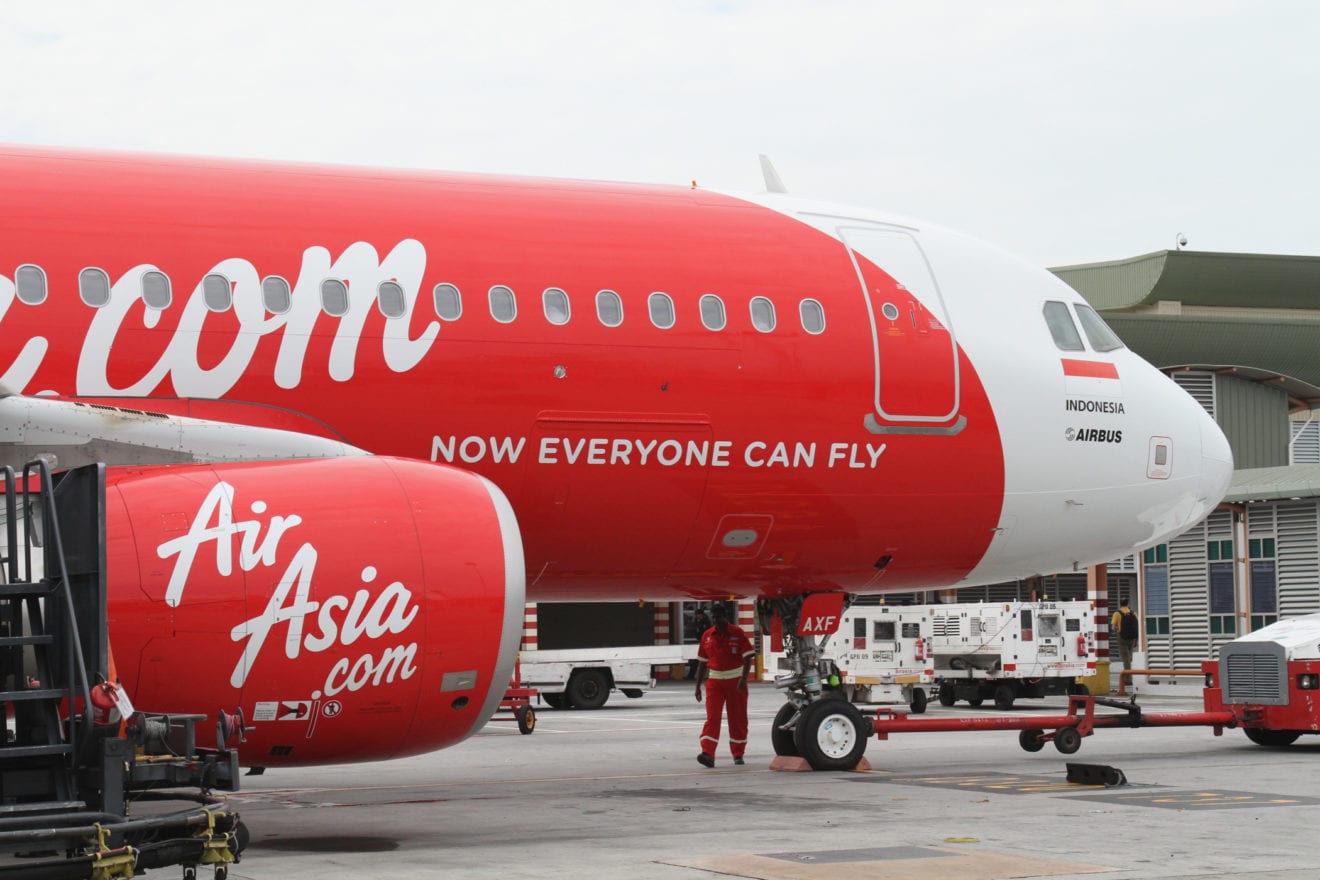
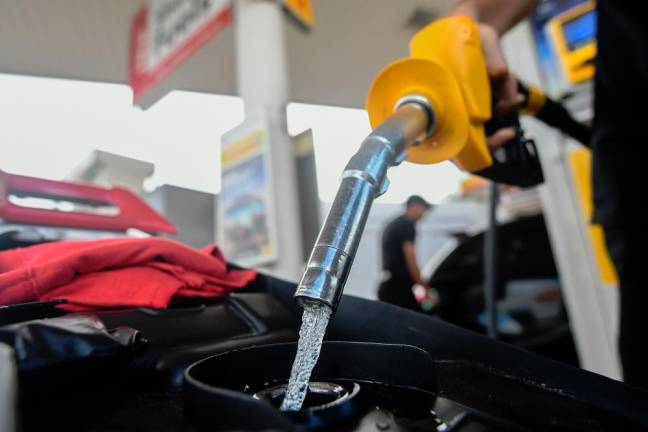
    AirAsia X Bhd suffered a net loss of RM99.27 million in the fourth quarter ended Dec 31, 2018 compared with a net profit of RM84.42 million a year ago due to higher fuel prices. In a filing with Bursa Malaysia, the airline reported an increase in average fuel price to US$89 per barrel during the quarter from US$69 per barrel a year ago, which resulted in a lower net operating profit of RM27.4 million from RM120 million a year ago.

    In addition, the group provided an impairment on amount due from joint venture amounting to RM24 million during the quarter under review.

    During the quarter, the group reported a 1% improvement in cost per available seat kilometre (CASK) to 12.27 sen while CASK ex-fuel improved by 16% from 8.22 sen to 6.94 sen a year ago, due to enhanced cost management.

    Revenue for the quarter fell 5.93% to RM1.15 billion from RM1.22 billion a year ago.

    For the financial year ended Dec 31, 2018 (FY18), the group also swung into the red registering a net loss of RM312.7 million compared with a net profit of RM98.89 million a year ago while revenue fell marginally to RM4.54 billion from RM4.56 million a year ago.

    AirAsia X said its current forward booking trend and average fares for the first quarter of 2019 are within expectation and prospects are anticipated to remain encouraging.

    The airline will be adding up to five aircraft through operating leases this year via AirAsia X Thailand while AirAsia X Malaysia will remain with 24 aircraft.

    AirAsia X Malaysia will focus on maximising aircraft utilisation of its current fleet and leverage on the group’s strategy in new route launches as well as increasing frequencies of core routes.


  • Petronas Gas Q4 profit weighed down by Kimanis Power

    Petronas Gas Q4 profit weighed down by Kimanis Power

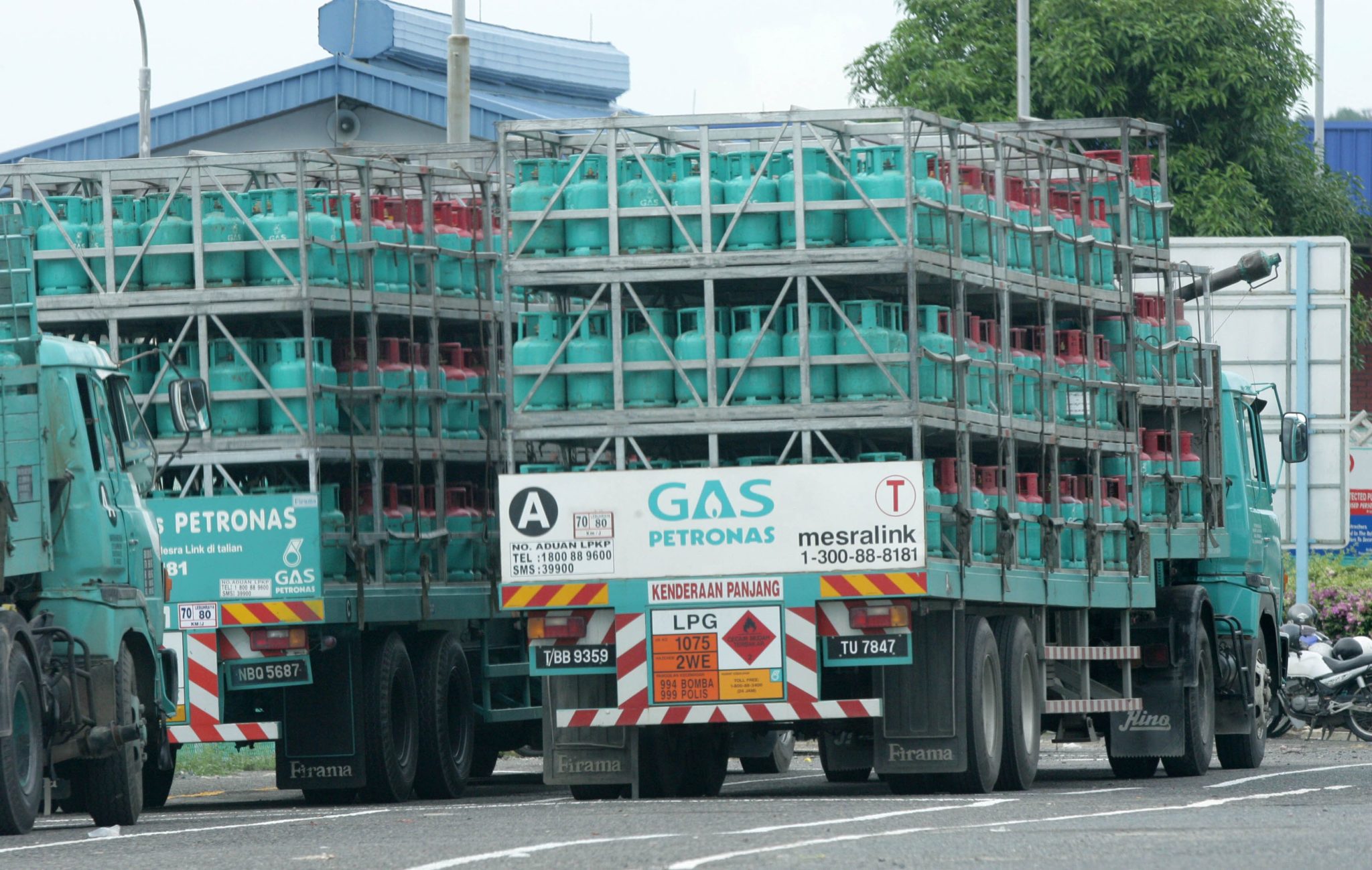
    Petronas Gas Bhd’s net profit fourth quarter ended Dec 31, 2018 fell 34.7% to RM317.90 million from RM486.70 million a year ago, largely attributed to share of losses from a joint venture company, Kimanis Power Sdn Bhd. The losses were due to de-recognition of deferred tax assets amounting to RM124.3 million (being 60% share of the group) in relation to certain tax benefits which now have a seven-year utilisation limit under the new Finance Act 2018.

    Its revenue grew 4.9% to RM1.39 billion compared with RM1.32 billion in the previous year’s corresponding quarter mainly contributed by the second liquiefied natural gas (LNG) regasification terminal in Pengerang, Johor which commenced commercial operations in November 2017, coupled with higher revenue from utilities and gas transportation segment.

    The group has approved a fourth interim dividend of 22 sen per share amounting to RM435.3 million in respect of the financial year ended Dec 31, 2018.

    For the full-year period, Petronas Gas’ net profit grew 0.98% to RM1.81 billion from RM1.79 billion a year ago, while revenue of RM5.5 billion was the highest in history, an increase of 12.3% compared to RM4.90 billion last year.

    The Energy Commission has approved the tariffs for the gas transportation and regasification services for 2019. While the tariffs are expected to affect the group’s transportation and regasification business segment revenues in 2019, both segments are anticipated to continue contributing positively to its earnings.

    The group’s gas processing segment is expected to deliver improved earnings pursuant to the higher fixed remuneration charge under the second term of the 20-year Gas Processing Agreement effective from 2019 until 2023.