Tag: Thailand

  • Ascend expands its Asean reach

    Ascend expands its Asean reach

    “The move is to drive Ascend, both iTrueMart and Weloveshopping, to be the e-commerce market leader in the AEC by 2018,” Punnamas Vichikulwongsa, president of Ascend Group, said yesterday.

    According to Euromonitor 2015, the report of Euromonitor International, a business-intelligence research house, the business-to-consumer e-commerce market in the AEC will grow by 20 per cent per year to US$7 billion (Bt249 billion) in 2017 from nearly $5 billion this year.

    Thailand’s e-commerce market is worth about Bt42 billion with annual growth of 20 per cent.

    The company will engage in operating, fulfilment including warehousing and logistics, and marketing actives in seven countries in the AEC – the Philippines, Indonesia, Malaysia, Vietnam, Singapore, Myanmar and Cambodia.

    It will start with the Philippines by the end of this year and follow with the other six countries in 2016.

    The AEC market should help double its sales to Bt6 billion next year from Bt3 billion this year, which all comes from the Thai market.

    E-commerce in Thailand and the AEC has high potential since it now accounts for only 1 per cent of total retail shopping. In five years, it will be about 7-8 per cent of the retail industry in Thailand.

    E-commerce makes up 9 per cent in the United States and 13 per cent in the United Kingdom.

    “E-commerce is a market for the big boys, since it needs huge capital. In each market, there are only one or two e-commerce players dominating the market. We want to be ‘top of mind’ in the e-commerce business in the region,” he said.

    The business model of iTrueMart is different from Weloveshopping. iTrueMart acts as an online shopping department while Weloveshopping serves as a e-commerce marketplace.

    Ascend claims itself as the e-commerce leader in Thailand with 14,000 orders per day, split evenly between the two websites.

    Seubsakol Sakolsatayadorm, general manager of the iTrueMart division at Ascend Commerce, said iTrueMart’s conversion rate of 4.2 per cent of visits was higher than the market average of only 2 per cent.

    At iTrueMart, information-technology gadgets and accessories are still the largest contributor at 70 per cent. Orders have gone up fivefold this year since product categories were diversified from hard lines to soft lines, such as personal care and beauty products, and home lines such as household appliances.

    “The latest is a mum-and-kids category, since it is one of the largest in e-commerce in many countries,” he said. ITrueMart has invested heavily in fulfilment, warehouses and logistics. It has more than a million products, or more than 20,000 stock-keeping units, stored in its warehouse. The company delivers products through its own distribution system in Greater Bangkok with a 20-vehicle fleet and outsourcing to logistics partners.
  • King Power duty free sales +47% in Thailand

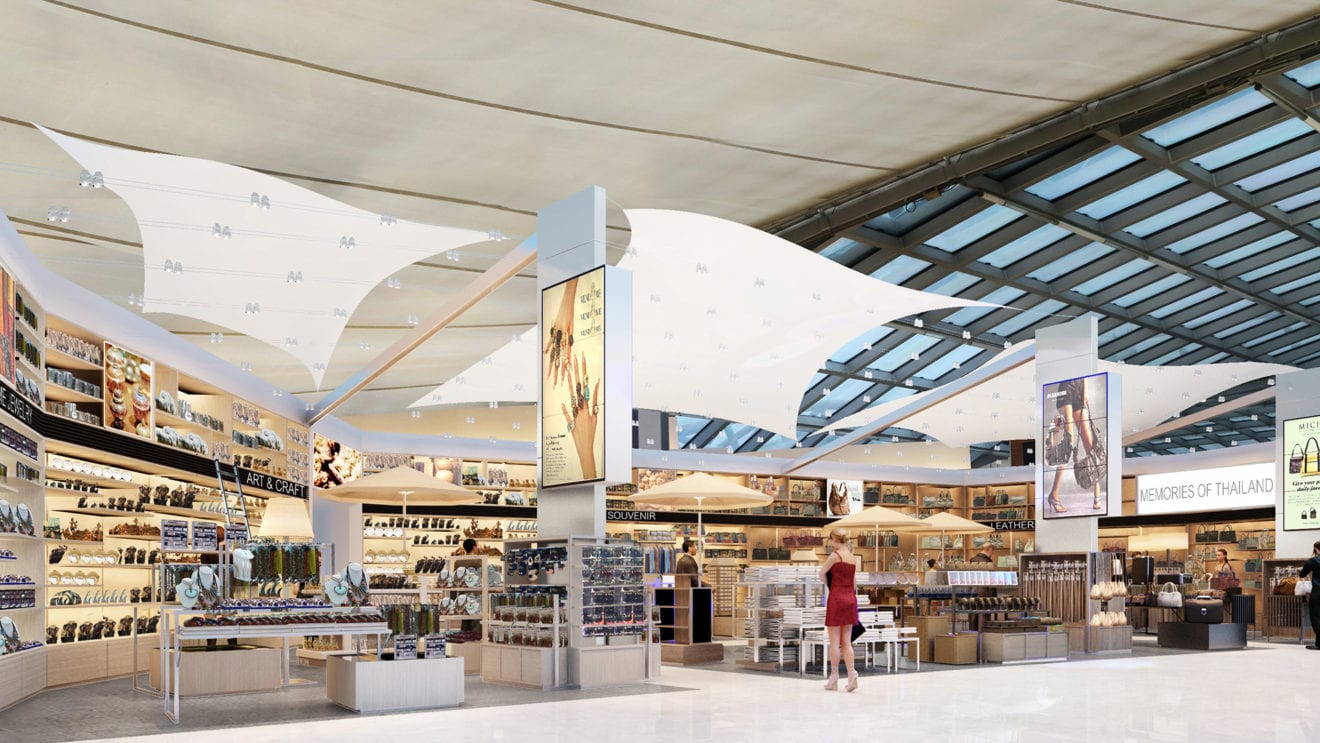
    King Power duty free sales +47% in Thailand

    Forward bookings from airlines and indicators from leading travel agents suggest that Chinese arrivals to Thailand will reach record levels in 2015, as the King Power International Group reports sales up by 47% this year.

    Speaking to TRBusiness in a detailed interview this month, she said: “With the exception of the tragic bombing in August, 2015 to date has been a very good year for the group. Traffic to Bangkok particularly has increased very significantly.

    “Overall traffic at Suvarnabhumi is up 19.16%, to the end of August, and traffic at Don Muang is up 65%. Within those overall traffic numbers there are specific nationality changes that have generally had a very positive impact on sales.

    “Total Chinese traffic at Suvarnabhumi is up 151% to 5,651,591 passengers. Indian passengers are another very important customer group for us and the traffic with them is up by 20% – and of the other key customer groups, Korean and Japanese traffic levels are up 38% and 13.3% respectively.”

    She added that these positive increases have offset the decrease in Russian passengers (-49.8%) and Thai nationals, who are down by 14.73%. more happily she said: “Overall group sales are up 47%, versus the same period last year.”

    Whelan pointed to an outstanding +72% sales performance by the cosmetics and skincare category, followed by watches (+76.68%), Jewellery (77.05%), tobacco (+ 30.08%) and leather goods(+ 30.94%).

    She says this impressive growth has been driven by a combination of factors, including organic passenger growth and aforementioned rises in high spending overseas visitors.

    An interview with Susan Whelan appears on page 30 of the October Cannes exhibition issue of TRBusiness and also on pages 81-85 in the bonus retail section of the Top 10 International Retailers 2015.

  • CIMB Thai to target less aggressive loan growth

    CIMB Thai to target less aggressive loan growth

    For the past five years, CIMB Thai Bank has accelerated its loan growth, especially in retail banking, to comply with Malaysia-based CIMB Group’s policy.

    This has been achieved via housing loans in the retail – or individual – segment in order to build up the bank’s customer base, he said.

    The strategy has resulted in a housing-loan portfolio of Bt50 billion to Bt60 billion, against less than Bt10 billion five years ago, giving CIMB Thai Bank a total retail-banking portfolio of nearly Bt100 billion.

    During this period, the bank targeted overall annual loan growth of above 20 per cent, but this was only achieved in 2013, when lending expanded by 23.2 per cent.

    Last year’s loan growth came in at 11 per cent, with growth of just 4.7 per cent being achieved in the first nine months of this year, against a target of 15-20 per cent, said the CEO.

    In terms of asset size, CIMB Thai Bank’s Bt300 billion gives it a ranking of eighth out of the 11 listed banks in Thailand.

    “Singapore-based United Overseas Bank (Thai) has an asset size of Bt350 billion, and they are okay with this size, as well. With the current scale of CIMB Thai Bank, we should not be aggressive and we should keep to [loan] growth of 10 per cent per year,” Subhak said

    “We discussed this with the group in Malaysia and they agreed with our way. The economic slowdown of the past two years [in Thailand] has impacted on retail lending, causing the bank to spend much more time than expected on expanding business to retail clients and resulting in our return on equity being lower than the target of 5 to 6 per cent,” he said.

    CIMB Thai Bank reported a return on equity of 9.58 per cent for 2012, followed by 7.18 per cent for 2013 and 4.44 per cent for last year, while net profit came in at Bt1.58 billion, Bt1.49 billion and Bt988.8 million, respectively.

    For the first nine months of this year, the bank posted net earnings of Bt847 million, down 6 per cent from Bt900 million in the same period last year.

    Subhak said he expected full-year net profit to be similar to or a little higher than last year’s level, because even though it had posted the highest third-quarter percentage growth among its peers, the sum needed to be put aside as additional provisioning, especially during the current economic environment.

    CIMB Thai Bank recorded a year-on-year rise of 81 per cent in third-quarter net profit to Bt498 million.

    However, the Thai unit of CIMB Group hopes to achieve a return on equity of 10-12 per cent in the next three years, by focusing on non-interest income from areas such as investment banking, treasury products, bancassurance and mutual funds, Subhak said.

    While non-interest income at present contributes 30-35 per cent of the bank’s income, it will not overtake interest income as the main contributor despite the planned shift to a lower gear for loan growth in the coming years, he said.

    In the next two to three years, non-interest income should reach 40 per cent, he added.

    CIMB Group is strongly committed to its investment in Thailand, as reflected in its approval of the local bank’s capital increase of Bt3.68 billion via the issuance of new shares, he stressed.

    CIMB Thai Bank will increase its registered capital from Bt10.54 billion to Bt13.7 billion by issuing 6.325 billion new shares.

    The subscription period is October 26-30 and, after the additional funds are mobilised, its capital-adequacy ratio will rise to 15 per cent, from the current 13.7 per cent.

    CIMB Group is happy with the bank’s performance because of the quarterly profit contribution of 8-10 per cent that it makes to the group, he said.

    Furthermore, the Thai unit has a substantial role in strengthening cross-border deals for the Malaysian banking group.

    The bank is one of four institutions mandated as lead arrangers for a syndicated term loan of US$1.25 billion (Bt44.25 billion) to Charoen Pokphand Group, with CIMB Labuan – part of CIMB Group’s Malaysian operations – lending $250 million as part of the deal.

    CIMB Thai Bank, meanwhile, is the onshore security agent for a $400-million loan to Maxtop Management Corp, a TCC Group company.

    CIMB Labuan is the lender and arranger and offshore security agent, while CIMB SG – CIMB Group’s Singaporean arm – provides the bank account for the deal.

  • Thailand sweeps energy awards

    Thailand sweeps energy awards

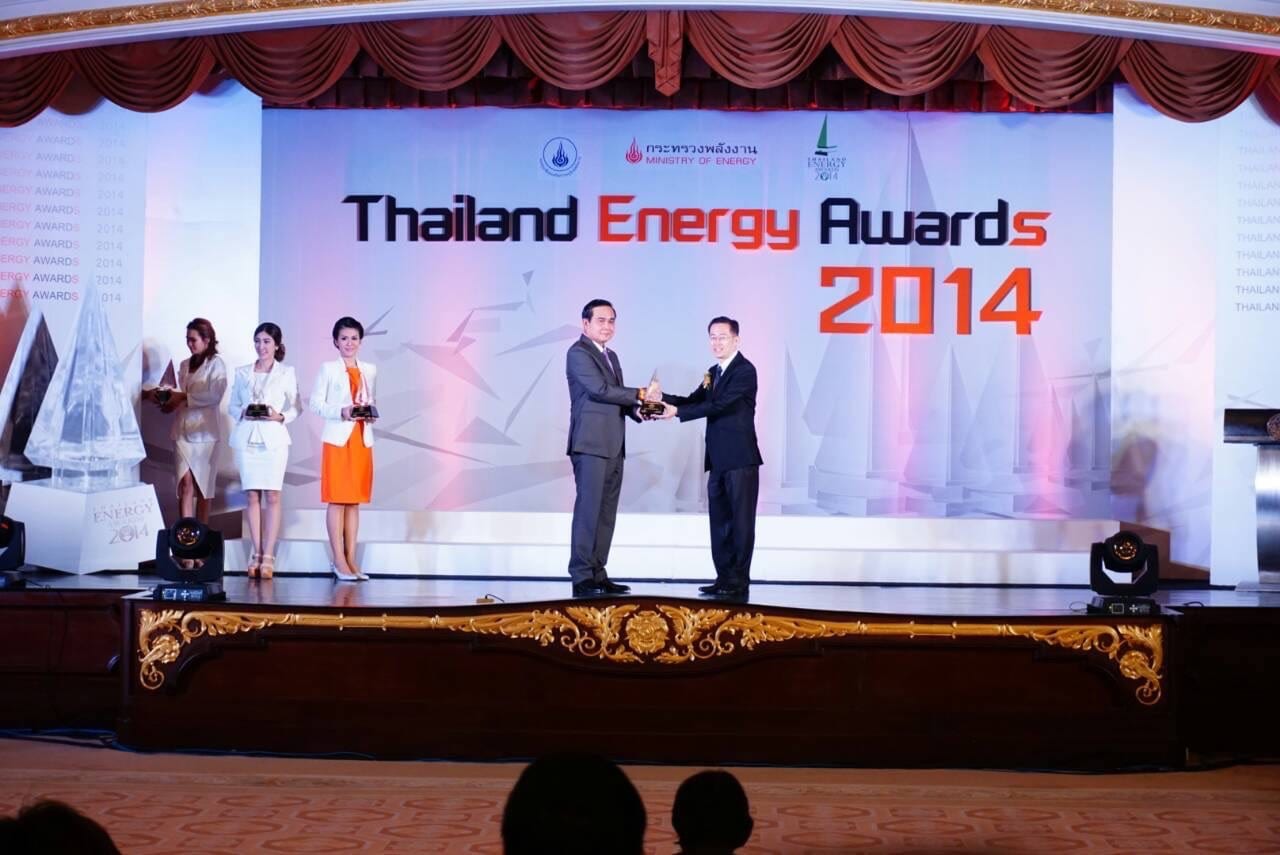
    Thailand was the big winner at the Asean Energy Awards, reflecting growing awareness on energy efficiency.

    The awards were presented as part of the 33rd Asean Energy Ministers Meeting in Kuala Lumpur. Thailand submitted 30 projects for the 64 available awards and 26 of them won, said Energy Minister General Anantaporn Kanjanarat after returning from the meeting.

    The projects were selected through a national-level competition called the Thailand Energy Awards, which encouraged private companies to embark on energy-efficiency programmes.

    Of the 26 winning projects, one from Tip Sukhothai Bio Energy Co, a sugar manufacturer, was the most outstanding. The project, requiring an investment of Bt1.6 billion, uses molasses to generate electricity and steam and more than 90 per cent of the output is sold.

    Indorama Ventures issues overseas bond

    Indorama Ventures has successfully issued its first overseas senior unsecured bond to the amount of $195 million Singapore dollar (Bt4.95 billion) to institutional investors in Singapore through its wholly-owned subsidiary, IVL Singapore, according to its filing to the Stock Exchange of Thailand yesterday.

    The Bond has been rated AA (Stable) by Standard and Poor’s and has a tenor of 10 years with an interest rate of 3.73 per cent per annum. It is guaranteed by Credit Guarantee & Investment Facility (CGIF), a trust fund of the Asian Development Bank and listed on the SGX-ST. The proceeds from this issuance will be used for working capital and general corporate purposes within the group.

    Latest partner

    TMB Bank has added Manulife Asset Management as latest partners in helping strengthen its “TMB Open Architecture” mutual funds offerings.

    TMB Open Architecture allows all of TMB’s customers to invest in funds from different asset management firms, offering wider investment choices with the benefit of potentially higher returns from more quality funds. The bank expects Assets Under Management this year to rise by 30 per cent from the year before, said Marie Ramlie, TMB Bank’s Head of Retail Products.

    TMB is the only commercial Thai bank that offers Open Architecture service to all of its customers. This service responds to customer needs, simplifying their life, as quality mutual funds from leading asset management firms are centralised at one single-service point exclusively for TMB customers.

    The project has received an overwhelming response since its launch in the middle of 2014 with the number of mutual funds unit-holders rising by close to 20 per cent to 220,000.

    MPC gains new member

    Apichai Boontherawara was appointed to the Monetary Policy Committee at a special Bank of Thailand meeting on Monday, the BOT announced.

    He resigned as vice chairman of the executive board of Southeast Insurance and Finance Group and as director of the Export-Import Bank of Thailand in order to accept the MPC post.

    The appointment came into effect yesterday. Apichai replaces Veerathai Santiprabhob, who resigned from the MPC on October 1 taking over as governor of the central bank.

  • Rice prices ease in Vietnam; Thai grain stable

    Rice prices ease in Vietnam; Thai grain stable

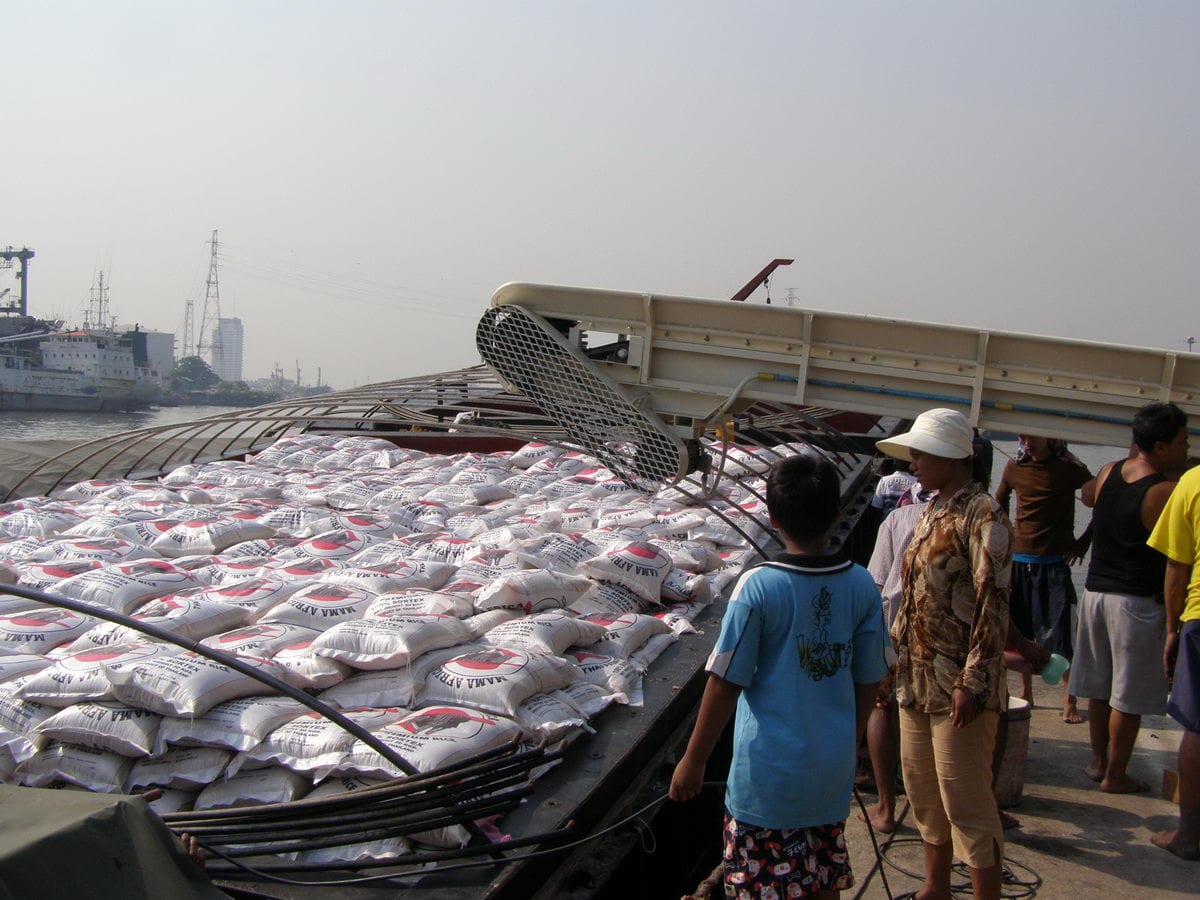
    “The price hike has stopped as nobody wants to buy at high prices,” a trader in Ho Chi Minh City said, noting that Thai rice was cheaper. Rice prices in Vietnam, the world’s third-largest exporter after India and Thailand, surged earlier this month on limited supply and news of demand from Indonesia and the Philippines.

    While loading of a combined 67,900 tonnes on five vessels for Indonesia is underway at Saigon Port, Indonesia has not confirmed the purchase. On Tuesday Indonesia’s state food procurement agency Bulog said the country would decide within two weeks whether to ship in rice from Vietnam and other Asian countries. Vietnam’s rice exports in the first 10 months of this year would fall 4.6 percent from a year earlier to an estimated 5.32 million tonnes, the Agriculture Ministry said on Monday. China, the top buyer of Vietnamese rice, has bought 1.39 million tonnes of the grain between January and September, up 37.5 percent from a year earlier, based on China’s customs data. Overall, China’s rice imports jumped 26.7 percent in the same period to 2.31 million tonnes.

    In Thailand, the 5-percent broken grain has been held stable at $360-$365 a tonne, FOB basis, while the Thai government plans to sell 2 million tonnes of rotten rice from huge stockpiles for industrial use in November. Thai traders said the market, which has been quiet due to the absence of Chinese and African buyers, could see prices rising if Thailand secures a deal with Indonesia as part of the latter country’s demand for 1.5 million tonnes.

  • Who needs Santa when there is lalamove ?

    Who needs Santa when there is lalamove ?

    lalamove, the leading professional on-demand delivery service throughout Asia, has added new features to its mobile and web application to handle increased delivery demand in Bangkok during the upcoming holiday season.

    “The holiday season is a busy time for gift-giving and many companies struggle with ensuring that their gifts are delivered on time and handled with care – which are two areas that lalamove has extensive experience with” said Santit Jirawongkraisorn, Co-founder and managing Director of lalamove Thailand.

    “We have added more bikes, MPVs and pick-up trucks to ensure timely deliveries during the busy holiday season. We have also introduced the “route optimization” feature, which saves clients time in having to plan the routing.

    “With this feature, clients just have to type in the addresses where the gifts need to delivered and within minutes, the app with automatically schedule the quickest and shortest route. This is most practical especially when companies are looking at delivering corporate gifts or perishable goods like food hampers and festive cookies to their clients,” added Santit.

    Hiring freelance couriers or motorcycle taxis can be tiresome and sometimes unreliable, but thanks to lalamove, clients now have a delivery service which is fast, cost-effective, transparent and professional.

    lalamove allows personal users and businesses to quickly find a professional driver anytime of the day to help move their goods with a few clicks on their smartphone. By typing the vehicle type, location, destination, the weight of the physical goods, and other information and special instructions via the app, users will be notified within minutes if a driver is available.

    In addition to the driver verification feature, lalamove also has a driver rating system, a GPS tracking which allows full transparency on the route, on-demand booking and an insurance protection of up to Baht 2000 for each delivery, ensuring that delivery via lalamove is both easy and safe.  It is also the only delivery app offering 24/7 service and advance booking.

    In September, lalamove secured an investment of USD 10 million led by Mindworks Ventures as well as  AppWorks, Crystal Stream and individual investors. lalamove is preparing for the advanced stages of its expansion — adding 50 cities throughout Asia to the company’s delivery network by the end of 2016. 

    The number of registered users regionally has grown to 435,000 while over 23,000 drivers have been registered. The app has been downloaded more than half a million times in the past year.

    In Thailand, the number of download is currently 27,000 with over 1,600 drivers registered drivers.

  • Siam Makro eager to open first store in Myanmar

    Siam Makro eager to open first store in Myanmar

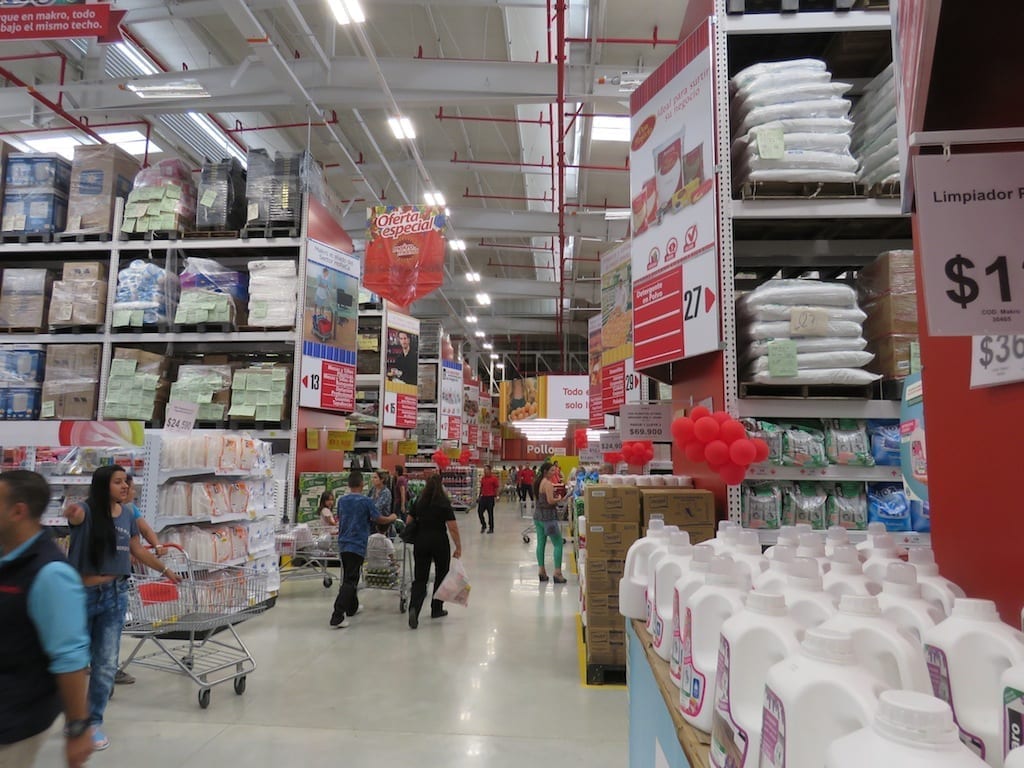
    Siam Makro Plc, the operator of Makro cash-and-carry stores under Charoen Pokphan Group, is keen to expand its retail business in Myanmar in the near future.

    Chief executive Suchada Ithijarukul yesterday said the company had met the Thai ambassador in Yangon to explore market opportunities in Myanmar.

    “We have conducted a feasibility study on Makro’s market opportunities in many Asean countries, with Myanmar, Vietnam and Indonesia being the priority destinations,” she said.

    Siam Makro is studying Myanmar consumer behaviour and foreign investment laws. If the regulations are clear, it is ready to open its first store immediately.

    According to an executive of ABC Group, operator of Myanmar’s second-largest convenience store chain, so far the Myanmar government has not allowed foreign retailers to invest in the country by themselves.

    Foreigners will be allowed to invest in supermarkets and hypermarkets next year but will have to form joint ventures with Myanmar companies.

    “The retail landscape in Myanmar will drastically change and new retail plazas will be gradually opened in the near future,” said Wichai Kanrahong, a counsellor at the Thai embassy in Yangon.

    About 80% of products are imported from countries including Thailand.

    “With the connected border and many Myanmar workers in Thailand, Myanmar people are quite familiar with Thai brands,” Mr Wichai said.

    Mrs Suchada said Makro’s business format allowed it to open anywhere because it has various store types.

    “The boom of tourism in Myanmar is also an opportunity for Makro,” she said.

    Makro has already opened branches in border towns near Myanmar.

    It has also conducted a feasibility study to expand into Indonesia and Vietnam, which have big populations. Laos and Cambodia are seen as second-tier countries.

    Mrs Suchada said the company would keep investing in Thailand by opening two stores in Phrae and Trat by year-end. Each will need an investment of 300 million baht.

    “Though the economy is not good, we are satisfied with our performance in the first nine months,” she said.

  • Asian retailers called into haze campaign

    Asian retailers called into haze campaign

    As the toxic haze caused by Indonesian forest fires continues to enshroud Singapore and parts of Indonesia and Malaysia, the campaign to boycott brands linked to the fires is widening across Southeast Asia.

    Last week, the Singapore Environment Council (SEC) and Consumers Association of Singapore (Case)reached out to more than 3000 companies to get their commitment and declaration that they procure their wood, paper and/or pulp materials from sustainable sources. These include book stores, supermarkets, other retailers and manufacturers of paper and tissue products.

    Today, Consumers International (CI) has stepped in to ramp up the campaign, encouraging retailers and consumers in Indonesia, Malaysia, Singapore and Thailand to boycott brands and suppliers who have not committed to sourcing from companies who reject supplies from irresponsible forest burning.

    Singapore’s largest supermarket operator, NTUC FairPrice has already recalled stock supplied by Asia Pulp & Paper products due to the paper giant’s role in contributing to the toxic haze.

    Today, CI called on all consumers to stop buying products produced by companies involved in the purchase or sourcing of wood, paper and/or pulp products that cause the haze.

    “The global body is concerned that unlike Singapore, companies in Indonesia, Malaysia and Thailand are not declaring their source of procurement of sustainable wood, paper and/or pulp.

    “Every year people in Indonesia, Singapore and Malaysia are suffering under a thick haze of smog which is caused by the burning of forests for production of pulp, paper and palm oil primarily on the island of Sumatra, in western Indonesia and Borneo. The haze is leaving millions of people at risk of respiratory and other disorders. In addition countries in the region are also suffering economic losses and environmental damage including acid rain formation and other effects.”

    CI says that with a lack of information about which companies’ activities are contributing to the haze, consumers should buy products that carry internationally recognised green labels such as Forest Stewardship Certification (FSC) or other independently verified labels that support sustainable production that does not cause harm to the wellbeing of consumers.

    “CI believes that consumers should send a strong signal to the errant companies through their purchasing power and refuse to support companies which are contributing to this environmental disaster by their irresponsible practices.”

    CI has also requested all governments in the region to take a tough stance against companies responsible for haze.

    CI  is the world federation of consumer groups that, working together with its members, serves as the only independent and authoritative global voice for consumers. It has more than 240 member organisations in 120 countries.

  • “A-very-wear” the first exclusive multi-label fashion pop-up store of Asian designers launched at Siam Center

    “A-very-wear” the first exclusive multi-label fashion pop-up store of Asian designers launched at Siam Center

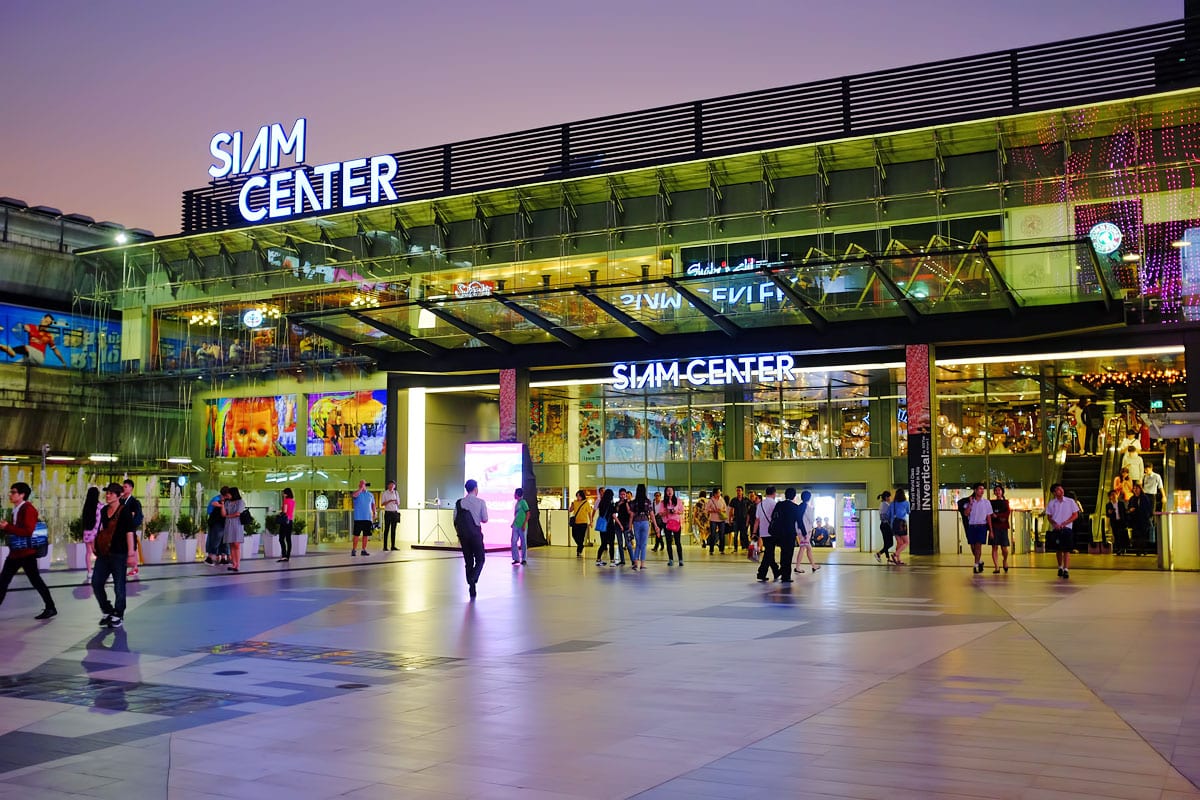
    Siam Center, as the center of endless imagination and creativity in arts, fashion, technology and lifestyle, always captures the latest fashion trends and Influences to bring Thai fashion industry to the next level. The Ideapolis is now debuting “A-very-wear”, the first exclusive multi-label fashion pop-up store of Asian designers launched in Thailand under the motto of “A piece that is very YOU to wear” on the 1st floor of Siam Center.

    Ms.Parisa Chatnilbandhu, Group Senior Vice President – Retail Business Development of Siam Piwat Co., Ltd., said that the fashion industry has grown rapidly in U.S.A., Europe or even Asia. Currently, fashion plays a major role in youngsters’ lifestyle, especially in Asia. As we can see, the Fashion Week in each season in Korea, Japan and Singapore attracted the hipster from around the world, including Thai celebrities who flew to these countries just to buy the fashion items back. Siam Center, in response to this up-and-coming movement and the needs of fashion-forward people, debuts “A-very-wear”, the first exclusive multi-label fashion pop-up store of Asian designers, to bring the ultimate Asian fashion experience to Thailand. Siam Center carefully selects a wide variety of well-designed products and introduces Absolute Siam items, which are exclusively available at Siam Center, to help the fashionistas make the style statement of their own under the motto of “ A piece that is very YOU to wear”.

    Ms. Parisa continued that, to bring a hip spirit to Thai fashionistas, “A-very-wear” carries apparel, accessories, including eyeglasses, watches and many more, of 15 renowned Asian fashion brands from six countries, namely Korea, Japan, Singapore, Hong Kong, Indonesia and Taiwan. Each designer is very popular on social media, with many followers on facebook and Instagram. During the first six months, the hipsters can update the trend from four countries, namely Korea, Japan, Singapore and Taiwan, while the other two, Hong Kong and Indonesia, will join in the next six months.

    During the opening, “A-very-wear” introduces six well-known Korean brands. Fleamadonna, launched in 2007, has bold style and unique characteristic. It was therefore very well received from numerous fashionistas and celebrity fans including Pink, Paris Hilton, Miranda Kerr and Girl’s Generation girl band. Low Classic by Lee Myoung Shin presents the simple and classic ready-to-wear that is perfect for all occasions. Drink Beer Save Water is originated from the fun idea of the designer Jim Park, who thought “Why don’t we drink beer to save the water?” From this extreme idea, he presents the unisex collection under the same name as his brand, which has been growing both male and female fan base.  The clothes reflect their true personality, having fun dressing. That is why the wearers of DBSW always capture attention and stand out of the crowd. Rocket x Lunch is woman’s fashion brand designed by the talented Jin Won Woo. The brand is popular among hipsters for its minimalist style that can be worn on any occasions. It also showcased its creation in “Who’s Next in Paris 2015 Spring Summer” in France.

    A.Bell Korean accessory brand was established in 2010 under the claim of “Made It Korea” to guarantee that every single item is made in Korea. The brand decorates crystal on the bags, necklaces and bangles to create the glamorous and trendy look.  Minuit Moins Sept, another chic Korean accessory brand, has the French name means ‘seven minutes to midnight.’ It indicates the beginning of a new day when good things are about to happen. Adhering to this concept, Minuit Moins Sept creates the accessories that are perfect for both daytime and nighttime. Popular among male and female wearers, the simple yet elegant geometric design are made of silver 925 as the key material, with the key shade of gold, silver, dark blue, red and white.

    Besides Korean brands, the shop carries Singaporean fashion labels. Mash – up, very popular among fashion-forward people in Singapore, is the brainchild of three talented designers. This street fashion brand incorporates the endless inspiration from music, movies and the designers’ travelling experience. With its strong characteristic, the brand had a chance to produce the collaboration with UNIQLO, TOPSHOP, Lomography and Pioneer. Yesah is established by Linda Hao Chinese Singaporean-born designer, who combines her experience in modeling and educational background in fashion. After her education in 2013, she launched this brand, with distinctive characteristic, to serve the lifestyle of confident ladies who enjoy life. It is no wonder why Linda Hao has become the leading figure in Singapore in no time.

    Moreover, “A-Very-Wear” presents hand-made accessory brand from Taiwan like Momo’s march by Christina Lu, Taiwanese American-born designer. The brand puts together a range of materials, such as Russian diamond, brass, seashell, pearl and gemstones, into exquisite accessories under the concept of “Wearable thought”, which are practical for any time of day. YU Square by Ringo Yu is famous for its sewing technique, which integrates the embroidery into the design. Furthermore, the fashionistas can mix and match its colorful blouses, skirts and socks to suit each occasion.

    Normal Timepieces, minimallist-style Japanese watch brand, was brought to life by American designer Ross McBride. Having spent years in Japan, he was influenced by Japanese culture and incorporates it into his creation, which projects simplicity with a great sense of style.

    Unleash your style with chic items, along with Absolute Siam collection, from “A-very-wear” the first exclusive multi-label fashion pop-up store of Asian designers launched in Thailand on the 1st floor of Siam Center.

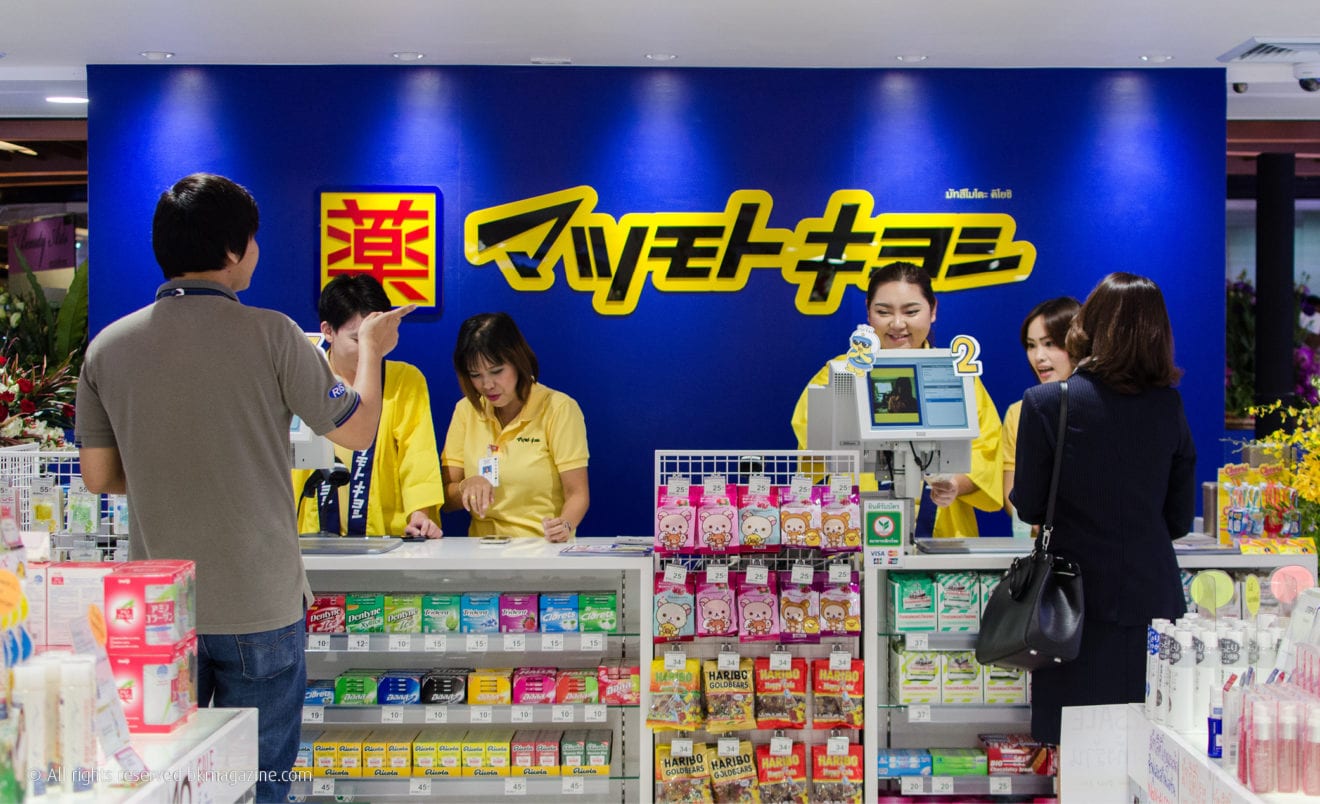
  • Matsumotokiyoshi set to open first drugstore abroad in Bangkok

    Matsumotokiyoshi set to open first drugstore abroad in Bangkok

    Japan’s largest drugstore operator, Matsumotokiyoshi, will open a store in Bangkok this week, its first abroad, and a second one by the end of the year, the head of the company’s new joint venture here said Tuesday.

    “We are confident to be successful here,” Junichi Tateno, chief executive officer of Central & Matsumoto Kiyoshi Corp., a joint venture between Matsumotokiyoshi Holdings Co. and Thailand’s Central Food Retail Corp., told a press conference.

    He cited Thailand’s status as Southeast Asia’s leading health-and-beauty market, worth 85 billion baht ($2.4 billion), and one that has been growing steadily despite periods of political instability.

    Noting the Thai people’s fondness for Japanese culture and products, Tateno said the store will initially introduce around 2,000 Japanese health-and-beauty products to Thai customers.

    The new store will be the first to be opened abroad by Matsumotokiyoshi, which has more than 1,500 branches in Japan, since the company was founded 85 years ago.

    Since 2014, the company has done market testing in Central’s 23 supermarkets in Bangkok and other major cities and some 200 daily-use products and cosmetics being sold were received well by customers, according to Tateno.

    He said the marketing data helped the company to cater suitable products for Thai customers.

    Central Food Retail Co., the largest supermarket chain in Thailand with around 150 branches, has a 51 percent stake in the joint venture, with Matsumotokiyoshi holding the remainder of shares.

    The first branch will be opened at Central Plaza Ladprao, offering commodities and beauty products from Japan and other countries. Another will be opened at Central Plaza Pinklao by year-end, with plans to expand to other department stores in the future.

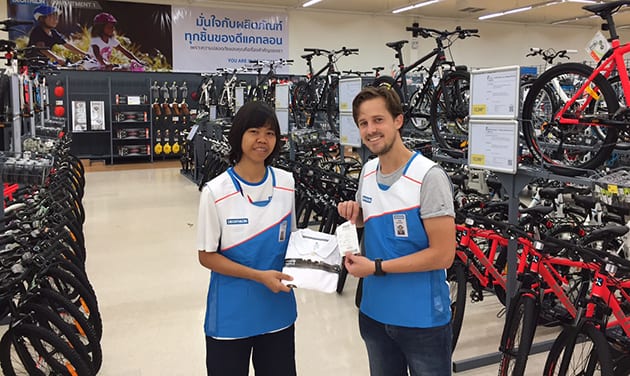
  • Thailand’s first Decathlon store opens in Bangkok

    Thailand’s first Decathlon store opens in Bangkok

    People in Thailand are particularly passionate about football, water sports, trekking, running, road biking and golf. As of 22 October, they’ll have access to a wide range of technically sophisticated products available in Decathlon stores designed to help them enjoy these sports. Operational in Thailand for around twenty years with its production activities, the company has now swung its distribution arm into action!

    “We’re opening five stores in Bangkok, whose surface areas range from 1,700m2 to 2,700m2. They’re nicely spread out across the capital, including one right in the centre,” explains Decathlon Thailand boss Frédéric Bichet. These stores will be exclusive retailers of Decathlon’s Passion brands.

    Team recruitment based on sporting values
    In order to provide the best possible service for Thai customers, we had to attract new employees who weren’t yet familiar with the company. In total, 120 new team members will be joining the latest stores to serve our customers. So we could share our company values with them, they were recruited locally at sports events, at sales and retail workshops and at interviews with directors appointed to run the new stores.

    Just like the business itself, these teams have a strong international flavour. Decathlon’s new employees have come from Belgium, China, Romania and even Russia, looking to be part of the company’s next growth phase. One of the new store directors is even a former employee of the Thai production office, where he worked for twenty years. “It’s a great asset being able to benefit from all of these viewpoints and experiences brought to us by such international profiles,” insists Frédéric, “and it’s also important for the countries where these employees hail from. It’s proof that it is possible to successfully run this type of international project at Decathlon.”

    Thailand’s first Decathlon store opens in Bangkok

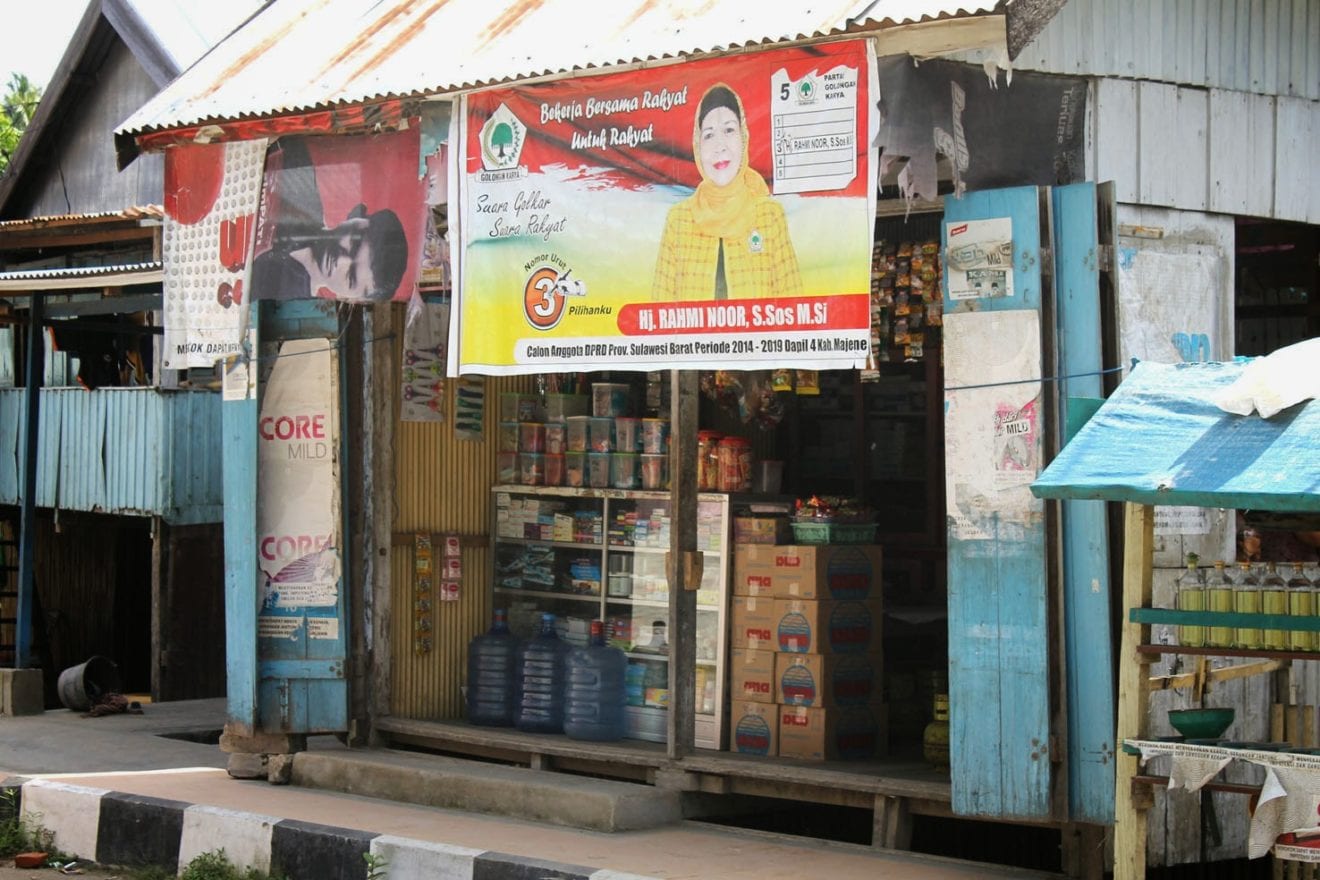
  • Corner stores still dominate Asia retail

    Corner stores still dominate Asia retail

    In Asia retail, the humble corner store is an essential ally to fast-moving consumer goods in the battle for market share and customer loyalty, according to a new report from global performance management company, Nielsen.

    The whitepaper, Maximising Traditions – The Shop. Shopper. Shopkeeper, argues that a better understanding of this fragmented yet ubiquitous traditional trade channel – which comprises more than 5 million outlets in Southeast Asia alone – has the potential to drive sales by putting brands in front of more consumers.

    Nielsen’s research suggests that to better maximise sales, brands should consider a more thorough analysis of their market segmentation, and tap into the understanding of the shopkeeper and shopper.

    Traditional trade channels account for almost half of all grocery sales in Asia and India. In 2014, 47.9 per cent of all retail sales were made through traditional trade channels, compared to 17.2 per cent for supermarkets which account for the second-largest proportion of sales.

    The paper’s author, Connie Cheng, Nielsen’s executive director of shopper solutions for Southeast Asia, North Asia and Pacific, says traditional trade accounts for up to 70 per cent of all retail sales in key markets such as Jakarta, Indonesia, and Ho Chi Minh City, Vietnam.

    “While there’s been a headlong rush into the hypermarket and supermarket retail formats throughout most of Southeast Asia, there are untapped loyalties between brands and consumers shopping at traditional trade stores on every street corner, in every town, village and city,” said Cheng.

    “With almost 50 per cent of retail sales in Asia made at a small, independent grocery store, the research suggests that FMCG brands are leaving money on the table. The key to maximising sales through traditional trade channels is to focus on the relationships between the shopkeeper and the shopper,” she said.

    Maximising Traditions finds that the humble warung in Indonesia, the Philippines’ sari-sari, Malaysia’skedai runcit and Vietnam’s cử a hàng tạp hóa are used by consumers in similar ways. The majority of consumers shop at traditional trade stores for daily meals, snack foods and beverages for immediate consumption, while they are less important for top-up or main shopping trips.

    The whitepaper reveals that the majority of consumers plan their trips to the most conveniently located store in advance, and have a specific brand in mind. Such behaviour highlights opportunities for brands to vary pack formats or leverage loyalty for premium lines to increase basket size.

    When it comes to commonly purchased products, powdered coffee blends, coffee and carbonated drinks top the list in Indonesia, the Philippines and Vietnam, respectively.

    While shoppers clearly tend to view the traditional trade store as an extension of their kitchen pantry, sales of homecare and personal care lines are also common purchases. Laundry items, shampoos, makeup, vitamins, baby-care lines and general household products are the most frequently purchased items at grocery stores in Indonesia, the Philippines and Vietnam.

    The report suggests that marketers need to undertake a more thorough segmentation analysis to maximise market share. Although traditional trade grocery outlets are plentiful in Indonesia, Malaysia, the Philippines, Thailand and Vietnam, the market is fragmented.

    Cheng suggests extending segmentation and tapping shopkeepers for their intimate understanding of hyper-local consumer behaviour.

    “Information on demographics, psychographics and shopper behaviour can help provide actionable information for sales teams,” she adds.

    A better understanding of grocery shoppers can also assist in brand strategy and modelling, potentially unlocking value for brands in regions with a higher average GDP. This may help overcome issues in a fragmented market.

    “There’s an unfortunate and unnecessary disconnect between the desires of brand managers, who may think that bigger is better, and the demands of shoppers utilising Southeast Asia’s most popular channel for purchasing groceries,” continues Cheng.

    “Traditional format stores are as relevant now as they have ever been. By better tapping into consumer behaviour, brands can discover what most Southeast Asians already know; that bigger doesn’t always equate to better.”

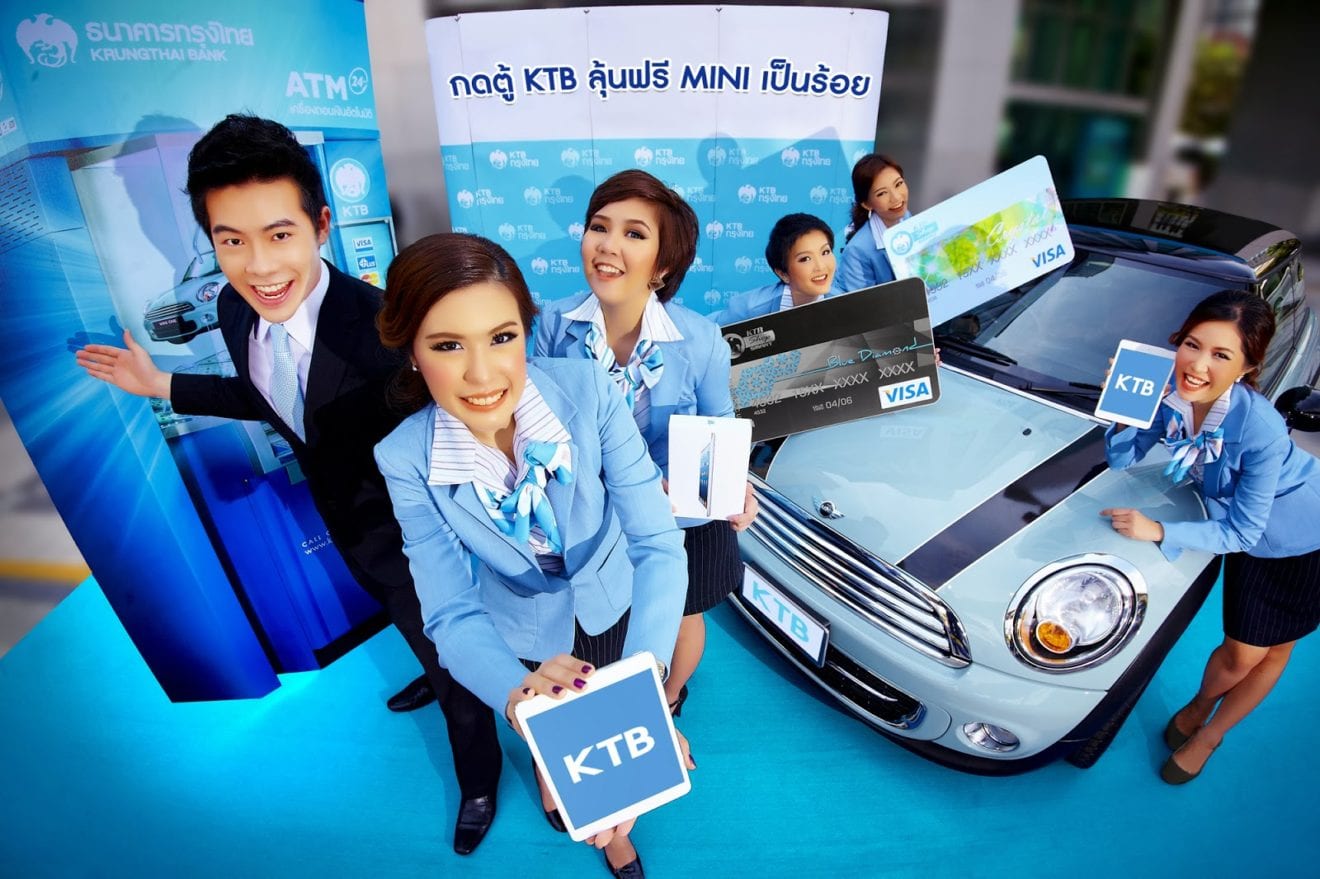
  • Krung Thai Bank makes profit

    Krung Thai Bank makes profit

    KTB posted 3Q15 earnings of Bt5.3bn, plunging 42% YoY and 37% QoQ. The result was 11% below our forecast but 4% below the Bloomberg consensus. This was attributable to bigger loan-loss provisioning (LLP) than was modeled. KTB set its 3Q15 LLP of Bt10.5bn against our numbers of Bt8.5bn. Pre-provision operating profit was Bt17bn, up 21% YoY but down 1% QoQ. The 9M15 earnings represent 90% of our FY15 earnings projection.

    Results highlights

    Lending was up 0.2% QoQ and 1.6% YTD—in line with our forecast. NIM for the quarter came in at 3.04%, up 3bps QoQ and 19bps, boosted by greater emphasis on the corporate and retail sectors and well managed funding cost from the previous quarter. LLP soared 270% YoY and 39% QoQ to Bt10.5bn (equaling credit cost of 2.1%). Note that the bank received a tax benefit of about Bt300m from troubled debt restructuring and extra LLP for Sahaviriya Steel Industry (SSI) in the quarter. Therefore, its corporate tax rate was down to 15% in 3Q15 from 18% in the same period last year.

    KTB’s NPL/loan ratio rose to 4.03% at end-September from 2.96% three months earlier (from SSI, and the small SME and retail sectors). Likewise, its loan-loss-coverage ratio dipped to 103% in 3Q15 from 125% last quarter. Fee income inched up 41% YoY and 12% QoQ to Bt7.3bn in 3Q15. OPEX was Bt12.2bn, an increase of 19% YoY but down 1% QoQ. KTB’s 3Q15 cost/income ratio was 44.2%, close to last quarter and down from the 45.6% reached in the same period last year.

  • Lazada promises ‘biggest ever’ online sale

    Lazada promises ‘biggest ever’ online sale

    eCommerce giant Lazada plans a month-long mega sale in six Southeast Asian countries under its now annual promotion ‘Online Revolution’.

    Lazada, part of Germany’s Rocket Internet group, says more than 10 million products will be offered to 550 million consumers in six countries, in partnership with a raft of international and local brands.

    The Online Revolution will launch in full scale in Singapore, Indonesia, Malaysia, the Philippines,Thailand and Vietnam on November 11 and culminate in a three-day finale ending on December 12.

    Brands and merchants in Southeast Asia and other international markets such as China, Hong Kong, the US and the UK will join the sale to offer goods across 13 categories. These categories include new additions such as groceries, liquor and automotive in some markets as well as current favorites such as electronics, home & living, health & beauty, fashion, kids & toys, and travel. Brands that have signed up include Microsoft, Xiaomi, Philips, Tefal, Pierre Balmain, Desigual, Spektre Sunglasses, Date Sneakers and Gas Jeans.

    “We are going to bring the most exciting selling month of 2015 to Southeast Asia. With flash sales, best deals, exclusive promotions and app-only incentives, Online Revolution will give plenty of reasons for consumers to tune in and stay engaged,” said Maximilian Bittner, CEO of Lazada Group.

    “It is a unique opportunity for brands and merchants to reach a large audience and accelerate their growth. We are thrilled to have the strong endorsement from thousands of partners – from sellers and service partners, to banks, and telecoms companies. And, we welcome more to join us in spreading the benefits of online shopping to consumers through Online Revolution,”  said Bittner.

    During the month-long Online Revolution campaign, Lazada will feature weekly product category highlights, a curated brands’ showcase and exclusive promotions with partner banks, on top of daily deals. Beyond online, it will run a TV advertising campaign to keep the Online Revolution branding on top of consumers’ minds.

    To help sellers maximise revenue, Lazada says it has been introducing new and improved services. Its ‘Fulfillment by Lazada’ (FBL) is a network of fulfillment centers, hubs, delivery fleet and service specialists that takes care of the fulfillment of a customer’s order through to delivery, efficiently. This lowers cost for the sellers and allows them to focus on marketing and boosting their business. Lazada, recently, also rolled out a Seller Center Android app. The app comes with enhanced search, notifications and language support, on top of all the Seller Center features to help marketplace sellers manage their business on-the-go.

    Small and medium business owners will also receive support through training, such as in stock planning and packaging capacity, to prepare them for a smooth operation with the expected spike in orders. Last year, sales from Lazada’s Online Revolution on December 12 alone hit more than 10 times that of a normal day.

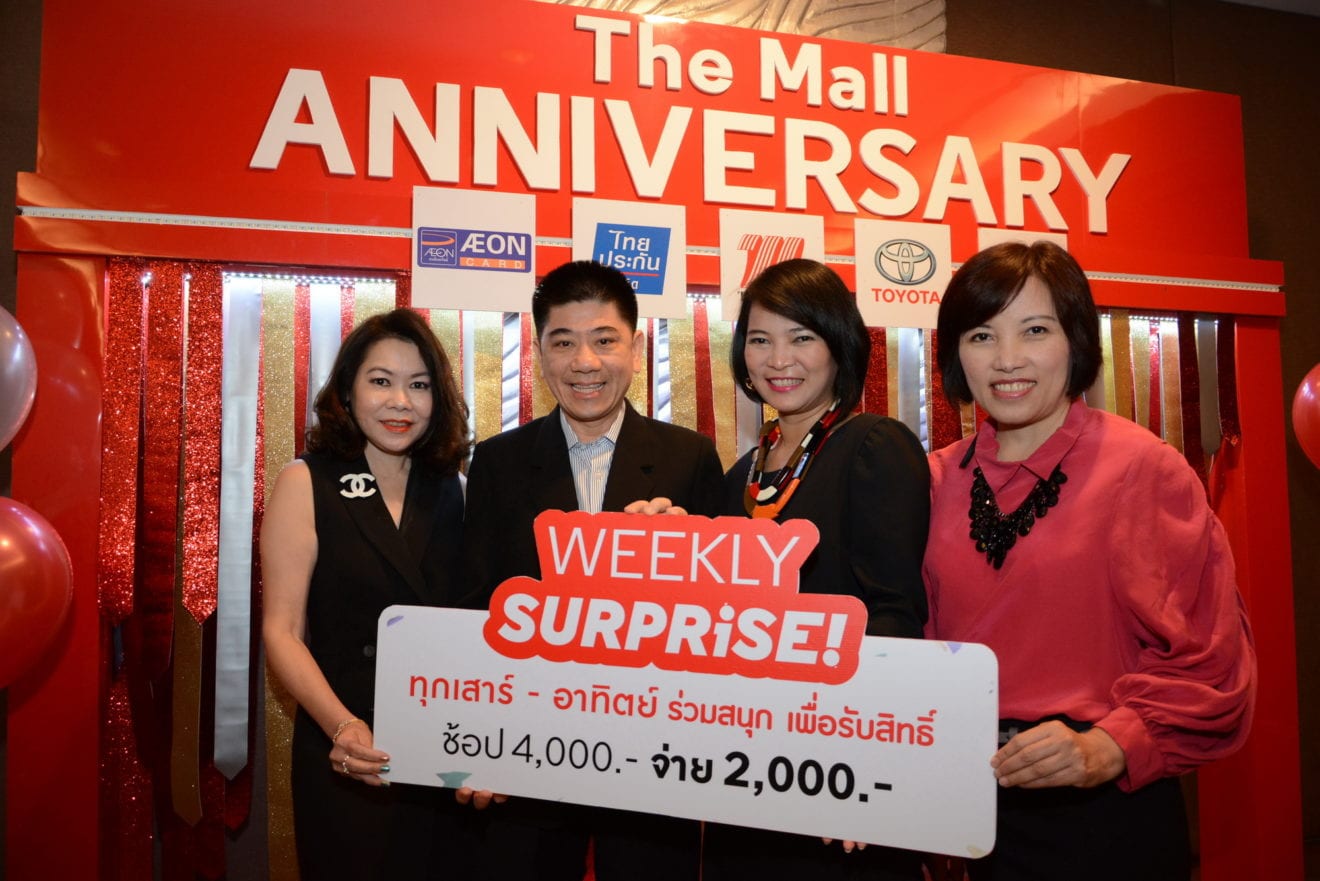
  • Mall Group chairwoman wants lower import tariffs

    Mall Group chairwoman wants lower import tariffs

    “Thailand will be part of the Asean Economic Community [AEC], which comes into effect at the end of this year, with a combined 600-million population forming one big single market, representing 10 per cent of the world’s population.

    “AEC transformation will allow Thailand to become a tourist-destination hub of the world, benefiting from the country’s advantages, such as its strong logistics network and geographic location, plus dynamic growth from emerging markets in the region,” she said.

    However, the Kingdom’s current import duty charged for fashion and cosmetics brands is too high at between 30 per cent and 40 per cent, resulting in a loss of competitiveness compared with rival shopping destinations in the region, she stressed.

    “I would like the government to revise [the tax structure] and reduce the import tariff for fashion brands to about 10 per cent, so that we can compete with rival countries and make Bangkok truly an ultimate shopping destination of the world,” said The Mall Group chief.

    She added that Thailand was now facing a serious labour shortage, with an unemployment rate of just 0.03 per cent.

    The government could resolve the labour-shortage problem in the retail sector by allowing migrant workers from Myanmar, Cambodia and Laos to do jobs legally, especially in front-office work, such as sales representatives in stores, she suggested.

    “Between 30 and 40 per cent of shoppers visiting modern retail malls in downtown Bangkok, such as Siam Paragon, are foreign tourists, and 50 per cent of them are Asian.

    “In the retail sector, we [Thailand] play a leading role in the world in terms of innovation and creativity, as well as a sense of fashion. What we require by way of assistance from the government is in the area of political stability as well as tourism support, especially via a reduction in import duty,” she said. The country’s modern retail sector is, however, lagging behind other countries in regard to new technology development, such as e-commerce, she said.

    “For The Mall Group, the sales contribution from e-commerce activity is not significant, at less than 1 per cent of our annual turnover at the moment. And we don’t think the contribution will be higher than 1 per cent of sales over the next five years,” said the chairwoman.

    The group’s policy is to focus on developing mega-retail projects in Bangkok and other tourist destinations, including Hua Hin and Phuket.

    “We want to make the country good enough in terms of retail development, before expanding to somewhere else. Thailand has still a tremendous opportunity for new retail developments and world-class attractions for foreign tourists,” Supaluck said.

    By way of example, she cited Phuket’s potential to be promoted as a world-class resort island with the addition of key infrastructure, such as international convention, retail and entertainment complexes, and airline and cruise facilities.