Tag: Thailand

  • Thai Hubba is building a marketplace of fully-automated offices

    Thai Hubba is building a marketplace of fully-automated offices

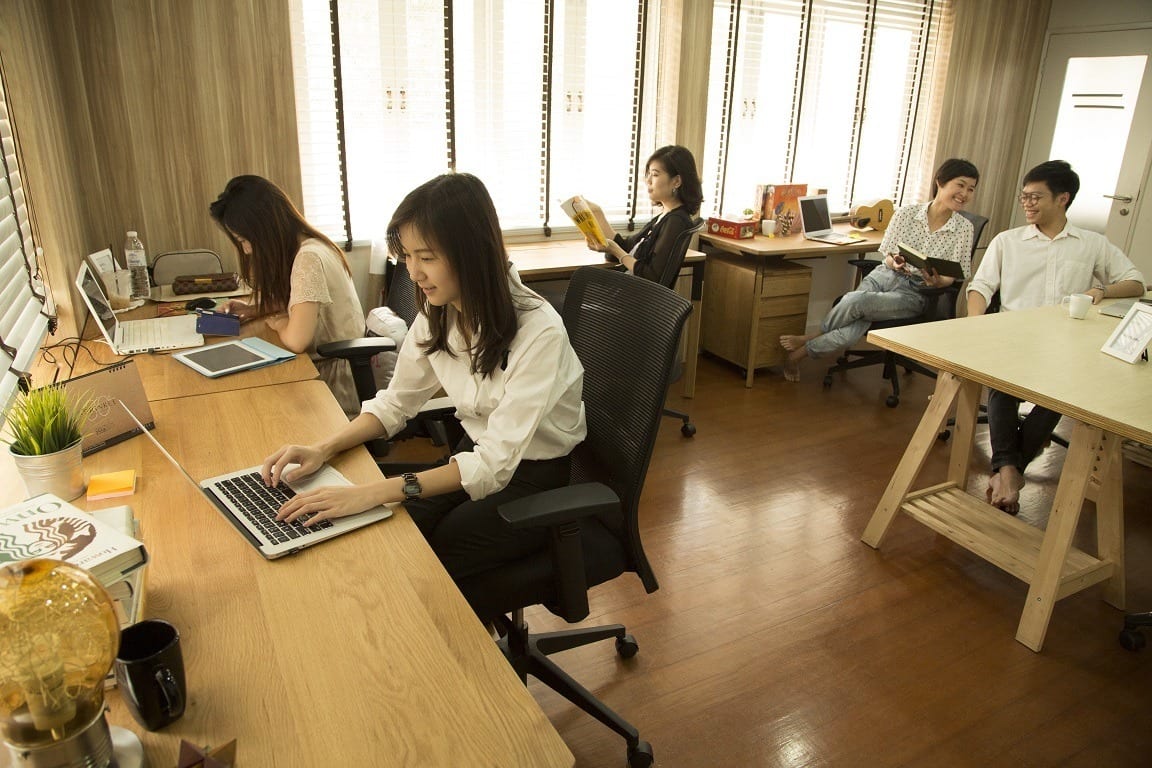
    Thai co-working space Hubba has raised a pre-series A funding round, it announced yesterday. The company got US$350,000 in a round led by US-based venture capital firm 500 Startups. The round was joined by 500 Startups’ Southeast Asian fund 500 Durians and Thai fund 500 Tuk Tuks.

    Singapore-based VC Golden Gate Ventures and Thailand-based VC Ardent Capital also participated. Several local angel investors got involved as well, including Computerlogy CEO Vachara Aemavat, Playlab CEO Jakob Lykkegaard Pedersen, and Stock2morrow CEO Piyaphan Wongyara.

    Under the deal, Ruangroj “Krating” Poonpol, venture partner at 500 Tuk Tuks, will join Hubba’s board of directors.

    Hubba’s investors will be working with startups that use the company’s spaces to help mentor them, and even to potentially invest in some of them, Amarit says. The company will also work together with its investors on joint programs and activities going forward.

    Working together

    Hubba was the first co-working space in Thailand, founded by brothers Amarit and Charle Charoenphan in 2012. Today the company has a presence in seven locations and holds minority stakes in other co-working spaces like Punspace in Chiang Mai, Thailand, and Toh Lao in Vientiane, Laos.

    In the last three years, it has worked to build up the country’s startup ecosystem through its co-working space business as well as community activities and events. Last year, it also launched Pah Creative Space, a co-working space for designers and other creative freelancers.

    Hubba will use the new funding to fuel two new projects, Amarit says. One of them is Hubba-to, a planned artisan co-creation community that the company plans to launch in partnership with Thai real-estate developer Sansiri. The other is Node, a prototype for an “automated office” that will “enhance efficiency and reduce unnecessary expense.”

    “It’s going to work like Airbnb for private rooms and office spaces,” Amarit says. Node offers spaces that can be rented out for specific time slots and used for offices, meeting rooms, and so on. Landlords can list their properties on the site and wait for bookings to come. Payment via credit card is handled by the site. The listings include WiFi and amenities such as pens and notepads, and are cleaned by Node staff after use.
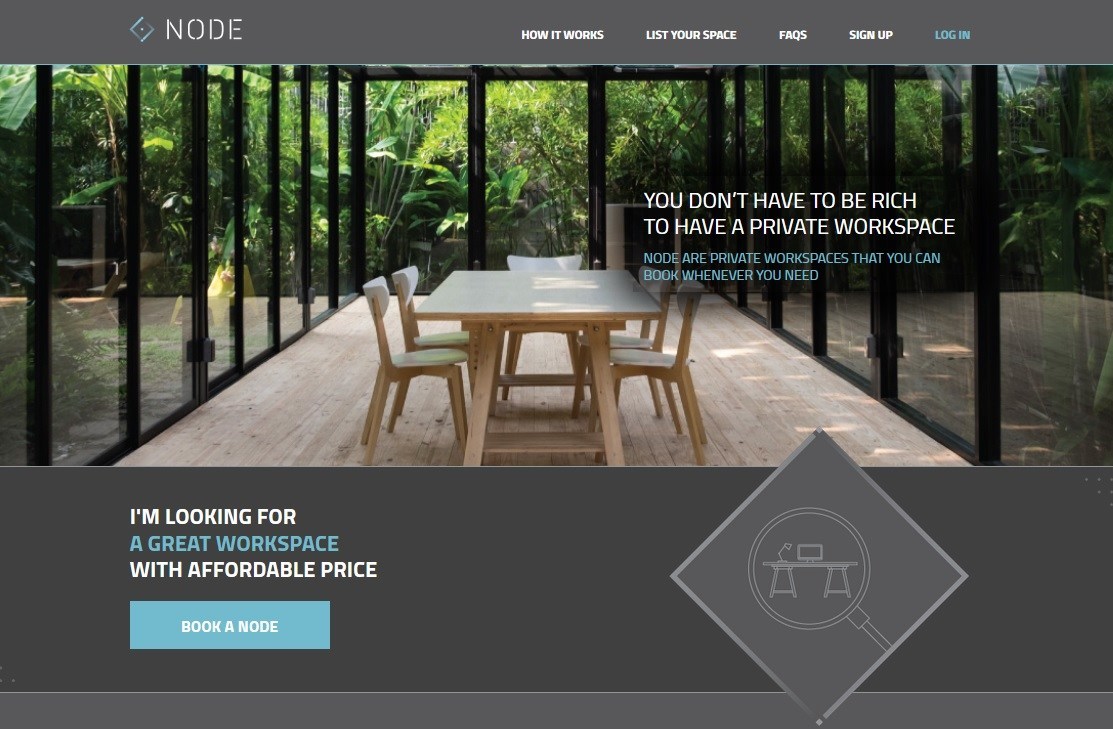
    Node (Airbnb for working space) screenshot

    “Our killer feature is that we will have what is called Node Plus,” Amarit explains. “[Those] are spaces that have been fully equipped with IoT (internet of things) and technology that allows spaces to be fully booked on-demand and managed remotely with no need for staff (locks, lights, AC, WiFi, and security).”

    The automation will help keep operating costs and booking fees down, Amarit says. Node takes a 20 to 30 percent commission from property owners.

    Taking the Airbnb approach to professional spaces is an interesting twist on the model used by Wework, the US-based co-working space decacorn, which sub-leases existing office space to entrepreneurs and freelancers.

    “I think everyone in the co-working world is amazed and in awe of Wework and its lofty projections,” Amarit says. “However, I think the markets we work in are definitely different from Wework, so we can’t just clone it. We need to find our own Southeast Asian model and Hubba-to and Node may be the way forward.”

    Hubba expects the funding to give it enough time to pursue “multiple growth trajectories.”

    “We will look to raise again in 2016 as we build traction and momentum for both projects,” he says.

  • Aeon Thailand opens first mall in 18 years

    Aeon Thailand opens first mall in 18 years

    Aeon Thailand has resumed its property development program – suspended in 1997 – opening a new shopping centre in Sriracha, Chonburi.

    The Japanese property developer and retailer has extensive interests across Thailand and has continued to expand its MaxValu hybrid supermarket-convenience store concept. But this is its first mall property in 18 years.

    The 7000 sqm, three-storey Aeon Sriracha shopping centre opened its doors on Wednesday, with a formal grand opening ceremony planned for October 21. It is anchored by a 24-hour MaxValu and features about 20 restaurants and specialty stores as well.

    The Sriracha complex has a catchment area of about 78,000 people, including a growing number of Japanese expats managing manufacturing facilities in the region, located on the coast about 90 minutes’ drive from Bangkok.

    “Major frequent customers will be Japanese housewives who have free time to shop and dine at our shopping centre,” an Aeon spokesman told the Bangkok Post. “They like shopping in a Japanese ambience.”

    Aeon is opening new shopping malls in Vietnam, Cambodia and Indonesia as part of a concerted focus on Asean as it looks to ways to maintain growth no longer possible in the mature Japan home market.

  • Iconic Bangkok market faces bulldozers

    Iconic Bangkok market faces bulldozers

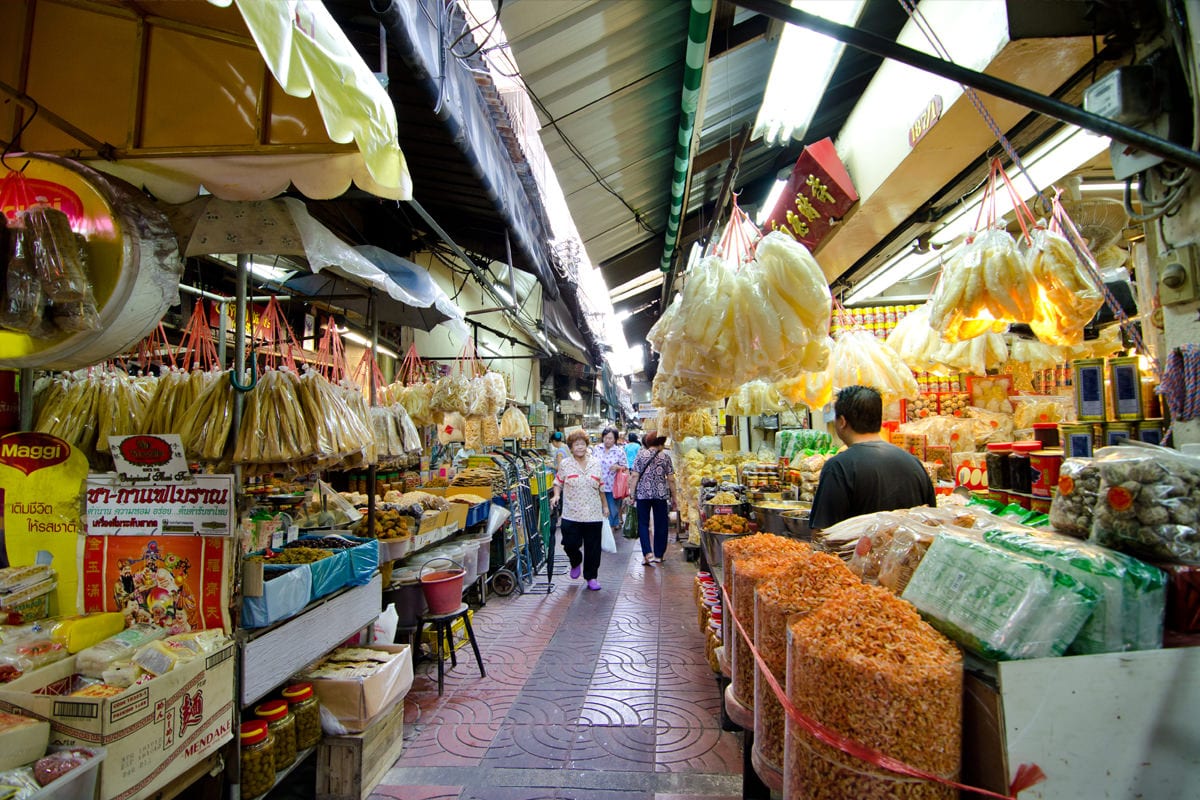
    Famous Bangkok market Saphan Lek is to be destroyed by order of the city’s Metropolitan Administration.

    According to reports, stallholders have just 15 days to pack up and vacate before authorities force their removal. It alleges the market has caused “water management issues” for the whole city.

    Popular with students, locals and tourists alike for products as diverse as computer games, imported toys and fresh foods, the market is one of a string closed down in recent years as city officials try to “clean up” the town’s waterways and streets.

    Authorities have told traders from Saphan Lek and another recently closed market Khlong Thom – that they can relocate to other locations at SC Plaza Mall near the Southern Bus Station and Chulalongkorn University. But traders are unenthused – and shoppers, especially students – say other locations are too far away to travel to.

    “The canal is part of Bangkok’s water system. It is 20 metres wide and two kilometres long. It connects to all the other canals on the system,” Pol Maj-Gen Wichai Sangprapai, an adviser to the Bangkok Governor said, defending the decision. “These people have built into the canal with metal and concrete, which obstructs the flow of water.”

    Described in some media as “an Aladdin’s Cave’” of electronics and games well know among regional tourists, the 50 year old market is located in the heart of ‘old city’ Bangkok.

    It’s name, which translates to “metal bridge” refers to its construction over a canal.

  • Judges ready and excited for Thailand’s first Entrepreneur Now Awards 2015

    Judges ready and excited for Thailand’s first Entrepreneur Now Awards 2015

    The winners of Thailand’s very first Entrepreneur Now Awards (ENA) 2015 are soon to be announced and the judges are now faced with the daunting task of selecting the winners from over 100 nominations.

    The winners will be announced on November 17th at the ENA Awards Night at Four Points By Sheraton Bangkok.

    The ENA is the brainchild of Pacharee Pantoomano Pfirsch, founder of Bangkok Now (BNOW), one of Bangkok’s networking communities. Pacharee is also an entrepreneur and co-founder of Brand Now, a boutique marketing and PR company based in Thailand.

    “I am honored to have such a prominent panel of judges from the local and international business community, many of who are entrepreneurs with years of experience,” said Pacharee.

    “We have such a wide spectrum of both Thai and foreign nominees from various industries, making the selection of winners a challenging feat,” pointed out Pacharee, adding that the entry deadline for ENA had to be extended by two weeks due to overwhelming response and the high level of interest.

    Through ENA, Pacharee wants to recognize Thai and foreign entrepreneurs operating in the Kingdom of Thailand, as Thailand opens its doors to ASEAN Economic Community (AEC).  The award’s objective is to promote entrepreneurism, attract investors to Thailand and the ASEAN region, and revitalize the Thai economy and the SME sector.

    Judges include Pawoot Pongvitayapanu, Managing Director of founder of Thailand’s largest e-commerce service Rakuten TARAD Co., Ltd serial entrepreneur Fred Mouawad of Synergia One group of companies, Paul Robere, Managing Director of quality management consulting firm Robere & Associates, Lay Cheng Tan, Programme Officer at UNESCO, Michael I. Waitze, Managing Partner, Asia at ventureLab Growth Partners, Juthasree Kuvinichkul of GrabTaxi Thailand and   Conor Bracken, Founder and CEO of localization company Andovar.

    The ENA also hopes to champion the entrepreneurial spirit, cultivate the entrepreneur culture and support the eco-system to sustain it.

    The ENA is a great opportunity for entrepreneurs to highlight their creations and gain recognition for their achievements, said Pawoot, who also serves as ENA’s honorary advisor.

    “Innofficiency is the key to entrepreneurism. This term is derived from the words Innovation and Efficiency. Entrepreneurs are not only creative, but also possess great management skill that leads to efficient management. Entrepreneurs should also think beyond profits and create something that can make a difference in the world while at the same time, pursing their passion,” explained Pawoot.

    The judges applaud the ENA project for its recognition program and for focusing on the achievements of specific individuals and their contributions to the world of business and their society.

    Paul Robere and Fred Mouawad added that the ENA was a wonderful opportunity to recognize, encourage, and promote entrepreneurs in Thailand.  “There is no better way to build the start-up ecosystem than by encouraging budding entrepreneurs to interact, learn, and get inspired by their peers.  Success breeds success, and ENA is a boost to the entire ecosystem of entrepreneurs,” said Fred.

    This was echoed by venture capitalist Michael I Waitze, who added that the entrepreneurial and start up ecosystem is moving from a disjointed collection of participants to a connected group of professionals.  UNESCO’s Lay Cheng observed that globally, entrepreneurship is attracting a lot of attention from policy makers, educators and particularly among the young people, who are drivers of economic growth and innovations.

    Speaking from personal experience, Conor Bracken pointed out that a successful entrepreneurial ecosystem requires more than good ideas and talent. Access to capital and credit, infrastructure, and mentors are equally important.

    “The ENA is a great initiative to promote the ecosystem, providing entrepreneurs with opportunities to learn, fine-tune their business models and open more doors toward their goals,” added GrabTaxi Thailand’s Juthasree Kuvinichkul.

    The nominees will be judged on the following criteria: uniqueness, vision and potential growth, value in Thailand & ASEAN, eco-sustainability, striking achievements and how they overcame challenges.

    A total of 11 awards will be handed out to the following categories: Most Outstanding Male / Female Entrepreneur, The Eco Entrepreneur, The Creative Entrepreneur, The Social Enterprise Entrepreneur, Student Plan,  The Exceptional ASEAN/Foreign Owned Company, The Exceptional Thai Owned Company, The Most Entrepreneurial Team, SME (30 to 100 employees) and Micro Enterprise (less than 30).

    Sponsors for ENA include Thai AirAsia X, Acer, YouGov, Big Picture, Avon and Brand Now.  Partners include the American Chamber of Commerce in Thailand (AMCHAM), Bangkok Entrepreneurs, Bangkok University, Irish Thai Chamber of Commerce, Thai-Italian Chamber of Commerce and UNESCO. Class Act Media is the media partner and Friends include Busy Bees @115, Kliquedesk, ONEDAY, 63 Bangkok and The Hive Bangkok.

  • Thai Commerce Min happy with retail price slash by manufacturers

    Thai Commerce Min happy with retail price slash by manufacturers

    Commerce minister Apiradi Tantaraporn expressed his satisfaction after going on an inspection of prices of goods at several markets. After the inspection, she said the prices of vegetarian food have not been raised up too high this year, and the public could still afford to make purchases.

    She disclosed that 23 product manufacturers have notified the ministry that they have lowered the prices of 244 items, following the decrease of oil prices.

    Out of the listed items, 108 are in the food and beverages category, 35 items are construction materials, and 101 items in the lubricants category.

    The retail price cut for food and drinks will be between 1-56 baht, she said.

  • Line Thailand to launch mobile payments

    Line Thailand to launch mobile payments

    Visa subsidiary CyberSource has sealed a partnership with mobile messaging app Line Thailand, to allow Thai users to make mobile payments using its Line Pay service.

    CyberSource, one of the world’s largest providers of eCommerce payment management services,  will offer its full suite of payment, fraud management and tokenisation services for Line Thailand, which will work with acquirer Krungsri (Bank of Ayudhya), Thailand’s fifth largest bank.

    Line and Cybersource will be able to process a wider spectrum of mobile payments from multiple card brands and issuers, as well as “certain alternative payment methods”.

    “The solution is designed to provide their customers with secure mobile payment options at affiliated online and brick-and-mortar stores without requiring an additional app,” explains CyberSource.

    Line has grown globally across 230 countries and regions since 2011, with its mobile messaging service app registering 205 million monthly active users as of April 2015. Some 33 million Thais use Line Thailand.

    Prapakorn Lipikorn, Head of Line Pay business development, with Line Thailand, said:. “This partnership is a key component in our strategy to cater to an ever-growing user base in Southeast Asia. We are able to streamline payment acceptance and create new growth opportunities for our merchants, while providing our users with a fuss-free mobile payment option.”

  • Siam Paragon announces Bt100m sales campaign

    Siam Paragon announces Bt100m sales campaign

    Siam Paragon yesterday announced it would invest about Bt100 million in its biggest campaign of the year, “Siam Paragon 10th Anniversary: The Prismatic Phenomenon”.

    There will be two thank-you campaigns: a 10-week promotion with 100 prizes running from tomorrow to December 18 and a 10-day celebration including a series of “world-class” events and gifts.

    Siam Paragon is one of the major shopping centres on Bangkok’s Rama I Road, jointly developed by Siam Piwat Co and The Mall Group, Thailand’s two giant retail developers. The 10th-anniversary campaign is aimed at increasing customer traffic at Siam Paragon by 5 per cent and to increase spending per transaction by 10 per cent.

    Mayuree Chaipromprasith, senior executive vice president for marketing at Siam Paragon Development, said the strong partnership between Siam Piwat and The Mall Group had made Siam Paragon a retail phenomenon and a true “world-class shopping destination” that attracts more than 200,000 local and international shoppers a day.

    “Our loyal customers who have high purchasing power and are members of our Platinum and Scarlet cards have not been significantly affected by the prolonged economic difficulty. We have seen their purchasing value and earning of points on their cards increase a significant 24 per cent year on year in the first three quarters of this year.”

    Chamnarn Maytaprechakul, executive vice president of Siam Paragon Retail, who is also chief marketing executive of The Mall Group, said the explosion that hit Ratchaprasong Intersection in the middle of August had little impact on the number of foreign tourists coming to downtown Bangkok. Foreign visitors disappeared from the Ratchaprasong and Rama I areas for only few weeks and traffic is now back to normal.

    “However, with Thailand’s GDP anticipated to increase by only 2.5 per cent this year, we believe that the overall retail sector in Thailand will increase by no more than 5 per cent in total sales this year,” Chamnarn said.

    He added that people’s shopping behaviour had changed along with the economic difficulty, as they come to the shopping malls to eat and buy only necessary goods. The launch of attractive value-for-money campaigns will allow shoppers to decide more quickly what they plan to buy in the future.

  • Aeon opens B300m mall in Si Racha

    Aeon opens B300m mall in Si Racha

    Aeon (Thailand), the local operator of MaxValu supermarkets and Tanjai minimarts, has resumed its investment with a big retail project after suspending its expansion since 1997.

    The company will today have the soft opening of Aeon Sriracha shopping centre in Chon Buri’s Si Racha district to serve growing demand from Japanese expats working nearby.

    The move is part of Japanese parent Aeon Group’s efforts to expand its retail business in Asean with an expectation to drive sales to reach US$16 billion by 2020, a company source said.

    Before Thailand, Aeon Group opened various retail formats in the Asean market including Indonesia, Vietnam and Cambodia.

    The company spent about 300 million baht to develop Aeon Sriracha near Assumption College Sriracha.

    The three-storey shopping centre has saleable space of 11,000 square metres and will serve Thai and Japanese customers who work and live nearby.

    “Major frequent customers will be Japanese housewives who have free time to shop and dine at our shopping centre. They like shopping in a Japanese ambience,” the source said.

    Aeon Sriracha is surrounded by 1,300 households of Thai and Japanese people with high spending power. It has parking space for 220 cars.

    The shopping centre houses 21 tenants providing services related to Japanese lifestyle. MaxValu supermarket provides service around the clock, while other anchors are Ringer Hut Nagasaki Champon, a Japanese fast food restaurant chain with more than 600 branches worldwide, and Tackle Berry, Japan’s largest used fishing gear chain.

    Si Racha district also has Japanese community mall J-Park Sriracha.

    The artist impression of the Aeon Sriracha shopping centre.

    This is the first time in 18 years that Aeon (Thailand) has invested in a big retail project in Thailand after suspending its expansion plan due mainly to the 1997 financial crisis.

    Aeon Group has had a presence in Thailand for more than 30 years.

    Aeon (Thailand) now operates 78 retail outlets here, with 48 Tanjai minimarts and 30 MaxValu supermarkets.

    Apart from developing its new complex in Si Racha, the company will strengthen its food and information technology facilities to support its aggressive expansion in Thailand from now until 2020.

    It has plans to expand its retail business outside Bangkok, particularly in Northeastern provinces such as Ubon Ratchathani and Udon Thani, in a bid to tap opportunities from booming border trade after the launch of the Asean Economic Community by year-end.

    Aeon (Thailand) had earlier announced plans to open 40 MaxValu stores next year.

    After that, it will add 100 outlets each year for four years until 2020 for a total of 500 branches.

    Of the 500 stores, 400 will be Tanjai minimarts and the remaining 100 will be under the MaxValu supermarket brand.

    Sales at MaxValu supermarkets are estimated to reach 6.6 billion baht this year.

  • Startupbootcamp FinTech partners CIMB to expand regional reach

    Startupbootcamp FinTech partners CIMB to expand regional reach

    Financial services technology accelerator Startupbootcamp FinTech and Malaysia’s CIMB Group have announced a partnership that would give startups in the programme access to the region’s markets.

    In a statement announcing that applications for next year’s accelerator programme are now open, CIMB said the partnership would increase support in offering the 2016 startups additional expertise, exposure channels, and access into the high potential markets in Asean, particularly Thailand and Indonesia.

    “Both countries have high smartphone penetration and high numbers of unbanked, with Indonesia, for example, being home to 6% of the world’s unbanked, which makes these markets well-timed for FinTech innovation,” the banking group said.

    The Startupbootcamp FinTech Singapore 2016 accelerator programme will provide funding, mentorship, office space and access to a network of industry partners, investors and venture capital firms for 10 selected Singapore-based FinTech startups. Each successful team will also receive 15,000 euros (RM70,469) living expenses and office space for at least three months at accelerator hub, BASH, in Singapore’s startup cluster, One-North.

    Launched late last year, the Fintech programme has to date accelerated 11 teams, who graduated from the accelerator on July 29, having received mentorship and practical guidance from over 200 entrepreneurs, investors, industry participants and partners as well as access to international markets.

    Commenting on the partnership, CIMB Group CEO Tengku Datuk Zafrul Aziz said that as a leading Asean universal banking group, CIMB is strategically placed to assist businesses including startups, in the region to realise their potential.

    “We are certainly excited to partner Startupbootcamp FinTech to not only advance financial innovation in the region, but also create in-roads for these FinTech businesses in growing markets such as Thailand and Indonesia.

    Furthermore, as CIMB continues to spur our own innovation space, this partnership also opens up further avenues for collaboration and cross-pollination of ideas with these startups to grow FinTech in Asia. I am confident that CIMB would be able to adopt some of the innovative solutions that are brought to fruition through our investment into this partnership,” said Tengku Zafrul.

    CIMB, a firm advocate of banking technology, counts products and services such as CIMB Clicks, Plug N’ Pay, Rekening Ponsel and Speedsend under its belt.

    Startupbootcamp FinTech co-founder Markus Gnirck, meanwhile, said that the partnership with CIMB was a huge value-add for our startups, offering them great accessibility to the region’s growing markets.

    Along with the opening of applications, plans for a new FastTrack tour, which will take place in 14 different cities across the Asia Pacific region were also unveiled.

    The FastTrack tour will provide startups with the opportunity to pitch before an audience of financial industry experts and angel investors and receive one-on-one advice on their business model and go-to-market strategy.

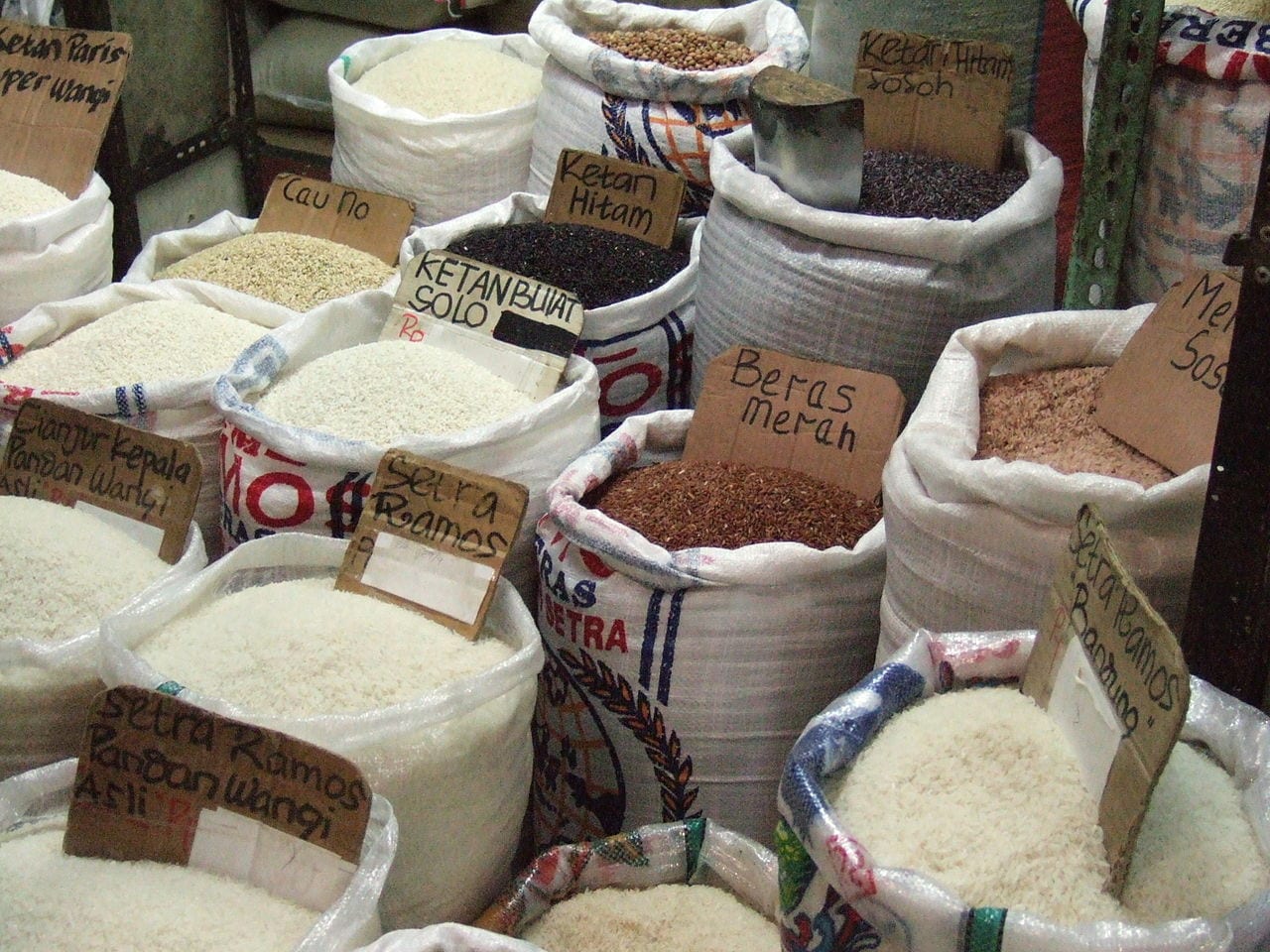
  • Rice prices up in Vietnam, Thailand on Indonesian demand

    Rice prices up in Vietnam, Thailand on Indonesian demand

    On Wednesday, Vietnam’s 5-percent broken rice advanced about 3 percent to $350-$355 a tonne, free-on-board (FOB) Saigon Port, from $340-$345 a week ago, and 15-percent broken rice stood at $345 a tonne, or about $10 above last week. At $355, the price is the highest since July 22, Reuters data show.

    The 25-percent broken variety narrowed to $330-$335 a tonne, FOB basis, from a range of $325-$340 a tonne a week ago. “As prices rise, some buyers have turned to Thailand,” a trader in Ho Chi Minh City said. Pakistani rice has also become very competitive, with the 5-percent broken grain standing at $310 a tonne, FOB basis, said a dealer at a regional trading firm.

    “Given the price rise, African buyers are not in the market while (Vietnamese) sellers don’t want to sell now,” he said. Traders said they expected more purchases, including from Vietnam’s biggest rice buyer China, given the price rise. Rice imports in 2015 by China, the world’s largest producer of the grain, could rise 6.7 percent from 2014 to 3.2 million tonnes, the UN Food and Agriculture Organization has said.

    China has bought 1.5 million tonnes of Vietnamese rice in January-August, or a third of Vietnam’s total shipments in the period, based on Hanoi’s agriculture ministry data. China has set the rice import quota for 2016 at 5.32 million tonnes. In Thailand, prices edged up in anticipation of a contract with Indonesia, traders said.

    “We already increased our prices last week to anticipate it,” a Thai trader said. “If it ends up not happening, prices will absolutely weaken.” Thai 5-percent broken grain rose to $360 a tonne, FOB Bangkok, from $350-$357 on Tuesday, but is still below the $350-$362 level a week ago. Prices have recovered from an eight-year low hit last month. Indonesia said late last month it planned to import up to 1.5 million tonnes of rice from Thailand and Vietnam in October to avert a price spike.

  • SCB plans to double its retail banking

    SCB plans to double its retail banking

    Standard Chartered Bank (SCB) has planned to double its business size of retail banking in Bangladesh within next five years, a top executive of the bank said.

    “We’re working to double our retail banking business size in Bangladesh by 2020,”  Sebastian Arcuri, regional head for retail banking in ASEAN and South Asia of SCB, said in an exclusive interview with the FE Thursday.

    Currently, Mr Arcuri is overseeing the bank’s retail business in 11 countries such as Singapore, India, Malaysia, Bangladesh, Indonesia, Thailand, Vietnam, Brunei, Nepal, Sri Lanka and the Philippines.

    He arrived in Dhaka Wednesday night on a brief visit to Bangladesh.

    During his stay, Mr Arcuri met senior officials of Standard Chartered Bank. It was his maiden visit to Bangladesh.

    As part of the plan, SCB will put emphasis on small and medium enterprises (SME) sector to help achieve maximum economic growth in Bangladesh.

    “We’ll also extend financing in the SME sector that would help create employment opportunity across the country,” the SCB executive said while replying to a query.

    SCB is celebrating 110 years in Bangladesh this year.

    “We are proud to have the largest high-value segment customer base in the country, and several generations in the same family are banking with us. With continuous innovation in products and solutions, our bank has been the pioneer in retail banking of Bangladesh,” Mr Arcuri noted.

    SCB also plans to keep on bringing new products and services to the existing and potential valued customers to be their bank of choice.

    He said SCB has planned to introduce a new online solution in Bangladesh for opening new account within five minutes by 2016.

    At present, SCB is providing such solution in South Korea for opening accounts.

    “We’re now working to introduce such solution in Bangladesh within the stipulated time,” Aditya Mandloi, head of retail clients of the bank’s Bangladesh operation, told the FE while elaborating preparations in this regard.

    Regarding the latest market activities, the regional retail banking head said emerging markets are moving faster in terms of digital and smartphone adoption, leapfrogging compared to more mature markets.

    “We’re revamping digital platform so that clients can do on mobile phones and online everything previously done in a branch where possible,” he explained.

    Mr Sebastian Arcuri joined the UK-based foreign commercial bank in 2014. Earlier, he worked with HSBC Brazil as an executive director and head of retail banking and wealth management, and president of HSBC Insurance in the country.

    Banking is a cyclical business. Currently facing challenges, but SCB has resilience and diversification to respond, according to the senior banker.

    “Focus on the key clients, the emerging affluent and investment in products, new branches, better technology. Here for good – here for our clients for the long run – this will keep the bank going through the short-term cycles,” he noted.

    SCB is now focused on the fastest-growing cities in the world, which are in footprint of Asia, Africa and the Middle East.

    “We are client-segment focused so we can address clients’ needs from a life-cycle approach. We are investing heavily in technology to be digital by design so we can deliver easy, convenient banking through whatever channel the client prefers, whenever the client wants it. The future can only be better,” Mr Arcuri observed.

    Standard Chartered has already made a series of key hires to step up the growth of its retail client business across the world.

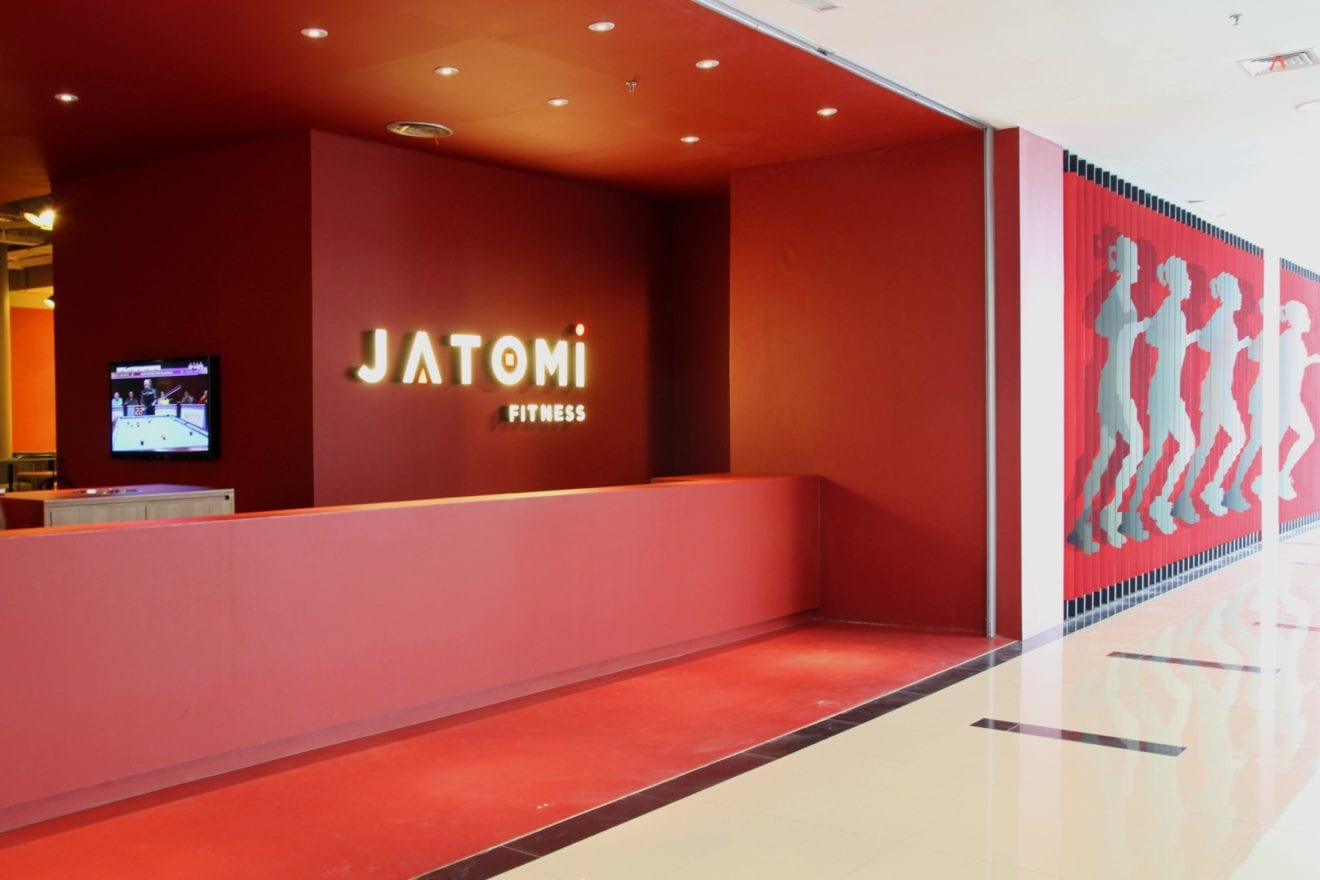
  • Poland’s Jatomi Fitness moves into Thailand

    Poland’s Jatomi Fitness moves into Thailand

    Thailand is Jatomi’s third country in Asean after the company opened branches in Malaysia and Indonesia, group chief executive officer Tracy Gehlan said.

    Currently, the company has more than 150,000 members across its 70 clubs in seven countries. Originating in 2008 from Poland, it has locations in the Czech Republic, Romania and Turkey as well as expanding into Southeast Asia, where it has locations in Malaysia, Indonesia and now Thailand.

    It plans to expand to 250 clubs worldwide over the next five years, she said.

    Gehlan said the company was expanding into Thailand because of the country’s strong market potential. Currently, only 0.3 per cent of the Thai population regularly uses a fitness club, with many finding the expense of joining such a club too high, and many quit working out as they fail to achieve their desired results.

    Jatomi Fitness is focused on being one of the world’s most innovative fitness-club operators. It says it aims to deliver a truly accessible and vibrant fitness experience to its members at good value, using state-of-the-art equipment and professional personal trainers who have expertise in nutrition and health.

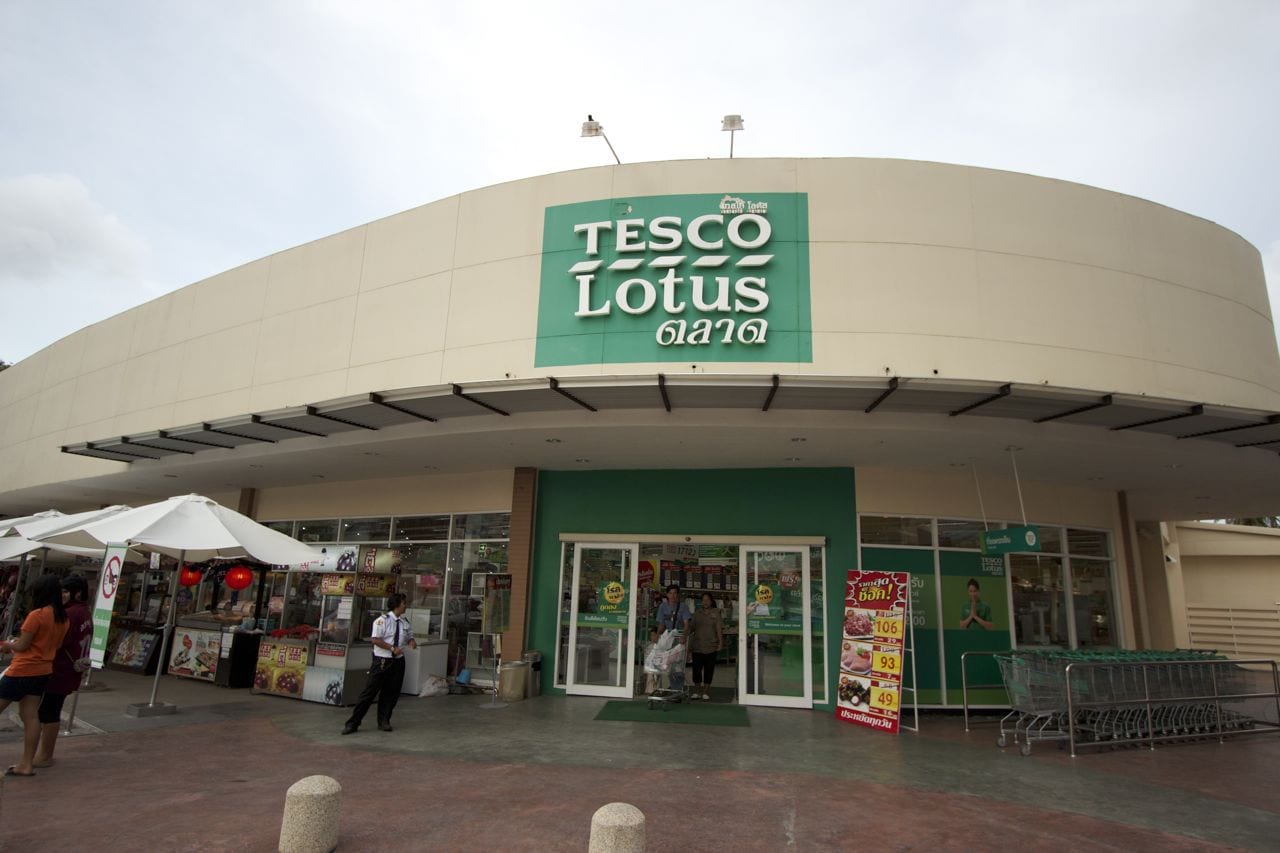
    Its first club in Bangkok opened at Big C Rajdamri with 1,300 square metres of club space. The second is at Tesco Lotus Rama 4, with 1,450sqm of club space. Both locations are easily accessible via public transport and located to ensure that going to the gym fits in with their daily routine, Jatomi says.

    The club offers membership fees starting at Bt1,300 per month.

    The company aims to have 48,000 members in Thailand by 2018.

  • Asia luxury goods market still growing

    The Asia luxury goods market is still growing rapidly despite negative press about Hong Kong, Macau and deteriorating China spending.

    Luxury goods retail sales in Asia-Pacific are expected to reach US$134.9 billion by 2019, growing at a CAGR of seven per cent during 2014-2019, according to the report Luxury Goods Retailing Market in Asia-Pacific, 2014-2019 Market and Category Expenditure and Forecasts, Trends, and Competitive Landscape.

    Japan will remain the largest Asia Pacific luxury goods market amid a slowdown in China and India’s luxury goods market is the fastest growing in Asia-Pacific, driven by rising disposable income, growing fascination towards luxury brands, and the desire of high earners to differentiate themselves from others.

    The report says jewellery, watches and accessories is the largest and fastest growing category in the region, driven by higher spending on jewellery and watches by Chinese, Japanese, and Korean consumers.

    The Hong Kong luxury goods market is struggling due to political unrest and reduced Chinese spending. A luxury tax exemption is expected to boost luxury goods consumption in Indonesia.

    Social messaging apps is a trending marketing channel for luxury brands, as the digital channel is influencing the purchasing decisions and pattern of consumers.

  • Asia mCommerce shopping soars

    Asia mCommerce shopping soars

    Asia Pacific consumers are increasingly likely to make their online purchases and bill payments through mobile devices (mobile phone or tablet), rather than via desktops, according to Visa’s 2015 Regional eCommerce Monitor Survey.

    The survey, which polled 11,760 respondents from 13 markets in Asia Pacific, found respondents reported an average 22 per cent increase from 2014 in Asia mCommerce shopping.

    Respondents from Indonesia (36 per cent), Mainland China (34 per cent) and Taiwan (28 per cent) reported the greatest growth in mCommerce during the year.

    The rising popularity of mCommerce among Asia Pacific consumers is narrowing the gap with traditional eCommerce channels such as laptops or desktop computers across the region. In Thailand, consumers are as likely to purchase using their mobile devices as through desktops, while the mCommerce-eCommerce gap in markets such as Mainland China (eight per cent), Korea (nine per cent) and Indonesia (nine per cent) is decreasing.

    Visa’s regional director for eCommerce, Conor Lynch said the results show that making purchases on the go through mobile devices is becoming the norm in Asia Pacific.

    “As consumers get more comfortable using their smart devices to research, browse and purchase, mCommerce should soon overtake traditional eCommerce habits, strengthening this channel of engagement between consumers and retailers.”

    The survey also found travel, bill payments and movies were the top spending categories for eCommerce in general across Asia.

    For mCommerce, the top three categories are also fashion, bills and movies at 27 per cent each.

    “Across Asia Pacific, we are seeing that ticket-size, as well as the nature of the purchase, impacts how consumers purchase goods and services online. Consumers in this part of the world, are already comfortable purchasing smaller ticket-sized, everyday items by clicking the purchase button on an app or checkout button on a mobile device,” Lynch said.

    Another continuing trend revealed by the survey is the tendency for consumers to engage in cross-border online shopping. In particular, consumers from Singapore (77 per cent), Australia and Hong Kong (75 per cent) and New Zealand (74 per cent), are the most likely to make online purchases from retailers abroad, well above the regional average of 55 per cent. On the other hand, consumers from Japan (81 per cent), Taiwan (61 per cent) and Vietnam (57 per cent) are more likely to shop at domestic online stores.

    When shopping online with an overseas retailer, price (68 per cent), access to products (60 per cent), paying and delivery processes (40 per cent) and reputation of products (29 per cent) are key motivations for Asia Pacific consumers.

    The Visa eCommerce Monitor Survey 2015 was conducted by ORC International Singapore with 11,760 consumers, aged 15 to 55 years and across 13 countries and markets – Australia, Mainland China, Hong Kong, India, Indonesia, Japan, Malaysia, New Zealand, Singapore, South Korea, Taiwan, Thailand and Vietnam in May and June 2015.

  • Tesco Asia sell-off ruled out

    Tesco Asia sell-off ruled out

    Tesco has ruled out selling any more of its Asian operations in the wake of the Homeplus South Korea divestment.

    At least for now.

    After the US$6 billion sale of Homeplus and an earlier divestment of a stake in its Chinese operation, Tesco Asia retains a large business in Thailand, trading as Tesco Lotus, and in Malaysia.

    Tesco Chairman John Allan has assured shareholders there are “no immediate plans” to sell off any of the company’s remaining overseas arms, including those in Asia.

    “As we sit here today we believe that we have the right sort of assembly of geographies that we are in,” said Allan.

    “At the moment our intention is to hold what we have and to develop it and make the very best of it.”

    When Tesco’s troubles came to light at the end of last year the company received several opportunistic approaches by parties to buy out the Thai and Malaysian operations. But it ruled out any fire sale at the time and now appears committed to retaining and growing the businesses. The company also has operations in Central Europe and Ireland.

    While Allan conceded he could “envisage circumstances” the company might change its mind, that comment was perceived as a safeguard.

    Selling Homeplus has allowed Tesco to retire about £4.2 billion of its massive £21.7 billion debt mountain.

    The company is still looking for a buyer for its Dunnhumby data business, nine months after it ut the business on the market. Dunnhumby analyses grocery sales data from across the store network and sells it to manufacturers.

    “We have looked at the options around Dunnhumby… We’ve not concluded that. As soon as we conclude it we would announce what it is we intend to do,” CEO Dave Lewis told shareholders.