Category: Finance

Retail News Asia is committed to providing both local and global retailers with the latest Finance news throughout the Asian market. This on a daily base.

  • Morgan Stanley MD Invests $18.8M in Two Luxurious Hong Kong Apartments

    Morgan Stanley MD Invests $18.8M in Two Luxurious Hong Kong Apartments

    In a striking display of resilience in Hong Kong’s luxury real estate market, two units within the Deep Water Pavilia development, nestled in the Wong Chuk Hang neighborhood, recently changed hands for a remarkable average of HK$45,440 per square foot (US$62,300 per square meter). According to data from the Land Registry, the combined saleable area of the units totals 3,242 square feet, further highlighting the pent-up demand in a city known for its sky-high property prices.

    A Snapshot of Luxury Real Estate Deals

    One of the prime properties, spanning 1,706 square feet, features four bedrooms with two en-suites and sold for HK$81.89 million. The second unit, a slightly smaller four-bedroom flat at 1,536 square feet, fetches HK$65.43 million. Such transactions depict a vivid picture of high-end demand even as the city grapples with an ongoing market downturn.

    Developer’s Strong Showing Amid Market Fluctuations

    Deep Water Pavilia, developed by a consortium led by New World Development—one of the so-called “big four” developers in the city—has been a powerhouse in attracting buyer interest ever since the launch of its first phase last month. The initial batch of 138 units, featuring a mix of two- to four-bedroom flats, sold out within hours, with an average launch price that set a record low for new homes in the area at approximately HK$21,000 per square foot (US$28,800 per square meter), as noted by Bloomberg.

    Looking Ahead: More Units on the Horizon

    Following this strong debut, New World Development is now collecting expressions of interest for the second phase of sales, poised to hit the market possibly as early as next week. Many speculate that these new offerings may command higher prices, stoking further excitement among would-be buyers.

    Market Dynamics: Navigating the Downturn

    Despite this buzz, the broader market remains in a challenging position, with home prices having plummeted nearly 30% since their peak in 2021. Factors contributing to this downturn include escalating mortgage rates, a dwindling number of professionals living in the city, and an overall weak economic outlook, according to Reuters.

    Heroic Investments in Luxury

    Investor sentiment may be shifting, however; notable figures like Wraight are seizing opportunities presented by discounted luxury prices. Following a research note from Morgan Stanley in June predicting a four-to-five-year upward cycle for the market, expectations for a rebound are creeping back, particularly in the latter half of the year.

    In a poignant example of bold investing, Jeremy Wong, the son of Peter Wong, chairman of HSBC’s Asia subsidiary, recently purchased two connected units for a staggering HK$121.5 million at Hong Kong Parkview, a sought-after apartment complex in the Southern District. This brings his total investment in luxury flats this year to at least HK$231 million, underscoring a trend among wealthy investors eager to capitalize on the current climate.

    Questions & Answers

    What notable property transactions have taken place recently in Hong Kong?
    Two luxury units at the Deep Water Pavilia development sold for an average of HK$45,440 per square foot, with one fetching HK$81.89 million and another at HK$65.43 million.

    Who developed the Deep Water Pavilia project?
    The project was developed by a consortium led by New World Development, part of Hong Kong’s “big four” property developers.

    How are current market trends affecting luxury property sales in Hong Kong?
    While home prices have dropped nearly 30% since peak levels in 2021, there is a renewed interest among investors, spurred by lower prices and forecasts of an impending market rebound.

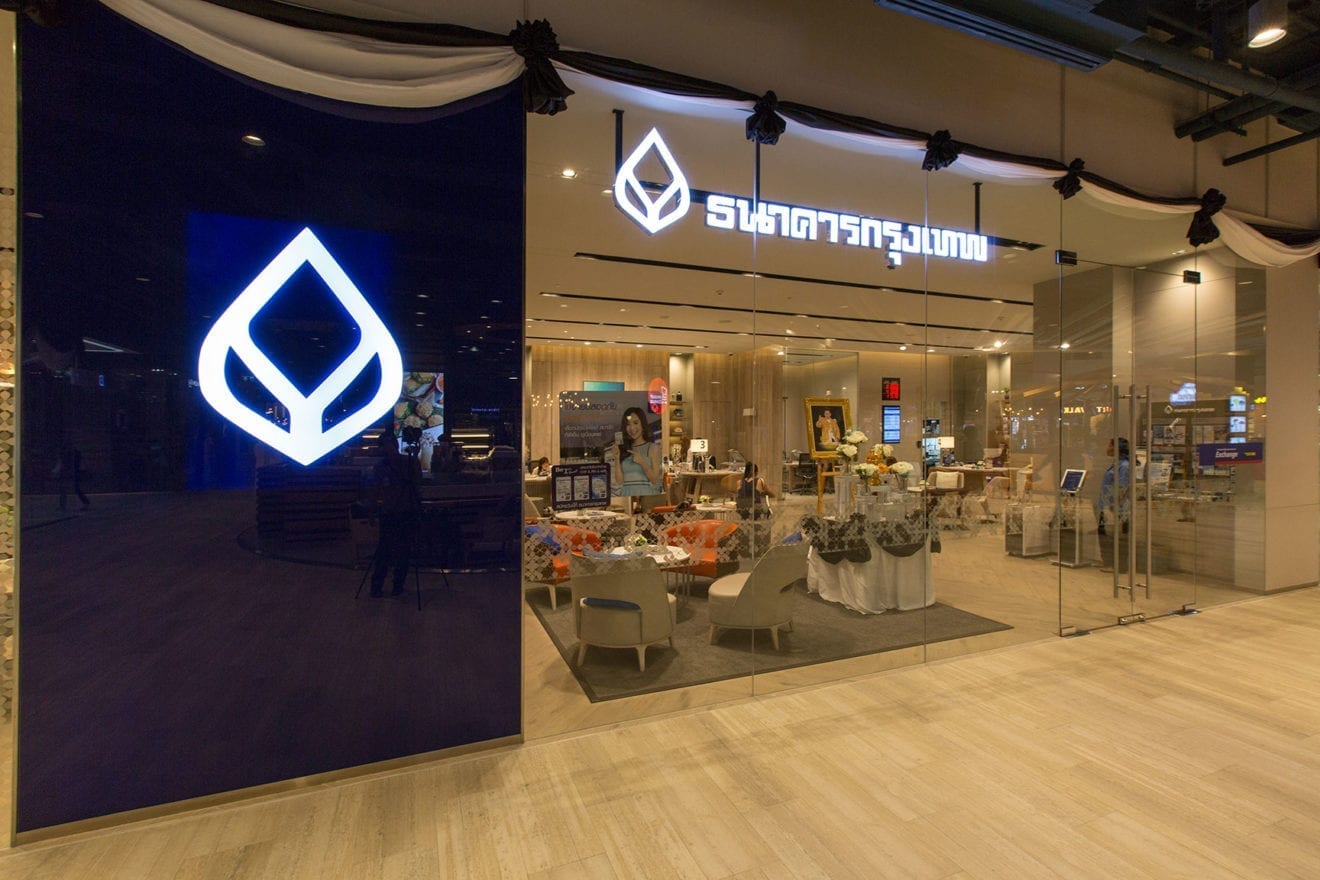
  • Bangkok Bank Set to Fall Short of 2025 Net Interest Margin Goals: What This Means for Investors

    Bangkok Bank Set to Fall Short of 2025 Net Interest Margin Goals: What This Means for Investors

    Bangkok Bank is bracing for a challenging financial landscape as it navigates potential interest rate cuts in the latter half of 2025. According to a recent report by UOB Kay Hian, the esteemed Thai bank is expected to fall short of its target net interest margin (NIM) as it faces the prospect of two rate reductions: a 25 basis point cut in October and another in December.

    A Daring Forecast Amid Rate Cuts

    While Bangkok Bank is forecasting that the December cut will hold its NIM steady above 2.8%, UOBKH analysts predict a dip, projecting the ratio to settle at approximately 2.7% by year-end. For context, the NIM reflects the net interest income from loans after accounting for interest paid to depositors, a crucial metric for banks in assessing profitability.

    A Mixed Bag of Earnings Results

    In its latest financial report, the bank announced a flat year-on-year earnings result for Q2 2025, logging THB11.8 billion—a figure that was also down by 6% compared to the previous quarter. Surprisingly, this outcome beat UOBKH’s estimates, offering a glimmer of hope amid the forecasted challenges. Corporate loans stood as the sole bright spot in an otherwise stagnant loan growth landscape, revealing a complex interplay of sectors within Bangkok Bank’s operations.

    Non-Interest Income Shows Resilience

    On a more upbeat note, the bank’s non-interest income surged by 22% year-on-year to THB12.7 billion. However, it did experience an 8% decline quarter-on-quarter, illustrating the pressure on various income streams. Adding to the caution, credit costs and the nonperforming loan (NPL) ratio registered an uptick in the second quarter, compelling Bangkok Bank to set aside THB10.7 billion in provisions.

    Looking Ahead With Caution

    UOBKH analyst Thanawat Thangchadakorn expressed a cautious outlook on the rising NPL trend, suggesting it might mirror last year’s patterns. Although Bangkok Bank maintains its credit cost target at 1% for 2025, it acknowledges the possibility of exceeding this level, estimating a year-end credit cost of approximately 137 basis points. As the bank charts its course through an uncertain financial environment, all eyes will be on its ability to adapt and navigate these impending challenges.

    Questions & Answers

    What interest rate cuts is Bangkok Bank anticipating for late 2025?
    Bangkok Bank is expecting two rate cuts in the final months of 2025, specifically a 25 basis point cut in October and another in December.

    How did Bangkok Bank’s earnings perform in Q2 2025 compared to expectations?
    The bank reported a flat earnings outcome of THB11.8 billion for Q2 2025, surpassing UOBKH’s estimates despite being 6% lower than the previous quarter.

    What challenges is Bangkok Bank facing regarding its nonperforming loans?
    Bangkok Bank is experiencing an increase in nonperforming loans, prompting it to set aside THB10.7 billion in provisions to address this issue, aligning with a trend seen in the previous year.

  • HSBC Global Private Banking Expands Teams to Elevate Services in Southeast Asia and Australia

    HSBC Global Private Banking Expands Teams to Elevate Services in Southeast Asia and Australia

    HSBC Global Private Banking (GPB) is making waves in Southeast Asia and Australia with exciting leadership changes designed to strengthen its client services. The firm has appointed Joanne Ng as the new desk head for its Singapore operations, a strategic move that signals its commitment to the region.

    A Dynamic Trio Takes the Helm

    Joanne Ng, a seasoned professional with 22 years of experience, transitions from OCBC Premier Private Client to lead a dedicated team of relationship managers focused on high-net-worth clients in Singapore. Her extensive background in the financial sector positions her well to elevate HSBC’s private banking offerings.

    Joining Ng in this leadership expansion is Tim Morse, who steps in as senior business development manager for HSBC GPB in Australia, set to begin in August 2025. With a wealth of experience from top-tier financial institutions like Citi, J.P. Morgan, and Deutsche Bank, Morse will be pivotal in fostering collaboration between HSBC’s onshore services and offshore private banking teams.

    New Faces in Private Banking

    Completing this dynamic trio is Tom Kinnear, appointed as a relationship manager to oversee operations in Australia and international markets. Kinnear will report directly to Kapil Khanna, contributing his expertise to enhance client relations across the board.

    Moreover, HSBC is not just focused on leadership in Singapore and Australia—there are also significant additions in Indonesia and Malaysia. Le Hong Sie joins as a senior relationship manager in Indonesia, bringing more than three decades of experience at HSBC. Her transition from Corporate and Institutional Banking to private banking coverage promises to enrich the firm’s offerings in the region.

    Leonard Eggert also steps into the Indonesia team as a relationship manager, having previously worked at KfW, while in Malaysia, Rayner Wong joins from Julius Baer and Samuel Chi Hao Kee makes the move from HSBC Premier, both taking on the role of relationship managers.

    With these strategic appointments, HSBC is clearly positioning itself to not only meet but anticipate the needs of its affluent clientele in a rapidly evolving market landscape. After all, who wouldn’t want a financial institution that knows you better than your favorite barista?

    Questions & Answers

    What experience does Joanne Ng bring to HSBC?
    Joanne Ng has 22 years of experience in the financial sector, most recently serving at OCBC Premier Private Client, and will lead a team focused on high-net-worth clients in Singapore.

    What role will Tim Morse play at HSBC GPB in Australia?
    Tim Morse is appointed as senior business development manager, responsible for fostering collaboration between HSBC’s onshore franchises and offshore private banking teams, starting in August 2025.

    Who are the new relationship managers joining HSBC in Indonesia?
    Le Hong Sie, with over 30 years of experience at HSBC, and Leonard Eggert, formerly of KfW, are the new additions to the relationship management team in Indonesia.

  • Switzerland’s Shocking $900,000 Bitcoin Bank Loss: What Happened?

    Switzerland’s Shocking $900,000 Bitcoin Bank Loss: What Happened?

    How Switzerland Lost a 900,000 Bitcoin Bank

    Once on track to be Switzerland’s first Bitcoin bank, Xapo, founded in Silicon Valley, has found a new home in Gibraltar after confronting regulatory challenges in the Swiss market. Now, as a fully licensed digital private bank, Xapo serves clients across the globe, with CEO Seamus Rocca shedding light on its journey during an exclusive interview with finews.com. Today, the only remnant of Xapo in Switzerland is a high-security vault nestled deep within the Gotthard Massif.

    Xapo began its journey in 2013, founded by Argentinian entrepreneur Wences Casares as a secure vault service for Bitcoin. Fueled by a vision that Bitcoin could stabilize global economies, Casares established ultra-secure cold storage solutions, including a vault set within a former army fortress high in the Swiss Alps.

    In 2015, the company moved its headquarters to Zug, Switzerland’s Crypto Valley, aiming to secure a banking license and bringing in former UBS and Barclays executive Olga Feldmeier to bolster its efforts.

    Regulatory Hurdles Derail the Swiss Dream

    However, the optimism surrounding a Swiss domicile quickly evaporated as the harsh reality of regulation set in. “Switzerland was promoting itself as crypto-friendly, but the reality was different when dealing with regulators,” remarked Rocca. Swiss authorities required servers to be located within the country and enforced a board structure that Rocca described as “going back in time,” highlighting how outdated these requirements felt amid a tech revolution reliant on global cloud setups.

    Simultaneously, regulatory tensions in the U.S. prompted Xapo to reassess its global aspirations. After selling its institutional custody segment to Coinbase in 2019, Rocca noted, “We decided to simplify our operational, regulatory, legal infrastructure.” This strategic retreat from both Switzerland and the U.S. was aimed at shielding clients from prohibitive regulatory costs. Rocca wryly mused that perhaps they should have kept that custody business given Coinbase’s subsequent fee hikes.

    Finding Solid Ground in Gibraltar

    In 2021, Xapo set its sights on Gibraltar, a jurisdiction that embraced blockchain businesses. Rocca characterized this pivot as establishing Gibraltar as “the new Switzerland—private banking in the realm of crypto.” Unlike its Swiss counterpart, Gibraltar’s regulatory environment allowed Xapo to maintain a global, remote-first structure—a necessity for a fintech-driven bank. “We’re more tech than fin,” Rocca declared, reinforcing the need for a more supportive jurisdiction.

    Today, Xapo boasts a full banking license and a distributed ledger technology license as a virtual asset service provider in Gibraltar. With a workforce of approximately 200 employees, it stands among the largest crypto-focused banks worldwide, paralleling Swiss entities Sygnum and Amina Bank, both granted banking licenses in 2019.

    Retail Focus: A Unique Approach

    What sets Xapo apart, however, is its distinct business strategy. Aimed entirely at retail clients, it operates much like a traditional private bank but with a focus on cryptocurrency holders. New members are charged a $1,000 onboarding fee—a conscious decision to attract serious investors. “If that fee feels expensive, you probably don’t have enough bitcoin,” Rocca quipped, setting a tone for their exclusive clientele.

    Clients enjoy a suite of banking products including deposit accounts, payment cards, savings, loans, and investment options—all incorporated under Bitcoin’s umbrella. Imagine holding a U.S. dollar account with an IBAN for wire transfers, while simultaneously storing bitcoins securely within Xapo’s vault and earning interest. Rocca emphasizes that clients can engage with Bitcoin just as they would with traditional currencies.

    Innovative Offerings: Bridging the Old and New

    Clients of Xapo can use a debit card linked to USD accounts, creating a seamless experience that converts Bitcoin into dollars at the point of sale. Rocca explains, “Every time you use your card on Bitcoin, we buy the Bitcoin off you, sell it into dollars, and settle with the merchant.” So, while merchants may see dollars only, clients are utilizing their Bitcoin balance.

    Looking Ahead: New Financial Products on the Horizon

    Xapo’s Bitcoin savings account allows users to earn interest by depositing BTC, functioning as a fund generating yield, all while providing users with a straightforward interest-bearing experience. The bank also offers bitcoin-backed loans, letting clients leverage their BTC as collateral while ensuring it remains securely housed within its vault. Rocca noted that this approach secures clients’ assets, invoking images of the Swiss mountains where they are stored.

    Excitingly, Xapo is integrating the Bitcoin Lightning Network for expedited transactions, with plans to introduce new features—one being the capability for clients to invest in stock indices using Bitcoin. “We’re going to allow you to buy stocks in the S&P 500 with Bitcoin,” Rocca revealed.

    Exclusive Clientele: A Strategy for Stability

    All of these products come via a user-friendly app that merges the elegance of private banking with the convenience of fintech. Rocca explains their mission of recreating traditional banking functions for Bitcoin users, emphasizing that “we’re not in the mass market; we’re in the premium banking business, pretty much like a Swiss private bank.”

    Assets Under Management: An Impressive Track Record

    Xapo’s assets have reportedly peaked at around 900,000 bitcoins, nearing 90 billion francs at current valuations, before the company chose to reshape its business strategy. Rocca noted an intention to sustain profitability, sharing that the bank experienced its first profit in 2023. Unlike Sygnum and Amina, focusing on institutional clients, Xapo’s gamble lies in appealing to high-net-worth individuals, particularly in regions where local banking systems may inspire distrust.

    The Future: Navigating Regulatory Waters

    The evolution of Xapo illustrates the importance of regulatory arbitrage within the crypto finance sector. Gibraltar’s adaptive regulations stand in stark contrast to the stifling environment Xapo left behind in both Switzerland and the U.S. Rocca observes an emerging trend where the U.S. appears more crypto-friendly as European markets become increasingly cautious, “We never quite seem to strike that balance where the main economic superpowers are all aligned.”

    Revisiting the U.S. Market

    This uneven landscape explains why Xapo still abstains from onboarding U.S. clients but remains open to reconsideration. Rocca has hinted at potential plans for a U.S. presence, gauging the viability of re-entering the market if conditions become favorable.

    Security Meets Innovation: A Unique Proposition

    While Xapo has shifted its headquarters, it retains its Swiss vault—an impenetrable fortress shielded by thick granite and biometric security. By fusing legendary Swiss security with the flexibility of modern fintech, Xapo offers clients both safety and cutting-edge banking functionalities. As the crypto industry experiences another wave of optimism, fueled by rising Bitcoin prices, Rocca remains vigilant, aware that “winter will come again.”

    Forecasting the Future: Cycles of Change

    “If you’re in the Bitcoin space, we’re riding high,” Rocca reflects. However, acknowledging the cyclical nature of Bitcoin, he speculates that the current bullish market might carry through to 2025 before potentially facing a downturn. The eventual “crypto winter” may arrive, and his insight encourages investors to stay informed. In the meantime, Xapo continues to ride this wave, navigating the ever-shifting sands of the crypto landscape.

    Questions & Answers

    What prompted Xapo to move its operations from Switzerland to Gibraltar?
    Xapo faced stringent regulatory requirements in Switzerland that stifled its growth and operational flexibility, whereas Gibraltar offered a more accommodating environment.

    How does Xapo differentiate itself in the competitive crypto banking market?
    Xapo focuses entirely on retail clients, providing traditional private banking services tailored for Bitcoin holders, unlike many peers targeting institutional clients.

    What future plans does Xapo have regarding its operations in the U.S.?
    Xapo is currently assessing the possibility of re-entering the U.S. market, evaluating regulatory conditions to determine if it makes sense to onboard American clients again.
  • Techcombank Reports 1.48% Drop in H1 2025 Profit, Reaching $472.75 Million

    Techcombank Reports 1.48% Drop in H1 2025 Profit, Reaching $472.75 Million

    In a financial landscape marked by challenges, Vietnam Technological and Commercial Joint Stock Bank (Techcombank) has unveiled a profit after tax of $472.75 million (VND12.36 trillion) for the first half of 2025. This figure represents a modest decline of 1.48% compared to the approximately $480 million (VND12.55 trillion) reported during the same timeframe last year.

    Operating Income Experiences a Dip

    Techcombank’s total operating income took a downturn in H1 2025, amounting to $931.34 million (VND24.35 trillion), down from VND25.68 trillion in H1 2024. Despite the overall income decline, the bank observed a small silver lining as net interest margin (NIM) edged upward to 3.8% by the end of Q2 2025, compared to 3.7% in Q1, even as net interest income (NII) fell to $665.51 million (VND17.4 trillion), a 3% year-on-year decrease.

    Net fee income also slipped, totaling $210.37 million (VND5.5 trillion), a 5.4% decline from last year, primarily due to lower earnings from letters of credit, remittances, and card fees. However, a standout performer was the investment banking sector, where fees surged by 30.2% year-on-year to reach $89.11 million (VND2.33 trillion), bolstered by a strong issuance in previous quarters.

    The second quarter of 2025 painted a more vibrant picture for Techcombank. Investment banking fees alone rose to $53.93 million (VND1.41 trillion), marking a remarkable 35.5% year-on-year increase and a 53.3% surge compared to Q1. This uptick was spurred by robust activity across multiple business lines, including brokerage and agency management, margin lending, and bond underwriting.

    Teetering Trade Activities

    In contrast, earnings from letters of credit, remittances, and cash settlements plummeted by 40.6% year-on-year to $49.72 million (VND1.3 trillion), attributed to changes in accounting treatment and subdued customer demand. Nonetheless, these figures saw an 11.4% improvement from Q1, thanks to a newly adopted trade financing solution known as ‘LC purchase without recourse.’

    Card Income Declines, But QR Code Dominance Shines

    Card-related income fell sharply by 24.7% year-on-year to $29.43 million (VND769.4 billion). Techcombank noted this decline aligns with a broader industry trend toward alternative payment methods like QR codes. Indeed, the bank proudly claims the top market position for QR code transactions in H1 2025, as reported by VietQR.

    A Flourishing FX Segment

    On a brighter note, foreign exchange sales skyrocketed by 57.7% year-on-year, reaching $22.34 million (VND584 billion). This growth indicates a notable shift in consumer and business behavior towards FX trading.

    Questions & Answers

    What contributed to Techcombank’s profit decline in H1 2025?
    The bank reported a 1.48% decrease in profit mainly due to lower total operating income and a decline in net fee income, particularly from letters of credit and card fees.

    How did investment banking perform for Techcombank in this period?
    Investment banking fees saw significant growth, rising by 30.2% year-on-year to $89.11 million, driven by increased activity in several business lines.

    What payment trend is Techcombank capitalizing on?
    The bank is leading the market in QR code transactions, reflecting a broader industry shift away from traditional debit cards towards modern payment methods.

  • E-commerce Surge Fuels Expansion in Taiwan’s Credit Card Payments Market

    E-commerce Surge Fuels Expansion in Taiwan’s Credit Card Payments Market

    Taiwan’s credit card payments sector is on the brink of substantial growth, projected to see an impressive 7% increase by 2025, reaching a staggering $156.2 billion (TWD 5 trillion), as evidenced by findings from GlobalData. This upward trajectory is propelled by an insatiable appetite for cashless transactions, a booming e-commerce landscape, and the rising adoption of contactless technology.

    The trend is already apparent, with credit card transaction values surging by 19.9% in 2023, followed by a robust 11.9% increase in 2024, pushing the total to $145.9 billion (TWD 4.7 trillion). Surprisingly, despite global economic instability and the looming specter of U.S. tariffs, credit card popularity shows no signs of waning.

    “While debit cards dominate in terms of sheer numbers, consumers still prefer credit cards for payments,” noted Ravi Sharma, Lead Banking and Payments Analyst at GlobalData. “In 2025, the average number of transactions per card will hit 66.1, while debit cards lag behind with only 5.2.”

    This dramatic shift is attributed to several factors: a burgeoning middle class, a dynamic young workforce, enhancing payment infrastructure, and the escalating trend of e-commerce and contactless payments.

    Remarkably, credit cards accounted for 93.1% of total payment card transaction values in 2024. Major financial institutions are cashing in on this trend, with banks like Taipei Fubon Bank offering enticing installment plans, including a six-month interest-free option on select purchases. The digital marketplace plays a pivotal role here, with online transactions representing a noteworthy one-third of all credit card activity.

    Innovative partnerships are also making their mark; for instance, Cathay United Bank has teamed up with the online platform Shopee to create a co-branded credit card that rewards purchases with Shopee’s Shrimp Coins—who knew shopping could come with its own little treasure hunt?

    Public transport initiatives are aligning with this growth momentum too. In November 2023, Metro Taipei collaborated with Thales Group and MiTAC to roll out contactless payment options leveraging both cards and digital wallets, making travel smoother for the cashless commuter.

    Looking ahead, GlobalData anticipates continued expansion in this market, projecting a reach of $211.3 billion (TWD 6.8 trillion) by 2029, achieving a remarkable CAGR of 7.8% amid evolving consumer preferences and technological advancements.

    Questions & Answers

    What factors are driving the growth of credit card transactions in Taiwan?
    The growth is fueled by rising consumer demand for cashless payments, a burgeoning middle class, enhanced payment infrastructure, and the boom in e-commerce and contactless technology.

    How significant are online transactions within the credit card market?
    Online transactions now account for one-third of total credit card transaction value, underscoring the vital role of e-commerce in driving credit card usage.

    What innovative partnerships have emerged in Taiwan’s credit card market?
    A notable collaboration is between Cathay United Bank and Shopee, which has introduced a co-branded credit card that rewards consumers with Shrimp Coins for purchases, adding an engaging twist to the shopping experience.

  • F&F Engages Goldman Sachs For Potential Acquisition Of Taylormade Amid Legal Tensions

    F&F Engages Goldman Sachs For Potential Acquisition Of Taylormade Amid Legal Tensions

    South Korean apparel company F&F Co announced on Monday that it had engaged Goldman Sachs as its advisor on the prospective purchase of TaylorMade. The company also stated that it would pursue legal action if the current owner of TaylorMade proceeds with an independent sale process.

    The Context of the Acquisition

    Earlier this year, Centroid Investment Partners, a private equity firm headquartered in Seoul, initiated a sales process for TaylorMade, which it had acquired in 2021. The company, based in Carlsbad, California, could potentially be sold for as much as $3.5 billion, according to those familiar with the transaction.

    F&F Co was a pivotal player in the 2021 acquisition of TaylorMade, participating as a strategic investor. As the most significant investor, F&F secured written Consent Rights over major business decisions, which included borrowing, key management decisions, and sales of equity. However, F&F has not approved Centroid’s current attempt to sell TaylorMade, and it views this action as a considerable violation of its contractual consent rights.

    Despite the potential acquisition, F&F stated that it is fully prepared to use all available legal and contractual measures to hold Centroid accountable for any violations. The company is carefully preparing to exercise its Right of First Refusal (ROFR) if necessary, to ensure alignment with its original investment thesis.

    Investment Breakdown

    F&F’s investment in the acquisition of TaylorMade by Centroid was substantial, contributing 358 billion won ($258 million) of a total subordinated equity investment of 619.2 billion won. This made F&F the primary equity investor as a limited partner (LP).

    Additionally, F&F contributed 195.7 billion won to a mezzanine investment of 471.5 billion won. The fashion company had already expressed its intent to acquire TaylorMade last month, explaining that its significant investment in TaylorMade in 2021 was made with the ultimate aim of acquiring the company.

    Centroid’s Sale Process

    According to insiders, Centroid’s advisors have sent confidential memoranda and process letters concerning the sale of TaylorMade to potential buyers. However, no official process has been initiated yet. Responding to a request for comment, Centroid confirmed it was in the process of selling TaylorMade to maximize its LPs’ return on investment.

    In the private equity sector, a GP, or General Partner, refers to the manager of a fund who is responsible for making investment and operational decisions. In contrast, LPs, or Limited Partners, are investors in the fund who usually have a passive role in individual deals. F&F is an LP investor in a fund managed by Centroid as the GP.

    Centroid confirmed that F&F holds the right of first refusal, which it guarantees. However, it pointed out that this right does not preclude a sale process from occurring.

    TaylorMade Overview

    Established in 1979, TaylorMade produces golf clubs, balls, and other golf-related accessories. The company has offices in Canada, China, Japan, South Korea, and Australia, in addition to its U.S. base.

    Questions & Answers

    What is F&F Co’s role in TaylorMade’s acquisition?
    F&F Co participated as a strategic investor in the 2021 acquisition of TaylorMade and is the largest equity investor as a limited partner (LP).

    What are the potential legal actions that F&F Co might take?
    F&F Co stated that it is fully prepared to use all available legal and contractual measures to hold Centroid accountable for any violations of its contractual consent rights.

    What is the right of first refusal that F&F Co holds?
    The right of first refusal allows F&F Co to decide whether or not to match the terms of a sale determined through the auction process.

  • China Everbright Bank Faces Rising Threat from New Bad Loan Formation

    China Everbright Bank Faces Rising Threat from New Bad Loan Formation

    China Everbright Bank (CEB) is navigating a complex landscape, facing the challenge of potential new nonperforming loans (NPLs), but recent assessments indicate that its financial health remains robust. According to Moody’s Ratings, the bank has built adequate buffers, with reserves covering a formidable 174.4% of its NPLs, ensuring a steady foundation as it maneuvers through changing economic tides.

    As the country transitions economically, CEB grapples with unseasoned risks, particularly in financing that shift along with evolving nonlending credit challenges stemming from its investment portfolio. Despite these hurdles, Moody’s analysis suggests that CEB can maintain its asset quality, capitalisation, profitability, and liquidity in the upcoming 12 to 18 months.

    Shifts in Loan Growth Trends

    In recent months, overall loan growth has experienced a slowdown, dropping to 3.9% in 2024 from 6% the previous year. However, the bank has seen a notable surge in specific areas, with green loans skyrocketing by 41% and inclusive financing loans rising by 15%. This shift highlights a pivot towards sustainable and responsible banking, setting the stage for a future where eco-conscious lending becomes a norm—perhaps enough to make even Mother Nature smile.

    Moody’s forecast remains optimistic regarding the bank’s asset quality over the next year and a half. Their analysis attributes this stability to CEB’s measured growth strategy and the significant buffers it has established in anticipation of market fluctuations. As of March 31, 2025, the NPL ratio has held steady at 1.25%, marking four consecutive years of stability.

    Robust Capitalisation Prospects

    Looking ahead, CEB’s capitalisation is projected to remain sufficient through 2026, bolstered by subdued asset growth. With profitability, gauged by return on average assets (ROAA), anticipated to stabilize around 0.6% over the next 12 to 18 months, the bank appears to be on solid ground. While a narrowing net interest margin (NIM) could pose challenges, the decline in deposit costs is likely to alleviate some pressure, supporting net interest income, which currently constitutes 71.3% of total revenues.

    Questions & Answers

    What is the current status of China Everbright Bank’s nonperforming loans?
    China Everbright Bank has reserves that cover 174.4% of its nonperforming loans, and the NPL ratio has remained stable at 1.25% for the past four years.

    How has loan growth changed at CEB recently?
    Overall loan growth has slowed to 3.9% in 2024 from 6% in 2023, but green loans and inclusive financing loans have seen significant increases of 41% and 15%, respectively.

    What does Moody’s predict for CEB’s financial stability moving forward?
    Moody’s expects that CEB will maintain adequate asset quality, capitalisation, profitability, and liquidity over the next 12 to 18 months, aided by a careful growth strategy and existing financial buffers.

  • Indonesia’s Consumer Loan Growth Faces Headwinds as Banks Reinforce Risk Management Strategies

    Indonesia’s Consumer Loan Growth Faces Headwinds as Banks Reinforce Risk Management Strategies

    As Indonesia moves into the second half of 2025, the outlook for consumer loan growth appears to be weakening. A recent report from CGS International emphasizes that banks are tightening their lending practices, which could spell trouble for borrowers seeking loans. Stakeholders are taking note as rejection rates for applications rise and down payment requirements for auto loans increase.

    Banking Sector Tightens Lending Practices

    According to CGS International, raw data from their on-the-ground checks reveals a noticeable tightening in risk parameters across banks. “We have also seen consecutive increases in mortgage rates from Bank Central Asia (BBCA), the market leader in consumer loans, over the past few months since end-FY2024,” noted analysts Handy Noverdanius, Owen Tjandra, and Elizabeth Noviana. When a bank as influential as BBCA adjusts its rates, it’s usually a signal that something larger is at play in the economy.

    Non-Performing Loans on the Rise

    The issue of non-performing loans (NPLs) is becoming increasingly pressing. CGS International reports that NPLs for consumer loans have crept up since 2024, with Q1 2025 figures showing an increase to 2.08%. This marks a rise of 28 basis points compared to Q1 2024 and a 19 basis points uptick year-to-date. Disturbingly, mortgage NPLs are experiencing an even sharp uptick, reaching their highest levels since October 2020, which calls into question the stability of this segment.

    In the broader banking landscape, a similar trend is evident among major banks, albeit at a lower magnitude, with an increase of 22 basis points year-on-year and 14 basis points year-to-date as of Q1 2025. CGS International attributes this to soft macroeconomic conditions, fueling fears of a knock-on effect within the consumer loan sector.

    Future Implications for Consumer Loans

    The analysts forecast a lag of 6 to 12 months for the repercussions of rising NPLs to fully express themselves, potentially constraining growth in consumer loan segments significantly. As the landscape evolves, growth in consumer loans was recorded at 1.9% year-to-date and 8.7% year-on-year as of May 2025. However, as lending conditions tighten, these figures could soon morph from optimistic to fraught with caution, making the future of consumer spending on borrowed money in Indonesia uncertain.

    Questions & Answers

    What key changes in lending practices have been observed by CGS International?
    CGS International has noted a tightening of risk parameters among banks, leading to increased rejection rates for loan applications and higher down payment requirements for auto loans.

    How are non-performing loans affecting the consumer loan market in Indonesia?
    Non-performing loans in the consumer segment have risen to 2.08% as of Q1 2025, with mortgage NPLs experiencing significant increases, reaching levels not seen since October 2020.

    What are the projections for consumer loan growth moving forward?
    Analysts estimate that the impact of rising NPLs will cause a slowdown in consumer loan growth over the next 6 to 12 months, with current growth rates at 1.9% year-to-date and 8.7% year-on-year as of May 2025.

  • UBS Clients Explore Legal Action to Amplify Their Demands for Change

    UBS Clients Explore Legal Action to Amplify Their Demands for Change

    In the wake of UBS’s goodwill settlements with select clients affected by losses on dollar derivatives, a wave of discontent is surging among other investors, leading some to consider legal action. The Financial Times recently reported that UBS has made goodwill payments to a subset of these clients, yet many are finding the resolution far from satisfactory, as highlighted in a report from the NZZ.

    Sources indicate that a few hundred clients in Switzerland have been impacted, with negotiations still underway for additional goodwill payments. Yet, as frustrations mount, several are moving toward legal recourse. The Zurich public prosecutor has acknowledged receiving criminal complaints citing violations of the Unfair Competition Act, and these are currently under preliminary review. Simultaneously, three law firms are gearing up to file civil lawsuits against the bank.

    A Case of Unfinished Business

    Attorney Dominik Elmiger from the law firm Lalive, representing several disgruntled UBS clients, asserts, “The bank is acting as if the matter is nearly resolved, when in fact it is just beginning.” Many of the clients seeking recourse are elderly investors, staring down the barrel of significant losses that could run into millions of dollars if they are forced to sell their financial instruments without proper compensation. Alarmingly, these clients have yet to receive any settlement offers from UBS, prompting fears they might be left high and dry.

    Pressure Builds for UBS

    This environment of rising tension has led clients to escalate their response legally. The very threat of litigation could compel UBS to revisit its negotiating stance. Elmiger explains, “If UBS’s negotiations with clients are not successful, the clients will have to pursue the matter in court.” At the heart of the complaints is the allegation that UBS and its advisors did not sufficiently inform clients about the inherent risks associated with loss and margin calls tied to these products.

    Questions & Answers

    What prompted UBS clients to seek legal action?
    Frustrated by unsatisfactory goodwill settlements, several clients affected by losses on dollar derivatives are now preparing to initiate legal proceedings against UBS.

    How many clients in Switzerland are impacted by the situation?
    Reports indicate that a few hundred clients in Switzerland have been affected, with ongoing negotiations for additional goodwill payments.

    What are the primary allegations against UBS?
    Clients claim that UBS and its advisors failed to adequately inform them about the risks associated with loss and margin calls linked to their financial products.

  • Revolut Challenges Swiss Banks with New Euro Accounts Tailored for SMEs

    Revolut Challenges Swiss Banks with New Euro Accounts Tailored for SMEs

    Revolut Business is stepping up its game in Switzerland, unveiling a suite of new financial features aimed squarely at small and medium-sized enterprises (SMEs). Effective immediately, Swiss companies can access euro-denominated savings accounts offering an attractive annual interest rate of up to 1.75 percent. These accounts come with the flexibility of daily payouts, no minimum deposit, and the freedom of free withdrawals anytime.

    But that’s not all. Revolut is also introducing support for QR-bill payments, a popular invoicing standard in Switzerland. In the near future, the neobank plans to roll out forward foreign exchange contracts, enhancing its appeal to businesses navigating the complexities of international trade.

    Seizing on Rising Demand

    The latest innovations are a direct response to the surging demand from SMEs. Revolut has reported an impressive 76 percent annual increase in business client deposits, alongside a staggering 123 percent uptick in monthly transactions. Such growth indicates that Swiss SMEs are eager for modern banking solutions that accommodate their dynamic needs.

    This rollout builds on Revolut’s current offerings, which include virtual IBANs and investment solutions tied to money markets. The anticipated forward contracts promise to equip companies with effective tools for hedging against currency risks, a service historically dominated by larger firms.

    Ambitious Plans for Expansion

    James Gibson, head of Revolut Business, hinted at the company’s ambitious expansion plans in Switzerland during a recent interview. He identified the Swiss SME sector as ripe for disruption with digital-first banking solutions. Gibson also mentioned that Revolut is actively considering the introduction of physical point-of-sale payment terminals, a move that would further broaden its service portfolio in the region.

    Globally, Revolut boasts over 60 million personal accounts and several hundred thousand corporate customers. Within Switzerland alone, the company claims to have over 1 million personal users and thousands of businesses tapping into its innovative offerings, proving that they are indeed shaking up the banking landscape.

    Questions & Answers

    What new features is Revolut introducing for Swiss SMEs?
    Revolut is launching interest-bearing euro-denominated savings accounts with an attractive 1.75 percent annual interest rate and support for QR-bill payments. Forward foreign exchange contracts are also set to follow soon.

    How significant is the demand for Revolut’s services from SMEs in Switzerland?
    The demand is substantial, as revealed by a 76 percent year-on-year rise in business client deposits and a 123 percent growth in monthly transactions.

    What are Revolut’s broader plans for expansion in Switzerland?
    James Gibson indicated that Revolut is looking into offering additional payment tools, such as physical point-of-sale terminals, further enhancing its digital-first approach to banking for Swiss SMEs.

  • Bank of America Unveils New Leadership for Global Payments Solutions across APAC Region

    Bank of America Unveils New Leadership for Global Payments Solutions across APAC Region

    Bank of America’s (BofA) Global Payments Solutions (GPS) is ramping up its game in the Asia Pacific region with the recent appointment of three key leaders. Lin Guo has taken the reins as the head of GPS China, while Kitty Yen has been designated head of GPS Taiwan.

    In addition to her new position, Lin will continue her oversight of GPS corporate sales for China and Hong Kong, along with her role as deputy branch manager in Beijing. With a career at BofA that began in 2013, Lin boasts over 20 years of comprehensive experience in the financial services sector, including sales, client coverage, and management.

    Meanwhile, Kitty Yen, who joined BofA in 2012, will maintain her leadership of GPS corporate sales for Taiwan. Her impressive nearly 30 years of experience spans treasury sales and corporate banking, reinforcing her capacity to steer the firm’s ambitions in her new role.

    Both Lin and Kitty will report to Aziz Parvez, head of GPS Asia Pacific Corporate Sales, as well as to Winnie Chen, head of GPS APAC. They will also connect with their respective local management teams as they join the GPS Asia Pacific Senior Leadership Team.

    In another significant move, Olivia Anceau has been appointed the head of GPS Asia Pacific Specialized Product Sales (SPS). Based in Singapore, Anceau is expected to shape BofA’s strategy across various pivotal domains, including trade, card, core cash, sales readiness, bid management, and advisory services.

    With over 20 years in the financial services arena, Anceau previously held a position at Citi Commercial Bank, where he focused on cash and trade, as well as corporate and commercial banking. He will report to Galen Robbins and Tracy Stover, co-heads of GPS Specialized Product Sales, and to Winnie Chen.

    As the old adage goes, “A smooth sea never made a skilled sailor”—and with these appointments, it appears BofA is ready to navigate the fluctuating waters of Asia’s financial markets.

    Questions & Answers

    What roles have Lin Guo and Kitty Yen been appointed to at BofA?
    Lin Guo has been named head of GPS China, while Kitty Yen has been appointed head of GPS Taiwan.

    What experience do Lin Guo and Kitty Yen bring to their new positions?
    Lin Guo has over 20 years of experience in financial services, including roles in sales and management, while Kitty Yen brings nearly 30 years of experience in treasury sales and corporate banking.

    Who did Olivia Anceau replace at BofA, and what will his focus be?
    Olivia Anceau has been appointed head of GPS Asia Pacific Specialized Product Sales, where he will concentrate on strategy across trade, core cash, and advisory services.

  • Vietnam Gold Prices Dip as Global Markets Shine Brightly

    Vietnam Gold Prices Dip as Global Markets Shine Brightly

    Vietnam’s gold bar prices experienced a decline on Wednesday morning, even as global bullion rates showed an uptick.

    Local Prices Dip Despite Global Gains

    In Vietnam, the price for gold bars from the Saigon Jewelry Company fell by 0.41%, settling at VND120.6 million (approximately US$4,609.21) per tael. Meanwhile, the price of gold rings also decreased by 0.34%, now priced at VND116.7 million per tael. For context, one tael equals 37.5 grams or 1.2 ounces, a measurement that continues to hold significance in the Asian market.

    Global Market Trends Spark Local Fluctuations

    Across the globe, gold prices saw gains, driven by the latest U.S. consumer price data and mounting anticipation around U.S. President Donald Trump’s trade policies. Spot gold was recorded at an increase of 0.4%, reaching $3,334.12 per ounce, while U.S. gold futures climbed 0.1% to $3,340.90.

    “Gold at this moment is consolidating with a slight downward bias, particularly due to a stronger dollar,” commented Brian Lan, managing director at GoldSilver Central in Singapore. The ongoing negotiations concerning tariffs have injected further uncertainty into the market, leading many investors to seek refuge in traditional safe havens, like gold.

    Gold’s Role in an Uncertain Economy

    Gold’s longstanding appeal as a safe haven in economically turbulent times is expected to persist, especially in low-interest-rate environments. It seems investors are willing to dance with volatility while keeping a close eye on market cues—because in the world of gold, just like in the casino, fortune favors the bold, or perhaps it favors those who are careful!

    Questions & Answers

    What caused the decline in Vietnam’s gold prices despite global increases?
    Local gold prices in Vietnam fell as investors reacted to domestic market fluctuations, even though global prices rose due to changes in U.S. consumer data and trade policy expectations.

    How much did spot gold increase globally on the same day?
    On Wednesday, spot gold rose by 0.4% to reach $3,334.12 per ounce, reflecting broader trends in the international market.

    Why do investors consider gold a safe haven?
    Gold tends to perform well during economic uncertainties and low-interest-rate conditions, making it a preferred asset for those looking to safeguard their investments from market volatility.

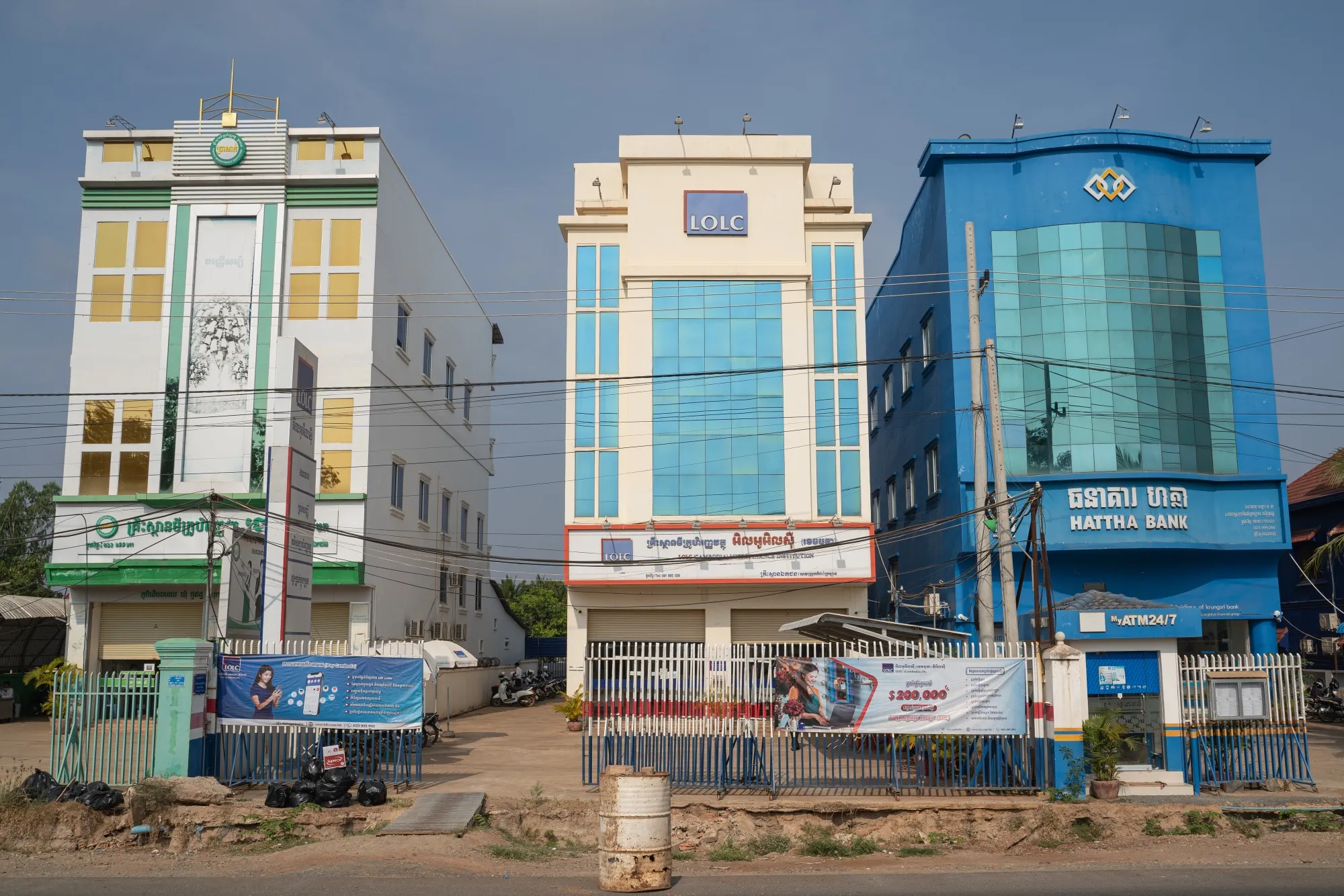
  • Cambodian Banks Struggle Amid Real Estate Challenges and Sluggish Tourism Recovery

    Cambodian Banks Struggle Amid Real Estate Challenges and Sluggish Tourism Recovery

    Cambodia’s banking sector faces a challenging landscape as non-performing loans (NPLs) are projected to surge to between 9.5% and 10% of outstanding loans by 2026. S&P Global Ratings highlights a sluggish recovery in tourism and ongoing pressures in the real estate market as major contributors to this downturn.

    Struggling Profitability Amid Growing NPLs

    As NPLs climb, banks will be required to increase their provisioning levels, keeping profitability grim, according to Ruchika Malhotra, a primary credit analyst at S&P Global Ratings. She estimates that profitability will stagnate at around 0.3% in 2025 and 2026—just a slight improvement over an already dismal 2024. It’s a bit like trying to put a shiny coat of paint on a rickety old house; the underlying issues are hard to miss.

    External Pressures Complicate Recovery

    Additionally, the banking sector is grappling with the fallout of tariffs and significant exposure to the construction and real estate industries, which have been under severe stress. “Cambodia’s sizeable manufacturing exports to the U.S.—accounting for one-third of total exports—could face steep tariff hikes. This uncertainty inevitably casts a shadow on the economy,” Malhotra explained.

    A Stubborn Property Market

    Malhotra anticipates continued pressure on property prices and sales, attributing this to a persistent mismatch between supply and demand. With banks heavily invested in the construction and real estate sector—representing one-fifth of their total loans—banks could find themselves in a precarious position. “The absence of swift court settlement processes means banks may be left with substantial real estate collateral after foreclosures, which constitutes a considerable portion of their loan collateral,” she noted.

    Regulatory Relief on the Horizon?

    Given the dismal profit margins, regulatory bodies may be inclined to extend support measures. Malhotra suggests that this could involve prolonging the current restructuring schemes for distressed borrowers, especially if NPL levels continue to rise. The central bank might even consider delaying the normalization of prudential measures to provide banks with a much-needed lifeline.

    Questions & Answers

    What are the predicted levels of non-performing loans in Cambodia’s banking sector by 2026?
    Non-performing loans are expected to rise to between 9.5% and 10% of outstanding loans by 2026, according to S&P Global Ratings.

    How is the Cambodian banking sector’s profitability projected to change over the next few years?
    Profits are expected to remain bleak, with estimates at only 0.3% in 2025 and 2026, indicating a minor improvement over 2024.

    What measures might regulators consider in response to the rising non-performing loans?
    Regulators may extend restructuring schemes for distressed borrowers and delay the implementation of new prudential measures to help banks manage their challenges.

  • Hyundai Card Leverages Data Insights to Propel Global Expansion Plans

    Hyundai Card Leverages Data Insights to Propel Global Expansion Plans

    Hyundai Card Co. Ltd., a pioneer in the South Korean fintech space, is steering its global ambitions with a sharp focus on data science, dedicating over 30% of its annual operating income to enhance its capabilities in this arena. The company is not just crunching numbers; it’s transforming them into actionable insights that predict and analyze customer spending patterns through advanced data structuring and artificial intelligence (AI).

    UNIVERSE: The Engine Behind Global Expansion

    At the heart of Hyundai Card’s international strategy is its innovative AI platform, UNIVERSE, which the company considers pivotal for its future growth. This powerful tool recently made waves in Japan by partnering with Sumitomo Mitsui Card Co. Ltd., a leading credit card issuer, following a six-month proof-of-concept trial that proved UNIVERSE’s mettle in a demanding market.

    UNIVERSE excels at tagging data into structured formats and employing AI to forecast consumer behavior — a function Sumitomo Mitsui Card plans to utilize across various operations, from credit assessments to fraud detection and merchant promotions. “Navigating the rigorous Japanese market has not only validated UNIVERSE but also paved the way for its expansion into additional territories,” commented Hyundai Card, emphasizing the platform’s potential to significantly bolster its global enterprise.

    Strategic Investments and Global Aspirations

    In a bid to fuel its global expansion, Hyundai Card is also pursuing credit ratings from major agencies including Fitch Ratings, S&P Global, and Moody’s Investors Service. Over the past decade, the company has poured more than $724 million (KRW1 trillion) into AI and data science initiatives, leading to a substantial increase in its workforce dedicated to these areas — from just 20 employees in 2015 to around 500 today, constituting a notable 25% of the overall staff.

    In 2023, Hyundai Card became the first in South Korea to launch Apple Pay, reaffirming its strong position in the mobile payments landscape alongside established giants like Europay, Mastercard, and Visa. It has also recently expanded its mobile payment services to Taiwan through a partnership with Line Pay.

    Dominance in South Korea’s Private Label Credit Market

    The company holds a commanding 78% share in South Korea’s private label credit card (PLCC) market, thanks to strategic alliances that enable it to offer co-branded services with major retailers such as Costco, Korean Air, Emart, and Olive Young. These partnerships have not just enhanced customer benefits but have also cemented Hyundai Card’s position as a leader in data utilization and collaborative marketing.

    With over 12 million cardholders, Hyundai Card is making significant strides in international markets. Its annual credit sales are projected to hit $120 billion in 2024, and overseas payment transactions have witnessed an impressive 32.6% year-on-year increase, reaching $2.4 billion.

    Questions & Answers

    What is Hyundai Card’s main strategy for global expansion?
    Hyundai Card is focusing on data science, allocating over 30% of its annual operating income to enhance its capabilities, particularly through its AI platform, UNIVERSE.

    How has Hyundai Card’s UNIVERSE platform been received in Japan?
    The UNIVERSE platform has been successfully adopted by Sumitomo Mitsui Card, one of Japan’s largest credit card companies, after passing a rigorous six-month proof-of-concept trial.

    What is Hyundai Card’s market position in South Korea’s private label credit card sector?
    Hyundai Card commands an impressive 78% share of the private label credit card market in South Korea, supported by strategic partnerships with major retailers.