Category: E-Tailing

Retail News Asia is committed to providing both local and global retailers with the latest E-Commerce & Etail news throughout the Asian market. This on a daily base.

  • Samsung Pay to power in-store purchases on Galaxy S6

    Samsung Pay to power in-store purchases on Galaxy S6

    Samsung Electronics Co. Ltd. has unveiled Samsung Pay, a mobile payment service that will enable MasterCard cardholders to use their Samsung Galaxy S6 for everyday in-store purchases.

    Owners of the new device will be able to use their MasterCard credit and debit cards from participating banks directly through Samsung Pay.

    It will work at both contactless-enabled and most traditional point of sale terminals. This means that every purchase made with a MasterCard using a Samsung Galaxy S6 will offer the enhanced security, benefits and guarantees of a digital MasterCard transaction, including the latest tokenization technology.

    “This is an exciting time for payments,” said Ed McLaughlin, chief emerging payments officer, MasterCard. “As consumers are increasingly relying on their mobile devices in their everyday lives, we are excited to work with an industry leader like Samsung to deliver new payment options to our cardholders around the world.

    Injong Rhee, Executive Vice President at Samsung Electronics, added that Samsung’s KNOX security platform and fingerprint authentication make Samsung Pay transactions highly secure and easy to use.

    Samsung Pay will first be made available for US consumers this summer. MasterCard will be working with Samsung to roll out Samsung Pay to additional global markets, including Korea.

  • Grana fashion expands across Asia

    Grana fashion expands across Asia

    An online store specialising in “high-quality fashion at disruptive prices” is expanding into three new Asian markets this year from its Hong Kong base.

    Grana is the creation of Australian Luke Grana, who was inspired by the high quality of tshirts he came across during a trip to Peru.

    “I came across the Peruvian Pima cotton, which is extra long staple cotton that is very soft and durable,” he told the Hong Kong Trade Development Council magazine in an interview.

    “It’s a higher grade cotton than others in the market. I gave these t-shirts to my friends when I returned home and they were amazed by the quality of the t-shirts. I thought that was a really great business proposition to specialise in top-notch fabrics.”

    From there he started searching for best quality sources for other fabrics.

    “There are many fashion brands that source products from mass distributors in China, but I wanted to do something different.

    “We choose our fabrics based on their stories. Our silk comes from Huzhou, China. Huzhou is the start of the Silk Road and has been producing the world’s finest silk for a long time. For our denim, we went to Japan, where they have a very strong denim culture. We are also doing linen from Ireland, a place where they originally started making it.”

    The site was developed with a unique business model in mind – in Grana’s own words “high-quality fashion at disruptive prices”.

    “Our business model is a little bit different; we deal directly with fabric mills instead of going through distributors or agents. Also, by operating online, we don’t have to pay rent. So when fashion retailers put in mark-ups along the way, our pricing is really simple: each of our shirts cost US$6, we retail that for US$12; jeans are US$20, we sell that for US$40. It’s a really honest and transparent pricing model and I think that’s what our, Generation Y customers prefer.”

    From its Hong Kong base, Grana is expanding into new markets. This year the brand will launch online in China, Europe, Japan, South Korea and Dubai. It will also expand its range into new apparel categories: Mongolian cashmere sweaters, Irish linen shirts, French poplin shirts and US twill chinos.

    Grana started small but the business has grown rapidly.

    “I started out by setting up a small warehouse in Kennedy Town and ordered our first batch of 2000 pieces of Peruvian Pima t-shirts. Within the first three weeks of sales, we sold out all our stock. We shipped t-shirts to more than eight countries and the shipping rates were good.

    “The quality of products we received was really high, proving the business model to our investors, including Hong Kong-based fashion retailer Bluebell Group. With the capital raised, we built a strong team and re-launched the business with a new website last October. We have really strong sales, recording up to 700 per cent increase each month, which is really exciting.

    “I arrived in Hong Kong in October 2013 and by June 2014 I had raised US$1million in capital. I think that’s just testament to the strength of Hong Kong in terms of building and funding a new business.”

    Pop-up stores have helped build brand awareness in Australia and Hong Kong.

    “They really attract attention and bring in new customers. All of our new orders come from customers from our pop-up stores. The repeat-order rate is high as well. Last year, we did one in Australia, and we made more than A$60,000 in sales.

    “This year, we are hosting a one-month store in Hong Kong, and we will also be doing one later in Singapore. In the second half of the year, we plan to start one in San Francisco. I think it’s a really great way to introduce the brand.”

    Grana says he chose Hong Kong for a business base over Singapore because of the tax free port status.

    “That’s brilliant for us because we ship a lot of products in and out of the warehouse. When compared to Australia and any other parts of the world, Hong Kong is very exciting. It’s a dynamic city and things can happen very quickly. There’s a lot of energy in Hong Kong, people get excited by new ideas, there’s a lot of capital to back ideas up.

  • Line adopts secure payment service

    Line adopts secure payment service

    Social media app Line has teamed up with CyberSource to enhance the security and convenience of it mobile payment service Line Pay.

    CyberSource, a subsidiary of Visa, is one of the world’s largest providers of eCommerce payment management services. The strategic partnership with Line Corporation will add payment and fraud management services for Line Pay.

    “Via CyberSource’s global payment gateway, Line will be able to process online payments from multiple card brands and issuers, as well as certain alternative payment methods,” the company said in a statement.

    “These solutions enable Line to advance their business globally in a scalable and secure manner.”

    Since Japanese company Line’s launch in 2011, the service has grown globally across 230 countries and regions. As Line Corporation’s core business platform, the app helped the company obtain an international presence by consistently rolling out and expanding services, integrating various social elements in its app features – including Line stickers, Line family apps, Line Game and Line camera. The mobile messaging service app had 181 million monthly active users as at January 2015.

    “With global smartphone penetration per capita expected to increase more than three times by 2017 from that in 2011, we recognise that there is great opportunity for growth in the mobile industry,” said Takeshi Idezawa, Line Corporation’s COO.

    “We are constantly looking to work with partners with an established worldwide presence and vast experience so we can provide quality service to today’s digitally-savvy consumers. With our entry into the mobile payments market, we are now able to empower our customers with more choices and flexibility in online payments. On top of that, we are also able to protect their interests with CyberSource’s payment security expertise. We strongly believe this will be pivotal in helping us accelerate our global growth.”

    In addition to global payment services, Line will also have access to secure payment acceptance and fraud management services via the CyberSource payment management platform. This means Line will be able to provide payment security, with users’ sensitive payment data residing in CyberSource’s secure data centers, as well as process a wider spectrum of payment methods.

  • Vietnam online shopping rises

    Vietnam online shopping rises

    Vietnamese may have been slower to adopt to online shopping than counterparts in other southeast Asian countries – but they are starting to catch up.

    Data released by the Vietnam eCommerce and Information Technology Agency (VECITA) shows Vietnam online shopping was worth US$2.97 billion in 2014 with each consumer spending an average of $145 during the year.

    Fashion and cosmetics accounted for 60 per cent of sales.

    While $3 billion may seem a lot, it amounted to just 2.12 per cent of the country’s gross retail sales. In China, online shopping now accounts for just over 10 per cent of the total retail market.

    One factor hindering Vietnam’s online retailing growth is the low penetration of credit cards. Two thirds of purchases are paid for in cash upon the delivery of the purchases.

    Other figures show about four in 10 of Vietnam’s 94 million population have access to the internet, with penetration far higher in major cities. More than 50 per cent of people using social networking also shop online.

    While major online portals like Lazada are building significant market share, a huge percentage of Vietnam online shopping is conducted informally via Facebook pages, Line and even WeChat. It is common for younger women, particularly, to bulk purchase clothes, handbags, cosmetics and accessories and market them to fan bases online in a way which is difficult for authorities to track or measure.

    The one shrinking sector online in Vietnam is group buying. VECITA said just 35 per cent of Vietnam’s online shoppers bought from group buying sites in 2014, down from 51 per cent in 2013.

    Regionally, Vietnam ranks above only Indonesia, where the online market was estimated at $2.6 billion last year.

  • Surfstitch sets sights on USD788m prize

    Surfstitch sets sights on USD788m prize

    Online surf and action sports retailer Surfstitch is on track to deliver its first profit in three years and is eyeing the sales and market share of bricks and mortar and online rivals as part of a five-year plan to lift sales fivefold to AUD1 billion (USD788.2 million).

    Surfstitch reaffirmed its full-year prospectus forecasts on Wednesday after record pre-Christmas trading and recent acquisitions fuelled a 23 percent surge in December-half sales and boosted gross margins by 236 points to 46.9 percent.

    Pro-forma earnings before interest, tax, depreciation and amortisation jumped 160 percent to AUD3 million and net profit excluding one-off costs came in at AUD300,000, compared with a loss of AUD1.4 million in the same period in 2014.

  • E-Commerce giant Rakuten trains SMEs in Indonesia

    E-Commerce giant Rakuten trains SMEs in Indonesia

    Rakuten Belanja Online, the local affiliate of Japanese e-commerce giant Rakuten, seeks to woo Indonesia’s small- and medium-sized enterprises by providing e-commerce courses as part of its growth strategy in Southeast Asia’s largest economy.

    Global e-commerce players such as Rakuten are eying Indonesia as a potential market, largely due to the rapid growth the country’s young and affluent middle class.

    The online shopping platform earlier this week officiated Southeast Asia’s first Rakuten University program, consisting of a series of courses the company offers to its merchants.

  • A new way for brands to boost sales with social media

    A new way for brands to boost sales with social media

    Have retailers been looking at social media all wrong?

    Often lost among the chatter about how brands can use these platforms to boost their sales is the inverse argument: How they can use social conversations to predict – and improve – revenue trends.

    A new study by Networked Insights, which monitors social conversations across networks including Twitter, YouTube and Reddit, found there’s a correlation between the way consumers talk about certain brand metrics, and a retailer’s same-store sales. The firm determines a brand’s health by gauging customer satisfaction, loyalty and advocacy across social media.

  • Visa Checkout to bring online payment convenience to 16 markets in 2015

    Visa Checkout to bring online payment convenience to 16 markets in 2015

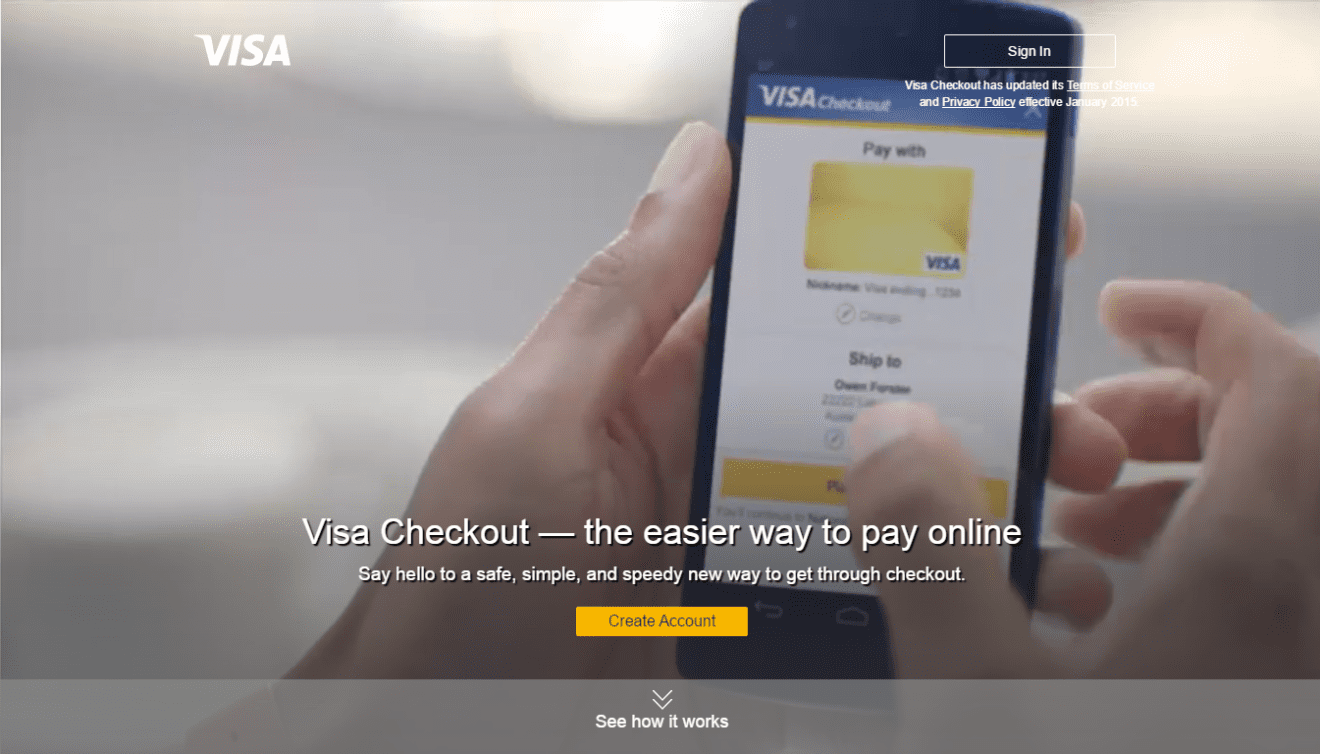
    Visa Checkout, which makes it easy for consumers to pay with their cards online and on any device, will become available in a total of 16 markets in 2015.

    The global expansion was driven by cross-border commerce enabled in markets like the US, Australia and Canada.

    Visa said in select markets, it will also begin to incorporate issuer, merchant, acquirer, and channel partnerships to support local e-commerce. It will also roll out localised Visa Checkout websites for many markets.

    To use the service, shoppers can store shipping and payment information in a secure account with Visa so they don’t have to re-enter your information every time they shop online.

    When they see the Visa Checkout button as a payment option, users can simply log into the account with username and password, and click a button to complete the purchase.

    Launched in July 2014, Visa Checkout is currently available in 10 countries but will soon be available in a total of 16 countries by yearend: the US, Australia, Canada, Argentina, Brazil, Chile, China, Colombia, Hong Kong, Peru, Malaysia, Mexico, New Zealand, Singapore, South Africa and the United Arab Emirates.

    “Consumers and merchants alike love its simplicity and ease, which is particularly important as people shop and buy more frequently on smaller devices like phones and tablets,” said Sam Shrauger, senior vice president of Digital Solutions at Visa.

  • Google Wallet partners up to battle Apple Pay

    Google Wallet partners up to battle Apple Pay

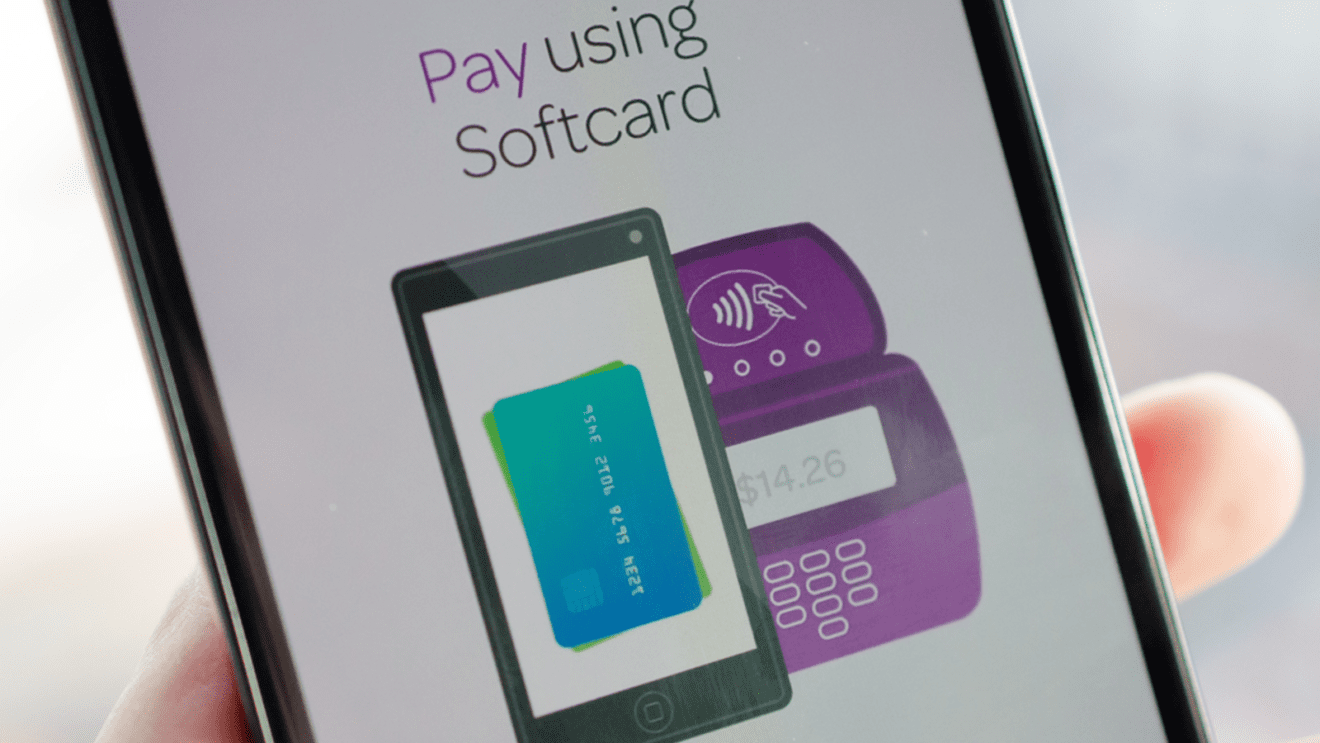
    Google said on Monday it was teaming up with the mobile phone payment firm Softcard to ramp up its efforts to counter Apple Pay in the emerging sector.

    The California tech giant announced Google Wallet would become a pre-installed “tap to pay” app on Android smartphones sold in the US market by AT&T, T-Mobile and Verizon, as part of the deal with the carriers’ mobile payments company Softcard.

    The aim is “to help more Android users get the benefits of tap and pay,” said Google Payments vice president Ariel Bardin.

    “We’re also acquiring some exciting technology and intellectual property from Softcard to make Google Wallet better.”

    The move gives Google and its large base of Android smartphones a stronger position to challenge Apple Pay, the mobile payments system introduced on the latest iPhones last year.

    A statement from Softcard — which was founded by the three carriers last year in a push for mobile payments — said the deal with Google would “bring together leading technologies to advance mobile wallets.”

    “For now, Softcard customers can continue to tap and pay with the app,” the statement said.

    “Today’s announcement is a positive step forward for the mobile payments industry and wireless consumers.”

    Bryan Yeager, analyst at the research firm eMarketer, said the deal “will help get Google Wallet in front of more potential users, but the mobile payments space in the US will continue to be competitive and fragmented for at least the next few years.”

    Yeager noted that Samsung’s announcement last week that it was buying digital wallet firm LoopPay “shows that deal activity doesn’t necessarily equate to market consolidation.”

    LoopPay technology is compatible with approximately 90 percent of retail terminals to let customers tap their phones for payment with registered credit cards, according to Samsung.

    LoopPay has been built into smartphone cases as well as into fobs, or dongles, and transmits credit card data using magnetic fields to point-of-sale terminals to effectuate transactions.

  • UnionPay, Travelex launch NiHao card

    UnionPay, Travelex launch NiHao card

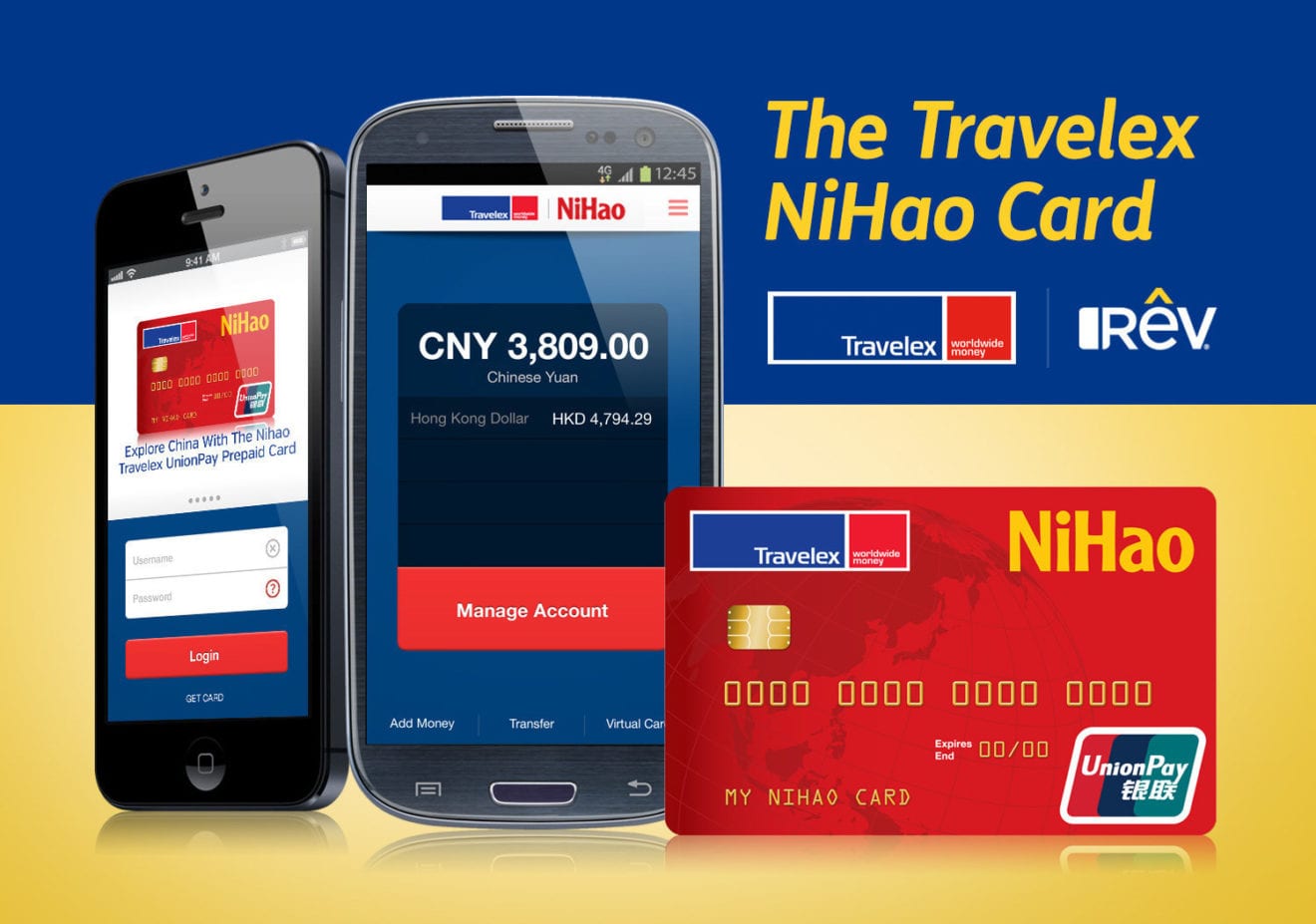
    Rev Worldwide  and foreign exchange specialist Travelex have launched a new prepaid card for Chinese tourists called Travelex NiHao Card.

    The reloadable prepaid travel card will work in association with UnionPay International.

    The Travelex NiHao Card is an instant-issue reloadable UnionPay prepaid product now available over the counter at all Travelex branch locations throughout Hong Kong, and is accepted at over 9.5 million retail merchants, and online, plus over 500,000 ATMs throughout China.

    The Nihao Card launch in Hong Kong marks the first Rev processed UnionPay card.  Rev and UnionPay International previously announced a partnership focused on innovative travel product expansion opportunities.

    “We know from our cash sales that China has always been a key destination for Hong Kong travelers so we’re thrilled to be able to launch this product in time for China’s biggest holiday of the year,” said a Travelex spokesperson.

    There are more than 1000 flights daily to over 180 destinations around the world from Hong Kong, including 45 to China, making it the ideal travel gateway city for international travelers within Asia. Hong Kong sees almost 63.4 million departures to international destinations per year, and 96.5 per cent of those departures are to China, Macau and other nearby Asian destinations.

    Additionally, Hong Kong travellers are some of the biggest spenders in the world, with an estimated US$22.8 billion spent on international travel-related expenses in 2014, making Hong Kong the fourth largest outbound travel market in Asia, according to the World Tourism Organization.

    As the technology partner and processor behind the NiHao Travel Card, Rev brings a proven payments processing platform for delivering innovative travel products around the world. Travelex distributes and markets the product directly to consumers.

    “This is an important development for us, beyond the launch of another innovative travel card, in that we are launching our first product intended for broad usage within China,” said John Mitchell, CEO of Rev Worldwide.

  • Lazada Philippines guns for more mobile footprint

    Lazada Philippines guns for more mobile footprint

    Online shopping mall Lazada is cooking up a revolution. On the 25th of February, a national holiday in the Philippines observed annually to commemorate the anniversary of a popular uprising, it is holding a one-day shopping event exclusive to mobile shoppers.

    Inanc Balci, CEO of Lazada Philippines, believes that the timing is right for the mobile power sale. Mobile traffic, he said, now constitutes more than 50 percent of daily traffic of Lazada.com.ph. The Lazada Mobile App downloads have also grown 18 percent month-on-month on iOS and Android since its launch in early 2014.

    This, he said, is being driven in large part by the increasing adoption of smartphones and mobile Internet in the country.

    “The smartphone penetration is expected to hit 50 percent within 2015, which means tripling the number within the year, increasing 22 percent year-over-year in the last two years,” Balci said.

    The country’s 16.7 million mobile Internet users (in a population of over 100 million) is indeed a huge market and still has huge potential for growth.

    While infrastructure remains a challenge in the country with often slow Internet connectivity, and expensive, limited bandwidth, local telecommunications companies are relentless in providing innovative mobile Internet solutions through mobile Internet bundles and freebies.

    “The mobile Internet access is increasing tremendously in the Philippines. Thanks to telco companies, they are making more investments and more people can access the Internet. The mobile phone manufacturers – the local brands – are also coming up with new products that are making it easier for Filipinos to buy smartphones,” he said.

    The availability of applications and the coming of music streaming services have also made it more appealing for digital consumers to increase their usage of their smartphones.

    “Yes, people are buying smartphones but we want people to use their smartphones as well for various applications and to enable them to live easier lives,” Balci said.

    Up for grabs in the upcoming one-day flash sale include consumer electronics devices, including Apple’s iPhone 6, Cherry Mobile’s Me Vibe, Meizu’s MX4 and a wide assortment of power banks at attractive price points.

    Not surprisingly, Balci said 60 percent of those who shop via mobile are female customers between the ages of 24-35, which is slightly higher than the desktop average but at the same time significantly higher than the regional average. Overall, Lazada customers are between the ages of 18 and 25.

    Fashion, health and beauty, electronics, as well as home and living items are currently the most search and bought items via mobile.

    The Lazada chief disclosed that Lazada mobile also tend to shop during lunch breaks (from 11 a.m. to 1 p.m.) and before they go to bed (from 9 p.m. to 10 p.m. Each mobile app and mobile browser user spends an average of 5 minutes shopping online;

    The holiday could give mobile users a breathing space from the daily grind and more time to shop.

    Mobility and convenience

    By pursuing a sales pitch anchored on mobility and convenience, Lazada is hoping more Filipinos will warm up to the idea of mobile shopping.

    Balci noted that the Philippines has also over a one-million strong workforce in the business process outsourcing industry (BPO), working in shifts in all time-zones across the world.

    “Their time shifts allow them to have more shopping hours. They are tech savvy and has high disposable incomes,” he said, adding that Lazada data shows that there is a sales increase after midnight during the graveyard shift.

    In an interview with Maximilian Bittner, CEO of Lazada Group, last year, he told Enterprise Innovation the challenges in setting up general merchandize destination websites in Southeast Asia, are huge. However, the opportunity is equally big, given the steady rise of mobile phone ownership and growing economies in the region.

    Since the launch of the e-commerce sites in five Southeast Asian countries in 2012 – Indonesia, Thailand, Malaysia, the Philippines and Vietnam – the company has been striving to address the specific needs each market.

    Balci is pursuing the same track in the Philippines with its strong focus on the customer experience.

    “We started investing in mobile early. When we came to the Philippines, we knew that despite mobile penetration being low, it is increasing very high,” Lazada

    One of the important issues on online shopping the company has addressed in the Philippines is the low penetration of credit cards.

    By offering to accept cash on delivery, it has allowed shoppers with no credit cards to shop online. Currently, majority of its customers said in a recent survey that paying for purchases upon delivery is what they like most about shopping on Lazada, followed by option to pay on installment and other flexible payment schemes. It has also thrown in other perks such as extensive warranty commitments and free returns.

    In a price sensitive market, another strategy is providing dedicated deals and discounts on the mobile platform.

    “Everyday, we curate a group of products and we offer them at the lowest prices on mobile in order to give the customer an incentive to use this new way of shopping,” Balci said.

    This is on top of the big deals that the online shopping mall regularly provides customers such as the mobile power sale this week.

    Shopper experience

    “The user experience is very important because it is easy to come up with an app, but if you don’t come up with the right app, then you end up hurting the e-commerce experience because e-commerce, m-commerce or social commerce is a big ecosystem. You need to cover everything by providing the same experience.

    Balci said Lazada works closely with smartphone brands, especially the local manufacturers, in working to enhance the mobile experience for users.

    “Keeping in mind that the purchase rate is higher on the mobile platform, it is very important for us to meet the needs of these customers,” he said.

    With its success in the online retail space, Balci said the company has no plans to venture into offline retail, and prefers to remain a pure-play e-commerce player.

    “We are very focused on online marketing, which we think is the most efficient way of marketing and we want Lazada to be perceived as a purely online shopping mall,” he said.

    Although mobile commerce started slow in the Philippines because of the limited infrastructure and low smartphone adoption, the growth is huge that Balci said the country is poised to be one of the largest e-commerce market in Southeast Asia in two to three years.

  • Microsoft helps Big C to deploy cloud solution at its supermarkets

    Microsoft helps Big C to deploy cloud solution at its supermarkets

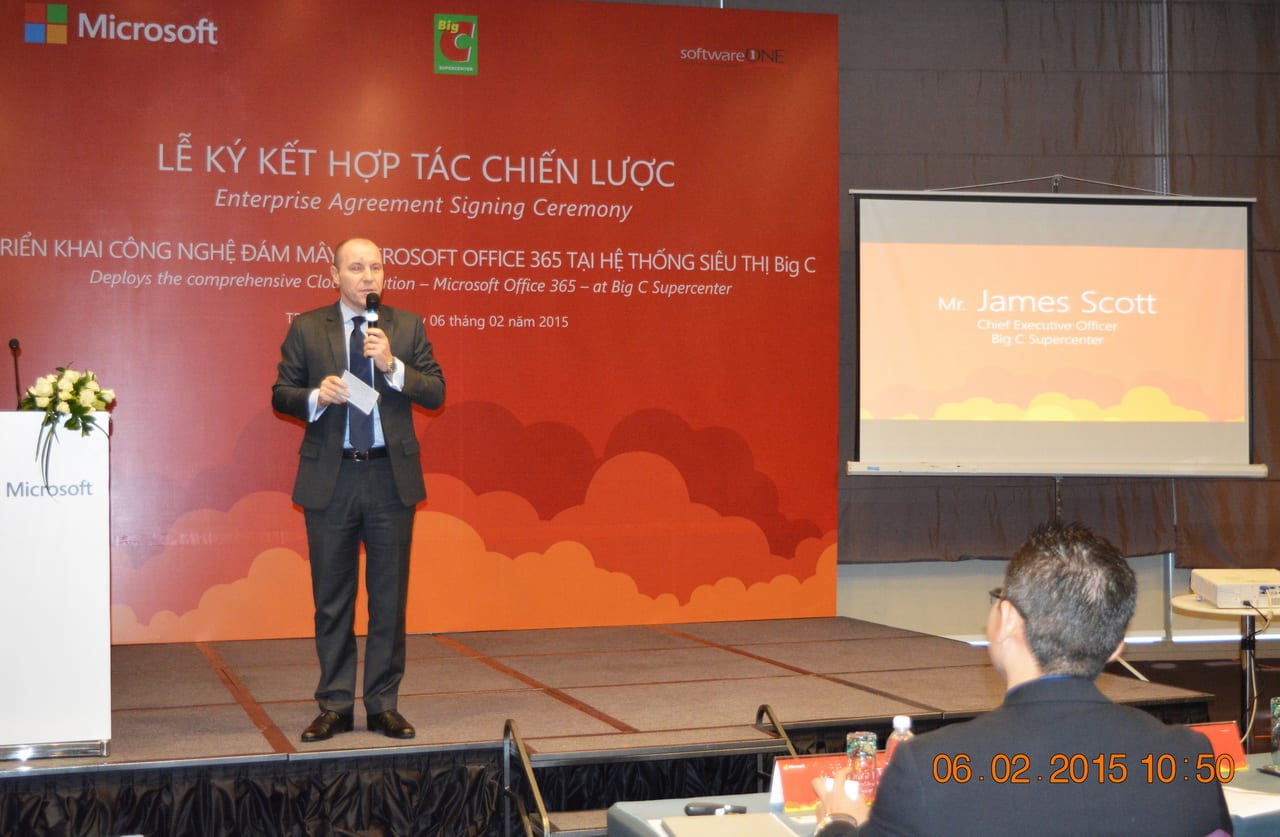
    US technology giant Microsoft Corp signed an enterprise agreement with Big C in Ho Chi Minh City on 6 February to deploy cloud solution “Office 365” in Big C’s supermarket chains.

    The cloud solution is expected to enhance the quality of customer service by optimising operation costs and boosting system capacity, while ensuring safety and security at the same time.

    Starting in Vietnam in 1998, the Big C supermarket chain currently has 30 commercial centres and supermarkets in 20 cities and provinces in the country.

  • Yahoo finds exit path from Alibaba

    Yahoo finds exit path from Alibaba

    US internet company Yahoo will spin off its US$40 billion stake in China’s Alibaba into a separate company.

    Existing Yahoo shareholders will receive shares in the new venture, to be called SpinCo, and will then be free to retain the shares or liquidate them.

    The innovative solution is designed to minimise taxes and return more cash for shareholders. Yahoo bought its Alibaba stake for just $1 billion in 2005 and it now has a book value of $40 billion – effectively most of Yahoo’s own business value of $45 billion. Yet the Chinese online retail player is not part of Yahoo’s core business model. And Yahoo’s CEO Marissa Mayer is trying to refocus the company on its core operations.

    Yahoo has made a massive book profit on the value of its investment in Alibaba which has grown to become China’s largest eCommerce business.

    If it sold the stake outright it would face a massive tax bill, severely denting cash returns to shareholders.

    “We have actively engaged experts in tax efficient structures over the past two years and have considered a variety of alternatives,” Yahoo CFO, Ken Goldman, said in a statement.

    “We remain aligned with our shareholders and our plan is designed to achieve the most advantageous return of capital to Yahoo shareholders with the absolute highest probability of success.”

    Yahoo said separately its profit in the fourth quarter fell 52 per cent from a year ago to $US166 million while revenue was essentially flat at $US1.25 billion.

    “I’m pleased to report that our performance in the fourth quarter and in 2014 continues to show stability in our core business,” said Mayer.

    “Our mobile strategy and focus has transformed Yahoo and yielded significant results.”

    The spinoff will take place in the fourth quarter, and remains subject to regulatory approvals.

  • Now, Kerala tightens tax noose around e-tailers

    Now, Kerala tightens tax noose around e-tailers

    In yet another stand-off between e-commerce companies and state authorities, Kerala’s commercial taxes department has slapped a fine on Flipkart, Jabong, Vector E-commerce Pvt Ltd (which holds a stake in Myntra) and Robemall Apparels Pvt Ltd (which operates zovi.com). The fine, Rs 54 crore (USD8.7 million) overall, has been levied for evasion of sales tax in 2012-13 and 2013-14.

  • Flipkart aims to double sales to USD8b this year

    Flipkart aims to double sales to USD8b this year

    E-commerce major Flipkart has set a target of doubling the gross merchandise value (GMV) of the products sold on its platform to USD8 billion by December this year, against the current USD4 billion, say company sources. The target was decided upon at a recent board meeting of the company, held in Singapore.